
Health
D.C. sees decline in AIDS cases, deaths: report
The number of diagnoses of full-blown AIDS cases in the District of Columbia declined by 33 percent from 2004 to 2008, and the number of city residents dying from AIDS dropped by 30 percent during the same period, according to the city’s 2009 report on HIV/AIDS and other diseases.
But the report also says that the total number of people living with HIV/AIDS in the city increased by 9.2 percent between December 2007 and December 2008, the most recent period for which data is available.
And similar to past findings, the report shows that men who have sex with men, referred to as MSM, account for the leading mode of transmission of HIV, accounting for 37.3 percent of people living with HIV/AIDS. People who contracted the disease through heterosexual contact comprise 27 percent of “living” cases, and people who contracted HIV/AIDS through injection drug use make up 17.4 percent of the cases, says the report.
During a news conference Wednesday where Mayor Adrian Fenty and city health officials released the report, the new data was framed as encouraging and an indication that the city’s aggressive HIV testing and treatment policies are paying off.
Dr. Shannon Hader, director of the D.C. HIV/AIDS Administration, said the increase in newly diagnosed HIV infections, by just over 9 percent, was expected due to the city’s expanded and highly publicized effort to encourage people to get tested.
“This shows work over the past couple of years is paying off,” Fenty said. “Lots of indicators are headed in the right direction.”
D.C. City Council member David Catania, who chairs the Council’s Committee on Health, echoed Fenty’s assessment of the report.
“There is a lot of good news in this report,” he said. “But we continue to labor under the highest rates of HIV in the country.”
Catania and Fenty noted that the good news, among other things, is the city doubled the number of people enrolled in its free HIV/AIDS anti-retroviral drug program, leading to a significant drop in the number of AIDS deaths.
The report’s findings on the breakdown of HIV diagnoses by race and gender show trends similar to those found in the reports for the previous two years:
• among the city’s overall population, 4.6 percent of blacks, 2.1 percent of Latinos, and 1.5 percent of whites are living with HIV/AIDS;
• among the city’s black males, 7.1 percent have HIV/AIDS;
• among people living with HIV/AIDS, 72 percent are men, 75.6 percent are black men, and 71.3 percent are currently over the age of 40;
• men who have sex with men account for 37.3 percent of all living HIV/AIDS cases;
• heterosexual transmission makes up 27 percent of the living cases;
• injection drug use accounts for the mode of transmission in 17.4 percent of the living cases;
• the leading mode of transmission for new HIV/AIDS cases in D.C. is heterosexual contact (30.6 percent), men who have sex with men (29.1 percent), and injection drug users (21.4 percent).






Health
UNAIDS to commemorate Zero Discrimination Day’s 10th anniversary
UN agency urges global action to protect human rights

As the world marks the 10th anniversary of Zero Discrimination Day; UNAIDS is sounding the alarm on the increasing threats to human rights, calling for renewed efforts to protect the rights of all individuals as a fundamental step towards ensuring health for everyone.
Established by UNAIDS a decade ago, Zero Discrimination Day aims to promote equality and fairness regardless of gender, age, sexuality, ethnicity or HIV status. The progress achieved over the past years is now in jeopardy, however, due to rising attacks on the rights of women, LGBTQ people and other marginalized communities.
UNAIDS Executive Director Winnie Byanyima emphasized the critical link between protecting human rights and safeguarding public health.
“The attacks on rights are a threat to freedom and democracy and are harmful to health,” she said in a press release. “Stigma and discrimination obstruct HIV prevention, testing, treatment and care and hold back progress towards ending AIDS by 2030. It is only by protecting everyone’s rights that we can protect everyone’s health.”
Despite challenges, there has been notable progress.
At the onset of the AIDS pandemic more than 40 years ago, two-thirds of countries criminalized consensual same-sex sexual relations. They are now decriminalized in two-thirds of countries. An additional 38 countries around the world have pledged to end HIV-related stigma and discrimination, contributing to positive changes that include 50 million more girls attending school compared to 2015.
To sustain and enhance these advancements; UNAIDS urges global support for women’s rights movements, LGBTQ rights, racial justice, economic justice, climate justice and peace initiatives. By standing with communities advocating for their rights, the U.N. aims to reinforce the collective effort towards a more inclusive and equitable world.
Zero Discrimination Day is observed on March 1.
Events and activities that will take place around the world throughout the month will serve as reminders of the essential lesson and call to action: Protecting everyone’s health is synonymous with protecting everyone’s rights.
“Through upholding rights for all, we will be able to achieve the Sustainable Development Goals and secure a safer, fairer, kinder and happier world — for everyone,” said Byanyima.
Health
New CDC report finds transgender women at higher risk for HIV
More than 1,600 people in seven cities surveyed
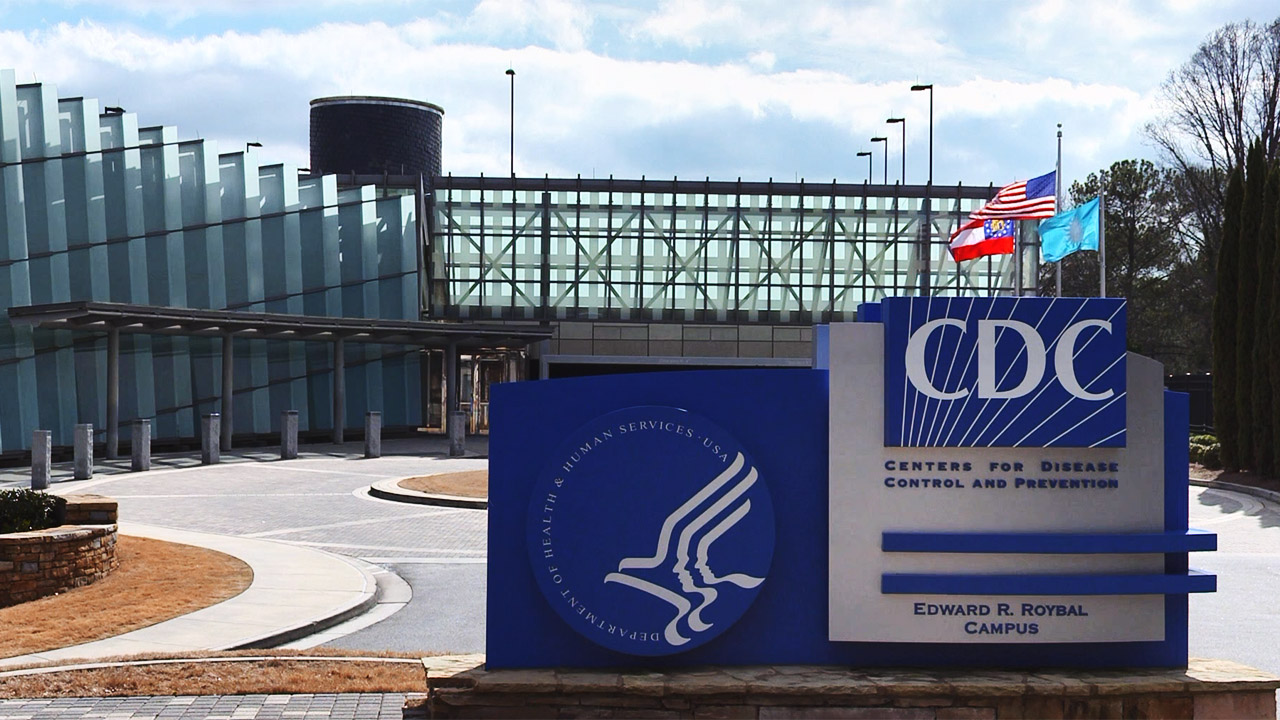
The Centers for Disease Control and Prevention issued a new study report this week that revealed that restricted by employment and housing discrimination and lack of access to needed gender-affirming healthcare for transgender women increasing the risk of contracting HIV.
Researchers reviewed data from a 2019-2020 survey, the National HIV Behavioral Surveillance Among Transgender Women, which found that the demographics of HIV/AIDS have been disproportionally high, especially among Black and Latina trans women, who had experienced employment and housing discrimination coupled with lack of access to gender-affirming healthcare.
The Jan. 25 Morbidity and Mortality Weekly Report was based on data studies of more than 1,600 trans women in seven major urban locales. Participants from Atlanta, Los Angeles, New Orleans, New York, Philadelphia, San Francisco and Seattle were chosen by referrals from people and community-based organizations who knew or were part of the local population of trans women.
The study’s researchers noted: “Employment discrimination occurs at the overlapping nexus of poverty, homelessness, incarceration, health insurance, disability, food insecurity and survival sex work. These issues are interconnected.”
The study stated that trans women’s inability to access quality healthcare, including gender-affirming treatment or access to PrEP, and can expose them to potential incarceration as many turn to “survival sex work” and violence, which increases the risk of contracting HIV.
The study’s author’s pointed out: “When economically marginalized transgender women are refused employment, this refusal cyclically contributes to economic hardships. This analysis …demonstrates the importance of transgender women working and living with dignity and without fear of unfair treatment.”
Health
A Whole New Perspective on Well-Being
The Mather’s team recognizes that everyone’s wellness journey is completely unique to their life experiences and influences.

It’s easy to spot the distinctive, elegant silhouette of The Mather, a Life Plan Community for those 62+ opening this spring in Tysons, Virginia. What is not apparent to the naked eye is The Mather’s unique wellness philosophy, which is literally built into the community.
The Mather’s team recognizes that everyone’s wellness journey is completely unique to their life experiences and influences.
Nature is one of the important factors that contribute to well-being. So The Mather is incorporating biophilic design—a design approach to facilitate access to nature or things that replicate natural patterns. This can include interior spaces with sightlines to a garden, choosing natural wood and stone as interior materials, or incorporating fragrant flowers and plants indoors to spark memories and provide tactile opportunities such as gardening.

“Providing biophilic design within interior settings connects residents to the natural world,” says Mary Leary, CEO and President of Mather, the organization behind The Mather. “Research shows that a connection to nature provides positive benefits to mental states and overall well-being. At The Mather, biophilic design is the intersection of buildings and programs with nature in an urban setting.”
“The Mather is attracting a diverse group of older adults,” says Mary. “As a result, we aim to incorporate wellness practices from around the world, including Wyda movement theory of the Celtic Druids, which helps people achieve harmony with nature and contentment through mindfulness.” This holistic regenerative approach is similar to Qi Gong and yoga, while born in a different part of the world. Mather Institute has a special focus on mindfulness to support older adults’ practice of present moment awareness, which can lead to increased overall well-being, compassion, and joy.
A very different example of a wellness offering at The Mather is the Gharieni Welnamis spa wave bed, which uses computer-controlled vibrational therapy and audio frequencies to train the brain to relax. “The bed increases mindfulness, concentration, and creativity—all of which support our mission of creating Ways to Age Well,SM” says Mary.
These and other personalized ways to wellness will ensure that residents of The Mather can choose from seemingly countless ways to focus on their well-being. In other words, the sky’s the limit!

Walking the pathway to national cannabis legalization

The Rare Book Fair is coming to D.C.

Montgomery County police chief discusses arrest of trans student charged with planned school shooting

Calendar: April 19-25

Lambda Legal praises Biden-Harris administration’s finalized Title IX regulations

Congolese lawmaker introduces anti-homosexuality bill

Reenactment of first gay rights picket at White House draws interest of tourists

Out in the World: LGBTQ news from Europe and Asia

Ariz. governor vetoes anti-transgender, Ten Commandments bill

New D.C. LGBTQ+ bar Crush set to open April 19
-
 Africa5 days ago
Congolese lawmaker introduces anti-homosexuality bill
-
 District of Columbia1 day ago
Reenactment of first gay rights picket at White House draws interest of tourists
-
 World5 days ago
Out in the World: LGBTQ news from Europe and Asia
-
 Arizona2 days ago
Ariz. governor vetoes anti-transgender, Ten Commandments bill