Arts & Entertainment
Encountering Judy
Gay memoirist recalls pivotal path crossing with legendary singer

 Elliot Teichberg was 8 when he first saw Judy Garland.
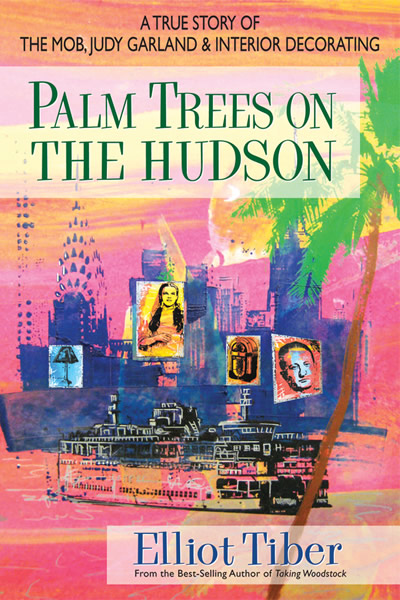
Now known as Elliot Tiber, he recalls the life-altering events that led to it. He describes them as both the best and worst of times in his new book, “Palm Trees on the Hudson: a True Story of the Mob, Judy Garland and Interior Decorating,” another memoir from the gay author present at such pivotal culture-defining moments as Woodstock and Stonewall.
Garland was singing to him that first time, and he wished he could join her in Oz. He was “spellbound” by her voice and by the “longing and hope she expressed.” He never forgot that afternoon.
Movies were always important to young Elliot while he was growing up in Brooklyn. They were equally important to his mother, who took the free dishes the theater handed out and resold them at her store.
To say that Mrs. Teichberg was thrifty is to make an understatement. Born in Russia and nearly killed while fleeing Cossack soldiers, she spent her life focused on money. While that bought the American Dream, it didn’t endear her to her only son.
It didn’t help that she repeatedly told Elliot that he was “worthless.”
As soon as he could escape his family, Elliot did. With meager possessions and big dreams, he left home via subway to Manhattan, changed his surname to Tiber and rented a filthy “artist studio” in the Village. There, he hoped to find love, acceptance as a gay man and a career as an artist.
But painting wasn’t Tiber’s only talent; he had an aptitude for display and quickly found work as a window dresser. A natural networker, he maneuvered his way into better jobs with richer clients, opened his own interior decorating business and branched out into party planning.
It was at one of those parties – lavish, opulent, over-the-top and planned for a club-owning, gay-hating Mobster who just happened to know Judy — that Tiber had his best/worst situation…
“Palm Trees on the Hudson” is kind of a hidden gem. It will probably never end up on a fancy display. You’ll never find it on the bestseller list, but you’ll enjoy it as much as if it was.
A prequel to a prior memoir, this book starts with author Elliot Tiber’s childhood and meanders forth to a highlight that’s funnier now than I’m sure it was 40-odd years ago. Tiber, who once dabbled in stand-up comedy, tells a good story and his recollections of Manhattan society and being gay in the 1960s are priceless.
“Palm Trees on the Hudson” may be a bit of a challenge to find, but it’s very much worth the look.




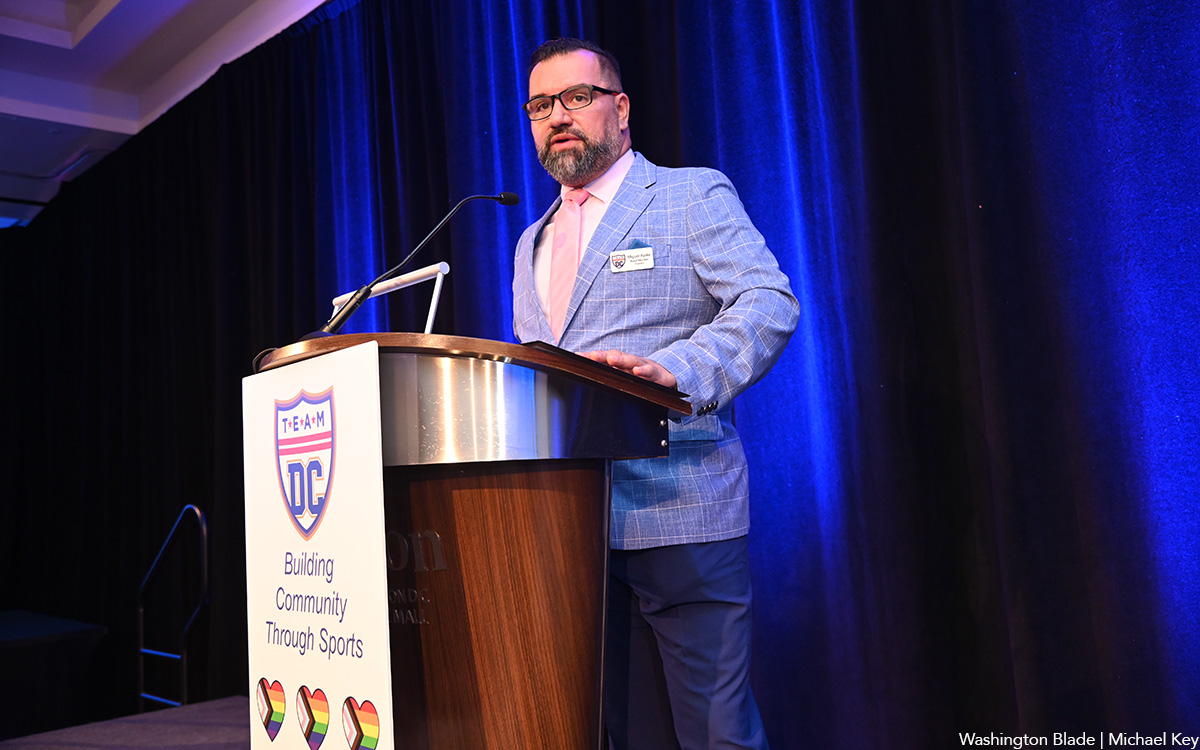
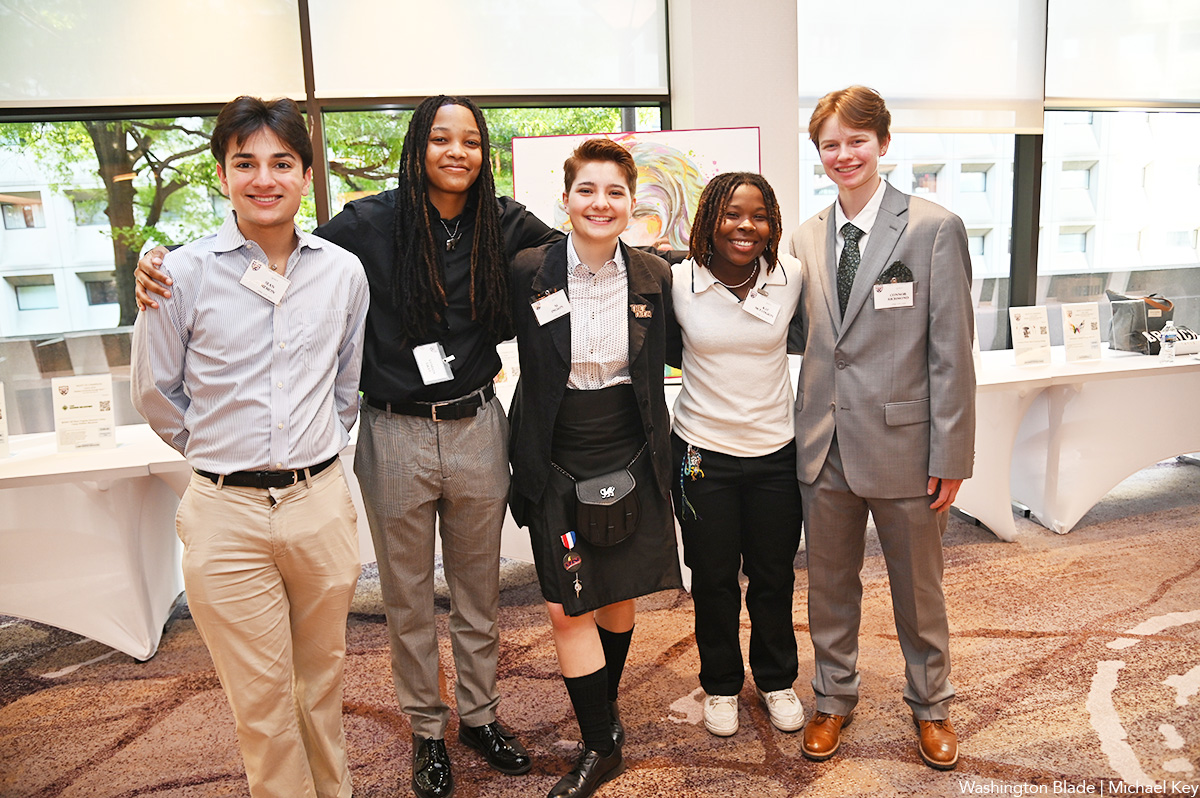
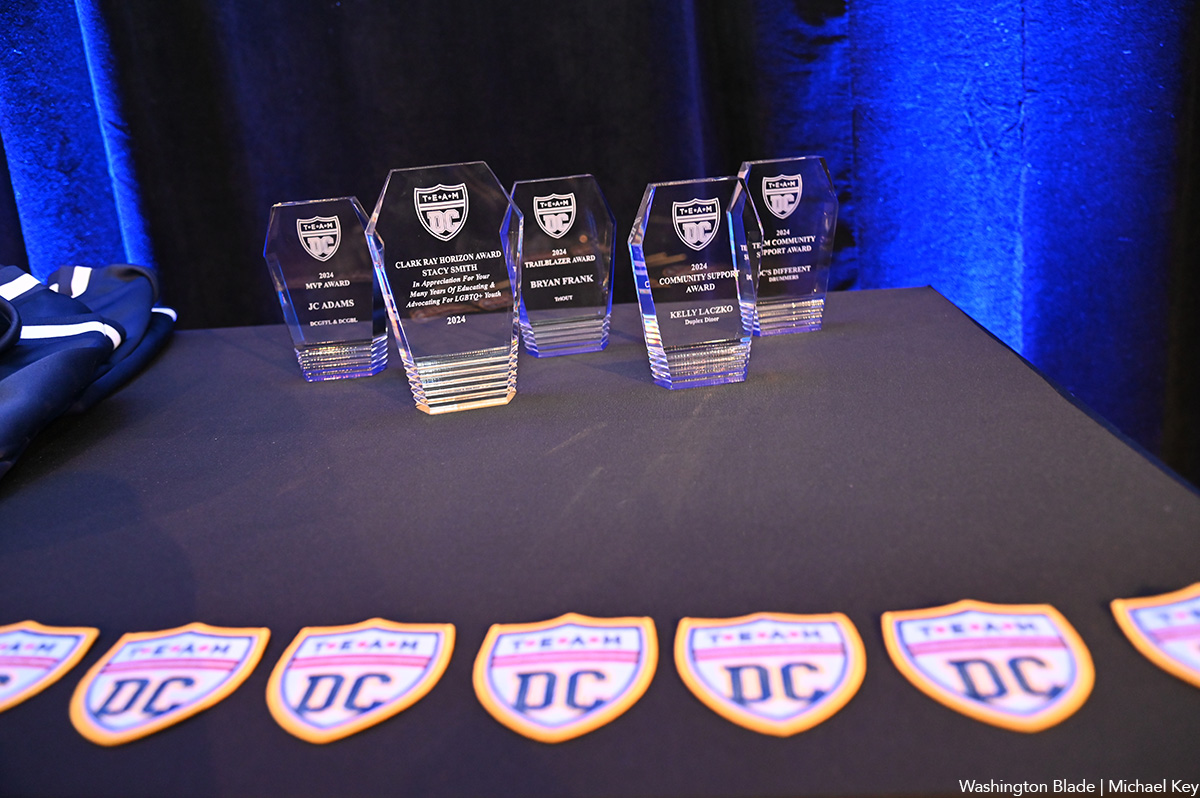
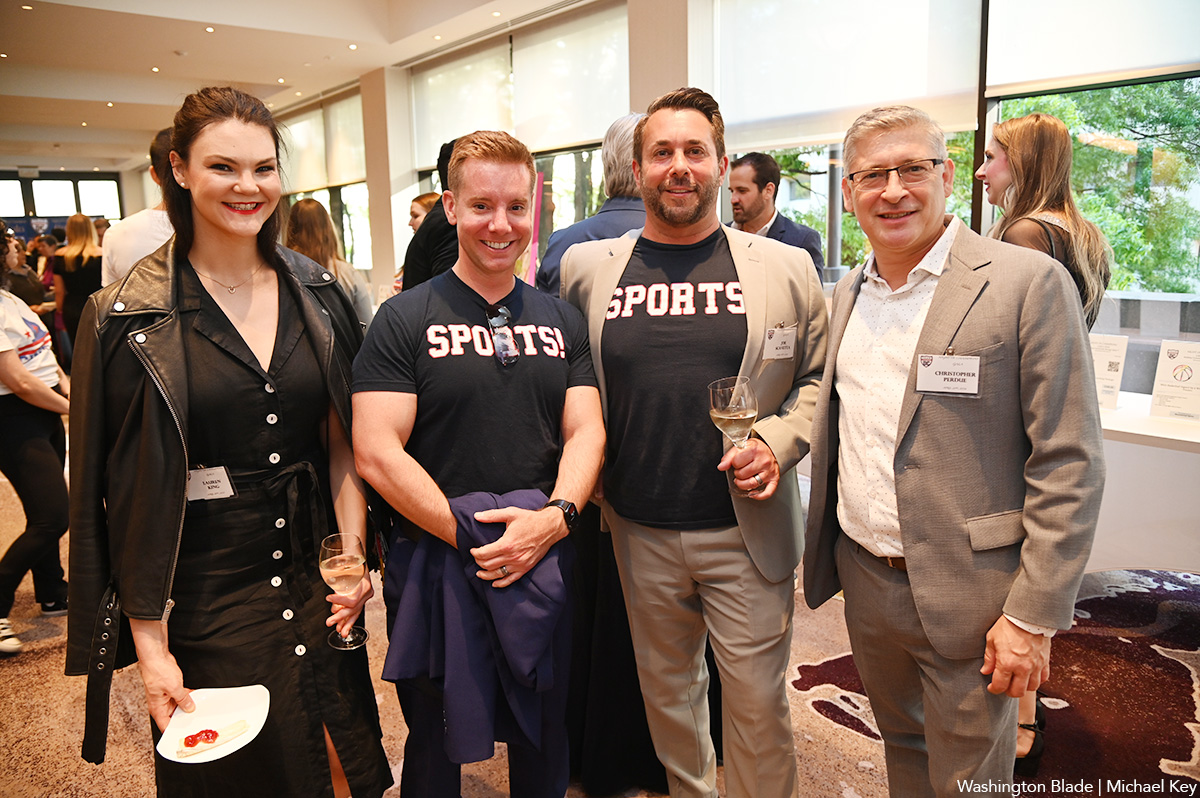
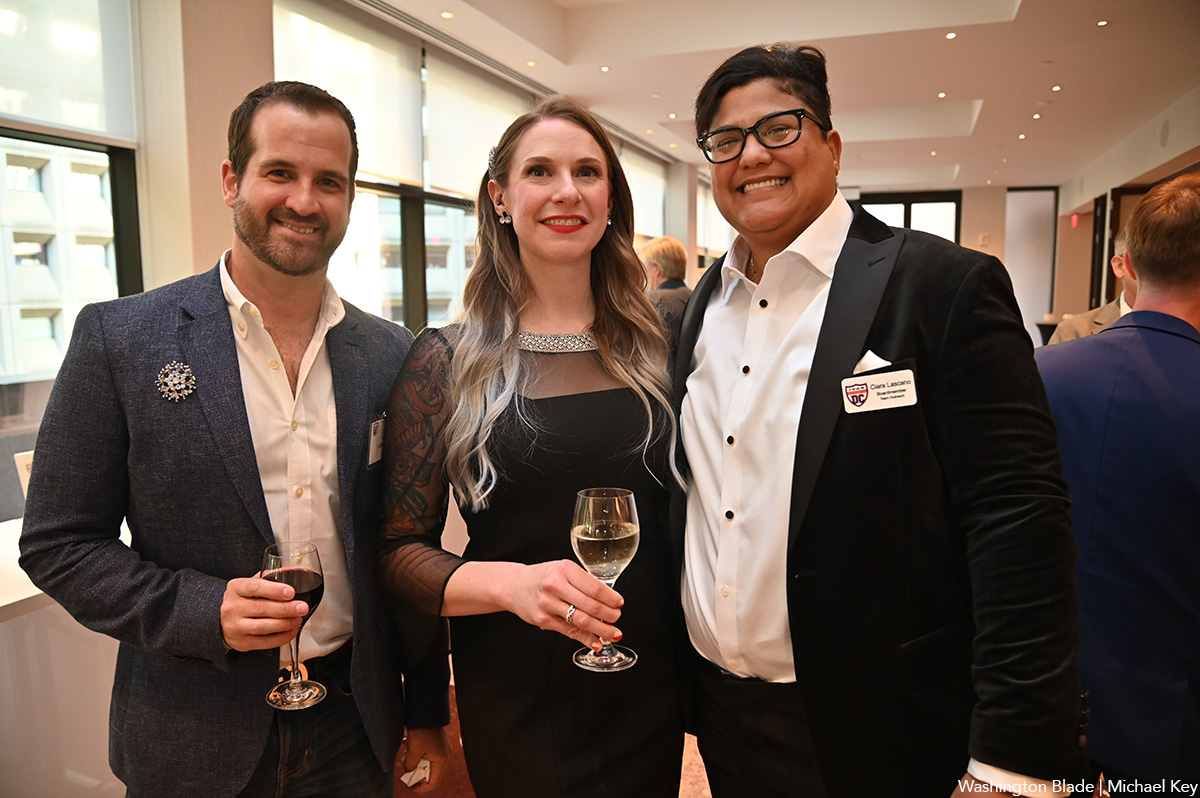
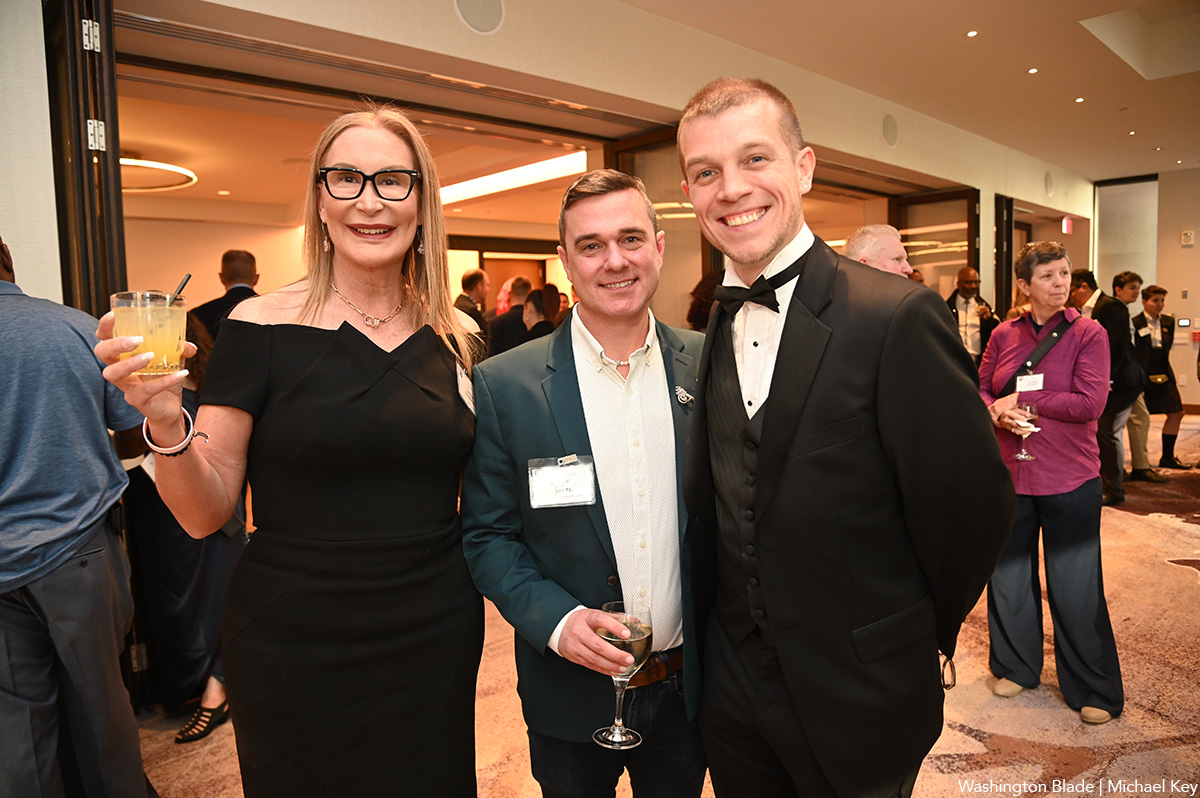
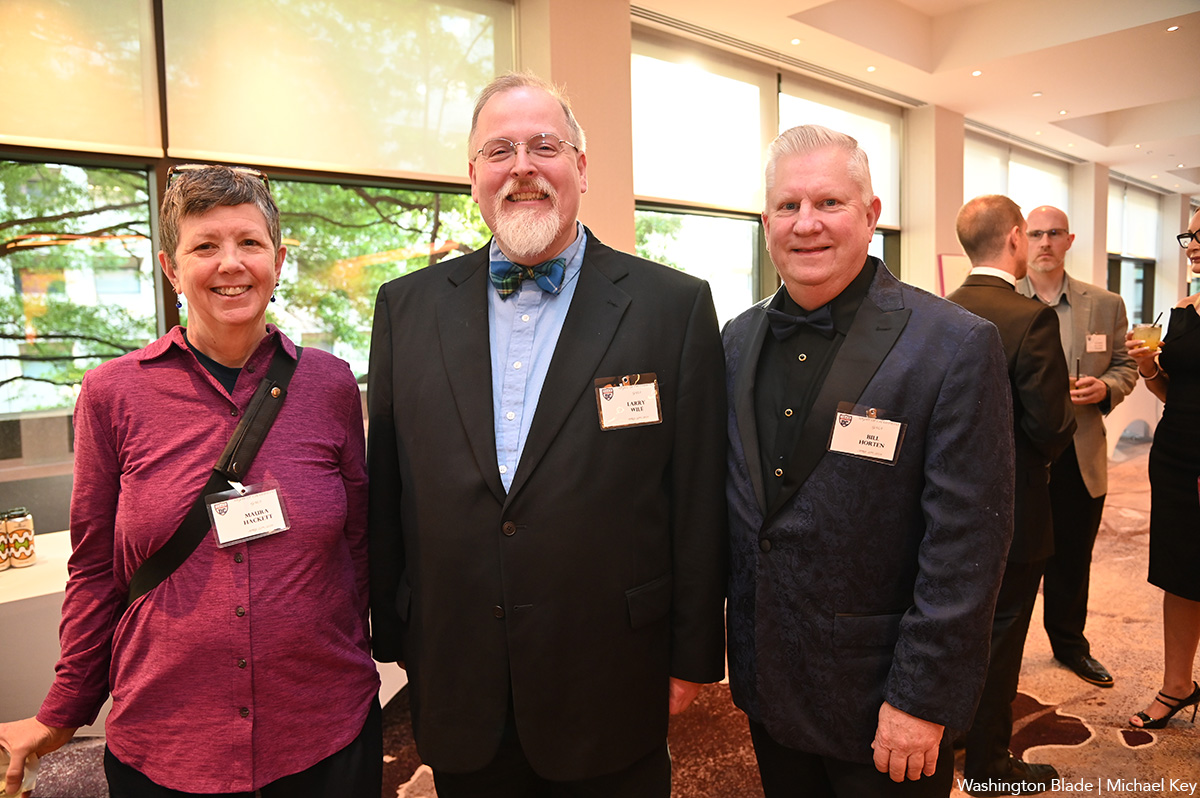
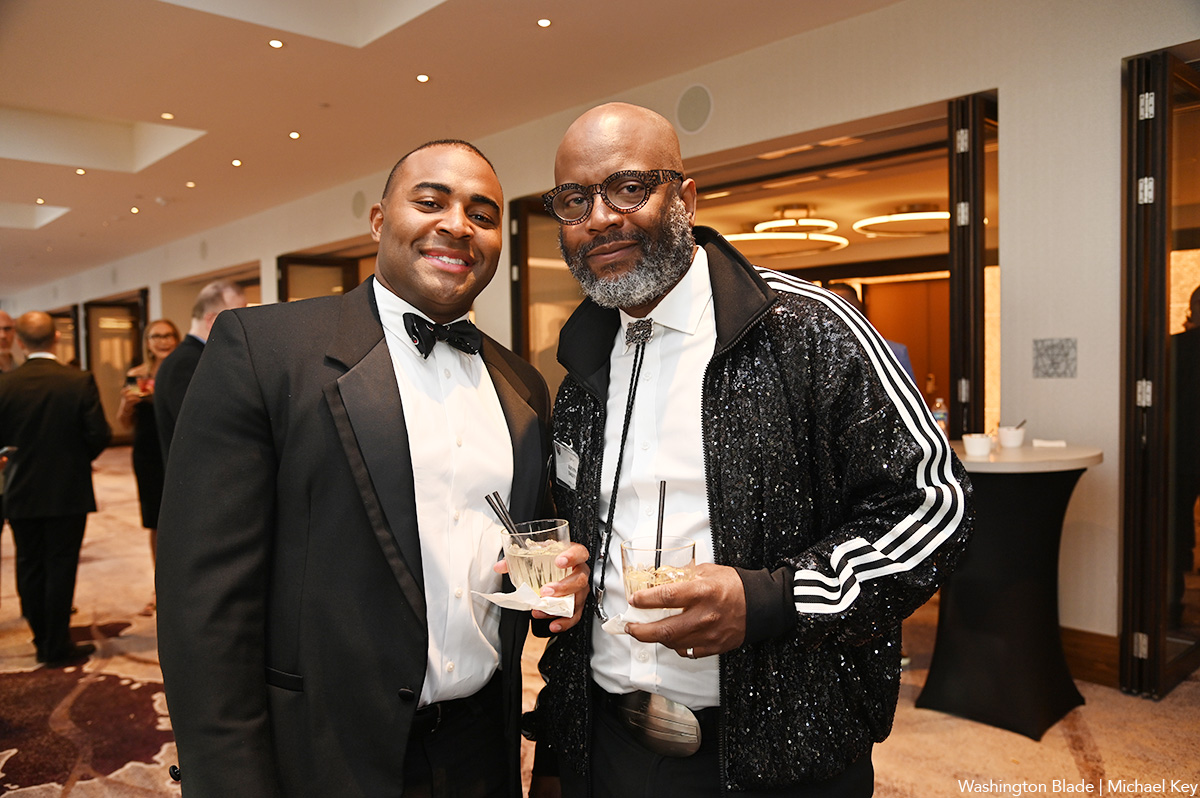
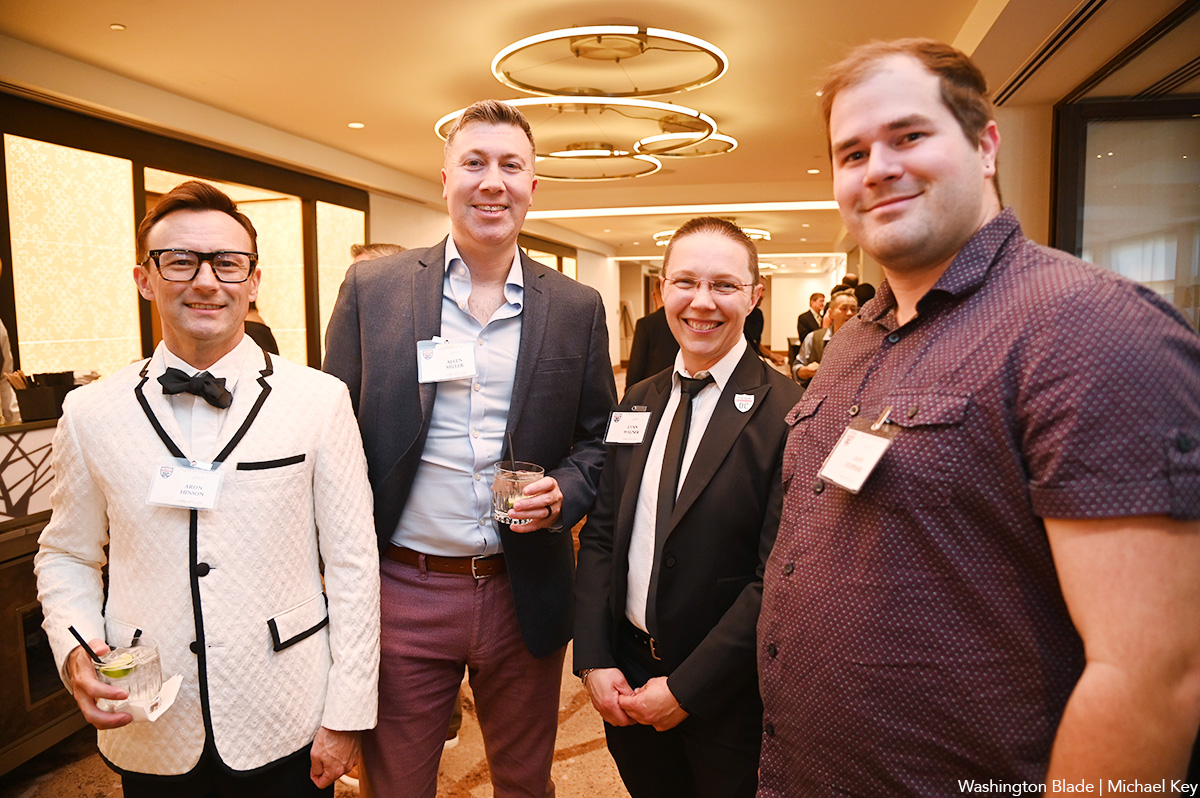
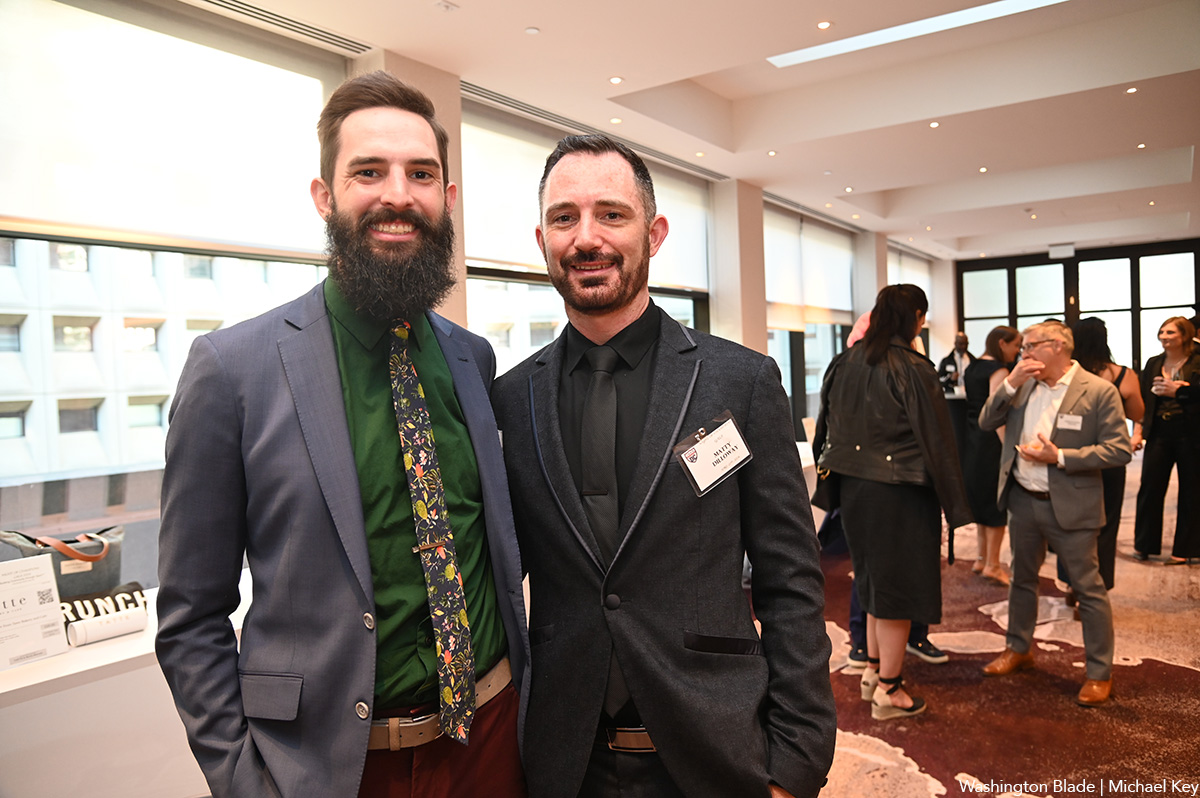
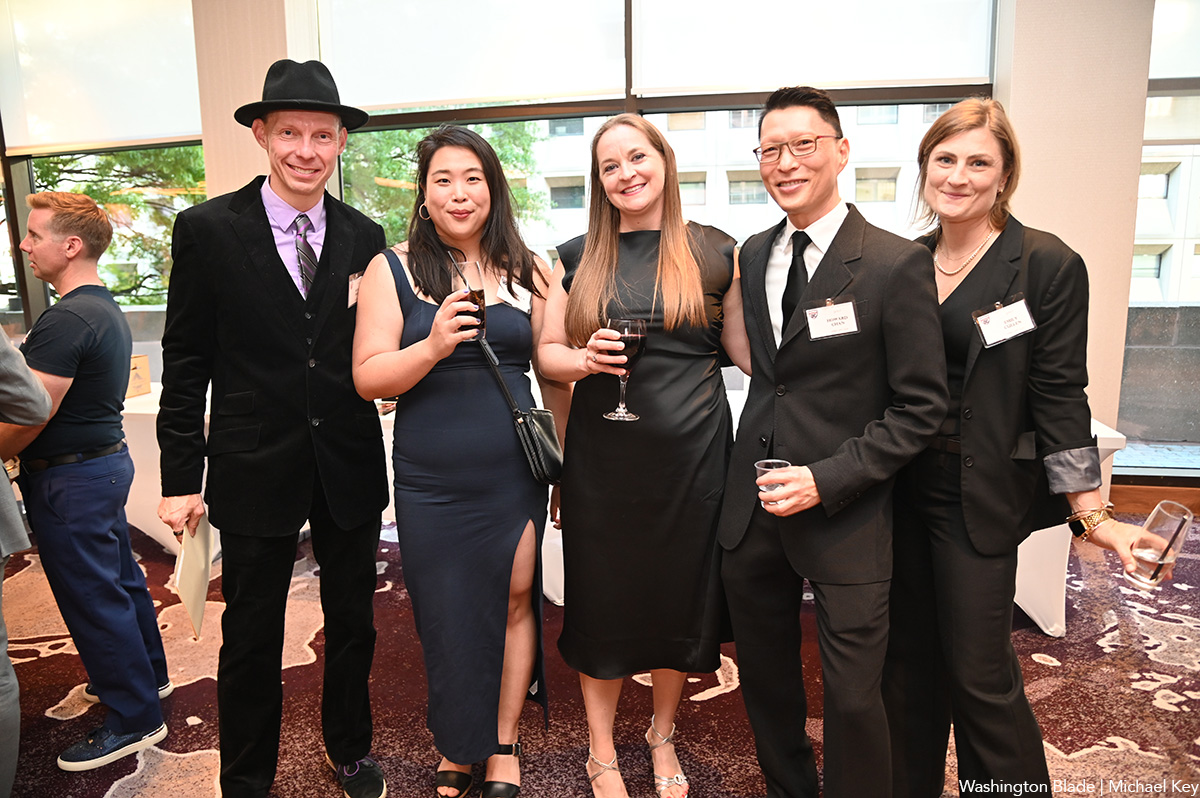
Team DC, the umbrella organization for LGBTQ-friendly sports teams and leagues in the D.C. area, held its annual Night of Champions Awards Gala on Saturday, April 20 at the Hilton National Mall. The organization gave out scholarships to area LGBTQ student athletes as well as awards to the Different Drummers, Kelly Laczko of Duplex Diner, Stacy Smith of the Edmund Burke School, Bryan Frank of Triout, JC Adams of DCG Basketball and the DC Gay Flag Football League.
(Washington Blade photos by Michael Key)

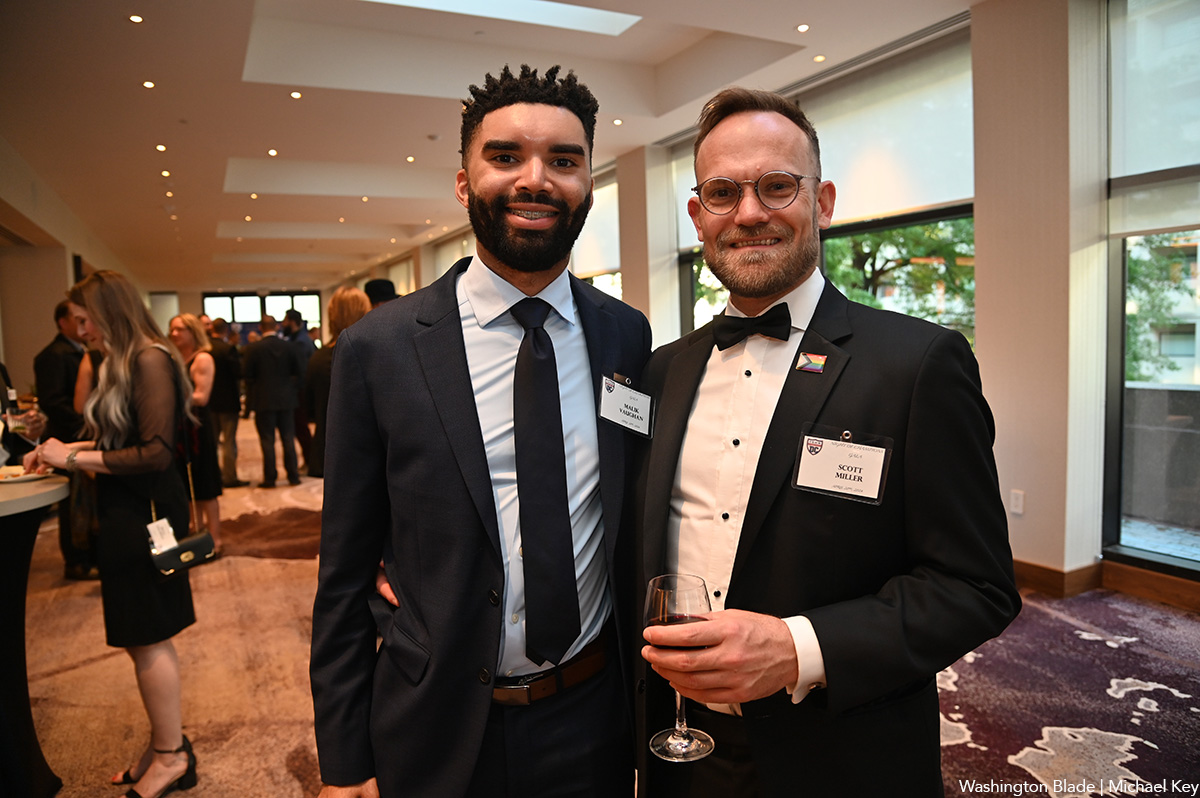
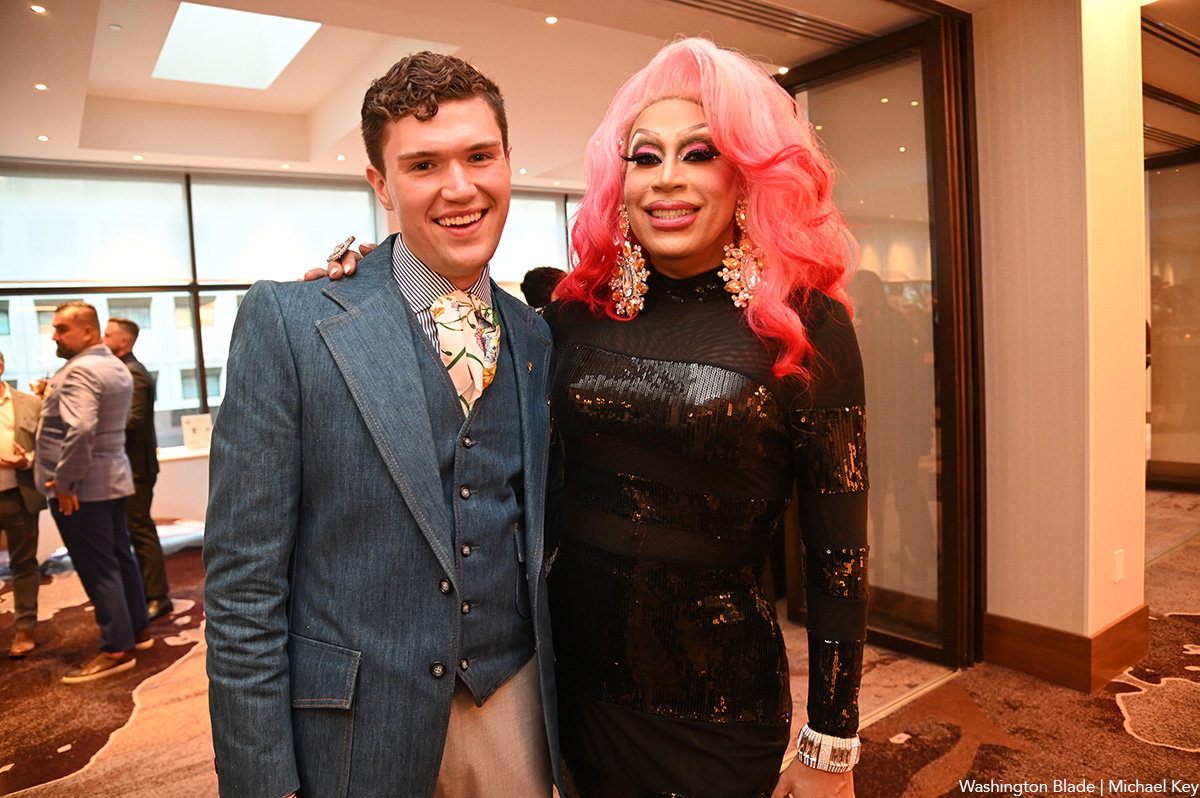
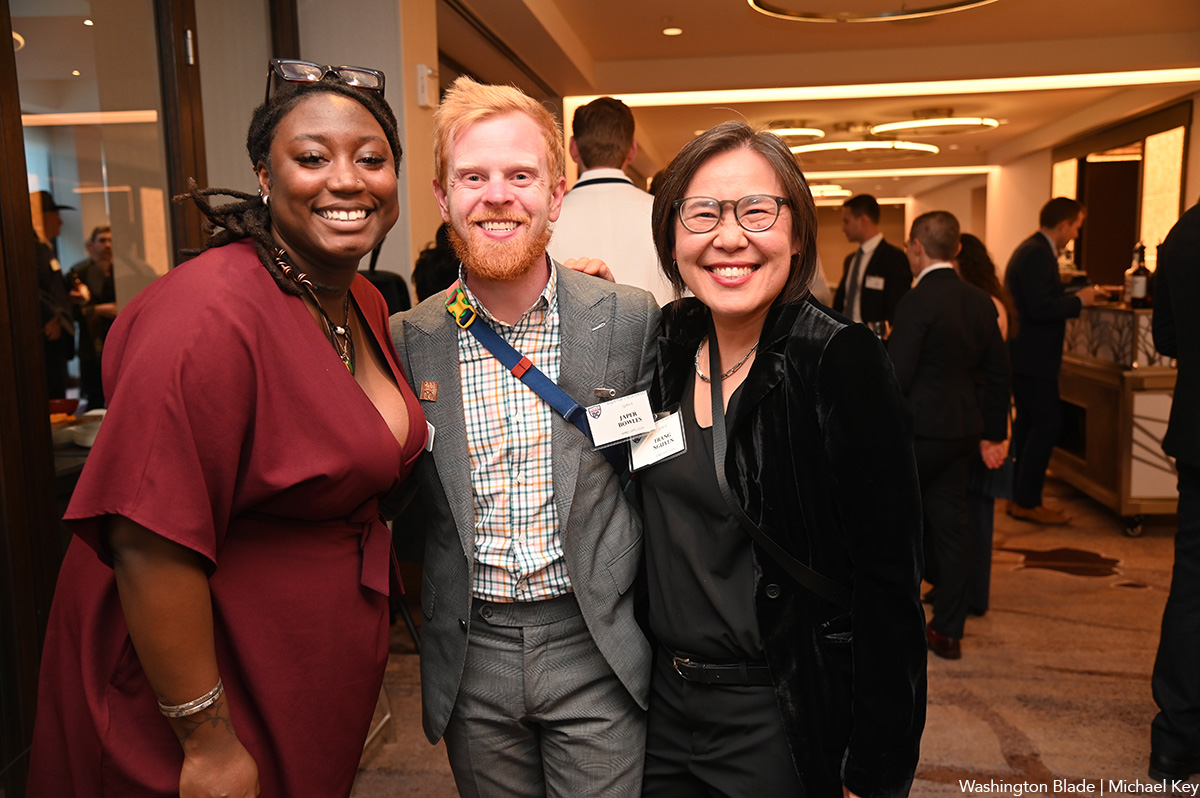
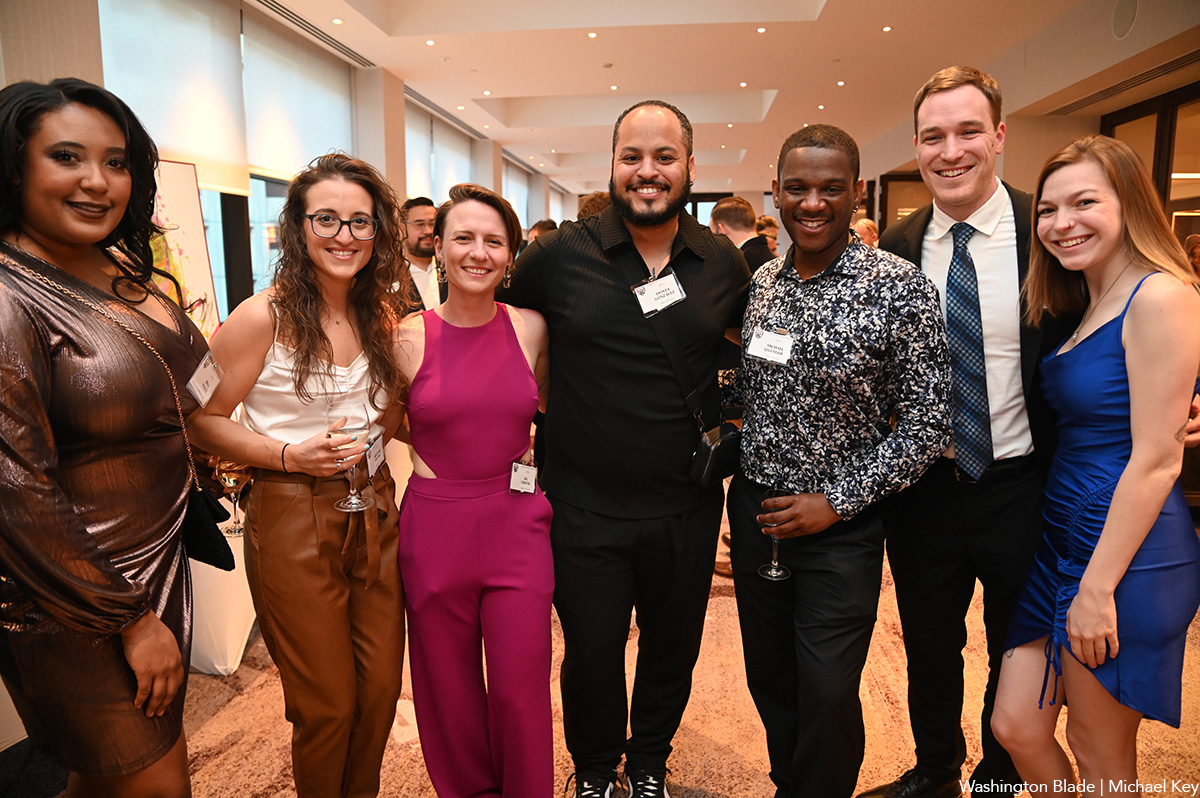
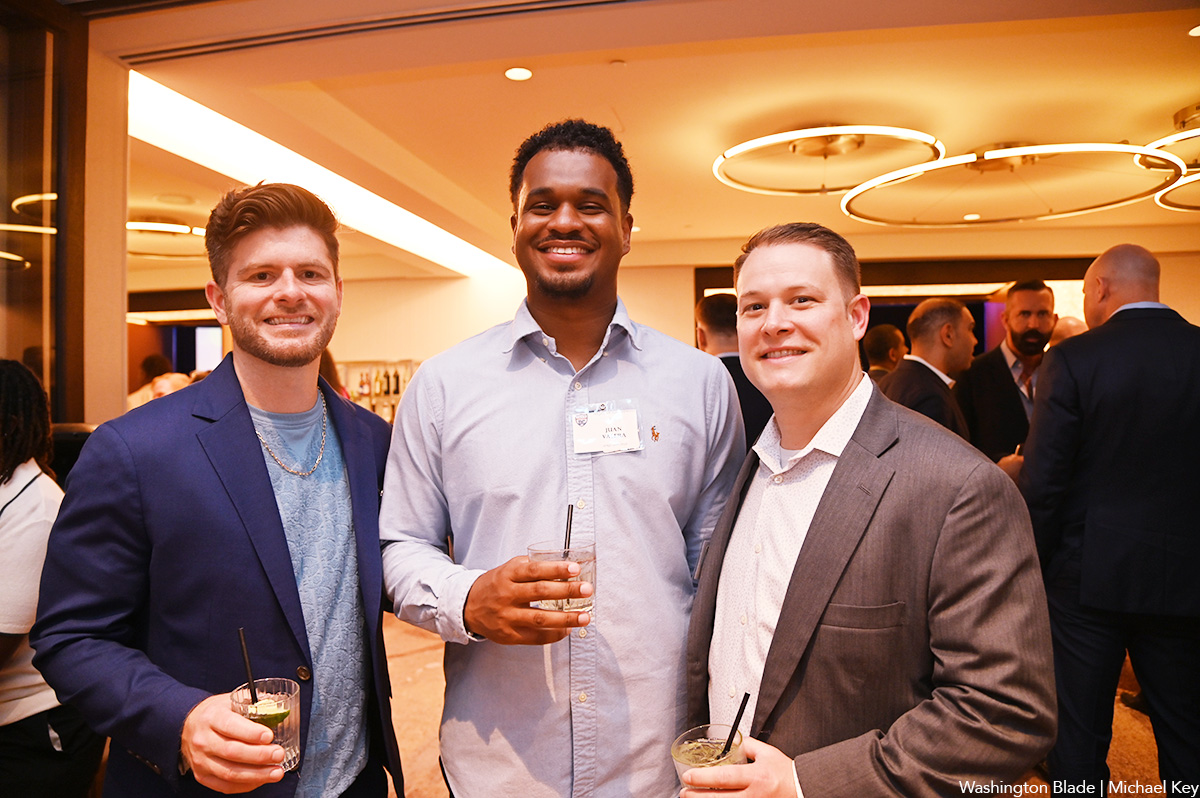
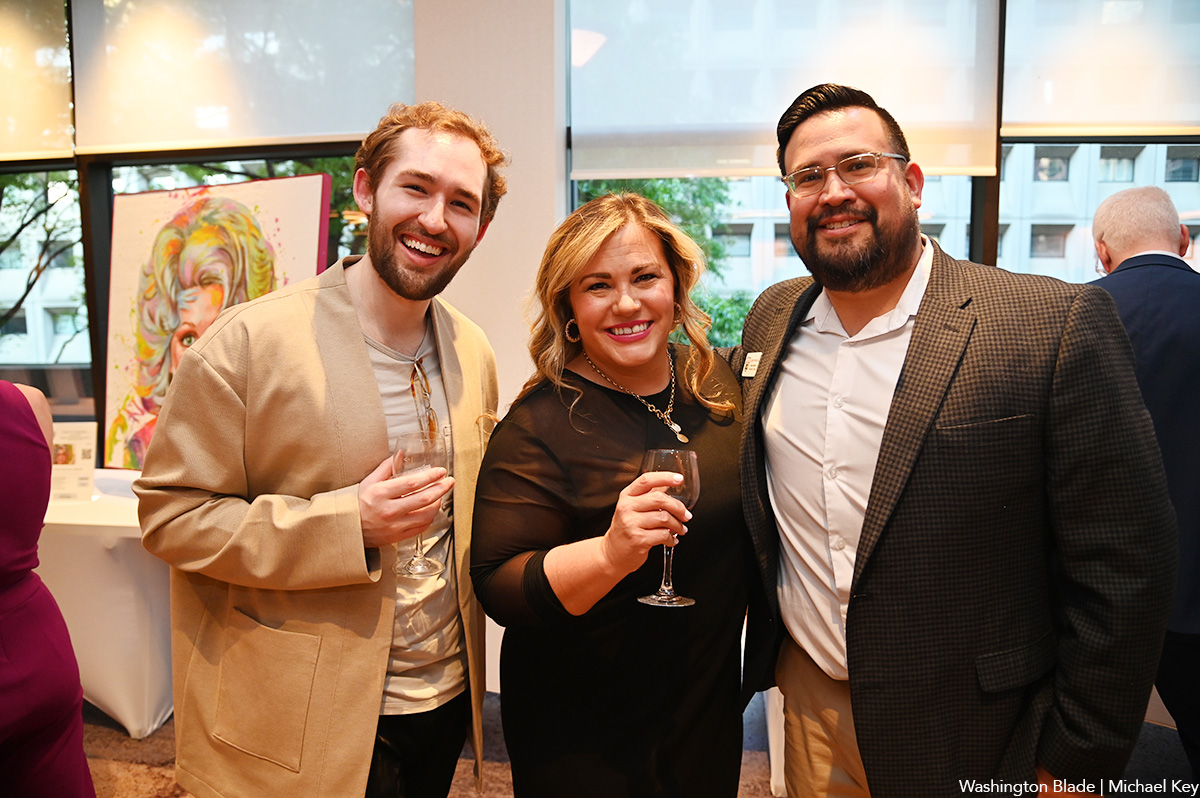
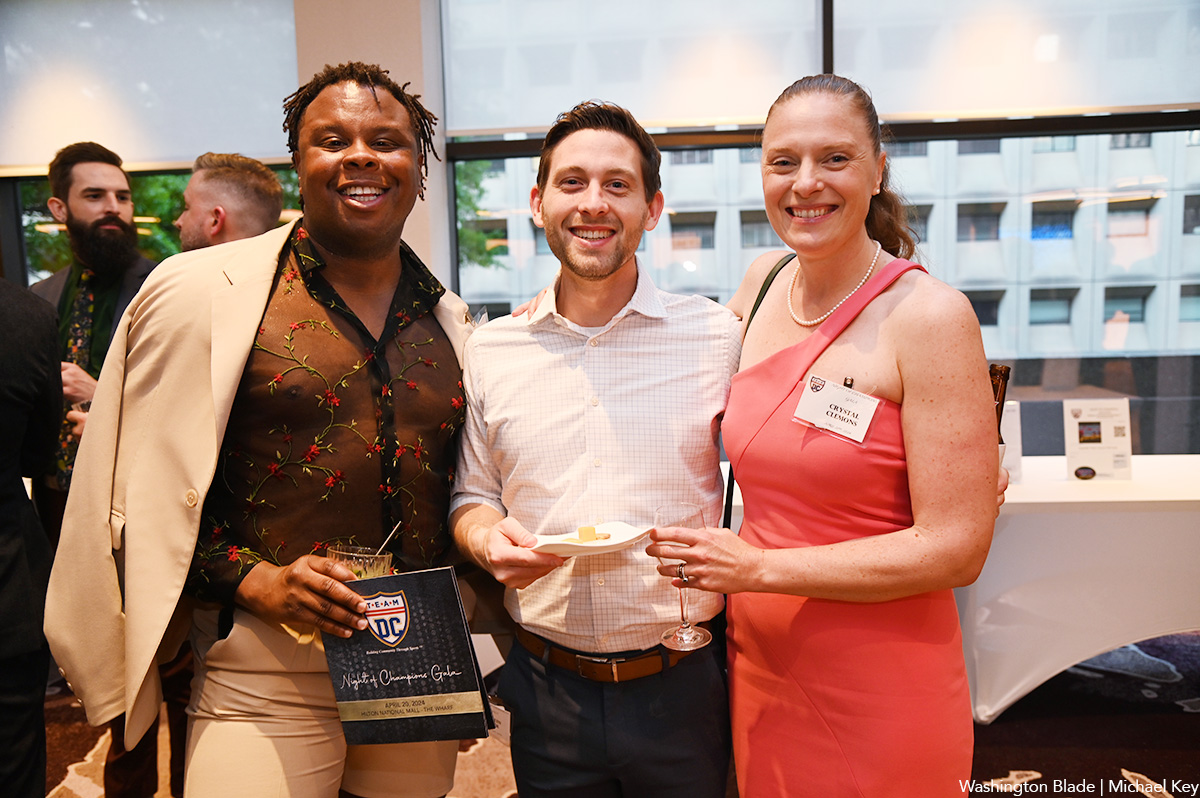
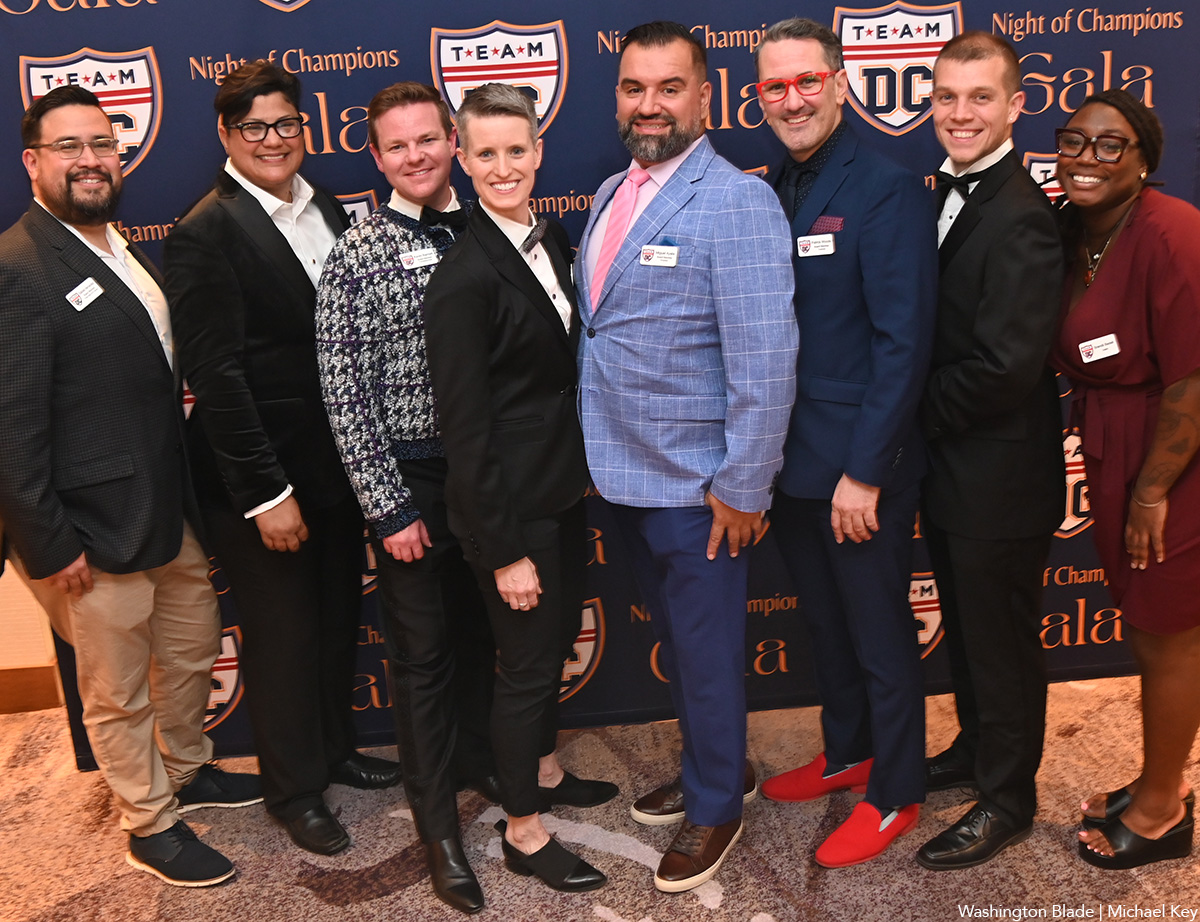

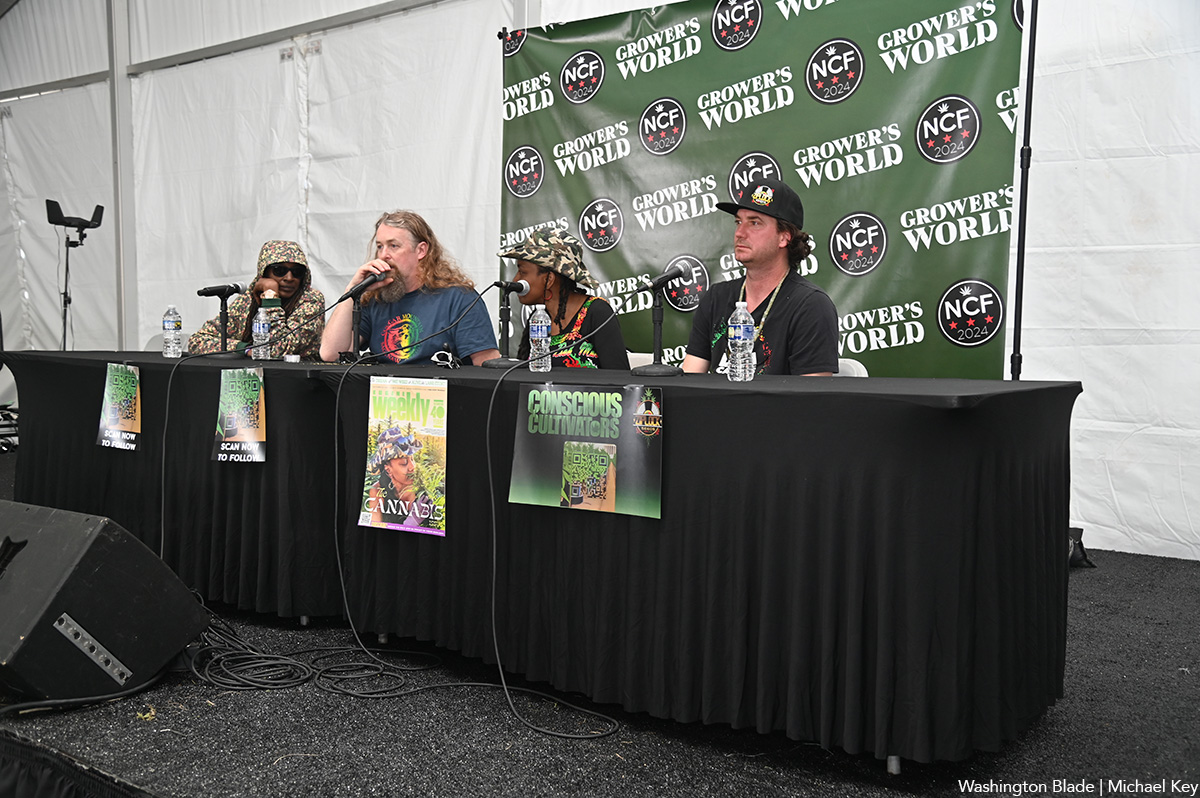
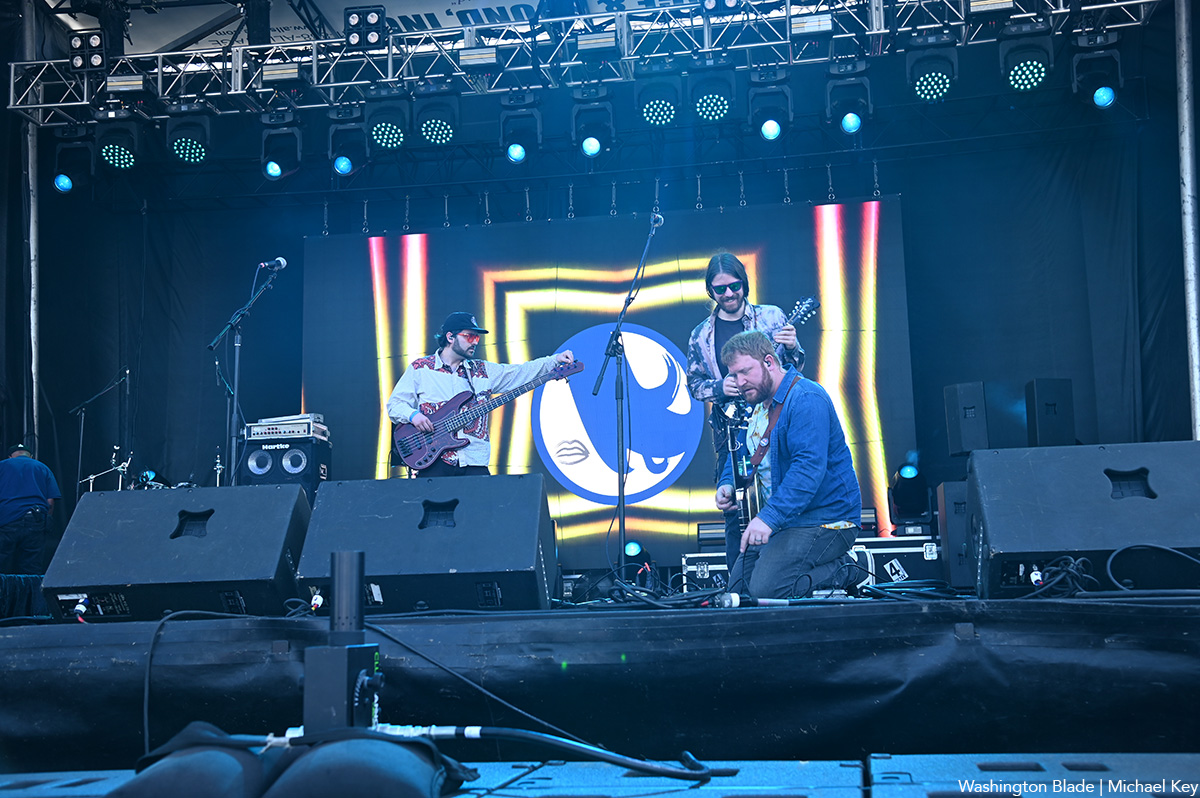
The 2024 National Cannabis Festival was held at the Fields at RFK Stadium on April 19-20.
(Washington Blade photos by Michael Key)
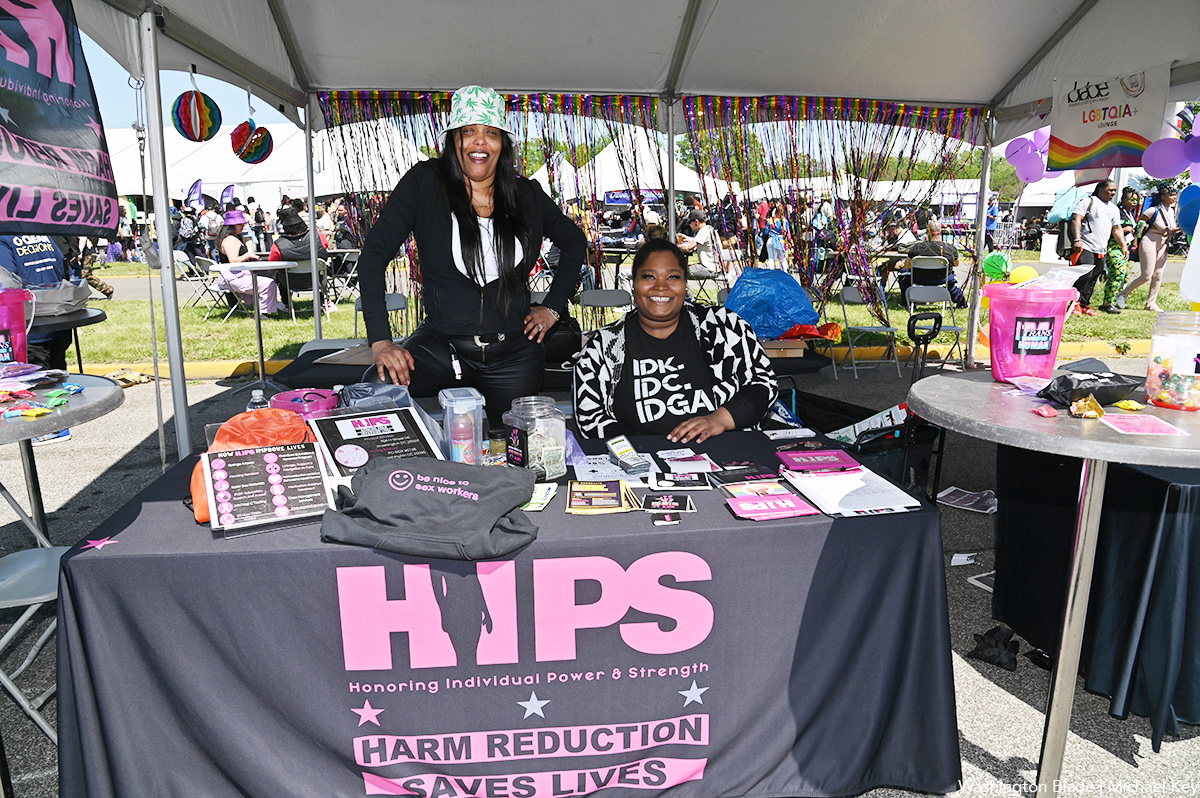
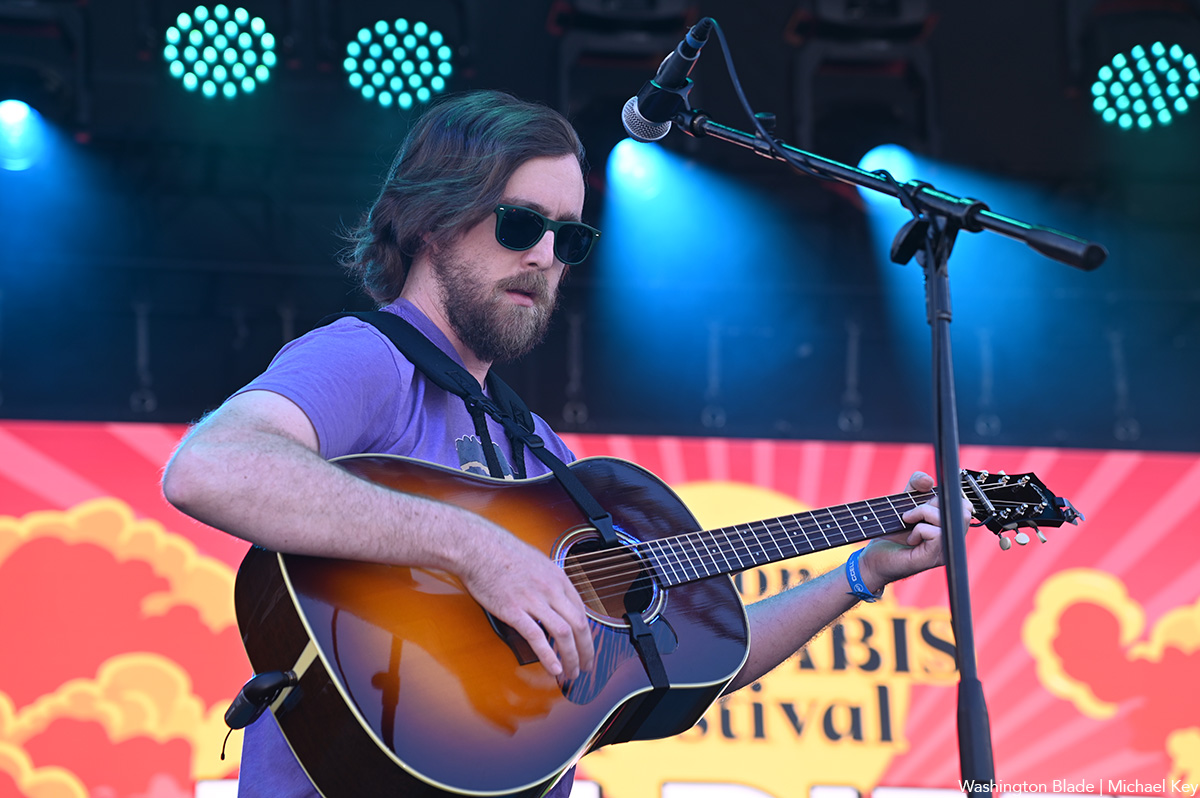
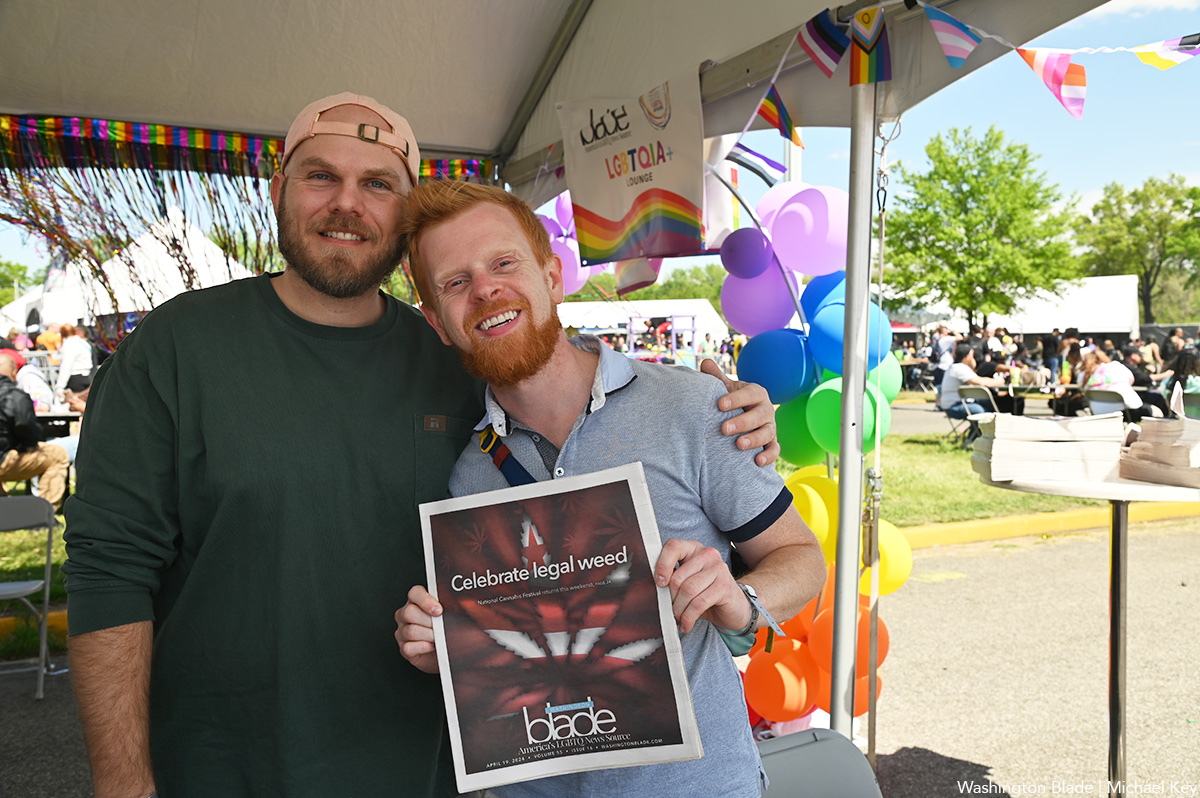



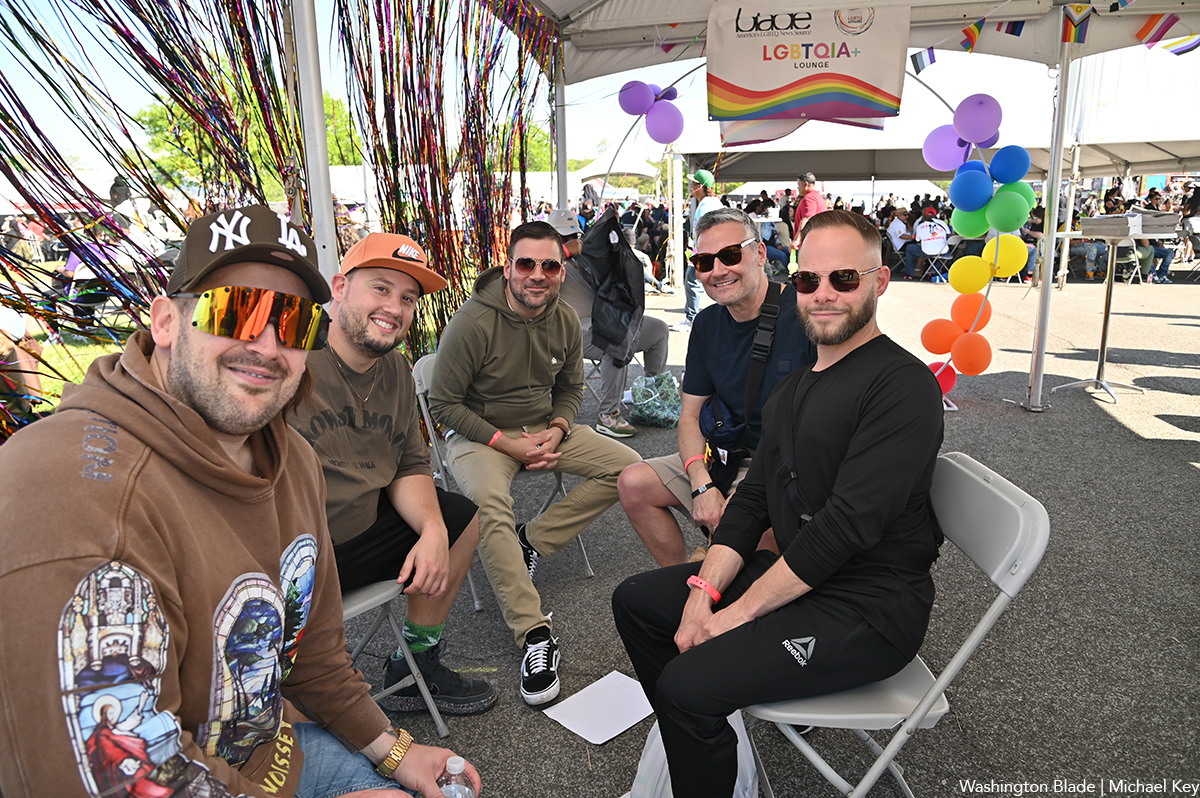

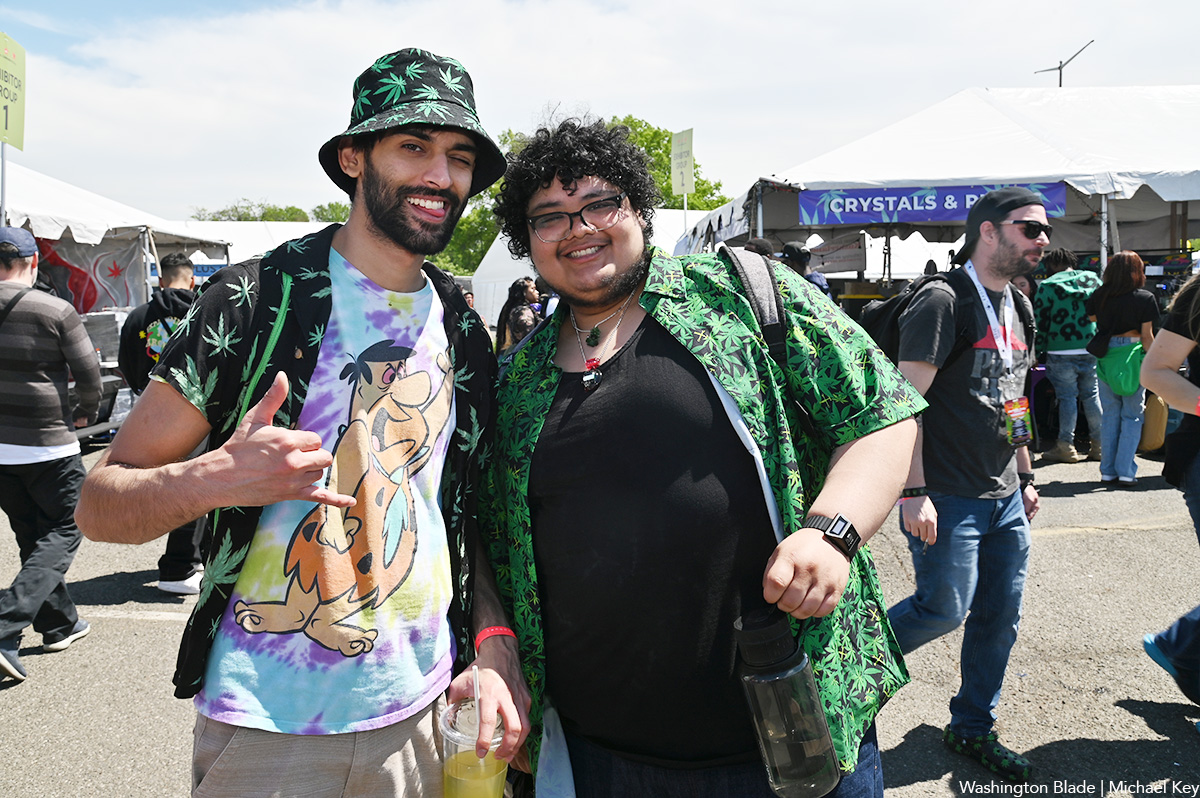

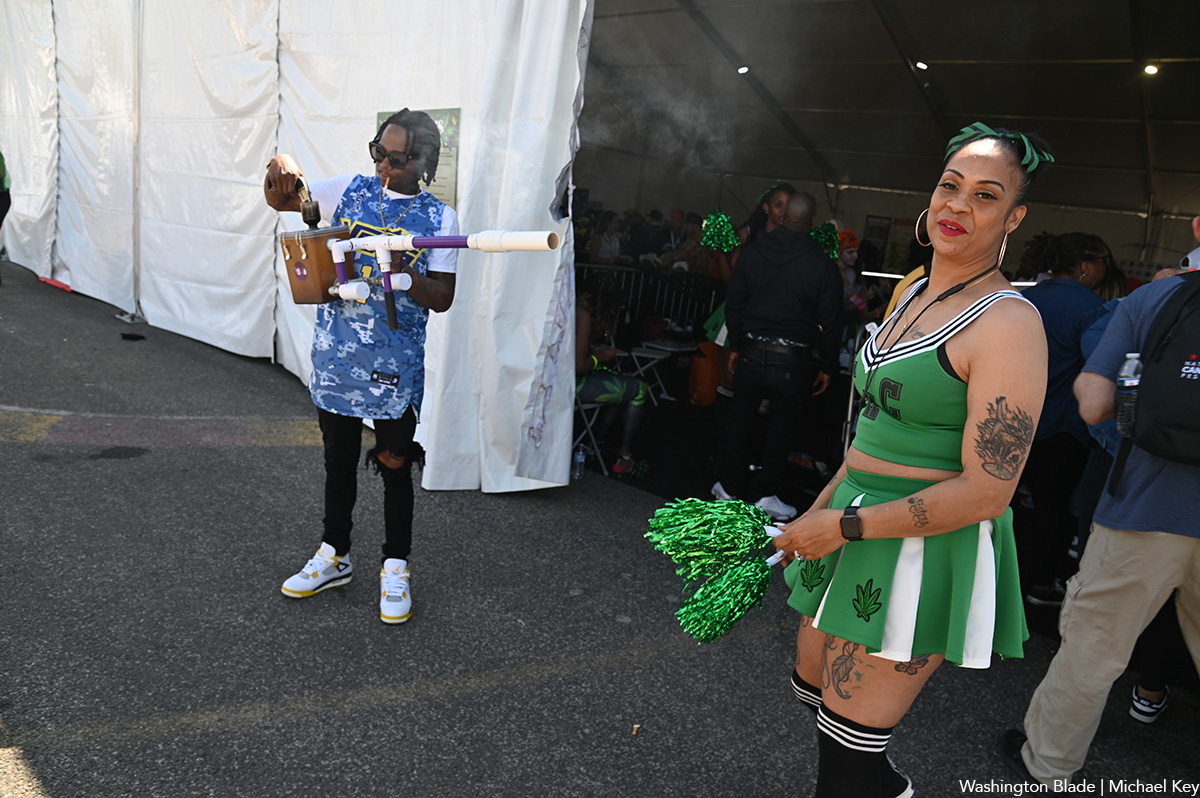

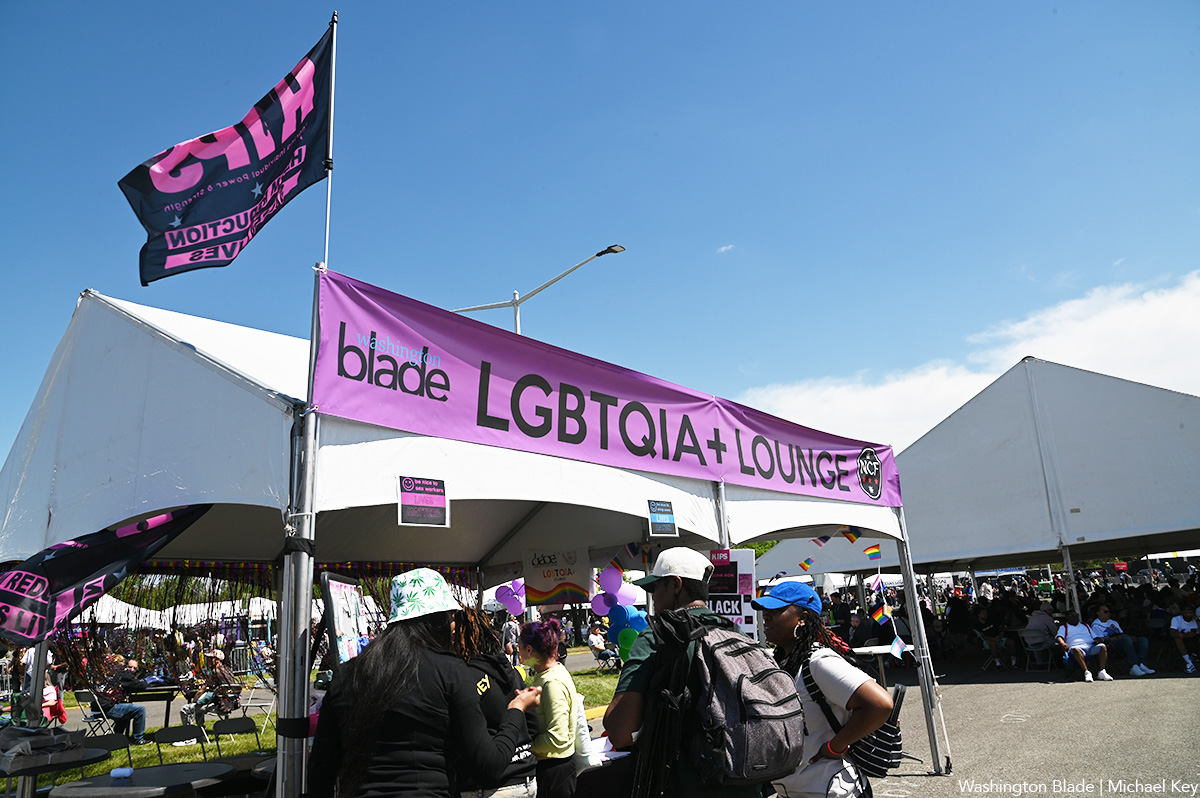
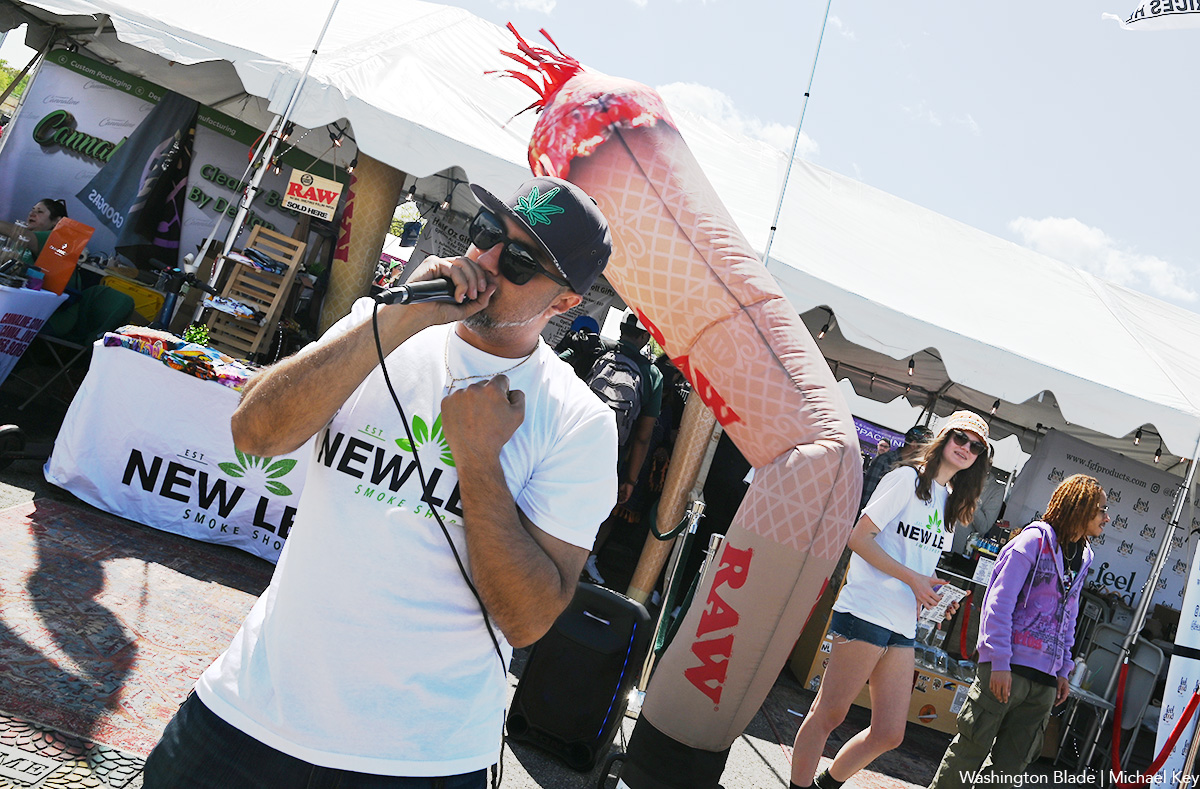
Covering the @NatlCannaFest at RFK Stadium for @WashBlade . Stop by the LGBTQ+ booth and pick up a paper if you are here. pic.twitter.com/is7hnsaPns
— Michael Patrick Key (@MichaelKeyWB) April 20, 2024
Theater
‘Amm(i)gone’ explores family, queerness, and faith
A ‘fully autobiographical’ work from out artist Adil Mansoor
‘Amm(i)gone’
Thorough May 12
Woolly Mammoth Theatre
641 D St., N.W.
$60-$70
Woollymammoth.net
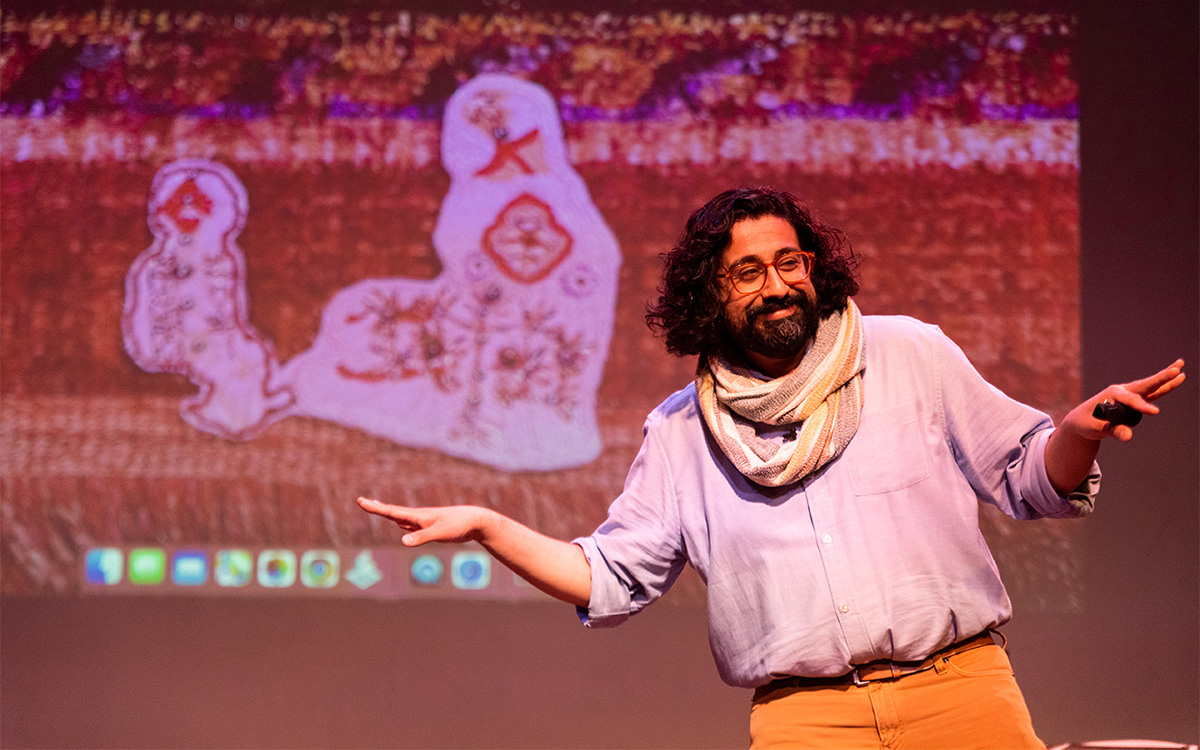
“Fully and utterly autobiographical.” That’s how Adil Mansoor describes “Amm(i)gone,” his one-man work currently playing at Woolly Mammoth Theatre.
Both created and performed by out artist Mansoor, it’s his story about inviting his Pakistani mother to translate Sophocles’s Greek tragedy “Antigone” into Urdu. Throughout the journey, there’s an exploration of family, queerness, and faith,as well as references to teachings from the Quran, and audio conversations with his Muslim mother.
Mansoor, 38, grew up in the suburbs of Chicago and is now based in Pittsburgh where he’s a busy theater maker. He’s also the founding member of Pittsburgh’s Hatch Arts Collective and the former artistic director of Dreams of Hope, an LGBTQ youth arts organization.
WASHINGTON BLADE: What spurred you to create “Amm(i)gone”?
ADIL MANSOOR: I was reading a translation of “Antigone” a few years back and found myself emotionally overwhelmed. A Theban princess buries her brother knowing it will cost her, her own life. It’s about a person for whom all aspirations are in the afterlife. And what does that do to the living when all of your hopes and dreams have to be reserved for the afterlife?
I found grant funding to pay my mom to do the translation. I wanted to engage in learning. I wanted to share theater but especially this ancient tragedy. My mother appreciated the characters were struggling between loving one another and their beliefs.
BLADE: Are you more director than actor?
MANSOOR: I’m primarily a director with an MFA in directing from Carnegie Mellon. I wrote, directed, and performed in this show, and had been working on it for four years. I’ve done different versions including Zoom. Woolly’s is a new production with the same team who’ve been involved since the beginning.
I love solo performance. I’ve produced and now teach solo performance and believe in its power. And I definitely lean toward “performance” and I haven’t “acted” since I was in college. I feel good on stage. I was a tour guide and do a lot of public speaking. I enjoy the attention.
BLADE: Describe your mom.
MANSOOR: My mom is a wonderfully devout Muslim, single mother, social worker who discovered my queerness on Google. And she prays for me.
She and I are similar, the way we look at things, the way we laugh. But different too. And those are among the questions I ask in this show. Our relationship is both beautiful and complicated.
BLADE: So, you weren’t exactly hiding your sexuality?
MANSOOR: In my mid-20s, I took time to talk with friends about our being queer with relation to our careers. My sexuality is essential to the work. As the artistic director at Dreams of Hope, part of the work was to model what it means to be public. If I’m in a room with queer and trans teenagers, part of what I’m doing is modeling queer adulthood. The way they see me in the world is part of what I’m putting out there. And I want that to be expansive and full.
So much of my work involves fundraising and being a face in schools. Being out is about making safe space for queer young folks.
BLADE: Have you encountered much Islamophobia?
MANSOOR: When 9/11 happened, I was a sophomore in high school, so yes. I faced a lot then and now. I’ve been egged on the street in the last four months. I see it in the classroom. It shows up in all sorts of ways.
BLADE: What prompted you to lead your creative life in Pittsburgh?
MANSOOR: I’ve been here for 14 years. I breathe with ease in Pittsburgh. The hills and the valleys and the rust of the city do something to me. It’s beautiful, it’ affordable, and there is support for local artists. There’s a lot of opportunity.
Still, the plan was to move to New York in September of 2020 but that was cancelled. Then the pandemic showed me that I could live in Pittsburgh and still have a nationally viable career.
BLADE: What are you trying to achieve with “Amm(i)gone”?
MANSOOR: What I’m sharing in the show is so very specific but I hear people from other backgrounds say I totally see my mom in that. My partner is Catholic and we share so much in relation to this.
I hope the work is embracing the fullness of queerness and how means so many things. And I hope the show makes audiences want to call their parents or squeeze their partners.

After Biden signs TikTok ban its CEO vows federal court battle

Malcolm Kenyatta could become the first LGBTQ statewide elected official in Pa.

Bowser budget proposal calls for $5.25 million for 2025 World Pride

White House debuts action plan targeting pollutants in drinking water

Health care for Marylanders with HIV is facing huge cuts this summer

Daniel Zamudio murderer’s parole request denied

State Department releases annual human rights report

‘Amm(i)gone’ explores family, queerness, and faith

Joe Vogel campaign holds ‘Big Gay Canvass Kickoff’