
Arts & Entertainment
Blind to barriers
Bi theater head recalls emerging sexuality
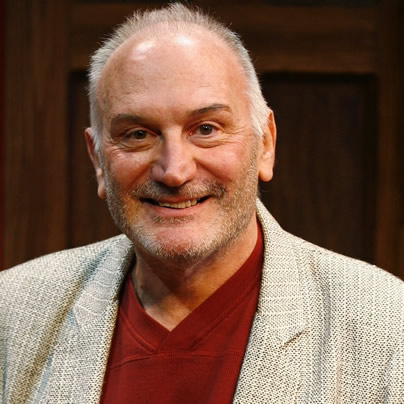
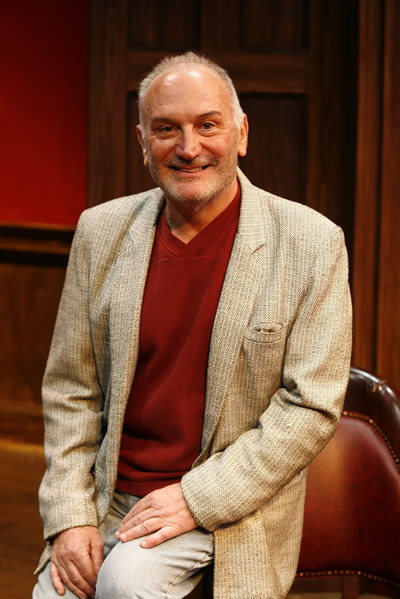
Ike Schambelan, artistic director of Breaking Through Barriers, an off-Broadway theater outfit in New York. (Photo courtesy Ike Schambelan)
The artistic director of the only disability-specific off-Broadway theater in New York, knows a few things about being different.
The 72-year-old head of Breaking Through Barriers recalls during a phone interview his early sexual explorations.
“I’d gone to a folk sing in a dorm,” Ike Schambelan says. He was at Swarthmore College when another male student invited him to his room. “I was told,’ Don’t do that, stay on the sofa,” he says. “I knew without anything being verbalized that I was being protected. I did not want to be protected.”
He co-founded Theater Breaking Through Barriers (then known as Theater By the Blind) in 1979 not to be altruistic, but to “support my directing addiction,” Schambelan says.
It’s the only off-Broadway theater, and one of the few in the country, dedicated to advancing actors and writers with disabilities. The company can be a tough sell to people wary of disability, Schambelan says.
“They spend five minutes trying to figure out who’s disabled and who’s not, often getting it wrong. But, then they relax and get into the play.”
Schambelan, who was raised in West Philadelphia with the theater bug embedded in his DNA, grew up with many of the conflicts around sexuality held by many of his generation.
“My grandmother, who went blind, lived with us until I was 10,” he says. “Every Monday night, we’d listen to Lux Radio Theater and I’d brush her hair. I came to associate blindness, affection and theater.”
When Schambelan was in junior high a friend invited him to go to a drama at school.
“I was hooked,” Schambelan says. “I acted in high school. When I went to college I mostly stage managed, which I loved, as I wasn’t a very good actor.”
In his junior year, Schambelan directed the annual Thanksgiving musical.
“It was a big hit and I was hooked to a discipline, directing,” he says.
After graduating from Swarthmore in 1961, Schambelan earned a degree from Yale Drama School in 1967.
There, his passion for the theater and his burgeoning, conflicted sexuality merged.
“On my first night at the Drama school, a med student picked me up,” Schambelan says. “We had sex. Then, I … didn’t have sex until the end of the year. I dated women a little, but I didn’t do a lot of sex.”
In the 1960s during the pre-Stonewall era, being queer was more openly accepted at the Drama School and in the theater than in other parts of society, Schambelan says. Despite this, he was “conflicted.”
“It was internalized homophobia — feeling it was wrong to have sex with men.”
In the ‘60s and ‘70s, Schambelan directed productions at such companies as Playwrights Horizons and the George St. Playhouse. He shot a TV commercial with Farrah Fawcett (“She was lovely to work with,” he says) before she was famous.
Over these years, Schambelan dated women and men.
“I’d take up with a woman during the summer and the romance would last until the fall,” he says.
He married a woman in 1980, Joan, who remains his wife. She’d been a dancer so she’d known gays and just felt her husband’s bisexuality made him “more interesting.”
For years, he saw a psychotherapist who “… wanted me to be straight,” Schambelan says. “But, then, being gay had just been removed as the list of mental illnesses by the American Psychiatric Association.”
The therapist he sees today is completely accepting of his bisexuality, Schambelan says.
He admits it’s not always an easy thing to explain.
“The LGBT community doesn’t always get what it means to be bisexual,” he says. “Sometimes people have worked so hard to come out as gay, they have difficulty understanding the greater complexity of being bi. They want you to be gay.”

Movies
After 25 years, a forgotten queer classic reemerges in 4K glory
Screwball rom-com ‘I Think I Do’ finds new appreciation
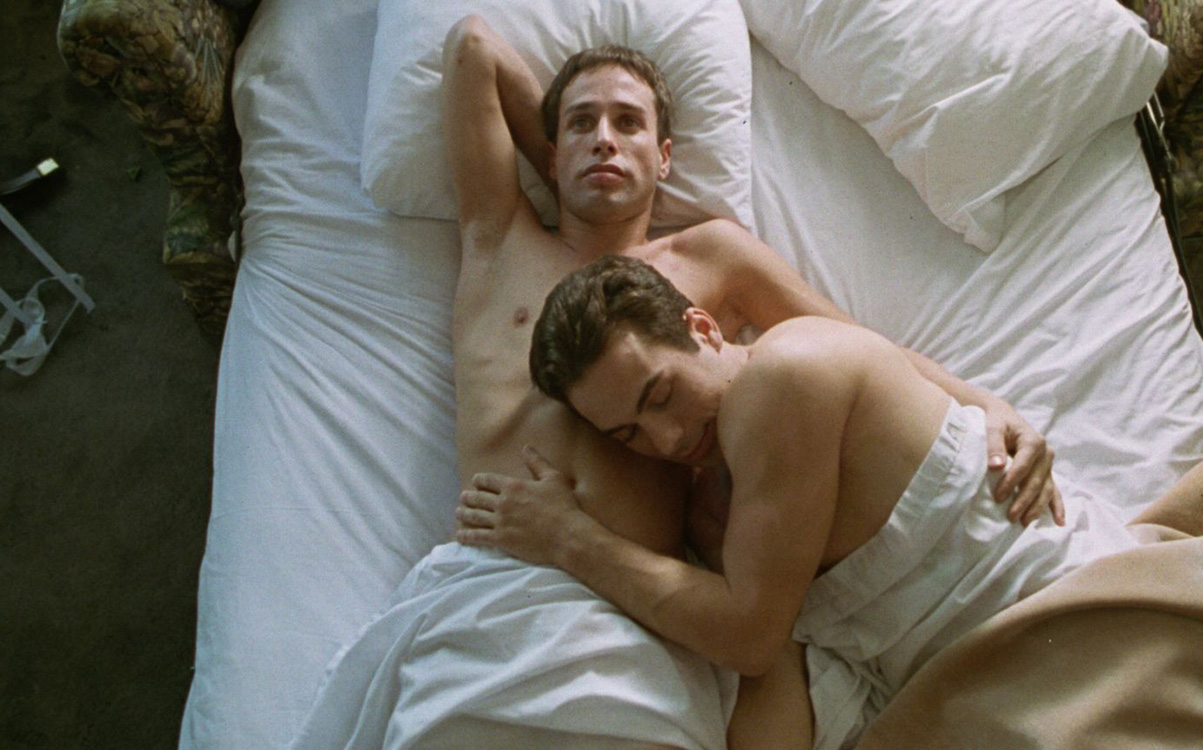
In 2024, with queer-themed entertainment available on demand via any number of streaming services, it’s sometimes easy to forget that such content was once very hard to find.
It wasn’t all that long ago, really. Even in the post-Stonewall ‘70s and ‘80s, movies or shows – especially those in the mainstream – that dared to feature queer characters, much less tell their stories, were branded from the outset as “controversial.” It has been a difficult, winding road to bring on-screen queer storytelling into the light of day – despite the outrage and protest from bigots that, depressingly, still continues to rear its ugly head against any effort to normalize queer existence in the wider culture.
There’s still a long way to go, of course, but it’s important to acknowledge how far we’ve come – and to recognize the efforts of those who have fought against the tide to pave the way. After all, progress doesn’t happen in a vacuum, and if not for the queer artists who have hustled to bring their projects to fruition over the years, we would still be getting queer-coded characters as comedy relief or tragic victims from an industry bent on protecting its bottom line by playing to the middle, instead of the (mostly) authentic queer-friendly narratives that grace our screens today.
The list of such queer storytellers includes names that have become familiar over the years, pioneers of the “Queer New Wave” of the ‘90s like Todd Haynes, Gus Van Sant, Gregg Araki, or Bruce LaBruce, whose work at various levels of the indie and “underground” queer cinema movement attracted enough attention – and, inevitably, notoriety – to make at least their names familiar to most audiences within the community today.
But for every “Poison” or “The Living End” or “Hustler White,” there are dozens of other queer films from the era; mostly screened at LGBTQ film festivals like LA’s Outfest or San Francisco’s Frameline, they might have experienced a flurry of interest and the occasional accolade, or even a brief commercial release on a handful of screens, before slipping away into fading memory. In the days before streaming, the options were limited for such titles; home video distribution was a costly proposition, especially when there was no guarantee of a built-in audience, so most of them disappeared into a kind of cinematic limbo – from which, thankfully, they are beginning to be rediscovered.
Consider, for instance, “I Think I Do,” the 1998 screwball romantic comedy by writer/director Brian Sloan that was screened – in a newly restored 4K print undertaken by Strand Releasing – in Brooklyn as the Closing Night Selection of NewFest’s “Queering the Canon” series. It’s a film that features the late trans actor and activist Alexis Arquette in a starring, pre-transition role, as well as now-mature gay heartthrob Tuc Watkins and out queer actor Guillermo Diaz in supporting turns, but for over two decades has been considered as little more than a footnote in the filmographies of these and the other performers in its ensemble cast. It deserves to be seen as much more than that, and thanks to a resurgence of interest in the queer cinema renaissance from younger film buffs in the community, it’s finally getting that chance.
Set among a circle of friends and classmates at Washington, D.C.’s George Washington University, it’s a comedic – yet heartfelt and nuanced – story of love left unrequited and unresolved between two roommates, openly gay Bob (Arquette) and seemingly straight Brendan (Christian Maelen), whose relationship in college comes to an ugly and humiliating end at a Valentine’s Day party before graduation. A few years later, the gang is reunited for the wedding of Carol (Luna Lauren Vélez) and Matt (Jamie Harrold), who have been a couple since the old days. Bob, now a TV writer engaged to a handsome soap opera star (Watkins) is the “maid” of honor, while old gal pals Beth (Maddie Corman) and Sarah (Marianne Hagan), show up to fill out the bridal party and pursue their own romantic interests. When another old friend, Eric (Diaz), shows up with Brendan unexpectedly in tow, it sparks a behind-the-scenes scenario for the events of the wedding, in which Bob is once again thrust into his old crush’s orbit and confronted with lingering feelings that might put his current romance into question – especially since the years between appear to have led Brendan to a new understanding about his own sexuality.
In many ways, it’s a film with the unmistakable stamp of its time and provenance, a low-budget affair shot at least partly under borderline “guerilla filmmaking” conditions and marked by a certain “collegiate” sensibility that results in more than a few instances of overly clever dialogue and a storytelling agenda that is perhaps a bit too heavily packed. Yet at the same time, these rough edges give it a raw, DIY quality that not only makes any perceived sloppiness forgivable, but provides a kind of “outsider” vibe that it wears like a badge of honor. Add to this a collection of likable performances – including Arquette, in a winning turn that gets us easily invested in the story, and Maelen, whose DeNiro-ish looks and barely concealed sensitivity make him swoon-worthy while cementing the palpable chemistry between them – and Sloan’s 25-year-old blend of classic Hollywood rom-com and raunchy ‘90s sex farce reveals itself to be a charming, wiser-than-expected piece of entertainment, with an admirable amount of compassion and empathy for even its most stereotypical characters – like Watkins’ soap star, a walking trope of vainglorious celebrity made more fully human than appearances would suggest by the actor’s sensitive, emotionally intelligent performance – that leaves no doubt its heart is in the right place.
Sloan, remarking about it today, confirms that his intention was always to make a movie that was more than just frothy fluff. “While the film seems like a glossy rom-com, I always intended an underlying message about the gay couple being seen as equals to the straight couple getting married,” he says. “ And the movie is also set in Washington to underline the point.”
He also feels a sense of gratitude for what he calls an “increased interest from millennials and Gen Z in these [classic queer indie] films, many of which they are surprised to hear about from that time especially the comedies.” Indeed, it was a pair of screenings with Queer Cinema Archive that “garnered a lot of interest from their followers,” and “helped to convince my distributor to bring the film back” after being unavailable for almost 10 years.
Mostly, however, he says “I feel very lucky that I got to make this film at that time and be a part of that movement, which signaled a sea change in the way LGBTQ characters were portrayed on screen.”
Now, thanks to Strand’s new 4K restoration, which will be available for VOD streaming on Amazon and Apple starting April 19, his film is about to be accessible to perhaps a larger audience than ever before.
Hopefully, it will open the door for the reappearance of other iconic-but-obscure classics of its era and help make it possible for a whole new generation to discover them.
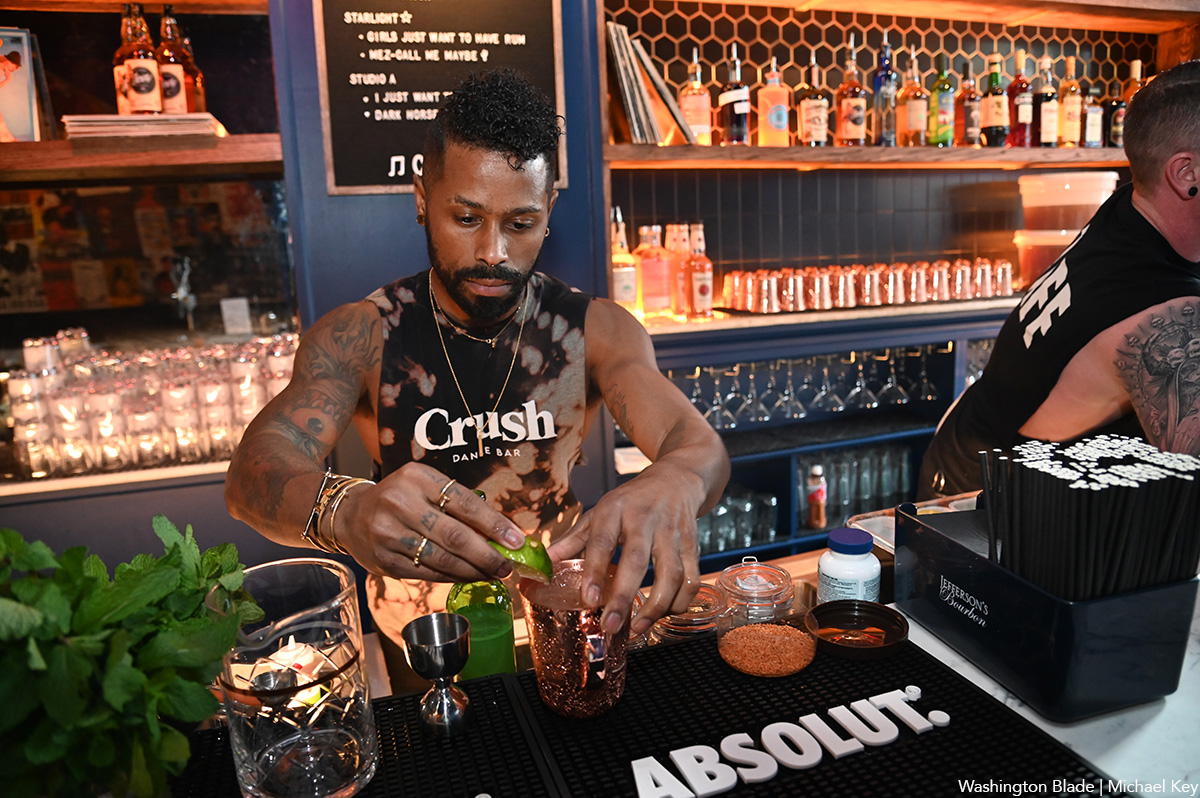
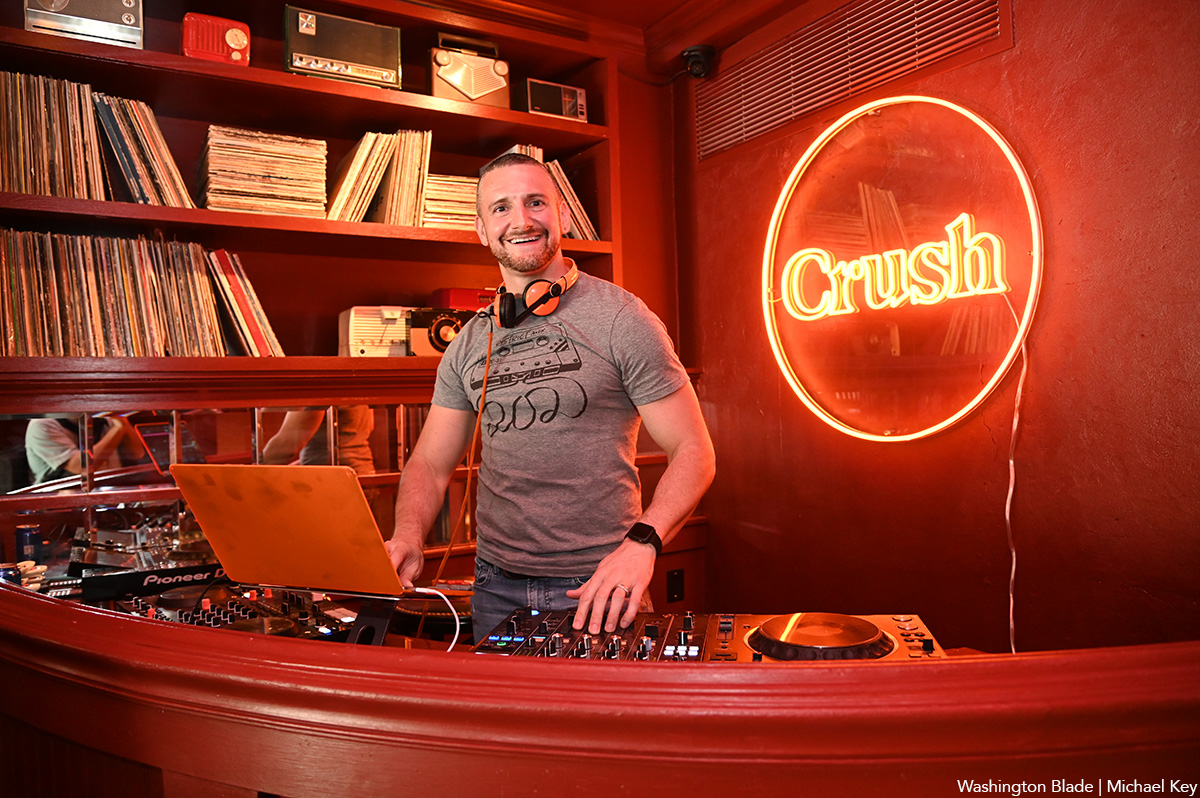
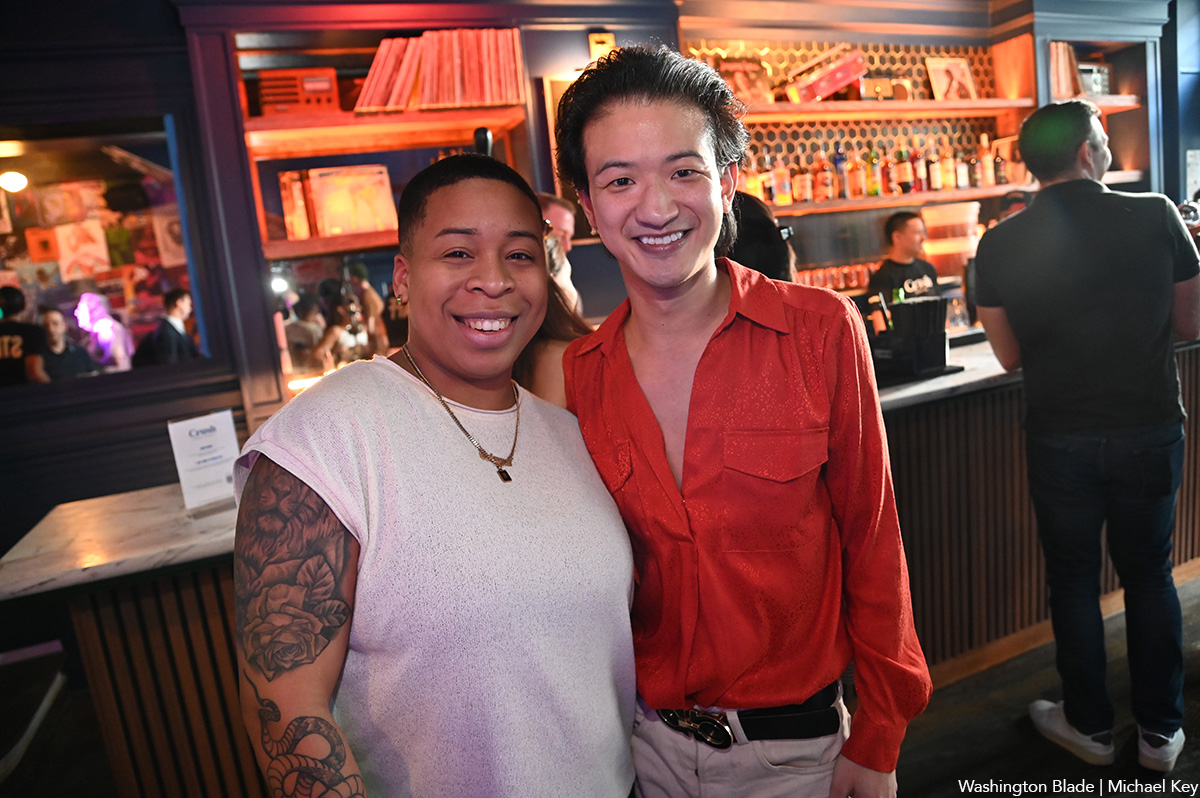
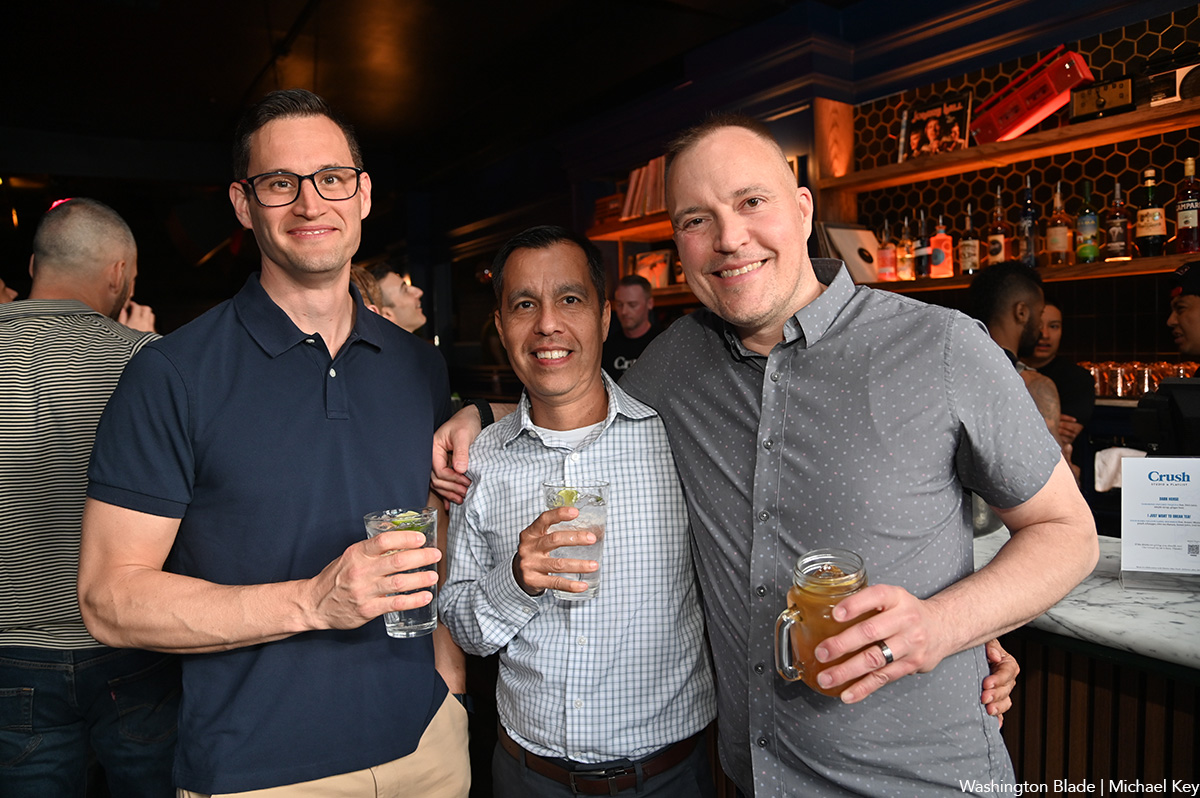
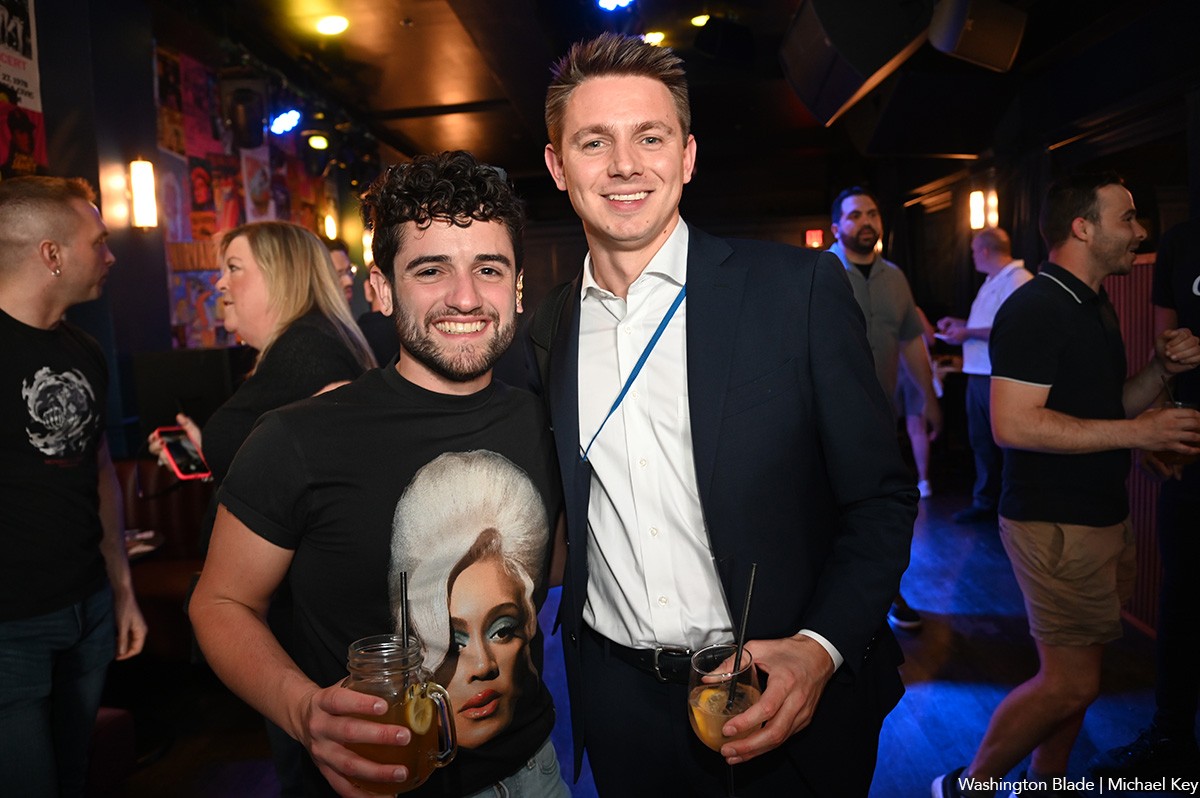
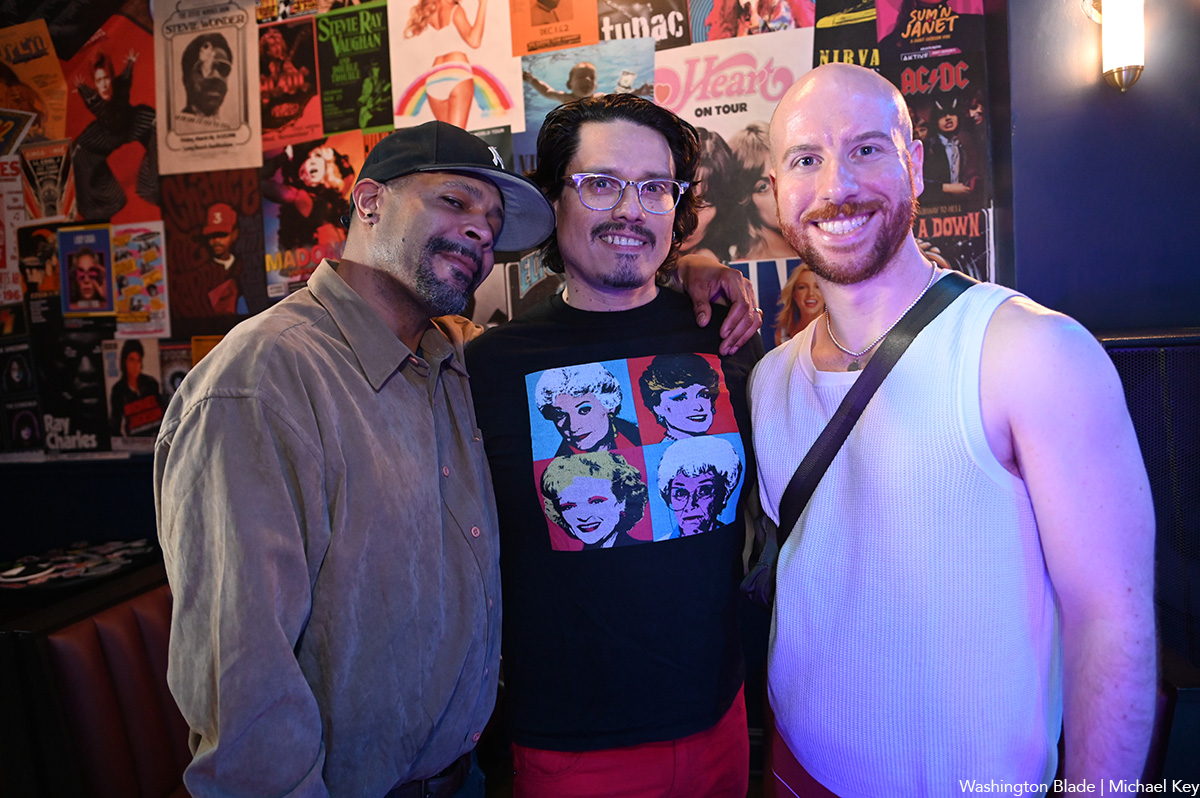
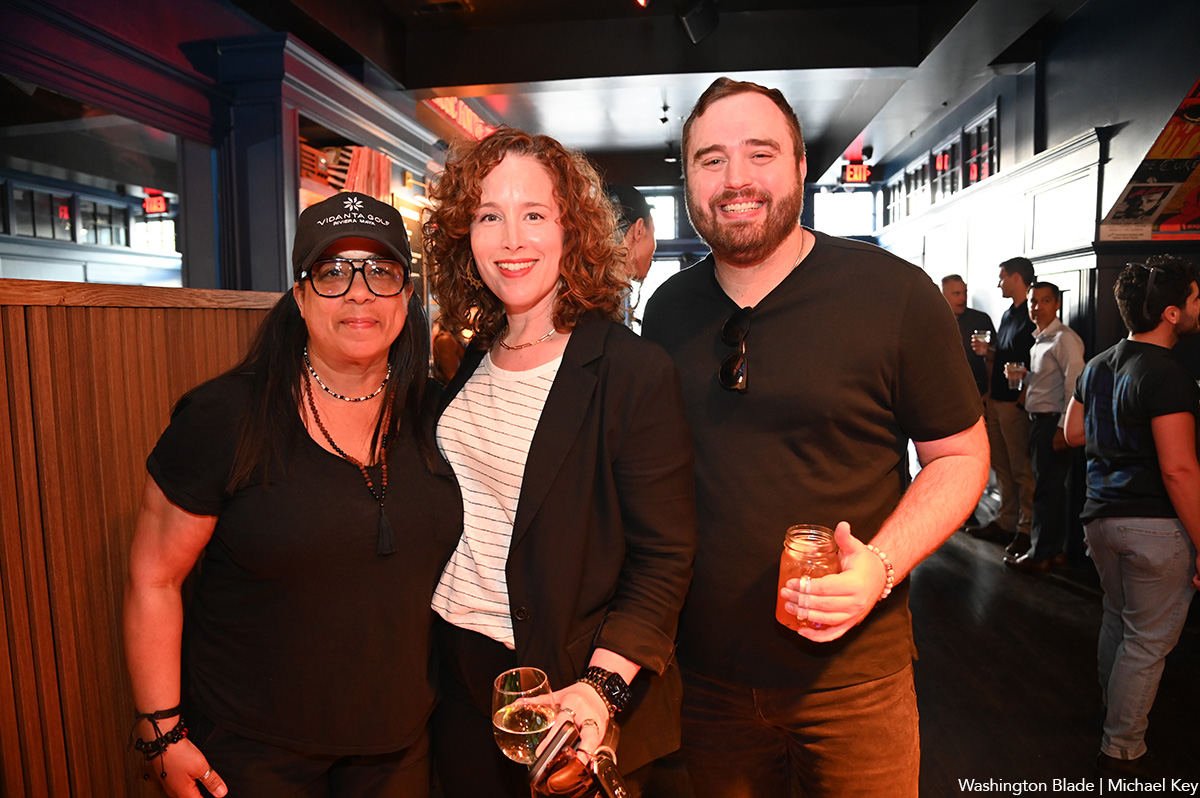
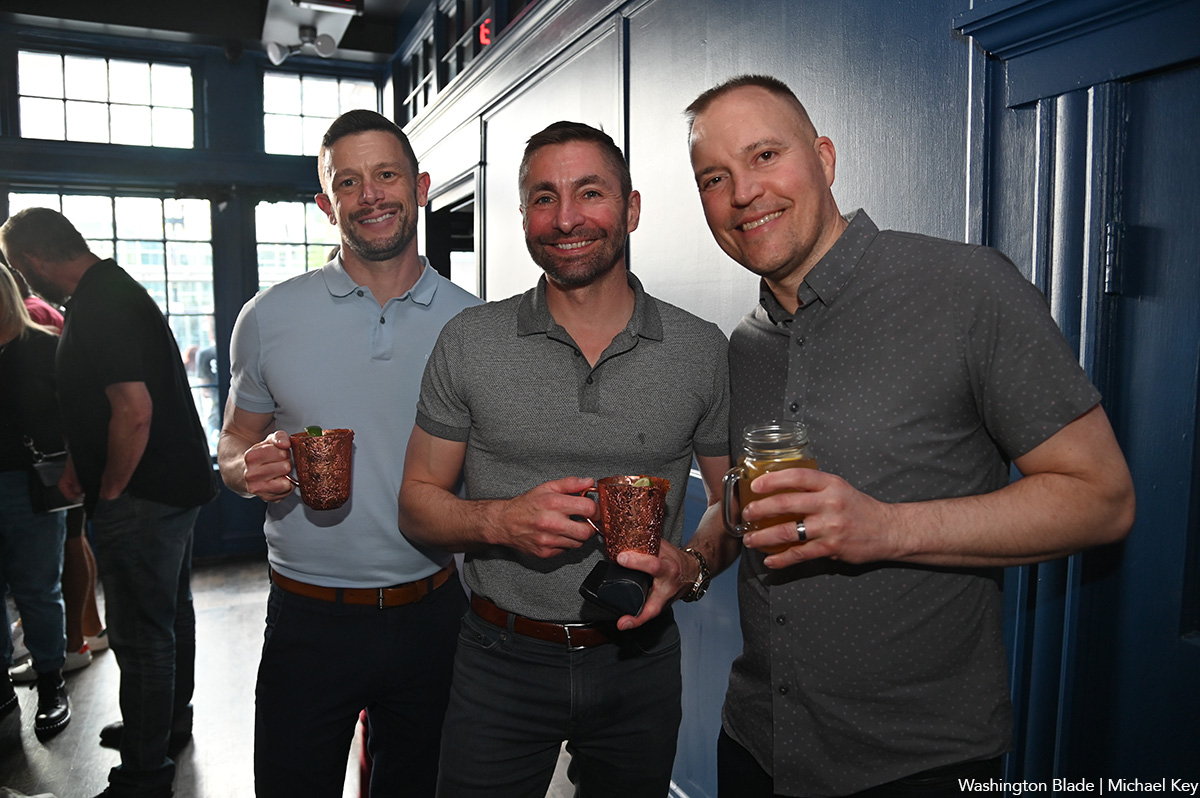
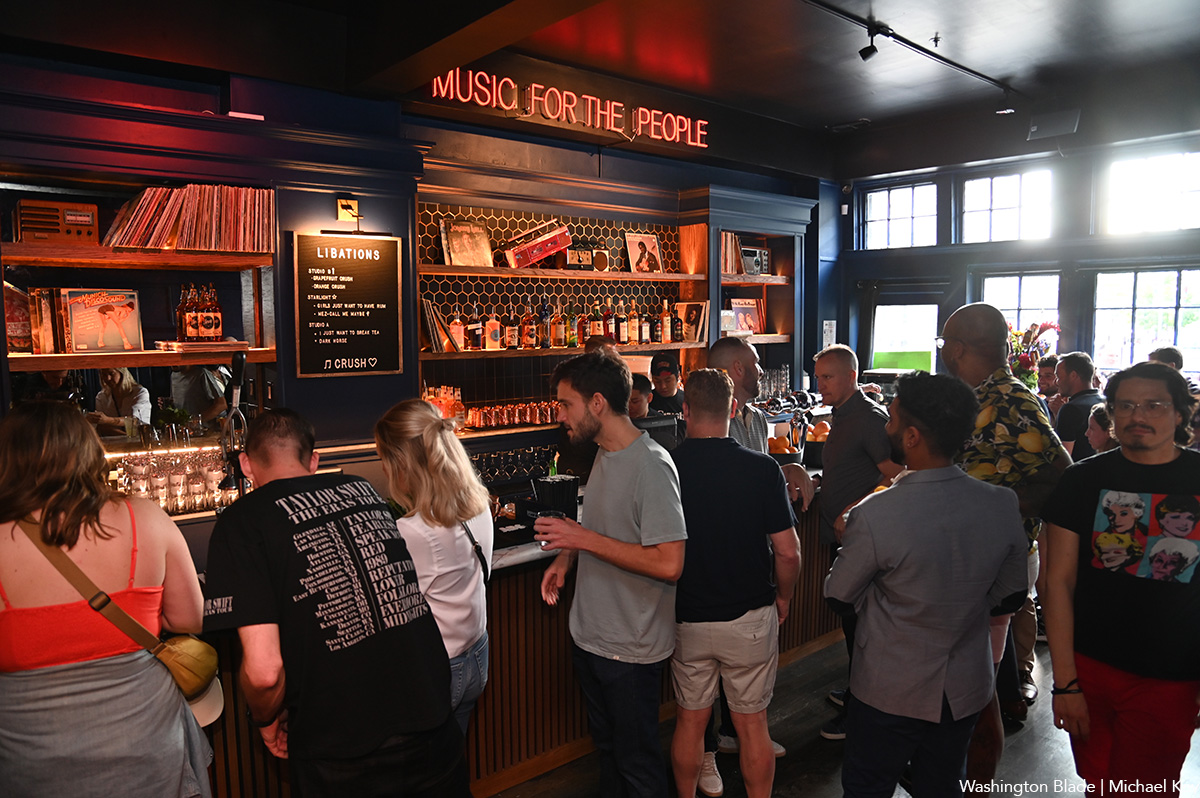
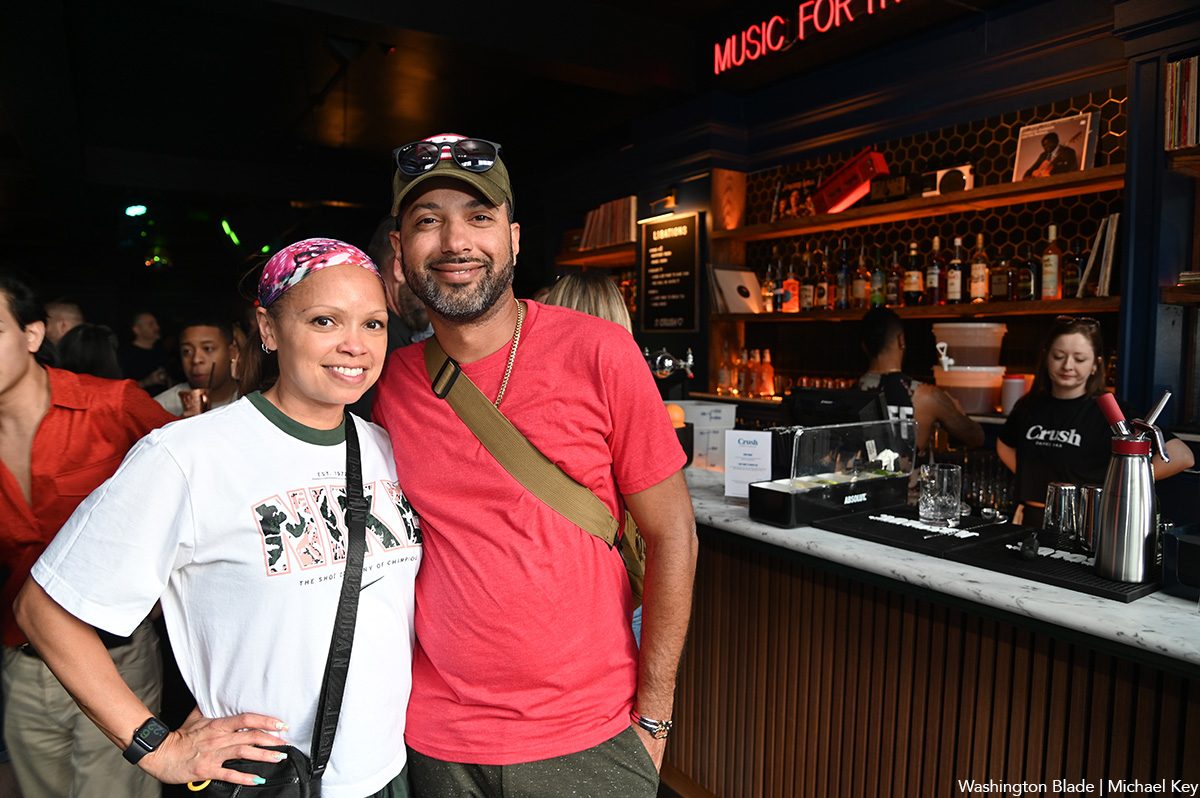
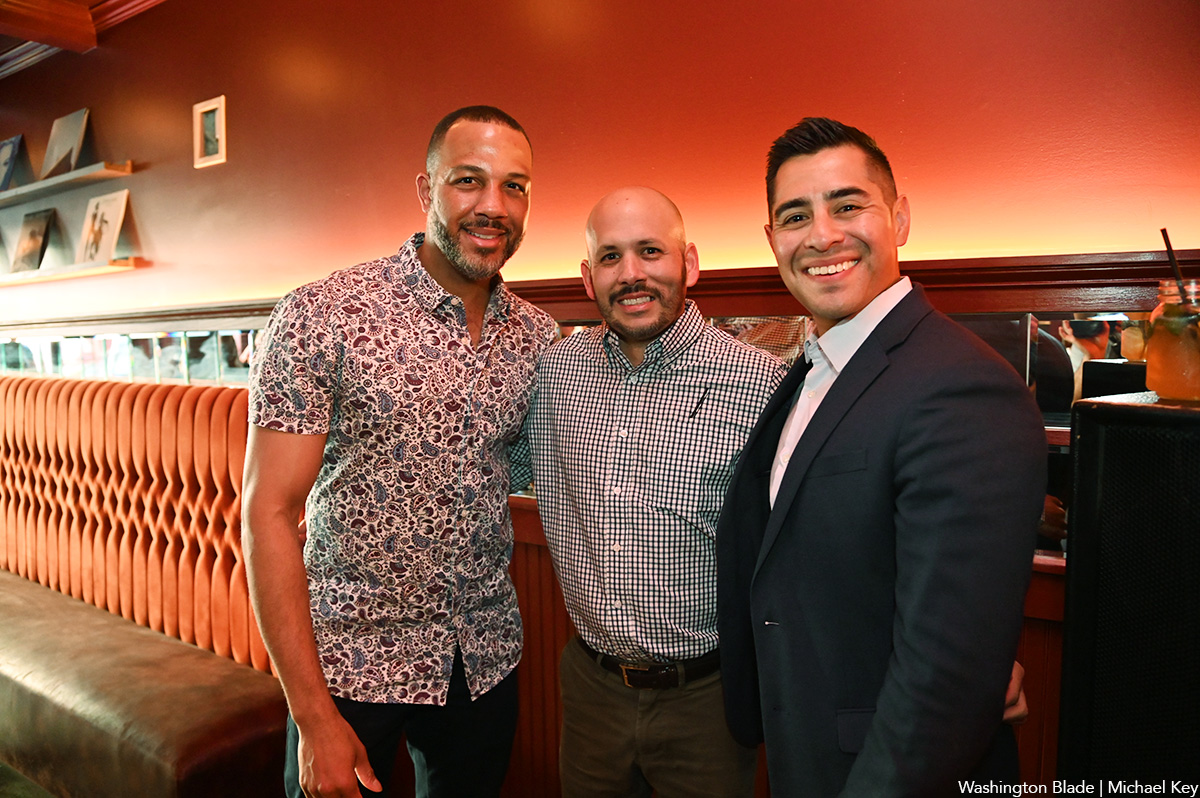
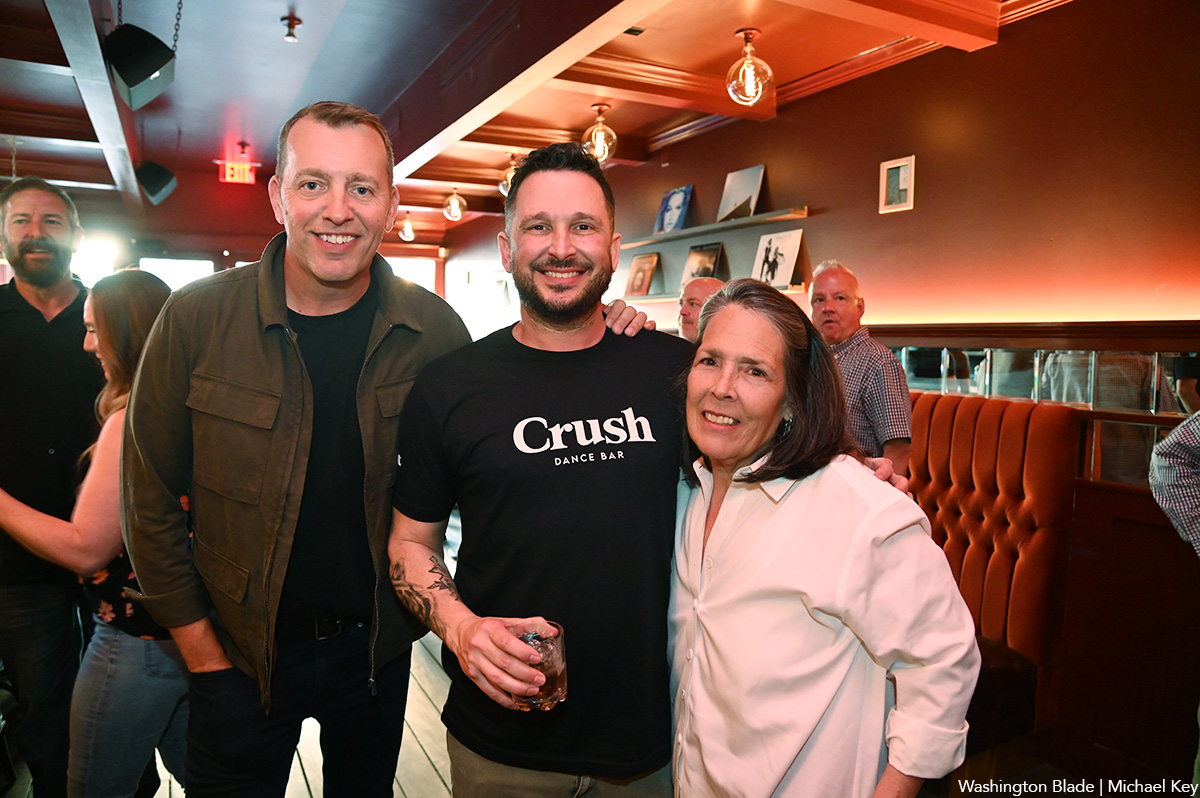
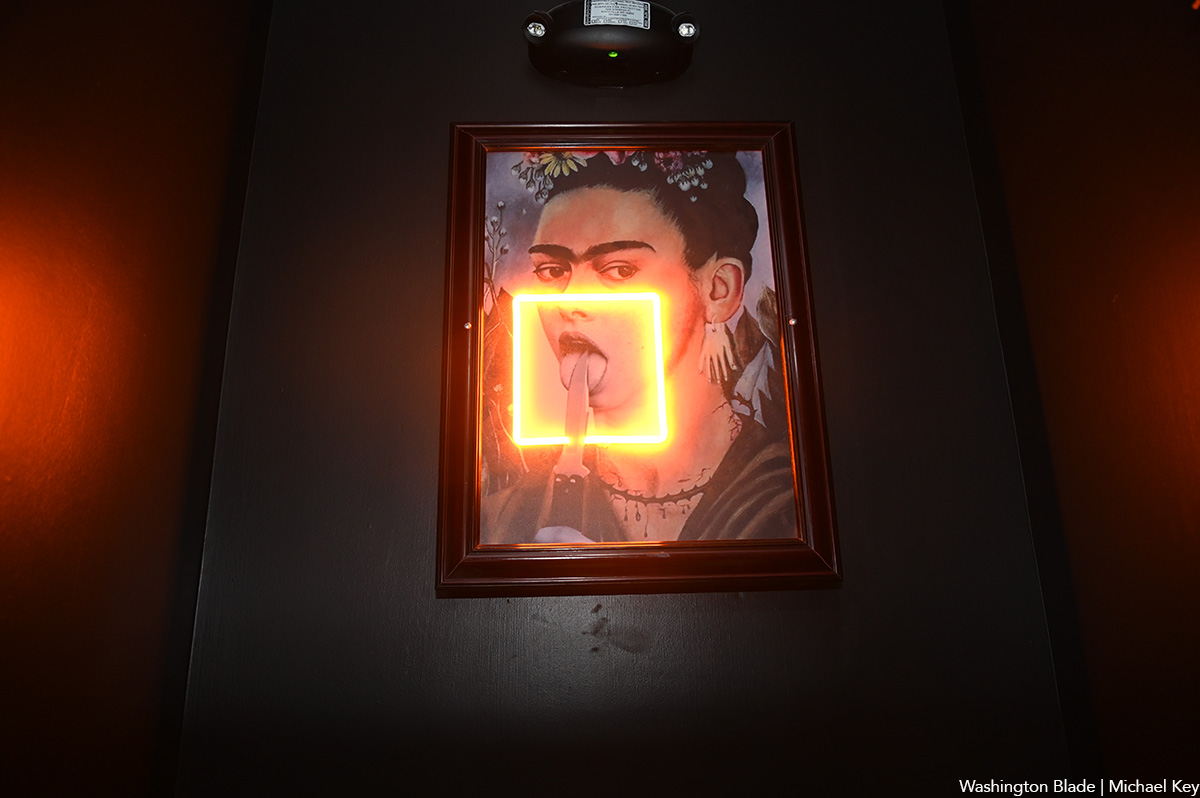
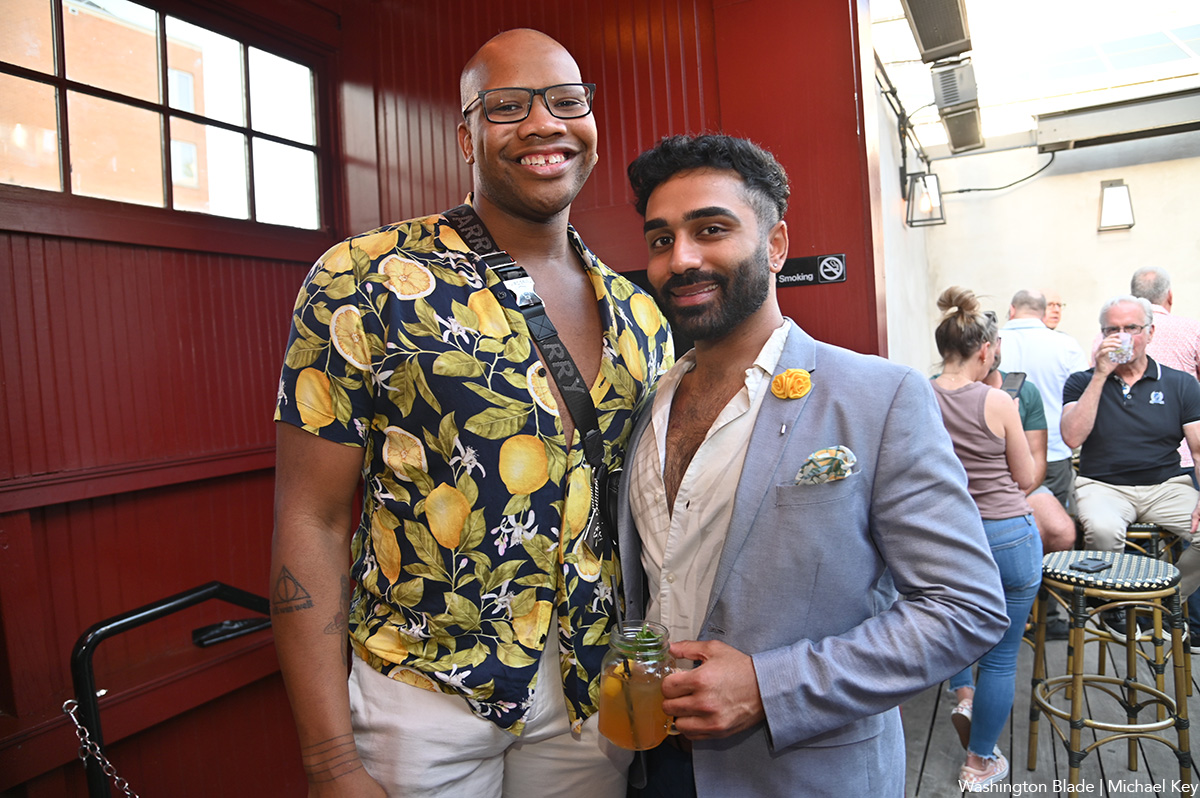
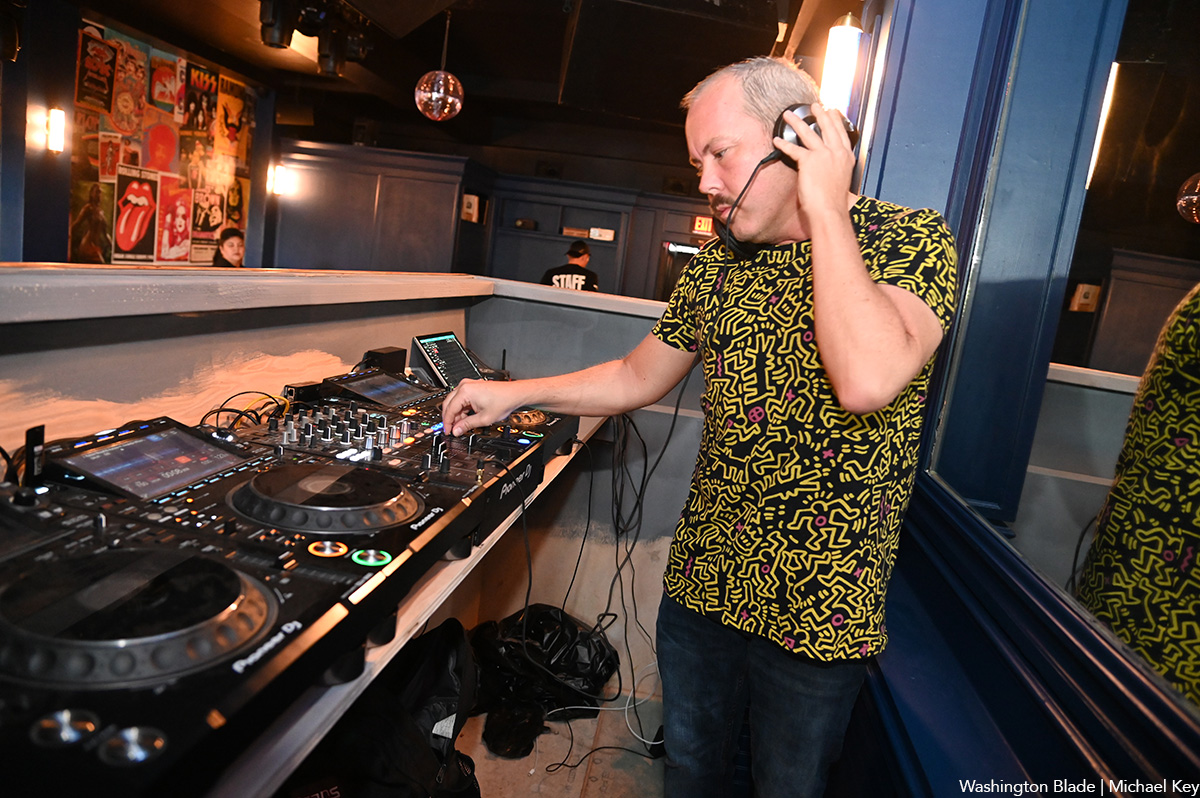
The new LGBTQ venue Crush held a party for friends, family and close supporters on Tuesday. For more information on future events at Crush, go to their Instagram page @crushbardc.
(Washington Blade photos by Michael Key)

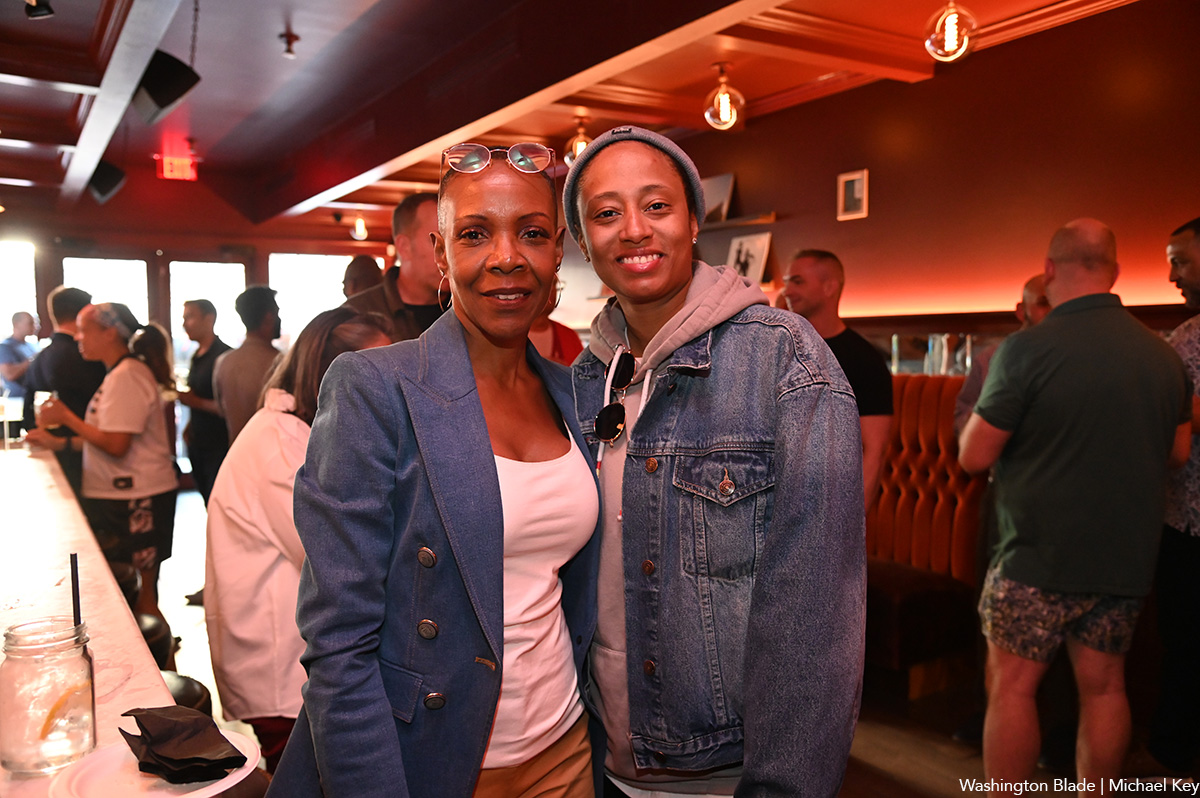
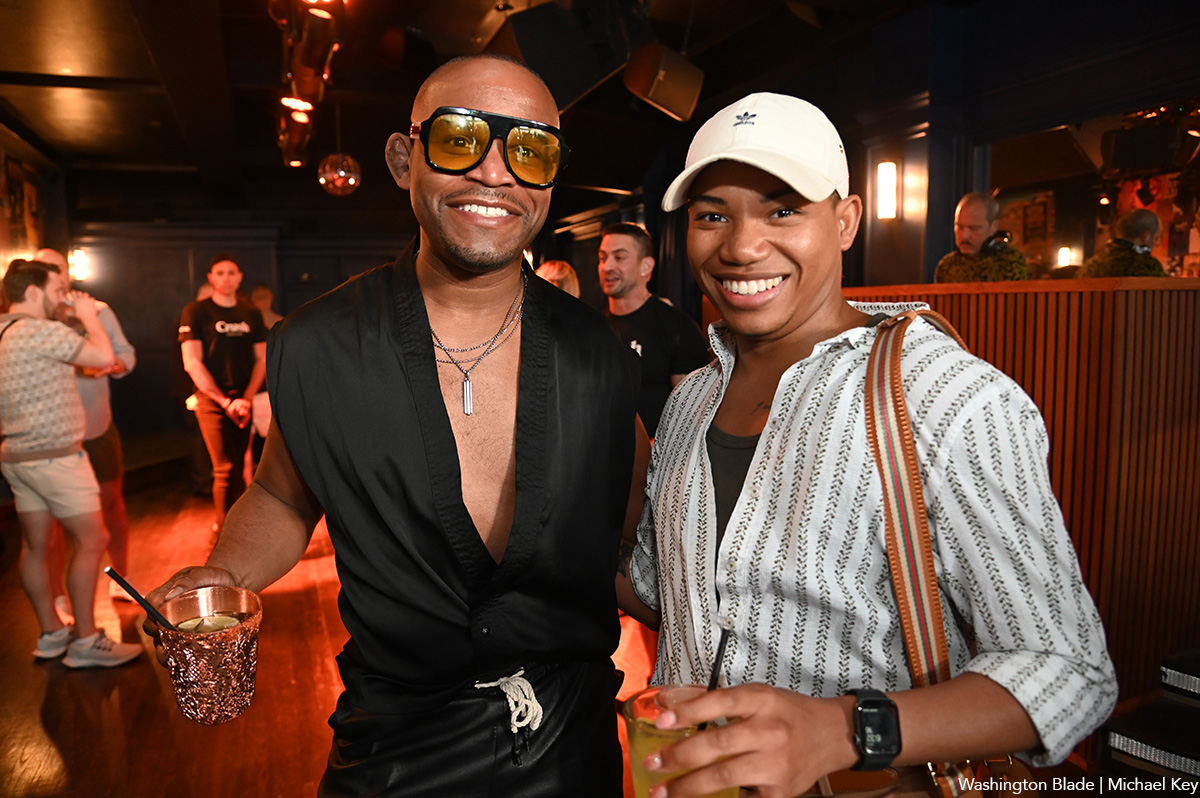
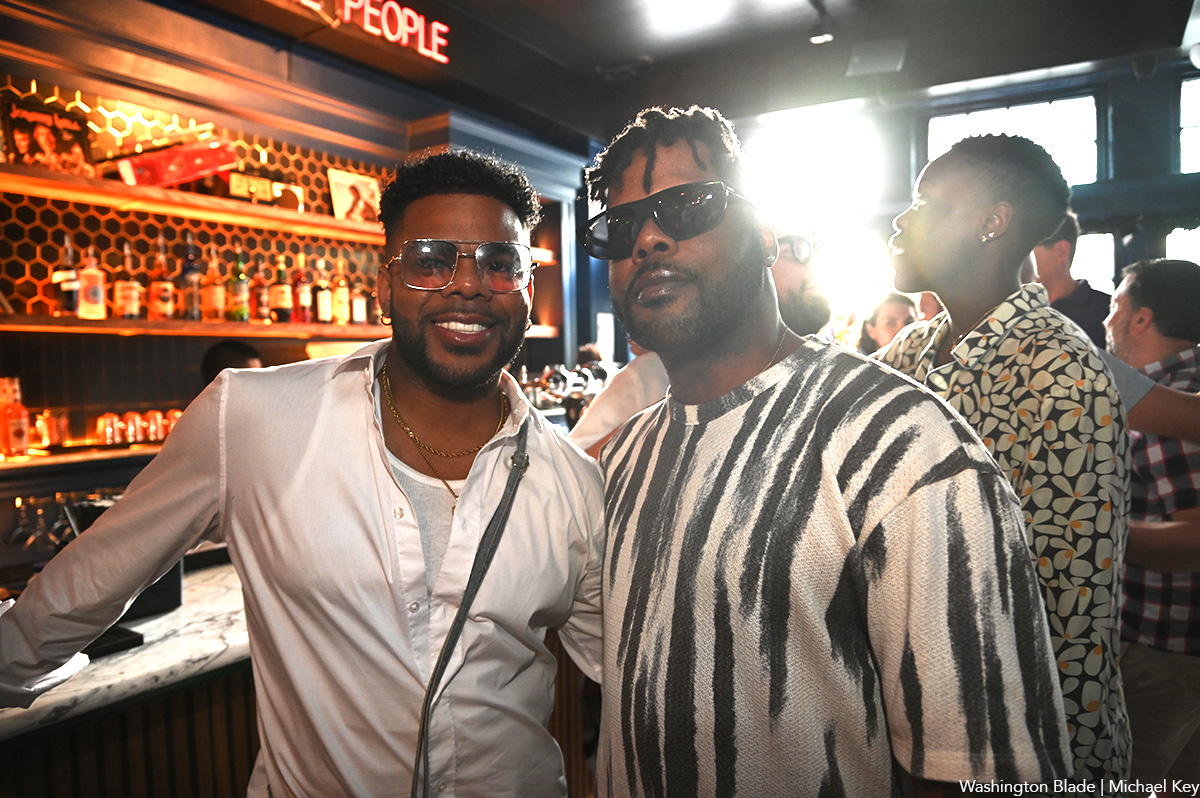
a&e features
What to expect at the 2024 National Cannabis Festival
Wu-Tang Clan to perform; policy discussions also planned
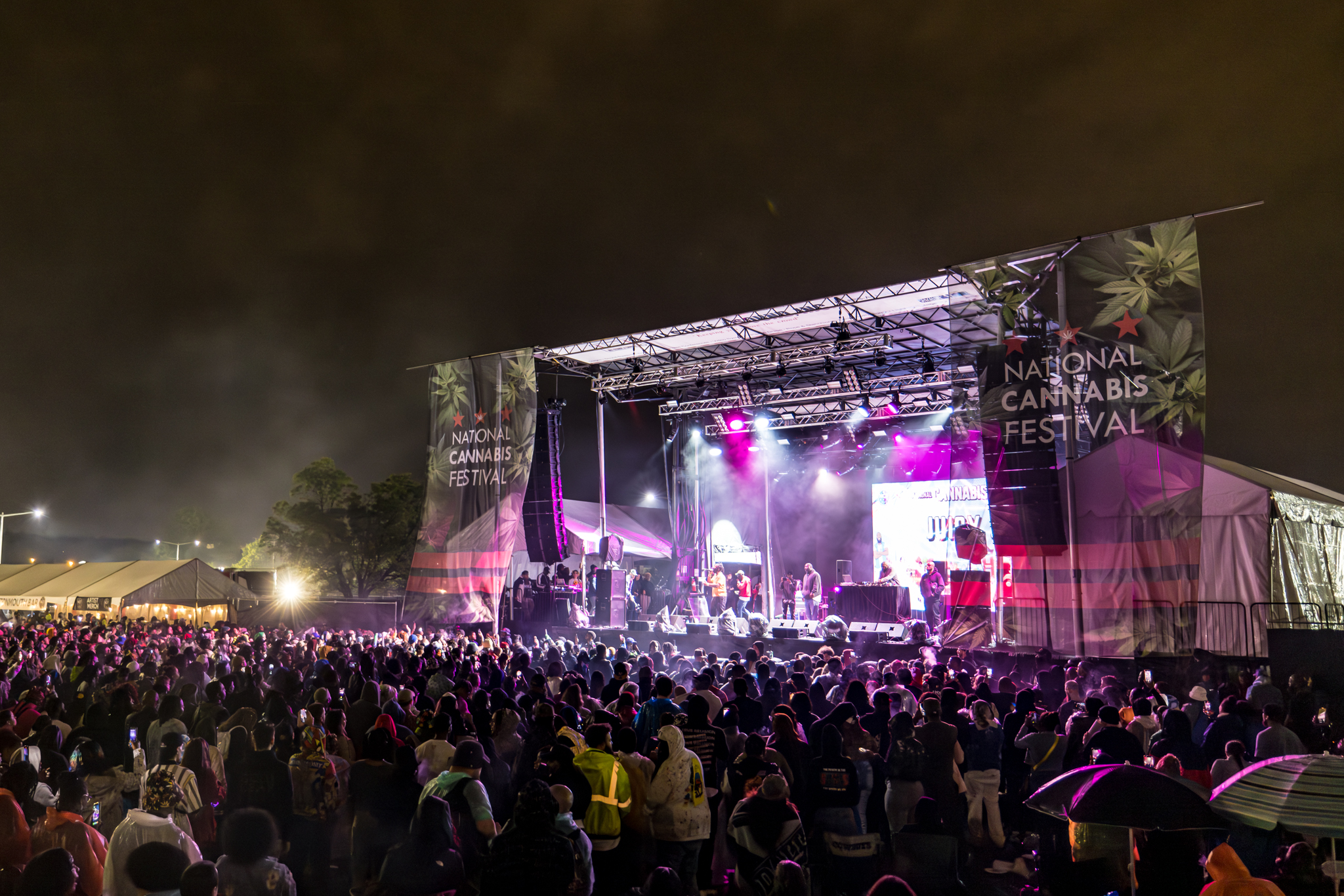
(Editor’s note: Tickets are still available for the National Cannabis Festival, with prices starting at $55 for one-day general admission on Friday through $190 for a two-day pass with early-entry access. The Washington Blade, one of the event’s sponsors, will host a LGBTQIA+ Lounge and moderate a panel discussion on Saturday with the Mayor’s Office of LGBTQ Affairs.)
With two full days of events and programs along with performances by Wu-Tang Clan, Redman, and Thundercat, the 2024 National Cannabis Festival will be bigger than ever this year.
Leading up to the festivities on Friday and Saturday at Washington, D.C.’s RFK Stadium are plenty of can’t-miss experiences planned for 420 Week, including the National Cannabis Policy Summit and an LGBTQ happy hour hosted by the District’s Black-owned queer bar, Thurst Lounge (both happening on Wednesday).
On Tuesday, the Blade caught up with NCF Founder and Executive Producer Caroline Phillips, principal at The High Street PR & Events, for a discussion about the event’s history and the pivotal political moment for cannabis legalization and drug policy reform both locally and nationally. Phillips also shared her thoughts about the role of LGBTQ activists in these movements and the through-line connecting issues of freedom and bodily autonomy.
After D.C. residents voted to approve Initiative 71 in the fall of 2014, she said, adults were permitted to share cannabis and grow the plant at home, while possession was decriminalized with the hope and expectation that fewer people would be incarcerated.
“When that happened, there was also an influx of really high-priced conferences that promised to connect people to big business opportunities so they could make millions in what they were calling the ‘green rush,'” Phillips said.
“At the time, I was working for Human Rights First,” a nonprofit that was, and is, engaged in “a lot of issues to do with world refugees and immigration in the United States” — so, “it was really interesting to me to see the overlap between drug policy reform and some of these other issues that I was working on,” Phillips said.
“And then it rubbed me a little bit the wrong way to hear about the ‘green rush’ before we’d heard about criminal justice reform around cannabis and before we’d heard about people being let out of jail for cannabis offenses.”
“As my interests grew, I realized that there was really a need for this conversation to happen in a larger way that allowed the larger community, the broader community, to learn about not just cannabis legalization, but to understand how it connects to our criminal justice system, to understand how it can really stimulate and benefit our economy, and to understand how it can become a wellness tool for so many people,” Phillips said.
“On top of all of that, as a minority in the cannabis space, it was important to me that this event and my work in the cannabis industry really amplified how we could create space for Black and Brown people to be stakeholders in this economy in a meaningful way.”
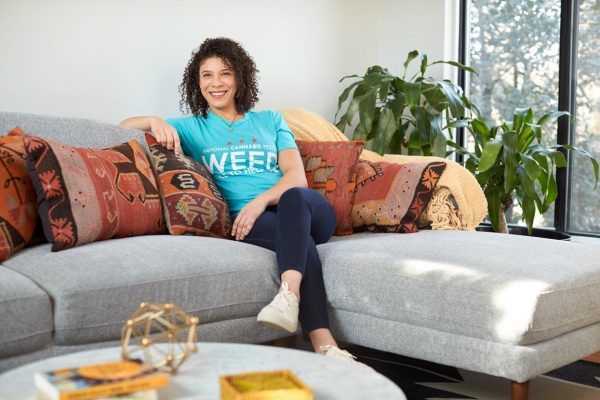
“Since I was already working in event production, I decided to use those skills and apply them to creating a cannabis event,” she said. “And in order to create an event that I thought could really give back to our community with ticket prices low enough for people to actually be able to attend, I thought a large-scale event would be good — and thus was born the cannabis festival.”
D.C. to see more regulated cannabis businesses ‘very soon’
Phillips said she believes decriminalization in D.C. has decreased the number of cannabis-related arrests in the city, but she noted arrests have, nevertheless, continued to disproportionately impact Black and Brown people.
“We’re at a really interesting crossroads for our city and for our cannabis community,” she said. In the eight years since Initiative 71 was passed, “We’ve had our licensed regulated cannabis dispensaries and cultivators who’ve been existing in a very red tape-heavy environment, a very tax heavy environment, and then we have the unregulated cannabis cultivators and cannabis dispensaries in the city” who operate via a “loophole” in the law “that allows the sharing of cannabis between adults who are over the age of 21.”
Many of the purveyors in the latter group, Phillips said, “are looking at trying to get into the legal space; so they’re trying to become regulated businesses in Washington, D.C.”
She noted the city will be “releasing 30 or so licenses in the next couple of weeks, and those stores should be coming online very soon” which will mean “you’ll be seeing a lot more of the regulated stores popping up in neighborhoods and hopefully a lot more opportunity for folks that are interested in leaving the unregulated space to be able to join the regulated marketplace.”
National push for de-scheduling cannabis
Signaling the political momentum for reforming cannabis and criminal justice laws, Wednesday’s Policy Summit will feature U.S. Sens. Raphael Warnock (D-Ga.), Jeff Merkley (D-Ore.), Elizabeth Warren (D-Mass.), and Chuck Schumer (D-N.Y.), the Senate majority leader.
Also representing Capitol Hill at the Summit will be U.S. Congresswoman Eleanor Holmes Norton (D-D.C.) and U.S. Reps. Earl Blumenauer (D-Ore.) and Barbara Lee (D-Calif.) — who will be receiving the Supernova Women Cannabis Champion Lifetime Achievement Award — along with an aide to U.S. Rep. David Joyce (R-Ohio).
Nationally, Phillips said much of the conversation around cannabis concerns de-scheduling. Even though 40 states and D.C. have legalized the drug for recreational and/or medical use, marijuana has been classified as a Schedule I substance since the Controlled Substances Act was passed in 1971, which means it carries the heftiest restrictions on, and penalties for, its possession, sale, distribution, and cultivation.
The U.S. Department of Health and Human Services formally requested the drug be reclassified as a Schedule III substance in August, which inaugurated an ongoing review, and in January a group of 12 Senate Democrats sent a letter to the Biden-Harris administration’s Drug Enforcement Administration urging the agency to de-schedule cannabis altogether.
Along with the Summit, Phillips noted that “a large contingent of advocates will be coming to Washington, D.C. this week to host a vigil at the White House and to be at the festival educating people” about these issues. She said NCF is working with the 420 Unity Coalition to push Congress and the Biden-Harris administration to “move straight to de-scheduling cannabis.”
“This would allow folks who have been locked up for cannabis offenses the chance to be released,” she said. “It would also allow medical patients greater access. It would also allow business owners the chance to exist without the specter of the federal government coming in and telling them what they’re doing is wrong and that they’re criminals.”
Phillips added, however, that de-scheduling cannabis will not “suddenly erase” the “generations and generations of systemic racism” in America’s financial institutions, business marketplace, and criminal justice system, nor the consequences that has wrought on Black and Brown communities.
An example of the work that remains, she said, is making sure “that all people are treated fairly by financial institutions so that they can get the funding for their businesses” to, hopefully, create not just another industry, but “really a better industry” that from the outset is focused on “equity” and “access.”
Policy wonks should be sure to visit the festival, too. “We have a really terrific lineup in our policy pavilion,” Phillips said. “A lot of our heavy hitters from our advocacy committee will be presenting programming.”
“On Saturday there is a really strong federal marijuana reform panel that is being led by Maritza Perez Medina from the Drug Policy Alliance,” she said. “So that’s going to be a terrific discussion” that will also feature “representation from the Veterans Cannabis Coalition.”
“We also have a really interesting talk being led by the Law Enforcement Action Partnership about conservatives, cops, and cannabis,” Phillips added.
Cannabis and the LGBTQ community
“I think what’s so interesting about LGBTQIA+ culture and the cannabis community are the parallels that we’ve seen in the movements towards legalization,” Phillips said.
The fight for LGBTQ rights over the years has often involved centering personal stories and personal experiences, she said. “And that really, I think, began to resonate, the more that we talked about it openly in society; the more it was something that we started to see on television; the more it became a topic in youth development and making sure that we’re raising healthy children.”
Likewise, Phillips said, “we’ve seen cannabis become more of a conversation in mainstream culture. We’ve heard the stories of people who’ve had veterans in their families that have used cannabis instead of pharmaceuticals, the friends or family members who’ve had cancer that have turned to CBD or THC so they could sleep, so they could eat so they could get some level of relief.”
Stories about cannabis have also included accounts of folks who were “arrested when they were young” or “the family member who’s still locked up,” she said, just as stories about LGBTQ people have often involved unjust and unnecessary suffering.
Not only are there similarities in the socio-political struggles, Phillips said, but LGBTQ people have played a central role pushing for cannabis legalization and, in fact, in ushering in the movement by “advocating for HIV patients in California to be able to access cannabis’s medicine.”
As a result of the queer community’s involvement, she said, “the foundation of cannabis legalization is truly patient access and criminal justice reform.”
“LGBTQIA+ advocates and cannabis advocates have managed to rein in support of the majority of Americans for the issues that they find important,” Phillips said, even if, unfortunately, other movements for bodily autonomy like those concerning issues of reproductive justice “don’t see that same support.”

Lambda Legal praises Biden-Harris administration’s finalized Title IX regulations

Rockville teen charged with plotting school shooting after FBI finds ‘manifesto’

World ‘isn’t much different today’

Survey finds support for Biden among LGBTQ adults persists despite misgivings

Activists demand EU sanction Uganda over Anti-Homosexuality Act

Congolese lawmaker introduces anti-homosexuality bill

Reenactment of first gay rights picket at White House draws interest of tourists

Out in the World: LGBTQ news from Europe and Asia

Ariz. governor vetoes anti-transgender, Ten Commandments bill

Ugandan activists appeal ruling that upheld Anti-Homosexuality Act
-
 Africa4 days ago
Congolese lawmaker introduces anti-homosexuality bill
-
 District of Columbia1 day ago
Reenactment of first gay rights picket at White House draws interest of tourists
-
 World5 days ago
Out in the World: LGBTQ news from Europe and Asia
-
 Arizona1 day ago
Ariz. governor vetoes anti-transgender, Ten Commandments bill