Real Estate
What’s in a name?
Borrow the best neighborhood name for your property

By TED SMITH
When I was a kid growing up in Pittsburgh, my civic booster grandmother would often tell me, “You know dear, they call Pittsburgh ‘the San Francisco of the East.’” And it’s true that our fair city, with its cozy ethnic neighborhoods clustered on various hills and valleys around the city, and our two cable cars climbing the side of Mt. Washington, might have had a slight resemblance to the City by the Bay. But as I used to retort, “Maybe, Grandma. But no one ever calls San Francisco ‘the Pittsburgh of the West’!” (Except maybe in jest.)
I call this phenomenon of borrowing the prestige of someplace by extending its name to another slightly similar or neighboring place, “gilt by association,” and it goes on a lot in real estate. It’s interesting to see how Realtors’ names for the same neighborhood have changed over time, as the place has acquired or shed prestige. For example, Capitol Hill (at least in real estate terms) used to extend all the way north to H Street, N.E., and east and south to the Anacostia River (at least, until the I-395 freeway cut those neighborhoods off). But on MLS listings, you can still see various permutations like “North Capitol Hill” or “Capitol Hill—North” to distinguish properties north of E. Capitol St. from those below. That’s now being replaced in some instances with the H Street corridor (or the Atlas District) as that neighborhood has grown in prestige.
The place names for real estate neighborhoods don’t necessarily correspond with the political boundaries for a neighborhood. For example, I live on 10th Street, N.W., between M Street and Massachusetts Avenue. Sale properties in my neighborhood are variously listed as being in Logan Circle (the gilded lily name), Mt. Vernon/Convention Center (my preferred name), Shaw (really?), or that old development standby for a neighborhood without a distinct identity in mid-city D.C., Old City #2 (not to be confused with Old City #1 to the east of us). If you’re a long-time resident of the District, you might pretend to be able to precisely differentiate those neighborhoods. But, though each of them may have a distinct geographic center, their boundaries are fuzzy—partly because their names come from and are used in various political and economic contexts.
Why is all this significant? Because naming is power. To identify a place with a distinctive name is to be able to increase or diminish its political and economic clout. Don’t believe me? Want to know how much extra you can get selling a property with a “Georgetown” neighborhood name? In an interesting negative twist on this, the Park View neighborhood south of Petworth almost disappeared (oh, the signs on Georgia Avenue were still there) when the Washington, D.C. Economic Partnership omitted it from the 2012 Neighborhood Profiles and Maps. (It was replaced with Petworth/Park View after residents raised a ruckus with their Council members.) Why would it be important if the place name disappeared? Because a way of distinguishing one neighborhood from another (whatever the relative real estate prestige of either) would be gone.
What this means to sellers and lessors of real estate property should be pretty obvious: Borrow the best neighborhood name for your property that you can legitimately claim; it will mean an increased price for your home. For buyers and renters, the lesson is to either use zip codes or a map search when looking for a property in order to avoid any confusion over place names.
The power of names to elevate or deprecate the value of objects has long been recognized. Many people will know the famous quote from Shakespeare’s Romeo and Juliet: “What’s in a name? That which we call a rose by any other name would smell as sweet.” But would it? Not in real estate.
Happy hunting!





Real Estate
Boosting your rental property’s curb appeal
Affordable upgrades to attract and keep tenants happy
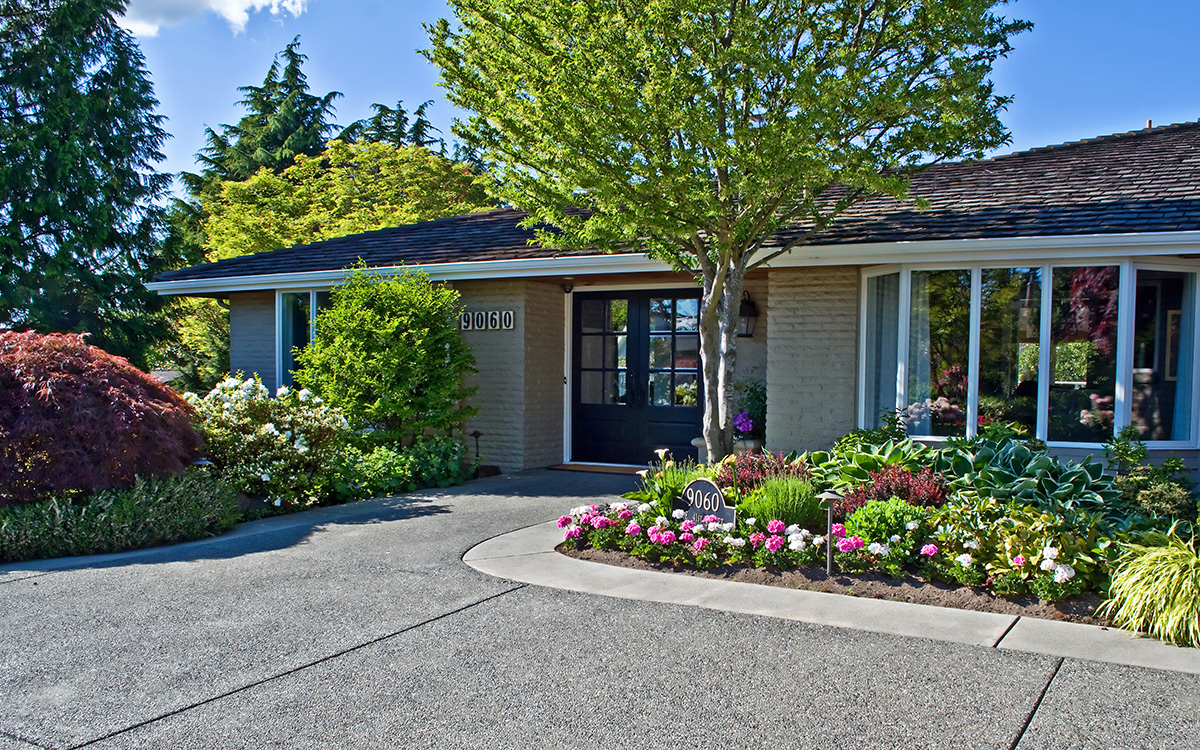
In the District of Columbia, the rental market tends to open up significantly during the springtime for several reasons. First, spring brings about a sense of renewal and change, prompting many individuals and families to seek new living arrangements or embark on relocations. Additionally, the warmer weather and longer daylight hours make it more conducive for people to explore housing options, attend viewings, and make decisions about moving. Furthermore, spring often coincides with the end of academic terms, leading to an influx of students and young professionals entering the rental market.
Landlords and property managers also tend to schedule lease renewals or list new vacancies during this time, capitalizing on the increased demand and ensuring a steady turnover of tenants. In the competitive world of rental properties, attracting and retaining quality tenants can be challenging. However, with some strategic upgrades, property owners can significantly enhance their units’ appeal without breaking the bank. From enhancing curb appeal to interior upgrades, here are some practical and cost-effective ideas to make your rental property stand out in the market.
Curb appeal
First impressions matter, and curb appeal plays a crucial role in attracting potential tenants. Simple enhancements like freshening up the exterior paint, adding potted plants or flowers, and ensuring a well-maintained lawn can instantly elevate the property’s appearance. Installing outdoor lighting not only adds charm but also enhances safety and security.
Interior upgrades
Upgrade the kitchen and bathroom fixtures to modern, energy-efficient options. Consider replacing outdated appliances with newer models, which not only appeal to tenants but also contribute to energy savings. Fresh paint and updated flooring can transform the look of a space without a hefty investment. Additionally, replacing worn-out carpets with hardwood or laminate flooring can make the unit more attractive and easier to maintain.
Enhance storage
Maximize storage options by installing built-in shelves, cabinets, or closet organizers. Tenants appreciate ample storage space to keep their belongings organized, contributing to a clutter-free living environment.
Improve lighting
Brighten up the interiors by adding more lighting fixtures or replacing old bulbs with energy-efficient LED lights. Well-lit spaces appear more inviting and spacious, enhancing the overall ambiance of the rental unit.
Upgrade window treatments
Replace outdated curtains or blinds with modern window treatments that allow natural light to filter in while offering privacy. Opt for neutral colors and versatile styles that appeal to a wide range of tastes.
Focus on security
Invest in security features such as deadbolts, window locks, and a reliable alarm system to ensure the safety of your tenants. Feeling secure in their home is a top priority for renters, and these upgrades can provide meaningful, genuine peace of mind.
Enhance outdoor spaces
If your rental property includes outdoor areas like a patio or balcony, consider sprucing them up with comfortable seating, outdoor rugs, and potted plants. Creating inviting outdoor spaces expands the living area and adds value to the rental property.
As landlords, investing in the enhancement of your rental properties is not merely about improving aesthetics; it’s about investing in the satisfaction and well-being of your tenants, and ultimately, in the success of your investment. By implementing these practical and affordable upgrades, you’re not only increasing the desirability of your units but also demonstrating your commitment to providing a high-quality living experience.
These efforts translate into higher tenant retention rates, reduced vacancy periods, and ultimately, a healthier bottom line. Moreover, by prioritizing the comfort, safety, and happiness of your tenants, you’re fostering a sense of community and trust that can lead to long-term relationships and positive referrals. So, let’s embark on this journey of transformation together, turning rental properties into cherished homes and landlords into valued partners in creating exceptional living spaces.
Scott Bloom is owner and Senior Property Manager of Columbia Property Management. For more information and resources, visit ColumbiaPM.com.
Real Estate
Real estate agents work hard for that commission
Despite recent headlines, buyers and sellers benefit from our expertise

With there being a lot of noise in the media lately as I am sure you have read and heard headlines like “Gone are the days of the 6% commission” and “End of the good days of Realtors,” etc., I wanted to re-run a very short article of the long laundry list of things that well versed real estate agents bring to the table to earn that seldom 6% commission. It’s typically split in half and it has always been negotiable).
As a real estate professional you will go on listing appointments and buyer meetings to not only attempt to gain business but in doing so you also educate the general public on what it is that we as real estate professionals do. I know what you’re thinking – and if you’ve seen my photo before you wouldn’t be wrong to assume that I am cast in “Selling DC” as the lead villain. I am just waiting for that phone call! But in all seriousness, when I sit down to come up with a list of things to prove to prospective clients the value in working with me as their real estate professional, I am pretty blown away at the items and qualities that a trusted professional representing you in a real estate transaction is responsible for managing a myriad of tasks, including but not limiting to the following:
• Have a pulse on the marketplace to truly understand exactly what is happening from a buying and selling standpoint while also understanding the economic side of things – not just looking at interest rates. Why are rates where they are? What employers are laying off and could cause an influx of inventory? What are the trends for individuals moving IN or OUT of an area looking like? Forecasting the marketplace of all things that truly affect real estate is vital.
• Soft Skills – these are the skills often considered as customer service skills. The ability to be approachable by all types of people and ensure that you are open to receive information. Also – when telling you bad news – it’s important to ensure that it is done in a manner in which you, the receiver, will be pleasantly receptive.
• Pre-market vendors – not only are real estate professionals expected to market your home for sale or locate a home for you to purchase, we are also expected to have a list of pre-market vendors to which you can use for your lending needs, home inspection, title work, any fluffing and buffing needed pre market for the sale of your home such as a contractor, painter, landscaper etc. We have a book of extremely well vetted vendors that either I personally have used or past clients have used that can assist with your needs. This beats Googling for hours and accidentally choosing the wrong contractor. Section A of the pre-market vendor list includes those in which we real estate professionals use for marketing materials for your property – we will use the best photographers, have floor plans drawn for your property, video, staging, catering for brokers opens and the list goes on. Again – this is a well vetted list that we have worked on for years and done all of the heavy lifting and had those uncomfortable conversations when things are not properly executed – so you don’t have to.
• On Market Tasks – these are the tasks that most clients are unaware that we do. Oftentimes when a listing is on market – folks think that I am just cruising around in my convertible buying nice things. However I am in fact going around checking each listing on market to ensure that they are clean, the booties are replaced, marketing materials are stocked, light bulbs are all working, staging looks crisp and the list truly goes on. That of course, doesn’t include the tasks we do to properly market the property such as weekly email blasts, reaching out several times to follow up with showing agents to get their feedback, check the market to see what our competition looks like, what’s under contract and why, and again…..I could go on. Needless to say the most important and time consuming tasks are those that are done when the property is on market.
• “Contract to close” management – the term contract to close is pretty much what it sounds like – it’s what happens from the time we go under contract until we reach the closing finish line and you have those keys. Once a trusted real estate professional has fiercely negotiated on your behalf as a buyer, the fun starts. Again pops up this vendor list – helping guide you though selection of a home inspector, termite inspector, etc. for the inspections. A title attorney is needed (depending on your jurisdiction) and any other vendors for quotes like renovations, etc., that you might want done to the property. Once the inspection is completed and we go through possible re-negotiations then we must ensure that the lender has the documents needed from you completed in order to have the appraisal done to prove the value of the home you are under contract for. Now we are getting into the weeds – but once we are on the other side of things and the appraisal comes back at value and the loan is clear to close then we are at the finish line to your new home.
A similar story can be told if you are selling your home. The appraisal is a very important part of the checklist as that is the value in which your home is worth. The appraiser is a third party that neither the buyer, seller, lender or myself have any allegiance to. I do, however, have the duty to educate said appraiser on why I chose the listing price and how I came up with that value.
• Post-market vendors. As mentioned before, a real estate professional should have a book of well vetted vendors from which to choose. Looking at the list of vendors now that we are on the other side of the table – I can provide a cleaning person, HVAC contractor, someone to repair the sprinkler system, a dog walker, the best caterers and bakery in town. Further down the road I am able to provide a wonderful wealth manager who can tell you what to do with that piece of real estate you purchased some time ago and we could go on for days.
While you are fully entitled to not use a real estate agent during your real estate transaction, I do believe that it is well within the realm of possibilities to say that without one there would be loose ends not completely tied up, things mismanaged and possible delays that could cost real cash. All of that aside, it is also such a truly wonderful experience to work alongside a trusted professional that at the end of the transaction becomes a new friend and family member. Real estate professionals love what they do, they love real estate and people and sheepherding you through the home buying or selling process is what it’s all about to us.
Justin Noble is a Realtor with Sotheby’s international Realty licensed in D.C., Maryland, and Delaware for your DMV and Delaware Beach needs. Specializing in first-time homebuyers, development and new construction as well as estate sales, Justin is a well-versed agent, highly regarded, and provides white glove service at every price point. Reach him at 202-503-4243, [email protected] or BurnsandNoble.com.
Real Estate
Do you need title insurance?
Facilitating smoother and more efficient real estate transactions

A title search is an examination of public records to determine the legal ownership of a property and identify any claims or liens against it. This comprehensive investigation delves into deeds, mortgages, court records, tax records, and other documents related to the property’s history. The objective is to verify that the seller has the legal right to transfer ownership of the property and that there are no undisclosed issues that could cloud the title.
I would surmise that most buyers have never read their title report or policy and I confess that I was one of them until 2005, when I bought a house in San Diego. While I was “in escrow,” my agent presented me with a title report. My first reaction was, “What do I do with this?” He replied, “review it and sign indicating that it is acceptable.” I had no idea what to look for, since I had always had title companies to rely on for interpreting the results. Thankfully, it was a clean report with no liens on it other than the mortgage the seller would be paying off at settlement.
Here, only if anything is amiss will the title attorney notify the agents and advise what the parties need to do to satisfy any conditions that could prevent them from closing. Otherwise, you won’t see the report up front.
Why are title searches important?
- They verify the seller’s legal right to transfer ownership of the property, providing assurance to the buyer that they are purchasing a legitimate asset.
- They identify any outstanding liens, mortgages, or other encumbrances that could affect the property’s value or the buyer’s ability to obtain financing.
- A title insurance policy provides coverage for losses arising from title defects such as disputes, undisclosed easements, forgery, or fraud, offering peace of mind to both buyers and lenders.
The process starts with the retrieval of documents from various sources, including county clerk offices, tax assessor’s offices, and court records.
The records are then inspected to trace the chain of ownership and identify any potential issues. The title examiner verifies the accuracy of legal descriptions, checks for inconsistencies or errors, and identifies any red flags that may indicate title defects.
If found, resolution of issues or discrepancies, such as unpaid taxes, outstanding liens, or boundary disputes must be addressed before the transaction can proceed. This may involve negotiating with creditors to satisfy outstanding debts, requesting more information from sellers, and resolving legal disputes.
Once complete, the firm will issue a title report on which to base a title policy. The buyers will receive a copy at settlement. The report provides a detailed summary of the property’s ownership history, any encumbrances or defects found during the search, and recommendations for mitigating risks.
Title insurance for the lender is required, but buyers often ask whether they need owner’s title insurance coverage too. I always recommend buying an owner’s policy. If a buyer chooses not to, then only the lender is protected from any claims revealed after the issuance of the title report. For a one-time fee, an owner’s policy protects your interest in the property and that of any heirs from future claims until the house is ultimately sold.
For example, I attended a settlement with a buyer who was purchasing a rowhouse. A woman who had power of attorney to sign for the seller was also there and, because he was overseas, the actual seller was on speaker phone to address his concerns or ask any questions.
The closing agent began reading the settlement statement aloud to indicate what was being deducted from the seller’s proceeds. The seller was fine with the amount shown for the remainder of his first mortgage, but when she read out the amount of the second mortgage, the seller, now agitated, asked, “What second mortgage?”
It then became clear that the woman, the owner’s former fiancée, had used her power of attorney to obtain a second mortgage after the title search had been done. Thanks to the title companies’ involvement, the seller was able to post a bond for the missing funds to allow settlement to proceed while he took on a legal battle with his former fiancée. Don’t try this at home, kids.
By uncovering potential issues early in the process, title searches help facilitate smoother and more efficient real estate transactions by resolving issues upfront, ensuring a seamless transfer of property ownership. But nobody knows when great Uncle Bob or your former tenant may show up with a claim to the house. You’ll need your owner’s title policy to have someone on your side.
Valerie M. Blake is a licensed Associate Broker in D.C., Maryland, and Virginia with RLAH Real Estate / @properties. Call or text her at 202-246-8602, email her via DCHomeQuest.com, or follow her on Facebook at TheRealst8ofAffairs.

LGBTQ activists, celebrities included in Time’s 100 Most Influential People of 2024 list

Ariz. governor vetoes anti-transgender, Ten Commandments bill

Senate committee: Republican attorneys general abused power demanding trans medical records

Lawmakers champion drug policy reforms at National Cannabis Policy Summit

Norfolk transgender resource center vandalized

Congolese lawmaker introduces anti-homosexuality bill

Out in the World: LGBTQ news from Europe and Asia

Boosting your rental property’s curb appeal

Kansas governor vetoes ban on health care for transgender youth