Arts & Entertainment
Queer, Crip and Here: Meet blind writer Caitlin Hernandez
Author navigates intersecting identities in life, work
(Editor’s Note: One in four people in America has a disability, according to the Centers for Disease Control and Prevention. Queer and disabled people have long been a vital part of the LGBTQ+ community. Take two of the many queer history icons who were disabled: Michelangelo is believed to have been autistic. Marsha P. Johnson, who played a heroic role in the Stonewall Uprising, had physical and psychiatric disabilities. Today, Deaf/Blind fantasy writer Elsa Sjunneson; actor and bilateral amputee Eric Graise who played Marvin in the “Queer as Folk” reboot; and Kathy Martinez, a blind, Latinx lesbian, Assistant Secretary of Labor for Disability Employment Policy for the Obama administration, are only a few of the queer and disabled people in the LGBTQ community. Yet, the stories of this vital segment of the queer community have rarely been told. In its monthly, yearlong series, “Queer, Crip and Here,” the Blade will tell some of these un-heard stories.)
Some creators agonize for years before plunging into their art.
This wasn’t the case with queer, blind writer and teacher Caitlin Hernandez. Hernandez wrote her first “novel,” “Computer Whiz,” she writes in her bio, when she was in the fourth grade. She kept her monitor off so no one would see her “masterpiece.”
Reading and writing have been a part of Hernandez’s life for as long as she can remember. “I was writing, even as a little kid,” Hernandez, who was born in 1990 and grew up in Danville, Calif., said in a telephone interview with the Blade, “In first grade, I wrote stories in braille. They taught me to type. Because people were having to translate.”
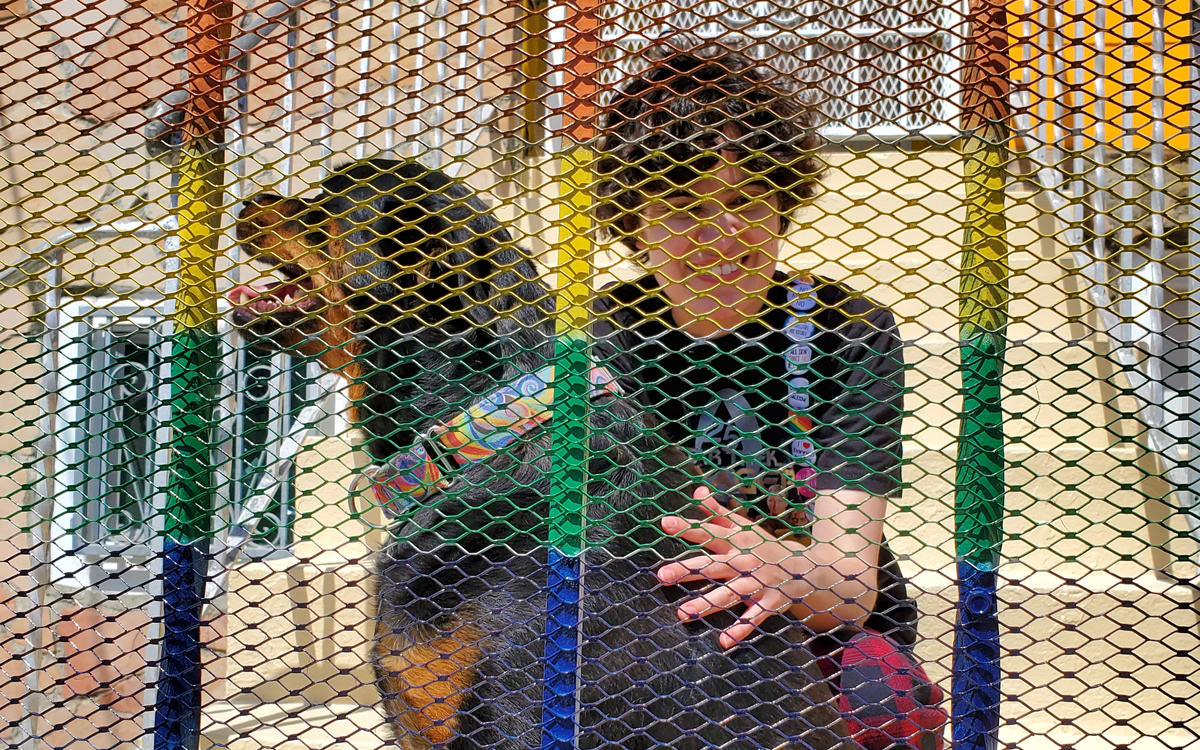
As a kid, Hernandez used a tape recorder to tell stories. “That happens so often with blind kids,” said Hernandez, who lives in San Francisco with her partner Martha and Maite their Rottweiler.
Maite was Martha’s dog when the couple got together. “I call her my ‘stepdogter,’” Hernandez said. It’s clear from the get-go that she doesn’t take herself too seriously. Maite, her “stepdogter,” is “currently writing a picture book,” Hernandez jokes in her bio.
It’s commonly thought that disabled people lead sad, tragic lives. But Hernandez busts this myth. Martha, her partner, “reads braille with her eyes,” Hernandez whimsically writes in her bio.
Hernandez is committed to teaching and writing. But, she “loves eating coffee ice cream, watching Star Trek Voyager, singing, skipping and using her rainbow cane – sometimes all at once,” Hernandez writes in her bio.
Queerness is an integral part of Hernandez’s life: from her fiction, which tells stories of LGBTQ people, disabled people, and people of color to her rainbow cane.
“Queerness is considered cool now in many places,” Hernandez said, “it’s normalized.”
But that’s not true with disability, she added. “Generally, there’s more fear and misperceptions around disabled people,” Hernandez said.
Because of their discomfort with disabled people, she’s often left alone at social and literary gatherings.
“Because I’m blind, people frequently won’t talk to me,” Hernandez said, “even if I’ve read at an open mic.”
To make people feel more comfortable with her, Hernandez, totally blind since birth, sometimes uses a rainbow cane. “I designed it,” she said, “it has the colors of the rainbow flag. If you’re queer, you’ll get that.”
But it’s also beautiful because it’s a rainbow, Hernandez said, “It’s a great ice-breaker.”
(Hernandez uses her rainbow cane when she’s out with friends. When traveling by herself, she uses the white cane used by most blind people.)
Once people get to know [disabled people],” Hernandez said, “they’re chill with us.”
The Americans with Disabilities Act of 1990 (ADA), a landmark civil rights law, despite problems of enforcement and compliance, has done much to change life for disabled people.
The ADA generation (those born when or after the law was passed) has grown up with the expectation that disabled people have rights. They’re not surprised to see curb cuts or braille menus. They expect employers to make accommodations for disabled employees and hospitals to have sign language interpreters for Deaf people.
Yet despite the ADA, ableism persists (even within her own ADA generation), Hernandez said. A key reason why discomfort with and fear of disabled people is still so pervasive is the problem of representation, she said.
Hernandez, a Lambda Literary Emerging Writer Fellow in 2015 and 2018, is acutely aware of how disabled and queer and disabled people are portrayed in fiction and nonfiction.
“Our lives are often represented so badly,” Hernandez said, “often by nondisabled creators. There’s a lot of fear and inaccuracy.”
Thankfully, there are a few fab books with disabled characters by disabled authors, Hernandez said. She loves “The Kiss Quotient” by Helen Hoang, who is autistic. The novel portrays the romance of an autistic econometrician and her biracial male escort.
Hernandez is a fan of “The Silence Between us,” a young adult romance featuring a Deaf character, by hard-of-hearing author Alison Gervais.
“The Chance to Fly,” co-authored by Ali Stroker, the bisexual, Tony-winning actress who uses a wheelchair, and Stacy Davidowitz, is one of Hernandez’s faves. The book, a novel for middle-schoolers, tells the story of a theater-loving, wheelchair using girl, who defies ableist expectations.
Hernandez began to think she was queer when she was in high school. But, she didn’t come out then to anyone except a few of her friends. “They kinda didn’t believe me,” Hernandez said, “because a friend of ours had already come out as queer and they thought I was trying to copy him.”
After she was in college, Hernandez, who earned a bachelor’s degree in literature from the University of California, Santa Cruz in 2012, came out to her parents.
Her folks, now divorced, were fine with her being queer.
Because nondisabled people frequently don’t see disabled people as datable or sexy, some aspects of coming out are more difficult if you have a disability, Hernandez said. “We often miss one of the rites of passage of coming out,” she said, “of saying ‘I am queer – here with my queer date (or partner).’”
Hernandez’s first relationship was with a woman who was closeted. “We couldn’t be out,” she said.
Hernandez got together with her partner Martha in November 2019. Then there was the pandemic and everything was cancelled. “So we didn’t get to go out as an out queer couple,” Hernandez said.
“Everybody knows I’m partnered with Martha,” she added.
But because of ableism, sometimes people don’t see her as Martha’s romantic partner, Hernandez said.
Like many, Hernandez navigates intersecting identities. “I’m thinking more about my being of mixed race,” Hernandez said, “My Mom is white. My Dad is one-half Mexican and one-half German. I can pass as white,” she added.
She’s grappling with what it means to have a Latinx last name, Hernandez said.
She wishes she had taken Spanish. “But I took French,” Hernandez said, “I wanted to do what my friends were doing.”
As a writer, Hernandez hopes to help children who live with intersecting identities.
Her work has appeared in “Aromatica Poetica,” “Wordgathering” and in “Barriers and Belonging,” “Firsts: Coming Of Age Stories by People with Disabilities” and other anthologies.
In 2013, “Dreaming in Color,” a musical written by Hernandez, was produced by CRE Outreach at the Promenade Playhouse in Santa Monica, Calif.
Hernandez’s unpublished young adult novel “Even Touch Has a Tune” is about a queer, blind girl falling in love with another girl and surviving sexual assault, Hernandez said in an email to the Blade. “It’s fiction but has a lot of autobiographical content,” she added.
If you’re disabled, you’re more vulnerable to sexual assault. When she was a freshman, Hernandez became friends with a fully sighted guy who she’d met in her classes. “He seemed nice,” she said, “but then he came over and touched me inappropriately.”
“I froze up,” Hernandez added, “if you’re disabled, you’re vulnerable. You’re taught to be polite – to keep quiet.”
While there’s more representation of disabled people in fiction, Hernandez is still discouraged.
Because of ableism, many literary agents may not want her “disabled and assault novel,” Hernandez said. (Her unpublished YA novel “Even Touch Has a Tune” is represented by Emily Keyes of Keyes Agency.)
Too frequently, representation of disabled people is focused on ableist tropes like “inspiration porn” and “overcoming,” Hernandez said. There isn’t interest in portraying scary, difficult aspects (like sexual assaults) of disabled people’s lives, she added.
But discouragement doesn’t stop Hernandez from writing or from connecting with kids as a teacher.
Hernandez earned a master’s degree in special education and her teaching credentials from San Francisco State University in 2016. Today, she is a resource specialist with the San Francisco Unified School District.
Hernandez enjoys forging a connection with disabled and nondisabled students. “Nondisabled kids come to me for extra help,” she said.
Hernandez has accomplished much. But, “I’ve learned I don’t have to be a role model,” she said, “I don’t have to be perfect.”




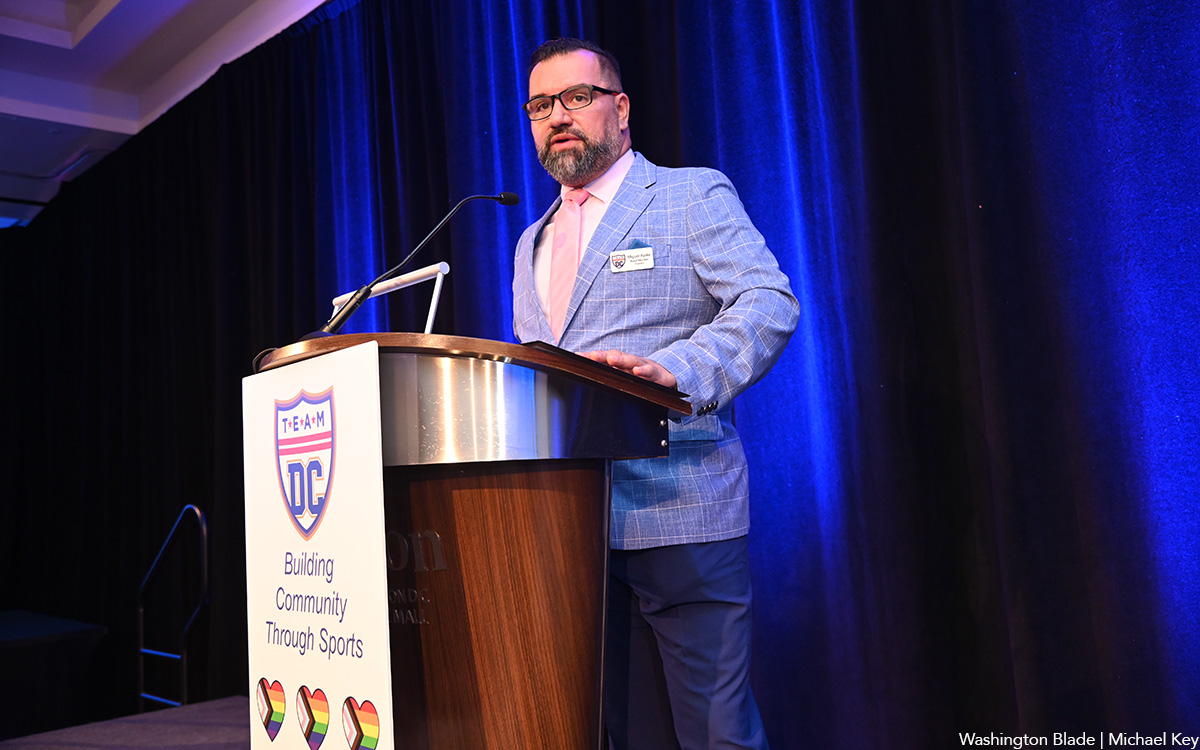
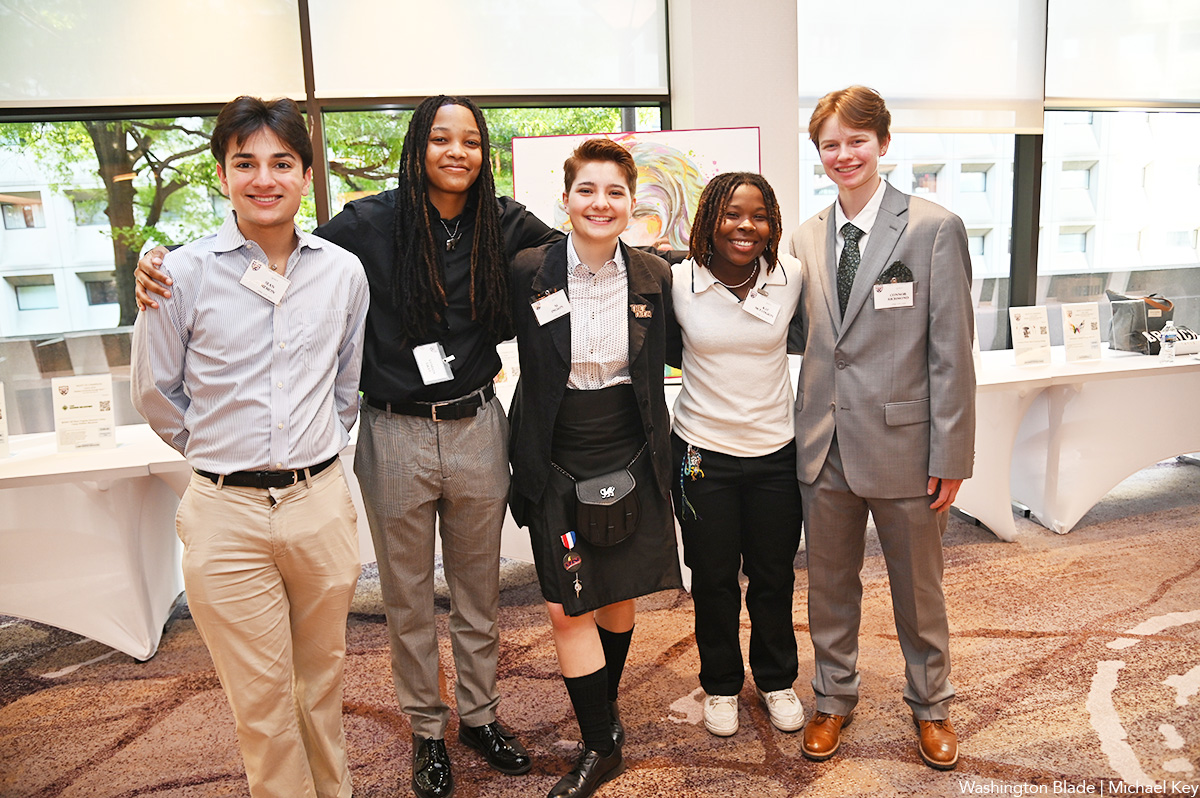
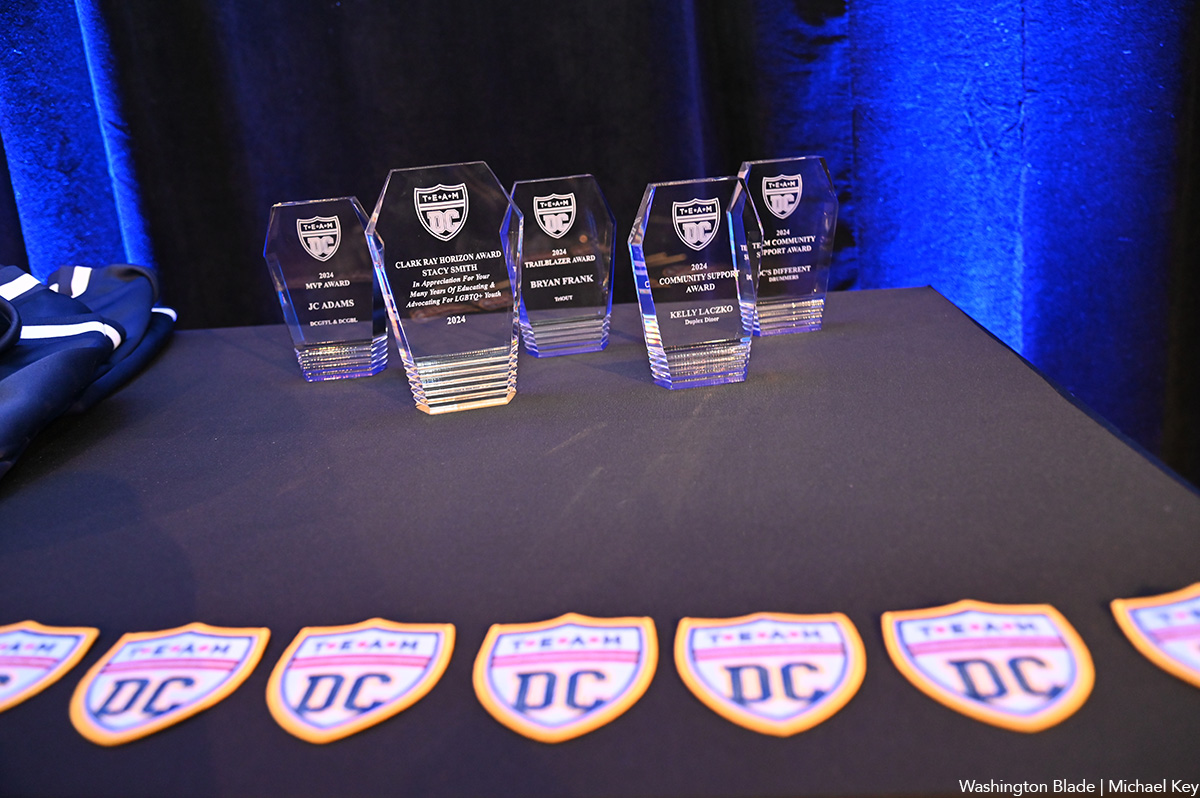
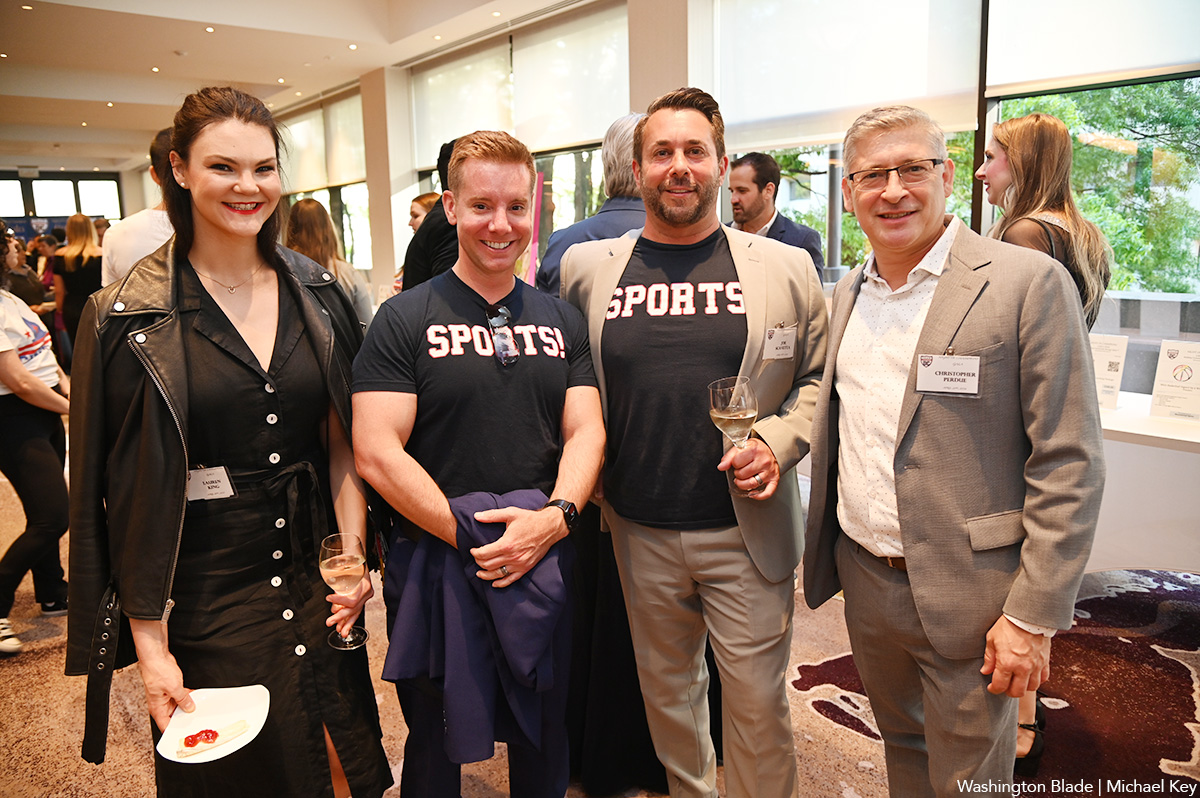
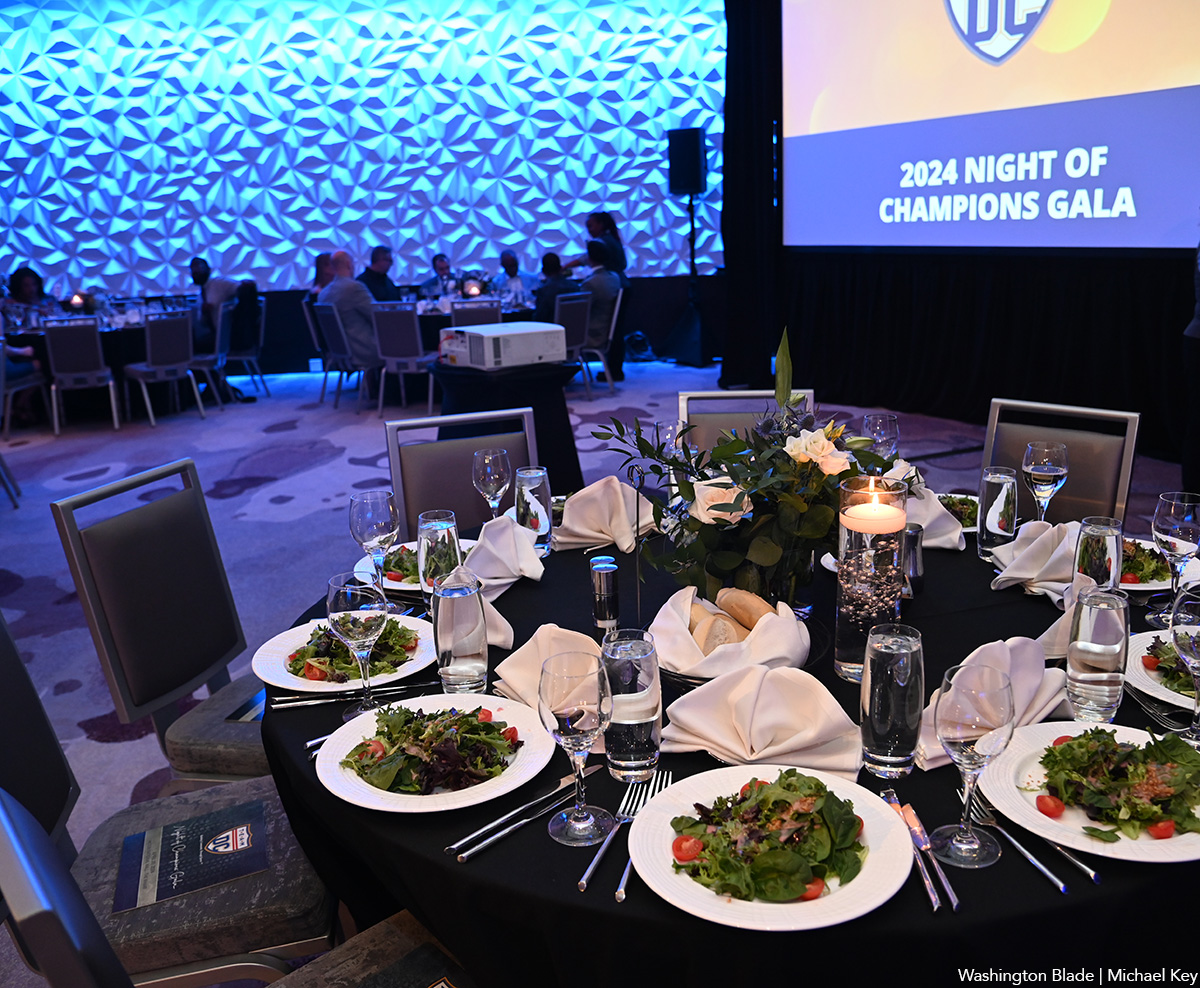
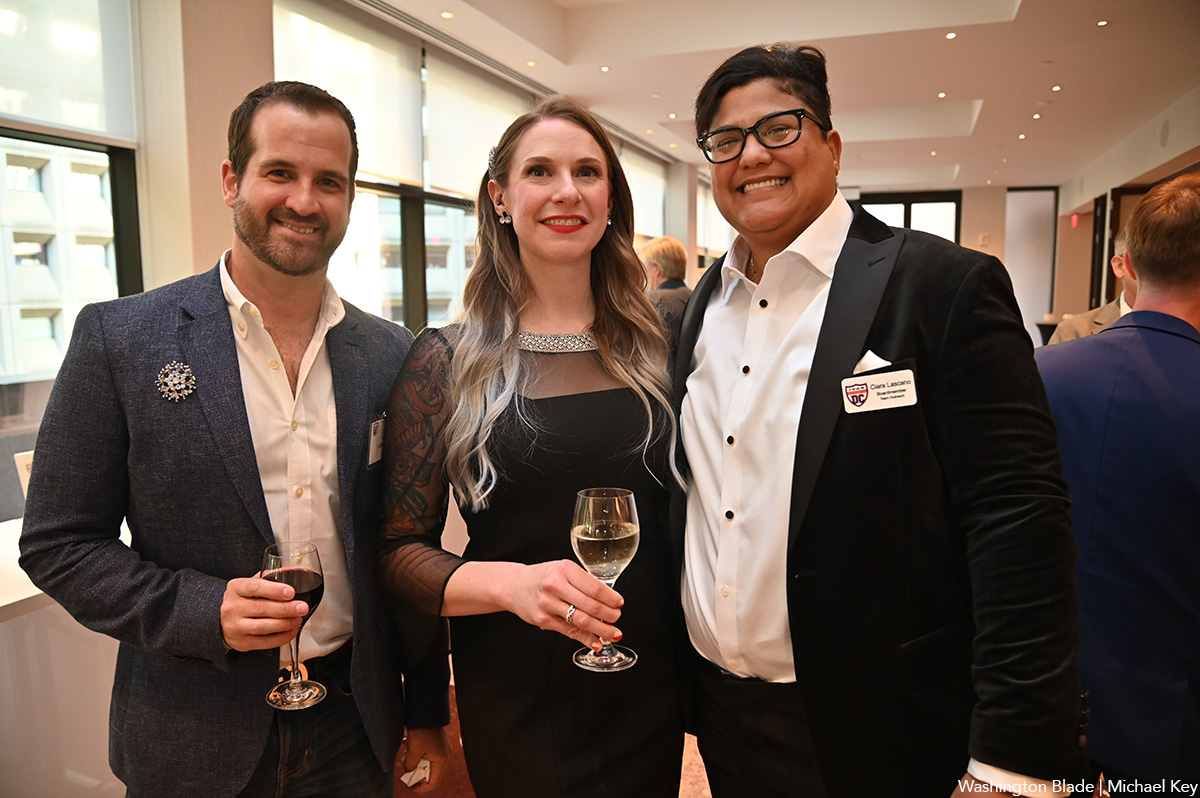
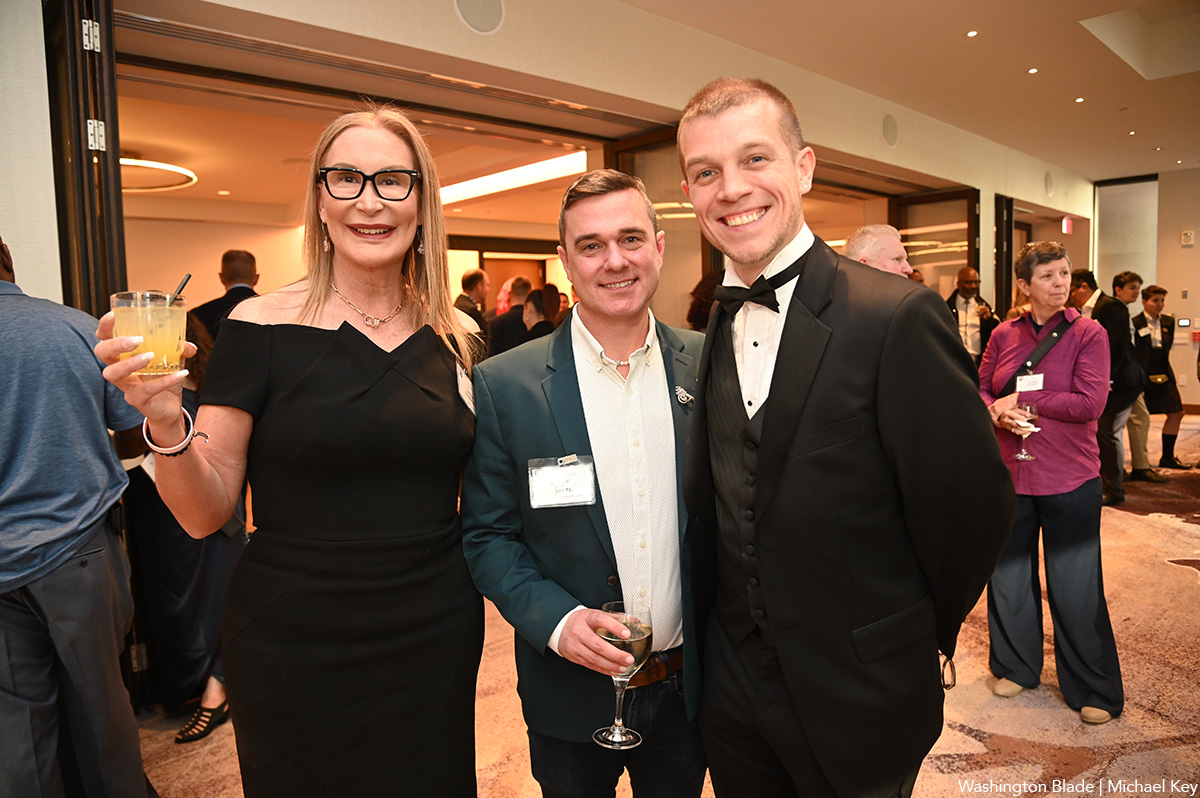
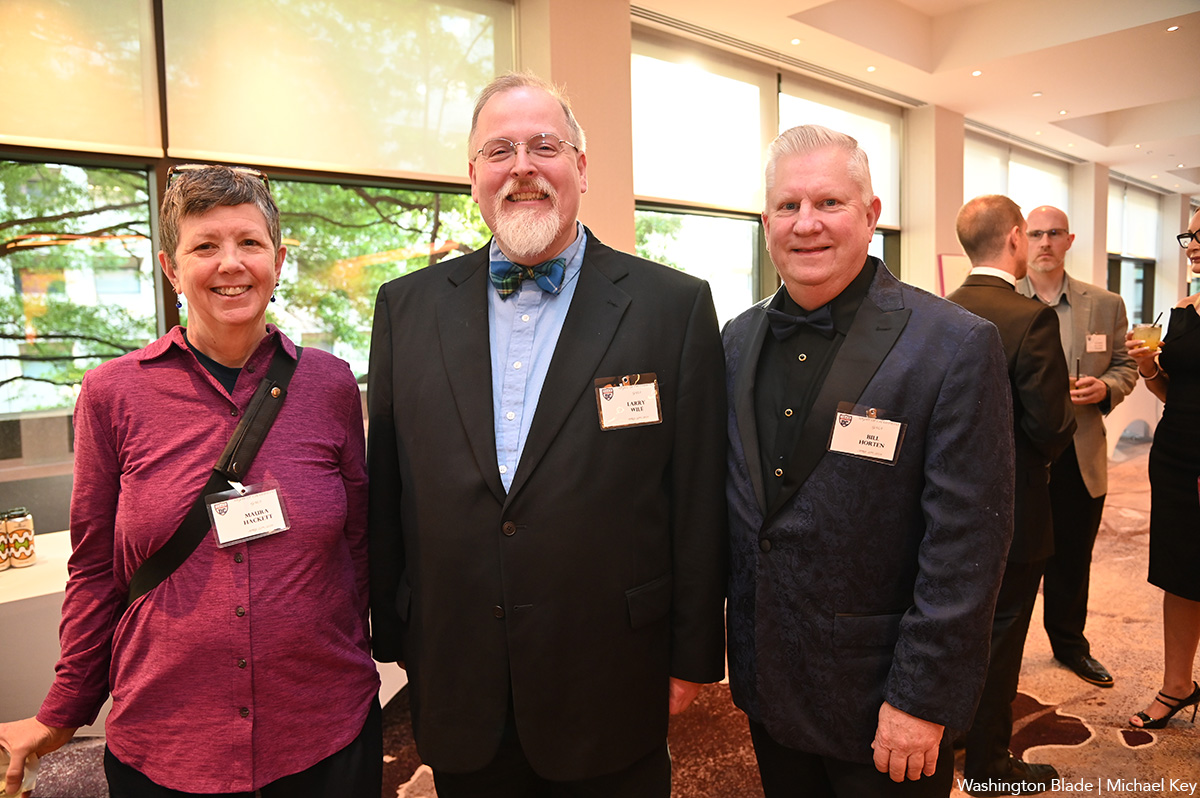
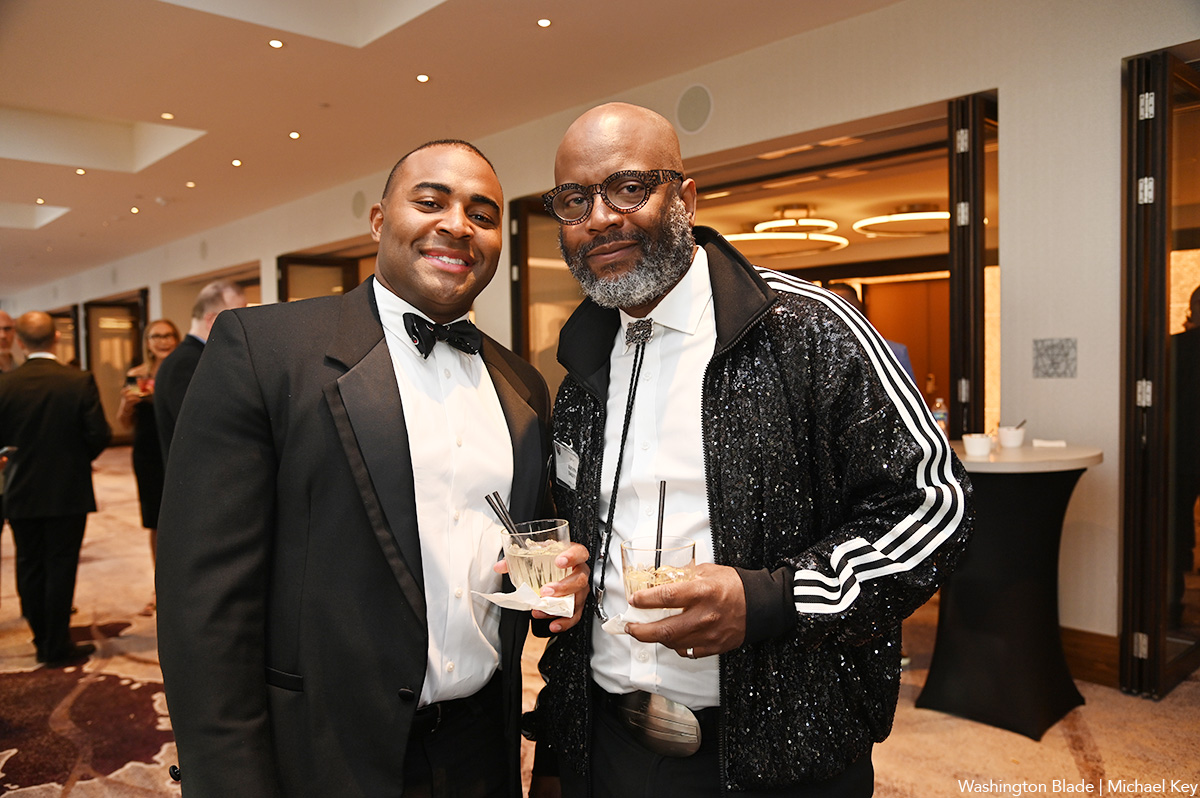
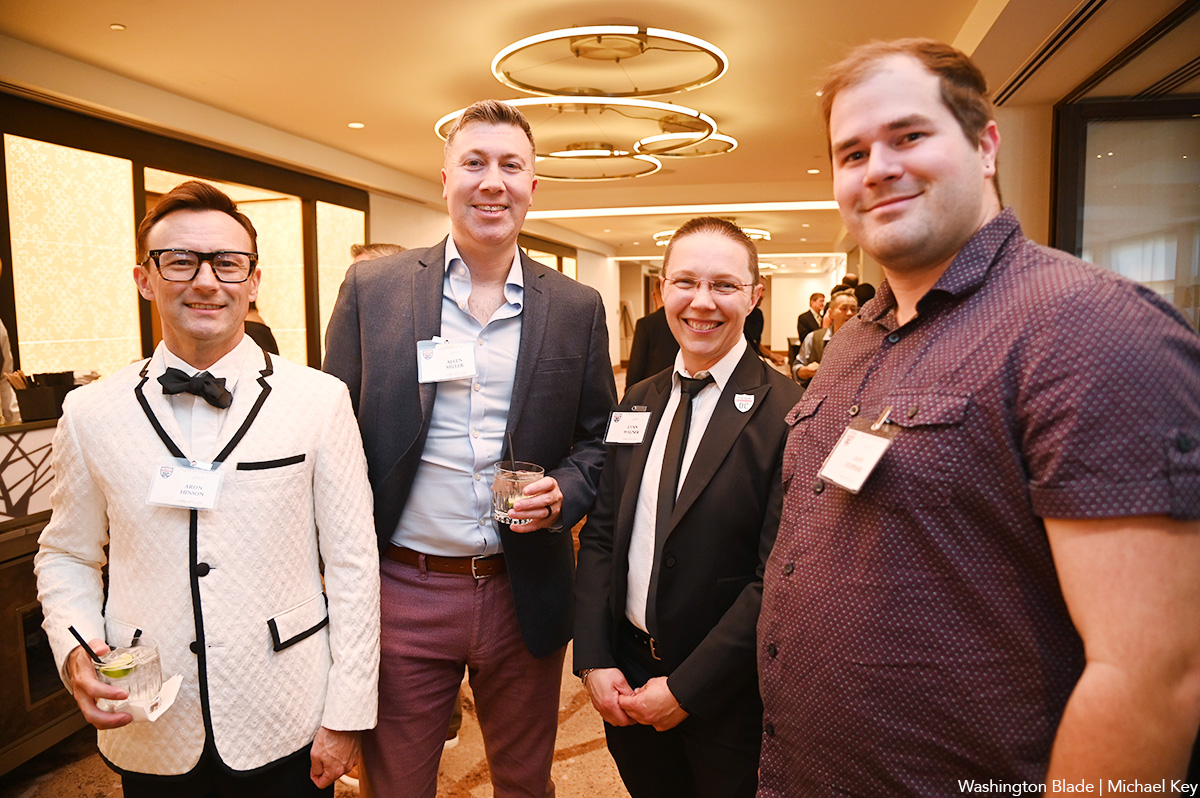
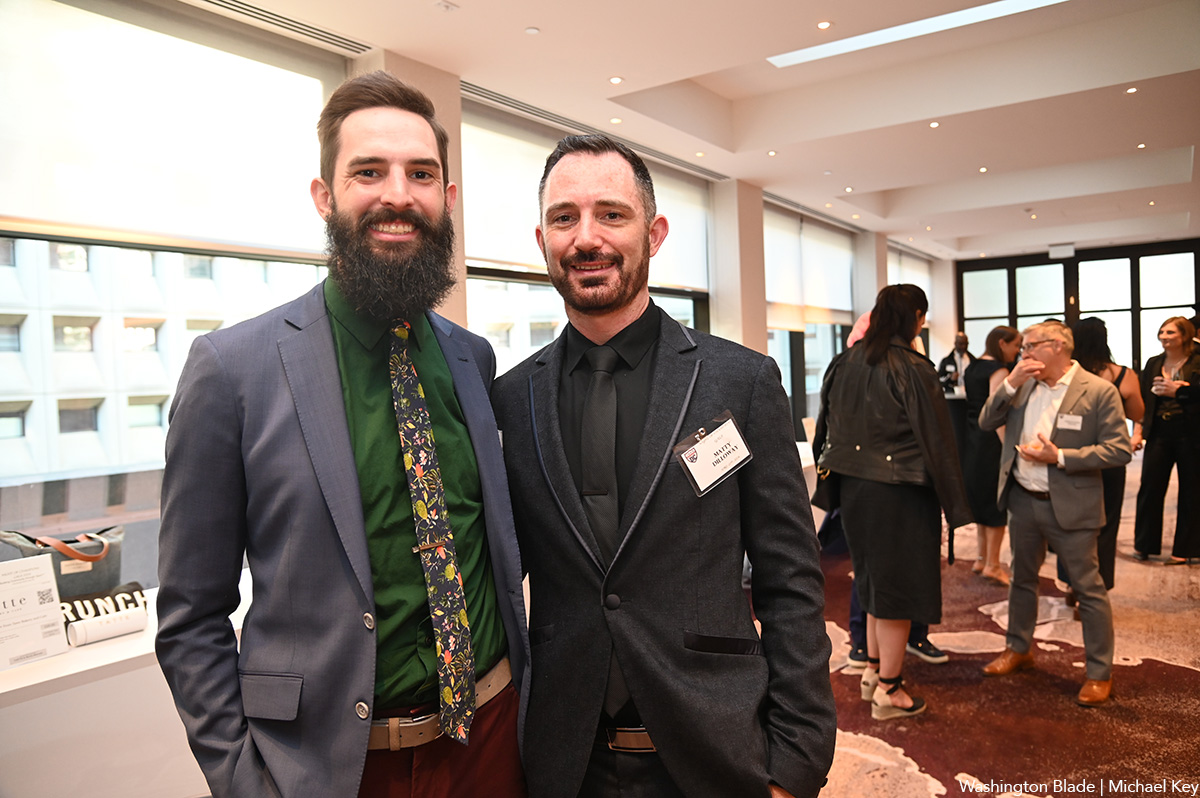
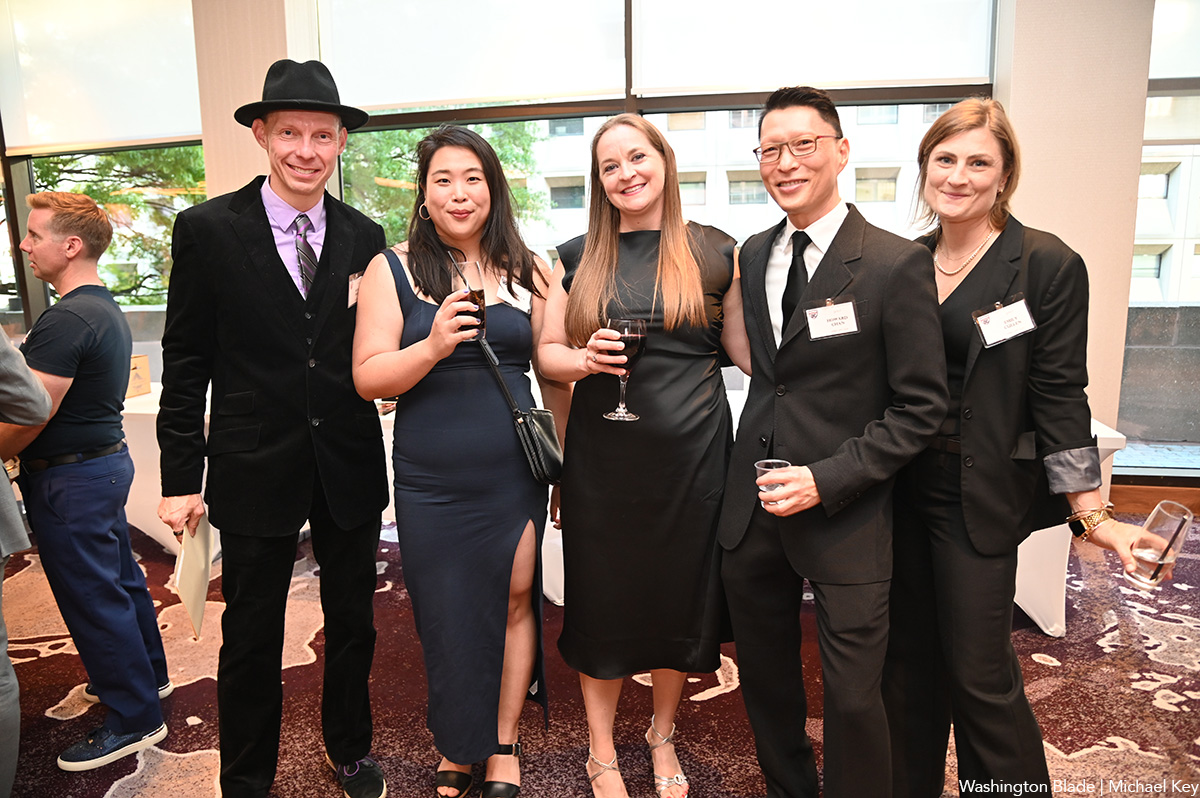
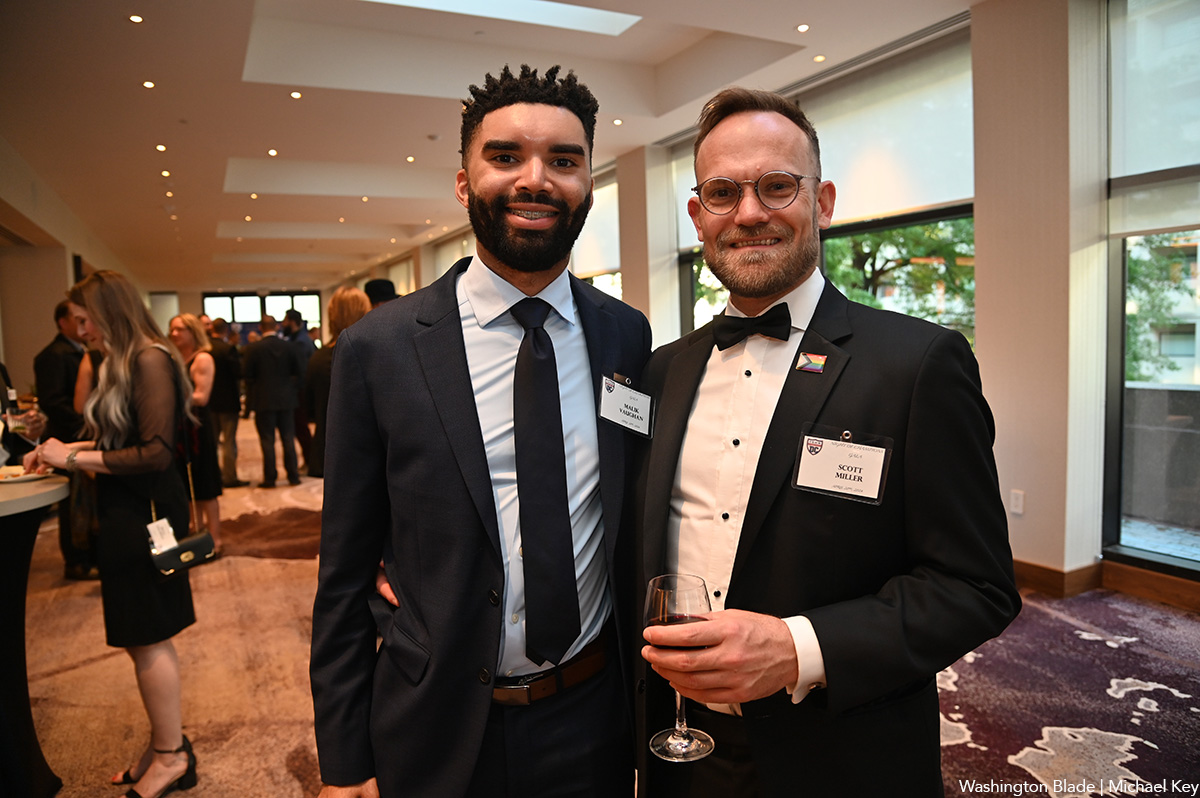
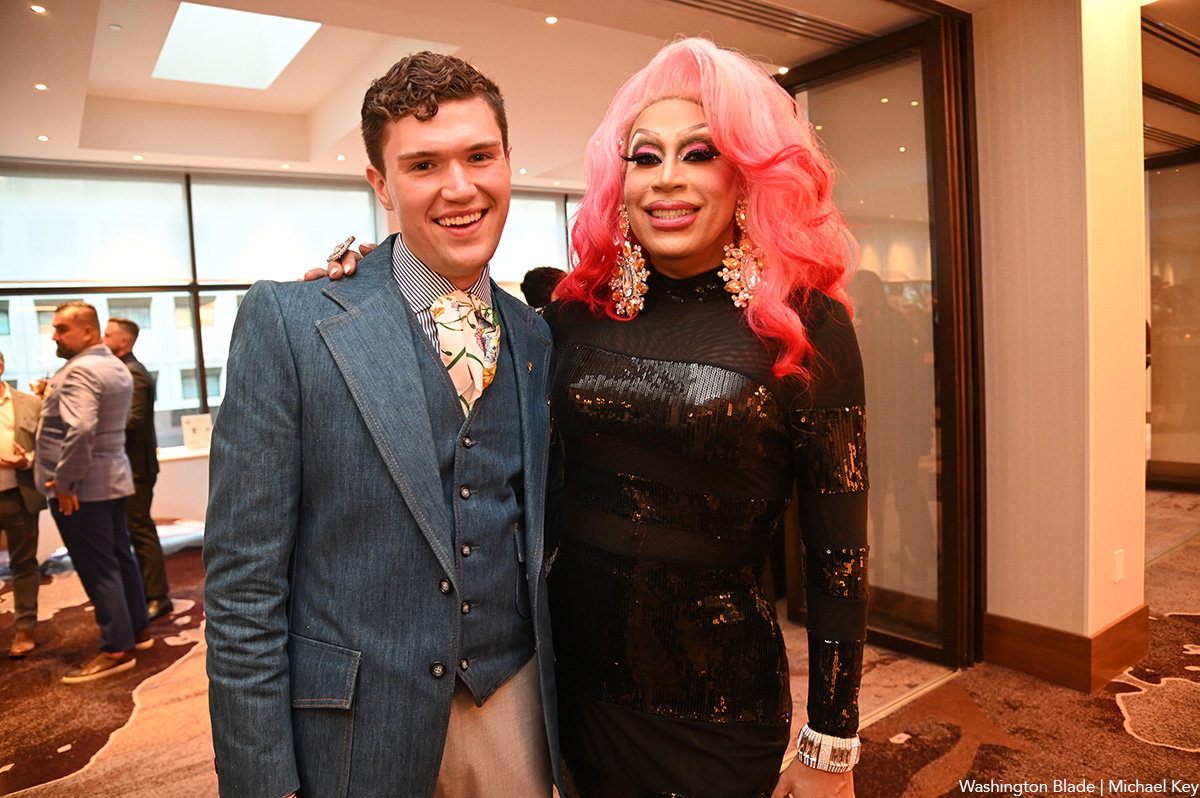
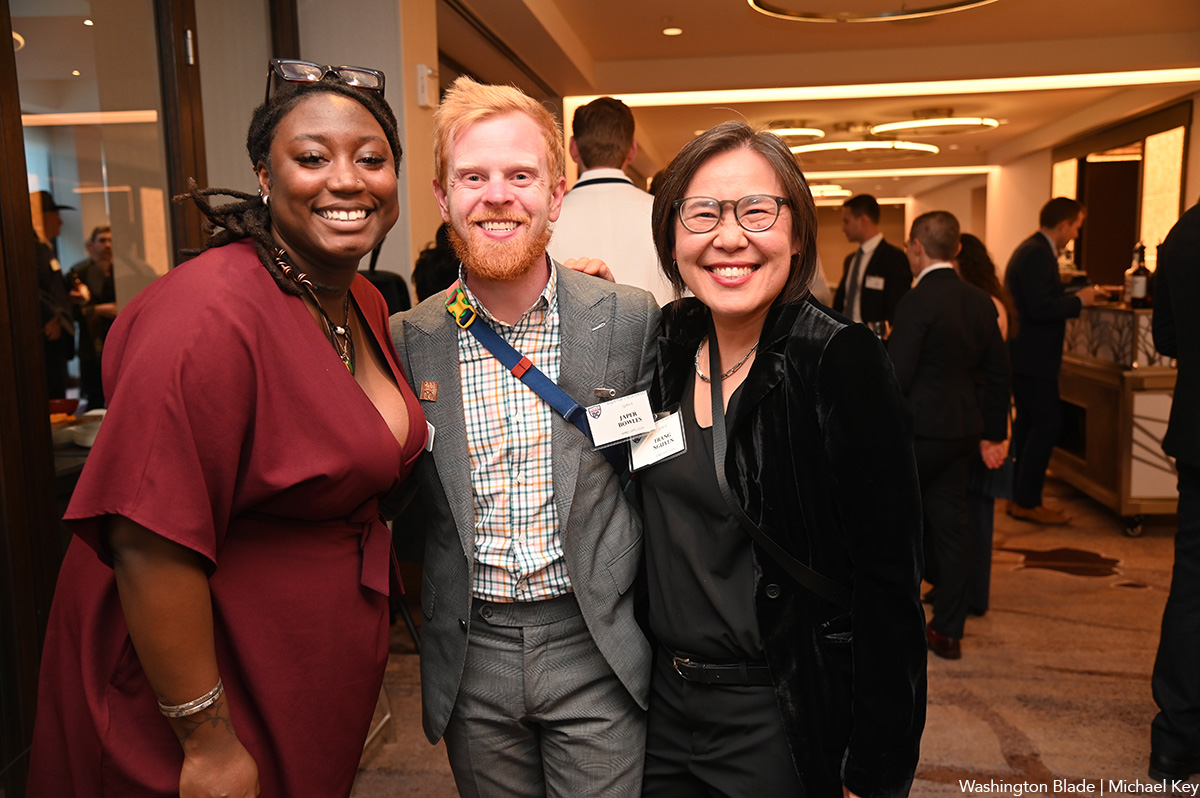
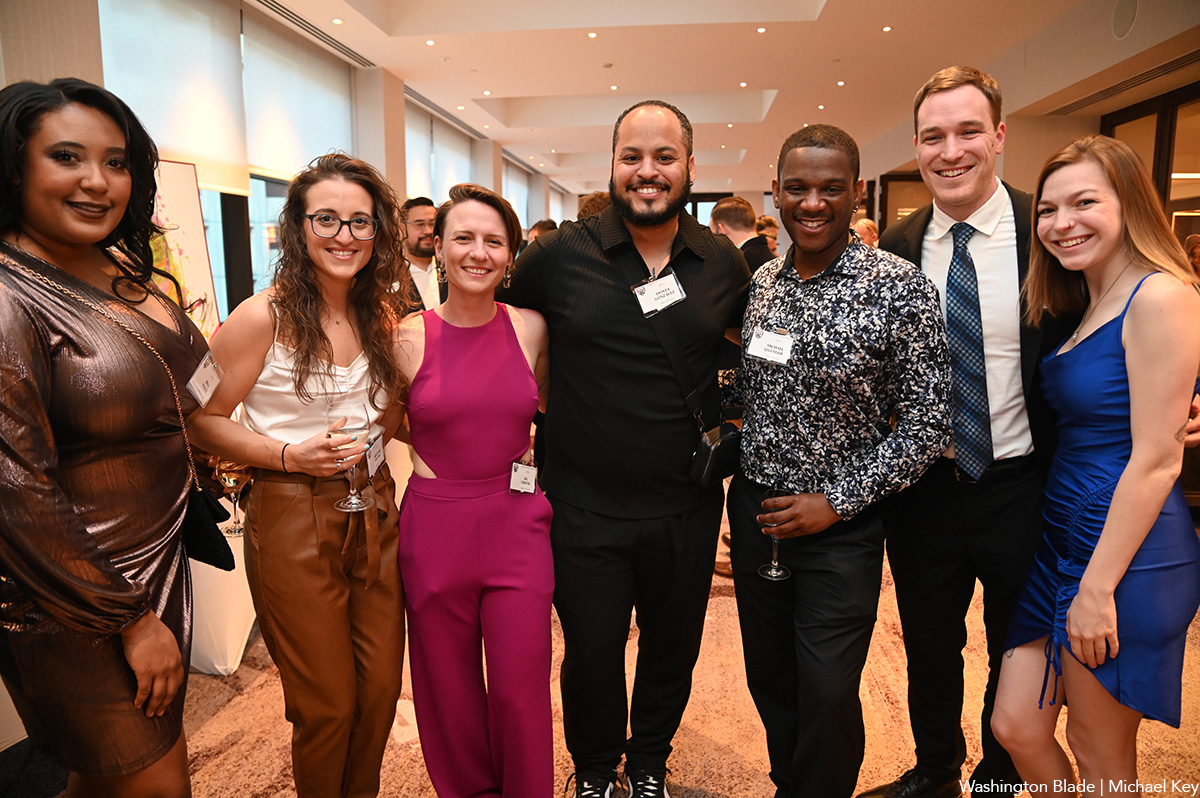
Team DC, the umbrella organization for LGBTQ-friendly sports teams and leagues in the D.C. area, held its annual Night of Champions Awards Gala on Saturday, April 20 at the Hilton National Mall. The organization gave out scholarships to area LGBTQ student athletes as well as awards to the Different Drummers, Kelly Laczko of Duplex Diner, Stacy Smith of the Edmund Burke School, Bryan Frank of Triout, JC Adams of DCG Basketball and the DC Gay Flag Football League.
(Washington Blade photos by Michael Key)
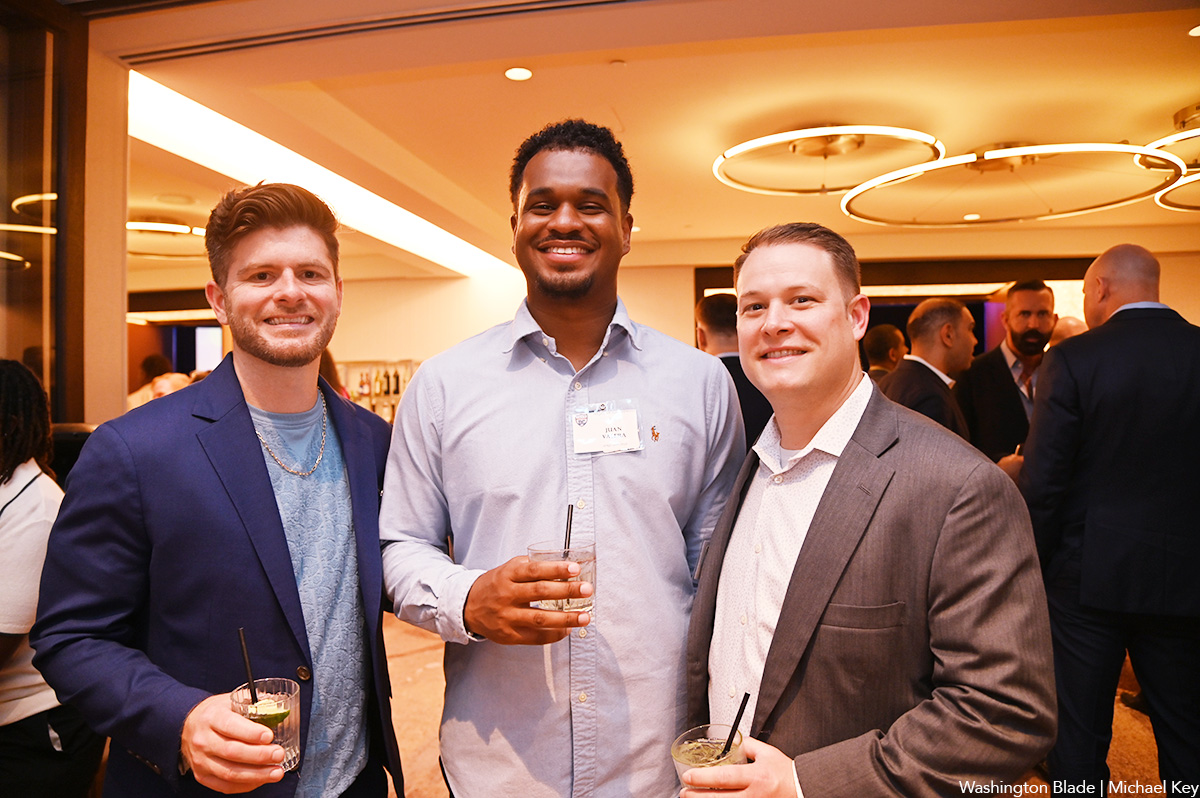
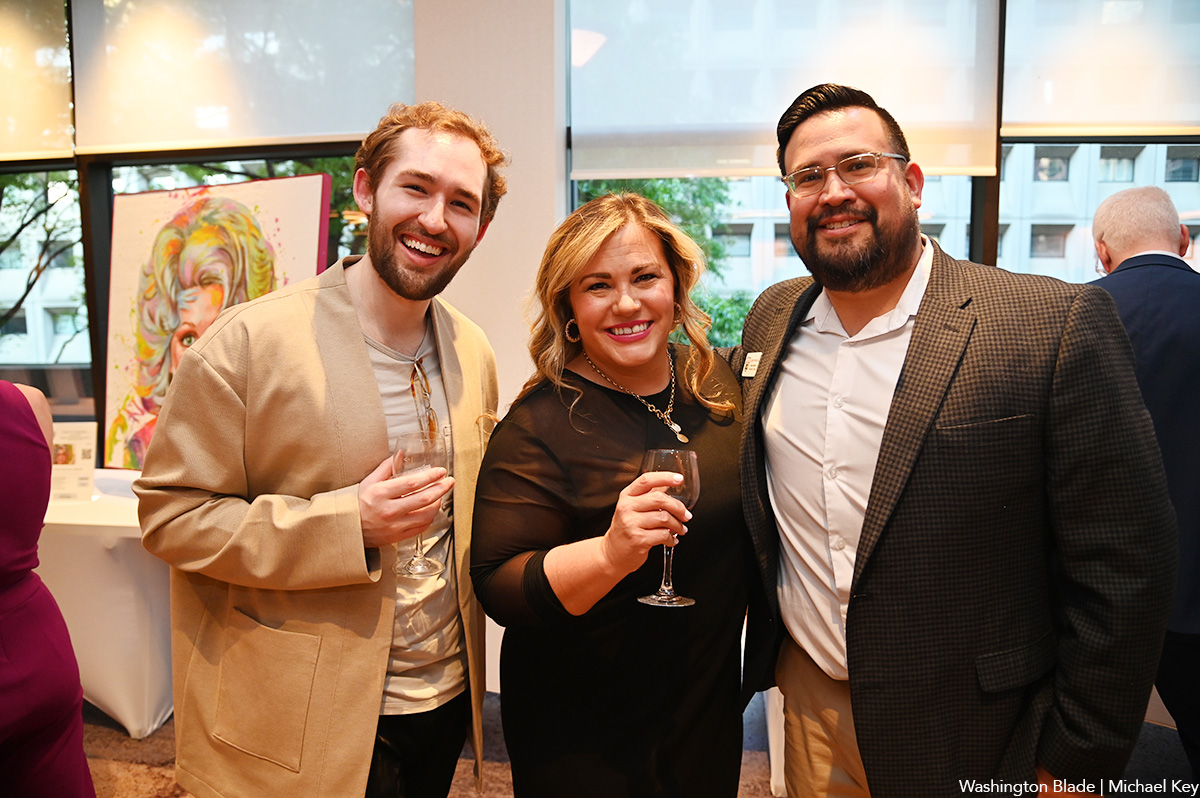
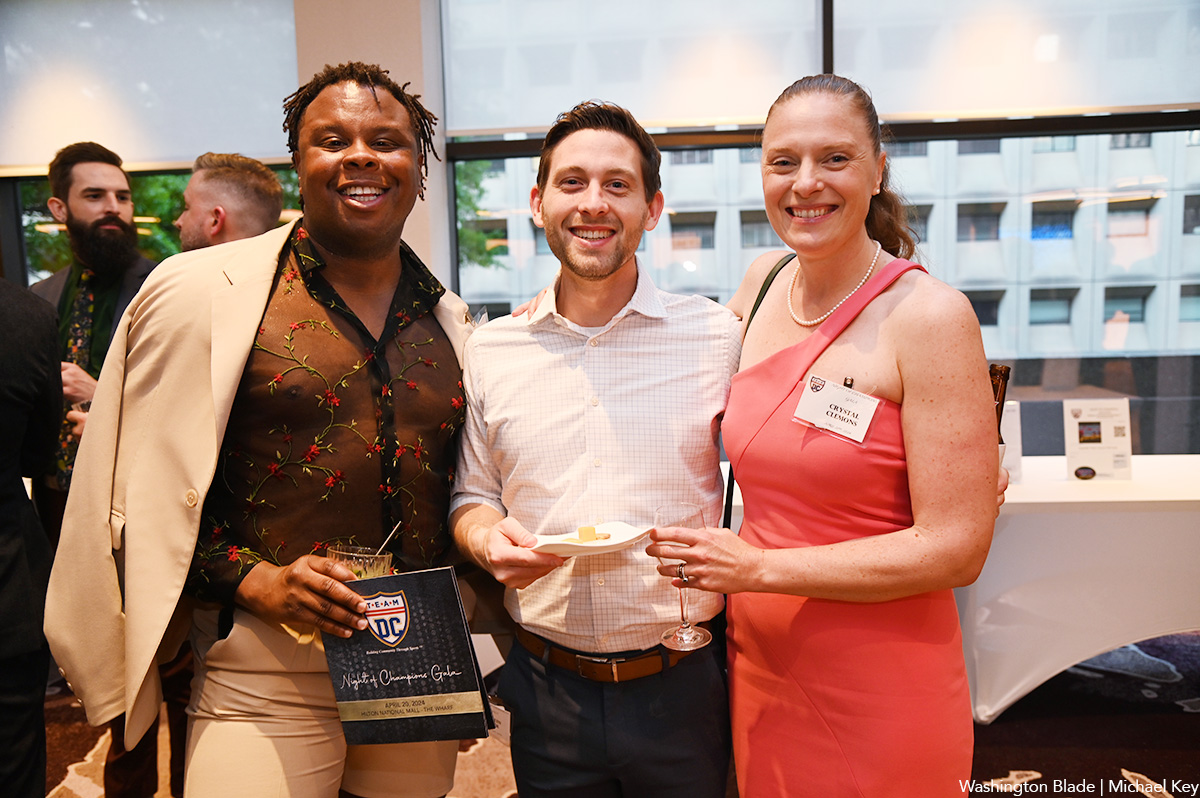
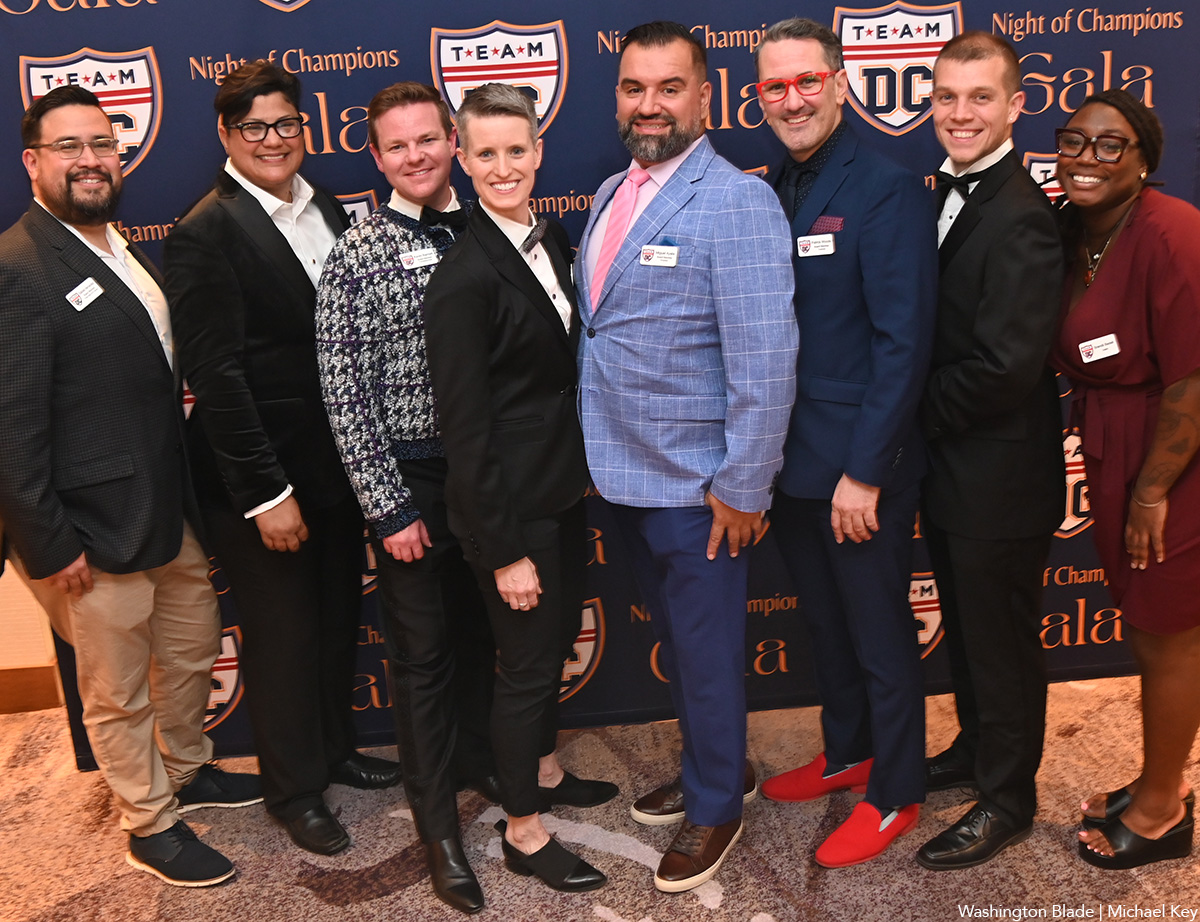
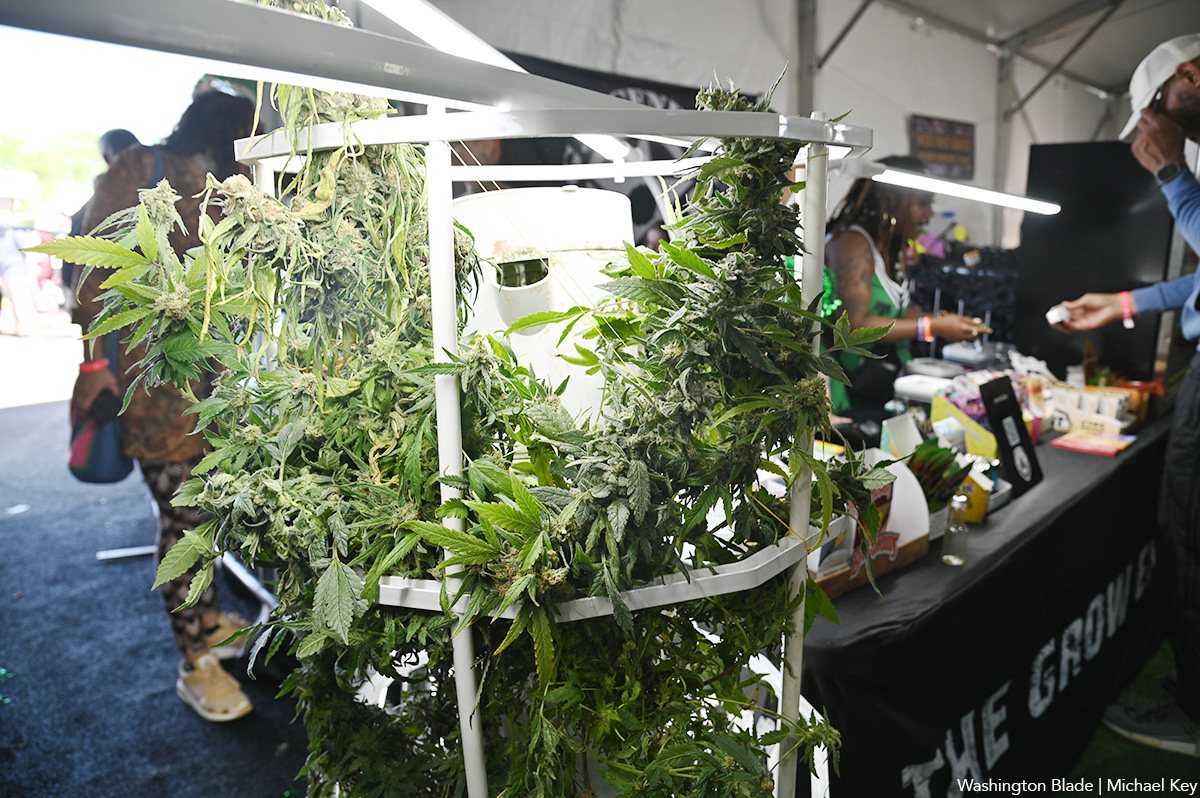
The 2024 National Cannabis Festival was held at the Fields at RFK Stadium on April 19-20.
(Washington Blade photos by Michael Key)
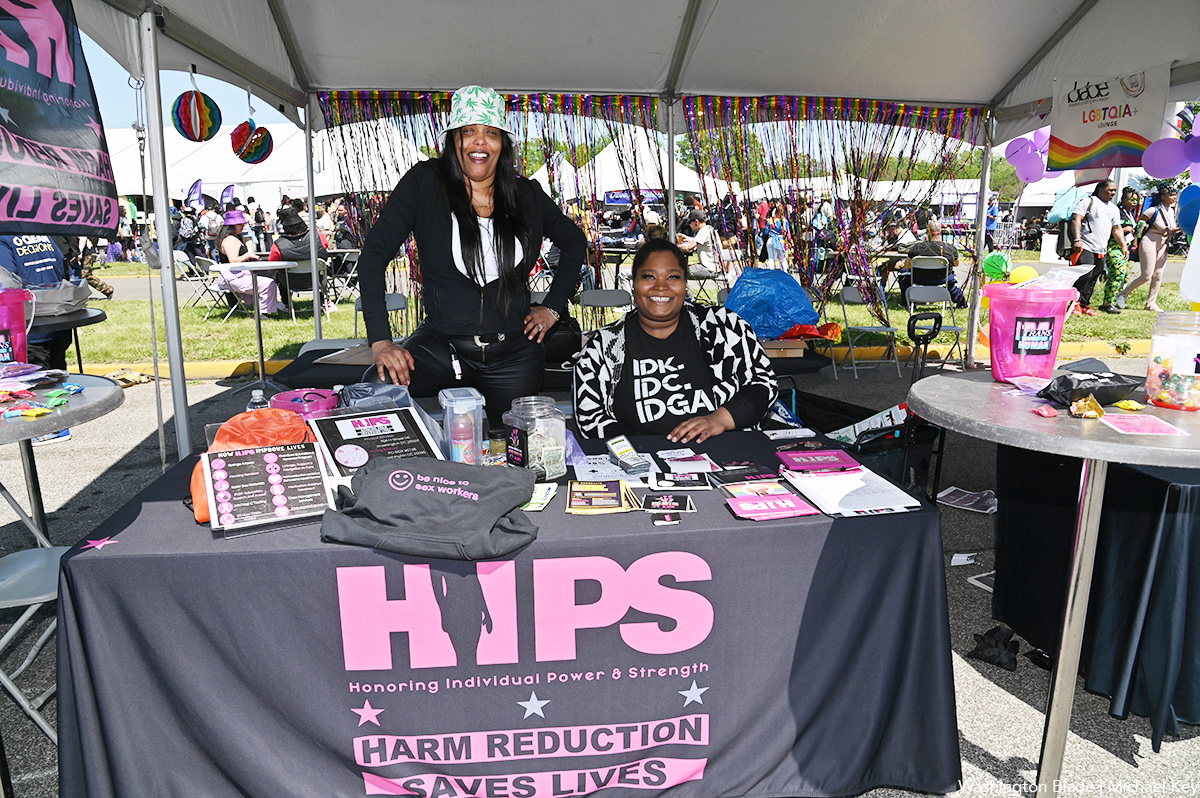
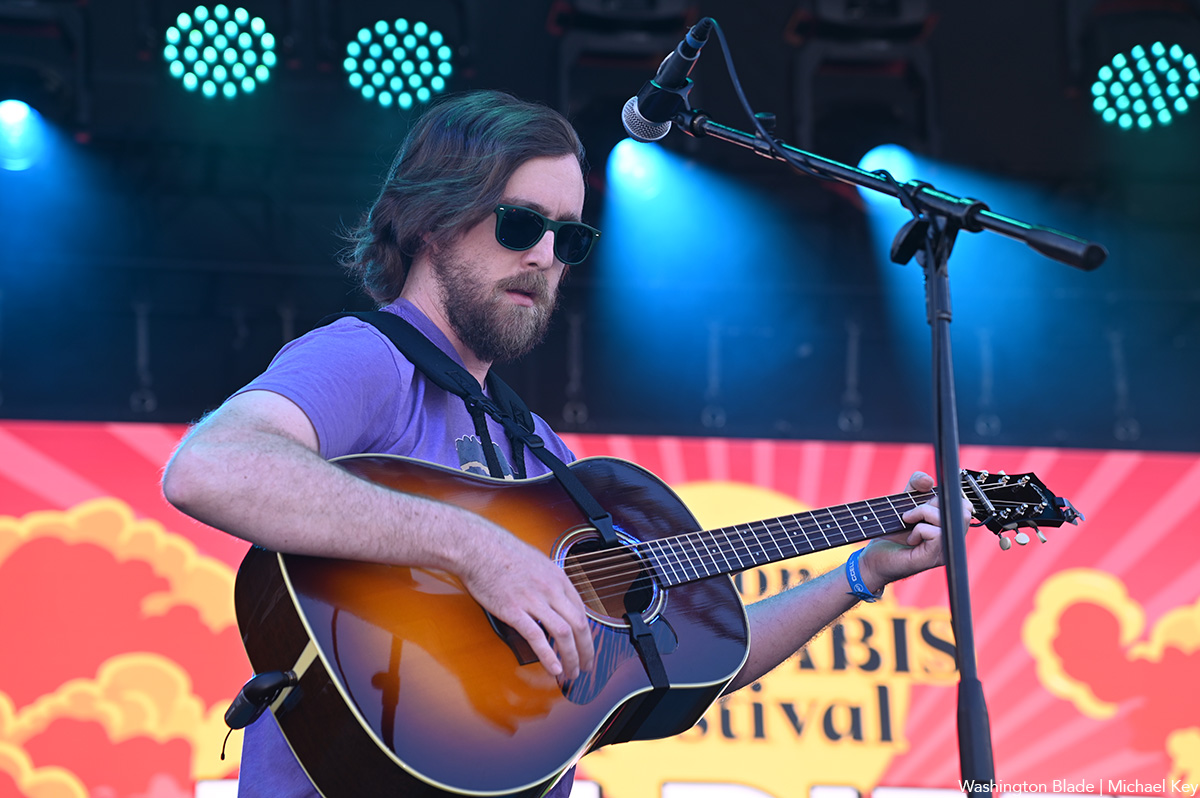
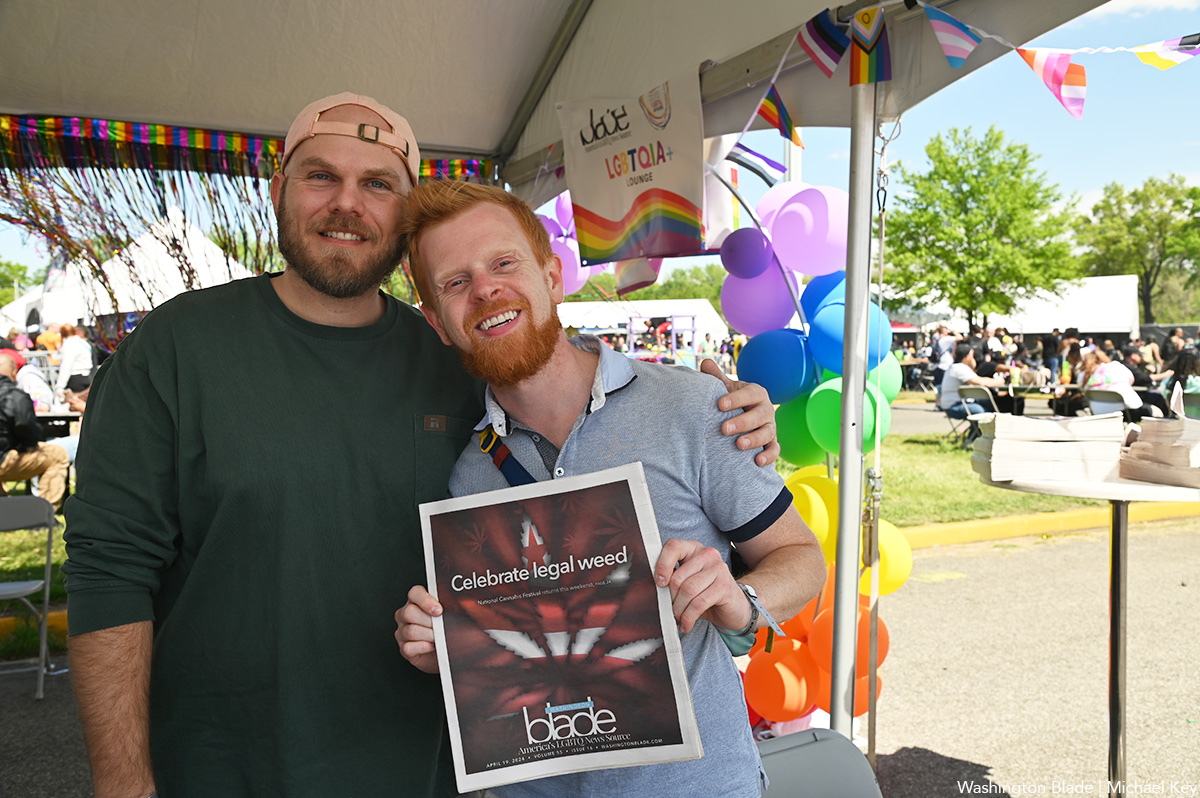
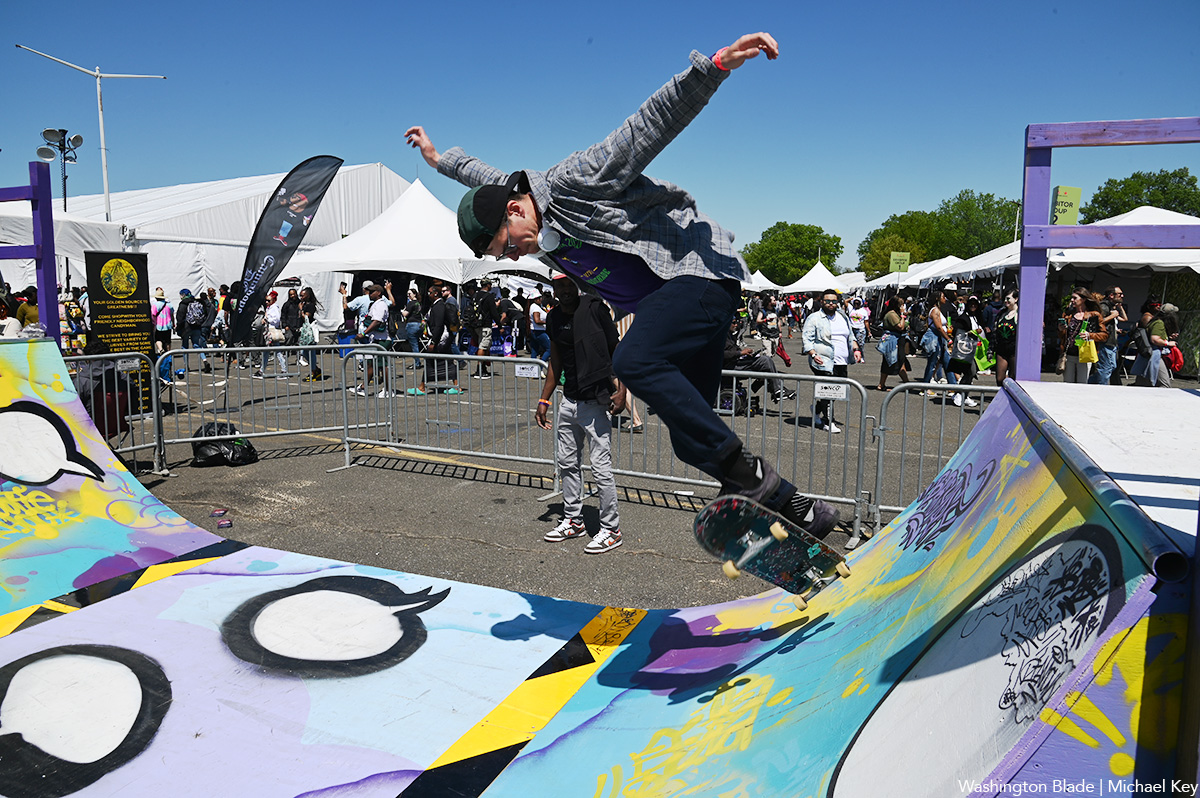
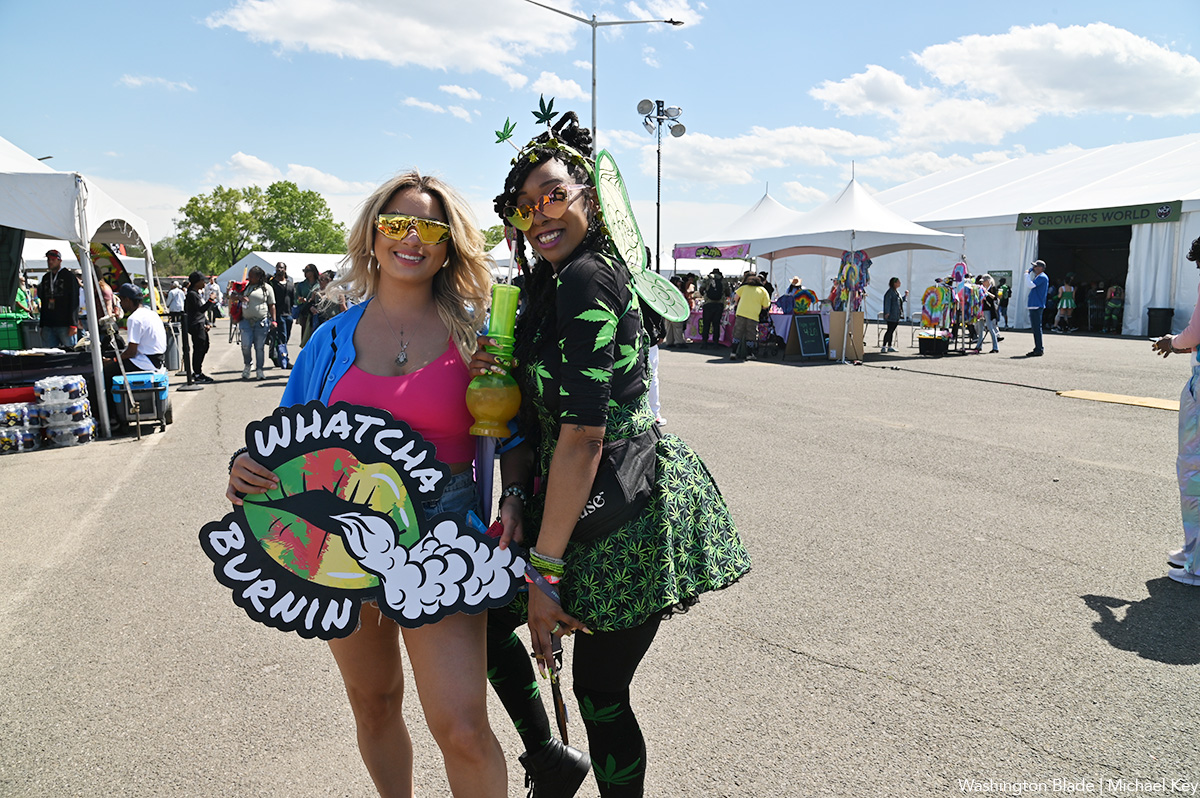
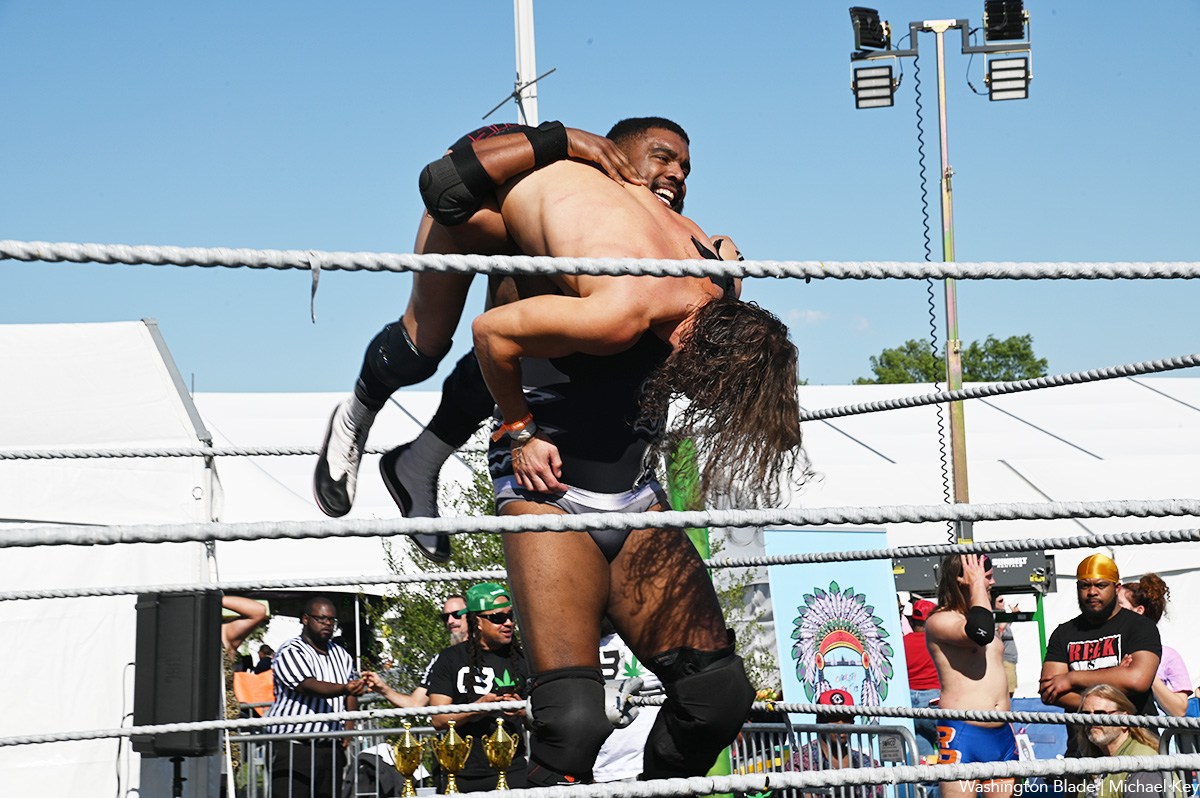
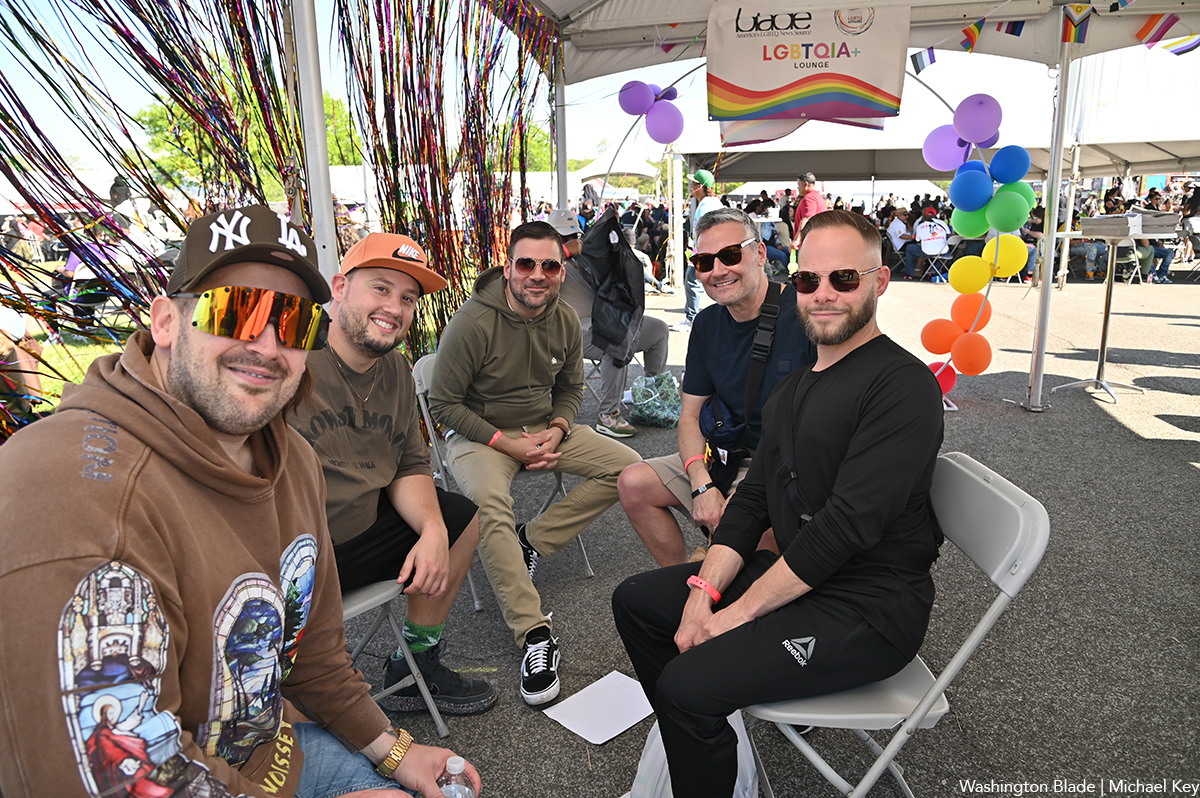
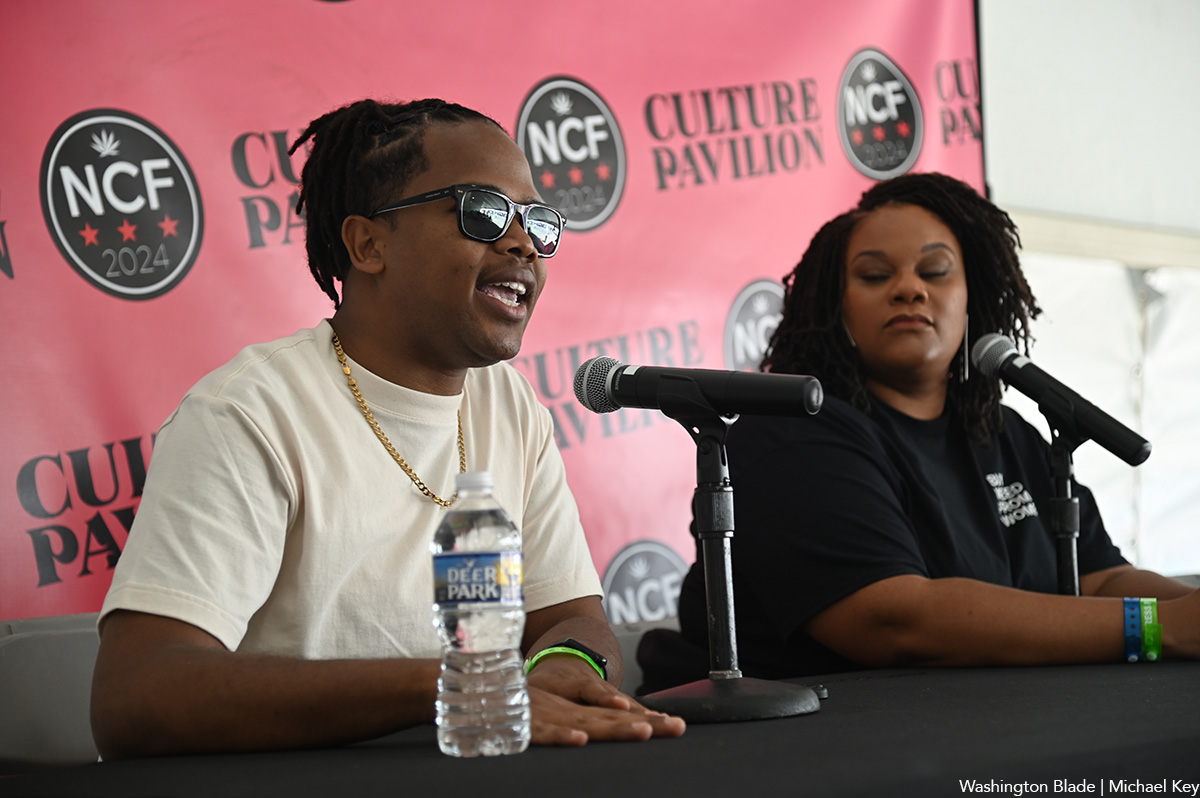
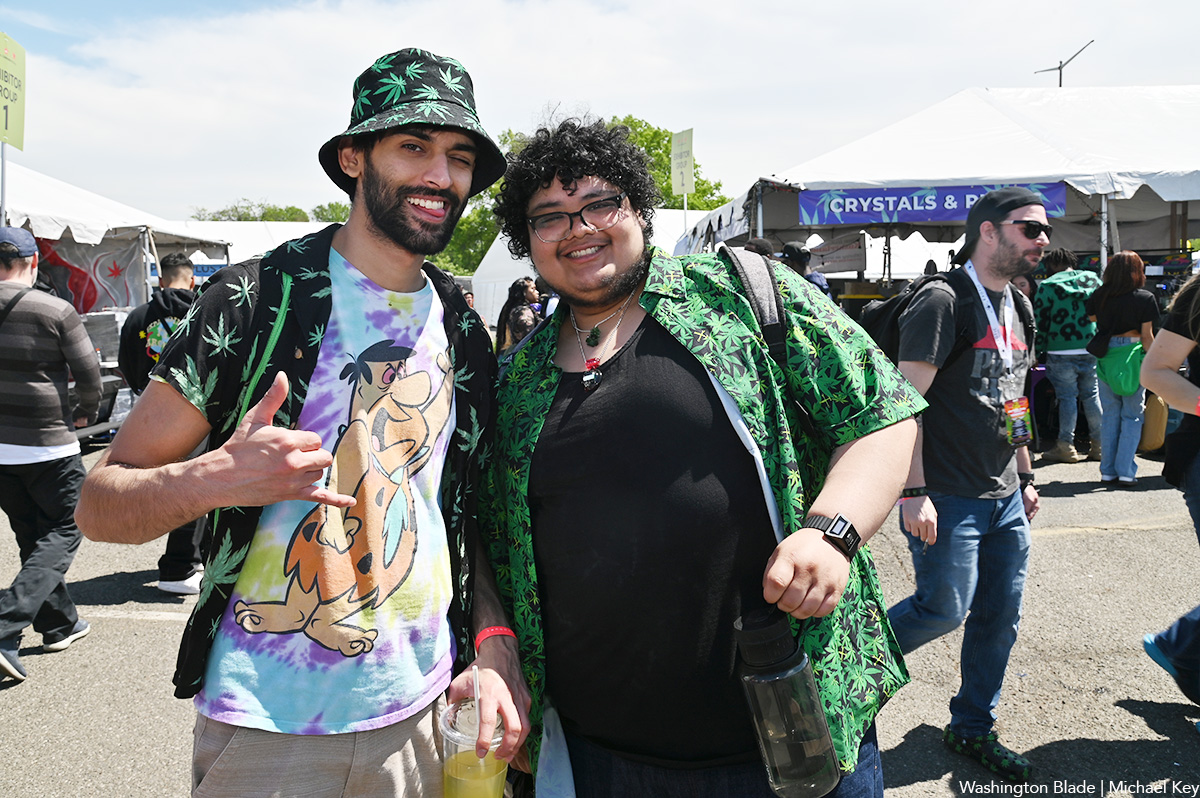
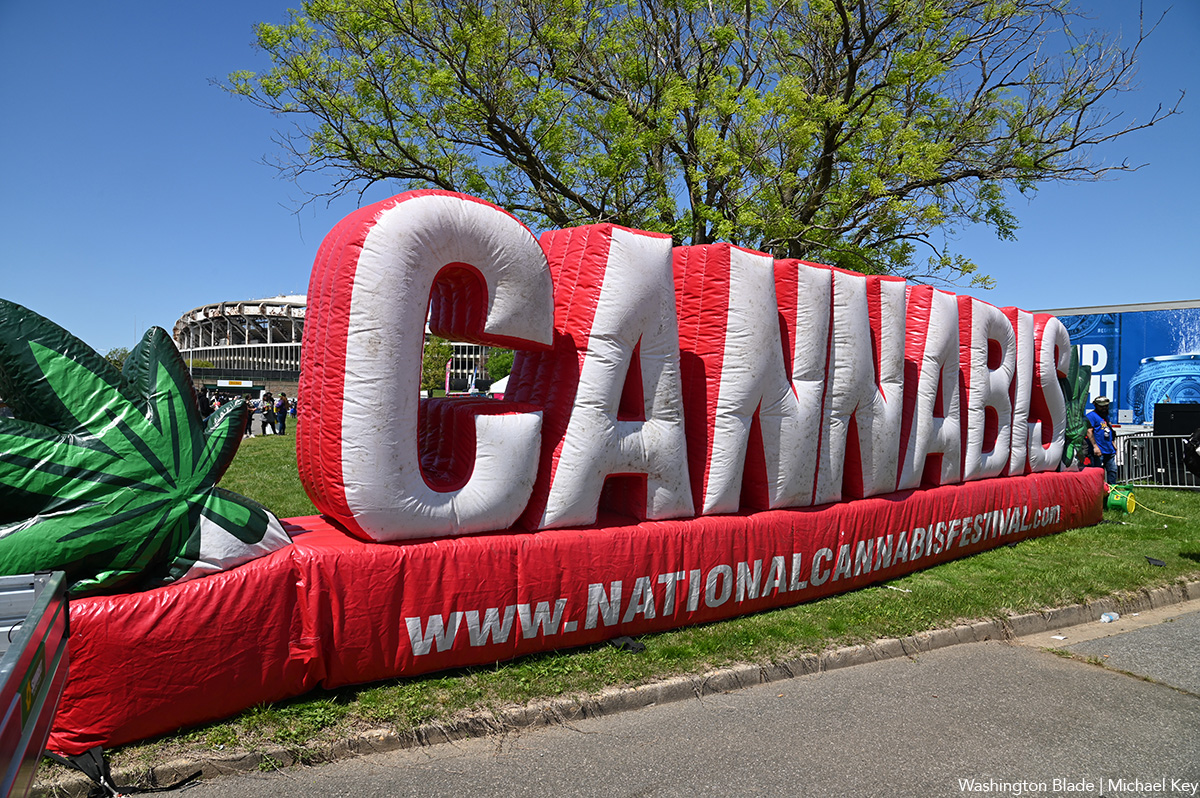
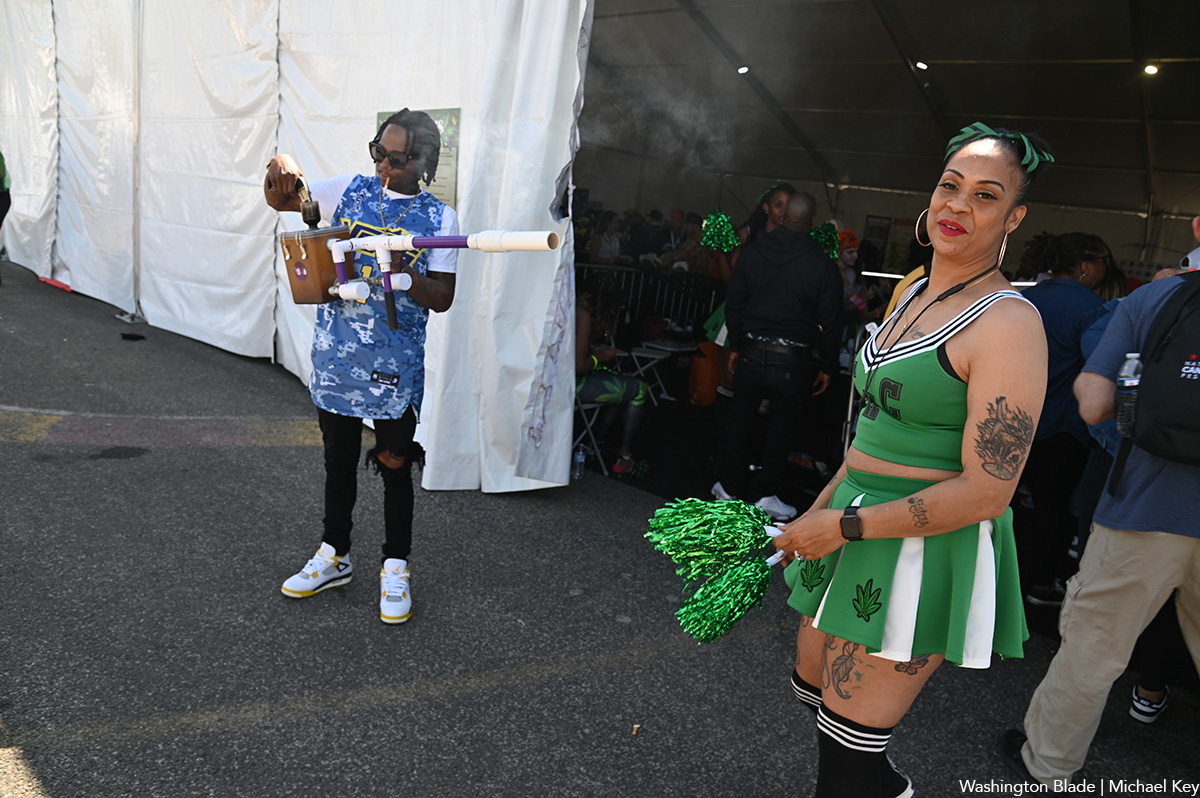

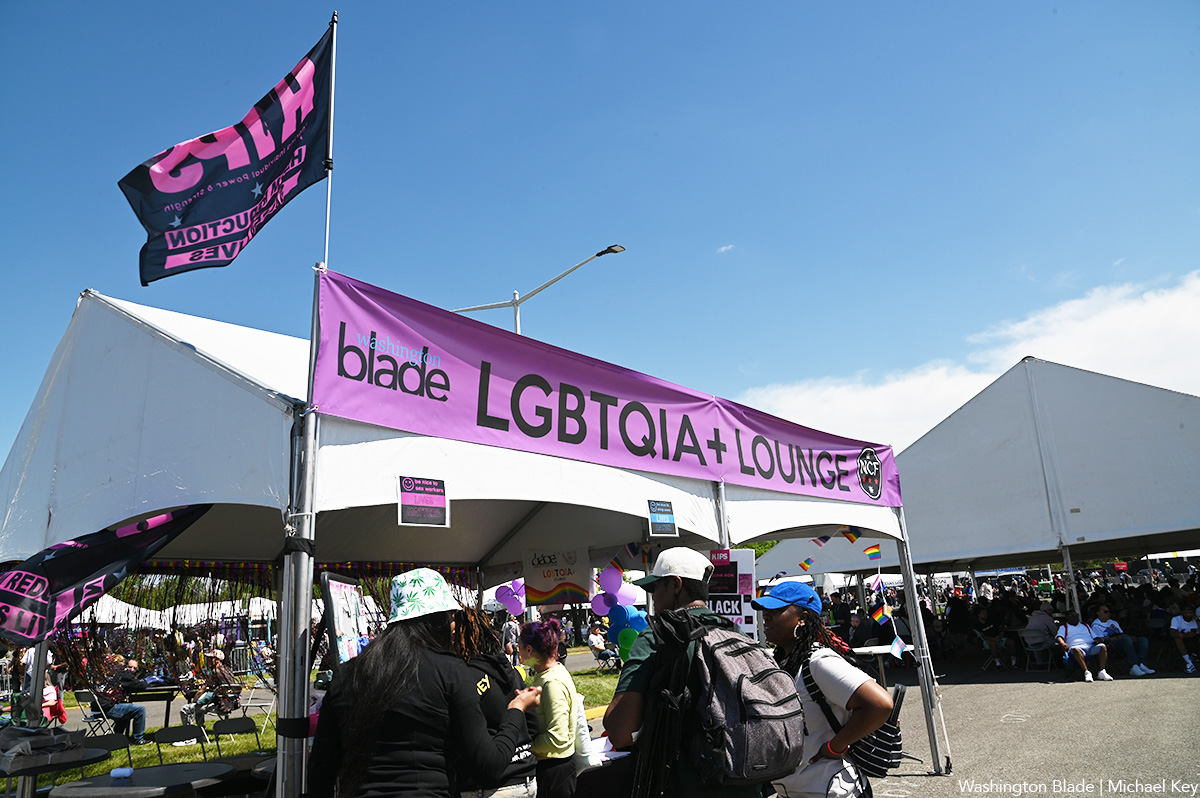
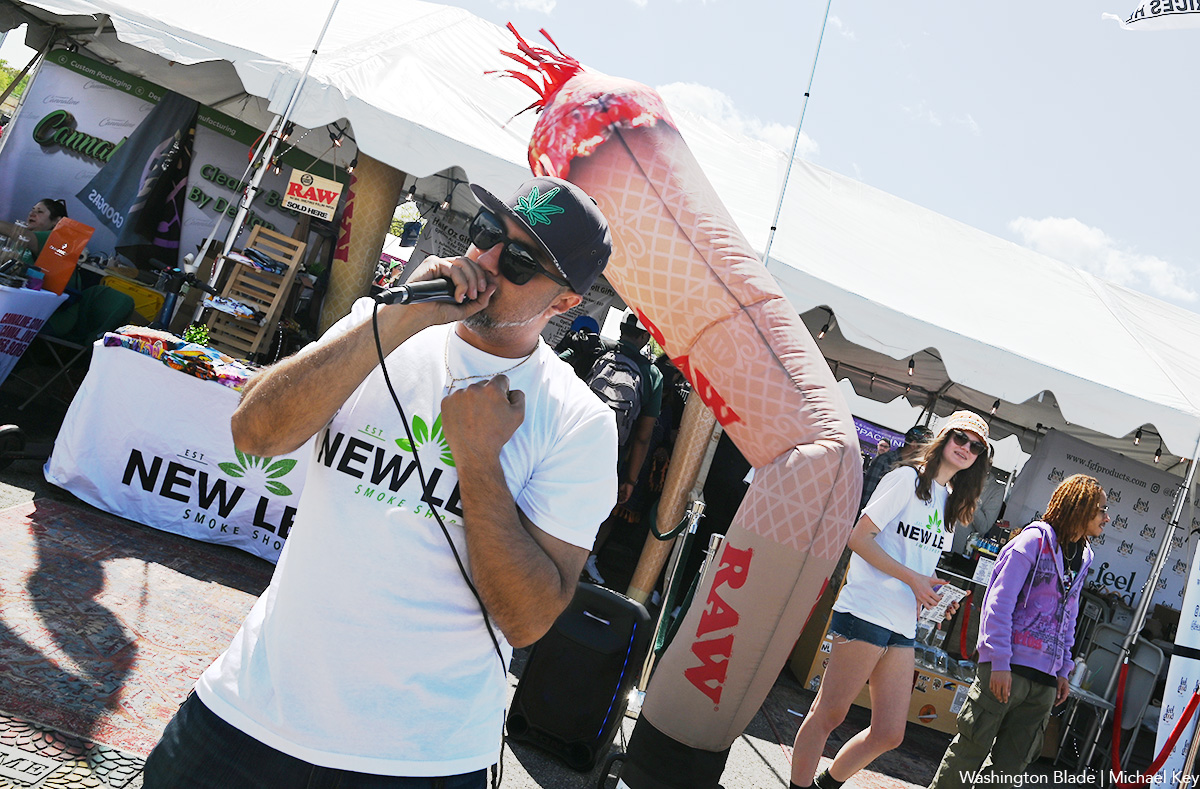
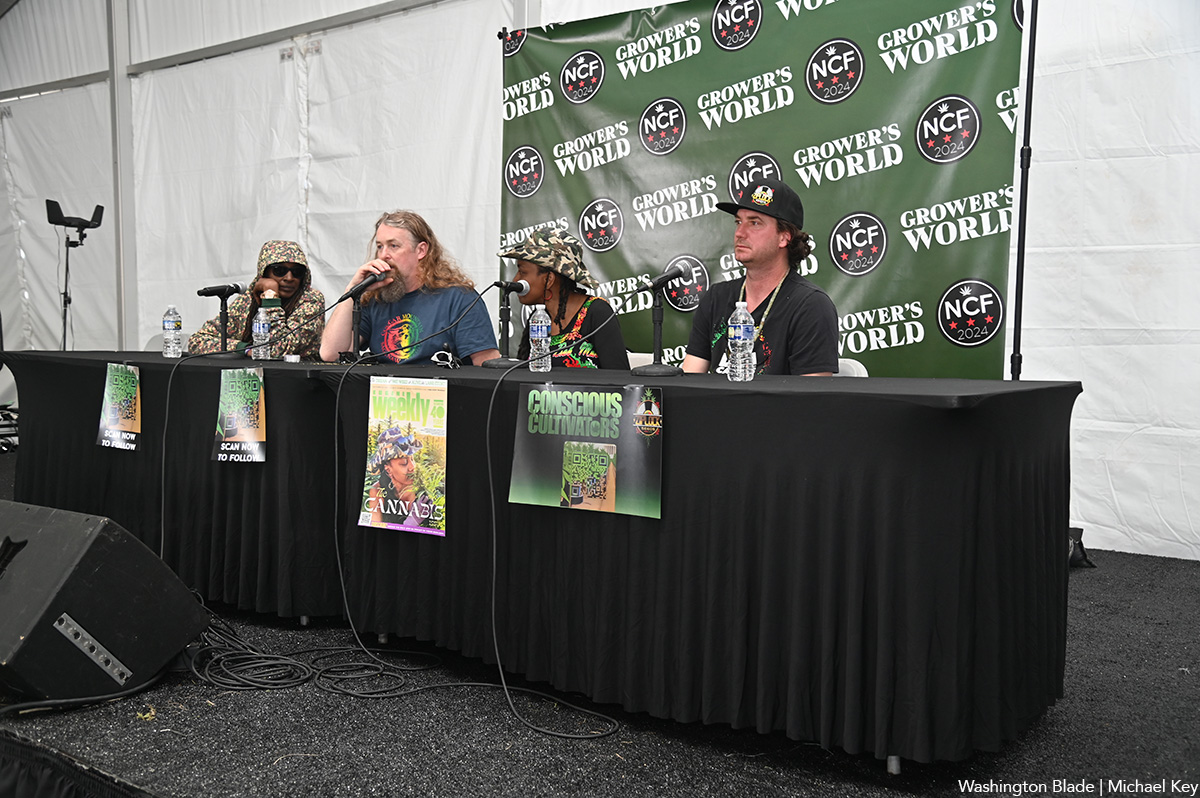
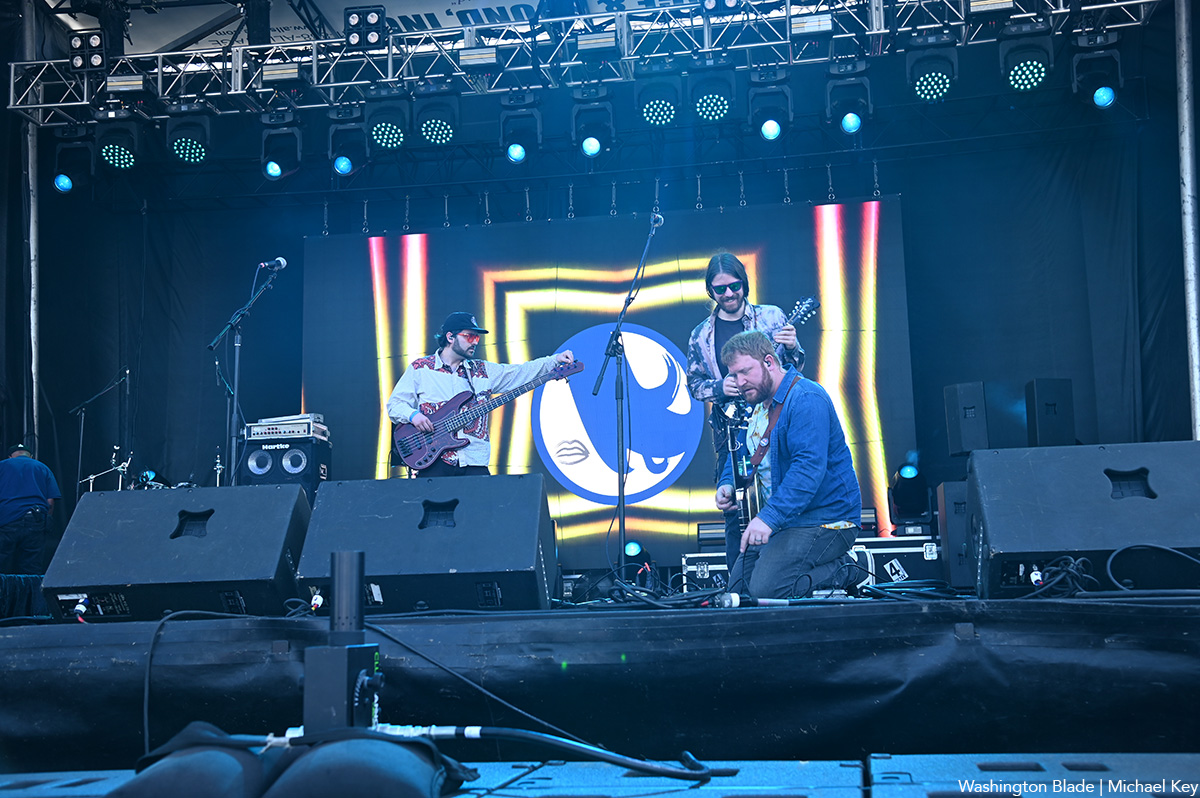
Covering the @NatlCannaFest at RFK Stadium for @WashBlade . Stop by the LGBTQ+ booth and pick up a paper if you are here. pic.twitter.com/is7hnsaPns
— Michael Patrick Key (@MichaelKeyWB) April 20, 2024
Theater
‘Amm(i)gone’ explores family, queerness, and faith
A ‘fully autobiographical’ work from out artist Adil Mansoor
‘Amm(i)gone’
Thorough May 12
Woolly Mammoth Theatre
641 D St., N.W.
$60-$70
Woollymammoth.net
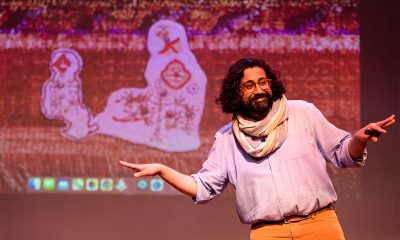
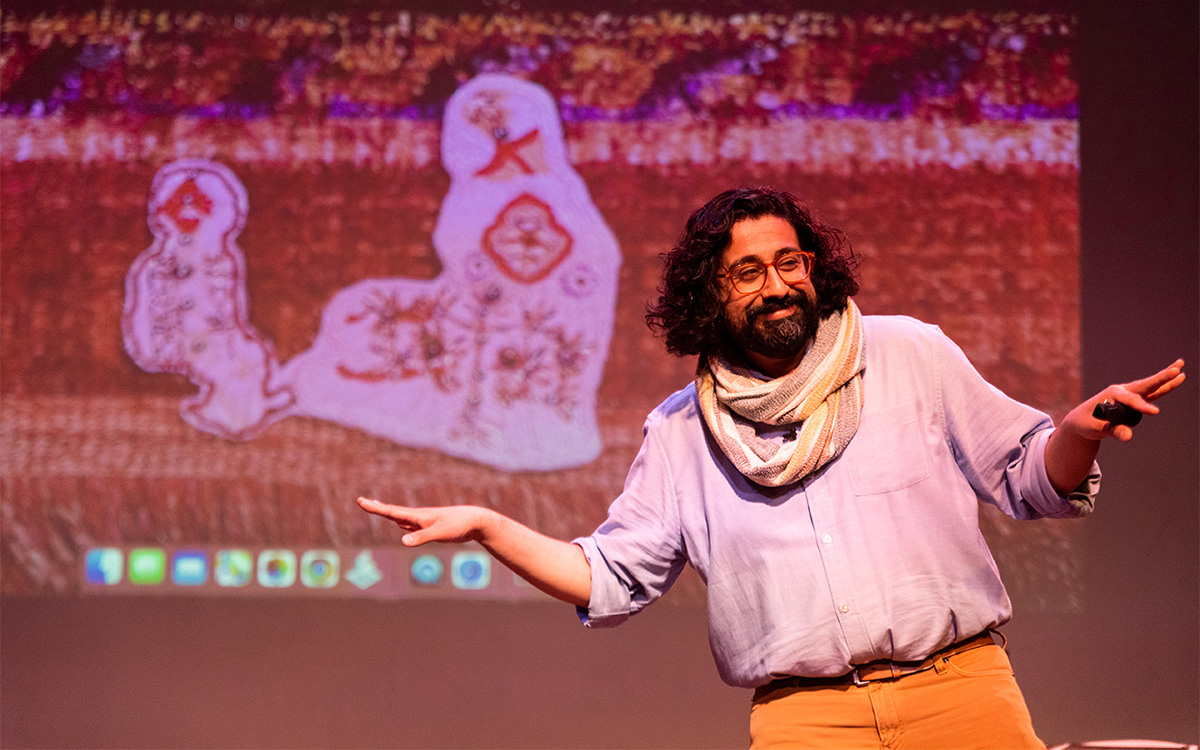
“Fully and utterly autobiographical.” That’s how Adil Mansoor describes “Amm(i)gone,” his one-man work currently playing at Woolly Mammoth Theatre.
Both created and performed by out artist Mansoor, it’s his story about inviting his Pakistani mother to translate Sophocles’s Greek tragedy “Antigone” into Urdu. Throughout the journey, there’s an exploration of family, queerness, and faith,as well as references to teachings from the Quran, and audio conversations with his Muslim mother.
Mansoor, 38, grew up in the suburbs of Chicago and is now based in Pittsburgh where he’s a busy theater maker. He’s also the founding member of Pittsburgh’s Hatch Arts Collective and the former artistic director of Dreams of Hope, an LGBTQ youth arts organization.
WASHINGTON BLADE: What spurred you to create “Amm(i)gone”?
ADIL MANSOOR: I was reading a translation of “Antigone” a few years back and found myself emotionally overwhelmed. A Theban princess buries her brother knowing it will cost her, her own life. It’s about a person for whom all aspirations are in the afterlife. And what does that do to the living when all of your hopes and dreams have to be reserved for the afterlife?
I found grant funding to pay my mom to do the translation. I wanted to engage in learning. I wanted to share theater but especially this ancient tragedy. My mother appreciated the characters were struggling between loving one another and their beliefs.
BLADE: Are you more director than actor?
MANSOOR: I’m primarily a director with an MFA in directing from Carnegie Mellon. I wrote, directed, and performed in this show, and had been working on it for four years. I’ve done different versions including Zoom. Woolly’s is a new production with the same team who’ve been involved since the beginning.
I love solo performance. I’ve produced and now teach solo performance and believe in its power. And I definitely lean toward “performance” and I haven’t “acted” since I was in college. I feel good on stage. I was a tour guide and do a lot of public speaking. I enjoy the attention.
BLADE: Describe your mom.
MANSOOR: My mom is a wonderfully devout Muslim, single mother, social worker who discovered my queerness on Google. And she prays for me.
She and I are similar, the way we look at things, the way we laugh. But different too. And those are among the questions I ask in this show. Our relationship is both beautiful and complicated.
BLADE: So, you weren’t exactly hiding your sexuality?
MANSOOR: In my mid-20s, I took time to talk with friends about our being queer with relation to our careers. My sexuality is essential to the work. As the artistic director at Dreams of Hope, part of the work was to model what it means to be public. If I’m in a room with queer and trans teenagers, part of what I’m doing is modeling queer adulthood. The way they see me in the world is part of what I’m putting out there. And I want that to be expansive and full.
So much of my work involves fundraising and being a face in schools. Being out is about making safe space for queer young folks.
BLADE: Have you encountered much Islamophobia?
MANSOOR: When 9/11 happened, I was a sophomore in high school, so yes. I faced a lot then and now. I’ve been egged on the street in the last four months. I see it in the classroom. It shows up in all sorts of ways.
BLADE: What prompted you to lead your creative life in Pittsburgh?
MANSOOR: I’ve been here for 14 years. I breathe with ease in Pittsburgh. The hills and the valleys and the rust of the city do something to me. It’s beautiful, it’ affordable, and there is support for local artists. There’s a lot of opportunity.
Still, the plan was to move to New York in September of 2020 but that was cancelled. Then the pandemic showed me that I could live in Pittsburgh and still have a nationally viable career.
BLADE: What are you trying to achieve with “Amm(i)gone”?
MANSOOR: What I’m sharing in the show is so very specific but I hear people from other backgrounds say I totally see my mom in that. My partner is Catholic and we share so much in relation to this.
I hope the work is embracing the fullness of queerness and how means so many things. And I hope the show makes audiences want to call their parents or squeeze their partners.

After Biden signs TikTok ban its CEO vows federal court battle

Malcolm Kenyatta could become the first LGBTQ statewide elected official in Pa.

Bowser budget proposal calls for $5.25 million for 2025 World Pride

White House debuts action plan targeting pollutants in drinking water

Health care for Marylanders with HIV is facing huge cuts this summer

Daniel Zamudio murderer’s parole request denied

State Department releases annual human rights report

‘Amm(i)gone’ explores family, queerness, and faith

Joe Vogel campaign holds ‘Big Gay Canvass Kickoff’