Arts & Entertainment
Pastor ‘prays the gay away’ on ‘What Would You Do?”
customers’ reactions vary on the hidden camera show
(Screenshot via YouTube)
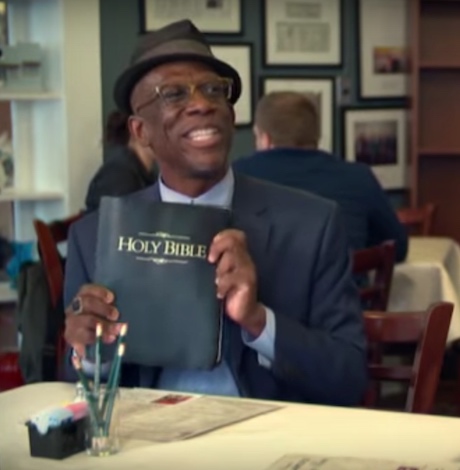
People dining at an Atlanta restaurant encountered the tough situation of a pastor attempting to “pray the gay away” on a teenage boy on the latest episode of “What Would You Do?”
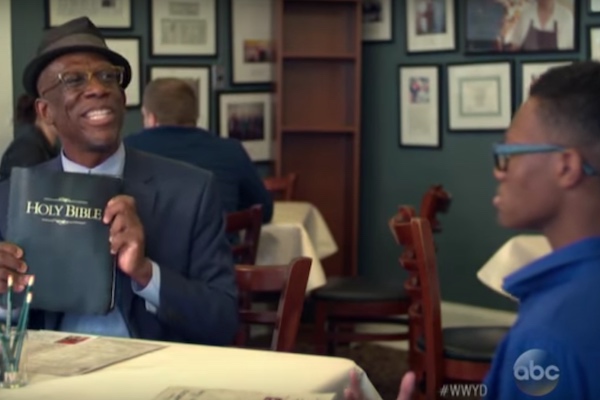
ABC’s hidden-camera reality show placed two parents, a pastor and a teenage boy at a table near unsuspecting customers. The actors created a scenario where a teenage son had come out to his parents, and in an act of denial the parents bring in a pastor to solve their problem.
Reactions varied with many approaching the boy and offering him soothing words and advice. One woman said she agreed with the parents’ beliefs, but did not agree with bombarding him with a pastor in a restaurant. Another woman turns out to be a minister and takes time to pray with the parents.
At the end, a woman confronts the pastor himself and goes head-to-head to defend her belief that it’s not possible to “pray the gay away.”




a&e features
Summer in D.C. brings sports, Restaurant Week, festivals, and more
Summer in D.C. just hits different. Congress is out, school is out, the sun is out, thighs are out. With the skies clearing from Canadian smoke, here are a few ways to stay entertained.
Dining
Summer restaurant week: The Restaurant Association of Metropolitan Washington (RAMW) is once again hosting Summer Restaurant Week, Aug. 18-24. This weeklong dining experience showcases the dynamic dining scene of the DMV, including 2026 RAMMY Award-winning favorites (the annual D.C. food awards show that took place June 29). Participating restaurants will offer three-course brunch and lunch selections for $25 or $35 per person, and three-course dinners for $40, $55 and $65 per person.
New Restaurants: A handful of new spots have opened, so the summer is a great time to check them out:
- Oribu: A new Mediterranean-Japanese restaurant in the Grand Hyatt hotel, which just underwent a remodeling effort. The sleek restaurant brings upscale charm, with dishes like Wagyu beef tartare with potato pavé and caviar.
- The Oak Room: A snazzy old-school American grill has just opened in Georgetown, alongside its sister upstairs supper club (Bernadette’s) restaurant, in the old El Centro space.
- Uchi: This showy Japanese sushi-forward chain has landed in Dupont with a chef’s tasting menu of favorites like fatty tuna.
- Kathmandu: Recalling the capital of Nepal, this warm, buzzy subterranean restaurant right in the heart of U Street brings spice, flair, and rare ingredients to its dishes (see: buffalo burgers) and drinks.
Sports
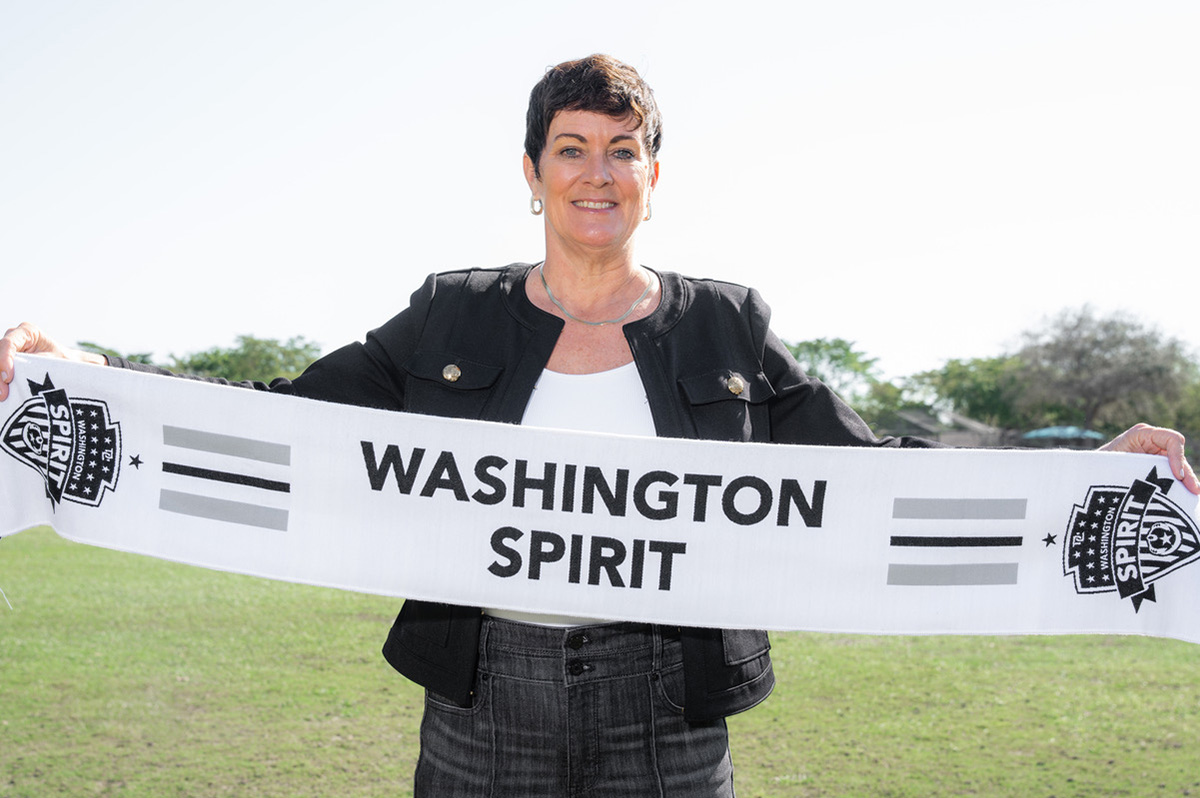
- Washington Spirit Pride Night OUT: On Sunday, Aug. 23, head to Audi Field for a massive, high-energy game following the exciting month of World Cup. The designated Pride Night OUT game promises boisterous crowds plus pre- and post-game community engagements.
- Washington Tennis Open – Now called the Mubadala DC Open, this annual tournament is only combined mens’ and womens’ 500-level tennis tournament in the world. The open is one of D.C.’s longest-standing sports traditions, and will take place at the Rock Creek Park Tennis Center July 25-Aug. 2. Naomi Osaka, Venus Williams, Ben Shelton, Frances Tiafoe, and others are expected to play.
Festivals
- Afro Plus Fest: This huge, three-day Afro-Caribbean Hip-Hop Festival brings together headliners Davido, Alkaline, and Wizkid, plus Tems and Ayra Starr. The event moves from RFK to the Northwest Stadium Complex for three days, Sept. 4-6.
- Capital Fringe Festival: Running from July 11-21, this massive celebration features dozens of live theater, comedy, dance, and boundary-pushing nighttime performances across multiple DC neighborhoods.
- The National Book Festival returns, with headliners like Cynthia Erivo, and Martin Scorsese. The one-day festival, Saturday, Aug. 22, brings together bookworms and word nerds under the theme “America 250: It’s Your Story.” There are talks, workshops, musical sessions and more.
- All Things Go: A three-day festival Sept. 25-27 at Merriweather Post Pavilion featuring Mitski, Hayley Williams, Brandi Carlile, MUNA, Zara Larsson, Ethel Cain, and many, many more artists. There are single-day and three-day tickets. Featuring and highlighting female artists, the festival has turned into a must-see for many LGBTQ audience members.
- Fuchsia Fest: The inaugural Fuchsia Fest is a new multi-day celebration created to celebrate LGBTQ community and expression, bringing together a mix of community gatherings, entertainment, and nightlife. The event takes place Sept. 18-20 and is hosted by Capital Pride.
Art and Music
- United We Dance: A high-energy rave with house, techno, bass, and festival music, on Aug. 1 at the 9:30 Club.
- The Fray. On Aug. 14, this American rock band famous for How To Save A Life is at Merriweather Post Pavilion.
- Kesha: Kesha’s high-energy The Freedom Tour comes to the D.C. area on Aug. 14 at Jiffy Lube Live.
- ALOK: On Sept. 3 at Lincoln Theater, ALOK (they/them) performs. The poet, comedian, and actor is putting on a new comedy show.
- 2charm, the emerging Australian electronic club-pop duo popular with the queer community, which blends hyperpop and dance music, comes to the Atlantis.
- Sapphic Dance Party: a vibrant, inclusive nightlife and social event designed specifically for queer women, lesbians, bisexuals, trans individuals, and nonbinary folks, at Atlantis on Aug. 21.
- Jazz in the Garden: The most quintessential of D.C. activities returns Friday evenings through Aug. 14. This season’s theme, “American Sounds,” is a nod to the nation’s 250th anniversary. Tunes themes range from Appalachian and Americana to Creole jazz, Hill Country blues, contemporary jazz, and more. Tickets are available through a lottery system a week before each event.
a&e features
Tickets on sale for chef Patrick O’Connell’s book launch event
Sept. 18 kickoff to feature José Andrés, Tom Sietsema

Acclaimed chef Patrick O’Connell is preparing to publish his new memoir, “Main, Middle & Gay” in September and he’s launching the book with an event on Sept. 18 at 6 p.m. at Lisner Auditorium featuring Chef José Andrés and former Washington Post food critic Tom Sietsema.
Tickets for the event go on sale Tuesday, July 21 at Ticketmaster; prices start at $55.
O’Connell, who’s gay, is the pioneering Michelin-starred chef and longtime proprietor of the Inn at Little Washington. He spoke with the Blade about the September event and the launch of his first memoir.
“I’ve known [Andrés and Sietsema] for more than 25 years and I have great respect for them,” O’Connell said. “I felt that it would allow us to add a different dimension rather than just have an interviewer. The chemistry will be fun and lively and unpredictable and exciting. I think we’re all different personalities and we’ll compliment each other.”
O’Connell has published cookbooks but this is his first memoir. The event will feature a short film that will highlight his work and the Inn.
“What I hope to do with the event is bring the book to life visually,” he said. “So we’re producing a short film that will be part of it. Most of the audience will not have read the book so it’ll give them a visual flavor of the book. It parallels the evolution of American cuisine over 50 years. It’s a rare perspective to be in the trenches for that long.”
The book’s title refers to the location of the garage on the corner of Main, Middle, and Gay streets in Washington, Va., where he launched his restaurant that became an international culinary destination.
The Blade will publish the rest of its wide-ranging interview with O’Connell in September in conjunction with the book’s release.
Arts & Entertainment
Sci-fi has long been at vanguard of LGBTQ representation
Story lines now criticized as ‘woke’ is weird
Since I was a teenager, I have liked sci-fi because of the depth with which it explores social issues. At the time, I didn’t know that I was autistic and queer, so I couldn’t see myself in other autistic and queer people. Instead, I saw myself in androids, mutants, telepaths, and sometimes aliens who were portrayed as minorities persecuted by the human majority. It was a universal language for talking about alienation, systemic discrimination, conversion therapy, segregation, and internalized self-hatred.
Now, when so many sci-fi stories are being criticized online as “woke,” it seems weird for me. This is especially true when we are talking about franchises, such as the British TV series “Doctor Who” and American franchise “Star Trek,” both of which have always been remarkably progressive by the standards of their own time.
Let’s take a closer look at “Doctor Who.”
In June 2026, the BBC cancelled the planned Christmas special, saying that viewers would have to wait longer for the next season after internal studio issues, and now the BBC is looking for new production partners. “Doctor Who” is the longest-running science fiction television series in the world, originally airing from 1963 to 1989 before returning in 2005. The future of the franchise is currently unclear, and many people online immediately began blaming “wokeness” for what had happened to their favorite show.
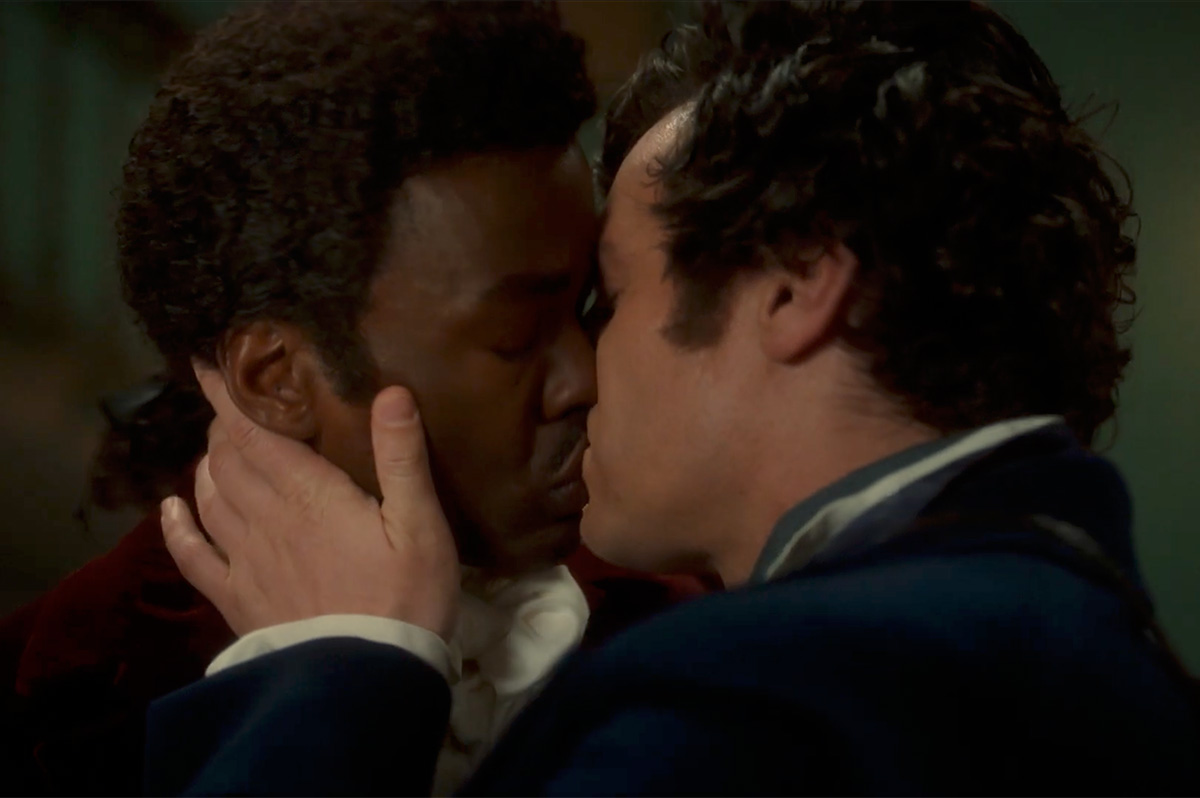
After all, the Doctor, an alien Time Lord who can regenerate and literally change faces, had traditionally been played by white men. But the last, Fifteenth Doctor was played by Ncuti Gatwa, a Black Scottish-Rwandan actor who has publicly identified as queer (and the doctor himself was first presented as queer character after a queer romantic episode where he kissed a man), while the Thirteenth Doctor was played for three seasons by Jodie Whittaker, the first woman to portray the Doctor. In 2023, the series also introduced Rose Noble, a trans feminine nonbinary teenager and supportive character played by transgender English actress Yasmin Finney.
But despite popular stereotypes online, “Doctor Who” did not suddenly “go woke.” The program has existed in two main eras: the classic series, which aired from 1963 to1989, and the modern revival, which has been broadcast on BBC One since 2005.
Even in the 1960s, one of the program’s earliest stories, “The Daleks” (1963–64), presented an obvious allegory for fascism, racial purity, bigotry and the horrors of war. Throughout the classic era, the Doctor frequently opposed militarism, authoritarian governments, and dictatorships. Many fans have also pointed to moments of queer coding and subtext throughout the classic series.
However, openly queer characters appeared as soon as the modern revival began.
The 2005 revival introduced Captain Jack Harkness, played by John Barrowman, one of the first openly queer recurring characters in the “Doctor Who” universe. He openly flirted with people regardless of their gender and later became the lead character of the spin-off series “Torchwood.” “Torchwood” went even further with LGBTQ representation, featuring multiple queer characters, including trans and nonbinary characters whose identities were treated as a normal part of the story.
“Doctor Who” has always been remarkably progressive for its time. The franchise doesn’t suddenly change its values, it’s always been “woke.”
The same happened with the American franchise “Star Trek.”
It is widely known as one of the most openly left-wing and progressive television franchises ever broadcast. The original series, which aired from 1966-1969, was created during the Cold War and featured the utopian United Federation of Planets, a society without poverty or money that can be characterised as socialist or even communist. It also featured Lt. Uhura, played by Nichelle Nichols, a Black woman serving as a highly respected bridge officer at a time when Black women weren’t portrayed in positions of authority on American television. The series also included one of the first interracial kisses in modern American television, between Capt. James T. Kirk (William Shatner) and Uhura in the 1968 episode “Plato’s Stepchildren,” a moment that had a significant cultural impact.
Gene Roddenberry, the creator of the franchise, said that he had wanted to include openly queer characters as well, but believed it would have been impossible to keep the show on the air because it had already pushed social boundaries in so many other ways.
Today, many viewers — including Elon Musk — claim that “Star Trek” has only recently become “woke.” In reality, I think it actually became less radical than the original series. Even queer characters are not a recent addition to the franchise. One of the earliest major queer characters appeared in “Star Trek: Deep Space Nine” (1993–1999): the Trill officer Jadzia Dax, played by Terry Farrell. In the 1995 episode “Rejoined,” she shared one of the first same-sex kisses in the history of the franchise.
However, for some reason, it was the openly gay couple Paul Stamets (Anthony Rapp) and Hugh Culber (Wilson Cruz) in “Star Trek: Discovery” (2017–2024), together with the trans Trill character Gray Tal, played by trans actor Ian Alexander, that triggered a major backlash among conservative parts of the fandom. That backlash reached another peak with “Star Trek: Starfleet Academy,” which features the canonically gay Klingon cadet Jay-Den Kraag. The actor has spoken about receiving abuse and threats because of the role, despite the fact that there was nothing especially ideological about his character. He was simply a gay character whose sexuality was only one aspect of who he was. In fact, considering the ideals of the original “Star Trek,” I was more surprised that the franchise still includes relatively few trans or polyamorous characters, and that they are not part of the lead cast. After all, the franchise was created to imagine a future that was ahead of its time.
So why do conservatives and anti-LGBTQ people continue to watch franchises that have always been deliberately progressive? And why do they keep claiming that these shows have only recently “gone woke”?
A more logical explanation is that parts of the audience have become less willing to accept the same kinds of progressive ideas that these franchises have embraced for decades. In other words, it is not the shows that fundamentally changed. Some long-time viewers have become more conservative than they were in their youth, while newer conservative audiences have joined them and begun criticizing franchises without knowing their real history.
In many ways, geeks have changed more than these shows have. Sci-fi hasn’t “gone woke.” Some of its fans have simply become less comfortable with the same progressive values these franchises have promoted for decades.

2026 International AIDS Conference to take place in Rio

Summer in D.C. brings sports, Restaurant Week, festivals, and more

Trump tries to scare Americans into not voting

No Pride without Disability Pride

House blocks effort to codify transgender servicemember ban into law

DOJ seeks to dismiss some claims in gay FBI employee’s bias lawsuit

PHOTOS: Vitamin C at JR.’s

PHOTOS: Rehoboth Beach Pride Festival

When buying a home, it’s decisions, decisions, decisions