Arts & Entertainment
Tilda Swinton releases emails to Margaret Cho about ‘Dr. Strange’ whitewashing
the actress published the messages after the comedian said she felt like a ‘house Asian’
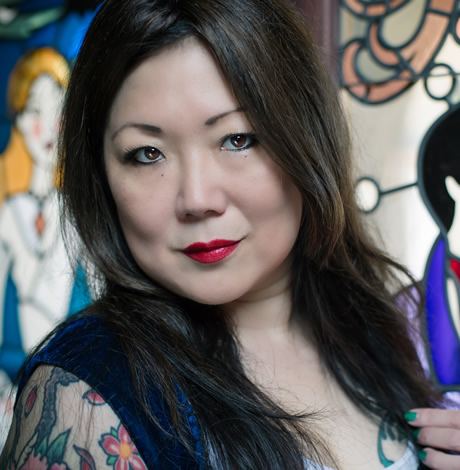
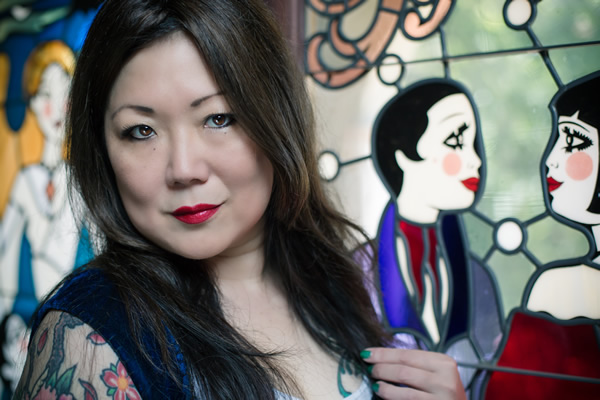
Margaret Cho (Photo by Mary Taylor)
Tilda Swinton has released the email exchange between herself and bisexual comedian Margaret Cho following Cho’s criticism over whitewashing in Marvel’s “Dr. Strange.”
Swinton plays the Ancient One, a guru who helps Dr. Strange (Benedict Cumberbatch), cultivate his spiritual powers. In the Marvel comics, the Ancient One is an Asian man but was changed to a Celtic woman for the movie.
In an interview for the podcast TigerBelly, Cho explains that Swinton emailed her to discuss the issues with whitewashing canon Asian characters. Swinton asked for Cho’s point of view but insisted the emails stay private. For Cho, the email exchange was unsettling.
“It was weird because I felt like a house Asian, like I’m her servant,” Cho says. “Like the ones when they have in the raj, they would have the house servant who was your confidante… The servant that was close to you. That’s sort of what I felt like, like I was following her with an umbrella. I had a weird feeling about the entire exchange, especially the part of, ‘Don’t tell anybody.’”
In response, Swinton released the email exchange to Jezebel.
“The diversity debate – ALL STRENGTH to it – has come knocking at the door of Marvel’s new movie DR STRANGE,” Swinton writes in her initial email. “I would really love to hear your thoughts and have a – private – conversation about it. Are you up for this? Can we e-mail?” the message continues.
Cho responds saying that she is a “big fan” of Swinton and would explain her viewpoints.
“The character you played in Dr Strange was originally written as a Tibetan man and so there’s a frustrated population of Asian Americans who feel the role should have gone to a person of Asian descent,” Cho writes. “The larger part of the debate has to do with the ‘whitewashing’ of Asian and Asian Americans in film. Our stories are told by white actors over and over again and we feel at a loss to know how to cope with it.”
Swinton replied by saying Marvel made the decision to make the character a Celtic woman “in a conscious effort to shake up stereotypes” and “wanted to avoid tired cliché.” She continues that changing the gender of the character was an effort to include more diversity for women in the film.
Cho has since responded with a statement released to EW stating that she still thinks her argument is valid.
“Asian actors should play Asian roles. I believe my emails stand on their own and should be taken for the spirit in which they were intended. I am grateful that the debate has now entered the national discussion and remain a huge fan of Tilda’s,” Cho says in the statement.




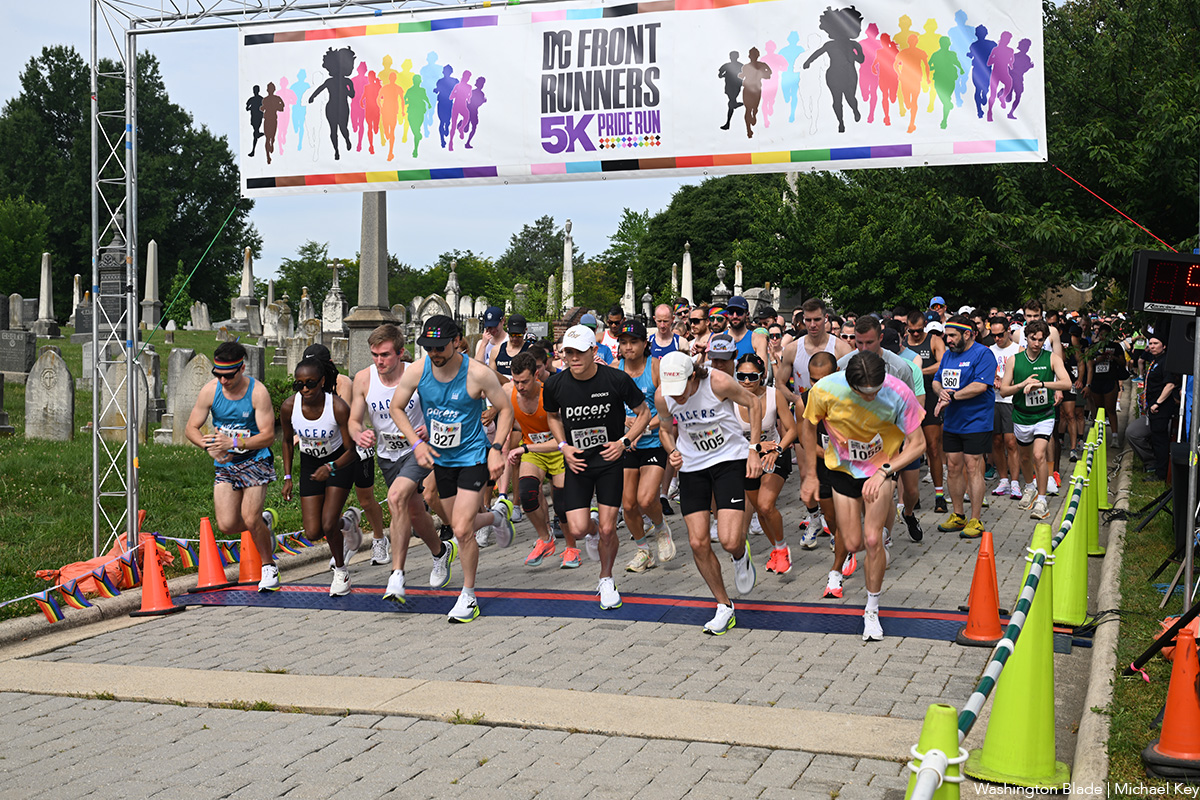
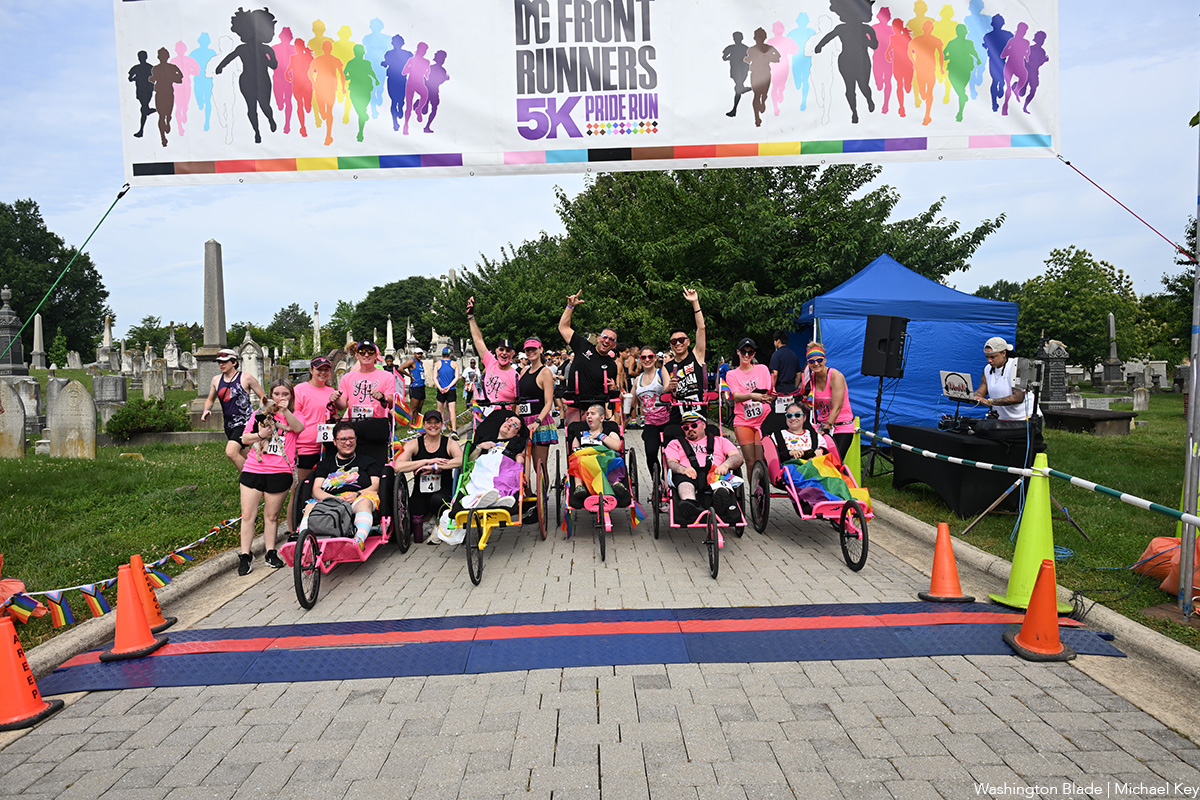
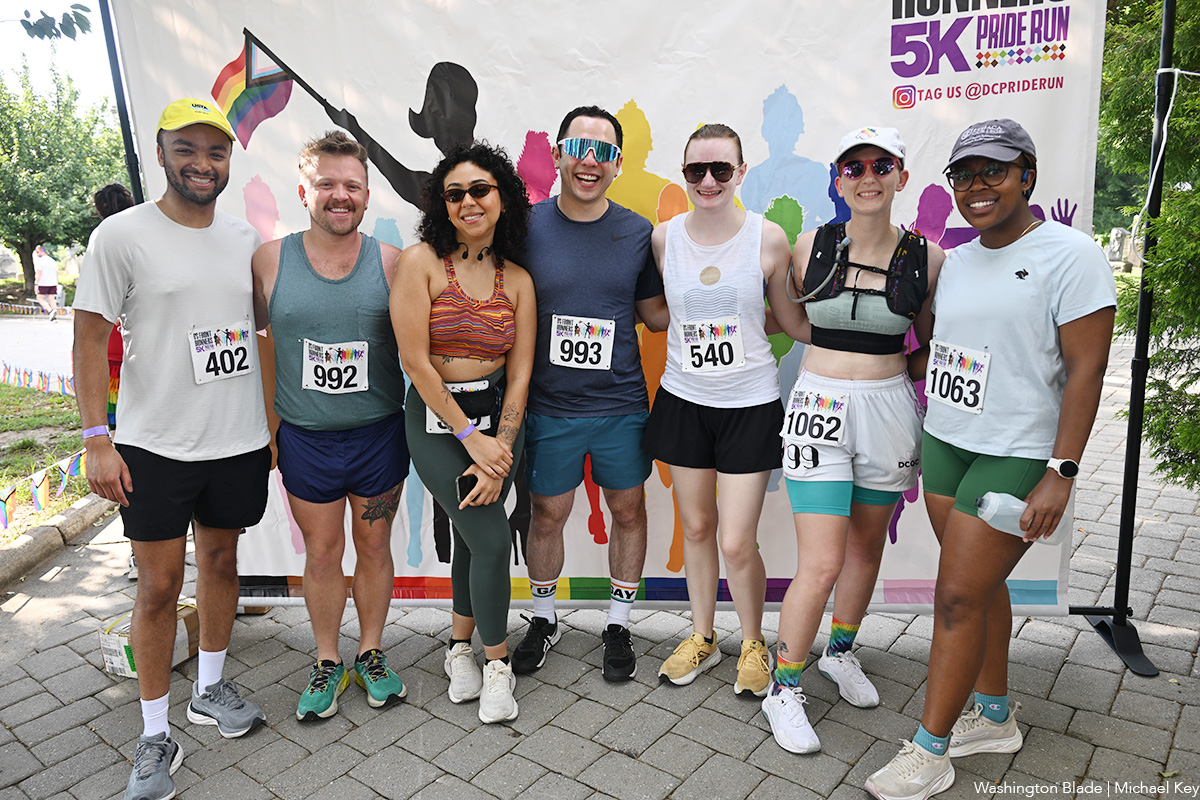
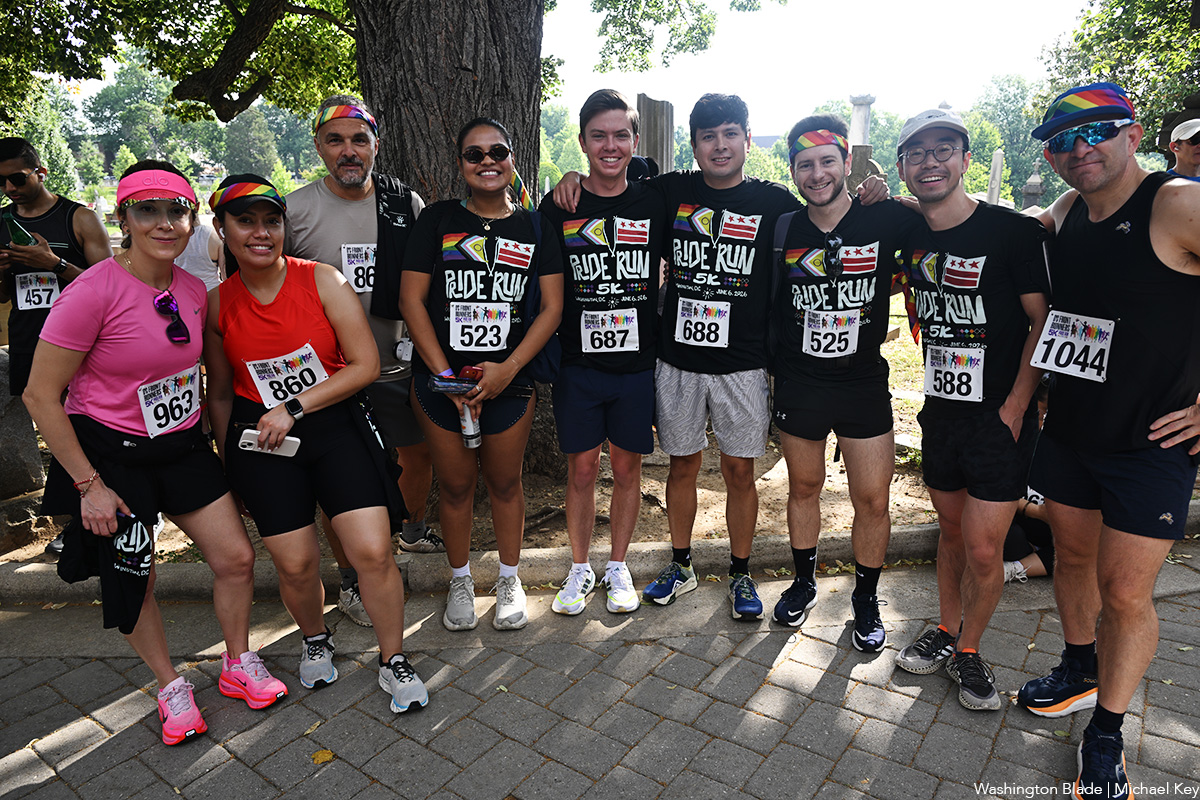
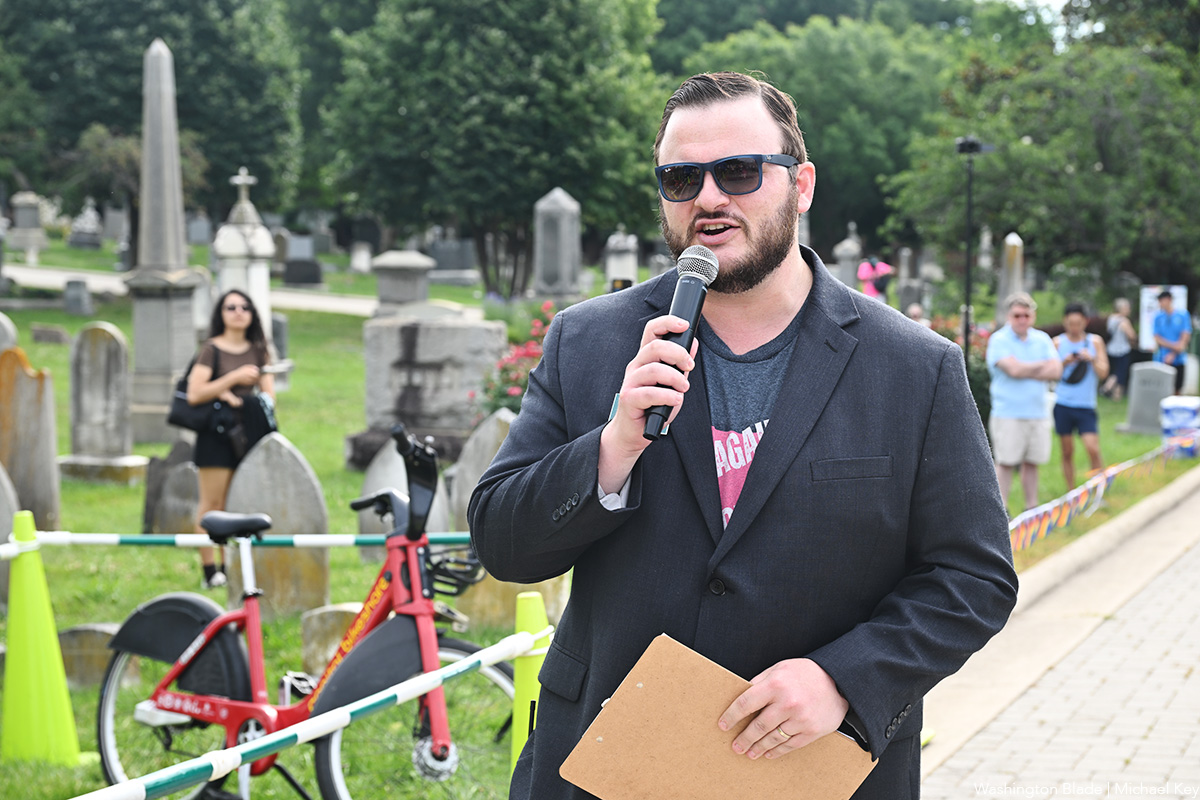
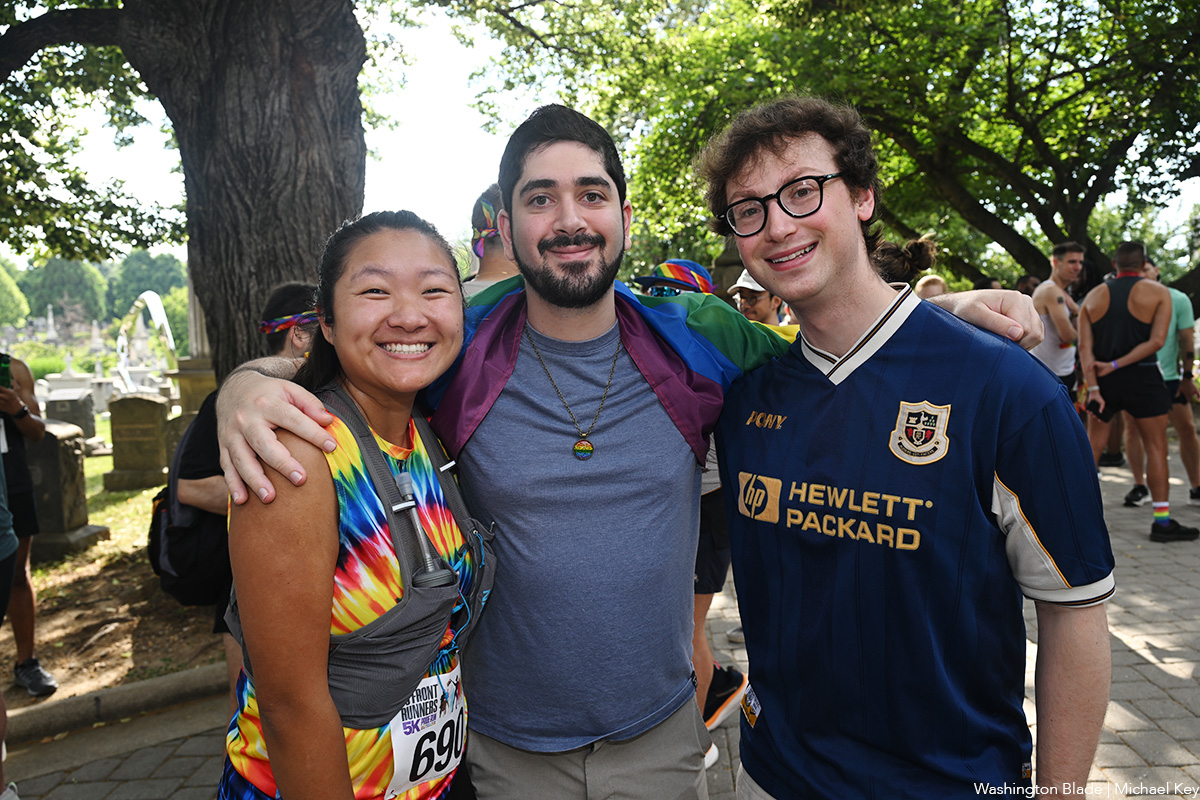
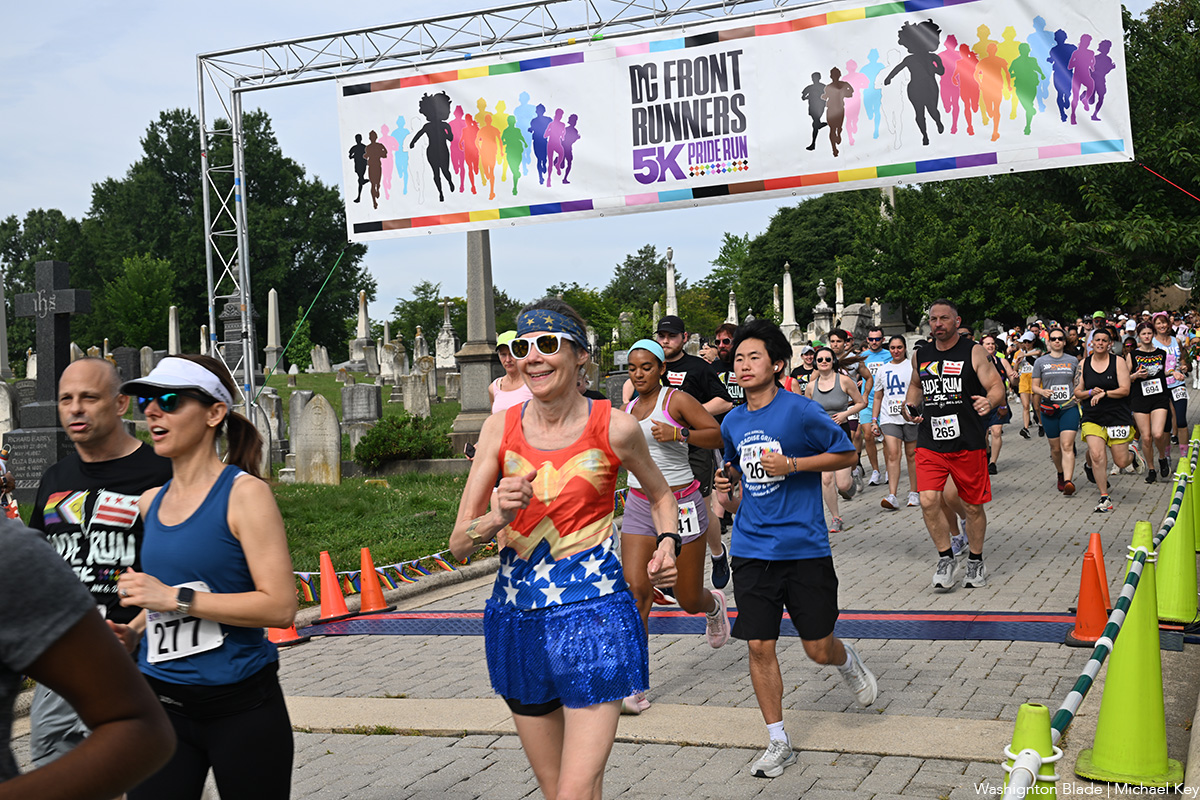
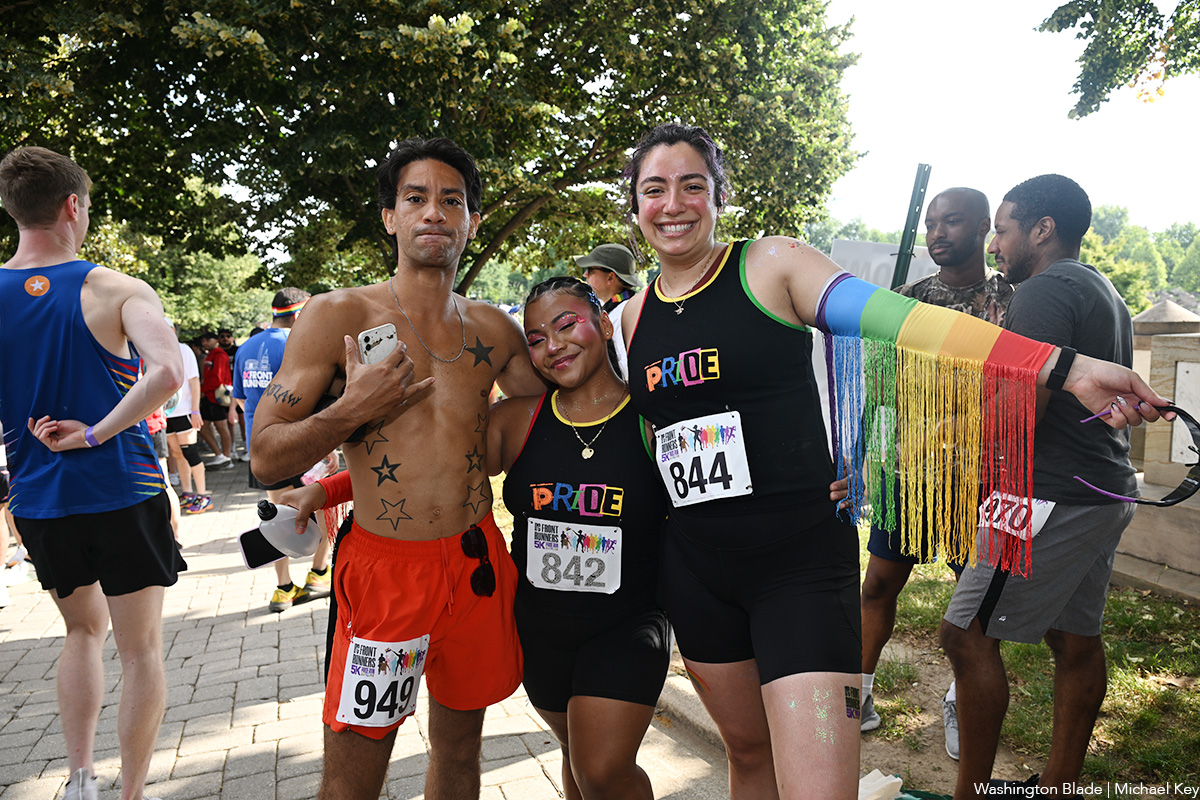
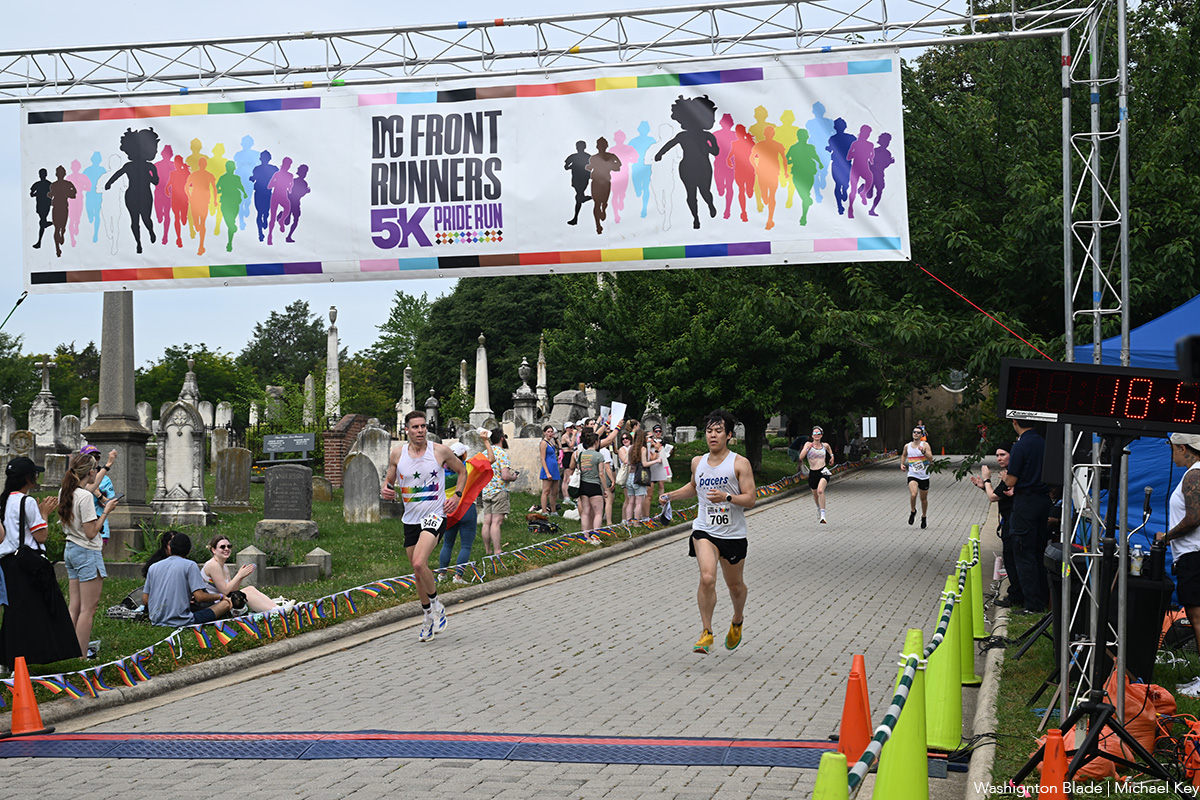
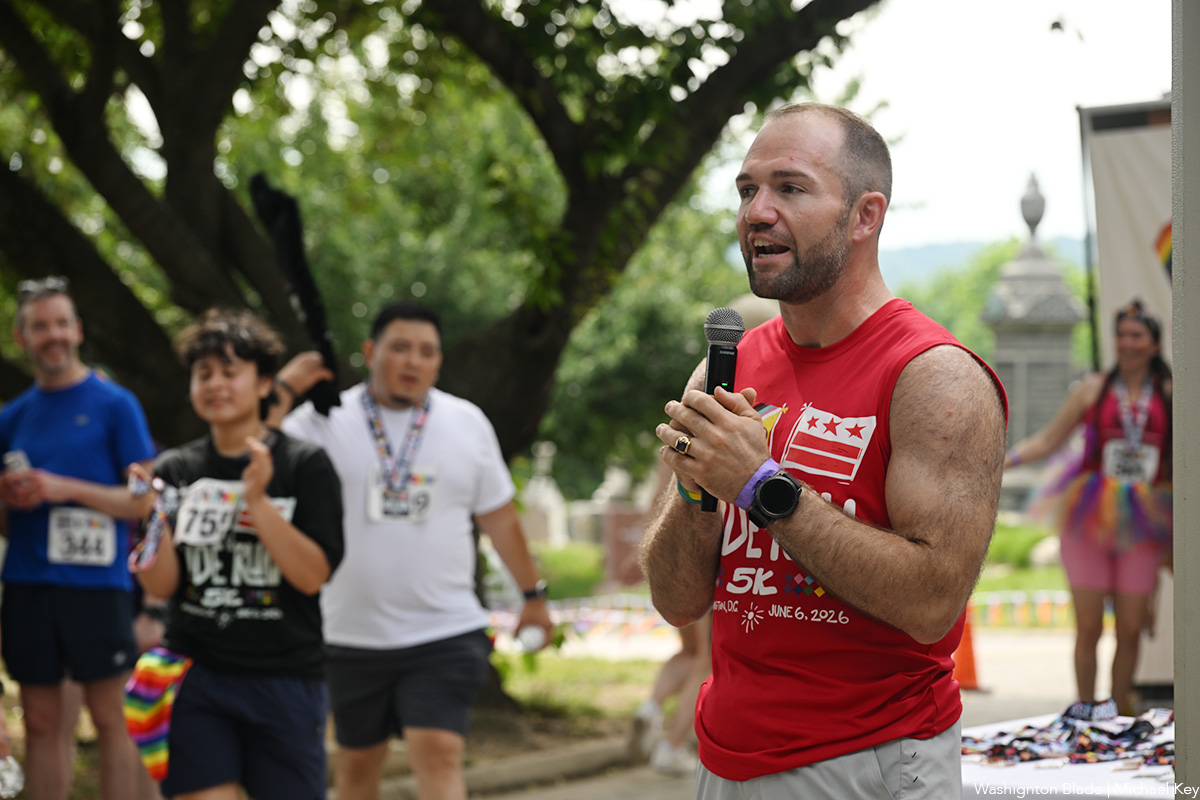
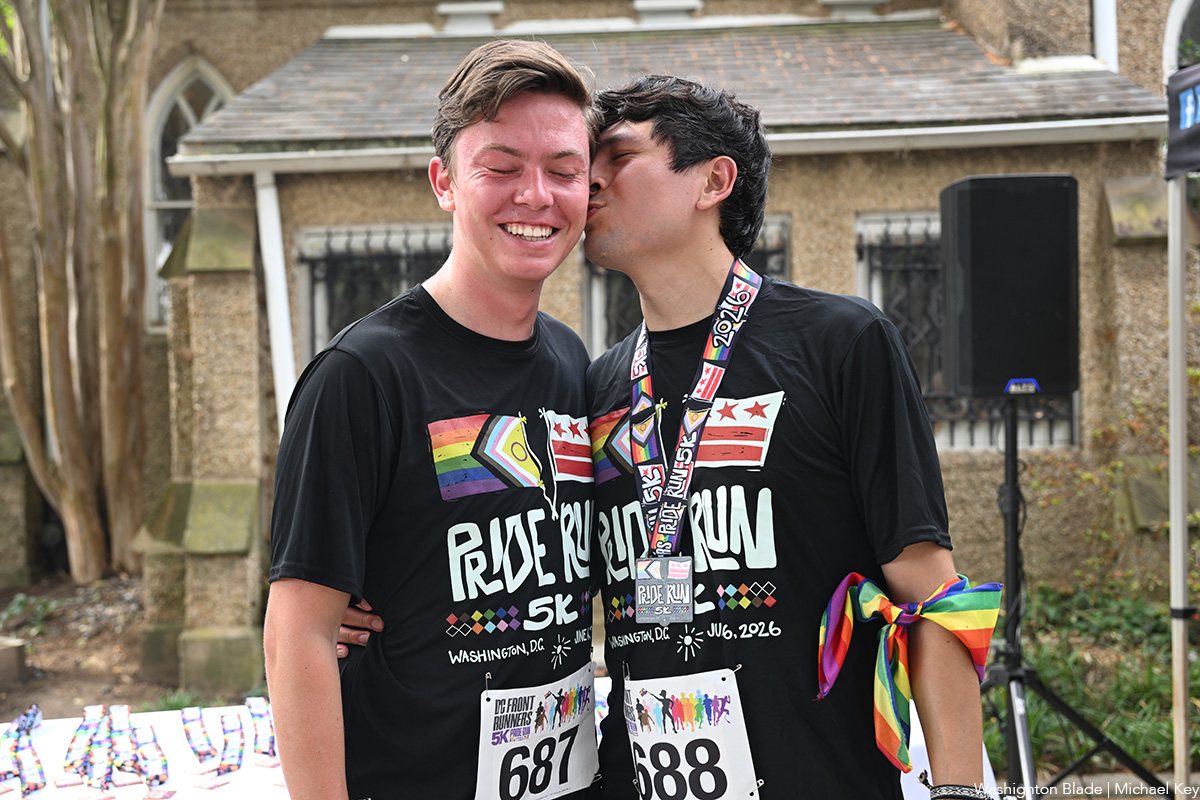
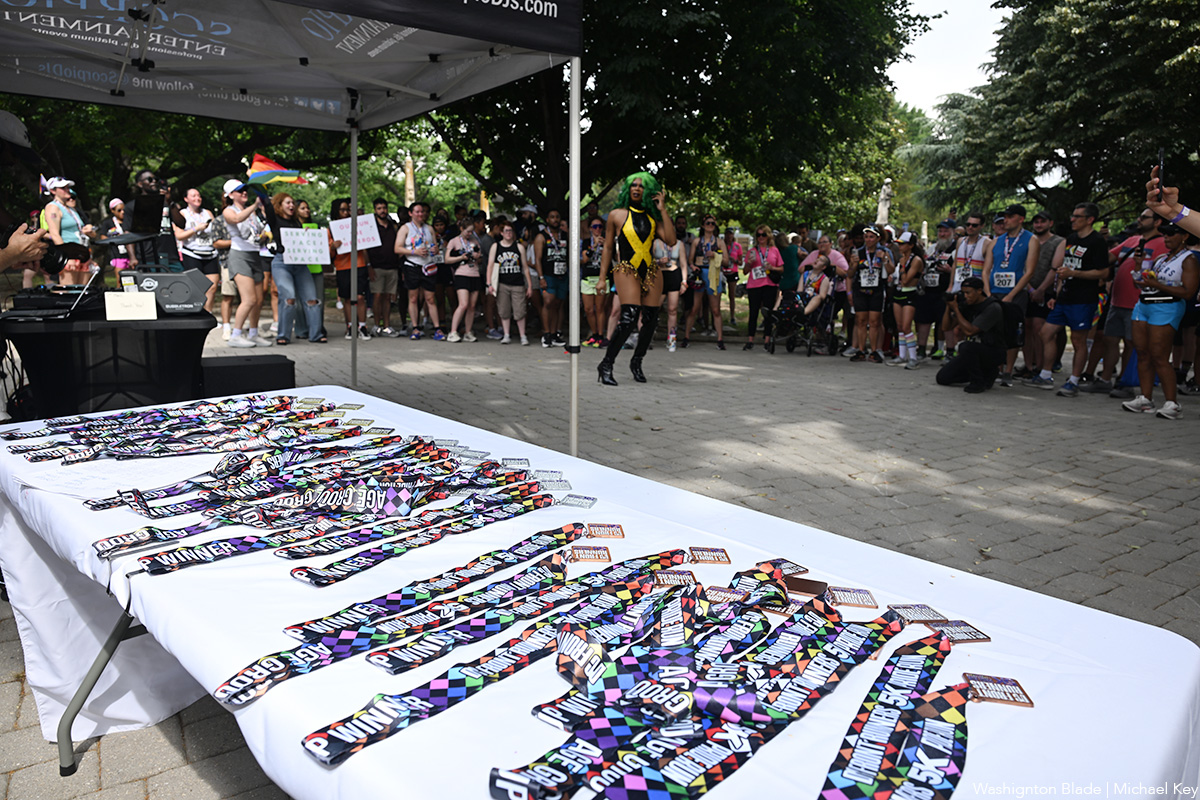
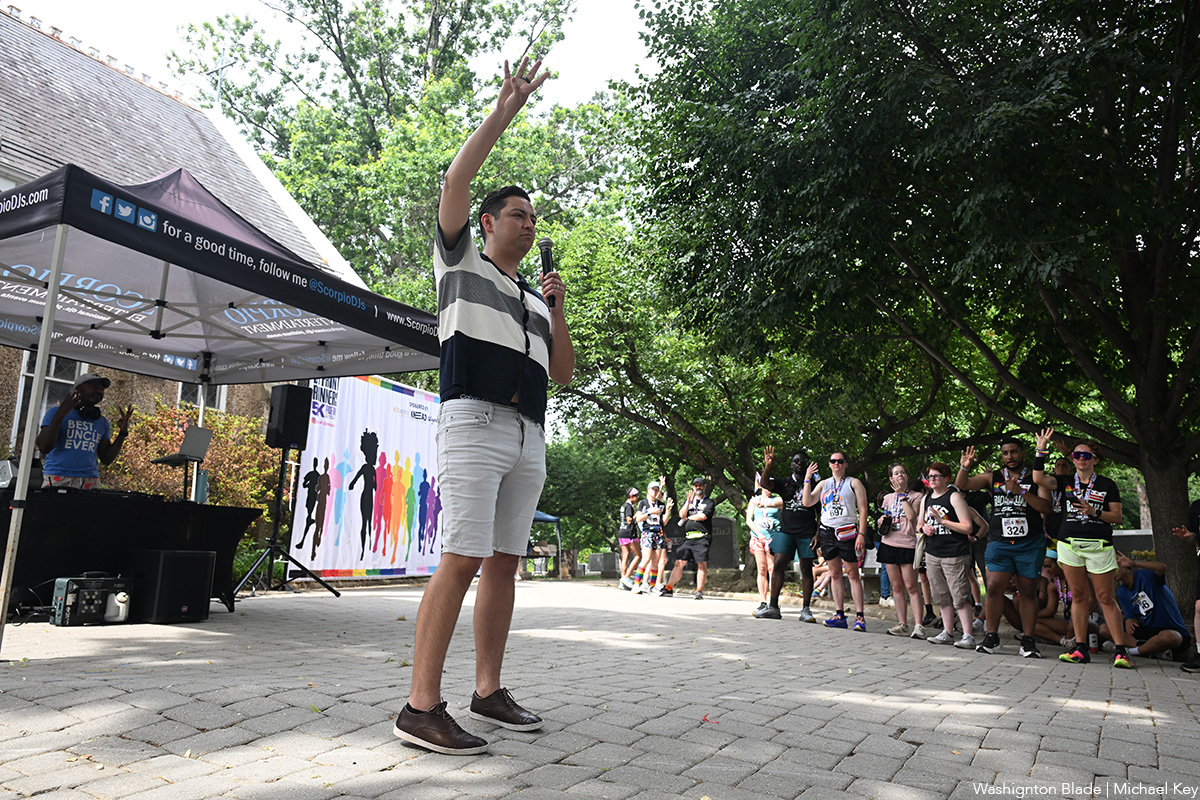
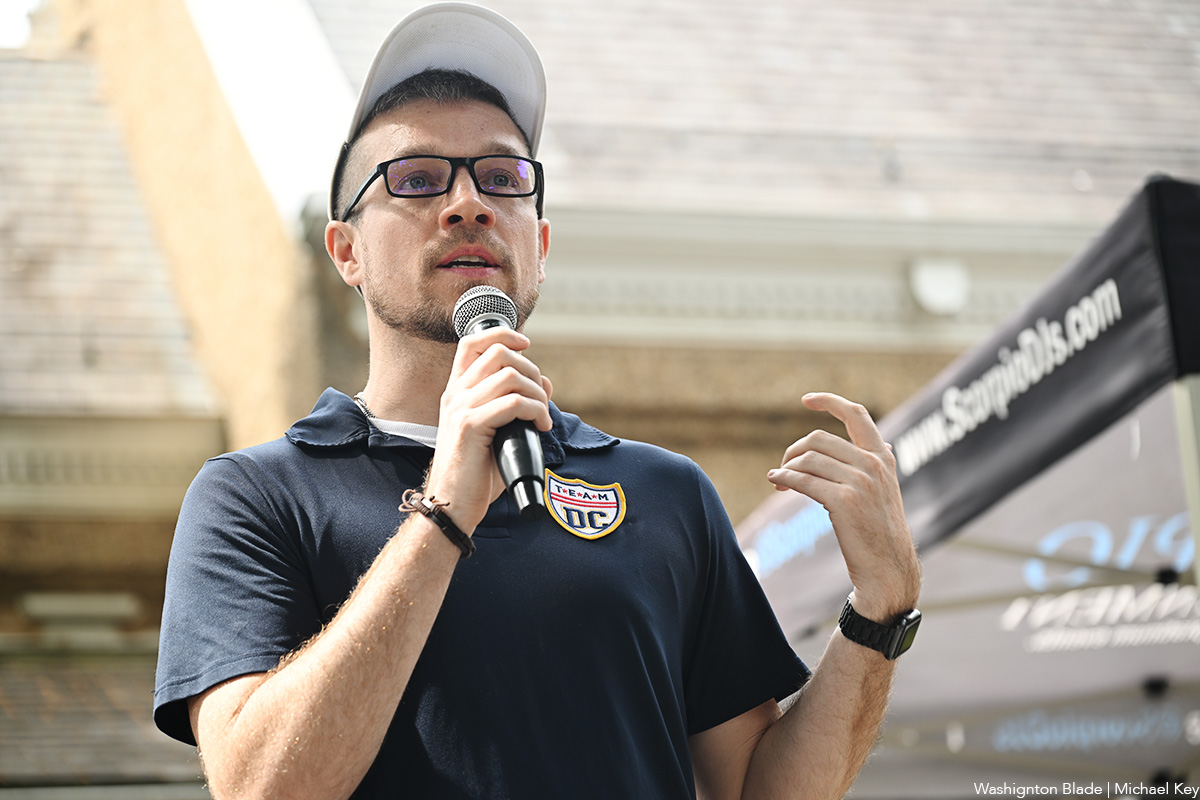
The D.C. Front Runners held the 14th annual 5K Pride Run at Congressional Cemetery on Saturday, June 6.
(Washington Blade photos by Michael Key)








View on Threads
Books
‘Mighty Real’ explores history of LGBTQ music
From Judas Priest to Whitney, something for every taste
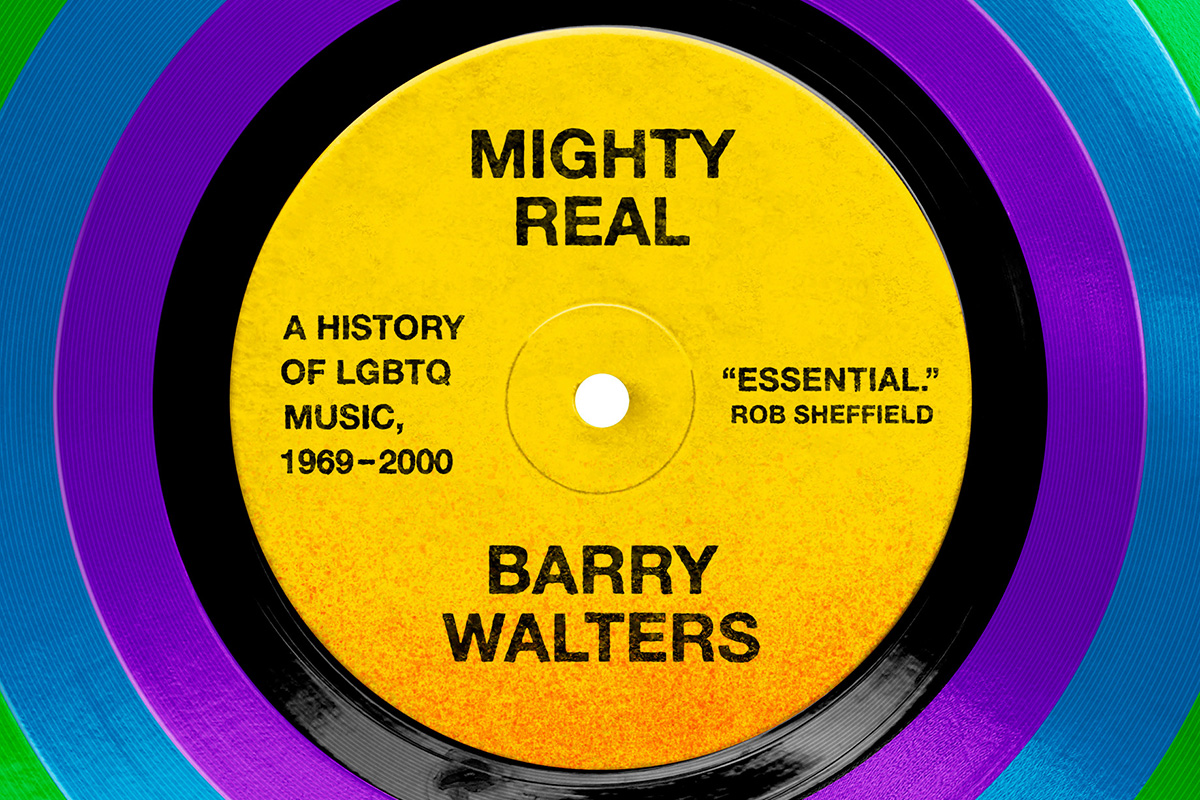
‘Mighty Real: A History of LGBTQ Music, 1969-2000’
By Barry Walters
c.2026, Viking
$35/496 pages
Step, step, tap, back step.
Shimmy in a circle, left hand waving over your head, shake your tail feathers, repeat to the beat. Once there was a time when you could do any dance in your sleep, but it’s been a while. So read “Mighty Real” by Barry Walters, and see if your toes don’t tap.

Fifty-seven years after Stonewall, and here we are: LGBTQ musicians still face scrutiny for their sexuality because, says Walters, music isn’t created for gay listeners. No problem: LGBTQ artists and writers have often penned lyrics carefully in order to say what can’t be said, “coding” songs for gay audiences that straight (and ignorant) listeners can dance to and enjoy with apparent obliviousness.
Walters offers “just a few” examples.
Lou Reed sang about trans people in the late ‘60s and offered a rallying song for the Gay Liberation Front in 1972, the latter of which felt like a message to a then-11-year-old Walters. Janis Joplin claimed she was straight, but she had several girlfriends. Motown singers often offered sometimes-ambiguous lyrics.
John Lennon’s hand placement on the back cover of Sgt. Pepper’s Lonely Hearts Club Band made Walters begin to understand that he was different from other boys.
David Bowie is on his list, of course, as is Bette Midler, Elton John, Donna Summer, and Queen. You’ll find Judas Priest here, Green Day, and punk music. The Village People are included in this book, also Grace Jones, Duran Duran, and Cher, Whitney, Melissa, Latifah, and the lyrics from several blockbuster movies.
Two of Prince’s band members were lesbians, and they heavily influenced his albums. Diana Ross’s “I’m Coming Out” cemented her position in LGBTQ culture, and Michael Jackson’s inclusion here takes much careful consideration.
Read about Olivia Newton-John and the B52s. And then there’s Sylvester, for whom Walters has a soft spot in his heart. Sylvester’s death still makes Walters cry.
In his preface, author and music writer Barry Walters points out that music is what you make it and that it’s interpreted differently by each individual. To that end, this book naturally consists of preferential history and personal opinions about singers, bands, albums, and songs.
Agree or disagree. That’s where much of the appeal lies in “Mighty Real.”
Here, Walters wraps his memories around his choices, giving readers room for their own views, memories, and list making. Music-loving readers might also be surprised to note who’s not on Walters’ list – there aren’t many country performers here, for example, and the overall list focuses entirely on music from roughly 1968 to the year 2000, mostly on the kinds of songs you’ll want at the club or party. Again, discuss, and curate your own playlist.
This is a hefty book, but the chapters are browse-able and generally short enough to read in under five minutes. It’s nostalgic, yet also serious in the history it presents. This is the kind of book you want to leave near your album collection, or wherever you get your tunes. But finding “Mighty Real” is your first step.
The Blade may receive commissions from qualifying purchases made via this post.

The Gay Men’s Chorus of Washington performed “Soul Divas” at the Lincoln Theatre over the weekend. The show featured songs popularized by Tina Turner, Aretha Franklin, Diana Ross, Gladys Knight, Whitney Houston and more.
(Washington Blade photos by Michael Key)


PHOTOS: Pride Run

D.C.’s housing reality: Cautious optimism meets landlord strain

‘Mighty Real’ explores history of LGBTQ music

PHOTOS: ‘Soul Divas’

Timothy Nelson on the premiere of his opera ‘Song of Sakuntala’

Federal appeals court rules White House illegally banned trans troops

Leaving for a barge trip through canals of Burgundy

A vice president marches by our side

Ogles faces bipartisan backlash over anti-gay social media post

First gay underwear party? How to have fun nearly naked
-

 U.S. Military/Pentagon5 days ago
Federal appeals court rules White House illegally banned trans troops
-
Opinions4 days ago
Leaving for a barge trip through canals of Burgundy
-
Opinions4 days ago
A vice president marches by our side
-
Congress4 days ago
Ogles faces bipartisan backlash over anti-gay social media post