Arts & Entertainment
Calendar: Nov. 16-22, 2018
Eagle parties, drag brunches, yummy Michael Carbonaro and lots more for the week ahead
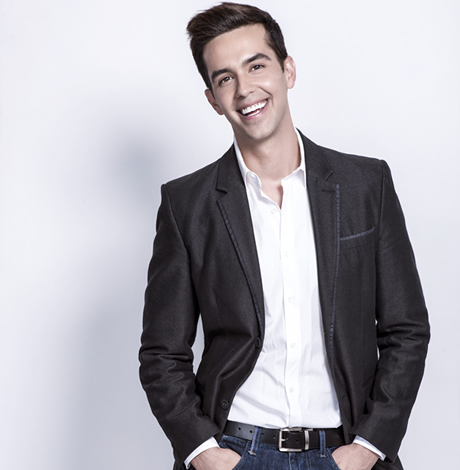
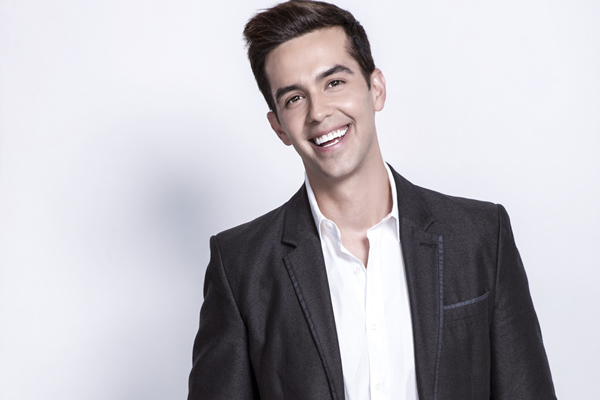
Magician Michael Carbonaro performs at MGM National Harbor this weekend. (Photo courtesy Trickster Productions)
Friday, Nov. 16
The D.C. Eagle (3701 Benning Rd., N.E.) kicks off its anniversary weekend tonight at 11:30 p.m. with an appearance by Willam at the Birds of Prey Drag Show. She will perform and serve as the judge for the Mr. Eagle D.C. 2019 contest and the inaugural Ms. D.C. Eagle contest. Willam meet-and-greet tickets are $30 and include entry to the Birds of Prey drag show. Tickets for the show are $15. For a complete list of the D.C. Eagle’s anniversary events, visit dceagle.com.
The D.C. Eagle (3701 Benning Rd., N.E.) hosts Woof Happy Hour and Porn Star Bingo today at 5 p.m. Eddie Danger hosts the party. There will be free pizza at 7:30 p.m. Drink specials include $4 rail drinks, $4 draft beers and more. For more details, visit dceagle.com.
Comedian Aziz Ansari performs at the MGM National Harbor (101 MGM National Ave., Oxon Hill, Md.) tonight at 7 p.m. Tickets range from $47-93. For more information, visit mgmnationalharbor.com.
Macy’s (1201 G St., N.W.) presents its Holiday Unveiling today from 5-7 p.m. Guests can meet singer Keri Hilson, drop by the men’s tailoring showroom featuring singer Sam Tsui and meet and greet with Santa. There will be holiday spirit tastings, cigar rolling, activities, giveaways, surprises and more.WPGC 95.5’s Sunni of the “Joe Clair Morning Show” will host. Admission is free.
Saturday, Nov. 17
Lesbian comedian Emma Willmann performs at Drafthouse Comedy Theatre (1100 13th St., N.W.) tonight with shows at 7 and 9 p.m. Tickets are $20.
Annapolis Pride presents Drag Brunch at Rams Head On Stage (3 West St., Annapolis, Md.) today at 12:30 p.m. Victoria Bohmore and Shawnna Alexander host the show. Ganivah C. Diamond, M’ara Diamond, Kandi Pop, Sarah Nade, Jazmen Diamond and Prynce Sephora will perform. Tickets are $20. Food and beverages are sold separately. Half the proceeds will benefit Annapolis Pride. Guests must be 18 and over. Doors open at 11:30 p.m .For more details, visit ramsheadonstage.com.
The LGBTQ People of Color Support Group meets at the D.C. Center (2000 14th St., N.W.) today from 1-3 p.m. The peer support group, facilitated by Dakia Davis, is a safe space for LGBT people of color to talk about a variety of topics. For more information, visit thedccenter.org.
KhushDC hosts its South Asian LGBTQ Support Group at the D.C. Center (2000 14th St., N.W.) today at 1:30 p.m. The group is only open to people who identify as LGBT and have a family heritage from South Asia. For more information, visit thedccenter.org.
Taqueria del Barrio (821 Upshur St., N.W.) hosts a no-shave drag brunch today from noon-3 p.m. Performers include Lilian Laurent, Tammy Kunte and Linda Lecter. Bearded queen and winner of D.C.’s Drag Wars Vagenessis will host the show. Ten percent of profits will benefit Whitman-Walker. For more details, visit facebook.com/delbarriodc.
Out magician Michael Carbonaro, known for his illusion TV series “The Carbonaro Effect,” performs at the MGM National Harbor (101 MGM National Ave., Oxon Hill, Md.) tonight at 8 p.m. Tickets range from $44-71. For more information, visit mgmnationalharbor.com.
Sunday, Nov. 18
Murray & Peter present “A Drag Queen Christmas: The Naughty Tour” at the Warner Theatre (513 13th St., N.W.) tonight at 8 p.m.”RuPaul’s Drag Race” alumni will perform including Alyssa Edwards, Aja, Latrice Royale, Farrah Moan, Monet X Change, Trinity Taylor, Raja and Naomi Smalls. Miz Cracker hosts the show. This is an all-ages show. Doors open at 7 p.m. and show starts at 8 p.m. Tickets range from $20-50.
Washington D.C. History & Culture, a non-profit community organization, will give a guided tour of the U.S. Holocaust Memorial Museum (100 Raoul Wallenberg Pl., S.W.) today from 9:45 a.m.-noon. The tour will focus on the permanent exhibit and how it relates to the stories of Anne Frank and Oskar Schindler. Robert Kelleman, the founder of Washington D.C. History & Culture, will guide the tour. Then the group will have a lunch discussion in the museum cafe. For details, visit facebook.com/dchistoryandculture.
Monday, Nov. 19
The D.C. Center (2000 14th St., N.W.) hosts coffee drop-in hours for the senior LGBT community this morning from 10 a.m.-noon. Older LGBT adults can come and enjoy complimentary coffee and conversation with other community members. For more information, visit thedccenter.org.
Tuesday, Nov. 20
The Metropolitan Community Church of Washington (474 Ridge St., N.W.) honors the 18th annual Transgender Day of Remembrance tonight from 5:30-8:30 p.m. Transgender Day of Remembrance evolved from the Remembering Our Dead web project and a San Francisco candlelight vigil in response to the unsolved 1998 murder of Rita Hester. ASL interpretation will be provided. The venue is also wheelchair accessible.
Wednesday, Nov. 21
The Tom Davoren Social Bridge Club meets tonight at 7:30 p.m. at the Dignity Center (721 8th St., S.E.) for social bridge. No partner needed. For more information, call 301-345-1571.
Bookmen D.C., an informal gay men’s literature group, discusses “From Macho to Mariposa: Gay Latino Fiction” edited by Charles Rice-Gonzalez and Charlie Vasquez at the D.C. Center (2000 14th St., N.W.) tonight at 7:30 p.m. All are welcome. For more information, visit bookmendc.blogspot.com.
Vida Fitness hosts a free Thanksgiving Eve pre-burn open house at all locations today from 5 a.m.-11 p.m. Attendees can use Vida’s fitness equipment and cardio machines or drop by for a Zumba, cycling or HIIT class. Admission is free. RSVP at vidafitness.com/thanksgiving.
Thursday, Nov. 22
The D.C. Center (2000 14th St., N.W.) hosts Thanksgiving dinner today from 1-5 p.m. The dinner is welcome to all but especially for Center Global and Center Aging members who do not have Thanksgiving plans. Guests are invited to bring their favorite music, board games or holiday traditions to share with the group. Doors open at 1 p.m. Dinner starts at 2 p.m. For more information, visit thedccenter.org.



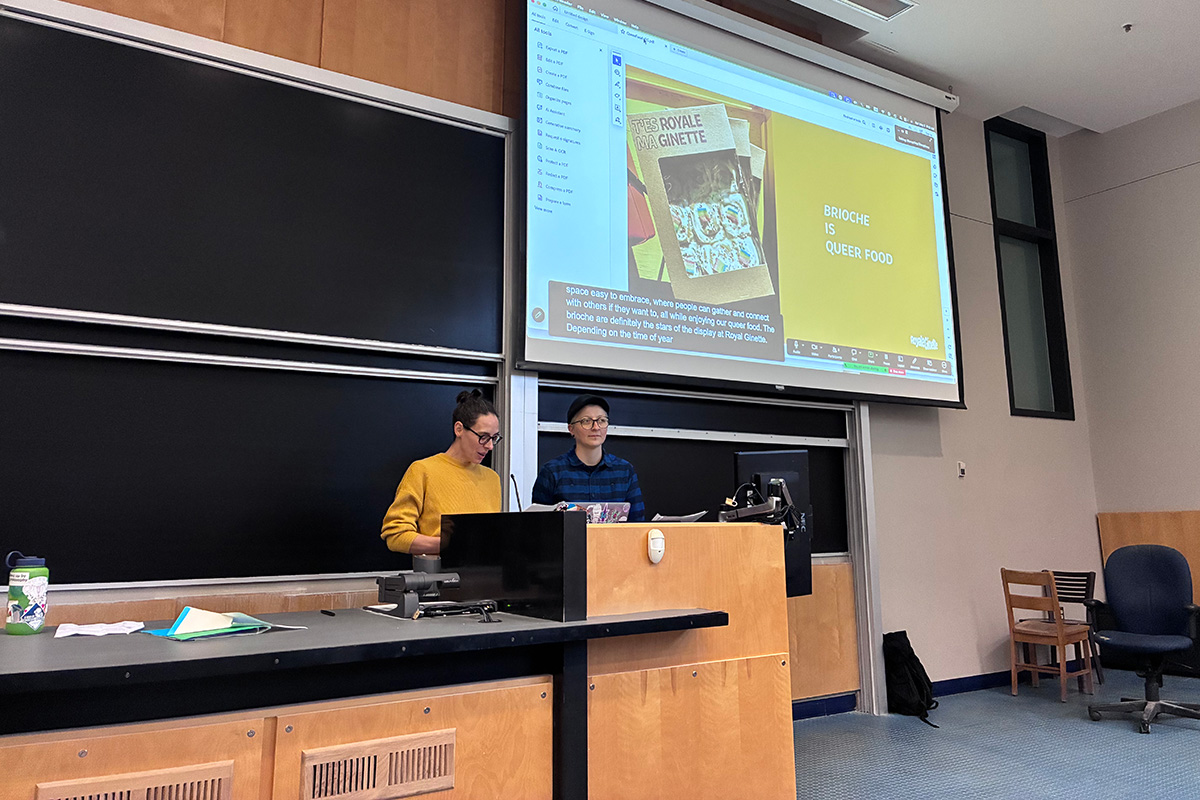
Just as humans have always had meals, queer humans, too, have enjoyed meals. Yet what is it that makes “queer food” distinct?
At the beginning of May in Montreal, the Queer Food Conference 2026 sought not to answer that question, but to further interrogate it. The conference united scholars, activists, artists, journalists, farmers, chefs, and other food industry professionals for three days of panels, workshops, discussions, and, yes, meals, in an inclusive, thoughtful, contemplative-yet-whimsical environment, taking a comprehensive view of the landscape of queer food.
The two organizers – Professor Alex Ketchum, at the Institute for Gender, Sexuality, and Feminist Studies of McGill University in Montreal, and Professor Megan Elias, Director of Food Studies & Gastronomy at Boston University – met in 2022 when Elias acted as a peer reviewer for Ketchum’s second book, “Ingredients for a Revolution,” a wide-ranging history of more than 230 feminist and lesbian-feminist restaurants, cafes, and coffeehouses from 1972 to the present in the US.
Elias, taken by the book and its exploration, invited Ketchum to speak at one of Elias’s courses, at which pastries were served and feminist bread making was baked into conversation. Elias floated the idea of co-organizing a queer food conference – and a hot 24 hours later, Ketchum said yes, with plans sketched out, from grants to topics to speakers. In parallel, the duo started to conceptualize “Queers at the Table,” a book based on their work (published last year).
The conference, the book, the research: their work is, in part, grounded in the question: What is queer food? True to queer theory, each has her own nuanced response as drivers of their research, challenging the traditional and looking beyond norms of food studies. Ketchum’s view is that it is grounded on food by and for the queer community, in specific histories, and especially in the labor behind the food. Elias posits that queer food is at the intersection of queerness and culinary studies, beyond gender norms and binaries, back to the societal basics of queer food as part of queer humans always having meals. “Queer food destabilizes assumptions about food, gender and sexuality, making space for a wider range of relationships to food,” she says.
The academics’ professed enthusiasm, however, rarely reached beyond small circles.
“I regularly attended big food studies conferences, but almost never saw presentations about gender identity beyond women’s roles,” says Elias about her prior work, and when her students would ask for additional literature about sexuality and food, results had been sparse. Ketchum echoed this gap: When she was in graduate studies, she received hesitation from leadership about her chosen field of study. By 2024, however, queer food as an area of study and practice had grown, whether in popular culture or well as in publishing, setting the stage for the first Queer Food Conference in 2024 in Boston. Their aim at that even was to launch the subfield of queer food studies into the mainstream, so that fellow academics, students, and those interested in the space could convene, “creating space for others to build,” says Ketchum. “People were enthusiastic.”
Once Ketchum and Elias published “Queers at the Table” in 2025 (notably, gay author John Birdsall also published a book examining queer identity through food last year, “What Is Queer Food?”), they laid the foundation for the 2026 conference in Montreal. This edition was an “embodied” conference, inclusive of various ontologies in queer food studies: theory, labor, art, taste, an interdisciplinary, expansive grounding.
Topics ranged from cookbooks and influencers to farming and land movements, bars and cafes, brewing and baking, history and sociology, writing and printmaking, healthcare and community, and centering marginalized – especially trans – voices.
Naturally, food was centered. The conference’s keynotes were not academics, but the chefs themselves who created the food with their own hands that attendees ate over the three days. “Not to disregard a pure academic space,” says Ketchum, “but to not have food in a room when we talk about food would be wild.”
Jackson Tucker, a Distinguished Graduate Fellow at the University of Delaware, said that “What I found [at the conference] was a genuinely diverse gathering: scholars who did grounded social research but also practitioners, organizers, and people who had never thought about an academic conference in their lives and didn’t need to. That mix is the soul of this whole project for me. Without the people who are out in the world doing queer food, the conference wouldn’t exist.”
Ketchum – her home being Montreal – also worked to fold in community-driven events so that attendees could get a taste of queer food in the city outside of classroom walls; for example, attendees participated in a collaborative evening pizza-making class at a queer-owned pizzeria.
The interdisciplinary nature of the conference led to sharing of research, thoughts, activities, and planning. There was a “value of bringing people together of different backgrounds, which leads to richer discussion,” she says.
Elias picked up on this theme: “I saw people bonding and connecting and believing in Queer Food Studies,” – one of the central goals that Ketchum noted, further legitimizing a nascent field. As both professors continue their research and leadership, they envision a continued layering of centering the queer experience and community through the shared value and study of food.
a&e features
Gay Men’s Chorus celebrates 45 years at annual gala
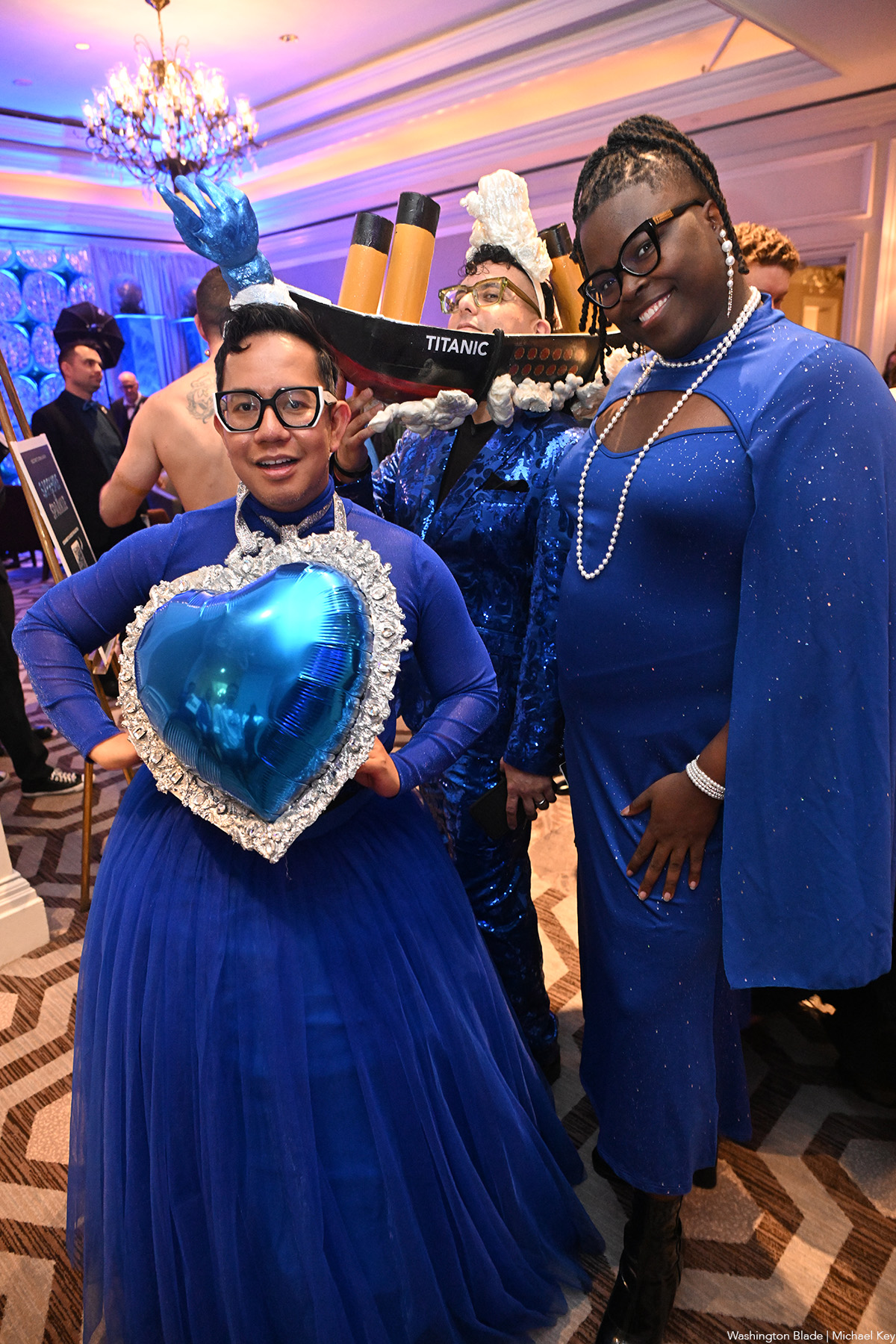
‘Sapphire & Sparkle’ Spring Affair held at the Ritz Carlton
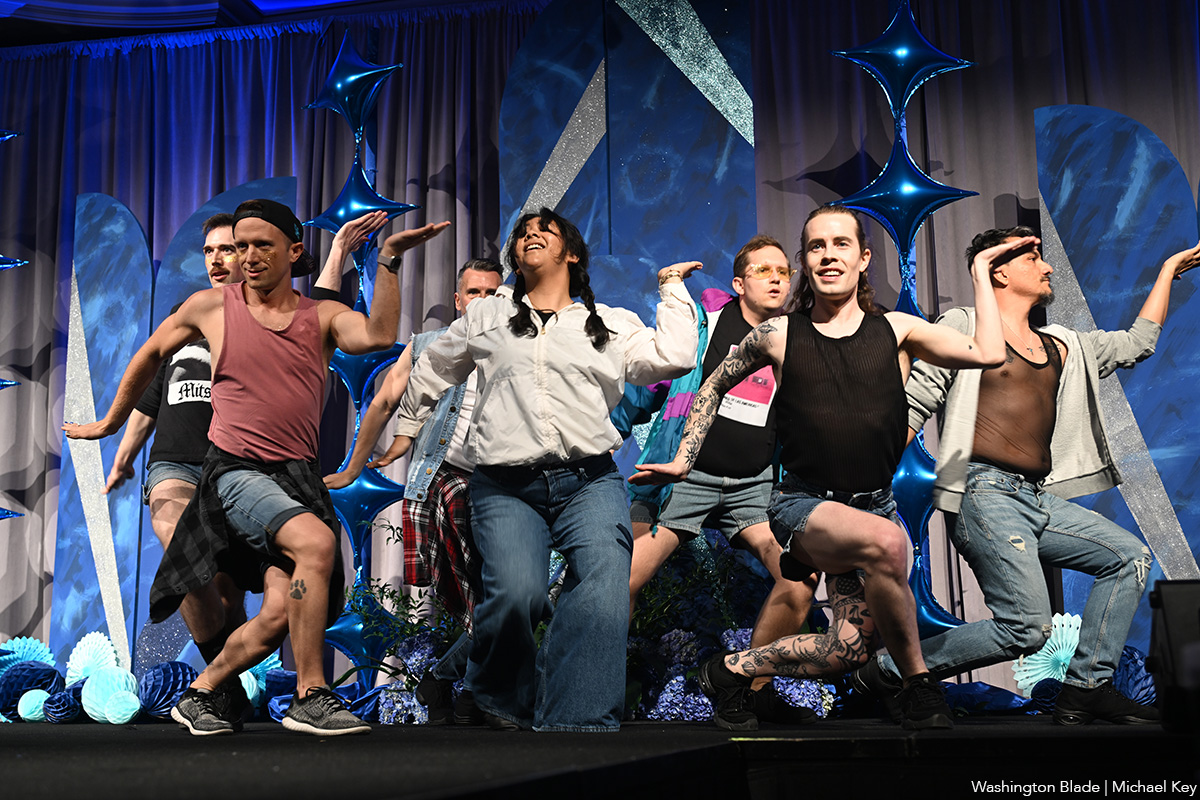
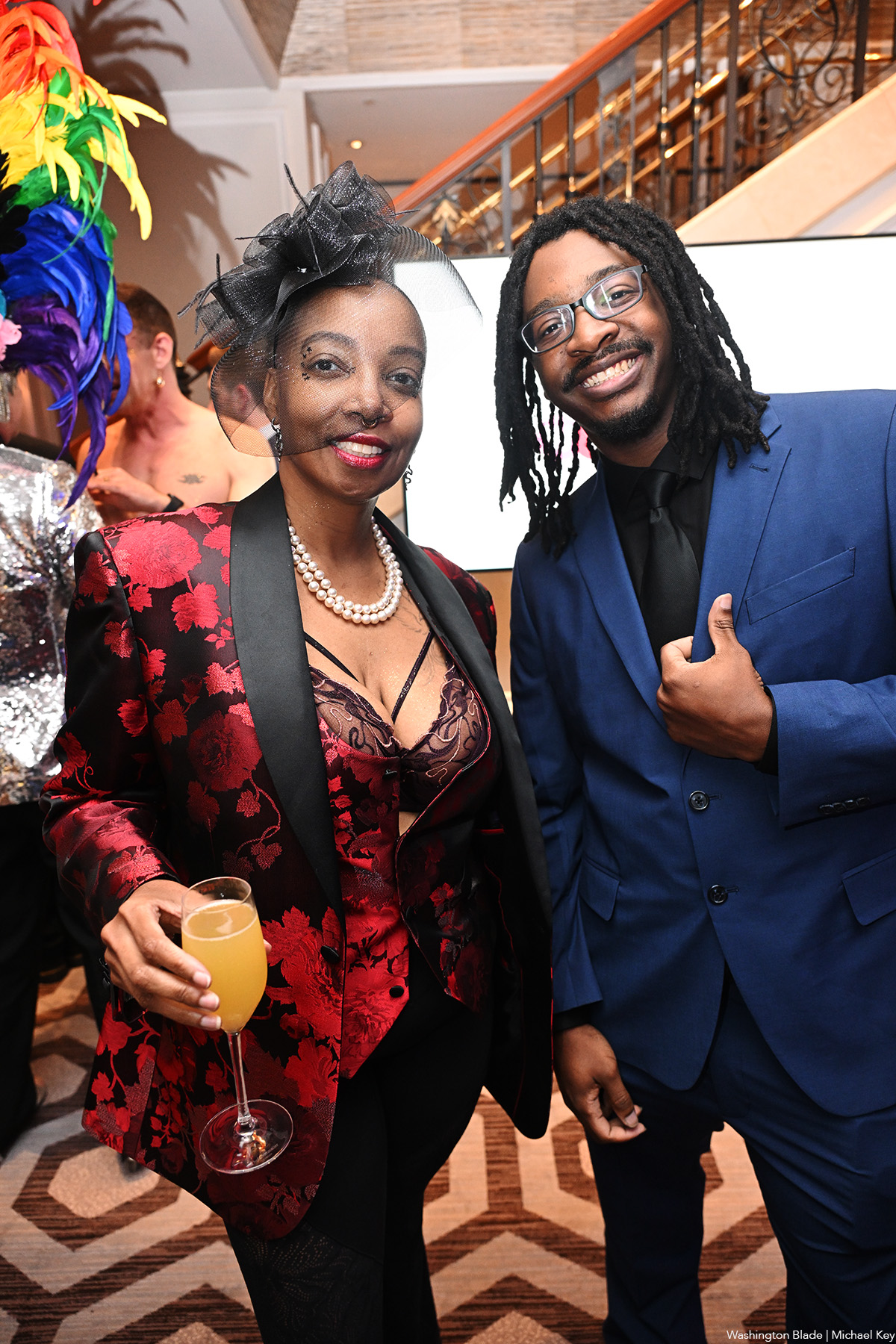
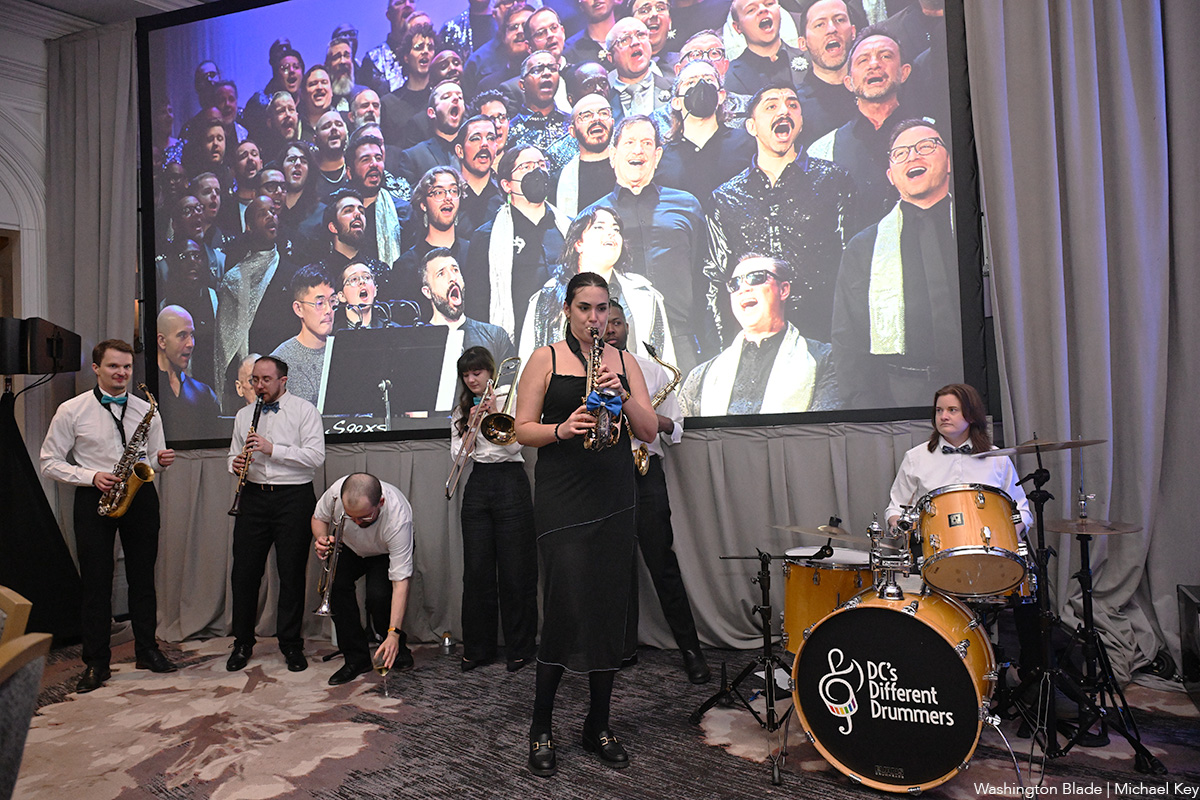
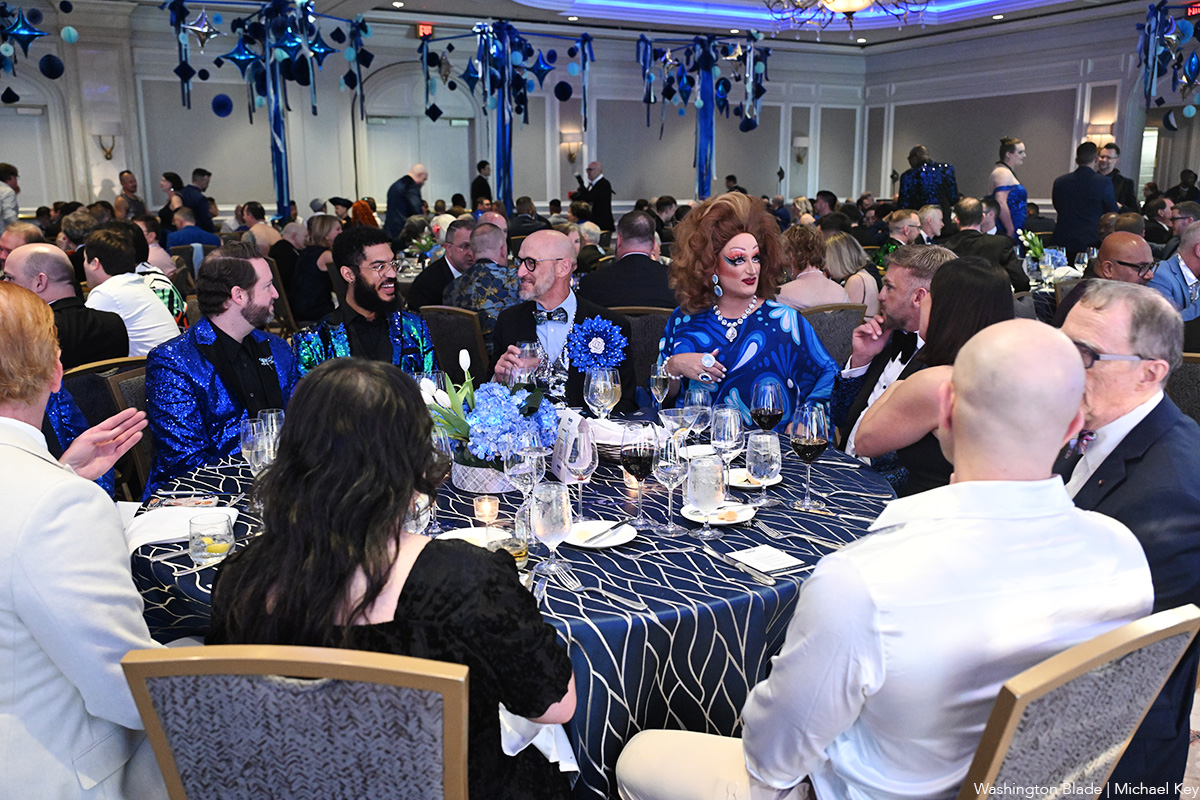
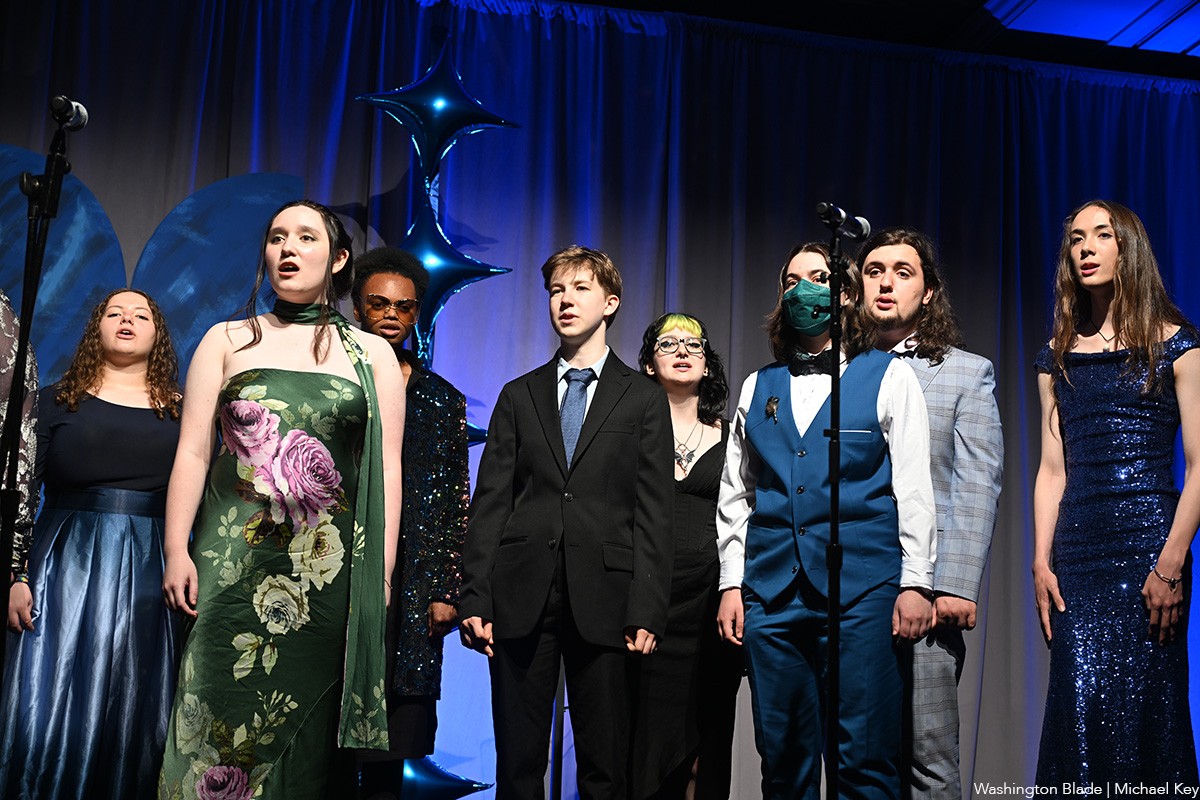
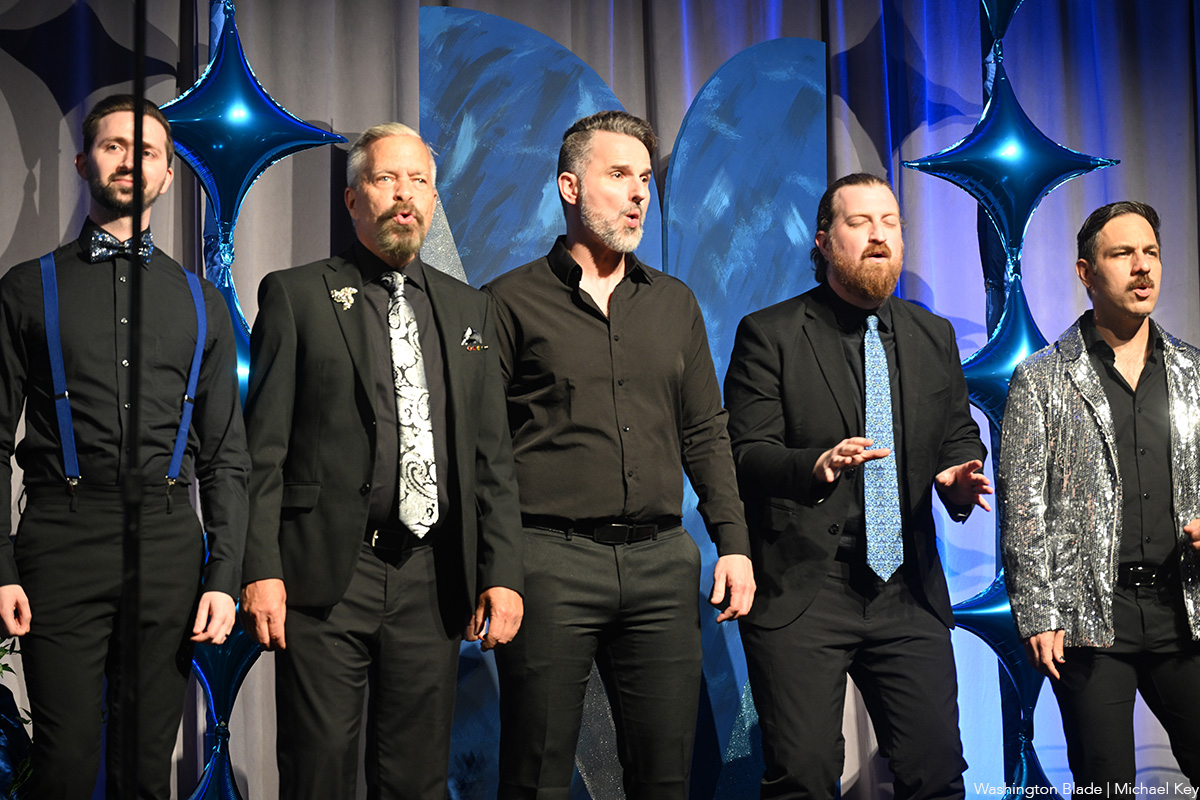
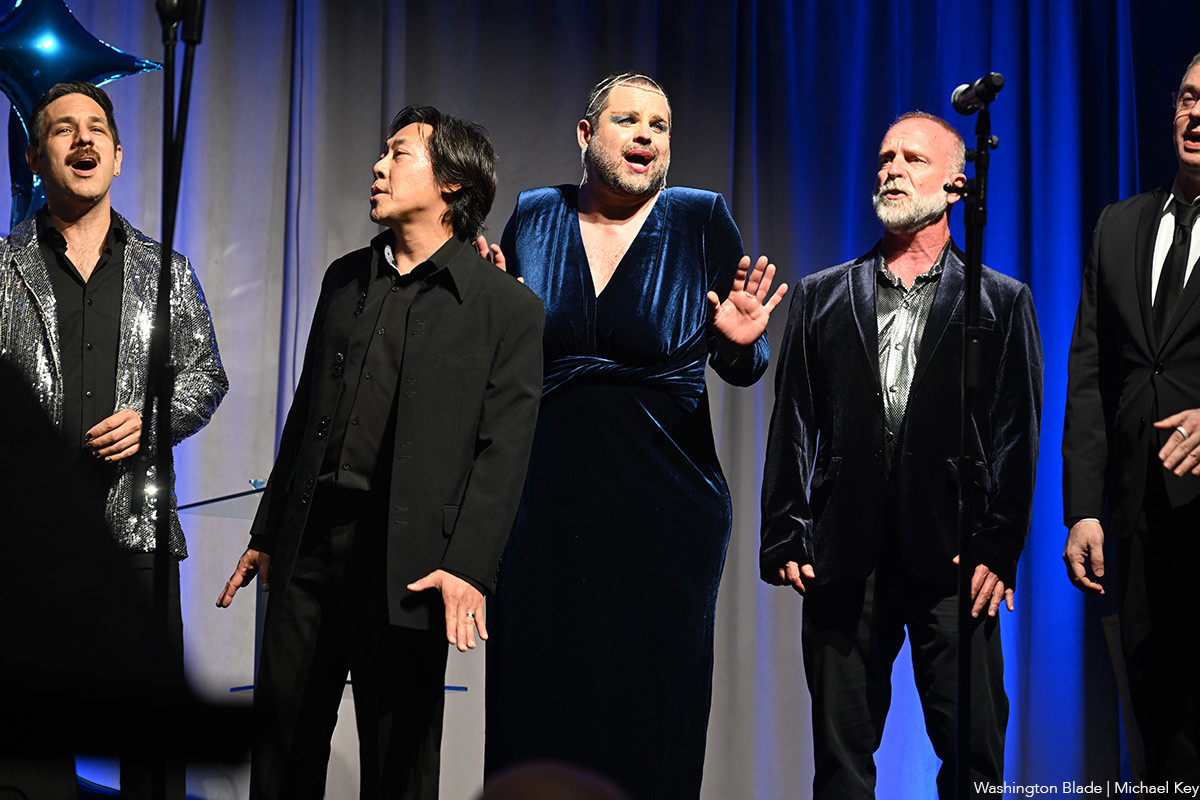
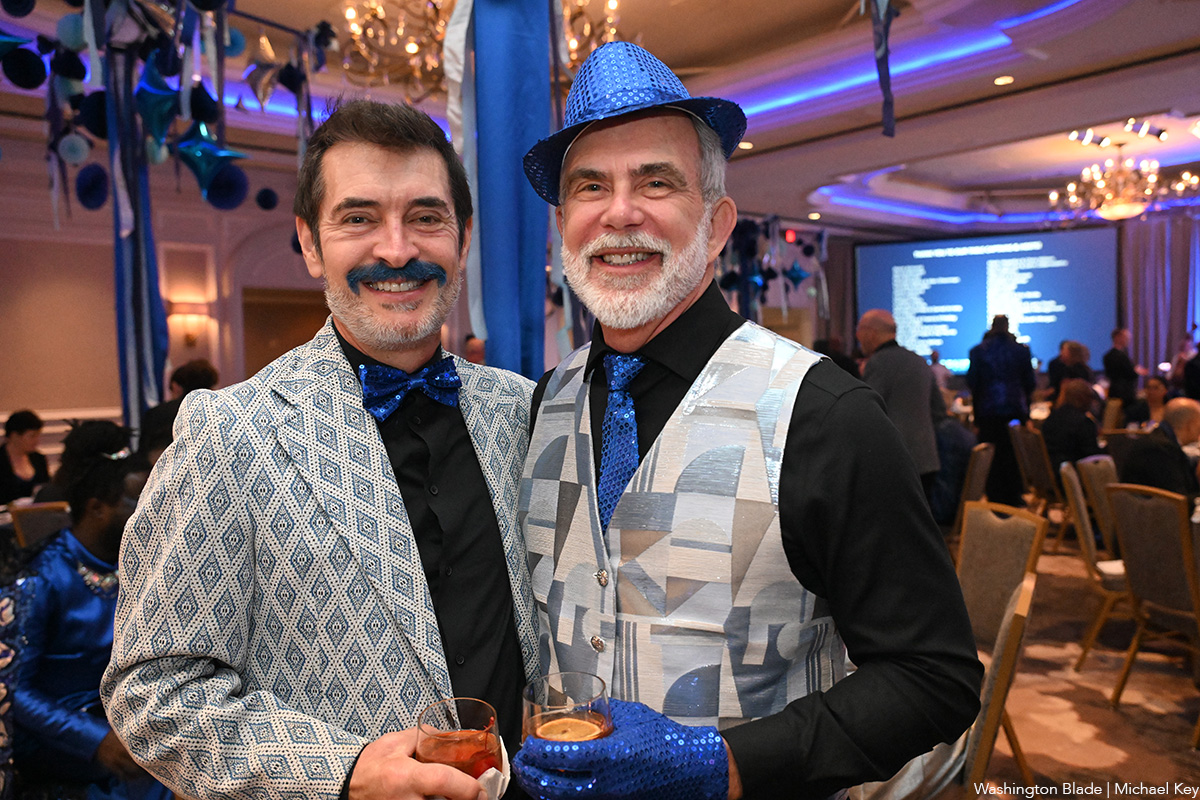
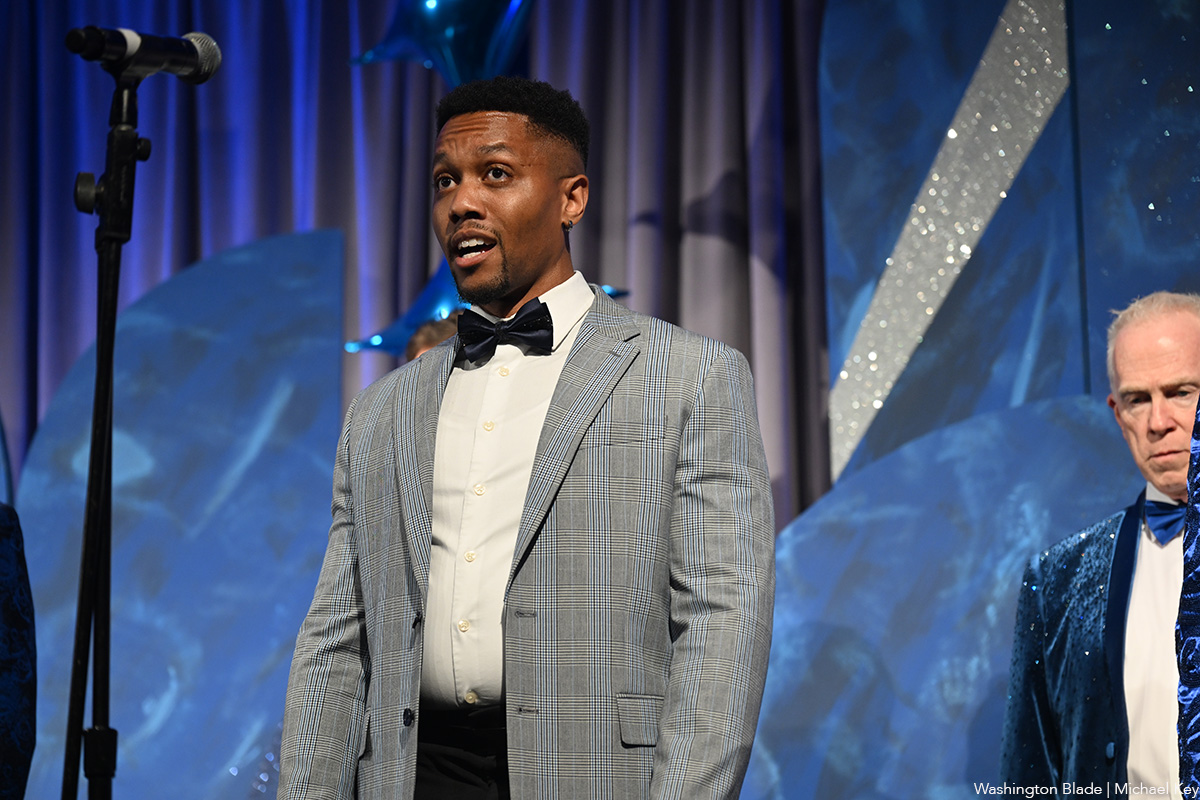
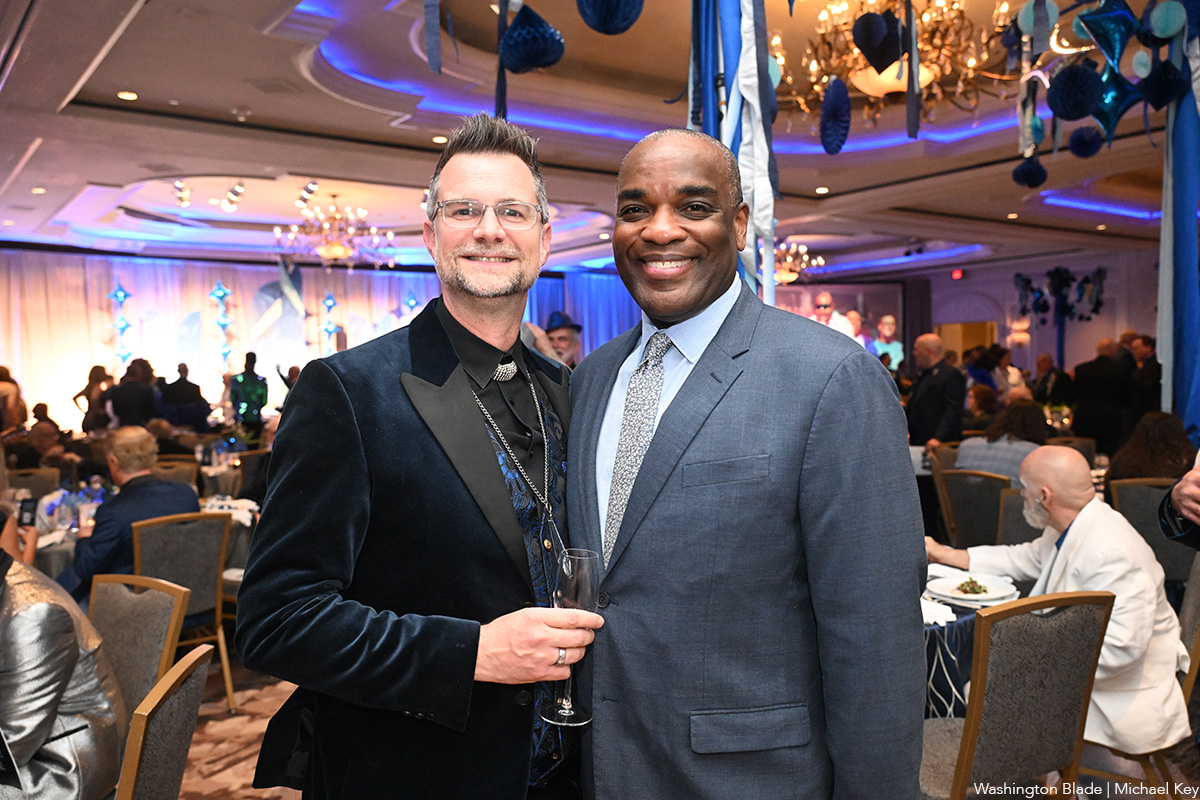
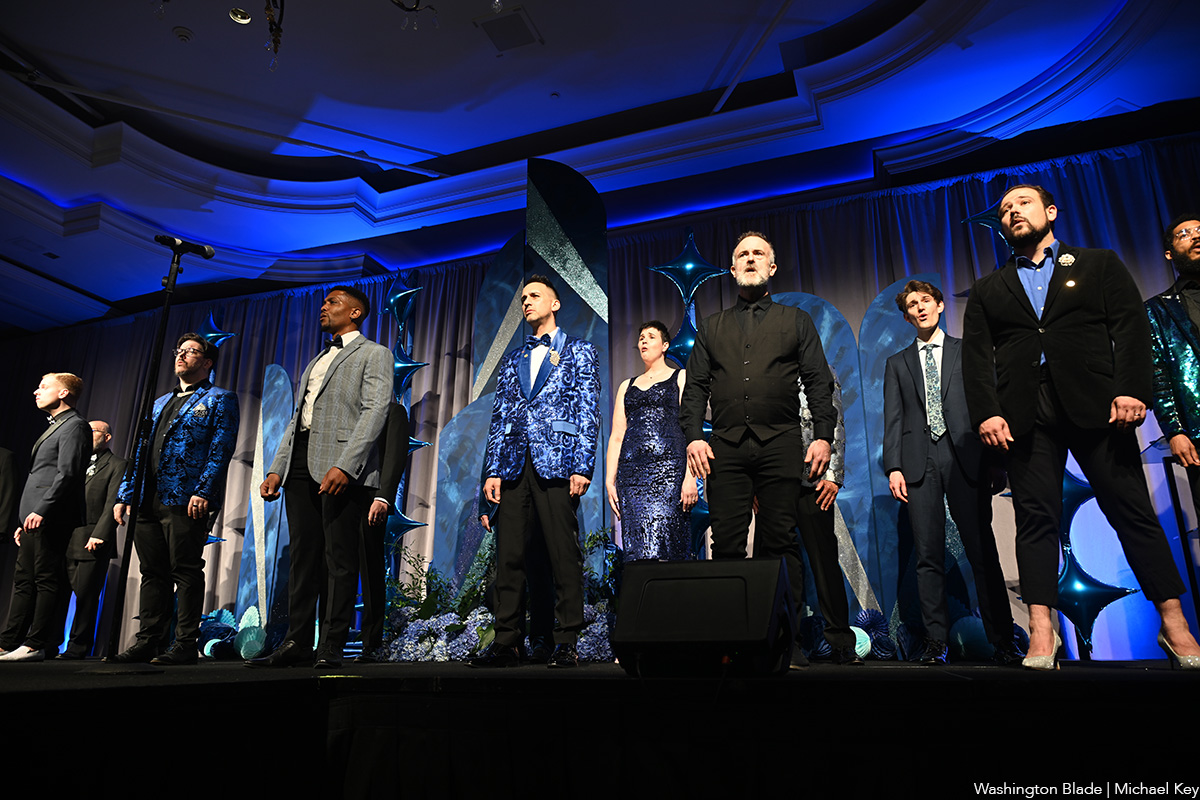
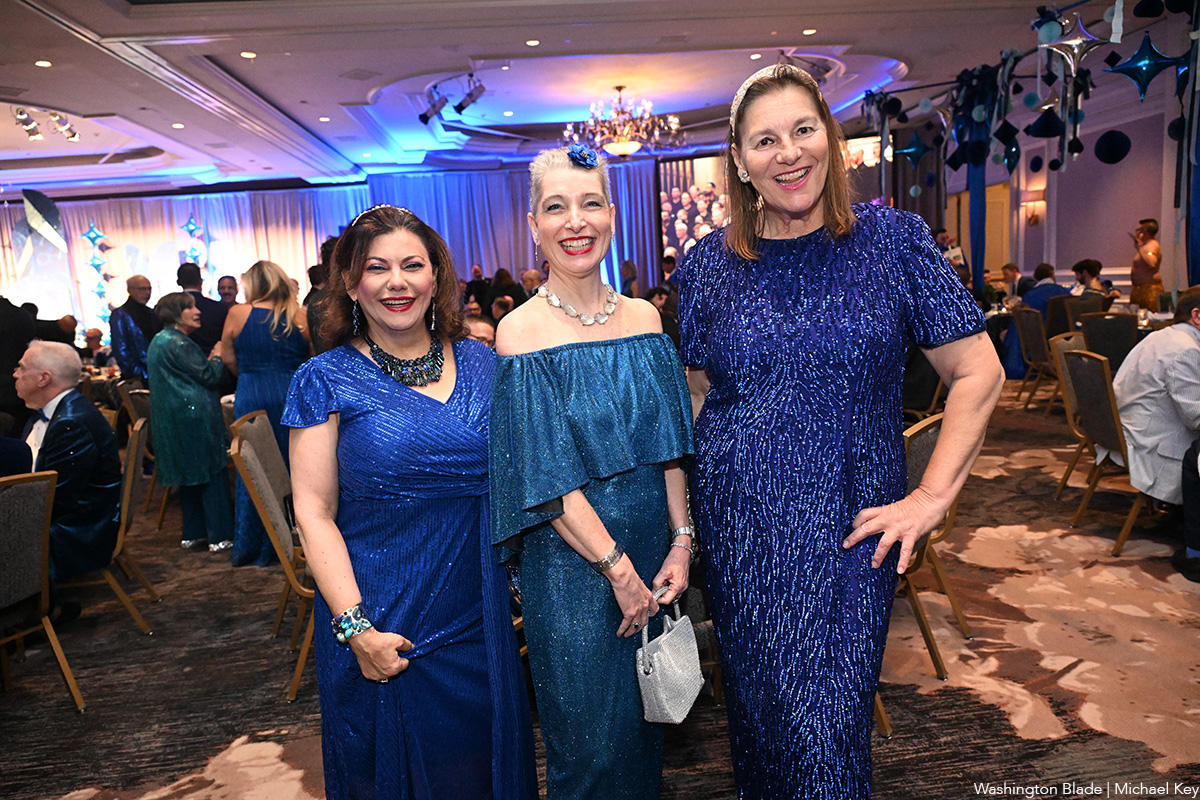
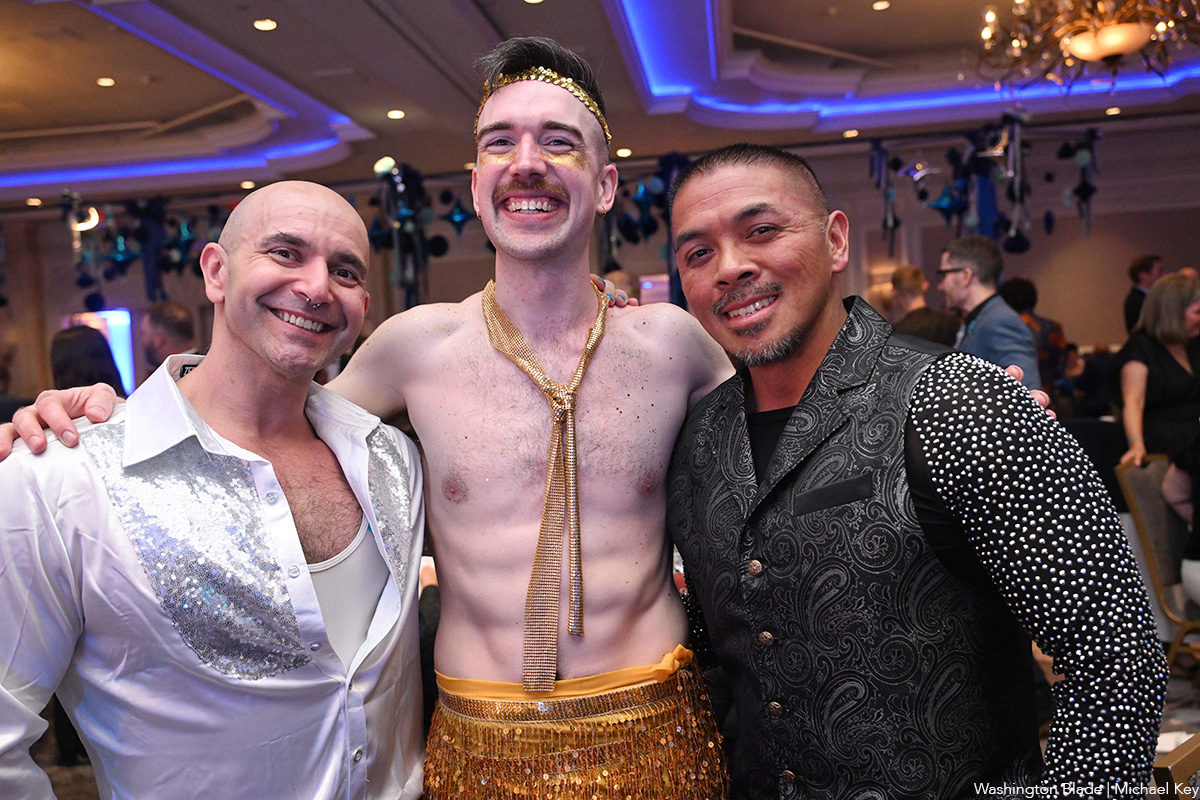
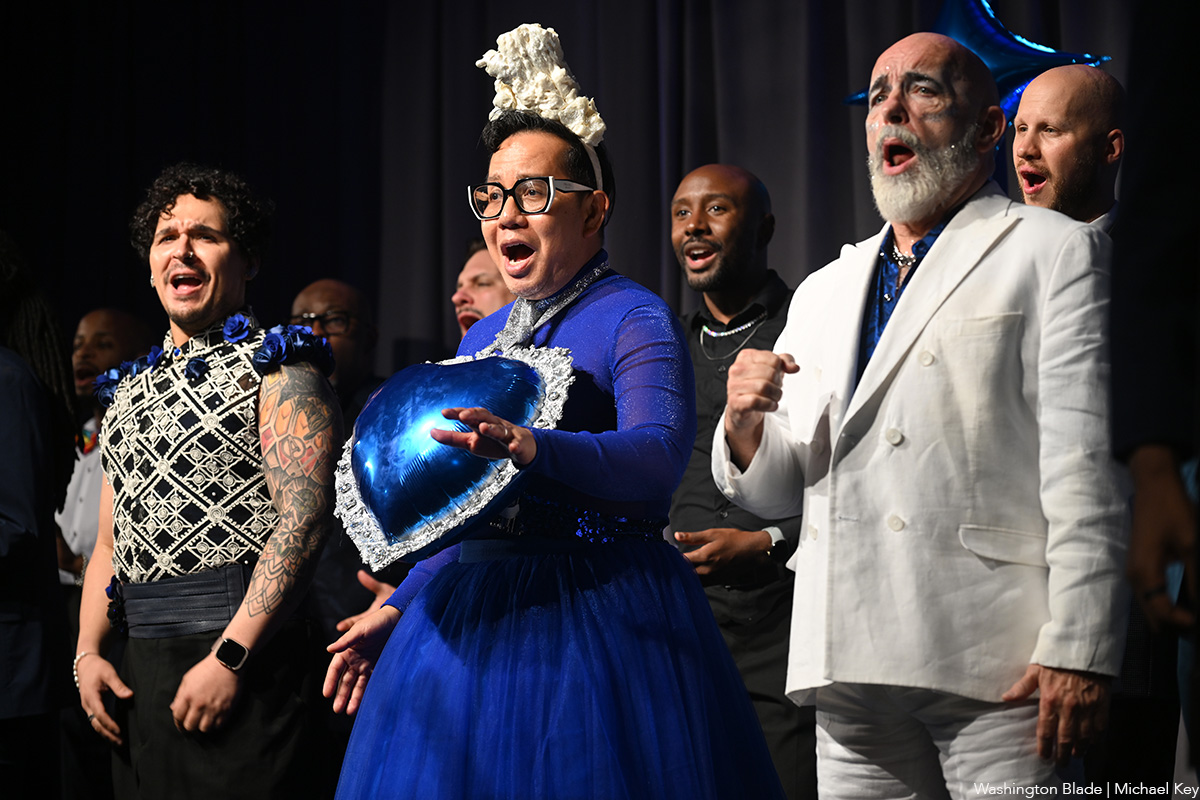
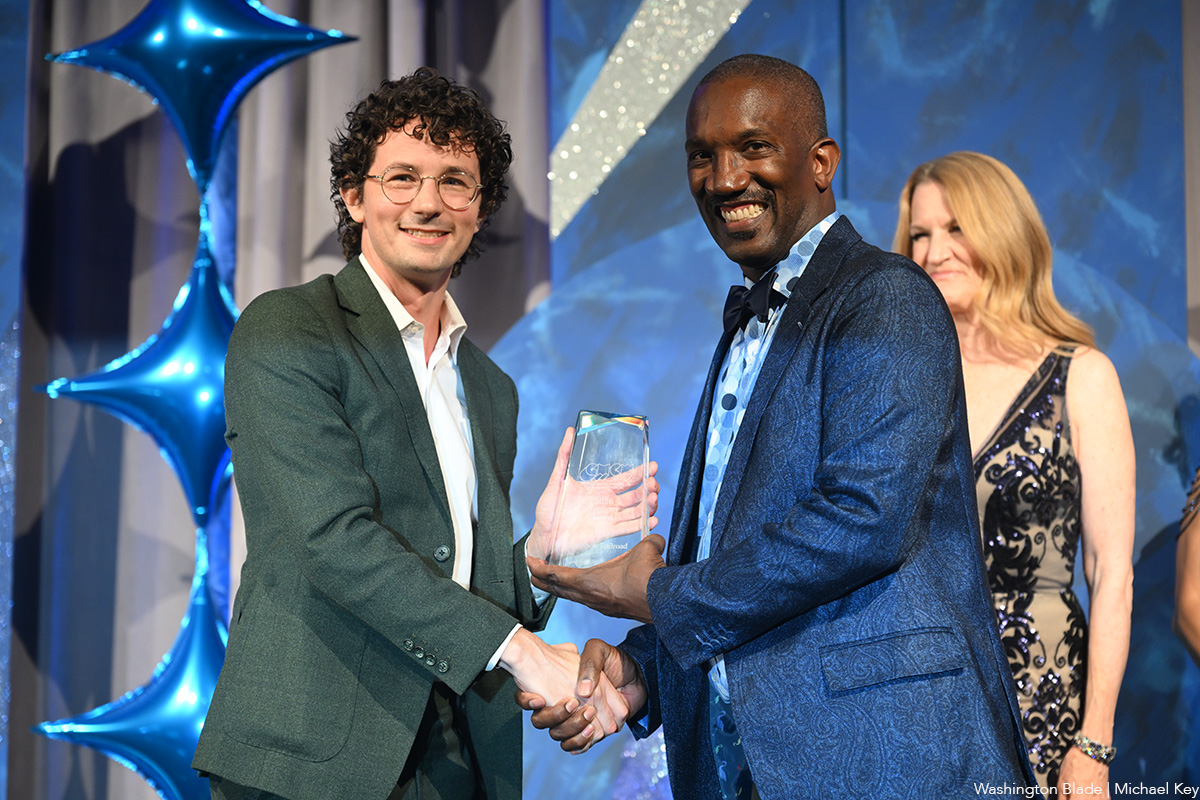
The Gay Men’s Chorus of Washington held the annual Spring Affair gala at the Ritz Carlton Washington, D.C. on Saturday. The theme for this year’s fete was “Sapphire & Sparkle.” The chorus celebrated 45 years in D.C. with musical performances, food, entertainment, and an awards ceremony.
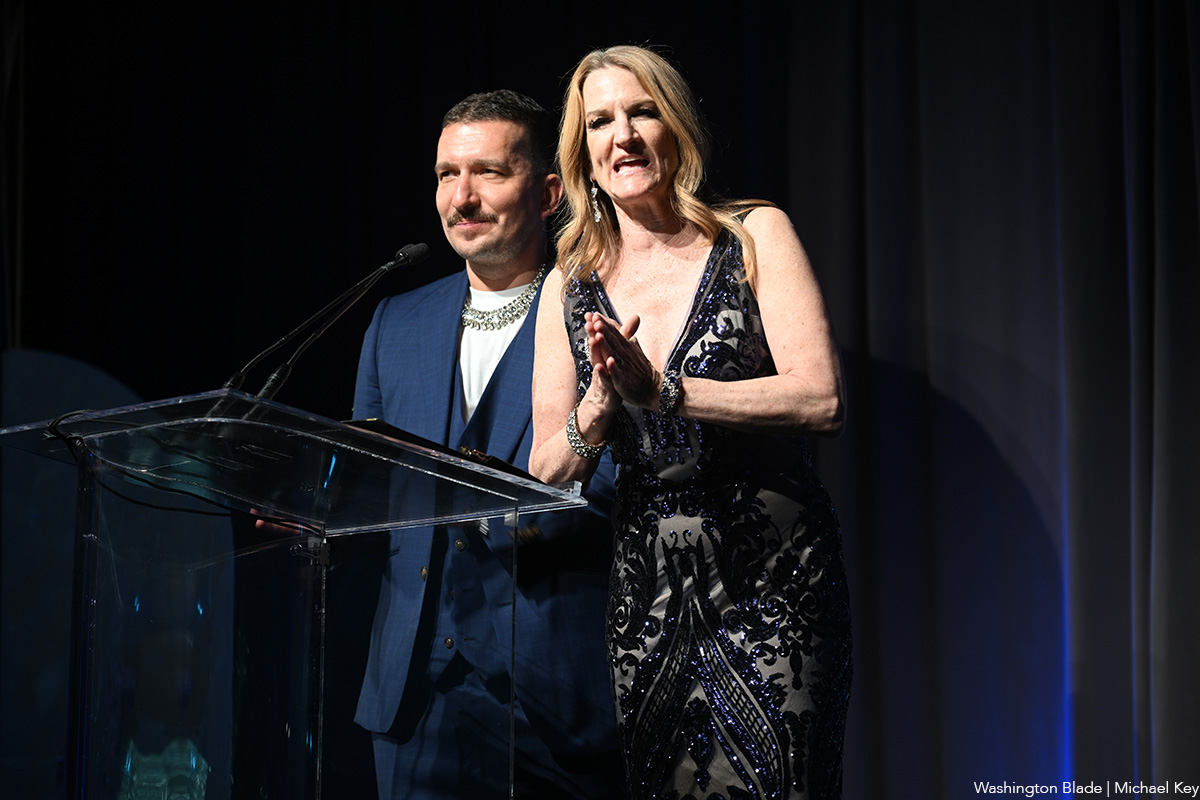
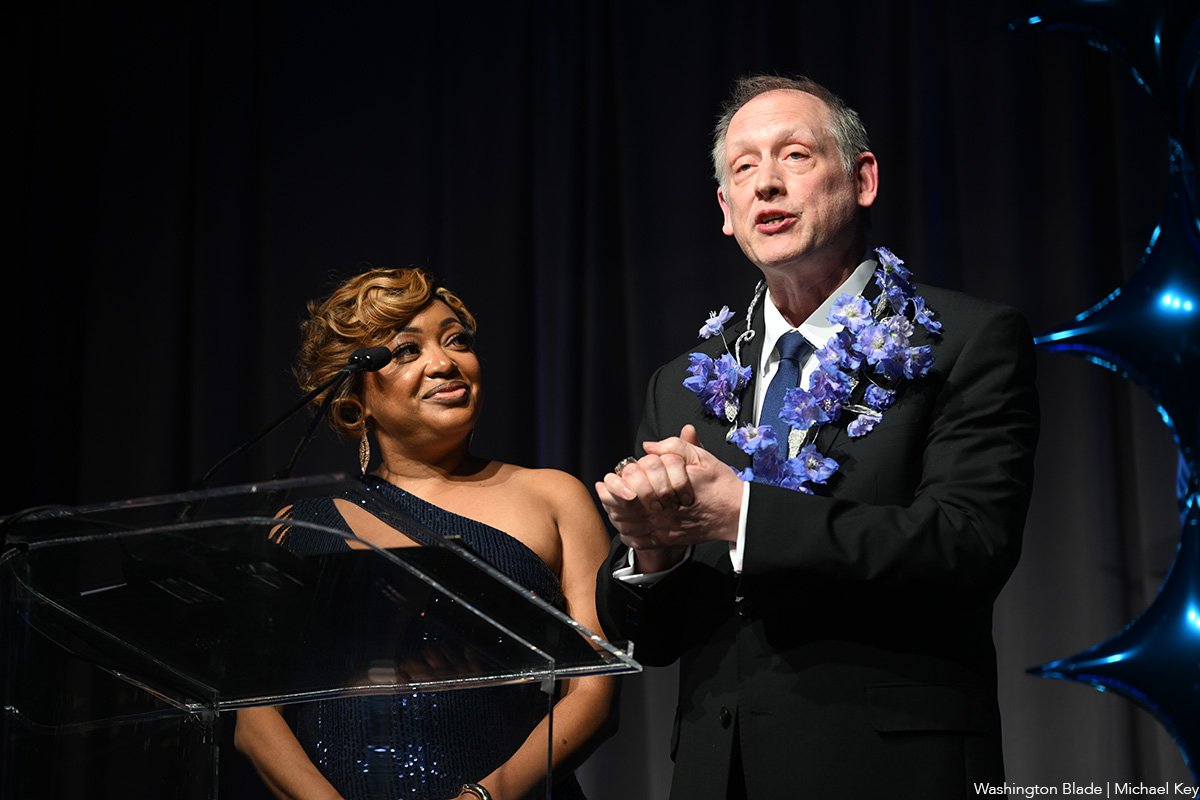
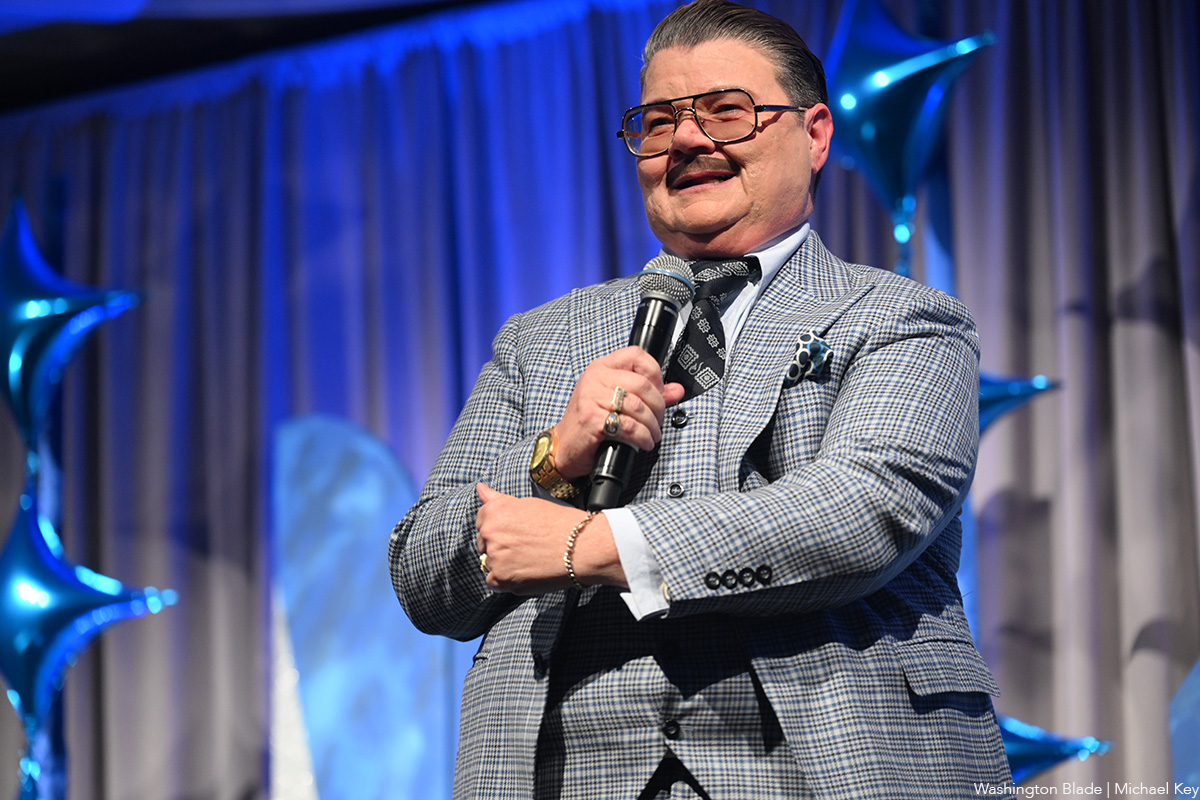
Gay Men’s Chorus of Washington Executive Director Justin Fyala and Artistic Director Thea Kano gave welcoming speeches. Opening remarks were delivered by Spring Affair co-chairs Tracy Barlow and Tomeika Bowden. Uproariously funny comedian Murray Hill performed a stand-up set and served as the emcee.
There were performances by Gay Men’s Chorus of Washington groups Potomac Fever, 17th Street Dance, the Rock Creek Singers, Seasons of Love, and the GenOUT Youth Chorus.
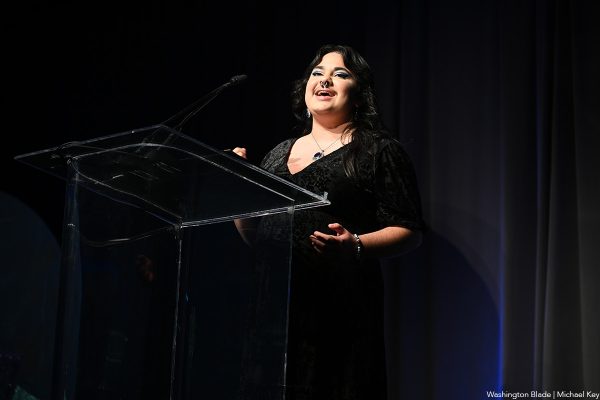
Anjali Murthy, a member of the chorus and a graduate of the GenOUT Youth Chorus, addressed the attendees of the gala.
“The LGBTQ+ community isn’t bound by blood ties: we are brought together by shared experience,” Murthy said. “Being Gen Z, I grew up with Ellen [DeGeneres] telling me through the TV screen that it gets better: that one day, it’ll all be okay. The sentiment isn’t wrong, but it’s passive. What I’ve learned from GMCW is that our future is something we practice together. It exists because people like you continue to show up for it, to believe in the possibilities of what we’re still becoming”
The event concluded with the presentation of the annual Harmony Awards. This year’s awardees included local drag artist and activist Tara Hoot, the human rights organization Rainbow Railroad as well as Rocky Mountain Arts Association Executive Director, Dr. Chipper Dean.
(Washington Blade photos and videos by Michael Key)











Equality Prince William Pride was held at the Harris Pavilion in Manassas, Va. on Saturday, May 16.
(Washington Blade photos by Landon Shackelford)


Elevated Living. Personalized Care.

Politicians, activists pay tribute to Barney Frank

Skipping Memorial Day crowds in Rehoboth Beach

What is queer food?