Real Estate
6 cities where you can retire with Pride
LGBTQ-affirming options from Rehoboth to Santa Fe
Are you thinking about retirement?
For many LGBTQ individuals, retirement isn’t just a time to slow down—it’s a chance to truly live out loud. After decades of building careers, relationships, and communities, LGBTQ retirees deserve more than just sunshine and savings—we deserve spaces where we are celebrated, protected, and empowered to be ourselves. Yet even in 2025, choosing the right place to retire means navigating unique concerns: Will I feel safe holding my partner’s hand? Are there inclusive healthcare providers? Is this community welcoming?
Fortunately, a growing number of cities across the U.S. are answering the call, offering not just scenic views and affordable living, but strong legal protections, vibrant LGBTQ networks, and real estate professionals who understand the needs of our community. These cities include:
1. Palm Springs, Calif.
Why It’s a Top Pick: Palm Springs has long been a sanctuary for LGBTQ+ individuals. With nearly 40% of the population identifying as LGBTQ, it’s one of the most inclusive cities in the U.S. The city hosts LGBTQ events year-round, including Palm Springs Pride and the White Party.
Key Features:
- Robust LGBTQ community and social scene
- Wide range of LGBTQ-friendly housing options
- Exceptional healthcare and retirement communities
- Strong anti-discrimination protections
Real Estate Tip: Work with an LGBTQ+ real estate agent through GayRealEstate.com to navigate the competitive market and find the right retirement home tailored to your needs.
2. Fort Lauderdale, Fla.
Why It’s a Top Pick: Known for its beautiful beaches, vibrant nightlife, and active LGBTQ population, Fort Lauderdale has become a magnet for LGBTQ retirees. The Wilton Manors neighborhood, in particular, is one of the most LGBTQ friendly in the nation.
We have chosen Wilton Manors to be our national headquarters for Gayrealestate.com
Key Features:
- LGBTQ senior centers and resources
- No state income tax
- Year-round warm climate
- Diverse real estate options from condos to waterfront homes
Real Estate Tip: Florida’s housing market can be dynamic — seek guidance from a gay-friendly Realtor who understands the community’s unique needs and can help avoid discriminatory pitfalls.
3. Asheville, N.C.
Why It’s a Top Pick: Asheville combines natural beauty with progressive values. It’s a small city with a big heart and a surprisingly large LGBTQ presence. The cost of living is relatively affordable, and the arts and food scenes are thriving.
Key Features:
- LGBTQ-inclusive city policies
- Accessible outdoor activities for healthy aging
- Tight-knit and supportive LGBTQ+ community
- Low-key retirement with cultural richness
Real Estate Tip: Asheville offers charming craftsman homes and eco-conscious developments perfect for retirees looking to downsize or simplify their lives.
4. Portland, Ore.
Why It’s a Top Pick: Progressive, creative, and inclusive — Portland embraces diversity. It offers excellent healthcare, green spaces, and a politically active LGBTQ community.
Key Features:
- Strong city-level anti-discrimination protections
- LGBTQ+-friendly healthcare facilities
- LGBTQ+ resource centers and advocacy groups
- Walkable neighborhoods and green spaces
Real Estate Tip: Look for neighborhoods like Alberta Arts or Sellwood for peaceful, inclusive retirement living. Connect with LGBTQ+ real estate agents through GayRealEstate.com to find the right fit.
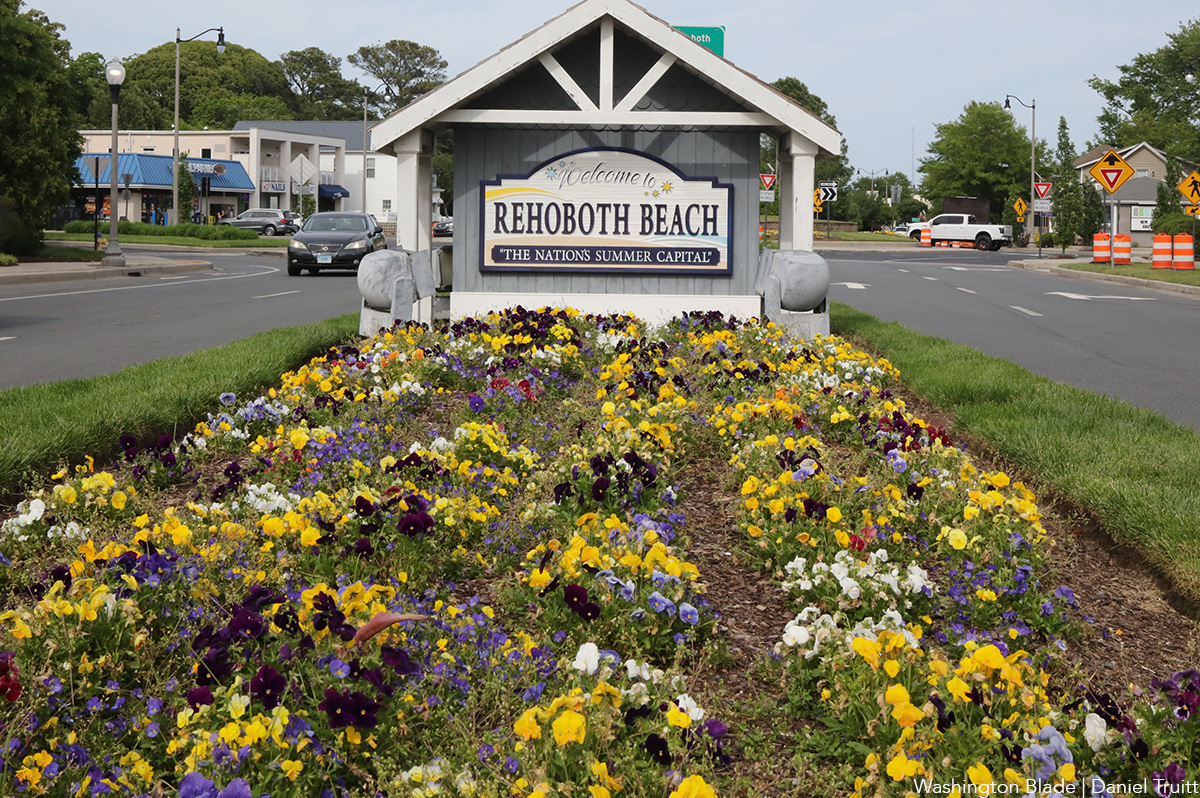
5. Rehoboth Beach, Del.
Why It’s a Top Pick: This coastal town has a long history as a welcoming destination for LGBTQ vacationers and retirees. It’s charming, safe, and close-knit — ideal for low-key beachside living.
Key Features:
- Long-standing LGBTQ presence
- Coastal living without Florida’s heat or crowds
- No state sales tax
- Active LGBTQ cultural scene, especially during the summer
Real Estate Tip: Waterfront and walkable properties are popular — an LGBTQ-friendly Realtor can help you navigate seasonal pricing fluctuations.
6. Santa Fe, N.M.
Why It’s a Top Pick: Santa Fe offers spiritual tranquility, art, and culture in a warm and welcoming desert landscape. It’s increasingly recognized for its LGBTQ-friendly community and relaxed lifestyle.
Key Features:
- Diverse spiritual and cultural scene
- Affordable cost of living compared to coastal cities
- Mild climate for aging adults
- Smaller-town charm with progressive values
Real Estate Tip: Adobe-style homes and age-in-place designs are in demand. Tap into inclusive real estate services to find homes that meet your accessibility needs.
Navigating Real Estate with Confidence
For LGBTQ retirees, it’s important to work with professionals who understand the community’s specific needs and legal concerns. From ensuring your rights are protected during the home buying process to helping you find LGBTQ+-friendly neighborhoods, an LGBTQ+ real estate agent can be a key ally.
At GayRealEstate.com, we connect LGBTQ+ individuals with gay realtors and lesbian real estate agents in every city listed above and beyond. Whether you’re buying your first retirement home or selling a long-time family property, you deserve an inclusive, respectful experience.
What to look for in an LGBTQ-friendly retirement destination:
- Legal Protections: Look for states and cities with strong anti-discrimination laws protecting sexual orientation and gender identity in housing.
- LGBTQ+ Healthcare Access: Proximity to inclusive healthcare providers who respect your identity and relationships.
- Community: A sense of belonging is vital. Look for local LGBTQ+ centers, events, and social groups.
- Affordability and Taxes: Understand property taxes, state income taxes, and affordability indexes.
- Safety and Comfort: Ensure you can live authentically and safely — free from bias or prejudice.
Retirement is your time to thrive — and choosing the right place can make all the difference. Whether you crave the sunshine of Palm Springs or the cozy charm of Asheville, there’s a perfect LGBTQ retirement destination waiting for you.
Let GayRealEstate.com, the trusted source for LGBTQ+ real estate representation for over 30 years, help guide your journey. Explore your options, connect with a gay or lesbian real estate agent, and start the next chapter of your life in a community that celebrates pride.
Scott Helms is president and owner of Gayrealestate.com.





Real Estate
Surviving spring cleaning
Create a space that feels comfortable, welcoming, and easy to maintain

Whether or not you are getting ready to sell your home, spring is finally upon us — you know, the time of year when you can open the windows to a warm breeze and commit to decluttering and thoroughly cleaning your home.
While decluttering, you will be faced with the challenge of what to keep and what to discard. Mysterious items may appear: the missing charger, the set of keys that open nothing, or, with any luck, that one important document you know you put “in a safe place.” The journey often turns into an archaeological dig through the layers of your daily life. Along the way, you will likely encounter objects that have been misplaced or are no longer needed, and you’ll wonder why you kept them in the first place.
The kitchen junk drawer, for example, is a universal catch-all that defies categorization. You might open it looking for a rubber band and instead discover a lone screw of unknown origin, a tube of hardened Super Glue, and at least four pens that no longer work.
Closets offer another layer of surprises, where you can find things that don’t seem to belong at all: cash in a coat pocket, a single glove, a book you meant to read, or a box filled with cables for devices you no longer own.
It’s guaranteed that if you only have one of a pair of something, its mate will appear shortly after you have thrown away the one you had. And, if you were intentionally searching for an item, it will turn up in the last place you look, simply because once you found it, you stopped looking.
Linen closets and bathroom cabinets can also harbor oddities. Now is the time to discard half-used or duplicate products you don’t remember buying, travel-sized toiletries from trips long past, or expired medications.
Under furniture is where things get truly mysterious. Reaching beneath a couch or bed in search of a dropped item often yields a collection of the unexpected: assorted coins, dust-covered pet toys, a missing sock, and perhaps something that makes you pause, like a long-lost piece of jewelry or an object you were convinced had disappeared forever.
Organizing garages and basements takes the experience to another level, where consolidating tools or seasonal decorations stored there can quickly turn into an encounter with objects that defy explanation. Why is there a box of tiles from a renovation that happened a decade ago? Do you really need the instruction manuals for appliances you no longer own? What could possibly be in the box that hasn’t been opened since you moved in?
Even searches within a home office – looking through files, drawers of old electronics, or stacks of paperwork—can yield similarly strange results. I recently found several flash drives with client files from 2014, a cache of notebooks containing names and phone numbers of prospects who left the area 15 years ago, and Turbo Tax installation CDs from as far back as 1997.
If decluttering hasn’t defeated you, then thoroughly cleaning your house may not be as overwhelming as you might think. Breaking it into manageable steps makes the process far simpler and even satisfying. A consistent method is the key to success.
Before you reach for cleaning supplies, take one last walk through each room and gather items that belong elsewhere for return to their proper place. Put away clothing and take out trash. This step instantly makes your home look better and clears the way for more effective cleaning. Working from top to bottom, dust ceiling fans, light fixtures, shelves, and blinds first so that any debris falls to the floor for addressing later. Use a microfiber cloth or handheld Swiffer to trap dust rather than spreading it around. Don’t forget overlooked areas like the tops of door frames, windowsills, and baseboards.
Move on to surfaces. Wipe down countertops and furniture with appropriate cleaners. Squeegee windows to let the sun shine in. Pay special attention to kitchen appliances. Stovetops, microwaves, and refrigerator handles tend to collect grime quickly, as do the tops of upper cabinets. In bathrooms, disinfect sinks, toilets, tubs, and showers.
Lastly, vacuum carpets, rugs, draperies, and upholstered surfaces thoroughly, including along edges and under furniture where dust accumulates. For hard floors, sweep first, then mop using a cleaner suitable for the surface type. This final step pulls the whole cleaning effort together and leaves your home feeling and smelling fresh.
Ultimately, cleaning your house doesn’t have to be a daunting chore. With a clear plan and a little consistency, you can create a space that feels comfortable, welcoming, and easy to maintain – at least until this time next year.
Valerie M. Blake is a licensed Associate Broker in D.C., Maryland, and Virginia with RLAH @properties. Call or text her at 202-246-8602, email her at [email protected] or follow her on Facebook at TheRealst8ofAffairs.

In September 2024, I wrote about the District’s Lead-Free D.C. initiative, an ambitious effort to remove lead pipes and make drinking water safer for every resident in our city. Since that original article, a number of important developments have taken shape that affect everyone living in the District. Key drivers in the legal landscape surrounding this issue such as disclosure, testing, and infrastructure planning have been sharpened. The city’s sweeping pipe replacement efforts are continuing to evolve against the backdrop of broader federal drinking-water rules and funding changes.
What was once largely public health conversation for the future is now a practical reality for many property owners and renters. The water service line replacement project has moved from planning and is presently underway throughout the city.
Elevated levels of lead in drinking water is a perplexing challenge in many U.S cities. Researchers documented elevated lead levels in D.C.’s water system more than two decades ago, spotlighting how old infrastructure can pose a hidden health risk even in one of America’s wealthiest cities. Local leaders responded with pipe replacement plans that have continued in the years since.
The Lead-Free D.C. initiative remains the central effort to reduce that risk by replacing water supply lines. These are the pipes that carry water to your home or rental property from the street. D.C. Water estimates that tens of thousands of lead or galvanized service lines still exist in the city and must be systematically replaced to eliminate this exposure.
What Has Changed Since September 2024
Over the past 18 months, several shifts have rippled through policy, practice, and the daily experience of both landlords and tenants:
- Local Disclosure and Tenant Rights: The city has strengthened disclosure requirements. Today, property owners are expected to provide clear written disclosures about known lead service lines, any testing that has been done, and records of past replacements. Tenants also have the right to request lead testing of their tap water, and landlords are responsible for ordering and passing along the test kit, and are required by law to share results with tenants when requested.This reflects an ongoing push toward transparency and an informed occupancy.
- Pipeline Replacement Planning: D.C. Water and the District Government are continuing to roll out their block-by-block lead service line replacement work, with construction schedules publicly available through a Lead-Free D.C. construction dashboard. The goal is to remove by 2030 all lead service lines on both the public and private side, though timelines and funding mechanisms are still being refined as the work continues. D.C.’s Lead-Free DC initiative stipulates that DC Water is responsible to replace the public portion of a lead service line at no cost to the property owners. This is the section running from the water main under the street to the property owner’s lot line. When DC Water is already replacing the public side as part of a scheduled infrastructure project, it will also offer to replace the private-side service line (into the building) at no cost to the owner, as long as the owner grants access and signs a right-of-entry agreement. In these cases, DC Water pays the contractor directly, and the entire lead service line is removed in one coordinated effort.
When no public-side project is scheduled, owners may still qualify for full private-side replacement coverage through the District’s Lead Pipe Replacement Assistance Program (LPRAP). If approved, the program covers the cost of replacing the private-side lead pipe, with funds paid directly to the contractor. Property owners are typically responsible for selecting the contractor, coordinating the work, and covering any costs outside the approved scope of work. Funding is subject to availability, and eligible applicants may be placed on a waiting list depending on annual program budgets.
- Implementation Best Practices: To avoid challenges and misunderstandings regarding the responsibilities during such a significant undertaking, fully investigating the program and how it works is a good first start as is regular and clear communications.
It’s helpful for both property owners and residents to have a clear understanding of what D.C. Water and construction crews will be doing during a lead service line replacement and what follow-up work may remain once the project is complete. Like any major infrastructure upgrade, the process can involve temporary water shutoffs, excavation around the building, and some restoration afterward, such as repairing landscaping or sections of sidewalk. While these short-term disruptions can be inconvenient, they’re a normal and necessary part of modernizing the city’s water system and ensuring safer drinking water for the long term.
- Federal Drinking Water Rules: On the national stage, the U.S. Environmental Protection Agency (EPA) finalized in October 2024 the Lead and Copper Rule Improvements (LCRI). The LCRI requires public water systems across the country to inventory and plan to replace lead service lines, and to remove all lead pipes within about a decade. It also strengthens testing, monitoring, and public notification requirements and lowers the action level for lead exposure, building on earlier revisions to the Lead and Copper Rule.
While these federal changes do not rewrite Washington, D.C.’s specific legal requirements for landlords and tenants, they do help shape funding opportunities, compliance expectations, and the broader national push to eliminate lead plumbing, which can affect utilities, state programs, and local infrastructure planning.
Federal drinking water regulations are subject to administrative review, litigation, and potential revisions as presidential administrations change. While the EPA’s 2024 Lead and Copper Rule Improvements remain in effect as of this writing, aspects of implementation, enforcement timelines, or funding mechanisms may evolve through future rulemaking, court decisions, or congressional action. These federal rules do not override Washington, D.C.’s independent authority to adopt and enforce its own public health, housing, and water safety requirements, which continue to govern landlord and tenant obligations within the District regardless of federal regulatory shifts.
What Landlords Should Know
For landlords in D.C., these evolving expectations matter in 3 key ways:
- Disclosure Is Now a Must: You are expected to provide prospective tenants with upfront information about lead service lines, known test results, and replacement history before lease signing. Existing tenants must also be informed if you learn anything new about the plumbing system.
- Testing Should Be Welcomed, Not Avoided: When tenants request a lead water test, you’re now required to provide D.C. Water’s approved kit and cooperate with the process. The test results give both sides clear information about water quality and whether additional remediation is advisable.
- Capital Investment May Be Unavoidable: Even if much of the public-side work is funded by D.C. Water, private-side service line replacement costs and restoration work may still fall to the property owner if the home still has lead service lines. Planning for both the expense and the logistics is key to be able to take advantage of this program being offered to D.C. homeowners.
What This Means for Tenants
For renters, the changes bring clearer rights and fewer unknowns. Tenants no longer have to guess whether lead pipes serve their home; they can request testing, receive timely results, and rely on official disclosures when deciding where to live and how to protect their health.
Transparent communication with the landlord, responsiveness to testing requests, and participation in replacement programs turn regulatory requirements into real-world safeguards. In that way, landlord action directly shapes tenant trust, housing stability, and long-term public health outcomes.
At a moment when the District is investing heavily in its infrastructure, landlords who plan ahead and participate help to ensure that these public resources translate into safer housing, stronger neighborhoods, and a city better equipped for the future.
Why This Still Matters
Lead-free water shouldn’t be a luxury. Continued investment by federal and local governments in Washington, D.C.’s water infrastructure reflects a shared commitment to the city’s long-term health and livability. Modernizing service lines helps ensure that people can raise families here, age in place, and remain part of their communities without the added health concerns associated with lead exposure.
Landlords who take the time now to understand, disclose, and plan for lead service line replacement not only comply with evolving expectations, but they also strengthen the long-term value and marketability of their properties.
Scott Bloom is owner and senior property manager of Columbia Property Management.

As the days grow longer and buyers re-emerge from winter hibernation, the spring market consistently proves to be one of the strongest times of year to sell a home. Increased inventory, motivated buyers, and picture-perfect curb appeal make it a prime window for homeowners ready to list.
The good news? Preparing your home for spring doesn’t require a full renovation or a contractor on speed dial. A few thoughtful, cost-effective updates can dramatically elevate your home’s appeal and market value.
Here are smart, inexpensive ways to get your property market-ready:
Fresh Paint: The Highest Return on a Small Investment
Few improvements transform a home as quickly and affordably as paint. Neutral tones remain the gold standard, but today’s buyers are gravitating toward warmer tan hues that create an inviting, elevated feel without overwhelming a space. Soft sandy beiges and warm greige-leaning tans provide a clean backdrop that photographs beautifully and allows buyers to envision their own furnishings in the home.
Freshly painted walls signal care and maintenance — two qualities buyers subconsciously look for when touring properties.
Removable Wallpaper: Style Without Commitment
For homeowners wanting to introduce personality without permanence, removable wallpaper offers a stylish solution. A subtle textured pattern in a powder room, a soft botanical print in a bedroom, or a modern geometric accent wall can add depth and character. Because it’s easily removed, it appeals to both sellers and buyers — creating visual interest without long-term risk.
Upgrade Light Fixtures for Instant Modernization
Outdated lighting can age a home instantly. Swapping builder-grade fixtures for modern, streamlined options is one of the simplest ways to refresh a space. Consider warm metallic finishes or matte black accents to create a cohesive, updated look. Proper lighting not only enhances aesthetics but also ensures your home feels bright and welcoming during showings.
Elevate Curb Appeal: First Impressions Matter Most
Spring buyers often decide how they feel about a home before they ever step inside. Refreshing curb appeal doesn’t require major landscaping. Simple updates such as fresh mulch, trimmed shrubs, seasonal flowers, a newly painted front door, and updated house numbers can dramatically improve first impressions. Power washing the driveway and walkways also delivers a clean, well-maintained appearance for minimal cost. Even if you don’t have a curb to appeal- think potted plants on your patio, balcony and change out your door mat.
Deep Clean & Declutter (Seriously, It Matters)
A deep, top-to-bottom cleaning is basically free and one of the most impactful things you can do. Scrub floors, windows, grout, baseboards, appliances, bathrooms, and everything in between. Don’t forget to clean windows inside and out — natural light is a huge selling point. Declutter by packing up excess stuff, clearing off countertops, and minimizing personal items so buyers can see the space, not your life.
Let the Light Shine
Make your home feel bright and inviting by cleaning windows, opening blinds, and replacing dark or dated light fixtures with contemporary, budget-friendly options. Swapping in LED bulbs offers brighter light and lower utility costs — a small change that buyers appreciate. Pro tip: I always recommend removing widow screens to allow as much light in as possible
Neutralize Scents
Make sure the home smells fresh. Neutralizing odors — whether from pets, cooking, or moisture — creates a clean, welcoming atmosphere. Light natural scents like citrus or subtle florals can be inviting during showings. Think of how your favorite hotel smells and go for that.
Spring market rewards preparation. By focusing on high-impact, low-cost improvements, sellers can position their homes to stand out in a competitive environment. With thoughtful updates and strategic presentation, homeowners can maximize both buyer interest and potential sale price — all without overextending their renovation budget.
As activity increases and inventory begins to rise, now is the time to prepare. A little polish today can translate into significant results tomorrow.
Justin Noble is a Real Estate professional with Sotheby’s International Realty Servicing Washington D.C., Maryland, and the beaches of Delaware.

Report: Grenell wants Russian ambassadorship

Log Cabin Republicans to honor Scott Presler

Cuba bajo presión y sin respuestas

Tenn. lawmakers pass transgender “watch list” bill

LGBTQ groups condemn Trump’s threat to destroy Iranian civilization

How Pepper the courthouse dog helps victims of abuse

Iconic Eddie Izzard takes on 23 characters in ‘Hamlet’

Surviving spring cleaning

Risking it all for love during World War II