Arts & Entertainment
Power play
New D.C.-set play explores behind-the-scenes political pratfalls

‘Farragut North’
Through May 29
Olney Theatre Center
2001 Olney-Sandy Spring Road, Olney, Maryland
$26-$54
301.924.3400
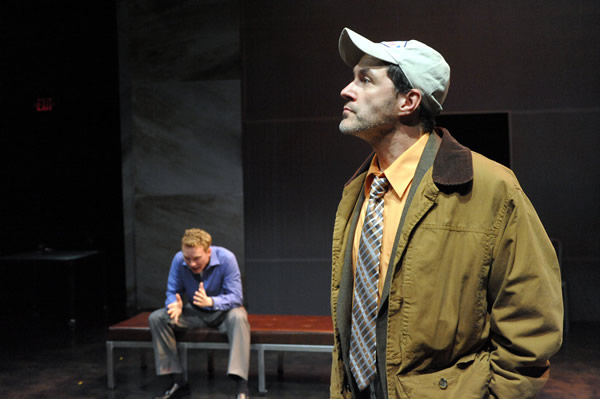
Bruce Nelson, left, as Paul Zara, and Danny Yoerges as Stephen Bellamy in ‘Farragut North,’ on the boards now at Olney Theatre Center. (Photo by Stan Barouh; courtesy of Olney)
Named for the Metro station where lobbyists exit to their offices, Beau Willimon’s “Farragut North” offers a brief but unfiltered peek into the seamy world of politics.
Currently playing in Olney’s intimate Mulitz-Gudelsky Theatre, this inside-the-Beltway story set in the Midwest follows power, lust and loyalty (or lack thereof) on the campaign trail. It’s freezing winter in Iowa and as the Democratic caucuses draw near, presidential campaigns begin to really heat up. The play focuses on 24 crucial hours in the goings-on of the campaign of Gov. Morris (whom we never meet), one of the Democratic nominee hopefuls.
The action kicks off in a Des Moines hotel bar. Over drinks, 25-year-old wunderkind press secretary Stephen Bellamy is busily regaling a small party with a tale from his short but marvelous (and sometimes shady) career. Seems when he was just starting out, Stephen helped his candidate win the election by falsely painting the opponent as an anti-Semite. His avid listeners – a New York Times political reporter Ida Horowicz (a wonderfully cold-blooded Susan Lynskey); Ben (Kevin Hasser), his newbie assistant; and Stephen’s boss, campaign manager Paul Zara played by Bruce Nelson who is gay – nod approvingly and chime-in occasionally as they thoroughly enjoy the sordid war story
Certain that his man is going to take Iowa (and eventually the nomination), Stephen is supremely confident, annoyingly so, but things begin to change when political veteran Tom Duffy, a rival candidate’s campaign manager asks Stephen for a meeting. Duffy, quietly played by excellent Olney veteran Alan Wade, leaks to Stephen that Morris is in fact not going to take Iowa or any other states (thanks to a host of dirty tricks) and suggests that Stephen jump ship ASAP. Complicating matters, Stephen gets involved with Molly (Elizabeth Ness), a sexually available young intern, and loses the support of the confreres whom he mistakenly thought were his friends. Meanwhile, it becomes apparent to Stephen that Ben, the earnest but promising gofer, has an eye on his job.
Playwright Willimon knows of what he speaks: Prior to penning plays, he worked in politics. His career kicked off as a volunteer for Charles Schumer’s first campaign in the Senate in 1998, and later included campaigns for Hillary Clinton and Bill Bradley. He was a press aide for Howard Dean’s 2004 campaign. As noted in the show’s program, Willimon stresses the play isn’t entirely a political drama. Its theme of could happen anywhere from Hollywood to a Home Depot.
Directed by Clay Hopper, the production moves briskly and is tidily staged. Hopper has elicited terrific performances from a fine cast that thoroughly understands its characters. Though the play is predictable – tragic hero scales heights, is overcome by own pride, and falls – it’s still fun to watch unfold. There is however a glaring flaw: If Stephen is in fact young Karl Rove savvy, why is he so easily caught in the first trap set for him? Yes, he’s tenacious and ultimately proves a street fighting survivor, but would a political prodigy of Stephen’s rank prove such easy quarry?
Yoerges plays Stephen with energy and likability that make his brilliant success all the more plausible while Nelson’s low-key Zara shows glimpses of anxiety and insecurity churning beneath a seemingly even-keeled surface. (Of course, Zara’s constant tobacco chewing and bad digestion are also a hint that all’s not well with him.)
Set designer Cristina Todesco’s neutrally colored panels on wheels combined with a few metal chairs and tables perfectly capture the essence of blah chain hotels and interchangeable bars and eateries encountered along the campaign trail. Ivania Stack dresses the cast in spot on street clothes from the campaign manager’s baseball cap and hunting jacket to the young communication director’s generically nice blue suit.
Politics is a dirty job but somebody has to do it, and here Olney acquits itself well.


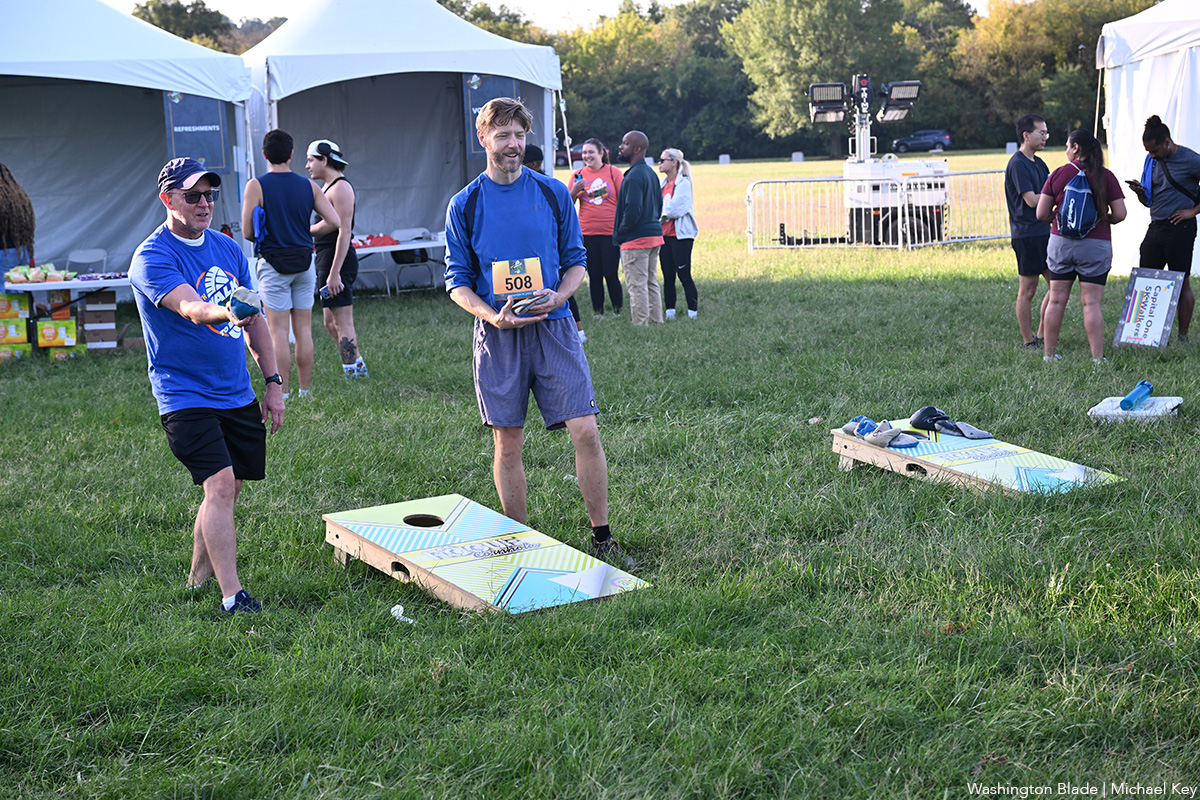
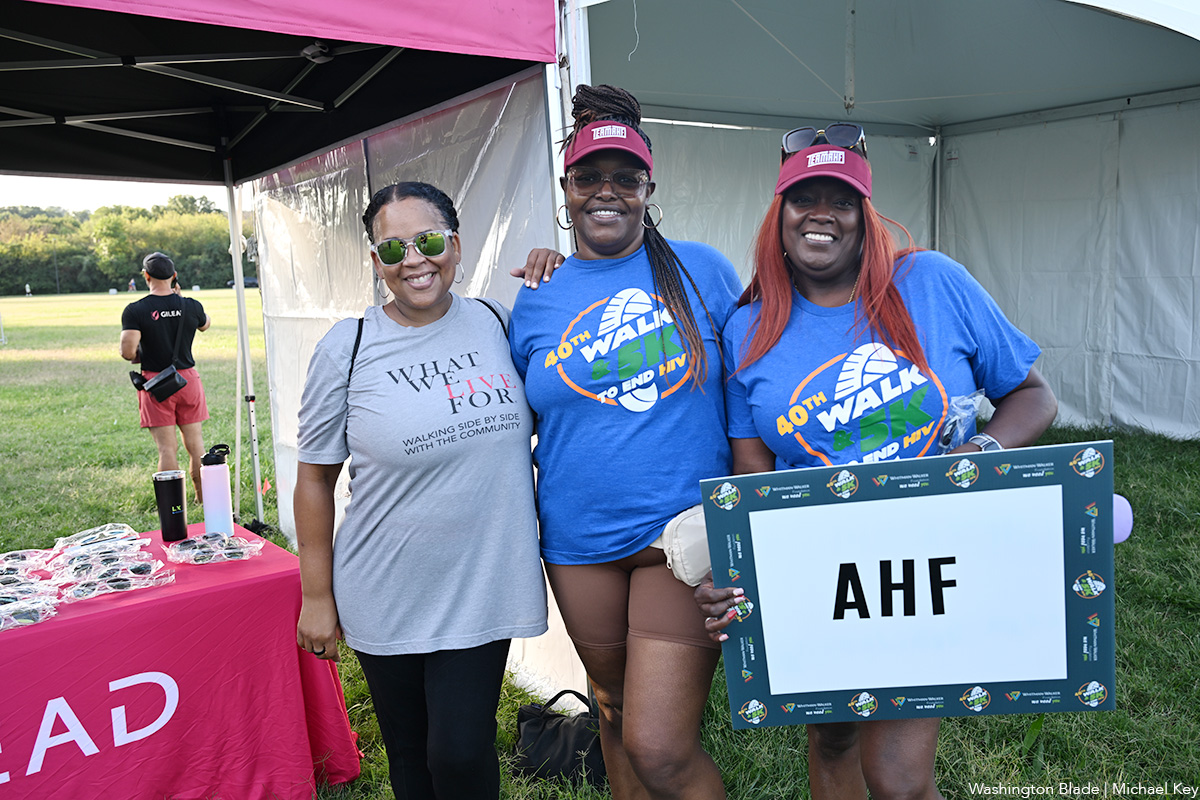
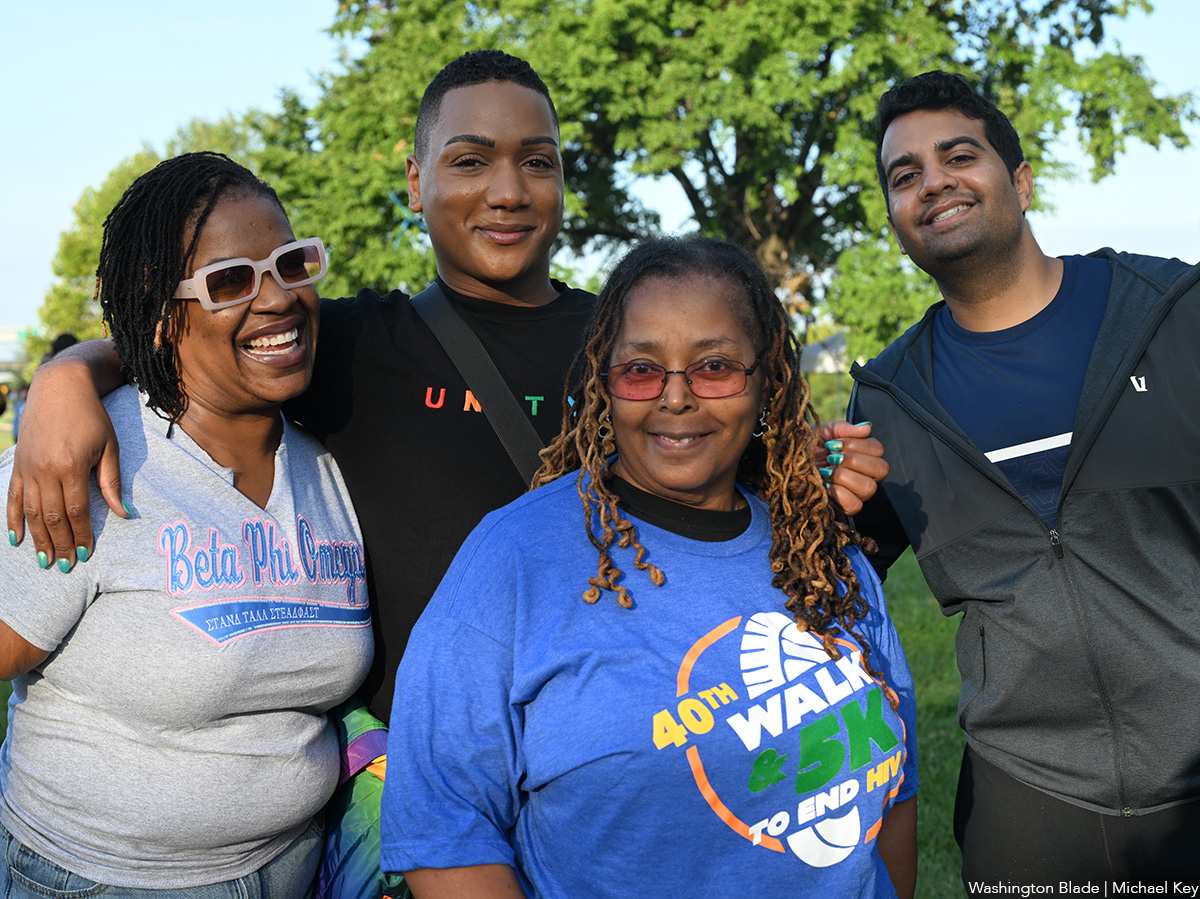
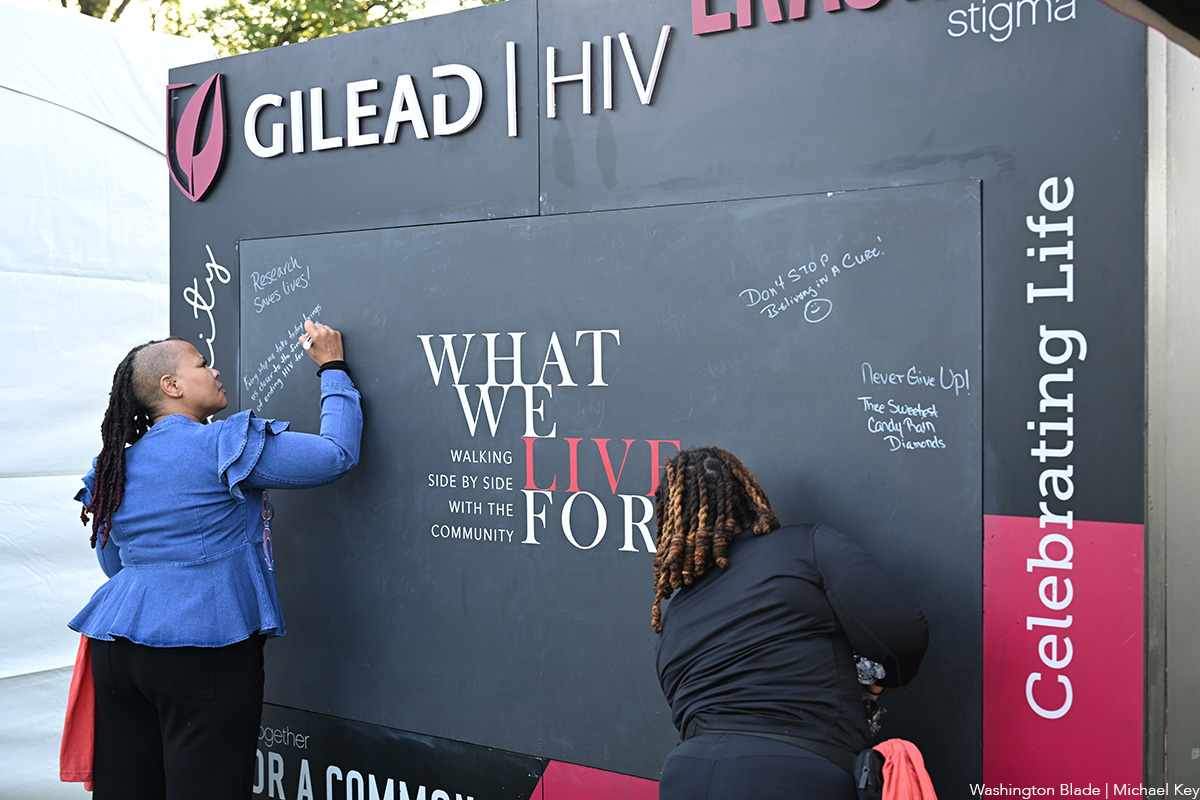
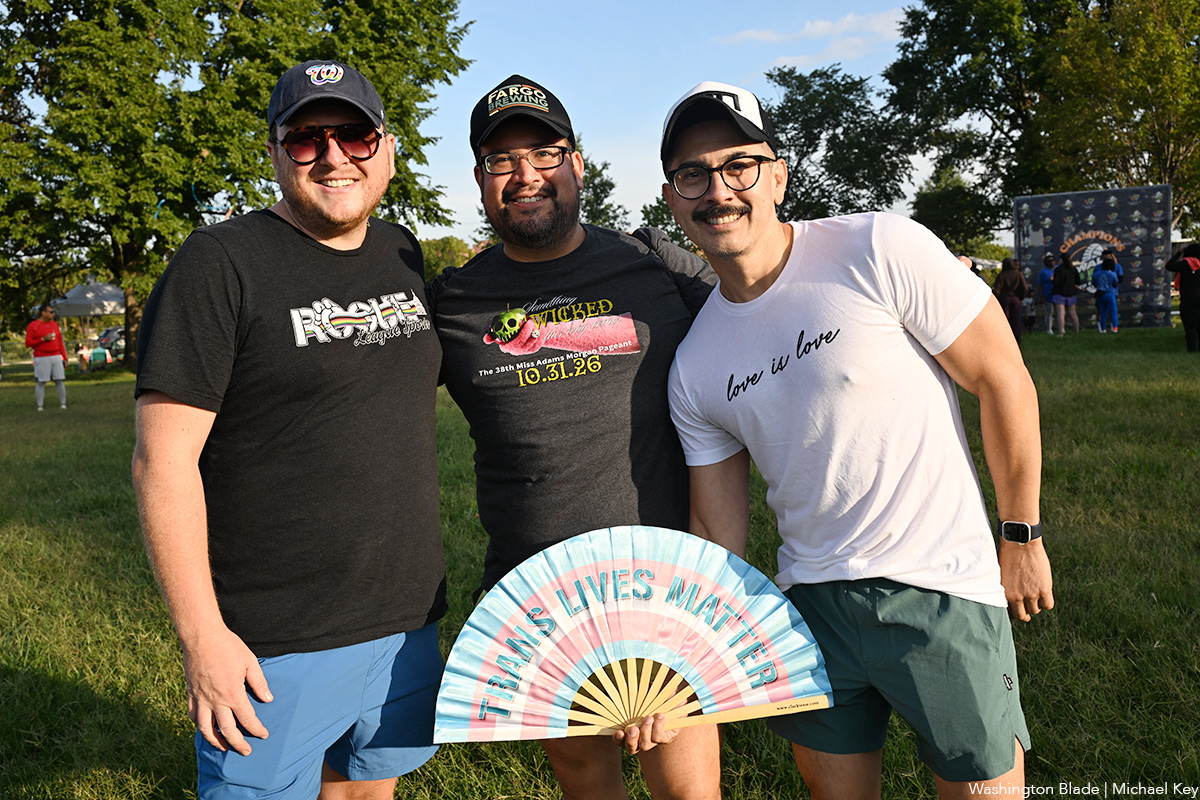
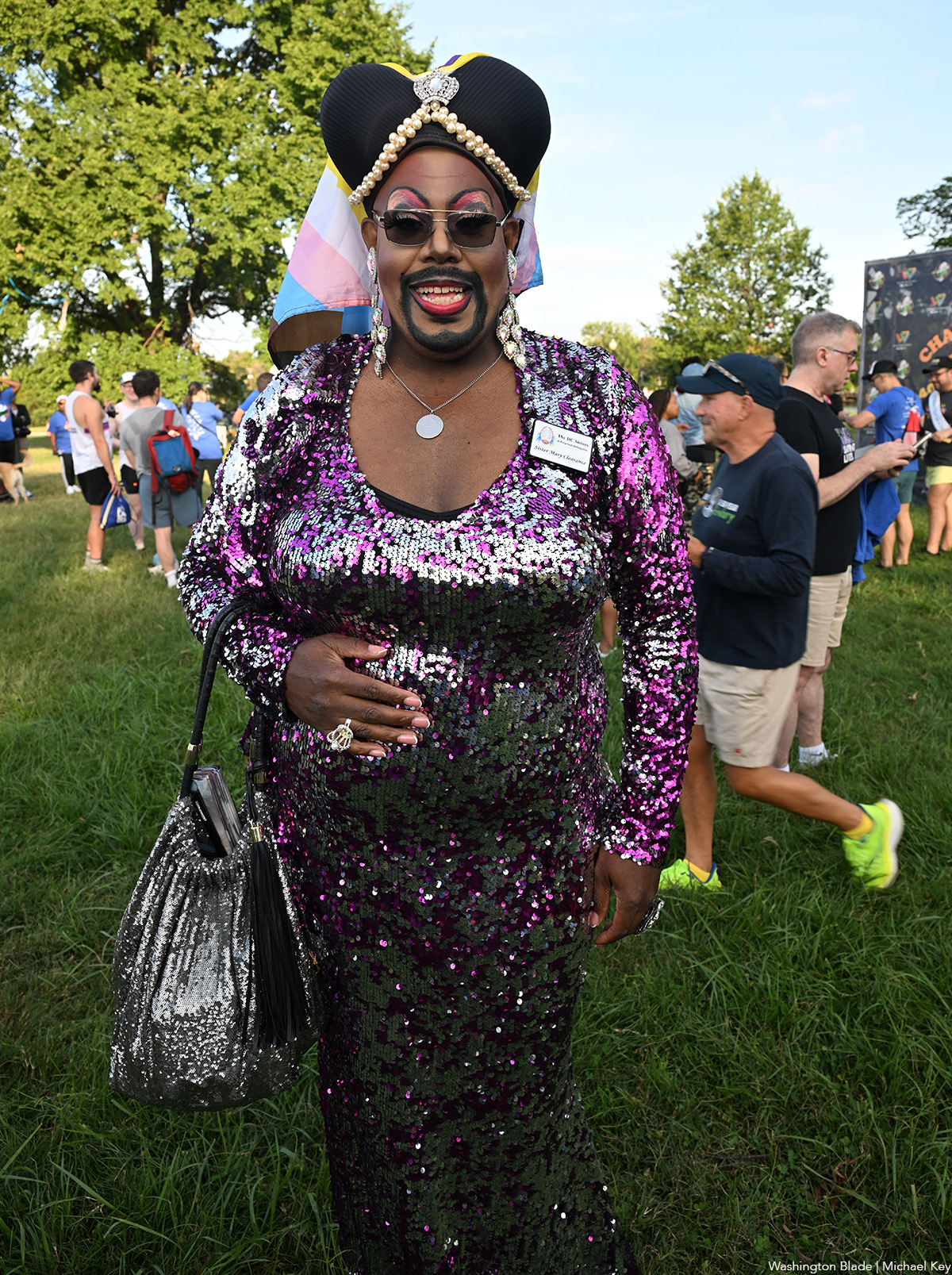
Whitman-Walker Health held the 40th annual Walk and 5K to End HIV at Anacostia Park on Saturday, Sept. 19.
(Washington Blade photos by Michael Key)













Photos
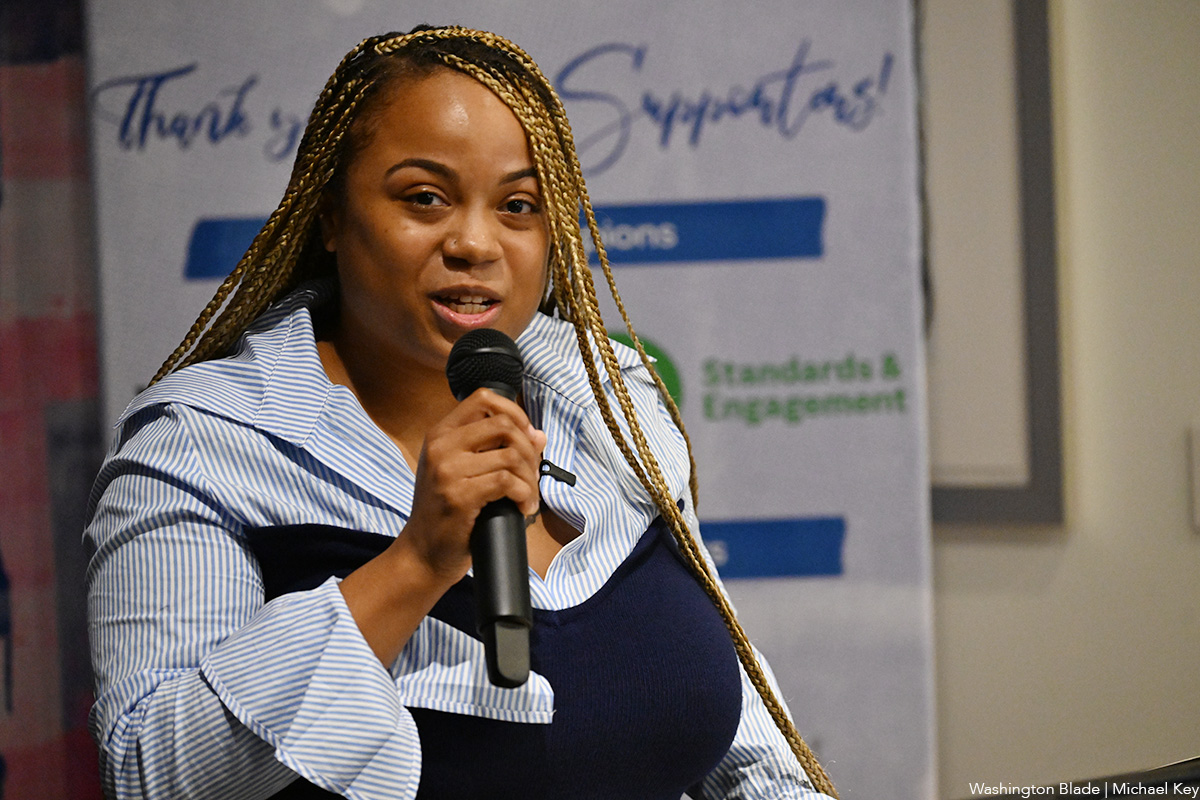
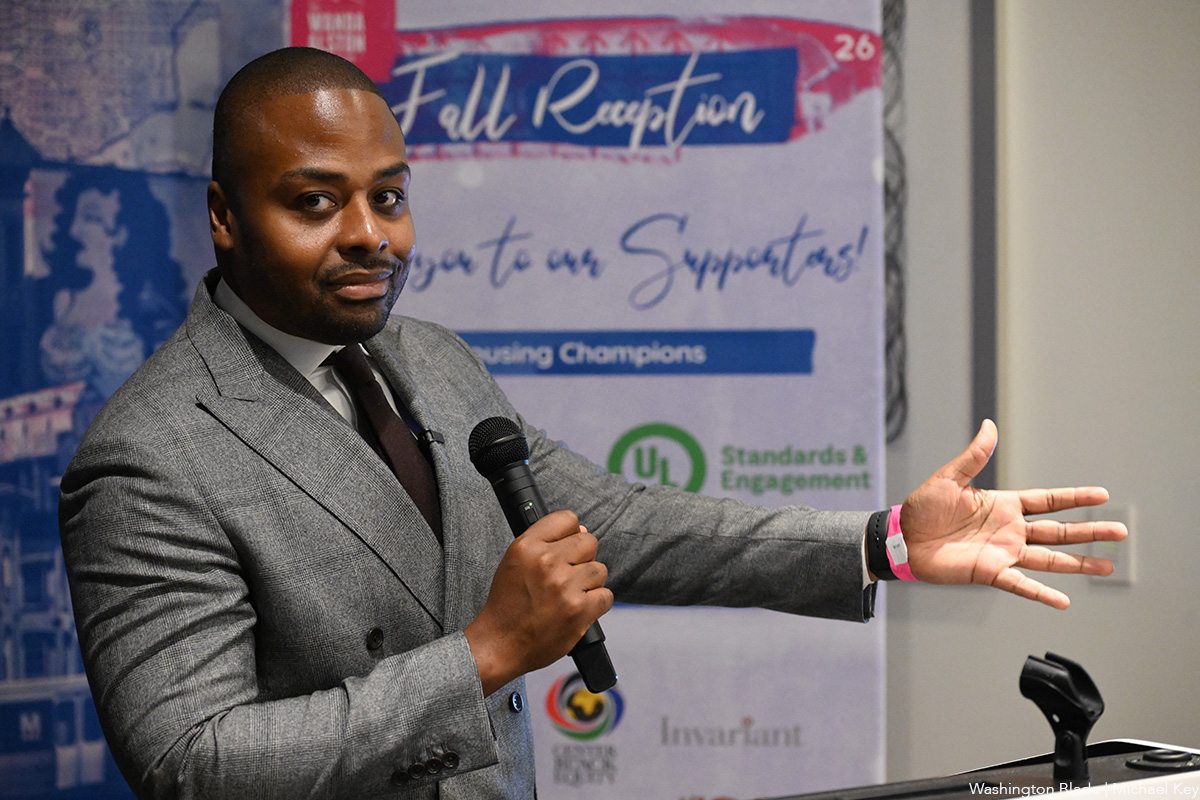
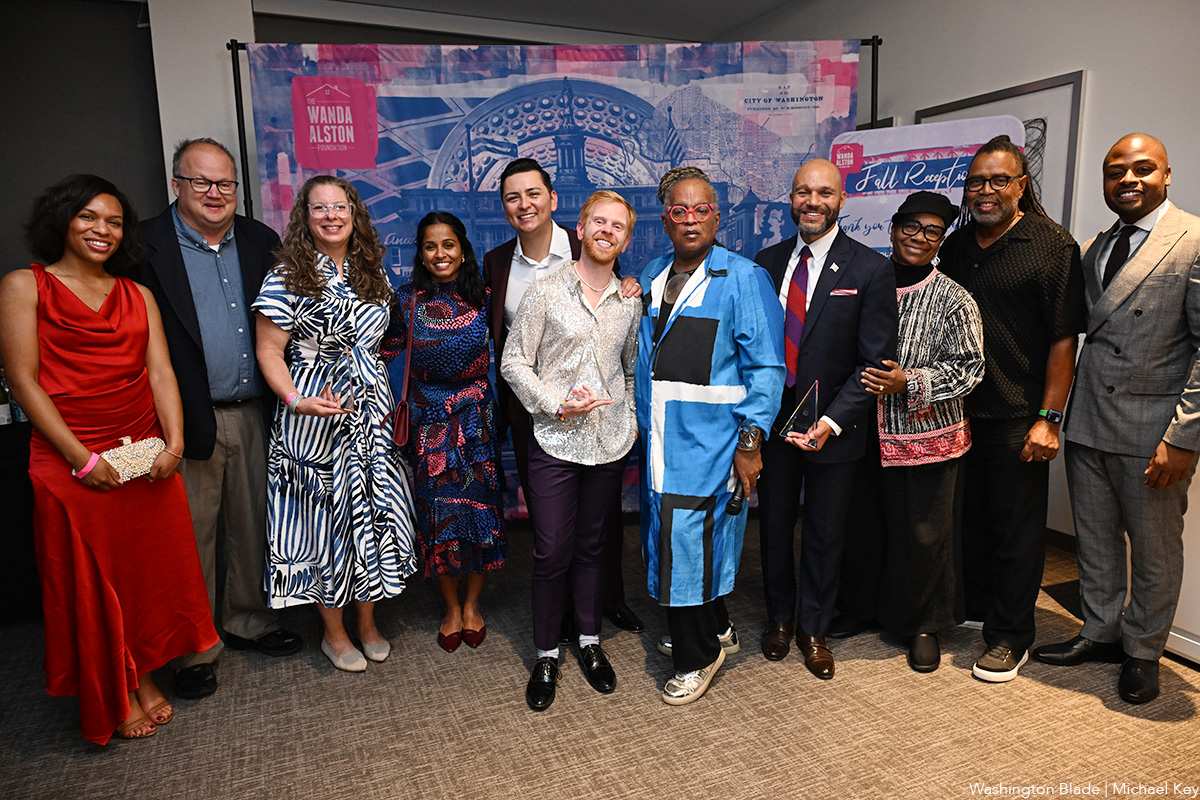
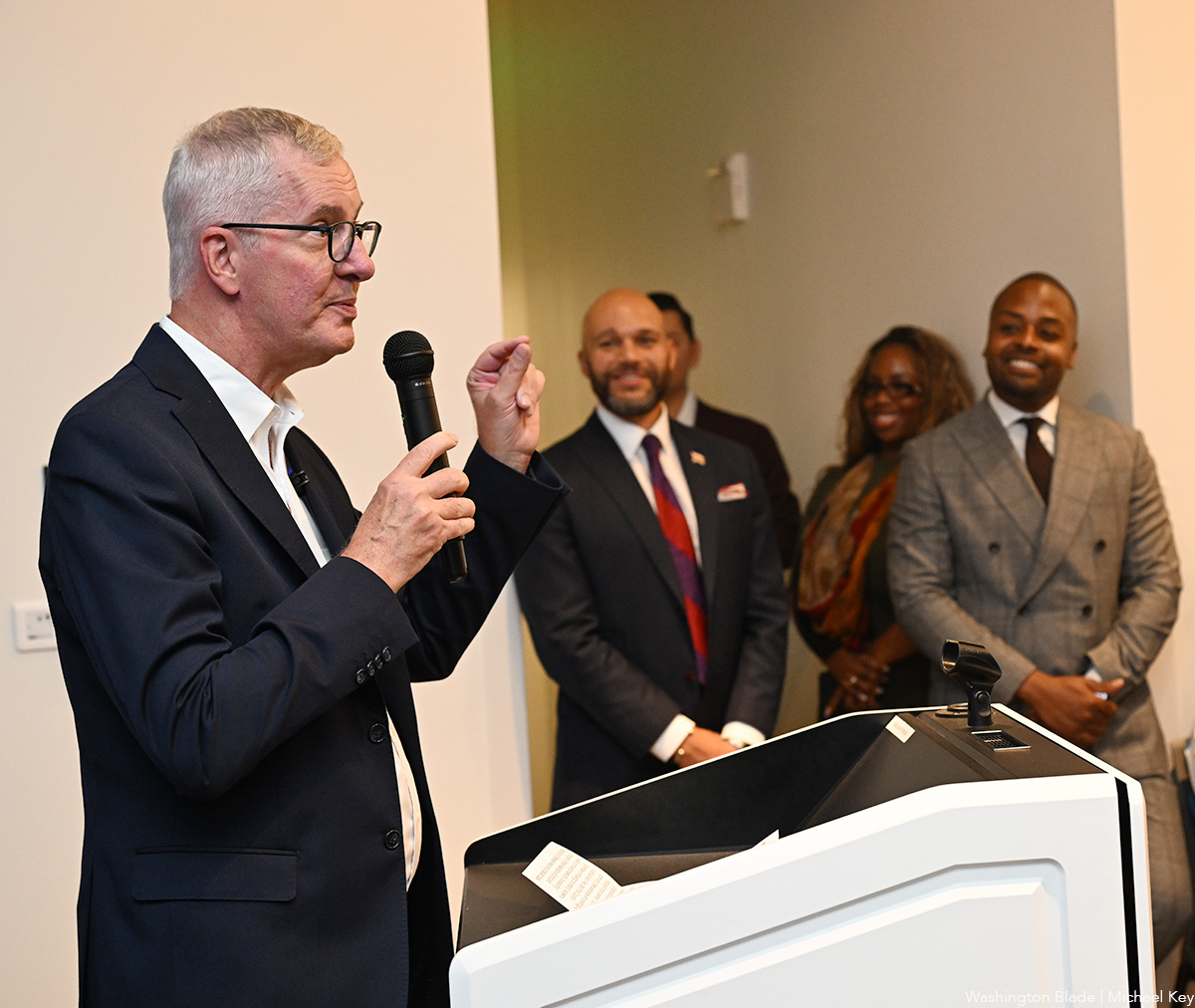
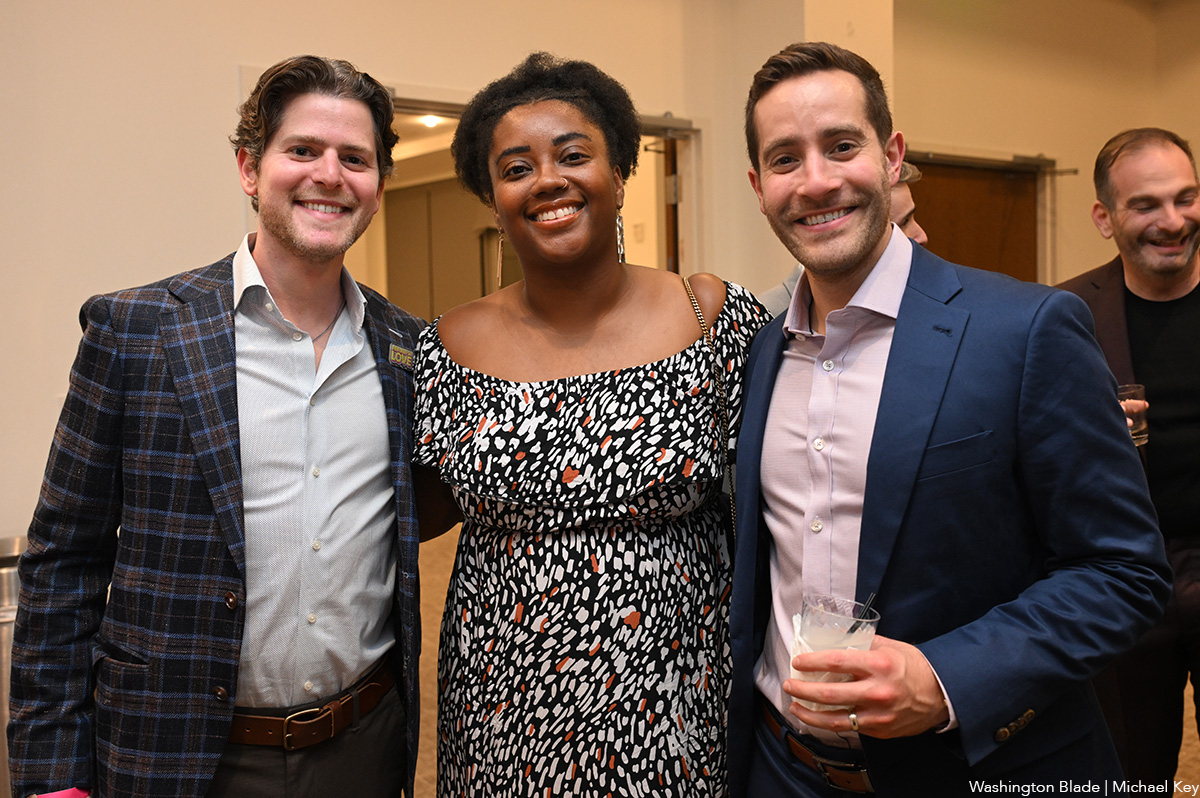
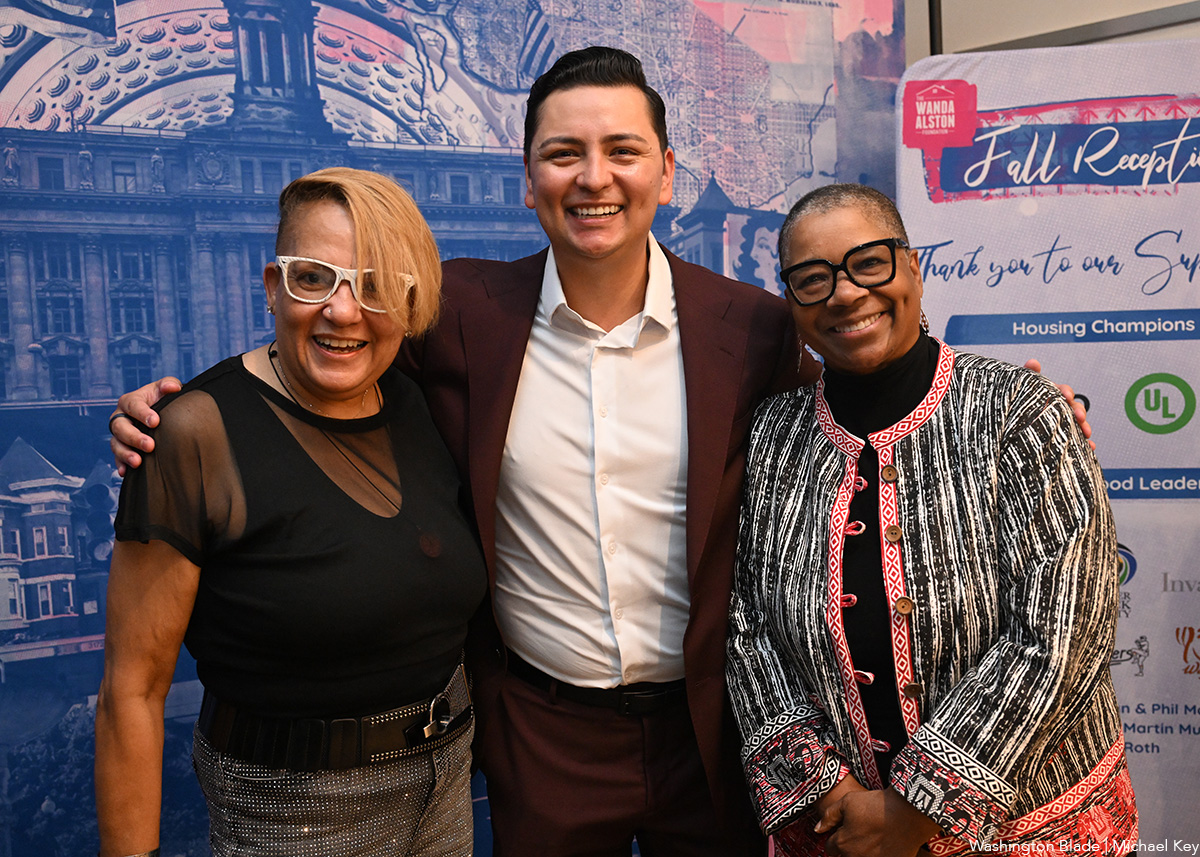
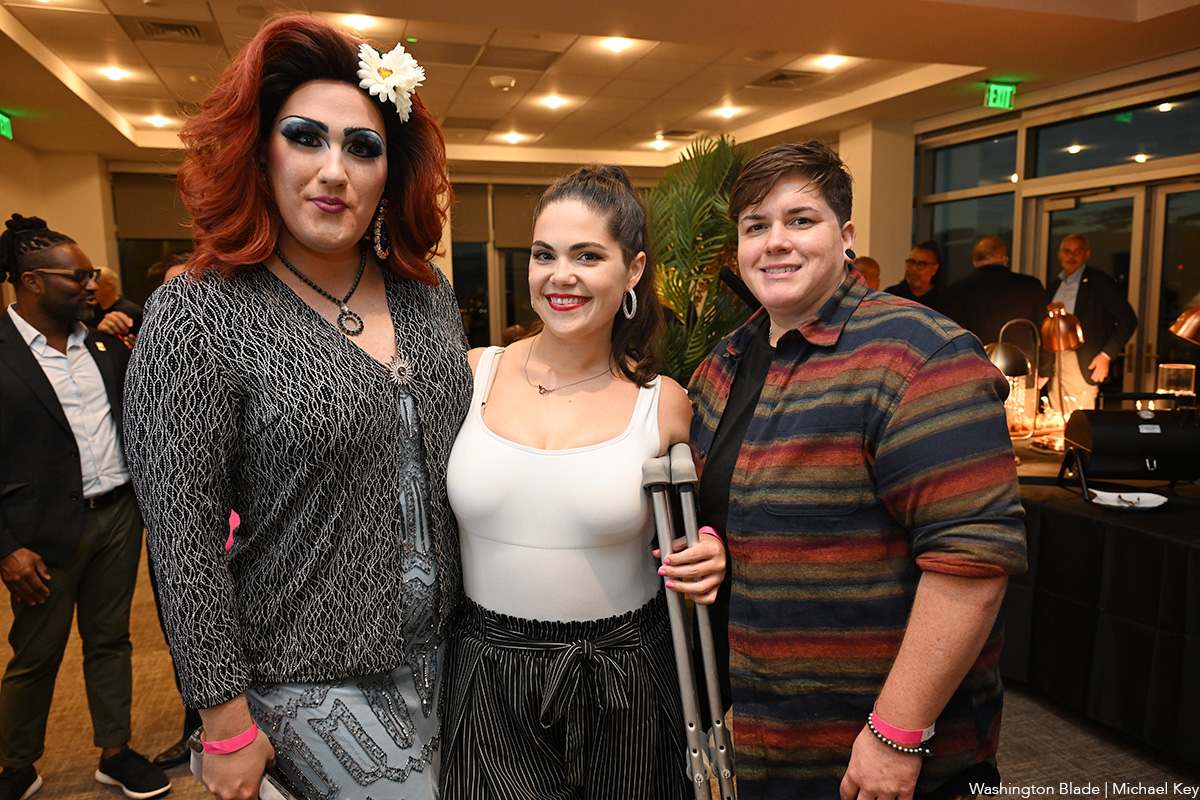
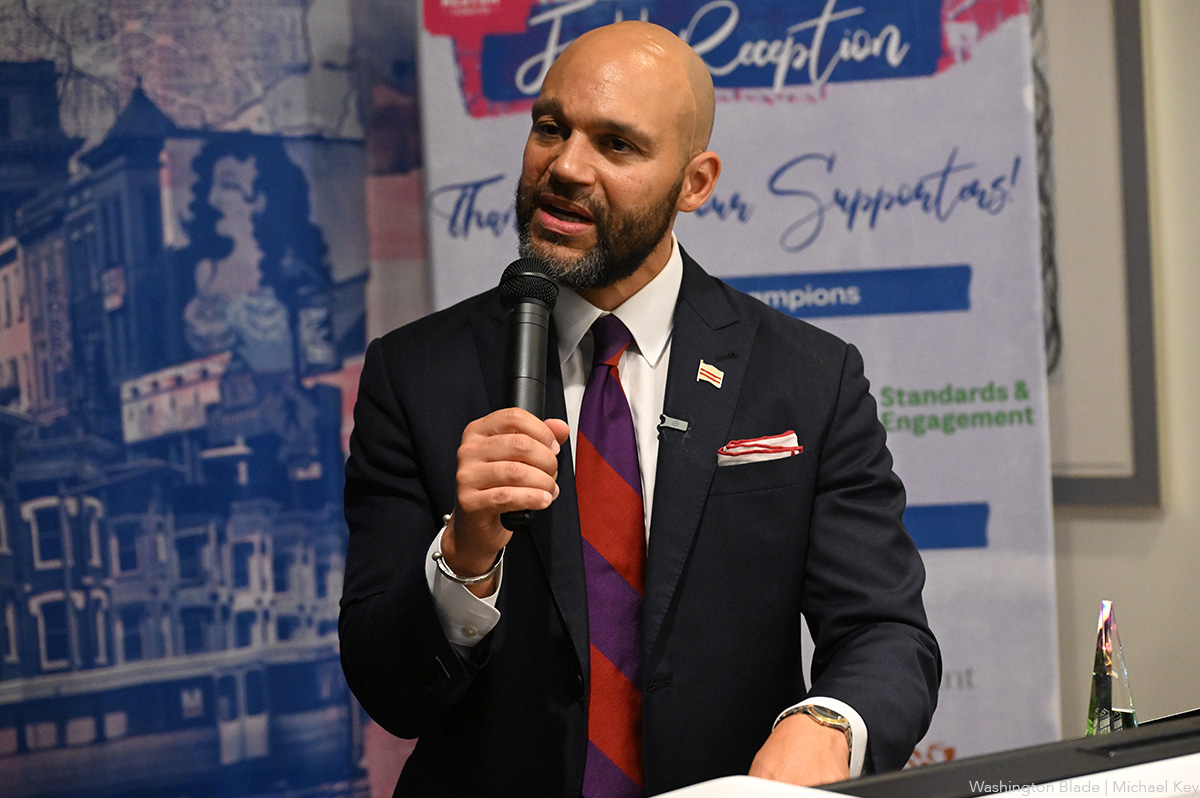
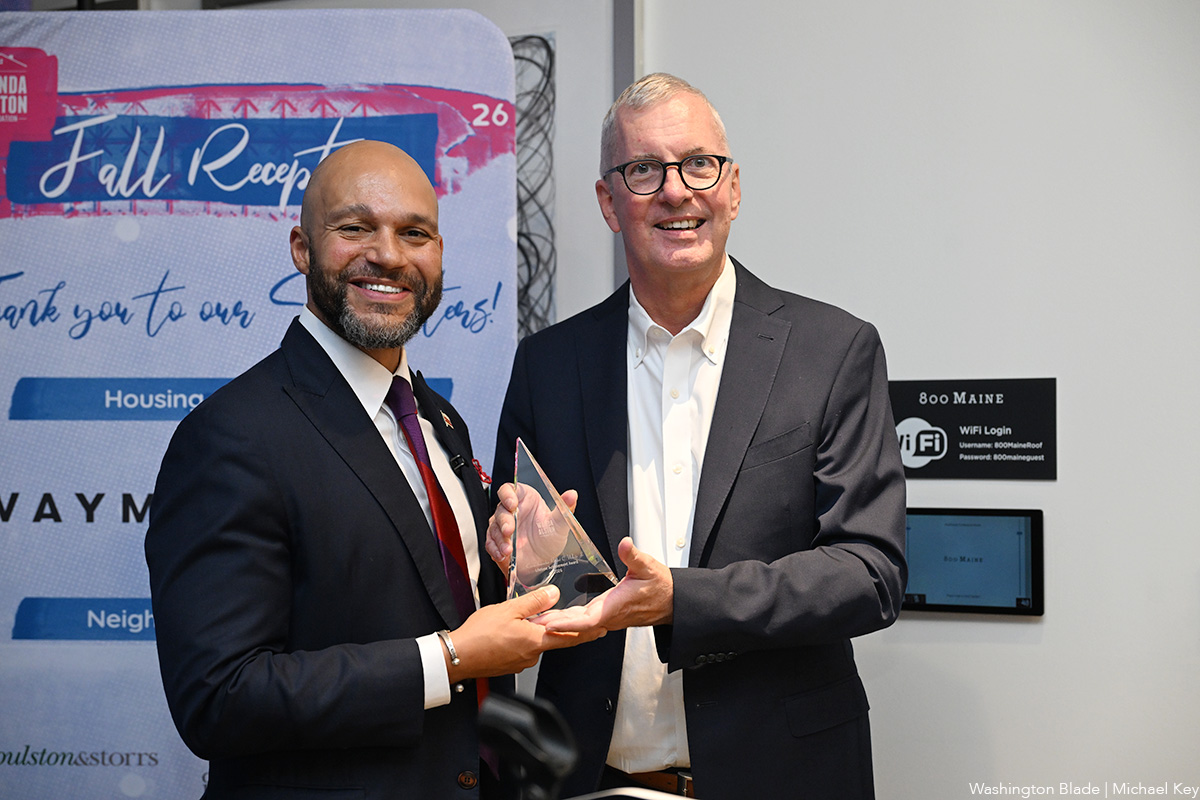
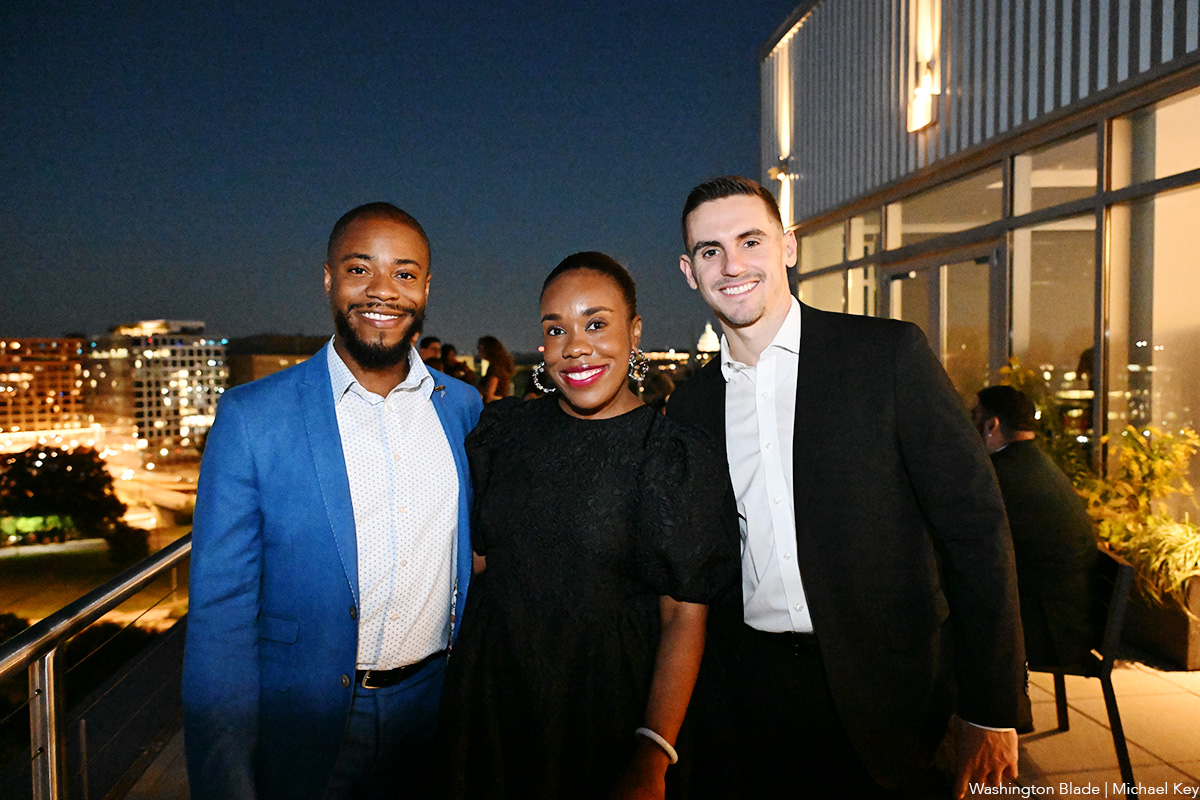
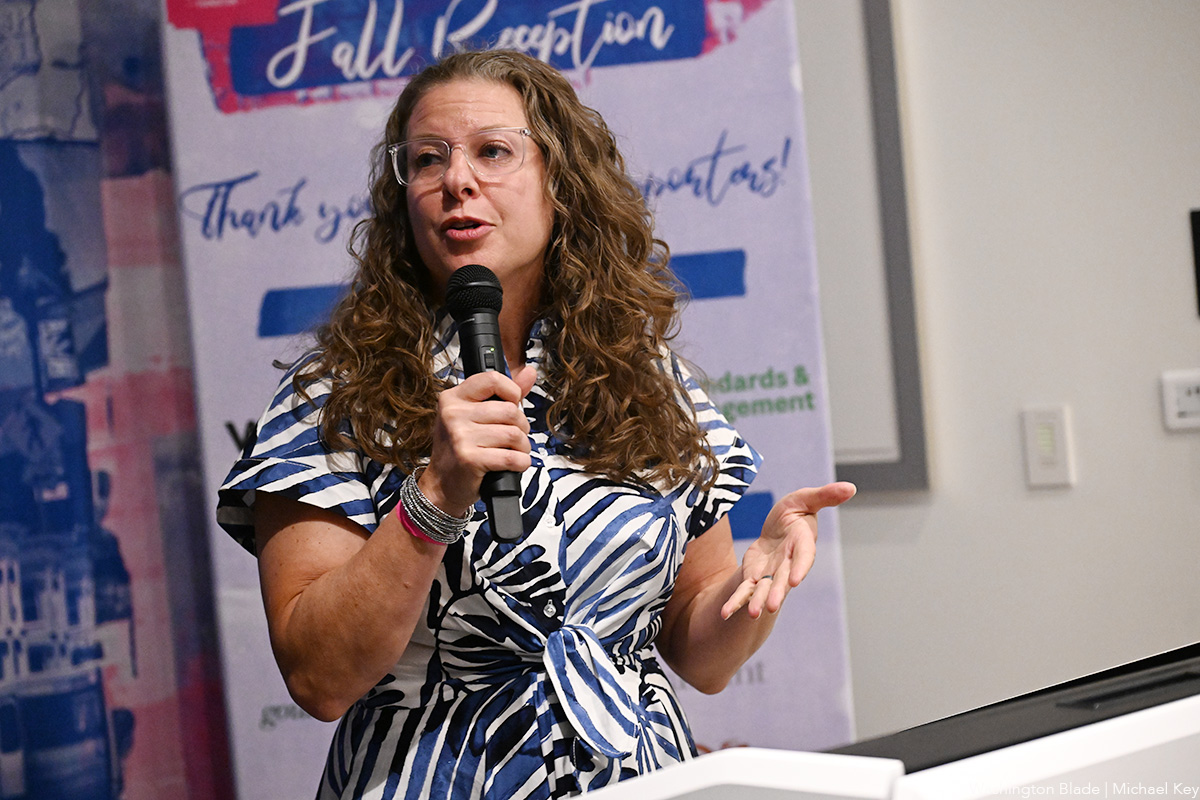
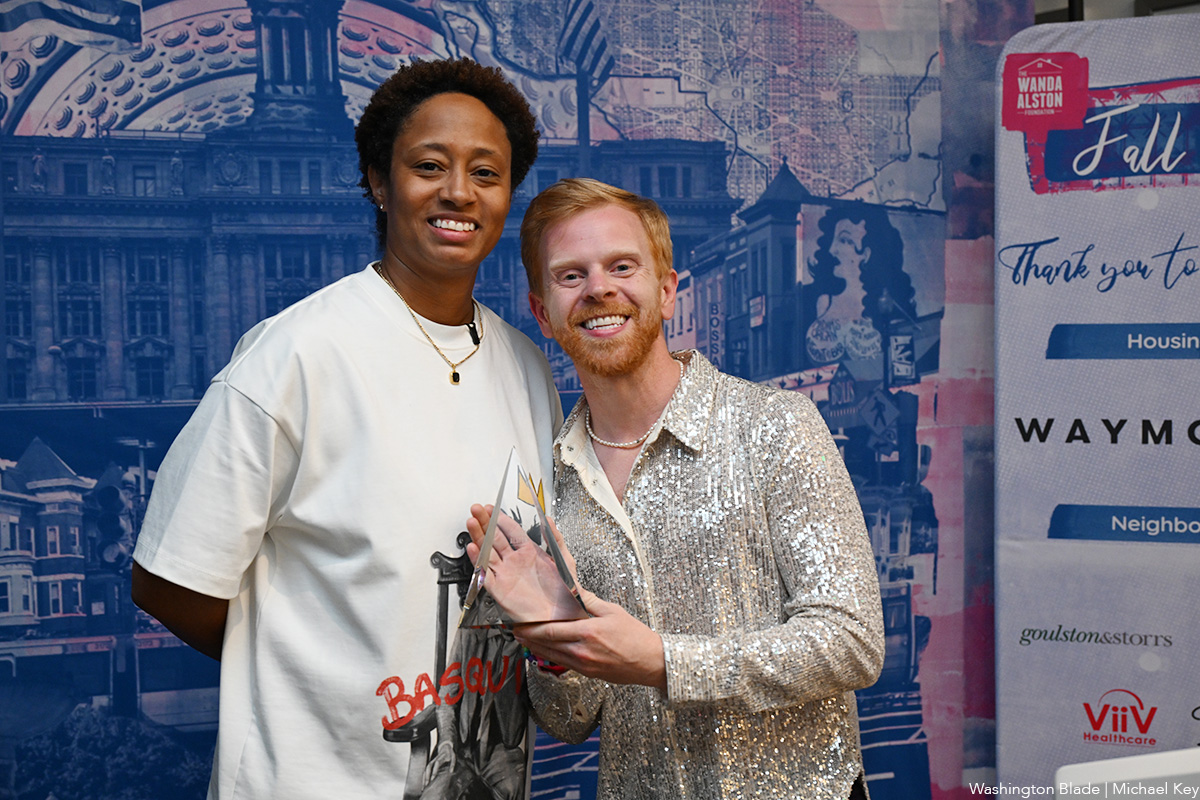
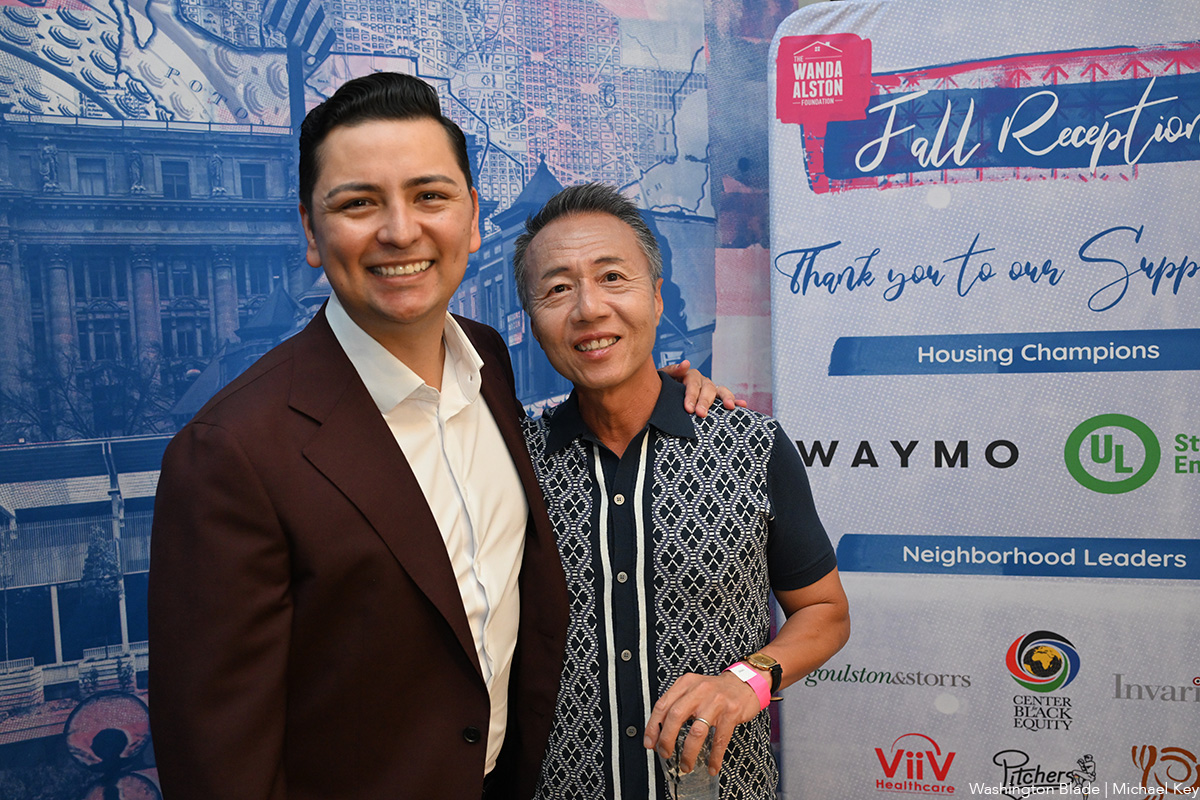
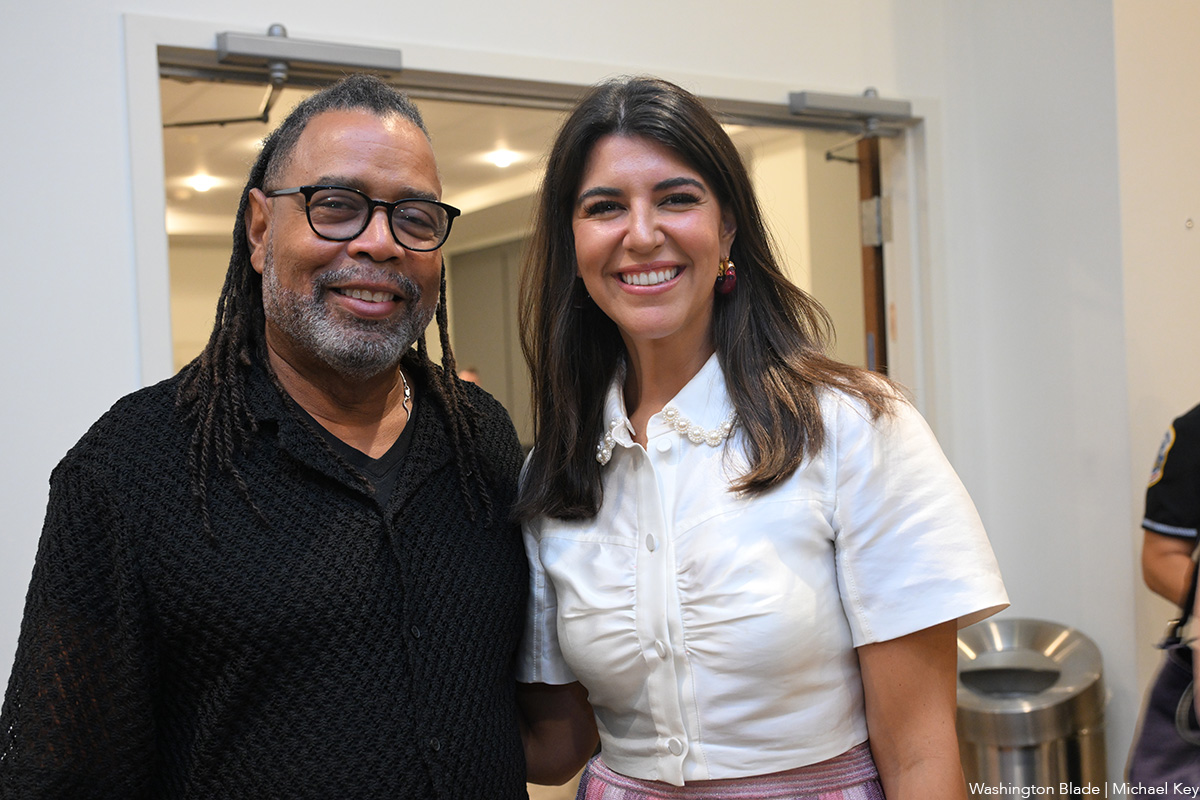
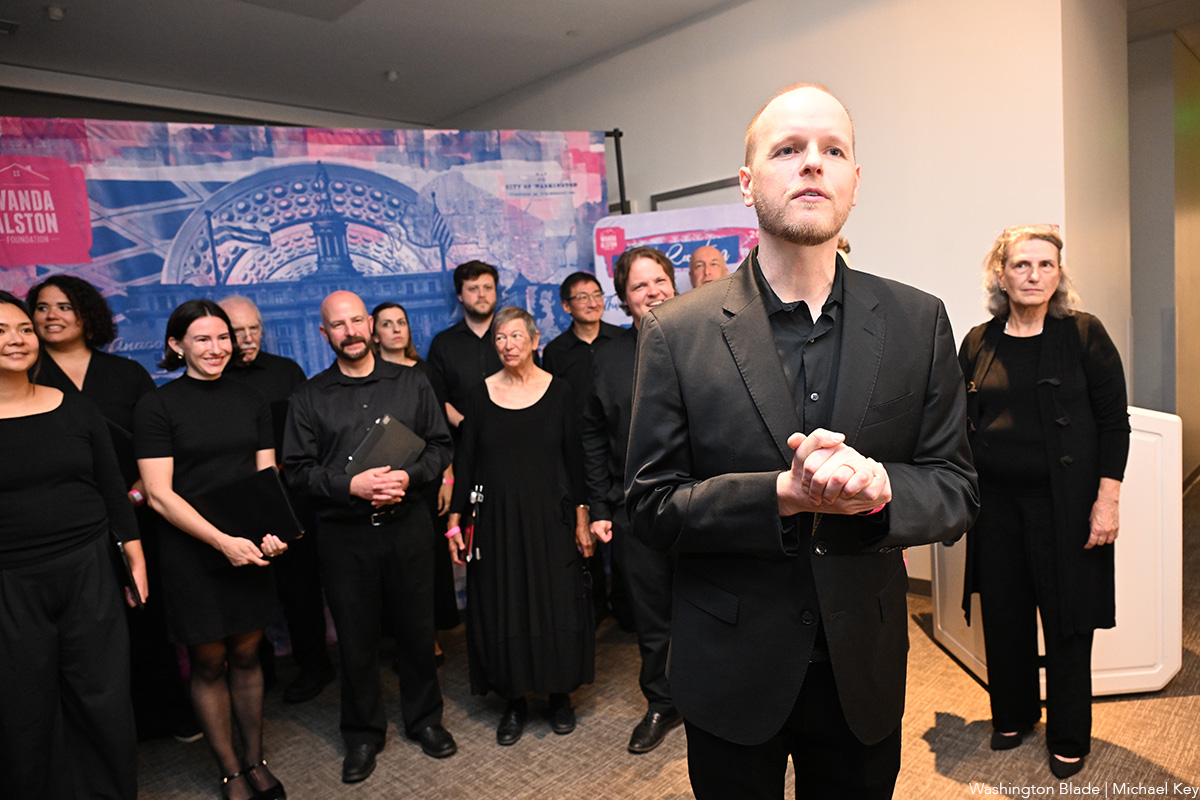
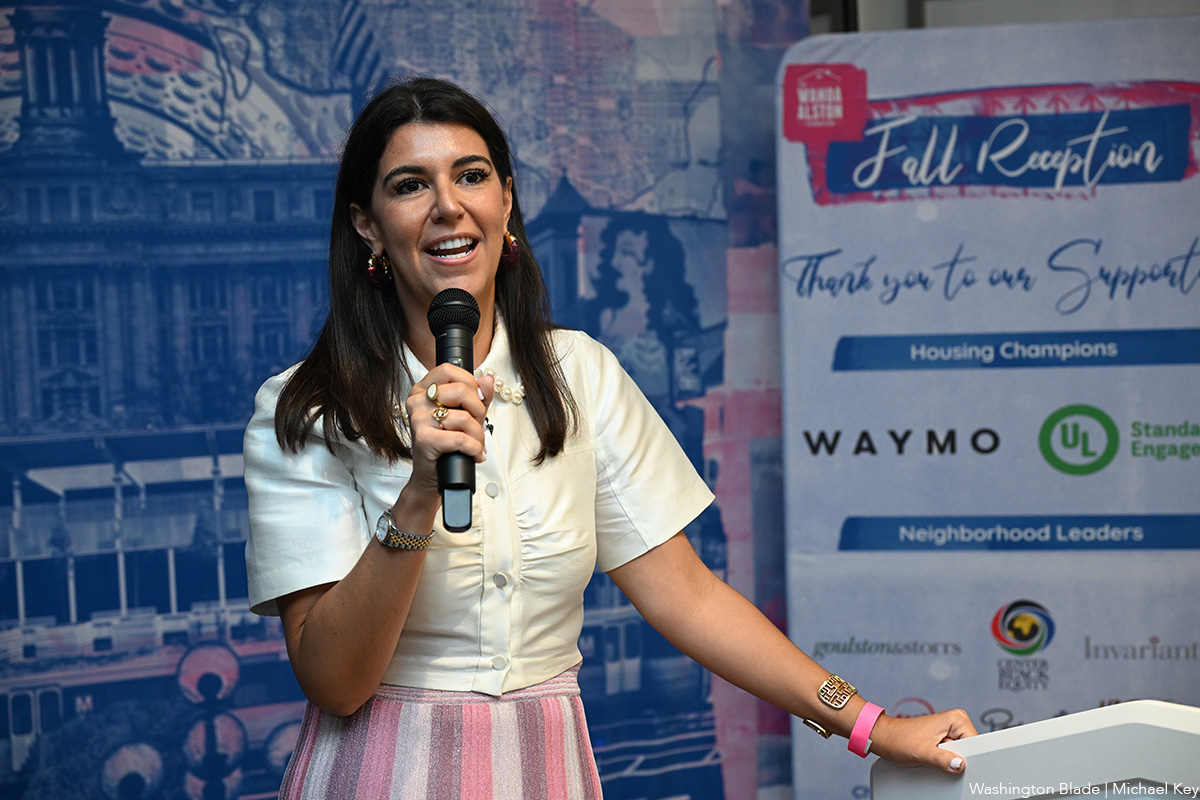
PHOTOS: Wanda Alston Foundation Fall Reception
LGBTQ youth services organization honors Robert White, Japer Bowles, Washington Capitals
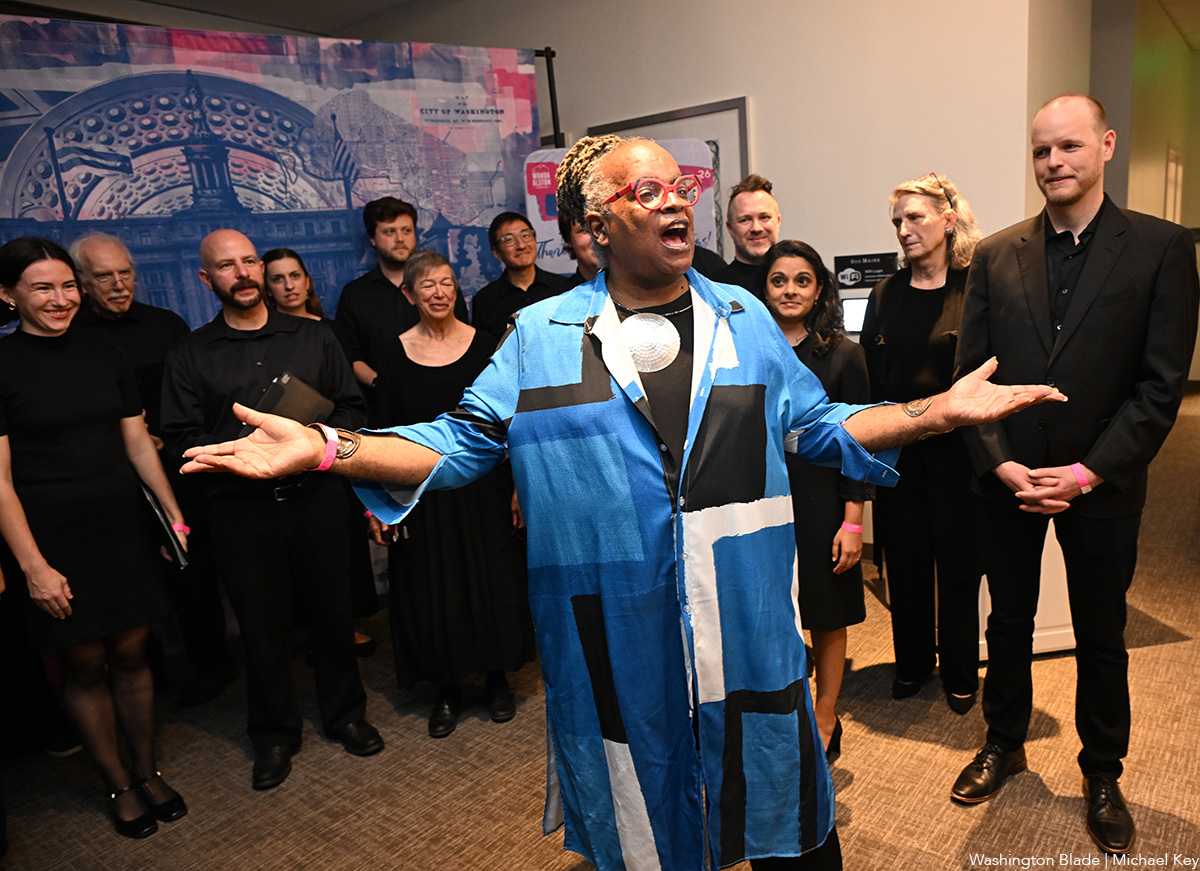
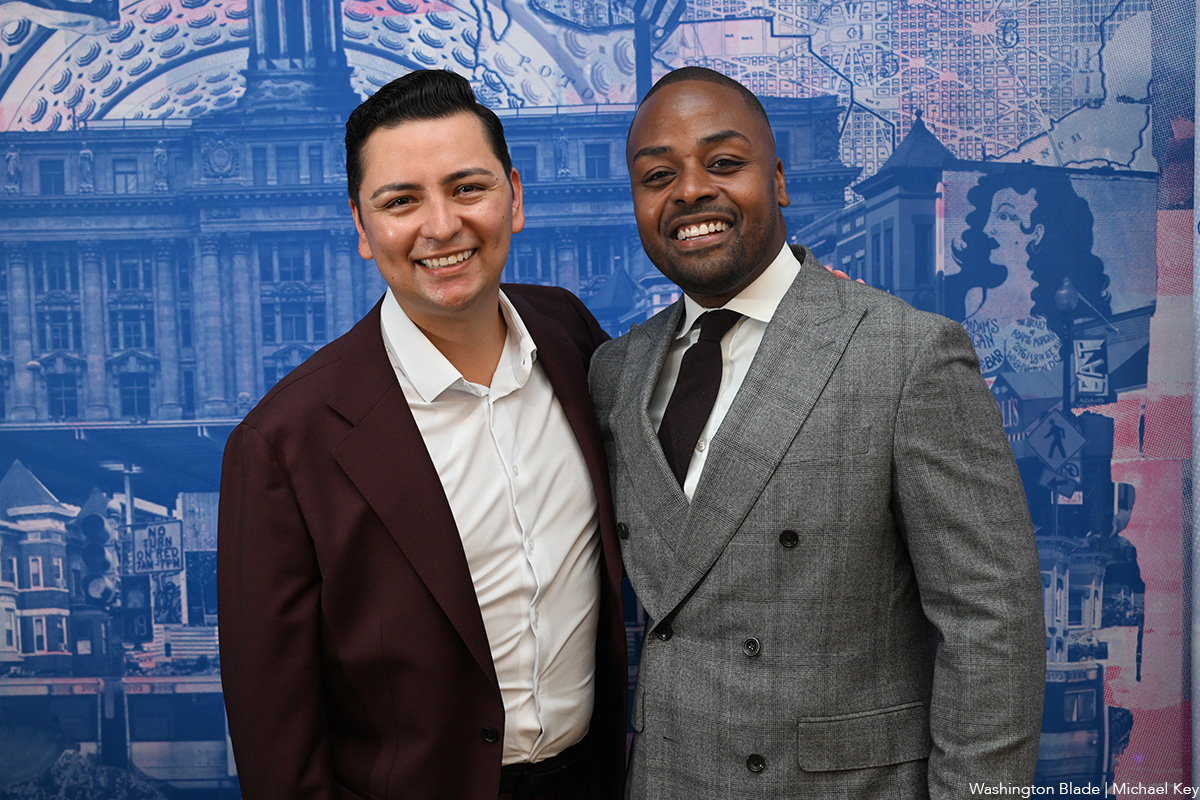
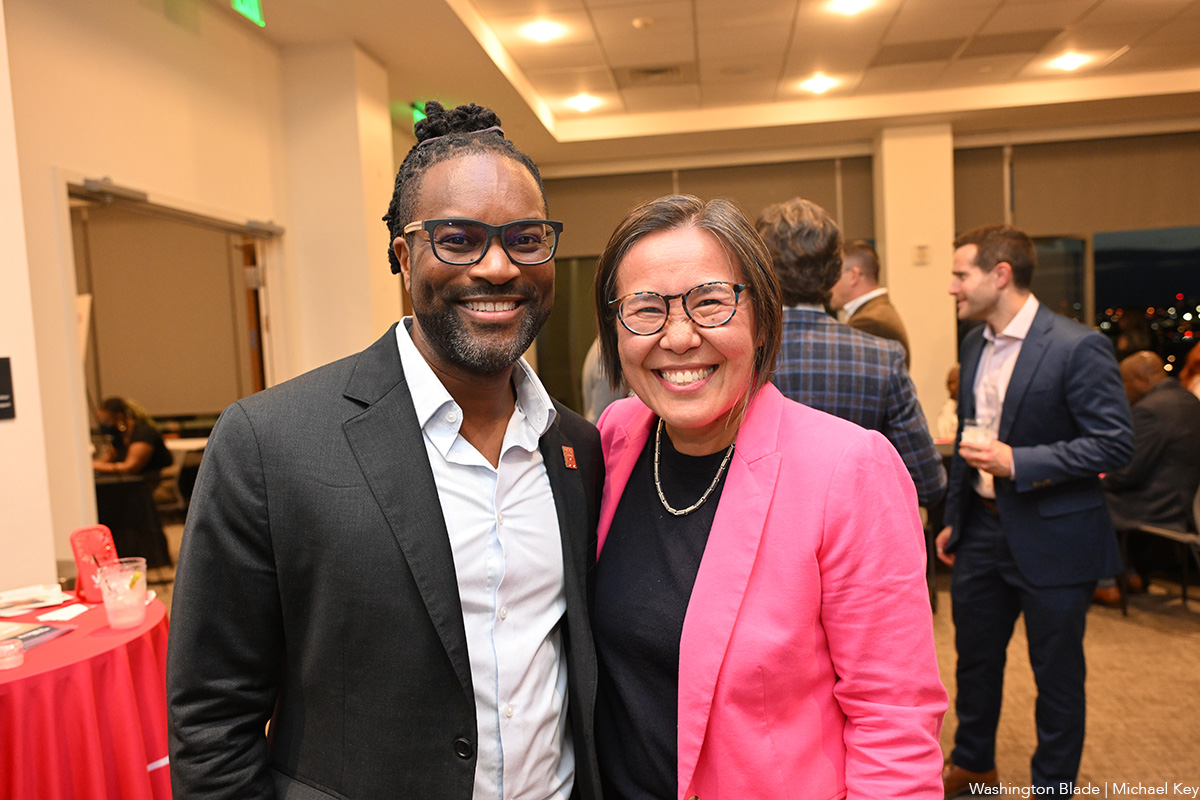
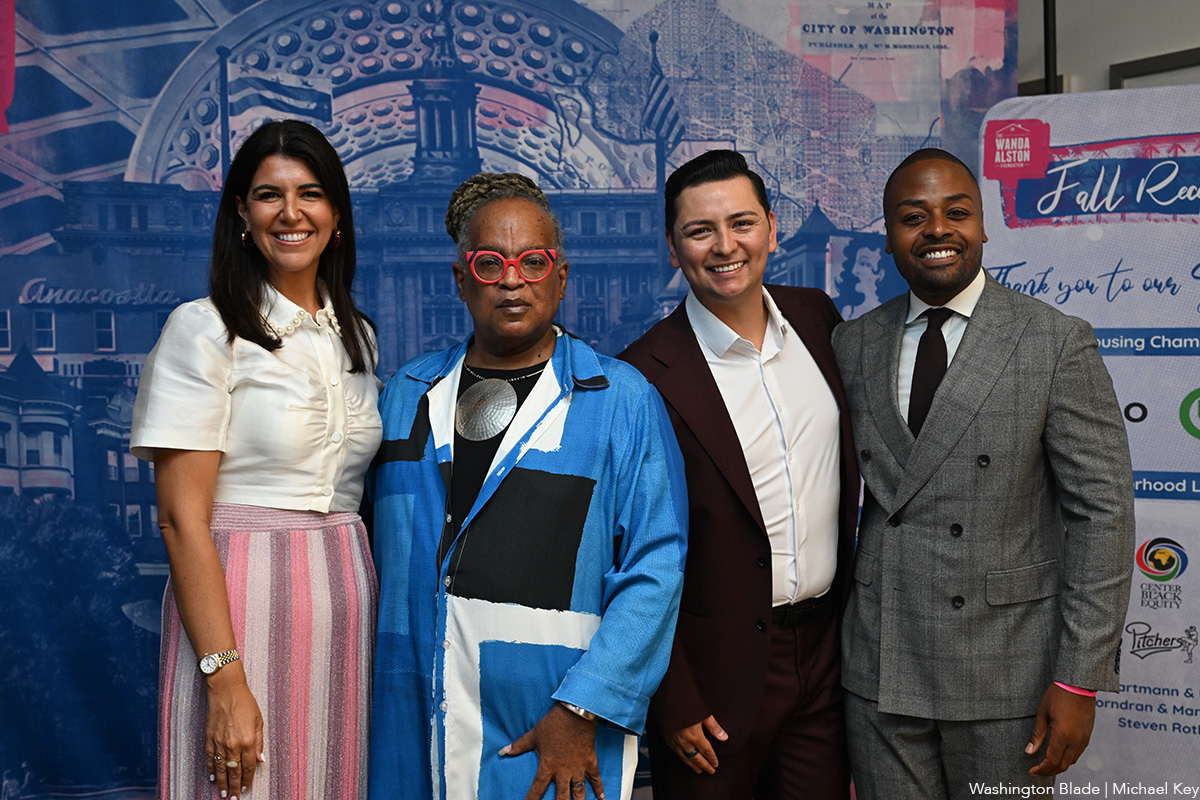
The Wanda Alston Foundation held its Fall Reception at the Penthouse Rooftop at The Wharf on Friday, Sept. 18. Honorees included D.C. Councilmember Robert White, Director of the Mayor’s Office of LGBTQ+ Affairs Japer Bowles, and the Washington Capitals. Rayceen Pendarvis served as the emcee and entertainment was provided by the Thomas Circle Singers.
(Washington Blade photos by Michael Key)


Books
Curl up with a good book this fall
New releases include mysteries, biographies, religion, and more
The fall books season offers lots of options so curl up and get ready to read.
FICTION
For the mystery fan who likes a sprinkle of thriller, look for “The Longest Death” by Kevin Jagernauth (Soho Crime, December). Richard Cobson hates his small town, he’s bored and desperate to get away. Stealing from his employer is the only thing that makes life bearable. That all changes when Marlon Montgomery comes to town and the two fall in love because if one guy can steal so easily, what can two do?
If you like graphic novels, try the “Tripping Over You” trilogy by Suzana Harcum and Owena White. Milo and Liam are finally able to be open about their relationship, no more hiding their love. They’re living together now, but can it last? “Tripping Over You Book 3” (First Second Books) is in stores in early November.
Also try “Diana: The Punk Singer Who Ripped Through Time” by Nate Powell (Abrams ComicArts, October). It’s about a young woman who’s trying desperately to escape her past, until a mysterious murder sidetracks her plans.
So you say you’re a romantic at heart? Then look for “Unspeakable Things: A Novel” by Elizabeth Hand (Little, Brown & Company, October). It’s a story set in the 1920s, when two young women arrive in the English Countryside to a dark and ancient manor. But, of course, nothing in a Gothic novel is easy, right? And you’ll love this tale.
NONFICTION
So this upcoming year is going to be one of exploration, right? Then look for “Free Love: Adventures in Marriage and Polyamory” by Michelle Tea (HarperOne, November). It’s a well-researched, personal, and interesting look at the lives of polyamorous couples and what it’s like to live what used to be called an “alternative” lifestyle.
If “fall” says “biography” to you, then look for “Showbiz! My Life as a Middle-Aged Man” by Murray Hill (Gallery Books, October). For decades, Hill has been making audiences laugh with his signature humor, but getting laughs hides his past all too well. He grew up in an abusive family and learning to hone his talents took some ingenuity. If you’re not a Hill fan yet, you will be, once you read this book.
For the reader who’s searching for a spiritual place, “Reading the Bible Through Queer Eyes: Good News for LGBTQ+ People from Genesis to Revelation” by podcasters Brian G. Murphy and Shannon T.L. Kearns (HarperOne, December) might help. Here, the authors look deeply at Scripture to find the queerness that’s there, proving to readers that the Word is not always what it seems.
Young readers may want to check out “Bitter Pill: Randy Shilts and the Dawn of the HIV/AIDS Epidemic” by Clement Xavier, illustrated by Heloise Cochois, foreword by Michael Lee (Abrams ComicArts, November). It’s a highly researched true story of activist Shilts, but also of Harvey Milk, and the earliest days of the AIDS crisis, when gay men needed a loud voice to advocate for them.
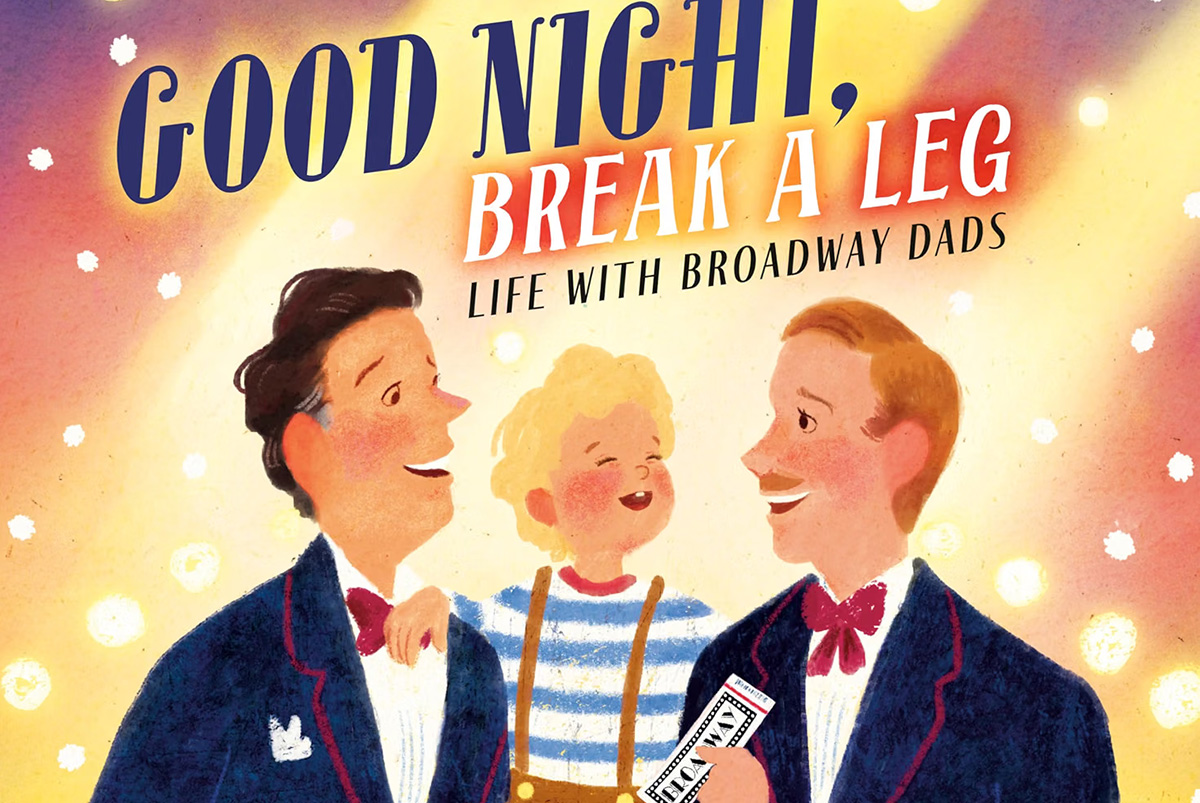
And finally, if you want a fun book for your kids or a child you love, look for “Good Night, Break a Leg: Life with Broadway Dads” by Bret Shuford, illustrated by Elena Hager (Penguin Workshop). What do parents do when they go to work? A little boy learns that his dads have very special jobs by day – and by night! It’s a cute book for kids, but a special tale for lovers of Broadway.
Be aware that publication dates change, titles change, books can be canceled, and your librarian or favorite bookseller can help you find what you need. Season’s readings!

Long-time DignityUSA executive director announces retirement

PHOTOS: Walk and 5K to End HIV

PHOTOS: Wanda Alston Foundation Fall Reception

Moving presents a chance to ‘clean house’

EV ecstacy: BMW iX3, Rivian R2

Trump’s Cabinet: Dumb, dumber, dumbest, and evil

D.C.’s fall theater season is already well underway

Gun reform is an LGBTQ rights issue

Parties, dinners, concerts and more on tap for fall nightlife