Arts & Entertainment
Dishing with Bruce
Hollywood funny guy on ‘70s drugs, the Oscars and hanging out with Robert Reed
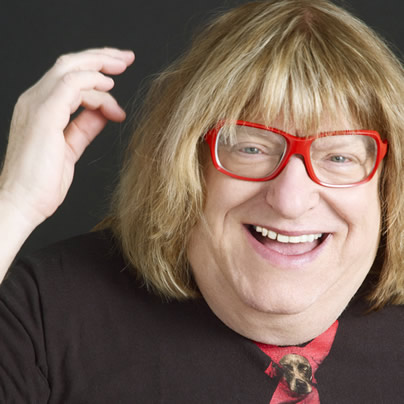
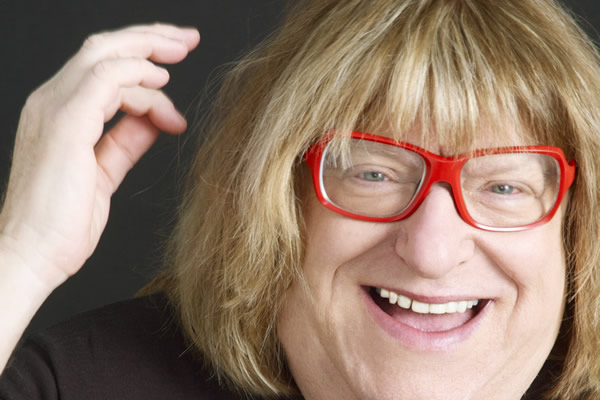
Bruce Vilanch is in town to honor Carol Burnett at the Kennedy Center this weekend. He’s at Cobalt Friday night. (Photo by Rick Stockwell)
Bruce Vilanch — perhaps America’s favorite gay funny man — will be at Cobalt Friday night to greet fans. Famous for his Oscar jokes and appearances on “Hollywood Squares,” we caught up with him by phone two weeks ago where he was in a jovial mood, cracking jokes the whole time. His comments have been slightly edited for length.
WASHINGTON BLADE: Is it harder to make people laugh in the Internet age? How do you still make people laugh when they’ve seen it all?
BRUCE VILANCH: Well yeah, it’s harder to come up with original stuff because someone will write something, post it online then it’s out there before it’s even been performed. It’s like instantaneous. So it’s harder now to surprise people. But on the other hand, people are so much more connected now that they get every joke. Things are in touch almost to a sickening amount so that by the time you try something live, they get every reference because they’ve had a chance to be exposed to it. I guess there are plusses and minuses. I think also the chances of offending somebody have quadrupled.
BLADE: Why?
VILANCH: Everybody feels their opinion is valid and they have a place to post it publicly now. It used to be reserved for the people who had the platforms but now anybody can post their opinion.
BLADE: Is it hard to keep doing it? I think many of us outside of Hollywood imagine it must be constant pressure.
VILANCH: Well, you have to keep working at it. Fortunately as a writer, you can generate your own work. Actors have a hard time doing that. But then you have to go off and try to sell it. You can never afford to be asleep at the switch, unlike the people who run trains in Chicago. But thankfully there are no real term limits on these kinds of things. I guess at a certain point you start fighting a creeping ageism but if you’re distinctive enough, people don’t mind. Everybody loved Rodney Dangerfield and now he’s up there with God. God must be happier now.
BLADE: What brings you to our fair city?
VILANCH: I’ll be in town to be part of the Mark Twain Prize ceremony to Carol Burnett at the Kennedy Center (on Sunday), so while I’m here I’ll be making a little appearance at Cobalt as well.
BLADE: Will you be performing at Cobalt?
VILANCH: Not really a performance. More of a meet-and-greet and maybe answer some questions. And getting some phone numbers hopefully. Facebook is unreliable. You have to save them in your phone.
BLADE: Did you do any writing for Carol’s show back in the ‘70s?
VILANCH: No, I never did. She and her husband at the time believed in hiring writing teams. They seemed to like what they were getting with the contracts for a writing team and I didn’t have a writing partner. I had a sex partner, but that’s not what they were interested in. Later I worked with her on some specials and some personal appearances but not anything where she was in character.
BLADE: What was the show she did in the early ‘90s on NBC?
VILANCH: Oh yeah, “Carol & Company” I think. It did fairly well I think, but she stopped because she said it was like shooting a new pilot every week. Each episode was like a one-act play and that’s very hard to pull off on a weekly basis. I think she had some success with it but she just didn’t want to work that hard all the time.
BLADE: The Screen Actors Guild just came out with a study on actors and anti-gay discrimination. It seemed a little surprising considering how many power gays we have in Hollywood like Ellen and Neil Patrick Harris.
VILANCH: Who look remarkably similar, don’t they?
BLADE: We see lots of LGBT actors, but is it still squeamish in the boardrooms? What’s been your experience?
VILANCH: I think it’s a lot less squeamish than it was. I’m not really in the boardrooms, so I can’t really comment on that. It’s just like every place generally. We’ve become part of the mainstream. We’re probably getting very close to having a big male action or romantic star who’s gay. I don’t know who it would be. Maybe if Cheyenne Jackson got a big role or something we could test the long-held theory that they won’t buy you in a big action or romantic role if you’re gay. It’s happening more in pro sports. … Maybe someday we’ll have somebody say, “Yes, I’m James Bond. And I enjoy a good old fudgepacking.”
BLADE: Of course we have to talk about the Oscars. The host job seems notoriously brutal. The critics seem like they can’t wait to hate anybody new who tries it. Yet you always seem to come out smelling like a rose. Is it because you’re not out there on stage?
VILANCH: I’m flattered you think that but obviously you don’t read the same blogs I do. I get slammed all the time. I get slammed for Oscar shows I didn’t even write, that I had nothing to do with. People are always saying, “Why don’t they get rid of that guy?” I’m like, “Well, if you stayed to read the credits, you’d see,” but I guess nobody is awake to read the credits at 4 or 5 in the morning so I really can’t blame them. But that’s the hallmark of the Internet really. People cutting loose with ignorant opinions, so I continue to get blamed. I feel like I wake up covered in mud. Even when the show’s a hit, or I win an Emmy, people are saying, “Oh, it was boring, it was horrible.” I remember the producer of the Oscar show used to have two framed reviews on his office wall. One was a rave from the New York Times and one was a slam from the Los Angeles Times. They were as extreme as they could be and they were about the same show. So you really never win, except, I guess, when you do.
BLADE: But why are people so tough on the host? I remember watching David Letterman and Jon Stewart do it and laughing throughout the night. They may not have been the best ever, but they didn’t seem to me to be as bad as everybody thought they
VILANCH: Well, just by the sheer numbers you realize that a lot of people who watch must be unfamiliar with these hosts beforehand. Suddenly you’re up there in front of 35 million people, so everybody has an opinion. And they’re working within a certain limitation, so they can’t just do what they do on their own shows. And sometimes things play differently at home but didn’t play that well in the house. Sometimes it’s just the wrong energy. With Letterman I think it was kind of like, “OK, we don’t need TV boy here coming out and making fun of our names.” But then he used that as a running gag on his own show forever. … And a lot of these people who watch aren’t even people who go to the movies. It’s like people watching the Super Bowl who never watch football. It’s just kind of a cultural experience people feel they have to share in. It’s like the people going out on New Year’s Eve and that’s the only time they go out. So you’re not always working with the best possible audience to be honest.
BLADE: You wrote for the “Brady Bunch Hour.” Was Robert Reed out to you?
VILANCH: Oh sure. He lived with his mother but we would go out to clubs together. He was kind of into rough trade. But he was afraid to go anywhere much because he was afraid of being seen. So we would arrange to sit back in some dark corner. It was very pre-Stonewall. I mean, it wasn’t technically pre-Stonewall, but it still felt like pre-Stonewall.
BLADE: What was he like? Was he fun to hang out with?
VILANCH: Well, he was so deeply closeted it was hard to get him to let loose and just have fun. He was always very nervous about it. A lot of these people living this kind of big secret tend to be pretty tightly wound because so much is at stake. But yeah, once you broke through all that, he was fun. I was always out and I was this big flamboyant comedy type and he was comfortable with me. I kind of helped him lubricate his way so to speak (laughs).
BLADE: For all the great stuff you’ve done, you’ve also been involved in some of the most ignominious bombs in all of pop culture history with stuff like “The Brady Bunch Hour” and the “Star Wars Holiday Special.” I hope you’re not offended by this question, but did you have any sense at the time, these would attain such train wreck
VILANCH: Well, you always go into something thinking it’s a good idea but you have to remember, this was the ‘70s and so we were all a bit chemically altered at the time. You have to also realize, like with the Brady show, this type of variety show concept was still popular at the time. We didn’t realize it was breathing its last. It’s the kind of thing that could have been really terrific if any of them could sing and dance. I mean they did a little on their original show but it became clear pretty quickly when we tried this sort of hybrid thing, that it wasn’t going to work. It’s still fun to roll the dice. Now had you told me if would have become like this kind of cult thing, that would have surprised me at the time.
BLADE: Obviously when you’re writing an awards show, you have to know the material that’s nominated. How do you have time to watch whole seasons of TV shows and all the Oscar nominees?
VILANCH: Well, it’s a lot easier than it used to be because they just send you screeners now and you can sit at home. It sure beats having to go to screenings, which were horrible experiences. No popcorn. But I go to the movies anyway. To get paid for it just tickles me to no end.
BLADE: Obviously most of us are not Hollywood insiders, so something I’m always curious to ask people who are is this: Does the cream always rise or have you seen true cases of highly talented people who just never got the right break? Sometimes it feels surprising to watch some of the stuff that does get a green light.
VILANCH: Have I seen people fall through the cracks, yes I have. There’s a feeling that there’s a kind of natural selection at work and it’s survival of the fittest. You kind of have to have the right combination too. It’s not always enough to just have the talent. You have to have the talent and the ambition and the kind of personality that allows you to hang in there long enough and have a thick hide so that you can get through life with all that rejection. So yes, there have been lots of people who didn’t have just that right combination. Maybe there were too dependent on something or they just didn’t have the oomph to push themselves through. With others, the talent seems to rise briefly because they get lucky but the ones who really last really do have unbelievable stamina and manage to break through all the other stuff. It sounds terribly dry, but it’s true.
BLADE: Where do you live?
VILANCH: In West Hollywood. I was up in the Hills for 28 years, but now I have a fabulous loft right on the boulevard. I stand out on my balcony like Eva Peron for the AIDS Walk and Pride and Halloween. And now I can stagger home.
BLADE: Do you hang out at gay bars in West Hollywood?
VILANCH: Yeah, some. Usually the reason you go out to a bar is to meet people who don’t answer your job description. But now there’s Grindr and that stuff, so you don’t have to go out as much.
BLADE: Some of the stuff they try for the Oscars seems a little head scratching at times. Like one year, they handed out some categories down in the aisles. Another year they had all the nominees come up on stage. Do you have any say in those kinds of decisions?
VILANCH: Um, no. Listen, at the time that kind of stuff is usually a response to some criticism that’s come up. Like that year, somebody had said, “Gee, how can we save some time here?” All those technical awards, the people are sitting in the back and it takes them so long to get to the stage. Somebody thought maybe having some of that done in the aisle would save some time. That was the perceived solution, but then everybody thought it made them seem like second-class citizens. There’s a little bit of reinventing the wheel every year but with a lot of it, there’s not a whole lot you can do. And the networks aren’t really upset with the long running time, because that just allows them to sell more ads so even when it’s absurdly long, they’re still pretty happy. I think one year they added like three or four honorary awards and that ended up adding like 45 minutes to the show and the network said, “OK, guys, this is a little ridiculous.” But one thing that’s worked is to hand some of those technical awards out at its own separate function, then just show highlights as a clip package and that saved a lot of time. The innovation I really liked the most was when Bill Condon had previous winners come out and salute the nominees individually. Then they said, “Oh it was too long,” so they only did it in two categories the next eyar and it didn’t have the same impact at all. I thought it was a fabulous innovation but the only problem was after awhile you would run out of previous winners. You only get one each year in each category.
BLADE: Well, you could just keep having Luise Rainer (age 103) come out every year to do it, God bless her. She’s been great about coming back for the milestones.
VILANCH: Yes, wasn’t that great? And one year Olivia de Havilland flew in from Paris, that was just great too.
BLADE: What’s one thing you miss about ‘70s-era Hollywood and one thing you don’t miss?
VILANCH: Well I guess I miss the drugs. It was the ‘70s so there was all this hedonism so you had that and the porno mustaches, which I love. But on the other hand, to be honest, I don’t miss the drugs. I really don’t miss everybody being loaded all the time and they really were. It was probably the first time there was really this relentless
VILANCH: Um, no. Listen, at the time that kind of stuff is usually a desire to be young and that really hasn’t gone away but it was hysterical then when I was young. People would be wearing these flowered shirts with love beads and just trying very hard to be hip when really they were all barracudas. They did make us laugh.
BLADE: For all of us gays who love Carol, but will never get to schmooze with her, please give her our regards.
VILANCH: (laughs) OK.




Arts & Entertainment
Horror genre has evolved into space to explore queer identity
Forbidden love among topics explored

Spooky season is here, making it a fantastic time to talk about queerness and horror. More precisely, it’s a chance to explore how the horror genre emerged and transformed our perspective on queer identity.
Horror is far more political than most people realize.
Personally, if sci-fi was the genre that helped me understand what it feels like to be different, it was horror that truly allowed me to explore queer relationships and queer rage.
Let’s dive into how horror as a book genre has evolved — moving from portraying queer and transgender identities as monstrous threats to becoming a space where queer people can process our own fears, rage, sexuality, and trauma: from the deeply queer undercurrents of vampire fiction to the liberating “monstrosity” of trans rage.
The ‘monstrosity’ of transness
It’s 2026, so let’s begin with the elephant in the room — or rather, the biggest conservative scapegoat in our community (thanks for actual political monsters). But trigger warning: trauma crawls to the surface like a monster breaking through.
Imagine two scenes:
Fifteen-year-old me, a trans teenager who didn’t yet know they were trans, was reading Thomas Harris’s “The Silence of the Lambs” (1988) for the first time (yes, for me it was first the book, then the movie.) I “encountered” Buffalo Bill, a serial killer who used human skin to make a female costume because he wanted to be a woman. How did I feel? Cringed out, humiliated, and even more determined to hide. And I wasn’t yet permitted myself to think that I’m trans, but I felt terrible without knowing why. It was one more message from mass culture: if you think you belong to a gender different from the one assigned to you at birth, you are a “psycho.” The intersection of ableism and transphobia is striking in stories like this. People with mental illnesses, who in real life are much more often victims than aggressors, are portrayed as dangerous to society, while transness is presented as a mental illness.
Now imagine an adult me, a couple of years after coming out as trans, reading Andrew Joseph White’s young adult horror novel “Hell Follows with Us” (2022). It portrayed actual monsters and a trans boy, Benji, turned into a monster by his cultist family. I felt joy and sympathy for Benji, who stood up against the apocalyptic cult that destroyed humanity, despite his parents raising him to destroy what was left of the human race. His trans rage and rebellion felt justified, and the main character never felt like a pathetic freak.
This is the main difference between classical portrayals of trans people in horror and the changes made by trans authors and creators reclaiming the genre.
When Harris wrote “The Silence of the Lambs” and Jonathan Demme directed the movie (1991), the story made it clear that Buffalo Bill was not a “real” trans person and that real trans people were harmless. But this raises an important question: how can we decide who is a “real” trans person and who isn’t if someone’s gender identity differs from the one assigned to them at birth? The trope of an aggressive, perverse person who “wants to be a woman” has existed throughout modern fiction, with the “Psycho” (1960) movie being another famous example, that stigmatizes cross-dressing and gender non-conformity and, by association, trans women.
Aggressive trans characters and trans characters in serial-killer fiction have every right to exist. White’s young adult horror novel “You’re No Better” (2026), which is coming out this October, features a trans autistic boy trying to prove that he is nothing like his famous serial-killer father. There is also the transgender novel “Manhunt” (2022), featuring two trans women, Beth and Fran, who survive by hunting men transformed into monsters.
Honestly, I’m currently querying a vampire novel with a trans teenager who runs from his transphobic MAGA family and has literally become a monster, so it would be hypocritical of me to object to controversial or monstrous trans characters. They can be violent — but not because they are trans. They can be driven to become monsters by society, but not because of their supposed “perversion.”
Trans horror written by trans and trans-friendly authors can help process rage and alienation. Many trans horror authors reclaim the label of “monstrosity” without turning their characters into caricatures, perverted villains, or pathetic creatures, as often happened in more classical, cis-hetero normative horror.
Queer romance and forbidden love
For me, “The Vampire Chronicles” by Anne Rice was my first introduction to non-judgmental, queer-centered fiction as a teenager. As Rice famously observed, all her vampires are bisexual, and it was remarkably brave to publish books in the 1970s and 1980s where queer families, desire, and drama were simply part of the plot without any silly sensationalism. The 1994 film adaptation of “Interview with the Vampire” was the movie through which many people I knew who weren’t into queer stories first saw these dynamics onscreen. And the new AMC’s “Interview with the Vampire” (2022-current) TV series is, in my opinion, one of the best representations of messy queer relationships between traumatized people, addressing family trauma and the intersection of race and queerness. I recommend it even more than “reality-based” shows such as “Heated Rivalry” or “Queer as Folk.”
Gothic literature has always had a queer undercurrent. From Lord Byron’s homoerotic image of the undead to the lesbian desire of “Carmilla” and the obsessive relationships surrounding “Dracula” (book published in 1897), vampires have long been associated with forbidden desire, sexuality, and relationships outside social norms. “Carmilla,” published in 1872 by Joseph Sheridan Le Fanu, still resonates with the lesbian community today. “Carmilla” is unapologetically queer, declaring romantic passion for the human woman Laura without hiding her desires. Of course, “Carmilla” is literally a monster — but how else could an author write a forbidden queer love story in 1872?
New retellings of “Dracula” and “Carmilla” have become even more increasingly queer. Kat Dunn’s “The Hungerstone” (2025) is a sapphic story about feminine agency and the relationship between Carmilla and Lenore, a bisexual British woman in Industrial-era Sheffield, framed around sapphic emancipation and forbidden love. “Dracula” has also inspired plenty of retellings, most notably S. T. Gibson’s “A Dowry of Blood” (2021) — an explicitly polyamorous, bisexual retelling told from the perspective of one of his brides. It explores abuse and the importance of breaking codependency in queer relationships — a topic underrepresented in more “serious” fiction.
Vampires have also become a cross-cultural way to speak about queerness. For example, Dawn Chen’s “A Vampire in Beijing” that will be published in 2027, offers a sapphic story about the modern Chinese queer community and its unique struggles.
Together against the monsters
Another major trope in queer horror is queer people, especially queer youth, fighting monsters together. Those monsters may be supernatural, as in “The Dark We Know” (2024) by Wen-Yi Lee or “This Raging Sea” (2025) by De Elizabeth, where groups of bisexual, queer kids fight side-by-side with an old evil. Ultimately, these external threats represent a conservative society, oppressive stereotypes, and real-world mental health struggles.
Although horror historically mostly exploited queerness for sensationalism — harming real-world queer people in the process — today it has transformed into one of the most effective spaces to explore queer identity and trauma in our own language.
Photos
Center for Black Equity honors leaders, activists at BE. Gala
Miyake-Mugler, Oakes co-host annual awards ceremony
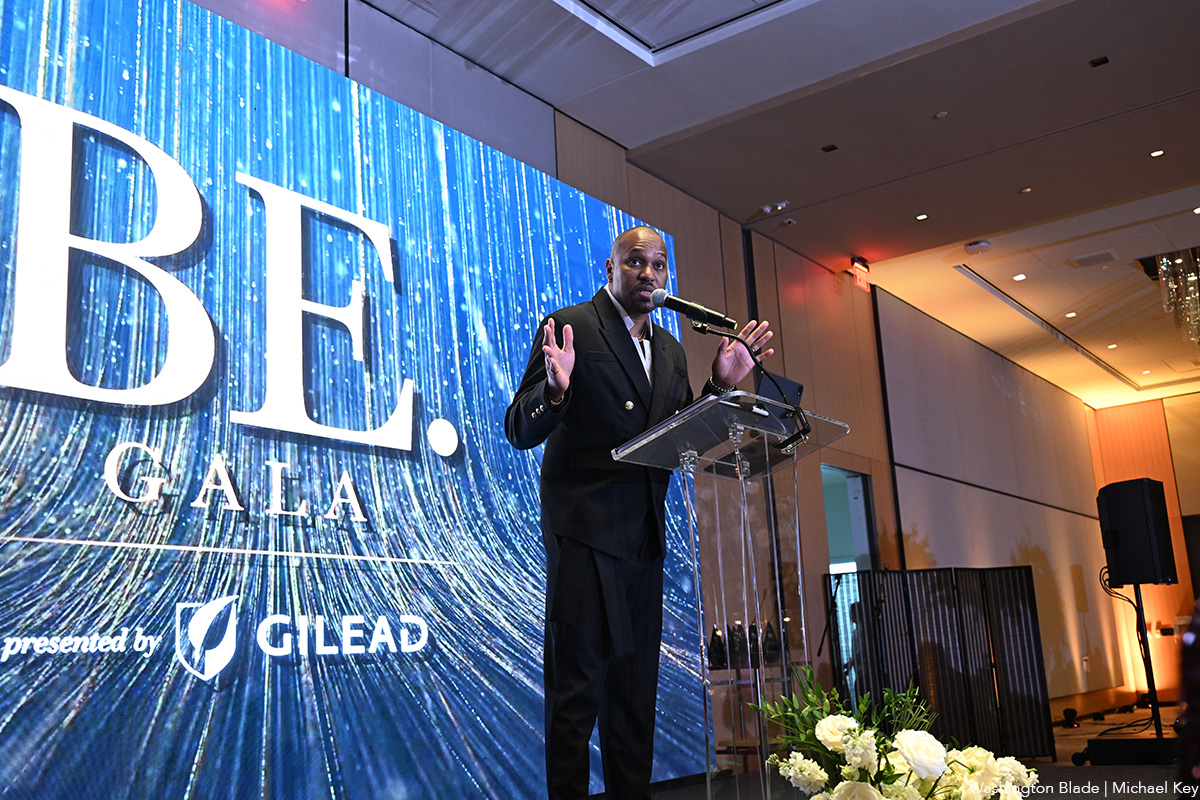
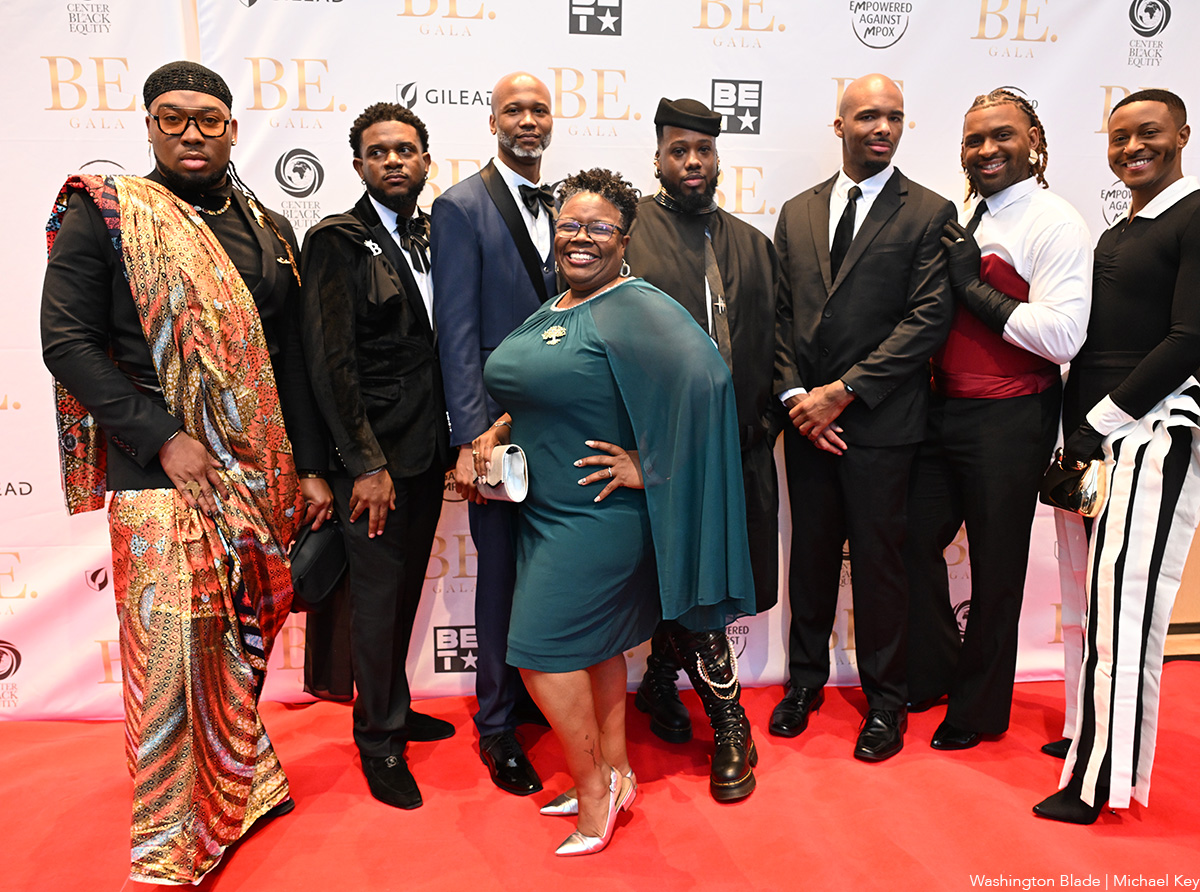
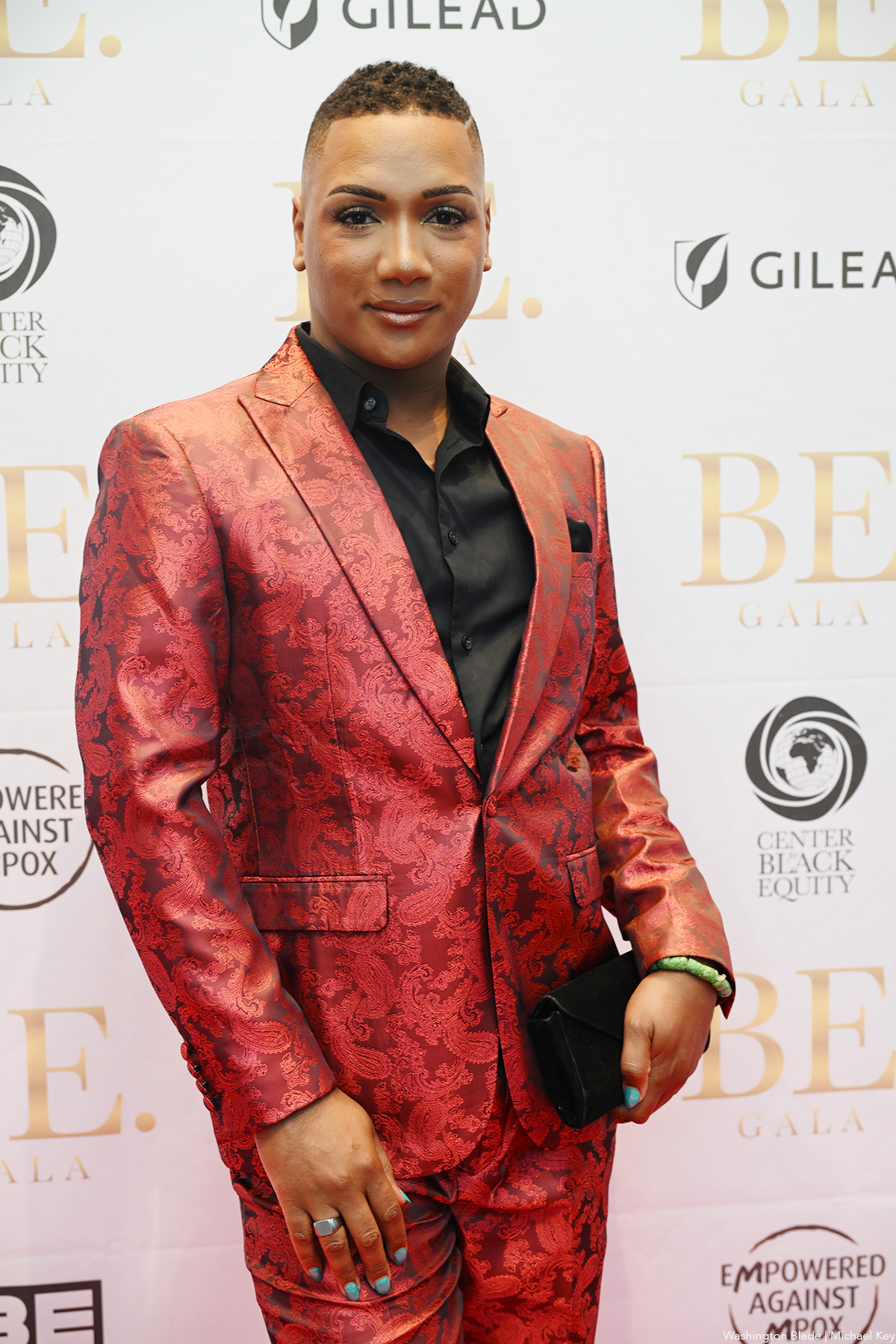
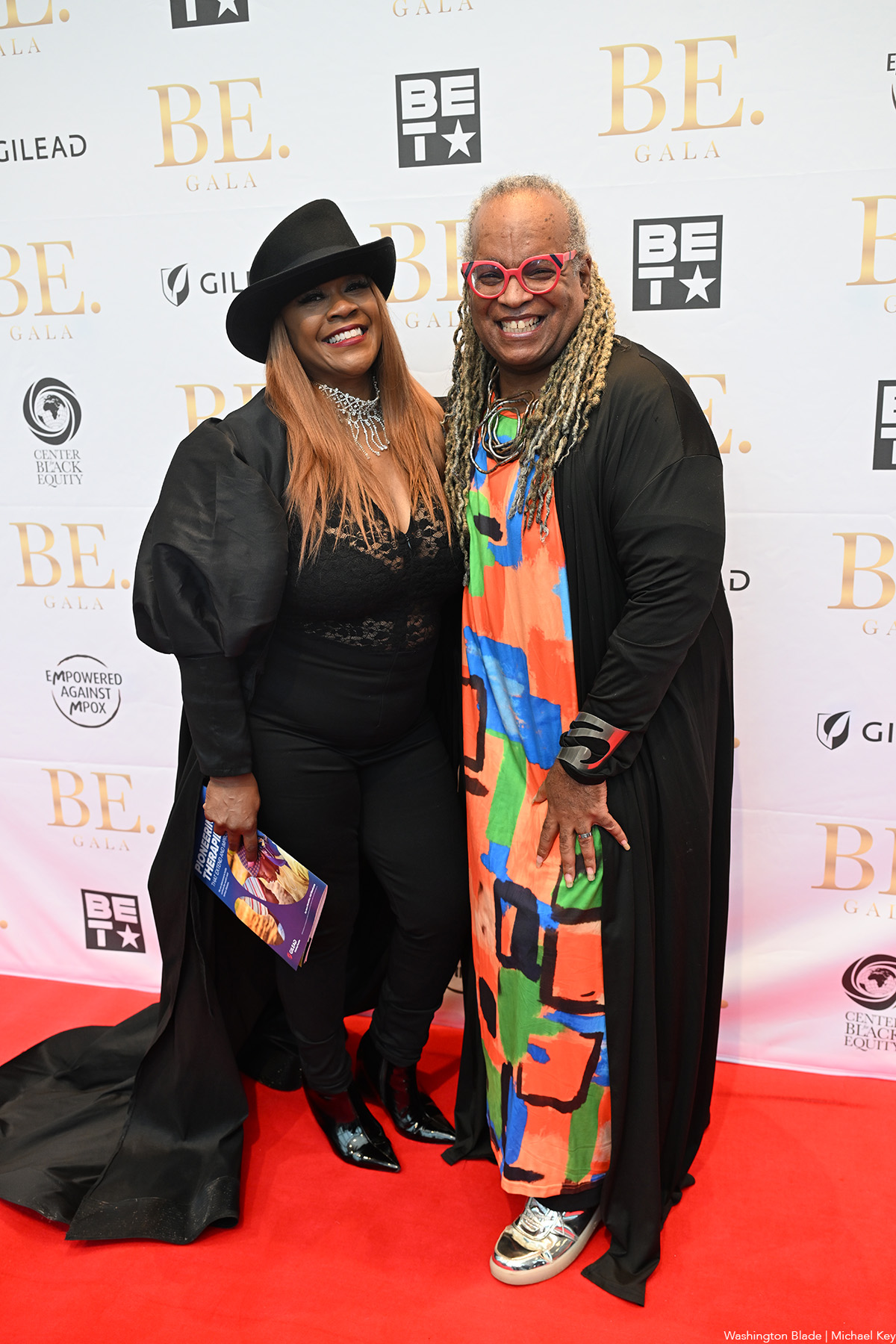
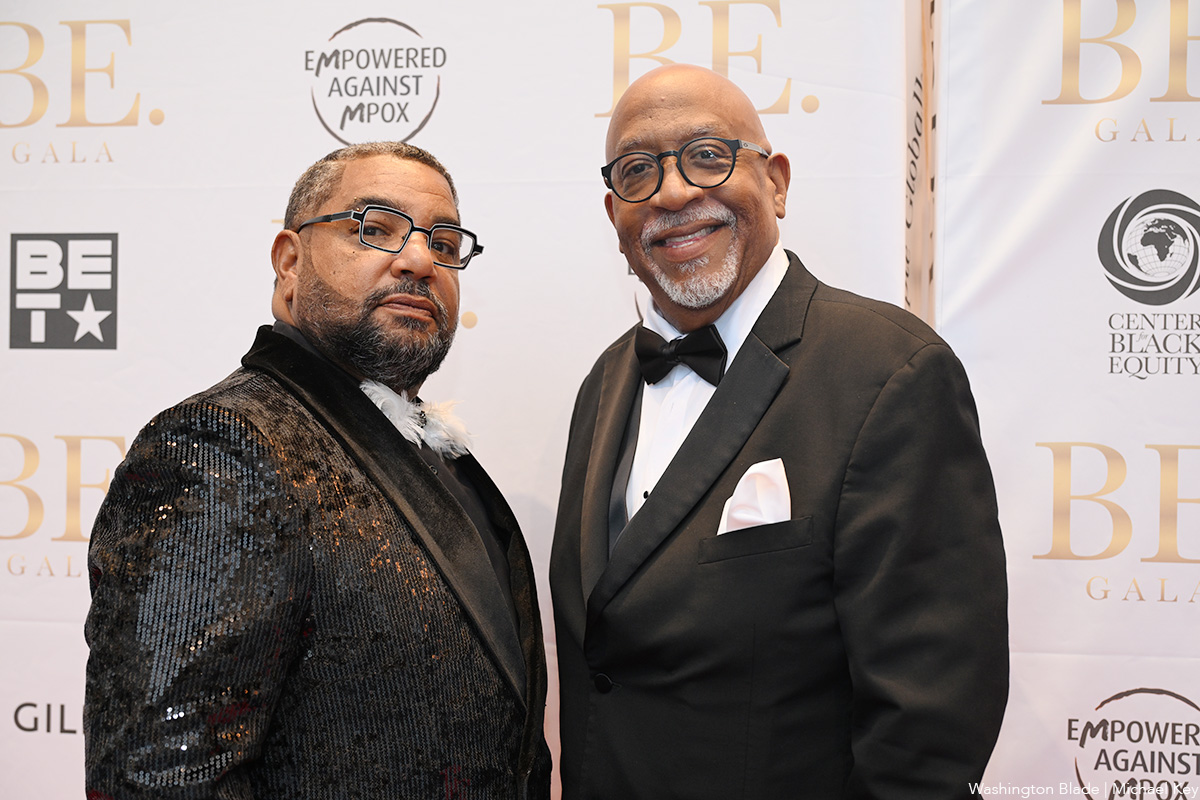
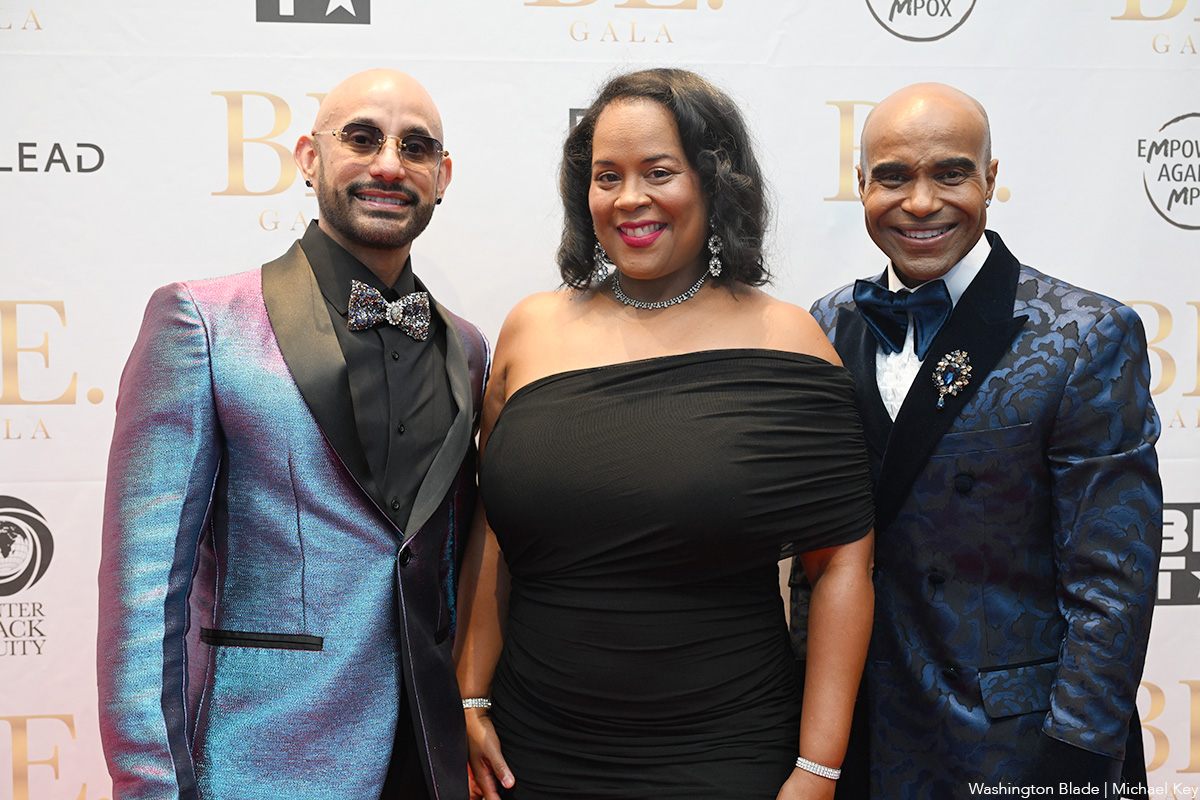
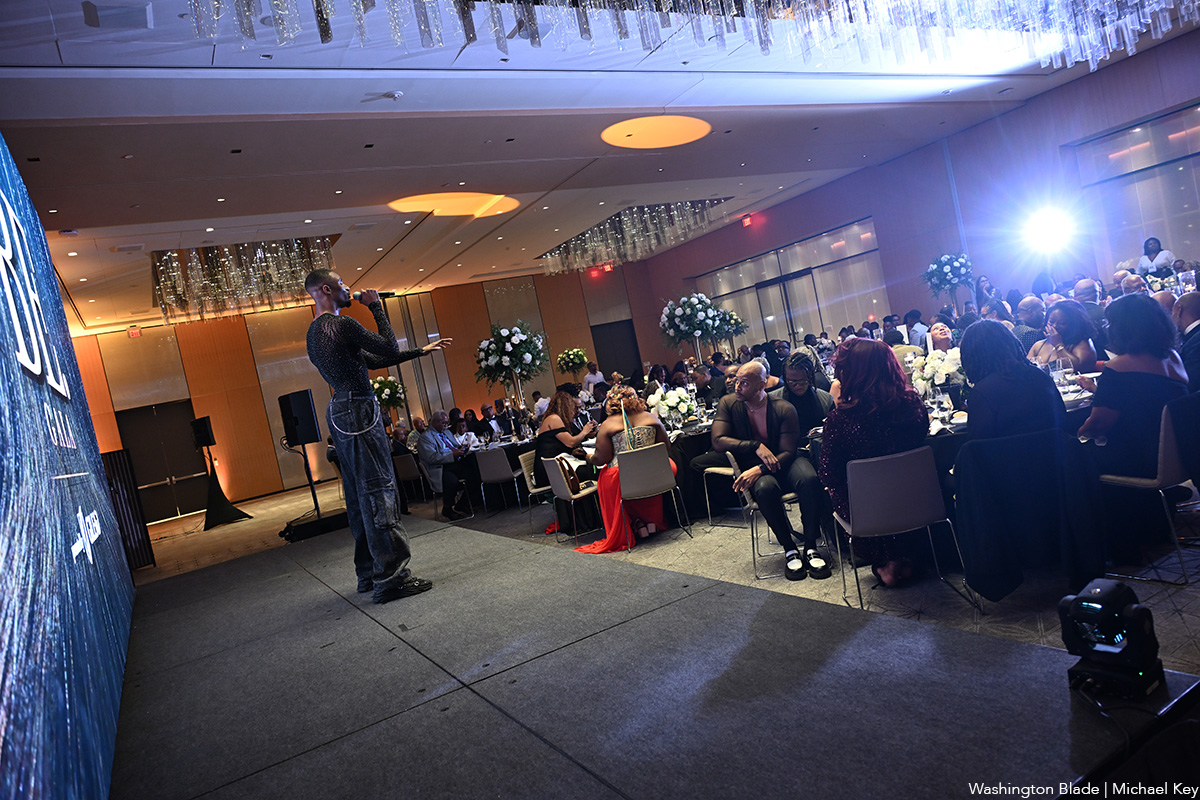
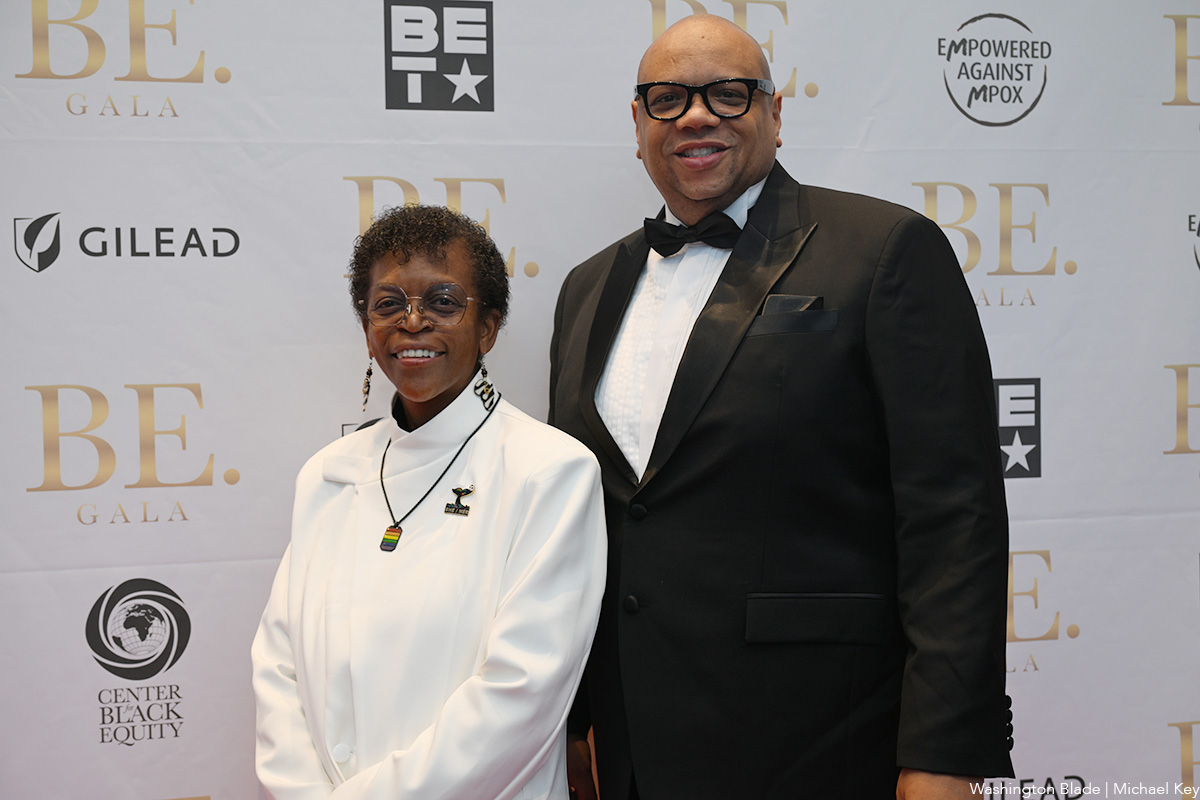
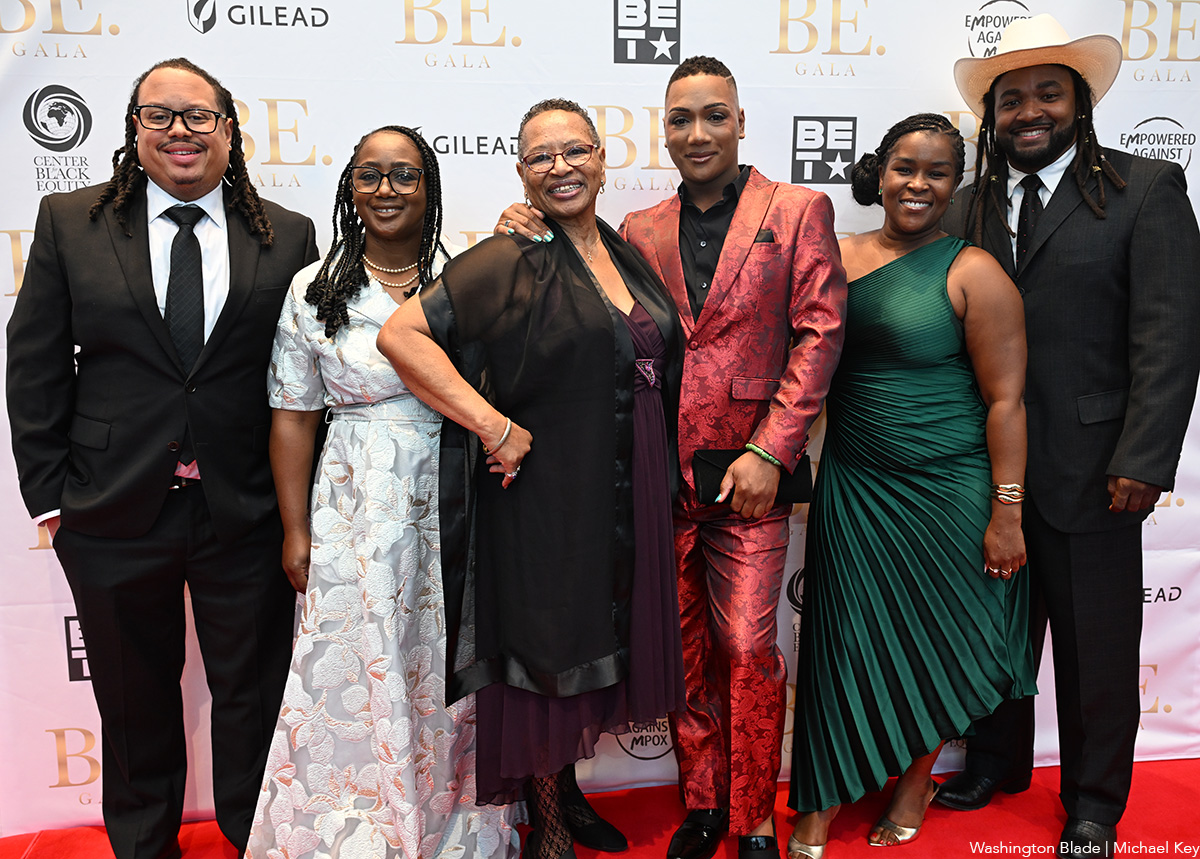
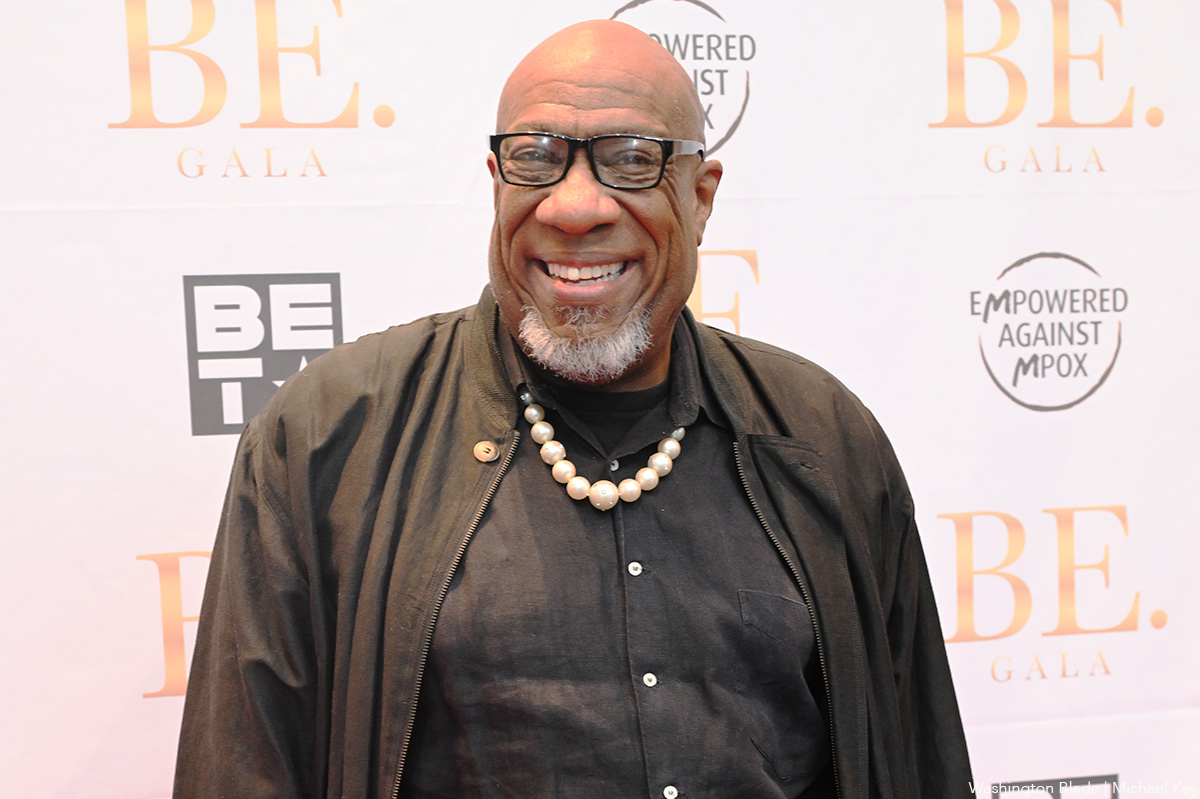
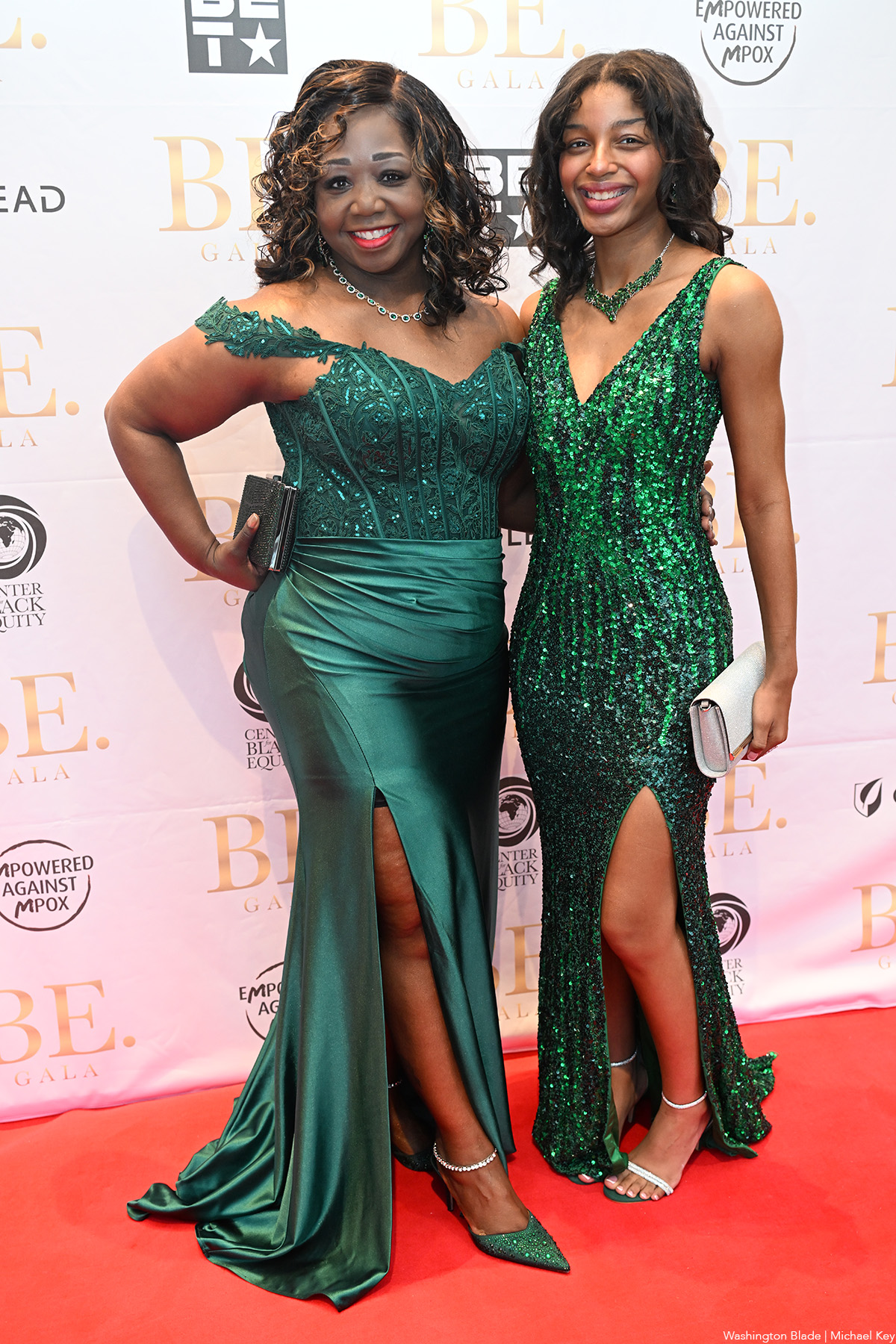
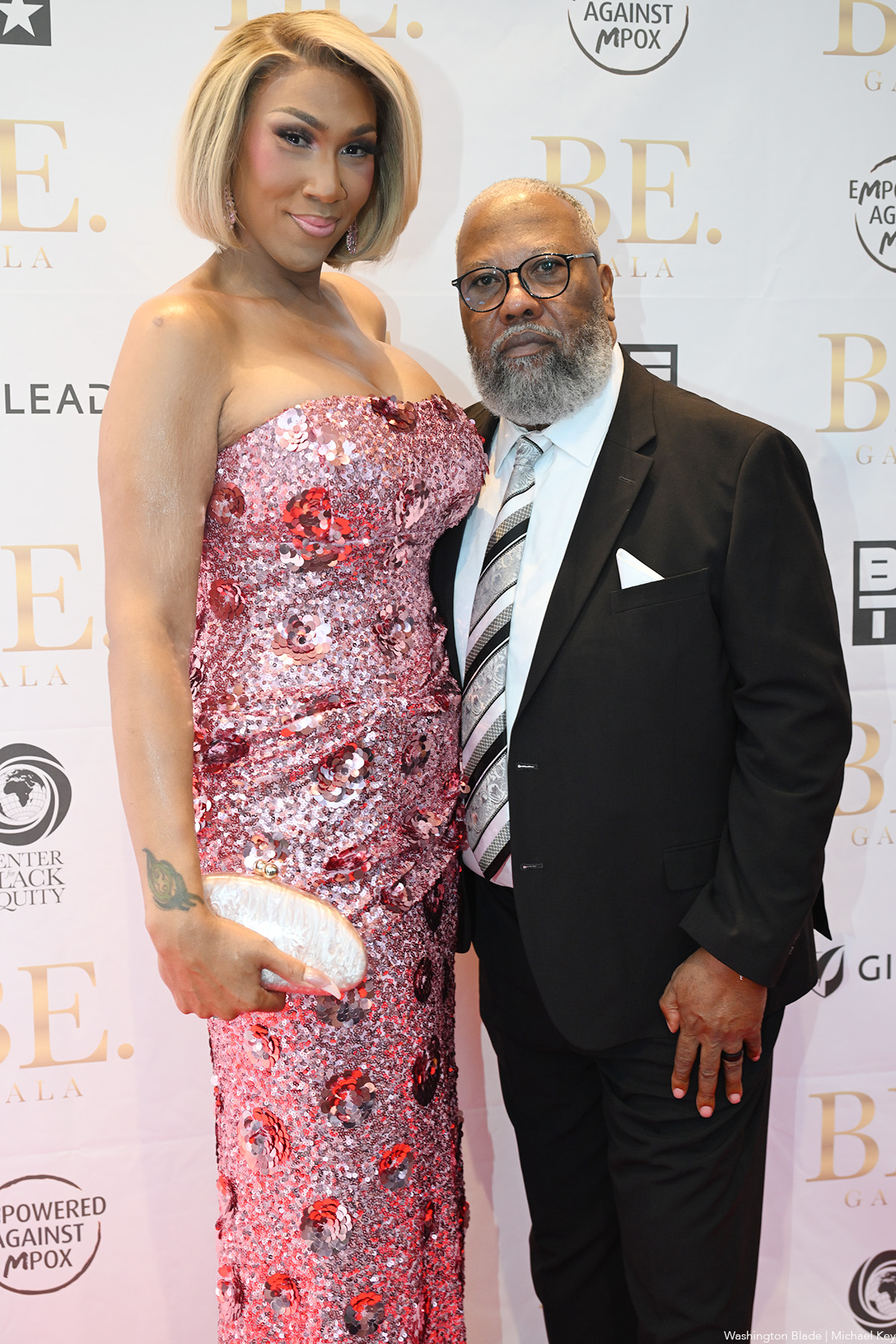
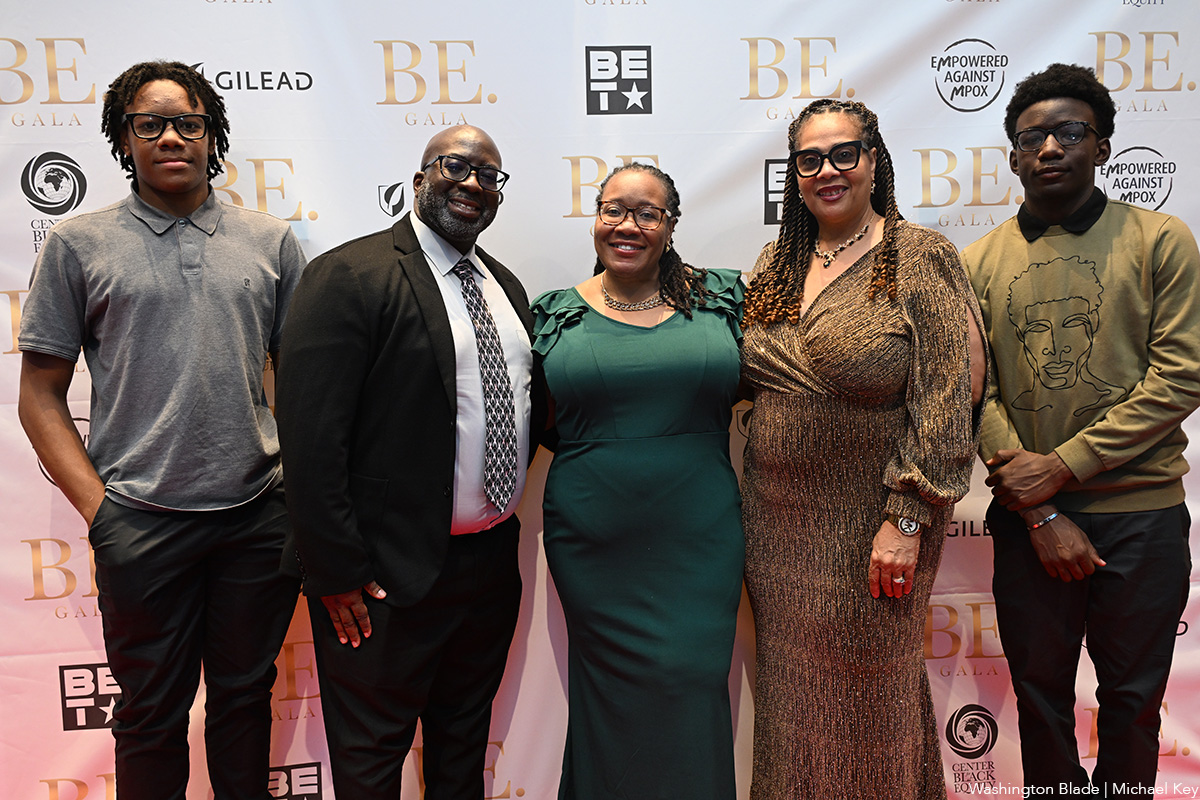
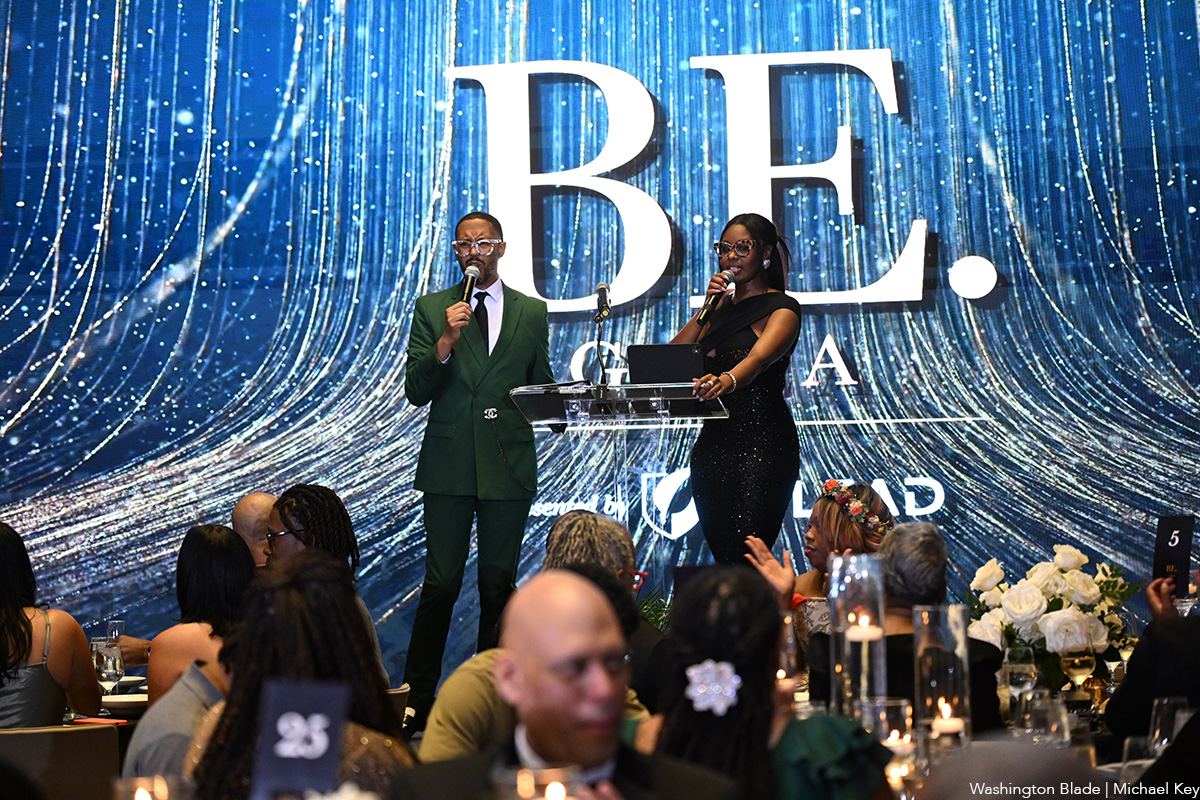
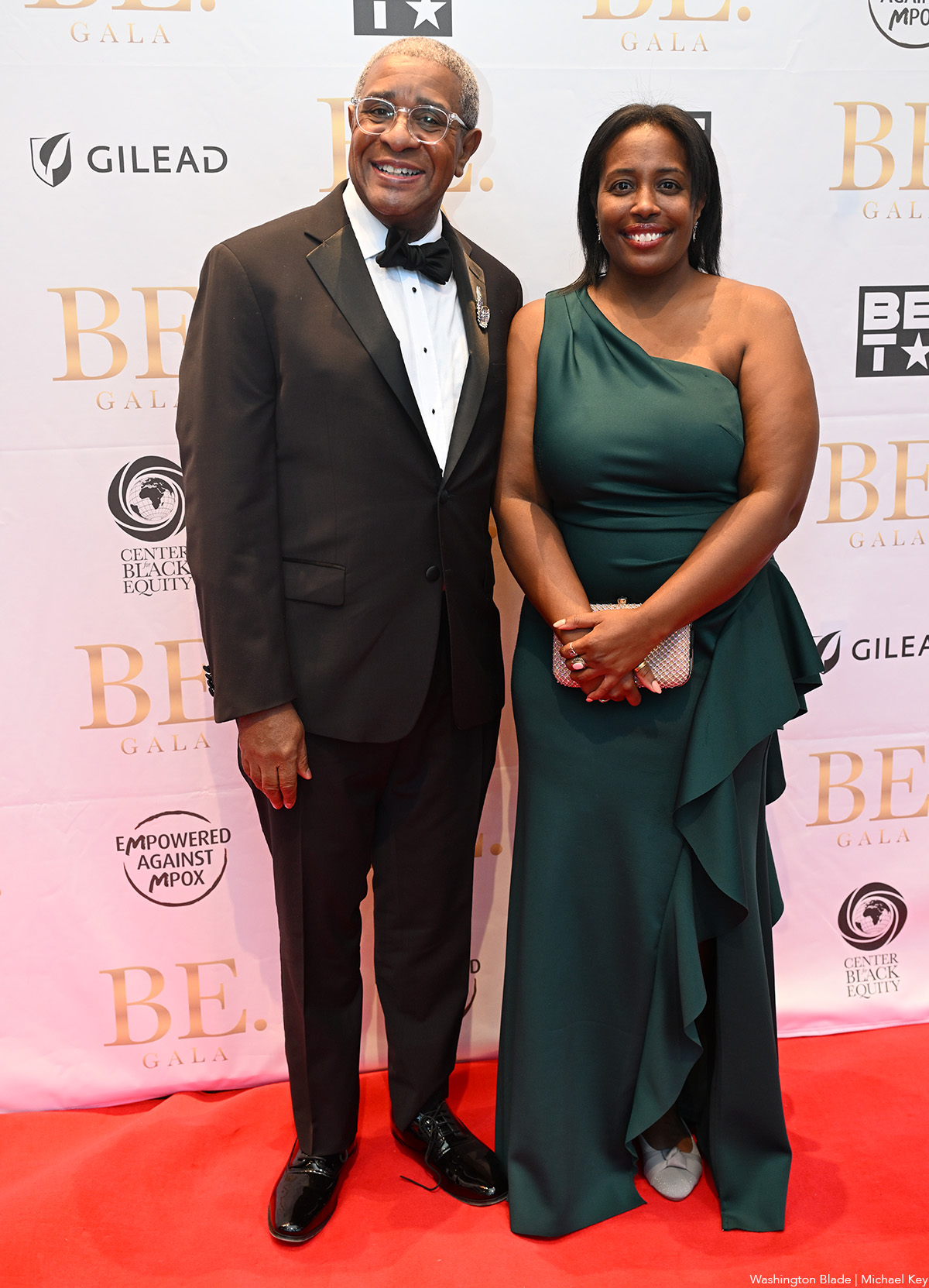
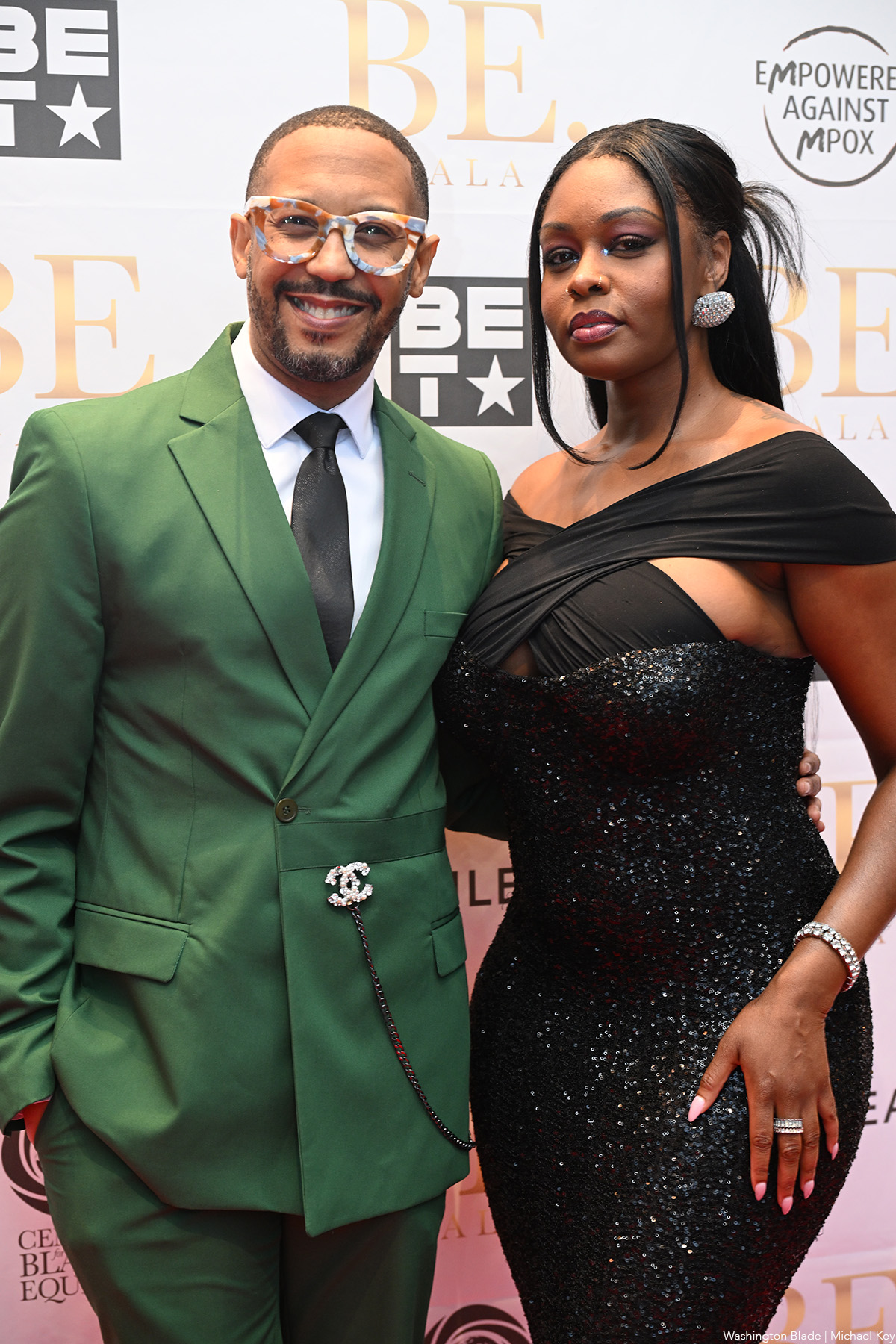
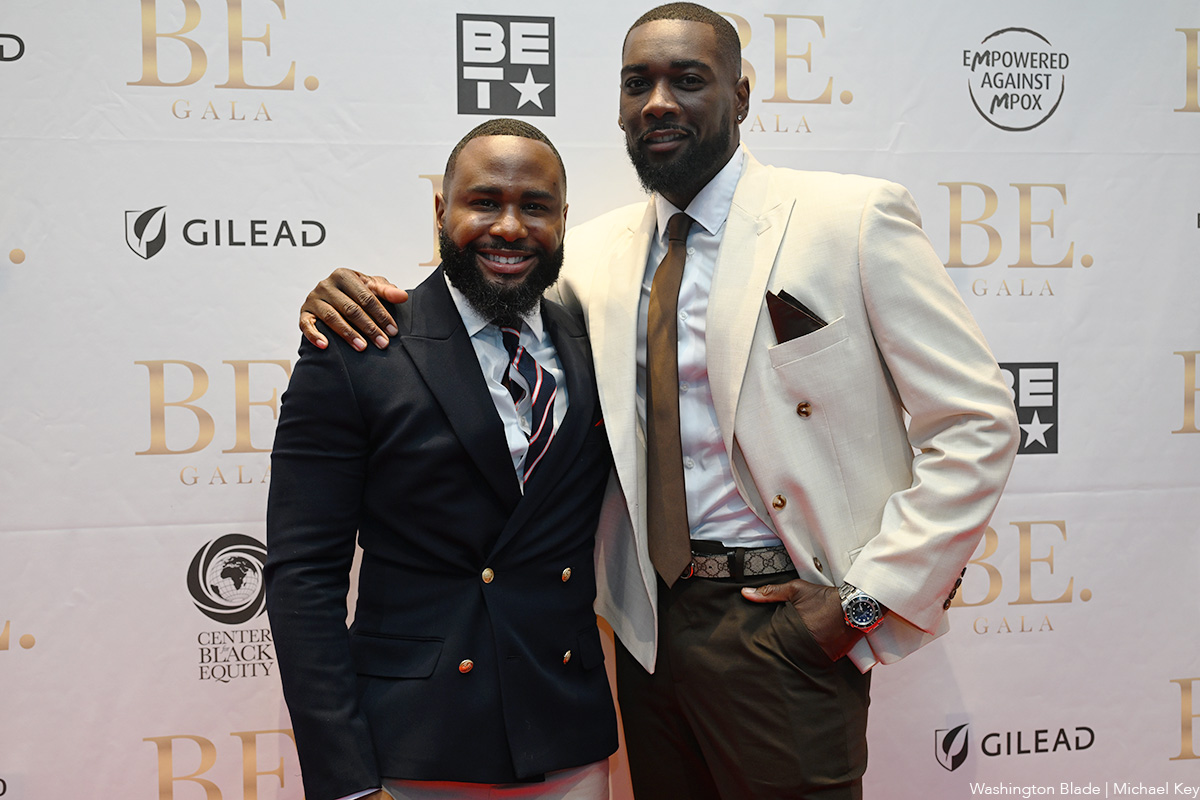
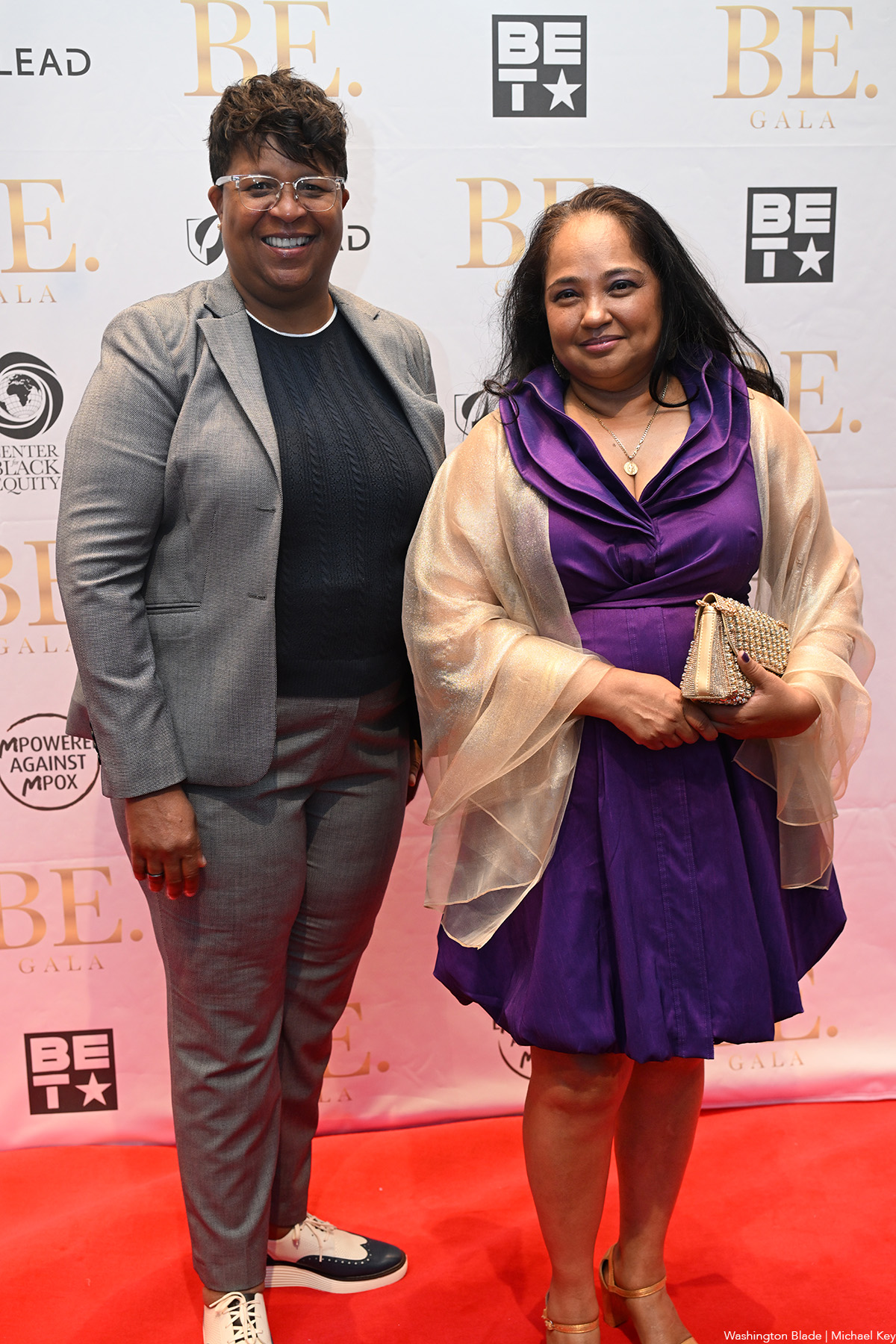
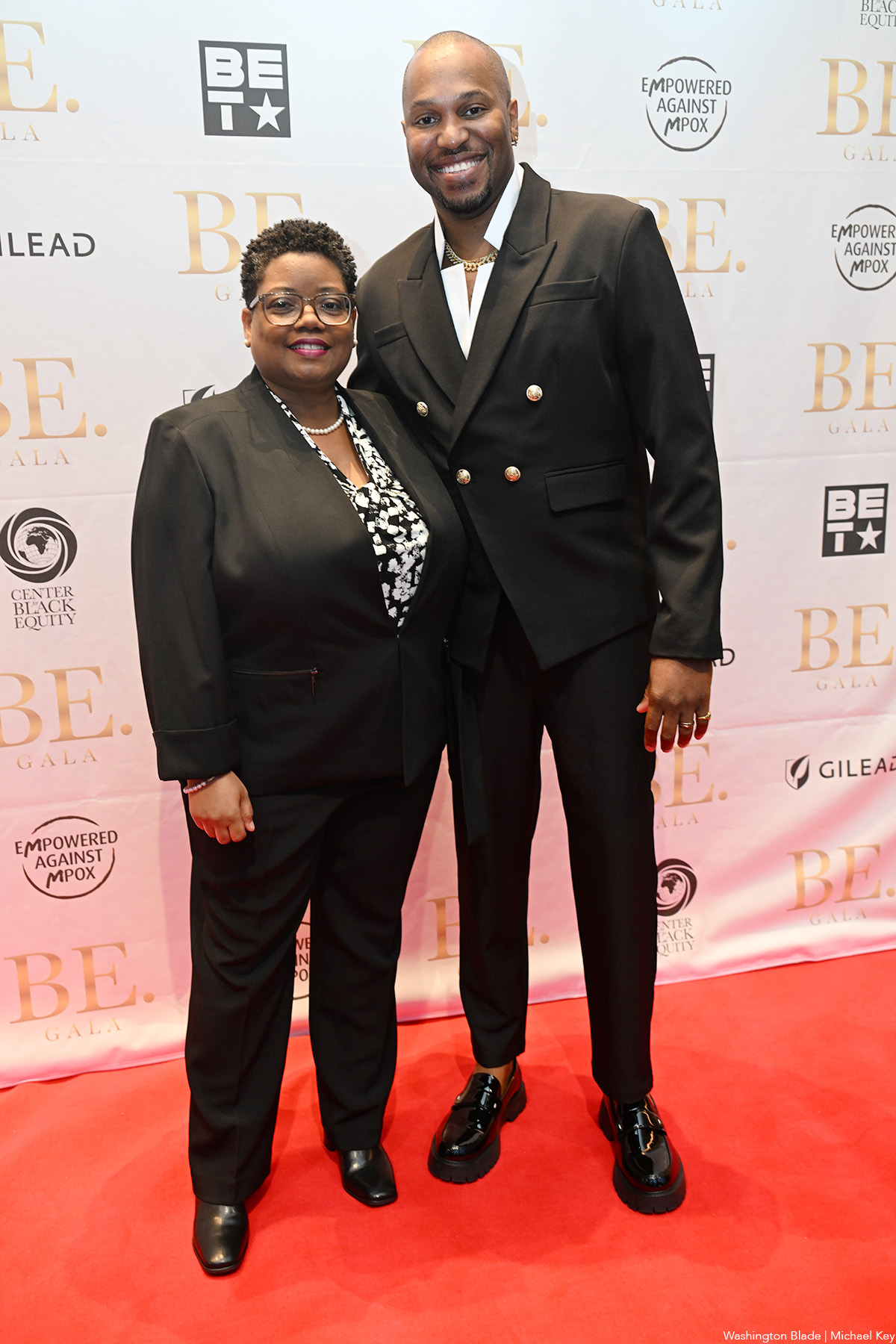
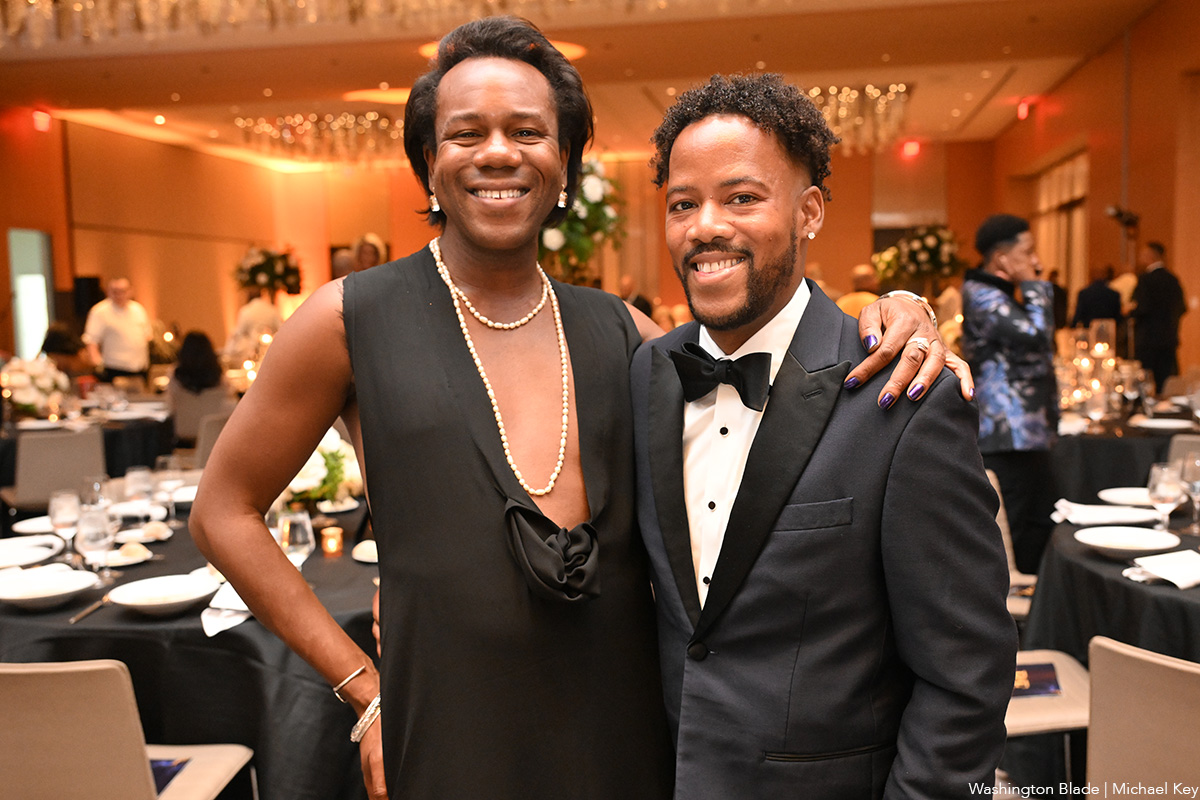
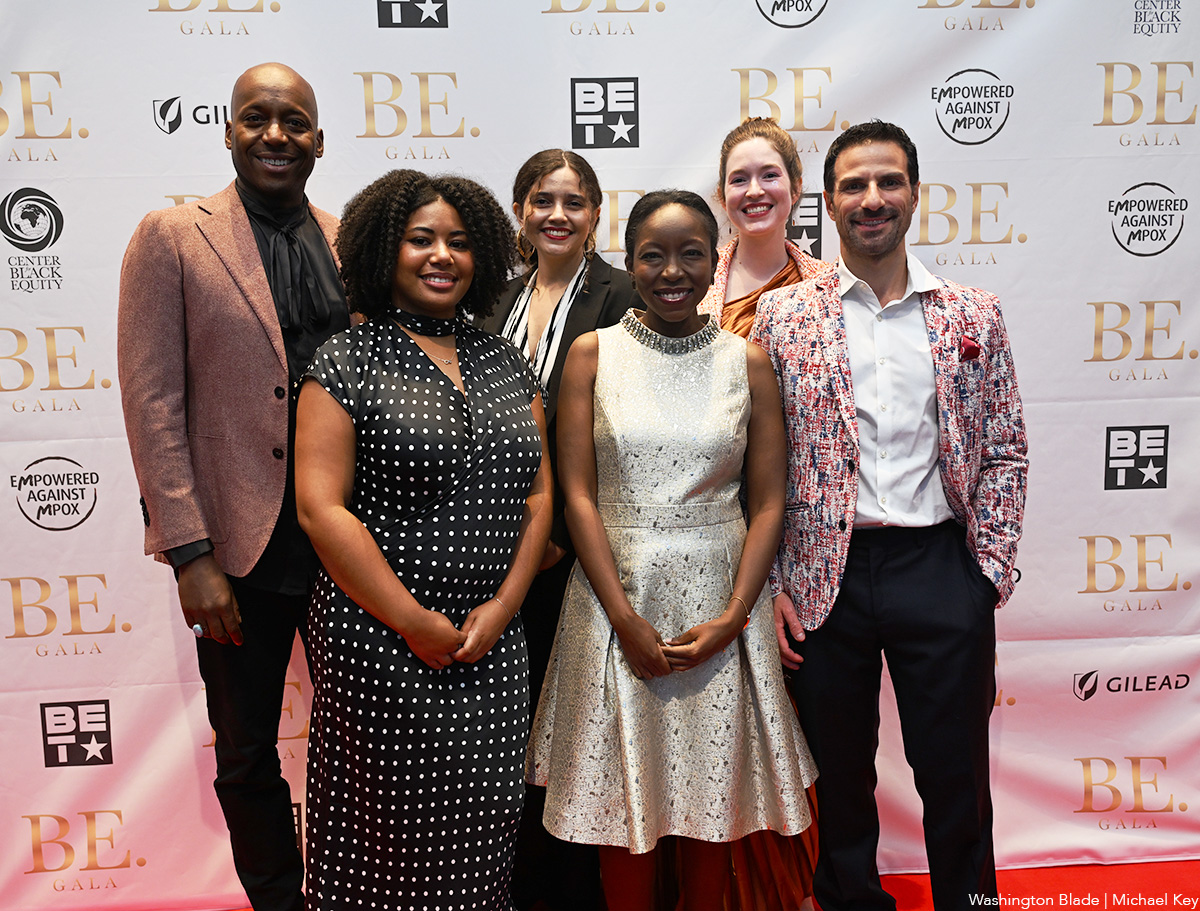
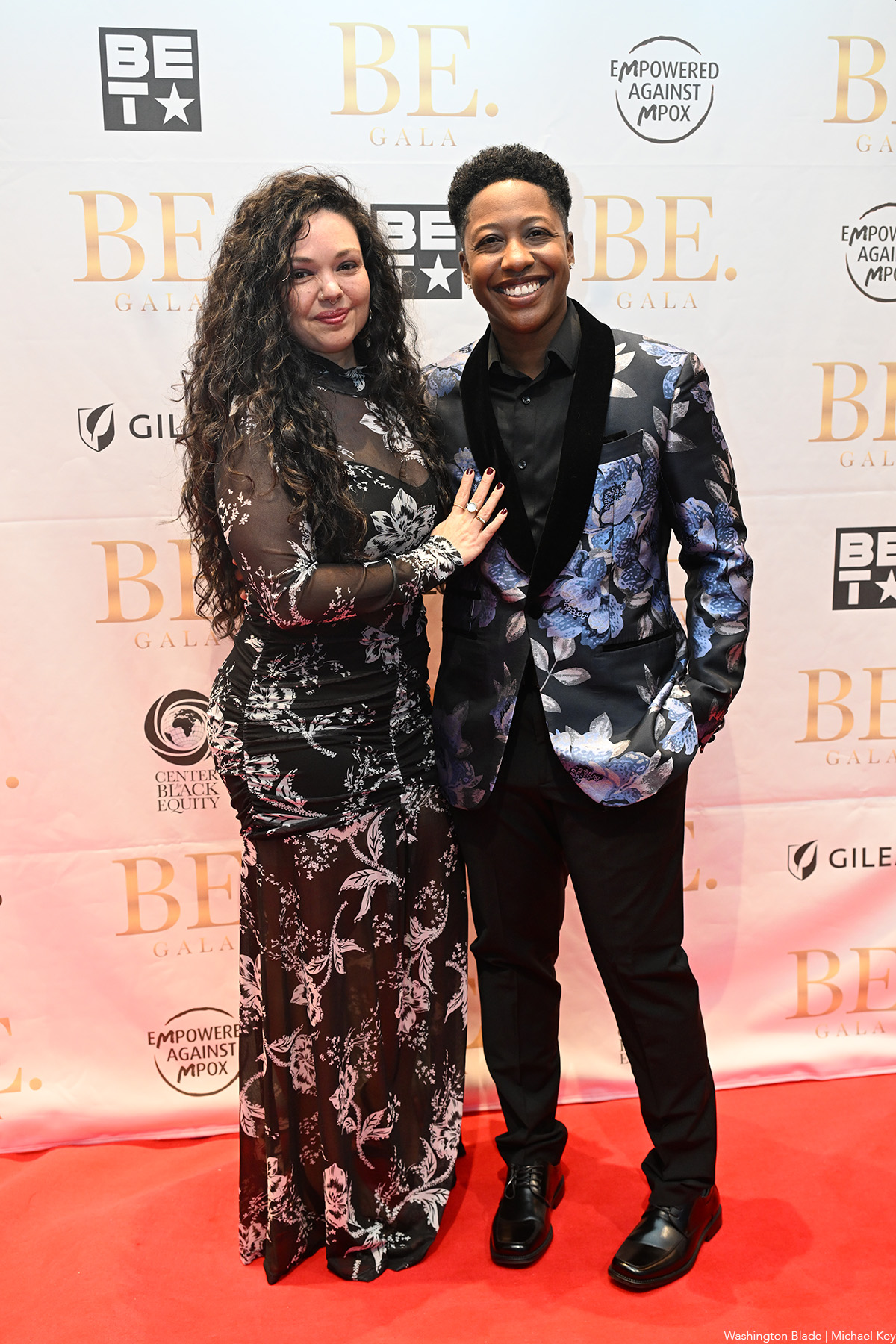
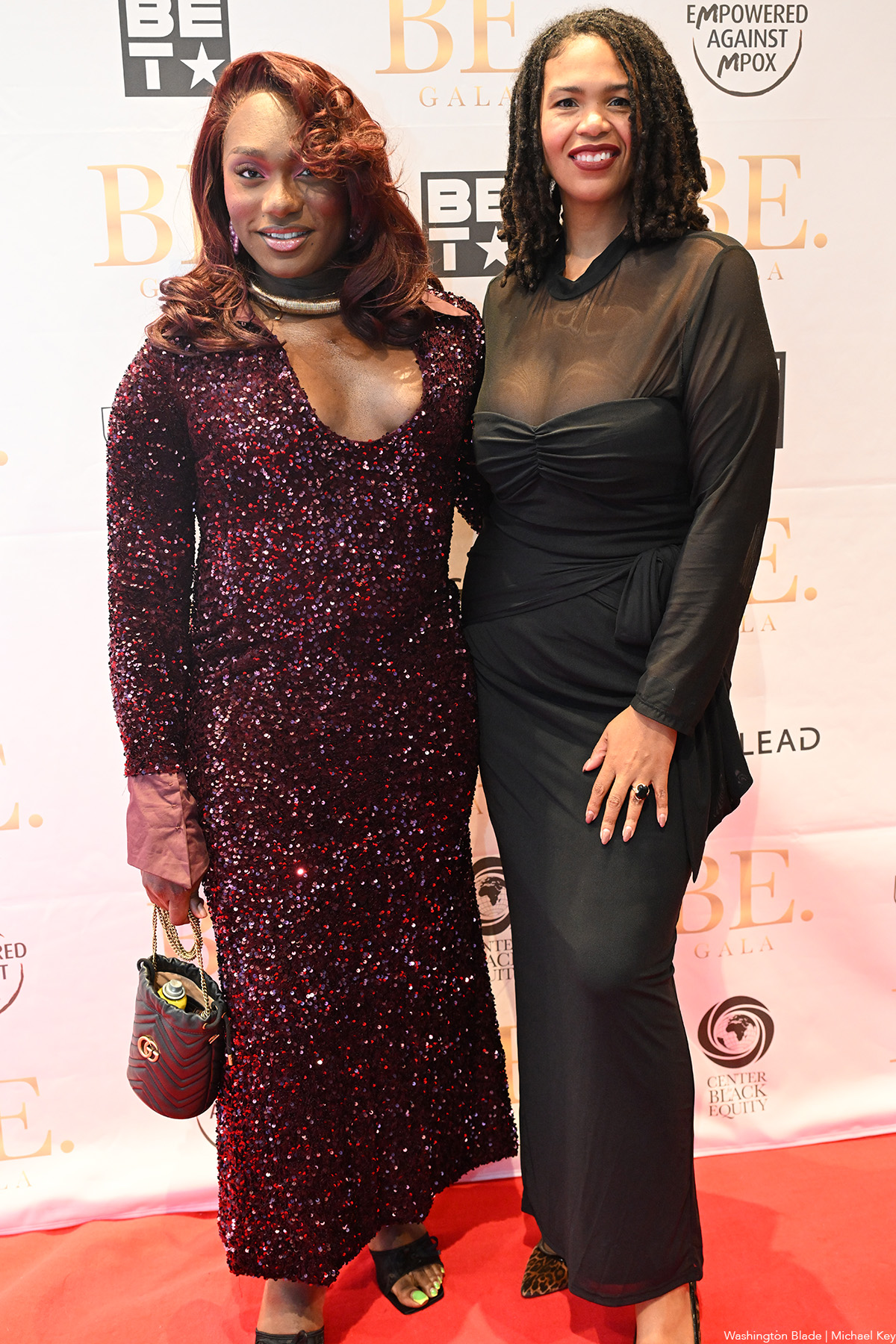
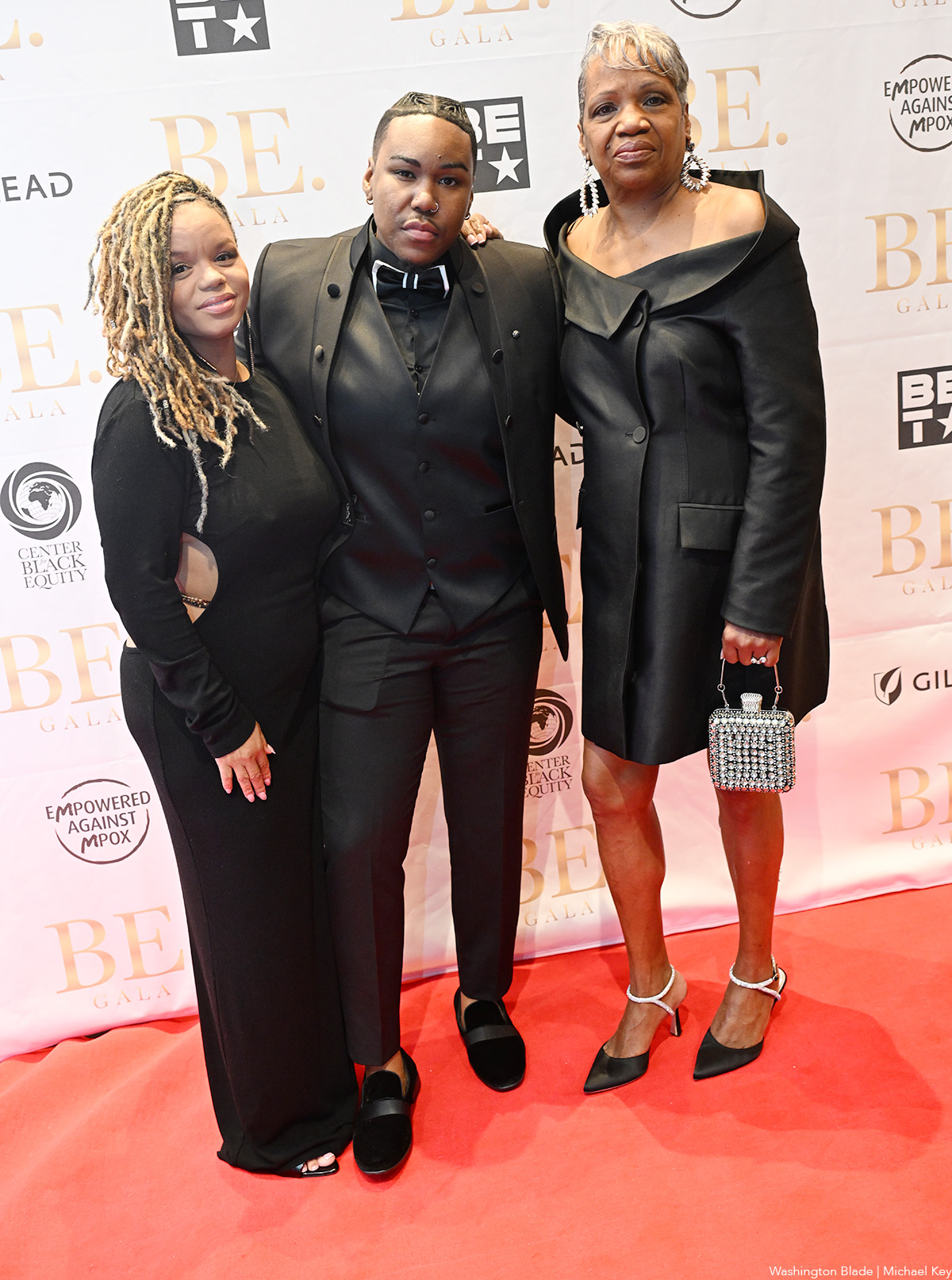
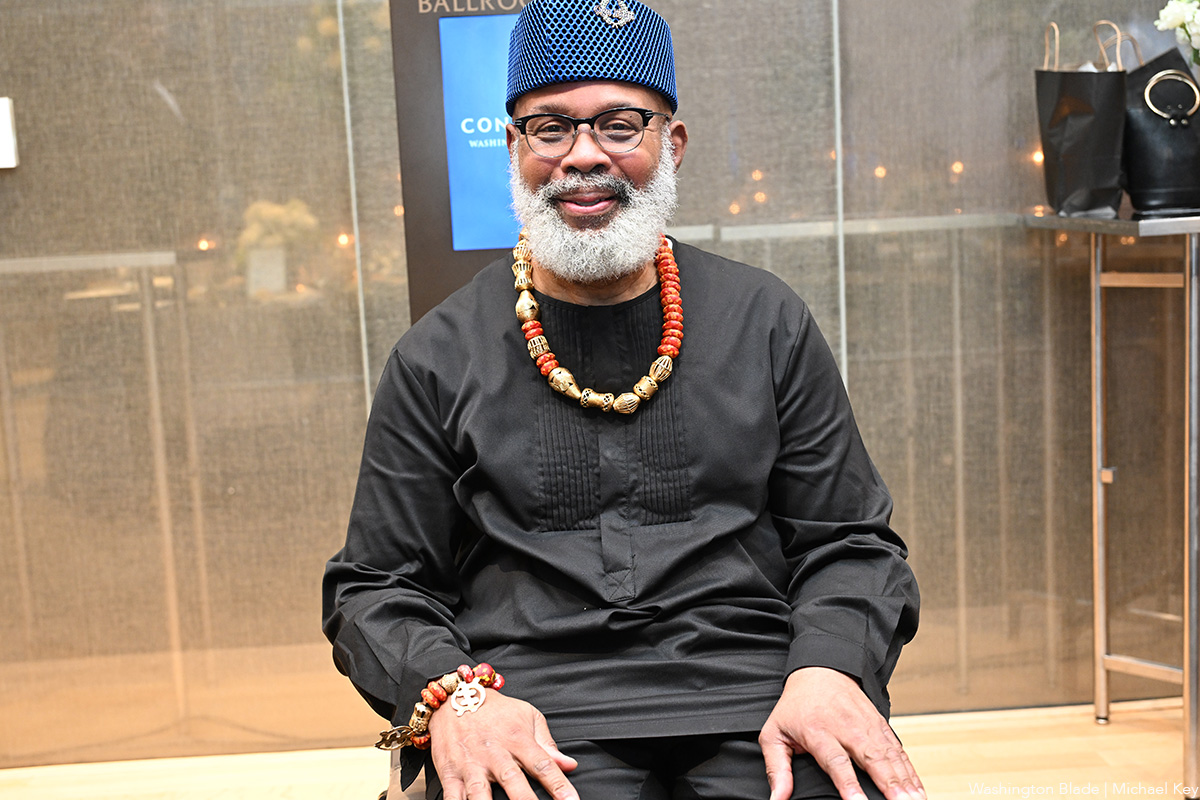
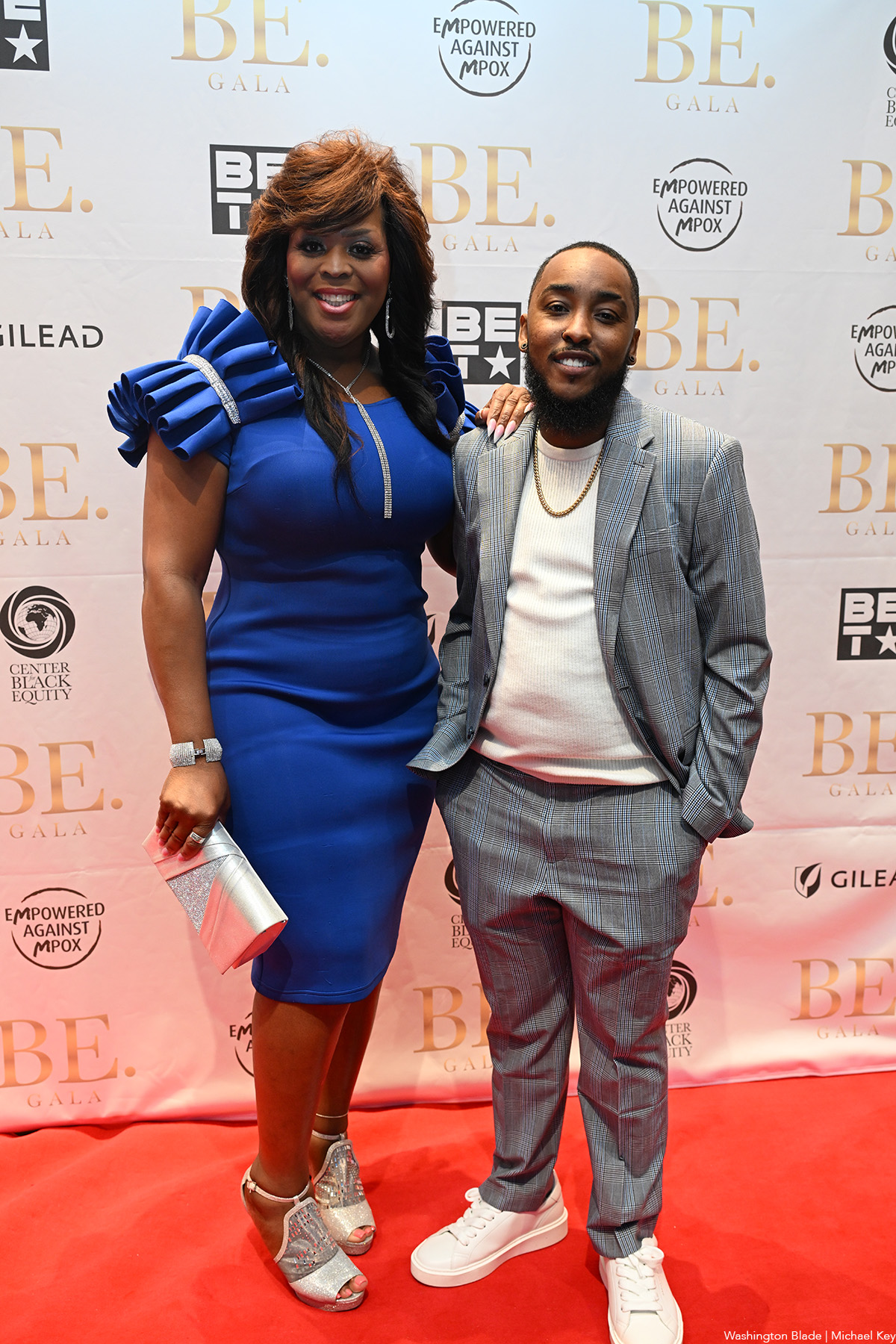
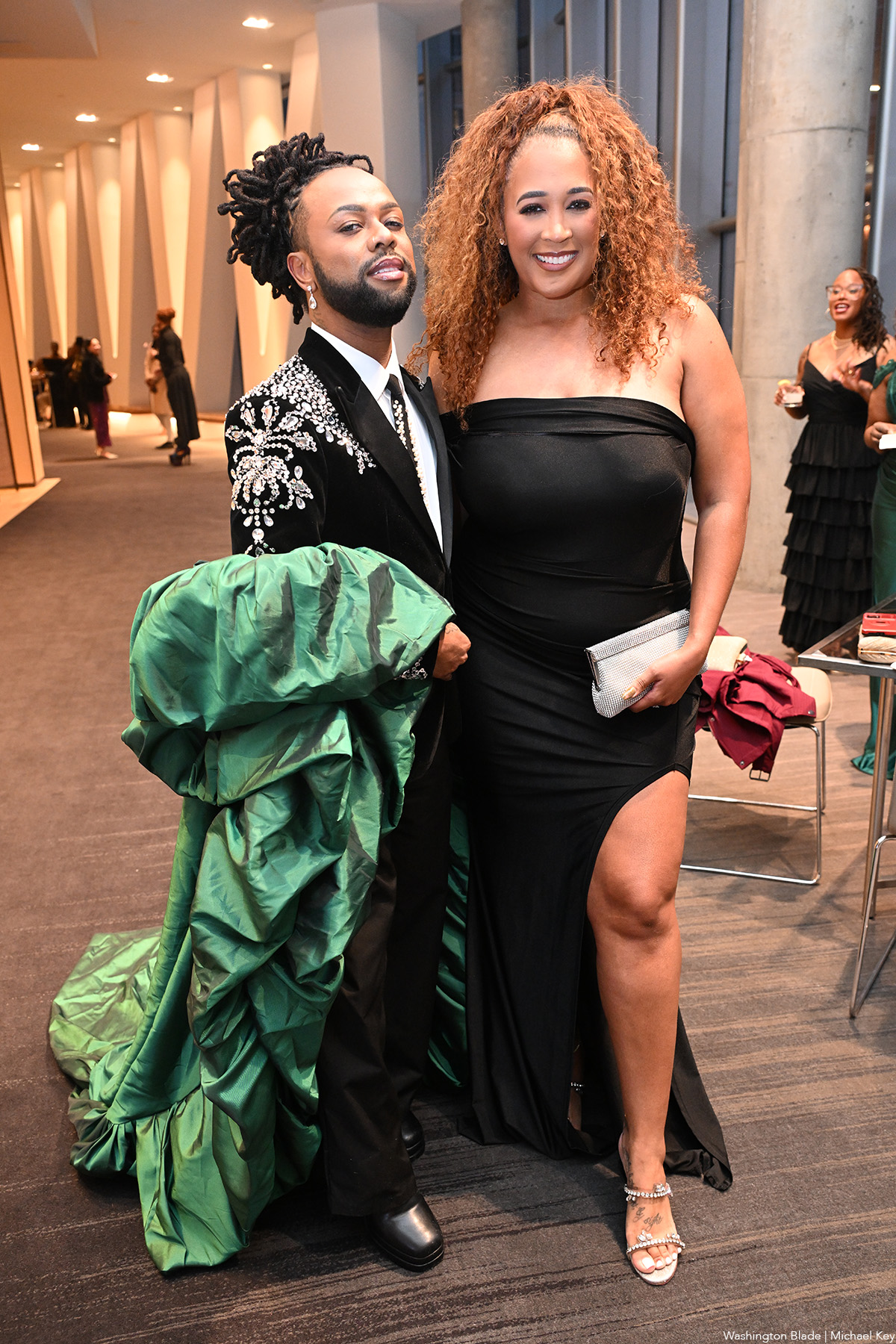
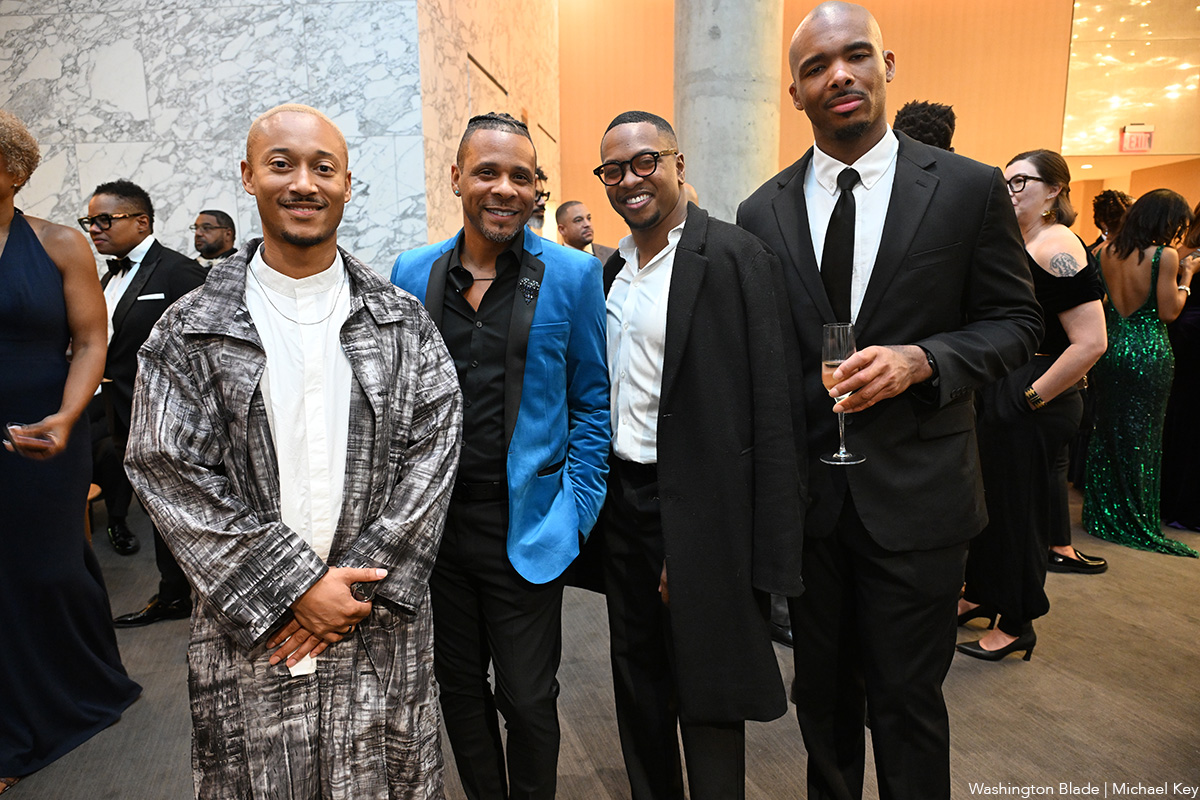
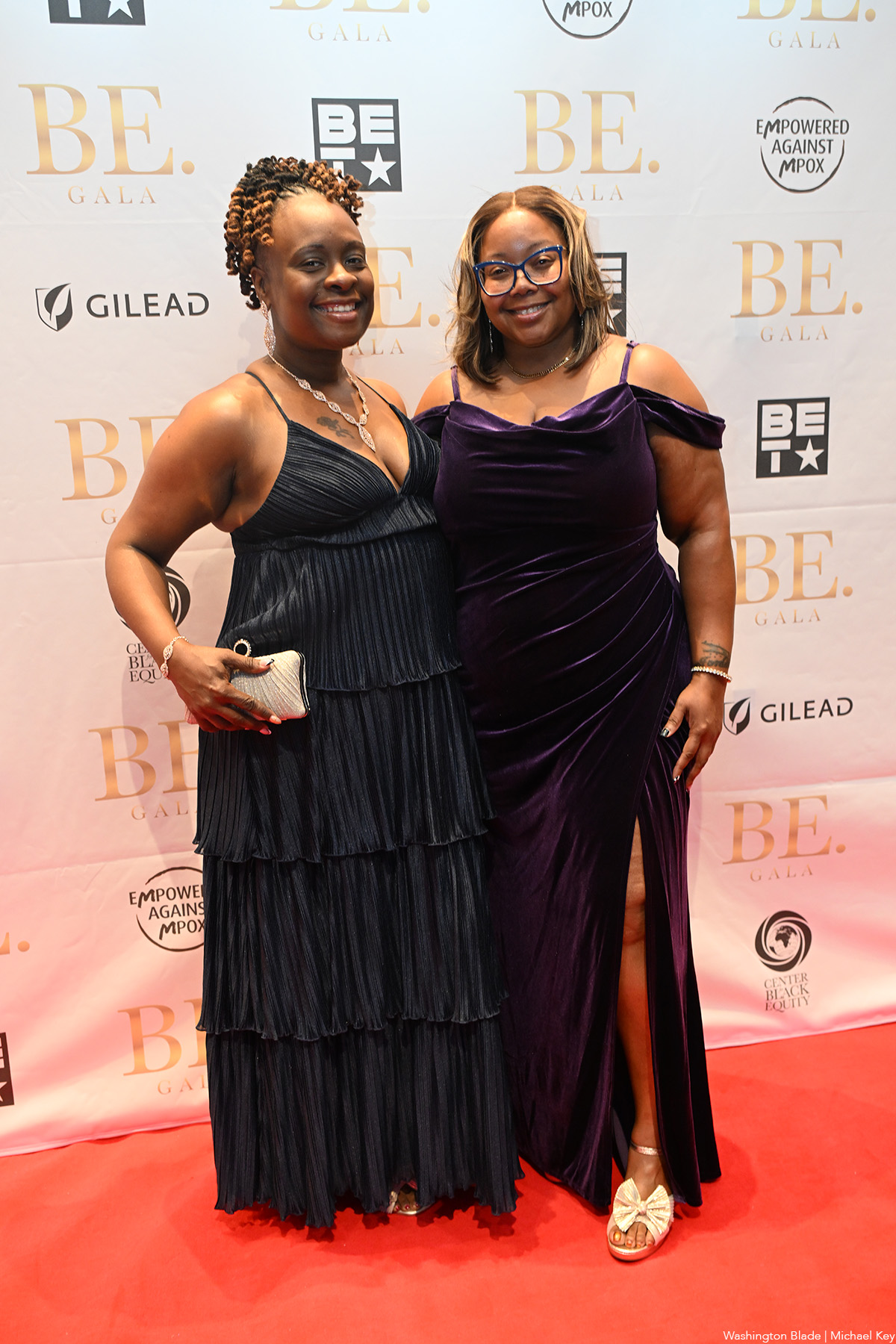
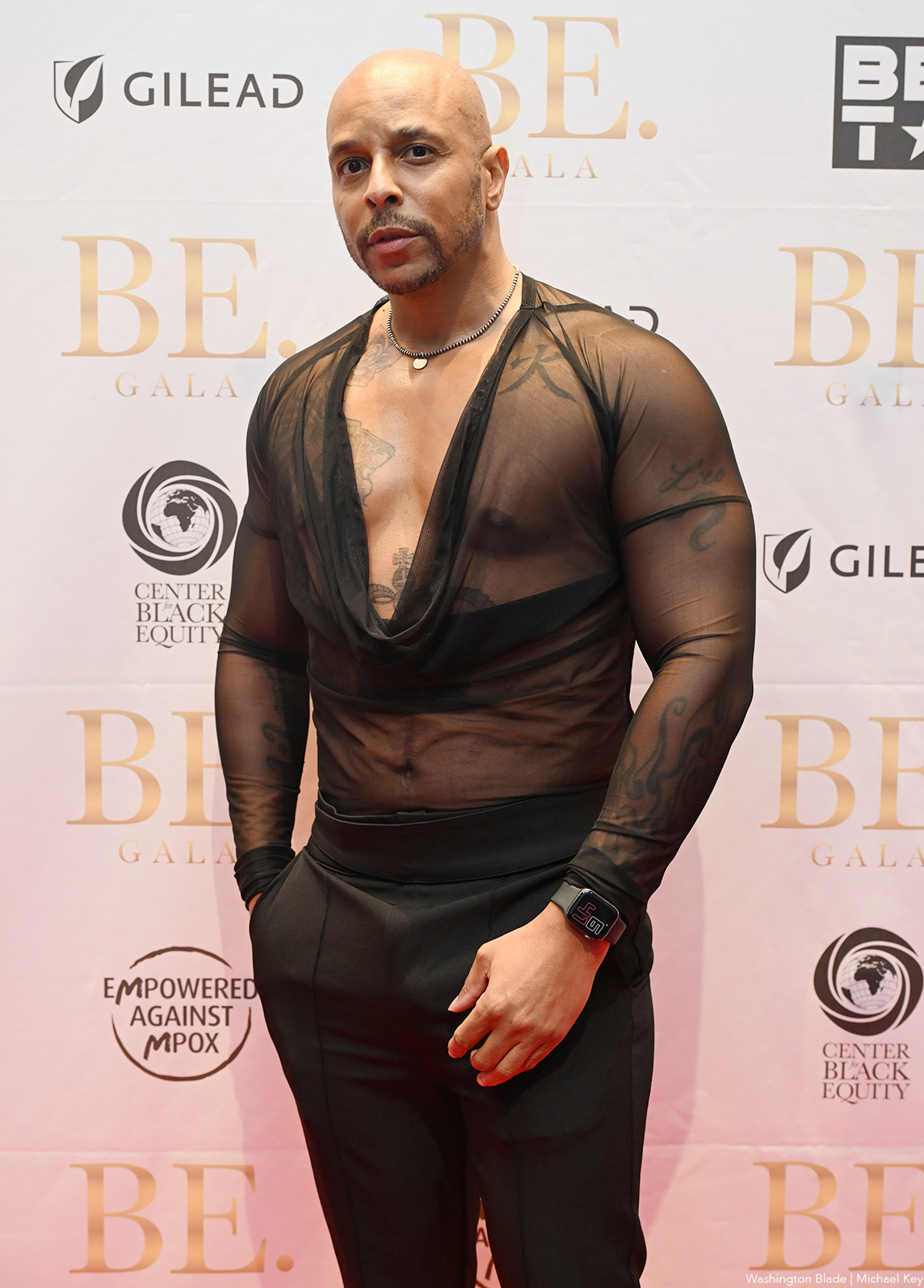
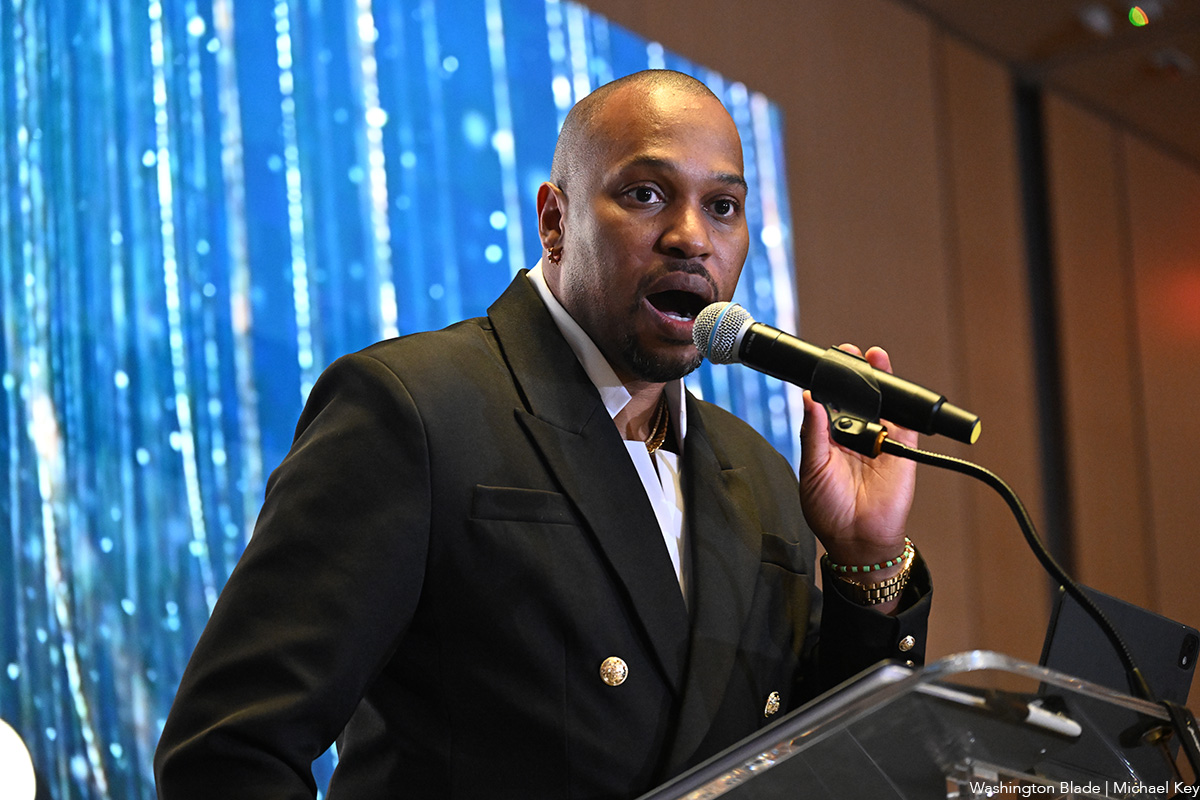
The Center for Black Equity held its annual BE. Gala at Conrad Washington, D.C. on Saturday, Oct. 5. Lolita Leopard Miyake-Mugler and Anthony Oakes co-hosted the awards ceremony.
Honorees included journalist and producer Justin Stewart; nonprofit leader Nikki Alexander; HIV advocate Marlene McNeese; the nonprofit organization FreeLux Project; actress Monroe Alise; public health advocate Tori Cooper; Manassas Park Vice Mayor Darryl G. Moore; Rev. Dr. Carmarion D. Anderson; Bishop Steven Sawyer; government relations professional Courtney Snowden; Senior Deputy Director of HAHSTA at D.C. Health, Clover Barnes; and Texas state Rep. Venton C. Jones.
The event was sponsored by Gilead.
(Washington Blade photos by Michael Key)
Books
In ‘The Lost Brontë,’ a complicated lie can lead to danger
New book features sweetly romantic girl-meets-girl twist
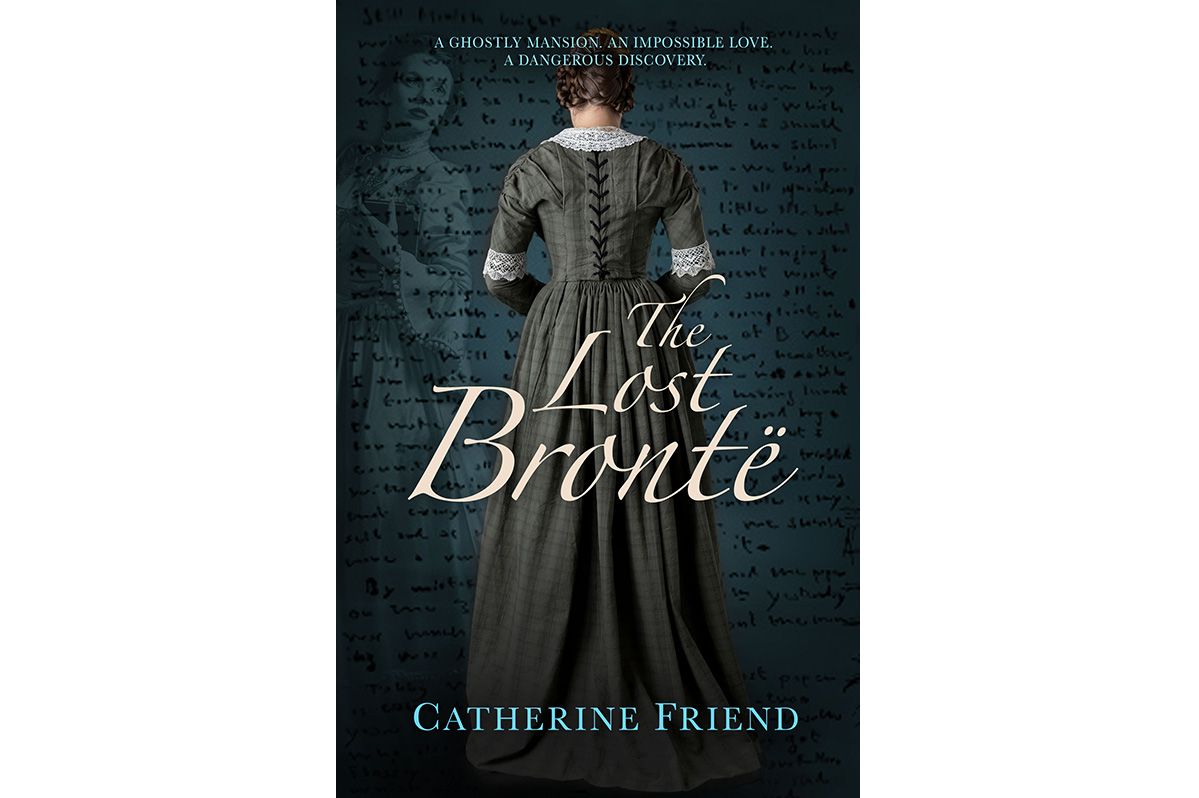
‘The Lost Brontë’
By Catherine Friend
c.2026, Bywater Books
$22.95/335 pages
Mom always said to tell the truth.
One lie leads to another and another and you have to remember them all until pretty soon, you’re caught. Fibs are hard, mistruths are messy, even little white social lies can destroy trust. Worst of all, as in the new novel, “The Lost Brontë” by Catherine Friend, a complicated lie can lead to danger.

Though Lilianne Loxley was very young when she lost her parents, she understood that her uncle didn’t really want her. As time passed, though, Lily made herself useful to Uncle, writing and signing letters for him and she became a good companion, helping him with his collection of Brontë memorabilia. Uncle was a keen enthusiast.
She had no idea that his obsession was out of control and he was deeply in arrears. The day Lily learned of his debt was the day she learned that he’d agreed to send her to his debtor’s home to work off the money owed.
It was so sudden. One minute, Lily was at Loxley House, happy and loved by Uncle’s staff … and five hours later, she was at Crag Thorn Manor, home of Lord Bexton, who informed her that she’d be working on his ledgers – work that seemed routine, but Lily tackled it.
Uncle always did say she was headstrong.
But would headstrong be enough to survive, when she was restricted from most of the Manor, when she was forced to dine with Brexton and his slimy friend, or – the worst! – when Brexton told Lily that her next task was to forge a letter from Emily Brontë? And then an entire manuscript?
Lily struggled to do what was right. She had to get Uncle out of debt but this last order horrified her. Did she dare refuse Brexton’s orders and commit a crime? It was unthinkable!
The only brightness in the whole situation was Wren, the ladies’ maid assigned to Lily’s room. Wren was adorable with freckles and the sweetest smile. But with everything else happening at Crag Thorn Manner, could Lily act upon her feelings?
This time of year, you may come to crave dark, spooky stories, and “The Last Brontë” fits those needs perfectly with its Gothic deliciousness. Think: Daphne du Maurier-type, stormy-night squirms with a dangerously chaste, sweetly romantic girl-meets-girl twist for fun.
If it’s been awhile since you’ve read a Gothic novel, you’re in for a nice reminder of why you love them here. You can almost tick off the must-haves: a novel like this is nothing without a foreboding stone manor with damp walls; stone steps to a dank basement; a mysterious portrait; and a nearby bog, and author Catherine Friend gives readers every one of them. You’d be disappointed if there was no ghost, wouldn’t you? Ha. You can practically feel the cold blow through the attic, right? Yeah, it’s that kind of book.
If you’re a fan of the Brontës, you’ll like this novel. If you love Gothic mysteries or Victorian romances, ditto. “The Lost Brontë” is good, no lie.
The Blade may receive commissions from qualifying purchases made via this post.

Horror genre has evolved into space to explore queer identity

Annie Andrews denounces trans athletes after Trump targets her

On Republican Long Island, gay Democrat Chris Gallant bets on public service over politics

Report: LGBTQ exclusion costs Japanese economy billions a year

Center for Black Equity honors leaders, activists at BE. Gala

U.S. int’l trade negotiator, consultant James Bedore dies at 82

Campaign urges Virginia High School League to reverse stance on trans athletes

Trump, Netanyahu, and Putin are all war criminals

Center Arts Gallery celebrates 10 years with reception, auction

Calif. GOP gubernatorial candidate ad ‘disgusting attempt to exploit lesbian intimacy’
-

 Obituary5 days ago
U.S. int’l trade negotiator, consultant James Bedore dies at 82
-
Virginia5 days ago
Campaign urges Virginia High School League to reverse stance on trans athletes
-
Opinions5 days ago
Trump, Netanyahu, and Putin are all war criminals
-
Commentary5 days ago
Center Arts Gallery celebrates 10 years with reception, auction