Bars & Parties
A slew of restaurant openings for fall
Some favorites to close, as D.C. makes way for new venues
As summer ends, the D.C. area will be awash with several new dining options in every quarter of the city. Whether your tastes run toward the upscale or more down-home fare, the fall season has many offerings on the horizon to make sure that nobody goes home hungry.
Chef Jason Kaufman takes the helm of the new Cuba Libre Restaurant and Rum Bar (801 Ninth St., N.W.), opening this month, and looks to cast traditional Cuban fare in a more modern light. Expect lighter sauces, expert use of cilantro and the omnipresent black beans to infuse the standard Latin-inspired offerings. In order to get your palate ready for the Cuban flavor profile, try Capitol Hill veteran Banana Café to get a feel for the subtleties of Cuban cuisine as opposed to the sometimes heavy-handedness of traditional Tex-Mex dishes.
With fall comes a welcome break in the heat wave, so diners will be seeking outdoor options before winter sets in. Those wishing to eat under the stars should check out the newest eatery in Clarendon, Arlington Rooftop Bar and Grill (2424 Wilson Blvd.). This new hotspot, located atop the Delhi Dhaba and Subway restaurants in the heart of one of the trendiest up-and-coming spots near the Courthouse Metro, hopes to draw crowds with a rotating menu of American focused cuisine, though the owners are keeping the liquor offerings a secret. Look for a weekend brunch service and a contemporary menu centered around “value and variety.”
A New York City staple will make its way into the District this October. The legendary saloon P.J. Clarke’s will bring its signature burgers, steak and raw bar menu into the space near the White House that once housed Olives. Décor will pull from the classic urban experience of tin ceilings, subway tiles on a weathered bar and red-and-white checkered tablecloths. For those wanting a slightly swankier experience as an option, the downstairs will offer a separate restaurant whimsically named Sidecar; a spiffy gentlemen’s club with overstuffed leather banquettes and fancier American fare (1600 K St., N.W.).
Two new gathering places will try to capitalize on the success of recent German schnitzel spot Biergarten Haus in the Atlas District. New gastropub Queen Vic (1206 H St., N.E.) looks to offer British fare like curries and meat pies along with English breakfasts and pub foods to disprove the myth that the British can’t eat well. A full slate of British ciders and ales round out the dining experience. Down the street, Smith Commons (1245 H St., N.E.) will offer a broader international menu with a focus on craft beers and cocktails. Smith will present itself as an urban lounge in a former industrial space (the building was once a carpet warehouse).
Tysons Corner in McLean will play host to Michel (1700 Tysons Blvd.), the latest venture by famous chef Michel Richard. Specializing in elegant French-American cuisine, Richard has taken over the space that once housed Maestro of the Ritz-Carlton and has furnished it with a sleek color palette of burgundy and steel gray. Look for classic French offerings such as coq au vin and boeuf bourguignon accompanied by Chef Richard’s inspired plating designs.
Sadly, with so many new restaurants opening, there are bound to be some closings as well. Bethesda’s underground noodle house Ren’s Ramen was scheduled to close its doors over the holiday weekend. The owners are looking for nearby space, however, so a rebirth may be on the horizon. Enology Wine Bar is also no more, but it has been rebooted as Alliance Tavern (3238 Wisconsin Ave., N.W.). Look for a shift in focus toward pub fare like the new Southwest tuna sliders and an effervescent pesto pizza.
In reality competition news, the cheftestants of “Top Chef D.C.” have left our fair city and have headed to Singapore for the home stretch of the competition. The remaining four chefs will compete in a two-part finale with the Top Chef being named on Wednesday.
Bars & Parties
Lesbian Bar Project co-founder: purity politics could destroy our remaining spaces
Last Ditch’s decision to lift its mask requirement for one night a week has sparked intra-queer controversy
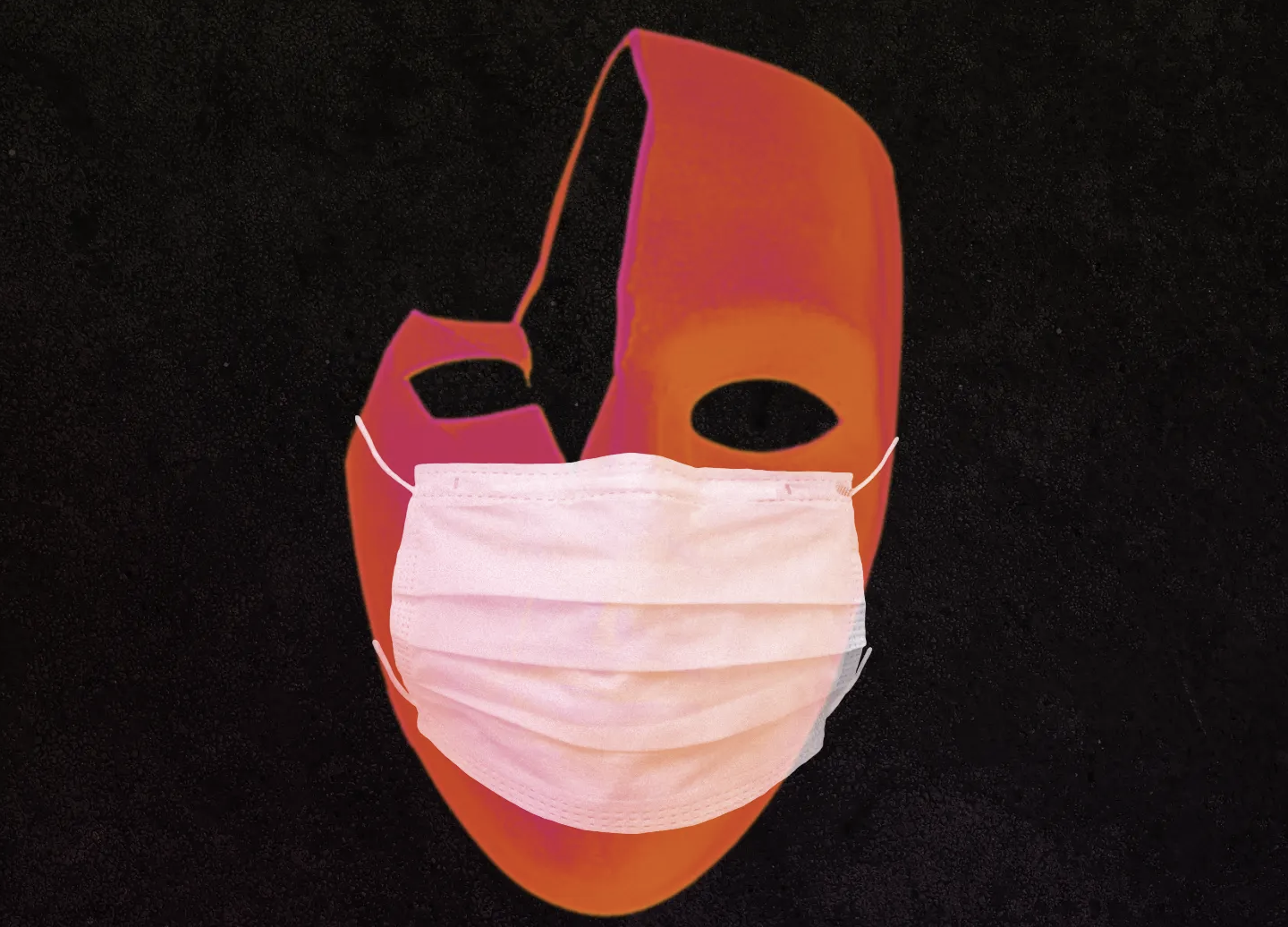
Uncloseted Media published this story on Sept. 29
By ERICA ROSE and THE LESBIAN BAR PROJECT | As a professional lesbian and Massachusetts native, I’ve recently been asked by a lot of folks what I think about the saga unfolding at Last Ditch. The now-viral story, first reported by the Boston Globe, centers on a Western Massachusetts lesbian bar that lifted its mask requirement for one night a week to help drum up business.
The decision ignited an intra-queer controversy that has been feasted on by media outlets across the political spectrum — from the New York Post to LGBTQ Nation — and is even reportedly being eyed for a Hollywood adaptation. Apparently nothing is more entertaining than a bunch of lesbians and queers fighting with each other over KN-95s.
What has been lost in all of the chatter and media coverage is the very real possibility that Last Ditch, which just opened in April 2025, will have to close its doors. The venue’s one remaining founder, Jackie Matellian, revealed in a community Zoom meeting that she’s working four jobs, is now solely responsible for the bar’s $50,000 business loan and is struggling to keep up with the bills. So as we laugh about the controversy’s similarity to a “Portlandia” skit and how one of the bar’s founders left to enroll in clown school, we forget that yet another lesbian bar is facing an existential crisis — and this time the call is coming from inside the house.
In 2020, my friend Elina Street and I created The Lesbian Bar Project, an Emmy-, Webby- and GLAAD Media Award-winning docuseries and initiative that tells the stories of lesbian queer bars around the world. We were moved to act because at the time there were only an estimated 16 lesbian bars in the United States, and the pandemic threatened to bring that number down even further.
There are now more sapphic bars than there were just before the pandemic — about 36 of them in total — but this is down from approximately 200 in 1980. Maybe that doesn’t mean much to you, but for the millions of sapphics living in the U.S., this number is calamitous.
As the world laughs at lesbians and sapphics, I want to take a second and tell you what I feel when I walk into one of these bars, which are all unique and irreplaceable in their own way: I feel seen.
Sometimes I think Cubbyhole in New York City’s West Village neighborhood knew I was gay before I did. When I walked in there for the first time, before I was even out, I was transfixed by the colorful array of tchotchkes hanging from the ceiling and how the women standing next to me were completely unafraid to express their desire for one another. I knew the minute I was ready to come out, I had a home. I also felt the joy of a new couple falling in love at Seattle’s Wildrose, the quiet confidence of a short king lining up her shot at the pool table at Ginger’s in Brooklyn and the kick of cayenne pepper in Julie Mabry’s crawfish at Houston’s Pearl Bar.
Lesbian bars don’t just serve lesbians; they serve queer folks across the spectrum, including bisexual, pansexual and trans people. As Elina and I traveled across the U.S. and Europe and to parts of Latin America to document the bar owners, staff and patrons that make up the ecosystems of these spaces, we also became uniquely acquainted with the factors that threaten their existence: gentrification, wage gaps, sexism, environmental disasters, gun violence, rising insurance premiums and political administrations working to annihilate queer people and their families.
Lesbian bar owners, like all leaders and entrepreneurs, are imperfect. There have been significant issues over the years at lesbian bars: employee harassment, racism, lack of accessibility, sexual assault and transphobia. All bar owners should be held accountable and should listen to their communities to evolve into safer and more equitable spaces. I also acknowledge my privilege: I am able-bodied, white, cis and from a family system that loves me for who I am. Not everyone has that.
Queer people, especially trans and bisexual people, are suffering from disproportionately high levels of depression, and our mental health system isn’t equipped to support them. Immunocompromised people and long COVID are real, and many of my friends are suffering to this day. The people with the least safety net are often the ones for whom a bar closing costs the most. And yet, as we’re seeing with Last Ditch, the queer community often lashes out at each other. It’s also the mainstream media taking the internal conflict and making a mockery out of it, distracting from the real possibility that this bar could close due to financial pressures. A bar that many people loved and needed is facing extinction. Perhaps it’s safer to dissent with one another than with the larger forces trying to eradicate us, but in doing so, we risk destroying the few spaces we have left.
Due to the constraints of purity politics — some in good faith, some not so much — lesbian bar owners, almost all of whom are queer women themselves, are forced to be everything for everyone, similarly to how women are forced to be everything for everyone. By asking these bars to uphold impossible standards — standards very few other third spaces are asked to consider — we all end up losing.
I want to move as a community toward dialogue, compassionate dissent and collaboration to make our spaces better with the goal of keeping them OPEN and thriving, rather than destroying them from the inside with expectations that are arguably unattainable.
While I have your attention — for this fleeting second of the news cycle — may I urge us to spearhead a way to keep these small businesses afloat without attacking our own community along the way? Bar owners are left with an impasse: They want to be community-centered, but they also have to make money to keep their doors open. Sometimes they might make business decisions that don’t work for everyone — and that’s partly because different patrons have different priorities and want different things — but these owners deserve the opportunity for productive dialogue. We have to work with them and with each other to keep our spaces open, to keep them growing.
Lesbian bars raised me into the queer woman I am today. One thing I think about as I reflect on the six years of work we’ve done to document these spaces is that shared, unspoken language I have with a stranger the moment we both walk into one of these bars: the nod, the ease, the not having to explain ourselves. I don’t want to lose that, and neither should you.
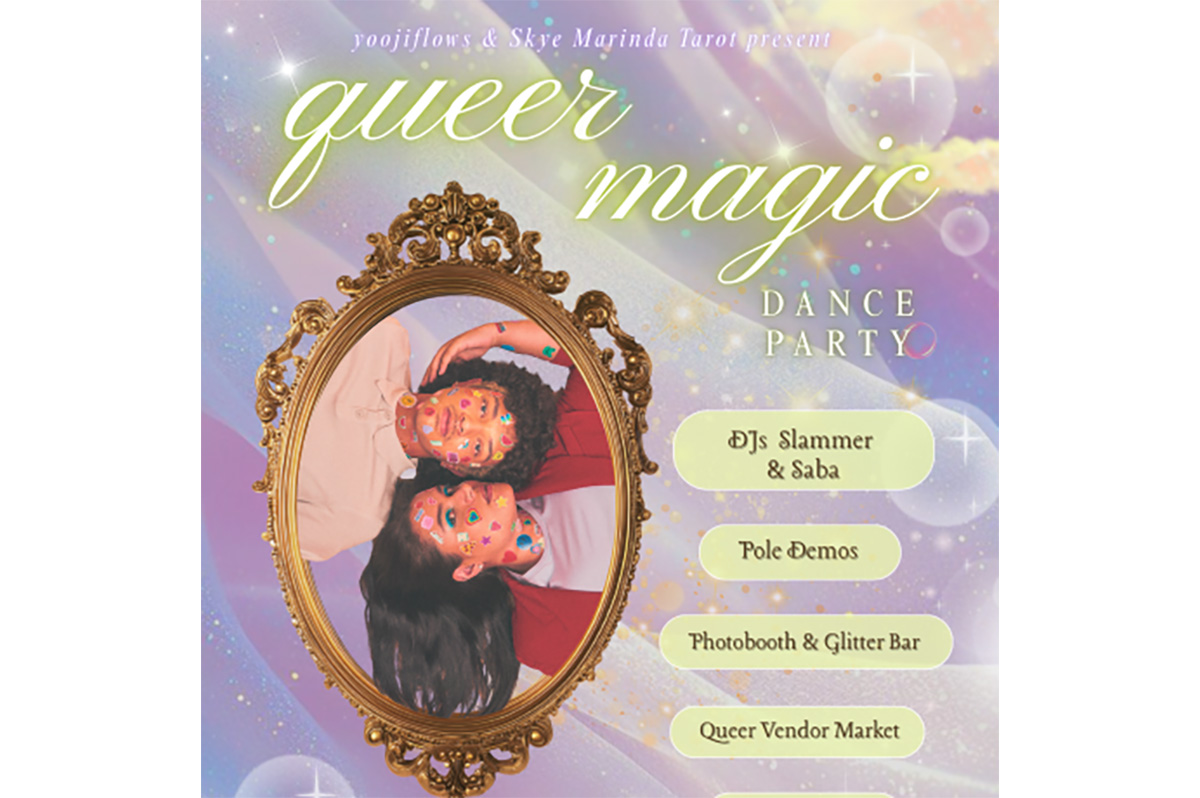
Celebrate the start of Pride month at the Queer Magic Dance Party at the Black Cat on Saturday, June 6. Doors open at 9 p.m.
There will be pole performances and demonstrations, a free photo booth with glitter bar, a queer vendor market, tarot readings by Skye Marinda Tarot, a drag performance by Sapphica, and dancing to a blend of smooth R&B, Afrobeats, hip-hop and pop by Slammer & Saba. Tickets are $20 at the door or $15 (plus fees) in advance, purchased here.
Bars & Parties
Here’s where to watch ‘RuPaul’s Drag Race’ with fellow fans
Entertainers TrevHER and Grey host event with live performance
Spark Social Events will host “Ru Paul’s Drag Race S18 Watch Party Hosted by Local Drag Queens” on Friday, Jan. 23 at 8 p.m.
Drag entertainers TrevHER and Grey will provide commentary and make live predictions on who’s staying and who’s going home. Stick around after the show for a live drag performance. The watch party will take place on a heated outdoor patio and cozy indoor space.
This event is free and more details are available on Eventbrite.

Lula, Flávio Bolsonaro to face off in second round of Brazilian presidential election

The financial realities facing LGBTQ+ first-time buyers

‘Merrily’ is for Sondheim super fans, the uninitiated, and anyone in between

Engrossing ‘Tip Toe’ delivers tension and an ominous warning

Eliot Glazer’s new book an engaging collection of essays

Meet the LGBTQ candidates running for U.S. House, Senate

Ana Brnabić becomes world’s first openly lesbian head of state

Vote now! Best Of LGBTQ DC readers’ choice awards

Gay Va. couple hopeful voters will enshrine marriage equality in state constitution

Victory Fund board investigates former staffers’ allegations against CEO Evan Low
-

 2026 Midterm Elections5 days ago
Meet the LGBTQ candidates running for U.S. House, Senate
-
Serbia5 days ago
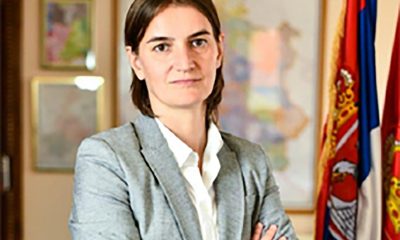
Ana Brnabić becomes world’s first openly lesbian head of state
-
Arts & Entertainment5 days ago
Vote now! Best Of LGBTQ DC readers’ choice awards
-
Virginia4 days ago
Gay Va. couple hopeful voters will enshrine marriage equality in state constitution