Arts & Entertainment
Calendar: event listings through Oct. 21
Friday, Oct. 15
Raging Stallion adult star Adam Killian will be live and nude on stage tonight at Secrets. Cover is $5 before 10:30 p.m. and $10 after. Doors open at 9 p.m. For more information, visit secretsdc.com.
Baltimore Black Pride starts today with a meet and greet with the Board of Directors at Club Bunns (608 W. Lexington St., Baltimore) from 7 to 9 p.m.
Dakshina Dance Company presents Mallika Sarabhai and the Darpana Dance Company’s performance of Sampradayam (Traditions) at the Lincoln Theatre (1215 U St., N.W.) tonight at 7:30 p.m. This event is part of D.C.’s seventh annual Fall Festival of Indian Arts. Visit dakshina.org for more information and to purchase tickets.
The VelocityDC Dance Festival returns for a second year at the Shakespeare Theatre Company’s Sidney Harman Hall (610 F St., N.W.) at 8 p.m. featuring CityDance Ensemble, Urban Artistry, the Washington Ballet and more. Tickets are $18 and can be purchased at Shakespearetheatre.org.
Factory 449 presents “The Saint Plays” by Erik Ehn tonight at 8 p.m. at the Church Street Theatre (1742 Church St., N.W.).
The Black Squirrel (2427 18th St., N.W.) hosts its weekly LGBT night tonight at 9 p.m. There’s no cover charge. Must be 21 or older to enter. Visit blacksquirreldc.com to see a menu.
Sugarloft CraftsFestival starts today at the Montgomery County Fairgrounds in Gaithersburg from 10 a.m. to 6 p.m.. For more information, visit sugarloafcrafts.com.
This is the last weekend for Ganymede’s production of the gay-themed “Falsettos” at Noi’s Nook on 14th Street. Final performances are tonight and Saturday at 8 p.m. and Sunday at 7. Tickets are $30. Go to www.ganymedearts.org for more information.
Saturday, Oct. 9
Cotton Candy, a new 18-and-up gay dance party from event planner Jacob Pring, is tonight from 10 p.m. to 3 a.m. at Green Lantern. It will continue on the second Saturday of each month. Admission is $5 but is free for those with a college or military ID. Vodka drinks are free from 10 to 11 p.m. DJs David Merrill and Bryan Yamasaki will spin. Ten percent of proceeds go to the D.C. Center.
Baltimore Black Pride continues with the Living Red Ribbon Campaign from 9 a.m. to noon, rain or shine, at Rash Field, at the base of Federal Hill park, in Baltimore. Representatives from the Guinness World Records are expected to attend as attendees attempt to create the largest living red ribbon ever.
The 14th annual Human Rights Campaign national dinner is tonight at the Walter E. Washington Convention Center (801 Mount Vernon Place, N.W.). The dinner is sold out but people who still want to attend can be added to the wait list. Visit hrcnationaldinner.org for more information.
The VelocityDC Dance Festival continues today at the Shakespeare Theatre Company’s Sidney Harman Hall (610 F St., N.W.) at 2 and 8 p.m. The 8 p.m. event includes performances by EDGEWORKS, Erica Rebollar, Furia Flamenca and more. The 2 p.m. event features the same performances as Friday night.
The eighth annual Cultural Affair, a part of Baltimore Black Pride, will be at the Eubie Blake National Jazz Institute and Cultural Center (847 N. Howard St.) from 7 to 11 p.m. tonight.
Logo and RCN present Morgan McMiachels and Shannel from “RuPaul’s Drag Race” and “Drag U” tonight at Town (2009 8th St., N.W.) as part of the drag show starting at 10:30 p.m. Doors open at 10 p.m. Cover is $8 before 11 and $12 after. Attendees must be 21 or older.
Sunday, Oct. 10
LAMBDA SCI-FI will be holding its monthly meeting and social of LGBT science fiction, fantasy and horror fans at Brunswick House (1414 17th St., N.W.) at 1:30 p.m. for the meeting and 2 p.m. for the social. For more information call James at 202.232.3141 or e-mail to [email protected].
COLAGE celebrates its 20th anniversary today from 2 to 5 p.m. at the Mansion (O St., N.W.) Wilson Cruz, Angel from “Rent” will be emceeing the event.
Baltimore Black Pride will be having a National Coming Out Day party at the Comfort Inn Downtown Baltimore (8 E. Pleasant St.) from 2 to 4 p.m. Dress is casual and comfortable.
Pocket Gays hosts Sour Patch Sunday School today from 3 to 9 p.m. on the rooftop of Local 16 (1602 U St., N.W.). There will be drink specials and raffles including list spots to the “WTF” (What The Fuck?) party at Town the same night.
The fall festival ends Baltimore Black Pride at Club Bunns (608 W. Lexington St.) from 4 to 11 p.m. There is a $3 cover charge.
Women of Color Productions presents 10-10-10 The Unveiling of Epiphany Toi Williams from 6 p.m. to midnight tonight at Remington’s (639 Pennsylvania Ave., S.E.). This event is the true life account of Williams shared through spoken word, musical performances, dance ensemble and more.
Monday, Oct. 11
Zoom presents a picnic brunch at the National Arboretum (3501 New York Ave., N.E.) today from 1 to 4 p.m. There will be garden games including, twister, tug of war and more. Attendees are to bring their own picnic baskets. Well-trained pets are welcome. This event is free.
West Coast Swing Flash Mob choreography will be taught at Remington’s (639 Pennsylvania Ave., S.E.) tonight at 8:30 p.m. The choreography will be used to join a group from the D.C. area doing a flash mob on Oct. 16.
Hope Operas, whose founder is openly gay, has its second week of five new shows tonight to raise money for charity. The shows are at 8 p.m. at the Comedy Spot, in Ballston Mall (4238 Wilson, Blvd.), in Arlington. Each show benefits a different charity. Tickets are $12 per show. For more information call 323.788.8970 or e-mail [email protected].
Tuesday, Oct. 12
SpeakeasyDC will be at Town (2009 8th St., N.W.) tonight at 8 p.m. with “Coming Out: Stories about revelations, debuts and proclamations” in honor of National Coming Out Day. There is a $10 cover and attendees must be 21 or older. Doors open at 6:30 p.m.
Mautner Project presents a stress relief workshop tonight from 7 to 8 p.m. at Metropolitan Community Church (474 Ridge St., N.W.). Vanita Leatherwood will lead a small group through six sessions of ways to relieve stress. There is a $30 registration fee. E-mail to [email protected] or call 202-332-5536 for more information and to register.
Masters and Slaves Together will be holding its monthly meeting tonight from 7:30 to 9 p.m. at the D.C. Center (1318 U St., N.W.). For more information about the group, visit its website, mastwashington.org.
Wednesday, Oct. 13
Rainbow Response will be holding its monthly meeting tonight from 7 to 8 p.m. at D.C. Coalition Against Domestic Violence (5 Thomas Circle, N.W.). The meeting is open to all who are interested.
Green Lantern (1331 Green Court, N.W.) will host the weekly Poz D.C. happy hour upstairs from 8 p.m. to midnight. DJs, C-Dubz, Keith Hoffman, Jason Horswill and T-N-T Music factory will be spinning. Jacob Nathaniel Pring will host and bartend.
Thursday, Oct. 14
A new party dubbed “Homolicious” is at MOVA tonight from 7 p.m. to 2 a.m. from MAG 7 Productions. Drag queen Stormy Vain and Allen Sexton will host. Downstairs from 7 to midnight, Jacob Pring and Justin Croft will bartend. Erik Lars Evans and Bryan Yamasaki will spin. Upstairs Mr. Gay D.C. 2010 Aaron Alexander will bartend and David Merrill will spin. “Homo” snow cones will be served. Those with birthdays the week of Oct. 10 to 16 will get a free drink.
DCBiWomen will be having its monthly dinner at Café Luna (1633 P St., N.W.) tonight from 7 to 8 p.m For more information, visit dcbiwomen.org.
Zenith Gallery (1111 Pennsylvania Ave., N.W.) has extended its Transparency exhibit of glass sculptures by Jackie L. Braitman. The gallery is open weekdays from 8 am to 7 p.m. For more information, visit zenithallery.com.
Celebrity News
Silky Nutmeg Ganache talks sex and dating, gender, politics, weight loss journey
‘RuPaul’s Drag Race All Stars’ semifinalist grew up in Bible Belt
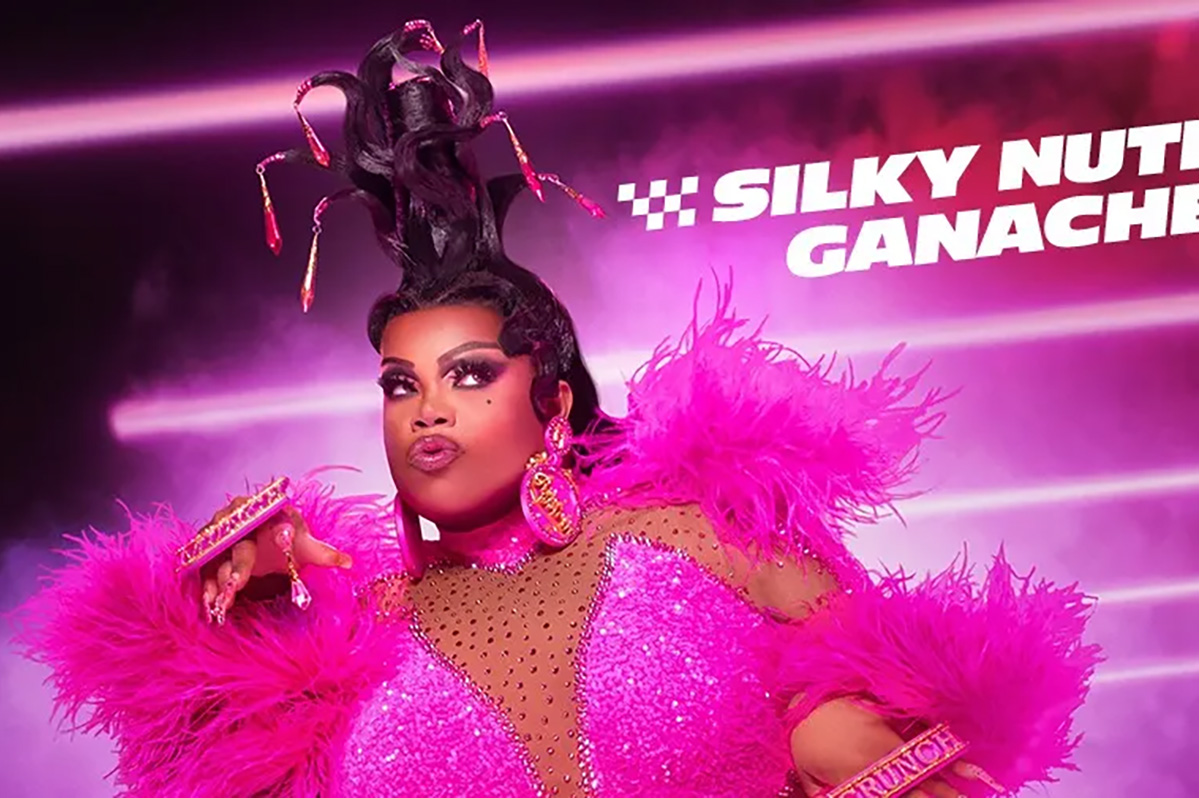
Uncloseted Media published this interview on July 7.
By SPENCER MACNAUGHTON, ISABEL STOKES, and BELLA SAYEGH | After appearing on the 11th season of “RuPaul’s Drag Race,” the first season of “Canada’s Drag Race: Canada vs. the World,” the sixth season of “RuPaul’s All Stars” and now the 11th season of “All Stars,” Silky Nutmeg Ganache, known by many as the Reverend, is undoubtedly a legend.
Born and raised in Moss Point, Miss., Ganache bears all in this episode of “UNCLOSETED with Spencer Macnaughton.” She speaks about her relationship with gender, her 100-pound weight loss, what it’s like living as a queer person of color in a red state and why she’s calling on allies to stand up for the trans community.
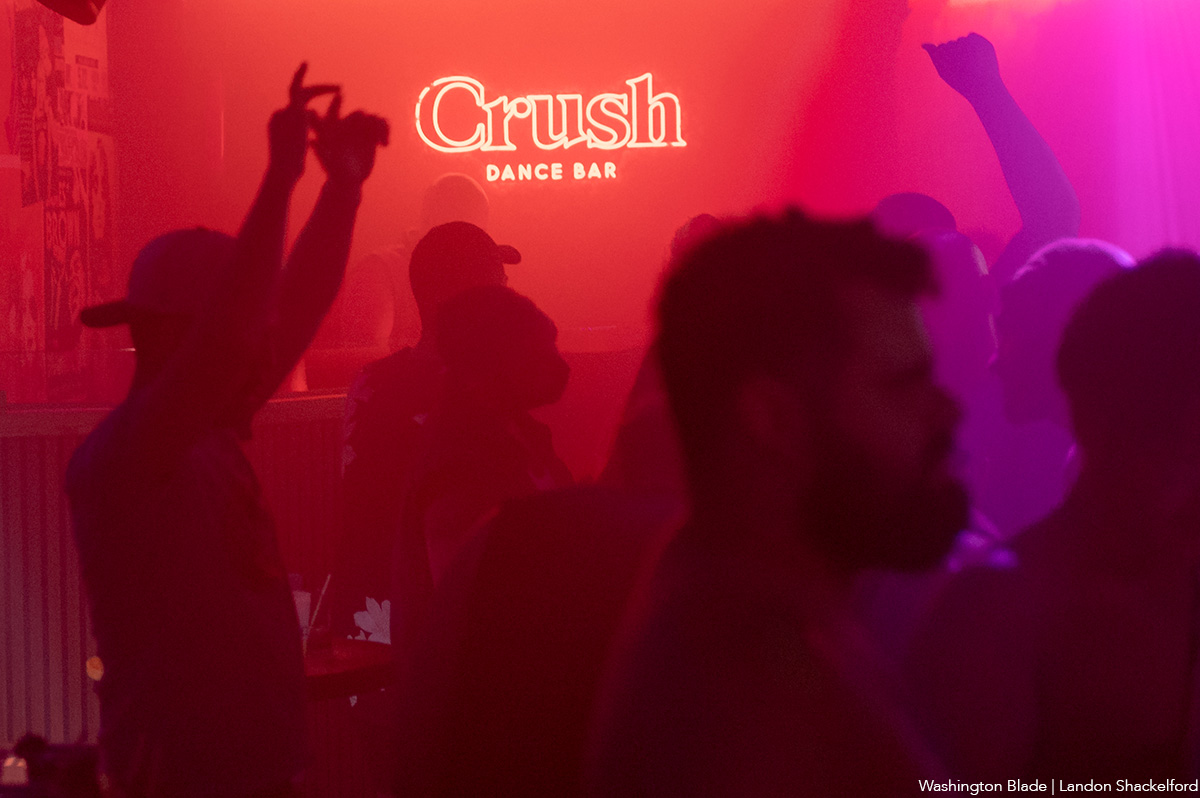
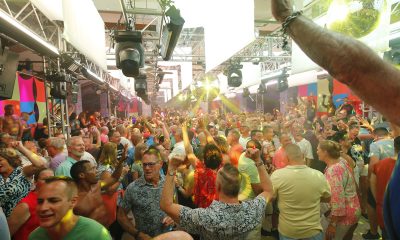
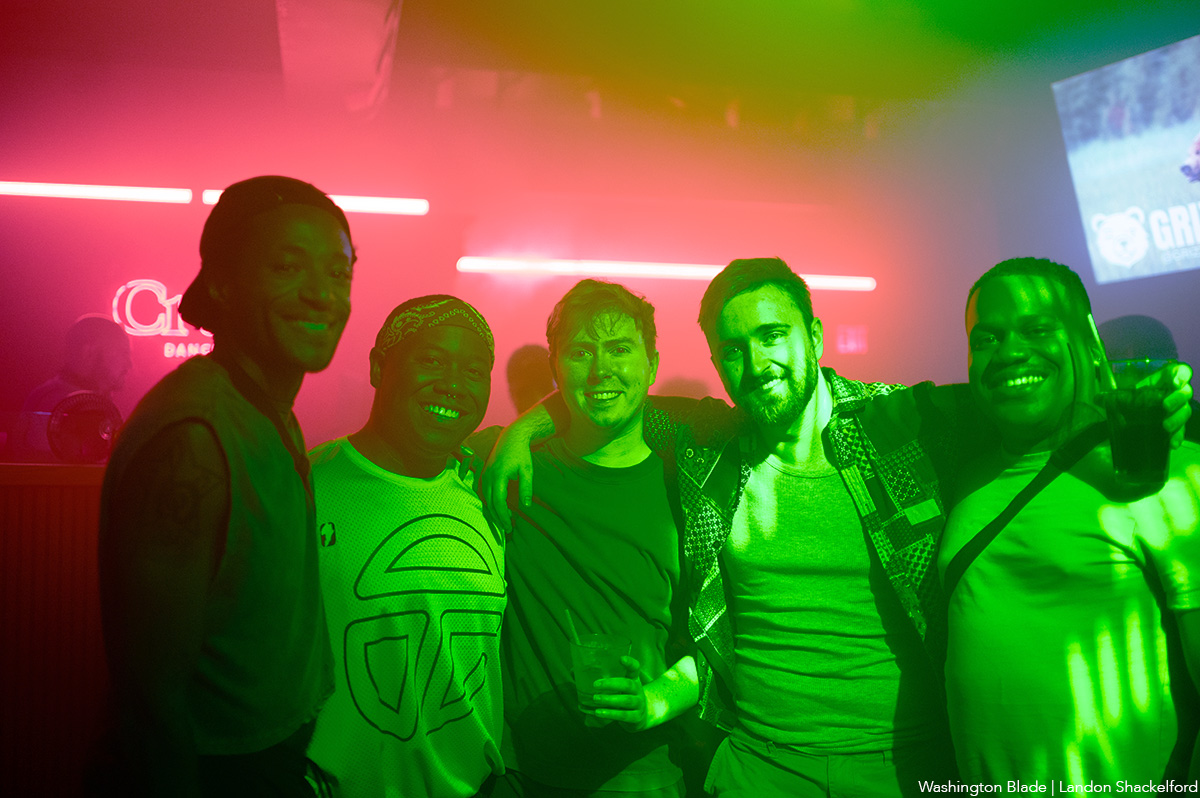
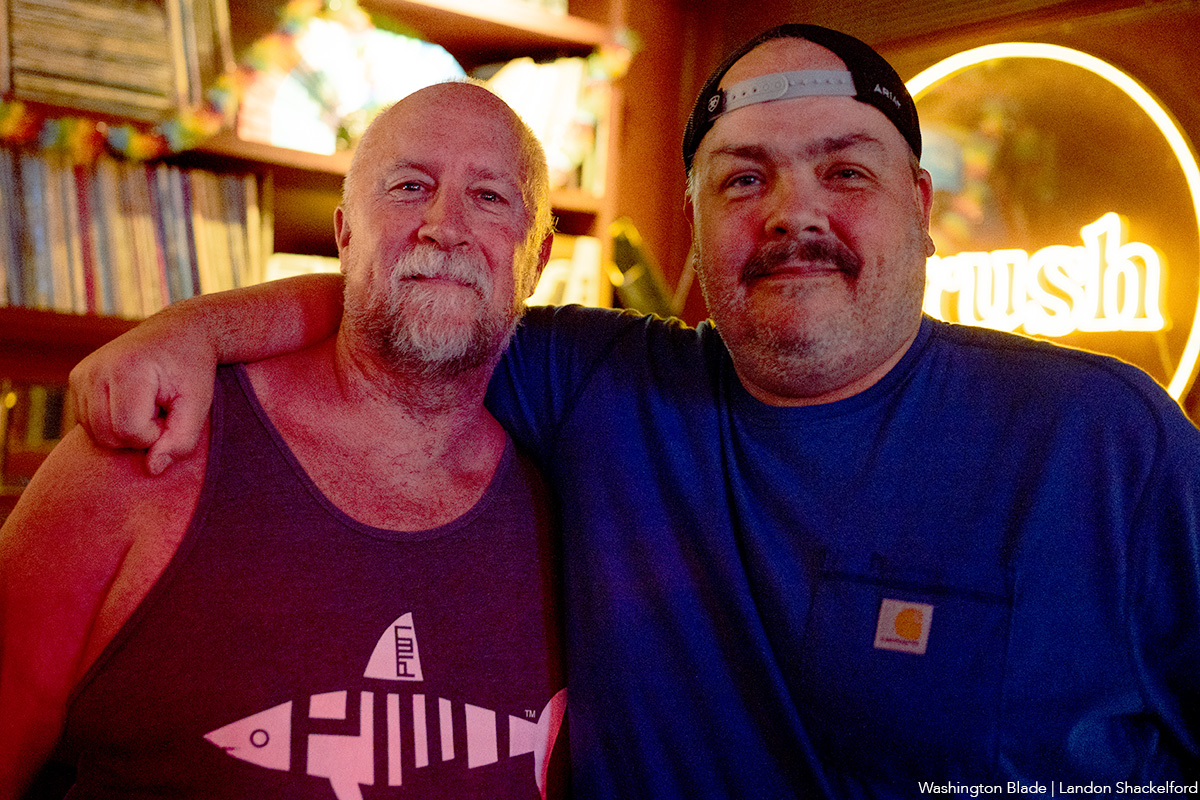
Patrons enjoyed a night out at the popular LGBTQ venue Crush Dance Bar on Friday, July 3.
(Washington Blade photos by Landon Shackelford)





Theater
‘My Favorite Sociopath’ debuts at Shepherdstown’s CATF
Gay playwright Aurin Squire’s take on D.C. journalism in the ‘90s
‘My Favorite Sociopath’
Contemporary American Theater Festival
July 10-Aug. 2
Shepherdstown, W.Va.
Catf.org
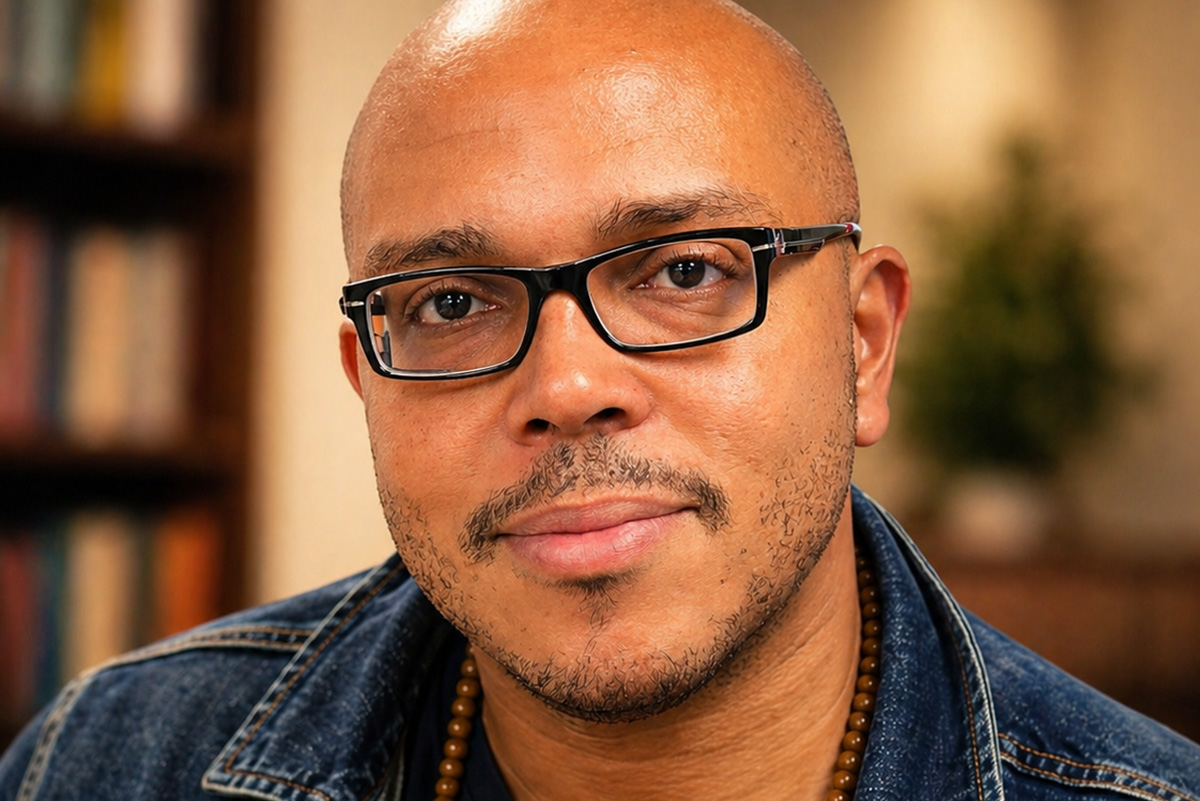
Discernment. It’s a thing some people have, explains playwright Aurin Squire, especially when you’re gay or Black in America (Squire is both).
“You instinctively know when the mob is teaming up for the best interests of the powers that be. You can feel it in the air.”
In his sharp new satire “My Favorite Sociopath,” Squire writes about life experiences but set in a different time and place: It’s the 1990s, early days of the 24-hour news cycle, and three ambitious journalism students are pursuing success in D.C.
And now, Squire’s play, along with other new works, are making their world premieres at the annual Contemporary American Theater Festival (CATF) at Shepherd University in historic, queer-friendly Shepherdstown, W.Va. (just a 90-minute drive from D.C.).
“All of my plays are queer in some way,” says Squire, 46. “This one touches on harmless and dangerous lies. The characters are on the spectrum sexually, and it’s interesting how all that falls out.”
And he’s given it a lot of thought.
“Already as a kid, it seemed to me that the rage against rap music and sex was coming from closeted people resisting their own urges and temptations. For me, it was interesting to see a witch hunt led by witches. Queer people can always call out a lie.”
Since September, Squire has also been working with a TV show about the tech industry set in Silicon Valley. He says, “It seems the general flow of the tech industry is that humanity and civilization is finished and it’s just about accumulating as many goods as possible before everything collapses. In fact, those who are profiting actually agree. But for those who disagree, they believe the solution is to build bigger gates, but activists believe we can stop this”
Yet, he’s learned from folks associated with the show. “Many say the quickest way to divorce yourself from any responsibility or regulations — smash and grab. Otherwise, you have to stop and think and regulate your desires for greed and power”
Squire possesses a penchant for pithy titles. He laughs, explaining the first thing he wrote as a student at Juilliard was “Obama-ology,” the comedy with contemporary message. While a lot of people liked the name, it didn’t necessarily vibe with the author. He concedes that he chooses names based on “easy to remember” and titles that won’t be easy to lose as a file.
Another is “Defacing Michael Jackson,” a coming-of-age dramedy set in rural Florida in 1984, specifically Squire’s native town Opa-locka, Miami, a fantastical place famed for its fanciful Moorish revival architecture.
Living in the shadow of exotic structures, he wasn’t particularly fazed. Squire says “It wasn’t until returning to visit after my freshman year at Northwestern University in Chicago that I realized how weird it was: When you grow up in a place, you take surroundings for granted no matter how over the top.”
Now based in New York (where for two happy years, 2017-2019, he shared digs with drag king Murry Hill), Squire returns frequently to Miami to be with family, but this summer has been filled with both work and travel.
Currently, he’s in Shepherdstown with CATF shaping up “My Favorite Sociopath.” Later this summer he will travel to South Africa for research, followed by a silent writing retreat in Santa Fe, N.M.
Much of Squire’s work reflects the Latino, African, Caribbean, African-American, and Jewish cultures he grew up around in South Florida.
When asked if today’s winds of anti-multiculturalism worry him, he replies, “No, because that’s going to pass. Most people don’t like, people are seeing the negative results of it, and the young people coming up despise it. White male gamers were tricked momentarily through the algorithms into voting against their own interests and they’re now seeing how it’s not working out for them.
“Conservatives always try to stop progress and eventually they always lose. It’s just a question of where we’ll be in the middle of the end of civilization before that happens. I’d like to hope we can turn the ship around before then.”
In addition to “My Favorite Sociopath,” CATF summer season features three other world premieres (Lisa D’Amour’s comedy “The Smoker,” “Refugee Rhapsody” by Yussef El Guindi, “Best Line Wins: A Play Inspired by the Improvised Lives of Elaine May & Mike Nichols” by Beth Kander) and “¡VOS!” by Christina Pumariega.
CATF runs from July 10-Aug. 2 in three venues on the Shepherd University campus: Frank Center, Marinoff Theater, and Studio 112.
Former Fla. gubernatorial candidate Andrew Gillum arrested on drug charges

Dutch prime minister scheduled to open World Pride human rights conference

Philadelphia murder suspect remains at large

Mary’s House founder, CEO retires

Va., Md., advocates brace for next fight after Supreme Court sports ruling

‘My Favorite Sociopath’ debuts at Shepherdstown’s CATF

Under-the-radar Delaware beach towns smart buyers are targeting

In Trump’s divided America, Michael Weinstein’s AHF responds

When a church fears the rainbow