National
Solmonese joins Obama campaign as national co-chair
HRC chief among 35 selected for role
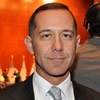
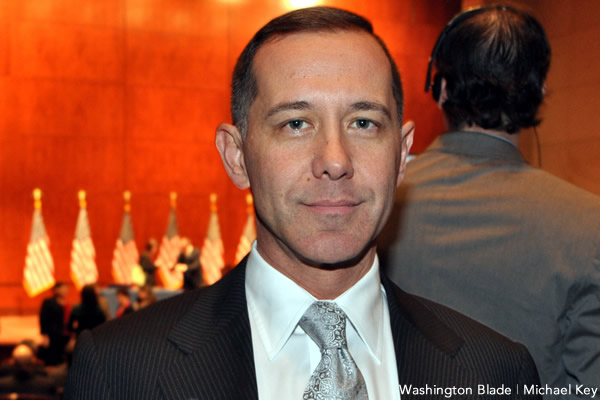
Human Rights Campaign President Joe Solmonese (Washington Blade file photo by Michael Key)
The Obama campaign has tapped Human Rights Campaign President Joe Solmonese for a position as a national co-chair to advocate for the president based on his work for the LGBT community and the country as a whole.
On Wednesday, the Obama campaign issued a statement saying Solmonese had been selected for the role as part of a group of 35 individuals who had been chosen as national co-chairs.
In a statement, Solmonese praised Obama’s work on LGBT issues over the course of the more than three years the president has been in office, saying the president’s leadership “has brought about great change for LGBT Americans.”
“From ending ‘Don’t Ask, Don’t Tell,’ to prohibiting discrimination based on gender identity in the federal government, to signing the hate crime prevention act into law, the Obama administration has improved the lives of LGBT Americans more than ever before,” Solmonese said. “President Obama has made it clear that LGBT Americans deserve a fair shot and has taken steps across his administration to make the lives of those most in need in our community better.”
Others on the list include Senate Assistant Majority Leader Dick Durbin (D-Ill.), Sen. Jeanne Shaheen (D-N.H.), Los Angeles Mayor Antonio Villaraigosa, Chicago Mayor Rahm Emmanuel and actress Eva Longoria, who stars on ABC’s “Desperate Housewives.”
In a statement, Jim Messina, Obama for America’s campaign manager, said the national co-chairs “will be tremendous assets on the ground as we build the biggest grassroots campaign in history.”
“They each share the president’s vision for a future where every American can have a fair shot at success, where hard work pays off and responsibility is rewarded,” Messina said.
According to the Obama campaign statement, the national co-chairs are charged with serving as ambassadors for the president, advising the campaign on key issues and helping to engage and mobilize voters. The positions are unpaid.
Fred Sainz, vice president of communications for the Human Rights Campaign, said Solmonese’s role with the Obama campaign won’t be LGBT-specific and he’ll advocate for the president based on the entirety of his work.
“I think that Joe, obviously, will be most impactful in terms of speaking on behalf on the issues important to our community, but Joe will be able to speak to the entirety of the president’s record,” Sainz said.
Solmonese is slated to leave his post as HRC president when his contract expires on March 31, 2012. Sainz said Solmonese will begin his role with the Obama campaign immediately and continue his role for the president after he’s left the organization.
The complete list of the 35 national co-chairs follows:
· Lynnette Acosta – OFA volunteer leader from Florida
· Marc Benioff – CEO of Salesforce.com
· Senator Michael Bennet – U.S. Senator from Colorado
· Mayor Julian Castro – Mayor of San Antonio
· Governor Lincoln Chafee – Governor of Rhode Island
· Ann Cherry – Retired teacher and OFA volunteer leader from North Carolina
· Representative Judy Chu – Representing the 32nd District of California
· Representative Emanuel Cleaver – Representing the 5th District of Missouri
· Bill Daley – Former White House Chief of Staff to President Obama, former U.S. Secretary of Commerce
· Maria Elena Durazo – Executive Secretary-Treasurer of the Los Angeles County Federation of Labor, AFL-CIO
· Senator Dick Durbin – U.S. Senator from Illinois
· Mayor Rahm Emanuel – Mayor of Chicago
· Senator Russ Feingold – Former U.S. Senator from Wisconsin
· Representative Charles A. Gonzalez – Representing the 20th District of Texas
· Loretta Harper – High School Counselor and OFA volunteer leader from Nevada
· Attorney General Kamala Harris – Attorney General of California
· Sai Iyer – Student at Virginia Commonwealth University and OFA volunteer leader from Virginia
· Caroline Kennedy – Author/President of the John F. Kennedy Library Foundation
· Eva Longoria – Actress and Philanthropist
· Felesia Martin – OFA volunteer leader from Wisconsin
· Bishop Vashti McKenzie – African Methodist Episcopal Bishop
· Attorney General Tom Miller – Attorney General of Iowa
· Kalpen Modi – Actor/Former White House Associate Director for the Office of Public Engagement
· Admiral John Nathman – Retired U.S. Navy Admiral
· Governor Deval Patrick – Governor of Massachusetts
· Secretary Federico Pena – Former U.S. Secretary of Transportation and U.S. Secretary of Energy
· Elaine Price – Retired Ohio resident and OFA volunteer leader from Ohio
· Penny Pritzker – Founder and CEO of PSP Capital Partners
· John Register – U.S. Army Veteran and Paralympian
· Representative Jan Schakowsky – Representing the 9th District of Illinois
· Senator Jeanne Shaheen – U.S. Senator from New Hampshire
· Joe Solmonese – President of the Human Rights Campaign
· Alan Solow – Partner at DLA Piper LLP and past Chairman of the Conference of Presidents of Major American Jewish Organizations
· Governor Ted Strickland – Former Governor of Ohio
· Mayor Antonio Villaraigosa – Mayor of Los Angeles




National
LGBTQ Catholic groups slam Trump over pope criticism
‘Moral truth and compassion always overcome ignorant hate’
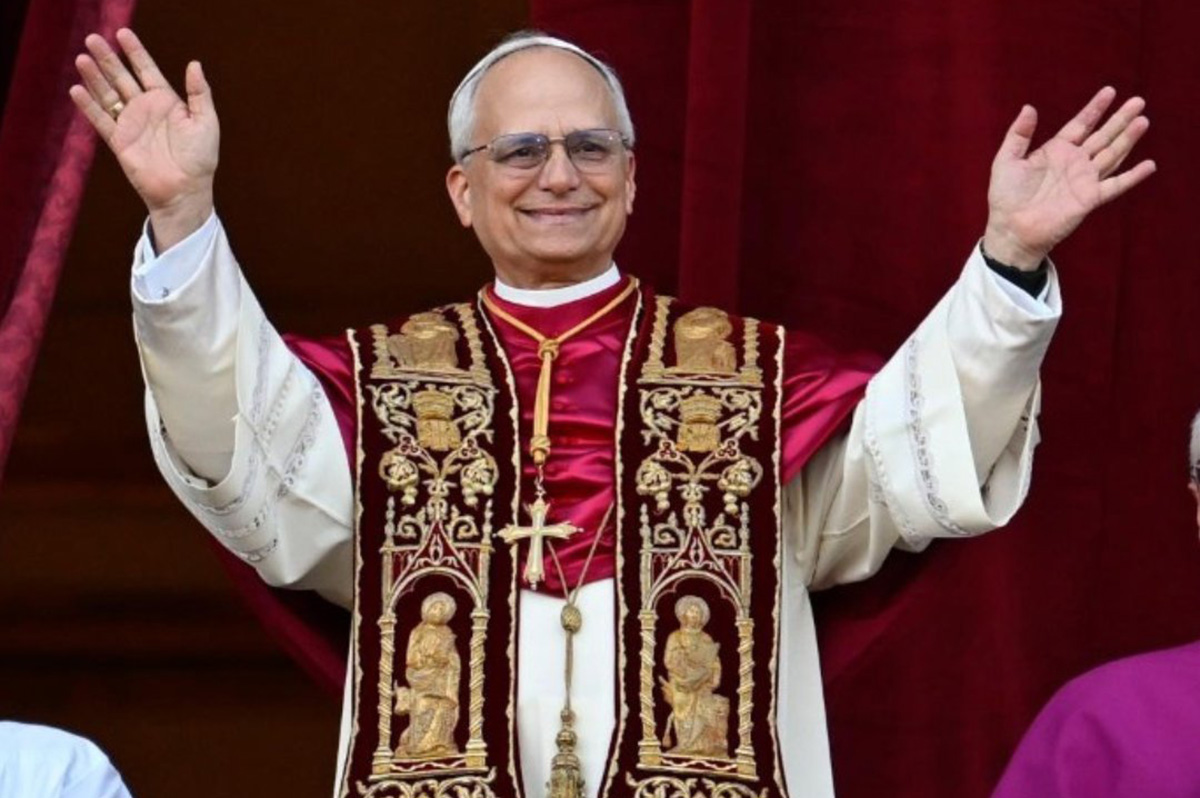
LGBTQ Catholic groups have sharply criticized President Donald Trump over his criticisms of Pope Leo XIV.
Leo on April 13 told reporters while traveling to Algeria that he had “no fear of the Trump administration” after the president described him as “weak on crime” and “terrible for foreign policy” in response to his opposition to the Iran war. (Trump on the same day posted to Truth Social an image that appeared to show him as Jesus Christ. He removed it on April 13 amid backlash from religious leaders.)
Vice President JD Vance, who is Catholic, during a Fox News Channel interview on the same day said “in some cases, it would be best for the Vatican to stick to matters of morality, to stick to matters of what’s going on with the Catholic church, and let the president of the United States stick to dictating American public policy.” Vance on April 14 once again discussed Leo during an appearance at a Turning Point USA event in Athens, Ga., saying he should “be careful when he talks about matters of theology.”
Italian Prime Minister Giorgia Meloni; former U.S. Ambassador to the Vatican Miguel Díaz; and Oklahoma City Archbishop Paul Coakley, president of the U.S. Conference of Catholic Bishops, are among those who have criticized Trump over his comments. The president, for his part, has said he will not apologize to Leo.
“The world is being ravaged by a handful of tyrants,” said Leo on Thursday at a cathedral in Bamenda, Cameroon.
Francis DeBernardo is the executive director of New Ways Ministry, a Maryland-based LGBTQ Catholic organization. He told the Washington Blade on Thursday that Trump’s comments about Leo “are one more example of the ridiculous hubris of this leader (Trump) whose entire record shows that he is nothing more than a middle-school bully.”
“LGBTQ+ adults were often bullied as children, and they have learned the lesson that bullies act when they feel frightened or threatened,” said DeBernardo. “But secular power does not threaten the Vicar of Christ, and Pope Leo’s response illustrates this truth perfectly.”
DeBernardo added Trump “is obviously frightened that Pope Leo, an American, has more power and influence than the president on the world stage.”
“Like most Trumpian bullying, this strategy will backfire,” DeBernardo told the Blade. “Moral truth and compassion always overcome ignorant hate. Trump’s actions are not an example of his power, but of his impotence.”
Marianne Duddy-Burke, executive director of DignityUSA, an LGBTQ Catholic organization, echoed DeBernardo.
“He [Trump] has demonstrated throughout both presidencies that he doesn’t understand the basic concepts of any faith system that is founded on the dignity of human beings, the importance of common good,” Duddy-Burke told the Blade on Thursday during a telephone interview. “It’s just appalling.”
Duddy-Burke praised Leo and the American cardinals who have publicly criticized Trump.
“The pope’s popularity — given how much more respect Pope Leo has than the man sitting in the White House — is a blow to his ego,” Duddy-Burke told the Blade. “That seems to be a sore sport for him.”
“It’s such an imperialistic world view,” she added.
Leo ‘is the real peacemaker’
The College of Cardinals last May elected Leo to succeed Pope Francis after his death.
Leo, who was born in Chicago, is the first American pope. He was the bishop of the Diocese of Chiclayo in Peru from 2015-2023.
Francis made him a cardinal in 2023.
Juan Carlos Cruz — a gay Chilean man and clergy sex abuse survivor who Francis appointed to the Pontifical Commission for the Protection of Minors — has traveled to Ukraine several times with Dominican Sister Lucía Caram since Russia launched its war against the country in 2022. Cruz on Thursday responded to Trump’s criticism of Leo in a text message he sent to the Blade from Kyiv, the Ukrainian capital.
“I am in Ukraine under many attacks,” said Cruz. “Trump is an asshole and has zero right to criticize the Pope who is the real peacemaker.”
Tennessee
Charlie Kirk Act advances in Tenn.
Bill would limit protests, protects speakers opposing ‘transgender’ identities
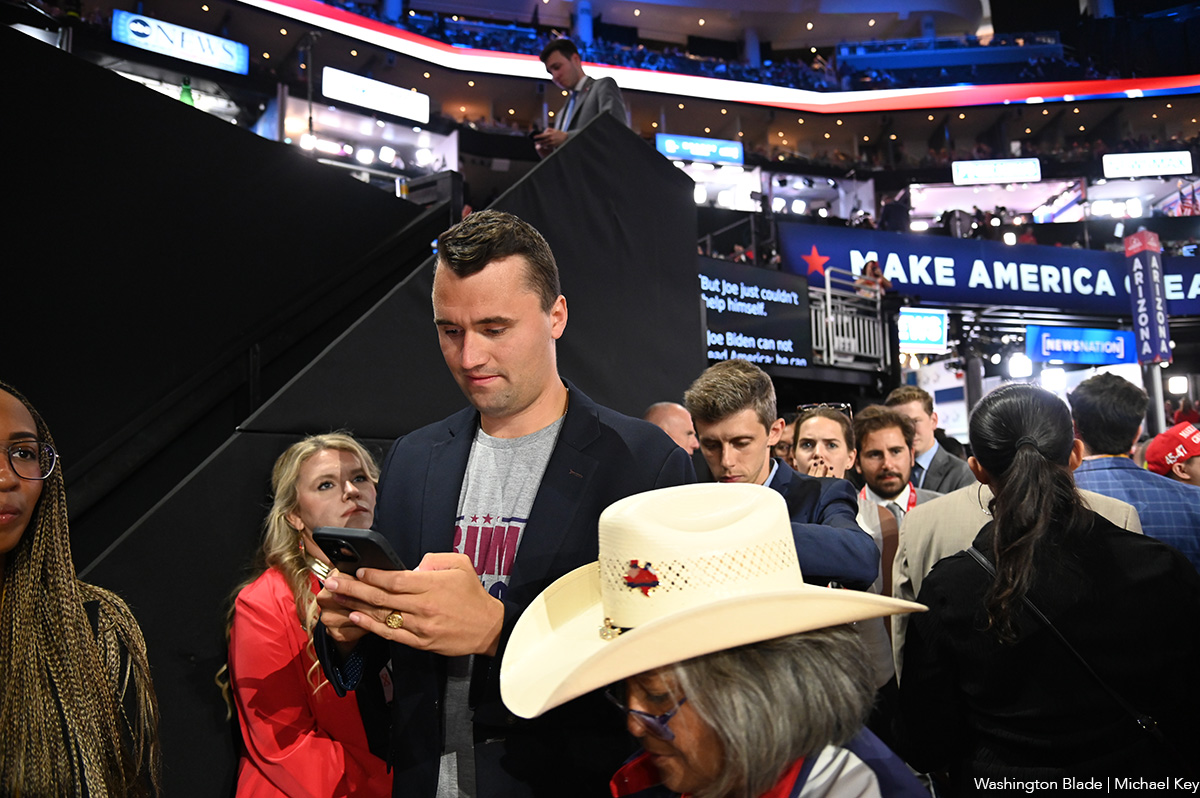
The Tennessee legislature has passed Senate Bill 1741 / House Bill 1476, dubbed the “Charlie Kirk Act,” which, if signed by Republican Gov. Bill Lee, would reshape how public colleges and universities regulate speech on campus.
The measure targets all public higher education institutions and requires them to adopt a “free expression” policy modeled on the University of Chicago’s framework. That framework emphasizes that universities should not shield students from controversial or offensive ideas and requires state schools to formally embrace institutional neutrality — meaning they do not publicly take a stance on political or social issues.
Under the legislation, publicly funded schools cannot disinvite or cancel invited speakers based on their viewpoints or in response to protests from students or faculty. Student organizations, however — like Turning Point USA, an American nonprofit that advocates for conservative politics on high school, college, and university campuses, founded by Charlie Kirk, and often lack widely represented liberal counterparts — would retain broad authority to bring speakers to campus regardless of controversy.
The law includes broad protections for individuals and organizations expressing religious or ideological beliefs, including opposition to abortion, homosexuality, or transgender identity, regardless of whether those views are rooted in religious or secular beliefs. It further prohibits public institutions from retaliating against faculty for protected speech or scholarly work.
The bill, which has been hailed by supporters as an effort to “preserve campus free speech,” ironically also limits protest activity. Shouting down speakers, blocking sightlines, staging disruptive walkouts, or physically preventing entry to events are now considered “substantial interference” under the legislation, making those who engage in such actions subject to discipline.
Some of those disciplinary consequences include probation, suspension, and even expulsion for students, while faculty who protest in ways deemed to violate the policy could face unpaid suspensions and termination after repeated violations.
Supporters of the bill argue it strengthens free expression on campus. State Rep. Gino Bulso (R-Brentwood), the bill’s sponsor, said it reinforces a commitment to “civil and robust” debate at public universities.
“The Charlie Kirk Act creates critical safeguards for students and faculty and renews the idea that our higher education institutions should be centers of intellectual debate,” Bulso told Fox 17. “This legislation honors the legacy of Charlie Kirk by promoting thoughtful engagement and defending religious freedom.”
Critics, including Democratic lawmakers, have raised concerns that the legislation effectively elevates certain ideological viewpoints — particularly those tied to religious objections to LGBTQ identities — while exposing students and faculty to punishment for protest or dissent.
“It’s ironic that this body is talking about free speech when we had professors in Tennessee schools expelled and suspended when they did not mourn the death of Charlie Kirk — when they said that his statements were problematic and that the way he died did not redeem the way he lived,” state Rep. Justin Jones (D-Nashville) told WKRN.
Kirk, the right-wing activist and founder of Turning Point USA, for whom the bill is named, was assassinated in September 2025 at a public event at Utah Valley University. His legacy and rhetoric remain deeply polarizing, particularly among LGBTQ advocates, who have cited his history of anti-LGBTQ statements in opposing his campus appearances.
The bill now heads to Lee’s desk for his signature.
National
Demonstrators disrupt OMB director hearing over PEPFAR
Capitol Police arrested five protesters
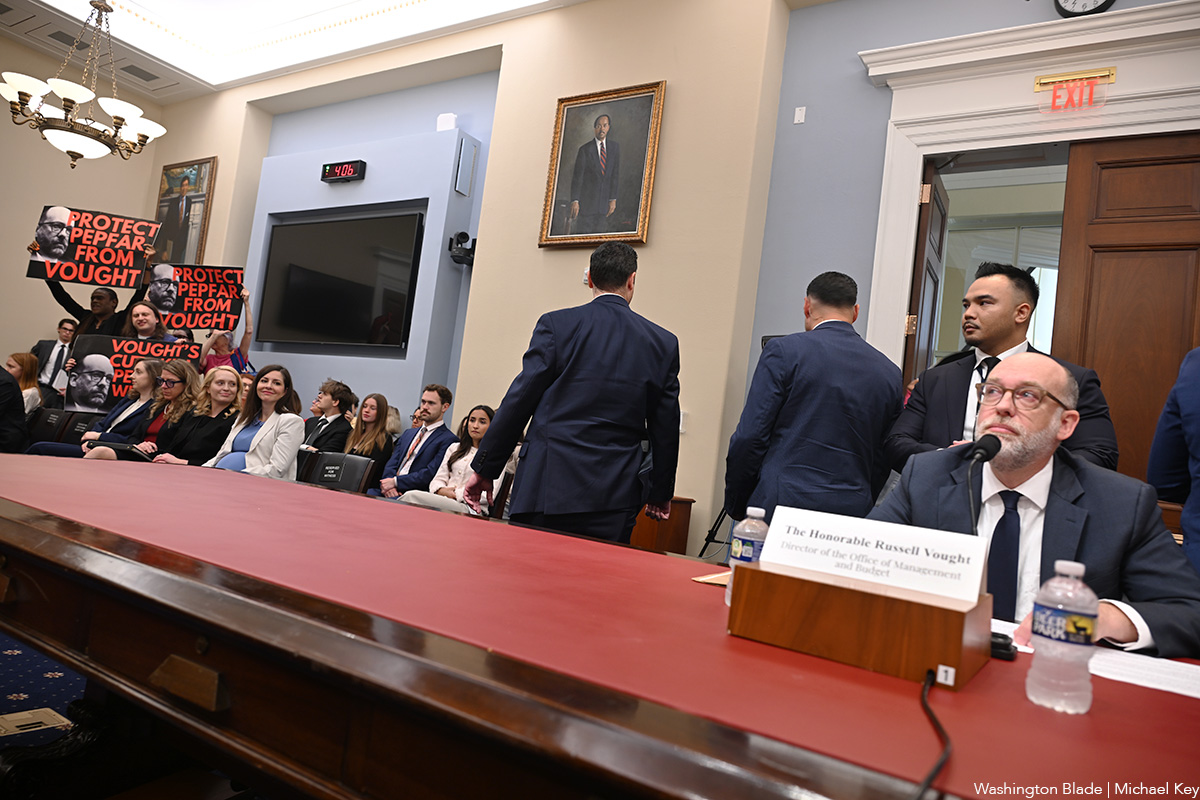
A group of protesters interrupted Office of Management and Budget Director Russell Vought during his testimony before Congress on Wednesday.
Vought was at the Cannon House Office Building to give testimony to the House Budget Committee.
Committee Chair Jodey Arrington (R-Texas) began the hearing by touting what he described as economic accomplishments of the Trump-Vance administration’s economic accomplishments. Ranking Member Brendan Boyle (D-Pa.) disputed those claims in his opening statement.
Boyle went on to admonish Vought for not attending a committee hearing in the previous year.
Vought, the “Project 2025” architect, was invited to speak after Arrington and Boyle made their statements.
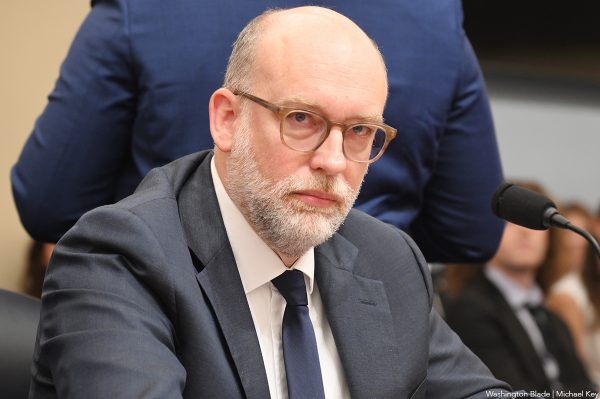
Shortly after Vought began reading his statement, Housing Works CEO Charles King stood up in the gallery and began shouting, “PEPFAR saves lives: spend the money!”
The U.S. Capitol Police moved quickly to escort King from the room. Other activists began chanting with King as they unfolded signs bearing a picture of Vought’s face and statements such as, “Vought’s cuts kill people with AIDS,” and “Protect PEPFAR from Vought.”
The group of HIV/AIDS activists included independent activists, former U.S. Agency for International Development and PEPFAR staff, members of Health GAP, Housing Works, and the Treatment Action Group. Six activists were escorted from the hearing and the U.S. Capitol Police detained five of them.
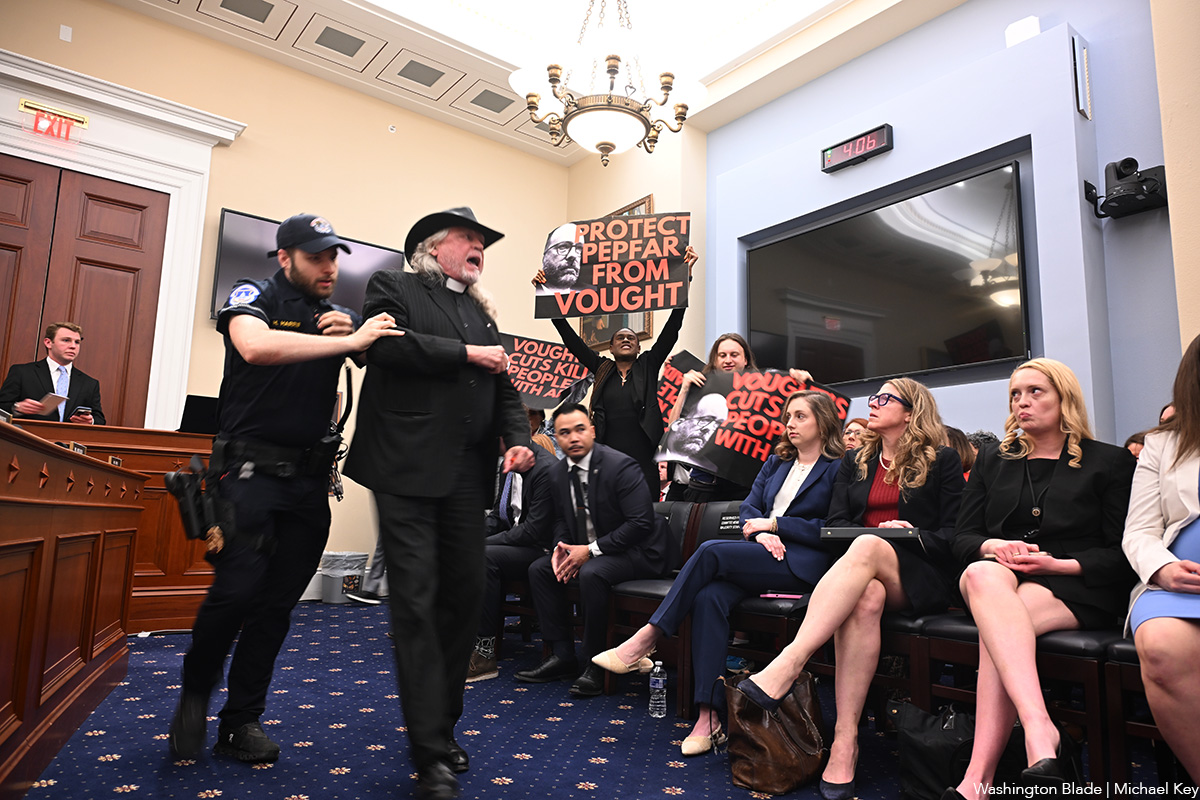
The HIV/AIDS treatment activists protested at the hearing in response to the dismantling of global health programs, including PEPFAR, a federally-funded program credited with saving millions of lives from HIV/AIDS, particularly in sub-Saharan Africa.
“Russell Vought is directly responsible for illegally withholding Congressionally appropriated funds for PEPFAR and related global health initiative,” King said in a statement provided to the Washington Blade. “These funding disruptions have already contributed to preventable deaths and threaten to reverse decades of progress in the fight against HIV worldwide. Enough is enough. Congress must ensure Vought stops this deadly sabotage.”

Rorschach stages ‘Dragon Play’ in unlikely, raw space

Wagons ho! High-class, head-turning haulers

Judge rescinds stay-away order in Capital Pride anti-stalking case

The latest Supreme Court case erasing LGBTQ identity

Calendar: April 17-23

Lebanese LGBTQ group responds to latest war

Inside the LGBTQ records of Todd Blanche and Markwayne Mullin

Trailblazing trans Brazilian lawmaker refuses to set foot in Trump’s America

PHOTOS: Denali at Pitchers