Health
AIDS 2012: Fenton stresses an end to HIV/AIDS is “within our grasp”
Head of CDC’s HIV/AIDS response stressed more needs to be done to fight epidemic
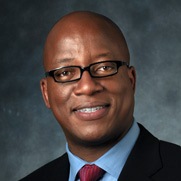
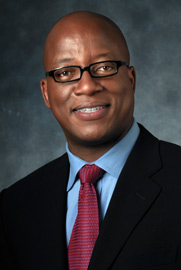
Dr. Kevin Fenton of the Centers for Disease Control and Prevention. (Photo courtesy of CDC)
The head of the Centers for Disease Control and Prevention’s response to HIV/AIDS stressed on Wednesday that he is confident that an end to the epidemic is near.
“Ending the epidemic really means really reducing the numbers of new infections which are occurring as well as protecting the lives of those who are infected,” Dr. Kevin Fenton, director of the CDC’s National Center for HIV/AIDS, Viral Hepatitis, STD and TB Prevention, told the Blade during the International AIDS Conference at the Walter E. Washington Convention Center. “The cure discussion is very exciting. I think we’re moving along and understanding what the elements of a cure are likely to be, but it will take some time to reach there. Ending the epidemic I think is within our grasp, and we must continue to push for a cure as well.”
Fenton spoke to the Blade a few hours before he took part in a panel that discussed older adults with the virus. The CDC estimates that nearly 11 percent of the roughly 50,000 new HIV infections that occur each year in the United States are among those older than 50. Statistics further indicate that 16.7 percent of new diagnoses in 2009 were among this demographic, with half of them also having AIDS.
The CDC further predicts that half of people with HIV in the country by 2015 will be 50 or older.
“We’re all getting older,” said Fenton. “The baby boomers are now coming out of the workforce, many of whom are HIV infected and are going to be living their lives.”
Stigma, a lack of health care, financial insecurity and a lack of information about the virus are among the challenges that public health officials and HIV/AIDS service providers continue to confront in their efforts to curb new infection rates among older people. In spite of these hurdles, increased access to anti-retroviral drugs and other medications have allowed people with HIV to live longer lives.
“That’s a huge difference to where we were 30 years ago,” noted Fenton. “We now need to prepare for the other health conditions that come with aging: high blood pressure, strokes, diabetes, etc., as people age. This is an appropriate time for us to be reflecting on that.”
Fenton stressed that both the health care reform law that President Obama signed in 2010 and the White House’s National HIV/AIDS Strategy provide what he described as a “framework” to effectively address older adults and other at-risk populations.
“We need to be honest that most infections are occurring among young people in the United States — those under 40 years, so we need to ensure that our resources are being used to address the epidemic in those who are at greatest risk,” he added. “Nevertheless, we still see a substantial proportion of new infections occurring in older adults and I think the conversations that we need to have collectively is how do we ensure that there are proportionate investments to meet the needs of older adults in the U.S. and that we’re mindful of their needs and actively planning for their needs as well.”
Fenton: Conference highlights American leadership on fight against HIV/AIDS
AIDS 2012 is the first time that the United States has hosted the International AIDS Conference since 1990.
“It’s wonderful that we’re able to bring the international community back to the United States to both celebrate the progress we’ve made in the global response against HIV and to reflect on certainly U.S. leadership in the fight against AIDS at home as well as abroad,” said Fenton. “It’s also been fantastic that new concepts and calls for a greater sense of urgency in moving towards an AIDS-free generation, the beginning of the end of AIDS — fantastic themes for everyone across the U.S. as well as around the world for everyone to begin to reflect on.”
More than 30,000 delegates, journalists and HIV/AIDS activists have traveled to D.C. for the five-day gathering that will end on Friday. Some, such as the AIDS Healthcare Foundation, have used the conference as an opportunity to criticize the Obama administration’s response to the epidemic.
“You have to think about where we’ve come from, especially in the last few years,” said Fenton who once again referred to the health care reform bill and the National HIV/AIDS Strategy. He also pointed to safer-sex campaigns that specifically target black men who have sex with men and further engagement with communities impacted by the epidemic. “There’s a lot that we have done over the last few years. We always can do more and we need to do more faster.”
One specific challenge to which Fenton pointed is the underlying socio-economic issues that prevent people with HIV from accessing treatment once they learn their status. He noted that only 28 percent of Americans with the virus are “maximally benefitting from treatment.”
“People may not want to go to an HIV clinic because they’re too embarrassed, they’re afraid of seeing their friends or colleagues or they may not be able to simply afford just to be there because a day in the clinic means a day not working and when you have a family to feed or rent to pay, sometimes you make decisions which are not necessarily to the benefit of your health,” he said. “So there are many issues and what we’re hearing at this conference is we need to be honest about that cascade and we need to think about improving on every aspect of the cascade to have an overall benefit.”
Researchers from the National Institutes of Health and the HIV Prevention Trials Network earlier this week released a study that found high rates of HIV, unemployment and incarceration among black gay men in six cities. The report notes that even though black gay men more likely to practice safer-sex than other groups, they remain at higher risk for the virus.
“It’s not just about individual risk behaviors; but poverty, homelessness, having a sexually transmitted infection, who you’re having sex with really matters, and the kind of sex you’re having really matters,” said Fenton in response to the study. “We now need to be thinking about ways of supporting black gay men — in fact all gay men in this country — to make the right choices for their individual health, but how do we create those social and structural support environments so that they can make the right choices for optimal health. And that’s really important moving forward.”
“We often think of it as being a very rare disease, but what we do know is that it isn’t really. Most people with HIV live in cities with more than 500,000 inhabitants and that four states in the United States account for more than 50 percent of the epidemic and the top 10 states account for about 73 percent of the epidemic,” he said. “The epidemic isn’t randomly distributed and you have these geographic pockets which are hard hit. The fact that we’re in D.C. allows us to both celebrate some of the successes we’re now having in D.C. with HIV response, but it challenges us again to do more.”




Health
United States Conference on HIV/AIDS grapples with federal budget cuts
Annual gathering is largest of its kind in the country

Advocates, public health experts, and healthcare providers gathered for the United States Conference on HIV/AIDS on Sept. 17 in Anaheim, Calif.
The conference is the largest of its kind in the nation and came amid a wave of new challenges for HIV research and treatment. Since the beginning of the second Trump-Vance administration, federal spending cuts have targeted HIV/AIDS programs, including the gutting of the U.S. Agency for International Development and proposed cuts to PEPFAR, which supports HIV testing and treatment globally, in 2025.
Last year, Congress maintained funding for HIV programs after proposed cuts faced opposition from advocacy groups and bipartisan criticism. Yet, this year Congress has proposed similar cuts to many of the same programs, which would cut nearly one billion dollars in HIV funding. The majority of the cuts would impact HIV prevention and outreach, which includes ending nearly all Centers for Disease Control and Prevention HIV prevention activities.
“If we continue down this path,” said Jeremiah Johnson, the executive director of PrEP4ALL, an advocacy group that supports expanding access to HIV prevention. “We’re going to see more people falling off treatment. We’re going to see more wait lists. That’s going to lead to more people dying from AIDS-related complications.”
Cuts and challenges
The funding cuts loomed over the conference and inspired protest from activists.
On the first day of USCHA, activists with Save HIV Funding organized a mock funeral outside the convention center. Advocates living with HIV wrote eulogies for themselves, meant to show the consequences of diminished access to treatment. Then activists marched through the conference carrying fake coffins.
Johnson, who helped organize the protest, said that “the Trump administration has eviscerated global aid … and the fears that many of us are just talking about hypothetically for ourselves at the moment are already happening [internationally]. And so we wanted to place that front and center at this conference.”
The attacks on funding for HIV research and outreach come at a complicated time for the movement to end the AIDS epidemic. While options for prevention and treatment have never been more accessible, such as PrEP and antiretroviral therapy, there have been some concerning upticks in infections, particularly among communities of color.
Southern states account for the majority of new HIV infections in the country, despite making up only 38 percent of the population. And these infections impact disproportionately Black and Latino communities. According to the CDC, even as overall HIV infections decreased from 2018 to 2022, diagnoses of HIV among Latinos grew by 17 percent, with a majority of this increase happening in the South.
Stigma is still the biggest barrier for people seeking out HIV treatment, said Guillermo Chacón, president of the Latino Commission on AIDS.
“The progress that we [made] in the past two years has been demolished,” he said.
Chacón blames the federal government for stigmatizing HIV treatment by using harmful rhetoric about queer people.
“The level of homophobia and transphobia right now is even higher because it has been used as a political message to create fear and division in our country,” he said.
Chacón believes that research and outreach must be done to reverse the rising HIV infections among Latinos. However, this is exactly the type of research that the Trump-Vance administration is targeting most intensely. Research into “health disparities” — why some health problems impact certain communities more than others — has been heavily criticized by the White House, along with other research that it considers “woke” and claims is not supported by science.
Impact felt at conference
The opening plenary for the conference addressed some of the funding challenges the movement was facing but tried to shift the focus to the victories the movement has seen over the years. Speakers highlighted historic successful activist campaigns like ACT UP, and recent improvements in medical care and access to treatment.
Randevyn Pierre, head of U.S. external affairs at ViiV Healthcare, the sponsor of the plenary, took the stage to celebrate the success of the U = U campaign (undetectable viral load =
untransmittable HIV virus), and ViiV’s investment of $33 million in HIV community organizations across the U.S. This comes as the Trump-Vance administration has made moves to end direct funding of community-based organizations, opting to give the funding to state healthcare agencies.
The speakers at the conference discussed reducing stigma for those living with HIV and the joy of living authentically. They also emphasized the diverse groups of people that are impacted by HIV and how they can come together to fight for a cure. Longtime AIDS activist Rae Lewis Thorton exclaimed, “When they tell me there’s a cure to HIV, I’m gonna take off my 4-inch heels and put on gold slippers,” to applause from the audience.
The opening plenary also featured song and dance from a variety of artists, many of whom spoke about how HIV has impacted their own lives and how advocacy has uplifted their spirits. However, the joyous atmosphere at the conference would not last.
On the final day of USCHA, Geri Donenberg, the associate director of AIDS research at the National Institutes of Health, took the stage to address the conference.
As she spoke, phones began to buzz around the room with breaking news: the Trump-Vance administration was drafting an executive order to create an external board to oversee NIH grants and screen them for political content. NMAC CEO Harold Philips took the stage after Donenberg to address the crowd. “It’s up to us,” Philips said, “to hold NIH accountable.” He added that HIV advocates “have supporters inside NIH who are struggling and working to do the right thing. We have to have their back.”
Chants of “stand up, fight back, fight AIDS” erupted from the crowd as Philips spoke. “We do have to fight back. We do have to continue to fight,” Philips replied.
Caleb Kaufman is a California Local News Fellow placed with the Los Angeles Blade. The California Local News Fellowship is a state-funded initiative to support and strengthen local news reporting. Learn more about it at fellowships.journalism.berkeley.edu/cafellows.
Health
AIDS Healthcare Foundation announces 3 million people globally in its care
Los Angeles-based group lauded ‘historic milestone’

The AIDS Healthcare Foundation, a Los Angeles-based nonprofit group founded in 1987 that has become the world’s largest HIV/AIDS organization, has announced it has three million people in care around the world.
In a statement released on May 26, the organization, known worldwide as AHF, said the latest accomplishment reflects its global commitment to HIV prevention, care, and treatment. It says the accomplishment comes at a time when AHF marks the 25th anniversary of its first global programs launched in South Africa and Uganda in early 2001.
The statement says the three million people in care milestone also comes while the group approaches the 40th anniversary of its founding in 1987.
“Today, AHF provides lifesaving services in 50 countries across Africa, the Americas, Asia, and Europe, supporting millions of people living with HIV through a network of 1,056 global clinics, 79 healthcare centers in the U.S., 67 pharmacies, 96 wellness centers, 26 Out of the Closet thrift stores, outreach programs, and community partnerships,” the statement says.
“This accomplishment is far more than a number — it represents 3 million individuals whose lives have been touched by compassion, commitment, and the belief that healthcare is a human right,” Condessa M. Curley, the AHF board chair, said in a statement. “We extend our deepest gratitude to every member of the AHF team whose dedication made this milestone possible,” Curley said.
The AHF website notes the organization was founded in 1987 in Los Angeles as a network of hospices committed to “fighting for the living and caring for the dying” at a time when there was no effective treatment for HIV/AIDS. A statement on the website says since that time AHF has greatly expanded, converting its hospices into healthcare centers “and building a new paradigm for HIV care both in the United States and around the world.”
The statement adds, “Under the leadership of president and co-founder Michael Weinstein, AHF has grown from a group of friends dedicated to creating dignified hospice care to the largest AIDS organization in the world.” It says Weinstein “has been at the forefront of creating cutting-edge healthcare and advocacy programs and continues to drive the organization forward with the aim of saving more lives around the world.”
The statement announcing the milestone has also come at a time when more than 40 million people worldwide are living with HIV, “while hundreds of thousands continue to die annually from AIDS-related illnesses despite the availability of effective treatment.”
It says AHF’s response has included an expansion of its prevention and public health programs worldwide. In 2025 alone, according to the statement, AHF and its affiliated programs provided nearly five million free HIV tests globally and distributed more than 54 million free condoms, “underscoring the organization’s continued emphasis on both prevention and treatment.”
In D.C. AHF operates health care centers at 1701 K St., N.W., Ste. 400 [202-293-8680], 650 Pennsylvania Ave., S.E., Ste. 310 [202-350-5000], and 1647 Benning Road, N.E., Ste. 300 [202-350-5000].
Cannabis Culture
LGBTQ people, weed, and mental health: what you need to know
Community uses marijuana at much higher rates than general population

Uncloseted Media published this story on May 7.
By SPENCER MACNAUGHTON | In 2025, the global cannabis market size was valued at nearly $103 billion. By 2034, that number is expected to explode by roughly 1,400 percent to more than $1.43 trillion.
In short, as an increasing number of countries legalize marijuana use, everyone is starting to consume a lot more weed. And LGBTQ people tend to use cannabis at much higher rates than the general population. One study found that 55 percent of lesbian and 45 percent of gay young adults use marijuana, compared to about 33 percent and 37 percent, respectively, of their straight counterparts.
As LGBTQ people face a mental health crisis, the mainstream stereotypes that depict weed as an antidote for anxiety, panic and depression aren’t painting the full picture. And that could be exacerbating the mental health struggles so many queer people, and especially youth, face.
Here’s what the research demonstrates about marijuana and its effects on mental health:
- Multiple studies suggest a link between marijuana use and an increased risk of mental health disorders, including schizophrenia, depression and anxiety in individuals who are genetically predisposed.
- One study found that daily marijuana use, especially among younger people, makes some individuals seven times more likely to develop psychosis.
The increase in higher-potency strains of marijuana could pose unknown risks. In 1995, the average content of Tetrahydrocannabinol (THC) in confiscated marijuana was less than 4 percent. In 2022, it was more than 16 percent. Researchers don’t know the full extent of the impact that these higher concentrations can have on mental health and especially on younger people whose brains are still developing.
- A systematic review of studies published between 2013 and 2025 found damning results for the mental health of young cannabis users:
They were 51 percent more likely to experience depression, 58 percent more likely to experience anxiety, between 50 and 65 percent more likely to experience suicidal ideation and 80 to 87 percent more likely to have attempted suicide.
- While the above stats paint a grim picture, there is also some research that suggests benefits of cannabis use:
- A 2025 systematic review found that “medicinal” weed showed some efficacy in relieving withdrawal symptoms of opioid use disorder. THC use has been associated with improvement of post-traumatic stress disorder symptoms, bipolar symptoms and sleep quality.
- Other studies found that THC administered in a controlled setting was associated with a decrease of symptoms and adverse effects for a range of mental health disorders, including schizophrenia, psychotic symptoms, and anorexia nervosa.
Beyond what we pulled from academia, there is an astounding lack of information about the interplay between weed and mental health. As we dive deeper into Mental Health Awareness Month, I hope advocacy organizations, influencers and news outlets ramp up their coverage of this important topic that affects the countless LGBTQ weed smokers, many of whom are already struggling.

Annapolis Pride arrives this weekend

Calendar: October 2-8

Renee Good’s family files two federal lawsuits

House Democrats urge White House to confront Turkish government over anti-LGBTQ crackdown

988 restores crisis services for LGBTQ youth

HRC National Dinner 2026: A night of music, activism, LGBTQ history

Lesbian Bar Project co-founder: purity politics could destroy our remaining spaces

529 openly LGBTQ candidates running in Brazilian election

HRC report: LGBTQ students face ‘far greater challenges’ in non-supportive states

Ana Brnabić becomes world’s first openly lesbian head of state
-

 LGBTQ Non-Profit Organizations5 days ago
HRC National Dinner 2026: A night of music, activism, LGBTQ history
-
Bars & Parties4 days ago
Lesbian Bar Project co-founder: purity politics could destroy our remaining spaces
-
Brazil4 days ago
529 openly LGBTQ candidates running in Brazilian election
-
National4 days ago
HRC report: LGBTQ students face ‘far greater challenges’ in non-supportive states