National
UPDATE: Baldwin expects to campaign with Obama
Senate hopeful optimistic about employment protections, marriage equality
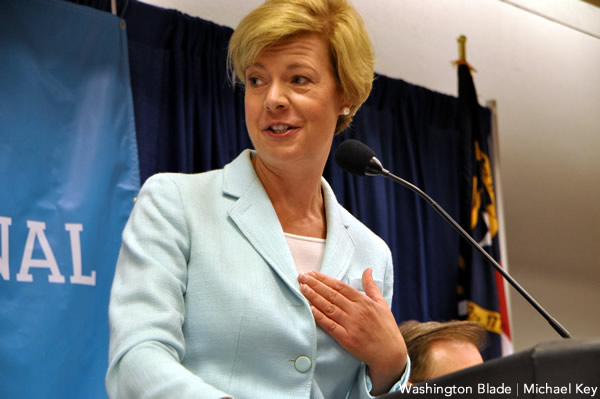
U.S. Senate candidate Tammy Baldwin speaks before the LGBT caucus at the Democratic National Convention (Blade photo by Michael Key)
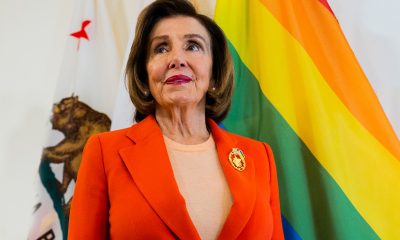
CHARLOTTE, N.C. — U.S. Senate candidate Tammy Baldwin expects to campaign with President Obama in Wisconsin between now and November as her bid to become the nation’s first openly gay Senator heats up.
The Washington Blade asked Baldwin during a press conference following remarks she delivered at the LGBT Caucus meeting at the Democratic National Convention about whether there were any plans for her to campaign jointly with the president.
Baldwin said those talks are “absolutely” happening but declined to make any specific announcements. A spokesperson for her campaign later told the Blade that Baldwin fully expects to campaign with the president.
“I just came from last week campaigning with the first lady in Milwaukee, on Sunday, campaigning with Vice President Biden in Green Bay, and I have every expectation that it is going to be a battleground contest in Wisconsin for both the U.S. Senate and the president,” Baldwin said. “So, I look forward to the opportunity to work with the president in any matter I can.”
She noted that she and Obama campaigned together during the 2008 election.
“I joined him onstage at the University of Madison campus,” Baldwin said. “I think there were 30,000 folks who came to that rally. It was very exciting. I trust we’ll have more like that, but I don’t know what the schedule is going forward, so, we’ll see it as it comes.”
Baldwin, who’s running against Republican Tommy Thompson for the open U.S. Senate seat in Wisconsin, faces a tough fight, as polls show Thompson with a significant lead.
Campaigning with Obama could boost Baldwin’s numbers in addition to benefiting Obama because the state could be a battleground in the Republican presidential election with Wisconsin congressman Paul Ryan on the Republican ticket as vice presidential nominee. Last month, White House Press Secretary Jay Carney said he had “no campaign announcements” when asked if the president would campaign with Baldwin. The Obama campaign on Tuesday didn’t immediately respond to the Blade’s request for comment.
Asked to respond to the approval of a constitutional amendment banning same-sex marriage in North Carolina and whether that gave her pause about holding the convention in the state, Baldwin recounted the passage of a similar ballot measure in Wisconsin during the 2006 election and predicted views would change — just as President Obama evolved and come out in support of marriage equality.
“I do know in terms of the issue and how we’re moving — just like we’ve seen the president evolve — we heard him talk about what it took to change his heart and move him,” Baldwin said. “We are seeing that across this country. They estimate — and I don’t know where they get these numbers — that two percent of Americans changed their views on marriage equality. We know that had the amendment come up in Wisconsin this year, or next election cycle, it would have had a different outcome. And I think that’s also going to happen in North Carolina and elsewhere in the country. We’ve got to keep working. We’ve got to keep educating.”
In response to a question on whether she’d speak out to call on President Obama to issue an executive order prohibiting federal contractors from discriminating against LGBT employees, Baldwin said LGBT advocates should continue efforts going forward to achieve progress. Baldwin was among the 72 House members who signed a letter calling on President Obama to take such action — before the White House said it wouldn’t issue the order at this time.
“I certainly supported the effort that was launched earlier this year to raise awareness and to push for that, but we can’t let up,” Baldwin said. “There’s going to be ample opportunities beyond the election to push both Congress to pass the law and make it permanent, but also encourage the president to expand what he can using his power of executive order. He’s done that to the advantage of the LGBT community extensively, more than any other previous president that I’ve seen.”
When asked a more light-hearted question — whether the LGBT caucus at the convention is “the happiest” of them all — Baldwin said, “Well, I haven’t compared yet, but the laughter and the applause coming out of that hall was pretty impressive.”




National
Queen Jean is Tony’s first transgender winner
Designer/activist wins for work on ‘Cats: The Jellicle Ball’
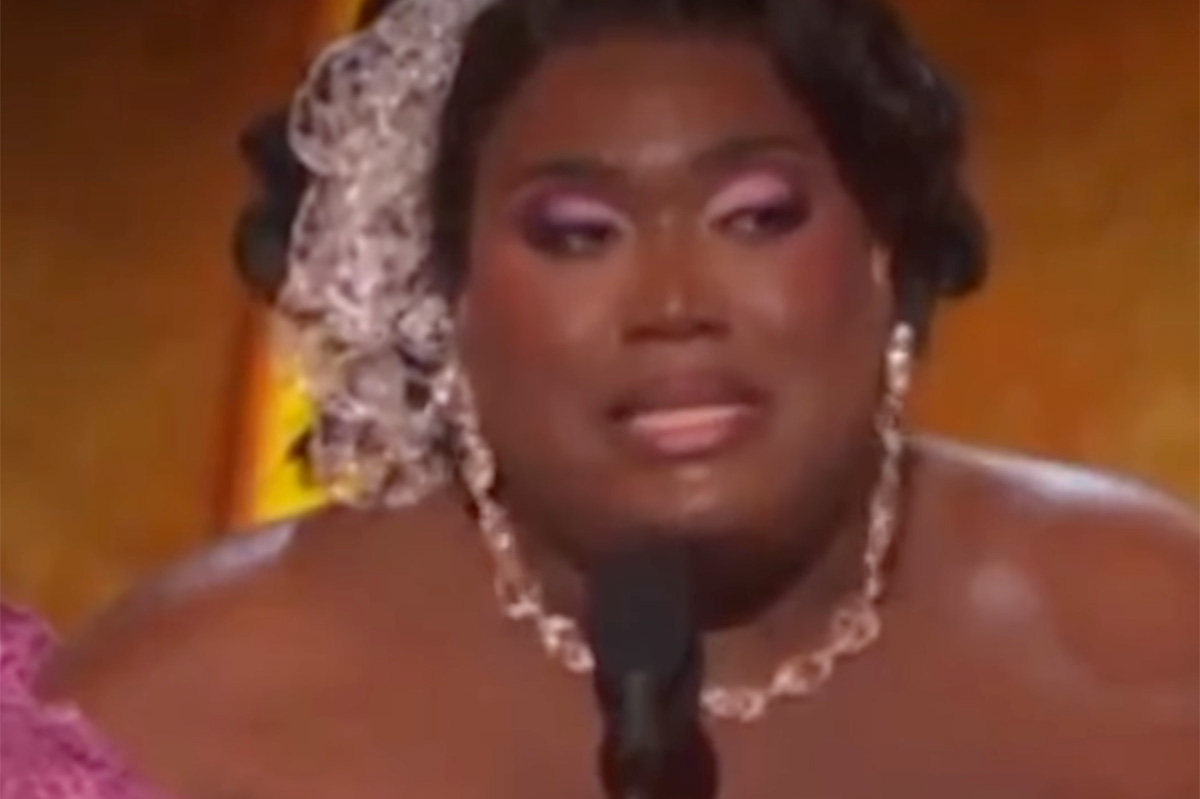
It was a historic night at the 79th annual Tony Awards on Sunday as Queen Jean won the award for Best Costume Design of a Musical, making her the first out transgender person to win a Tony.
“This experience has been monumental. We are here for the legacy of queer people, trans people,” she said. “We are taking up space in ways we have to take up space. We have to shift the paradigm. So I just want to say, thank you all so much for this incredible honor. The world right now is deeply, deeply combating so many ailments, and we know as a society that when we come together, we can make real, permanent change.”
She won the award for her work on “Cats: The Jellicle Ball” and was also nominated for best costume design of a play for “Liberation.”
In addition to her stage work, Queen Jean is the founder of Black Trans Liberation, an organization that supports trans and gender-nonconforming people in New York City.
National
Madonna turns Times Square into massive dance floor
Pop icon celebrates Pride month with surprise performance
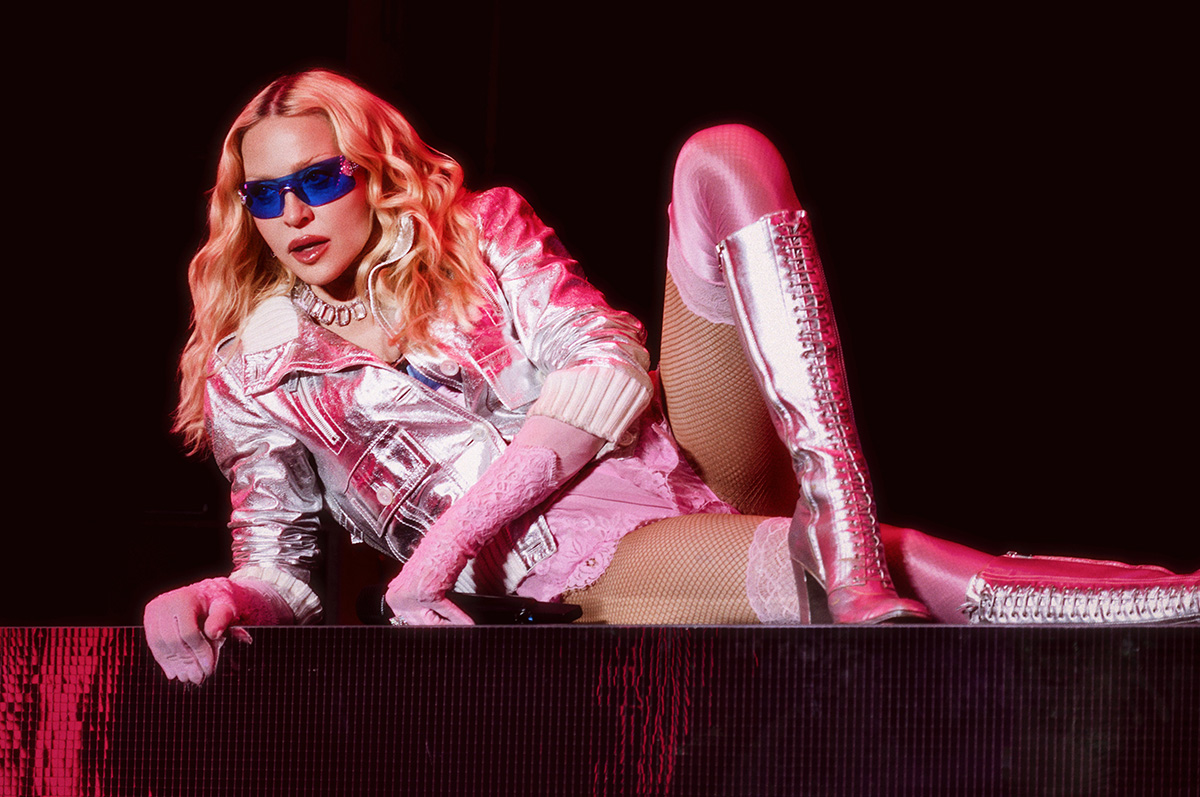
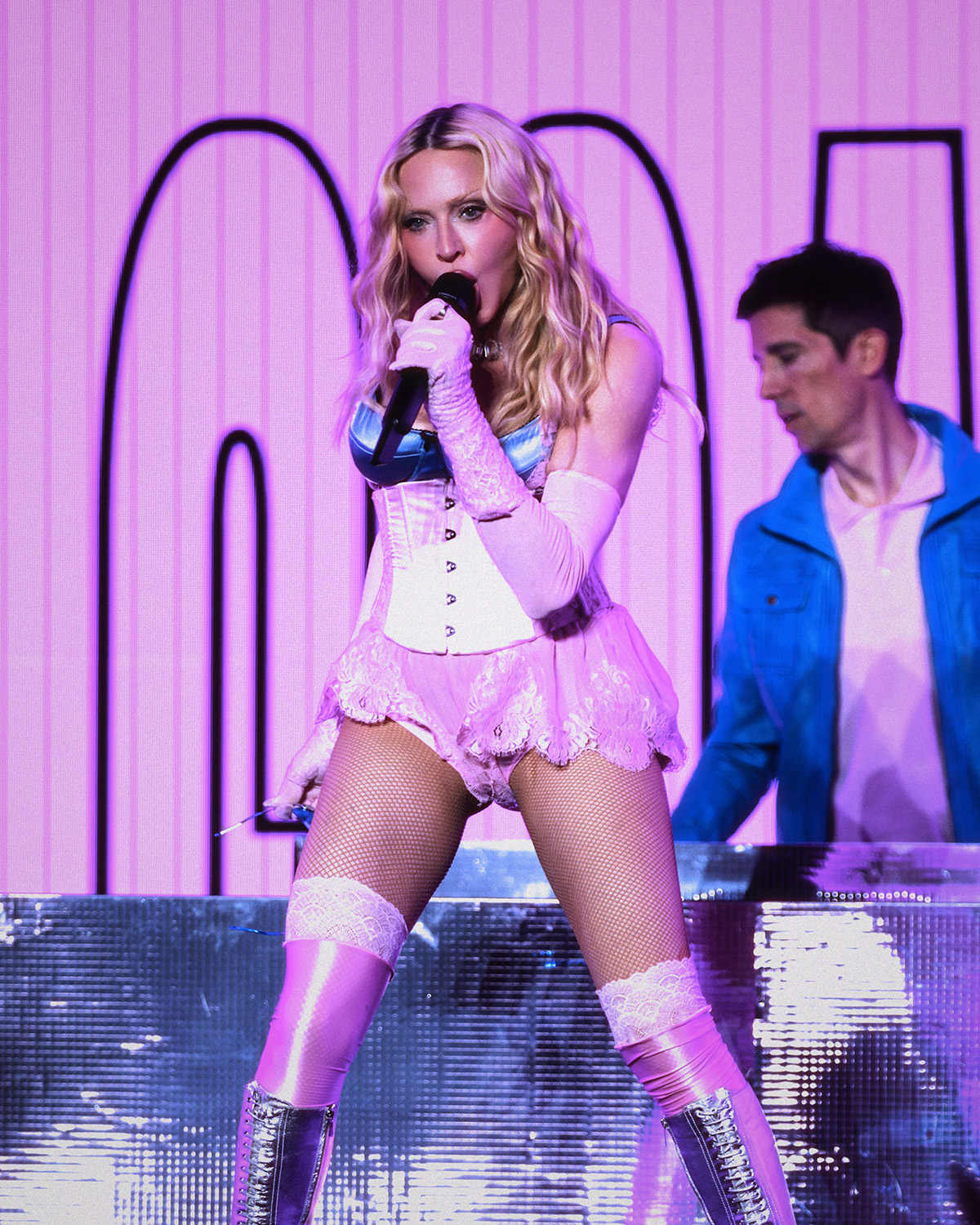
Pop icon Madonna celebrated Pride month with a pop-up performance in New York City’s Times Square on Thursday to the delight of 50,000 fans.
She performed for about 15 minutes high above street level, including several songs from her new album “Confessions II” due on July 3, along with a trio of songs from the first “Confessions on a Dance Floor.”
In addition to the brand new “Love Sensation,” she performed “I Feel So Free” and “Bring Your Love,” plus “Hung Up,” “Get Together” and “I Love New York.” She wished the crowd a happy Pride season; the event was shared with audiences through Grindr’s first-ever livestream.

National
Gallup finds LGBTQ support among Americans is dropping
Marriage equality support lowest since 2016
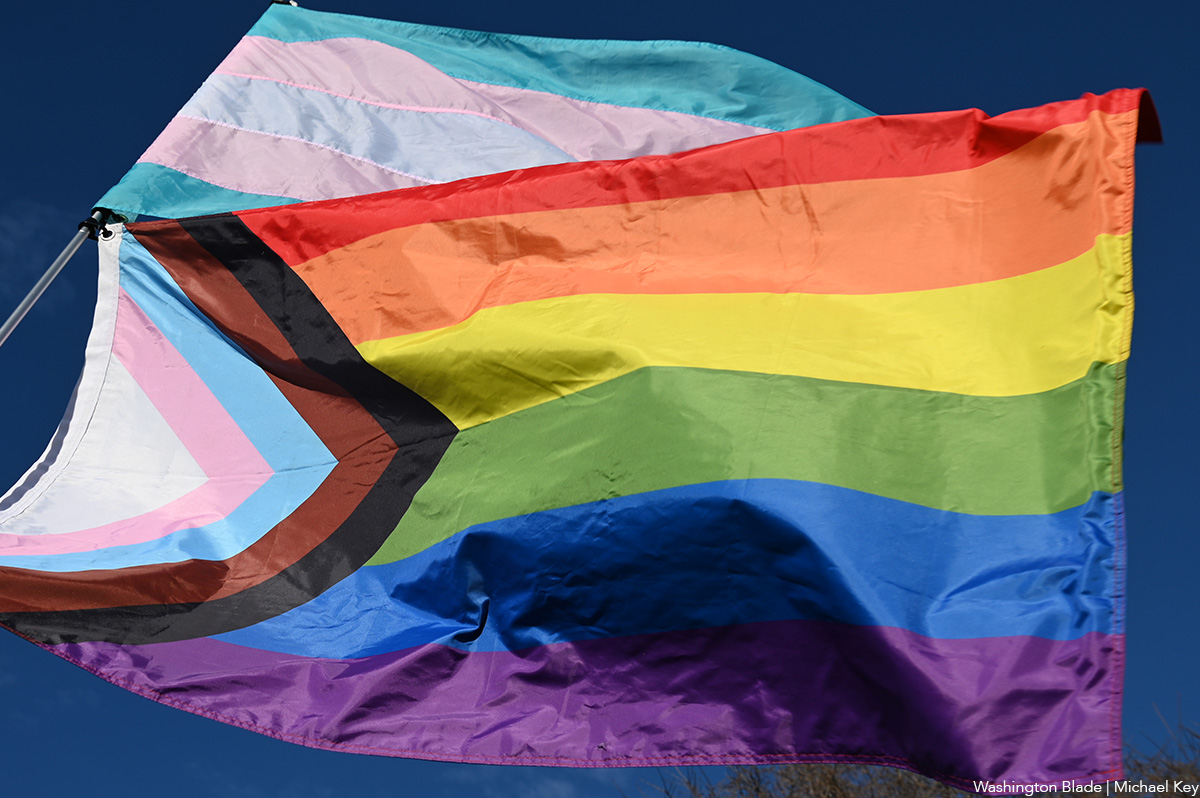
Gallup, one of the leading organizations in public opinion polling, has found that LGBTQ support among Americans is dropping.
The poll, whose data was collected using Gallup’s annual Values and Beliefs survey, was conducted in May and was published on Wednesday. The data was collected through telephone interviews from a sample of more than 1,000 adults living in all 50 states and D.C. using random digit dialing.
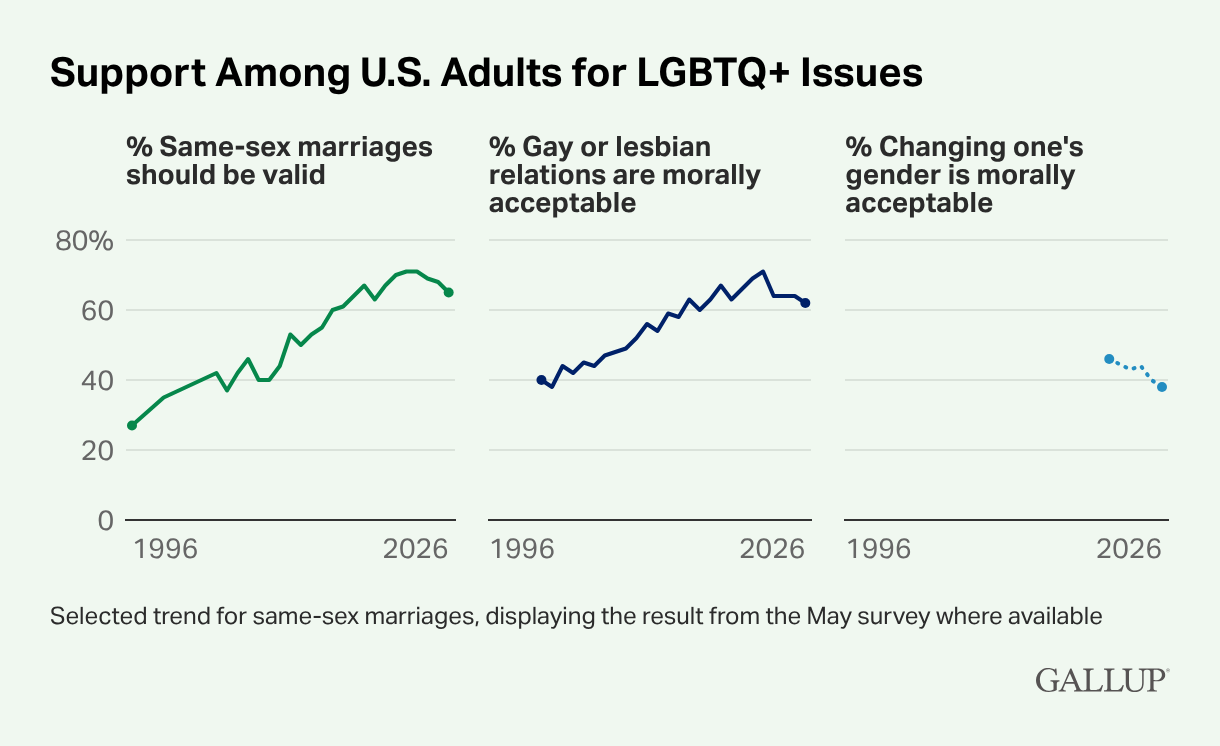
It highlights declining attitudes surrounding LGBTQ issues in multiple areas — from support for same-sex marriage to views on gender identity and the morality of one’s sexuality.
One of the most striking findings was that support for marriage equality fell six points from its 2022-2023 high.
The survey also found that 62 percent of Americans view gay and lesbian relations as morally acceptable, the lowest level since 2016 just after same-sex marriage was legalized nationwide by the U.S. Supreme Court.
One newer question on the poll found that the perceived morality of changing one’s gender has dropped eight points since 2021, indicating the American public is less supportive of transgender people.
The data attributes much of the decline to shifting Republican views alongside the party itself. Conservative leaders have pushed back against diversity, equity, and inclusion programs that were intended to foster greater acceptance of LGBTQ people and other historically disadvantaged groups.
President Donald Trump has been a guiding force behind waves of anti-LGBTQ sentiment, particularly when it comes to trans rights. The president has enacted multiple executive orders, including Executive Order 14168, “Defending Women from Gender Ideology Extremism and Restoring Biological Truth to the Federal Government,” which mandates that gender be defined by one’s sex assigned at birth. He also signed Executive Order 14183, “Prioritizing Military Excellence and Readiness,” which barred qualified trans applicants from joining the military and led to the removal of trans service members already serving in the armed forces.
Additionally, he signed Executive Order 14201, “Keeping Men Out of Women’s Sports,” which prohibits trans female athletes from participating on women’s and girls’ sports teams.
In February, Gallup found that an estimated 9 percent of Americans identified as part of the LGBTQ community in some form.
The organization also found that 23 percent of adults under age 30 identify as LGBTQ, compared with 10 percent of those ages 30 to 49 and 3 percent or less among those ages 50 and older.

Rehoboth’s Pride on the Bay set for June 27

Blade editor inducted into D.C. Society of Professional Journalists Hall of Fame

Pride in a new world order

McDuffie on LGBTQ support and standing up to Trump

PHOTOS: Fairfax City Pride

Timothy Nelson on the premiere of his opera ‘Song of Sakuntala’

Controversial ‘Blue Film’ pushes past taboos for gripping drama

PHOTOS: ‘Soul Divas’

‘Mighty Real’ explores history of LGBTQ music