Local
Judge poised to rule on Va. same-sex marriage ban
Herring will not defend anti-gay amendment
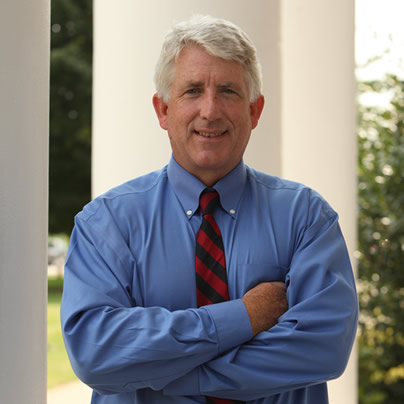
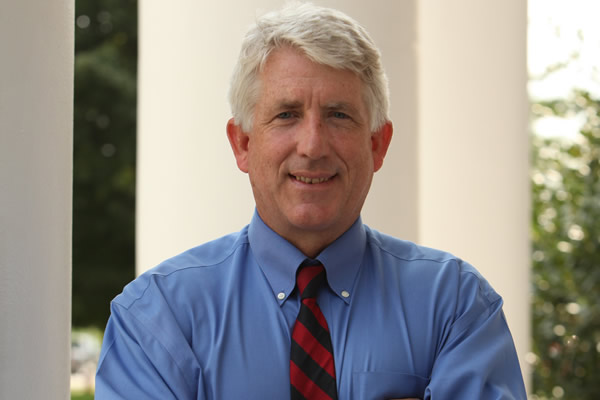
Virginia Attorney General Mark Herring on Jan. 23 announced he will not defend the state’s constitutional amendment that bans same-sex marriage.(Photo courtesy of Herring for Attorney General)
A federal judge appears ready to rule on the constitutionality of Virginia’s same-sex marriage ban in the wake of Attorney General Mark Herring’s announcement that he will not defend it.
Judge Arenda L. Wright of the U.S. District Court for the Eastern District of Virginia in Norfolk on Jan. 23 asked the parties in the lawsuit filed by two same-sex couples to file status reports on whether oral arguments that are scheduled to take place on Thursday “remains warranted.” She also told the litigants to tell the court whether it should “instead rule promptly on the briefs without a hearing.”
Lawyers for the plaintiffs — Timothy Bostic and Tony London of Norfolk and Carol Schall and Mary Townley of Richmond — filed their response to Wright’s order on Jan. 24. The judge ordered attorneys representing the defendant — Norfolk Circuit Court Clerk George Schaefer — to respond to Herring’s position that the state constitutional amendment that defines marriage in Virginia as between a man and a woman is unconstitutional by noon on Monday.
“The attorney general’s change in position should not delay this court’s resolution of plaintiff’s motions for a preliminary injunction and summary judgment,” wrote Bostic and London’s lawyers in the status report they submitted to Wright. “If anything, the attorney general’s change in position makes clearer the appropriateness of immediate relief.”
Herring’s decision not to defend the marriage amendment sparked immediate outrage among some Virginia Republicans and social conservatives.
“The attorney general’s decision to refuse to enforce a duly-adopted provision of the Virginia Constitution is frightening,” said state Del. Todd Gilbert (R-Shenandoah County) on Sunday during the Republican Party of Virginia’s weekly address.
Victoria Cobb, president of the Family Foundation of Virginia, echoed Gilbert in a statement her organization released after Herring’s Jan. 23 announcement.
State Del. Bob Marshall (R-Prince William County) equated the attorney general’s announcement during a Jan. 24 interview with Roll Call Editor-in-Chief Christina Bellantoni that aired on “The Kojo Nnamdi Show” on WAMU to a “Pearl Harbor attack on the people of Virginia.” Republican Party of Virginia Chair Pat Mullins is among those who have suggested that Herring should resign.
A Virginia House of Delegates committee on Jan. 24 approved a bill that Gilbert and Marshall introduced earlier this month that would allow any state lawmaker to defend a law if the governor and attorney general decline to do so. The two Republicans are among the 32 lawmakers who urged Gov. Terry McAuliffe on the same day to defend the state’s marriage amendment that voters in 2006 approved by a 57-43 percent margin.
“Attorney General Herring apparently is satisfied that the people of Virginia shall not be represented in court to defend the 2006 voter approved one-man, one-woman marriage amendment,” wrote the legislators in the letter of which the Washington Post obtained a copy.
McAuliffe, who took office slightly more than two weeks ago, supports marriage rights for same-sex couples.
“There are people who are going to attack me and try to say ‘well it’s about the duty of the attorney general [to defend the marriage ban,]” Herring told the Washington Blade during a Jan. 23 interview. “In fact what they’re really upset about is that they disagree with marriage equality. And that’s their right, but it’s not the law.”
Neighboring Maryland is among the 17 states and D.C. that have extended marriage rights to same-sex couples. Gays and lesbians in Florida, Pennsylvania, Arizona and other states have filed lawsuits seeking the ability to tie the knot in the wake of the U.S. Supreme Court’s landmark decision last June that found a portion of the Defense of Marriage Act unconstitutional.
The ACLU, Lambda Legal and the ACLU of Virginia last August filed a class action federal lawsuit on behalf of two lesbian couples from the Shenandoah Valley — including one who tied the knot in D.C. in 2011 — who are seeking marriage rights in the commonwealth. The first hearing in the case is expected to take place in the coming months.


District of Columbia
Doc on Blade reporter Chibbaro scores Emmy nomination
‘Lou’s Legacy’ chronicles 50-year career

“Lou’s Legacy: A Reporter’s Life at the Washington Blade” has been nominated for a Capital Emmy in the “Documentary – Historical” category by the National Capital Chesapeake Bay Chapter of the National Academy of Television Arts & Sciences.
“Our members include all of the video content producers who serve our local audiences in Washington, DC, Maryland and Virginia—from the Atlantic to the Appalachians, from Bristol to Baltimore,” said Capitol Emmys President Adam Longo in a press release.
Broadcast last June by WETA PBS in Washington, D.C. and MPT in Maryland, the documentary was directed and produced by Emmy-nominated filmmaker Patrick Sammon in association with the Mattachine Society of Washington, D.C. Additional nominees who worked on the film include producer Julianne Donofrio and editor Amir Jaffer.
“Lou’s Legacy” tells the story of two D.C. icons — legendary Washington Blade reporter Lou Chibbaro Jr. and beloved drag performer Donnell Robinson, known to generations of Washington audiences as “Ella Fitzgerald.” Through Chibbaro’s nearly five-decade career at the Blade and Ella’s return to the stage after a three-year hiatus following COVID, the 29-minute documentary explores the history of Washington’s LGBTQ community and today’s rising backlash against LGBTQ rights, including laws targeting drag performers.
“We’re honored that Lou’s Legacy has been recognized alongside such an impressive group of historical documentaries,” said Sammon. “This nomination is especially meaningful because the film preserves and celebrates the stories of people who helped shape queer history in Washington, DC — often without recognition from mainstream institutions. We’re deeply grateful to the Mattachine Society, Lou Chibbaro Jr., Donnell Robinson, WETA PBS, and everyone who helped bring this project to life.”
“Lou’s Legacy” premiered on WETA PBS in June 2025 during Pride month. The documentary also broadcast on Maryland Public Television and is streaming nationally on PBS.org. WETA will rebroadcast “Lou’s Legacy” several times during Pride month, including June 15 th at 9 p.m. Winners of the Capital Emmy Awards will be announced at the Capital Emmy Gala on June 20 at the Bethesda Marriott Hotel.
Rehoboth Beach
Don’t let Rehoboth rain deter you, there’s lots to do for Memorial Day
Local businesses ready to host thousands this weekend

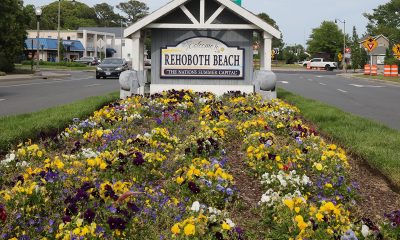
Although the weather is not expected to produce a picturesque Memorial Day Weekend at the Nation’s Summer Capital, plenty of exciting LGBTQ-friendly events, gatherings, and celebrations remain planned in Rehoboth Beach, Del., come rain or shine.
Thursday (5/21)
Begin this Memorial Day Weekend early on Thursday at The Pines Coastal Tavern, an LGBTQ+ friendly bar and grill that offers a happy hour from 4-6 p.m and a comfort food weekly special on Thursdays.
Next, you have a few options to spend your night enjoying live music, drag performances, and karaoke across Rehoboth.
The Purple Parrot Grill, Rehoboth’s only biergarten, will host its weekly Thursday Karaoke night starting at 9 p.m. With no cover fee, the Purple Parrot offers a queer-friendly space to have a drink or two and sing your heart out with friends.
Aqua, an LGBTQ bar in Rehoboth, is featuring six different DJs from Thursday to Monday. This Thursday will feature DJ KG, who will be spinning from 8 p.m. to midnight. Additionally, Thursdays are Burger Nights with $12 burgers and $3 domestic beers.
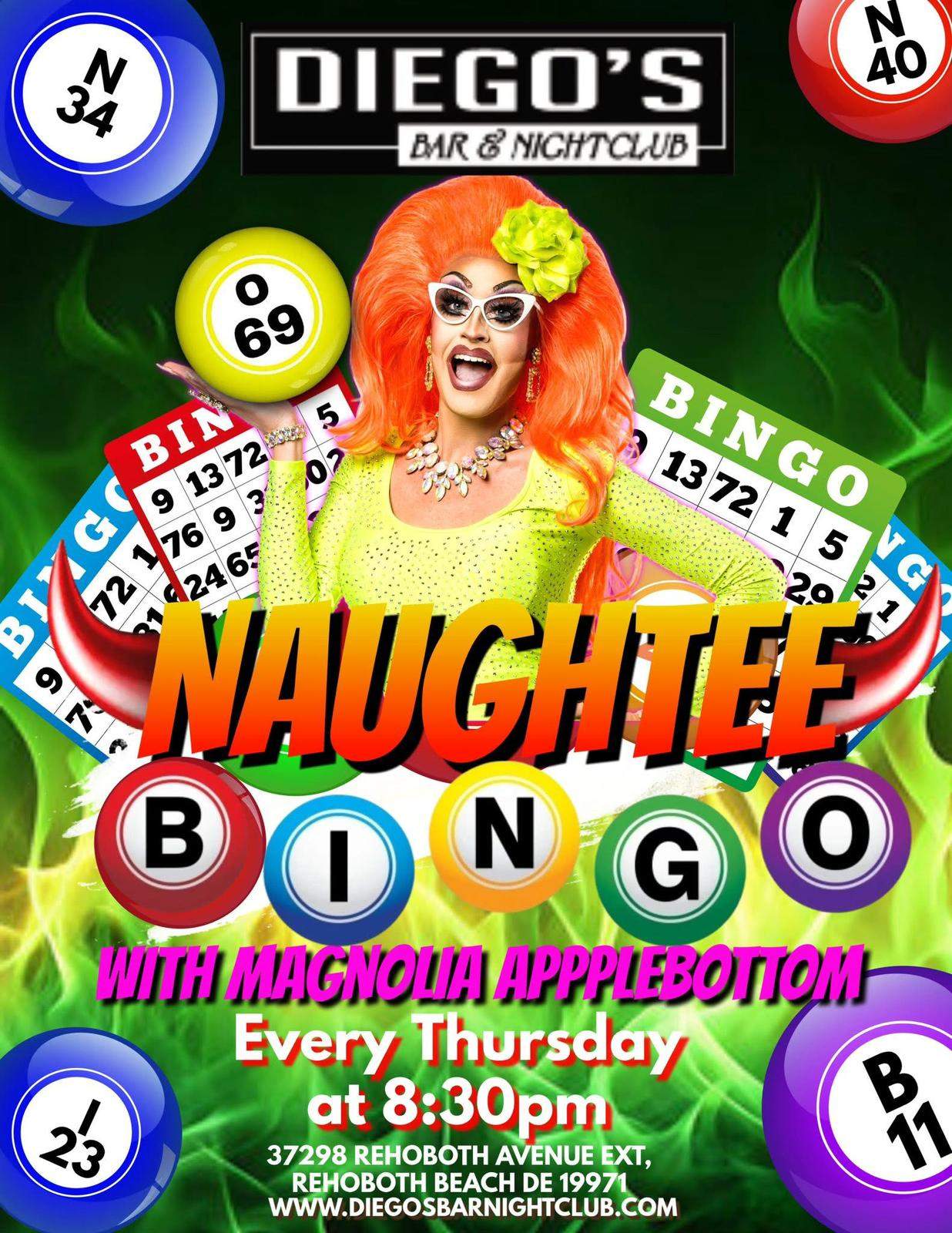
Naughtee Bingo will be hosted by Magnolia Applebottom at Diego’s Bar & Nightclub starting at 8:30 pm on Thursday.
Friday (5/22)
Get your Friday night started with a live piano show with Grant Uhle from 7-10 p.m. at The Pines.
Freddie’s Beach Bar, another LGBTQ-friendly bar in Rehoboth, will feature “Freddie’s Follie’s Drag Show” at 9 p.m. with DJ Nan keeping the party going at 11 p.m.
Aqua’s “Beats Party Night” with DJ Matt Bailer will also be going on from 9 p.m.-1 a.m.
Saturday (5/23)
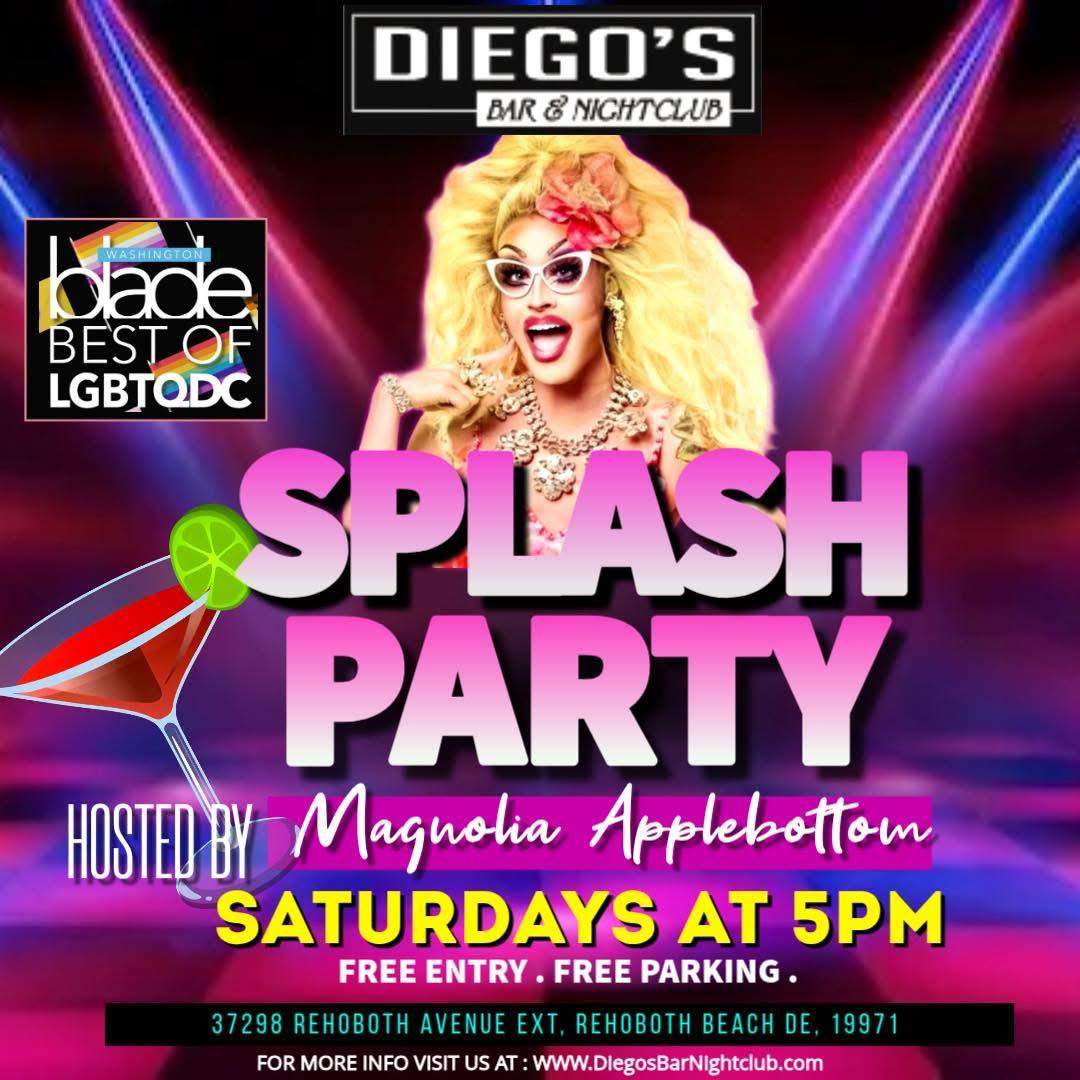
The party is starting early at Diego’s on Saturday with a Splash Party hosted by Magnolia Applebottom at 5 p.m.
The Pines is also offering a live Piano show & sing-a-long with Etienne Pilon from 6-8 p.m. and DJ Fixed Rate spinning from 8-11 p.m.
DJ Chord will play from 9 p.m.-1 a.m. at Aqua on Saturday night.
Sunday (5/24)
On Sunday, Aqua is hosting an “Aquaman” swimsuit modeling contest at 3 p.m. with the “king” chosen by the crowd. The event is sponsored by JimmyTrendy and prizes include a JimmyTrendy swimsuit set and an Aqua Grill gift card. JimmyTrendy will also offer a pop-up shop to purchase swimwear.
DJ Biff will play beats at the “Aquaman” contest until 6 p.m. and DJ Malachi Gomez will spin from 9 p.m.-1 a.m.
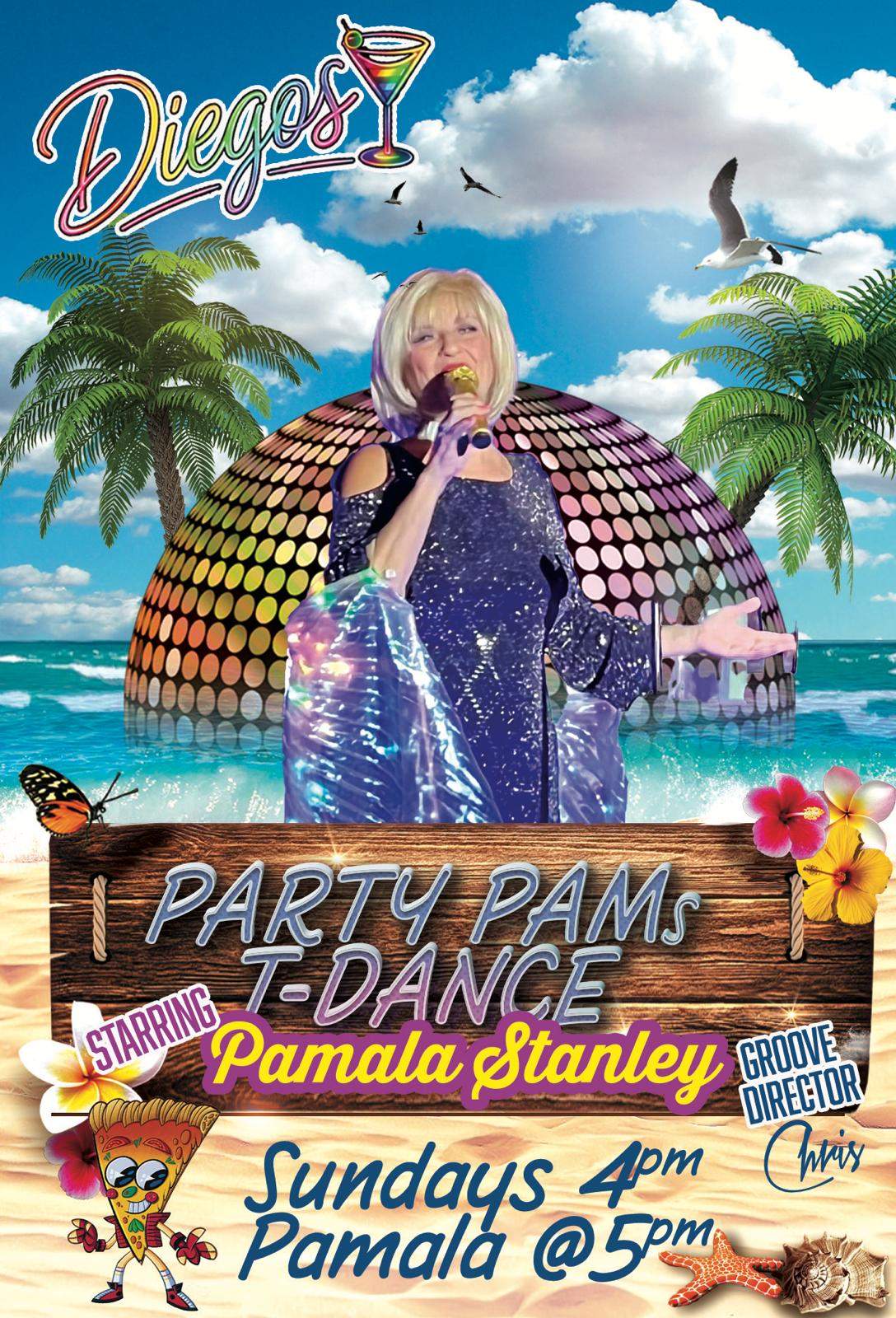
Diego’s is putting on its weekly Party Pams T-Dance starring singer Pamala Stanley at 5 p.m. It’s Pamala’s 21st season in Rehoboth Beach and her show is a must-see event.
At Freddie’s Beach Bar, DJ Shady Lady will play from 5-6 p.m. with a Memorial Day Sunday Drag Show taking place from 9-11 p.m. and karaoke directly after.
Monday (5/25)
Come together on Memorial Day to remember and honor the fallen women service members, first responders, and canine war heroes with the Laying of the Wreath. This ceremony will take place at 8:45 a.m. at the Veterans Memorial at the end of Rehoboth Avenue at the Band Stand Area. This event is put together by the Gay Women of Rehoboth.
Sussex Pride invites you to a Memorial Day Cookout Honoring LGBTQ+ Veterans and Servicemembers from 11 a.m.-3 p.m. at Gordons Pond Pavilion in Cape Henlopen.
End your MDW with Monday night singing your heart out with late night karaoke at Freddie’s Beach Bar at 8 p.m. and Piano Pam at Diego’s at 5 p.m. with Pamala Stanley playing everything from Broadway hits to current dance music.
District of Columbia
D.C. Black Pride set for Memorial Day Weekend
Dozens of events to reflect theme of ‘New Black Renaissance’
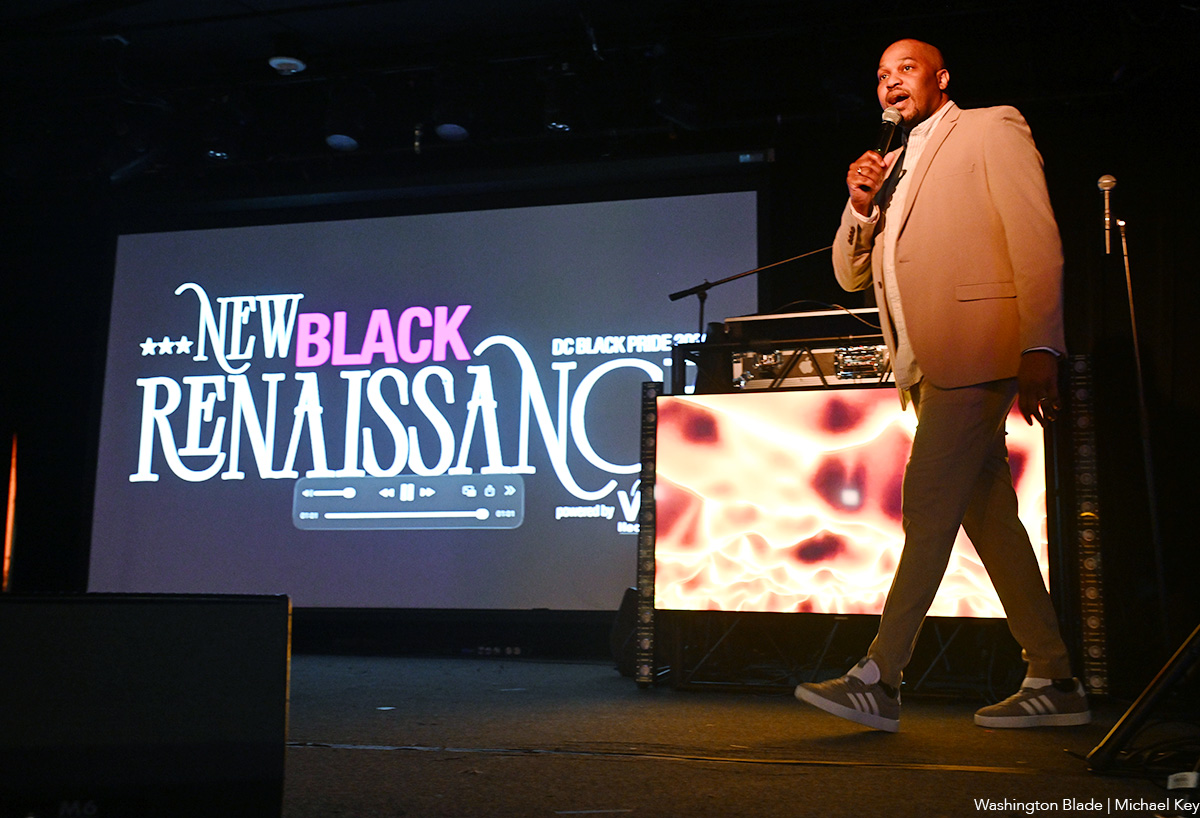
D.C.’s annual LGBTQ Black Pride celebration is scheduled to take place May 22-25 as it has since its founding 35 years ago on Memorial Day Weekend with several dozen events in locations across the city.
Like recent years, most of the official events are scheduled to take place at the Westin D.C. Downtown Hotel, including the Opening Reception on Friday, May 22, when Grammy Award-winning singer-songwriter Durand Bernarr was scheduled to be among the performers.
“This high-energy reception brings together community leaders, creatives, tastemakers, and visitors from across the globe for a night rooted in connection, joy, and celebration,” according to a statement on the Black Pride website.
Also, like past years, the second day of official Black Pride events set for Saturday, May 23, will include a dozen workshop sessions on a wide range of issues and topics. The workshop sessions will take place at the Westin Hotel.
On that same day, Black Trans Pride is scheduled to take place at the hotel from 1- 6 p.m., according to the official schedule of events.
“The goal is and always has been to make sure we have events for everybody, regardless of their financial situation, regardless of their agenda,” said Kenya Hutton, president and CEO of the Center For Black Equity, the D.C. LGBTQ group that organizes D.C. Black Pride.
Hutton said this year for the first time there will be a D.C. Black Pride Fun Run. The Black Pride website says the 5k run will take place Saturday, May 23, from 8 a.m.-12 p.m. starting at the Frederick Douglass Bride near the D.C. Navy Yard.
He said another first will be a film screening of the documentary film “Not Your Average Girl,” about the life of trans woman, author, and advocate Hope Giselle, scheduled for May 22 at the nearby Eaton Hotel.
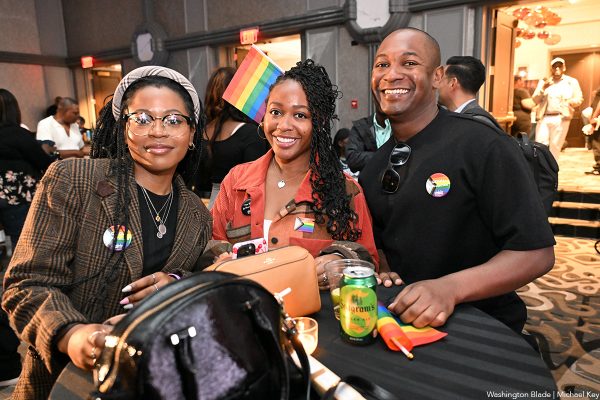
Also, like in past years, this year’s Black Pride will feature a Rainbow Row organization and vendor expo at the Westin from 5-9 p.m. Friday and 10 a.m. to 8 p.m. on Saturday that includes information tables set up by organizations and vendors.
The annual Pride In The Park event will take place Monday, May 25, from 12-7 p.m. at Fort Dupont Park located at 3600 F St., S.E. And the seventh annual “Brunch & Babes” drag event was scheduled for Sunday, May 24, at Hook Hall nightclub at 3400 Georgia Ave., N.W.
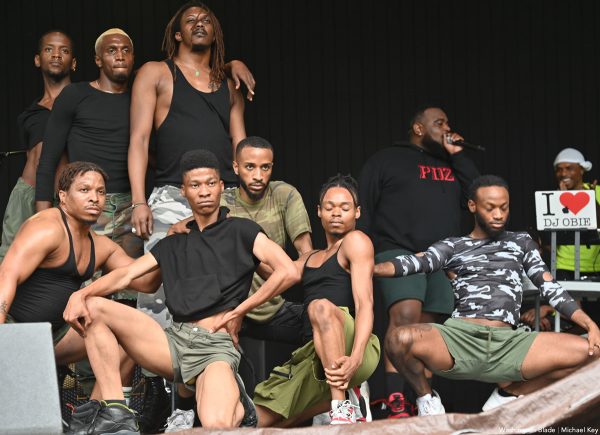
Among the other events taking place at other locations is a Sunday, May 24 “G-Spot Day Party” organized by local gay activist Geno Dunnington to be held at Bravo Bravo nightclub at 1001 Connecticut Ave., N.W. from 3-9 p.m. Dunnington told the Washington Blade the event will include the playing of house music, which he says played a role in local D.C. Black LGBTQ culture and in the first Black Pride celebration in 1991. The Black Pride website includes a write up of how that came about.
“From 1976 until1990, the ClubHouse in Washington, D.C. was a remarkable nightclub founded by Black members of D.C.’s LGBTQ community, widely known for its signature event – the Children’s Hour,” the write-up says. “This event was a true celebration and took place annually during Memorial Day weekend,” it says.
“When the ClubHouse closed in 1990, many feared the Memorial Day tradition would be lost,” the write-up continues. “However, three men – Welmore Cook, Theodore Kirkland, and Ernest Hopkins – envisioned creating an event that would continue the tradition of the Children’s Hour while also bringing awareness to the growing HIV/AIDS epidemic in their community.”
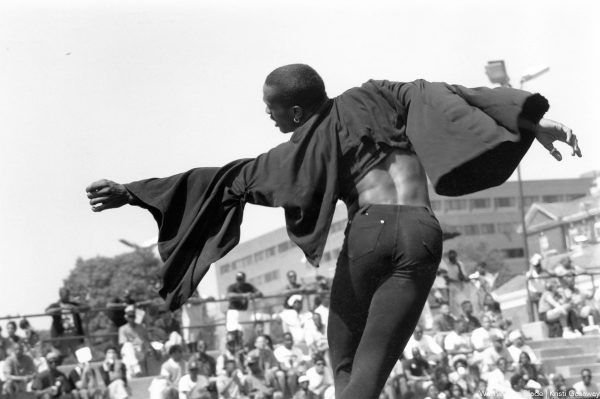
The write-up adds, “Their vision and hard work gave life to the first Black Gay and Lesbian Pride event on May 25, 1991, on the grounds of Banneker Field,” which is located near Howard University. “This first event drew 800 people, who were centered around the theme of ‘Let’s All Come Together.’”
It says organizers expanded the scope of the Black Pride events over the next several years as it evolved and prompted Black Pride events in other cities and the formation of the International Federation of Black Prides, which later became the Center for Black Equity.
“D.C. Black Pride was the catalyst for what is now regarded as the Black Pride Movement,” the writeup says. “Since its birth, more than 50 other Black Pride celebrations now take place throughout the world, many using D.C. Black Pride as its model.”
It adds, “Today, more than 500,000 members of the lesbian, gay, bisexual and transgender community of African descent and their allies come to Washington, D.C. on Memorial Day weekend to celebrate the beauty of a shared community and raise awareness and funding for HIV/AIDS in the name and spirit of Black Pride.”
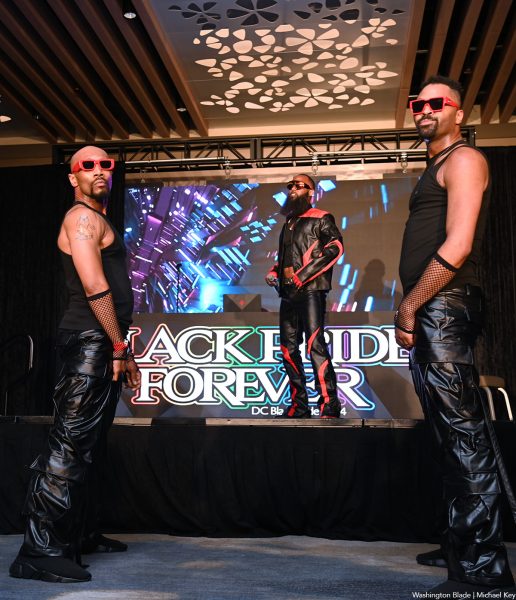
Hutton said D.C. Black Pride has grown to a point where organizers cannot keep track of all the unofficial events taking place.
“There are a number of events that are not even on our website,” he said. “They’re parties. People are having cookouts. There are all kinds of things that are happening over the weekend, that are official listed events, partner events, and non-partner events.”
Hutton said that while D.C. Black Pride’s support from corporate and business sponsors has remained stable, Black Pride organizations in other cities have been hit hard by the growing reluctance by businesses to sponsor LGBTQ related events and LGBTQ organizations brought about by the Trump administration’s opposition to so-called diversity, equity and inclusion or “DEI” programs.
He said several Black Pride groups have had to curtail their annual celebrations’ scope, with some facing the prospect of cancelling their celebrations due to a sharp decrease in funds from business donors. D.C. Black Pride has also faced the impact of anti-DEI pressure from the Trump administration, according to Hutton, from businesses that have asked not to be publicly identified as sponsors.
“The administration has put pressure on some of our traditional sponsors, and we have some sponsors this year who have told us don’t put our ad, don’t put our logo, don’t put anything out” to publicly identify them as sponsors, Hutton said. “They still want to support us but can’t announce they are financially supporting us in any kind of way,” he said.
As she has in recent past years, D.C. Mayor Muriel Bowser this year issued an official mayoral proclamation declaring May 22-25, 2026 as “DC BLACK PRIDE WEEKEND.”
A list of the official 2026 D.C. Black Pride and partner events and their locations can be accessed at dcblackpride.org.


Iran war causes condom shortage in India

U.S. attorney nominee confirmed despite anti-LGBTQ history, no trial experience

Vt. lawmaker equates transgender identity with bestiality

Gay Men’s Chorus celebrates 45 years at annual gala

BREAKING NEWS: Barney Frank dies at 86

Disillusioned about democracy? Think of it as a community garden

Honey, have we been priced out of gay paradise?

IDAHOBiT a reminder we all must stand up against transphobia

PHOTOS: Blade Summer Kickoff Party