Arts & Entertainment
The need for speed
Gay Games vet hopes for more gold
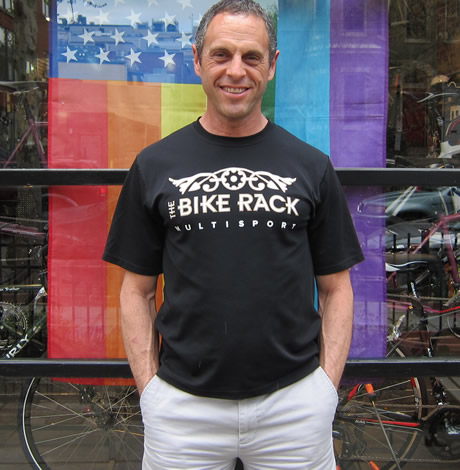
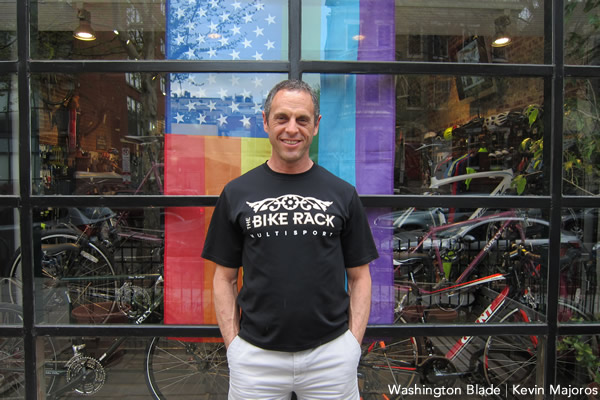
Chuck Harney at his shop, the Bike Rack on Q Street. (Washington Blade photo by Kevin Majoros)
As a teenager on his high school tennis team in Los Angeles, Chuck Harney had another thing on his mind. He had the need for speed. To fulfill that need, he began competing in downhill and slalom ski racing on Mammoth Mountain.
The thrill of racing down a mountain wasn’t quite enough, so while he was still in his teens, he transitioned to bicycle touring and spent his time trekking along the coast of California, Oregon and through parts of Europe.
“I love to be on my bike,” says Harney, 52. “I love the speed and I love the freedom.”
Harney moved to D.C. in 1991 and began racing in cycling on the local circuit and across the United States as a member of Team DC Velo. In 1994, he struck gold at the Gay Games in New York. He also captured gold in cycling at the Chicago Gay Games in 2006.
Looking for something to add to his cycling, Harney transitioned to triathlons (swim-bike-run), duathlons (run-bike-run) and Xterra off-road triathlons in 1998. He qualified for the World Duathlon Championships and competed for Team USA from 2008-2011.
After taking a few years off, Harney is back on the bike training for the Cleveland Gay Games in August. The Gay Games offers four events in cycling: road race, individual time trial, team time trial and criterium (closed-off short course racing).
As co-owner of the Bike Rack on Q St., N.W. in D.C., Harney always has one foot on the bike. In preparation for the Games, he will be spending a lot of long hours on the bike.
“I will also do race specific training,” he says. “Along with distance work with my teammates, there will be interval training and hill climbing. We will also probably compete in some local races leading up to the Games.”
There are a lot of hazards in the sport of cycling. Most cyclists sport road rash on a regular basis. For Harney, the crashes are just part of the sport, but he did share another hazard he faced at a duathlon race in Columbia, Md., on a very cold December day.
“It was so cold, that I decided to wear leg warmers on the first run,” he says laughing. “During the run they started coming down and were clumped around my ankles by the time I got to my bicycle. That was my first and last race in leg warmers.”
For the Games in Cleveland, Harney says his focus will be on supporting and hanging out with his teammates from D.C. Velo that will also be competing at the Games.
His competitive spirit emerged when he also added that he was putting a group together for the team time trial that should bring home the gold medal.
The need for speed never dies.
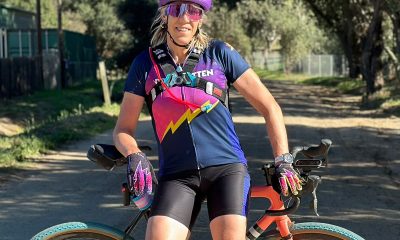

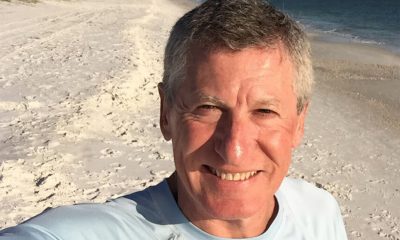



The Capital Pride Alliance presented the 2026 Capital Pride Honors at “The Audacity Brunch: In Full Fuchsia” at the Four Seasons Hotel Washington, D.C. on Sunday, June 7.
(Washington Blade photos by Landon Shackelford)


Out & About
Congressional Cemetery hosts Gays & Graves
Daylong Pride celebration blends history, remembrance, art and community

Historic Congressional Cemetery will host the second annual “Gays & Graves: A Big Gay Festival” on Sunday, June 14 at 11 a.m.
The event will feature pioneering activist Randy Wicker, the Gay Men’s Chorus of Washington, and new public art installations and programs celebrating LGBTQ+ history. Gays & Graves is an official partner event of Capital Pride 2026.
This event is a daylong Pride celebration blending history, remembrance, art and community. Visitors can shop from LGBTQ+ and allied artists and makers, experience performances and interactive installations, and engage with programs exploring LGBTQ+ history and lived experience.
For more details, visit the cemetery’s website.
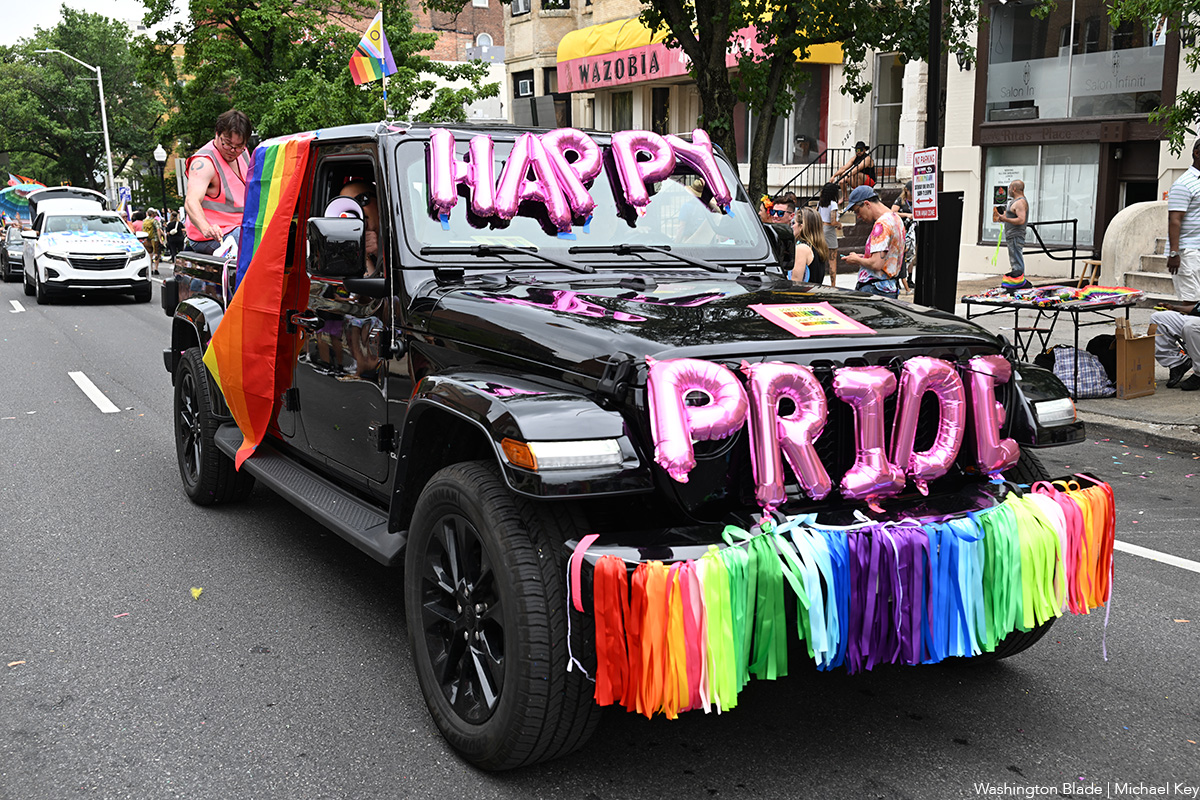
Baltimore Pride is underway, taking place from June 8-14.
The Pride Parade will be on Saturday, June 13 at 12 p.m. at Charles Street & North Avenue, followed by the Pride Block Party at 1 p.m. at Druid Hill Park. And then the Pride Festival will be held on Sunday, June 14 at 12 p.m. at Druid Hill Park.
There will be an array of additional events including: a fashion show, a “Suits and Sneakers” reception and a 5k race, among many other events.
For more details, visit Baltimore Pride’s website.

PHOTOS: The Audacity Brunch

D.C. Council approves expanded grant funding for Mayor’s Office of LGBTQ Affairs

Congressional Cemetery hosts Gays & Graves

Baltimore Pride is here

Calendar: June 12-18

‘Mighty Real’ explores history of LGBTQ music

D.C.’s housing reality: Cautious optimism meets landlord strain

Hundreds of thousands expected to attend D.C. Pride events

PHOTOS: Pride Run