Sports
New survey measures LGBT friendliness of college athletics
Campus Pride launches sports index spin-off
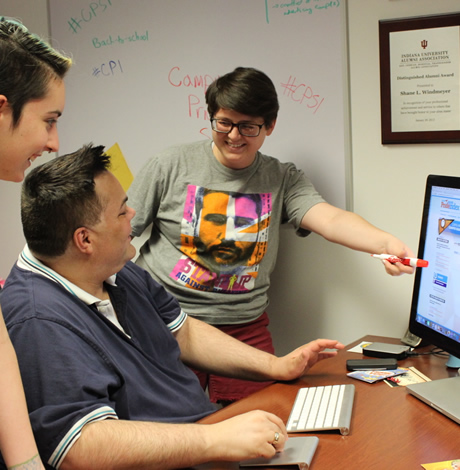
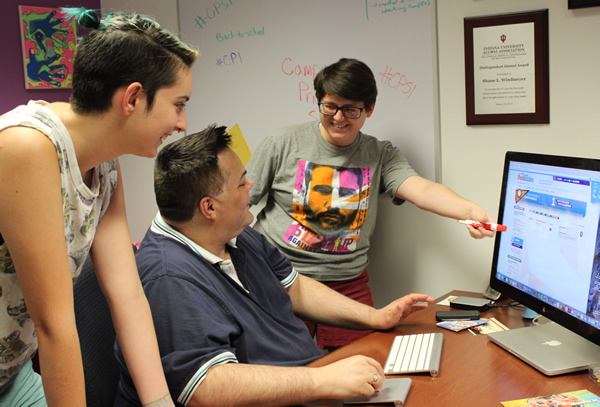
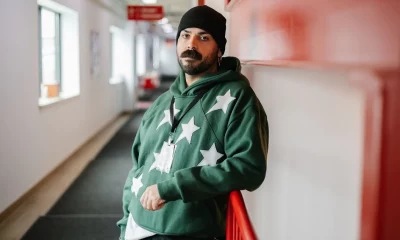
From left are Prin (no last name given), Shane Windmeyer and Allison Turner at the Campus Pride home base in Charlotte, N.C. (Photo courtesy Campus Pride)
Campus Pride, the organization behind the Campus Pride Index, a national listing of LGBT-friendly U.S. colleges, quietly launched a spin-off in June.
The new Campus Pride Sports Index, in development since 2001, is a resource that helps colleges self assess how welcoming and inclusive their athletic programs are for LGBT students. The same team that launched the main Campus Pride Index, which averages about 80,000 unique visitors per month, also worked on the Sports Index and said there is a need for a separate gauge for athletics.
“Singling out sports in particular is important because it is one of those areas of campus life that has not been as LGBT-inclusive generally as other areas have been,” says Genny Beemyn, a gender nonconforming author and academic who helped edit the responses. “On a lot of campuses, especially at very large universities, sports are a big part of campus life so we want to make sure that LGBT students are treated equally and feel welcome when they participate.”
Participation is voluntary for schools. To begin, a campus official creates an account and takes an online assessment that involves about 50 questions that correspond to five different LGBT-friendly factors. It doesn’t have to be completed in one sitting as sometimes officials have to conduct research to answer some of the questions accurately.
Once completed, the official receives a confidential report of the responses along with results and recommendations. Each school may decide how much of the information it wants to have posted online. The index measures policy, program and practice and asks questions such as, “Is there ongoing training for full-time staff that’s inclusive of sexual orientation,” “Is there a visible reporting mechanism for responding to anti-LGBT harassment, verbal conduct or practices,” “Is there private changing space and showers in locker rooms for transgender participants” and so on.
The survey can be conducted at any time of the academic year. Schools are ranked by earning up to five medals. California State University in Chico, Calif., for instance, has two-and-a-half medals on the index. There’s no cost for colleges to participate.
So far just 14 schools have completed the assessment but Campus Pride officials hope to have about 100 colleges included by year’s end. The June launch was considered a “soft opening.” Campus Pride workers hope to launch the new index with more fanfare this fall, perhaps with a tie in to a major college football program or event.
“We tend to think of colleges as these liberal bastions that have all these progressive policies, but only about 20 percent of U.S. colleges even have a basic non-discrimination policy in place that’s inclusive of sexual orientation,” says Shane Windmeyer, co-founder and executive director of Campus Pride. “It’s even lower around gender identity and expression.”
Unlike, for example, the Human Rights Campaign Corporate Equality Index, an annual report of businesses and their LGBT policies or lack thereof, both the Campus Pride Index and the Sports Index are voluntary.
“It’s not really our purpose to rank schools on our own,” Windmeyer says. “The Sports Index gives them the opportunity to come out as LGBTQ-friendly, just like an individual has to live openly and come out. We don’t think it’s our job to go to a school and rate them unless they’re willing to do it. And they have to think about what message not participating sends to prospective students as well. If your college doesn’t have the time to participate, then why would you want to go there?”
Schools can improve over time. On the Campus Pride Index, Windmeyer says some schools came back in subsequent years and about 80 percent that returned improved in at least one area. He knows of one college in Ohio that included improving on the index as one goal in its official strategic plan for diversity. Although the Sports Index is new, Windmeyer says he anticipates it will be used as a similar benchmark in coming years.
Windmeyer says early feedback has been positive.
“The Sports Index has been an invaluable tool to the University of Richmond as we continue to ensure all of our campus is inclusive of the LGBTQ community,” says Ted Lewis, associate director of Common Ground for LGBTQ Campus Life at the University of Richmond. “We are very proud of our three-and-a-half medal ranking and the beauty of the assessment is we now have tangible next steps to continue our journey of full inclusion in varsity athletics and recreation sports.”





Sports
New IOC policy bans trans women from Olympics
New regulation to be in effect at 2028 summer games in Los Angeles
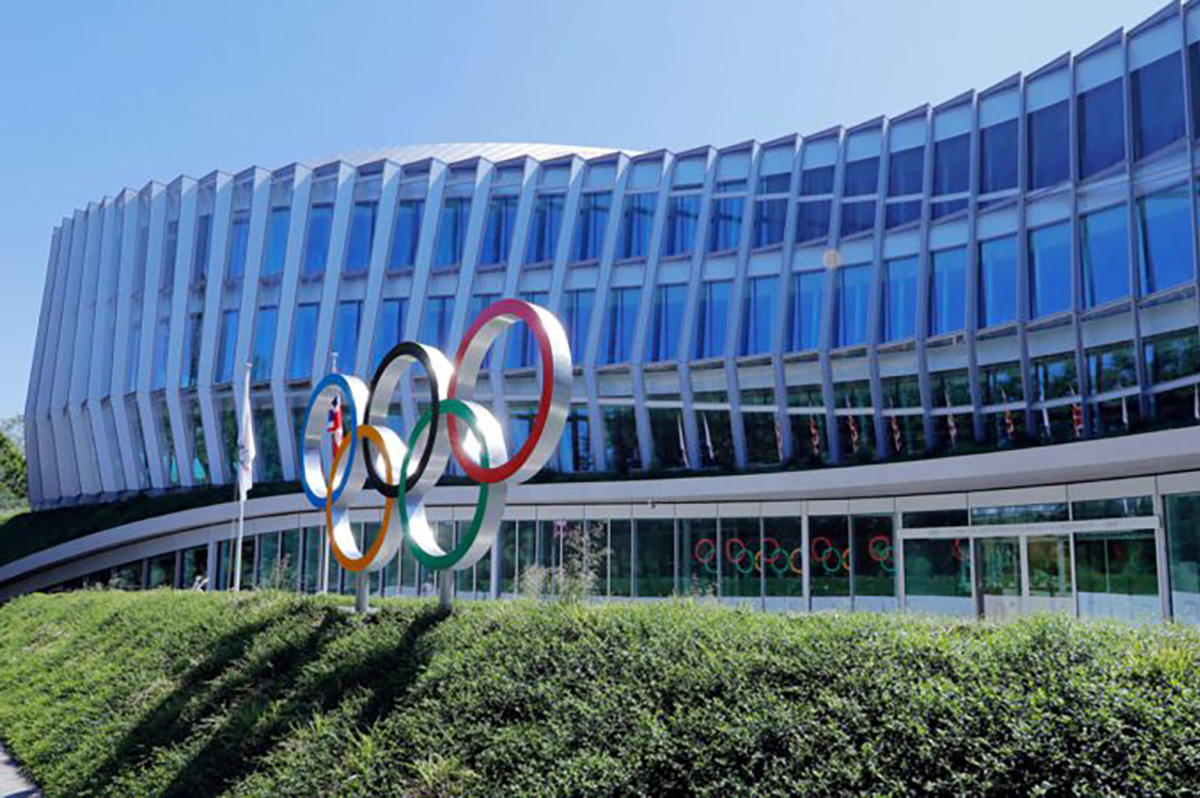
The International Olympic Committee on Thursday announced it will not allow transgender women from competing in female events at the Olympics.
“For all disciplines on the Sports Program of an IOC event, including individual and team sports, eligibility for any Female Category is limited to biological females,” reads the new policy.
The policy states “eligibility for the Female Category is to be determined in the first instance by SRY Gene screening to detect the absence or presence of the SRY Gene.”
“On the basis of the scientific evidence, the IOC considers that the SRY (sex-determining Region Y) Gene is fixed throughout life and represents highly accurate evidence that an athlete has experienced or will experience male sex development,” it reads. “Furthermore, the IOC considers that SRY Gene screening via saliva, cheek swab or blood sample is unintrusive compared to other possible methods. Athletes who screen negative for the SRY gene permanently satisfy this policy’s eligibility criteria for competition in the Female Category.”
The policy states the test “will be a once-in-a-lifetime test” unless “there is reason to believe a negative reading is in error.”
The new regulation will be in place for the 2028 Summer Olympics in Los Angeles.
“I understand that this a very sensitive topic,” said IOC President Kirsty Coventry on Thursday in a video. “As a former athlete, I passionately believe in the rights of all Olympians to take part in fair competition.”
“The policy that we have announced is based on science and it has been led by medical experts with the best interests of athletes at its heart. The scientific evidence is very clear: male chromosomes give performance advances in sport that rely on strength, power, or endurance,” she added. “At the Olympic Games, even the smallest margins can be the difference between victory and defeat. So, it is absolutely clear that it would not be fair for biological males to compete in the female category. In addition, in some sports it would simply not be safe.”
(Video courtesy of the IOC)
Laurel Hubbard, a weightlifter from New Zealand, in 2021 became the first trans woman to compete at the Olympics.
Imane Khelif, an Algerian boxer, won a gold medal at the 2024 Summer Olympics in Paris. Khelif later sued JK Rowling and Elon Musk for cyberstalking after they questioned her gender identity.
Ellis Lundholm, a mogul skier from Sweden, this year became the first openly trans athlete to compete in any Winter Olympics when he participated in Milan Cortina Winter Olympics in Italy.
President Donald Trump in February 2025 issued an executive order that bans trans women and girls from female sports teams in the U.S.
The U.S. Olympic and Paralympic Committee last July banned trans women from competing in female sporting events. Republican lawmakers have demanded the IOC ban trans athletes from women’s athletic competitions.
“I’m grateful the Olympics finally embraced the common sense policy that women’s sports are for women, not for men,” said U.S. Sen. Tom Cotton (R-Ark.) on X.
An IOC spokesperson on Thursday referred the Washington Blade to the press release that announced the new policy.
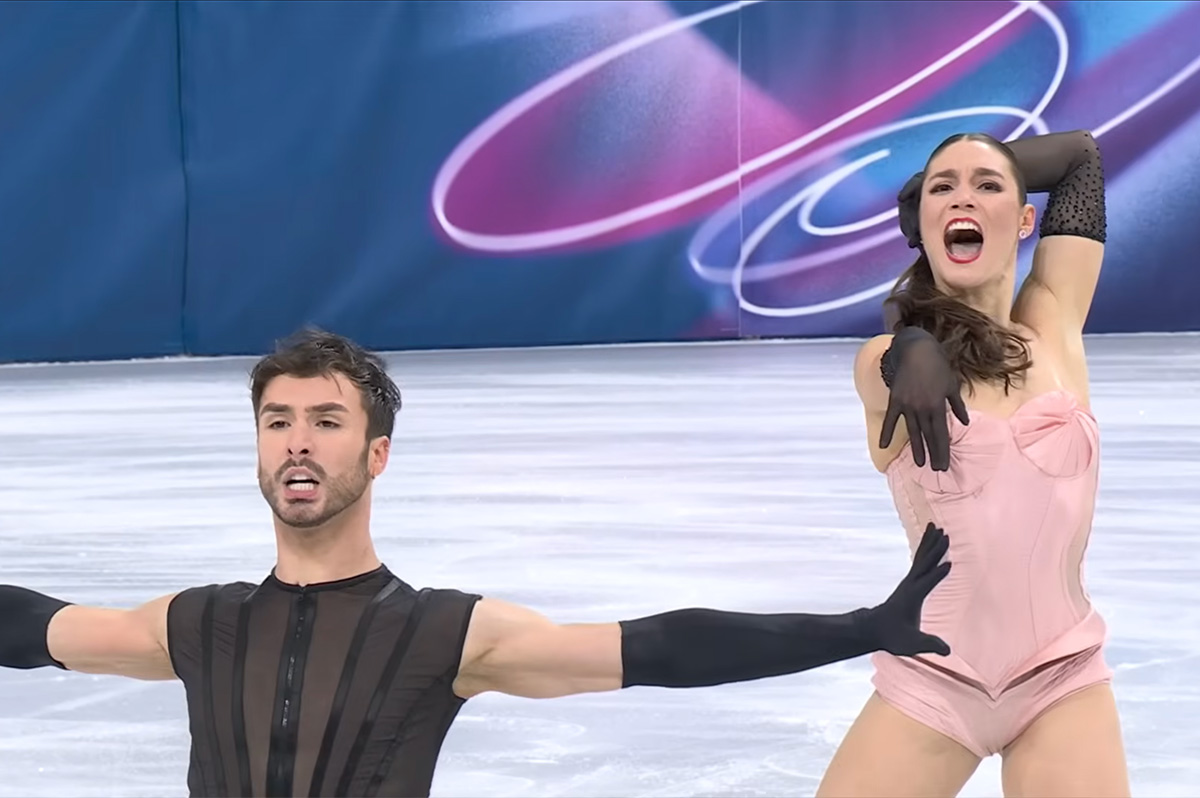
More than a dozen LGBTQ athletes won medals at the Milan Cortina Winter Olympics that ended on Sunday.
Cayla Barnes, Hilary Knight, and Alex Carpenter are LGBTQ members of the U.S. women’s hockey team that won a gold medal after they defeated Canada in overtime. Knight the day before the Feb. 19 match proposed to her girlfriend, Brittany Bowe, an Olympic speed skater.
French ice dancer Guillaume Cizeron, who is gay, and his partner Laurence Fournier Beaudry won gold. American alpine skier Breezy Johnson, who is bisexual, won gold in the women’s downhill. Amber Glenn, who identifies as bisexual and pansexual, was part of the American figure skating team that won gold in the team event.
Swiss freestyle skier Mathilde Gremaud, who is in a relationship with Vali Höll, an Austrian mountain biker, won gold in women’s freeski slopestyle.
Bruce Mouat, who is the captain of the British curling team that won a silver medal, is gay. Six members of the Canadian women’s hockey team — Emily Clark, Erin Ambrose, Emerance Maschmeyer, Brianne Jenner, Laura Stacey, and Marie-Philip Poulin — that won silver are LGBTQ.
Swedish freestyle skier Sandra Naeslund, who is a lesbian, won a bronze medal in ski cross.
Belgian speed skater Tineke den Dulk, who is bisexual, was part of her country’s mixed 2000-meter relay that won bronze. Canadian ice dancer Paul Poirier, who is gay, and his partner, Piper Gilles, won bronze.
Laura Zimmermann, who is queer, is a member of the Swiss women’s hockey team that won bronze when they defeated Sweden.
Outsports.com notes all of the LGBTQ Olympians who competed at the games and who medaled.
Sports
US wins Olympic gold medal in women’s hockey
Team captain Hilary Knight proposed to girlfriend on Wednesday
The U.S. women’s hockey team on Thursday won a gold medal at the Milan Cortina Winter Olympics.
Team USA defeated Canada 2-1 in overtime. The game took place a day after Team USA captain Hilary Knight proposed to her girlfriend, Brittany Bowe, an Olympic speed skater.
Cayla Barnes and Alex Carpenter — Knight’s teammates — are also LGBTQ. They are among the more than 40 openly LGBTQ athletes who are competing in the games.
The Olympics will end on Sunday.

Thousands attend ‘No Kings’ protests in D.C.

Blade contributor, husband exchange vows in D.C.

Ghanaian president welcomed to Philadelphia amid backlash over anti-LGBTQ bill

PHOTOS: ‘No Kings’ rally and march

‘Out for McDuffie’ event held at D.C. gay bar

Pa. House passes bill to codify marriage equality in state law

Introducing the Torchbearers Awards honoring queer, trans women and nonbinary people

New IOC policy bans trans women from Olympics

A surtax would end this war quickly

‘No Kings’ protests set for D.C.
-

 Pennsylvania5 days ago
Pa. House passes bill to codify marriage equality in state law
-
a&e features5 days ago
Introducing the Torchbearers Awards honoring queer, trans women and nonbinary people
-
Sports5 days ago
New IOC policy bans trans women from Olympics
-
Opinions5 days ago
A surtax would end this war quickly