
Arts & Entertainment
Shania Twain apologizes for saying she would have voted for Trump
the Canadian country singer believed the president was an ‘honest’ candidate
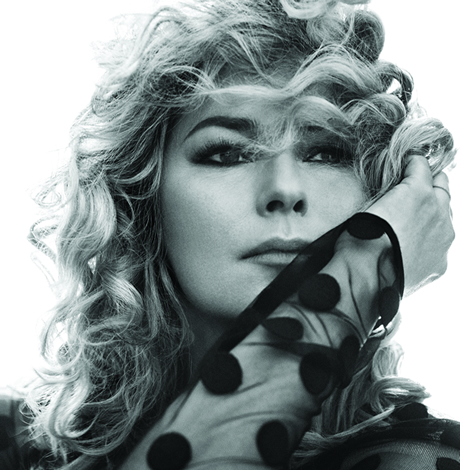
Shania Twain (Photo by Giampaolo Sgura; courtesy the Karpel Group)
Shania Twain has apologized for saying she would have voted for Donald Trump.
In an interview with the Guardian, the Canadian country singer explained she felt Trump was an “honest” candidate.
“I would have voted for him because, even though he was offensive, he seemed honest. Do you want straight or polite? Not that you shouldn’t be able to have both. If I were voting, I just don’t want bulls**t. I would have voted for a feeling that it was transparent. And politics has a reputation of not being that, right?” Twain said.
Now, Twain is backtracking on her earlier statement and says her response deserved “more context.” She also says she doesn’t “hold any common moral beliefs” with Trump.
“I would like to apologise [sic] to anybody I have offended in a recent interview with the Guardian relating to the American President. The question caught me off guard. As a Canadian, I regret answering this unexpected question without giving my response more context,” Twain tweets. “I am passionately against discrimination of any kind and hope it’s clear from the choices I have made, and the people I stand with, that I do not hold any common moral beliefs with the current President.”
She added, “I was trying to explain, in response to a question about the election, that my limited understanding was that the President talked to a portion of America like an accessible person they could relate to, as he was NOT a politician.”
I would like to apologise to anybody I have offended in a recent interview with the Guardian relating to the American President. The question caught me off guard. As a Canadian, I regret answering this unexpected question without giving my response more context (1/4)
— Shania Twain (@ShaniaTwain) April 22, 2018
I am passionately against discrimination of any kind and hope it’s clear from the choices I have made, and the people I stand with, that I do not hold any common moral beliefs with the current President (2/4)
— Shania Twain (@ShaniaTwain) April 22, 2018
I was trying to explain, in response to a question about the election, that my limited understanding was that the President talked to a portion of America like an accessible person they could relate to, as he was NOT a politician (3/4)
— Shania Twain (@ShaniaTwain) April 22, 2018
My answer was awkward, but certainly should not be taken as representative of my values nor does it mean I endorse him. I make music to bring people together. My path will always be one of inclusivity, as my history shows. (4/4)
— Shania Twain (@ShaniaTwain) April 22, 2018
However, some fans weren’t willing to accept Twain’s apology.
Boy when you dig a hole for yourself you REALLY dig a hole for yourself.
You don’t impress us much !
.
— Rick AroundtheClock (@RAroundtheclock) April 23, 2018
Not “Feeling like a woman” now Shania? Was planning on going to see her in Texas, sorry not feeling it now.
— Simplecynts (@simplecynts) April 23, 2018
I am amazed that you could have thought that he was even a little bit genuine. Obviously you’re not a good judge of character. No one is perfect but I NEVER thought someone like him would ever hold office. He’s an embarrassment!
— Gretchen Rosa (@GretchenRosa) April 23, 2018
Perfect reason to throw away my CD and keep my daughters from listening to someone who abuses women, make fun of the handicap and is a racist. Lost me as a fan
— King Rat (@1KingRat) April 23, 2018
While other fans didn’t feel she needed to apologize for having a different political opinion.
You are entitled to your opinion and you shouldn’t have to apologize but I’m just curious how anyone observing Trump during the campaign could have qualified him as honest and transparent. Your judgement leaves alot to be desired.
— gary rodriguez (@bailey3204) April 23, 2018
It’s disgusting that people are being blamed and ridiculed for voting for the person you don’t agree with. I feel she shouldn’t have to apologise for this.
— Matthew (@fudgehog0) April 23, 2018
I love you and am so sorry you felt the need to apologize. This interview was so honest and touching, I can‘t believe people judging you without having even read it all. Having followed you for so many years I know what you stand for, and that‘s all that matters to me.
— Victoria (@xTorix33) April 23, 2018


a&e features
Television loses a legend, longtime ‘Will & Grace’ director James Burrows
Iconic hitmaker leaves behind a legacy of telling LGBTQ stories
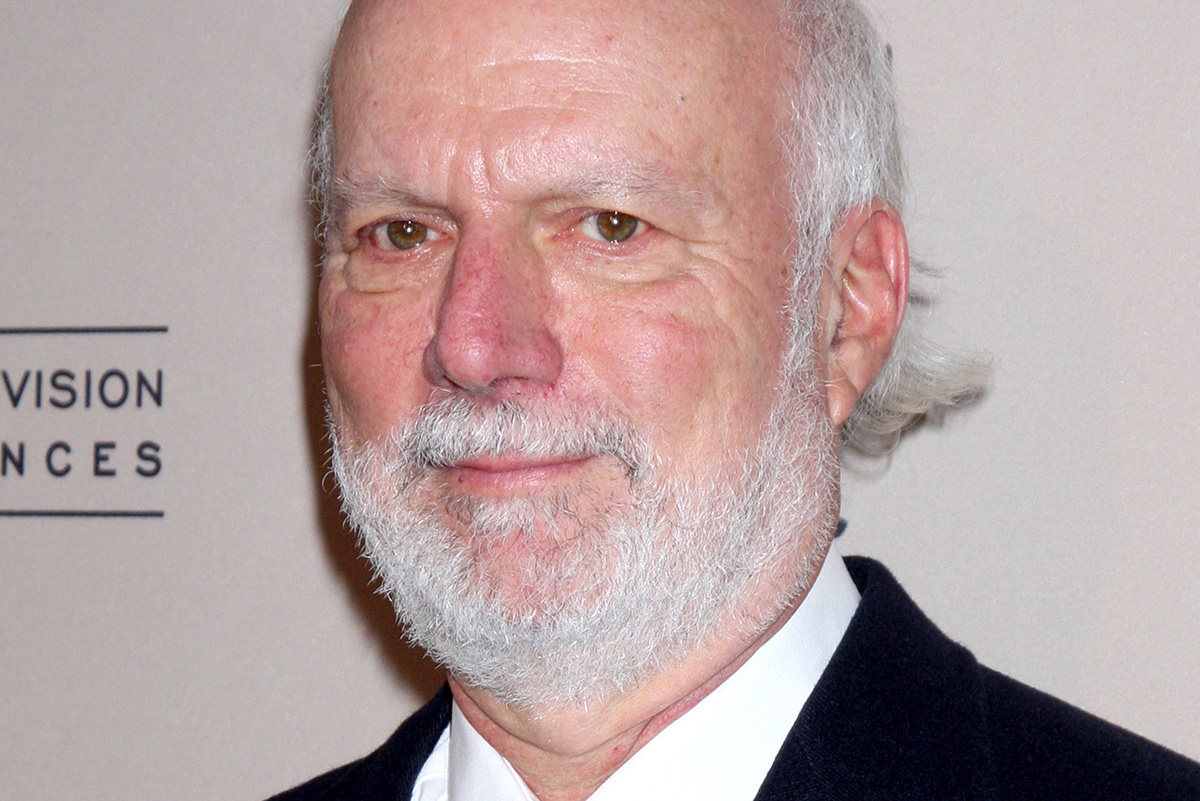
You don’t have to be a pretentious film major to name 10 movie directors. But naming television directors is not that simple. They’re the unsung heroes of your favorite shows, and the late James Burrows was the television director. He passed on June 19, but his DNA runs through television history.
He directed over 1200 episodes of television and over 50 pilots. He co-created “Cheers” and directed many episodes of long-running series like “Friends,” “Taxi,” “Frasier,” “The Big Bang Theory,” and “Two and a Half Men.” You also may remember him from playing a heightened version of himself on the Lisa Kudrow comedy “The Comeback.”
He has left an indelible mark on the LGBTQ community. As recently as last year, he directed the series run of “Mid-Century Modern” starring Nathan Lane, Matt Bomer, and Linda Lavin. He was also a longtime director of “Will & Grace” and directed every episode of the series revival. He even directed the unaired “Absolutely Fabulous” pilot with Kathryn Hahn, Kristen Johnston, and Zosia Mamet.
Not to mention he’s worked with queer icons throughout history, including Betty White and Stockard Channing on their single-season series, and Jennifer Coolidge in “2 Broke Girls.”
He started his career on shows like “The Mary Tyler Moore Show,” “Rhoda,” “Laverne & Shirley,” and the first four seasons of “Taxi.”
He continued to work steadily and directed successful pilots that went to series for “Roc,” “3rd Rock From the Sun,” “Dharma & Greg,” and “Wings.” He directed multiple episodes of “Friends,” “Caroline in the City,” and “Frasier.”
This magic continued into the 2000s with him directing the pilots for “Two and a Half Men,” “The Big Bang Theory,” and multiple episodes of “Mike & Molly,” and the entire return series of “Will & Grace.”
What was the secret to his success? He’d enact the “fun clause” in his contract. In his words, “Life is too short to deal with obnoxious leads,” he shared. “So as long as the writing is good and the cast is fun, I’m going to enjoy the experience.”
He had the magic touch, having multiple pilots turned into long-running series. He was nominated for an Emmy 24 times in 26 years and worked consistently until a year before his death.
The secret was the way he brought the cast together. He describes, “it was my job to mold them into an ensemble, and they did round into a group of people who loved each other.”
This earned him 11 Emmy Awards and five Directors Guild of America Awards, including being awarded the inaugural DGA’s Lifetime Achievement Award for Television Direction.
In a 2003 interview by the Television Academy, he was asked how he wants to be remembered, and he said, “That every night forever you can tune in somewhere, and there’ll be a show I did.”
He’s survived by his wife, Debbie, four daughters, seven grandchildren, and the countless people whose careers he launched and the countless viewers he inspired with his television legacy.
Photos
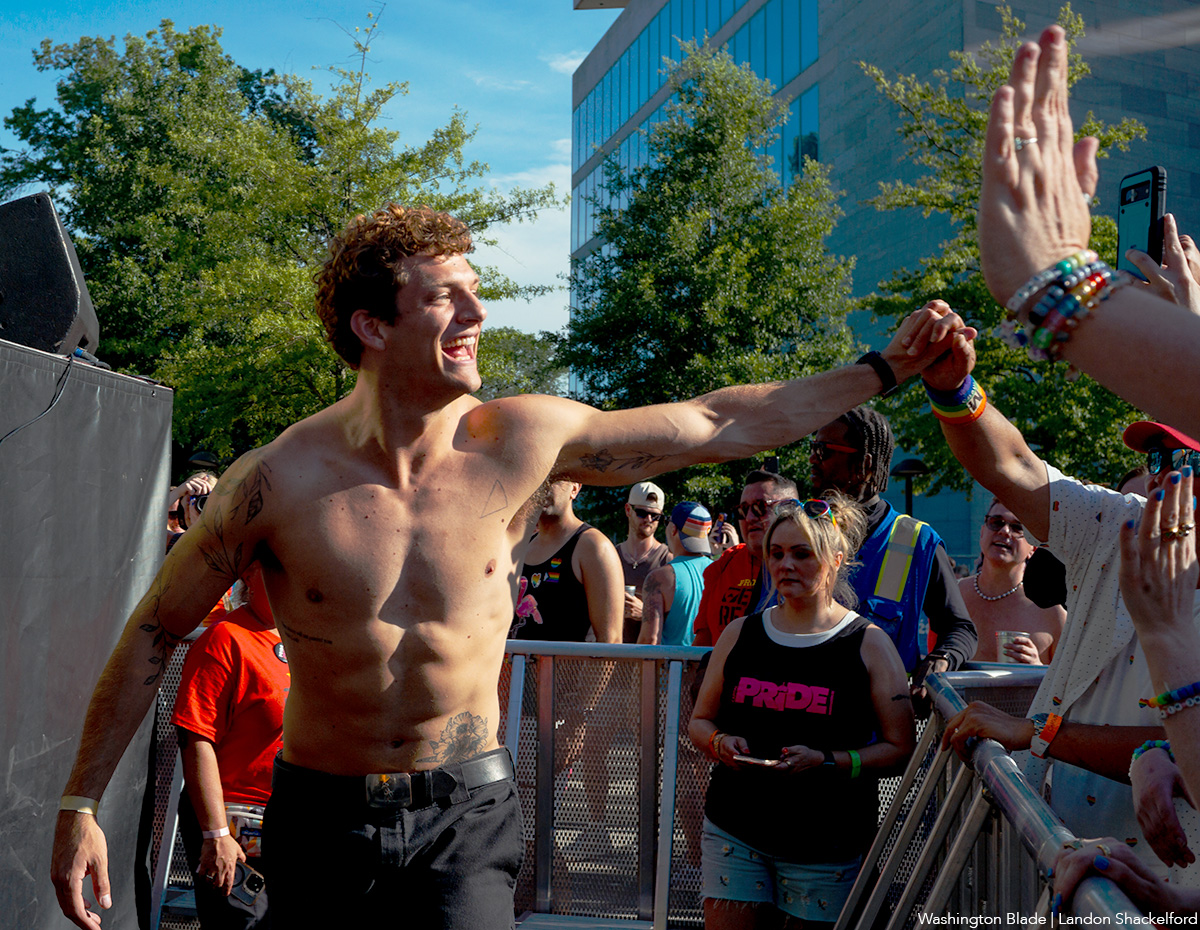
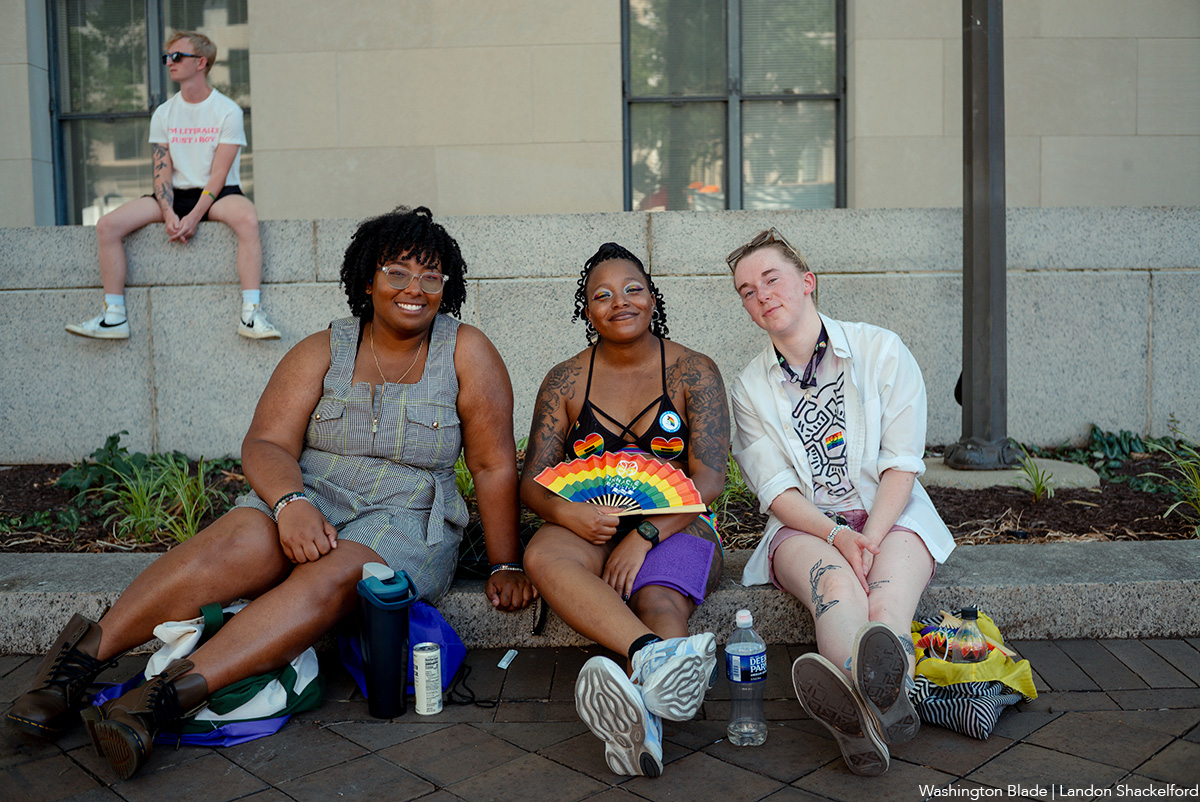
PHOTOS: Capital Pride Festival and Concert
Annual LGBTQ celebration held on Pennsylvania Ave.

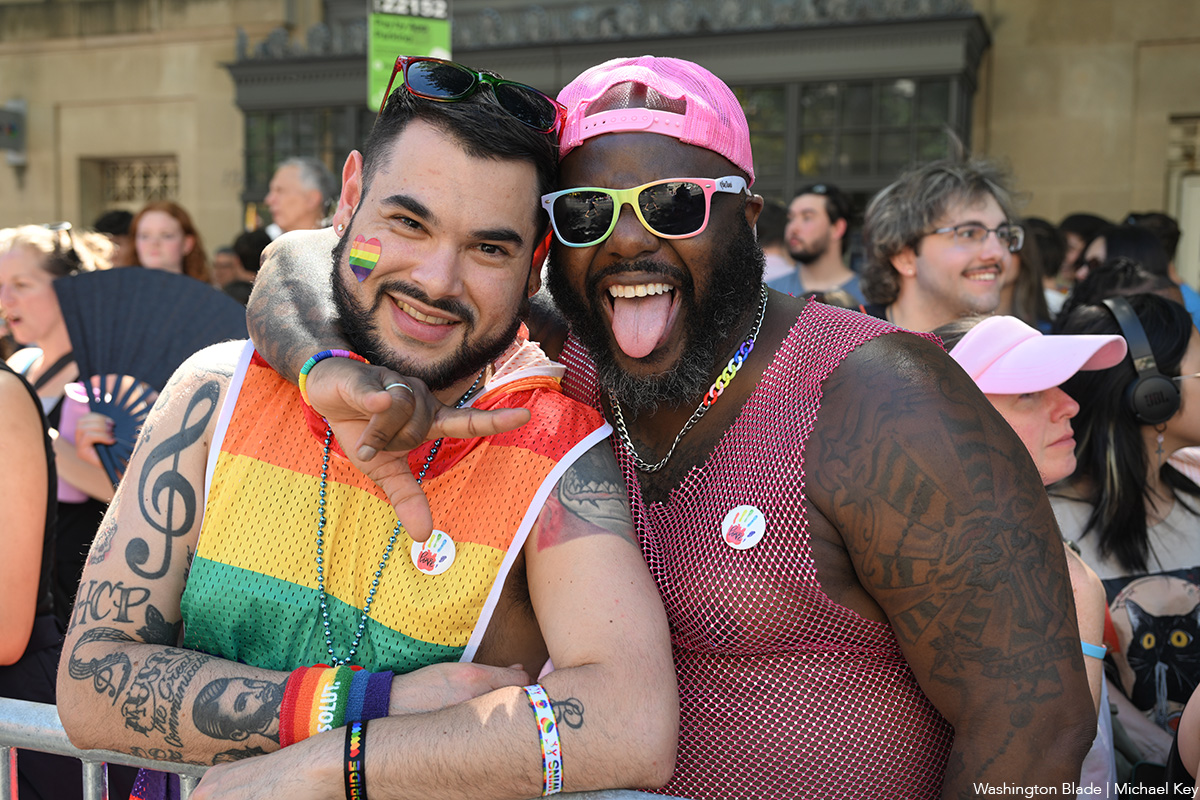
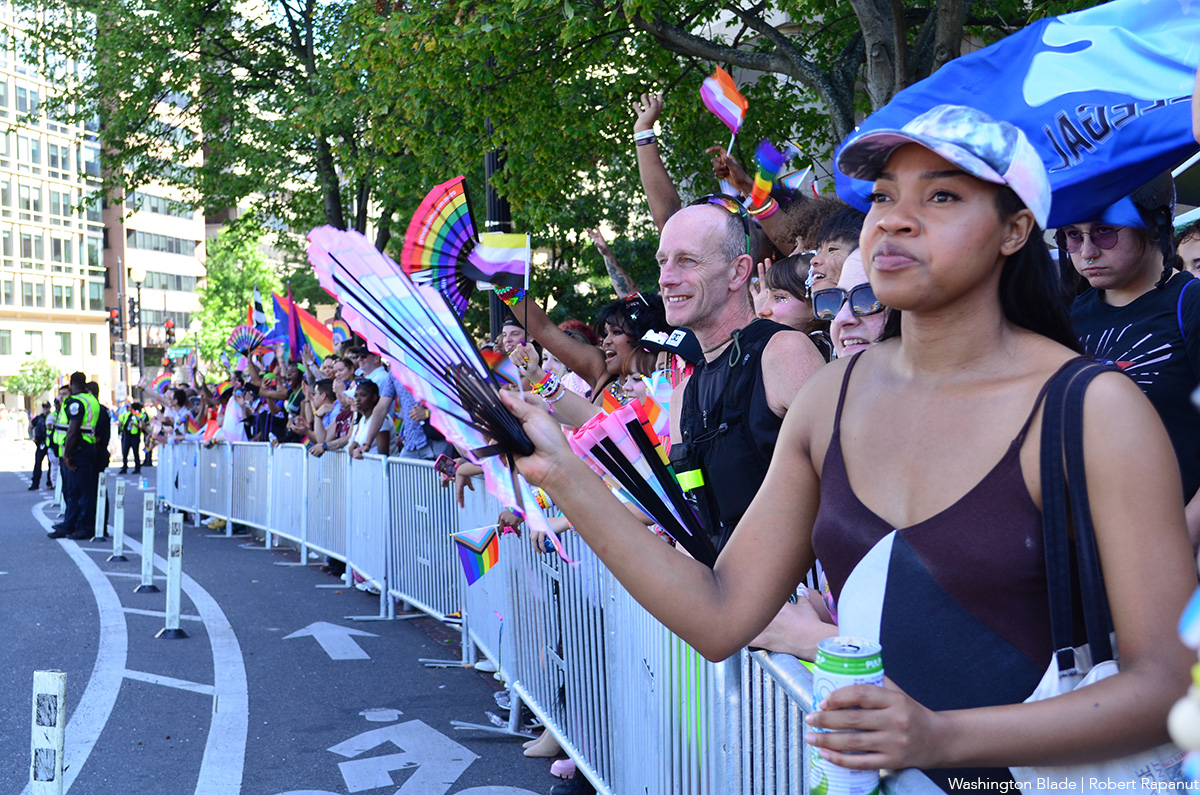
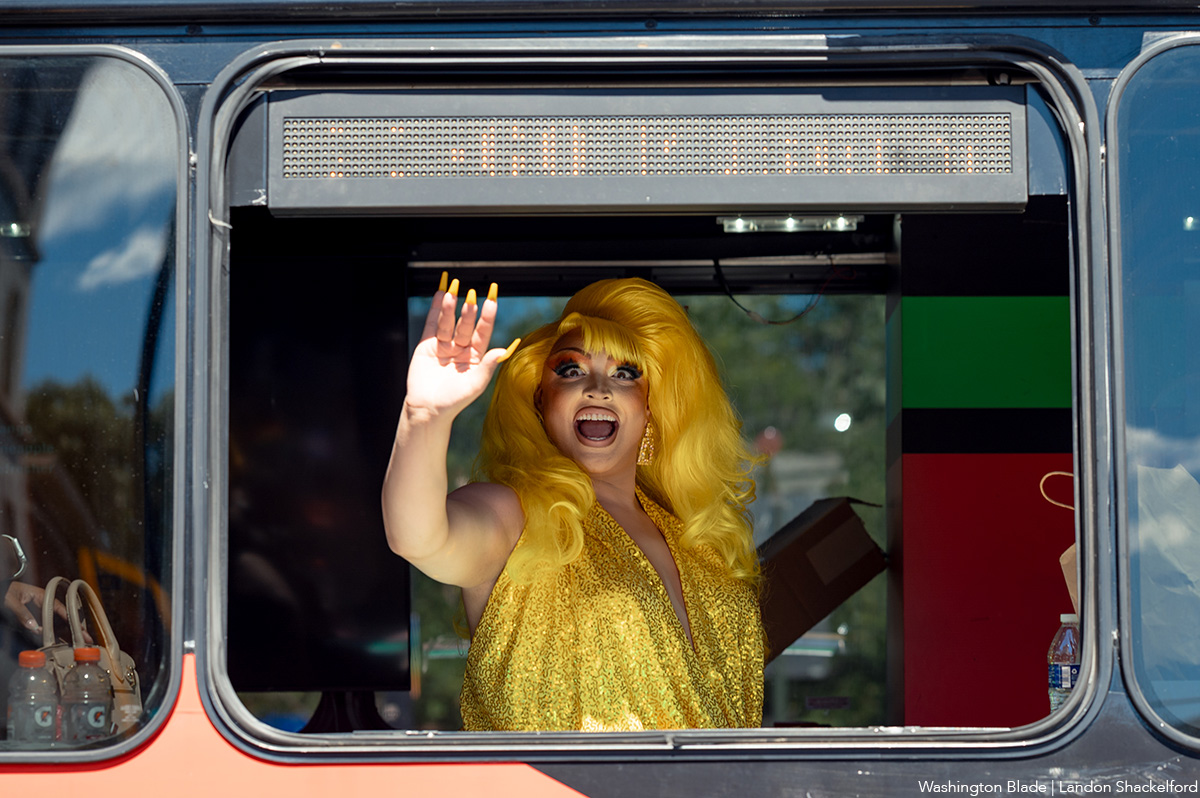
The 2026 Capital Pride Festival was held on Pennsylvania Ave. on Sunday, June 21.
(Washington Blade photos by Michael Key and Landon Shackelford)


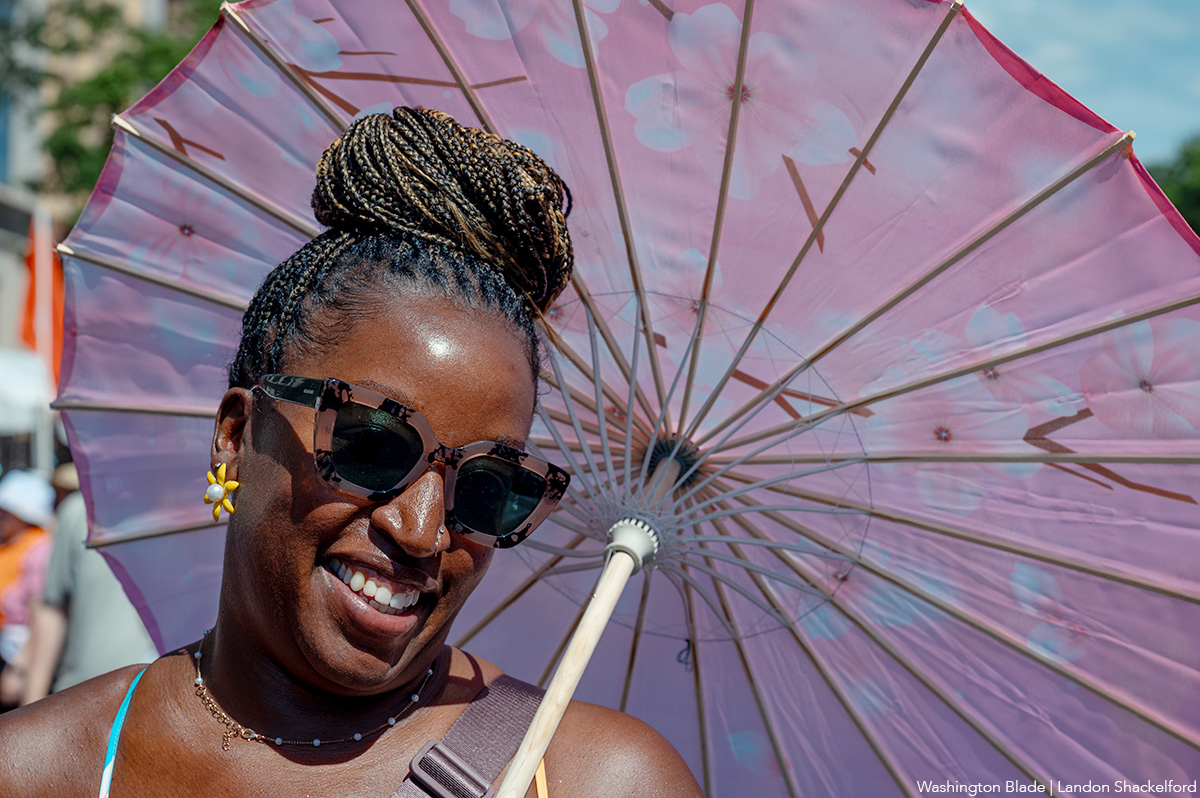


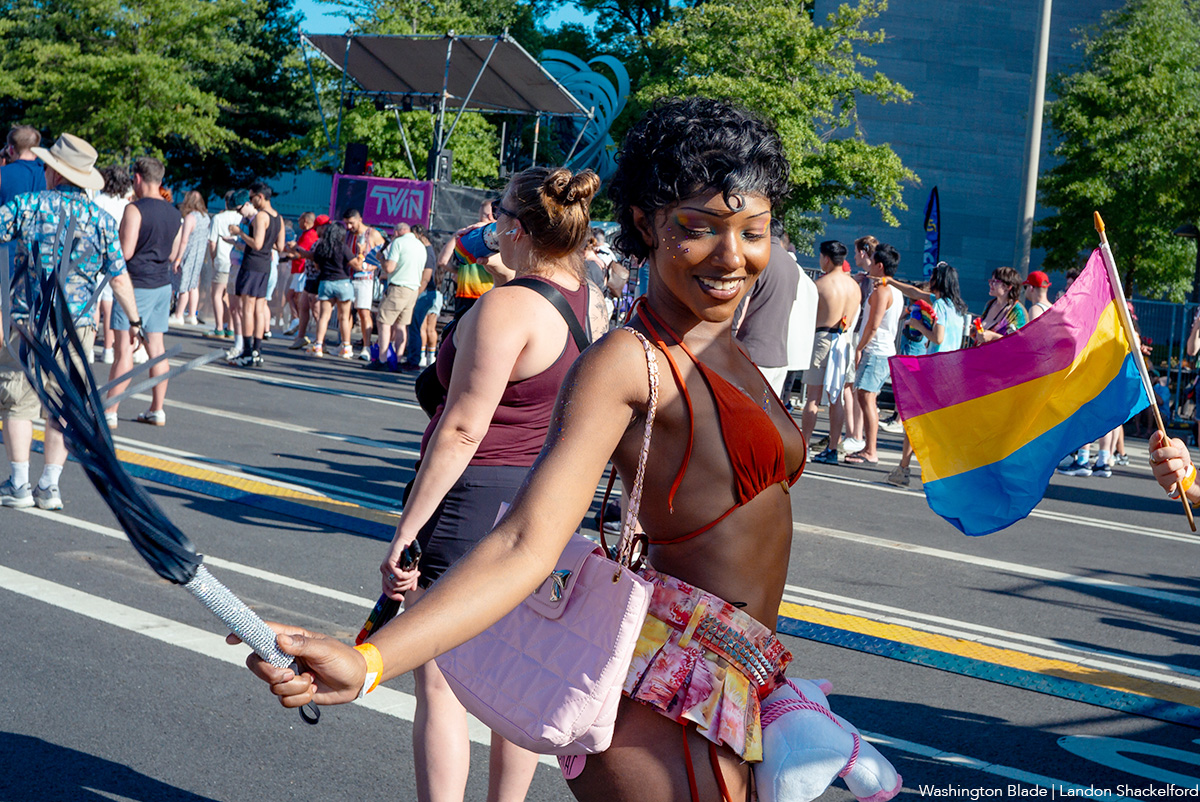


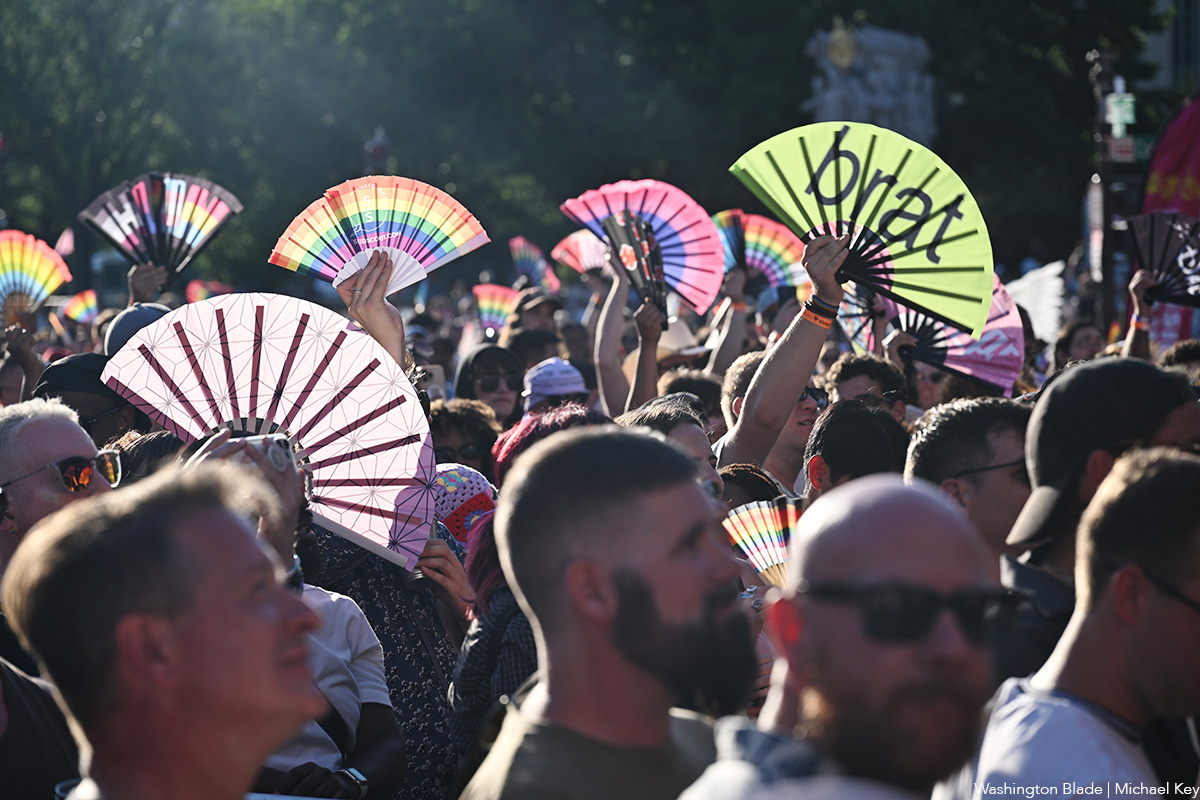




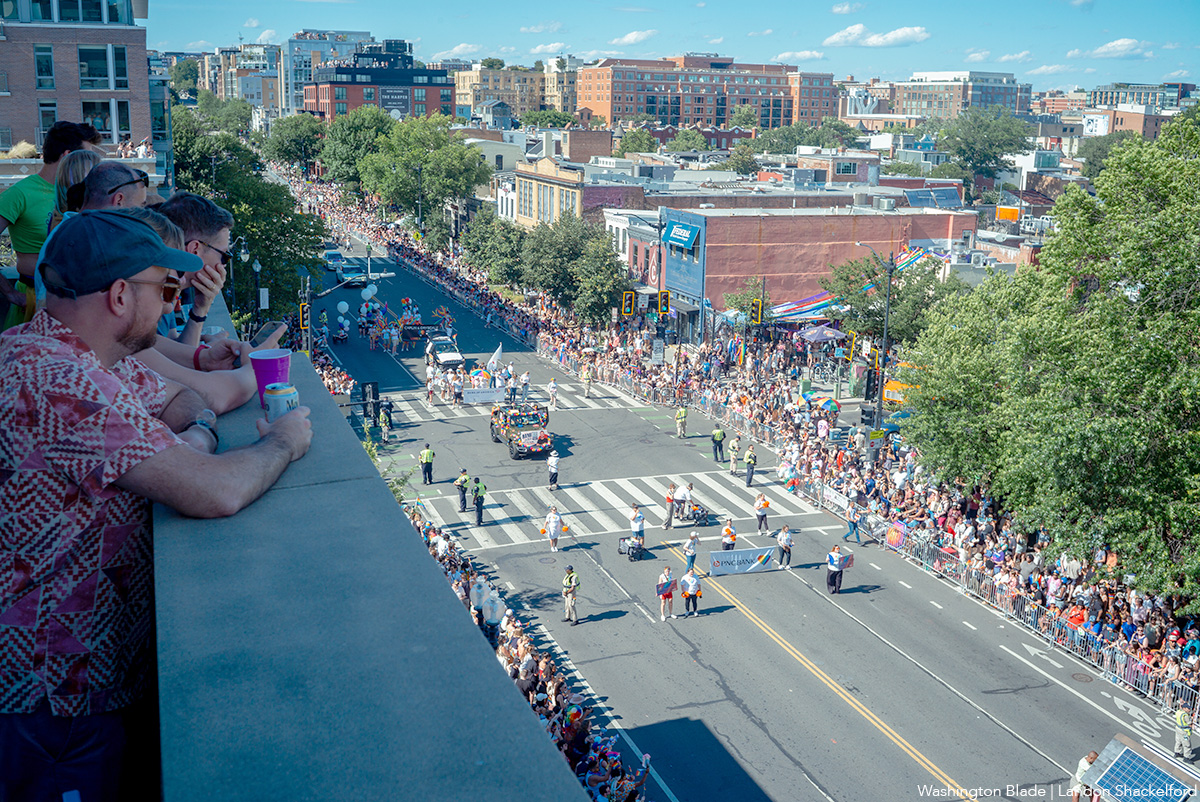
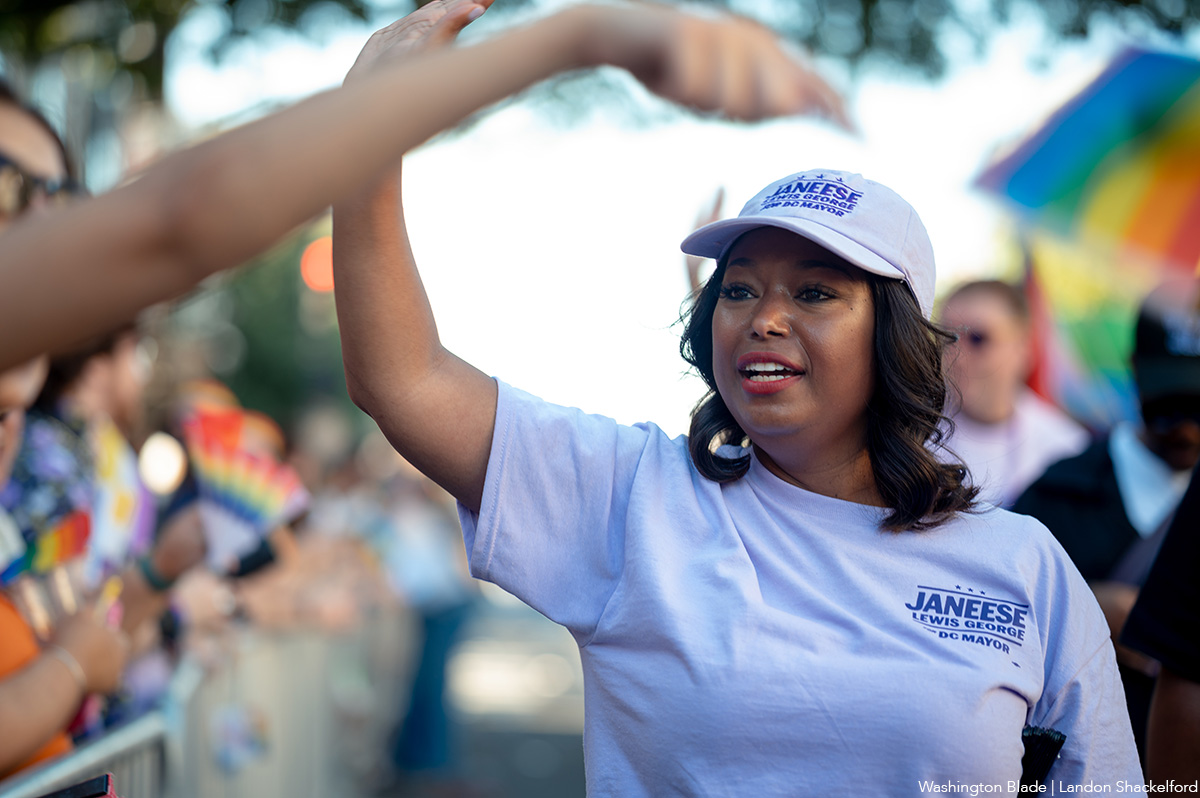
The 2026 Capital Pride Parade was held in Washington, D.C. on Saturday, June 20.
(Washington Blade photos by Michael Key, Robert Rapanut and Landon Shackelford)











Vote to enshrine same-sex marriage in state constitution fails in Delaware

Judge blocks DOJ from obtaining transgender patients’ medical records

Trump holds housing bill hostage to anti-trans SAVE Act

Religion, spirituality, and humanity: finding meaning in a complex world

Queer candidates, allies win Md. primary races

‘Stop! That! Train!’ is made for fans, but fun for all

PHOTOS: Baltimore Pride Festival

‘Feeling Afraid’ explores life of a neurotic stand-up comic

PHOTOS: 2026 Capital Pride Parade


