Arts & Entertainment
Clay Aiken slams ‘American Idol’ contestants Catie Turner, Ada Vox
The season two runner-up had harsh critiques for the current season
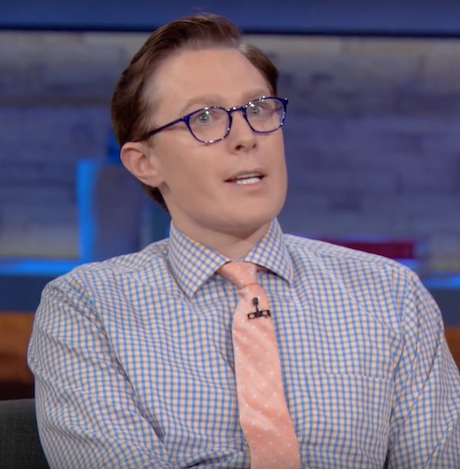
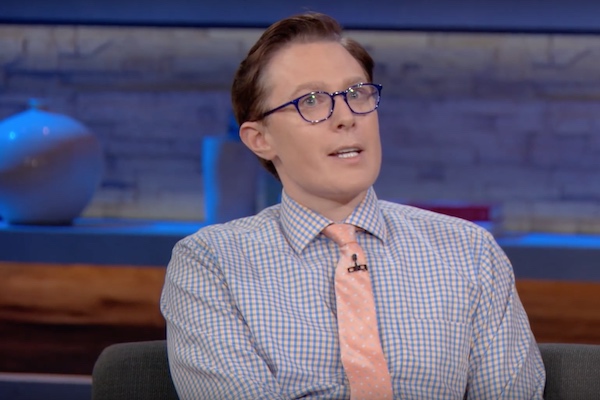
Clay Aiken (Screenshot via YouTube)
Clay Aiken isn’t impressed with this season of “American Idol. ”
The season two runner-up shaded Catie Turner for forgetting the lyrics during her performance of “Manic Monday” by The Bangles. Instead of criticizing Turner for the flub, the judges praised her for pulling through the song.
“So when i was on @AmericanIdol I slightly flubbed some lyrics. Nowhere near this noticable.. https://youtu.be/tt1_QVQ8KMQ and even Paula gave me hell. This girl gets a therapy session?! Really? Seriously??! What happened to the show we loved? #MakeIdolGreatAgain,” Aiken tweeted.
So when i was on @AmericanIdol I slightly flubbed some lyrics. Nowhere near this noticable.. https://t.co/IS1QcuyCI8 and even Paula gave me hell. This girl gets a therapy session?! ? Really? Seriously??! What happened to the show we loved? #MakeIdolGreatAgain
— Clay Aiken (@clayaiken) May 7, 2018
In another tweet, Aiken slammed the show for not being the cutthroat reality series it once was.
“Remember back 2002 – 2003 when @AmericanIdol was a high stakes singing competition & we were all waiting and nervously anticipating what @SimonCowell had to say? Why’s it now totally without critique and essentially just a Vacation Bible School talent show? #MakeIdolGreatAgain,” Aiken tweeted.
Remember back 2002 – 2003 when @AmericanIdol was a high stakes singing competition & we were all waiting and nervously anticipating what @SimonCowell had to say? Why’s it now totally without critique and essentially just a Vacation Bible School talent show? ? #MakeIdolGreatAgain
— Clay Aiken (@clayaiken) May 7, 2018
Turner fired back at Aiken tweeting, “im sorry clay you are still upset about something that happened to you 16 years ago it shows bitterness doesnt age well!”
im sorry clay you are still upset about something that happened to you 16 years ago it shows bitterness doesnt age well! pic.twitter.com/bAJ44qLt6X
— catie turner (@hashtagcatie) May 7, 2018
Although Turner had the support of the judges, Turner was eliminated by America later that night.
Ada Vox, who was eliminated earlier in the season, also chimed in to support Turner tweeting, “You’re really starting to look desperate @clayaiken … you had your time. There’s no point in attacking an 18 year old girl because you’re bitter about your fuck up. Stop trying to stay relevant by riding the coat tails of a show that you couldn’t win, either. #TakeASeat”
You’re really starting to look desperate @clayaiken … you had your time. There’s no point in attacking an 18 year old girl because you’re bitter about your fuck up. Stop trying to stay relevant by riding the coat tails of a show that you couldn’t win, either. #TakeASeat https://t.co/ghJNodP29t
— Ada Vox (@AdaVox) May 7, 2018
Aiken had previously slammed Vox in an op-ed for the Huffington Post saying the drag performer wasn’t the best singer in the competition.
Vox also responded to that jab saying, “Thank you for the words, @clayaiken !!
From this, I will take your words and use them to build myself up to become even better. I know that there are great things to come for me in the near future, and I’m glad that you believe in my career! Im honestly honored. Thank you!”
Thank you for the words, @clayaiken !!
From this, I will take your words and use them to build myself up to become even better. I know that there are great things to come for me in the near future, and I’m glad that you believe in my career! Im honestly honored. Thank you! https://t.co/0VP0a3VMtn— Ada Vox (@AdaVox) May 2, 2018
“American Idol” airs on Sundays at 8 p.m. on FOX.



Celebrity News
Perez Hilton’s live breakdown reveals social media mental health crisis
Blogger hospitalized after harming himself online
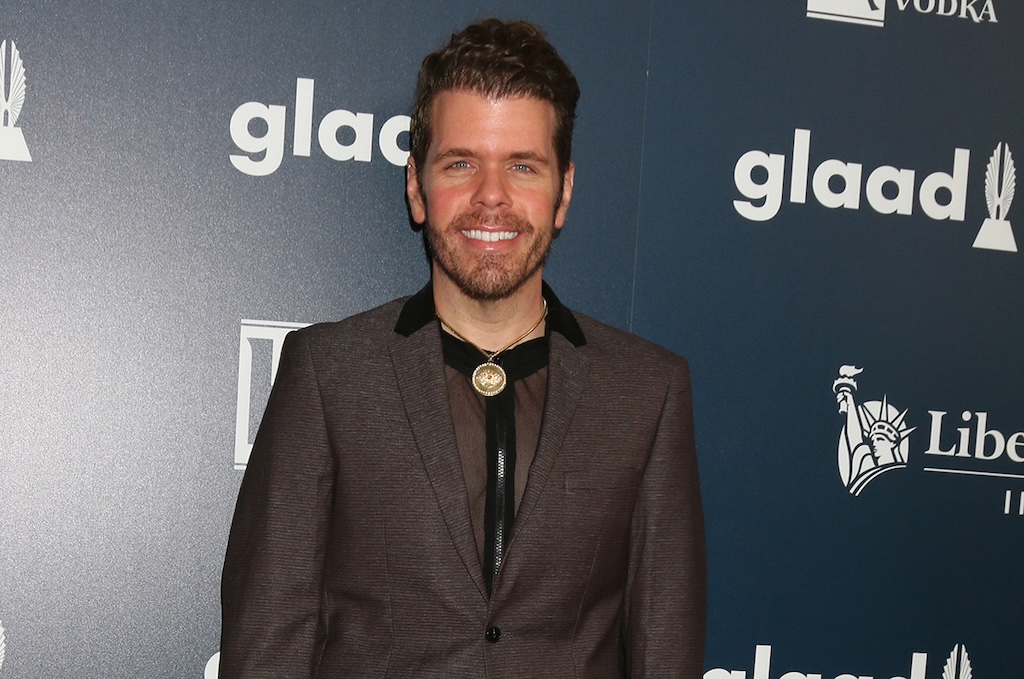
Fans were shocked to witness former celebrity blogger Mario Lavandeira, aka Perez Hilton’s, epic crashout on social media. While on TikTok Live, he was harming himself with what appears to be a metal chef-grade spreader. There was blood, gore, and a cry for help that broke the internet.
Police from Miami-Dade County were called to the scene; he has been hospitalized. The fact that this traumatic incident was broadcast on TikTok brought up the topic of moderation. Hilton’s account has since been banned from TikTok, but by now the cat is out of the bag, and the clip is circulating online.
It’s hard not to reflect on how Hilton both represents a major turning point in Internet culture, and this incident may be a warning of its potential end. A statement on his blog from his representatives confirms that his family was on the scene minutes before the incident but quickly fled to protect his children and niece from any future trauma.
Hilton’s agent, Dante Rusciolelli, told Us Weekly in a statement. “Our focus remains on Perez’s health, recovery, and the privacy of both him and his family during this incredibly difficult time … We respectfully ask that everyone continue to honor his privacy while he receives the care he needs.”
A recurring theme on social media is that Hilton, at the height of his fame and media reach, would not respect the privacy of any celebrity. After all, he was one of the regular outlets covering Britney Spears’s famous shaved-head meltdown and part of the “Leave Britney Alone” mythos.
A bit of background
Before Hilton, there were celebrities famous for being famous like Angelyne and Paris Hilton. However, some may say he was the first to monetize it. From his laptop at a coffee shop, he galvanized the Internet by skewering celebrities.
Nothing was off limits. He outed celebrities like Neil Patrick Harris, Clay Aiken, and Lance Bass. He spoiled the finale of season 3 of “RuPaul’s Drag Race,” and he posted celebrity nudes, including up-skirt photos of teen starlets like Paris Hilton, Britney Spears, and Lindsay Lohan, the same young women he also cyber-bullied.
Times have changed, and despite his many attempts to rehab his image, including having children, publicly apologizing, and even finding God, nothing brought him back to the public eye. He was recently hospitalized for sepsis and claims to have reflected on his behavior in the past.
This incident really shines a light on the intersection of mental health and fame in this country. In a post-Kardashian world, being a celebrity is not about talent or professional accolades. It has become about how you can increase your follower count. Whether it is stretching out Marilyn Monroe’s dress, becoming a Black Nazi like Kanye West, or even becoming President, it’s about how you can shock, awe, and find your base.
Los Angeles is a city that lives and dies by television and movies, but social media has shifted how this business works. People are cast from large social media followings. People who do manage to build a following face some of the darker aspects of fame. Whether it’s Chappell Roan’s beef with paparazzi and fans, or Hudson Williams and Connor Storrie having to ask for privacy and respect for their humanity, even if you reach the level of fame, it’s not all roses.
Add to this the fact that this is all tied to social media. Your fame is quantified by the number of followers, likes, and page views, while people are found in a negative feedback loop of dopamine addiction, clout chasing, and pushing themselves further to find more followers.
On Aug. 1, Floridian influencer Whitney Lynn was thrown off a flight claiming spiritual warfare when she was disrupting the flight by proselytizing. Was she doing this for social media follows? The Internet is now rampant with people causing scenes in planes, staging pranks and scenarios, and violating people’s privacy all in the pursuit of attention.
Hopefully Hilton finds the help he needs. This entire incident has called into question the entirety of internet culture. Who is responsible for the trauma that people inflict on other people? At what point do we intercede in Internet use before people have no other recourse but to harm themselves on live? And at what point does the toxic energy we put onto the net bounce back to us?
Similar to Hilton, Wendy Williams faced her own crisis, and maybe she put it best: “I would ask you to respect our privacy, but please, I don’t respect people’s privacy; that’s why I do the Hot Topics. So turnabout is fair game.”
If you know anyone struggling with self-harm, text CONNECT to 741741 for free confidential support or dial 988 for the suicide and crisis helpline.
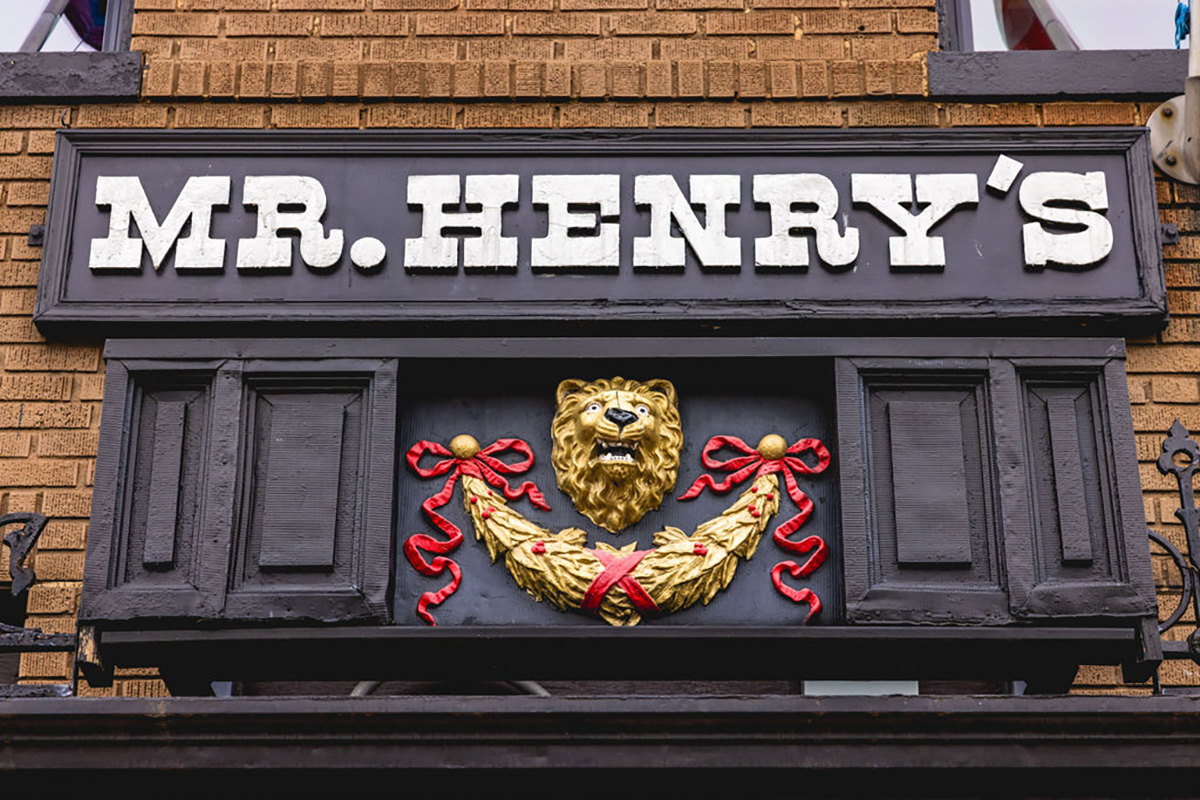
Mr. Henry’s Victorian Pub will host a gala celebrating its 60th anniversary on Saturday, Aug. 29 at 7 p.m.
There will be signature cocktails, beer and wine; plentiful throwback hors d’oeuvres, three live bands and a cocktail attire red carpet.
Tickets start at $50 and can be purchased at mrhenrysdc.com.
Friday, August 7
Go Gay DC will host “First Friday LGBTQ+ Community Social” at 7 p.m. at Silver Diner Balston. This is a chance to relax, make new friends, and enjoy happy hour specials at this classic retro venue. Attendance is free and more details are available on Eventbrite.
Saturday, August 8
Go Gay DC will host “LGBTQ+ Community Brunch” at 11 a.m. at Freddie’s Beach Bar & Restaurant. This fun weekly event brings the DMV area LGBTQ+ community, including allies, together for delicious food and conversation. Attendance is free and more details are available on Eventbrite.
The DC LGBTQ+ Community Center will host “RA Xtra: Manhood” at 1:30 p.m. “MANHOOD” follows Dallas entrepreneur Bill Moore as he attempts to make penis enlargement as commonplace as Botox. Along the way, an OnlyFans star and a father of five put their bodies—and their insecurities—on the line. Blending dark humor with unexpected empathy, MANHOOD examines shame, addiction, and the fragile myths of American masculinity. More details are available on the DC LGBTQ+ Community Center’s website.
Sunday, August 9
“Nellie’s DC Drag Brunch” will be at 12 p.m. at Nellie’s Sports Bar. Come get served like a queen by a queen at this unforgettable Drag Brunch. Join Sapphire Blue, Deja Diamond and their team of amazing drag performers for the most fun you’ll have all weekend. Tickets are $58.51 and are available on Eventbrite.
Monday, August 10
“Center Aging: Monday Coffee Klatch” will be at 10 a.m. on Zoom. This is a social hour for older LGBTQ+ adults. Guests are encouraged to bring a beverage of choice. For more information, contact Adam ([email protected]).
Genderqueer DC will be at 7 p.m. on Zoom. This is a support group for people who identify outside of the gender binary, whether you’re bigender, agender, genderfluid, or just know that you’re not 100% cis. For more details, visit genderqueerdc.org or Facebook.
Tuesday, August 11
Trans Discussion Group will be at 7 p.m. on Zoom. This event is intended to provide an emotionally and physically safe space for trans people and those who may be questioning their gender identity/expression to join together in community and learn from one another. For more details, email [email protected].
Wednesday, August 12
Job Club will be at 6 p.m. on Zoom upon request. This is a weekly job support program to help job entrants and seekers, including the long-term unemployed, improve self-confidence, motivation, resilience and productivity for effective job searches and networking — allowing participants to move away from being merely “applicants” toward being “candidates.” For more information, email [email protected] or visit thedccenter.org/careers.
Thursday, August 13
The DC LGBTQ+ Community Center’s Fresh Produce Program will be held all day at the DC LGBTQ+ Community Center. People will be informed on Wednesday at 5 p.m. if they are picked to receive a produce box. No proof of residency or income is required. For more information, email [email protected] or call 202-682-2245.
Virtual Yoga Class will be at 7 p.m. on Zoom. This free weekly class is a combination of yoga, breathwork and meditation that allows LGBTQ+ community members to continue their healing journey with somatic and mindfulness practices. For more details, visit the DC LGBTQ+ Community Center’s website.

Perez Hilton’s live breakdown reveals social media mental health crisis

Mr. Henry’s to host 60th anniversary party

Calendar: August 7-13

Greg Araki still wants your sex

Insured on paper, excluded in practice

Madonna headlines World Pride Music Festival in Amsterdam

PHOTOS: Petal Release Party

My evening with Madonna

Remembering Elliot Leonard, generous visionary who helped LGBTQ communities thrive