a&e features
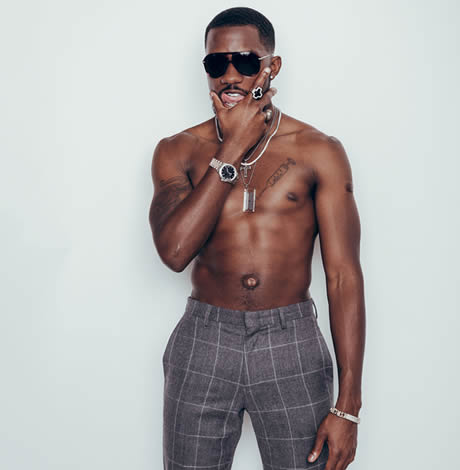
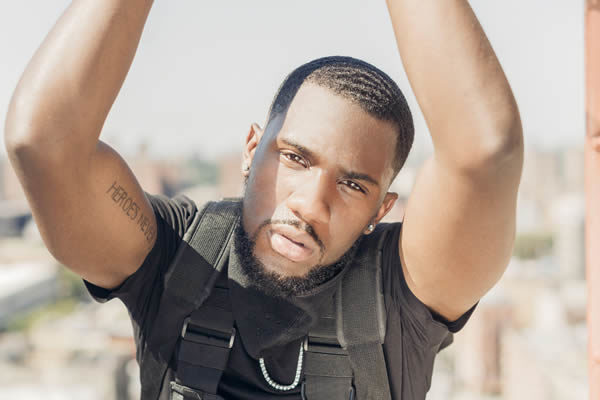
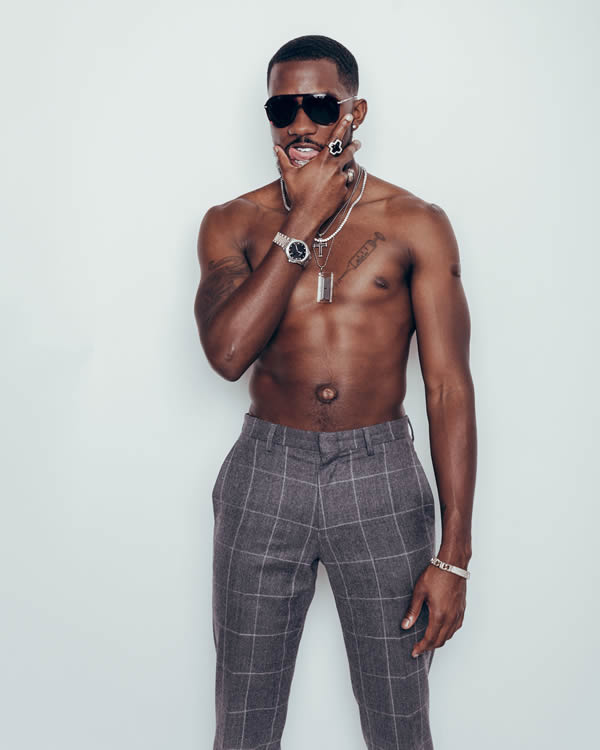
Out hip-hop artist/arapper MarcWayne readies D.C. Black Pride performance
Former fashion guru switched to music after stint living in Washington
29th annual D.C. Black Pride CommUNITY Opening Reception
Friday, May 24
7 p.m.
Renaissance Washington D.C. Downtown
999 9th St., N.W.
sold out
If you’ve been attending D.C. Black Pride’s annual opening reception for years, this year’s might look a bit different.
For its 29th annual event, D.C. Black Pride (a program of the Center for Black Equity), invited about 60 other organizations in the region — everything from Al Sura, Casa Ruby to Daryl Wilson Productions and dozens more — to co-present the event. It all ties in with this year’s theme “Our TRUTHS in HARMONY: D.C. Black Pride 2019.”
Because thousands come to D.C. Black Pride from all over, the event is sold out. Clairity from Queen & Clair will emcee. Local R&B artist Rinny will perform as well as MarcWayne.
The Blade caught up with MarcWayne, a former D.C. resident, by phone Monday from Newark, N.J., where the 25-year-old, openly gay rapper is now based. His comments have been slightly edited for length. Find out more about MarcWayne at findingmarcwayne.weebly.com.
WASHINGTON BLADE: Your debut EP “Finding MarcWayne” dropped in January. Are you pleased with how it turned out and how has it been received?
MARCWAYNE: Really good. It’s compiled of my emotions and feelings for the past two years. The EP was a soul-searching journey of finding out who I was. I got a lot of great reviews and we had over 2,000 streams the first week. It’s a really good vibe man, a good vibe.
BLADE: What did you learn about yourself in the process?
MARCWAYNE: I learned that I’ve allowed things to stir my feelings. I’ve been through some stuff, but through adversity comes triumph and through triumph comes happiness. It’s about my journey struggling not only as an LGBT person but as an artist and a person in New York City, which is not the easiest place to live. I’ve learned not to trivialize the strength I have.
BLADE: Are you in Newark for work or do you live there?
MARCWAYNE: It’s where I’m based for now but I’m always in New York for work. Eventually I’ll be moving closer to the city or even to D.C., but for the moment I’m here. But I’ll be from Flint, Mich., til the death of me.
BLADE: What is it about growing up in Flint that still resonates with you?
MARCWAYNE: Just the rawness of Flint. It’s a very, very smart town where pretty much everybody knows everybody, but it’s genuine, it’s family oriented. I love love, I value friendship, I love humanity and I grew up in a city where people are close. When I’m in New York or any big city, I’m like that little hometown kid who’s always trying to bring people together. I say, “Excuse me,” and stuff like that. Also there are a lot of people rooting for me from back home. They see somebody from Flint actually making it, so I feel that support.
BLADE: Has being out in the hip-hop world been a hindrance in your career?
MARCWAYNE: It’s been a challenge, I will definitely say that. We live in an industry where the perception of LGBT artists is that we’re very over the top, we use a lot of vulgar words, sexual words to characterize who we are. And there’s nothing wrong with being who you are, but we’re in an industry that tries to block a lot of people like me. Like we’ll be talking about x, y or z and there’s a preconceived idea of what it means to be an LGBT artist. I stay away from the norm. There are people who like my music who don’t know I’m a gay artist. It’s not something that’s always clear on the surface of the music. I want people to see me for that first, then have them realize that it’s a gay rapper or a gay artist up there doing big things. I never really say, “Hey, I’m an out artist,” but if you listen to my music from 2015 onward, you can hear some of the lyrics talk about guys. But I never made it that blatant.
BLADE: Are you in a relationship now?
MARCWAYNE: Yes I am, Im very happy. That and my EP, those are the best things that have happened to me this year.
BLADE: So this is kind of recent?
MARCWAYNE: Yeah, we started dating in February. It’s very fresh and new but it’s something I need and it’s been an inspiration for my music. Now my songs are about him. You might see me doing some more R&B-leaning stuff soon.
BLADE: Who are your musical influences?
MARCWAYNE: Bryson Tiller, Frank Ocean, Drake, Teyana Taylor and Yo gotti. As for women, I love Teyana Taylor and Brandy. Brandy is a classic, but Teyana, her lyrics are deep. I didn’t start appreciating her music until early adulthood. Fashion was always my thing growing up and I studied at the Art Institute of Washington, but music has always been my heart and I really started moving more in that direction about three years ago.
BLADE: Have you done many Pride events?
MARCWAYNE: Yes. In Newark, Detroit, Flint, Chicago, but this is my first D.C. pride performance.
BLADE: What do you have planned for your D.C. performance?
MARCWAYNE: It’s gonna be dope. I’ll be doing about a 15-minute set at the opening reception with Rinny. I want to highlight and promote that collaboration and togetherness. It’s gonna be a really good show, epic. Some singing, some rapping, some good times, all o ‘dat.
BLADE: When were you living in Washington?
MARCWAYNE: This was when I was studying retail management in 2014 and into 2015. I was going to art school, but I’d be in the computer lab working on music. D.C. really helped me get started and know the direction I wanted to go in life. I was 21, I wasn’t doing a lot but I was figuring out who I was and what I wanted to do.
BLADE: How is your summer shaping up?
MARCWAYNE: I’m doing a mini tour, the “Finding MarcWayne, Guys Like Me Experience.” I’ll be in Brooklyn, in the Bronx for a Pride event, then going back to Michigan. Basically my summer is touring but I have three new singles coming out with hot summer vibes. And I’ll be giving my people some R&B something special later in the year.
BLADE: Why do you think events like Black Pride are important?
MARCWAYNE: If we don’t have these, we’ll be forgotten. We have to create more moments, more community, more events to celebrate each other. A lot of people don’t want to see you win but it’s needed because we need the togetherness, we can uplift each other and bring knowledge. It’s a time for us to come together and be ourselves. We need spaces like this. I wish I’d had this growing up in Flint. It’s very important to have this for the people coming up after us.


a&e features
Television loses a legend, longtime ‘Will & Grace’ director James Burrows
Iconic hitmaker leaves behind a legacy of telling LGBTQ stories
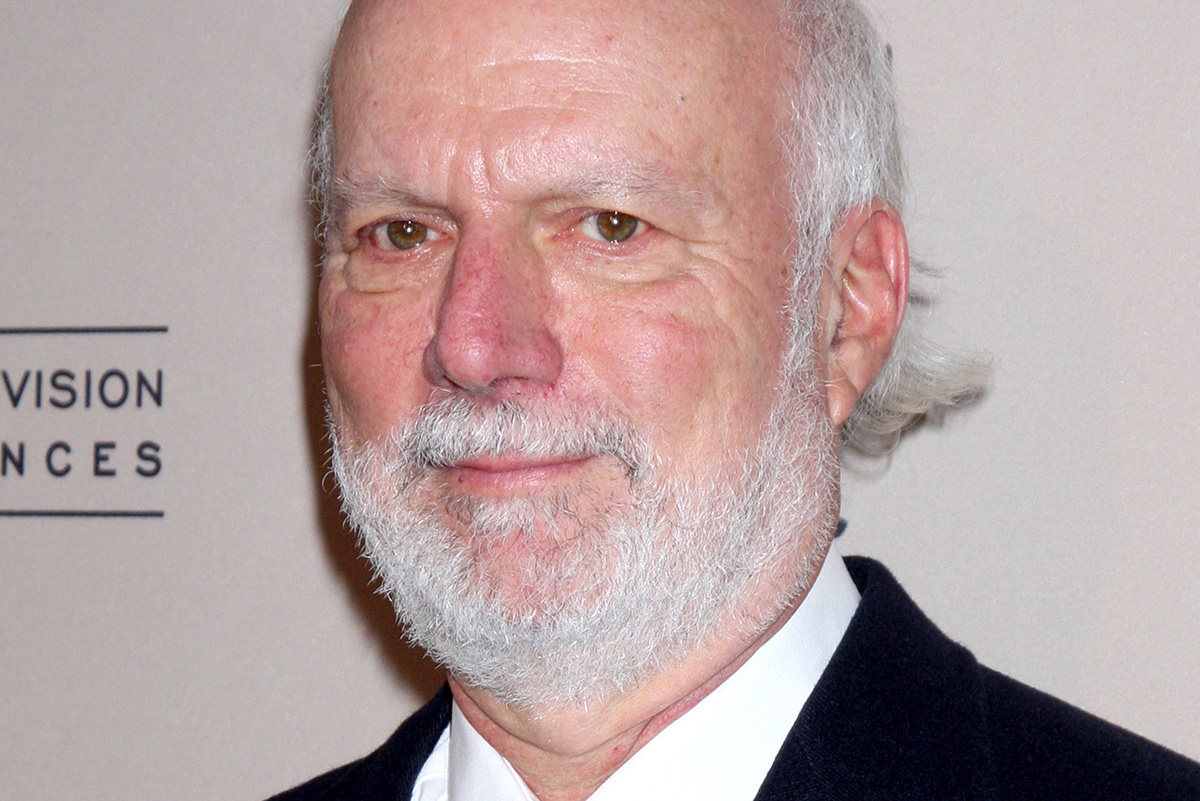
You don’t have to be a pretentious film major to name 10 movie directors. But naming television directors is not that simple. They’re the unsung heroes of your favorite shows, and the late James Burrows was the television director. He passed on June 19, but his DNA runs through television history.
He directed over 1200 episodes of television and over 50 pilots. He co-created “Cheers” and directed many episodes of long-running series like “Friends,” “Taxi,” “Frasier,” “The Big Bang Theory,” and “Two and a Half Men.” You also may remember him from playing a heightened version of himself on the Lisa Kudrow comedy “The Comeback.”
He has left an indelible mark on the LGBTQ community. As recently as last year, he directed the series run of “Mid-Century Modern” starring Nathan Lane, Matt Bomer, and Linda Lavin. He was also a longtime director of “Will & Grace” and directed every episode of the series revival. He even directed the unaired “Absolutely Fabulous” pilot with Kathryn Hahn, Kristen Johnston, and Zosia Mamet.
Not to mention he’s worked with queer icons throughout history, including Betty White and Stockard Channing on their single-season series, and Jennifer Coolidge in “2 Broke Girls.”
He started his career on shows like “The Mary Tyler Moore Show,” “Rhoda,” “Laverne & Shirley,” and the first four seasons of “Taxi.”
He continued to work steadily and directed successful pilots that went to series for “Roc,” “3rd Rock From the Sun,” “Dharma & Greg,” and “Wings.” He directed multiple episodes of “Friends,” “Caroline in the City,” and “Frasier.”
This magic continued into the 2000s with him directing the pilots for “Two and a Half Men,” “The Big Bang Theory,” and multiple episodes of “Mike & Molly,” and the entire return series of “Will & Grace.”
What was the secret to his success? He’d enact the “fun clause” in his contract. In his words, “Life is too short to deal with obnoxious leads,” he shared. “So as long as the writing is good and the cast is fun, I’m going to enjoy the experience.”
He had the magic touch, having multiple pilots turned into long-running series. He was nominated for an Emmy 24 times in 26 years and worked consistently until a year before his death.
The secret was the way he brought the cast together. He describes, “it was my job to mold them into an ensemble, and they did round into a group of people who loved each other.”
This earned him 11 Emmy Awards and five Directors Guild of America Awards, including being awarded the inaugural DGA’s Lifetime Achievement Award for Television Direction.
In a 2003 interview by the Television Academy, he was asked how he wants to be remembered, and he said, “That every night forever you can tune in somewhere, and there’ll be a show I did.”
He’s survived by his wife, Debbie, four daughters, seven grandchildren, and the countless people whose careers he launched and the countless viewers he inspired with his television legacy.
a&e features
D.C. prepares to party as Pride celebrations kick off Saturday
Bars, clubs have busy lineups; Pride on the Pier returns

Capital Pride’s date change isn’t slowing down the festivities. Back in December, the Capital Pride Alliance shifted the calendar for Pride celebrations in the nation’s capital from the second weekend of June to two weeks later to the weekend of June 20-21 to not conflict with President Trump’s birthday and 250th anniversary of America celebrations, with the aim that “our community can gather safely and without unnecessary barriers… We are protecting our space and preserving Pride as a powerful act of visibility, solidarity, and resistance.”
On the heels of WorldPride last year, the city shows no sign of slowing down. Instead, restaurants, bars, clubs, and neighborhoods are taking the opportunity to be even more visible. The Blade has put together a (non-comprehensive) list of parties, activations, and activities across town:
Pride on the Pier returns on Saturday, June 13 to the Wharf on the Southwest waterfront. The event, sponsored and hosted by the Washington Blade, is free and runs from 4-9 p.m. There will be vendors, DJs, and drag performances all day. VIP tickets are $25 and come with air conditioned party room, private bathrooms, and free cocktail. More details at prideonthepierdc.com.
Capital Pride Official Opening Party: RIOT! is the official opening dance party of Capital Pride, taking place Friday June 19, 9 PM-3AM. The 2026 edition headlining performer is Myki Meeks, a finalist of “RuPaul’s Drag Race” season 18; Bob The Drag Queen will perform a special set. DMV-area DJs and performers include: Bambi, Baphomette, Bumper, Cake Pop!, Connor, DJ Ed Bailey, DJ Diyanna Monet, Evry Pleasure, Jakknife Complex, Mari Con Carne, Pussy Noir, WessTheDJ. Trade owner Ed Bailey is producing the event.
Kinetic Presents brings the heat across the entirety of Pride weekend as well. It again is partnering with Capital Pride Alliance to produce four events over four days this Pride, including the Official Main Event on Saturday (the Friday official event is at Echostage). Kinetic’s parties are splayed across various D.C. venues, with special performances, massive productions, shirtless dancers, play zones, dance-forward audio and visuals, and international DJ talent. Thursday, June 18 at 10 PM at District Eagle is Lust, with music by Dan Slater and TOMI. Friday, June 19 at 10 PM is UNCUT XXL Heavy Load, at A.i. Warehouse in Union Market District, with music by Alex Acosta, Felipe Lira & Mitch Ferrino; the party is a “high-octane night of muscular house and tribal rhythms.” Saturday, June 20 at 10 PM brings that official main event, Kinetic Toy Land, at Echostage, with music by GSP & Matt Suave. Alaska Thunderfuck headlines. Sunday evening June 21 at 10 PM closes with discoVERS at SAX. A portion of tickets supports the DC LGBTQ+ community through Capital Pride Alliance.
9:30 Club always comes in clutch for the LGBTQ community. Already in June, it produced Kitty Kat Ball on June 7, and Kiesza performed on June 8. On June 20 at 10 PM, the famed Mixtape party hits the stage, care of gay DJs Shea van Horn and Matt Bailer, who have spun together for coming up on two decades. Mixtape has been held at several venues across the city over those years, and now settled on 9:30 Club for Pride. On June 25 at 7 PM, Big Freedia – the bounce artist from New Orleans – hits the 9:30 Club scene for the eighth time, as part of the Big Freedom Tour.
Crush: New this year from the 14th Street bar is the Pride Pop-Up, sitting pretty in the parking lot at 1820 14th St., N.W., at the corner of Swann Street by the start of the Pride Parade route. Hours are Friday from 2-10 PM and Saturday from 12-10 PM. Friday evening features Grizzly Bear Happy Hour, a DJ will set up shop on Saturday, and for those needing another layer, there’s a Crush merch store. Co-owner Mark Rutstein “has always wanted to throw a party in that parking lot, so he did,” said co-owner Stephen Rutgers. Note that Crush (the bar) will have a cover on Friday and Saturday.
Kiki: Over at Kiki, there’s a full slate of Pride-themed programming all week. Tuesday, June 16 at 9 PM brings karaoke; Wednesday, June 17 at 7:30 PM is trivia; Thursday June 18 at 9PM is “Night of 1000 Tatianna’s Drag Show”, and Friday June 19 at 9 PM brings the Juneteenth Serve Drag Show. Saturday, June 20 at 10 PM, post-parade, is a Pride Dance Party with DJ Lemz. Sunday daytime at 5 PM is the Father Figures Daddy Issues Special Drag Show; and after the festival at 8 PM, DJ Tezrah hits the tapes.
Jane Jane: Right along the parade route, gay-owned Jane Jane has transformed its space into a “No Kings, Yas Queens” activation in a direct response to the America 250th commemorations happening downtown, from the colorful window installation, to merch (including a custom bandana and tank) to disco wig installations. Events include industry night on Mondays, donations to LGBTQ charities, and to-go cocktails during the Pride Parade.
Shaw’s Tavern: Gay-owned Shaw’s Tavern on Florida Avenue celebrates Pride week with a full lineup of themed events, entertainment, and specials, including Pride trivia on Monday, June 15 at 7:30 PM, bingo on Tuesday, June 16 at 8 PM, a cabaret on Thursday, June 18 at 9 PM, Juneteenth Drag Brunch on Friday, June 19 at 12:30 PM, and both a pre-parade brunch (10 AM-4 PM) and post-parade party (5-9 PM) on Saturday, June 20. Sunday, June 21 at 7 PM brings Mama’s Sunday Supper & Drag Pride Show in the evening for anyone who is still awake.
Trade: This classic has a weekend of events, starting on Thursday, with Tiburon Pride Edition, a Latin Dance party in the Shark Tank. On Friday, the bar opens early (at 2 PM), with all-day happy hour and the Jx&Evry Show. On Saturday, the bar opens at noon, offering a prime parade viewing spot from its windows. There will be the CLASH drag show hosted by Tatianna and Crimsyn, and Sweet Spot party that night. On Sunday, the bar opens for normal hours at 2 PM, with DJs Adam K, Alex Love, and WESSTHEDJ.
Pitchers: The multi-level bar in Adams Morgan is hosting a Pride-themed show on Thursday, June 18 at 10 PM, with drawstring bag giveaways – the only kind of bag that will be allowed into the bar during Pride weekend. The show features drag queen Kyle Sonique Love.
Barrel House Cafe and Bar: Also by the parade route on 14th Street, Barrel House Cafe takes advantage of its large patio to have a slate of events during Pride week, including Schism, a drag and burlesque show on June 18 at 10 PM, as well as an all-day Pride party coinciding on parade day.
Bunker: Bunker again plays host to a series of afters. Friday night (Saturday 3:30 AM) is Unhinged, and Saturday night (Sunday 3:30AM) is Unholy. The regular Saturday night party (10 PM) brings in Venetian and Tiara Missou. All parties have cover charges.
District Eagle: Beyond the Kinetic party on Friday, June 19 brings Gear Night at 10 PM; Saturday, June 20 at 10 PM is LOBO presents PRISM, and Sunday, June 21 is Sundaze wit Papi at 6 PM.
African Art Museum: On Thursday, June 18 at 5 PM, this Smithsonian museum is hosting a free event with artists and curators celebrating its exhibit, “Here: Pride and Belonging in African Art,” “based on years of close collaboration and dialogue with African visual art practitioners who claim belonging in the LGBTQ+ community, however they define those terms,” according to the museum.
KNEAD Hospitality & Design: The gay-owned KNEAD restaurant group (including spots like Gatsby, Mi Vida, Succotash The Grill) is featuring the GLITTERATI cocktail, made with Tito’s, St-Germain Elderflower, Butterfly Flower, ginger, and yes, glitter. A portion of proceeds from every Glitterati cocktail sold will benefit The Trevor Project. The cocktail will be sold throughout June.
The Fountain Inn is partnering with Rhodium spirits (Rhode Island’s first LGBTQ+ owned distillery) all month, making cocktails like gimlets and espresso martinis featuring Rhodium’s liquors. Proceeds benefit SMYAL, an organization dedicated to empowering LGBTQ+ youth.
Hard Rock Cafe: Hard Rock DC is taking part in the chain’s annual “LOVE OUT LOUD” campaign, with Pride merch, specials on June 20, and a donation to The Trevor Project.
a&e features
Fighting ‘Rainbow Panic’ in museums
Here’s how we can resist the escalation of anti-LGBTQ censorship
Back in February of 2025, I wrote a piece for New York City-based arts publication Hyperallergic about the importance of museums stepping up for their LGBTQ staff. I was right to be concerned. Over the last three years, censorship of LGBTQ histories and art has exploded in the museum field. Discourse surrounding censorship of art and artifacts reflects galleries, libraries, archives, and museums (GLAM) institutions’ push to erase LGBTQ stories, language, and people from not just exhibitions but also the wider museum field.
Many now recognize this rush of censorship in the early 2020s as the “rainbow panic,” first coined by historian Wendy Rouse in her piece published in July 2025.
While LGBTQ censorship in GLAM institutions is not new, the recent push to censor queer and trans histories under the Trump administration began in May 2024 when members of the City Council of Lubbock, Texas cut funding for the First Friday Art Trial due to the inclusion of a drag performance.
Additional cancellations followed, including in February 2025, when the Art Museum of the Americas canceled “Nature’s Wild With Andil Gosine” scheduled to open in March. While the museum did not say why, some of Gosine’s work that was set to be part of the exhibition reflected on LGBTQ identity and activism in the Caribbean.
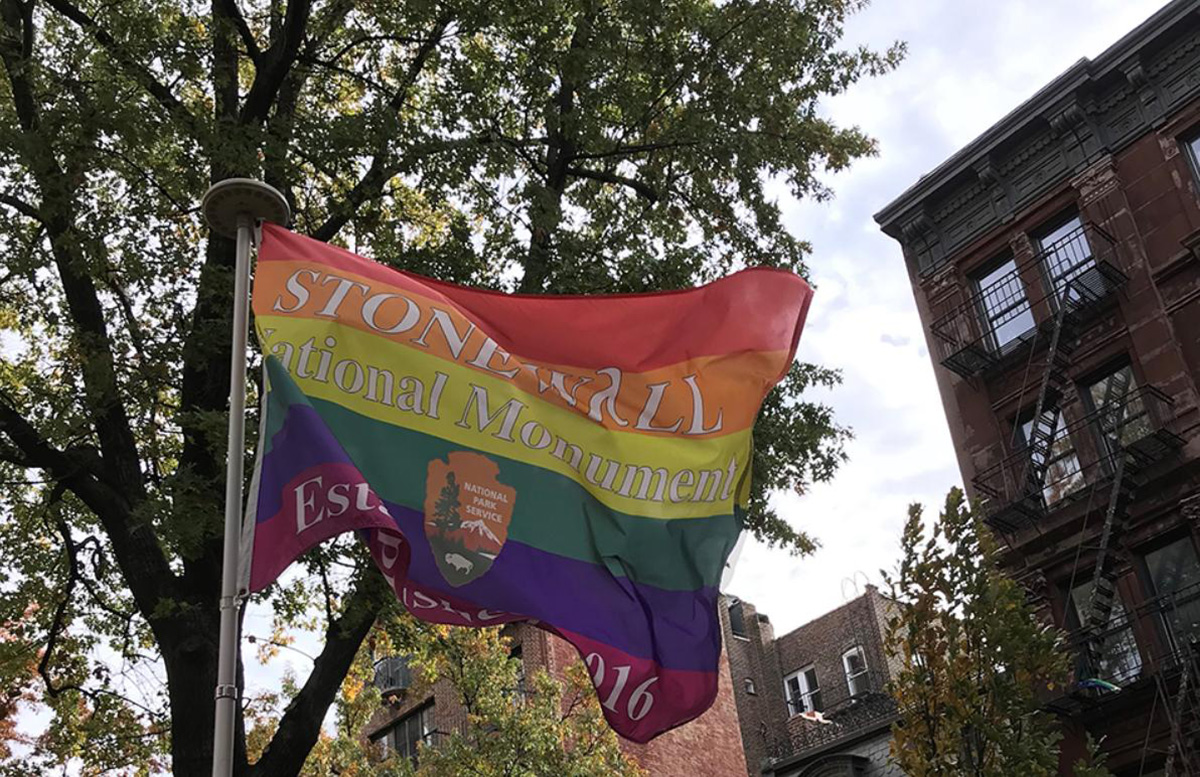
That same month, the National Park Service removed mentions of transgender people from the Stonewall National Memorial website, now seen as a watershed moment in queer erasure. In response, the LGBTQ+ History Association issued a statement warning about the recent moves to censor and erase LGBTQ history and art.
The Association was right to be concerned because the following month, Trump released his Executive Order titled “Restoring Truth and Sanity to American History” where he targeted the National Museum of American History, National Museum of African American History and Culture, and the American Women’s History Museum.
But it wasn’t just erasure, it was also intentional renaming. Also in February 2025, the Scottsdale Museum of Contemporary Art changed its traveling exhibition of work by women, queer and trans artists, changing the title that was originally “transfeminisms.” By June, the Art Institute of Chicago changed the title of an exhibition of Gustave Caillebotte’s work and removed discussions of gender and sexuality from the wall text that were included when the show was displayed in Paris and Los Angeles.
In the last year, censorship has especially escalated with Amy Sherald cancelling her show “American Sublime” at the National Portrait Gallery (and moving it to the Baltimore Museum of Art) and art scholar Ignacio Darnaude writing in an Out op-ed that the National Portrait Gallery (NPG) exhibition “Felix Gonzalez-Torres: Always to Return” did not include information about the artist’s queer identity or the work’s connections to AIDS. The National Portrait Gallery has denied claims of erasure.
This leads us to the most recent happening when in February 2026, a Pride flag was removed from the Stonewall National Monument after a directive from the Trump administration. Thankfully, later that month, protesters re-raised the flag. In April 2026, the National Park Service agreed to restore the Pride flag at the Stonewall National Memorial and keep it up permanently. But even with this victory — the result of queer and trans organizing — attacks on LGBTQ histories remain.
As the histories we fought to collect and interpret are censored and erased, through museums’ compliance-in-advance as well as government discrimination and decree, we (I write as a queer GLAM worker) see a willingness to sacrifice those histories and our communities for institutional safety, funding, and government support.
Please know the LGBTQ community will remember the hard truths we learned this past year — that we and our histories were expendable. If we can be cast aside, hidden, or disowned, whose histories are safe? How can (and can we) rebuild trust in the institutions that failed us this past year? It’s not just the LGBTQ community. In fact, just this January, the National Park Service removed signage from the Independence National Historical Park in Philadelphia that referenced slavery at the President’s House Site.
Please help us to fight the erasure of queer and trans histories and communities. Please stand with the LGBTQ community (and LGBTQ+ GLAM workers) against the violence we are facing — not just outside museums, but inside them too.
For ways that you can help to fight historical erasure, including against the LGBTQ community, please consider the following:
Consume queer history content. Whether it be by visiting exhibitions, listening to a podcast, going on a walking tour or lecture, or buying queer history books, your presence and money speak volumes. And learn your local queer histories. Often, we focus on the large-scale histories that surround the Stonewall Uprising, Compton Cafeteria Riots, and other pivotal moments, but there’s queer history all around us. It’s time to learn and celebrate these histories.
On that topic, volunteer and contribute your time to local LGBTQ history initiatives. Everyone is based in different parts of the country, so another great option for access are online projects like The Pink Triangle Legacies Project, Queer Zine Archive Project, Queer Digital History Project, and Invisible Histories. Everyone has skills, especially GLAM workers, to support the work of these independent history groups.
Financially support and visit grassroots LGBTQ+ archives and museums. Despite mass censorship and violence over the past year, queer and trans history workers have created and facilitated groundbreaking exhibitions and community action at the Museum of Transology (specifically the TRANSCESTRY exhibition), the Museum of Transgender Hirstory & Art, and other grassroots archives, libraries, and museums created by and for our communities.
Queer and trans museum workers refuse to be silenced and shut out of institutions that have long ignored our histories. The work that we do to seek representation is too important, too urgent, to abandon. We look to these grassroots efforts as models for how our institutions can preserve and tell queer and trans histories because many of them were founded themselves during times of censorship and violence.
Find and support your local LGBTQ (and other) employee resource groups and other organizations pushing for transparency and accountability at your workplaces. Right now, many of these groups have gone underground. Where you can, provide mutual aid and financial and organizational support to these groups, and you can be an advocate (especially if you have privilege and protection) for these organizations and their efforts.
Support the unionization of GLAM workers — show up for pickets and use your attendance and money to support institutions that support and invest in their LGBTQ cultural workers. This past year has been incredibly difficult for LGBTQ museum workers — from censorship and erasure of our histories to the firing of and discrimination against LGBTQ federal workers, federal agencies have denied our existence, cut off lifesaving care for LGBTQ people, and ordered the termination of employee community resource groups.
Mobilize and fight against anti-LGBTQ legislation affecting your queer and trans GLAM colleagues (and your neighbors). As goes LGBTQ histories and representation, so goes rights for queer and trans museum staff. The best examples of this are the experiences of queer and trans federal and trust workers. Call your representatives, participate in resistance efforts, and contribute to mutual aid supporting people most hurt by the legislation.
Hope is not lost! LGBTQ history, as I can attest, is not going anywhere, but amid the rising tide of censorship and erasure, there has never been a more important time to show up in support of LGBTQ preservation, curation, and education efforts. As the victory surrounding the Pride flag at the Stonewall National Monument represents, these are hard-fought battles but ones that we can win with your support.

Eswatini’s government ordered to allow LGBTQ group to legally register

Does Pride decor resemble Trump’s design aesthetic?

Nearly 6,000 turn out for Pride Night Out at the Nationals

White House to end PEPFAR funding for South Africa