Local
Comings & Goings
Schulman joins Dupont Circle Physicians Group

The Comings & Goings column is about sharing the professional successes of our community. We want to recognize those landing new jobs, new clients for their business, joining boards of organizations and other achievements. Please share your successes with us at: [email protected].
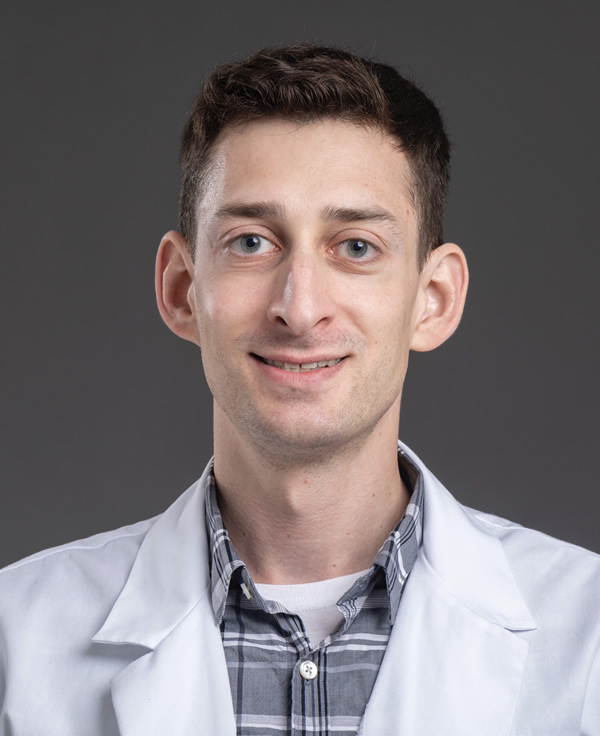
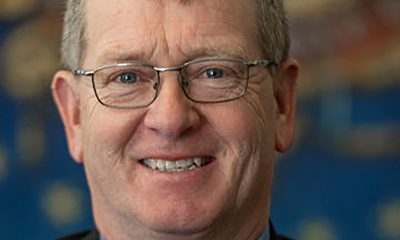
Join me in welcoming Dr. Marc Schulman to the Dupont Circle Physicians Group otherwise known as Dupontdocs. The Dupont Circle Physicians Group has served the community for more than 25 years with professional care.
Upon joining the group Marc said, “As a young gay man — not yet out to friends and family — I struggled with the idea of coming out to my physician. Though I recognized the importance of being open and honest with my provider, it was easier said than done. After visiting multiple physicians, I finally found a doctor I could trust. He asked questions without passing judgment and offered the appropriate tests and treatment. In caring for patients throughout my post-graduate training, I aspired to provide the same compassionate care. I look forward to building lasting relationships with patients at Dupont Circle Physicians Group. My interests include primary care, mental health, and HIV treatment and prevention.”
Schulman is certified by the American Board of Internal Medicine and licensed in the District of Columbia.
He is from the area and grew up in Columbia, Md. Prior to joining Dupontdocs Schulman was with Northwestern Medical Group as a moonlighting hospitalist and attending physician at Northwestern Lake Forest Hospital. Before that he was with the University of Illinois at Chicago Global Medicine and doing an elective exposure to Tropical Medicine and Clinical Practice in the Dominican Republic. He also served as a research assistant in Enteric Diseases at the Naval Medical Research Institute.
Schulman earned his bachelor’s in Human Biology with high distinction from the University of Virginia; his doctorate in medicine from the Commonwealth University School of Medicine, Richmond, Va. He did his residency in Internal Medicine at University of Illinois Hospital and Jesse Brown VA Medical Center and a fellowship in Infectious Diseases at Rush University Medical Center and Cook County Health, Chicago. He is a member of the American College of Physicians Infectious Diseases Society of America.
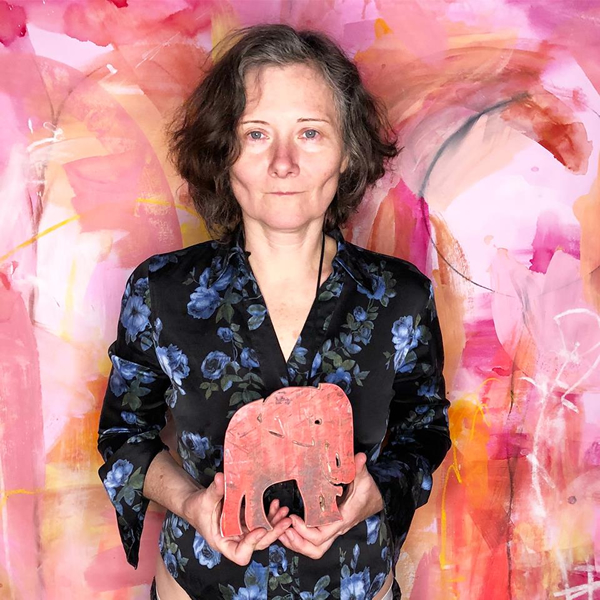
Congratulations also to Tatiana Kolina on the first anniversary of sPACYcLOUd: a one-of-a-kind plant-based restaurant, skateshop, kava bar, art gallery, coffee shop and entertainment venue in the heart of Adams Morgan. Tatiana’s slogan for her business is “Cut Loose. Hang Tight. Recycle.” As she says, “In other words, be bold, follow your heart, believe in magic, use your intuition, and take care of planet Earth.”
She was born in the Soviet Union and raised by her grandmother. As a teenager, she joined a number of tusovkas (street groups) to survive. The group that affected her life the most was “farsovshiki.” It was a new wave group of kids who ran around big cities like Moscow, St. Petersburg, Kiev, Tallinn, etc., using trade as a way to interact and learn about the wild, wild (and very taboo) West. Tatiana was adopted by an American family and moved to California in 1991.
After earning her degree in MIS (Masters in Information Systems) from the University of Notre Dame, she moved to D.C. where she started the non-profit Skate Girls Tribe (SGT). The organization invites girls of all ages and abilities to come together and skate with other girls in a group empowering young women through action sports. SGT holds monthly events to celebrate life, art, culture, education, and fun via skateboarding and longboarding. They also organize surfing and snowboarding camps.
“Skate Girls Tribe promotes confidence and assertiveness, individuality and creativity, strength and dignity, all gathered together with a love for action sports,” Kolina said. “With a vigorous setting of play and sociality, SGT nurtures and sustains these values and goals.” She added, “With such virtues in place that healthy and responsible choices will be made later in the girls’ lives.”
The Comings & Goings column is about sharing the professional successes of our community. We want to recognize those landing new jobs, new clients for their business, joining boards of organizations and other achievements. Please share your successes with us at [email protected].
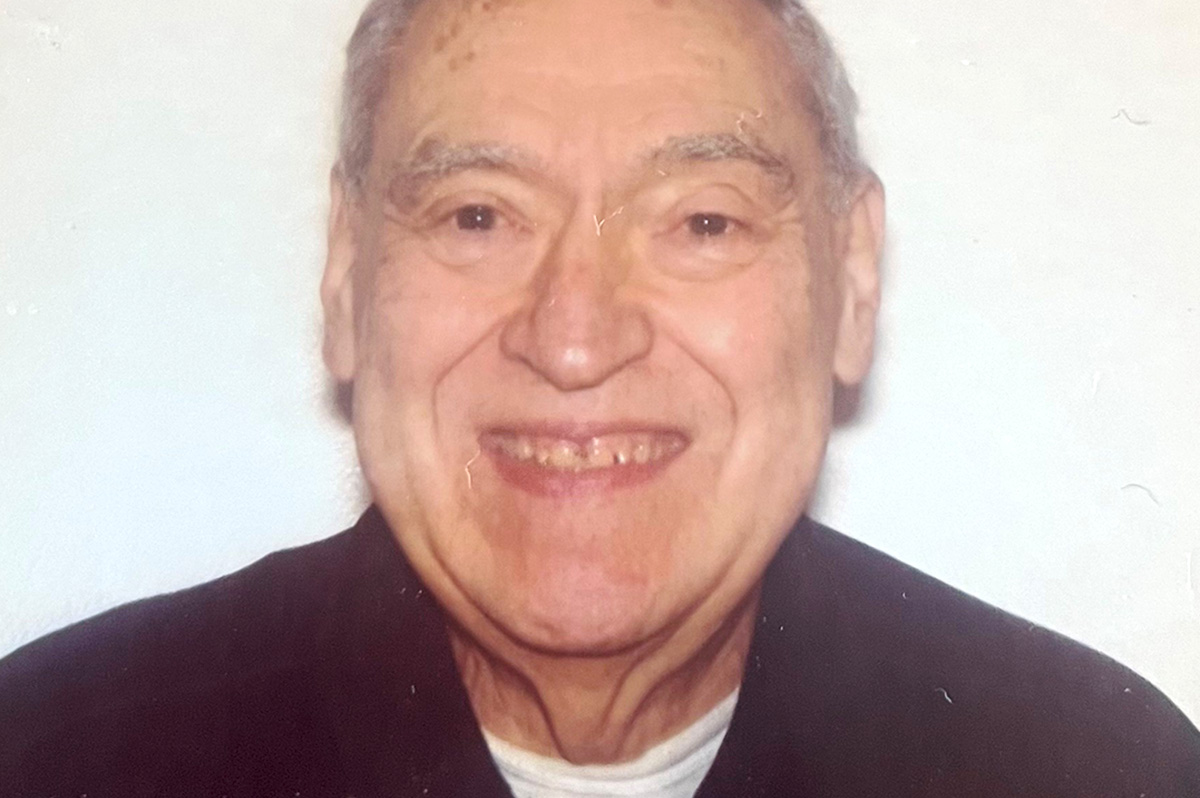
Congratulations to Peter Schott on being honored by Delaware Gov. Matt Meyer on National Honor our LGBTQ Elders Day.
Schott is a prominent LGBTQ advocate and seasoned political strategist who has spent decades advancing civil rights at the national and state levels. Following a distinguished 25-year career as a staff assistant in the U.S. House of Representatives, Schott leveraged his extensive legislative expertise to help organize the National Stonewall Democrats, serving as an influential member of its national board.
After moving to Delaware in 2002, he became a foundational figure in the state’s LGBTQ political landscape, co-founding the Delaware Stonewall PAC, (now Stonewall Delaware) to champion the election of pro-equality candidates. His strategic lobbying and community organizing were instrumental in the successful passage of Delaware’s landmark non-discrimination, civil union, and marriage equality laws. A former member of the State Human Relations Commission, he remains a vital voice for the LGBTQ community in the Mid-Atlantic, continuing to document and drive social progress through his activism and writing. Schott currently serves as vice chair of the Delaware Democratic Pride Caucus, and a board member of Speak Out Against Hate (SOAH). He was a delegate to two Democratic National Conventions.
He earned a bachelor’s degree in Political Science, New York University; and a master’s of Public Administration degree from American University.
District of Columbia
Doc on Blade reporter Chibbaro scores Emmy nomination
‘Lou’s Legacy’ chronicles 50-year career

“Lou’s Legacy: A Reporter’s Life at the Washington Blade” has been nominated for a Capital Emmy in the “Documentary – Historical” category by the National Capital Chesapeake Bay Chapter of the National Academy of Television Arts & Sciences.
“Our members include all of the video content producers who serve our local audiences in Washington, DC, Maryland and Virginia—from the Atlantic to the Appalachians, from Bristol to Baltimore,” said Capitol Emmys President Adam Longo in a press release.
Broadcast last June by WETA PBS in Washington, D.C. and MPT in Maryland, the documentary was directed and produced by Emmy-nominated filmmaker Patrick Sammon in association with the Mattachine Society of Washington, D.C. Additional nominees who worked on the film include producer Julianne Donofrio and editor Amir Jaffer.
“Lou’s Legacy” tells the story of two D.C. icons — legendary Washington Blade reporter Lou Chibbaro Jr. and beloved drag performer Donnell Robinson, known to generations of Washington audiences as “Ella Fitzgerald.” Through Chibbaro’s nearly five-decade career at the Blade and Ella’s return to the stage after a three-year hiatus following COVID, the 29-minute documentary explores the history of Washington’s LGBTQ community and today’s rising backlash against LGBTQ rights, including laws targeting drag performers.
“We’re honored that Lou’s Legacy has been recognized alongside such an impressive group of historical documentaries,” said Sammon. “This nomination is especially meaningful because the film preserves and celebrates the stories of people who helped shape queer history in Washington, DC — often without recognition from mainstream institutions. We’re deeply grateful to the Mattachine Society, Lou Chibbaro Jr., Donnell Robinson, WETA PBS, and everyone who helped bring this project to life.”
“Lou’s Legacy” premiered on WETA PBS in June 2025 during Pride month. The documentary also broadcast on Maryland Public Television and is streaming nationally on PBS.org. WETA will rebroadcast “Lou’s Legacy” several times during Pride month, including June 15 th at 9 p.m. Winners of the Capital Emmy Awards will be announced at the Capital Emmy Gala on June 20 at the Bethesda Marriott Hotel.
Rehoboth Beach
Don’t let Rehoboth rain deter you, there’s lots to do for Memorial Day
Local businesses ready to host thousands this weekend

Although the weather is not expected to produce a picturesque Memorial Day Weekend at the Nation’s Summer Capital, plenty of exciting LGBTQ-friendly events, gatherings, and celebrations remain planned in Rehoboth Beach, Del., come rain or shine.
Thursday (5/21)
Begin this Memorial Day Weekend early on Thursday at The Pines Coastal Tavern, an LGBTQ+ friendly bar and grill that offers a happy hour from 4-6 p.m and a comfort food weekly special on Thursdays.
Next, you have a few options to spend your night enjoying live music, drag performances, and karaoke across Rehoboth.
The Purple Parrot Grill, Rehoboth’s only biergarten, will host its weekly Thursday Karaoke night starting at 9 p.m. With no cover fee, the Purple Parrot offers a queer-friendly space to have a drink or two and sing your heart out with friends.
Aqua, an LGBTQ bar in Rehoboth, is featuring six different DJs from Thursday to Monday. This Thursday will feature DJ KG, who will be spinning from 8 p.m. to midnight. Additionally, Thursdays are Burger Nights with $12 burgers and $3 domestic beers.
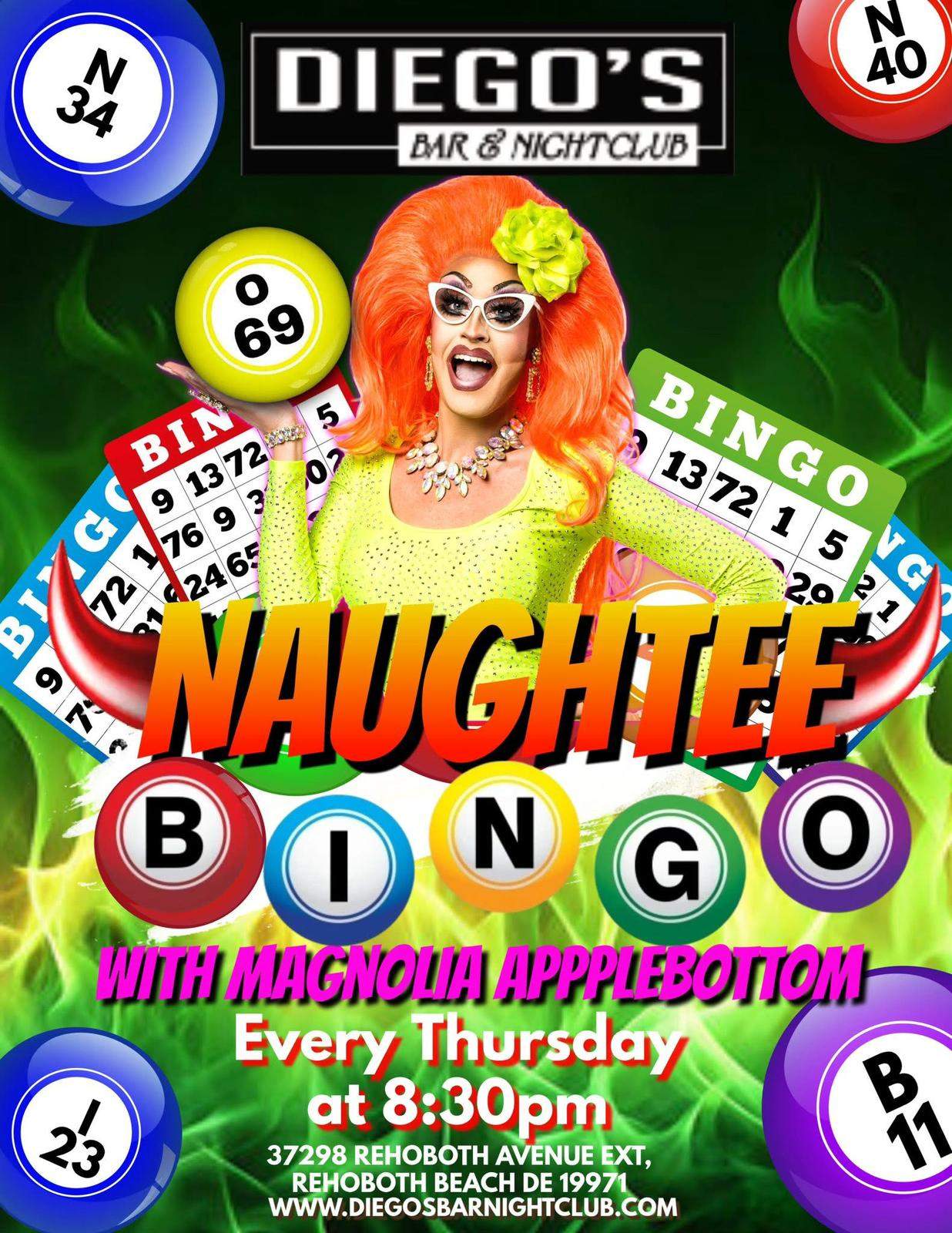
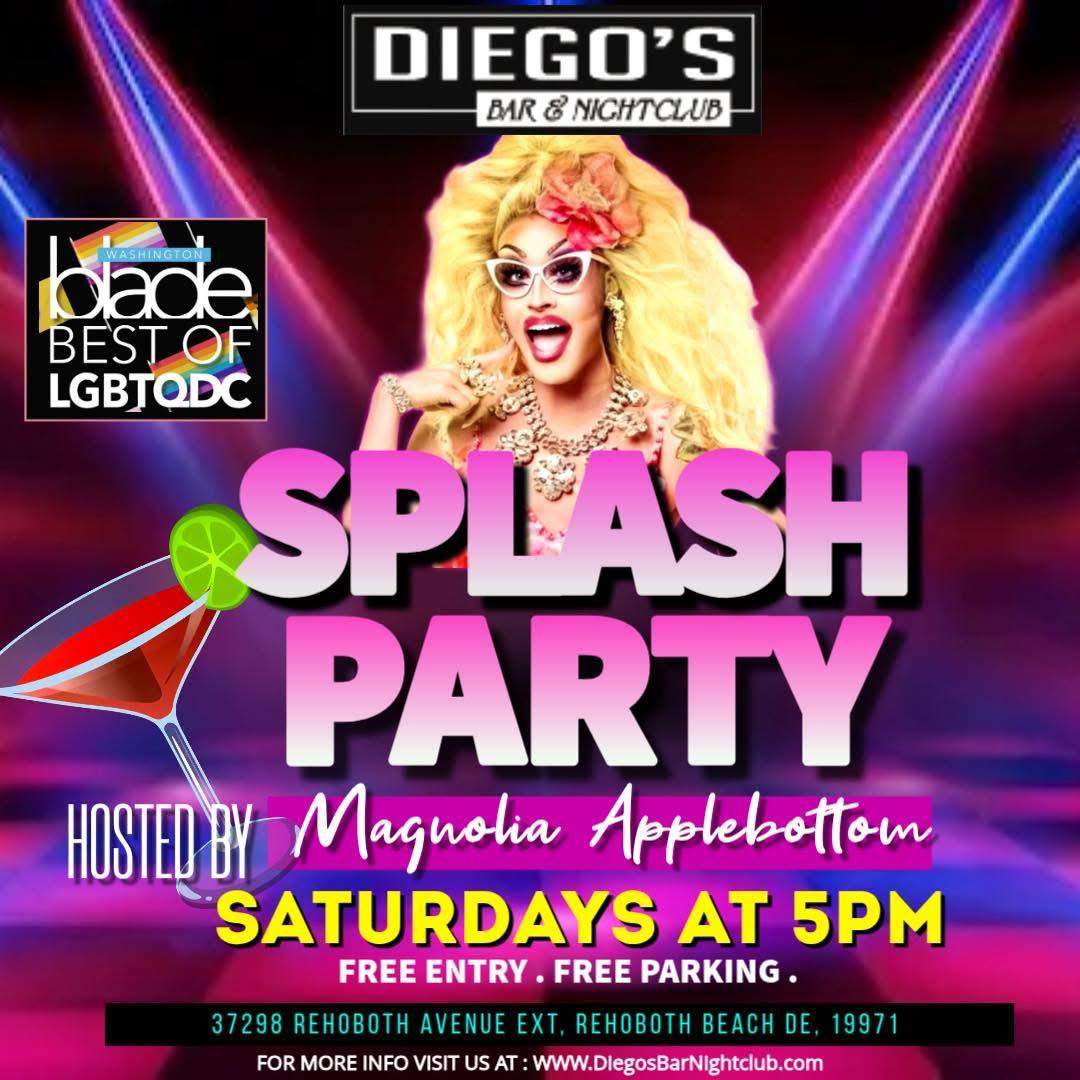
Naughtee Bingo will be hosted by Magnolia Applebottom at Diego’s Bar & Nightclub starting at 8:30 pm on Thursday.
Friday (5/22)
Get your Friday night started with a live piano show with Grant Uhle from 7-10 p.m. at The Pines.
Freddie’s Beach Bar, another LGBTQ-friendly bar in Rehoboth, will feature “Freddie’s Follie’s Drag Show” at 9 p.m. with DJ Nan keeping the party going at 11 p.m.
Aqua’s “Beats Party Night” with DJ Matt Bailer will also be going on from 9 p.m.-1 a.m.
Saturday (5/23)
The party is starting early at Diego’s on Saturday with a Splash Party hosted by Magnolia Applebottom at 5 p.m.
The Pines is also offering a live Piano show & sing-a-long with Etienne Pilon from 6-8 p.m. and DJ Fixed Rate spinning from 8-11 p.m.
DJ Chord will play from 9 p.m.-1 a.m. at Aqua on Saturday night.
Sunday (5/24)
On Sunday, Aqua is hosting an “Aquaman” swimsuit modeling contest at 3 p.m. with the “king” chosen by the crowd. The event is sponsored by JimmyTrendy and prizes include a JimmyTrendy swimsuit set and an Aqua Grill gift card. JimmyTrendy will also offer a pop-up shop to purchase swimwear.
DJ Biff will play beats at the “Aquaman” contest until 6 p.m. and DJ Malachi Gomez will spin from 9 p.m.-1 a.m.
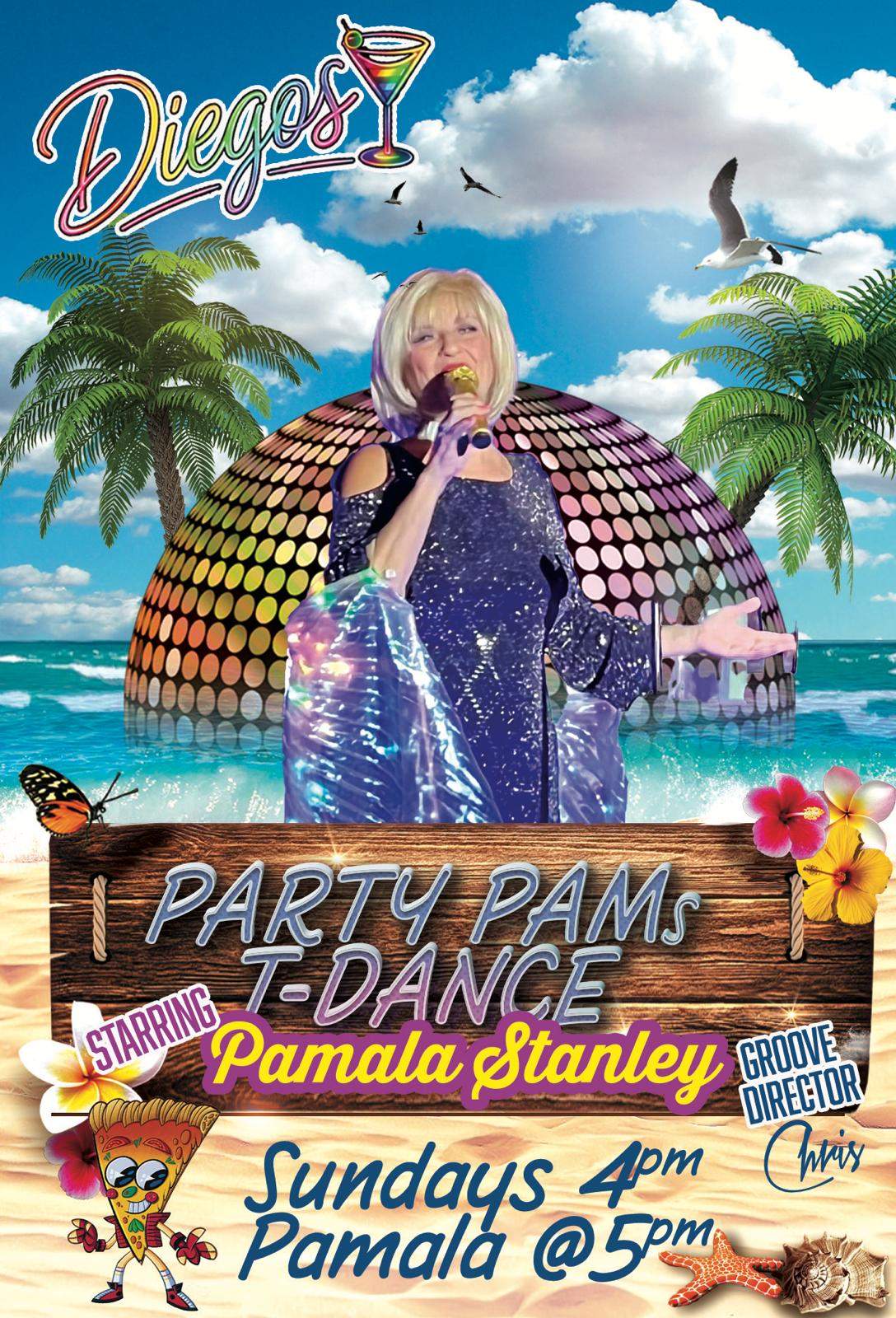
Diego’s is putting on its weekly Party Pams T-Dance starring singer Pamala Stanley at 5 p.m. It’s Pamala’s 21st season in Rehoboth Beach and her show is a must-see event.
At Freddie’s Beach Bar, DJ Shady Lady will play from 5-6 p.m. with a Memorial Day Sunday Drag Show taking place from 9-11 p.m. and karaoke directly after.
Monday (5/25)
Come together on Memorial Day to remember and honor the fallen women service members, first responders, and canine war heroes with the Laying of the Wreath. This ceremony will take place at 8:45 a.m. at the Veterans Memorial at the end of Rehoboth Avenue at the Band Stand Area. This event is put together by the Gay Women of Rehoboth.
Sussex Pride invites you to a Memorial Day Cookout Honoring LGBTQ+ Veterans and Servicemembers from 11 a.m.-3 p.m. at Gordons Pond Pavilion in Cape Henlopen.
End your MDW with Monday night singing your heart out with late night karaoke at Freddie’s Beach Bar at 8 p.m. and Piano Pam at Diego’s at 5 p.m. with Pamala Stanley playing everything from Broadway hits to current dance music.

PHOTOS: Black Pride Pageant and Unity Ball

PHOTOS: Helen Hayes Awards

A magical Mercedes

When impunity meets history

Comings & Goings

Vt. lawmaker equates transgender identity with bestiality

PHOTOS: Equality Prince William Pride

A case of retaliation, not stalking

D.C. Black Pride set for Memorial Day Weekend