Arts & Entertainment
Madonna sued for starting concert late
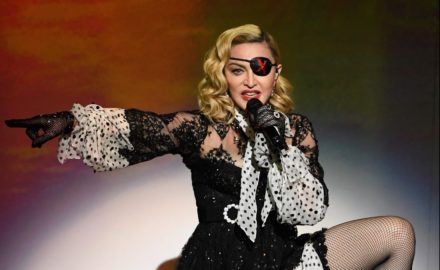
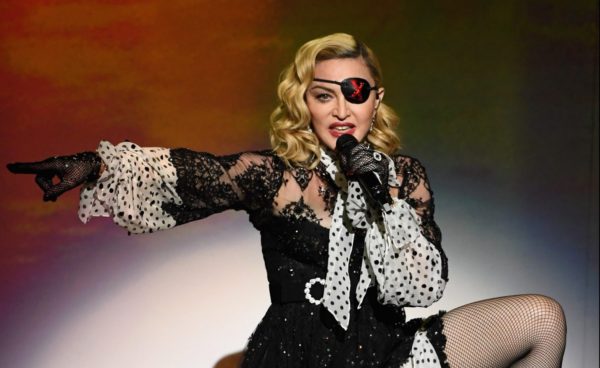
Madonna’s reputation for showing up starting her concerts late may finally be catching up with her.
The pop music icon is being sued by a fan who claims that tickets he purchased for an upcoming Miami concert are now worth significantly less than the $1,024.95 he paid for them.
The suit was filed on November 4 by Neal Hollander of Florida, who says he bought the tickets for the December 17 show when they went on sale in August. At the time of the sale, the concert’s starting time was listed as 8:30, but in October, the start time was pushed back to 10:30. Hollander asserts that the change in times is a breach of contract, and that the tickets have now “suffered an extreme loss of value” that makes reselling them “impossible.”
In the suit, he claims that he and other ticket holders who no longer want to attend because of the later start time have “suffered actual and consequential damages, including, but not limited to, loss of consideration paid and the devaluation of the ticket.”
News of the lawsuit comes in the midst of renewed fan backlash over the singer’s habitual tardiness. Last week, at the first Las Vegas show of her current “Madame X” tour, she was reportedly met with boos when she took the Caesar’s Palace stage at 12:30am — two hours after the already-late scheduled curtain time of 10:30pm.
Among other media outlets, TMZ reported that Madonna addressed the disgruntled concert audience by saying, “Here’s something you all need to understand … and that is, that the queen is never late.”
Madonna has a well-known tendency for starting shows late that dates back across her entire 40-year career – indeed, the singer’s representatives are using that history to answer complaints from angry concert-goers, reasoning that since she is known for being late, they should have expected it.
Nevertheless, multiple fans at last week’s delayed Caesar’s Palace show were not shy about expressing their anger, both from the audience and on social media. When Madonna posted a video on Twitter with the note saying, “Bringing the [fire emoji] to Vegas,” she was met with stern response from commenters, including one poster who said, “1.5 hours late. Indifferent-to-hostile audience. Juvenile attempts at humor met with audience silence. I’ve never seen anyone less in control of a room. Truly amateurish.”
The website Wonderwall reported that 500 refunds were issued before and during that Las Vegas show.


Celebrity News
Madonna announces release date for new album
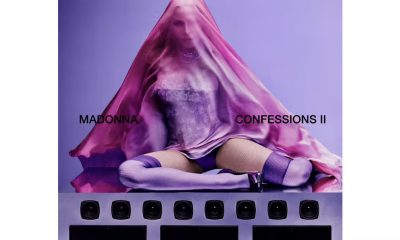
‘Confessions II’ marks return to the dance floor
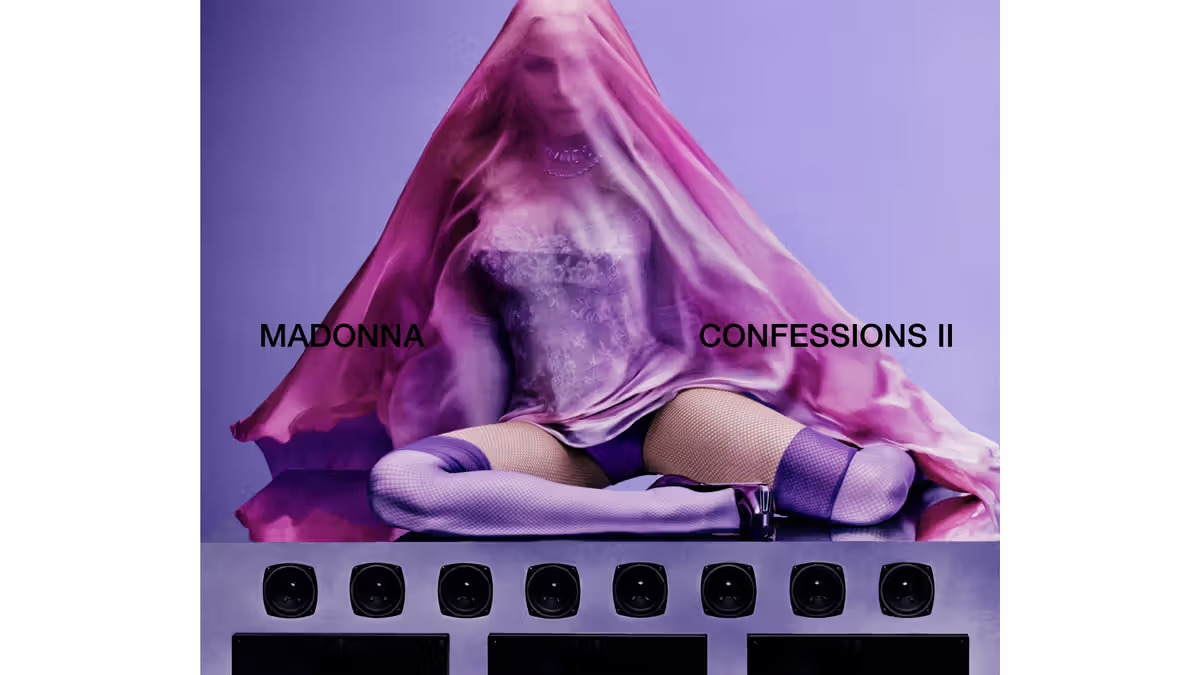
Pop icon Madonna on Wednesday announced that her 15th studio album will be released on July 3.
Titled “Confessions II,” the new album is a sequel to 2005’s “Confessions on a Dance Floor,” an Abba and disco-infused hit.
The new album reunites Madonna with producer Stuart Price, who also helmed the original “Confessions” album. It’s her first album of new material since 2019’s “Madame X.”
“We must dance, celebrate, and pray with our bodies,” Madonna said in a press release. “These are things that we’ve been doing for thousands of years — they really are spiritual practices. After all, the dance floor is a ritualistic space. It’s a place where you connect — with your wounds, with your fragility. To rave is an art. It’s about pushing your limits and connecting to a community of like-minded people,” continued the statement. “Sound, light, and vibration reshape our perceptions. Pulling us into a trance-like state. The repetition of the bass, we don’t just hear it but we feel it. Altering our consciousness and dissolving ego and time.”
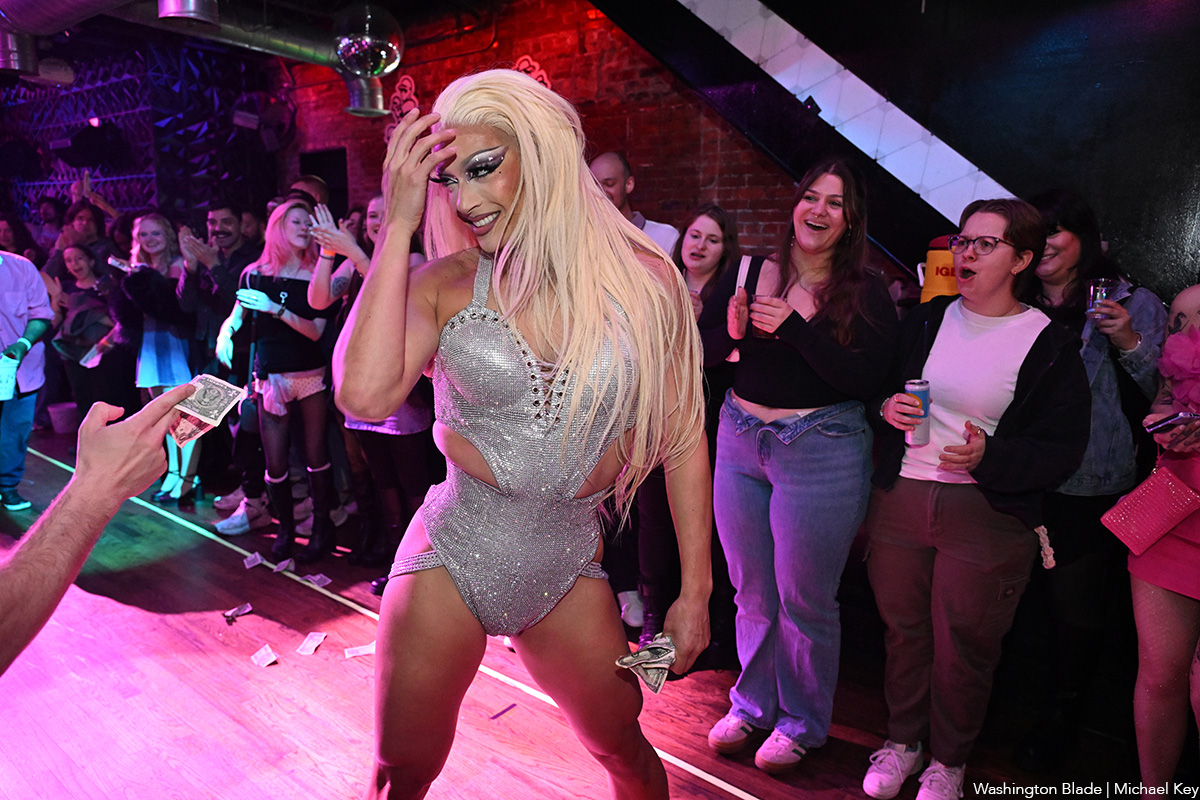
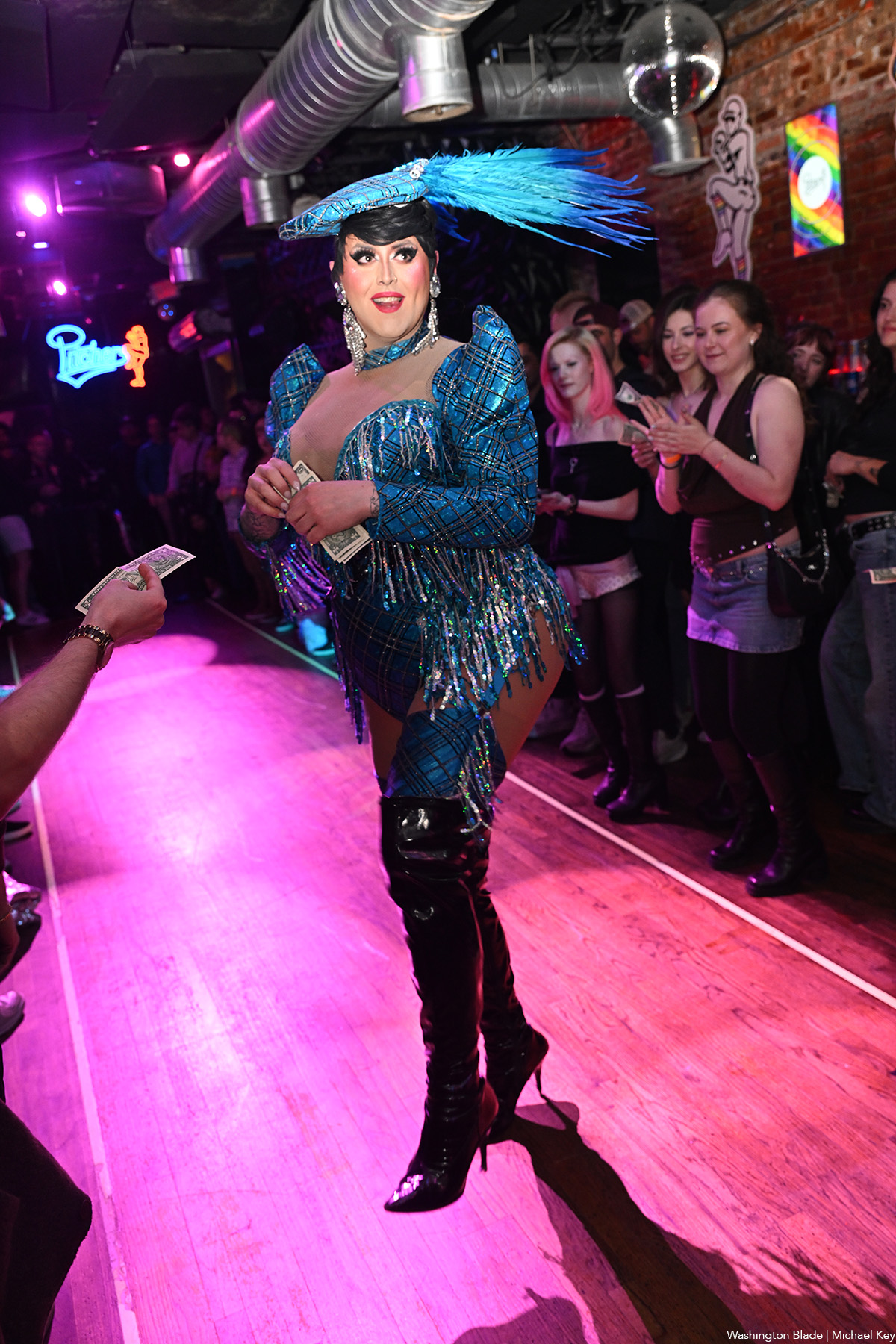
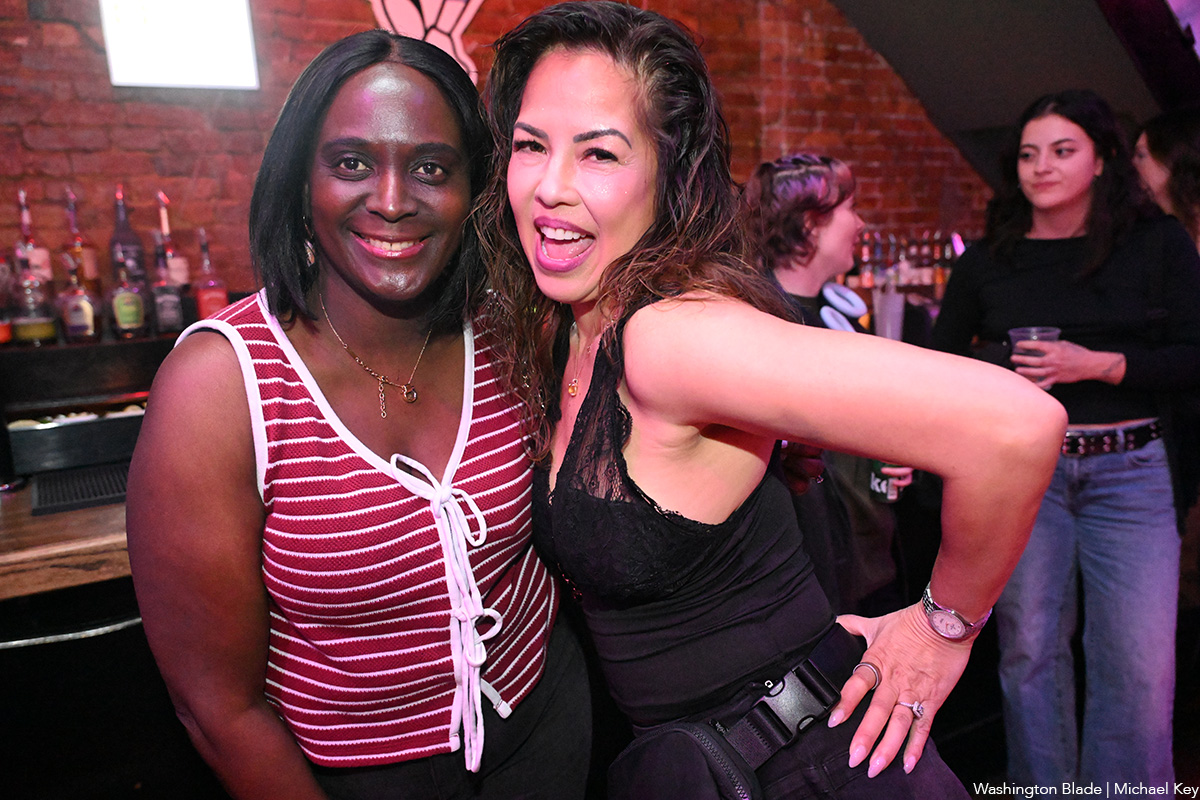
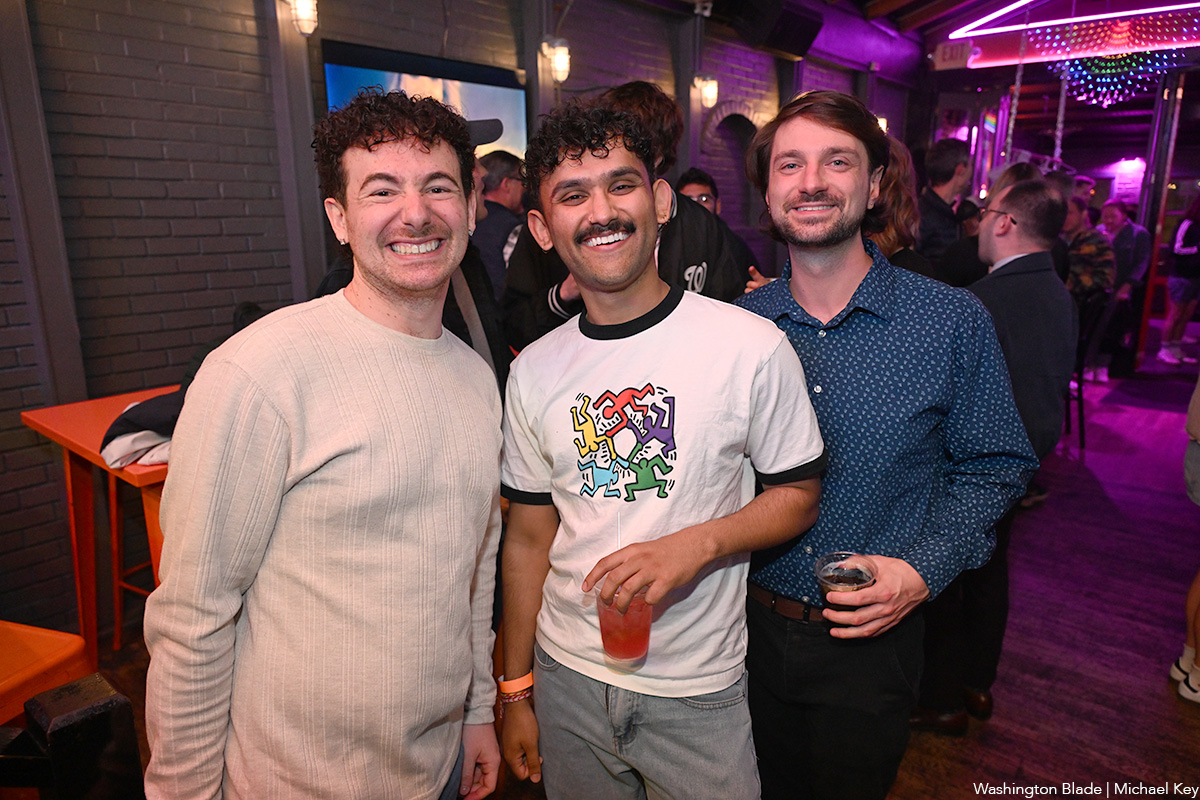
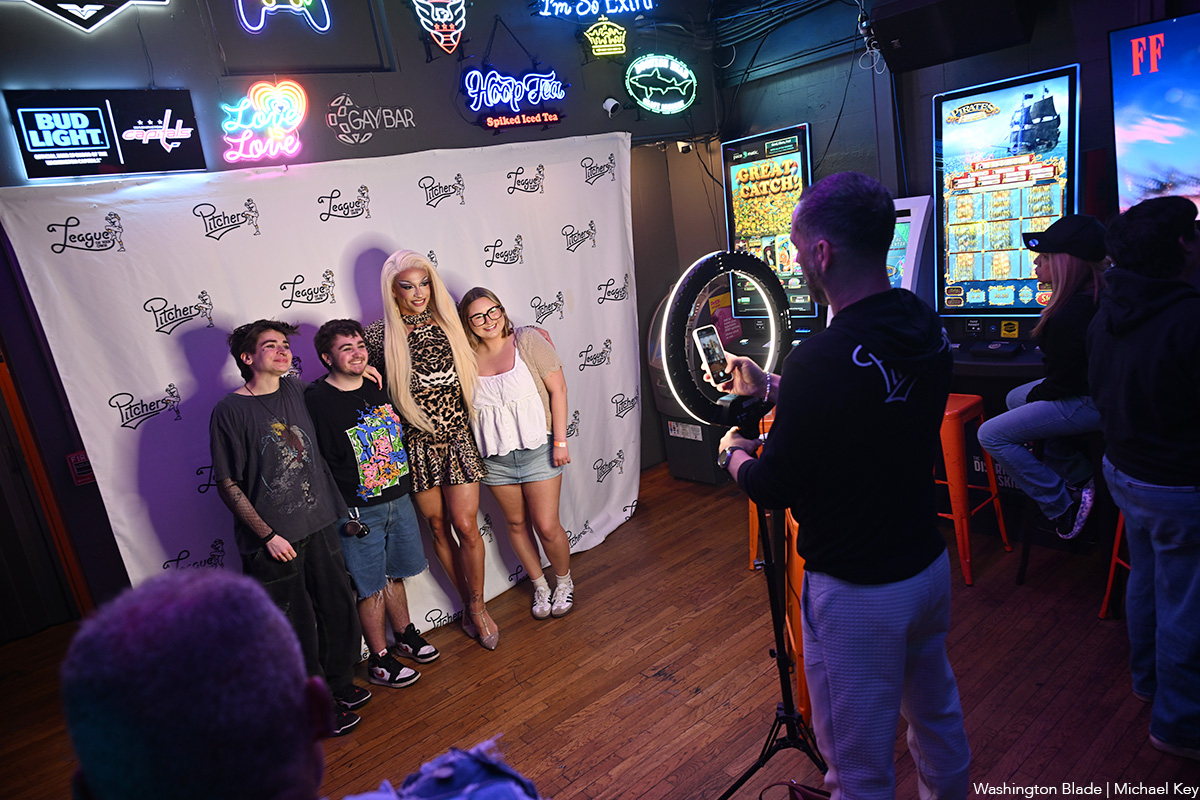
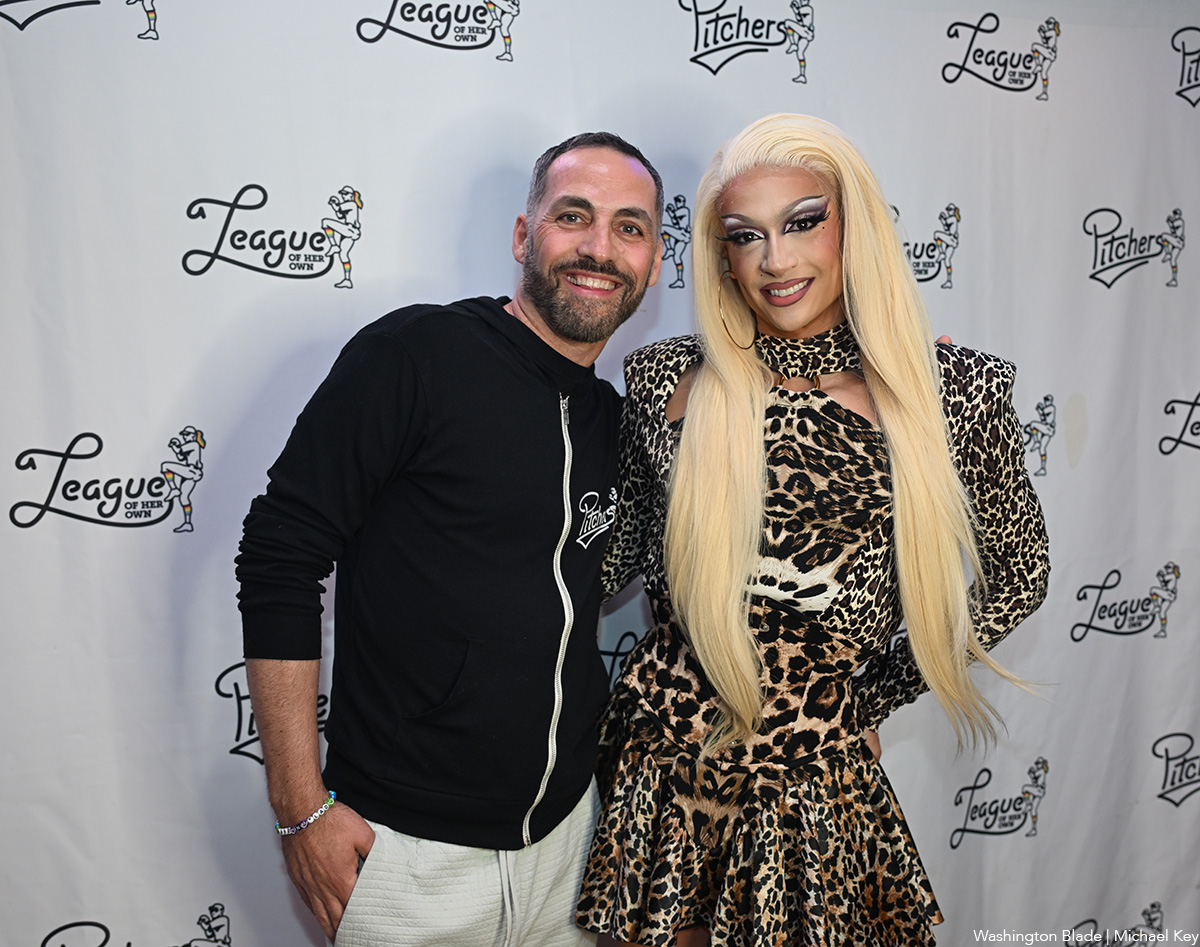
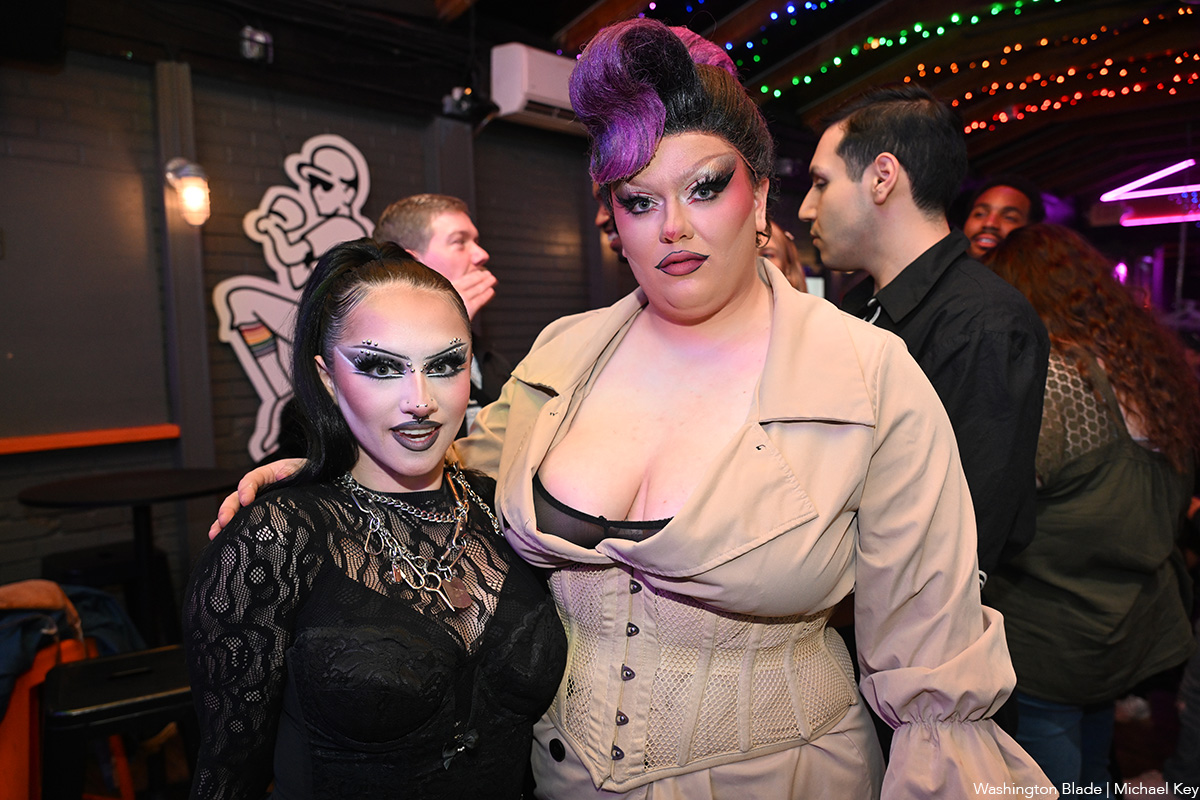
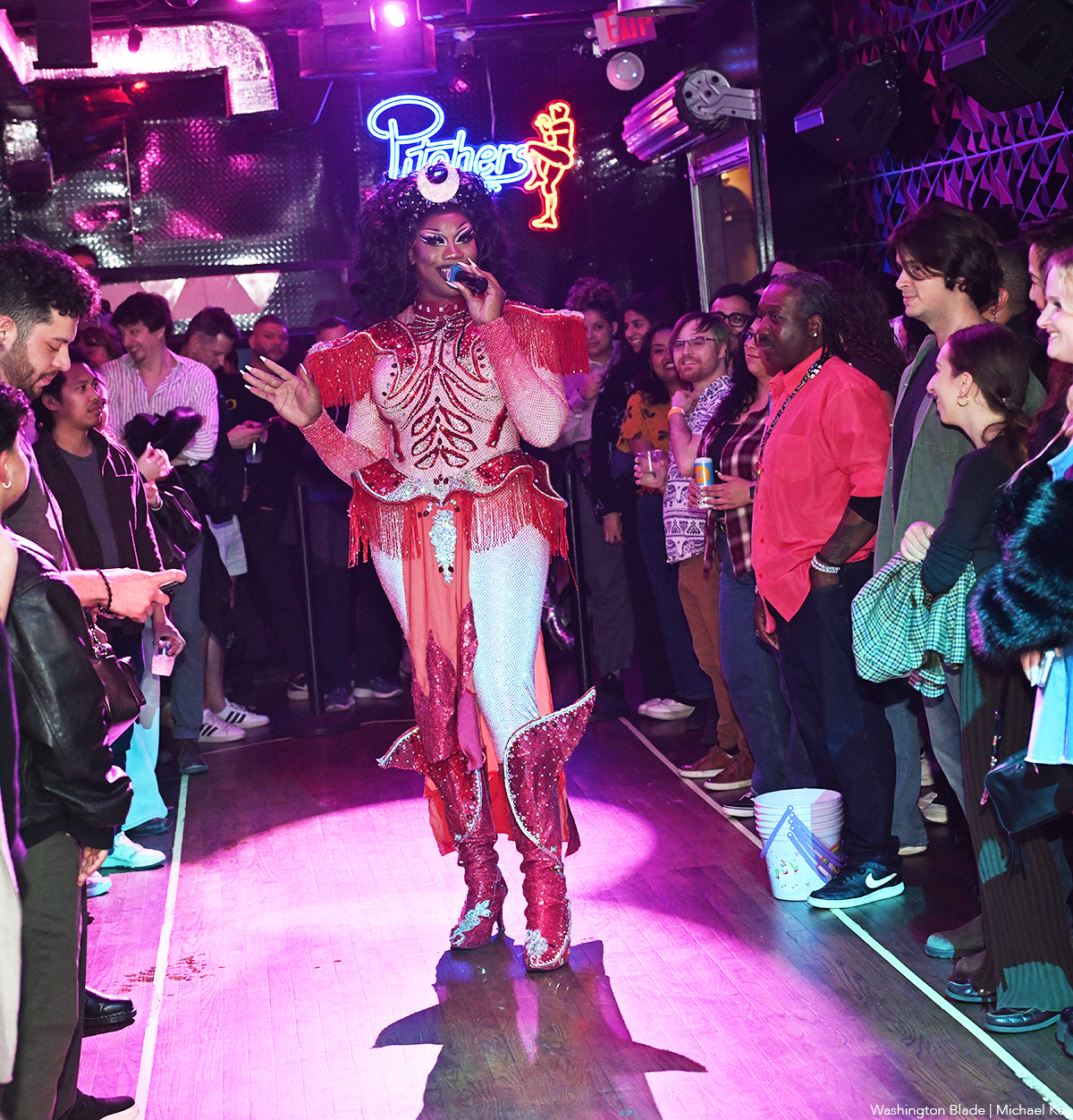
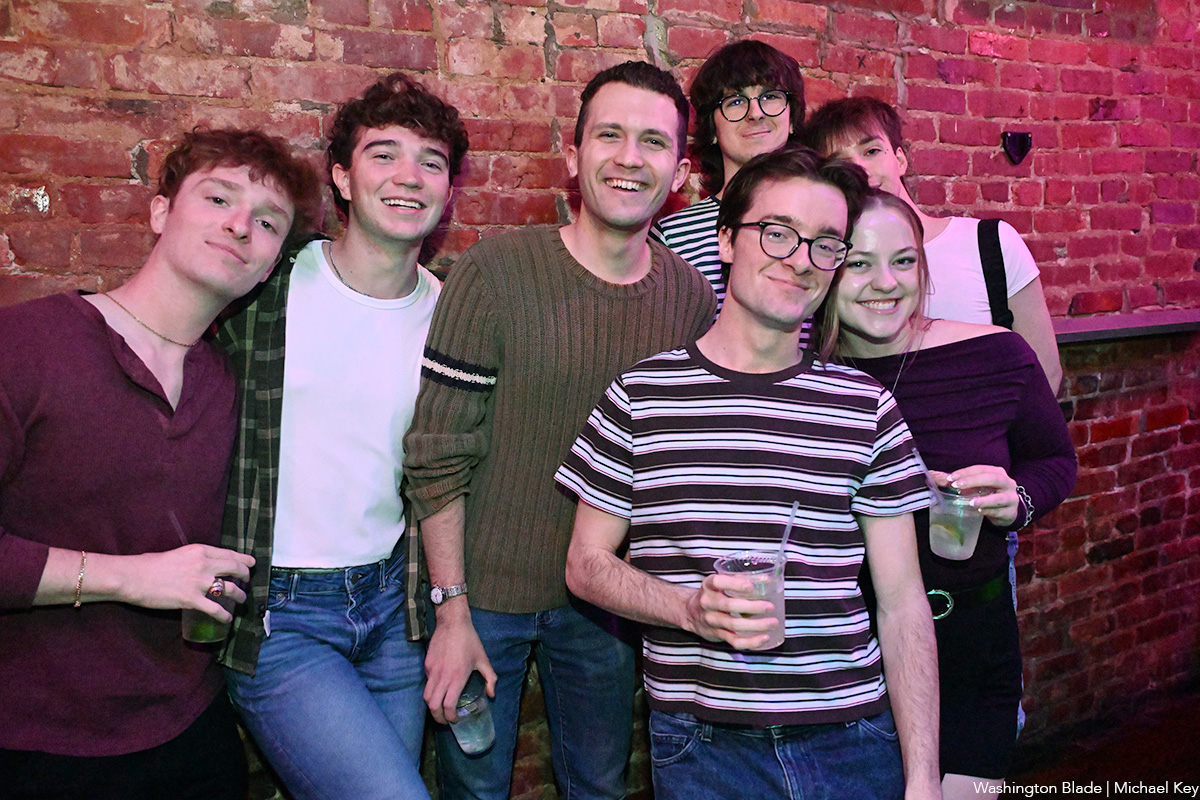
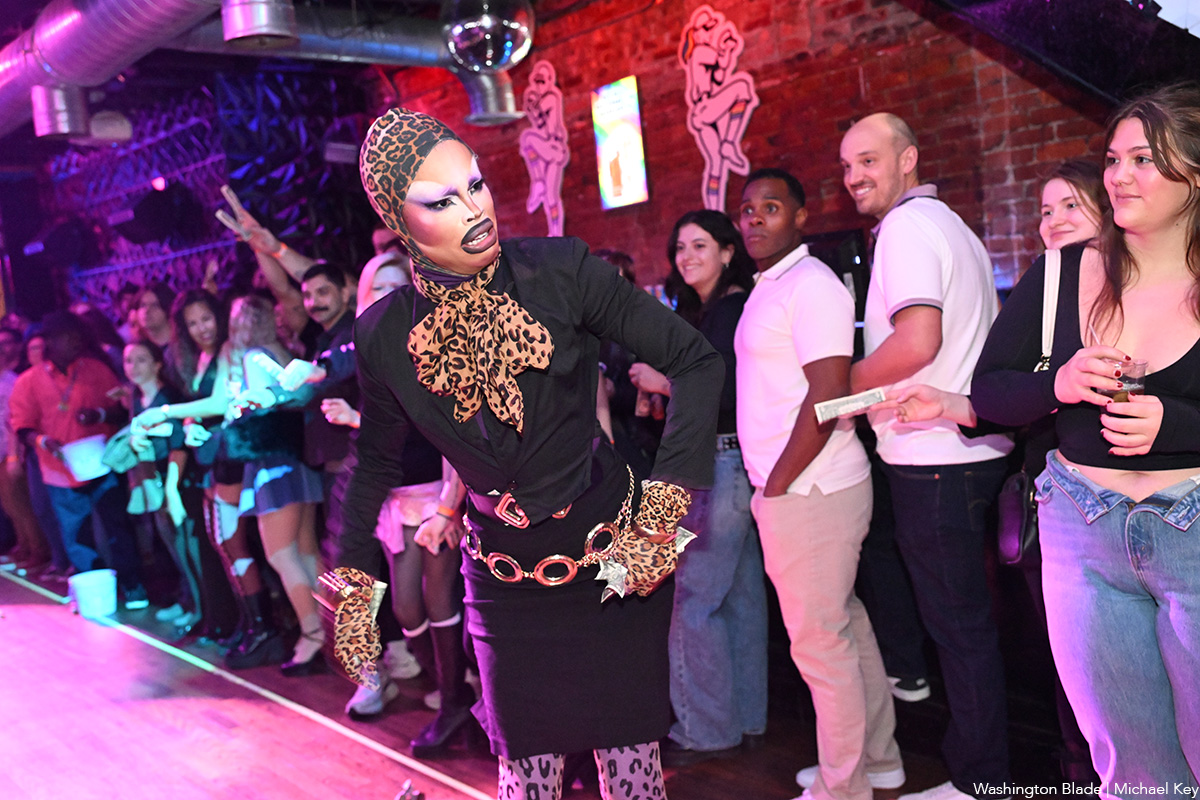
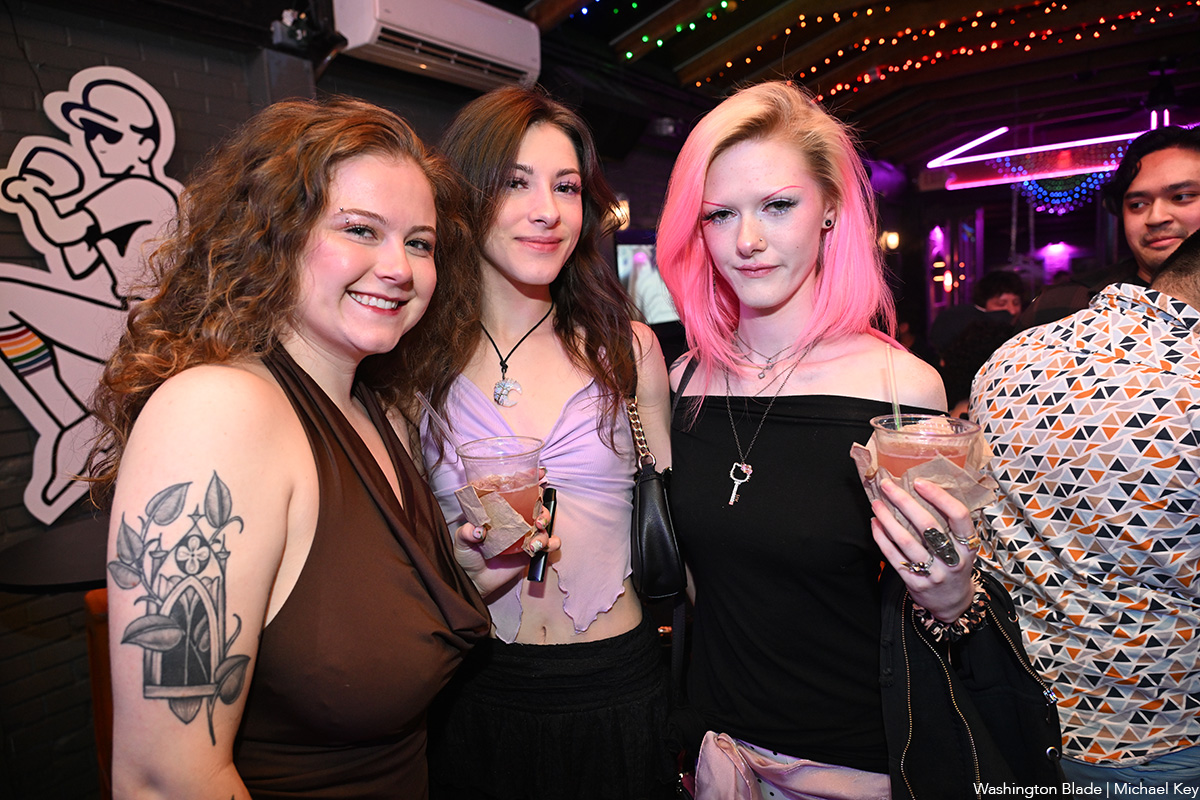
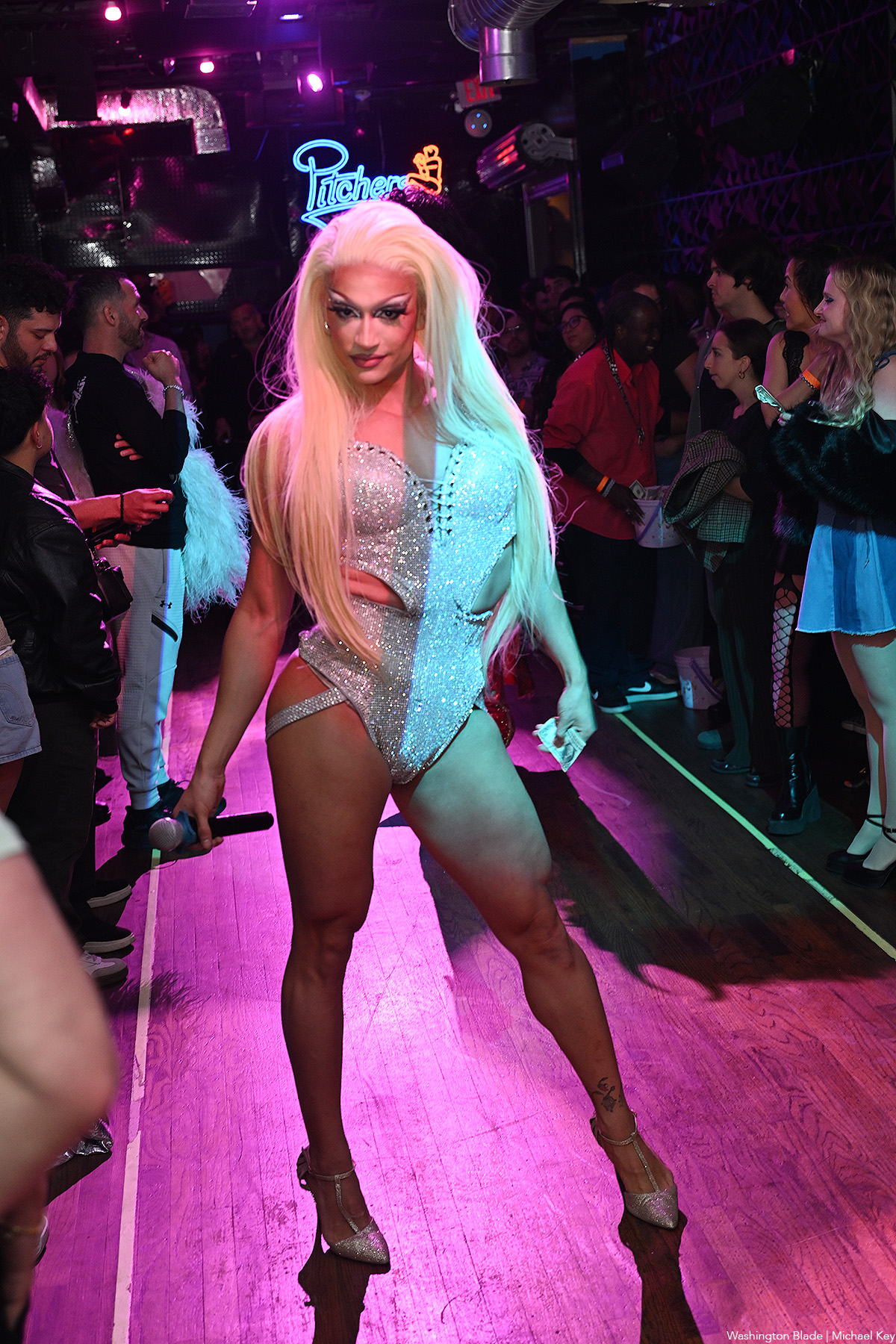
Denali (@denalifoxx) of “RuPaul’s Drag Race” performed at Pitchers DC on April 9 for the Thirst Trap Thursday drag show. Other performers included Cake Pop!, Brooke N Hymen, Stacy Monique-Max and Silver Ware Sidora.
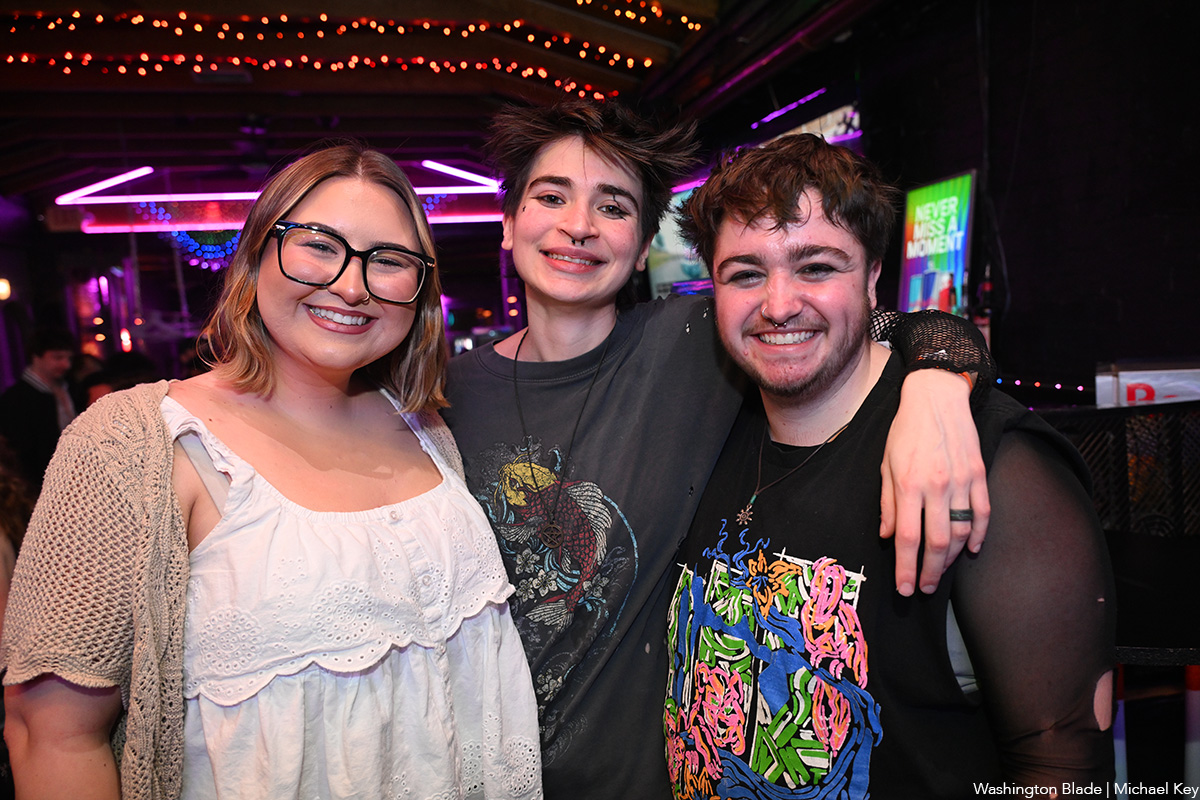
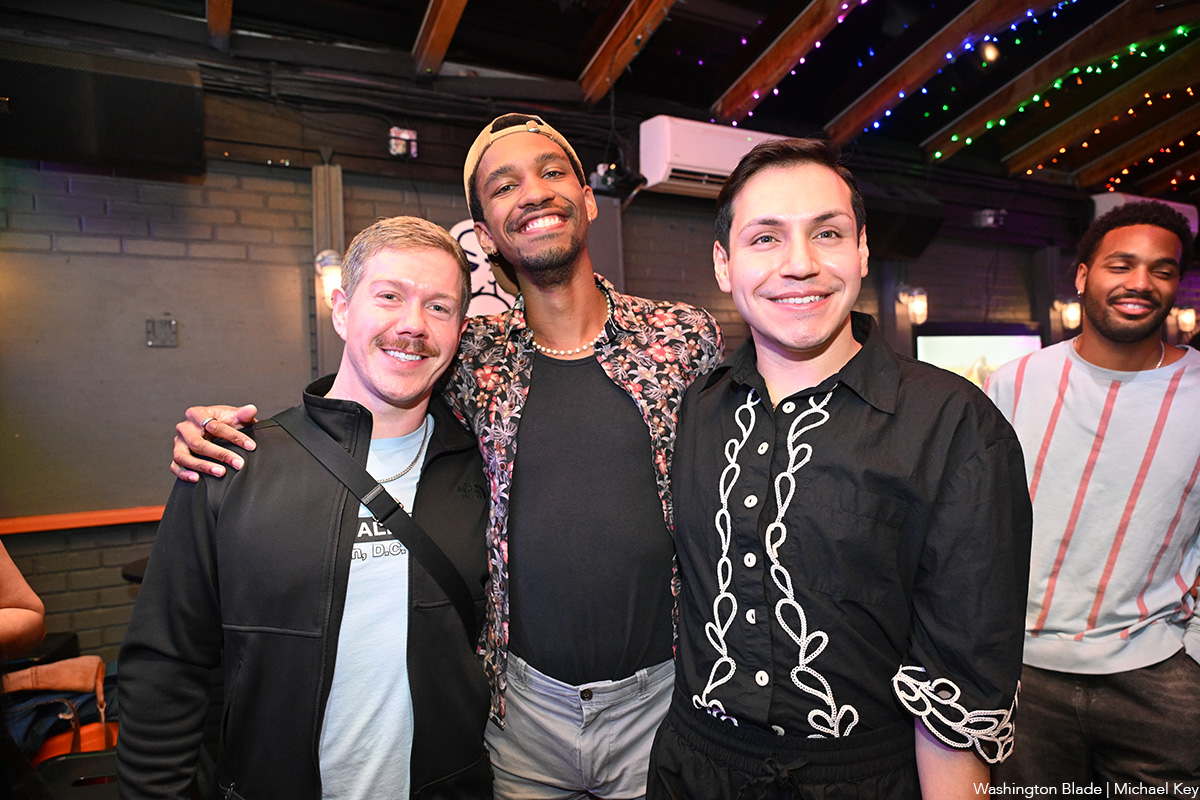
(Washington Blade photos by Michael Key)

Arts & Entertainment
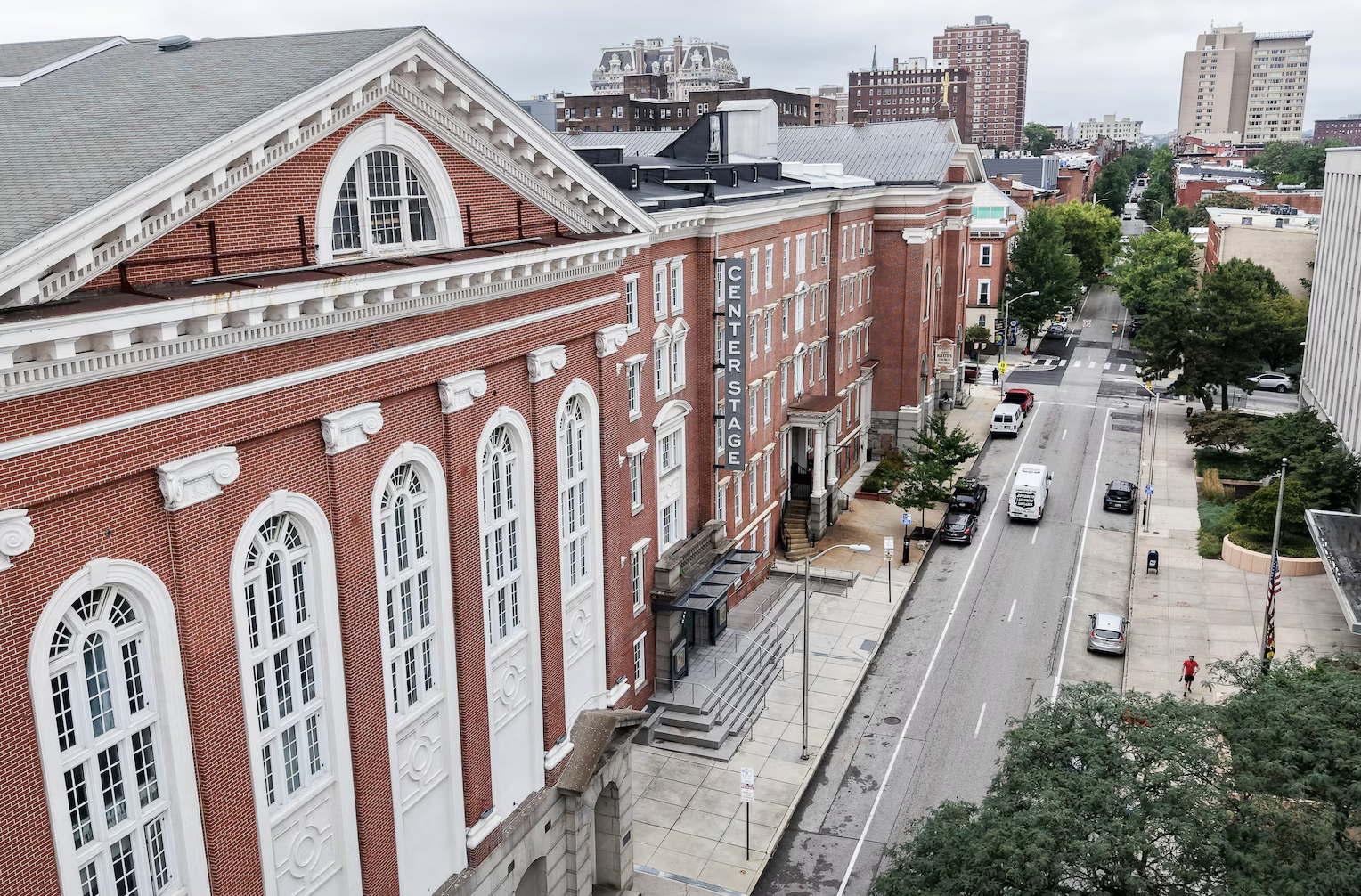
In an act of artistic defiance, Baltimore Center Stage stays focused on DEI
‘Maybe it’s a triple-down’
By LESLIE GRAY STREETER | I’m always tickled when people complain about artists “going political.” The inherent nature of art, of creation and free expression, is political. This becomes obvious when entire governments try to threaten it out of existence, like in 2025, when the brand-new presidential administration demanded organizations halt so-called diversity, equity and inclusion (DEI) programming or risk federal funding.
Baltimore Center Stage’s response? A resounding and hearty “Nah.” A year later, they’re still doubling down on diversity.
“Maybe it’s a triple-down,” said Ken-Matt Martin, the theater’s producing director, chuckling.
The rest of this article can be found on the Baltimore Banner’s website.

HIV/AIDS group NMAC is ‘destabilized’ and in financial crisis: sources

Madonna announces release date for new album

Senegalese court issues first conviction under new anti-LGBTQ law

Evan Glass is leaning on his record. Is that enough for Montgomery County’s top job?

D.C. bar, LGBTQ+ Community Center to mark Lesbian Visibility Week

An effort to increase the number of psychiatrists of color

Comings & Goings

Trump budget targets ‘gender extremism’

Minimal version of ‘Streetcar Named Desire’ heading to Dupont Underground