Virginia
Va. lawmakers leave LGBTQ students in precarious position
‘Politicizing and censoring our nation’s history’
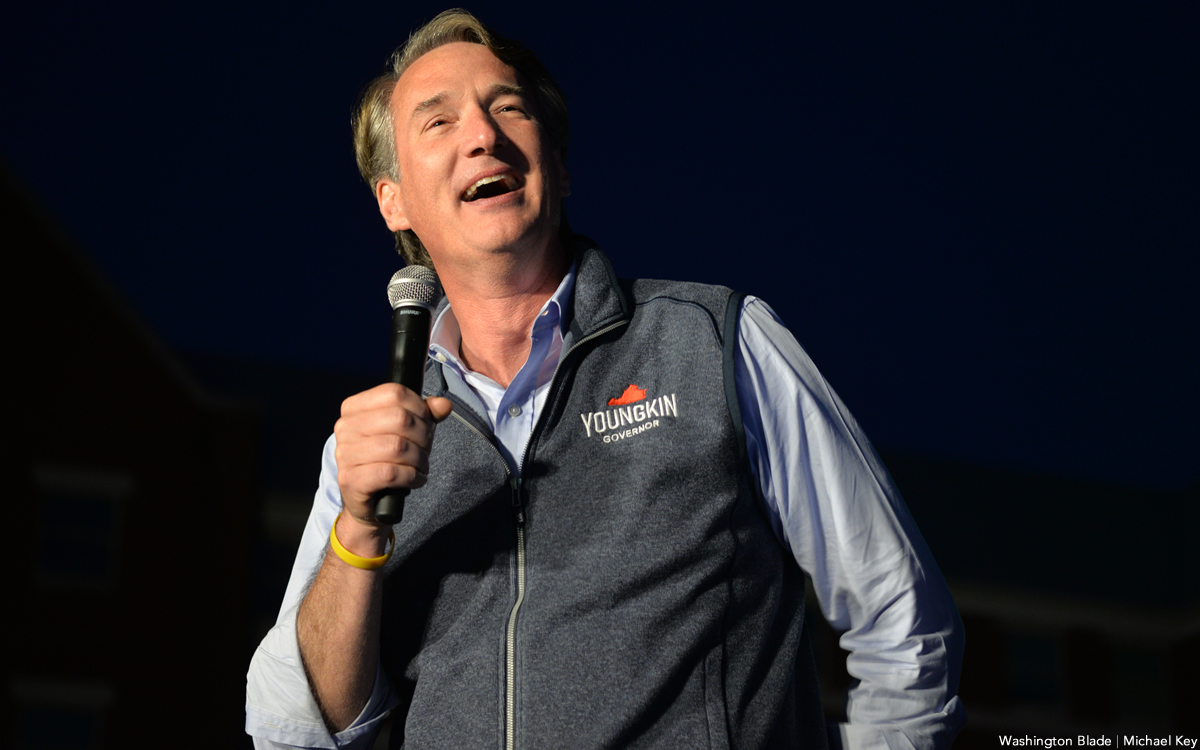
Legislation proposed during the Virginia General Assembly’s 60-day session has angered LGBTQ activists in the state as they say it will bar self-expression in schools and uphold troublesome relics of past homophobic legislation.
A bill giving parents the power to review sexually explicit content before it is taught in the classroom was passed by both chambers of the General Assembly and is likely to be signed by Republican Gov. Glenn Youngkin.
Officially listed as SB 656, it also requires educators to provide alternatives to instructional material and related academic activities that include sexually explicit content.
The bill, spearheaded by Sen. Siobhan Dunnavant, R-Henrico, is in line with Youngkin’s 2021 gubernatorial campaign during which he promised to give parents a more involved role in determining their children’s curriculum.
“This administration has made it a priority to enact classroom censorship, politicizing and censoring our nation’s history and the lived experience of marginalized communities,” said Breanna Diaz, policy and advocacy counsel at American Civil Liberties Union of Virginia. ACLU of Virginia is a private non-profit organization that advocates for LGBTQ individuals in the commonwealth through public education, litigation, and advocacy.
“[This bill], arguably, is going to erase LGBTQ history and LGBTQ figures and movement leaders from the classroom,” she said.
Although lawmakers proposed the bill with one of the goals being to facilitate curricula lucidity between schools and parents, various local school divisions already had systems in place that kept parents aware of any controversial content that would be discussed in classes.
“Parents always get copies of the reading lists that their children are expected to go through,” said Sen. Barbara Favola, D-Arlington, in a February interview with the Virginia Mercury.
The goal of the bill, activists say, is to remove literature from the classroom that explicitly discusses race and sexuality and thwarts students’ and teachers’ ability to express their identities.
“SB 656 is duplicative and redundant and adds an additional layer of labor on educators to avoid confusion and possibly getting in trouble for doing their job and teaching everything,” said Diaz. “They might have to develop multiple curricula, or just outright remove entire books, lessons, and studies.”
The General Assembly also struck down legislation that would have given voters a chance to decide on whether to overturn a now-defunct provision in the commonwealth that bans same-sex marriage.
The Marshall-Newman Amendment — approved in 2006 — defines marriage as between a man and a woman, and anti-LGBTQ groups argued that repealing the bill would help legalize polygamy and child marriage in the state.
“It is defunct, discriminatory, bigoted, and it has no place in our constitution,” said Narissa Rahaman, executive director of Equality Virginia. “Marriage equality is the law of the land,” she said.
Gov. Youngkin has opposed marriage equality. He, however, has also stressed that it is “legally acceptable” in Virginia and he would “support that” as governor, the Washington Blade reported in January.
Activists in other states, such as Texas, are also pushing to amend parts of the constitutions that clutch onto homophobic relics of history in legislation.
These efforts have been in vain as the Texas Legislature failed to repeal a homophobic law that has been unenforceable since 2003, The Guardian reported in 2019.
“That bad example in Texas is what we’re seeing play out in Virginia,” said Diaz.



Virginia
Virginia Anti-Violence Project struggles to fill federal funding gaps
Group has lost 54 percent of funding since 2020
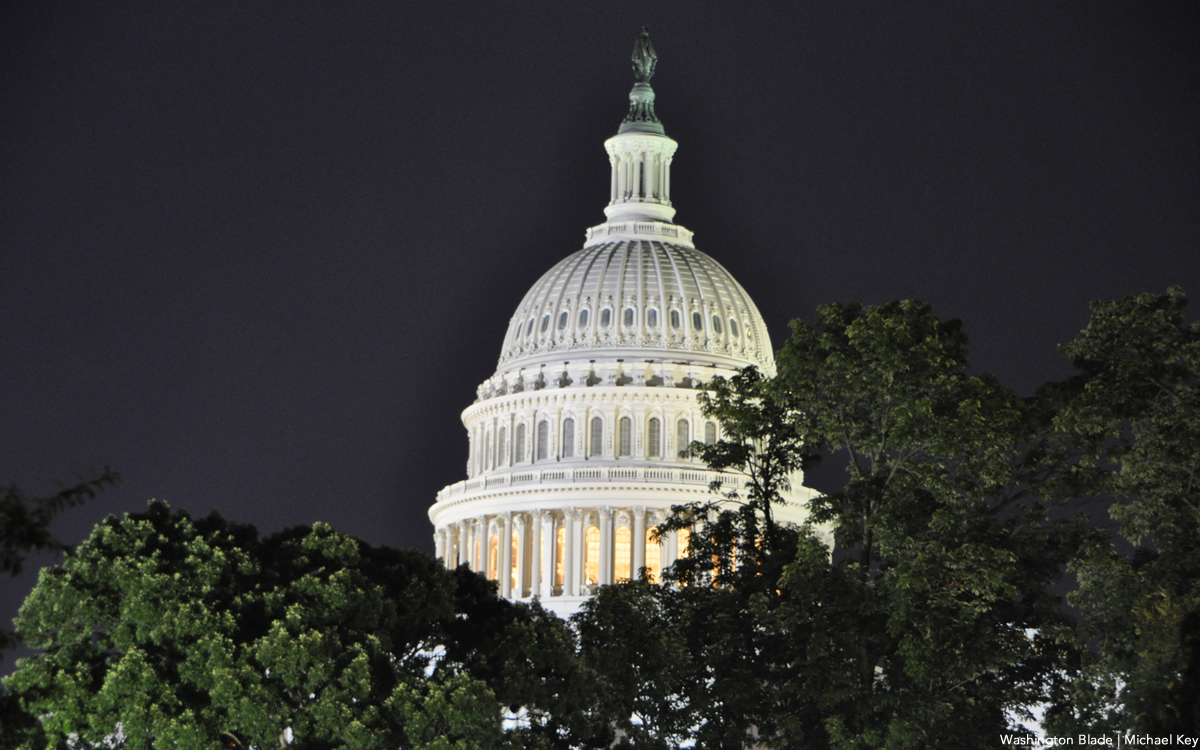
A loss of federal funding has threatened to adversely impact the Virginia Anti-Violence Project’s work in the state.
The group’s mission is to assist LGBTQ and BIPOC (Black, Indigenous and people of color) victims of domestic, sexual, interpersonal, and state violence with direct support, education, and advocacy. The VAVP seeks to build a future where LGBTQ and BIPOC individuals can live freely without a sense for worry about violence.
“Virginia Anti-Violence Project helps to close the distance between services existing and LGBTQIA+ survivors actually being able to reach safety, stable housing, and support that they can trust,” VAVP Executive Director Ebony Clark told the Washington Blade on Tuesday. “Our mission is to provide direct services and advocacy to LGBTQ+ survivors across Virginia.”
Clark said obtaining state and federal funds has become increasingly difficult.
“One of the reasons that we can talk about is politics and how you know queer diverse, queer communities are targets when it comes to politics, and so that may be a reason why the funding is decreasing in in very niche areas, but overall, state funding, federal funding has been lost or significantly reduced when it comes to culturally specific marginalized populations,” Clark said. “The bigger picture is that funding that was purposed for diversity, equity, inclusion, marginalized populations, or you know culturally competent programming, those funds have been strategically reduced or eliminated on state and federal levels overall.”
Even more so with the current Trump-Vance administration.
Data shows federal funding for one “major federal victim-services funding stream in” Virginia has dropped 54 percent over the last six years: from $25.1 million in fiscal year 2020 to $11.6 million in fiscal year 2026.
Clark noted some federal funding has been denied due to VAVP’s DEI policies — it has had to “water down” their language. These cuts have forced VAVP to limit housing and economic support, which has resulted in fewer resources for its clients.
The organization has set up a goal for receiving between $250,000-$300,000 a year that would allow it to operate — and focus on client housing.
“Housing is fundamental to safety,” Clark told the Blade. “If you know leaving violence puts someone on the street or forces them back to the person harming them, that means the crisis isn’t over. So there needs to be other prevention strategies and reactive strategies in place to be able to prevent further violence from folks.”
VAVP has set up a link for anyone who is interested in making a donation. It is here.
The VAVP website is also accepting donations.
Virginia
Winsome Earle-Sears ‘Life and Marriage Tour’ to include Northern Va. stops
Voters to consider marriage equality, reproductive rights referenda in November
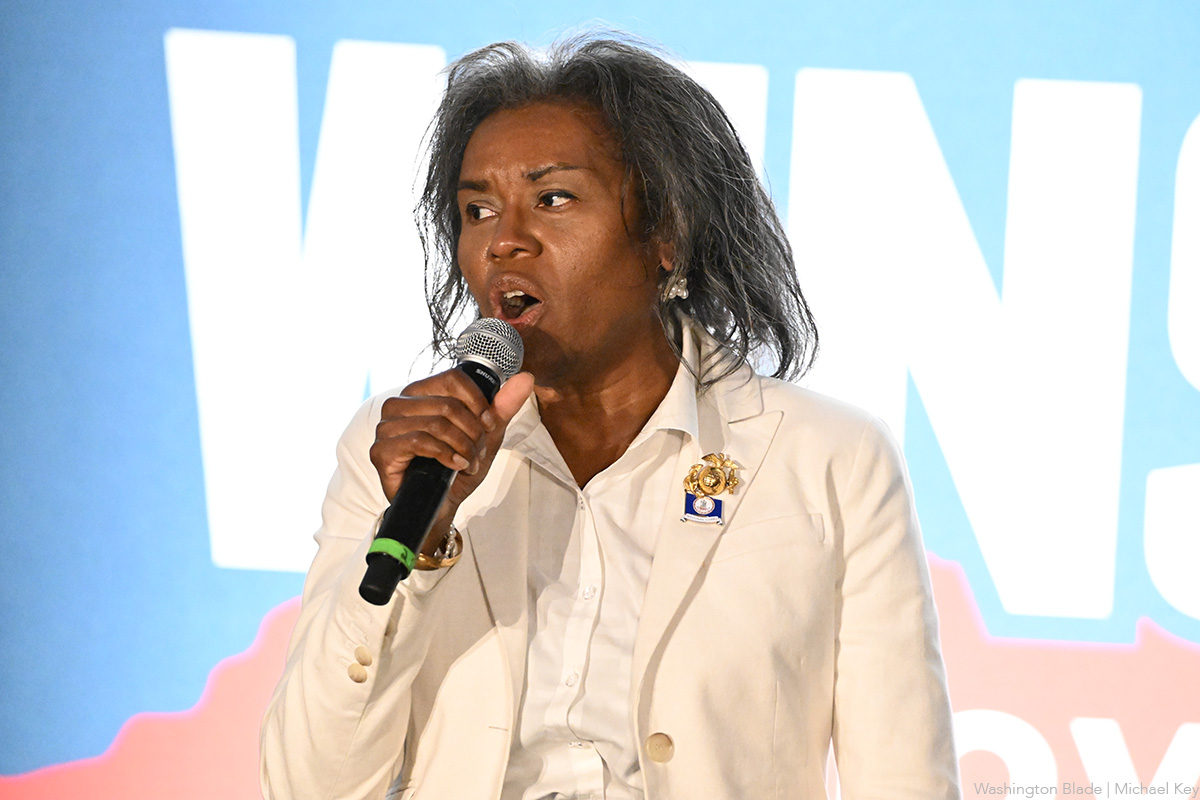
Former Virginia Lt. Gov. Winsome Earle-Sears has announced her campaign against efforts to enshrine marriage equality and reproductive rights in the state constitution will make several stops in Northern Virginia.
Her “Life and Marriage Tour” will include stops in Manassas, Winchester, and Harrisonburg. Earle-Sears said the “Life and Marriage Tour” will also travel to Virginia Beach, Lynchburg, Roanoke, Charlottesville, and other cities across Virginia “throughout September and October.”
The announcement did not include specific dates.
“Virginia, you’ve been asking where the Life and Marriage Tour is headed — here’s a look at our current tour locations,” she said on X on Tuesday. “We’ll be traveling across the commonwealth throughout September and October, and we’re still building the journey.”
Current Gov. Abigail Spanberger, a Democrat, last November defeated Earle-Sears, a Republican, in the race to succeed Republican Glenn Youngkin.
Voters in 2006 approved the Marshall-Newman Amendment, which defined marriage in Virginia as between a man and a woman.
Same-sex couples have been able to legally marry in Virginia since 2014. Youngkin a decade later signed a bill that codified marriage equality in state law.
Two successive legislatures must approve a proposed constitutional amendment before it can go to the ballot.
Spanberger signed bills that finalized the marriage equality and reproductive rights referenda’s language.
The referenda will take place on Nov. 3.
Virginia
Doug Ollivant to face Eugene Vindman in Va. 7th Congressional District
Republican defeated challengers in Tuesday’s primary
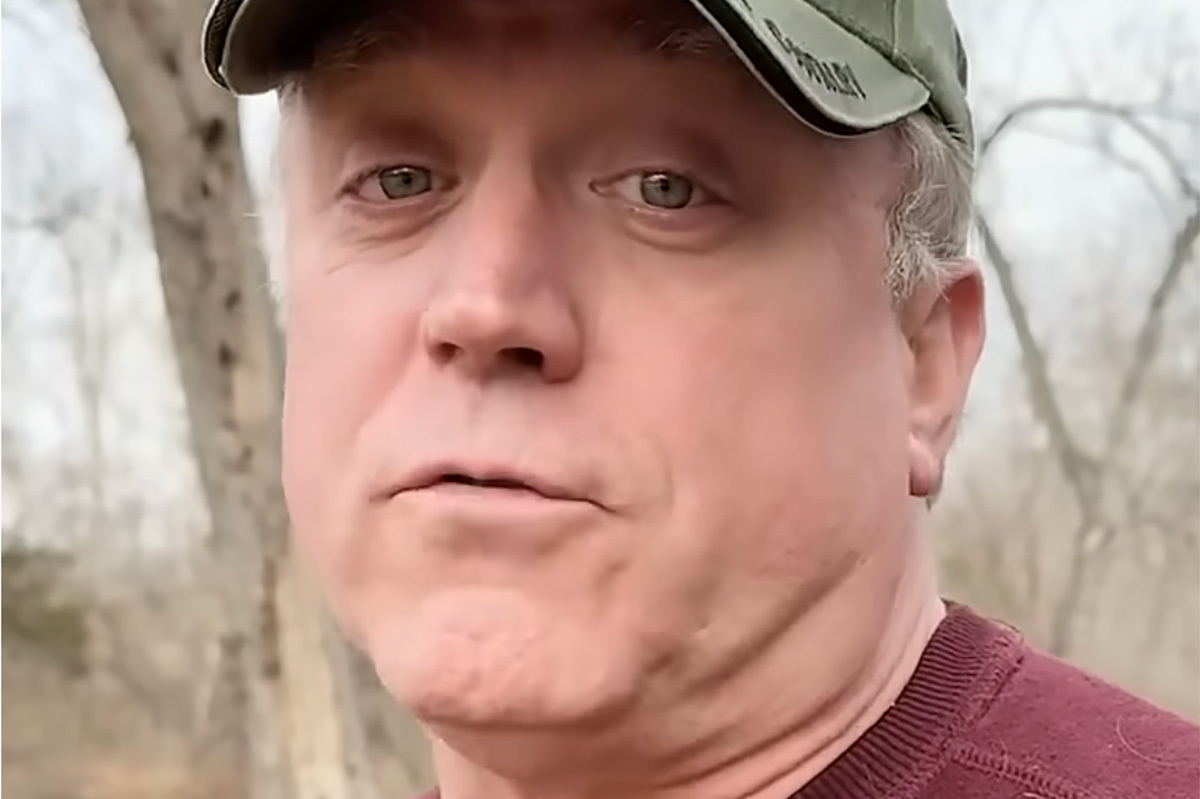
Republican Doug Ollivant will face off against incumbent U.S. Rep. Eugene Vindman (D-Va.) in Virginia’s 7th Congressional District.
Ollivant defeated his Republican opponents in Tuesday’s primary. Vindman ran unopposed.
Vindman in 2024 ran to succeed then-Congresswoman Abigail Spanberger in the U.S. House of Representatives after she ran for governor. Spanberger succeeded Republican Gov. Glenn Youngkin in 2025.
U.S. Sen. Mark Warner (D-Va.) on Tuesday easily won his primary. All other Democratic incumbent members of Congress from Northern Virginia also won their respective primaries.

Factors to consider when hiring an interior designer

PHOTOS: HRC National Dinner

The LGBTQ real estate map is being redrawn

I’m 66, he’s 27. Is it love or am I being played?

What’s frightening is also funny in ‘Venus’

Washington Blade responds to concerns over White House pool duties

Gov. Whitmer to serve as keynote speaker for Saturday’s HRC National Dinner

Spike in HIV cases prompts Fiji to declare national emergency

Capital Pride chair resigns from board after just 10 months

Clavicular charged in alleged rape of teenage influencer
-

 Commentary4 days ago
Washington Blade responds to concerns over White House pool duties
-
LGBTQ Non-Profit Organizations4 days ago
Gov. Whitmer to serve as keynote speaker for Saturday’s HRC National Dinner
-
Fiji4 days ago
Spike in HIV cases prompts Fiji to declare national emergency
-
District of Columbia4 days ago
Capital Pride chair resigns from board after just 10 months