Celebrity News
‘Star Trek’ actress Nichelle Nichols dies at 89
George Takei tweets ‘we lived long and prospered together’
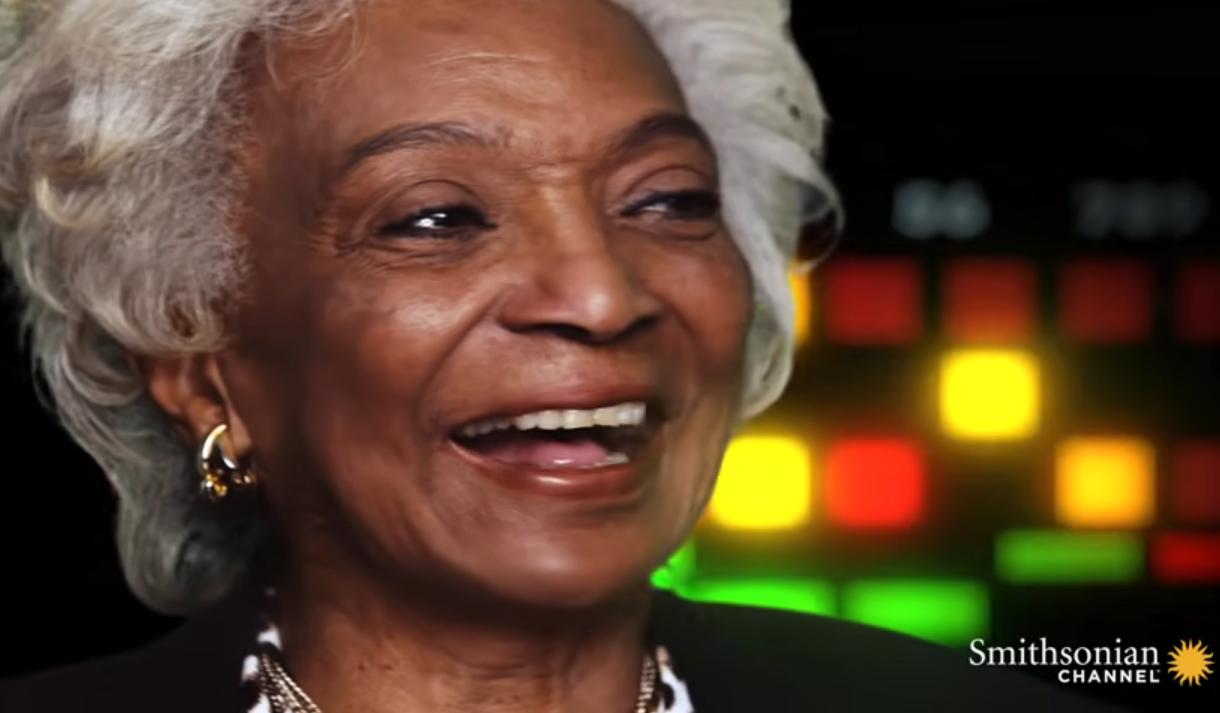
She was a groundbreaking cultural icon who broke barriers in a time of societal upheaval and battling for the civil rights of Black Americans. An actress, a mother and thoroughly devoted to the legions of fans of “Star Trek,” Nichelle Nichols, Star Trek’s Lt. Nyota Uhura, has died at 89.
The announcement on her Facebook page by her son read:
Sunday, July 31, 2022
Friends, Fans, Colleagues, World
I regret to inform you that a great light in the firmament no longer shines for us as it has for so many years.
Last night, my mother, Nichelle Nichols, succumbed to natural causes and passed away. Her light however, like the ancient galaxies now being seen for the first time, will remain for us and future generations to enjoy, learn from, and draw inspiration.
Hers was a life well lived and as such a model for us all.
I, and the rest of our family, would appreciate your patience and forbearance as we grieve her loss until we can recover sufficiently to speak further. Her services will be for family members and the closest of her friends and we request that her and our privacy be respected.
Live Long and Prosper,
Kyle Johnson
Nichols was born in Robbins, Ill., in 1932, according to her IMDb page. Legendary composer Duke Ellington “discovered” Nichols and helped her become a singer and dancer. She later turned to acting, and joined Gene Roddenberry’s “Star Trek,” where she played Uhura from 1966 to 1969.
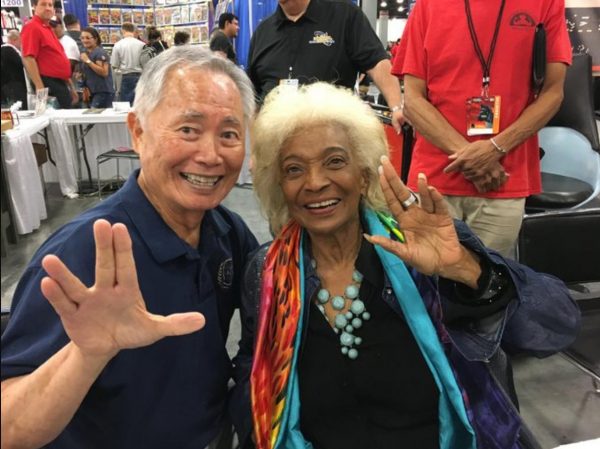
It was in that role of Uhura that Nichols not only broke barriers between races, most famously her onscreen kiss, the first between a Black person and a white person, with castmate William Shatner, who played Capt. James T. Kirk, but she also became a role model for young Black women and men inspiring them to seek out their own places in science, technology, and other human endeavors.
In numerous interviews over the years Nichols often recalled how the Rev. Martin Luther King, Jr., was a fan of the show and praised her role and personally encouraged her to stay with the series.
When the first series ended Nichols went on to become a spokesperson for NASA, where she “helped recruit and inspire a new generation of fearless astronauts.” She later reprised her role in several successful “Star Trek” films and continued to advocate for the advancement of Black Americans especially in the areas of science and technology.
We celebrate the life of Nichelle Nichols, Star Trek actor, trailblazer, and role model, who symbolized to so many what was possible. She partnered with us to recruit some of the first women and minority astronauts, and inspired generations to reach for the stars. pic.twitter.com/pmQaKDb5zw
— NASA (@NASA) July 31, 2022
Formerly a NASA deputy administrator, Frederick Gregory, now 81, told the Associated Press he once saw an advertisement in which Nichols said “I want you to apply for the NASA program.”
“She was talking to me,” he recounted. The U.S. Air Force pilot would apply and later become the first African American shuttle pilot.
President Joe Biden weighed in Sunday afternoon on her passing in a statement issued by the White House:
“In Nichelle Nichols, our nation has lost a trailblazer of stage and screen who redefined what is possible for Black Americans and women.
A daughter of a working-class family from Illinois, she first honed her craft as an actor and singer in Chicago before touring the country and the world performing with the likes of Duke Ellington and giving life to the words of James Baldwin.
During the height of the Civil Rights Movement, she shattered stereotypes to become the first Black woman to act in a major role on a primetime television show with her groundbreaking portrayal of Lt. Uhura in the original Star Trek. With a defining dignity and authority, she helped tell a central story that reimagined scientific pursuits and discoveries. And she continued this legacy by going on to work with NASA to empower generations of Americans from every background to reach for the stars and beyond.
Our nation is forever indebted to inspiring artists like Nichelle Nichols, who show us a future where unity, dignity, and respect are cornerstones of every society.“
Nichols son said that services will be private for family members and her closest friends.
In 2008 the actress at a news conference, coordinated by the filmmakers of the motion picture “TRU LOVED,” in honor of the more than 900 students at Los Angeles’ Miguel Contreras Learning Complex’s School of Social Justice who participated in the GLSEN Day of Silence.
Nichelle Nichols speaks on LGBTQ rights:
Her fellow castmate and life long friend, openly Out actor George Takei shared his sadness on hearing of Nichols’ passing on Twitter:
We lived long and prospered together. pic.twitter.com/MgLjOeZ98X
— George Takei (@GeorgeTakei) July 31, 2022
From the September 2016 edition of the Smithsonian Channel: “Star Trek’s decision to cast Nichelle Nichols, an African American woman, as major character on the show was an almost unheard-of move in 1966. But for black women all over the country, it redefined the notions of what was possible.”
Star Trek’s Nichelle Nichols on Uhura’s Radical Impact:




Arts & Entertainment
Patrick Stewart, actor and life-long LGBTQ ally, has died at 86
“Star Trek” and “X-Men” star passed away on Thursday

Star of stage and screen Sir Patrick Stewart passed away in his Los Angeles home yesterday after “a brief and poignant journey with Alzheimer’s disease and Lewy body dementia,” according to spokesperson Kelly Bush Novak.
Stewart will be remembered for his iconic roles as Captain Jean-Luc Picard in the “Star Trek” franchise and as Professor Charles Xavier in the film adaptation of the “X-Men” comic series.
He will also be celebrated in the queer community as a lifelong ally and advocate for LGBTQ equality, best exemplified through Stewart’s enduring friendship with gay actor and frequent collaborator Ian McKellen. Stewart and McKellen became good friends while working as actors in stage productions across the UK before becoming movie stars. When McKellen came out publicly as gay in 1988 and began advocating for queer causes, Stewart remained by his side. The pair would eventually co-star as Charles Xavier and Magneto in the “X-Men” film franchise in the early 2000s and perform critically acclaimed runs of “Waiting for Godot” in 2009 and 2013.
As a stage actor, Stewart grew up among queer performers and said that his advocacy grew from the experiences he had working with them. “There was never a moment when I made an intellectual choice that I would be a supporter of gay civil rights,” Stewart told the Advocate in 2015. “It was always a natural and uncomplicated choice.”
Stewart was also not afraid to take on queer stories in his work, starring in 1994’s “Jeffery” as Sterling, a gay man living with his HIV-positive partner during the height of the AIDS epidemic in New York City, playing a gay opera director in “Frasier,” and portraying a queer Juilliard dance instructor in the 2014 indie film “Match.” Stewart received the Straight for Equality in Entertainment award from PFLAG in 2013 for his efforts to break the “don’t play gay” barrier in his work.
In lieu of flowers, Stewart’s family is requesting that memorial contributions be made to the Johns Hopkins Alzheimer’s Disease Research Center Fund and the Alzheimer’s Foundation of America Caregiver Resources.
Celebrity News
Debbie Allen shares on loss, love, and the power of speaking out
Actress directed groundbreaking ‘A Different World’ episode about HIV
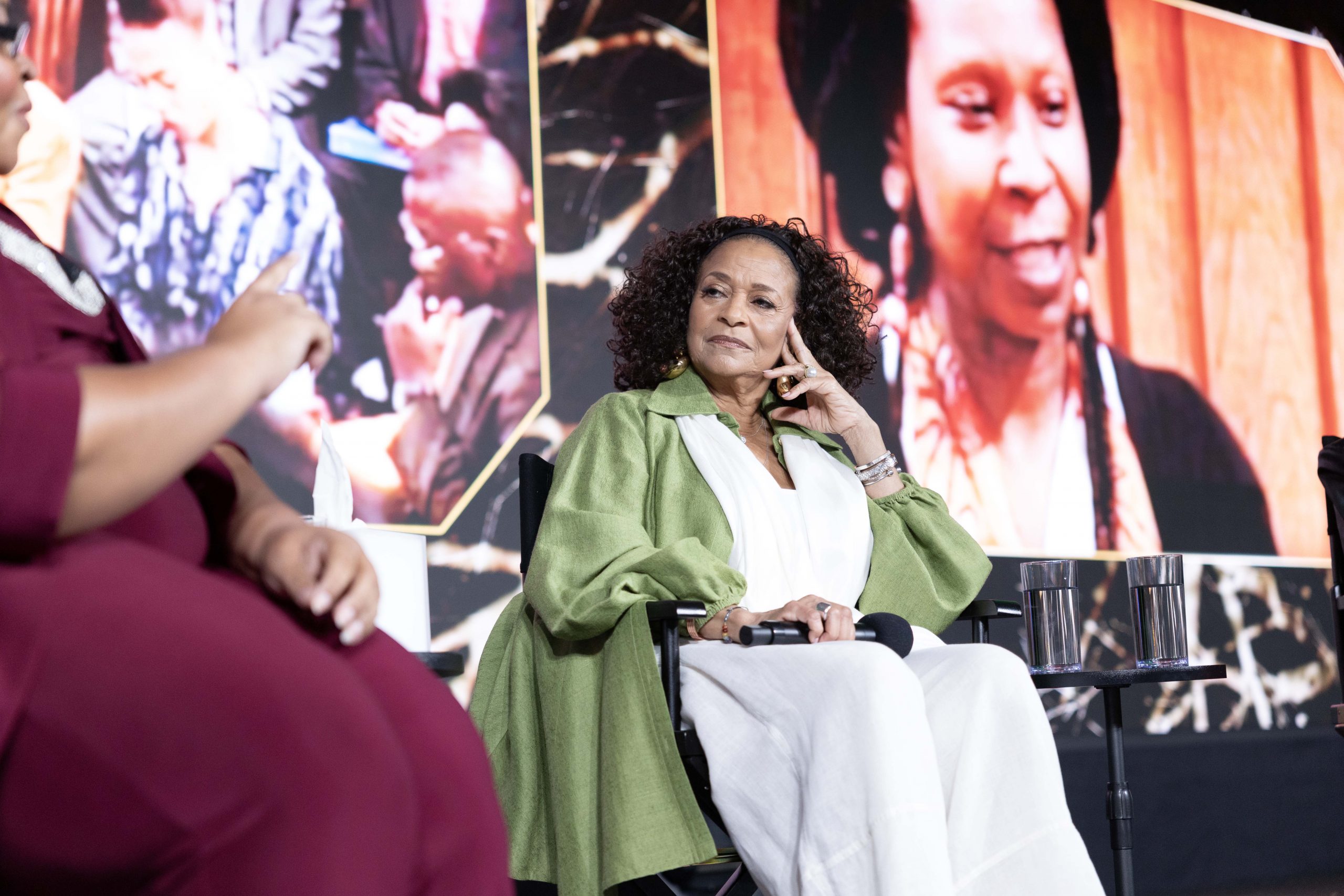
For somebody like Debbie Allen, HIV advocacy lies at the heart of their life and career. In the 1980s, at a time when HIV/AIDS devastated the performing arts community, Allen witnessed friends, performers, directors, and choreographers alike disappear. This experience turned her personal grief into a decades-long commitment to advocacy. From directing a landmark “A Different World” episode about HIV at a time when even just saying the word on television could make networks sweat, to continuing her work today, Allen has continuously utilized the biggest stage available to her to ensure that the conversation stays alive.
Now the conversation has changed from four decades ago, yet Allen believes it still needs to get louder. Medical advances have transformed HIV from the crisis it was into a manageable condition for many folks. Yet stigma, social challenges, and the significant need for mental, emotional, and community support still persist. In our conversation, Allen opens up about the losses that influenced her activism, the power of media and the arts to change public perceptions, and why “whole health” means looking beyond the virus to the full human person living with it. Her message is simple and solid — no one should have to navigate HIV alone.
You have stood alongside the HIV community for four decades, and counting. When you look back to the start of that journey, what first got you involved and what has kept you connected and dedicated for all of this time?
My fight against HIV began in the ‘80s, when the epidemic devastated the performing arts community, and I lost my entire world — my friends, dancers, directors, and choreographers. That profound grief fueled my mission to use my voice for advocacy — from directing the groundbreaking HIV episode on “A Different World” to fight stigma to standing on stages today to continue to raise awareness.
This is a mission that continues to stay near and dear to my heart so that all people impacted by HIV — whether they are living with HIV or supporting someone living with HIV — have the resources and support they deserve.
How have those experiences with your own personal losses due to HIV impacted the way you understand the virus?
If we look back to 40 years ago, HIV impacted an entire generation. We experienced incredible loss and heartache that I will never forget. This experience made me realize how vulnerable we are as humans and how much support we truly need in our healthcare journeys. And while incredible progress has been made, I also understand so much more needs to be done — from combating stigma, providing additional resources, and ensuring ongoing support for people who are living with HIV today.
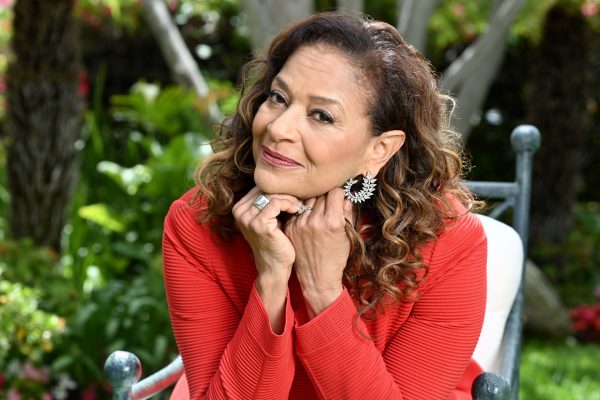
You’ve built an extraordinary career as a dancer, choreographer, director, producer, actor, educator, and advocate. How has each part of your career influenced the others? What have you learned about leadership from working with artists and performers?
Being a dancer, choreographer, director, producer, actor, and educator has helped shape the person I am today. Each experience has inspired another. What unifies each role is my ability to lead and learn from everyone I’m working with. It’s also these opportunities that have afforded me an incredible platform for my advocacy efforts. I strive to bring leadership approaches from my various stages — in a very literal sense — to a national stage as I support a variety of initiatives, such as HIV awareness.
The medical landscape around HIV has evolved dramatically since you first began your advocacy. What is one thing you wish younger folks understood about what the first years of the epidemic were really like?
Thanks to medical advancements, we can now look at so much more than HIV status and this is a tremendous step forward. As someone who has always believed in the power of mind, body, and spirit, I want today’s generation to understand that people living with HIV need integrated support for their mental, emotional, physical, and social well-being because all these elements are deeply connected.
We need to broaden the discussion around HIV management, and that’s why I’m proud to work with Merck on “Your Hive of Whole Health,” which addresses factors such as managing one’s mental wellness, co-occurring conditions, social drivers, and other life challenges.
Your Hive of Whole Health is built around the idea that health doesn’t happen in isolation. What does “whole health” mean to you in your own life?
Health doesn’t happen in isolation. People living with HIV need comprehensive support systems around them — whether that’s family, chosen family, neighbors, community or religious leaders, or care team members; they are a part of the whole health journey.
To me, whole health means looking beyond the virus to truly understand the unique challenges that people face so they have the full support they need. Having supported loved ones on their health journeys and managing my own well-being, I know that comprehensive support is key.
That’s the beauty of “Your Hive of Whole Health.” In fact, the idea behind the program is simple. Just as a hive depends on the strength of many bees working together, people living with HIV often rely on a network of support that includes healthcare providers, advocates, family, friends, and peers. “Your Hive of Whole Health” provides tools and resources to help individuals build and strengthen those connections.
For someone living with HIV, what kinds of support beyond medical treatment do you think can make the most significant difference in their lives?
As people are living longer with HIV and managing additional health conditions, like high blood pressure, high cholesterol, and diabetes, having the right support system in place can play an increasingly important role.
Understanding these other conditions, as well as navigating social challenges and other life challenges such as not having access to affordable or healthy food, not having support from family or friends, struggling with stable housing, or facing misconceptions about HIV is critical. It’s awareness, understanding, and a “Hive” of support that can make a difference.
People can go to HiveofWholeHealth.com to learn more, access resources, and build their own Hive.
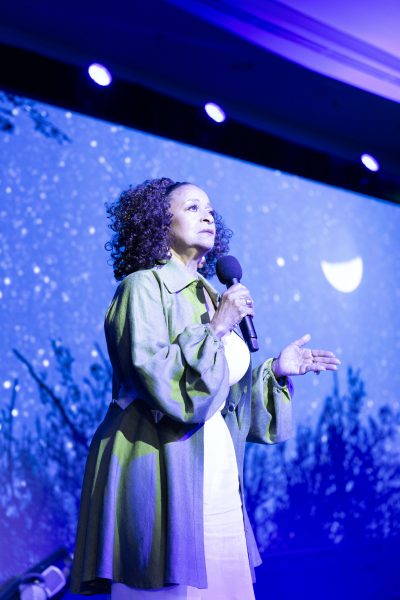
Many folks tend to talk about the HIV epidemic as if it is something of the past. What do you think we risk losing when we stop talking about HIV and the people whose lives have been affected by it?
This journey began for all of us in a time of intense fear, isolation, and crisis. As I reflect back to the early ‘90s, it was an honor to create the first network television show on “A Different World” to address the epidemic at a time when people were afraid to even say the word. The network and advertisers were very hesitant about talking about HIV on TV in this way at that time. It really hadn’t been done before. But I stood my ground and pushed forward. As a result, we were able to bring the epidemic into living rooms, confronting fear, stigma, and misinformation. It changed the conversation, especially in Black communities, where the impact was deeply felt. It also spotlighted how HIV impacted women, which was not formally recognized by health agencies until years later.
Today, we can truly celebrate the united and unbreakable spirit of 45 years of the HIV movement and champion a new era of whole health. But there is still so much more to be done. We must continue shining a light on issues that matter most. We must spotlight these across all forms of entertainment, media, and digital storytelling to drive awareness, understanding, and support. That’s why programs like Merck’s “Your Hive of Whole Health” are so important — we keep the community and their needs at the center and provide much-needed support.
If nothing else, what is one message you’d like for our readers to take away from this interview?
I want people living with HIV and the community around them to know they are not alone. There’s a whole community of support — a Hive — that can help them on their journeys with HIV.
Go to HiveofWholeHealth.com to learn more about the emotional, physical, social, and mental aspects of living with HIV. Build that Hive around you because whole health is better together.
Celebrity News
Fashion icon Bob Mackie dead at 87
Designing legend to all the divas, gone but not forgotten
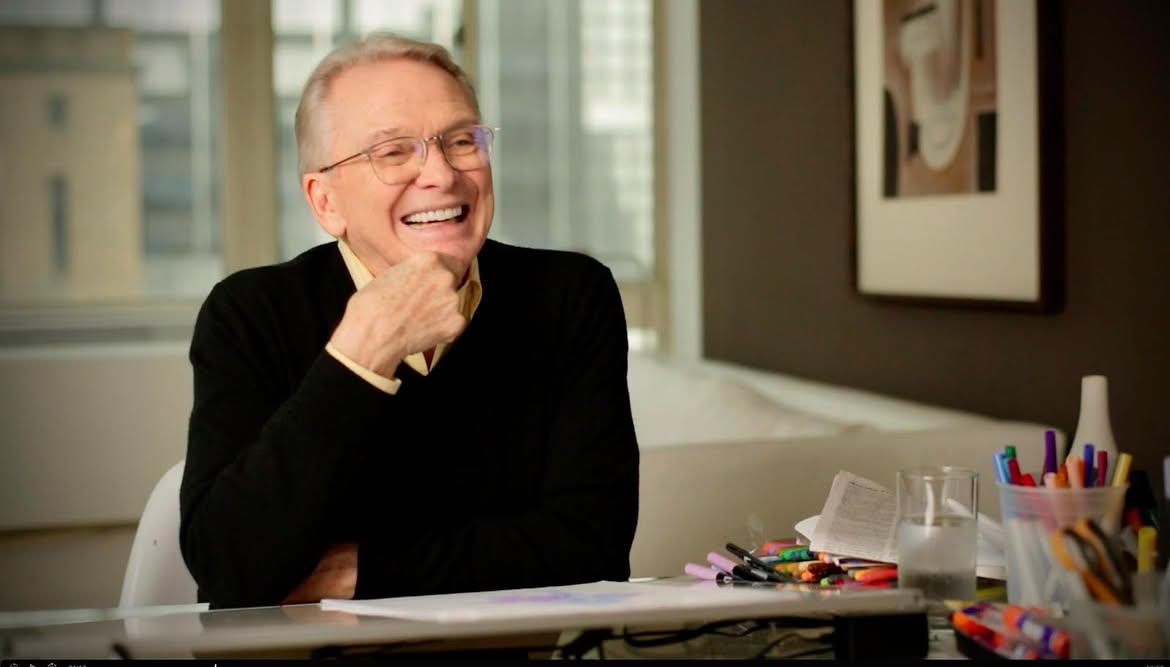
To those still reeling from the loss of Dolly Parton and Tim Curry, we have another queer icon to add to the In Memoriam of 2026: Bob Mackie. A designer known for being extra, before that was even a thing, has left us with a legacy of looks and an indelible mark on fashion.
The news broke on his Instagram account Monday, Sept. 14, with the message:
“It is with a heavy heart that we share the news that Mr. Bob Mackie passed away today. He lived his 87 years to the fullest, fulfilling his dream of being a fashion and costume designer, which is all he ever wanted to do. His genius and extraordinary designs will live on forever, continuing to bring beauty into this world.” According to People magazine, he passed away in Palm Springs, Calif., due to pneumonia.
At 87, Mackie was the definitive designer for divas. Mackie has literally dressed them all, including Diana Ross, Whitney Houston, Barbra Streisand, Dolly Parton, Tina Turner, Bette Midler, Bernadette Peters, and even RuPaul. He’s dressed film and television icons like Raquel Welch, Lynda Carter, Goldie Hawn, and Jennifer Lopez. It’s not just female divas; he’s also done many of Elton John’s famous costumes as well as David Bowie’s.
His first major mark was drawing the first design of Marilyn Monroe’s famous “Happy Birthday, Mr. President” dress. Next, he was an assistant to costume designer Ray Aghayan on “The Judy Garland Show.” The two would carry on a professional and romantic partnership for 50 years until Aghayan’s passing in 2011.
Mackie then went on to do all of the costumes for “The Carol Burnett Show,” creating an estimated 17,000 costumes for her show’s 11-year run. This gave him much critical acclaim and notoriety, making him a permanent fixture in the variety show market.
He became a frequent collaborator of Cher, having made her famous midriff-revealing Oscar gown, her “If I Could Turn Back Time” costume, and being her designer for her various television shows, including “The Sonny and Cher Show.” He even designed costumes for her Farewell Tour. The two are synonymous with him having lent his artistic sensibilities to give her a distinct look. Cher even said in 2024, “He helped me create a different me.”
Mackie has left his mark on fashion with a distinct style of glamorous, over-the-top looks. He received the monikers the “Sultan of Sequins,” the “Rajah of Rhinestones,” and the “Guru of Glitter” for challenging the line between costume and fashion with lots of fringe, flash, and over-the-top eye-catching elements. He’s managed to retain a presence not just in entertainment but in the fashion industry for decades. Most recently, one of his outfits was a major plot point for the final season of “Hacks.”
Mackie has received his share of awards and acknowledgments. In addition to dressing many people for the Oscars, he received three nominations, including dressing Diana Ross for “Lady Sings the Blues.” He won a Tony Award for “The Cher Show.” He won nine Emmy Awards and received 30 nominations for his prolific television work.
Luckily, Mackie’s life was celebrated before his passing, receiving various Lifetime achievement awards including the Geoffrey Beene CFDA Lifetime Achievement Award, being honored by the Television Hall of Fame, and receiving “RuPaul’s Drag Race”‘s Giving Us Life-time Achievement Award. He was the first guest judge on the popular series.
It’s clear that not only was Mackie talented, he was magical. He gave a bit of stardust to countless celebrities, luminaries, and public figures with looks that not only defied expectations but managed to be truly spectacular. He’s part of the glitz we think of when we think of Hollywood, and while often elaborate costumes, the shrewd fashion sense and elegance cannot be denied. Mackie will be missed, but his work lives on in the countless pieces still in circulation and forever captured on film and in media.

Ruby Corado files motion for early release from prison

Gay VIDA Fitness shooting victim remembered

Gay man named Venezuelan foreign minister

Let the subpoenas fly! Impeach Hegseth, Blanche!

PHOTOS: Whitman-Walker Gala

BREAKING NEWS: One dead, four injured in shooting at VIDA Fitness in Logan Circle

Andrew Scott talks ‘Elsinore,’ Hamlet, and AIDS
Authorities identify VIDA Fitness shooter

Witness describes scene inside Logan Circle gym during fatal shooting

D.C. lesbian activist champions cause of common law marriage
-

 District of Columbia5 days ago
BREAKING NEWS: One dead, four injured in shooting at VIDA Fitness in Logan Circle
-
a&e features5 days ago
Andrew Scott talks ‘Elsinore,’ Hamlet, and AIDS
-
District of Columbia5 days ago
Authorities identify VIDA Fitness shooter
-
District of Columbia5 days ago
Witness describes scene inside Logan Circle gym during fatal shooting