Florida
Fla. bans all DEI programs at state colleges and universities
‘This is a brazenly political attack on Florida’s colleges’
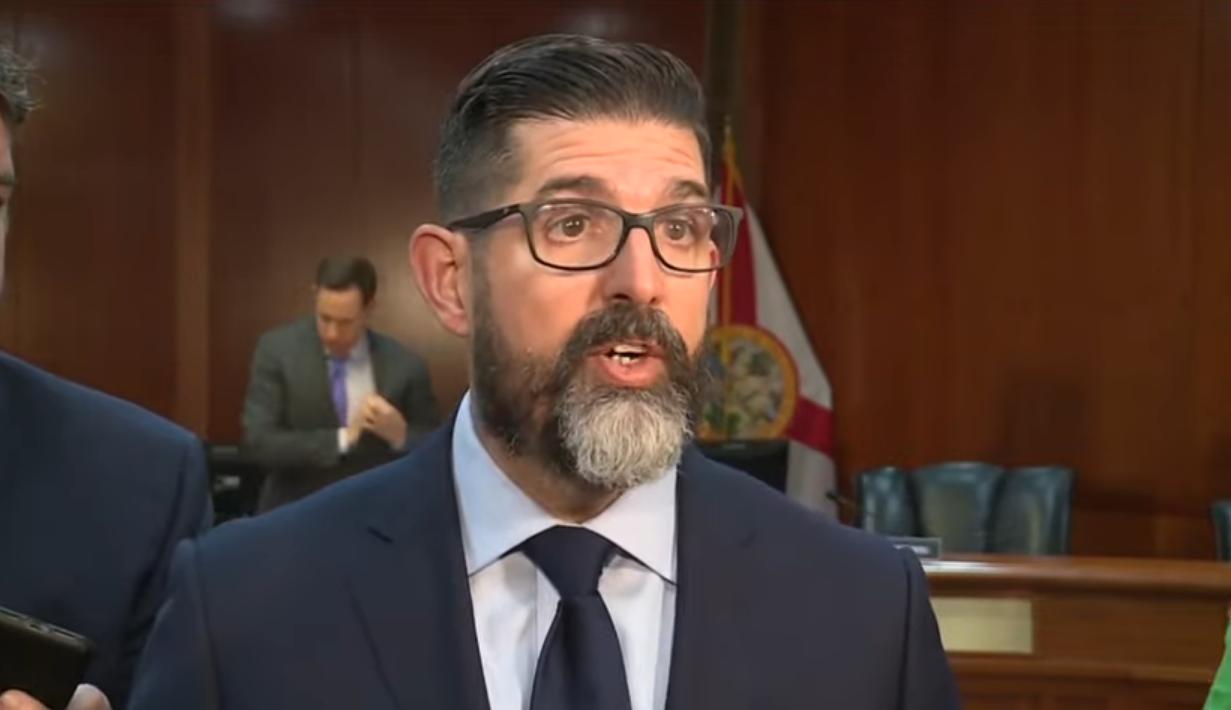
On Wednesday the Florida State Board of Education implemented strict regulations to limit the use of public funds for diversity, equity and inclusion programs, activities and policies in the Florida College System.
The rule adopted by the board defined, for the first time, DEI and affirmatively prohibits FCS institutions from using state or federal funds to administer programs that categorize individuals based on race or sex for the purpose of differential or preferential treatment.
In a statement the board noted that its decision “will ensure that taxpayer funds can no longer be used to promote DEI on Florida’s 28 state college campuses.”
“The State Board of Education also replaced the course ‘Principles of Sociology’ with a comprehensive general education core course in American history. The aim is to provide students with an accurate and factual account of the nation’s past, rather than exposing them to radical woke ideologies, which had become commonplace in the now replaced course,” the statement continued.
“Higher education must return to its essential foundations of academic integrity and the pursuit of knowledge instead of being corrupted by destructive ideologies,” said Florida Commissioner of Education Manny Diaz, Jr. “These actions today ensure that we will not spend taxpayers’ money supporting DEI and radical indoctrination that promotes division in our society.”
Joe Saunders, senior political director for Equality Florida, responded.
“There’s no surprise today that the State Board of Education, a board that has been a rubber stamp for Gov. Ron DeSantis’s agenda of censorship and surveillance, moved forward with another sweepingly broad rule that abolishes diversity and inclusion programs in the Florida College System,” Saunders said.
“The board’s rules go well beyond what’s required by Gov. DeSantis’s already extreme SB 266, handcuffing state colleges from using any state-funded resources on diversity programs that help recruit talented faculty, support students with unique needs, and help Florida’s colleges compete for national research and funding. This is a brazenly political attack on Florida’s colleges, and all minorities in Florida, and is one more way state agencies have been weaponized to support Gov. DeSantis’s failing political ambitions. Shame on the State Board of Education for passing rules that weaken and threaten Florida’s colleges in service to one more manufactured culture war,” Saunders added.
The Human Rights Campaign reacted to the news, noting:
“The State Board of Education’s rule is the latest in right wing attacks on programs that make college campuses inclusive, welcoming, and ensure all students and faculty have the chance to thrive. In his quest for power, Gov. DeSantis has weaponized state agencies, wielding them against the people they are there to serve, and used education as his political punching bag. This is a shameful assault on Florida’s college students and staff of all backgrounds,” National Press Secretary Brandon Wolf said in an emailed statement.






Florida
DeSantis signs emergency bill that restores Fla. ADAP funding
Temporary funds to last through June 30
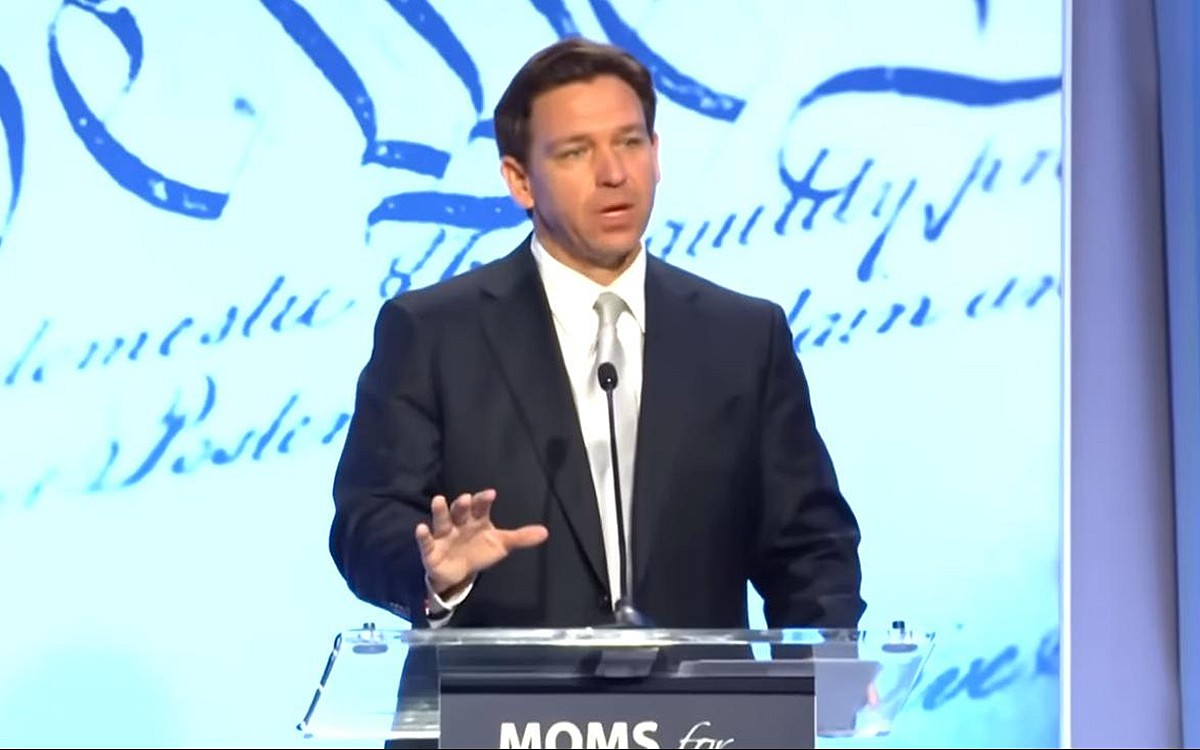
After the Florida Department of Health made huge cuts to the AIDS Drug Assistance Program in January, Republican Gov. Ron DeSantis has signed emergency legislation restoring HIV access to more than 12,000 Floridians.
Two months ago, as the Washington Blade reported, the Sunshine State cut the vast majority of those in ADAP by shifting the income levels required for eligibility — without following standard procedure when changing government policy outside of legislative or executive action.
The bill, signed by DeSantis on Tuesday, passed both chambers of the Florida Legislature unanimously and appropriates $30.9 million in emergency bridge funding through June 30, 2026. It restores Florida’s ADAP income eligibility to 400 percent of the Federal Poverty Level — the level it was prior to the January cuts. The legislation also requires the FDOH to submit detailed monthly financial reports to legislative leadership beginning April 1.
Under the old policy, eligibility would have been limited to those making no more than 130 percent of the federal poverty level, or $20,345 per year.
“For 10 weeks, 12,000 Floridians living with HIV did not know if they could fill their next prescription. Today, they can,” Esteban Wood, director of advocacy and legislative affairs at AIDS Healthcare Foundation, said in a statement.
The detailed reports now required to be sent to legislative leadership must include all federal revenues and expenditures, including manufacturer rebates; enrollment figures by county and insurance status; prescription utilization by drug class; and any projected funding shortfalls. This is the first time the Legislature has required this level of financial transparency from the program.
DeSantis signed the legislation one day after a Leon County Circuit Court judge denied AIDS Healthcare Foundation’s request for an injunction to block the significant changes the DeSantis administration is making to the program, which it claims faces a $120 million shortfall for calendar year 2026.
AIDS Healthcare Foundation, a national organization focused on protecting and expanding HIV healthcare access and prevention methods, filed a lawsuit over the change in eligibility, arguing the Florida Department of Health did not follow the laid out path for formally changing policy and was acting outside established procedures.
Typically, altering eligibility for a statewide program requires either legislative action or adherence to a multistep rule-making process, including: publishing a Notice of Proposed Rule; providing a statement of estimated regulatory costs; allowing public comment; holding hearings if requested; responding to challenges; and formally adopting the rule. According to AIDS Healthcare Foundation, none of these steps occurred.
The long-term structure of ADAP will be determined by the 2026–2027 fiscal year state budget, something that lawmakers have until June 30 to finish.
Florida
Fla. House passes ‘Anti-Diversity’ bill
Measure could open door to overturning local LGBTQ rights protections

The Florida House of Representatives on March 10 voted 77-37 to approve an “Anti-Diversity in Local Government” bill that opponents have called an extreme and sweeping measure that, among other things, could overturn local LGBTQ rights protections.
The House vote came six days after the Florida Senate voted 25-11 to pass the same bill, opening the way to send it to Republican Gov. Ron DeSantis, who supports the bill and has said he would sign it into law.
Equality Florida, a statewide LGBTQ advocacy organization that opposed the legislation, issued a statement saying the bill “would ban, repeal, and defund any local government programming, policy, or activity that provides ‘preferential treatment or special benefits’ or is designed or implemented with respect to race, color, sex, ethnicity, sexual orientation, or gender identity.”
The statement added that the bill would also threaten city and county officials with removal from office “for activities vaguely labeled as DEI,” with only limited exceptions.
“Written in broad and ambiguous language, the bill is the most extreme of its kind in the country, creating confusion and fear for local governments that recognize LGBTQ residents and other communities that contribute to strength and vibrancy of Florida cities,” the group said in a separate statement released on March 10.
The Miami Herald reports that state Sen. Clay Yarborough (R-Jacksonville), the lead sponsor of the bill in the Senate, said he added language to the bill that would allow the city of Orlando to continue to support the Pulse nightclub memorial, a site honoring 49 mostly LGBTQ people killed in the 2016 mass shooting at the LGBTQ nightclub.
But the Equality Florida statement expresses concern that the bill can be used to target LGBTQ programs and protections.
“Debate over the bill made expressly clear that LGBTQ people were a central target of the legislation,” the group’s statement says. “The public record, the bill sponsors’ own statements, and hours of legislative debate revealed the animus driving the effort to pressure local governments into pulling back from recognizing or resourcing programs targeting LGBTQ residents and other historically marginalized communities,” the statement says.
But the statement also notes that following outspoken requests by local officials, sponsors of the bill agreed to several amendments “ensuring local governments can continue to permit Pride festivals, even while navigating new restrictions on supporting or promoting them.”
The statement adds, “Florida’s LGBTQ community knows all too well how to fight back against unjust laws. Just as we did, following the passage of Florida’s notorious ‘Don’t Say Gay or Trans’ law, we will fight every step of the way to limit the impact of this legislation, including in the courts.”
Florida
Fla. Senate passes ‘Anti-Diversity’ bill that could repeal local LGBTQ protections
Bipartisan coalition urges Florida House to reject ‘extremism’ measure
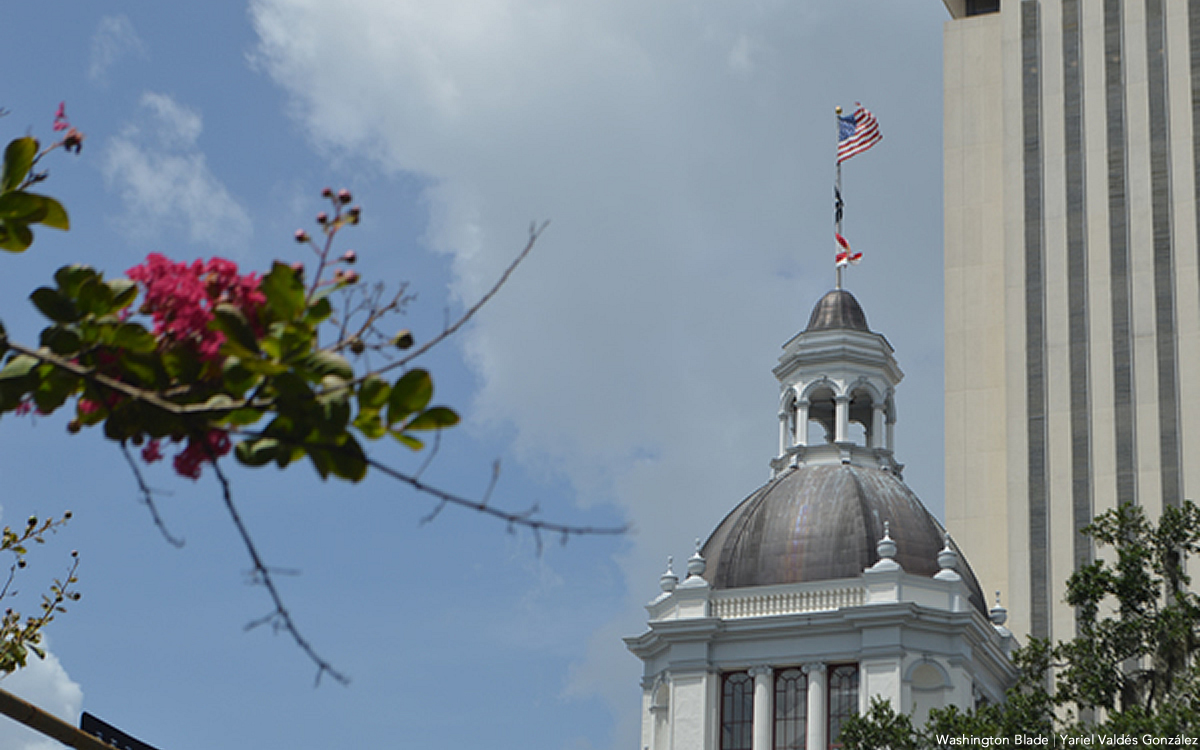
The Florida Senate on March 4 voted 25-11 to approve an “Anti-Diversity in Local Government” bill that critics have called a sweeping and extreme measure that, among other things, could repeal local LGBTQ rights protections.
According to Equality Florida, a statewide LGBTQ advocacy organization, if approved by the Florida House of Representatives and signed by Republican Gov. Ron DeSantis, the bill “would ban, repeal, and defund any local government programming, policy, or activity that provides ‘preferential treatment or special benefits’ or is designed or implemented’ with respect to race, color, sex, ethnicity, sexual orientation, or gender identity.”
In a March 4 statement, Equality Florda added that the bill would also threaten city and county officials with removal from office “for activities vaguely labeled as DEI,” with only limited exceptions.
The Florida House was scheduled to vote on the bill on Monday, March 9, with opponents hopeful that a broad coalition of both Democratic and Republican lawmakers would secure enough votes to defeat the bill.
“Once again, Gov. DeSantis and Florida lawmakers are advancing one of the most sweeping and extreme bills in the country — this time threatening decades of local progress supporting diverse communities, including the LGBTQ community,” said Equality Florida Senior Political Director Joe Saunders. “This legislation is a sledgehammer aimed at cities and counties that recognize and address the diversity of the people they serve,” he said.
Among the LGBTQ organizations that could be adversely impacted by the bill is the highly acclaimed Stonewall National Museum, Archives and Library located in Fort Lauderdale.
Robert Kesten, the Stonewall organization’s president and CEO, told the Washington Blade the organization receives some funding from Broward County, in which Fort Lauderdale is located, and the city of Fort Lauderdale has provided support by purchasing tables at some of the museum’s fundraising events.
“Based on this legislation, hose things would be gone,” he said. “We also are based in a government building. So, we don’t know what potential side effects that could have.” He noted that the building in question is owned by Broward County and leased by Fort Lauderdale, with the bill’s vaguely worded provision making it unclear whether Stonewall would be forced to leave its building.
“It’s unknown, and we’re really in unchartered waters,” he said.

Kristi Noem ‘devastated’ as husband’s alleged fetish spending surfaces

Colo. activists condemn SCOTUS conversion therapy ruling

Is Ghana’s selective justice a human rights contradiction?

Supreme Court ruling against conversion therapy bans could affect Md. law

Glisten report details hostile climate for LGBTQ students

‘Out for McDuffie’ event held at D.C. gay bar

The Oscar-losing performance that’s too good to miss

‘Jonah’ an undeniably compelling but unusual memory play

PHOTOS: ‘No Kings’ rally and march