Virginia
Va. lawmakers approve two LGBTQ rights bills during 2025 legislative session
Measures await Republican Gov. Glenn Youngkin’s signature
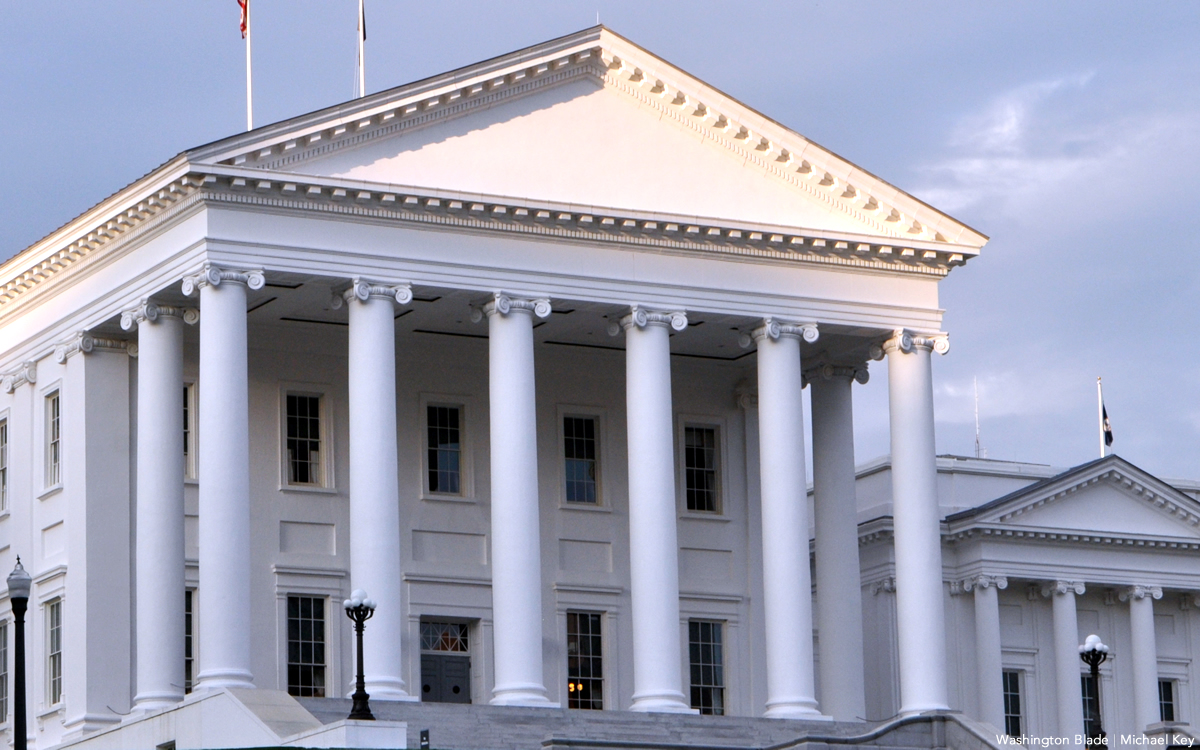
The Virginia General Assembly’s 2025 legislative session ended on Saturday with two LGBTQ rights bills awaiting Republican Gov. Glenn Youngkin’s signature.
The first bill would amend the state’s definition of marriage to include members of the LGBTQ community. SJ 249, also known as the Constitutional Amendment; Marriage between Two Adult Persons, would change the state’s definition of marriage to “between two adult persons” rather than “a union between one man and one woman.”
This amendment would repeal the definition of marriage in Virginia, updating it to reflect the U.S. Supreme Court’s 2015 ruling in Obergefell v. Hodges, which extended marriage rights to same-sex couples across the country. This amendment would also enshrine marriage rights for same-sex couples in Virginia, ensuring that only another constitutional amendment or law that a majority of state lawmakers approve, can change it again.
Same-sex couples would have the same legal rights — tax breaks, inheritance rights, and Social Security benefits — in Virginia, even if Obergefell were to be overturned federally.
For the amendment to take effect, it would need to pass the legislature again in 2026, then go to a referendum.
The second LGBTQ rights bill the General Assembly approved would amend the Virginia Human Rights Act.
Employees under the law, as it currently stands, do have protections against discrimination, harassment, and retaliation based on special protected categories that include race, color, religion, national origin, sex, pregnancy, childbirth or related medical conditions, age, marital status, sexual orientation, gender identity, or disability to businesses with 15 or more employees, allowing complaints of violations to be reported to and investigated the state, copying the federal law.
Senate Bill 1052, also known as the Virginia Human Rights Act; Definition of ‘Employer,’ would eliminate what some have called a “small business exception” in existing law. The measure would extend human rights protections to employees of businesses with as few as five workers, ensuring they are covered under the Virginia Human Rights Act. It would also grant small business employees the right to file complaints against their employers for potential human rights violations, holding businesses legally accountable for any misconduct.
Youngkin has until March 24 to amend these bills. The governor cannot act on the proposed constitutional amendment.



Virginia
Gay 1920s-era Hollywood star to be honored in Staunton, Va.
Billy Haines became acclaimed designer after anti-gay policies ended his acting career
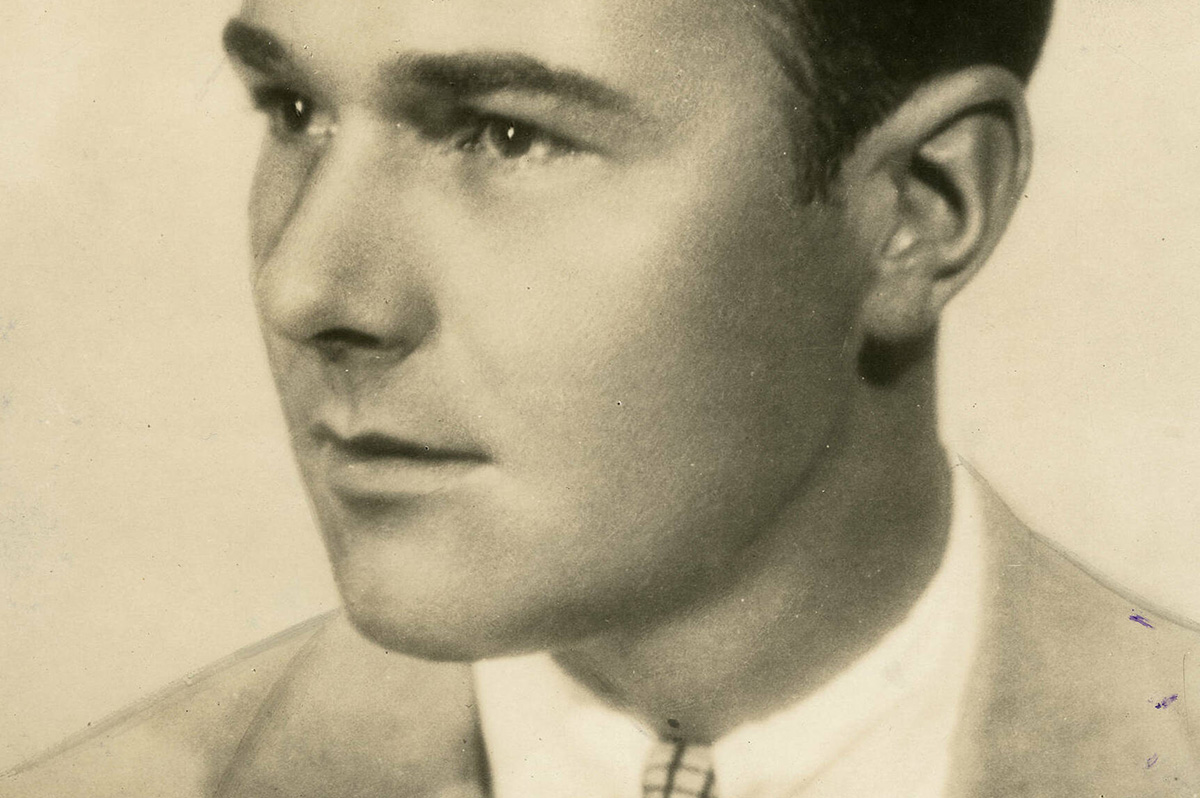
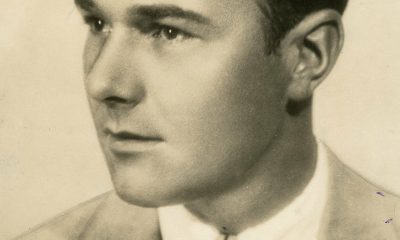
A project is underway in Staunton, Va., to honor William ‘Billy’ Haines, who was born and raised in Staunton before becoming an out gay 1920s and early 1930s-era Hollywood movie star whose acting career ended around 1934 when he refused demands that he conceal his sexual orientation and end his relationship with his male partner.
Haines left the movie business around that time to start what became a highly successful interior design and furniture business in Los Angeles that he led until his death in 1972 at age 72, and which remains in business today, according to the Arcadia Project, a Staunton-based nonprofit initiative.
In a statement released last month, Arcadia Project announced it is working to revitalize a long-vacant movie theater in downtown Staunton that it plans to rename after Haines. It says a fundraising campaign is under way to support efforts to reopen the theater and the larger building in which it is housed as a “dynamic mixed-use cultural center.”
The statement notes that Haines left Staunton at age 14 and resided in Hopewell, Va., and Greenwich Village in New York City until 1922, when he was “discovered” by a talent scout and sent to Hollywood.
“Between 1922 and 1934, Haines appeared in 54 movies during his meteoric and highly successful career,” the Arcadia Project statement continues, noting he transitioned from silent movies to talkies and was fully open about being gay. “But when Hollywood’s moral crackdown of the 1930s demanded that he end his relationship with his longtime partner Jimmie Shields, Haines refused,” it says.
“For LGBTQ people – then and now – Haines’s choice resonates deeply. Rather than deny who he was, he reinvented himself as an interior designer to the stars,” according to the statement.
It says he helped invent the so-called Hollywood Regency style home and designed homes for Hollywood legends such as Joan Crawford, Gloria Swanson, Carole Lombard, George Cukor, and Jack Warner as well as for political figures like Ronald Reagan when he was governor of California.
“As there is no monument, marker or public recognition for Haines in his hometown of Staunton, Va., Arcadia Project, in collaboration with the LGBTQ+ community in Staunton seeks to commemorate him inside a new cultural center,” the statement says.
It quotes Arcadia Project Executive Director Pamela Mason Wagner as saying, “Naming the movie theater in Haines’ honor is more than an act of historical recognition – it is a powerful statement about visibility, belonging, and whose stories are valued in our community.”
The statement says project leaders hope to open the cultural center in early 2027, with a fundraising campaign seeking to raise $250,000 to renovate the theater.
“If the full goal is not reached, a smaller space within the building will be named for Haines, scaled to the amount of funds raised,” it says. “We truly hope friends and admirers of Billy Haines everywhere will want to participate.”
Donations for the project can be made through this site: www.thearcadiaproject.org
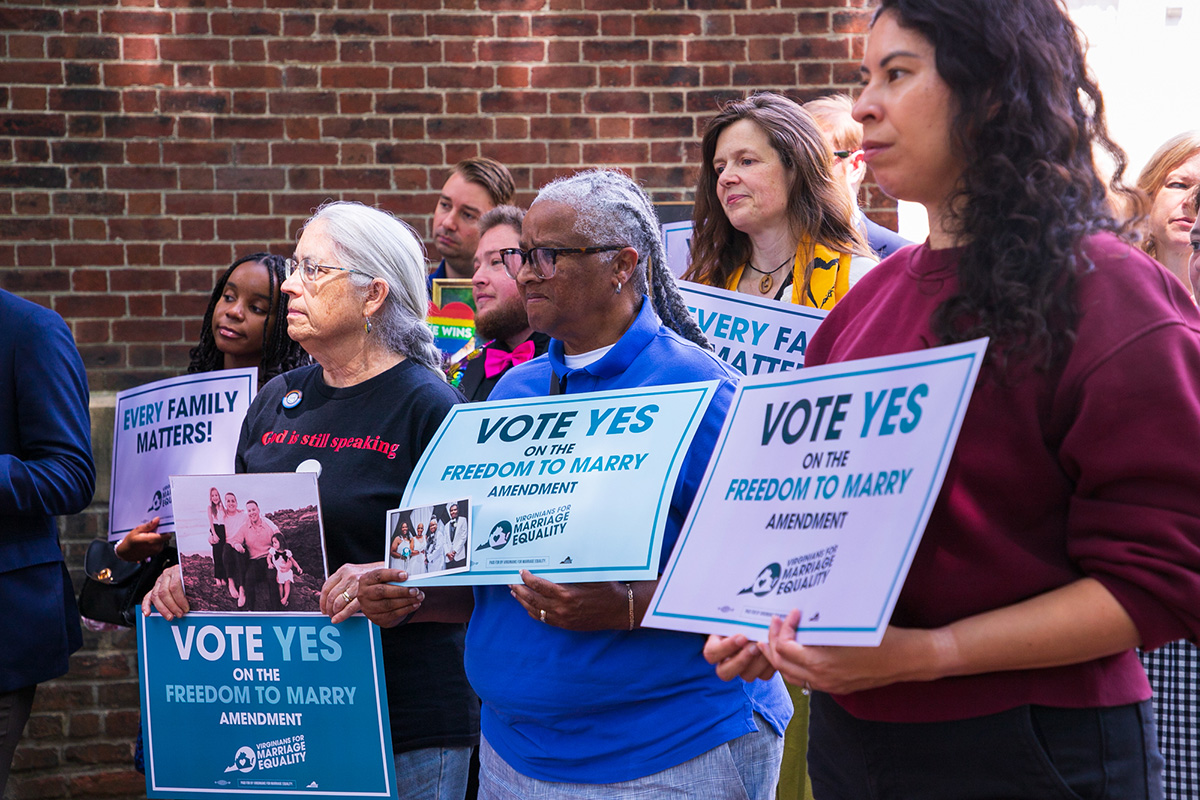
Virginians for Marriage Equality on Monday launched a campaign in support of repealing Virginia’s constitutional amendment that defines marriage as between a man and a woman.
Equality Virginia Executive Director Narissa Rahaman, former state Sen. Adam Ebbin, former state Del. Mark Sickles, and American Civil Liberties Union of Virginia Executive Director Mary Bauer are among those who spoke at the launch that took place in Richmond. State Del. Kirk McPike (D-Alexandria), who co-chairs the campaign, also participated.
“This amendment is about making clear that the government has no business deciding which marriages or which families are worthy of recognition,” said Bauer. “The ACLU of Virginia has been fighting for Virginians’ right to marry who they love since the landmark case, Loving v. Virginia, which struck down the ban on interracial marriage. Now we are proud to carry that legacy forward by standing with our coalition partners in the fight to pass this amendment and finally enshrine the right to marriage equality in the commonwealth’s constitution.”
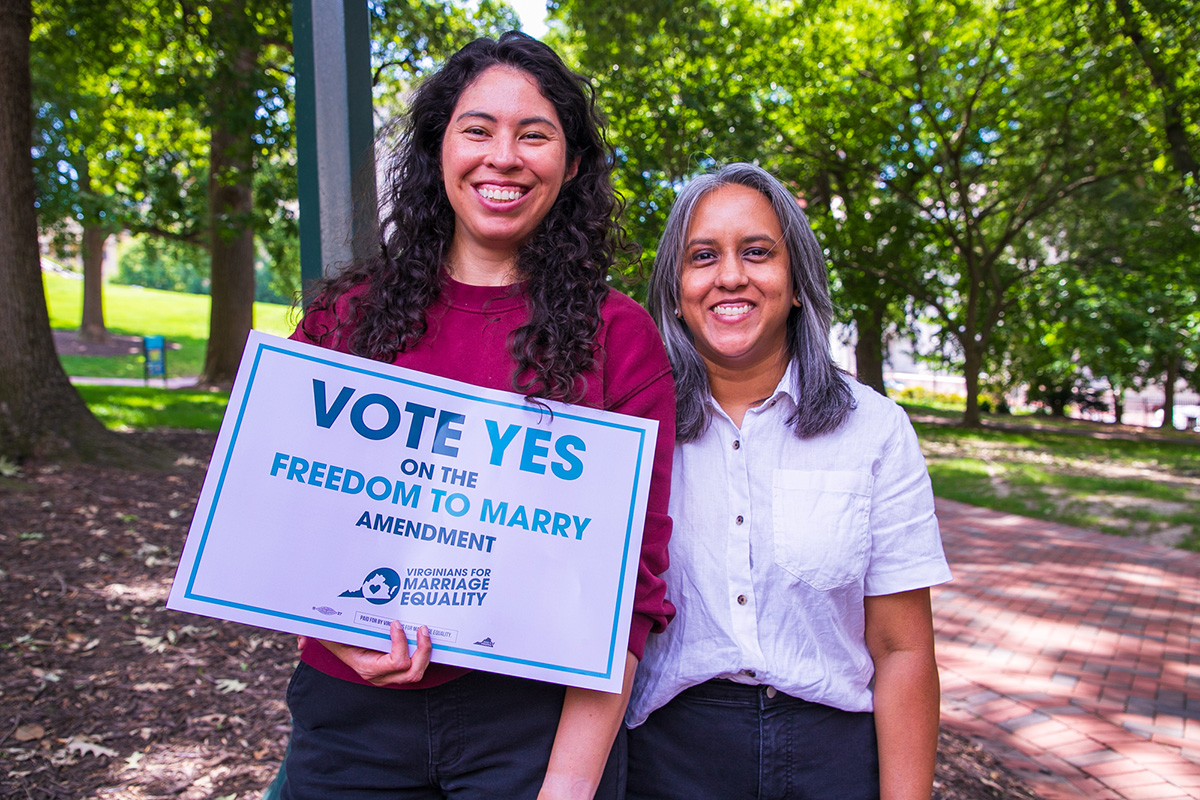
Voters in 2006 approved the Marshall-Newman Amendment.
Same-sex couples have been able to legally marry in Virginia since 2014. Former Gov. Glenn Youngkin, who is a Republican, in 2024 signed a bill that codified marriage equality in state law.
Two successive legislatures must approve a proposed constitutional amendment before it can go to the ballot.
Democratic Gov. Abigail Spanberger in February signed a bill that finalized the referendum’s language.
The referendum will take place on Nov. 3.
Virginia
Va. Supreme Court invalidates Democrat-backed redistricting plan
Voters narrowly approved new congressional districts last month
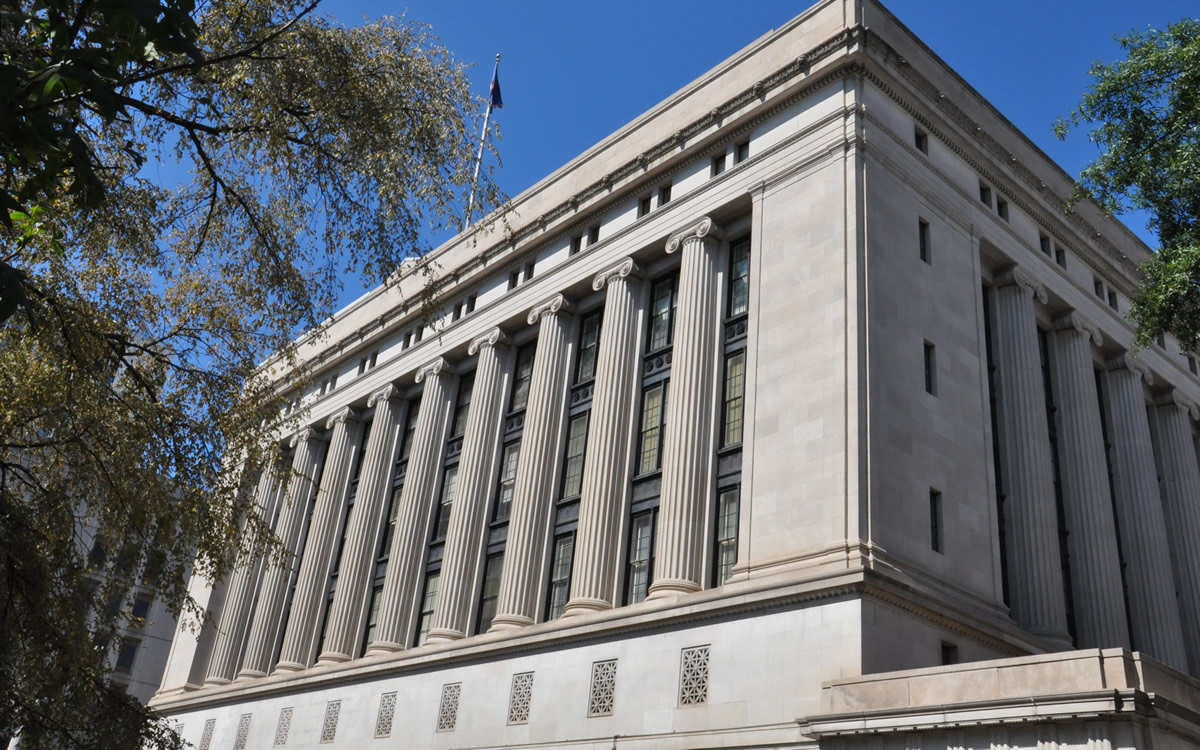
The Virginia Supreme Court on Friday struck down a Democrat-backed redistricting plan that voters approved last month.
Ten of 11 of Virginia’s congressional districts favor Democrats in the plan that passed by a 51-48 vote margin in last month’s referendum.
The Human Rights Campaign PAC is among the groups that support it. The court by a 4-3 majority invalidated the referendum results.
Democrats on May 11 asked the U.S. Supreme Court to stay the ruling.

German group slams White House’s LGBTQ rights record ahead of World Cup

Gay 1920s-era Hollywood star to be honored in Staunton, Va.

Why I’m supporting Gary Goodweather for D.C. mayor

Don’t just vote for change — vote for Hope Solomon for mayor

Vote Kenyan McDuffie for D.C. mayor

PHOTOS: ‘Soul Divas’

‘Mighty Real’ explores history of LGBTQ music

D.C.’s housing reality: Cautious optimism meets landlord strain

Hundreds of thousands expected to attend D.C. Pride events