District of Columbia
Fadi Jaber’s Middle Eastern background shapes Adams Morgan bakery
The Cakeroom is on 18th Street, N.W.
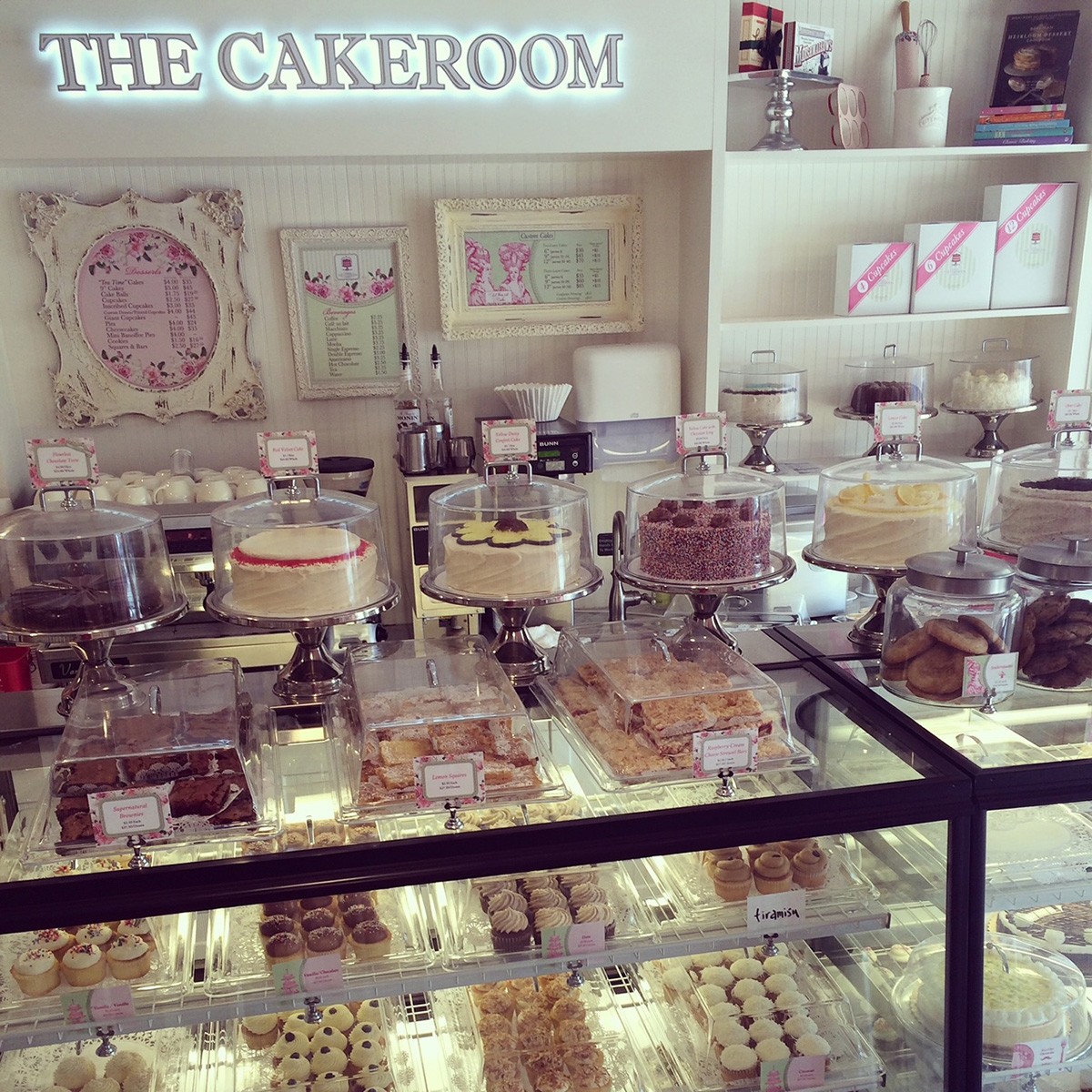
Fadi Jaber is the gay owner behind the Cakeroom’s bright pink facade on 18th Street, N.W. He combines his Middle Eastern background and American flavors to bring a nostalgic spread of desserts to Adams Morgan.
Born and raised in a U.S. compound in Saudi Arabia, Jaber first unlocked an interest in classic American desserts from his classmates.
“I was jealous that their moms would bring these delicious cupcakes to school when it was their birthdays, and my mom never made stuff like that. It was just grape leaves and hummus and very good Arabic food,” Jaber said.
After years of making boxed cake mixes in Saudi Arabia, Jaber tried a carrot cake from a friend’s wife from the U.S. He soon decided to make the recipe himself. When letting his parents sample the treat, Jaber’s mother suggested adding dates instead of carrots.
Now, Jaber sells the same date cake at the Cakeroom.
Jaber solidified his appreciation for American baked goods after a friend took him to Magnolia’s Bakery in New York. The visit inspired him to enroll in the Institute of Culinary Education.
“I just fell in love with the concept, and it was very much up my alley,” Jaber said. “I was already baking from scratch and making homemade style desserts that weren’t super chichi and elegant, but more just delicious and fun and nostalgic, and a throwback to people’s childhood.”
Upon leaving culinary school, Jaber moved to Jordan, where his parents relocated. He decided to leave his corporate job and open a bakery. According to Jaber, his father initially refuted the idea until he tried the desserts Jaber perfected in culinary school.
“He was part of the Palestinian diaspora. So, you know, given all the instability in his life having been forced out of their homes in 1948, it was really a very scary thought to add more instability by going out on your own and starting your own business,” Jaber said.
Jaber then opened Sugar Daddy’s, his first bakery, in Amman, Jordan, in 2007.
According to Jaber, the bakery was the first cupcake shop in the Middle East. He soon launched additional locations in Beirut, Lebanon, and Dubai, United Arab Emirates.

After six years, Jaber decided to return to the U.S. Jaber noted that he had “always longed” to live there, but he struggled to make his cakes a novel concept to an American audience.
“I’m kind of bringing pasta to the Italians, in a sense, where my cupcakes were very unique in Jordan, they wouldn’t be as unique in D.C.,” Faber said. “But my mom had confidence. She didn’t even bat an eye, and she was like, ‘I think you should do it.’”
Years prior, Jaber began visiting Washington while attending the College of William & Mary. Upon the move, he settled on Washington as a less competitive market than New York, citing his appreciation for the city’s international feel, architecture and nature.
After recruiting investors, Jaber opened Sugar Daddy’s in Adams Morgan in December 2013. However, upon being struck with a cease and desist letter from a bakery in Ohio with a similar name, Jaber experimented with 20 different names for the business.
Finally, he settled on the Cakeroom in the summer of 2014.
“I actually got some calls from D.C. government employees thanking me for the name change, because they said Sugar Daddy’s didn’t look good when they would Google it on their work laptops,” Jaber said, jokingly.
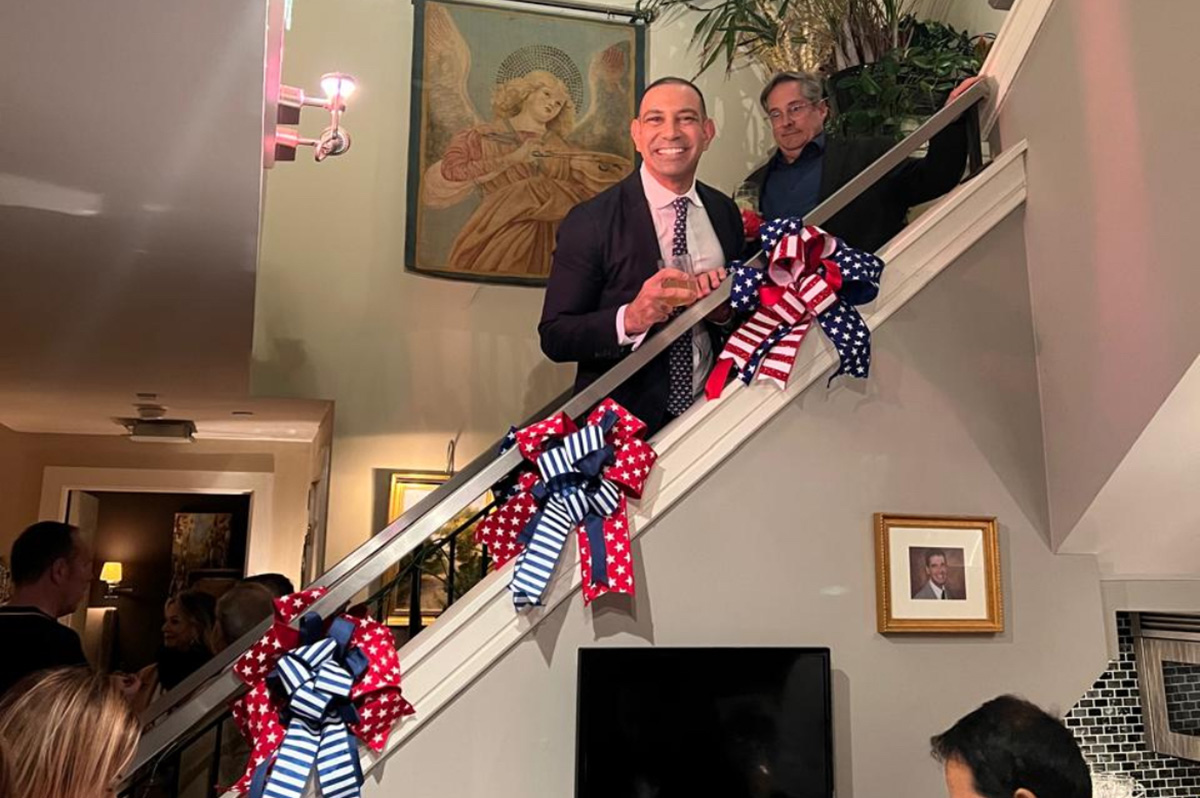
As for Jaber’s identity as a gay man, he notes that he hopes customers visit the Cakeroom because “they like our product” rather than due to his sexual identity. Still, he notes that operating the bakery in an LGBTQ-friendly city increases business opportunities to bake for LGBTQ weddings.
“A lot of people know me as the owner, I’m the face behind the brand. People in D.C. know that I’m gay, so I think we do get some business that way, but I would hate for people to just support my business because of my sexual orientation,” Jaber said.
Jaber manages the Cakeroom remotely, focusing on online orders, deliveries, scheduling, ordering, cash management, and more. He notes that while most days are routine, “at least two, three times a week there’s some firefighting that needs to happen.”
While Jaber does not intend on opening another location of the Cakeroom, he hopes to continue managing the business for another decade.
“I’ve been in this industry for 18 years,” Jaber said. “So if I can just keep it afloat, that would be my hope. It gives me purpose on a daily basis.”
Jaber’s top recommendations from the Cakeroom’s array of sweets include Nutella cookies, the date cake, and the carrot cake.
The carrot cake is based on the dessert that first inspired Jaber to pursue a career in baking.
“I think I altered it just a tiny bit, but for the most part, it is based off of the original recipe that I got from my friend’s wife,” Jaber said.
District of Columbia
Owner of D.C. gay bar Green Lantern John Colameco dies at 79
Beloved businessman preferred to stay ‘behind the scenes’
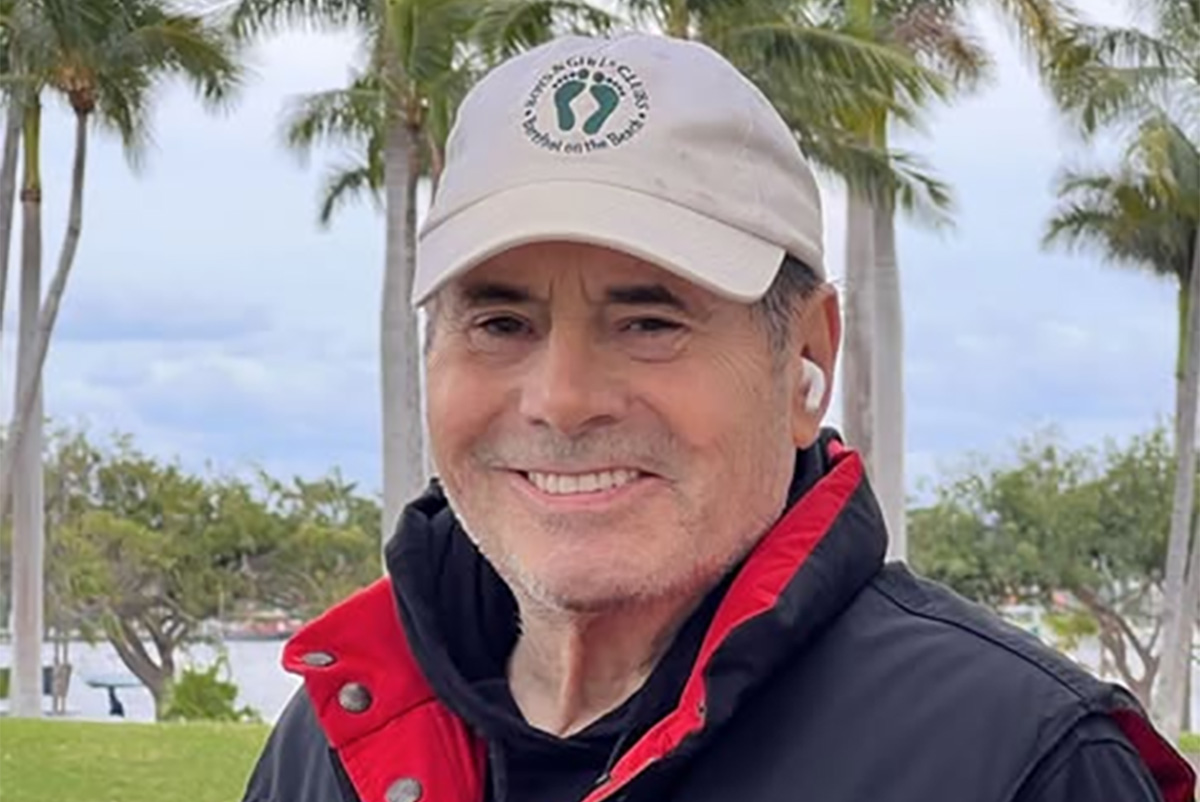
John Colameco, owner of the popular D.C. gay bar Green Lantern, has died, according to a March 7 announcement posted on the bar’s website and Instagram account. The announcement didn’t provide a date of his passing or a cause of death.
Green Lantern manager Howard Hicks said Colameco was 79 at the time of his passing.
“It is with great sadness that Green Lantern announces the death of our beloved owner, John Colameco,” the announcement says. “Most of our patrons might have heard John’s name, but might not have known his face,” it says.
“He was a ‘behind-the-scenes’ kind of guy who avoided the limelight,” the announcement continues. “He preferred to stay in the back of the house with staff and team ensuring everything was running smoothly so that everyone out front was having a good time.”
The announcement adds, “As a veteran and businessman, John wasn’t a member of the LGBTQ + community, but he was one of the best damn allies our community has ever had.”
It says he “long provided spaces for the queer community to come together” since the 1990s when he owned and operated a popular restaurant on 17th Street, N.W. called Peppers.
According to the announcement, Colameco and his then business partner Greg Zehnacker opened the Green Lantern in 2001 in an alley off of 14th Street, N.W., between Thomas Circle and L Street, N.W.
The announcement points out that the Green Lantern first opened in the same location in the early 1990s before it later closed when the original owners decided to purchase and open other bars, one of which was the gay bar Fireplace near Dupont Circle. Colameco and Zehnacker were able to reopen the bar with the Green Lantern name.
“When Greg died unexpectedly in February 2014, John remained steadfastly committed to carrying on their vision and ensuring that Green Lantern remained part of the fabric of D.C.’s queer community,” the announcement says.
“Over the years, through Green Lantern, John has provided support to many community organizations, most notably Stonewall Sports, the Gay Men’s chorus of Washington, and ONYX Mid-Atlantic with Green Lantern serving as a gathering hub for their activities,” it states.
The announcement adds that Colameco’s family was planning a memorial for him in his hometown of Philadelphia.
“His Green Lantern family will celebrate his life by operating the bar as usual and we encourage you to stop by and join us,” it says. “Community coming together and having a good time – it’s exactly what John would want.”
District of Columbia
D.C. Black Pride theme, performers announced at ‘Speakeasy’
Durand Bernarr to headline 2026 programming
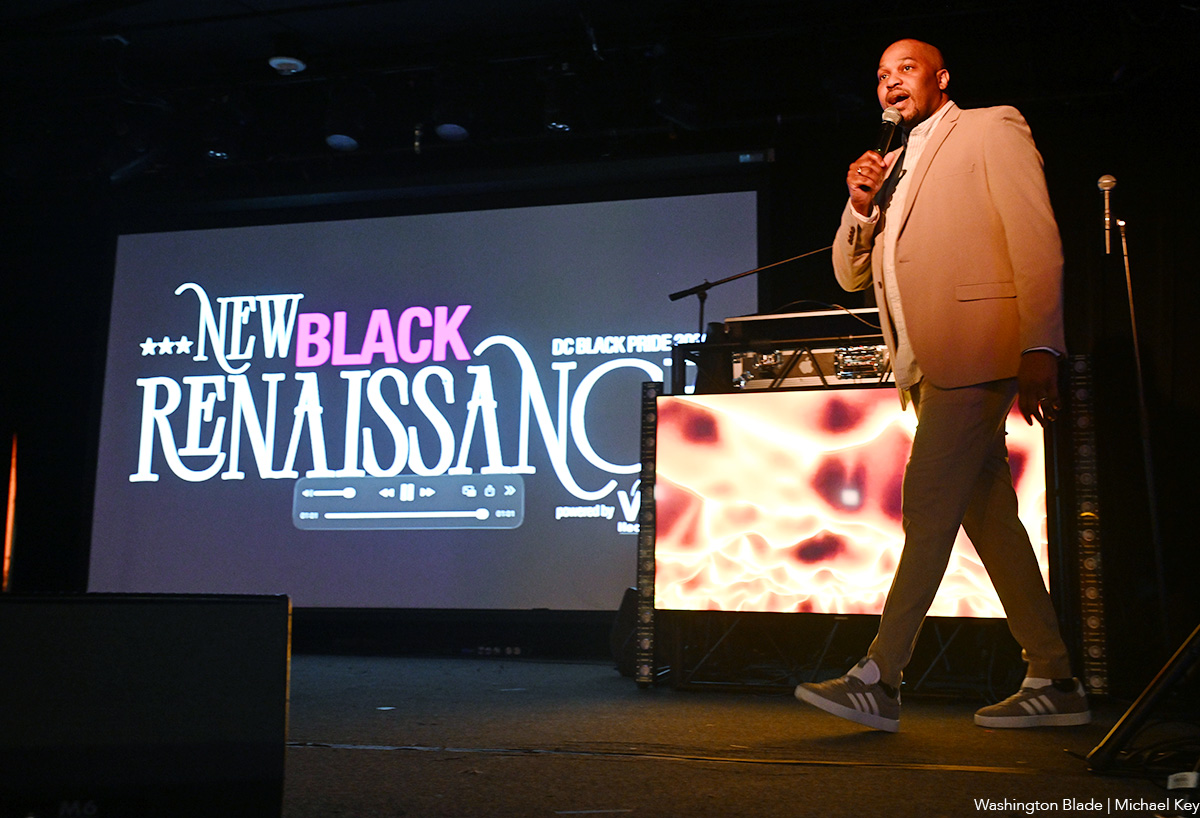
The Center for Black Equity held its 2026 DC Black Pride Theme Reveal event at Union Stage on Monday. The evening, a “Speakeasy Happy Hour,” was hosted by Anthony Oakes and featured performances by Lolita Leopard and Keith Angelo. The Center for Black Equity organizes DC Black Pride.
Kenya Hutton, Center for Black Equity president and CEO, spoke following the performances by Leopard and Angelo. Hutton announced this year’s theme for DC Black Pride: “New Black Renaissance.”
Performers for 2026 DC Black Pride were announced to be Bang Garcon, Be Steadwell, Jay Columbus, Bennu Byrd, Rue Pratt and Akeem Woods.
Singer-songwriter Durand Bernarr was announced as the headliner for the 2026 festivities. Bernerr gave brief remarks through a video played on the screen at the stage.
DC Black Pride is scheduled for May 22-25. For more information on DC Black Pride, visit dcblackpride.org.
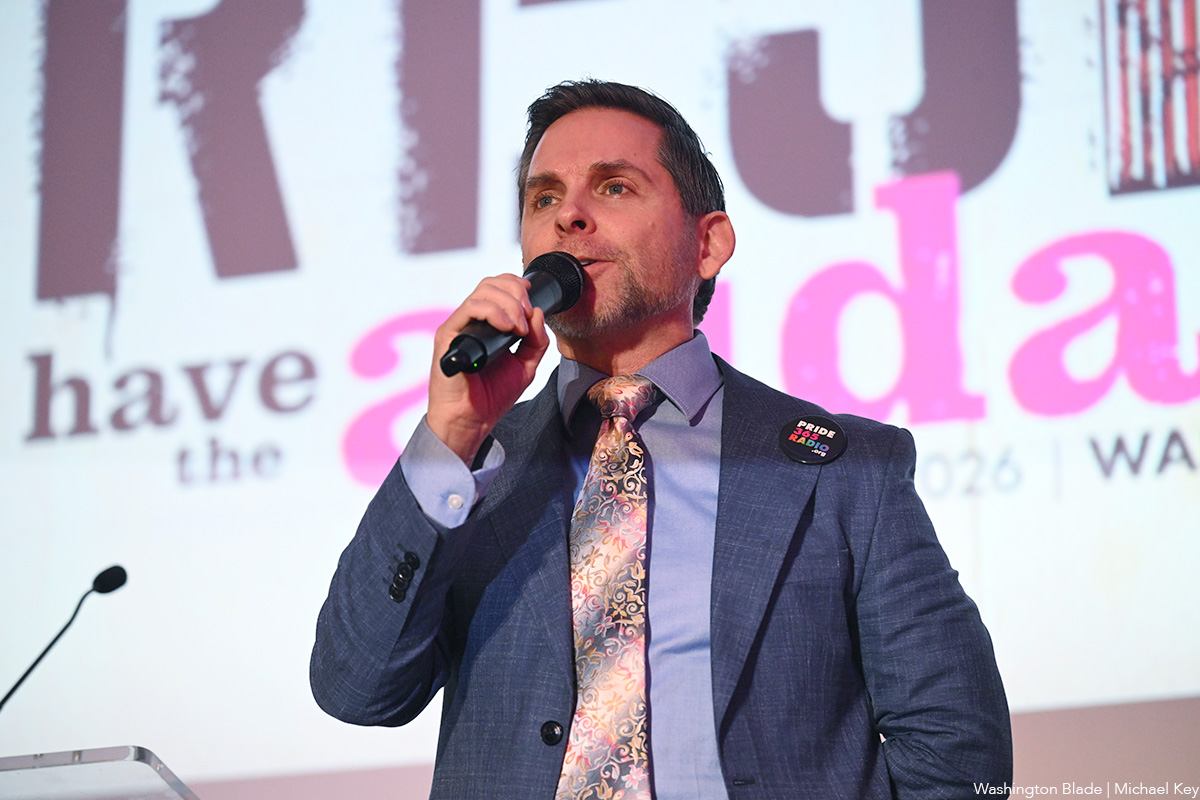
In an official statement released at the reveal event Capital Pride Alliance described its just announced 2026 Pride theme of “Exist, Resist, Have the Audacity” as a “bold declaration affirming the presence, resilience, and courage of LGBTQ+ people around the world.”
The statement adds, “Grounded in the undeniable truth that our existence is not up for debate, this year’s theme calls on the community to live loudly and proudly, stand firm against injustice and erasure, and embody the collective strength that has always defined the LGBTQ+ community.”
In a reference to the impact of the hostile political climate, the statement says, “In a time when LGBTQ+ rights and history continue to face challenges, especially in our Nation’s Capital, where policy and public discourse shape the future of our country, together, we must ensure that our voices are visible, heard, and unapologetically centered.”
The statement also quotes Capital Pride Alliance CEO and President Ryan Bos’s message at the Reveal event: “This year’s theme is both a declaration and a demand,” Bos said. “Exist, Resist, Have Audacity! reflects the resilience of our community and our responsibility to protect the progress we’ve made. As we look toward our nation’s 250th anniversary, we affirm that LGBTQ+ people have always been and always will be part of the United States’s history, and we will continue shaping its future with strength and resolve,” he concluded.

Ukrainian Supreme Court recognizes same-sex couple as a family

Md. Legislative LGBTQ+ Caucus outlines 2026 priorities

PHOTOS: ‘Defrosted’

Trump will refuse to sign voting bill without anti-trans provisions

Owner of D.C. gay bar Green Lantern John Colameco dies at 79

Fla. Senate passes ‘Anti-Diversity’ bill that could repeal local LGBTQ protections

Ugandan activist named Charles F. Kettering Foundation fellow

Liza Minnelli makes surprise appearance at GLAAD Media Awards

Capital Pride must be transparent about sexual misconduct investigation

In D.C. comedy, be sure to shop local
-

 Florida4 days ago
Fla. Senate passes ‘Anti-Diversity’ bill that could repeal local LGBTQ protections
-
Uganda4 days ago
Ugandan activist named Charles F. Kettering Foundation fellow
-
Celebrity News4 days ago
Liza Minnelli makes surprise appearance at GLAAD Media Awards
-
Opinions4 days ago
Capital Pride must be transparent about sexual misconduct investigation