Greenland
The Greenland lesson for LGBTQ people
Playbook is the same for our community and Europeans
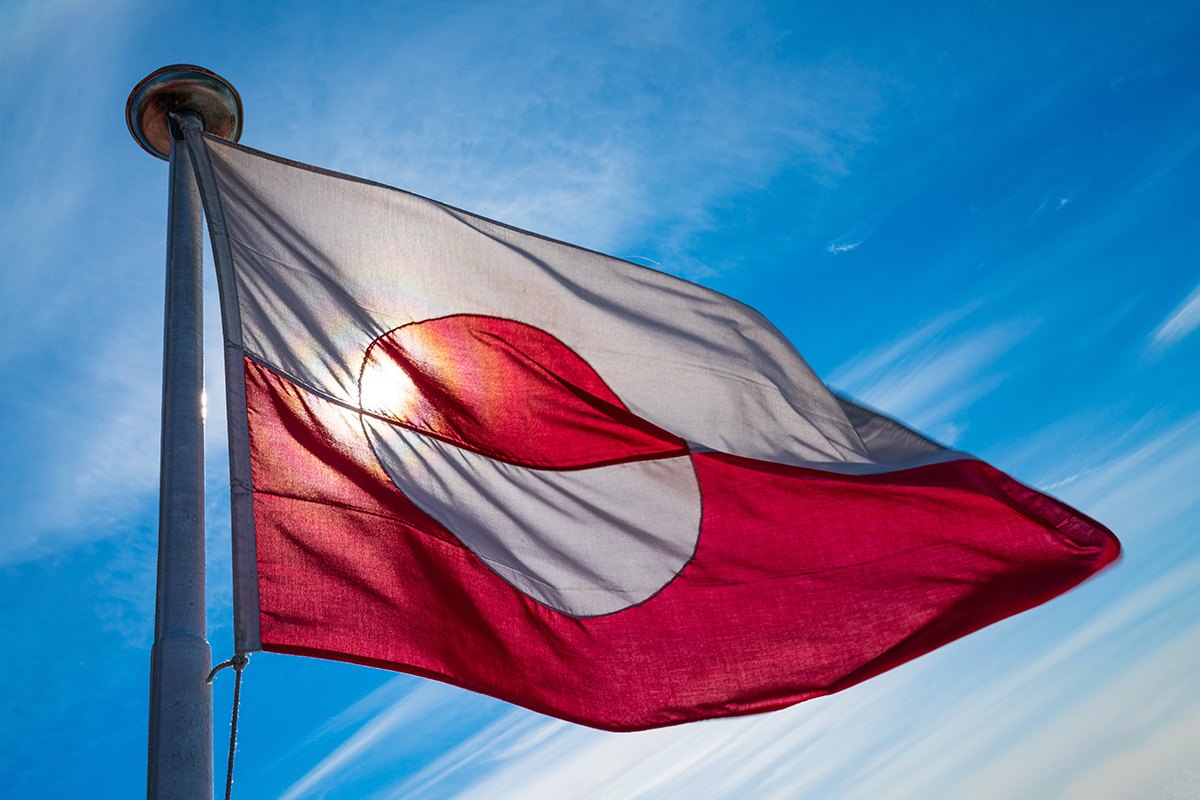
I understand my own geopolitical limits and don’t pretend to know how Europeans should respond to U.S. threats to seize Greenland or retaliate against anyone who opposes them. However, as I mentioned in March, it’s clear that for Europeans and LGBTQ+ people alike, hug-and-kiss diplomacy is over.
In practice, that means responding to the U.S. administration’s provocations with dialogue, human‑rights rhetoric, and reasoning may now be counterproductive. It looks weak. At some point, Europeans will have to draw a line and show how bullying allies and breaking international agreements carry a cost — and that the cost is unpredictable. On the surface, they have few options; like LGBTQ+ communities, they are very behind in raw power and took too long to wake up. But they still have leverage, and they can still inflict harm.
Maybe it is time for them to call the bluff. America has a great deal to lose, not least its reputation and credibility on the world stage. Stephen Miller and Pete Hegseth, with all their bravado, obviously underestimate both the short‑ and long‑term geopolitical price of ridicule. Force the United States to contemplate sending troops into an ally’s territory, and let the consequences play out in international opinion, institutions, and markets.
In the United States, LGBTQ+ communities have already endured a cascade of humiliations and live under constant threat of more. In 2025 our symbols and heroes were systematically erased or defaced: the USNS Harvey Milk was quietly renamed after a straight war hero, Admiral Rachel Levine’s title and image were scrubbed from official materials, Pride flags were banned from public buildings, World AIDS Day events were defunded or stripped of queer content, the Orlando memorial and other sites of mourning were targeted, the U.S. lead a campaign against LGBTQ+ language at the U.N., and rainbow crosswalks were literally ripped up or painted over. We cannot simply register our distress; we must articulate a response.
In practice, that means being intentional and focused. We should select a few unmistakable examples: a company that visibly broke faith with us, a vulnerable political figure whose actions demand consequences, and an institution that depends on constituencies that still need us. The tools matter less than the concentration of force — boycotts, shaming, targeted campaigning all qualify — so long as crossing certain lines produces visible, memorable costs.
A friend suggested we create what he called a “c***t committee.” I liked the discipline it implies: a deliberate, collective decision to carefully select a few targets and follow through. We need a win badly in 2026.
These thoughts are part of a broader reflection on the character of our movement I’d like to explore in the coming months. My friends know that anger and sarcasm carried me for a long time, but eventually delivered diminishing returns. I am incrementally changing these aspects of my character that stand in the way of my goals. The movement is in a similar place: the tactics that served us best are losing effectiveness because the terrain has shifted. The Greenland moment clarifies that we must have a two-pronged approach: building long-term power and, in the short term, punching a few people in the nose.






Congress
McBride, other US lawmakers travel to Denmark
Trump’s demand for Greenland’s annexation overshadowed trip

Delaware Congresswoman Sarah McBride is among the 11 members of Congress who traveled to Denmark over the past weekend amid President Donald Trump’s continued calls for the U.S. to take control of Greenland.
McBride, the first openly transgender person elected to Congress, traveled to Copenhagen, the Danish capital, with U.S. Sens. Chris Coons (D-Del.), Thom Tillis (R-N.C.), Jeanne Shaheen (D-N.H.), Dick Durbin (D-Ill.), and Lisa Murkowski (R-Alaska) and U.S. Reps. Steny Hoyer (D-Md.), Gregory Meeks (D-N.Y.), Madeleine Dean (D-Pa.), Don Bacon (R-Neb.), and Sarah Jacobs (D-Calif.). The lawmakers met with Danish Prime Minister Mette Frederiksen and Greenlandic MP Pipaluk Lynge, among others.
“I’m grateful to Sen. Coons for his leadership in bringing together a bipartisan, bicameral delegation to reaffirm our support in Congress for our NATO ally, Denmark,” said McBride in a press release that detailed the trip. “Delaware understands that our security and prosperity depend on strong partnerships rooted in mutual respect, sovereignty, and self-determination. At a time of growing global instability, this trip could not be more poignant.”
Greenland is a self-governing territory of Denmark with a population of less than 60,000 people. Trump maintains the U.S. needs to control the mineral-rich island in the Arctic Ocean between Europe and North America because of national security.
The Associated Press notes thousands of people on Saturday in Nuuk, the Greenlandic capital, protested against Trump. British Prime Minister Keir Starmer is among those who have criticized Trump over his suggestion the U.S. would impose tariffs against countries that do not support U.S. annexation of Greenland.
A poll that Sermitsiaq, a Greenlandic newspaper, and Berlingske, a Danish newspaper, commissioned last January indicates 85 percent do not want Greenland to become part of the U.S. The pro-independence Demokraatit party won parliamentary elections that took place on March 12, 2025.
“At this critical juncture for our countries, our message was clear as members of Congress: we value the U.S.-Denmark partnership, the NATO alliance, and the right of Greenlanders to self-determination,” said McBride on Sunday in a Facebook post that contained pictures of her and her fellow lawmakers meeting with their Danish and Greenlandic counterparts.

Kristi Noem ‘devastated’ as husband’s alleged fetish spending surfaces

Colo. activists condemn SCOTUS conversion therapy ruling

Is Ghana’s selective justice a human rights contradiction?

Supreme Court ruling against conversion therapy bans could affect Md. law

Glisten report details hostile climate for LGBTQ students

‘Out for McDuffie’ event held at D.C. gay bar

The Oscar-losing performance that’s too good to miss

‘Jonah’ an undeniably compelling but unusual memory play

Ghanaian president welcomed to Philadelphia amid backlash over anti-LGBTQ bill

PHOTOS: ‘No Kings’ rally and march
-

 District of Columbia2 days ago
‘Out for McDuffie’ event held at D.C. gay bar
-
Movies3 days ago
The Oscar-losing performance that’s too good to miss
-
Theater3 days ago
‘Jonah’ an undeniably compelling but unusual memory play
-
Ghana2 days ago
Ghanaian president welcomed to Philadelphia amid backlash over anti-LGBTQ bill