Arts & Entertainment
Pride Alley premieres at 2017 Awesome Con
New feature is spotlight for queer creators and fans


Last year’s Awesome Con drew enthusiasts of many realms of pop culture and sci-fi. (Washington Blade file photo by Michael Key)
Awesome Con
June 16-18
Washington Convention Center
801 Mt. Vernon Pl., N.W.
This weekend, Awesome Con returns to the Walter E. Washington Convention Center, promising plenty of fun, excitement and costumes worthy of Fantasy Fest.
At its heart, Awesome Con embraces all aspects of geekdom and pop culture, offering a wide assortment of comic books, collectibles, toys, games, original art, cosplay and more. Special events include discussion panels, costume contests, trivia contests, gaming tournaments, and tons of activities for kids.
A new feature this year is Pride Alley, which involves a dedicated programming track celebrating LGBT comic creators and a special area of its Artist Alley. It will also offer three days of panels and special events.
“Awesome Con is proud of all of our fans, guests, exhibitors and artists and as we started to build this year’s event, we wanted to do more and create a bigger platform to better celebrate and educate D.C.’s LGBTQ community,” says Ben Penrod, founder of Awesome Con. “This is important to us and who we want to be.”
Joey Stern, president and co-founder of Geeks OUT, a non-profit community organization that has been obsessed with making queer geek safe spaces since 2010, was a big part in bringing Pride Alley to life. Stern was the mastermind behind Flame Con, a two-day comic, art, and entertainment expo showcasing creators and celebrities from all corners of LGBT fandom.
“This is a joint venture between Awesome Con and Geeks OUT,” Stern says. “We have been going to Awesome Con now for three years and it’s one of the most accepting and open creative conventions we attend. We developed a relationship with the organizers and through that, we discussed ways to better integrate the LGBTQ presence already there to make it more visible.”
Those who have been to Awesome Con before understand that there’s a lot going on and it’s wall-to-wall people, booths and events, so it’s easy for things to be lost in the crowd.
“If you’re serving a niche market, like primarily making queer art, you want to make sure that people who don’t know about you can find you,” Stern says. “The same thing goes for panels and discussions. You might need to seek it out and people may miss out on events they want to see.”
Pride Alley was created as a way to better get LGBT artists and creators in front of their fan base as well as open up a chance to be discovered by more people.
“We wanted to put ourselves on the floor in a way that was clear and noticeable and gives it its own breathing space, while also being integrated with the convention itself,” Stern says. “It’s part of the show, it’s part of the experience, yet it’s called out special.”
Numerous interesting and thought-provoking panels are part of Pride Alley, there’s a special T-shirt designed for the occasion and some of the best LGBT artists working today.
“This is unique integration that I hope other conventions will think about,” Stern says. “You as a queer person who is attending can find it, can see what you’re looking for, but at the same time are not shifted away from the rest of the convention.”
LGBT HQ will be among those exhibiting (booth 1434) featuring its infamous LGBT Passport with interactive programming, Kid Riot comics courtesy of the Demon Hotel, cosplayer/actress/advocate Jay Justice, Mr. Green Lantern 2017 Danny Lantern, and the cosplay and advocate staff of LGBT HQ.
“This is our second year exhibiting and our booth is primarily a hub for whatever interactive LGBT programing happens at the convention at any given time,” says Matthew Levine, LGBT HQ’s director. “We provide a safe space for everybody who is there.”
The booth has a superhero background, offering fun photo opportunities, and will play host to the panel, Cosplay Rule 63, dissecting the difficult navigating of gender-bent and cross-play cosplay with speakers Jay Justice, Danny Lantern, Les Levi, Jazmine Cosplays and Mischief Matthew.
“In addition, we do a LGBT passport program, which acts as a scavenger hunt and brochure all in one,” Levine says. “It lists all the active LGBT cosplayers, vendors and supporters at the Con, and people go around getting their signatures for a chance to win great prizes.”
LGBT HQ will also sponsor its third annual unofficial cosplay contest at Green Lantern Bar (1335 Green Court, N.W.), starting at 10 p.m. on Saturday, June 17. Guest judges include Aaron Paul and Mr. Green Lantern 2017 Danny Lantern.
“You can’t ask for a better name for an after party of a comic con than a bar named Green Lantern,” Levine says. “There are no presumptions. The event is just so much fun and very tongue-and-cheek. It provides the campy atmosphere that people want when they put on costumes and go to Awesome Con.”
a&e features
Tickets on sale for chef Patrick O’Connell’s book launch event
Sept. 18 kickoff to feature José Andrés, Tom Sietsema
Acclaimed chef Patrick O’Connell is preparing to publish his new memoir, “Main, Middle & Gay” in September and he’s launching the book with an event on Sept. 18 at 6 p.m. at Lisner Auditorium featuring Chef José Andrés and former Washington Post food critic Tom Sietsema.
Tickets for the event go on sale Tuesday, July 21 at Ticketmaster; prices start at $55.
O’Connell, who’s gay, is the pioneering Michelin-starred chef and longtime proprietor of the Inn at Little Washington. He spoke with the Blade about the September event and the launch of his first memoir.
“I’ve known [Andrés and Sietsema] for more than 25 years and I have great respect for them,” O’Connell said. “I felt that it would allow us to add a different dimension rather than just have an interviewer. The chemistry will be fun and lively and unpredictable and exciting. I think we’re all different personalities and we’ll compliment each other.”
O’Connell has published cookbooks but this is his first memoir. The event will feature a short film that will highlight his work and the Inn.
“What I hope to do with the event is bring the book to life visually,” he said. “So we’re producing a short film that will be part of it. Most of the audience will not have read the book so it’ll give them a visual flavor of the book. It parallels the evolution of American cuisine over 50 years. It’s a rare perspective to be in the trenches for that long.”
The book’s title refers to the location of the garage on the corner of Main, Middle, and Gay streets in Washington, Va., where he launched his restaurant that became an international culinary destination.
The Blade will publish the rest of its wide-ranging interview with O’Connell in September in conjunction with the book’s release.
Arts & Entertainment
Sci-fi has long been at vanguard of LGBTQ representation
Story lines now criticized as ‘woke’ is weird
Since I was a teenager, I have liked sci-fi because of the depth with which it explores social issues. At the time, I didn’t know that I was autistic and queer, so I couldn’t see myself in other autistic and queer people. Instead, I saw myself in androids, mutants, telepaths, and sometimes aliens who were portrayed as minorities persecuted by the human majority. It was a universal language for talking about alienation, systemic discrimination, conversion therapy, segregation, and internalized self-hatred.
Now, when so many sci-fi stories are being criticized online as “woke,” it seems weird for me. This is especially true when we are talking about franchises, such as the British TV series “Doctor Who” and American franchise “Star Trek,” both of which have always been remarkably progressive by the standards of their own time.
Let’s take a closer look at “Doctor Who.”
In June 2026, the BBC cancelled the planned Christmas special, saying that viewers would have to wait longer for the next season after internal studio issues, and now the BBC is looking for new production partners. “Doctor Who” is the longest-running science fiction television series in the world, originally airing from 1963 to 1989 before returning in 2005. The future of the franchise is currently unclear, and many people online immediately began blaming “wokeness” for what had happened to their favorite show.
After all, the Doctor, an alien Time Lord who can regenerate and literally change faces, had traditionally been played by white men. But the last, Fifteenth Doctor was played by Ncuti Gatwa, a Black Scottish-Rwandan actor who has publicly identified as queer (and the doctor himself was first presented as queer character after a queer romantic episode where he kissed a man), while the Thirteenth Doctor was played for three seasons by Jodie Whittaker, the first woman to portray the Doctor. In 2023, the series also introduced Rose Noble, a trans feminine nonbinary teenager and supportive character played by transgender English actress Yasmin Finney.
But despite popular stereotypes online, “Doctor Who” did not suddenly “go woke.” The program has existed in two main eras: the classic series, which aired from 1963 to1989, and the modern revival, which has been broadcast on BBC One since 2005.
Even in the 1960s, one of the program’s earliest stories, “The Daleks” (1963–64), presented an obvious allegory for fascism, racial purity, bigotry and the horrors of war. Throughout the classic era, the Doctor frequently opposed militarism, authoritarian governments, and dictatorships. Many fans have also pointed to moments of queer coding and subtext throughout the classic series.
However, openly queer characters appeared as soon as the modern revival began.
The 2005 revival introduced Captain Jack Harkness, played by John Barrowman, one of the first openly queer recurring characters in the “Doctor Who” universe. He openly flirted with people regardless of their gender and later became the lead character of the spin-off series “Torchwood.” “Torchwood” went even further with LGBTQ representation, featuring multiple queer characters, including trans and nonbinary characters whose identities were treated as a normal part of the story.
“Doctor Who” has always been remarkably progressive for its time. The franchise doesn’t suddenly change its values, it’s always been “woke.”
The same happened with the American franchise “Star Trek.”
It is widely known as one of the most openly left-wing and progressive television franchises ever broadcast. The original series, which aired from 1966-1969, was created during the Cold War and featured the utopian United Federation of Planets, a society without poverty or money that can be characterised as socialist or even communist. It also featured Lt. Uhura, played by Nichelle Nichols, a Black woman serving as a highly respected bridge officer at a time when Black women weren’t portrayed in positions of authority on American television. The series also included one of the first interracial kisses in modern American television, between Capt. James T. Kirk (William Shatner) and Uhura in the 1968 episode “Plato’s Stepchildren,” a moment that had a significant cultural impact.
Gene Roddenberry, the creator of the franchise, said that he had wanted to include openly queer characters as well, but believed it would have been impossible to keep the show on the air because it had already pushed social boundaries in so many other ways.
Today, many viewers — including Elon Musk — claim that “Star Trek” has only recently become “woke.” In reality, I think it actually became less radical than the original series. Even queer characters are not a recent addition to the franchise. One of the earliest major queer characters appeared in “Star Trek: Deep Space Nine” (1993–1999): the Trill officer Jadzia Dax, played by Terry Farrell. In the 1995 episode “Rejoined,” she shared one of the first same-sex kisses in the history of the franchise.
However, for some reason, it was the openly gay couple Paul Stamets (Anthony Rapp) and Hugh Culber (Wilson Cruz) in “Star Trek: Discovery” (2017–2024), together with the trans Trill character Gray Tal, played by trans actor Ian Alexander, that triggered a major backlash among conservative parts of the fandom. That backlash reached another peak with “Star Trek: Starfleet Academy,” which features the canonically gay Klingon cadet Jay-Den Kraag. The actor has spoken about receiving abuse and threats because of the role, despite the fact that there was nothing especially ideological about his character. He was simply a gay character whose sexuality was only one aspect of who he was. In fact, considering the ideals of the original “Star Trek,” I was more surprised that the franchise still includes relatively few trans or polyamorous characters, and that they are not part of the lead cast. After all, the franchise was created to imagine a future that was ahead of its time.
So why do conservatives and anti-LGBTQ people continue to watch franchises that have always been deliberately progressive? And why do they keep claiming that these shows have only recently “gone woke”?
A more logical explanation is that parts of the audience have become less willing to accept the same kinds of progressive ideas that these franchises have embraced for decades. In other words, it is not the shows that fundamentally changed. Some long-time viewers have become more conservative than they were in their youth, while newer conservative audiences have joined them and begun criticizing franchises without knowing their real history.
In many ways, geeks have changed more than these shows have. Sci-fi hasn’t “gone woke.” Some of its fans have simply become less comfortable with the same progressive values these franchises have promoted for decades.
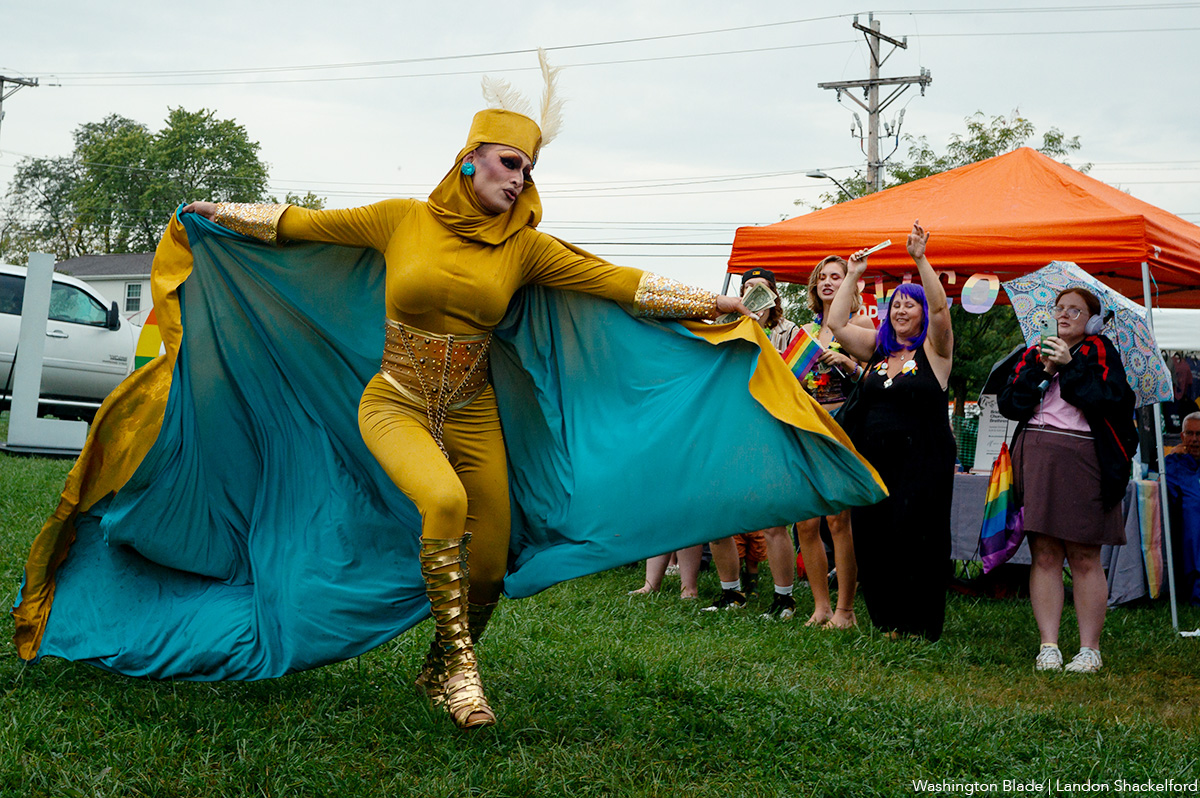
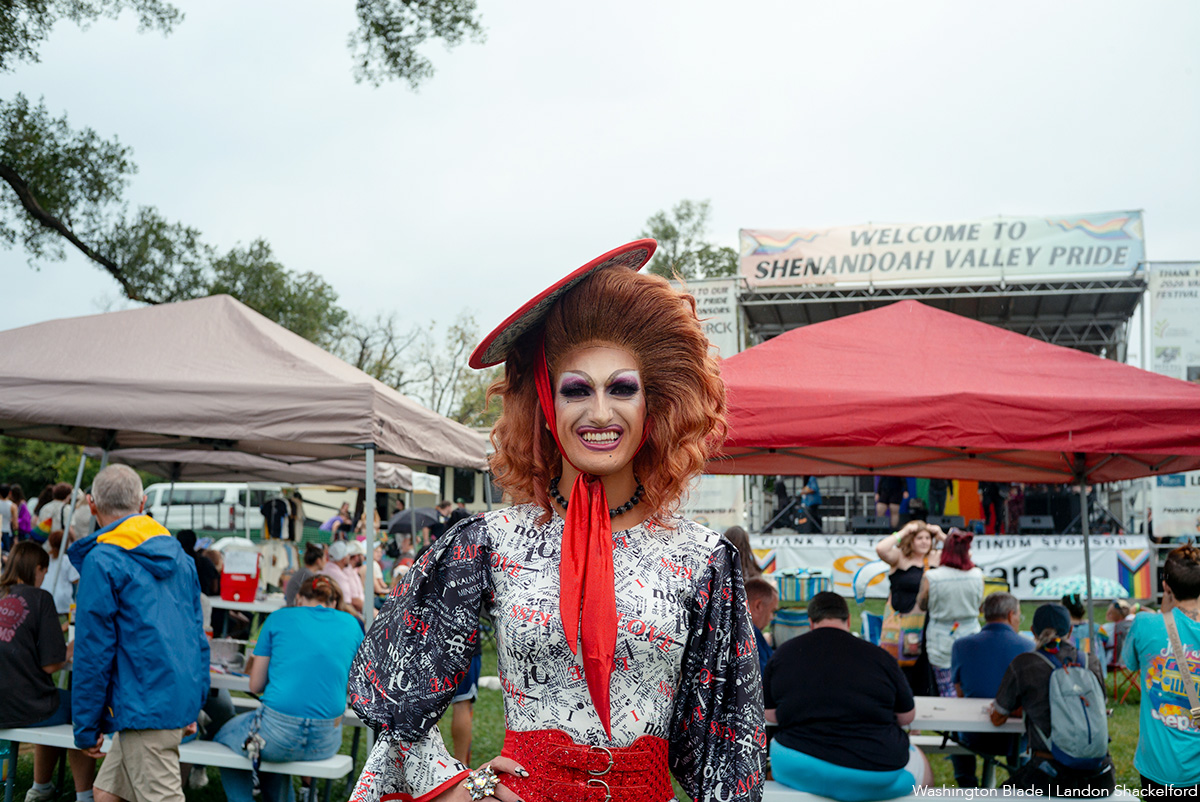
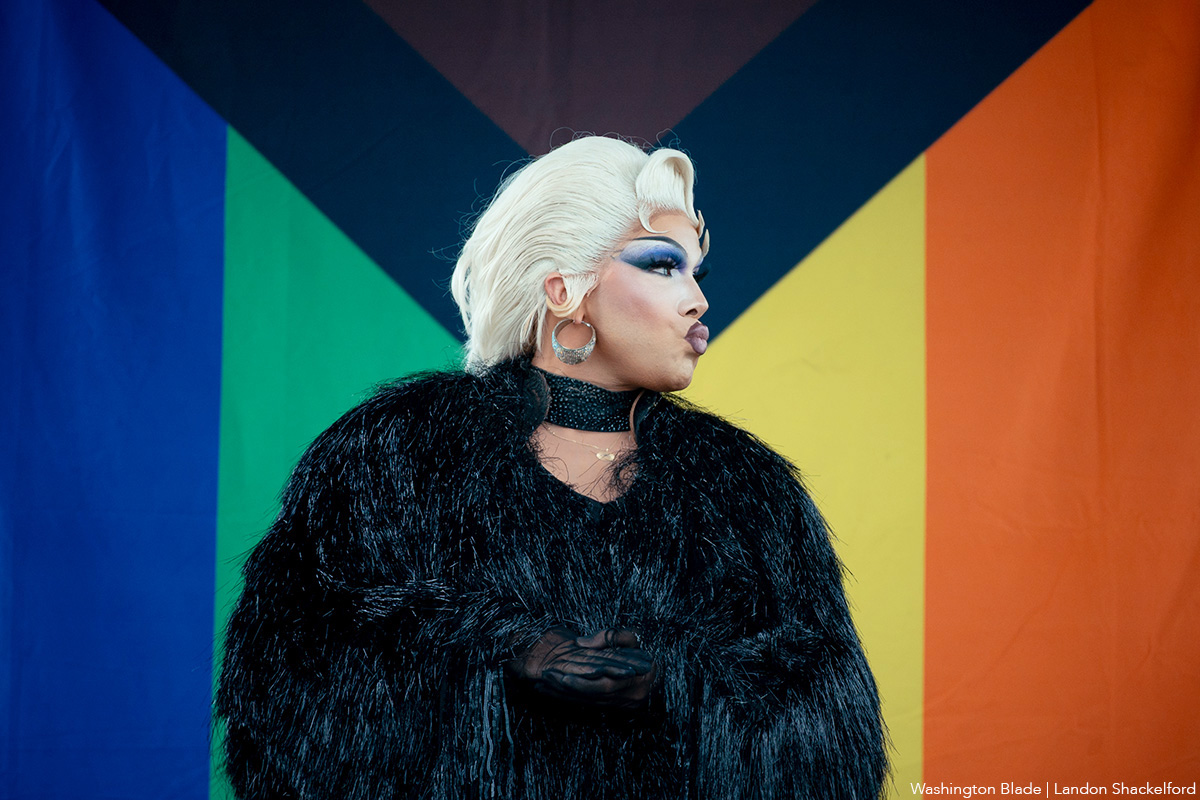
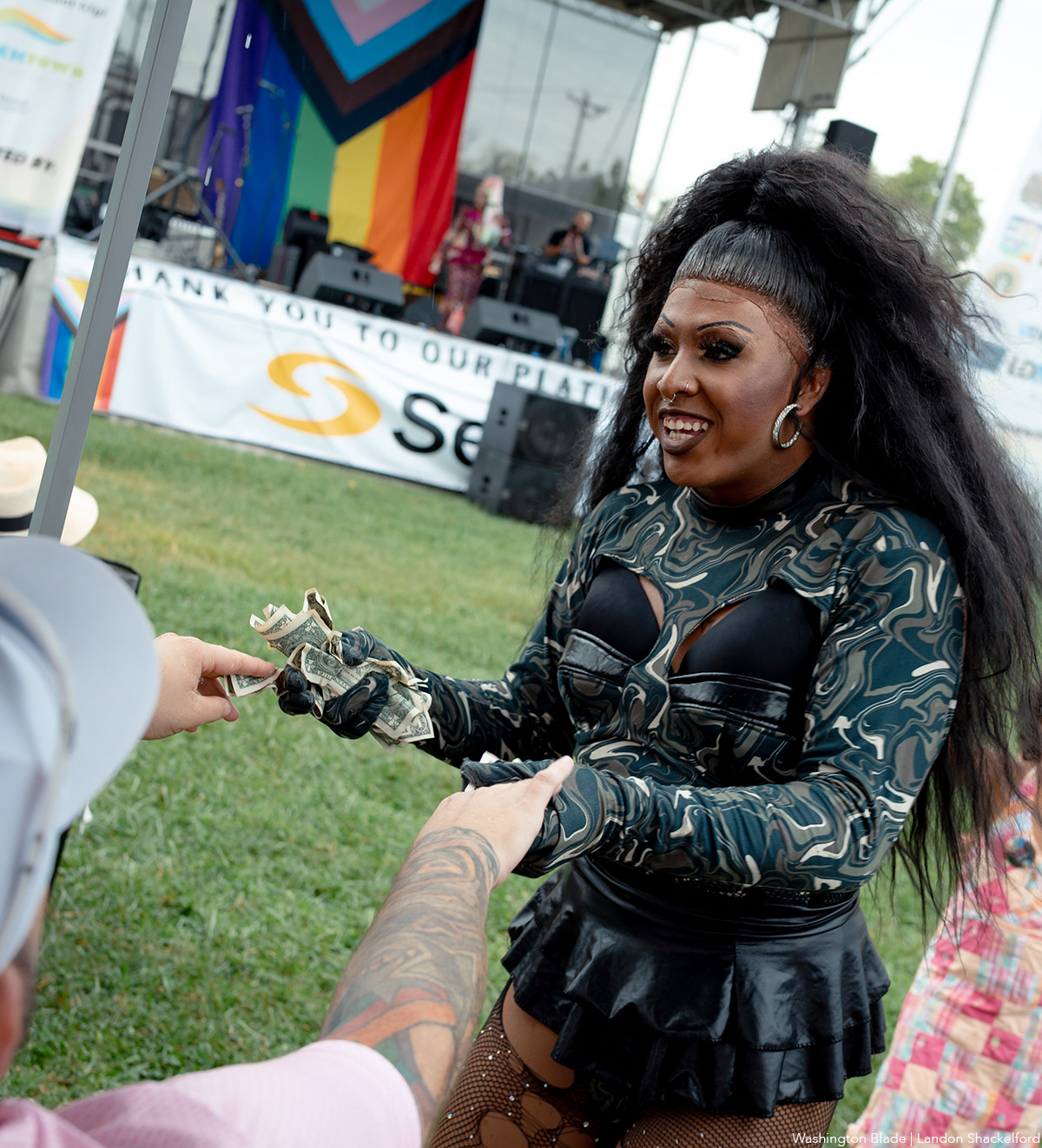
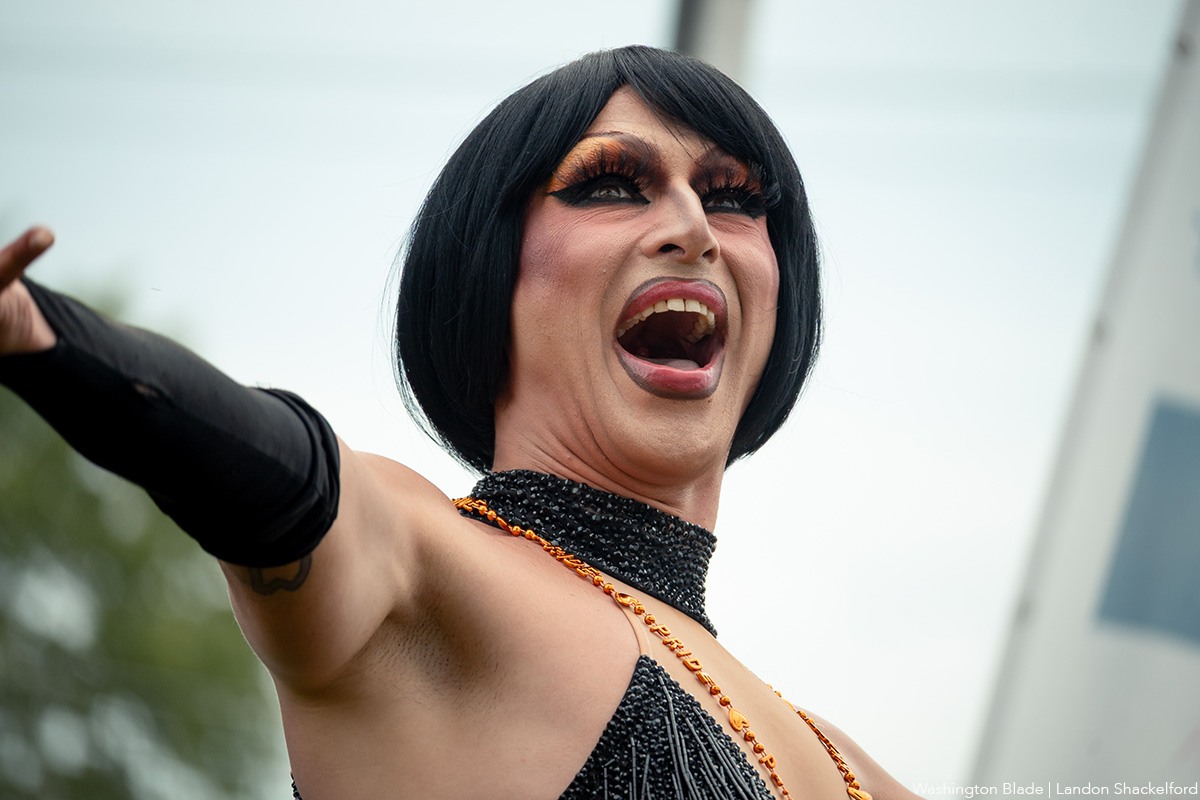
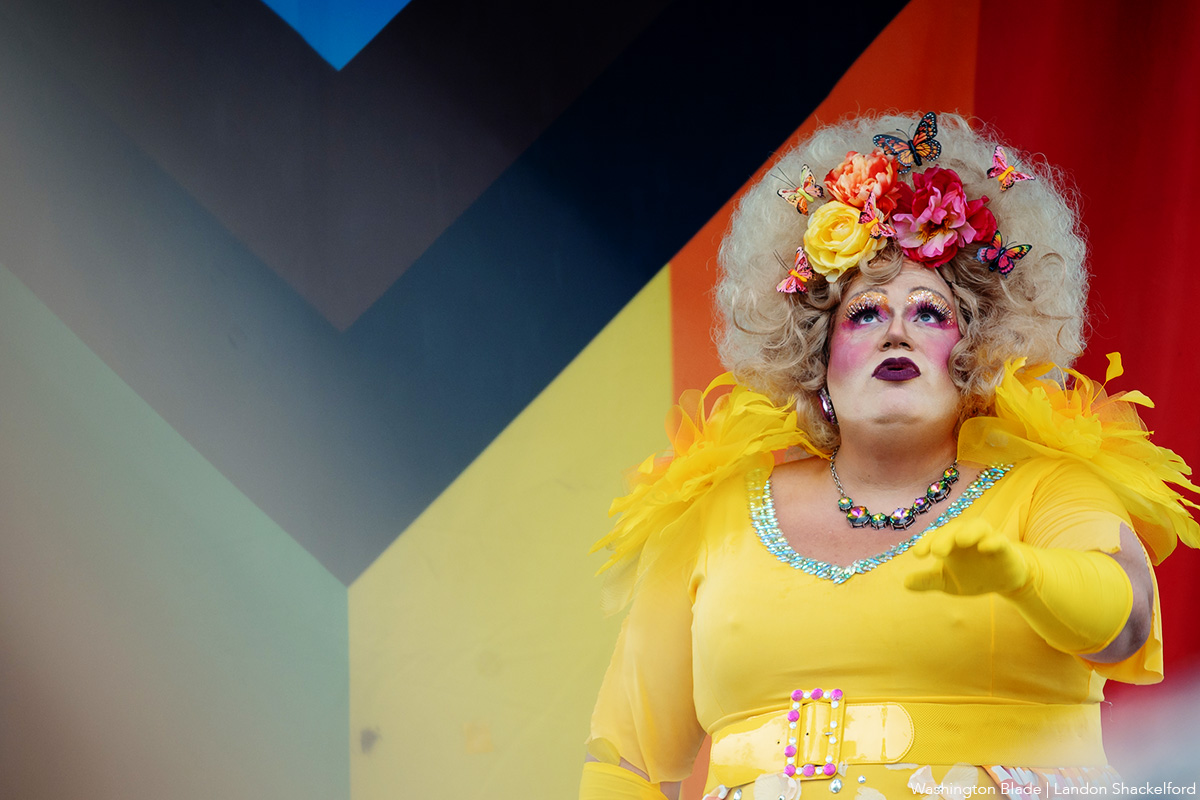
JR.’s Bar held a “RuPaul’s Drag Race: All Stars” watch party followed by a live drag show on Friday, July 17. The Vitamin C weekly drag show was hosted by Citrine with performers Brooke N Hyman and Rosie Beret.
(Washington Blade photos by Landon Shackelford)