Arts & Entertainment
Turner’s triumph
Actress gives tour de force as late liberal columnist
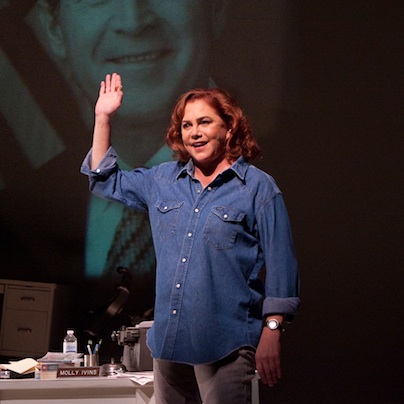

Kathleen Turner as Molly Ivins in ‘Red Hot Patriot.’ (Photo by Mark Garvin for Philadelphia Theatre Co. via Arena Stage)
‘Red Hot Patriot: The Kick-Ass Wit of Molly Ivins’
Through Oct. 28
Arena Stage
1101 Sixth Street, SW
$46-$94
202-488-3300
Since her death from breast cancer at 62 in 2007, journalist Molly Ivins’ voice has been sorely missed. An unapologetic antiwar liberal renowned for her biting humor, Ivins railed against injustice throughout her newspaper career, championing women, minorities and society’s have-nots. She brilliantly lampooned politics (particularly in her native Texas), and hilariously skewered rightwing politicians including George W. Bush whom she famously dubbed “Shrub.”
With “Red Hot Patriot: The Kick-Ass Wit of Molly Ivins” — now at Arena Stage starring Kathleen Turner — audiences get the chance to revisit the late great Ivins’ life, wit and work.
Penned by identical twin sister journalists Margaret Engel and Allison Engel, the one-woman bio drama (well almost one woman, there is a robotic copy boy played by Nicholas Yenson who silently appears now and then) opens in an old school newsroom where Ivins is struggling to write an article about her father, a lifelong Republican nicknamed “the General.” When Ivins takes a break, a combination of projected images and her past articles spat from an AP wire machine work together to joggle her memory, prompting 75 minutes of scattered reminisces.
Turned out in a denim shirt, jeans, flashy red cowboy boots and a curly red wig, Turner — despite the now signature halting delivery and almost labored breathing — gives a strong performance oozing with energy and charm. She fits well into the role of down home whiskey-voiced raconteur, delighting audiences with tales and quotes drawn from some of Ivins’ best columns; and, of course, anyone who’s seen Turner make obscene phone calls to Mink Stole in “Serial Mom” knows she’s very funny.
Staged capably by David Esbjornson, “Red Hot Patriot” also gives brief glimpses into darker parts of our ballsy heroine’s not always charmed life. Turner handles these moments beautifully too. Beneath the humor and easy Texas ways, Ivins was a complicated woman who knew heartache, disappointment and rage. Boyfriends died too young. The cancer came later. About her battle with the bottle, she says, “Alcohol may lead nowhere but it sure is the scenic route.” Humor was not only good for getting readers’ attention, it also tempered feelings.
Ivins identified with the outsider from early on. As a six foot tall, freckled debutante in conservative 1950s Houston, she felt out of place and knew her parents’ country club lifestyle wasn’t for her. After graduating from Smith College and earning a master’s degree in journalism from Columbia University, she went to work at a paper in Minneapolis followed by six wonderful years at the Texas Observer, a lone voice of liberalism in a very red state. She was with the New York Times for a while but was fired for referring to a New Mexico chicken slaughtering festival as a “gang pluck.” Ivins returned to her beloved Texas where she found a wealth of material covering local and later national politics.
As Ivins, Turner comments on a series of Texas politicians some of whose projected headshots loom large behind her. Concerning a state representative, she says, “If his IQ gets any lower, we’ll have to water him twice a day.” She reminds us how she warned the world about the dangers of a George W. Bush presidency in not one but two books.
And toward the play’s end, she says, “It’s not about left and right, it’s about up and down, the few screwing the many.” Ivins may no longer be around to give her inimitable take on American politics, but there’s no doubt where she’d stand on the issues.






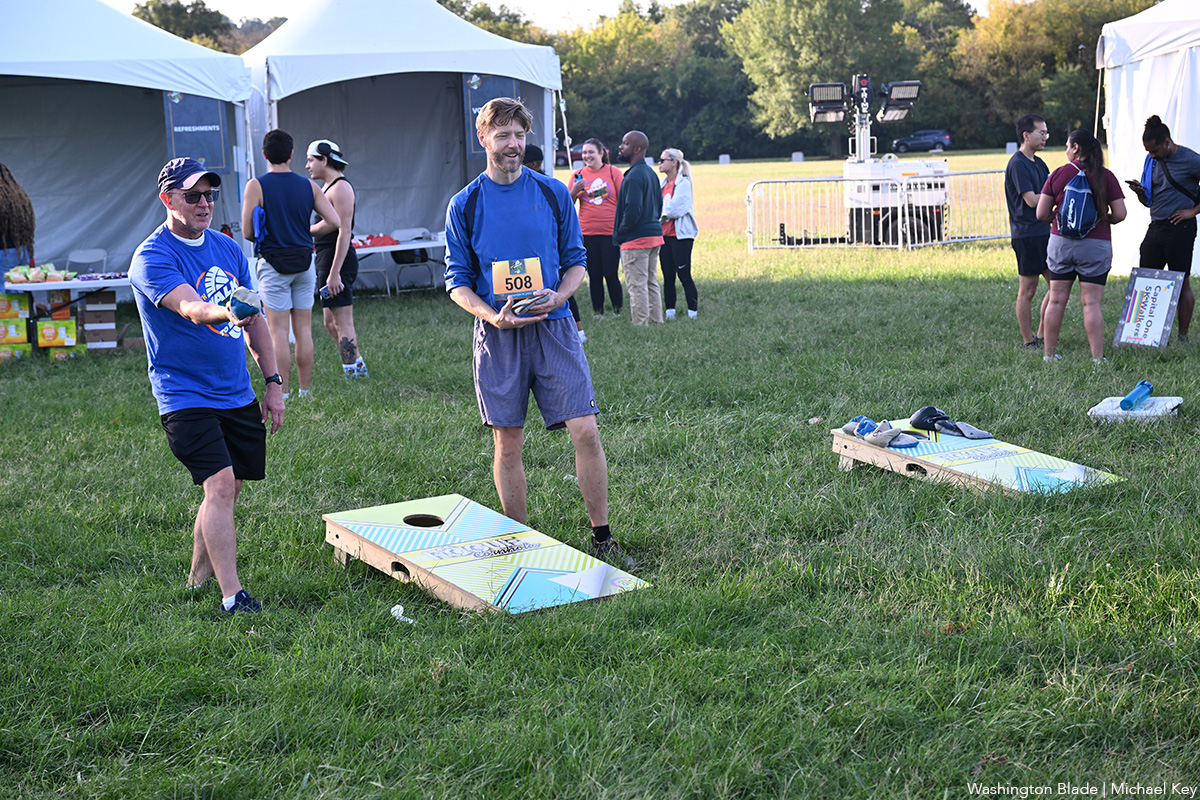
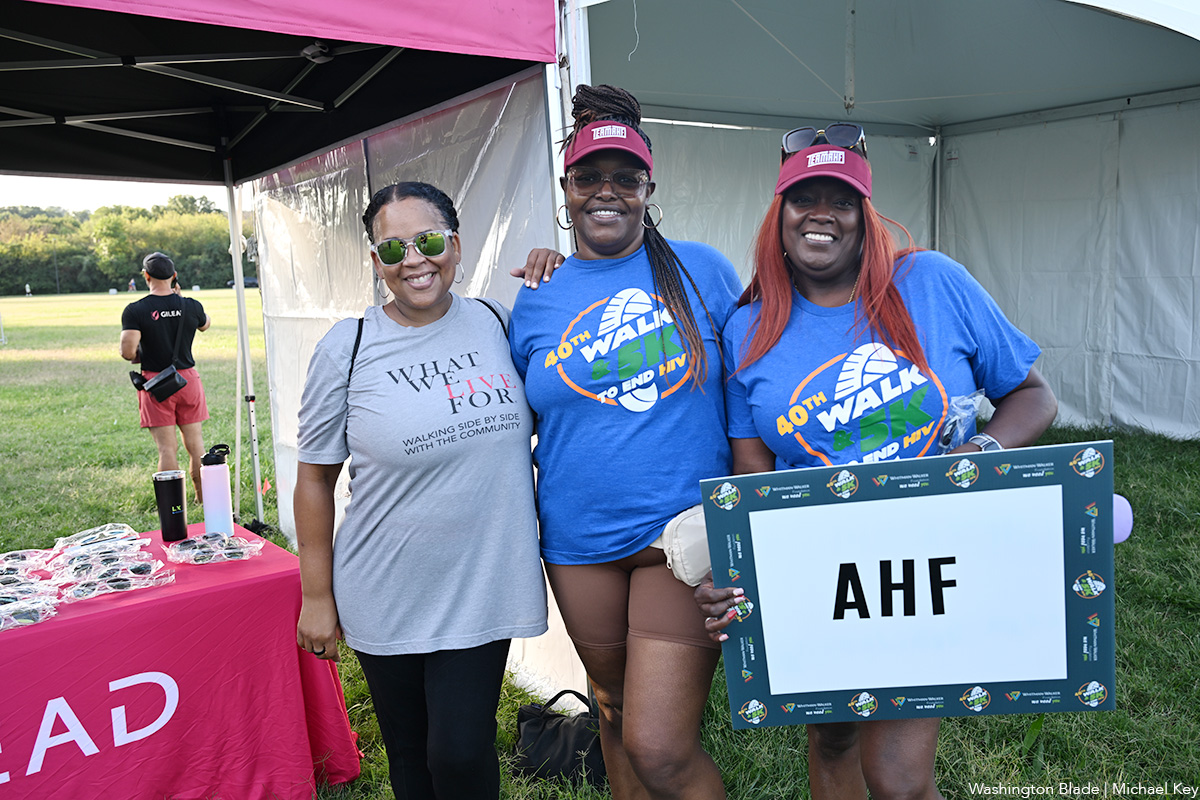
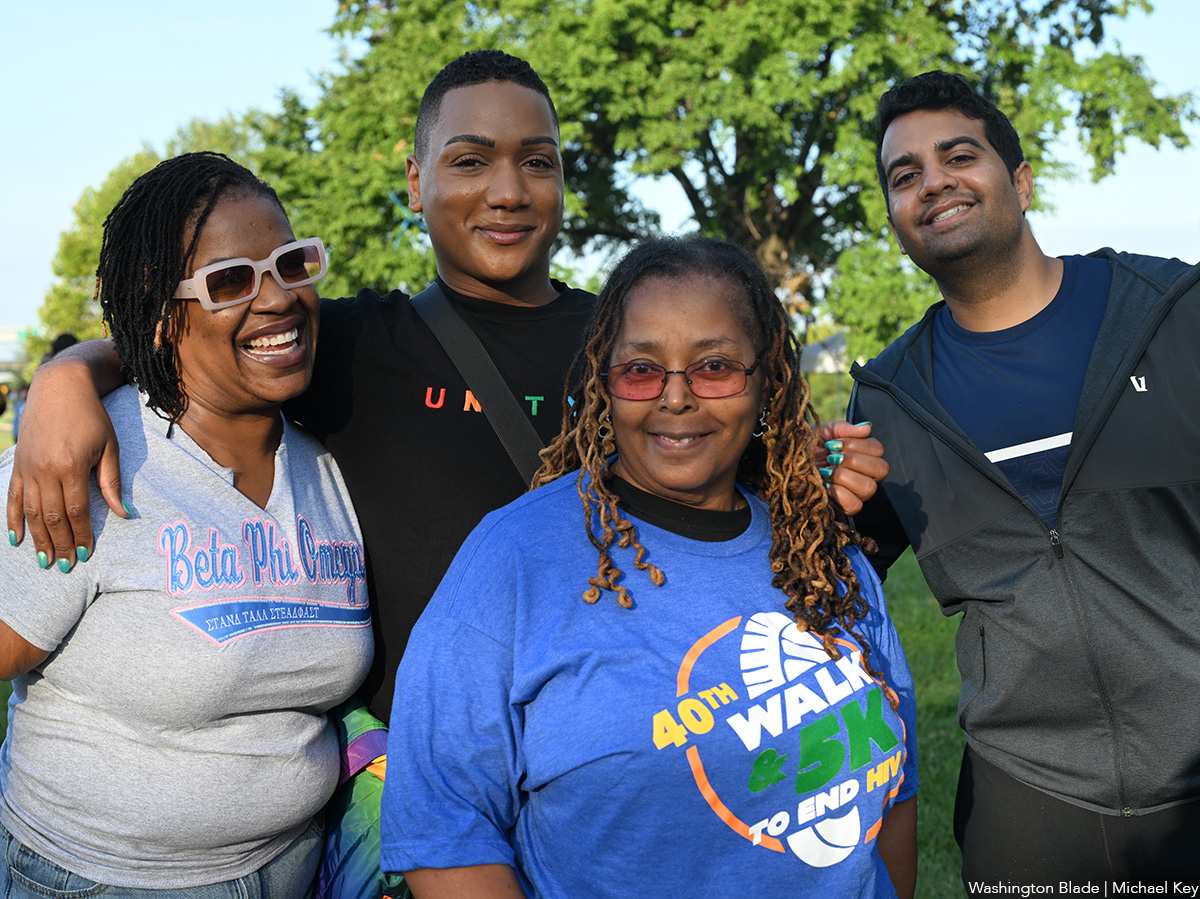
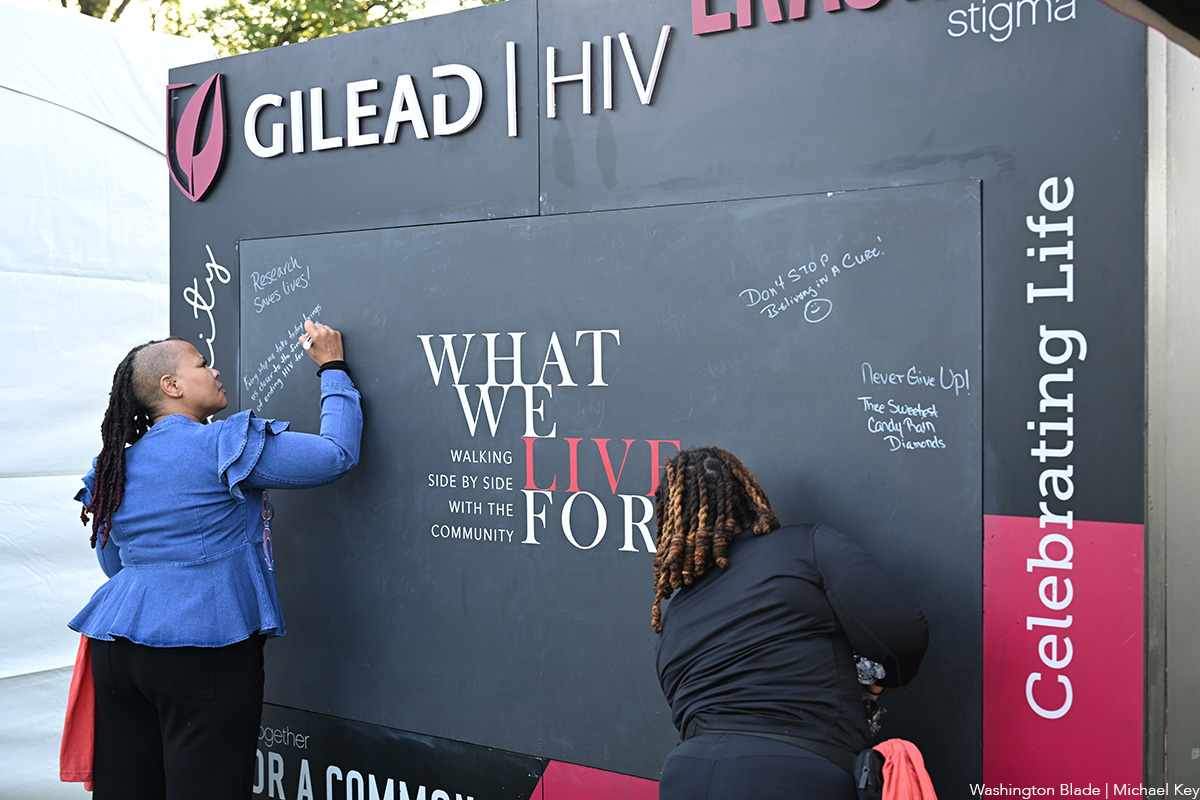
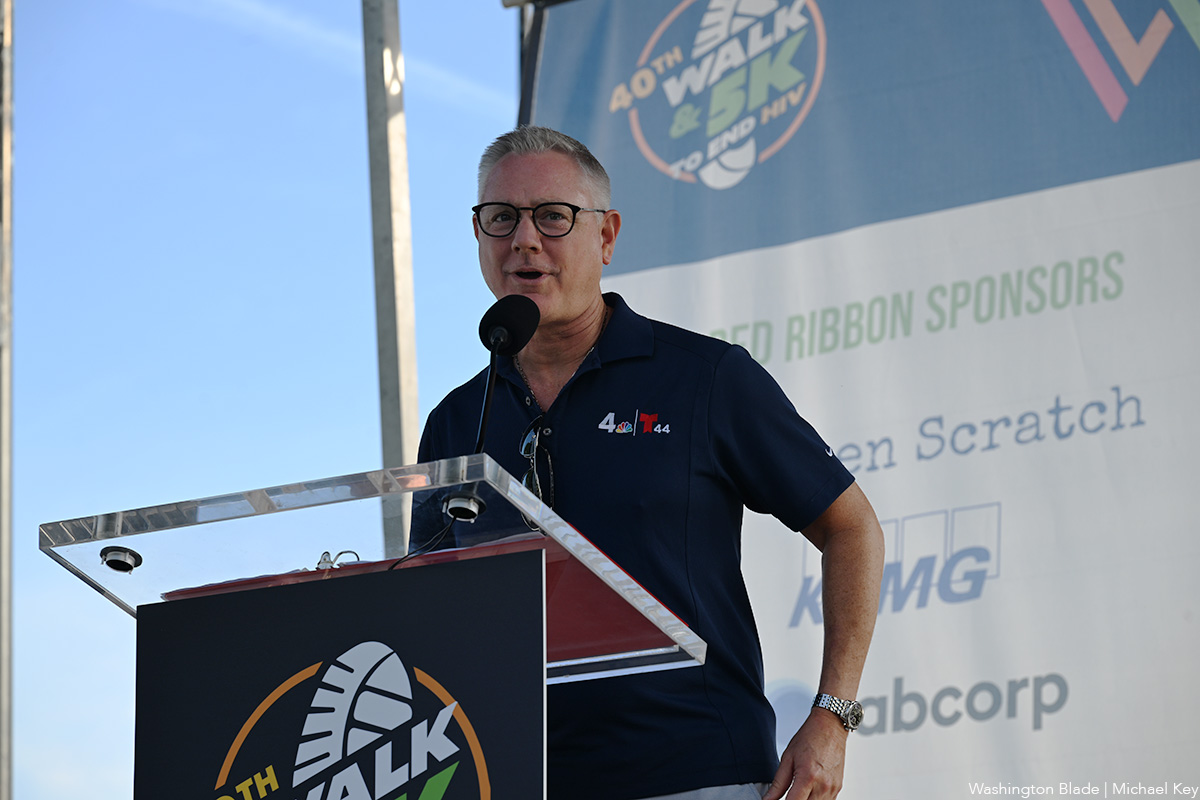
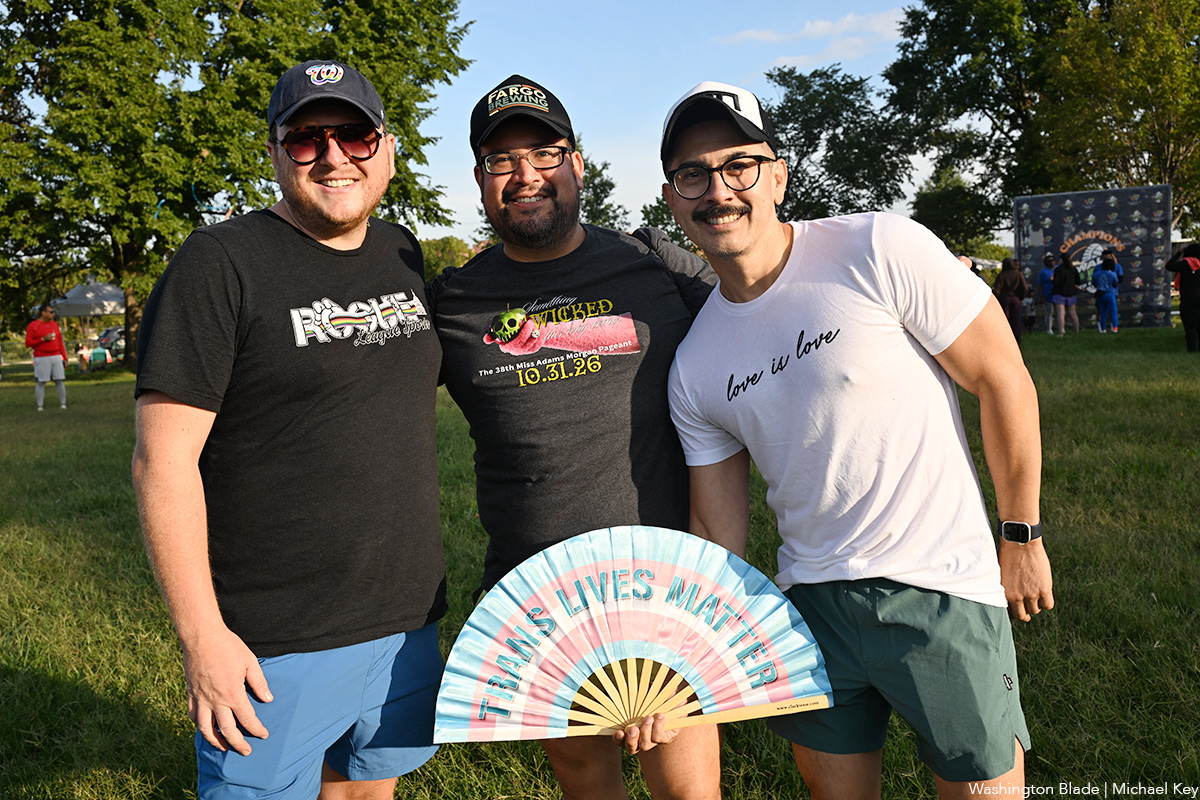
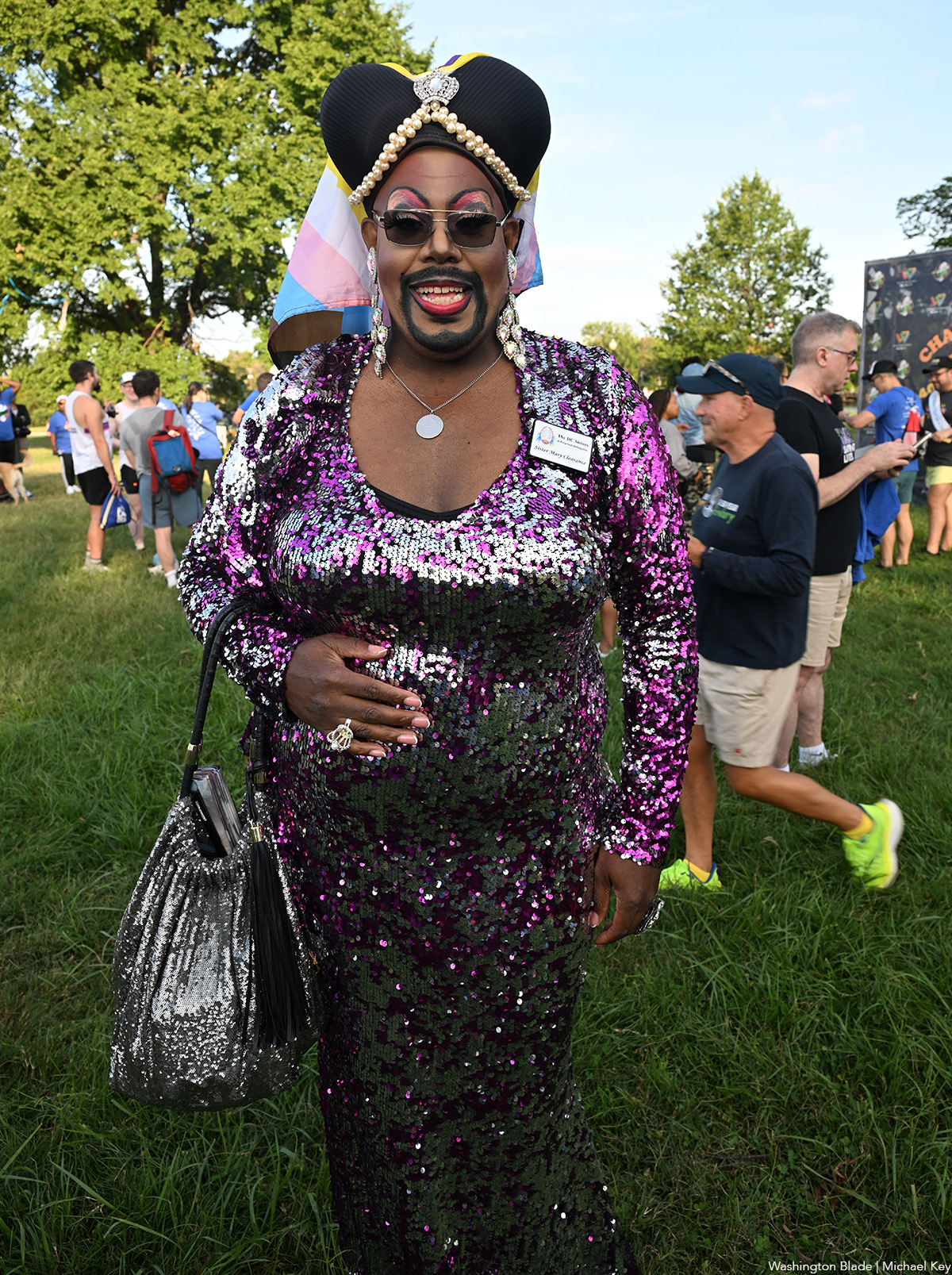
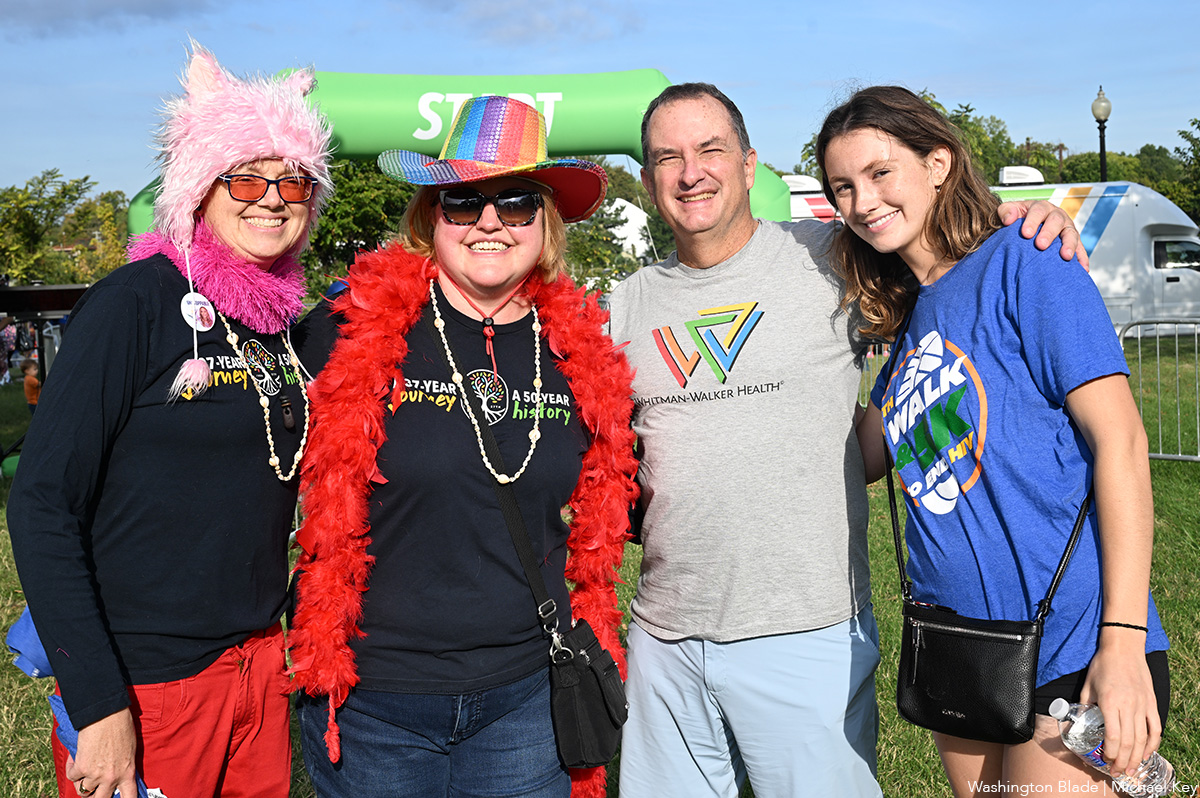
Whitman-Walker Health held the 40th annual Walk and 5K to End HIV at Anacostia Park on Saturday, Sept. 19.
(Washington Blade photos by Michael Key)











Photos
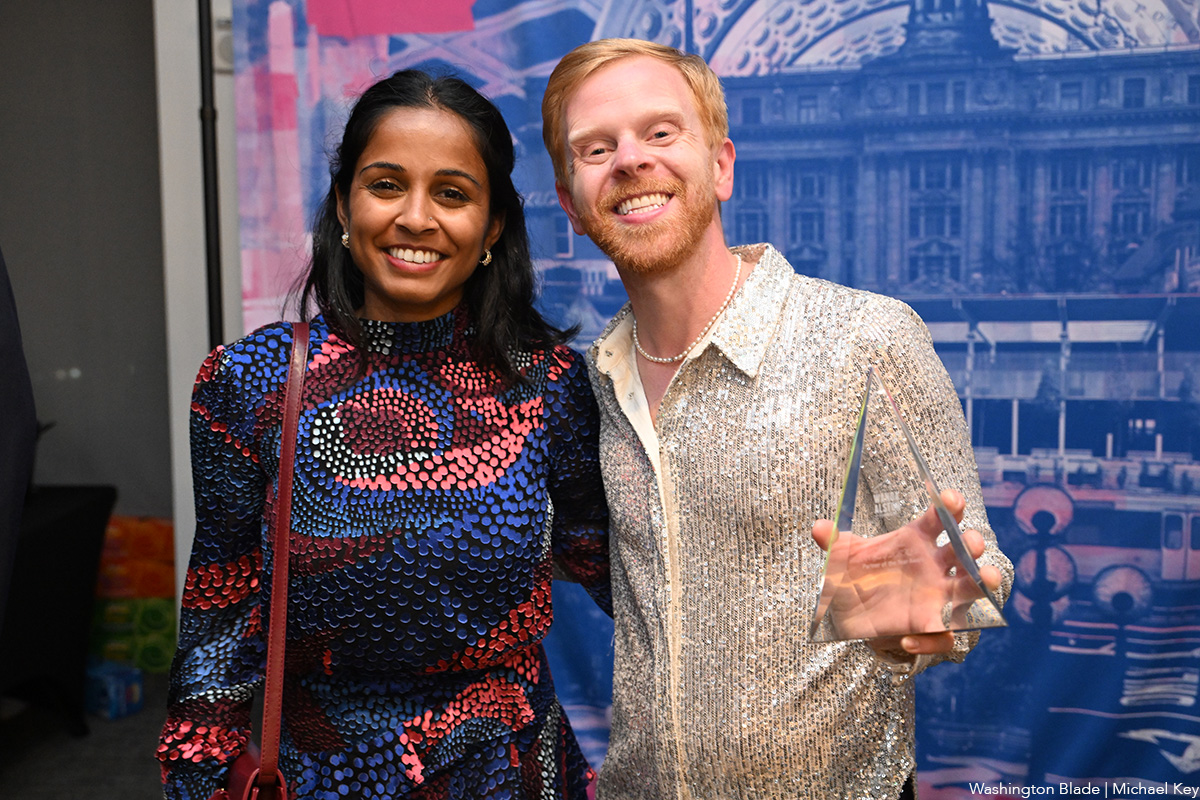
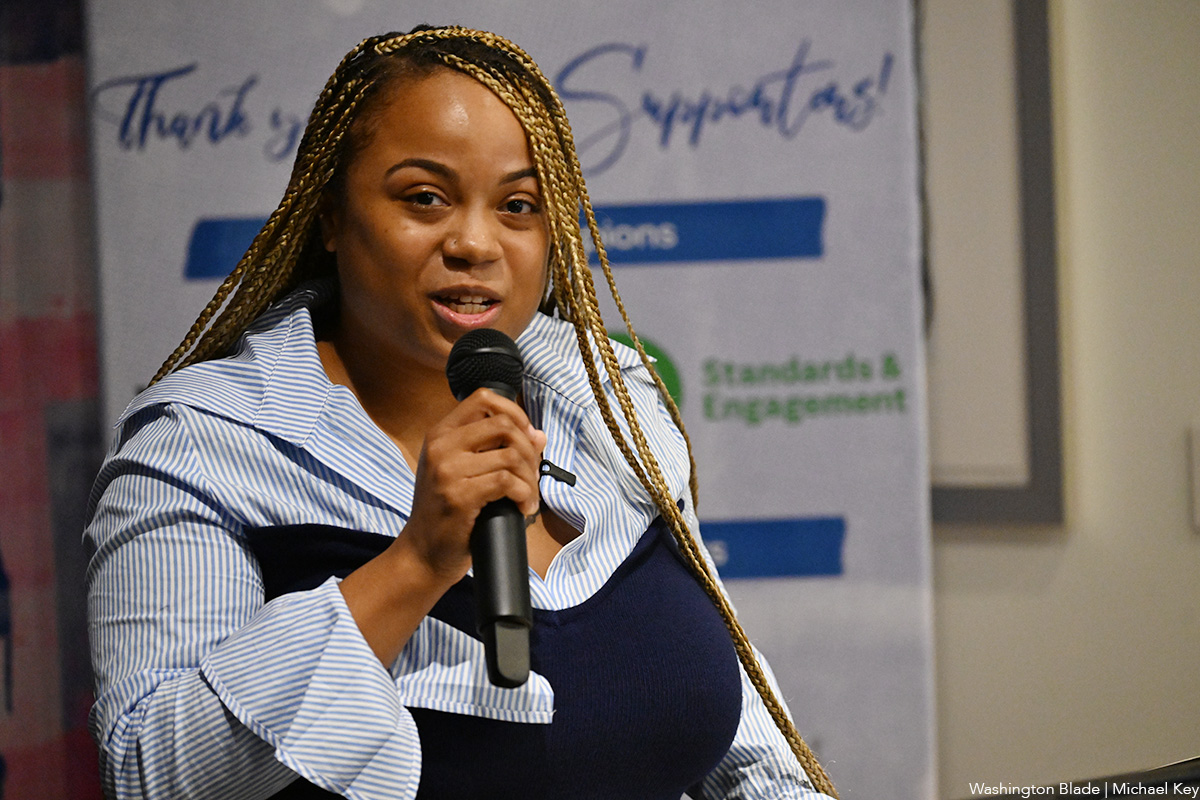
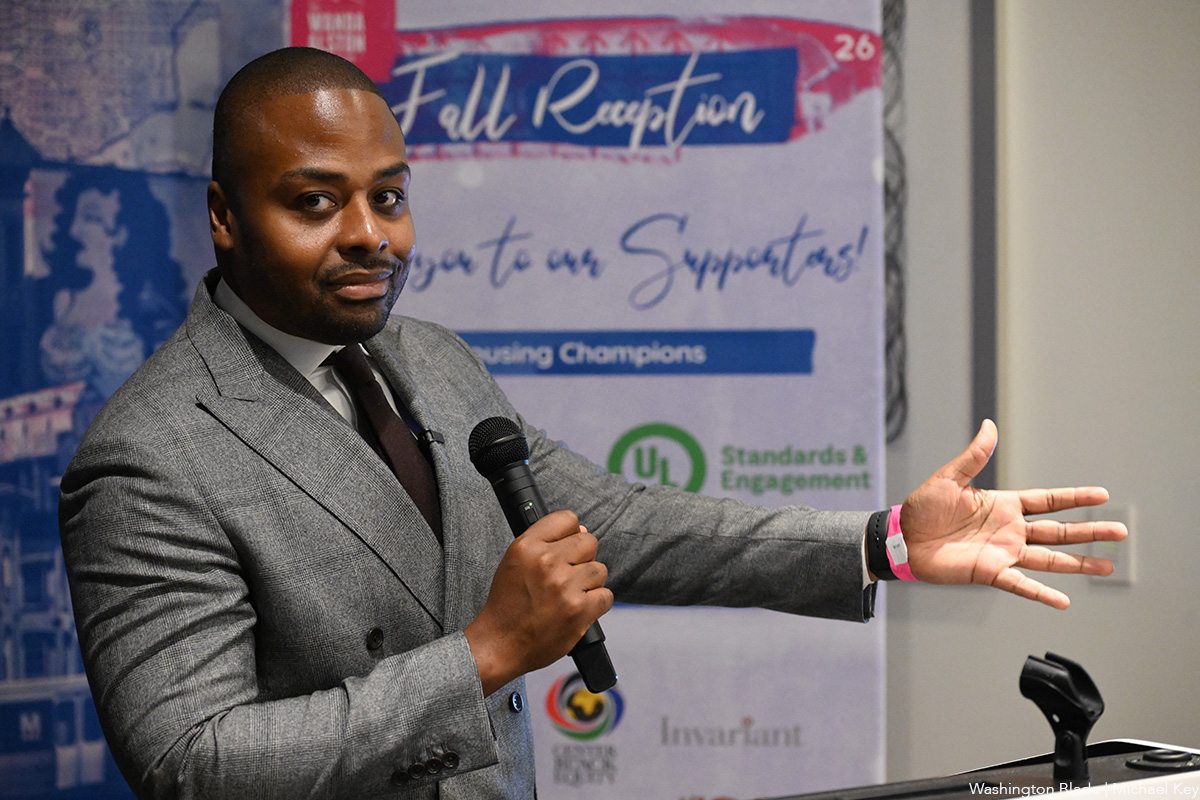
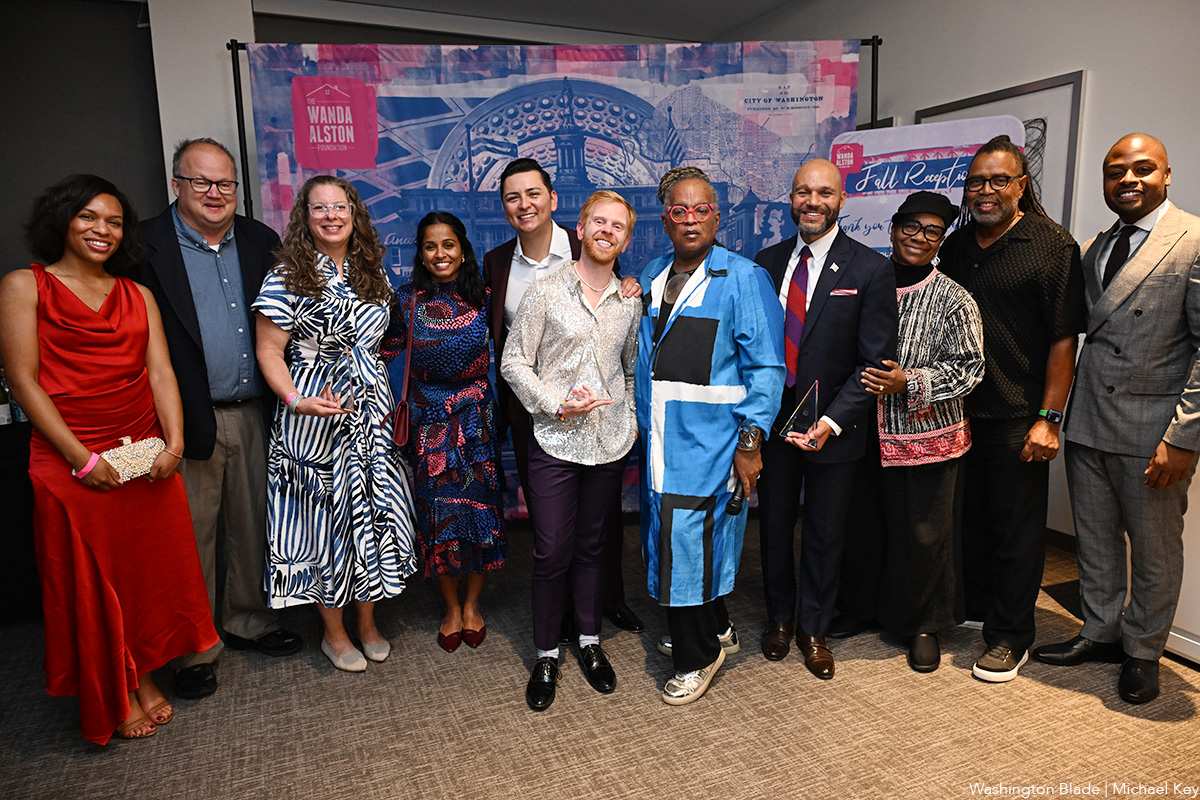
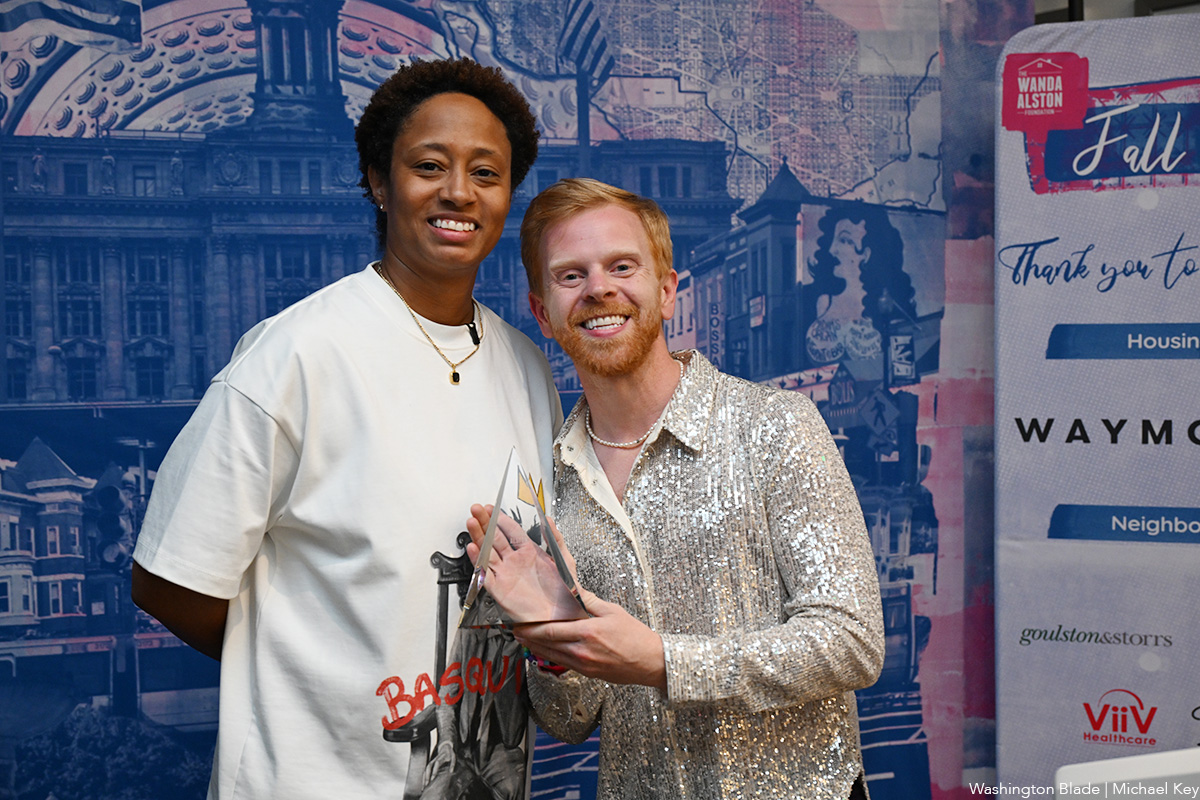
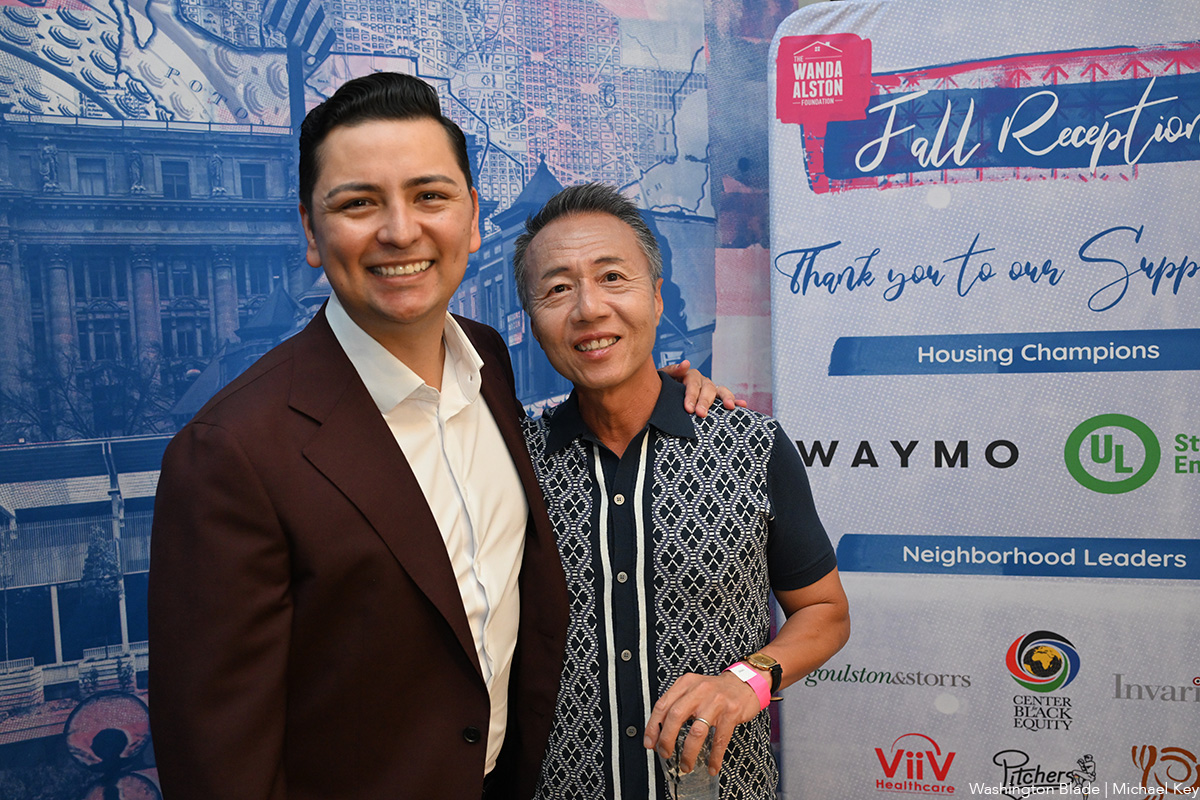
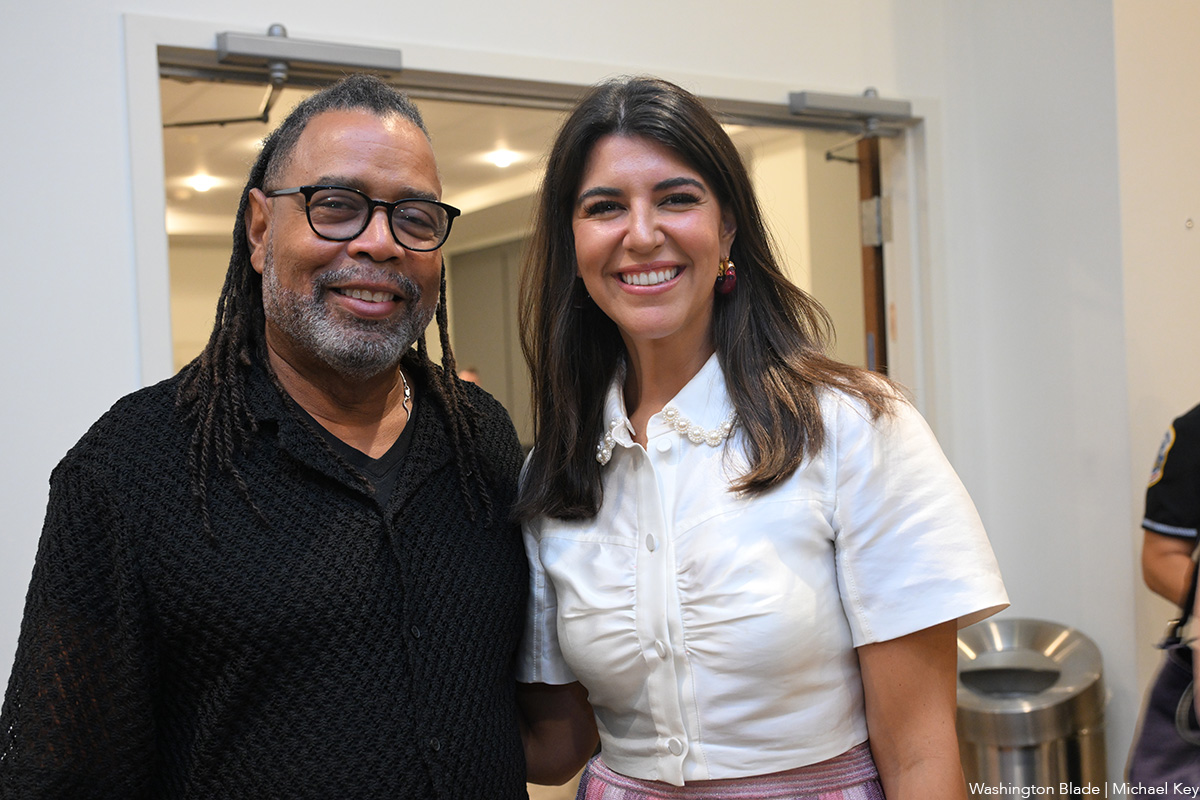
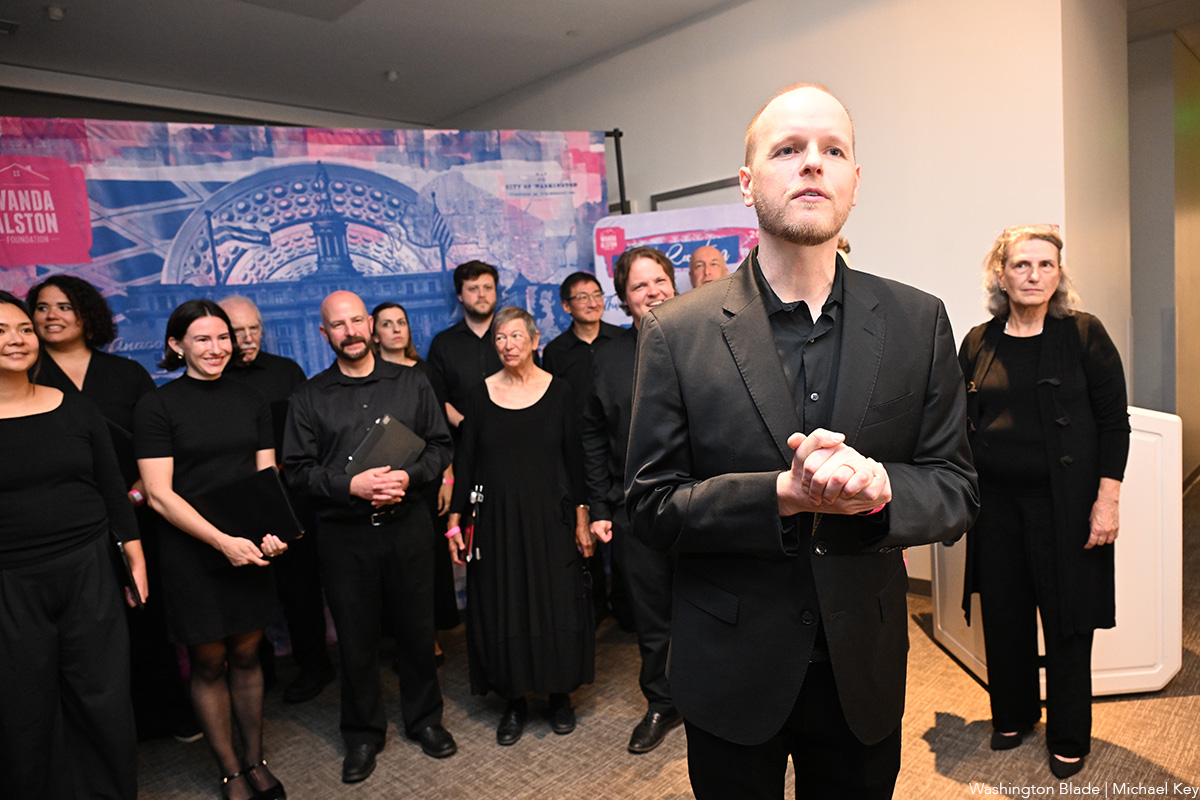
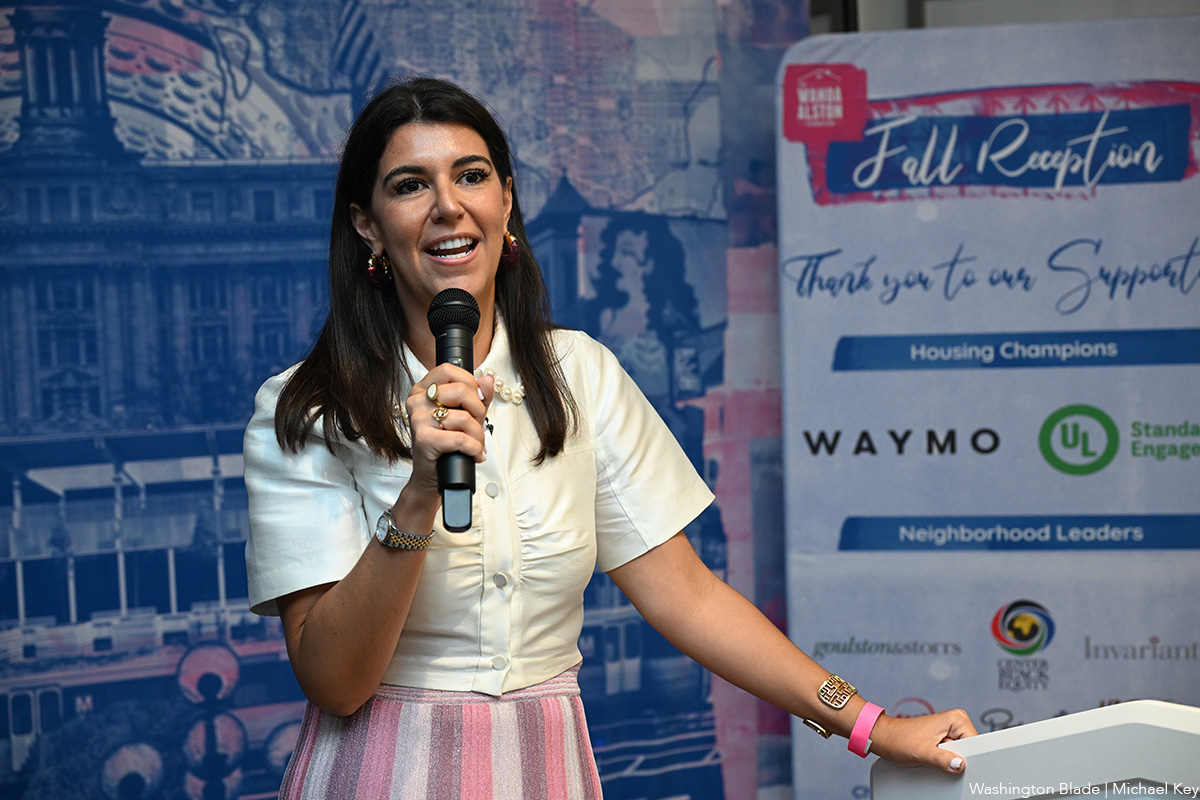
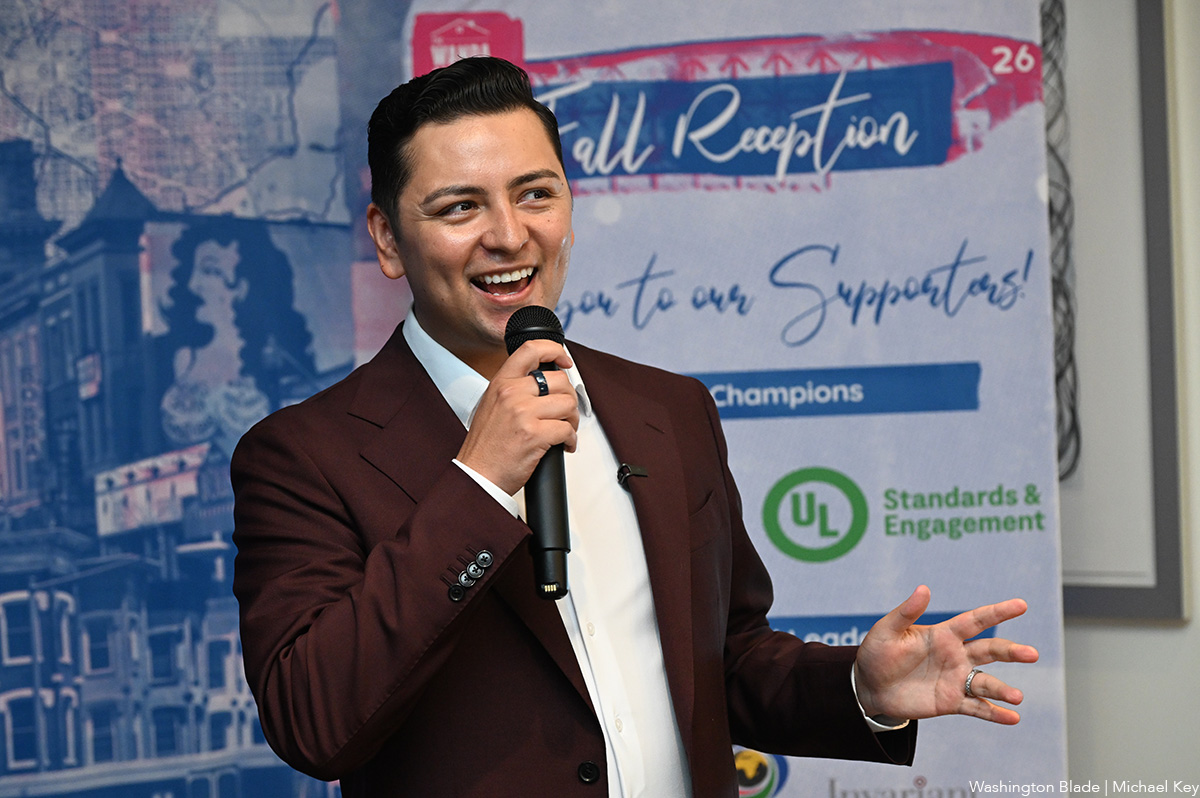
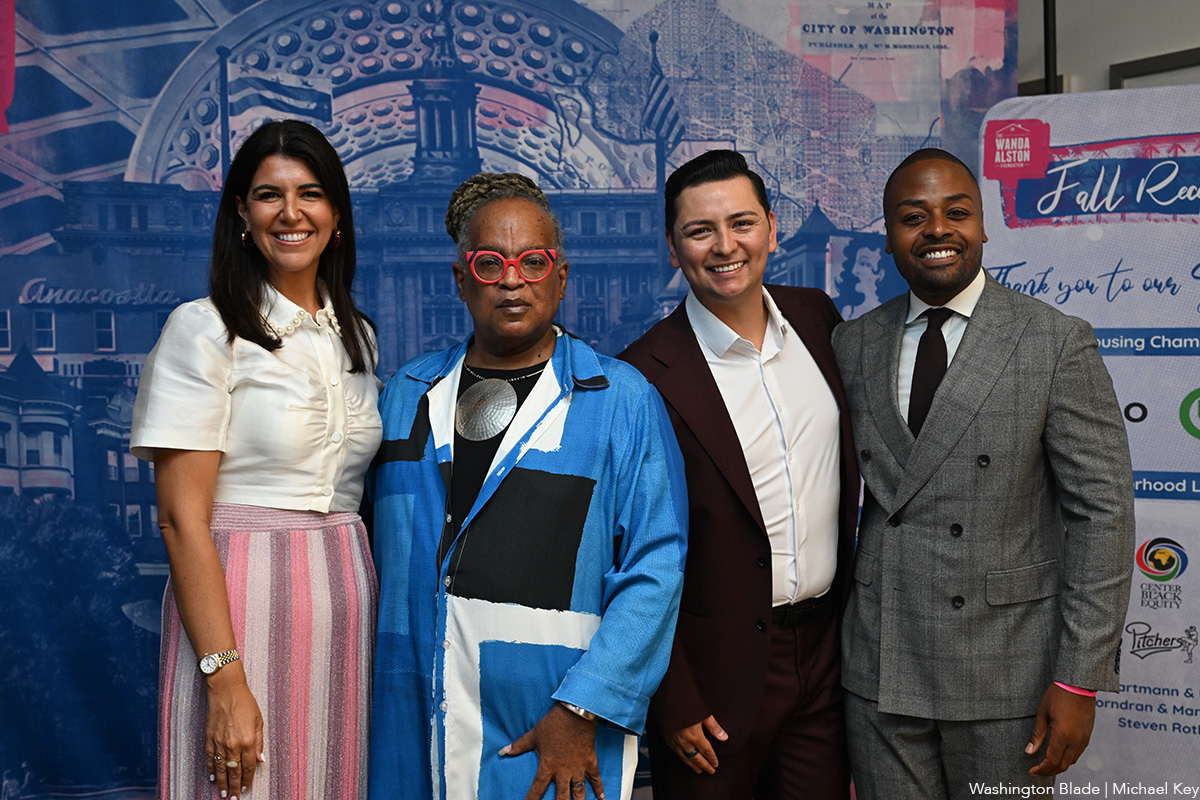
PHOTOS: Wanda Alston Foundation Fall Reception
LGBTQ youth services organization honors Robert White, Japer Bowles, Washington Capitals
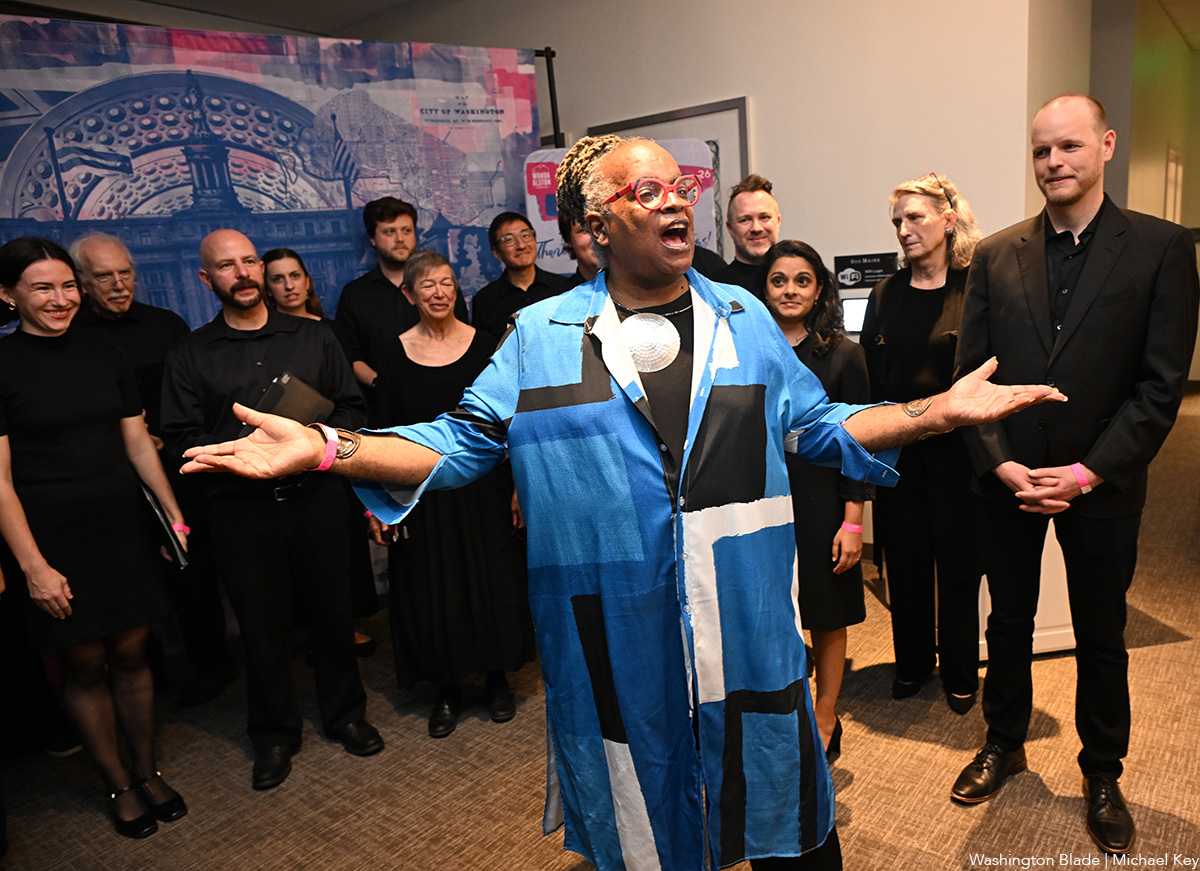
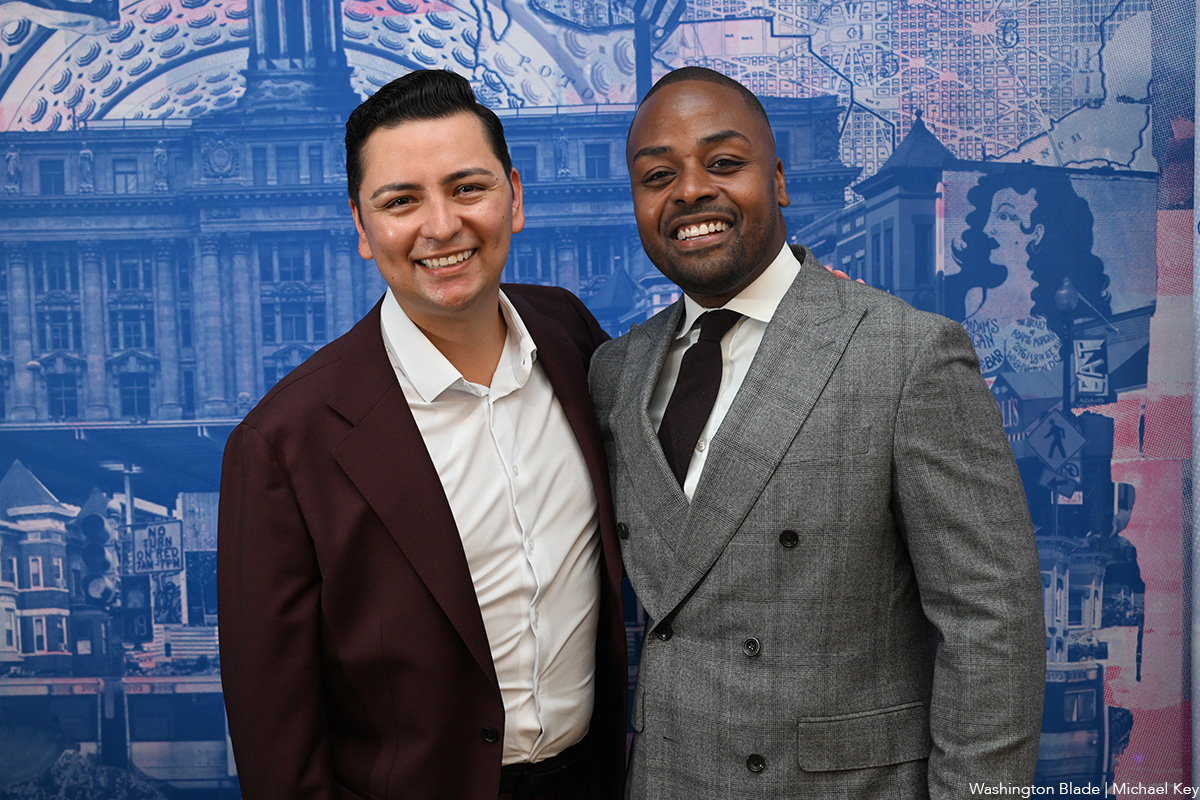
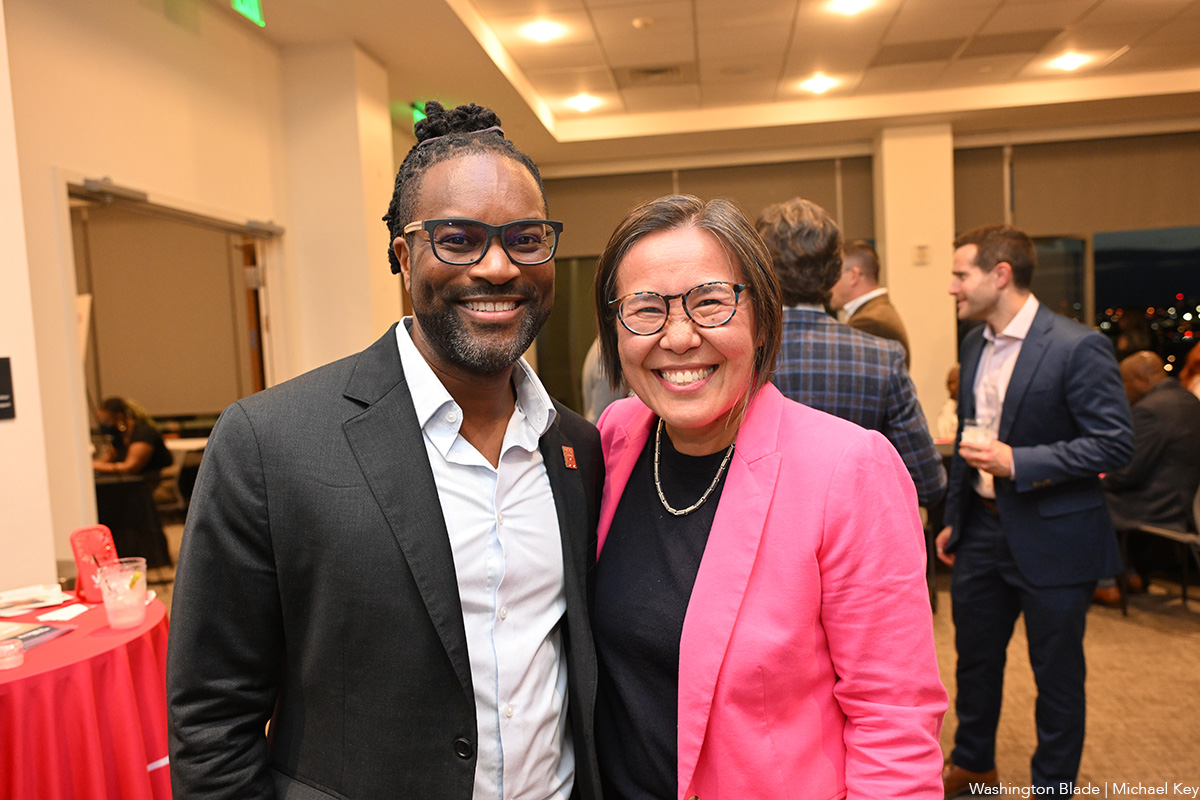
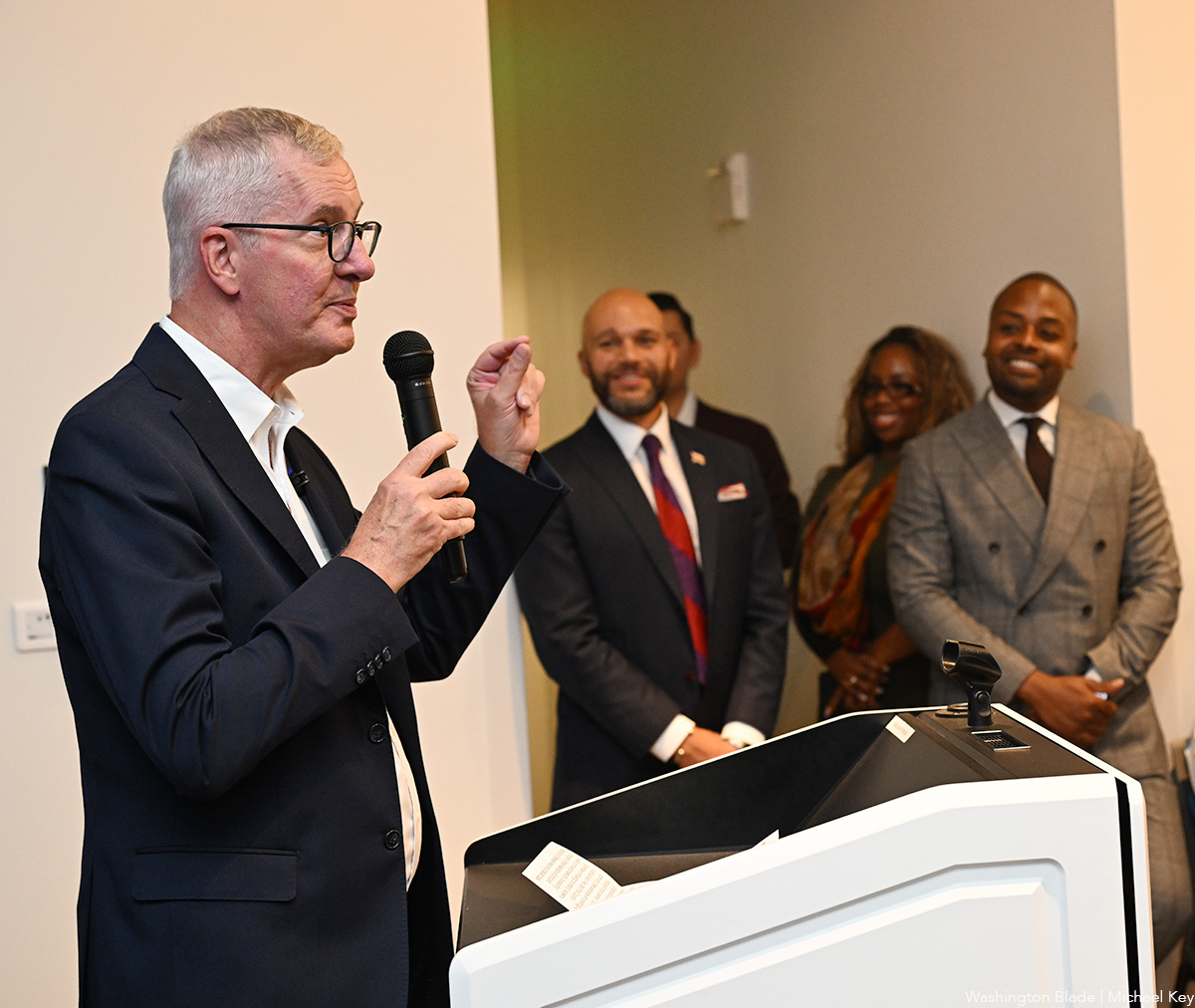
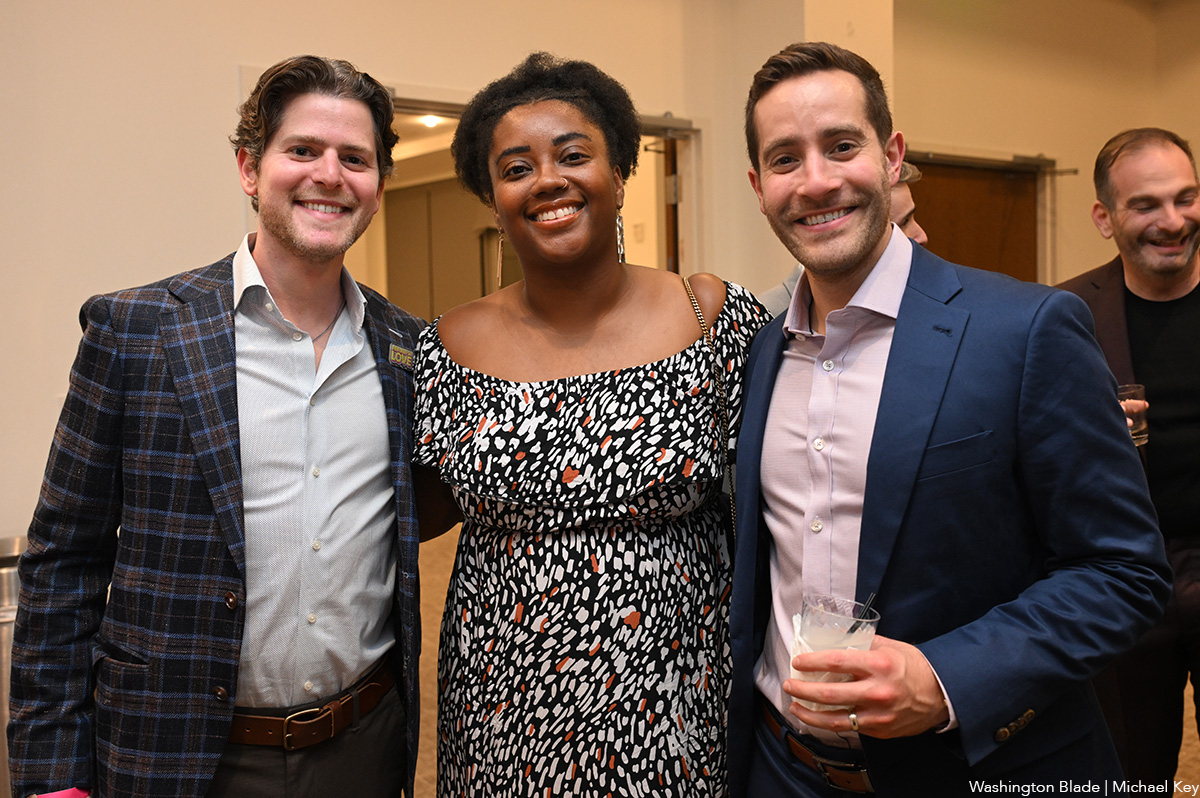
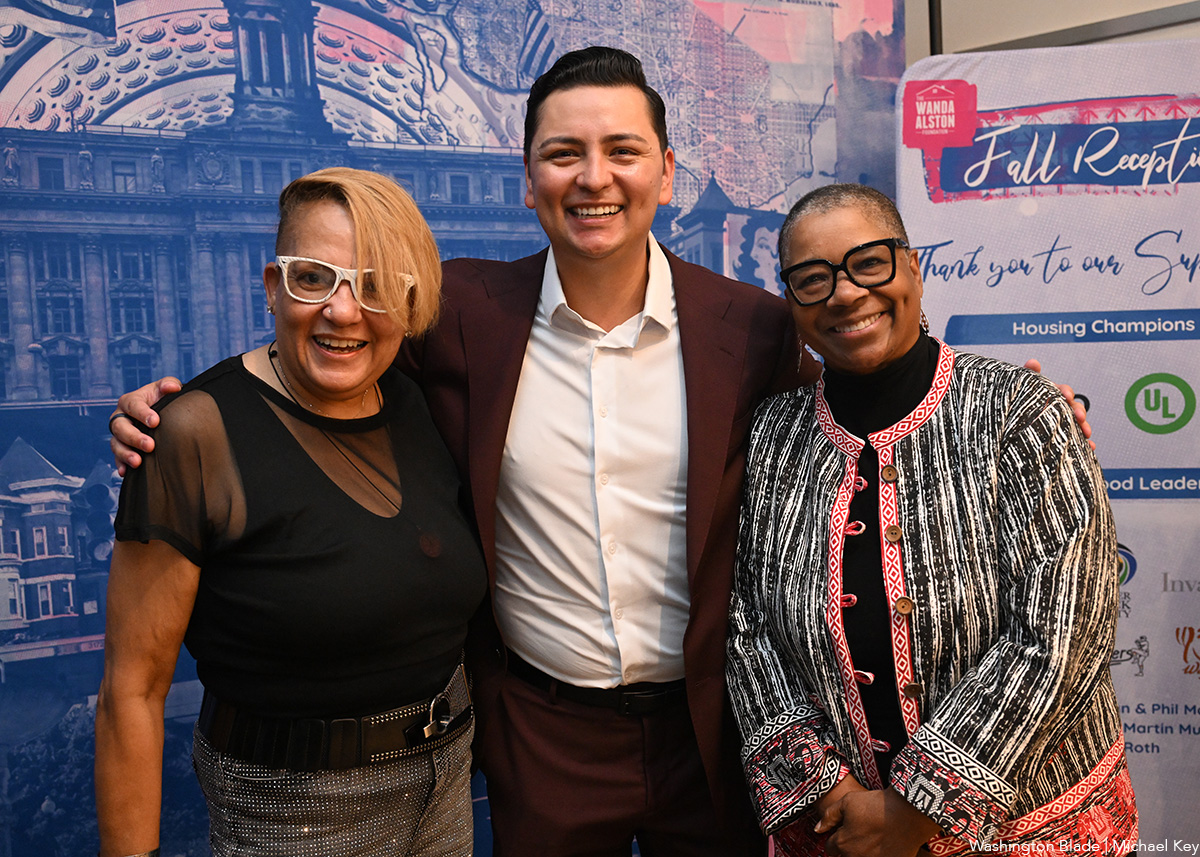
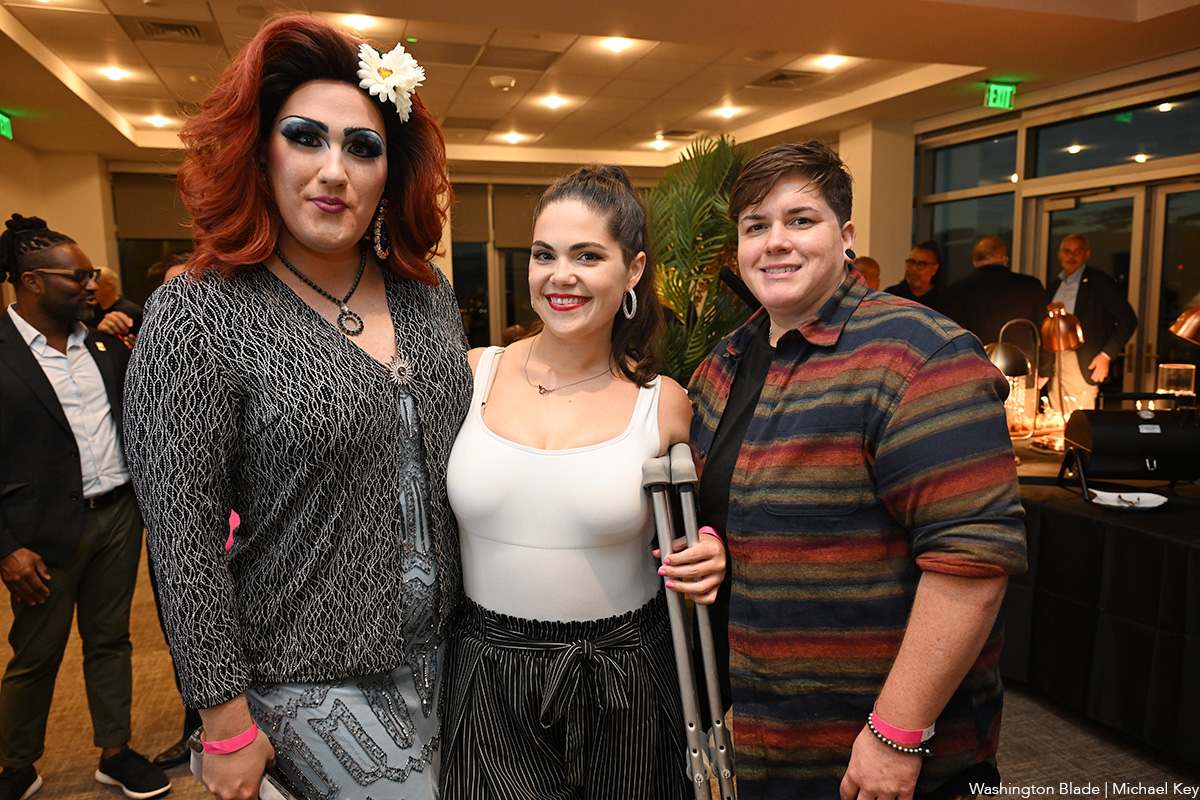
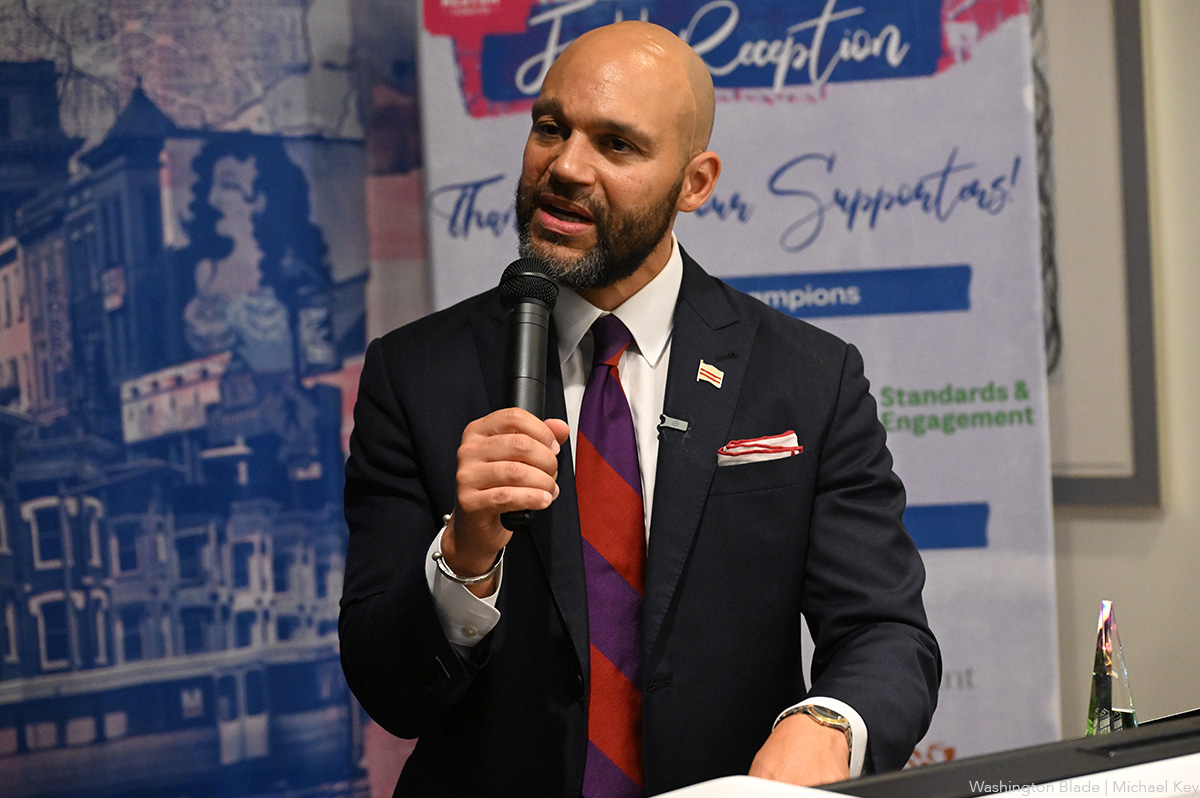
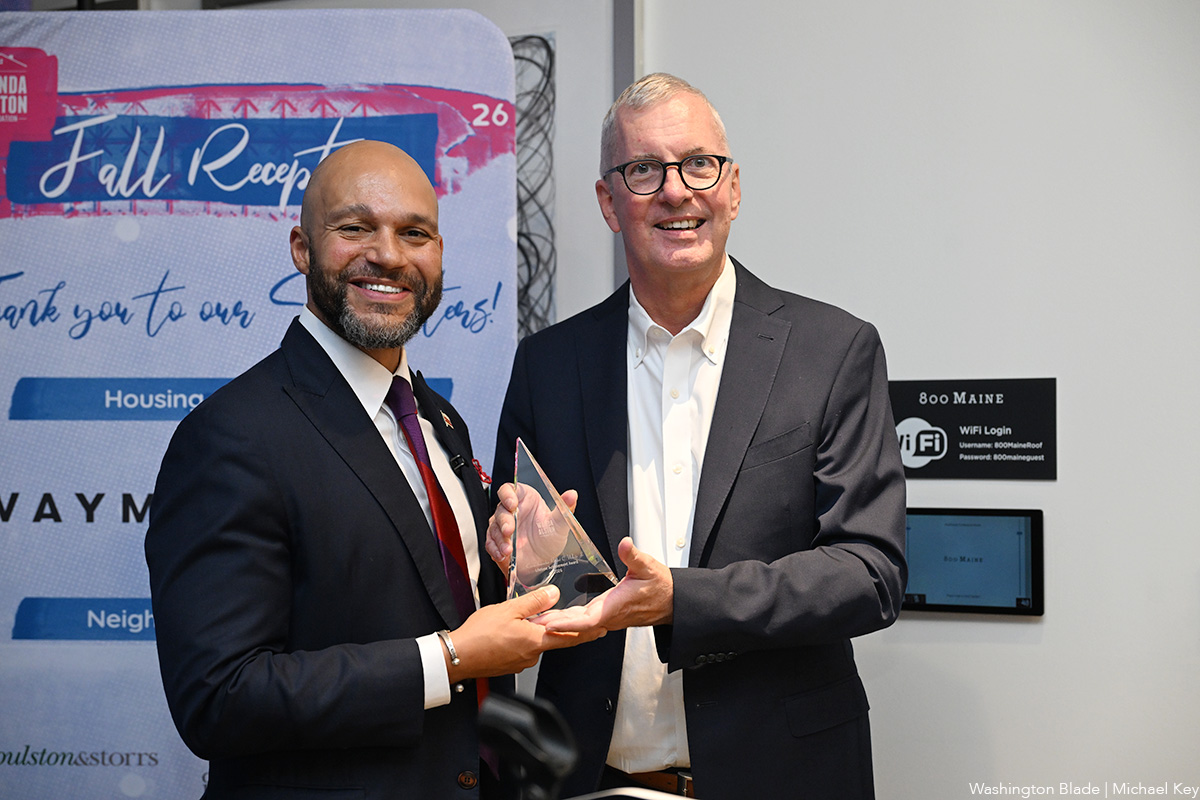
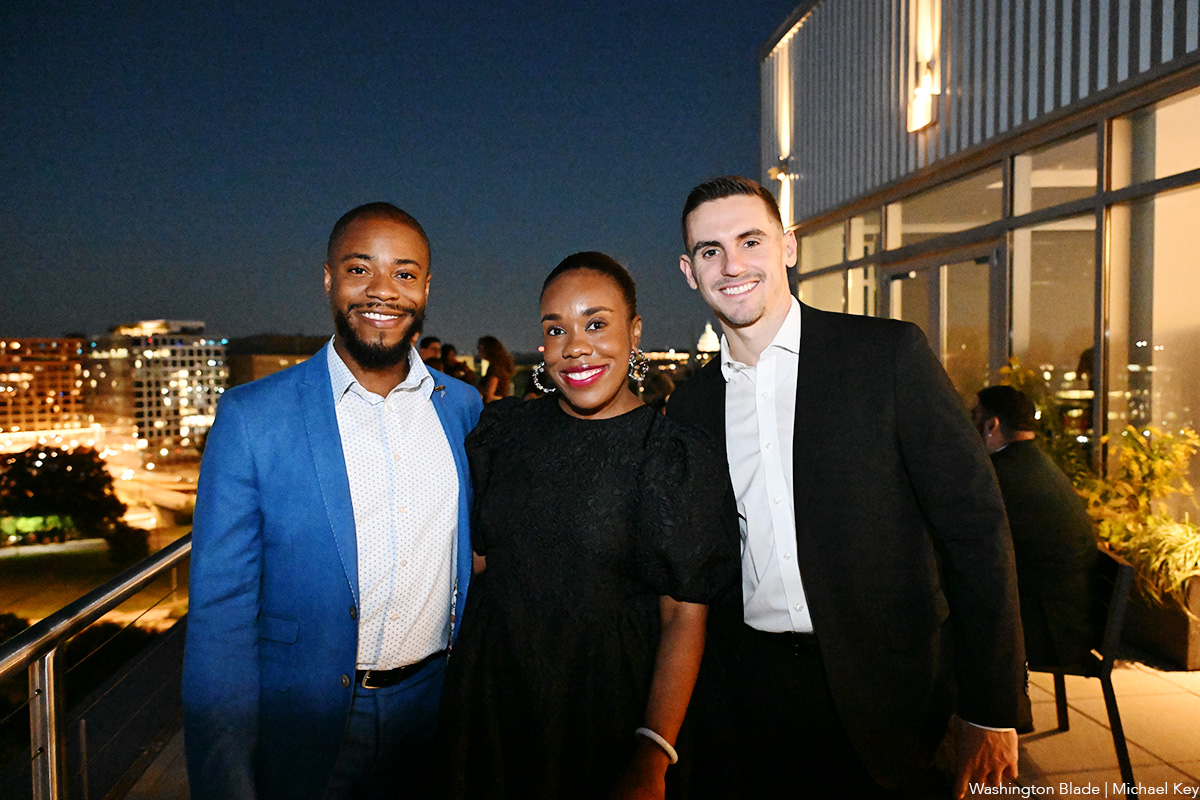
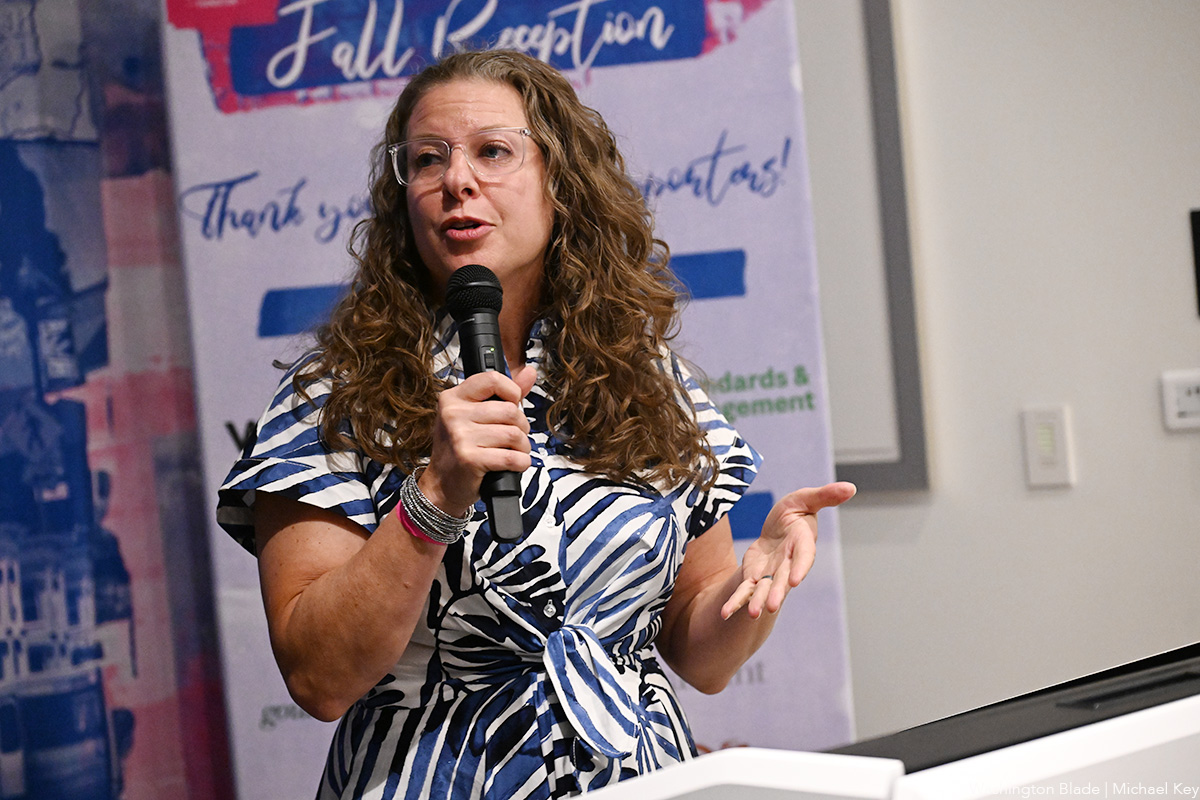
The Wanda Alston Foundation held its Fall Reception at the Penthouse Rooftop at The Wharf on Friday, Sept. 18. Honorees included D.C. Councilmember Robert White, Director of the Mayor’s Office of LGBTQ+ Affairs Japer Bowles, and the Washington Capitals. Rayceen Pendarvis served as the emcee and entertainment was provided by the Thomas Circle Singers.
(Washington Blade photos by Michael Key)
Books
Curl up with a good book this fall
New releases include mysteries, biographies, religion, and more

The fall books season offers lots of options so curl up and get ready to read.
FICTION
For the mystery fan who likes a sprinkle of thriller, look for “The Longest Death” by Kevin Jagernauth (Soho Crime, December). Richard Cobson hates his small town, he’s bored and desperate to get away. Stealing from his employer is the only thing that makes life bearable. That all changes when Marlon Montgomery comes to town and the two fall in love because if one guy can steal so easily, what can two do?
If you like graphic novels, try the “Tripping Over You” trilogy by Suzana Harcum and Owena White. Milo and Liam are finally able to be open about their relationship, no more hiding their love. They’re living together now, but can it last? “Tripping Over You Book 3” (First Second Books) is in stores in early November.
Also try “Diana: The Punk Singer Who Ripped Through Time” by Nate Powell (Abrams ComicArts, October). It’s about a young woman who’s trying desperately to escape her past, until a mysterious murder sidetracks her plans.
So you say you’re a romantic at heart? Then look for “Unspeakable Things: A Novel” by Elizabeth Hand (Little, Brown & Company, October). It’s a story set in the 1920s, when two young women arrive in the English Countryside to a dark and ancient manor. But, of course, nothing in a Gothic novel is easy, right? And you’ll love this tale.
NONFICTION
So this upcoming year is going to be one of exploration, right? Then look for “Free Love: Adventures in Marriage and Polyamory” by Michelle Tea (HarperOne, November). It’s a well-researched, personal, and interesting look at the lives of polyamorous couples and what it’s like to live what used to be called an “alternative” lifestyle.
If “fall” says “biography” to you, then look for “Showbiz! My Life as a Middle-Aged Man” by Murray Hill (Gallery Books, October). For decades, Hill has been making audiences laugh with his signature humor, but getting laughs hides his past all too well. He grew up in an abusive family and learning to hone his talents took some ingenuity. If you’re not a Hill fan yet, you will be, once you read this book.
For the reader who’s searching for a spiritual place, “Reading the Bible Through Queer Eyes: Good News for LGBTQ+ People from Genesis to Revelation” by podcasters Brian G. Murphy and Shannon T.L. Kearns (HarperOne, December) might help. Here, the authors look deeply at Scripture to find the queerness that’s there, proving to readers that the Word is not always what it seems.
Young readers may want to check out “Bitter Pill: Randy Shilts and the Dawn of the HIV/AIDS Epidemic” by Clement Xavier, illustrated by Heloise Cochois, foreword by Michael Lee (Abrams ComicArts, November). It’s a highly researched true story of activist Shilts, but also of Harvey Milk, and the earliest days of the AIDS crisis, when gay men needed a loud voice to advocate for them.
And finally, if you want a fun book for your kids or a child you love, look for “Good Night, Break a Leg: Life with Broadway Dads” by Bret Shuford, illustrated by Elena Hager (Penguin Workshop). What do parents do when they go to work? A little boy learns that his dads have very special jobs by day – and by night! It’s a cute book for kids, but a special tale for lovers of Broadway.
Be aware that publication dates change, titles change, books can be canceled, and your librarian or favorite bookseller can help you find what you need. Season’s readings!

PHOTOS: Walk and 5K to End HIV

PHOTOS: Wanda Alston Foundation Fall Reception

Moving presents a chance to ‘clean house’

EV ecstacy: BMW iX3, Rivian R2

Curl up with a good book this fall

Trump’s Cabinet: Dumb, dumber, dumbest, and evil

More than 150 people detained outside Istanbul courthouse

Virginia Anti-Violence Project struggles to fill federal funding gaps

Gay man sues Delaware AG for not prosecuting partner in domestic violence case

D.C.’s fall theater season is already well underway
-

 Opinions5 days ago
Trump’s Cabinet: Dumb, dumber, dumbest, and evil
-
Turkey5 days ago
More than 150 people detained outside Istanbul courthouse
-
Virginia5 days ago
Virginia Anti-Violence Project struggles to fill federal funding gaps
-
Delaware5 days ago
Gay man sues Delaware AG for not prosecuting partner in domestic violence case