a&e features
Best of LGBTQ D.C. 2025
The Blade’s 24th annual celebration of our community
In a challenging year for D.C. and the local LGBTQ community, it’s important to remember that there are people, places, and organizations that work hard each day to support us. From activists to bartenders, politicians to drag queens, the Blade’s annual review of D.C.’s best is a welcome break from the news.
We need to support our queer-owned businesses now so please review the list and then patronize as many of them as you can. Our community has a long history of pulling together and dancing our way to better days, so you know what to do.
This was a big year for our annual friendly competition with more than 5,000 nominations in 75 categories and nearly 20,000 votes. The Blade’s Stephen Rutgers coordinated the voting, while Michael Key shot most of the photos. This year’s contributing writers are: Lou Chibbaro Jr., Michael K. Lavers, Joe Reberkenny, Kevin Naff, Tinashe Chingarande, Shreya Jyotishi, Evan Caplan, and Patrick Folliard.
This year’s Local Hero Award goes to Stonewall Sports, which is celebrating its 15th anniversary this month, in recognition of all its leaders do to promote unity in our community and to give back. Congratulations to all the winners and nominees.
Local Hero: Stonewall Sports
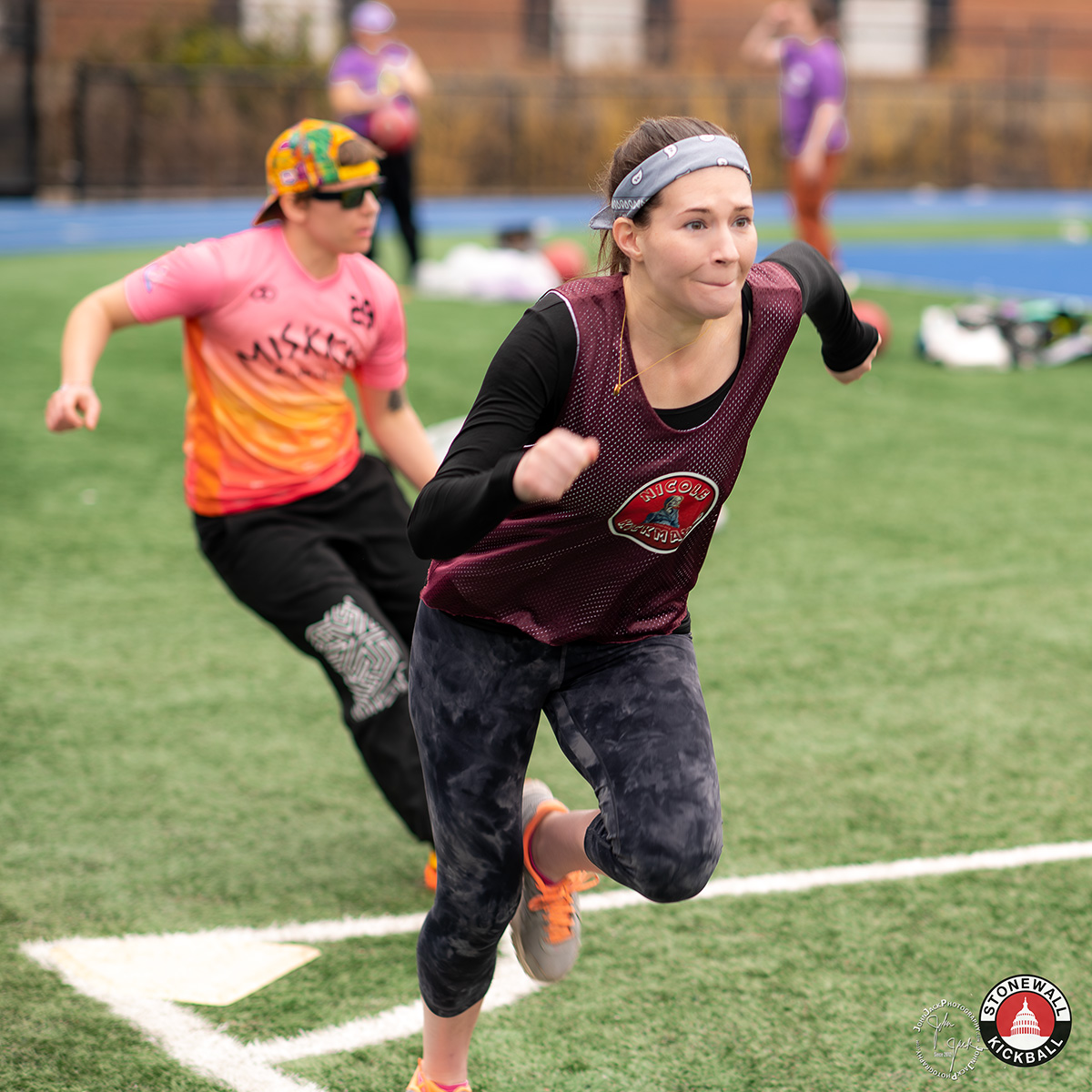
Sports, for a lot of LGBTQ people, stir up complicated feelings — for some, they bring back memories of uncomfortable gym classes or the sense of not quite fitting in with other teammates. Stonewall Sports, a community-based nonprofit for LGBTQ people and their allies, was created to push back against the idea that sports aren’t a welcoming space for queer people — and to build a place where the community can grow, thrive, and support one another.
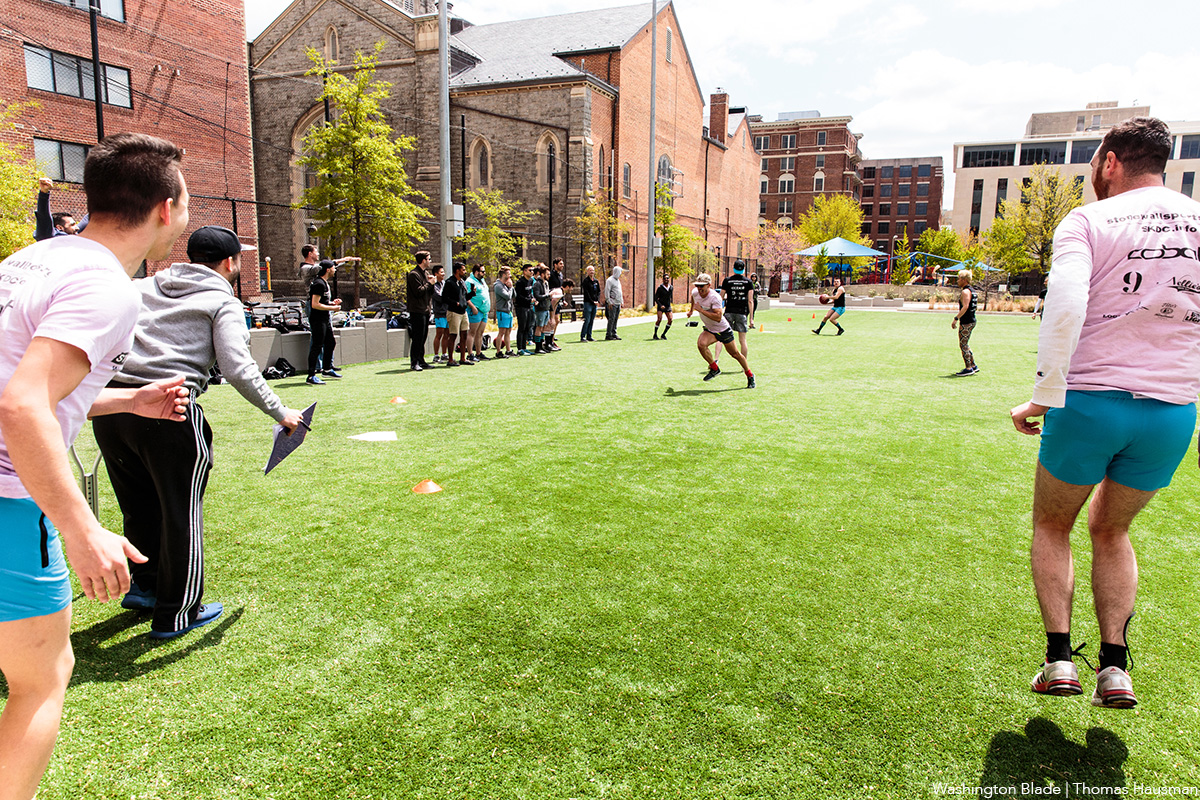
Founded in D.C. in 2010 by Martin Espinoza, Mark Gustafson, Melvin Thomas, Scott Moorehead, and Scott Filter, Stonewall Sports began as a small kickball team. Fifteen years later, it has exploded into a national network with 27 chapters across the U.S., offering a wide range of sports in the DMV — including billiards, bocce, climbing, dodgeball, and kickball.
“We seek to be the premier social sports organization for LGBTQIA+ individuals in the DMV and nationwide, really focusing on building community that lasts,” Stonewall President Stu Wales told the Blade. “This is an opportunity for people to feel comfortable in their own identity in organized sports… to participate fully without having to worry about who they are.”
Stonewall Sports’s mission is clear: sports for all. At a time when trans athletes are being singled out and excluded from participation, the organization continues to provide inclusive, affirming spaces for every member of the LGBTQ community. “We make sure everyone feels welcome — from how we recruit to how we build teams — so no one ever has to question if they belong here,” Wales said.
But building community isn’t the only thing Stonewall Sports has achieved. Over the past 15 years, the organization has raised hundreds of thousands of dollars for local charities.
“We’re as much a philanthropic organization as we are a social sports organization,” Wales said. “There was one year where we raised over $100,000 just in a single year, and that really demonstrated our commitment to one of our key pillars — that was part of what we were founded on and what sets us apart from other local social sports organizations in the DMV.”
From donating money to Whitman-Walker Health, DC Black Pride, The Boys and Girls Club of Greater Washington, and House with a Heart senior pet sanctuary — just to name a few — the organization continues to reinvest in the community in a wide array of ways.
Whether it’s on the National Mall on Sundays for kickball or in Logan Circle on Wednesdays for bocce, Stonewall Sports continues to bring people together — on and off the field — proving that in D.C., sports can be competitive, impactful, and community-driven.
NIGHTLIFE
Best Drag Queen: Cake Pop!
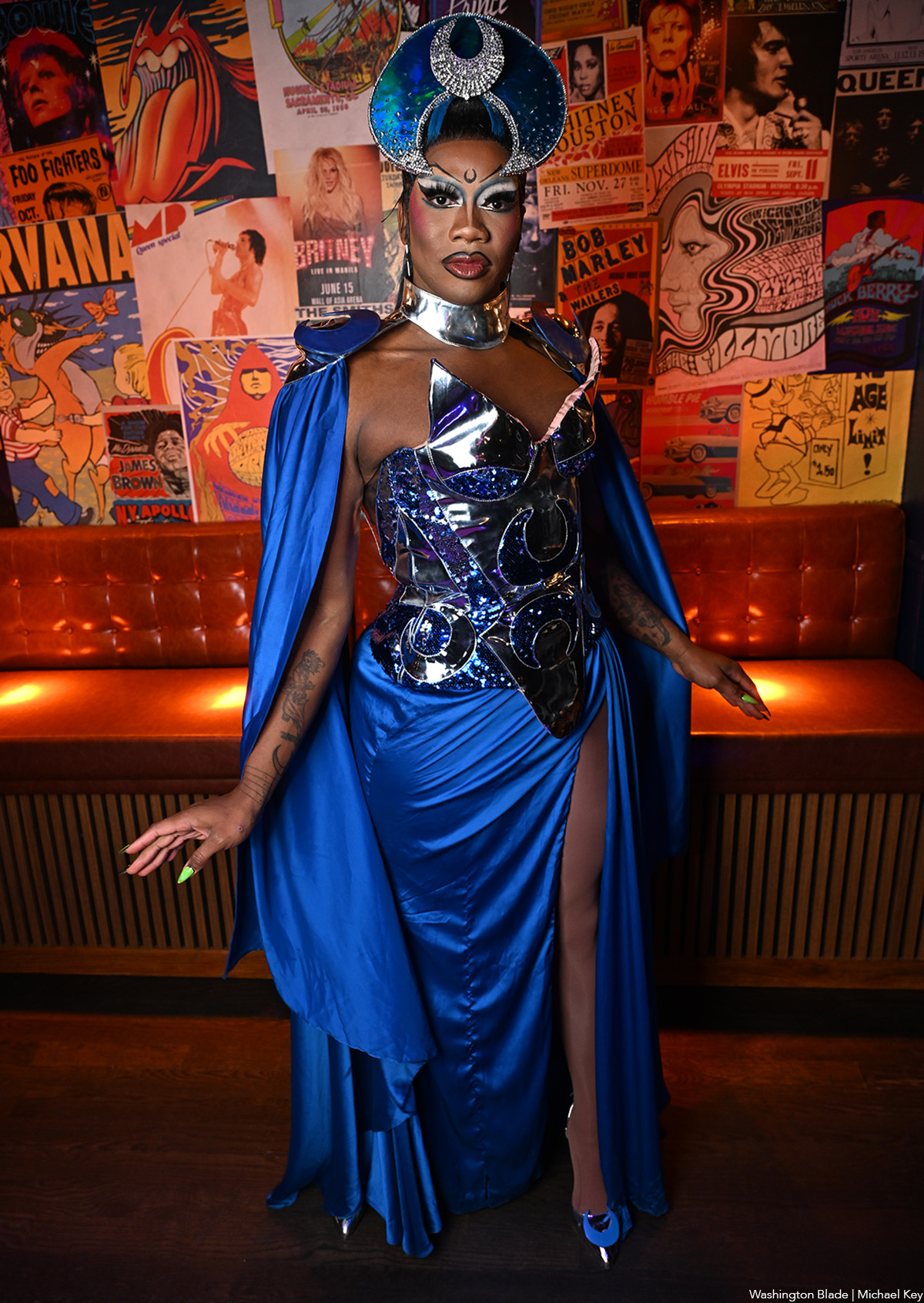
From her larger-than-life costumes to her beat-thumping DJ sets and growing “Pop” drag family, Cake Pop has quickly become a fixture in D.C.’s drag scene. The Chicago-born, D.C.-based queen is constantly on the move — whether she’s hosting a show, spinning a set, or running her “Pop-Up” bar that took over the top floor of Pitchers earlier this year. After first winning Best Drag Queen in 2022, Cake Pop is once again taking the crown — proving she’s a true D.C. favorite.
Editor’s Choice: Sasha Adams Sanchez
Best Drag King: King Molasses
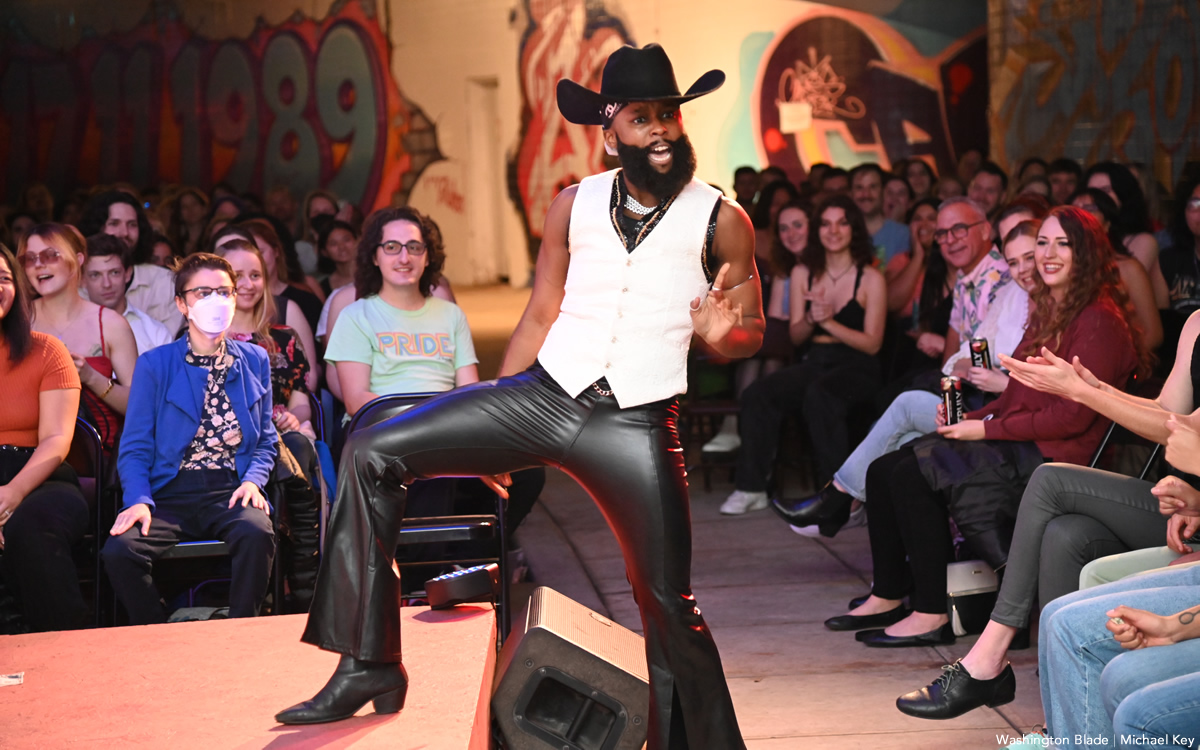
For the fourth year in a row, the freshly crowned “King of Drag” has taken home another honor. King Molasses knows how to command a stage — delivering performances that get the crowd cheering for the sticky-sweet king. With more than 37,000 Instagram followers, Molasses showcases a bold mix of color, confidence, and masculine flair. Fresh off winning the first-ever drag king reality TV competition in July, this is one king D.C. is more than happy to bow down to.
Editor’s Choice: Dylan Dickherson
Best Transgender Performer: Gigi Paris Couture
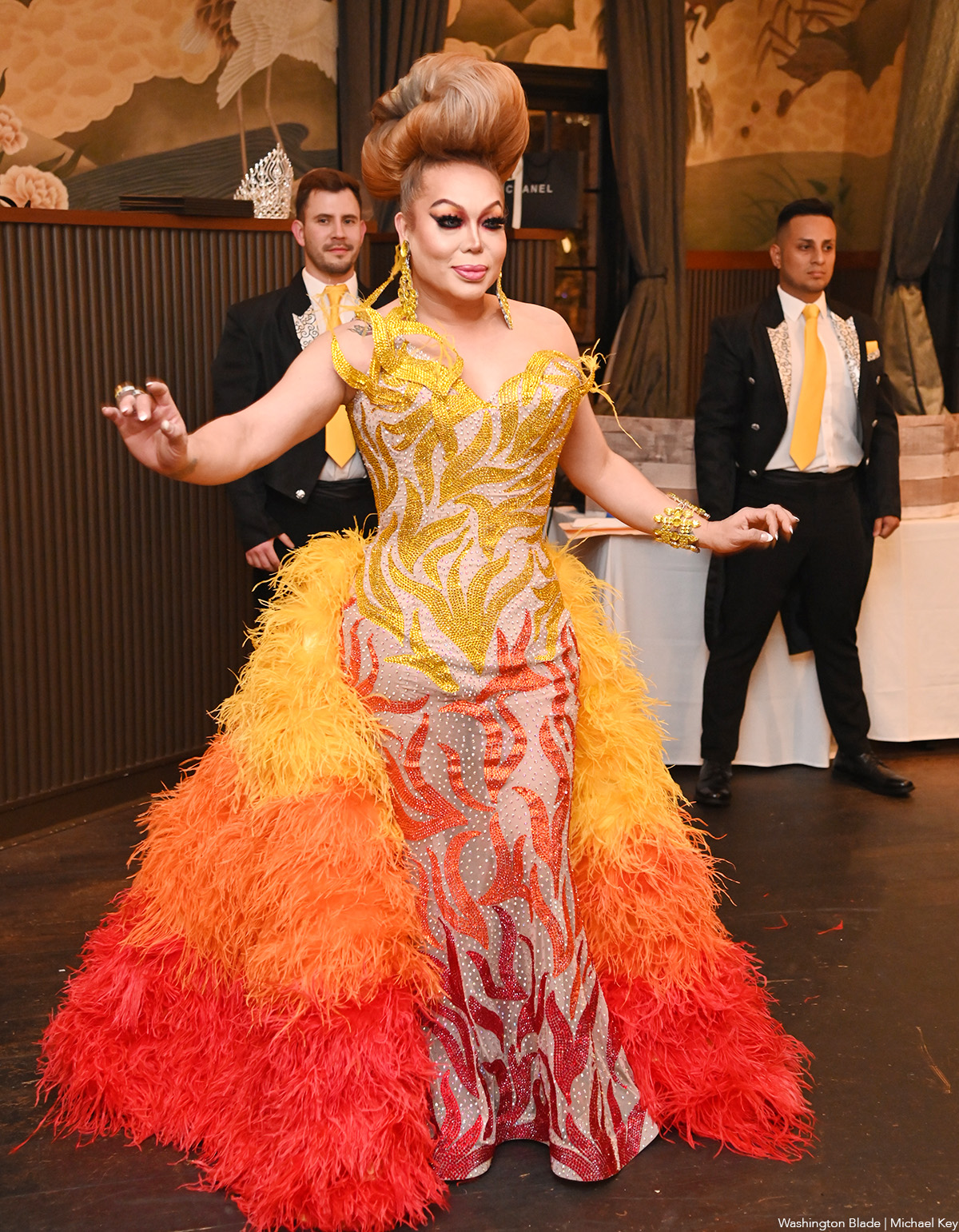
Hailing from Arlington across the Potomac, Gigi Paris Couture is a celebrated name in DMV drag and beyond. With a career spanning decades, Miss Couture has dazzled audiences nationwide with her stunning performances and sexy, show-stopping costumes. Her trophy case is as impressive as her talent: most recently winning Miss Perry’s in 2023, along with Miss Freddie’s 2015, Miss Diamond International 2007, Miss Tennessee Continental 2003, Miss New York, New York Continental 2002, and Miss Luchos Continental 2001. With so many crowns, it’s a wonder she has room for them all.
Editor’s Choice: Brooke N Hymen
Best Drag Show: Daddy Issues at Kiki
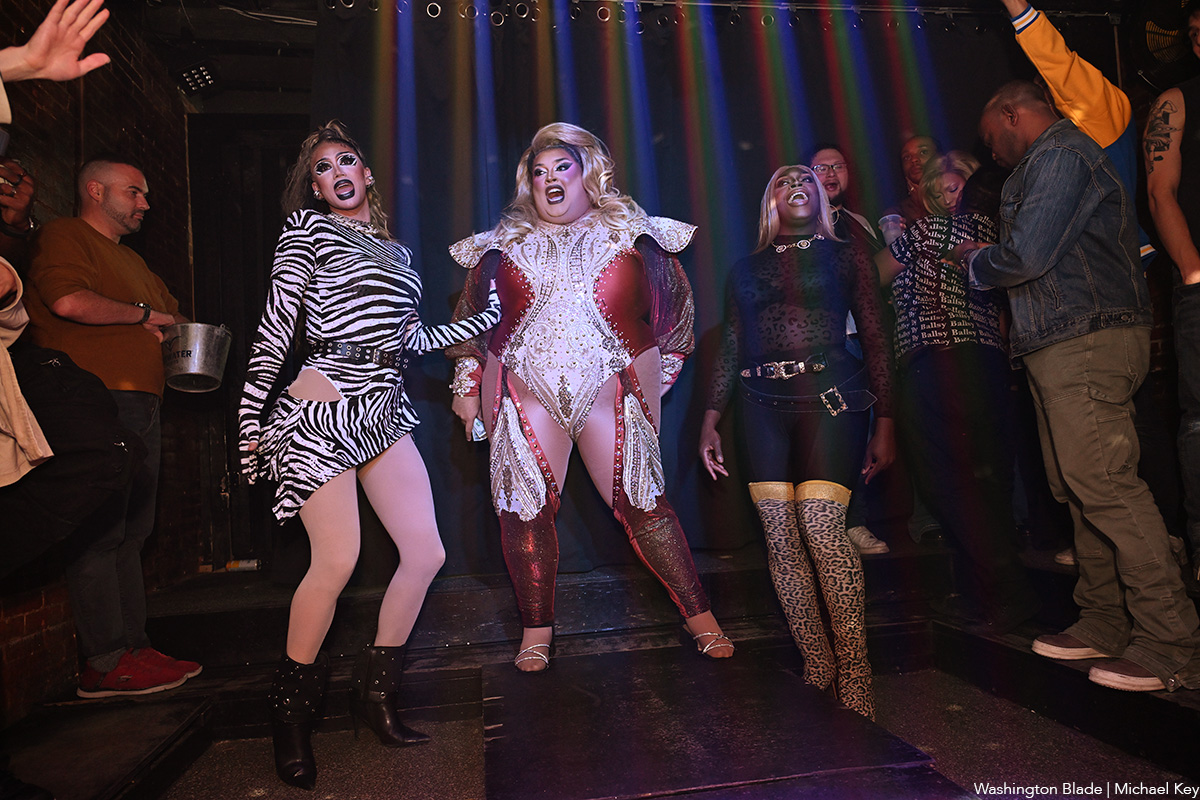
915 U St., N.W.
Who says drag is only for the weekends? Not Daddy Issues! Each Wednesday at 10 p.m., some of the DMV’s best drag performers take over the second-floor stage at Kiki with incredible performances, games, and a vibe that “might help you catch a daddy!” Hosted by Evry Pleasure and featuring a rotating cast including Cake Pop, Druex Sidora, Indiana Bones, and Crimsyn, this midweek extravaganza proves that drag in D.C. never takes a day off.
Editor’s Choice: Freddie’s Follies
Best LGBTQ Party: Flower Factory
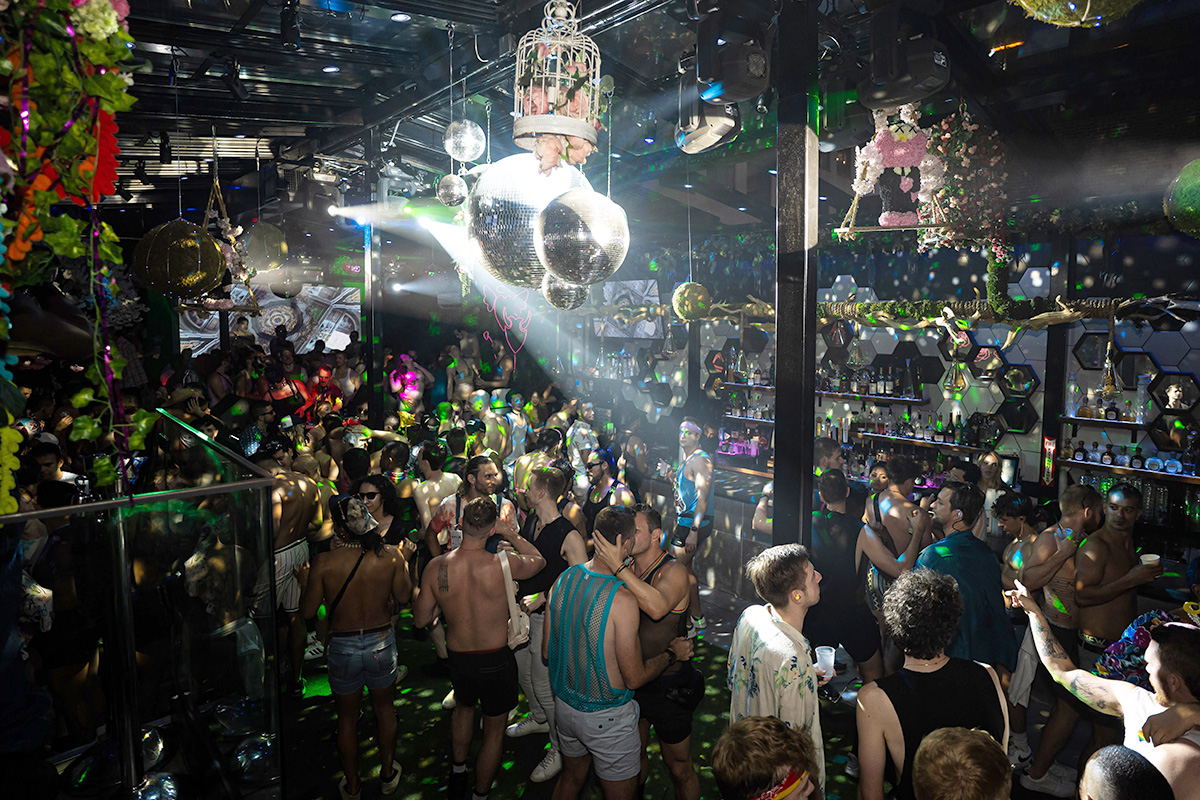
1223 Connecticut Ave., N.W.
Since its debut in 2021, this queer DJ collective dance party has become a staple of D.C.’s LGBTQ nightlife. Held once a month at Zebbie’s Garden in Dupont Circle, Flower Factory turns the neighborhood into a cross between a daytime rave, Studio 54, and your favorite gay bar. If it’s the second Sunday of the month and you spot fabulously dressed revelers radiating color, florals, and queer joy, odds are they’re heading to Flower. The collective has grown immensely over the past few years, spinning sets at Somos in Mexico City, venues across Provincetown and New York City, and even hosting a special WorldPride party in 2025 — and it shows no signs of slowing down.
Editor’s Choice: Grizzly Bear Happy Hour
Best Bartender: Stephen Sides, Little Gay Pub
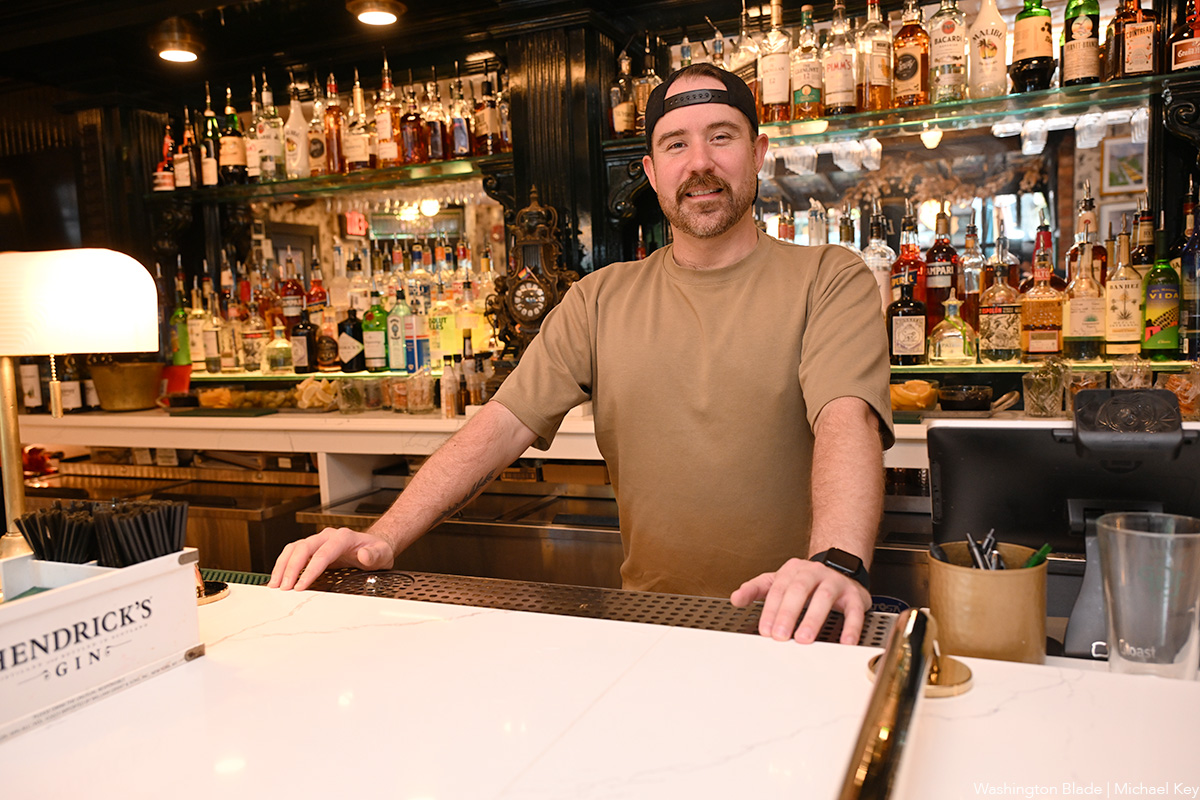
1100 P St., N.W.
With his warm smile and handsome facial hair, Stephen Sides is one face you definitely want to see on the other side of the bar. Sides has an extensive history in the food service industry, and an even longer list of friends who request LGP’s signature espresso martini poured by him. Whether it’s a busy Friday night or a quiet weekday, Stephen makes every guest feel like part of the little gay family.
Editor’s Choice: Ben Oursler, Annie’s
Best DJ: DJ Honey
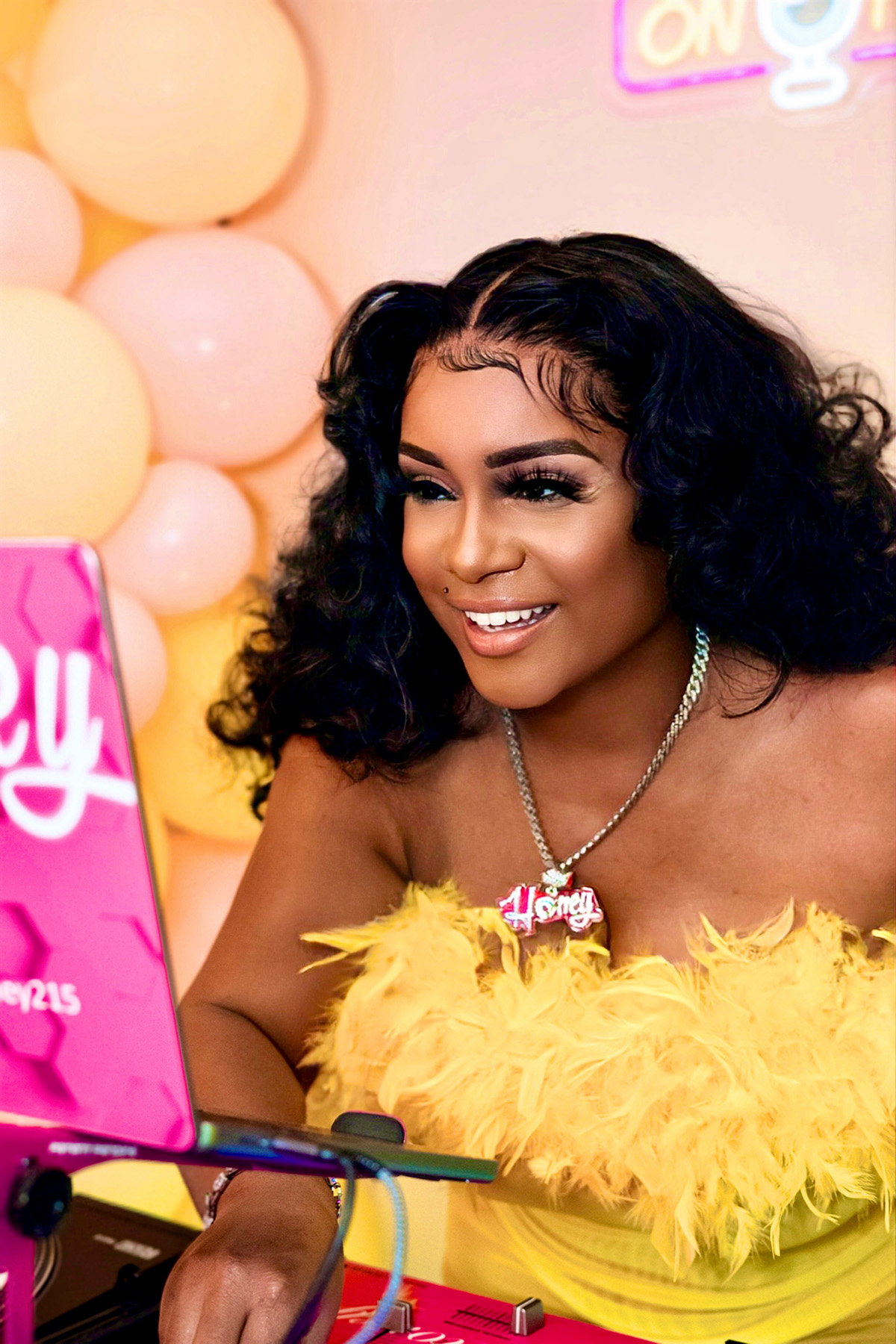
Honey Johnson, better known as DJ Honey, continues to break barriers as a Black lesbian DJ, spinning at venues across the country. From BET events to World AIDS Day celebrations and even the Library of Congress, her resume proves that success comes from hard work. Her unique style gives a platform to underrepresented musical talent in Thurst Lounge and beyond, making every set unforgettable.
Editor’s Choice: DJ Matt Bailer
Best Neighborhood Bar: As You Are Bar
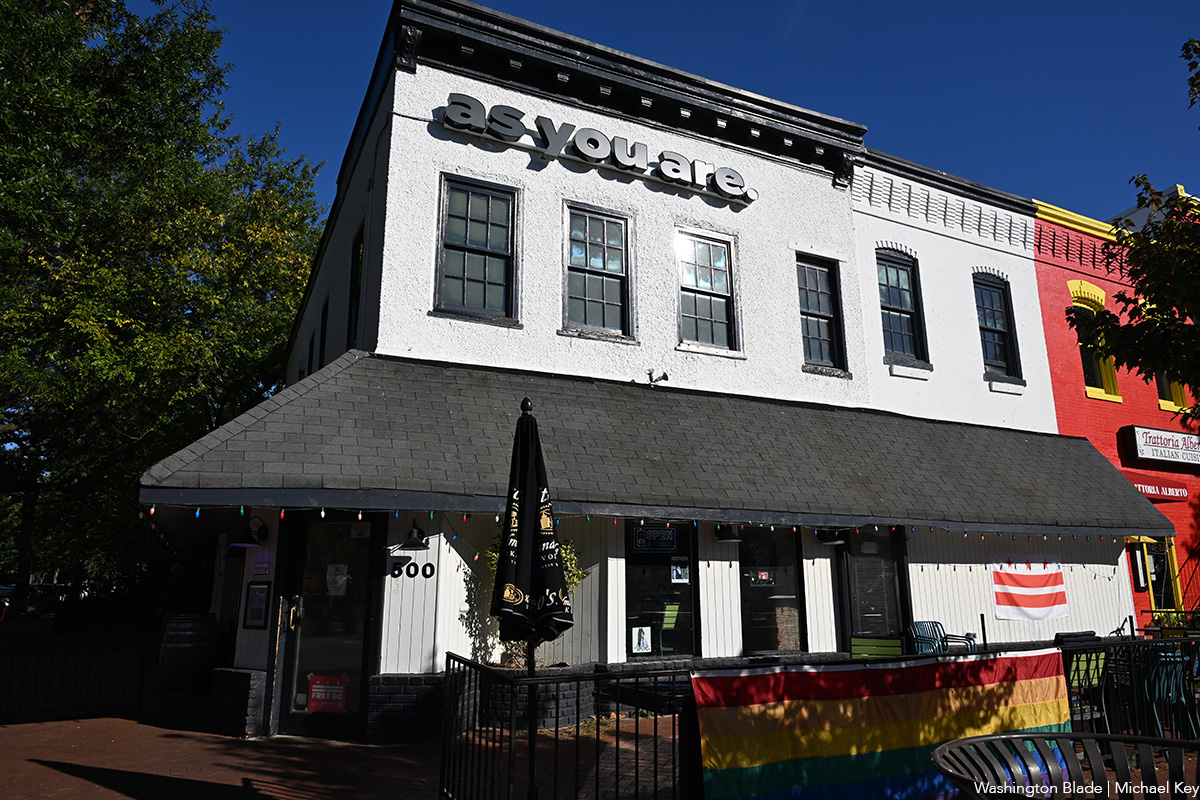
500 8th St., S.E.
As You Are doesn’t just see itself as a café turned nightclub — it proudly brands itself as home. Owners Jo McDaniel and Rach “Coach” Pike are no strangers to LGBTQ nightlife, both having worked at A League of Her Own in Adams Morgan. This dynamic duo built their own “haven for queer expression and connection,” with a special spotlight on Sapphic events and DJs, a scene that can be hard to find elsewhere. Whether you’re coming for coffee, cocktails, or a night of dancing, As You Are makes everyone feel welcome.
Editor’s Choice: Number Nine
Best Outdoor Drinking: Trade
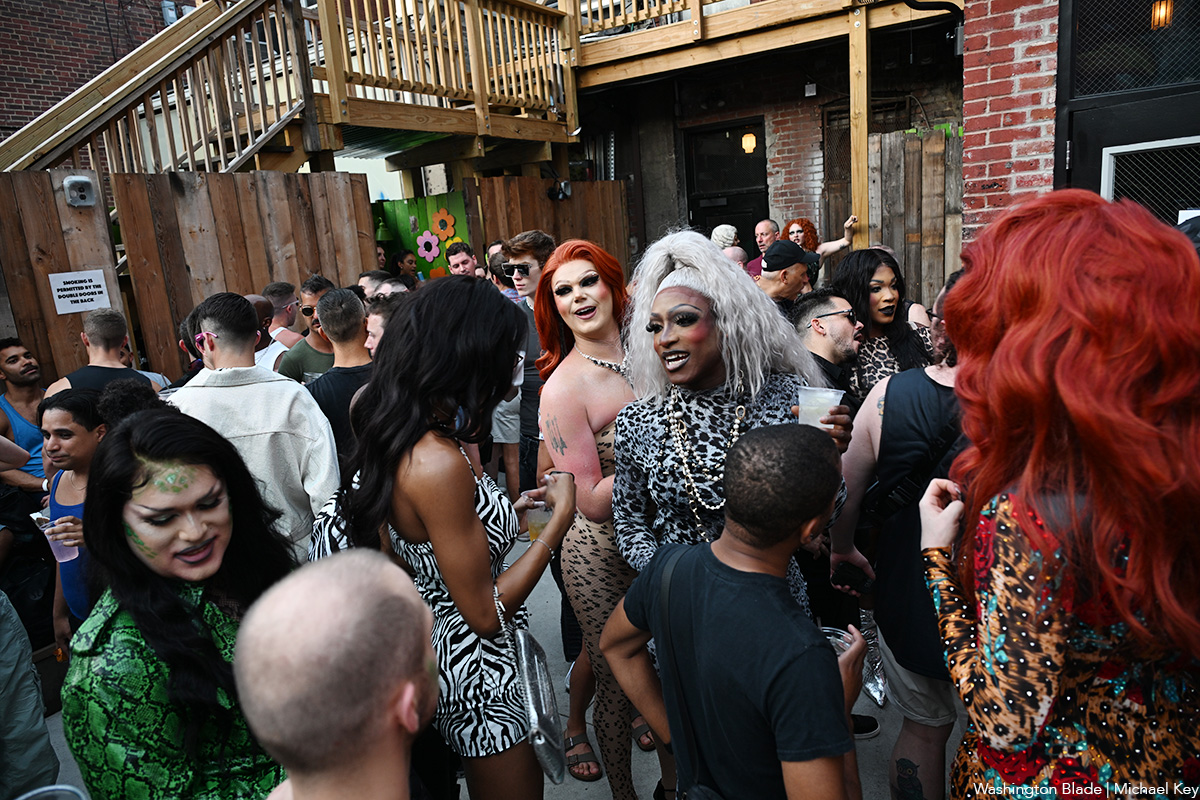
1410 14th St., N.W.
Edging out LGP, which won last year, Trade snagged the top spot this year likely due to its sizeable patio, newly expanded during Pride season. With echoes of erstwhile Town patio, Trade’s outdoor space brings the gay community together to enjoy its XL happy hour around the brightly lit tree that stands at attention in the center of the space.
Editor’s Choice: Little Gay Pub
Best Happy Hour Presented by ABSOLUT: Annie’s Paramount Steakhouse
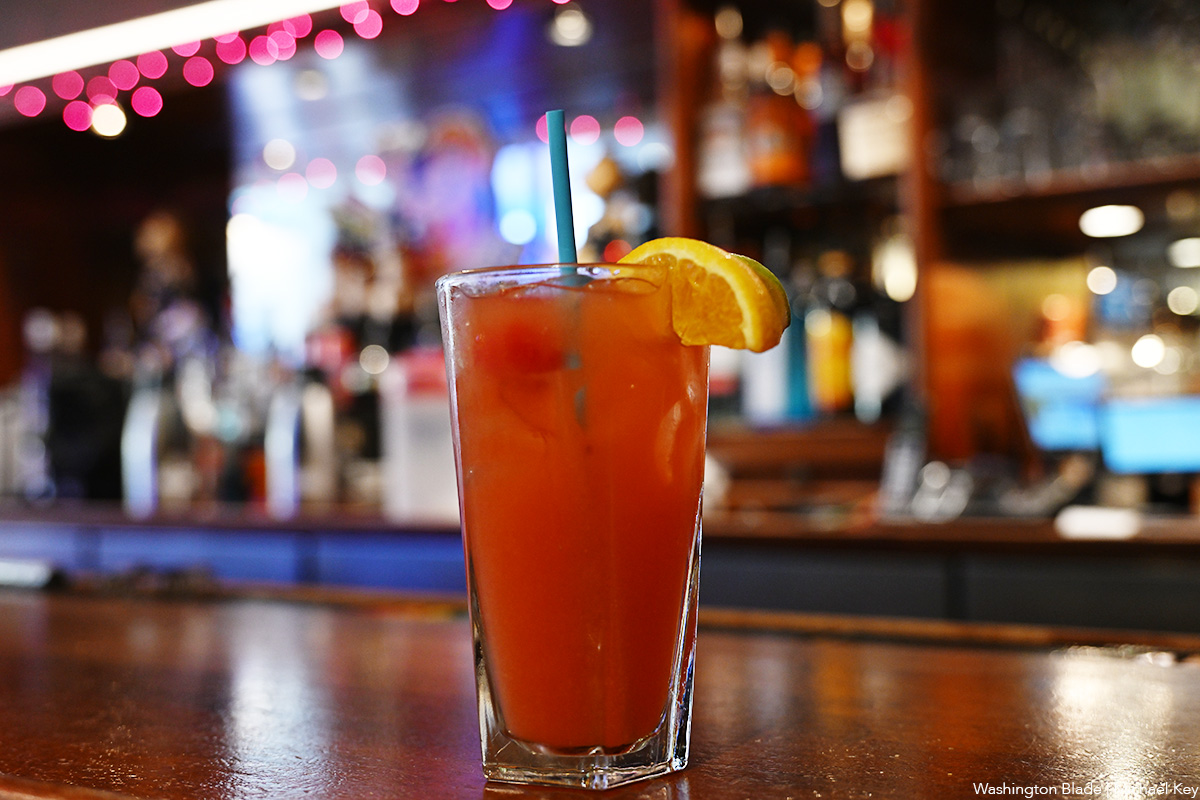
1607 17th St., N.W.
Annie’s Paramount Steakhouse has been a Dupont Circle fixture for more than 75 years. George Katinas opened the restaurant in 1948 on the corner of 17th and Church streets, N.W., where JR.’s is now located. He later renamed it in honor of his sister Annie. Annie’s Paramount Steakhouse, which is now located on 17th Street between Corcoran and R streets, continues to welcome locals and visitors alike with its signature cocktails, food, and camaraderie.
Editor’s Choice: Crush
Best LGBTQ Bar: Crush
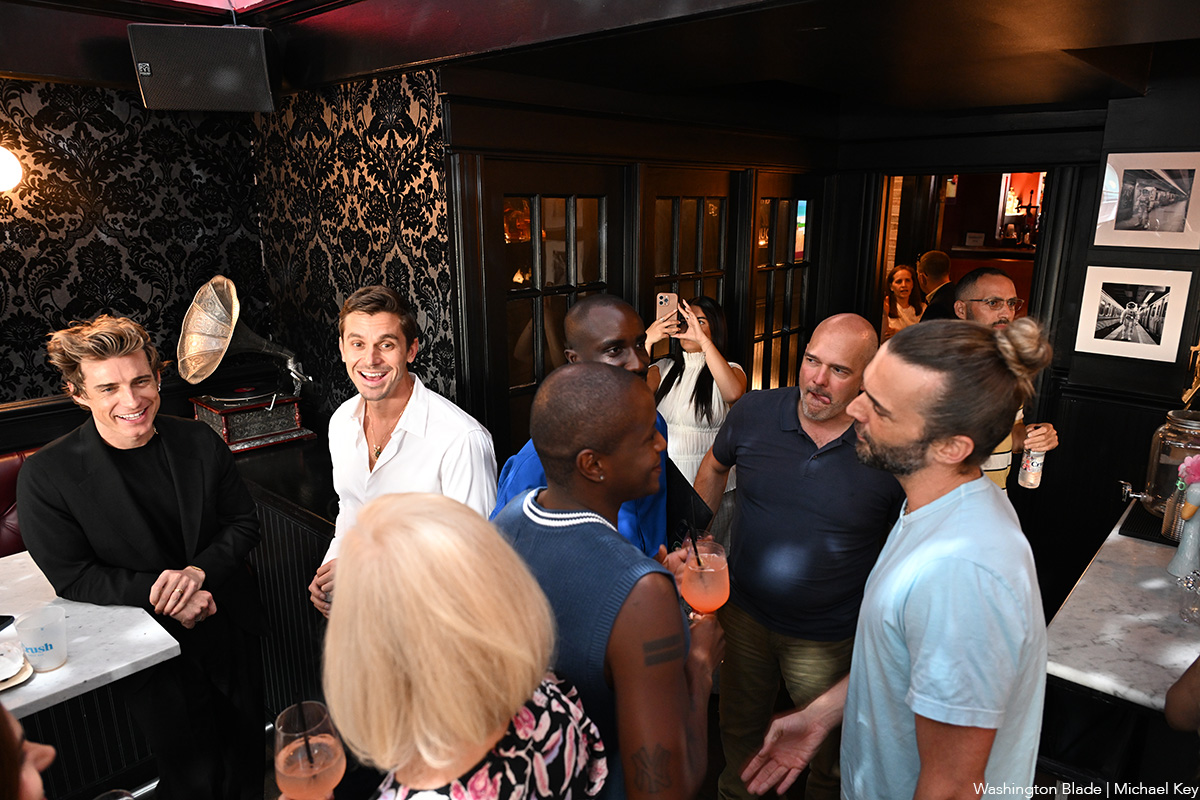
2007 14th St., N.W.
Crush Dance Bar, which opened in the busy U Street corridor in 2023, is one of the city’s most popular LGBTQ establishments.
Its walls — adorned with posters of Lady Gaga, Kylie Mingoue, Janet Jackson, and myriad other pop divas — provide the perfect backdrop for revelers who are looking to let loose. Owners Stephen Rutgers and Mark Rutstein have succeeded in making Crush the city’s “all-inclusive nightlife destination on 14th Street.”
Editor’s Choice: Trade
Best LGBTQ-Friendly Bar: Dacha Beer Garden

Multiple locations
Dacha, a longstanding popular outdoor watering hole, is not officially a gay bar. Yet, you will consistently see groups of D.C.’s LGBTQ community hanging out at Dacha Beer Garden drinking boots of beer and enjoying a selection off the German-style beer garden’s extensive menu. With its giant murals of gay icons Elizabeth Taylor at the Shaw location and Jackie Onassis in the Navy Yard spot, it’s easy to see why gay, straight, and truly everyone can find something to enjoy.
Editor’s Choice: Jane Jane
Best LGBTQ Bar Outside the District: Freddie’s Beach Bar
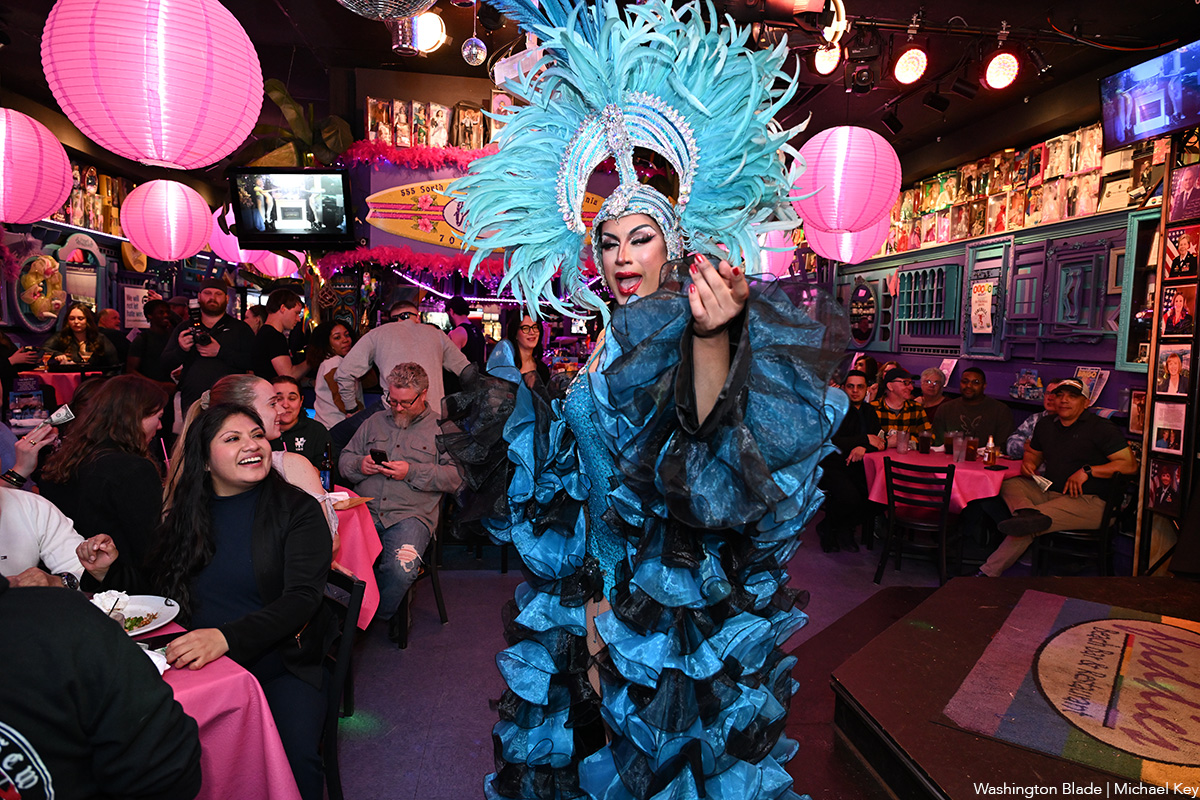
555 23rd St. S
Arlington, Va.
The DMV LGBTQ bar scene discussion must mention longstanding Freddie’s Beach Bar in National Landing, Arlington. Freddie’s has been a staple in the area since it opened more than 20 years ago. Serving classic cocktails and a full menu, the bar is also known for its infamous Sunday Buffet Brunch, and daily events including drag shows, bingo, and karaoke, it makes sense that Washington Blade readers have voted Freddie’s the best “LGBTQ+ but straight friendly restaurant and bar” outside of the District for several years.
Editor’s Choice: Baltimore Eagle
ARTS & ENTERTAINMENT
Best Theater Presented by Wild Side Media: Arena Stage
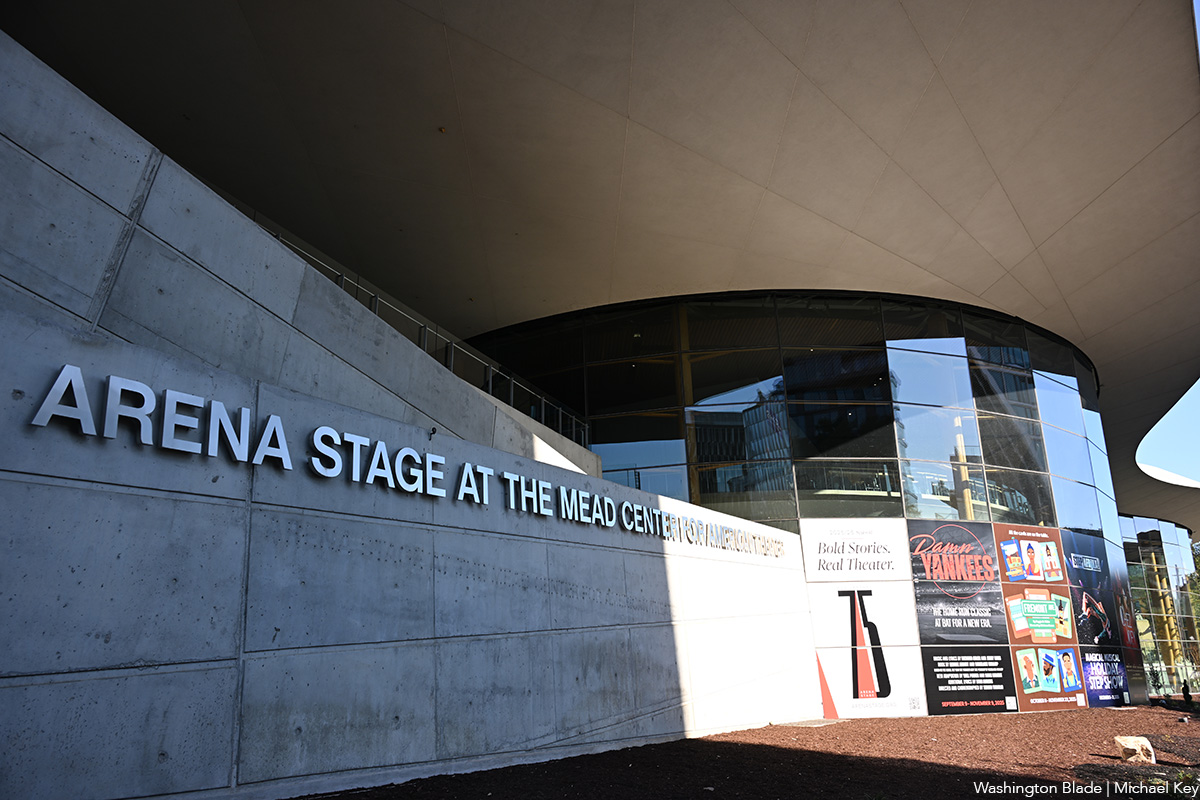
1101 6th St., S.W.
Famous for its in-the-round productions, the Tony Award-winning Arena Stage located just steps from the Wharf, is the country’s largest theater committed to presenting American plays and playwrights.
Arena is currently presenting the Broadway bound revival of “Damn Yankees” (through Nov. 9) directed by Sergio Trujillo and starring Rob McClure as Applegate, Ana Villafañe as Lola, and Jordan Donica as Joe. It’s a fresh take on a beloved classic.
Editor’s Choice: Studio Theatre
Best Theater Production: “Kiss of the Spider Woman,” Gala Hispanic Theatre
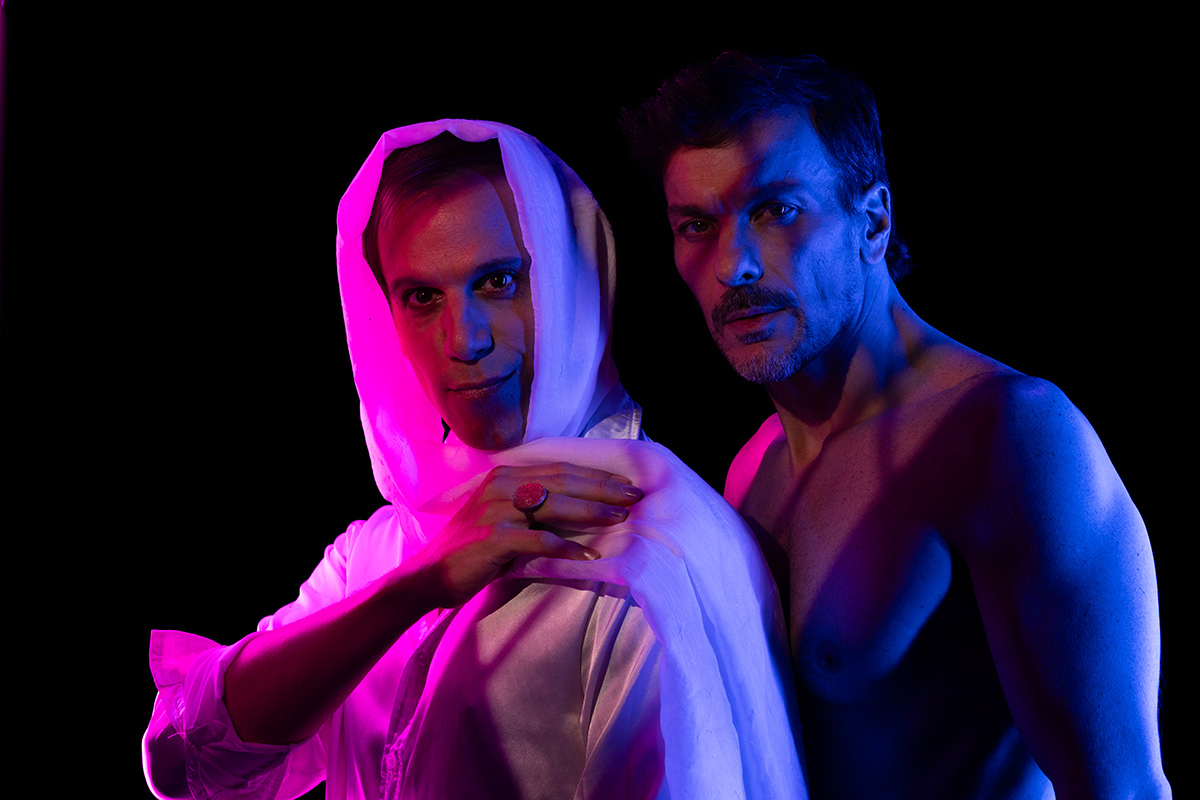
3333 14th St., N.W.
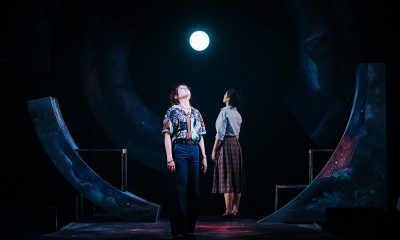
In September, GALA Hispanic Theatre in Columbia Heights kicked off its 50th anniversary season with an exciting revival production of out playwright Manuel Puig’s “Kiss of the Spider Woman”
First a novel published in 1976 (the same year GALA was founded), then a play, followed by a Broadway musical and films, “Kiss of the Spider Woman” is a stunningly enduring work. GALA’s production was brought to life by a triad of queer talent including director José Luis Arellano, and appealing actors Martín Ruiz and Rodrigo Pedreira
Editor’s Choice: “Summer, 1976,” Studio Theatre
Best Live Music in D.C. Presented by Wild Side Media: 9:30 Club
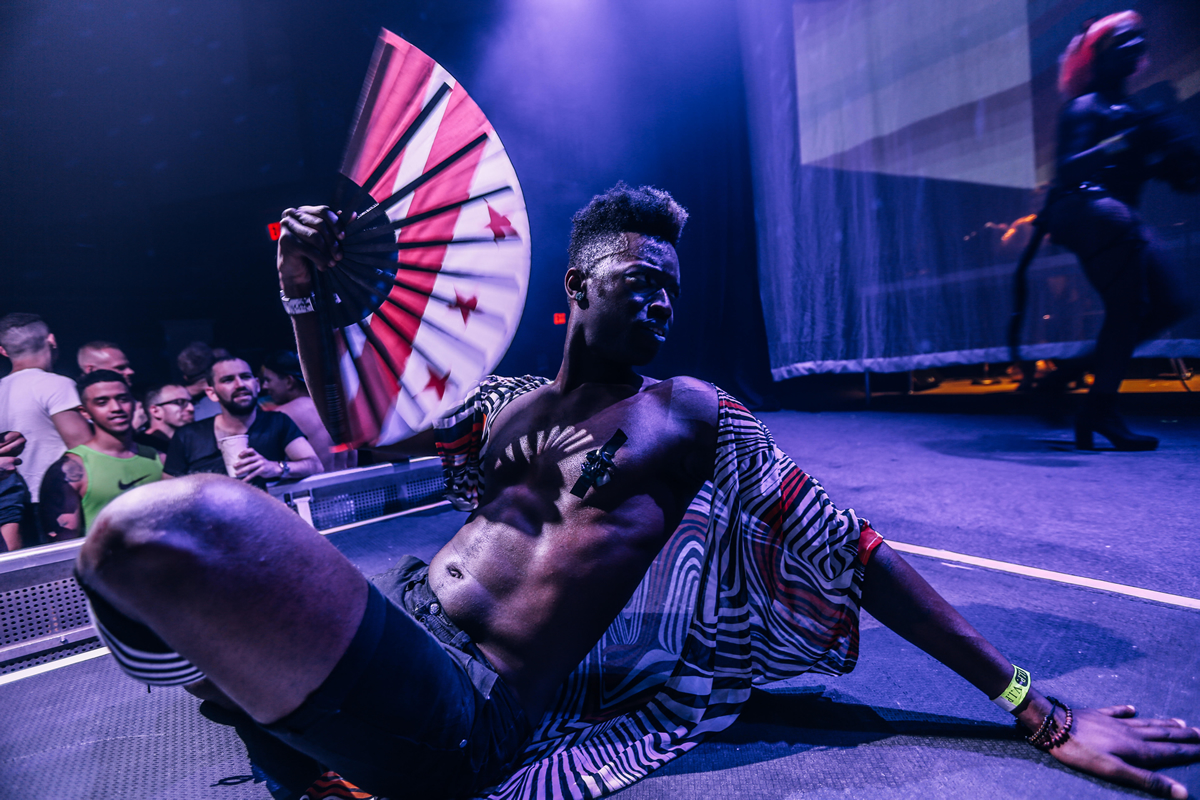
815 V St., N.W.
No stranger to the Blade’s “Best of,” the 9:30 club has been a favorite of DMV audiences in search of live entertainment since 1980. Over the years, the key destination venue has hosted a wide range of artists ranging from the Red Hot Chili Peppers to Alison Moyet to Tony Bennett, making it one of the most respected live music spots in America.
Editor’s Choice: The Anthem
Best Live Music Outside of D.C.: Wolf Trap
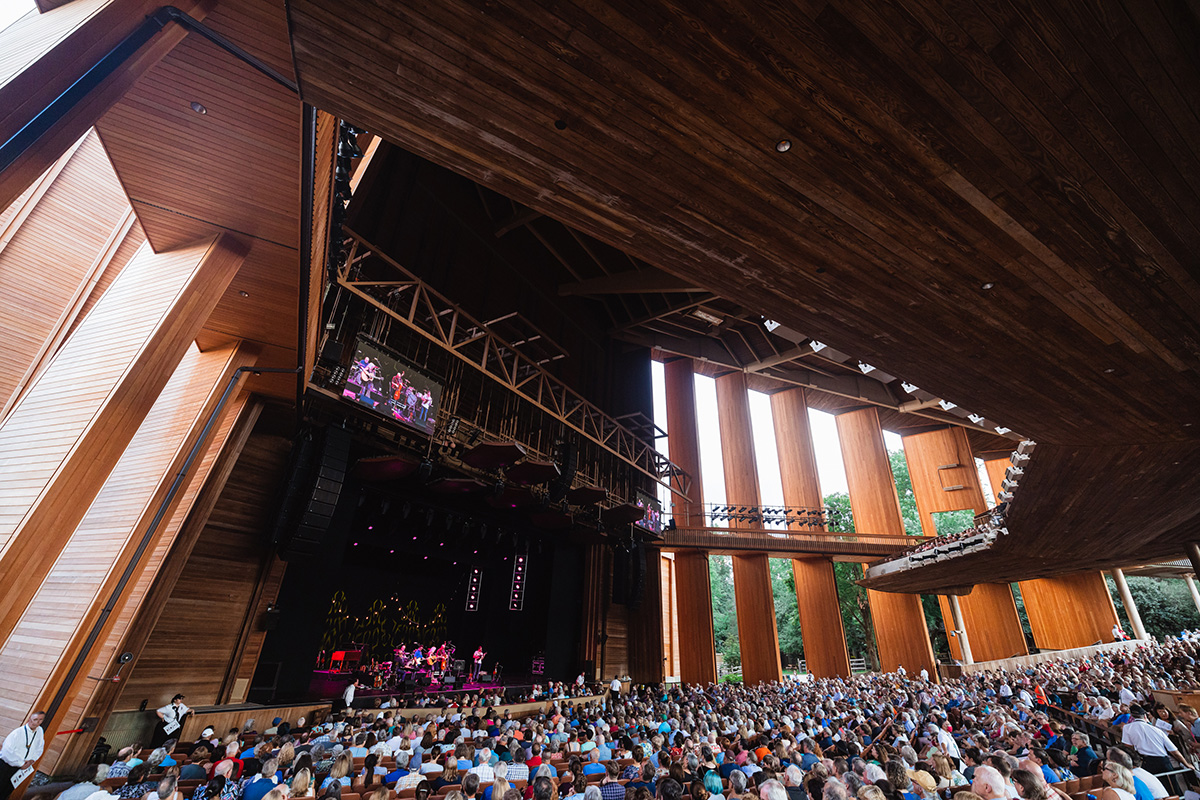
1551 Trap Rd.
Vienna, Va.
In nearby Northern Virginia, Wolf Trap National Park for the Performing Arts boasts a sprawling green campus with a major theater as well as smaller other venues all with pitch perfect acoustics.
Arvind Manocha, the out president and CEO of Northern Virginia’s Wolf Trap Foundation for the Performing Arts for more than a decade, loves his job. And for him, part of that means promoting diversity and queer inclusion.
As part of its impactful lineup, Wolf Trap presents “Out & About,” an annual two-day outdoor music festival spotlighting LGBTQ artists and vocal allies. With the new musical event, Manocha and his programming team bring together entertainment and visibility by featuring big queer names like headliner Brandi Carlisle.
Editor’s Choice: Merriweather Post Pavilion
Best Local Artist Presented by Wild Side Media: Miss Grace David
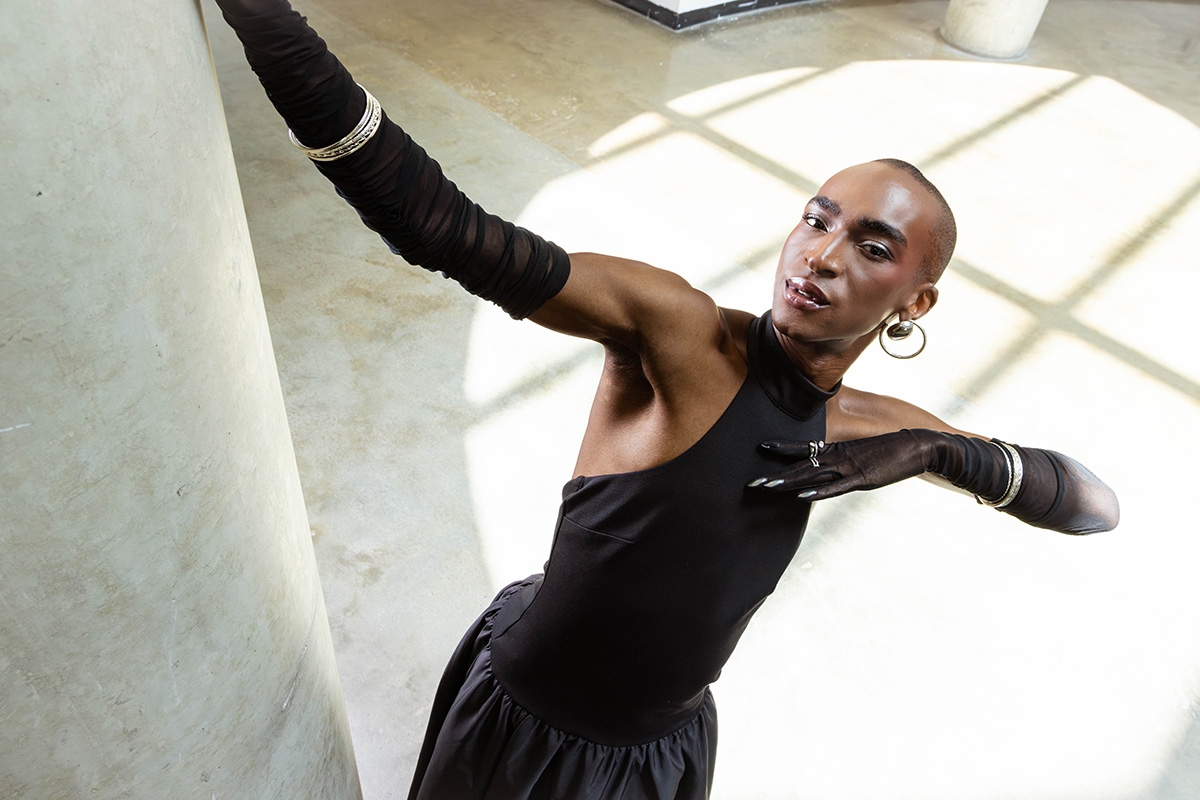
Miss Grace David is a Black, queer, and non-binary femme performance and textile artist based in the D.C. area. By using character performance, textile production, world-making, and storytelling, their work connects human emotion and personal experience with visual abstraction.
Editor’s Choice: Diane D’Costa
Best Museum: National Museum of African American History & Culture
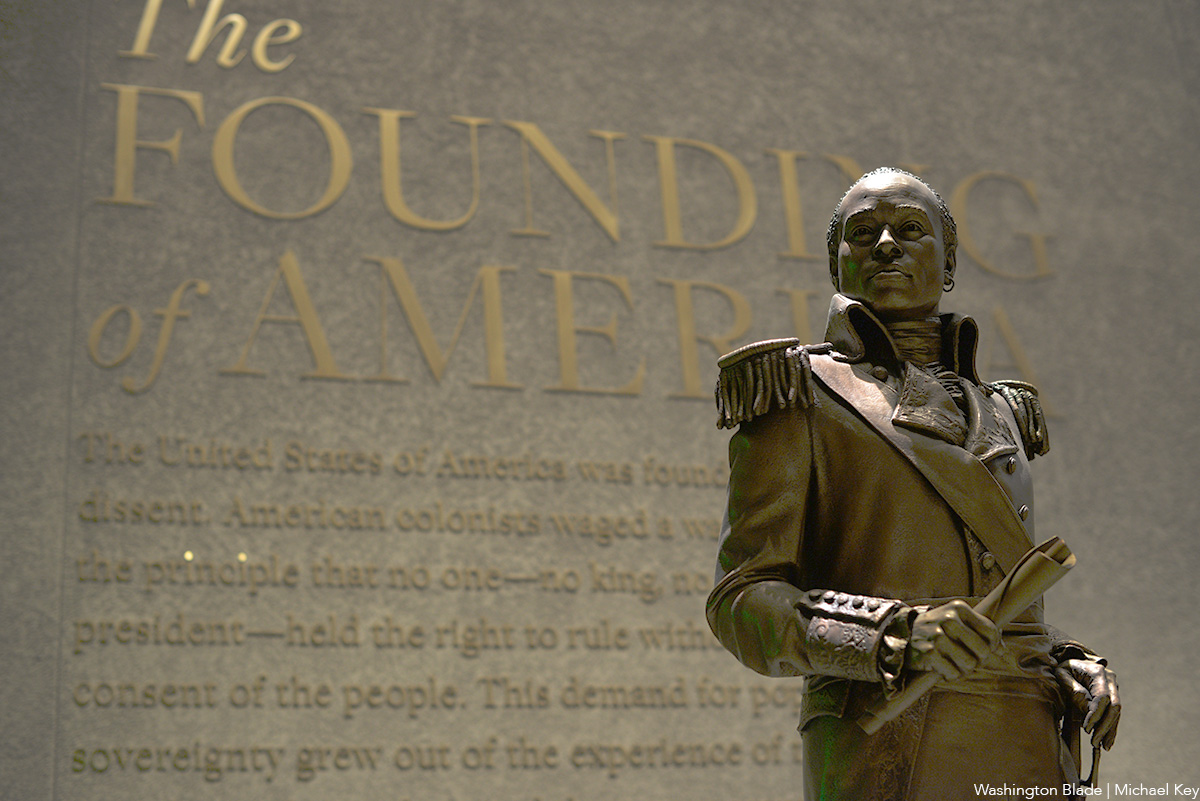
1400 Constitution Ave., N.W.
Since opening its doors in 2016, the museum has engaged millions of people worldwide, sharing the unvarnished truth about African-American experiences, advances, and contributions. The anti-DEI crusade of the Trump administration serves as a reminder of the important role museums play in telling the full American story. The museum remains closed due to the federal government shutdown.
Editor’s Choice: National Gallery of Art
Best Professional Sports Team: Washington Spirit
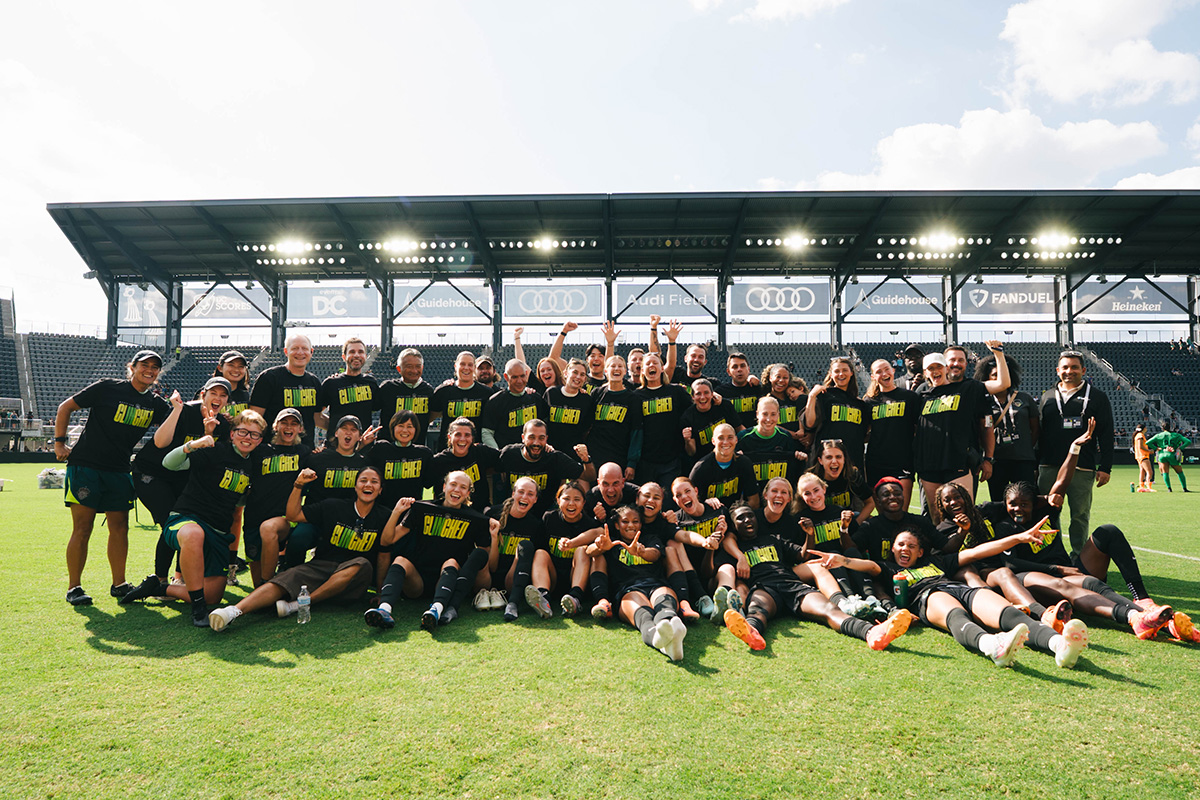
For the second year in a row, Blade readers voted the Washington Spirit, D.C.’s premier professional women’s soccer team, as the best local professional sports team. The highly regarded team last year was ranked second in the National Women’s Sports League.
It has consistently supported local LGBTQ groups like SMYAL, and its many LGBTQ fans believe Washington Spirit understands the importance of playing hard and supporting LGBTQ representation in sports.
Editor’s Choice: Washington Commanders
COMMUNITY & BUSINESS
Most Committed Activist: Preston Mitchum
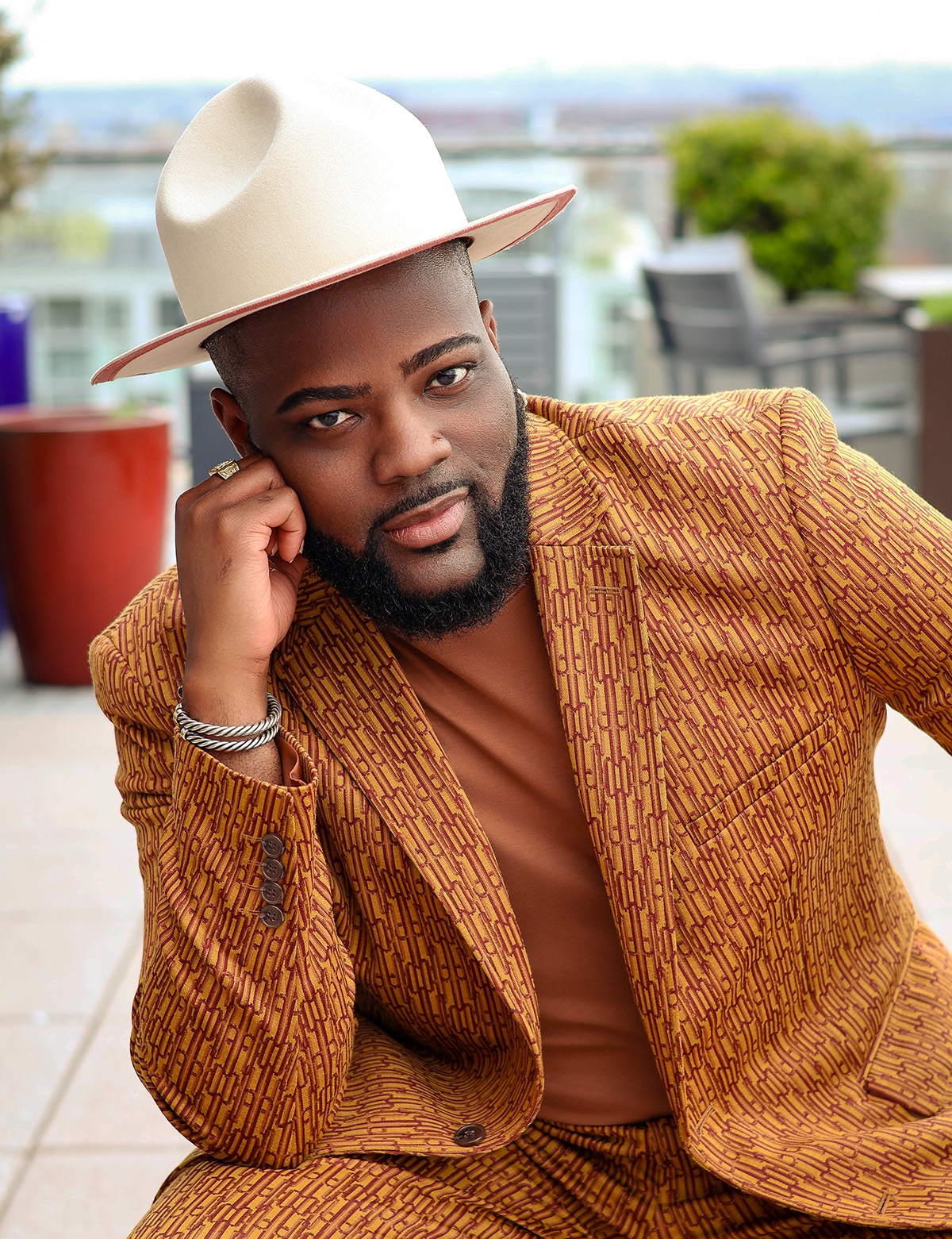
An acclaimed D.C. attorney and digital creator, Preston Mitchum is described online by people who know him as a Black, queer advocate and activist, with a focus on the power of Black people, young people, and queer, trans, and non-binary people
With more than a decade of legal and policy experience, he has worked for and or provided support for more organizations and causes you can shake a stick at in the areas of racial and gender justice, LGBTQ liberation, and reproductive health, rights, and justice policies.
As a respected public speaker, he has appeared on TV news programs and was quoted in news publications, including the Washington Post, on the wide range of issues on which he has worked. “A force to be reckoned with, Preston Mitchum isn’t just a name, it’s a symbol of commitment, passion, and the embodiment of change,” one of his admirers states in an online posting.
Editor’s Choice: Jordyn White
Best LGBTQ Public Official: George Garcia
D.C. Mayor’s Office on Volunteerism and Partnership
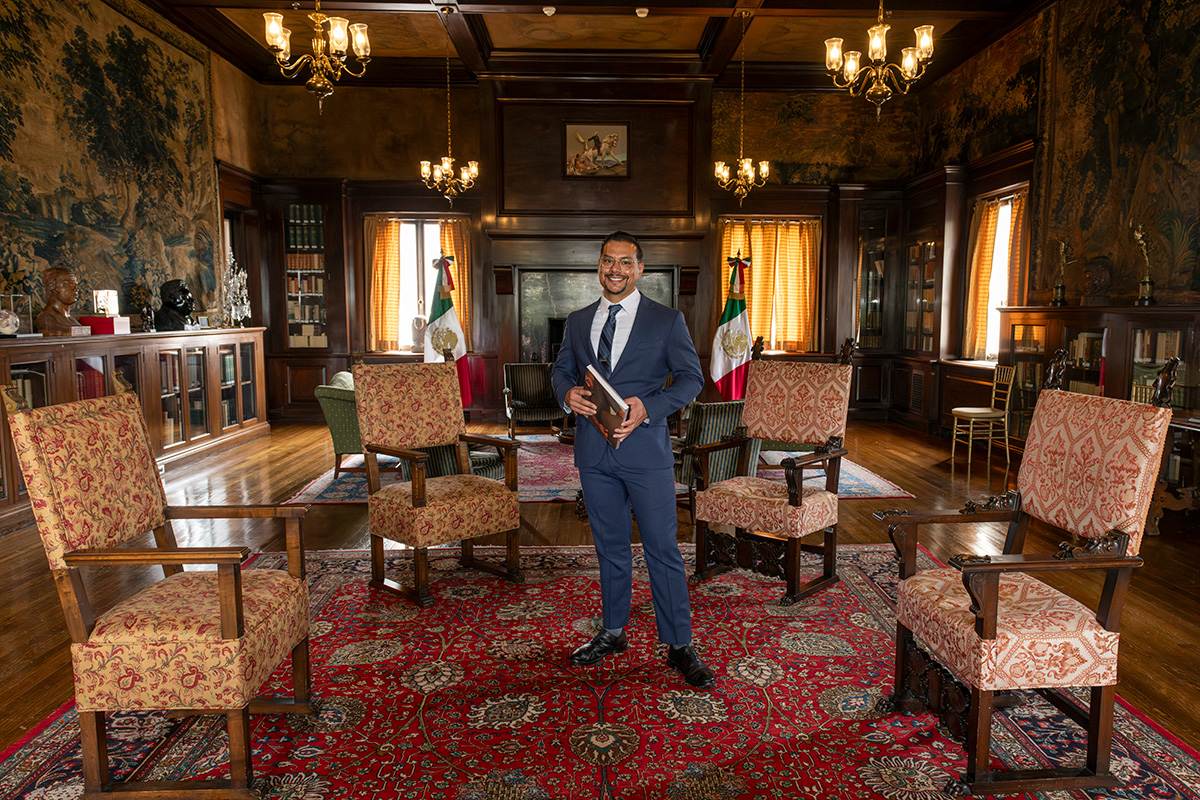
George Garcia served as Director of Operations for the Mayor’s Office of LGBTQ Affairs since September 2024, and prior to that he served as the LGBTQ Affairs office’s Grants and Partnerships Specialist since February 2023. In early October of this year, he began a new job as Deputy Director of Operations and Finance for the Mayor’s Office of Volunteerism and Partnerships, which is also known as Serve DC.
He is described in an LGBTQ Affairs Office statement as a dedicated community leader with more than 14 years of experience advocating for underserved populations, especially within the LGBTQ community. He holds a master’s degree in public administration from D.C.’s American University, where he honed his expertise in public policy, strategic planning, and leadership. While working in the LGBTQ Affairs Office, he played a lead role in the city’s support for WorldPride events this year, “coordinating 10 community coalitions and managing a $5 million budget.”
Editor’s Choice: Council member Zachary Parker
Best Community Ally: Robert White
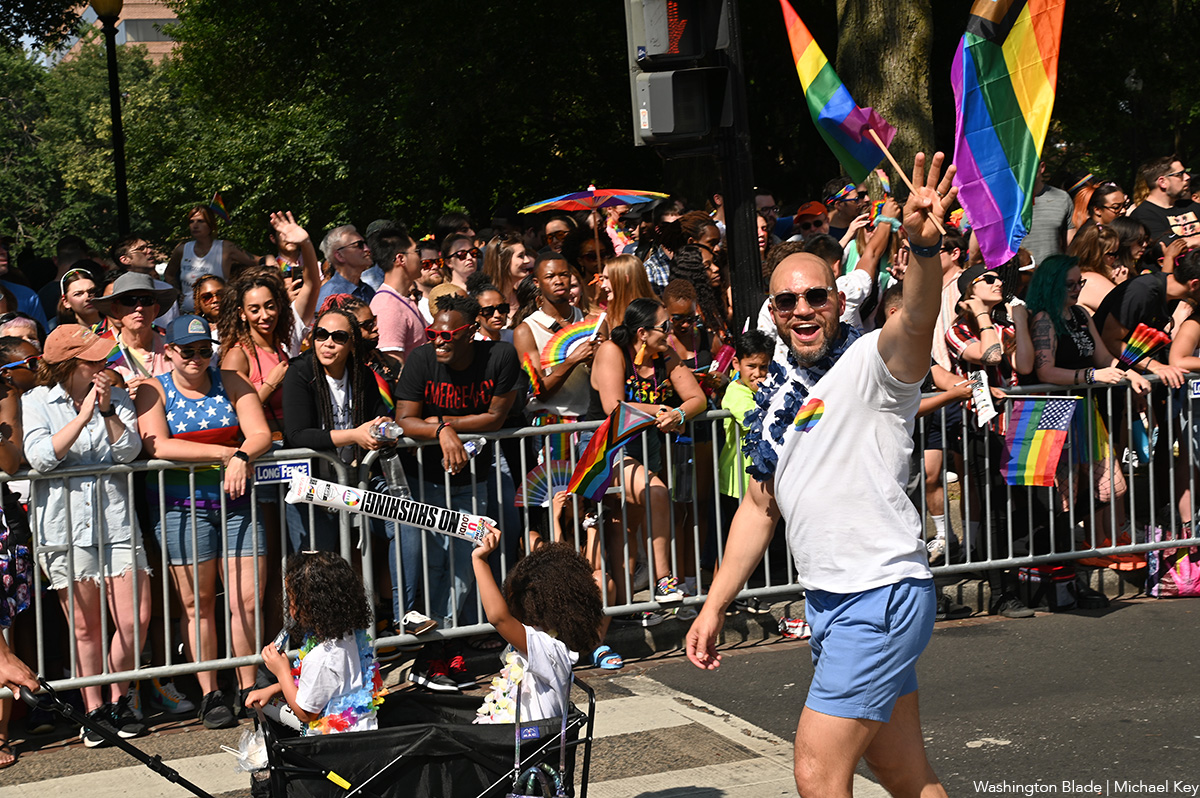
An At-Large member of the D.C. City Council since 2016, Robert White has emerged as one of the Council’s strongest supporters and allies of the LGBTQ community. He currently chairs the Council’s Committee on Housing. And in September he announced he is a candidate for the D.C. congressional delegate seat for which he is running in the city’s June 2026 Democratic primary.
A self-described proud fifth generation Washingtonian and an attorney, he has served prior to being elected to the Council as the city’s first Director of Community Outreach for the D.C. Office of the Attorney General. He currently also serves as an adjunct professor at the Georgetown University Law Center.
Editor’s Choice: Erin Palmer
Best Medical Provider: Whitman-Walker Health
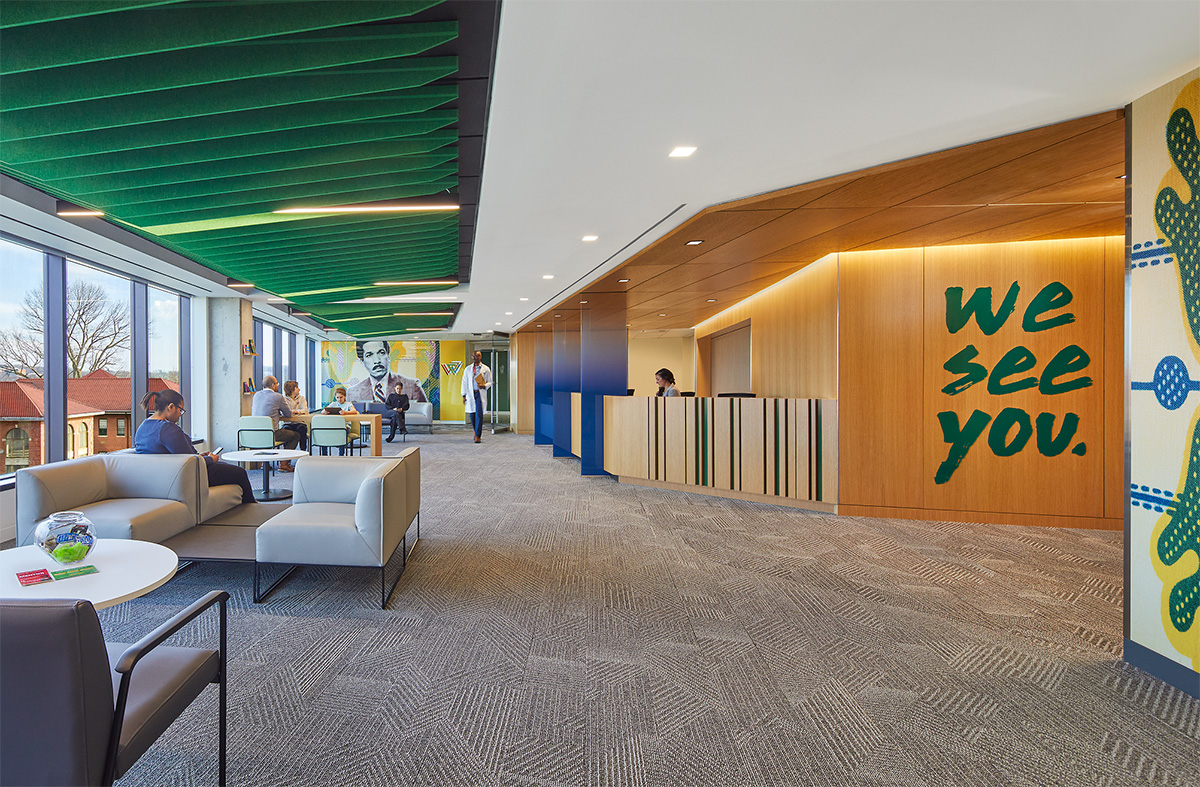
1201 Sycamore St., S.E.
Whitman-Walker Health was founded in 1973 as the Gay Men’s VD Clinic as a volunteer operation in a church basement before incorporating as the Whitman-Walker Clinic in 1978. It was named after poet Walt Whitman and Dr. Mary Edwards Walker, a physician who worked in D.C. during the Civil War before becoming a women’s rights activist.
It became a leading first responder to the HIV/AIDS epidemic in the 1980s, providing medical care and support for gay men and others impacted by the epidemic. It has since expanded into a comprehensive community health center with services that include primary care, dental, mental health, and legal aid, with a continued focus on serving the LGBTQ community in the D.C. metro area.
Editor’s Choice: AIDS Healthcare Foundation
Best Non-Profit: SMYAL
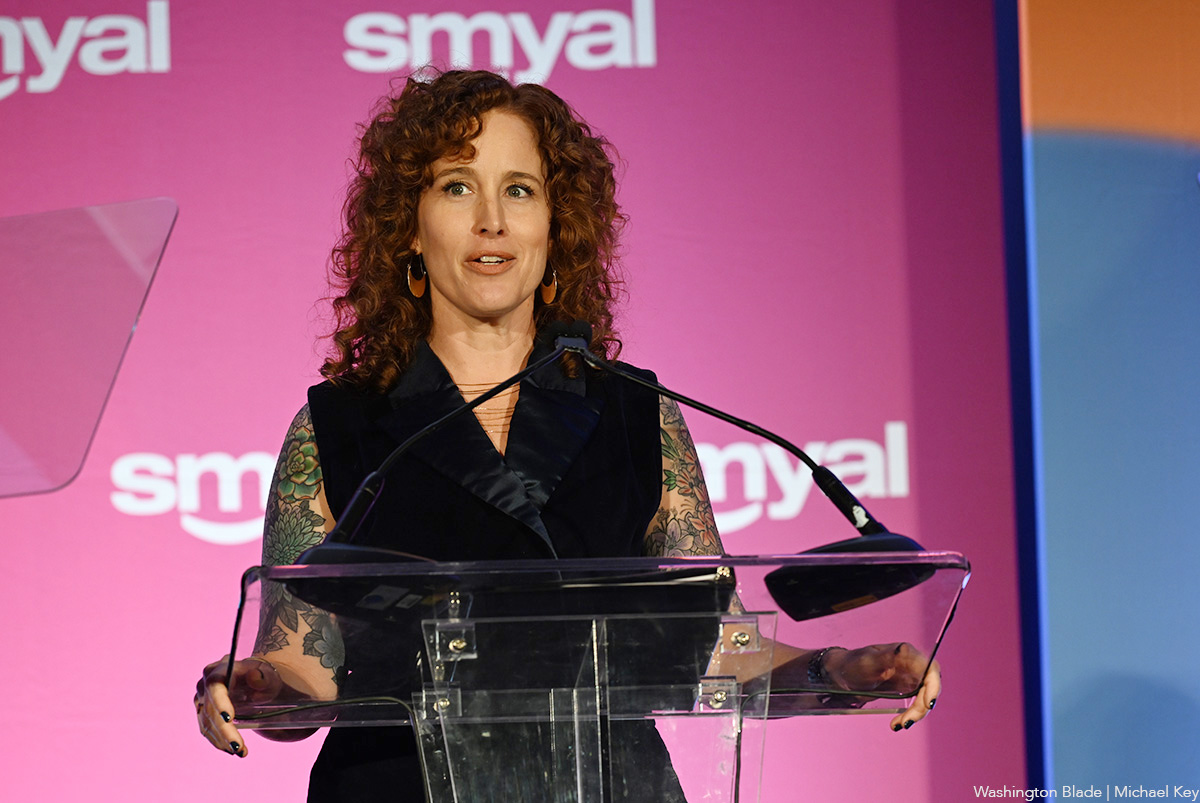
410 7th St., S.E.
Celebrating its 41st anniversary this year, SMYAL continues its role as an acclaimed service provider for LGBTQ youth in the D.C. area. Through its after-school programs, counseling services, and LGBTQ youth drop-in center, SMYAL provides LGBTQ youth with safe spaces to express themselves, find support, and build community.
Among other things, it awards $35,000 in scholarships to students each year and provides education and training for adults working with LGBTQ youth in schools, housing programs, local government agencies, and hospitals. SMYAL’s Youth Housing Program provides transitional housing for at least 55 LGBTQ youth experiencing homelessness.
Editor’s Choice: The D.C. Center
Best LGBTQ Center Outside of D.C.: Pride Center of Maryland
2418 St. Paul St.
Baltimore, Md.
The Pride Center of Maryland, which serves as an LGBTQ community center, provides a wide range of services for youth, adults, seniors, and families. It states on its website that its programs “are designed to meet the diverse needs of our community and provide a safe and welcoming space for all.”
Its programs include mental health counseling, HIV health services, support groups, education and training, a computer lab, and a game room along with space for community events and meetings. While its headquarters is based in Baltimore, its website points out it has “a presence throughout the state, including Prince George’s County, Montgomery County, Frederick, and Charles counties, and conducts outreach and education activities within those counties.”
Editor’s Choice: CAMP Rehoboth
Best Day Trip: Annapolis
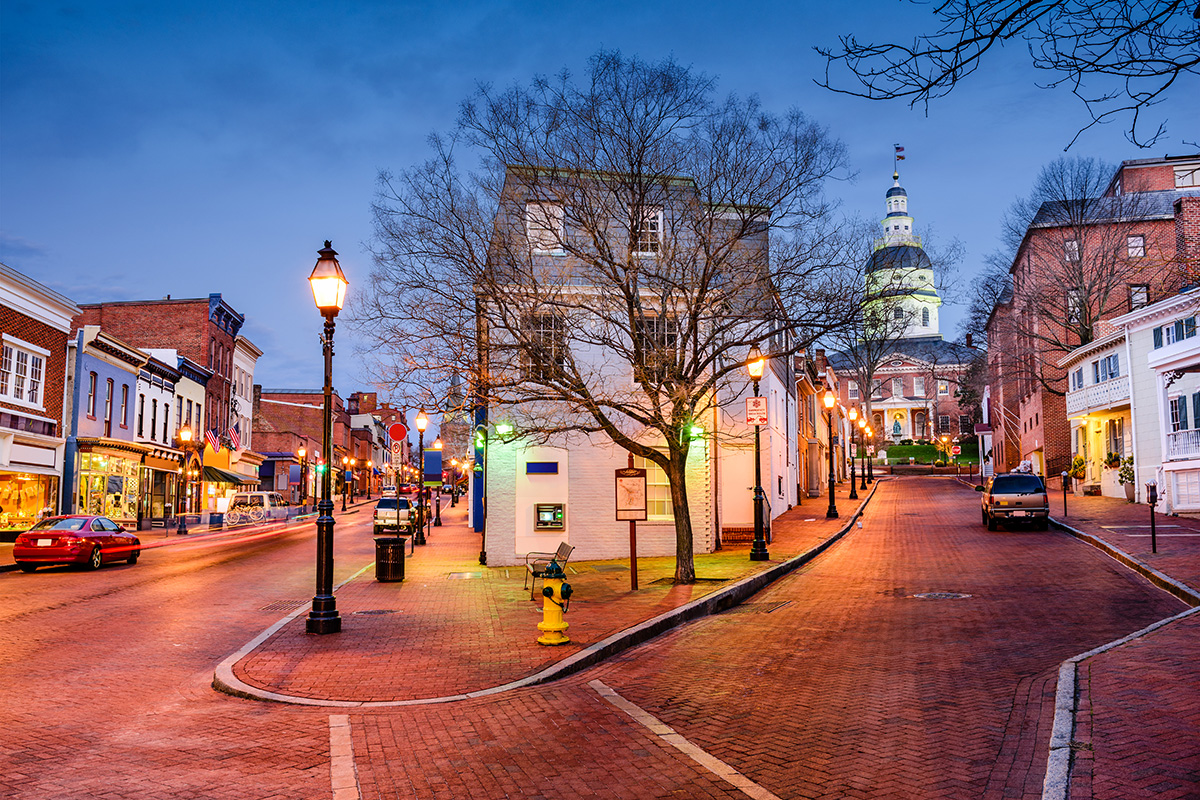
downtownannapolispartnership.org
Less than an hour from D.C., Annapolis makes the perfect day trip. With its charming streets, historic waterfront, and the Naval Academy’s good-looking midshipmen, Maryland’s state capital is filled with visual pleasures. What’s more, Annapolis offers a range of attractions, including parks, galleries, and museums that cater to the LGBTQ community. For more information go to annapolispride.org.
Editor’s Choice: Baltimore
Best Adult Store: Bite the Fruit
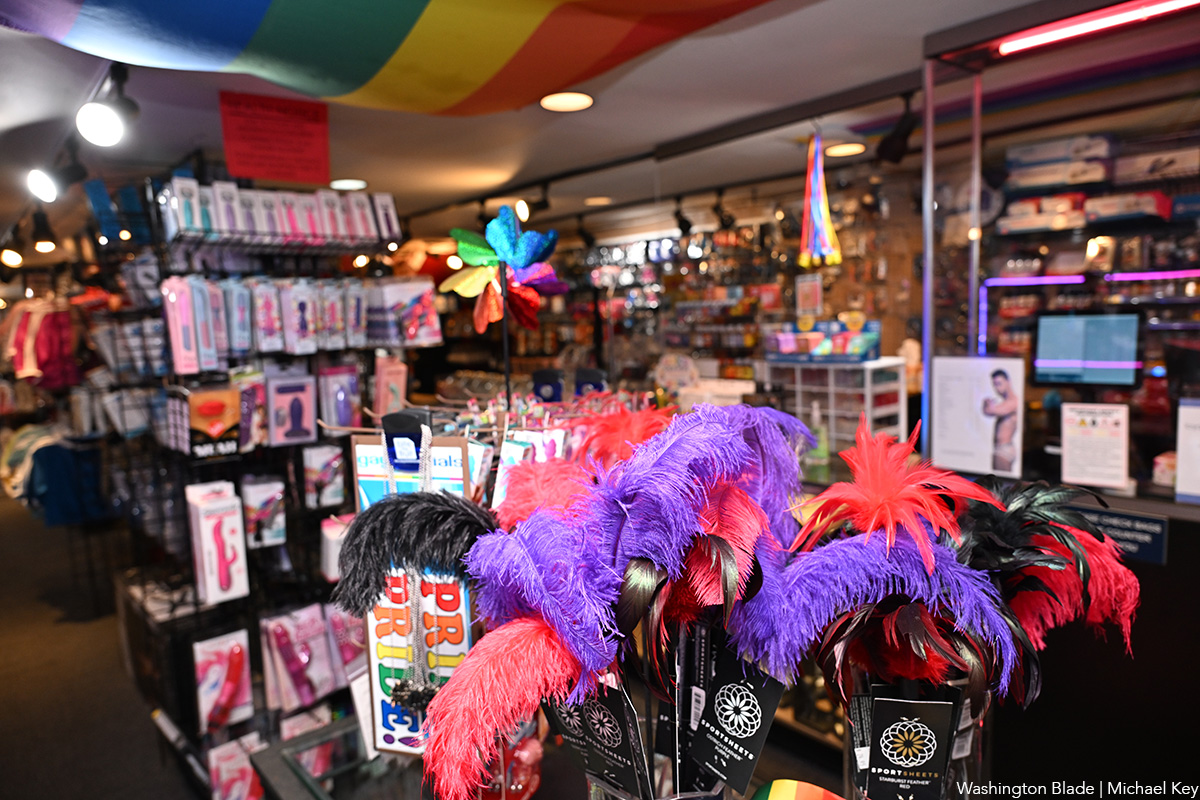
1723 Connecticut Ave., N.W. (second floor)
Go ahead, succumb to the temptation found at Bite the Fruit. The busy queer-owned Dupont Circle retailer of adult novelties and provocative apparel specializes in promoting “healthy sexual and sensual exploration.”
Editor’s Choice: What’s Your Pleasure DC
Best Local Content Creator: Bri Battle, @queertalkdc
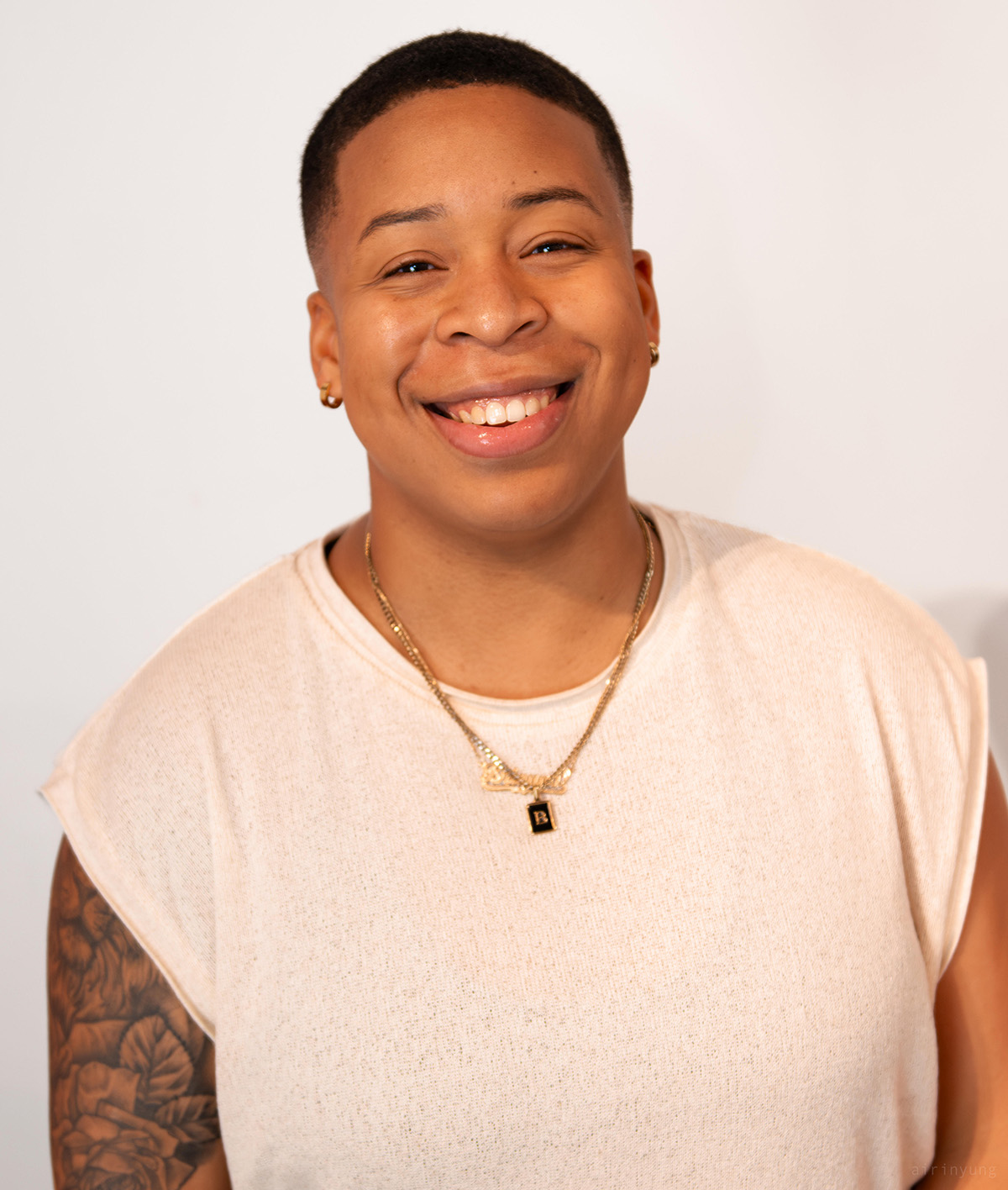
Bri Battle’s @queertalkdc promises to inform readers about “everything queer in the DMV and beyond.” Some of the events and organizations Battle has promoted include DMV Dyke Camp 2025, All Things Go, and the Columbia Mental Health clinics. Battle has also championed taking oneself out as a form of self-care.
Editor’s Choice: AJ Dronkers, @aj_dc
Best Local Website: Washingtonian Problems
instagram.com/washingtonianprobs
Washingtonian Problems is a website that revels in “celebrating the quirks and spirit of the District.” Some of its recent posts highlight the impact of the federal government shutdown in D.C., such as asking readers about local businesses that are “doing government shutdown specials.” Others note U.S. Rep. Marjorie Taylor Greene (R-Ga.) and other Capitol Hill personalities who try to make their mark in the nation’s capital.
Editor’s Choice: Popville
Best Local TV/Radio Personality: Tommy McFly, NBC4
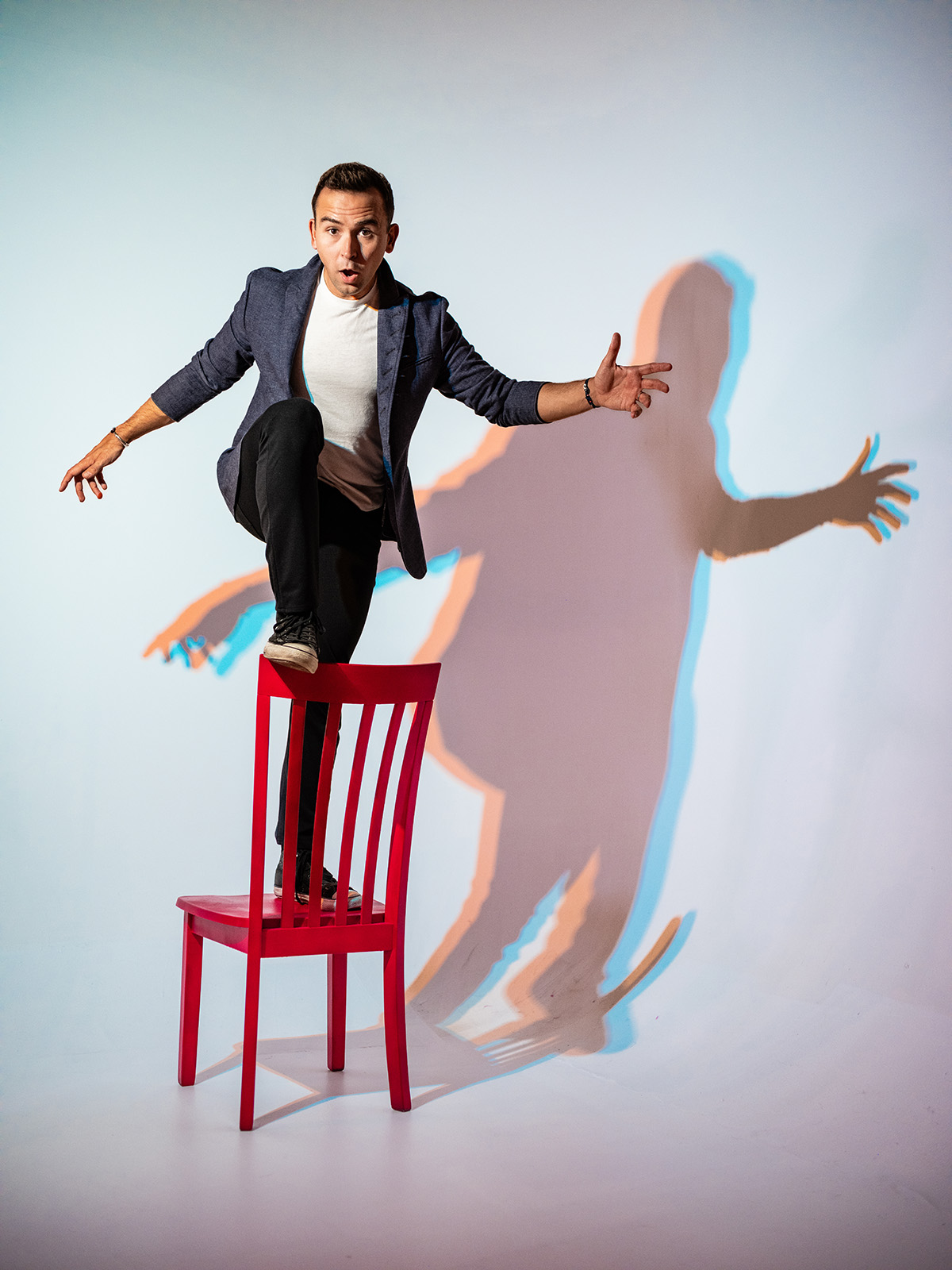
Tommy McFly has been a fixture on local airwaves for more than a decade. Washingtonians can currently watch him doing “The Scene” on NBC4.
“I’m proud to be surrounded by so many incredibly talented queer media professionals in D.C.,” McFly told the Washington Blade. “Just like on the airwaves, our vibrant community is made better because so many people feel they can live their lives authentically here — at work, in public, and at home. I know that isn’t the case everywhere. It’s something we need to cherish. And we have a responsibility to keep bringing everyone along.”
McFly was in the closet when he moved to D.C. in 2006. He said the city since then “has embraced me and my husband, Chrys, in countless ways.”
“But the opportunity to be your neighbor — a friendly face on TV, at live events, in your feed and on the street — is the most incredible gift, and one I’ll never take for granted,” said McFly.
Editor’s Choice: Lorenzo Hall, WUSA 9
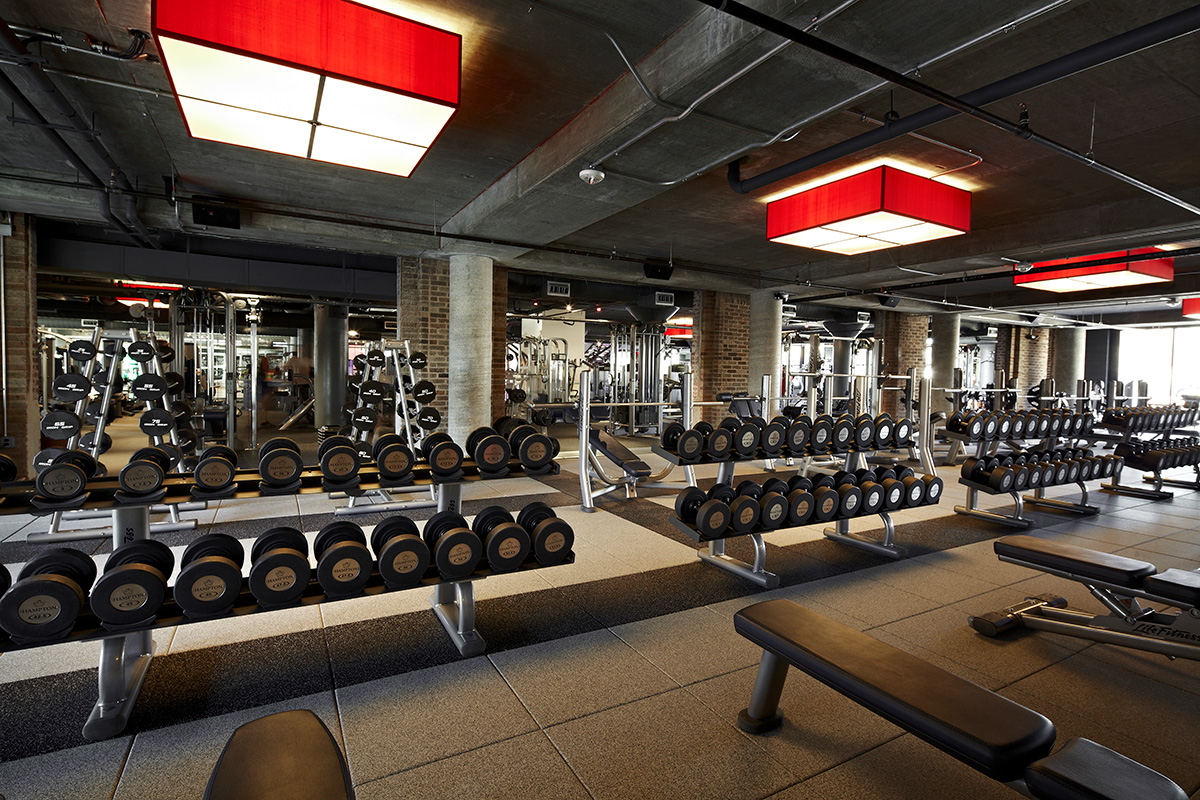
Best Fitness or Workout Spot: VIDA Fitness
Multiple locations
For the second year in a row, VIDA Fitness is the most popular gym among LGBTQ Washingtonians.
Vida has locations in Logan Circle, the Navy Yard, City Center, U Street, Ballston, and Reston. The exclusive Penthouse Pool at the U Street location remains the go-to summer destination for locals who don’t want to schlep to the beach.
Editor’s Choice: Barry’s Bootcamp
Best Lawyer: Erin Palmer
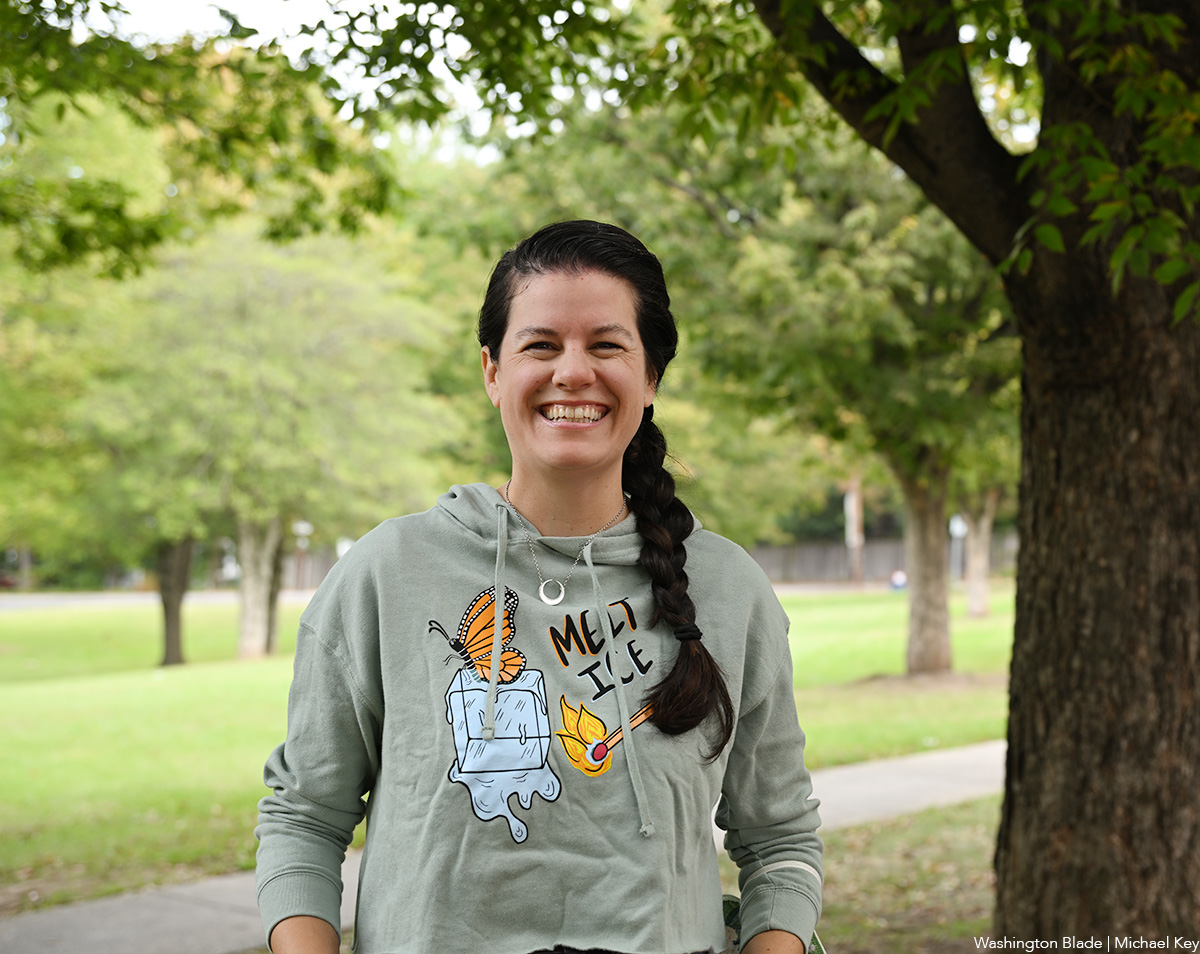
Erin Palmer has been the associate director of the Pro Bono Institute’s Corporate Pro Bono project since 2024. The organization’s website notes she “brings extensive experience in legal ethics, litigation, and public interest advocacy.”
She is an alum of the American University Washington College of Law and of the University of Pennsylvania. Palmer is also a former member of the D.C. Advisory Neighborhood Commission.
Runner-up: Chase Strangio
Best Dentist: Dr. Robert McKernan, Big Gay Smiles
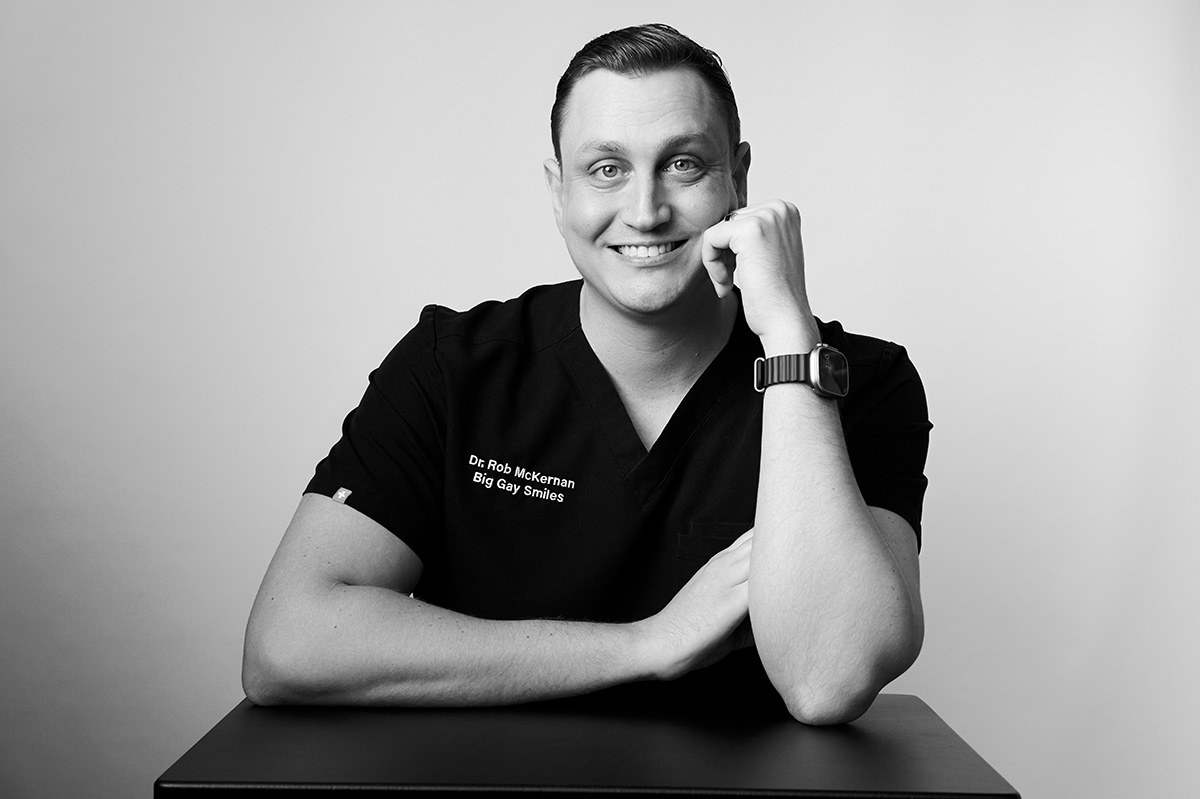
Dr. Robert McKernan of Big Gay Smiles continues to make Washingtonians “smile with Pride.”
“Big Gay Smiles Dental is an LGBTQ2IA+ owned practice that prioritizes comfort, quality, and community,” says Big Gay Smiles on its website. “We understand the stressors related to going to the dentist and actively work to redefine what it means to provide queer- (and ally-) focused dental care.”
Big Gay Smiles also donates 10 percent of its annual revenue to HIV/AIDS service organizations.
Editor’s Choice: Dr. Gregory Martin, DDS
Best Amateur Sports League: Rogue Cornhole
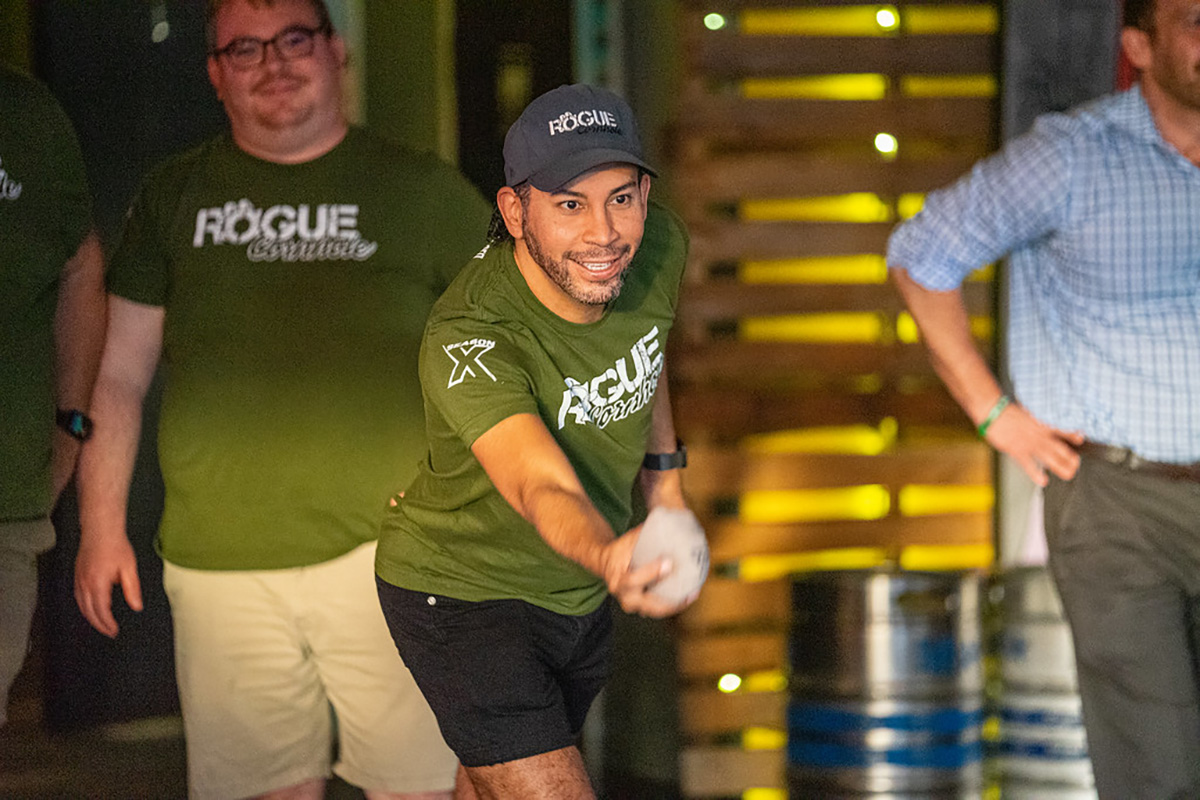
Rogue Cornhole describes itself as a “fun, socially minded, LGBTQ+ non-profit that strives to better our communities through volunteer efforts and raising funds for local non-profit organizations. The group, while championing cornhole, pledges to “have fun, cherish friendships, meet new people, and to be engaged with and committed to bettering our community through educational efforts.”
Editor’s Choice: DC Front Runners
Best LGBTQ Social Group: Gay Men’s Chorus of Washington
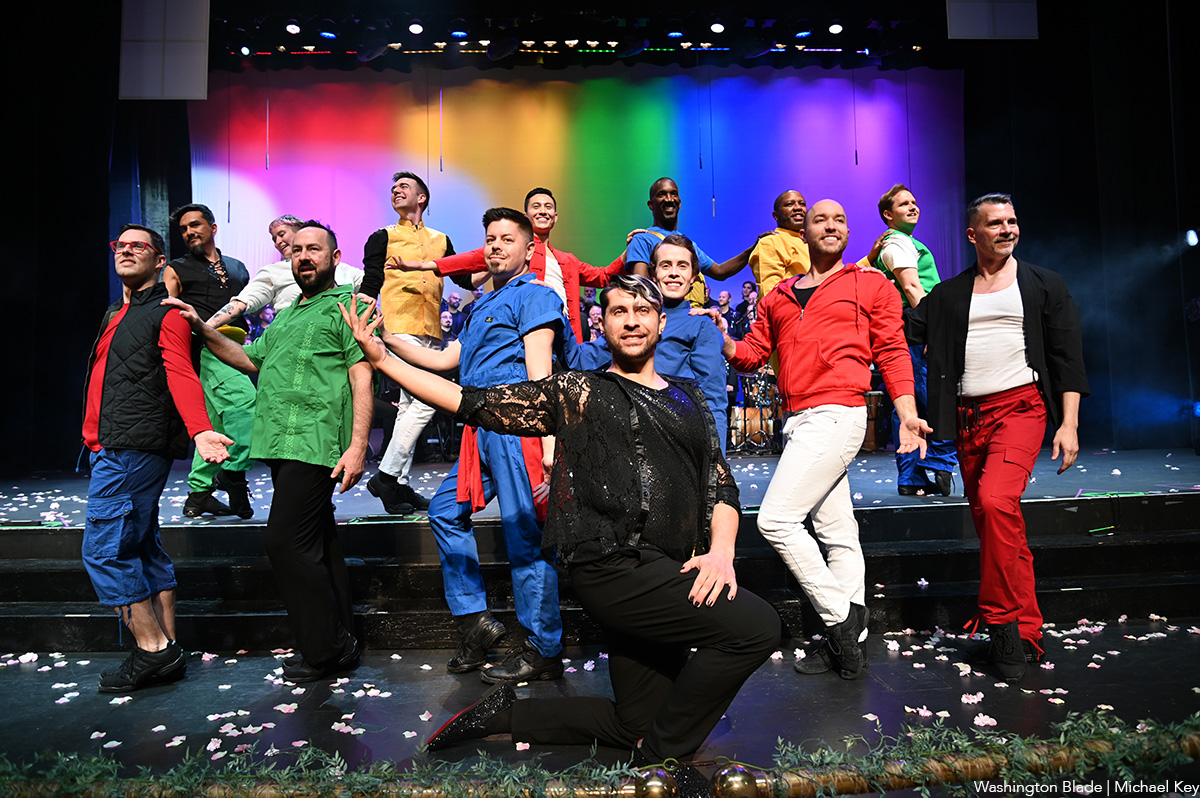
The Gay Men’s Chorus of Washington, DC, has inspired gay men and many others since its founding more than 40 years ago. The chorus, which has performed at the White House, the Kennedy Center, and many other famed institutions, currently includes more than 250 members. It remains “the LGBTQ+ voice of equality in the nation’s capital.”
Editor’s Choice: Capital Sapphics
Best Local Businessperson: Russwin Francisco, Bite the Fruit
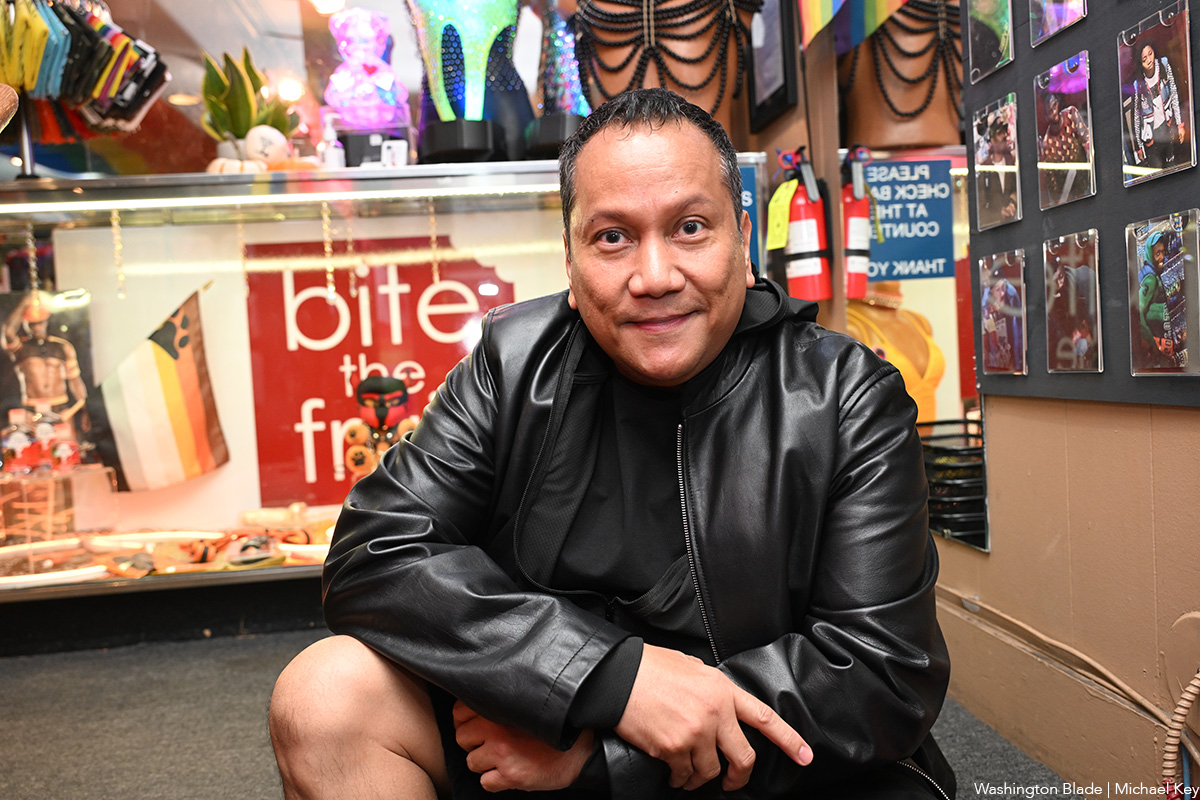
1723 Connecticut Ave., N.W. (second floor)
Established in 2012 in D.C., Bite the Fruit is gay-owned, straight-friendly and kink forward. It is a peerless retailer of adult novelties and provocative apparel that promotes healthy sexual and sensual exploration.
Editor’s Choice: Gregory Jones, Capital Center for Psychotherapy & Wellness
Best Clergy: Bishop Thomas Wieczorek
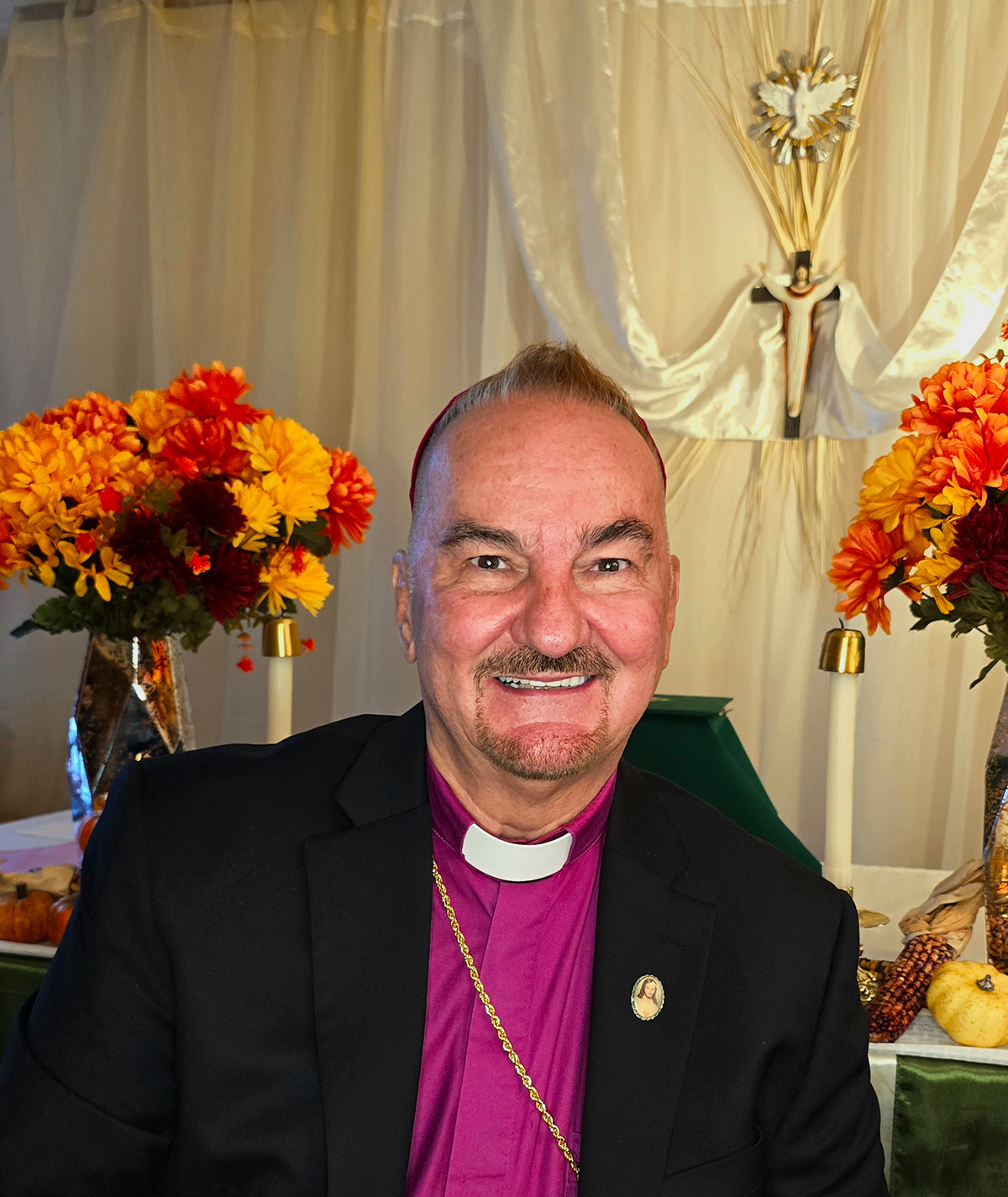
Thomas Wieczorek is a priest with the D.C.-based affiliate parish of St. Mary’s National Catholic Church of North America; he was elected auxiliary bishop in 2022.
Wieczroek has held many titles during his lifetime: award-winning newspaper reporter, baker, police officer, fire chief, deputy and director of public safety, city manager, and consultant. He is active in D.C. and other communities, having been the vice chairperson of Capital Pride, chairperson of Ionia-Montcalm County Domestic Violence Program, and other groups.
Editor’s Choice: Rev. Dr. Adalphie Johnson
Best Real Estate Agent: Michael Moore, Compass
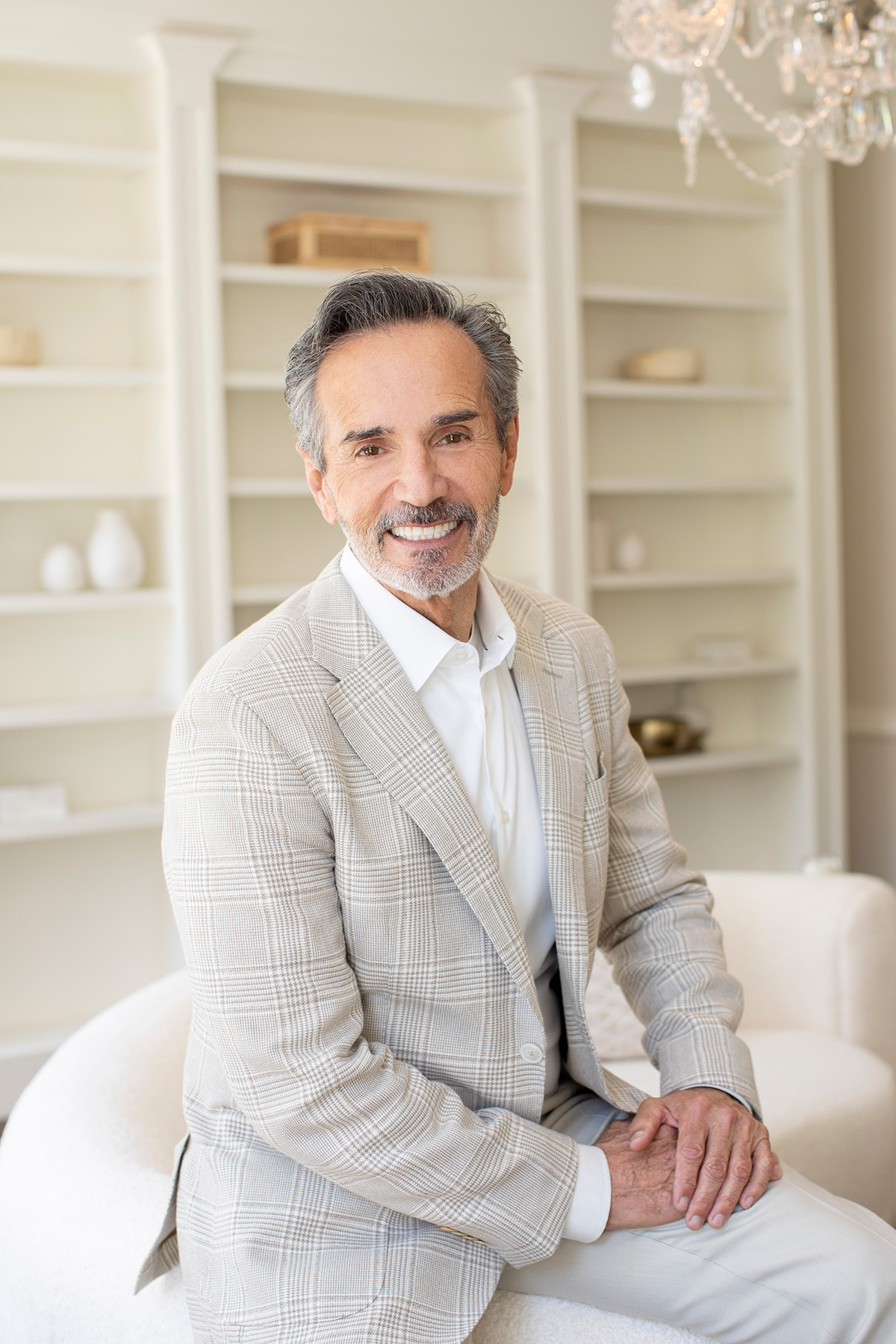
1313 14th St., N.W.
Michael Moore cares about doing good work for people through each step of the buying and selling process. For him, the client experience is the heart of the business, and his commitment to investing in the longevity of those relationships defines his career. He’s also been a longtime advocate for AIDS LifeCycle bike rides, Caron Treatment Centers, and Food and Friends.
Editor’s Choice: Lamar Brathwaite, Coldwell Banker
Best Real Estate Group: Bediz Group, RLAH
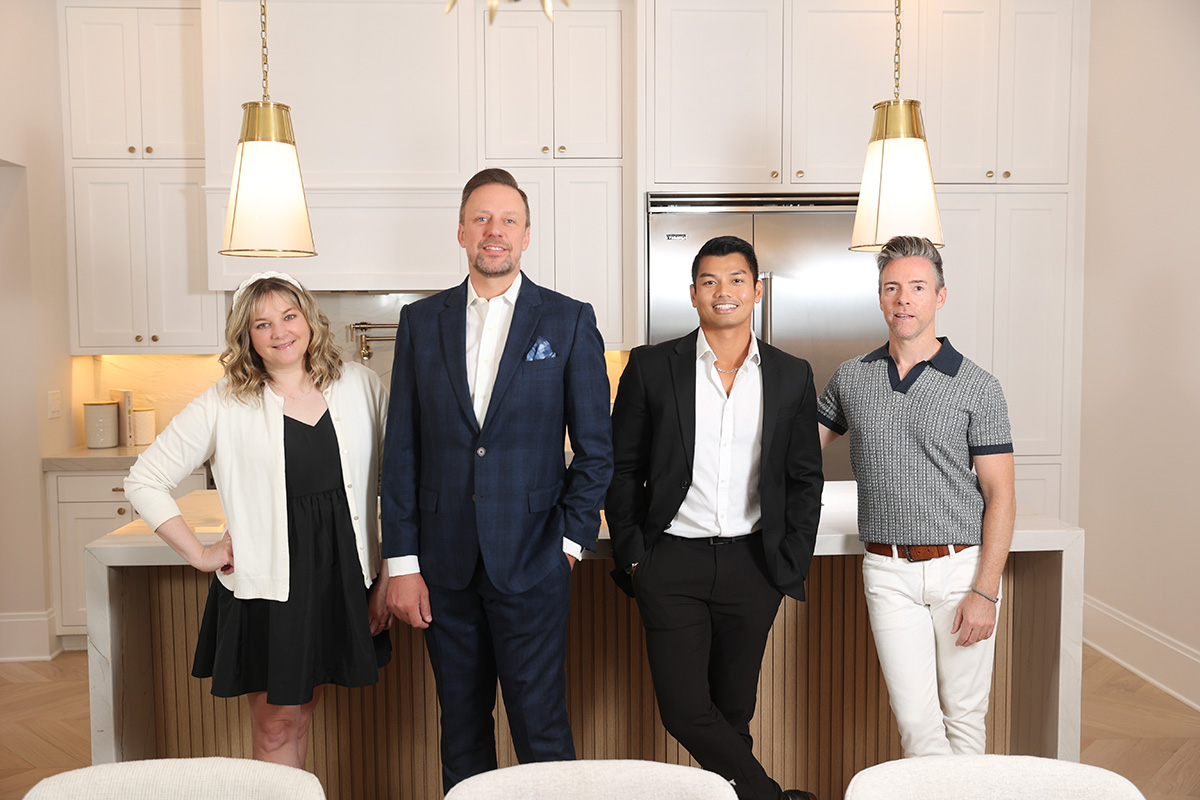
Multiple locations
202-642-1616
The Bediz Group is a real estate team of seven agents and this is its fifth win in this category. In addition to real estate services, Bediz Group also offers an in-house creative team that provides high-caliber marketing collateral that ensures your property stands out. The group’s weekly emails reach more than 3,600 readers and it promotes its listings on its social media platforms.
Editor’s Choice: The Tom Buerger Team, Compass
Best LGBTQ-Owned Business: LGBT+ Counseling Collaborative
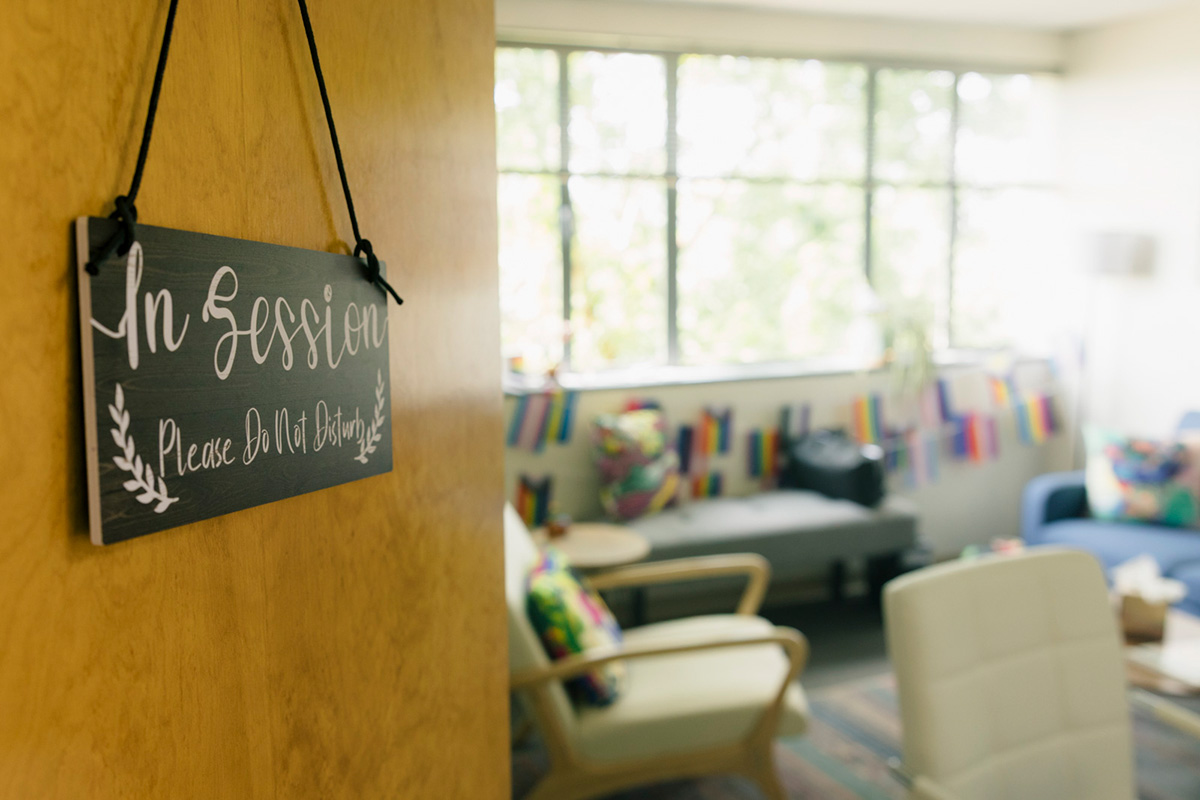
This collaborative is a dedicated team of queer and trans-identifying psychotherapists serving LGBTQ+ clients, their families, and allies. The group’s mission is to provide culturally competent, social justice oriented, queer affirming, neurodiverse-informed, and trauma informed therapeutic services to clients who want to actively engage in healing and processing around personal history, generational cycles, and systemic issues with clinicians who have similar lived experiences and values.
Editor’s Choice: Urban Adventures
Most LGBTQ-Friendly Workplace: Stratus Firm
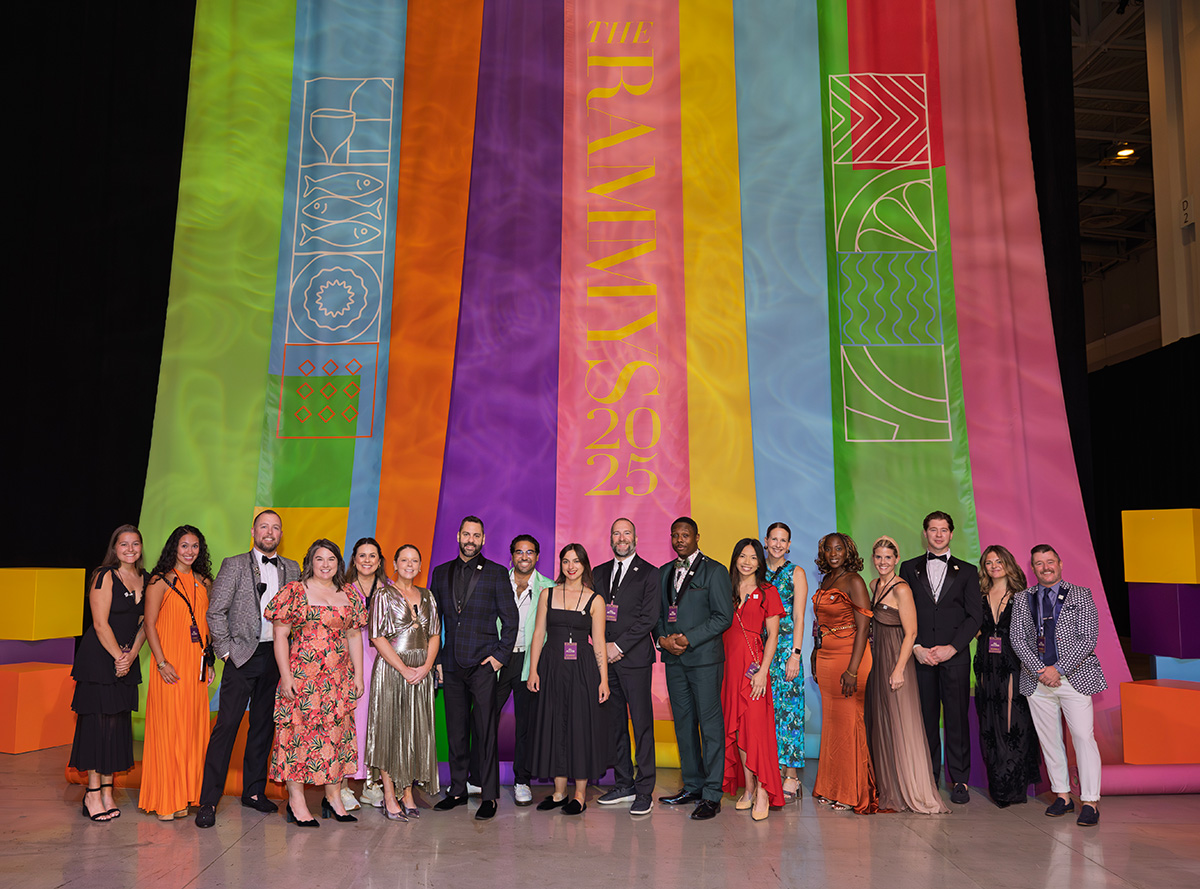
Stratus specializes in events that are dynamic, large-scale, and production-heavy and produces high-impact experiences for a wide range of corporations, associations, and nonprofits.
Editor’s Choice: Whitman-Walker Health
Best Home Furnishings: Miss Pixie’s
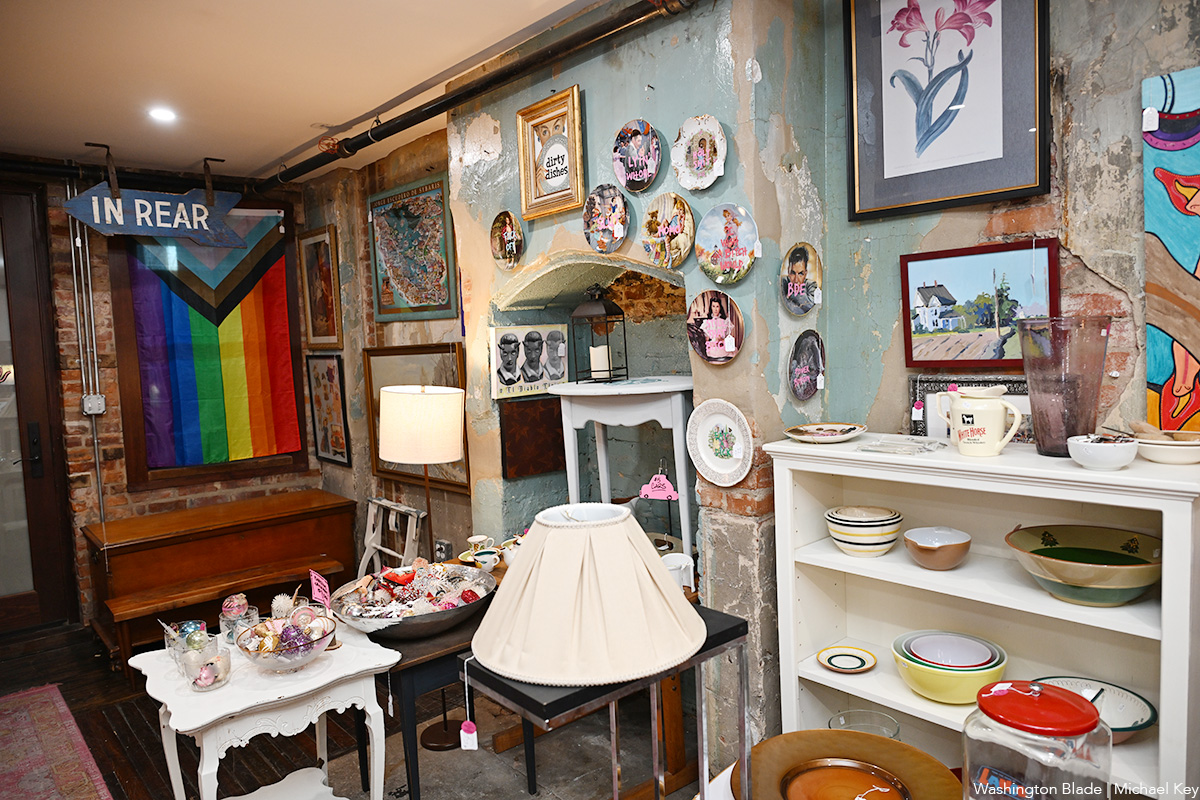
1830 Columbia Rd., N.W.
Established in 1997, Miss Pixie’s opened at 1810 Adams Mill Rd. NW in Adams Morgan in a tiny 550-square-foot space with 18-foot ceilings. Miss Pixie quickly learned to “stack it deep and sell it cheap,” and most of the weekly inventory was gone by the end of each week.
Sadly, Miss Pixie’s announced the store is closing on Oct. 31 so stop by soon for 20 percent off many items.
Editor’s Choice: West Elm
Best Pet Business or Vet: City Paws Animal Hospital
1823 14th St., N.W.
City Paws has assembled a team of caring, compassionate, and highly skilled veterinary professionals who share the same dedication to delivering the highest quality veterinary care while building solid and lasting client relationships.
Editor’s Choice: Canino Dog Boutique
Best Salon/Spa: Logan 14
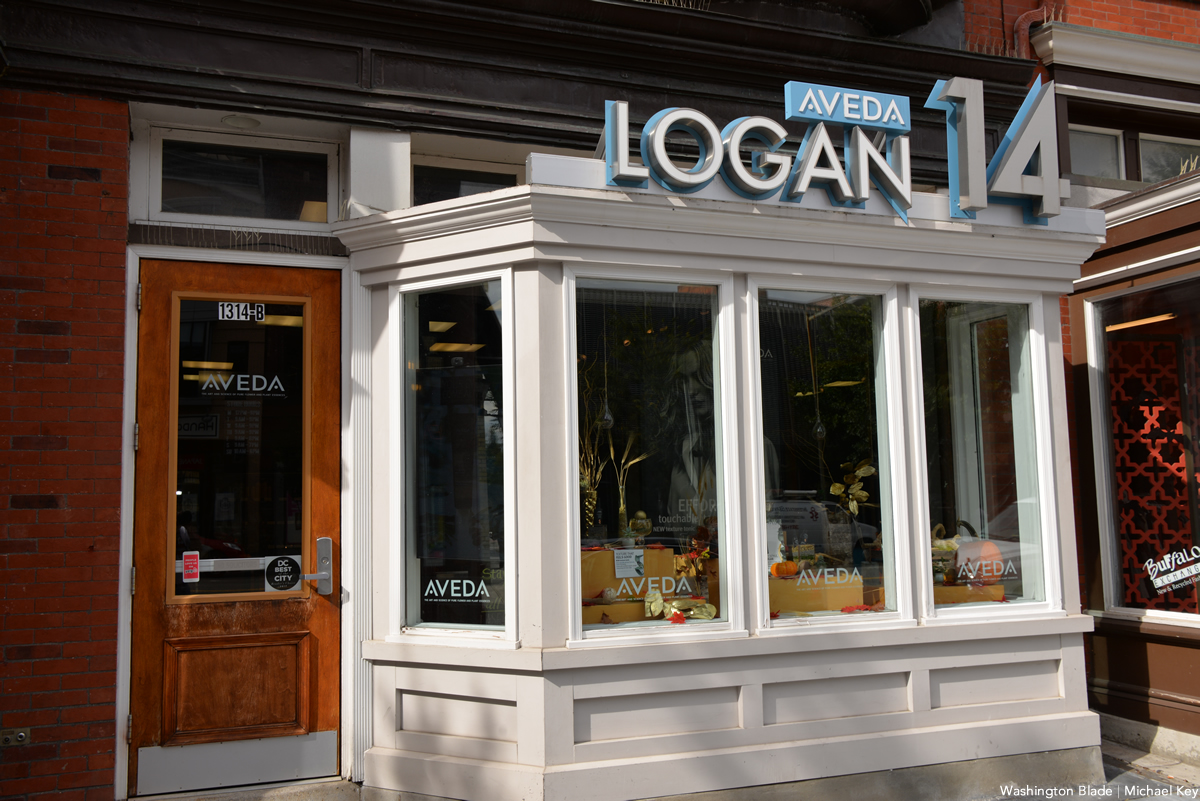
1314 14th St., N.W.
Logan 14 Aveda Lifestyle Salon & Spa is the winner for the ninth consecutive year. The salon places an environmentally conscious, queer-affirming focus on hair, skin and makeup services. The LGBTQ-owned salon strives to create a nurturing environment and uses entirely naturally derived Aveda products. Guests can opt for medspa treatments in addition to traditional salon services, all of which promote rejuvenation. The 14th Street salon opened in 2010 and features a 75% LGBTQ clientele.
Editor’s Choice: Bang Salon
Best Med Spa: ProMD Health
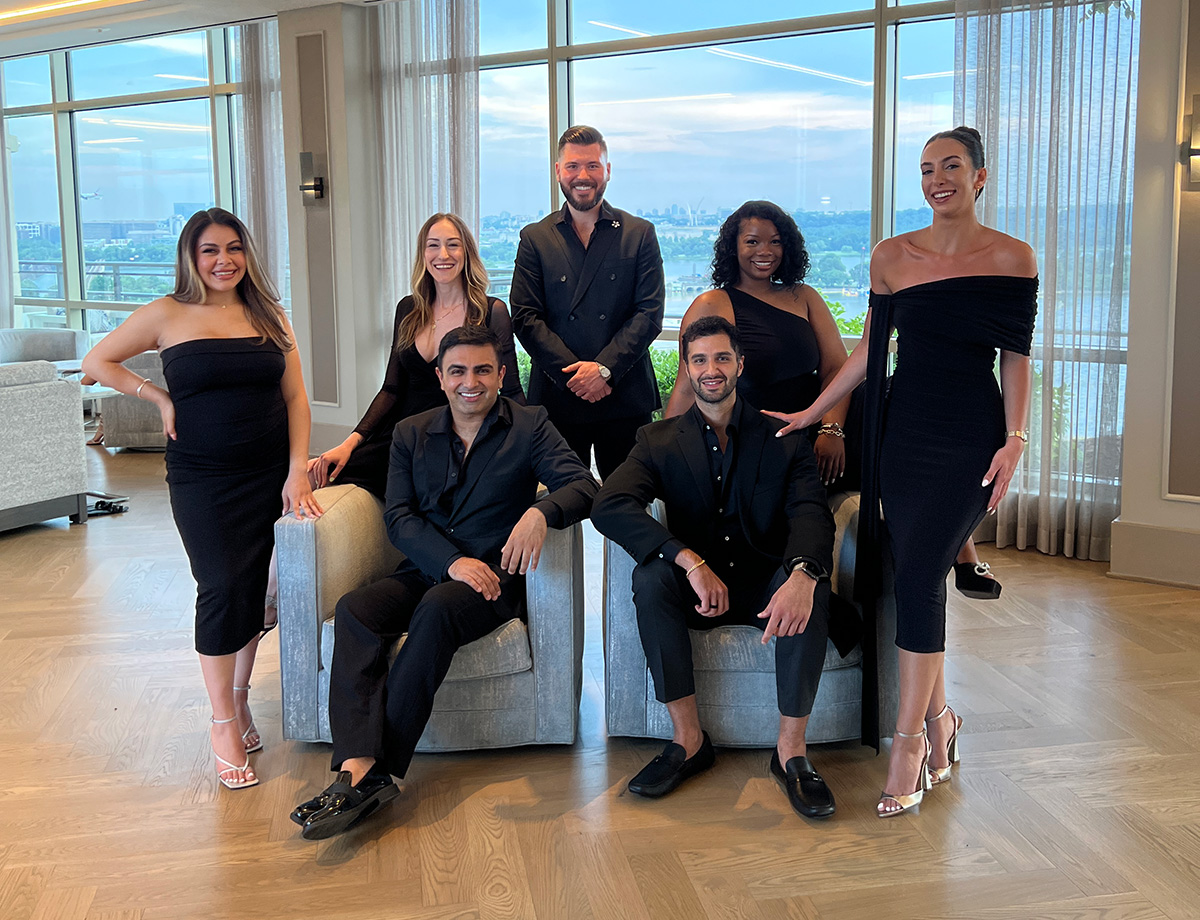
1003 K St., N.W. #835
Editor’s Choice: Javan Wellness
Best Hotel: Eaton DC

1201 K St., N.W.
Eaton DC was the 2024 Editor’s Choice in this category. A member of World Rainbow Hotels, Eaton DC is focused on diverse cultural programming, equitable community-building, and environmental sustainability. This flagship location is LGBTQ-friendly and offers an inclusive safe space for guests. The boutique hotel is also home to a Pride-themed hotel suite, featuring Marsha P. Johnson’s quotes on the wall, rainbow decor and decorations based on feedback from LGBTQ hotel staff. The hotel is nestled downtown, walking distance from the National Mall. Eaton Workshop’s original location is in Hong Kong.
Editor’s Choice: Dupont Circle Hotel
Best House of Worship: Sixth & I
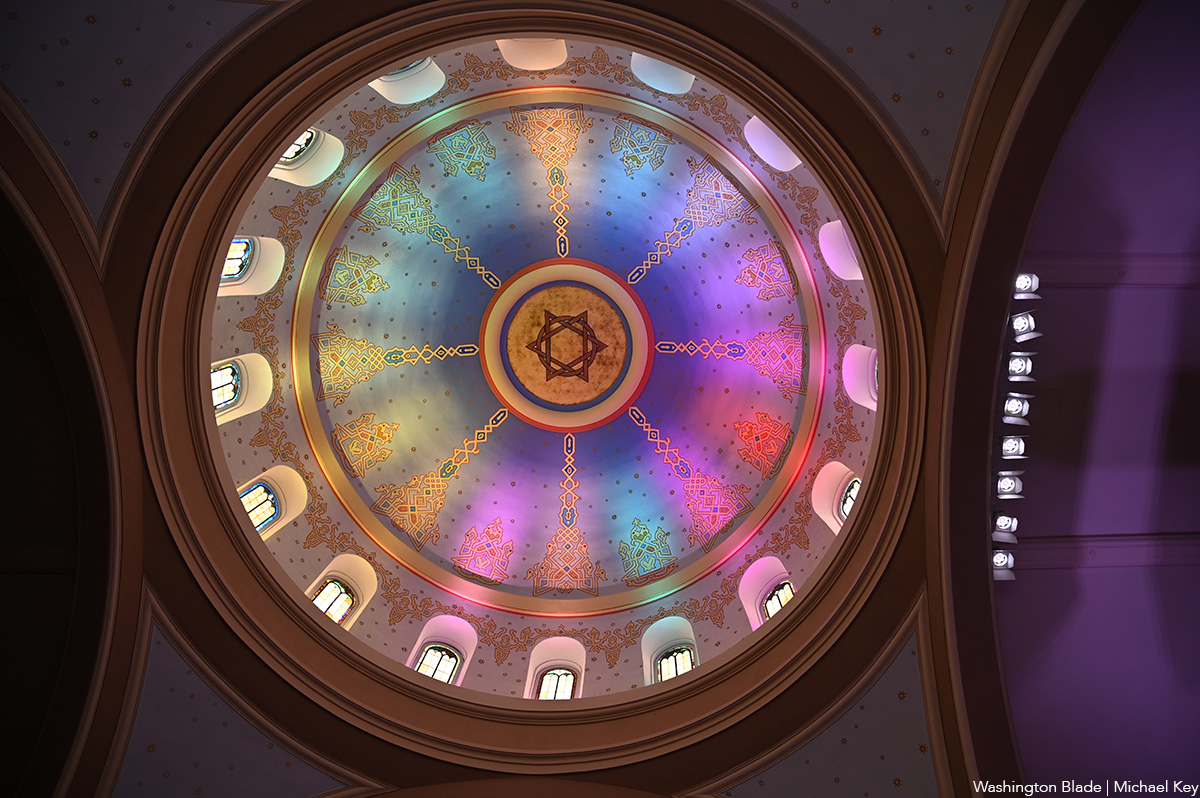
600 I St., N.W.
Sixth & I is the winner for the second year in a row. The multi-denominational and non-membership institution is housed in a historic 1908 synagogue. The synagogue offers cultural and spiritual programming ranging from comedy, concerts, and live podcasts. Past live entertainment included talks from Janelle Monáe, Jonathan Van Ness and Ocean Vuong. Sixth & I also offers a range of LGBTQ-inclusive services and events, including Pride Shabbat services, gay weddings and other community events.
Editor’s Choice: Metropolitan Community Church of DC
Best Tattoo Parlor: Second Son Tattoo
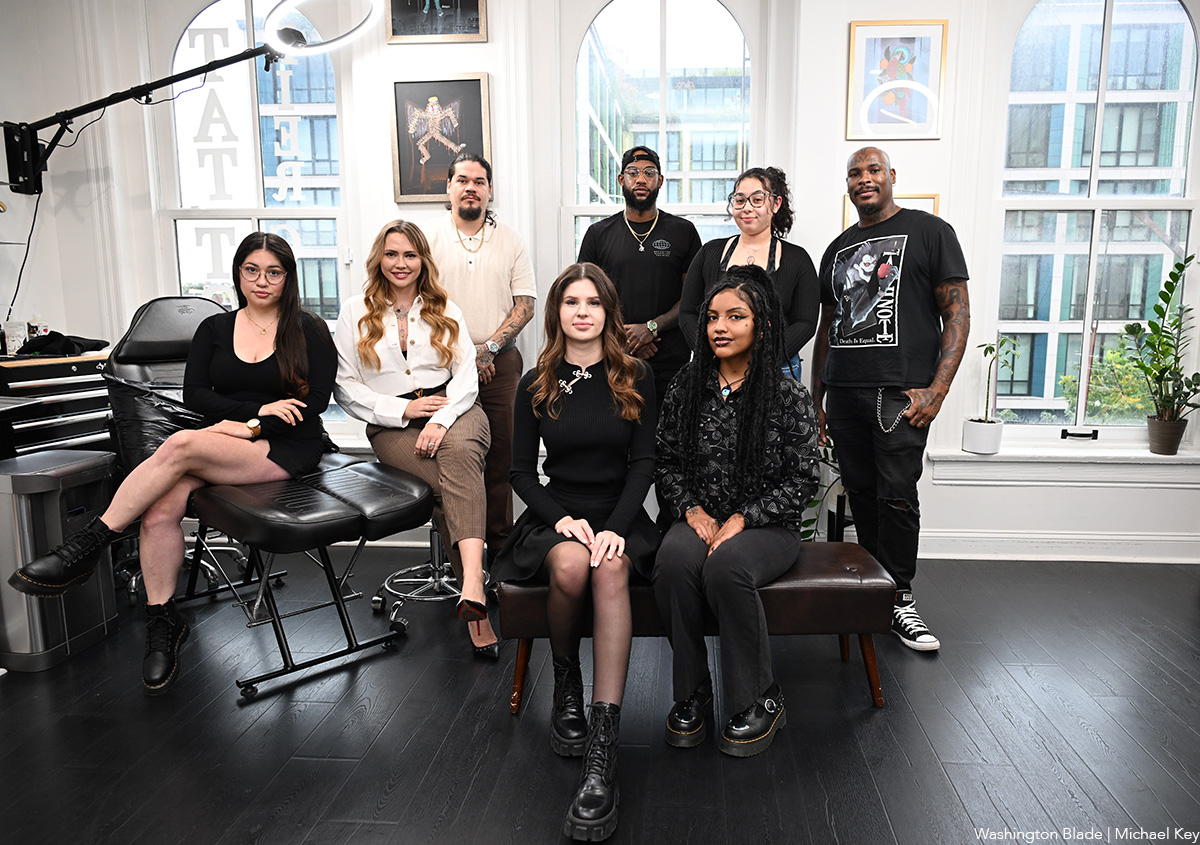
1712 14th St., N.W. (third floor)
This tattoo and piercing shop located just north of Logan Circle prioritizes safe and enjoyable experiences for its clients. While the shop isn’t LGBTQ owned, Second Son Tattoo strives to create custom tattoos best fit to customers’ wishes. The shop’s eight artists specialize in a variety of artistic specialties, including black and grey realism, florals, anime, and line work.
Editor’s Choice: Tattoo Paradise
Best LGBTQ Event: Capital Pride
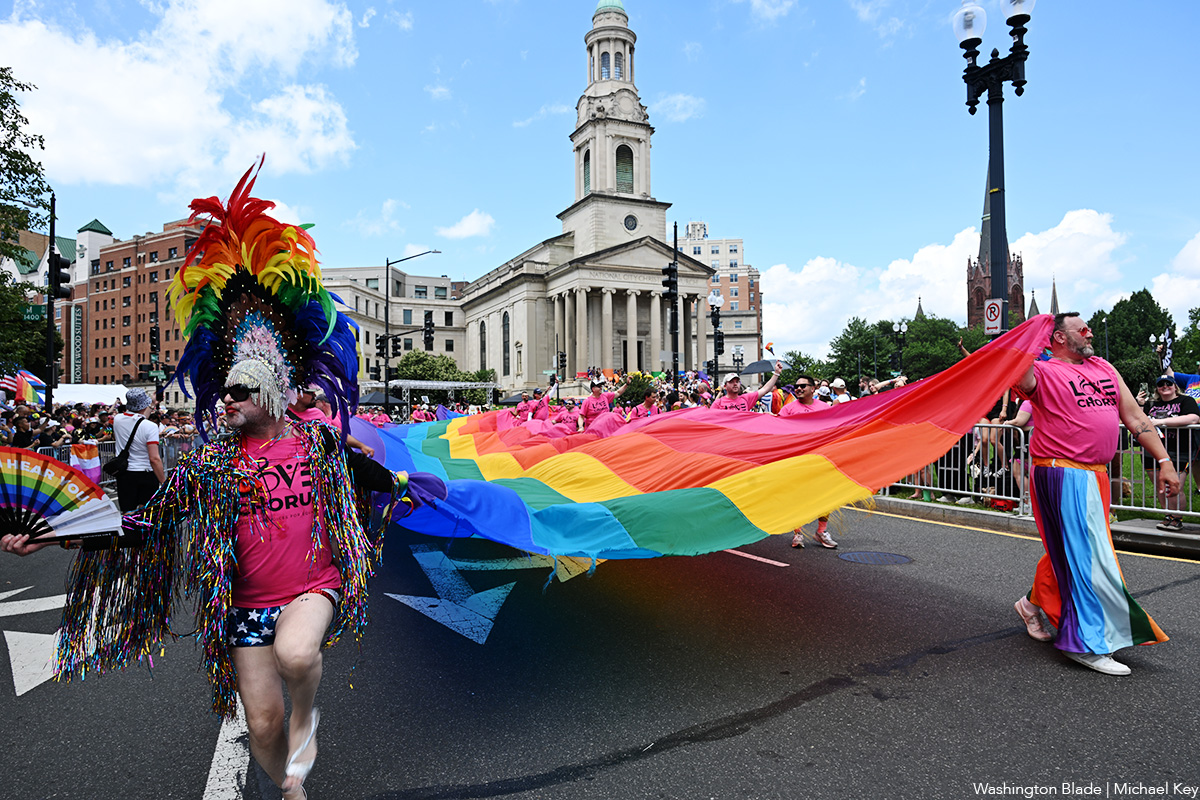
Capital Pride, an annual LGBTQ parade and festival held in June, is Washington’s premier Pride celebration. A parade featuring community organizations, corporate sponsors and local businesses, a street festival, a gala and a block party are just some of Capital Pride’s many featured events, all organized by the Capital Pride Alliance. The event originated as Gay Pride Day, a one-day block party, in 1975; the event is now a multi-day celebration that lights up a variety of neighborhoods. Capital Pride is set to be held from June 8-14 in 2026.
Editor’s Choice: Miss Adams Morgan Pageant
Best WorldPride Event: WorldPride Music Festival
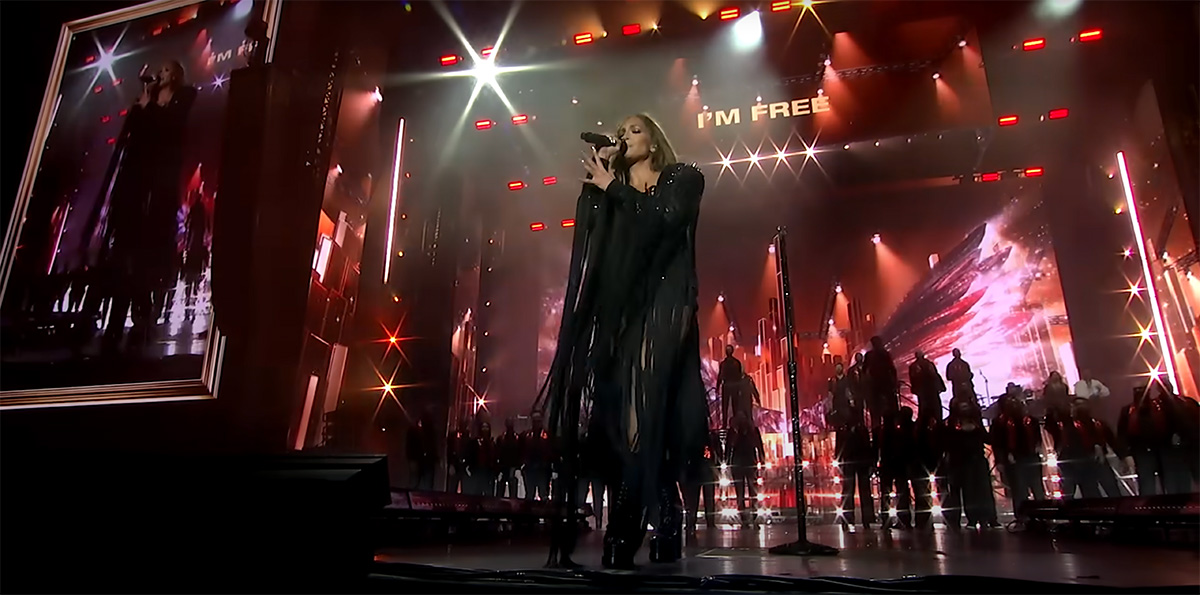
worldpridedc.org/events/music-festival-global-dance-party/
The WorldPride Music Festival served as the District’s dance party on June 6 and 7 for the 50th year of Capital Pride. The two-day music festival was held on RFK Festival Grounds on the banks of the Anacostia River. Featured artists included Jennifer Lopez, Troye Sivan and Reneé Rapp. The WorldPride Music Festival is set to be held in Amsterdam in 2026.
Editor’s Choice: MIXTAPE Pride Party
Best Diversity of Pride: DC Black Pride
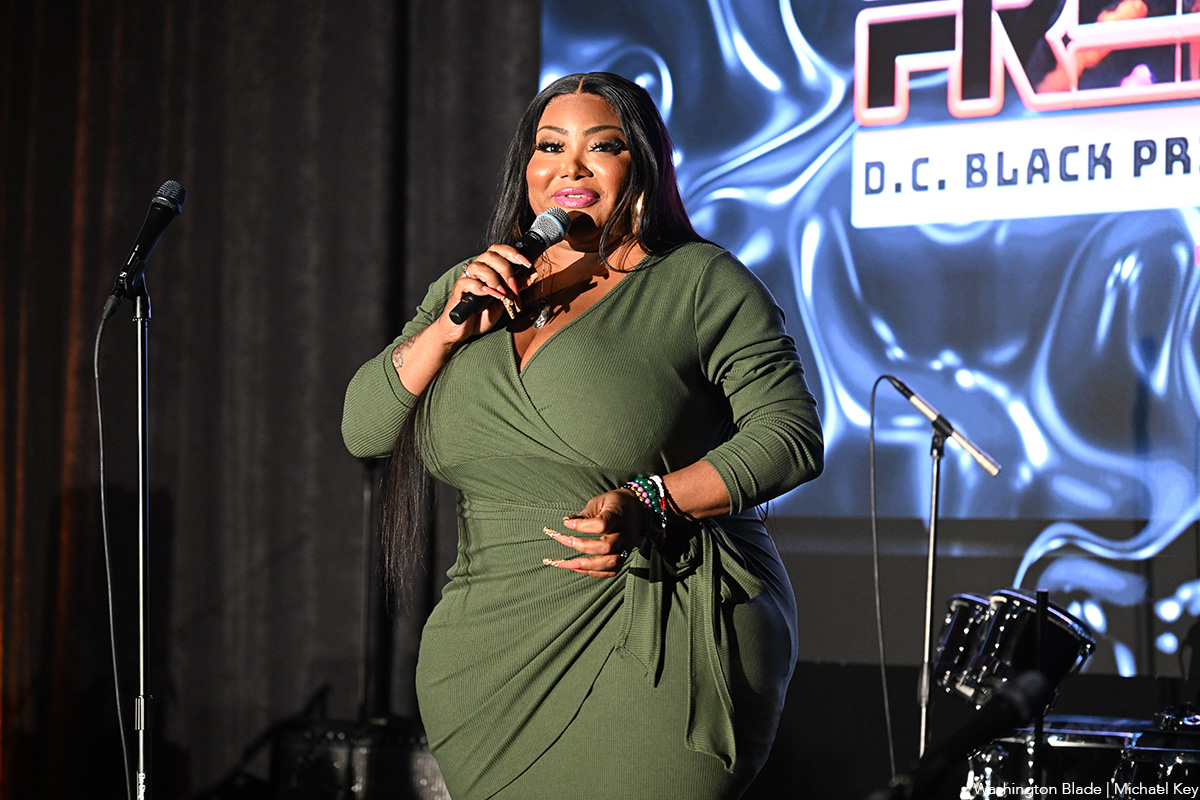
1001 16th St., N.W.
DC Black Pride, held on Memorial Day weekend, raises awareness and funding for HIV/AIDS while celebrating Black Pride and community. The event began with a Black Gay and Lesbian Pride event in 1991 and has since blossomed into an event of 500,000 Black LGBTQ attendees and allies. As the catalyst for Black Pride events, more than 50 cities globally center their celebrations around Washington’s model. The Center for Black Equity produces DC Black Pride annually.
Editor’s Choice: Trans Pride
Best Pride Outside of DC: Baltimore Pride

Baltimore Pride is the best non-D.C. winner for the second consecutive year. The Pride Center of Maryland hosts Baltimore Pride annually in celebration of LGBTQ contributions and diversity. The event began in 1975 with a peaceful activist demonstration and has since evolved into a range of events spread throughout the downtown area. The celebration takes place in and near Mount Vernon, Baltimore’s “gayborhood.” Typical events include the Pride Parade and Block Party, the Twilight on the Terrace Gala, Youth Pride and Pride in the Park.
Editor’s Choice: Virginia Pride, Richmond
Best Car Dealership: BMW of Fairfax
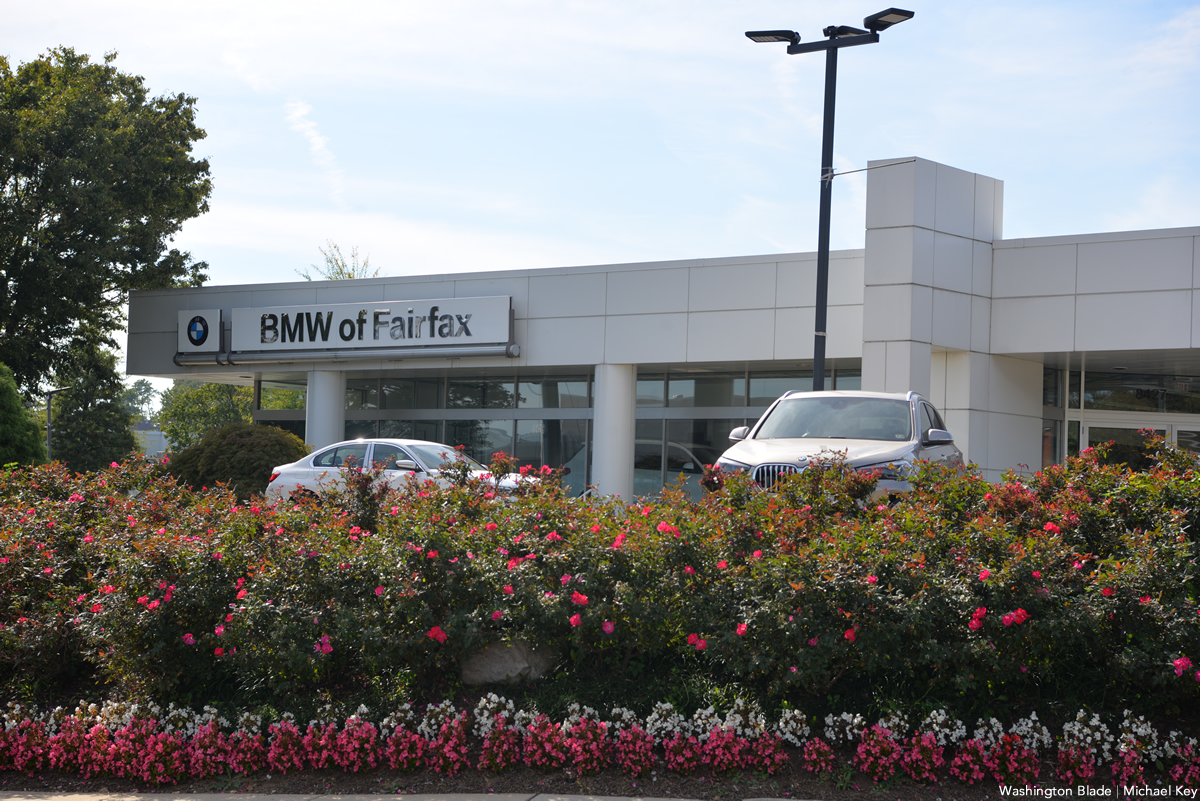
8427 Lee Hwy
Fairfax, Va.
Editor’s Choice: DARCARS
Best Private School: Edmund Burke
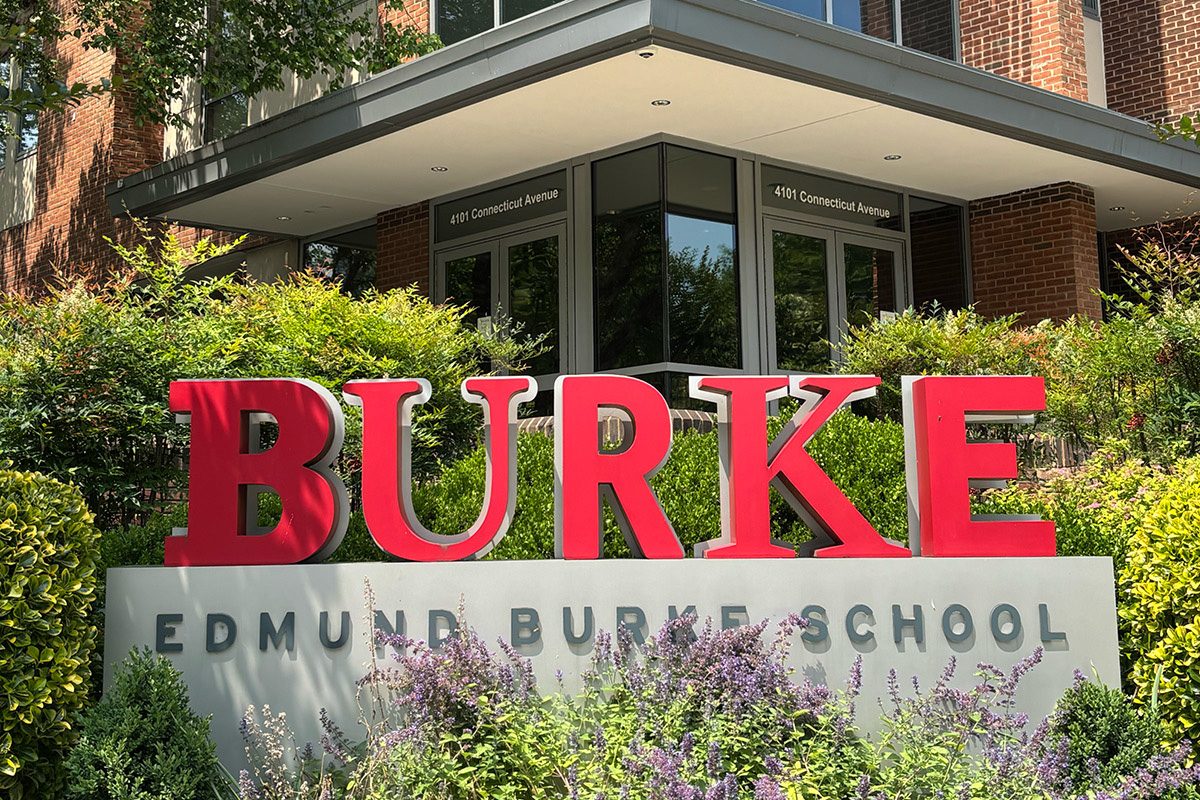
4101 Connecticut Ave., N.W.
Editor’s Choice: Maret School
FOOD & DRINK
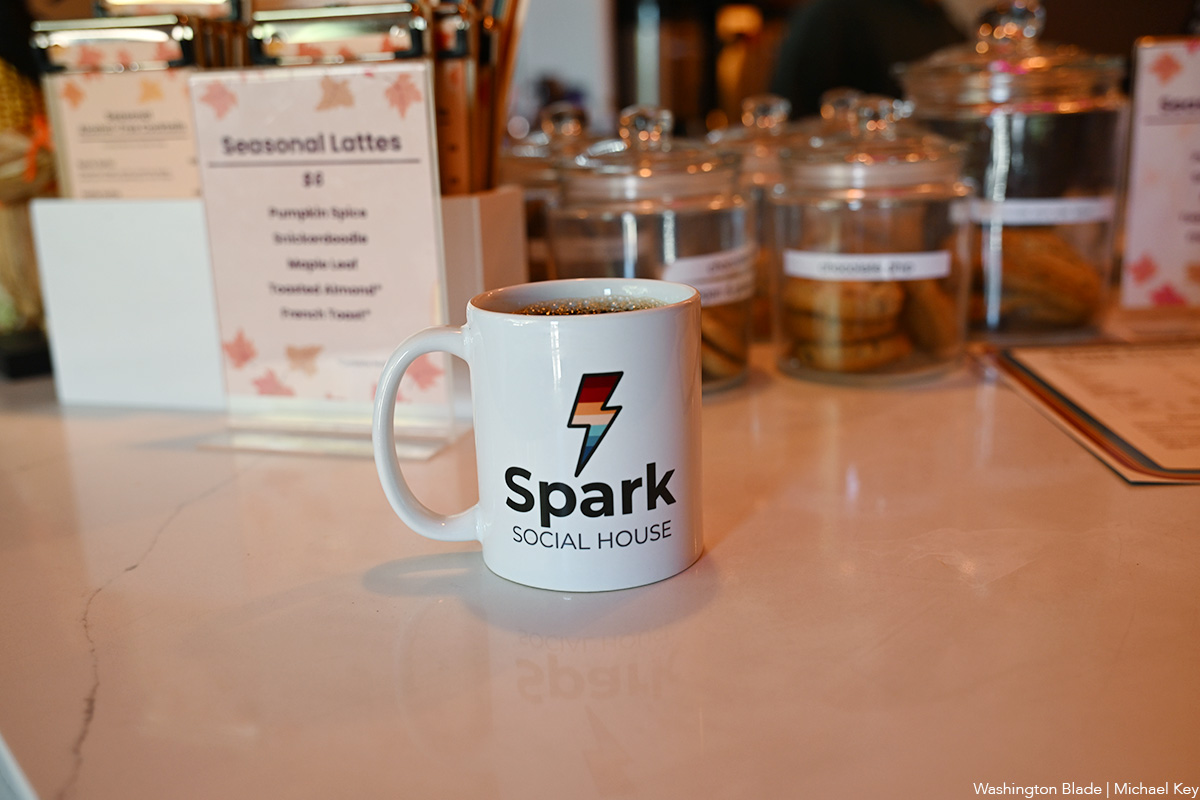
Best Coffee Shop: Spark Social House
2009 14th St., N.W.
Spark Social House, which opened in March 2025, is Washington’s first LGBTQ alcohol-free bar, but is also so much more than that. A community gathering place in the heart of D.C.’s LGTBQ nightlife center at 14th and U Streets, N.W., the two-story space serves coffee and tea during the day, bringing in friends, colleagues, and dates in an inclusive, welcoming space. And in the evening, it becomes a sober party, with DJs, performances, and events.
Editor’s Choice: Three Fifty Bakery & Coffee Bar
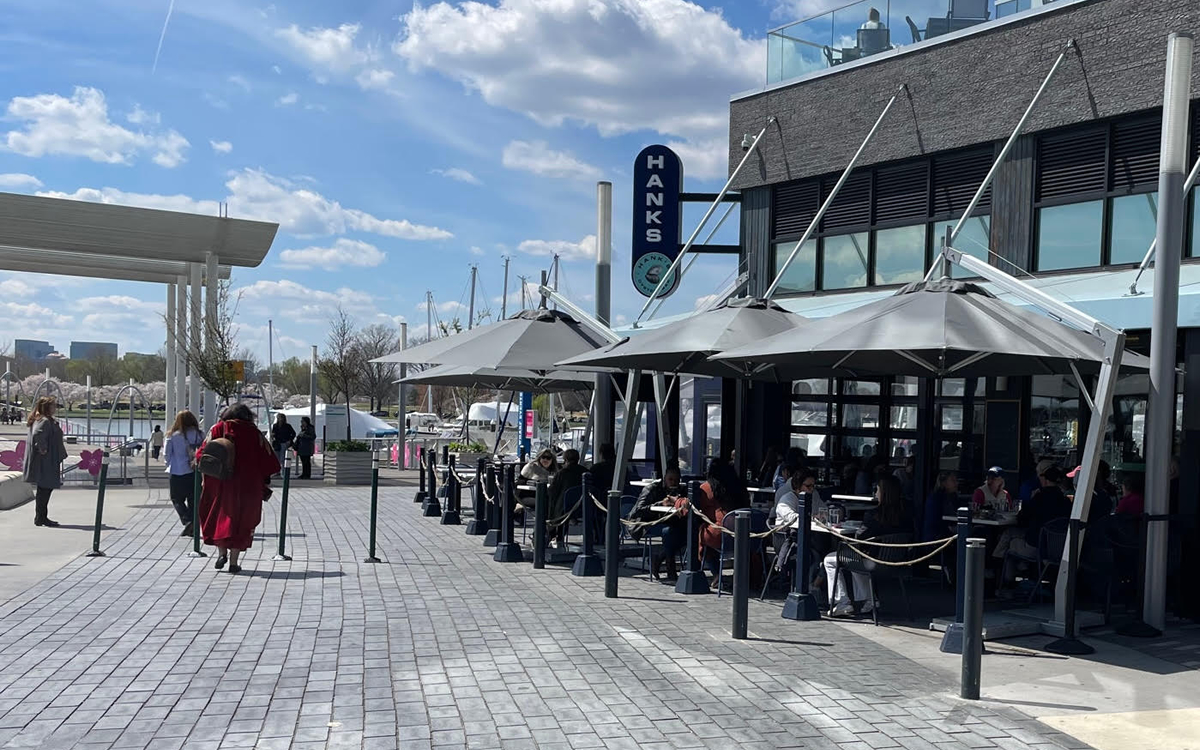
Best Outdoor Dining: Hank’s Oyster Bar
Multiple locations
With locations in Dupont, the Wharf, and Alexandria, this 20-year-old institution has collected numerous Blade awards, like Best Chef (owner Jamie Leeds) and Best Craft Cocktails. In Dupont, the outdoor patio is a classic scene, located right off 17th Street, for everything from first dates to catch-ups to events. As a community-oriented space, Hank’s has placed a sincere focus on being inclusive for its two decades, meaning that everyone is welcome on its breezy patio with both great food and great people watching. On the Wharf, The sweeping vistas pair especially well with oysters and lobster rolls.
Editor’s Choice: Barcelona
Best Restaurant: Tabard Inn

1739 N St., N.W.
One of the oldest hotels in Washington, D.C., the Tabard Inn opened in 1922 in the style of an English manor and has been oozing charm ever since. While not gay-owned, it’s become a welcoming gathering space for LGBTQ locals and visitors, owing to its geography in Dupont Circle, eccentric nature, somewhat hidden locale, and diverse staff and clientele. The restaurant, started as a tea room, is full of art and warmth, and places a focus on mid-Atlantic cuisine.
Editor’s Choice: Red Hen
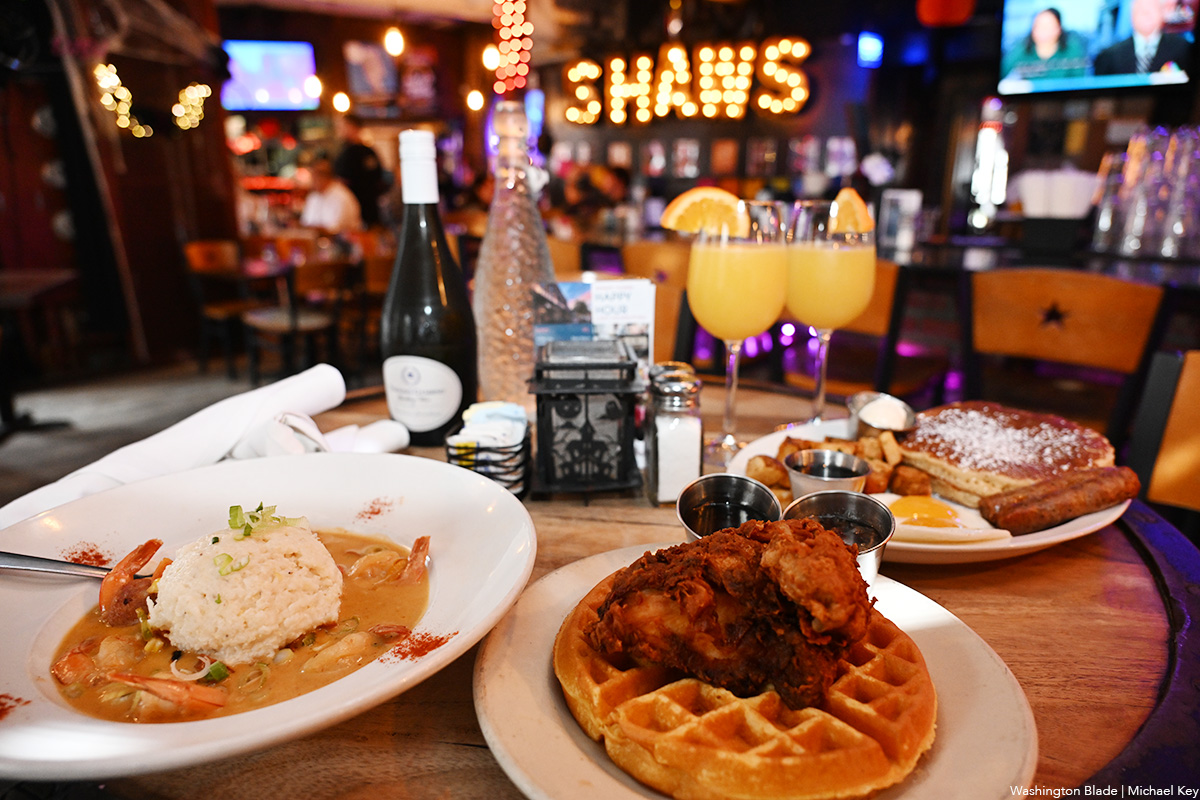
Best Brunch: Shaw’s Tavern
520 Florida Ave., N.W.
Shaw’s Tavern has been a mainstay of the LGBTQ community for many years, with LGBTQ management and a prime location by nightlife and culture. Boasting a large outdoor patio, this New American restaurant is primed for big brunch business (running an impressive seven hours, from 10 a.m.-5 p.m.), especially wrapped around its bottomless mimosas and brunch cocktails and shots. Brunch brings sandwiches, flatbreads, waffles, lots of eggs, and a healthy dose of socializing.
Editor’s Choice: HER Diner
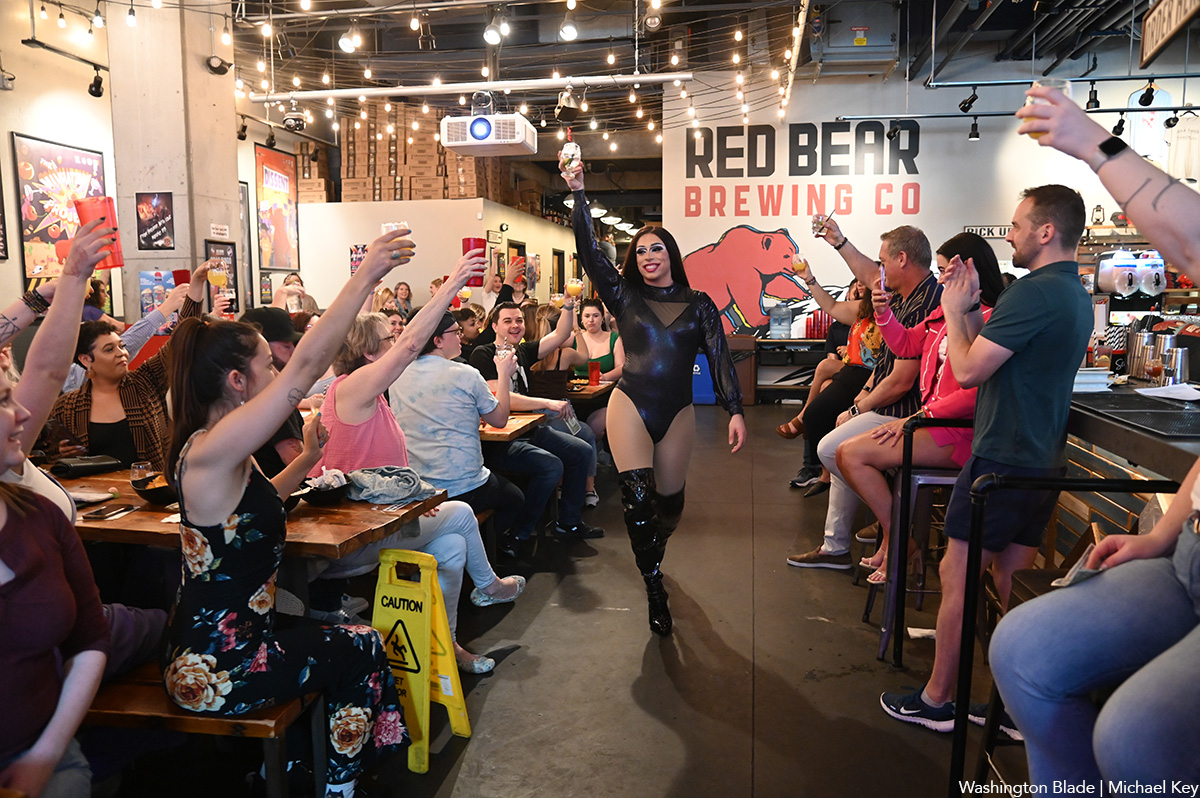
Best Brewery: Red Bear Brewing Company
209 M St., N.E.
Having taken home Best Brunch, Best Neighborhood Bar, and Best Local Brewery awards in the past, this year, it’s back to win the Best Brewery award yet again. This gay-owned venue in the District hosts drag shows (including brunch), trivia, and stand-up performances, among other events, along with a big space for board games and casual conversation. It has poured brews with suggestive titles like “Hefe Don’t Preach,” “OktoBEARfest,” and “Tall, Dark and Nutty,” to name a few.
Editor’s Choice: DC Brau
Best Distillery: Republic Restoratives Distillery
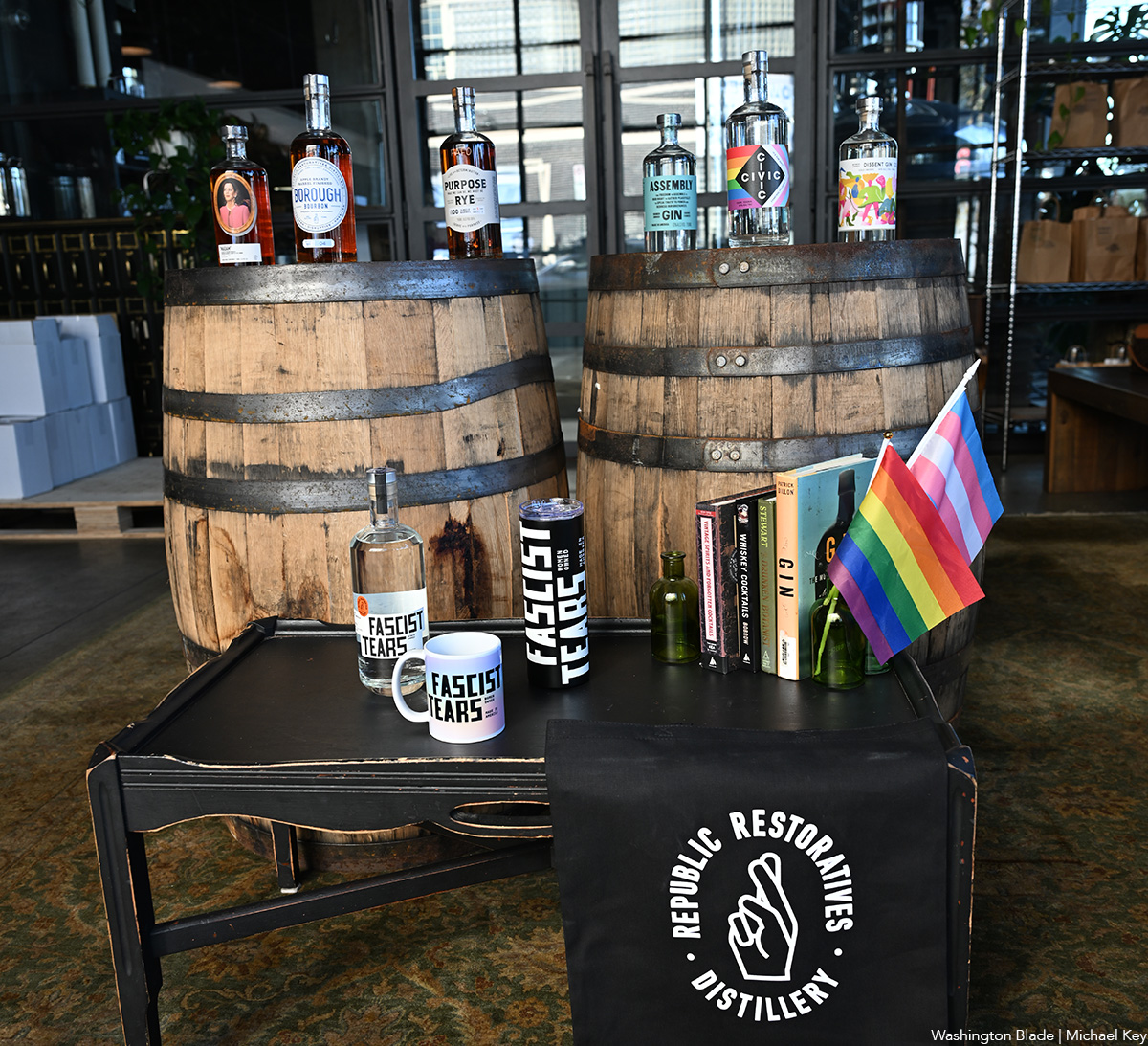
1369 New York Ave., N.E.
Winning this honor multiple times, Republic Restoratives is women-owned, community-led, made in the District, and as activist-oriented as they come. Republic’s vodka, Civic Pride, was created out of frustration with popular brands co-opting the rainbow flag while also supporting organizations or efforts that directly harm LGBTQ people. It created and then quickly sold out bottles of “Madam” a bourbon-rye whiskey on whose label Kamala Harris’s smiling visage is featured.
Editor’s Choice: Cotton & Reed
Best Burger: Duke’s Grocery

Multiple locations
The 2021, 2023, and 2024 winner, Duke’s Grocery serves burgers with a British accent. With locations in Dupont Circle (recently refreshed), Woodley Park, Navy Yard, and Foggy Bottom, this restaurant serves guests hearty portions of bar food. The burger has landed it on a whole bunch of lists, from Zagat to the Washington Post. Besides its famed Proper Burger, it also has salmon, Impossible, and Wagyu burgers. The Dupont location was closed for a year, undergoing a renovation, and recently reopened to royal fanfare.
Editor’s Choice: Lucky Buns
Best Pizza: Andy’s Pizza

Multiple locations
Andy’s Pizza serves up pizza straight from the long and storied New York tradition. Featuring stone deck ovens, long-fermented dough, Wisconsin mozzarella, California tomatoes, and a skilled pizzaiolo named Andy, this neighborhood pizzeria brings New York to D.C. while serving classic combinations. Andy’s has seven spots across the area, including one spot in Shaw across from 9:30 club and near popular gay bars. Options include flavors like pepperoni and white sauce, but the whole pies come in a range of options, including a Buffalo crispy chicken and a vegan pie with plant-based cheese.
Editor’s Choice: We the Pizza
Best Ice Cream/Gelato: Yala Greek Ice Cream
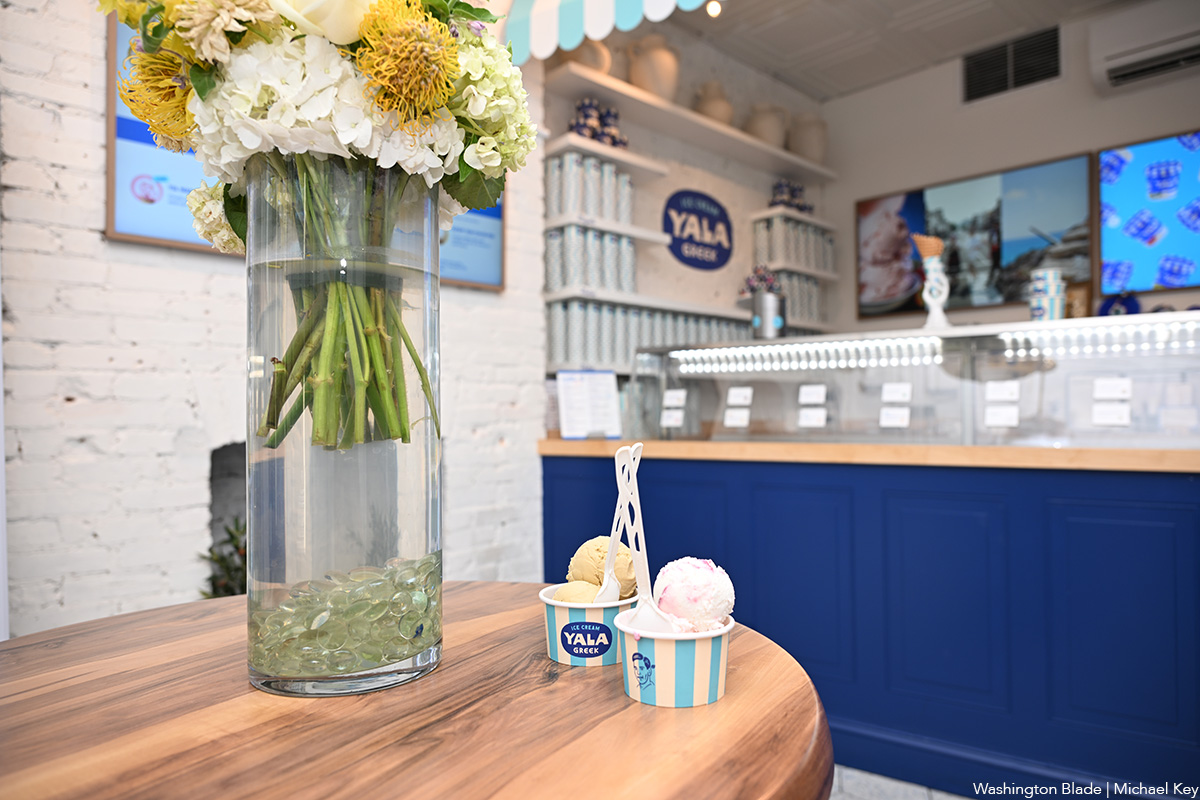
3143 N St., N.W.
The newest scoop on the block, Yala Greek Ice Cream, started by Chrys Kefalas and Salah Czapary, blends flavors from their heritage with sugar and cream to create D.C.’s latest frozen treat obsession. From classics like chocolate and vanilla to adventurous flavors like “Mornings with Thea,” a Greek yogurt ice cream with orange preserves, Yala uses mix-ins like pistachios sourced from the EU and milk from Maryland “A2” cows, known for being easier to digest. With lines often stretching around the block, it’s easy to see why Yala has quickly become a favorite for locals craving something sweet and unique.
Editor’s Choice: Jeni’s Splendid Ice Cream
Best Winery: Chester Gap Cellars
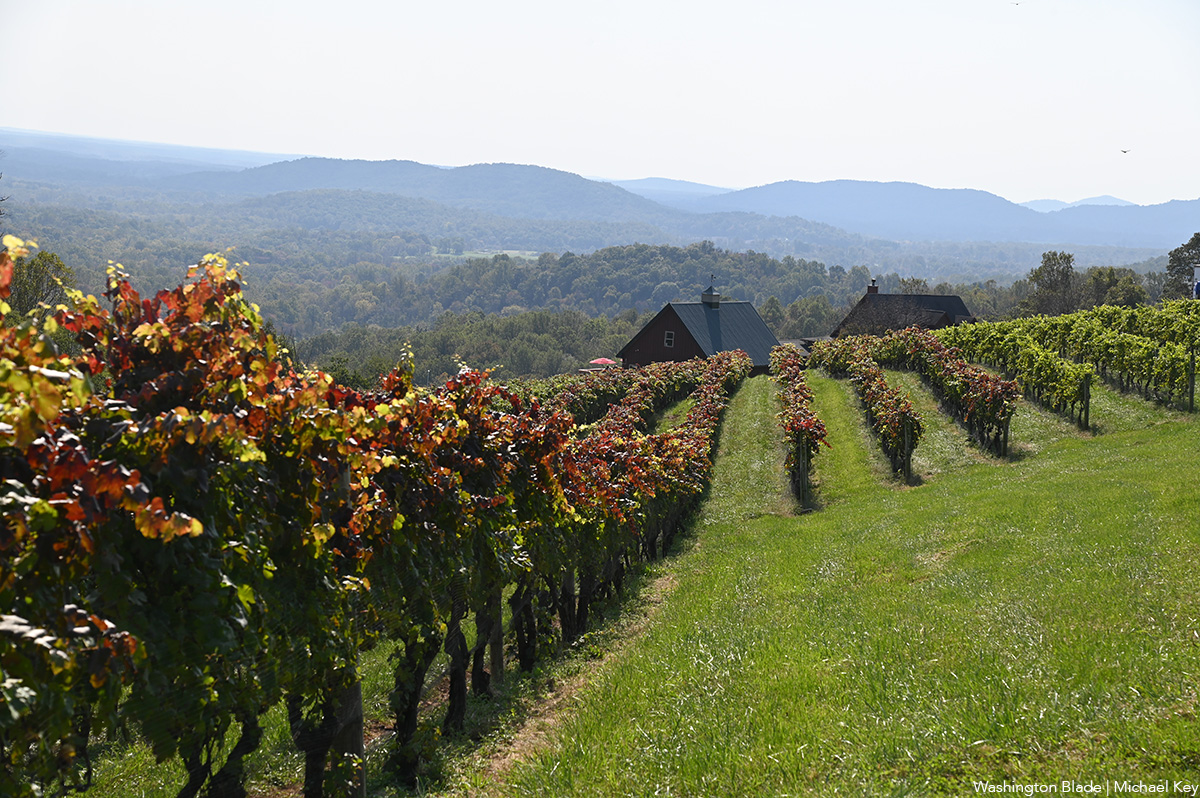
4615 Remount Rd.
Front Royal, Va.
chestergapcellers.com
Located in Front Royal, Virginia, just a little over an hour from Washington, gay-owned and gay-friendly Chester Gap Cellars offers the best in valley vistas and delightful vintages. The small estate winery’s owners also have an Airbnb where guests can eat, sleep, enjoy the outdoor fire pit, and indulge in more vino.
Editor’s Choice: District Winery
REHOBOTH BEACH
Best Rehoboth Drag Queen: Magnolia Applebottom
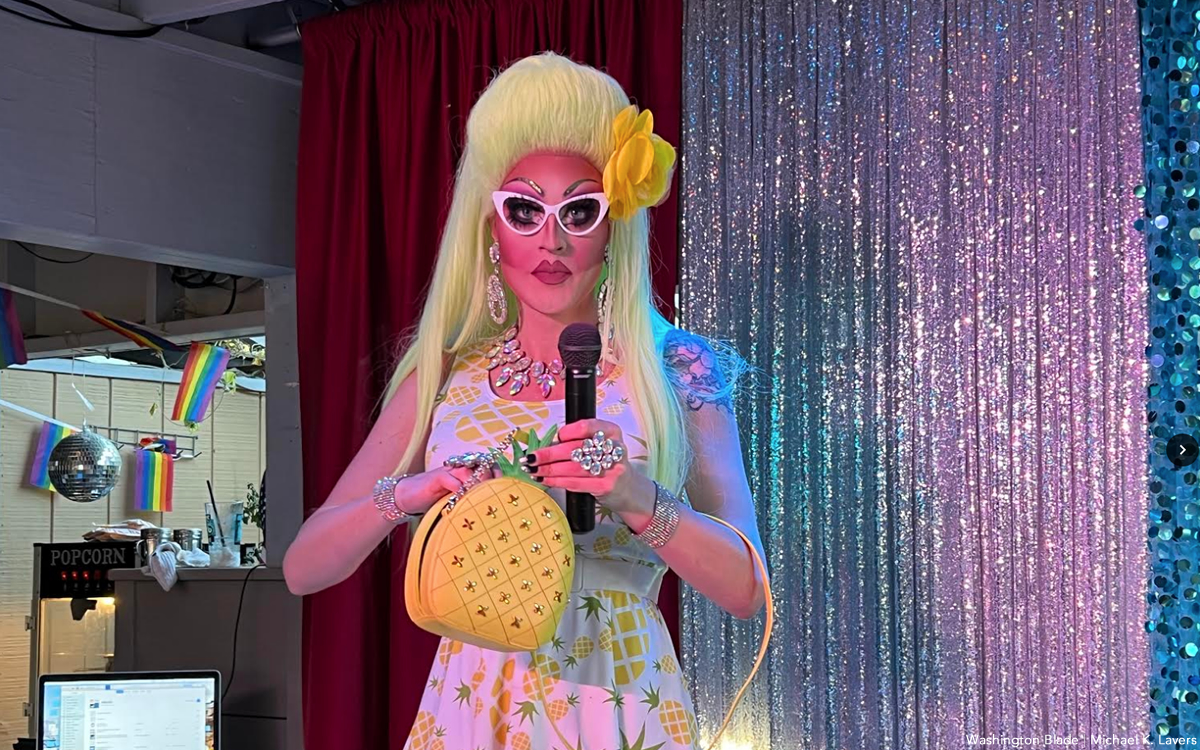
She’s done it again. Magnolia Applebottom (aka Jeremy Bernstein) is your pick for Best Rehoboth Drag Queen for the fourth consecutive year. At a time of anti-DEI crackdowns and legislative attacks on everything from drag to trans healthcare, the queens will show us the way as they have bravely done for decades. Magnolia remains a constant fierce and fearless presence not just in Rehoboth but throughout the Eastern Shore, from Salisbury to Milton, Del. Catch her at Diego’s in Rehoboth and during the month of October at the Milton Theater where Bernstein stars as Frank N Furter in “The Rocky Horror Picture Show.”
Editor’s Choice: Regina Cox
Best Rehoboth Drag Show: Splash Party with Magnolia at Diego’s

37298 Rehoboth Ave.
Rehoboth Beach, Del.
A second win for Magnolia this year and a repeat winner in this category from last year. The Splash Party at Diego’s remains one of the hottest events in town, Saturdays at 5 p.m. on the outdoor patio.
Editor’s Choice: Follies at the Beach, Freddie’s
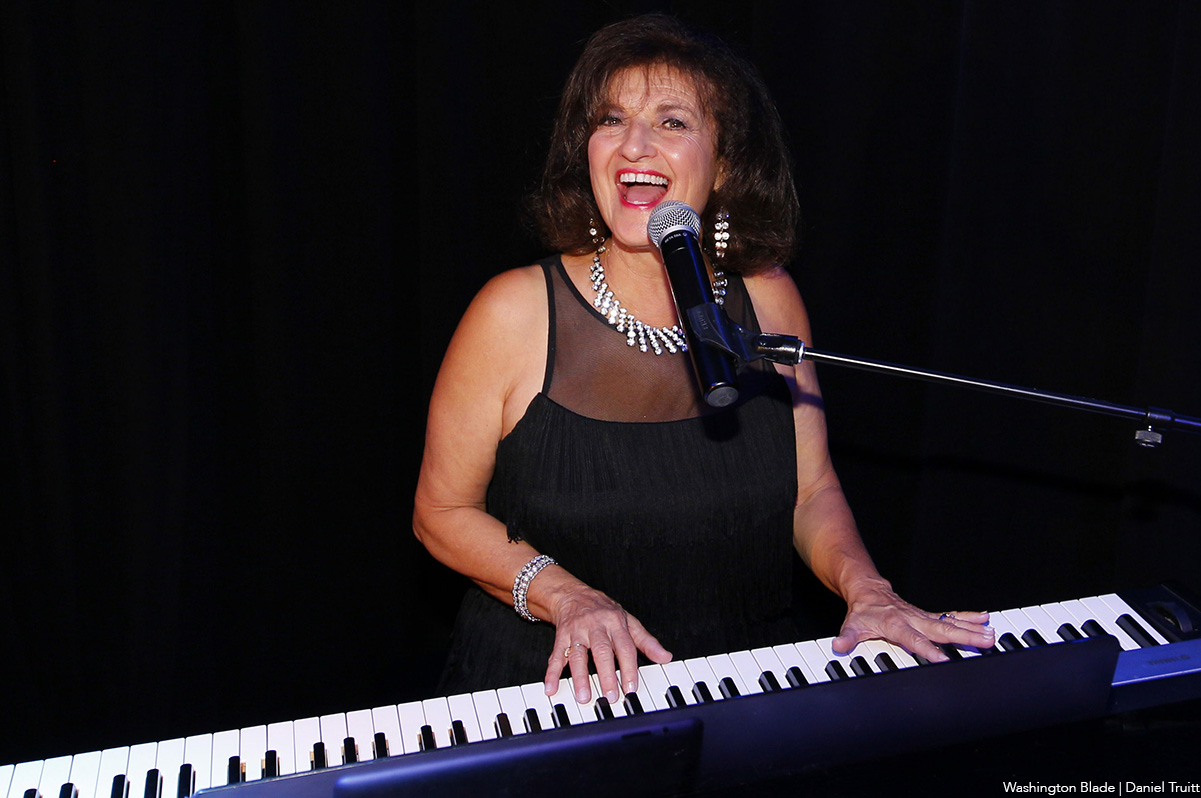
Best Rehoboth-Area Live Show: Pamala Stanley at Diego’s
37298 Rehoboth Ave.
Rehoboth Beach, Del.
diegosbarnightclub.com
The beloved Pamala Stanley celebrated her 20th year of performing in Rehoboth Beach this summer with her Sunday night dance party and Monday night piano show. The Monday event is on pause now that the summer season is over, but you can still catch Pamala on Sundays starting at 5 p.m. through New Year’s. After 20 years, Pamala’s show remains the place to be seen on Sundays as locals and tourists alike come together to party. It’s two hours of upbeat, infectiously joyful pop and disco peppered with Pamala’s inimitable humor and wit.
Editor’s Choice: Naughty Bingo with Magnolia Applebottom at Diego’s
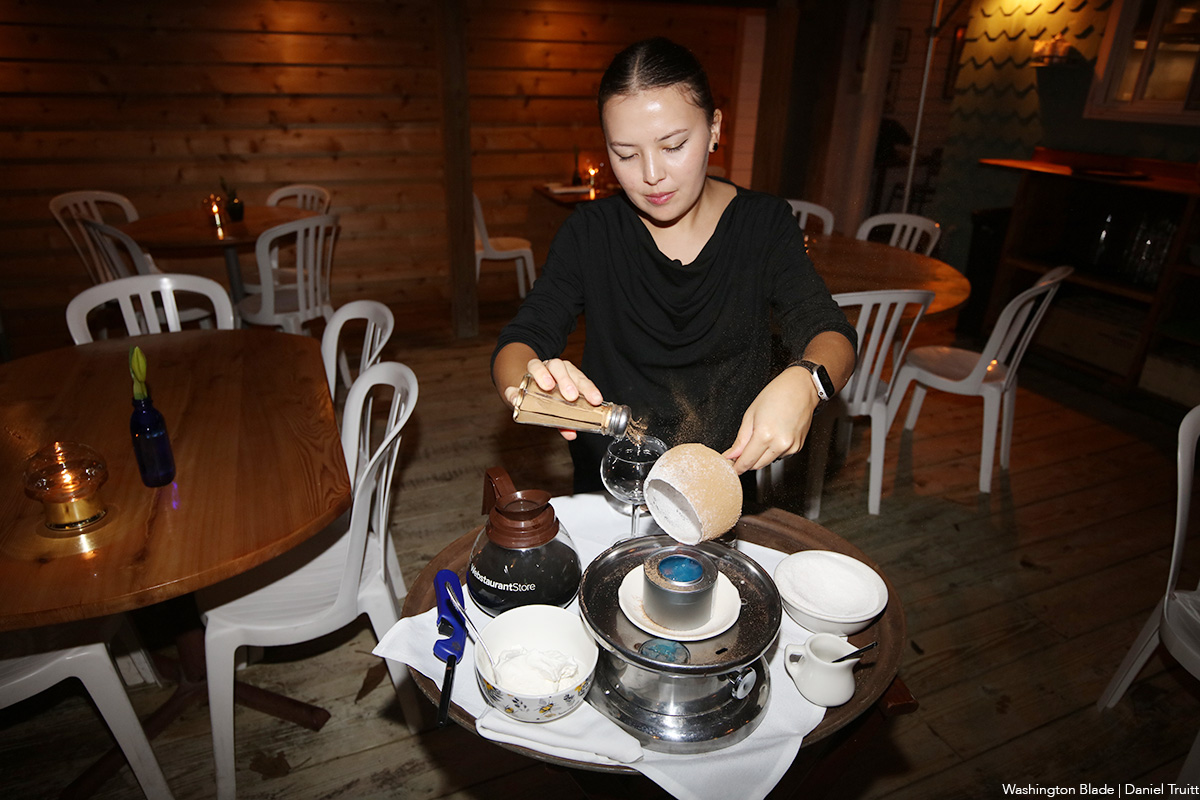
Best Rehoboth Outdoor Dining: The Back Porch Café
59 Rehoboth Ave.
Rehoboth Beach, Del.
Many locals know about the important role that the Back Porch Café played in elevating Rehoboth’s culinary scene but not many realize how pivotal the 51-year-old restaurant was in bringing together the quiet town’s gay, straight, and trans communities. The Back Porch was an important gathering place for the town’s creative residents and a place not just for excellent food but for art exhibitions. Today, the Back Porch continues to serve up top-notch French fare in an unpretentious, welcoming setting. The outdoor patio is one of the few places in Rehoboth where you can dine al fresco in a private, convivial courtyard. After dinner, take time to stroll the restaurant and take in the art that adorns the walls. There’s a lot of fascinating history to be found in this irreplaceable icon of Rehoboth Beach.
Editor’s Choice: The Purple Parrot
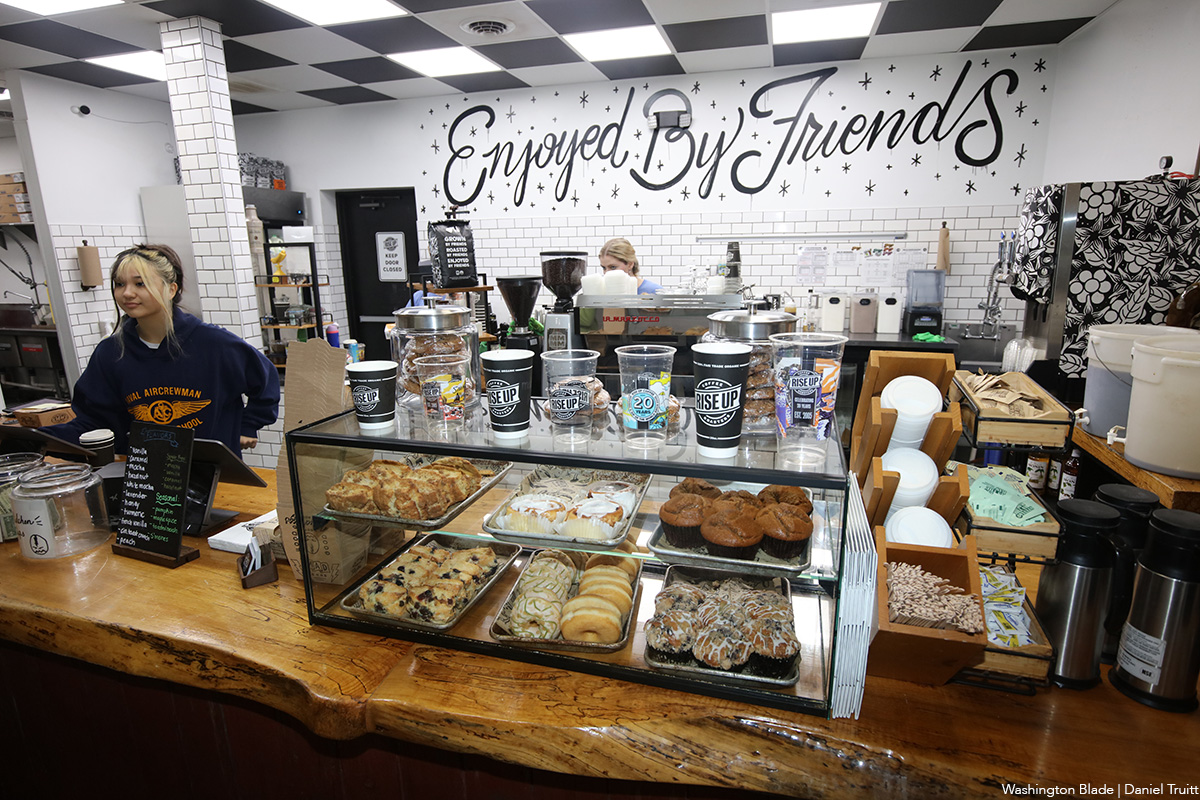
Best Rehoboth Coffee Shop: Rise Up
502 Rehoboth Ave.
Rehoboth Beach, Del.
Rehoboth’s coffee scene is in flux after the recent closure of the town’s Starbucks. Rise Up is part of a small regional chain of coffeehouses that offers a small menu and a cocktail bar. But most visitors grab a coffee or latté and relax in the spacious lounge or outdoor patio complete with complimentary Wifi enabling you to work or just quietly doom scroll.
Editor’s Choice: The Coffee Mill
Best Rehoboth Restaurant: Blue Moon

35 Baltimore Ave.
Rehoboth Beach, Del.
Perennial favorite Blue Moon remains on top after winning this category last year. With so much competition from regional and out-of-town chains like Atlas Restaurant Group, it’s nice to see a local, gay-owned restaurant continue to serve up the best food in town. Go early for the Moon’s excellent happy hour specials or to hear John Flynn on the piano then indulge in the luxurious lobster risotto or perhaps a comforting bowl of short rib stroganoff.
Editor’s Choice: Henlopen City Oyster House
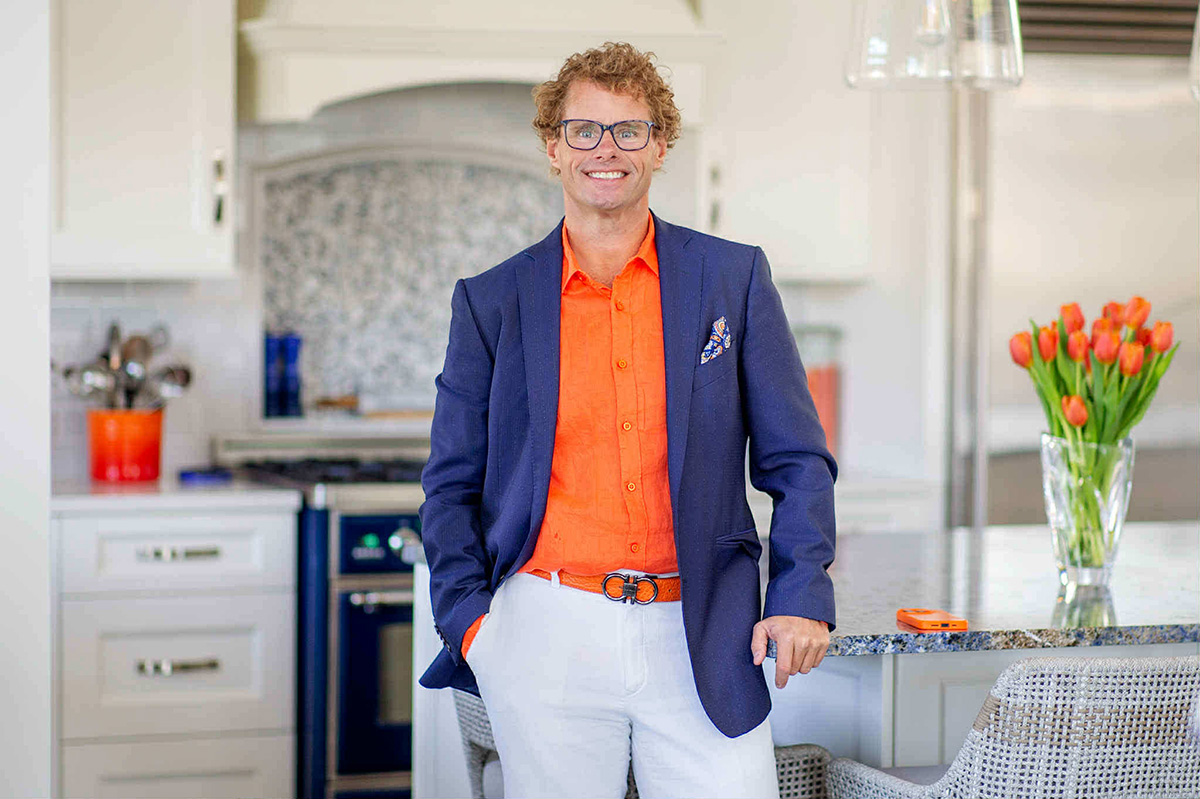
Best Rehoboth Real Estate Agent: Andy Staton
18949 Coastal Highway, Suite 304
Rehoboth Beach, Del.
After seven consecutive wins in this category by local legend Lee Ann Wilkinson, there’s a new agent atop the list. Longtime local Realtor Andy Staton is your pick for Best Rehoboth Realtor. The Andy Staton Group at Monument Sotheby’s “combines concierge style attention to customer detail to meet seller and buyer needs in a modern service-oriented approach,” according to its website. You may have seen Andy in his role as a TV host for the American Dream Network or in one of his videos promoting his love of pickleball.
Editor’s Choice: Chris Beagle
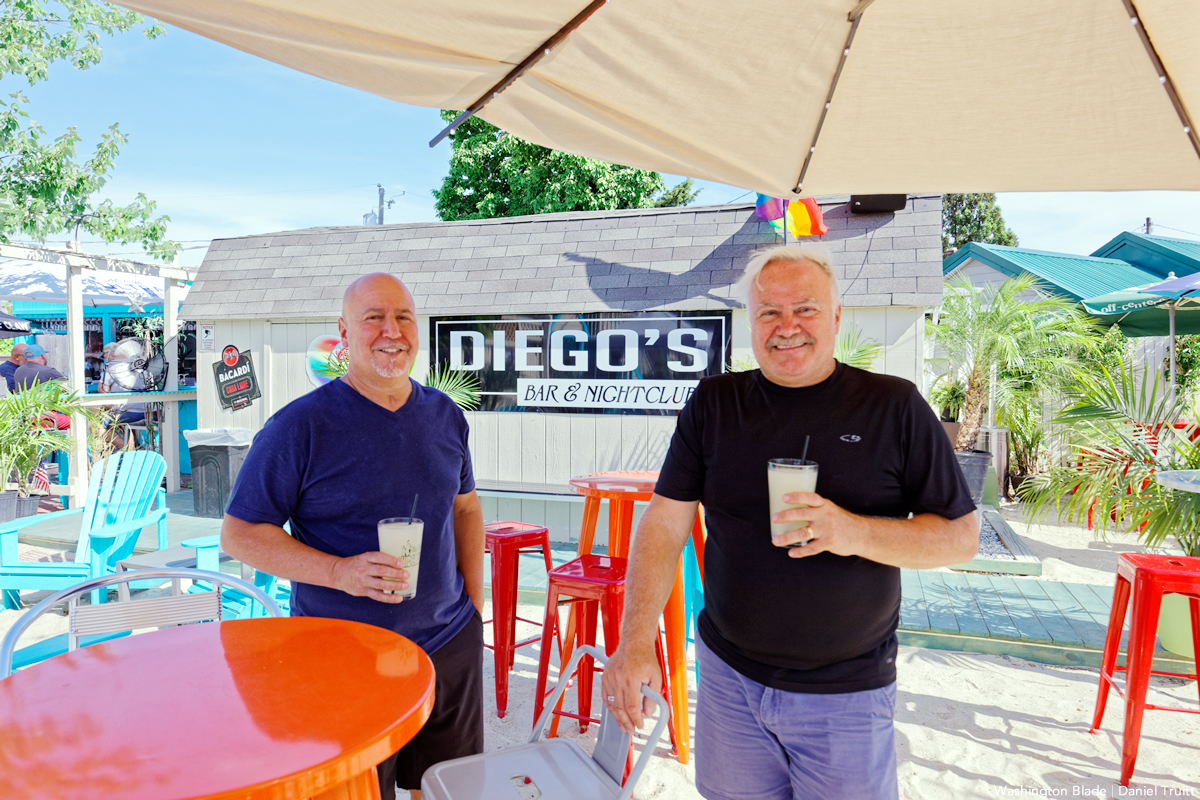
Best Rehoboth Business: Diego’s
37298 Rehoboth Ave.
Rehoboth Beach, Del.
Diego’s dominated this year’s awards with multiple wins, showcasing the hard work of owners Darryl and Joe Ciarlante-Zuber to create an unabashedly queer space with year-round entertainment, friendly bartenders, and multiple indoor/outdoor spaces to gather with friends. Whether you come for an intimate happy hour with friends, a Sunday T-dance with Pamala Stanley, or late-night dancing with internationally renowned DJs, Diego’s never disappoints.
Editor’s Choice: Freddie’s Beach Bar
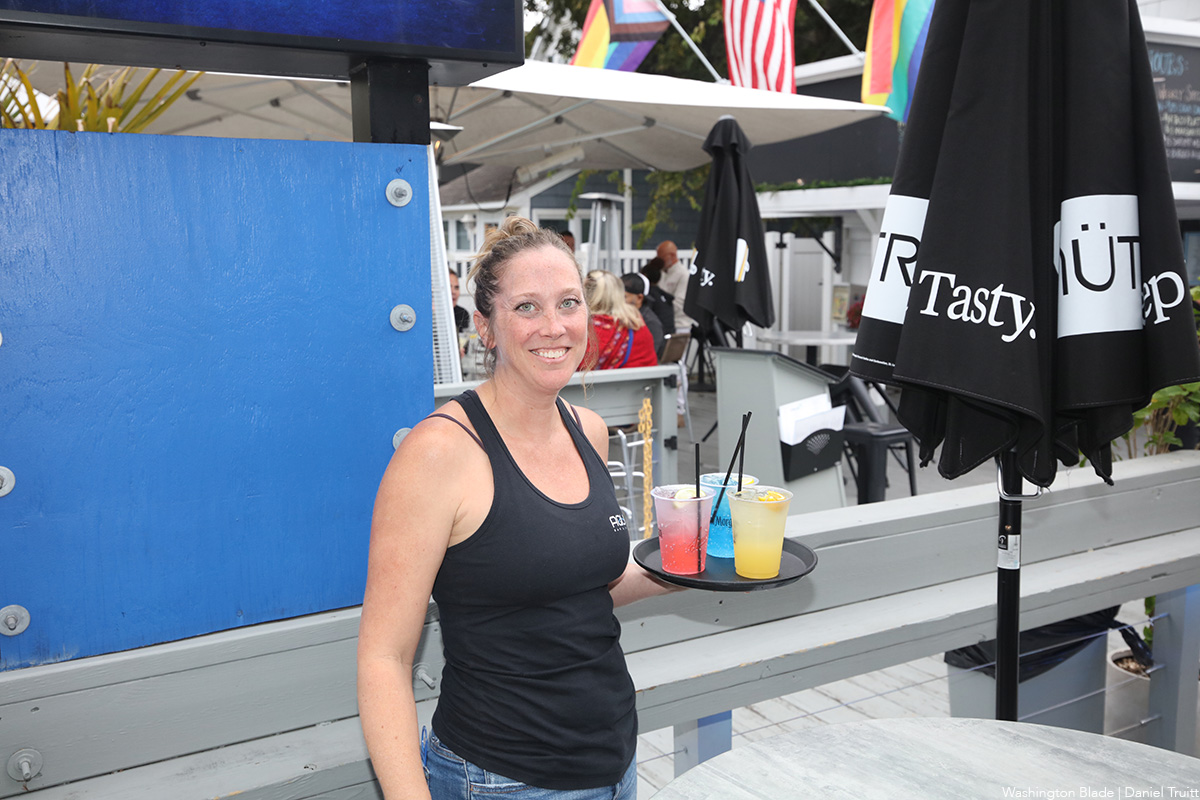
Best Rehoboth Bartender: Katie Lyell, Aqua Bar& Grill
57 Baltimore Ave.
Rehoboth Beach, Del.
Katie Lyell is a first-time winner in this competitive category but she’s no stranger to the regulars at Aqua. Fighting the crowds to the bar in summer, you will be greeted by Katie’s always-smiling face.
Lyell, 39, is straight and has been married for two years. She grew up in Newark, Del., and attended Frostburg State University.
She’s in her eighth year bartending at Aqua and says the bar has become much more of a year-round destination since she started.
“We’ve been able to extend our season because of it,” she said, noting Aqua will hold its annual closing party on Jan. 1 and likely reopen for St. Patrick’s Day in March.
She plans to “hibernate” during the break and travel with her husband.
The best part of working at Aqua? “Getting to meet so many different people, even if it’s just for a 60-second interaction. I enjoy chatting with everyone. I really love my community.”
What’s her most dreaded drink order? “Three martinis at one time because I can only make two in a shaker.”
Lyell says the highlight of her summer was Memorial Day Weekend because customers count down to the unofficial summer kickoff weekend.
“I also really love Bear Weekend, it’s always a great time.”
Editor’s Choice: Eddie Adam, Diego’s


a&e features
Ryan Murphy’s ‘Monster’ vilifies the lesbian
Netflix show promotes stereotype that queer women are dangerous
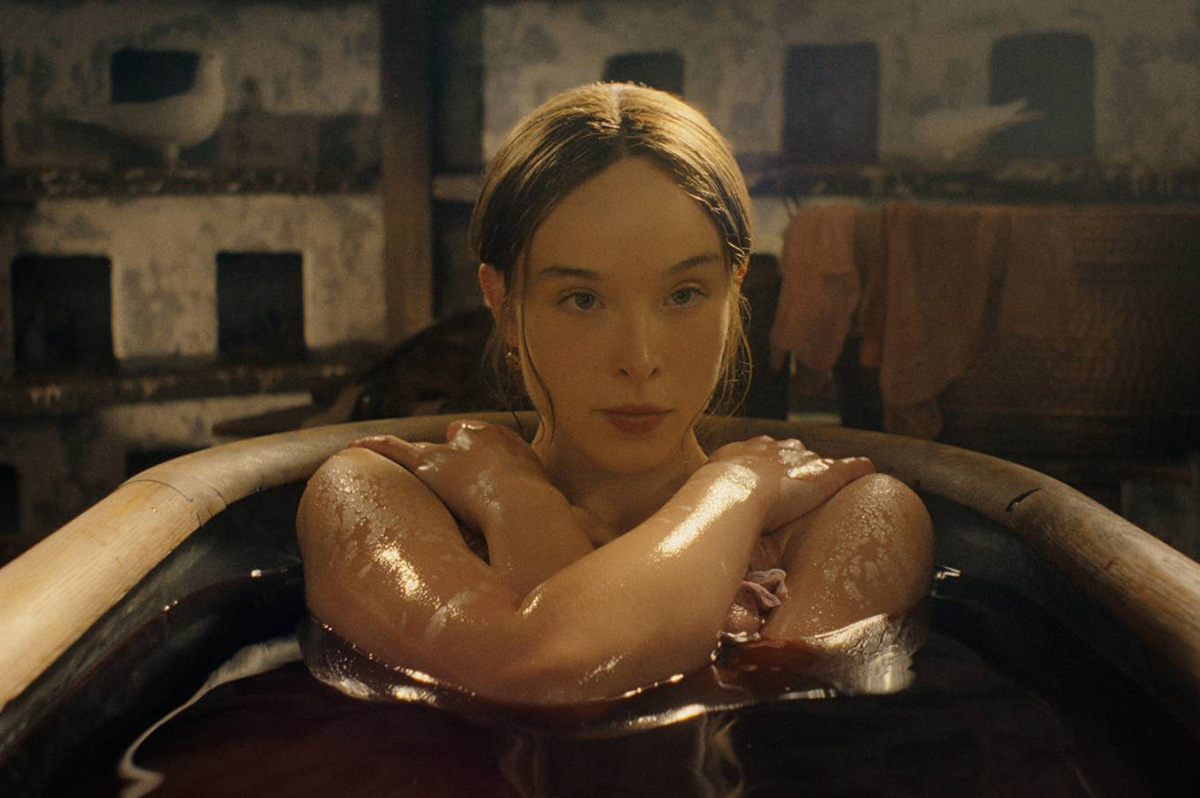
Ryan Murphy’s “Monster: The Lizzie Borden Story” just premiered on Netflix and became the most watched show on the platform. Murphy and his series are deeply controversial. The past three seasons have focused on convicted killers Jeffrey Dahmer, Lyle and Erik Menendez, and Ed Gein, and have garnered considerable criticism for sensationalizing real-life trauma, exploiting victims for entertainment, and glorifying the perpetrators.
But his newest season centers on Lizzie Borden, the white, affluent Massachusetts woman still referenced today in nursery rhymes who was never convicted of killing her parents Andrew and Abby Borden. As with Murphy’s other seasons, the show plays fast-and-loose with real-life history, instead turning a real-life crime into a psychosexual spectacle.
In real life, Lizzie was found not guilty by an all-male jury in the highly publicized 1892 trial, largely due to a lack of evidence including blood on her clothing and a murder weapon. Her initial statement contradicted her later testimony but her defense team argued that the morphine a doctor repeatedly gave her likely caused her confusion. But despite the fact that Lizzie was acquitted in court, she was ostracized by her community during her life and has been branded a murderer ever since.
Murphy’s highly fictionalized retelling of Lizzie’s story leans into this accusation not only that Lizzie murdered her father and stepmother with an axe but that she was successful in covering it up with the help of the maid Bridget Sullivan. Murphy not only concocts a sapphic relationship between Lizzie and Bridget, pinning the idea of killing Lizzie’s parents on the widely traveled woman who dyes her hair and is repeatedly called a lesbophobic slur by Lizzie’s stepmother, but also portrays Lizzie as an inspiration to Aileen Carol Wuornos, a woman who killed seven men who solicited sex and was also in a relationship with a woman.
Further, Murphy’s retelling creates a false ending to Lizzie’s story. While in real life, Lizzie and her sister Emma buy a house called “Maplecroft” and live there for the rest of their lives, Murphy instead imagines Bridget returning sporadically for romantic rendezvous with Lizzie and eventually moving back in with her and marching together for women’s right to vote. In real life, Bridget left town immediately after providing testimony and lived in Montana until she died.
Lesbophobia is at the heart of this retelling of Borden’s story. Despite the fact that Murphy depicts Lizzie and Bridget having sex and possibly getting married or at least promising themselves to one another wearing flower crowns, there is no evidence that Lizzie and Bridget had any romantic or sexual relationship. If they did have a relationship, it would likely have been hidden and any evidence destroyed, but records show that Lizzie herself refused to call Bridget by her real name, instead referring to her as “Maggie,” the name of their previous maid. It was only Lizzie’s stepmother Abby who called Bridget her real name. In Murphy’s retelling, it’s Lizzie’s stepmother Abby who refuses to learn or use Bridget’s actual name and treats her with disdain along with her stepdaughter.
Some people online argue that we are witnessing Lizzie’s story retold through Wuornos’s perspective, so adding in elements of child abuse and sapphic relationships would make sense, but there is no record that Wuornos ever visited Lizzie Borden’s home, or that she was inspired by Borden throughout her life. Instead, Murphy and his co-creator Ian Brennan use (or I would say exploit) Wuornos as a thematic device to make broad stereotypes about female rage across generations. In doing so, they conflate two real-life examples of violence to sapphic individuals.
Depicting a lesbian relationship in this way is not progress, nor is it fruitful representation today. As sapphic shows are increasingly cut and cancelled, Murphy’s inclusion just reinforces the lesbophobic and sexist stereotype that lesbians and queer women are “dangerous” to straight women and abet or incite violence against men and a family unit. At a time when anti-LGBTQ+ legislation and real-world violence and murder of LGBTQ+ people, especially queer and trans people of color, is exploding, stories that frame murder of a family unit as germinating from a sapphic relationship feed into far right narratives.
They further the myth popularized by far right leaders (including those in the highest echelons of government) that LGBTQ+ people are dangerous, a threat to heterosexual norms and family life, despite the data showing that children of same-sex parents have above average health and well-being according to research by the University of Melbourne.
Today, many LGBTQ+ people feel they have to be (or are forced to be) idealized versions of themselves in order to stave off anti-LGBTQ+ stigma, policing and violence. These “acceptable” behaviors and appearances are rooted not only in cisgender, heterosexual norms but also white supremacy, colonialism, xenophobia, and ableism. It is respectability politics that tell us how we can and should behave (including those perpetuating in the wider LGBTQ+ community) and push LGBTQ+ people to assimilate into a society governed by queerphobic normativity.
I hope it’s clear that I’m not trying to argue that we cannot and should not have shows that depict queer women who kill, or at the very least queer women who are unethical or morally complex. We need these depictions because they ask difficult questions and they reference how some LGBTQ+ people can be and are unethical. In fact, several public LGBTQ+ figures are associated with employee abuse and exploitation, ableism, and fat phobia.
But when Lizzie’s sapphic identity is invented to drive the story along, arguably to generate interest (especially straight men’s interest) in this spectacle of historical slop, it’s not a story that invites discourse and dimensionality, it’s one that collapses Lizzie, Wuornos, and queer women’s identities and relationships to plot devices. It objectifies and fetishizes queer women, arguably committing violence against not only Lizzie but also Wuornos.
And when there is so little representation of sapphic relationships on mainstream television or streaming platforms, it makes this the vast majority of representation that queer girls and women will see of themselves first, and that the straight public will see. Historians will know that Murphy’s depiction of Lizzie’s life is wrong, but many viewers will not and may not go digging for the truth.
Why not focus on the stories of bisexual, lesbian, and queer women who really existed, shared their identities (sometimes covertly, sometimes not), and had long-term partners? In fact, “Boston marriages” were common in this time period and referred to women living together when sexual and romantic relationships between women were illegal, partially because penal systems didn’t know how women could have sex with one another and didn’t want to put the idea in “impressionable” women’s minds. Why not focus on these stories instead of creating a fictionalized account? We have always existed; we do not need to invent relationships.
Murphy’s depiction of Lizzie Borden is deeply problematic. Lesbophobia is not the only issue at the heart of Murphy’s drama, but it merits a broader discussion about how mainstream media routinely hurt queer women and is part of perpetuating queerphobic violence, and what we all lose in the process.
a&e features
Writing a play about Lincoln leads down a rabbit hole to a closet
As LGBT History Month arrives, new hints that our greatest president was gay
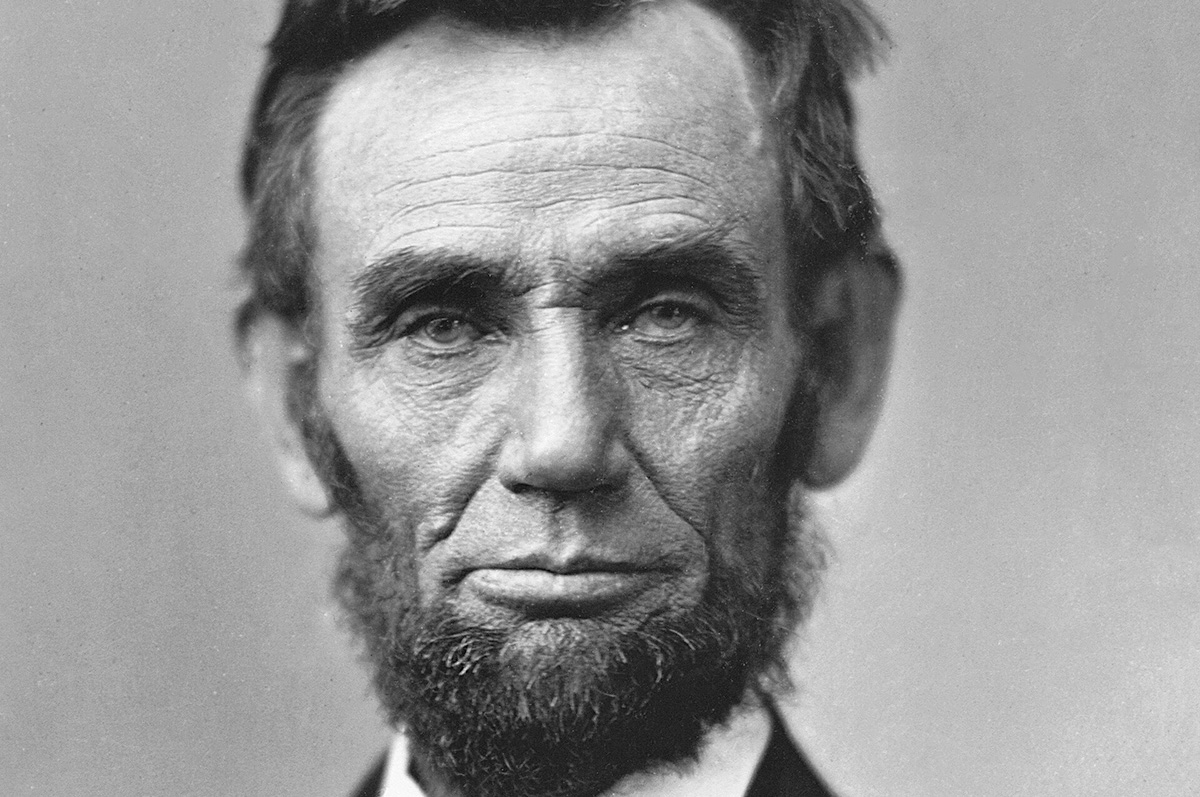
Abraham Lincoln treasured poetry and it turns out his particular favorites were pretty queer, but I never would have detected that if I hadn’t decided to write a stage comedy about his sex life. In my research for the play, I stumbled across what I believe is new evidence that Lincoln and Joshua Speed were lovers. The remarkable thing is that the evidence has been sitting in plain sight for more than 150 years.
The rabbit hole swallowed me in 2019, when C.A. Tripp’s revolutionary biography “The Intimate World of Abraham Lincoln” somehow fell into my hands. I was embarrassingly late to the Lincoln-was-gay party—Tripp’s book had come out 14 years earlier—and the wonderful-to-me news that Lincoln played for my team started me plotting out a play, because I was pretty sure if I didn’t know this, lots of people didn’t and inquiring minds want to know, and the young queers of America should be told that they have yet another genius over whom to kvell.
Historians and myth makers alike—often it’s hard to tell the difference—have always painted Abe straight, and now that it’s in question they’ve gotten peevish and insistent because, c’mon, bro, everybody knows that in the 19th century all the guys were writing each other gushingly romantic letters and sharing a bed every night for four years. Meanwhile, the Queer Studies crowd assures us that they, the inventors of homosexuality, had not yet invented it, so it couldn’t be that.
But what kind of play to write? I wanted to put at least two of his lovers into it, and no playwright with any sense of drama would omit Abe’s mad, physically abusive, spendthrift wife Mary. To get all of them in the same place at the same time meant bedroom farce. Keeping one’s lovers from knowing about each other is the keystone of bedroom farce and why the sets have so many doors. Speed, the great love of Lincoln’s life, who often visited the White House during the Civil War, would arrive while Lincoln’s wartime lover Army Captain David Derickson was there, too, and Abe would conceal them from each other and from Mary, who is suspicious and dangerous and prone to striking her husband. I also folded in Lincoln’s writing of the Emancipation Proclamation, which in the play is helped along by an invented Black housekeeper, who has suspiciously 20th-century opinions and a shiny new invention: the animatronic steampunk Lincoln robot. “The Loves of Lincoln” finally had its world premiere on June 19 of this year in Memphis, Tenn., where it was nominated for the best new original play of the 2025–26 season, and lost. Now we’re getting to the part about Lord Byron. Wait for it. It’s coming. We’re still setting the scene.
A cute, redheaded, gay Broadway producer told me the play would be stronger with a different kind of ending and for once a producer’s note was spot on—the play needed a final confrontation between Lincoln and Speed over love and slavery. The Speeds had dozens of slaves—lots more than Mary Todd Lincoln’s family, who had a few themselves. To write the scene I needed to know more than I did about the Speed-Lincoln relationship during the war. Speed was helping Lincoln keep the border state of Kentucky in line, but on the other hand his great wealth depended on slavery.
Time for some research. Enter “Your Friend Forever, A. Lincoln: The Enduring Friendship of Abraham Lincoln and Joshua Speed” (2016, Columbia University Press) by Charles B. Strozier, a “psychobiographer” who does the usual somersaults to explain away Lincoln’s behavior as straight because writing gushingly romantic letters to other guys and sleeping in the same bed for four years was absolutely not gay in the 19th century, which is proved by the fact that all the guys were doing it. Which kind of made me want to build a time machine and stop off in 19th-century Illinois on my way to ancient Greece. And then, suddenly, sitting there quietly on page 45, like a dangling thread on a cardigan begging to be pulled, was the interesting datum that Joshua lent his gangly, athletic bedmate books, among them Joshua’s “favorite”: Lord Byron.
The same Lord Byron who cut a swath a kilometer wide across the comely young men of Greece? The notorious libertine and sodomite—that Lord Byron? Well, yes, and it’s not hard to draw a line straight from there to Lincoln’s closet (coincidentally, one of the doors in The Loves of Lincoln leads into a closet—“Why is my husband always in the closet?”), but for some reason, up to now, no one I know of has drawn that line.
Understand, just reading Byron does not make Josh and Abe homosexuals. Byron was a big seller and lots of straight men read him, though perhaps not while gazing dreamily into each other’s eyes (Joshua’s wide and blue, Abe’s a melancholy gray), and OK we don’t know that’s exactly how it went down, but we do know other interesting things thanks to William Herndon.
Bill was a clerk in Speed’s general store, the store Speed and Lincoln slept above, and later the junior partner in Lincoln’s Springfield law practice. Herndon worshipped Lincoln. After the assassination he interviewed pretty much every significant person in Lincoln’s life, in what Strozier called one of the first oral history projects in America. Naturally, he interviewed Speed, who reported Lincoln’s passion for the poetry of Byron. The sexual significance of the connection between Speed, Byron, and Lincoln has up to now been ignored by all biographers—even the queer ones, like Tripp, who tried and did make the case for Lincoln’s homosexuality. Speed told Herndon he had introduced Lincoln to Byron: “I don’t think he had ever read much of Byron previous to my acquaintance with him.” Lord Byron’s poetry was a stew of intense male friendship, forbidden sexuality, secrecy, alienation, and erotic misbehavior, and in the wake of his scandalous divorce his name had for years been a transatlantic byword for transgressive sexuality. Byron also became, alongside Burns, Milton and Shakespeare, one of Lincoln’s four favorite writers.
Here’s where things get juicy. Speed said that, in particular, “Lincoln loved The Bride of Abydos.” Byron wrote the poem in the wake of his travels through the Ottoman Empire, which was partly what we today would call sex tourism. The poem’s beautiful young hero Selim is extremely feminized, conceals his true identity from his girlfriend (whom everyone thinks is his sister but they’re cousins), and only later reveals that he has a secret double life—in the case of the poem, as the leader of a band of pirates. Now there’s a secret life with an All-Male Cast. We’ll let you supply the pirate joke that goes right here.
It gets better. Herndon’s admittedly fragmentary notes from the Speed interview also specifically bring up Byron’s “To Inez,” the extraordinary lyric in “Childe Harold” in which a man tells a woman that her beauty gives him no pleasure, that her eyes scarcely charm him, and that she must not attempt to discover his “secret woe” or “unmask” his heart. The subtext that leaps off the page, given that Byron was, as the actor Michael Redgrave described himself to his son, “to say the least of it, bisexual,” is that the speaker is in the closet. In the last stanza, he begs her not to pry:
What is that worst? Nay, do not ask—
In pity from the search forbear:
Smile on—nor venture to unmask Man’s heart,
and view the Hell that’s there.
So, queer-coded Byronic poetry formed an important part of Lincoln’s imaginative world, and Speed remembered that fact nearly 30 years later, and told it to Herndon almost as if leaving literary breadcrumbs for posterity. As far as I have been able to determine, no previous Lincoln biographer or scholar of Lincoln’s sexuality has examined the queer implications of the Byron poems Speed specifically remembered Lincoln reading. Why has this been missed?
All of this would be meaningless if Speed and Lincoln didn’t understand that Byron was a lover of men, but I assert that they would have. Lincoln was a discerning reader with a famously penetrating, tenacious mind that wouldn’t let go of a thing until he understood it thoroughly—and a huge fund of worldly knowledge. He was by this time in the Illinois Legislature, had campaigned all over the state, and lawyers often encounter the seamy side of life, whether they seek it out or not. Furthermore, although Byron’s indisputable affairs with men weren’t explicitly documented in 19th century biographies and periodicals as they are today (the conventions and laws of the time all but guaranteed euphemism), rumors of Byron’s “unnatural” conduct crossed the Atlantic even during his lifetime. Articles repeatedly referred to an unnamed, horrifying, or “unnatural” offense, a “peculiar enormity,” and conduct violating the “ban of nature.” In 19th century usage, “unnatural crime” was a familiar euphemism for sodomy, while phrases like “peculiar enormity” and “ban of nature” invited readers to imagine sexual offenses too scandalous to name. Why use the words at all if readers weren’t going to get the point? American readers had easy access to Byron biographies and memoirs, including Thomas Medwin’s “Conversations of Lord Byron” and Thomas Moore’s enormously influential “Letters and Journals of Lord Byron,” while American periodicals discussed the Byron memoir burned by his friends and the salacious suspicions around its contents. Lincoln and Speed would certainly have understood that one of the unmentionable sexual accusations surrounding Byron was man-on-man action.
Lincoln’s love of Byron’s queer-coded writings, fostered by Speed, “proves” little on its own, but a lot when added to the rest of the evidence. And it’s part of an even bigger story: reversing the erasure of queerness from history and documenting that many of humankind’s greatest achievements are thanks to queer individuals. Both Lincoln and Speed had beards, literal and metaphorical—they didn’t want their secret spilled while they were alive. But then again, I like to think that when Joshua Speed told William Herndon of Lincoln’s love for those poems, he imagined a day when their love could be decoded and celebrated. Come to think of it, that day is today.
a&e features
Acclaimed Chef Patrick O’Connell’s memoir reveals the arc of a life well lived
Overcoming obstacles to serve everyone from Jerry Falwell to Queen Elizabeth
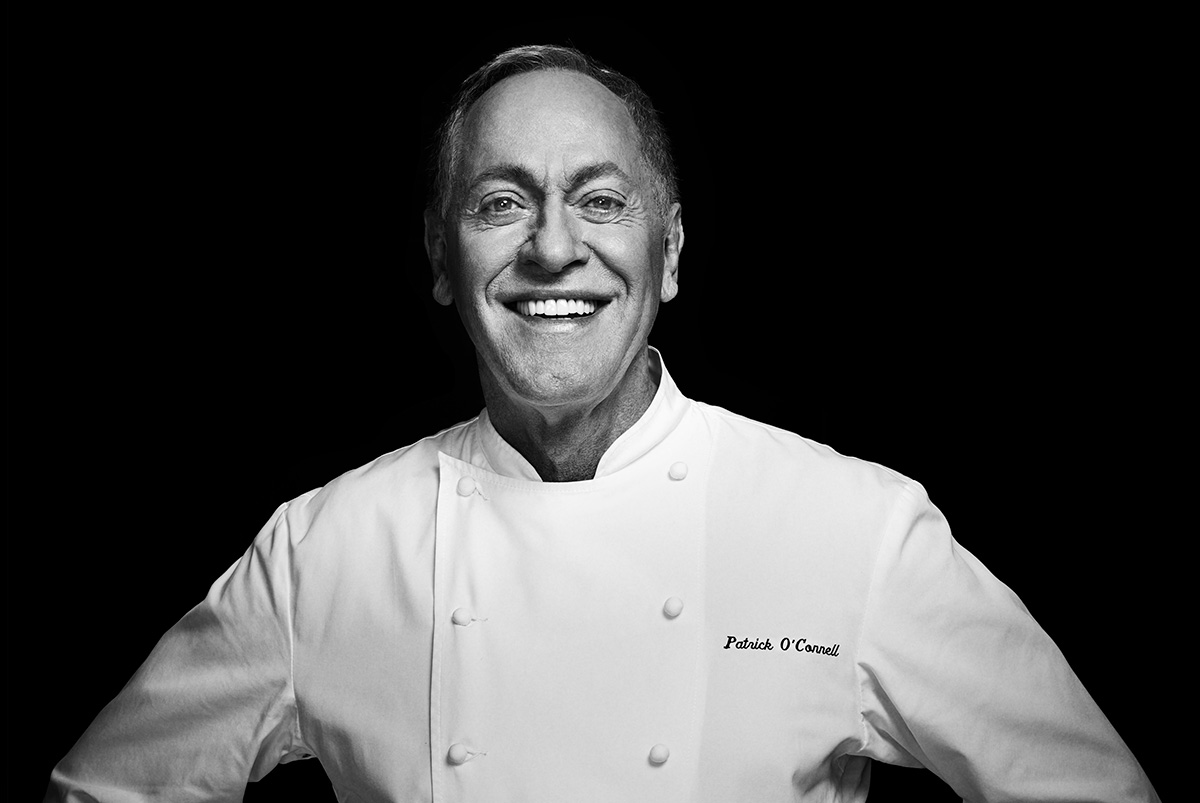
Renowned three-Michelin-star Chef Patrick O’Connell says food and wine hold a unique ability to bring people together. Indeed, he has served everyone from right-wing zealot Jerry Falwell to Britain’s Queen Elizabeth during his decades at the beloved Inn at Little Washington in rural Virginia.
O’Connell’s compelling new memoir, “Main, Middle & Gay” is out Sept. 15 from Celadon Books and offers a deeply personal account of how he transformed his love of food and affinity for the finer things into an iconic inn and restaurant that draws diners from around the world nearly 50 years after it opened in 1978.

O’Connell is launching the book with an event on Sept. 18 at Lisner Auditorium featuring Chef José Andrés and former Washington Post food critic Tom Sietsema. He met Andrés just after Andrés began to work in D.C. and was “on fire with ideas.”
“We sat next to each other at Charlie Trotter’s restaurant and the meal went on for hours and we had a natural rapport,” O’Connell told the Blade in a recent interview. “The chemistry will be fun and lively and unpredictable and exciting. I think we’re all different personalities and we’ll compliment each other.”
O’Connell said he’s excited to hold the event at Lisner.
“I studied theater at Catholic University and transferred to GWU so it’s a coming home party and Lisner has been there since I was a kid and it was always like D.C.’s Carnegie Hall. It feels like going home to my old stomping grounds.”
O’Connell hopes to bring the book to life visually at the event and he has produced a short film that will be screened.
The book traces the self-taught O’Connell’s remarkable journey from rural paperboy and short-order cook to proprietor of one of the world’s most celebrated restaurants and Relais & Châteaux hotels. Along the way we learn about the many challenges he faced — from distrustful and homophobic local residents in Washington, Va., to an expensive, public “divorce” from his longtime romantic and business partner, Reinhardt Lynch.
“It parallels the evolution of American cuisine over 50 years,” he said. “It’s a rare perspective to be in the trenches for that long.”
O’Connell writes candidly about his relationship with Lynch. The two opened the restaurant together — O’Connell running the kitchen and Lynch handling the business. But O’Connell’s accolades and growing notoriety led to jealousy that triggered a protracted falling out and dissolution of both their personal relationship and business partnership. Lynch, as recalled by O’Connell, attempted to secretly sell his 50 percent of the business but ultimately agreed to sell his stake back to O’Connell for a reported $17.5 million. “The Washington Post ran with it as a salacious celebrity divorce story and included all the financial details,” he writes.
After taking full control of the Inn just as the recession of 2008 hit, O’Connell writes of the scrutiny of guests who assumed Lynch’s absence would lead to a slip in quality. “The place couldn’t be just as good as ever. It would have to be better.”
What happened next proved a royal opportunity as Queen Elizabeth visited Virginia to commemorate the 400th anniversary of the founding of the state and O’Connell was asked to cater a reception. This chapter is filled with juicy details and behind-the-scenes anecdotes about the pressures of cooking for the Queen. The subsequent media attention proved lucrative for the Inn and photos of the Queen’s visit still hang in the Inn.
There are references to O’Connell’s sexual orientation throughout the book and he doesn’t shy from addressing his long relationship with Lynch or the resistance the couple encountered when they settled in sleepy Washington, Va.
“I didn’t realize that I was walking into a prejudiced hornet’s nest that I wasn’t fully prepared for and there was a great deal of hostility in part because they didn’t understand anything about what we were attempting to do here so everything about us and our desire to run a fine restaurant was foreign to them,” O’Connell told the Blade. “The irony of a place opening in the center of town of 150 people and at that time the word ‘gay’ wasn’t used here. It was as if they didn’t have space in their consciousness for such a thing. We were regarded as counter culture people.
“The restaurant became a success almost overnight and the locals couldn’t understand what the buzz was about,” O’Connell continued. “They thought food is food and why would anyone drive 60 miles out here for food. They became resentful of the ‘outsiders’ who came. Two outsiders were opening a restaurant and drawing other outsiders out here to a place where there weren’t many jobs. There was resentment on many levels by some — not all. They thought it would go away.”
But O’Connell said he never made his sexuality the focus of his work. Rather, he wanted to use food to bring people of all backgrounds together.
“I never made a point or attempted to make that a central focus on my work,” he said. “I felt that I had found my spot in the universe where I belonged, I loved living here, it was a sanctuary.”
O’Connell’s insistence that everyone is welcome has sometimes created tension and negative press, as when President Trump presented him with a National Humanities Medal that brought criticism from some progressives.
“We see a fascinating clientele here; we don’t judge and we’re not political,” he said. “When people come they are entitled to our hospitality.”
One of those people was televangelist and notorious homophobe Jerry Falwell, who made a reservation at the Inn years ago. O’Connell’s instruction to the staff was to treat Falwell like any other guest.
“We have an image of someone who maybe we would think would be hostile or judgmental and they often surprise us,” O’Connell said. “We held our breath and here’s Falwell working the tables and saying this is the best meal I’ve ever had, aren’t these two guys great and we thought he’s doing PR for us and he’s supposed to be the devil.”
O’Connell said he sees that dynamic play out night after night at the Inn. One of the most conservative national Republican figures, he said, is a regular and Vice President JD Vance dined at the Inn recently. Focusing on the food and hospitality for all constitutes O’Connell’s brand of activism.
“Food does bring people together,” he said. “And you’re doing your part in erasing preconceived judgements.”
He said he and his team did more to advance understanding and acceptance by focusing on hospitality than if “we were out marching.”
As evidence, he said, there are more and more gay couples moving to the area and the town’s mayor, Joe Whited, is gay.
“We’re the biggest employer in the county and largest taxpayer,” he added. “The Inn pays the town almost $1 million per year and property values are getting to be like Palm Beach. And that wasn’t a goal it was a byproduct of doing something as well as it could be done.”
But the book isn’t hagiography. O’Connell revisits traumatic events, like childhood bullies who attacked him for wearing a Little Red Riding Hood costume for Halloween and a sexual assault he endured as a young teenager aboard a bus.
“I don’t know why I couldn’t call out for help or try to make the man stop,” O’Connell writes of the incident. “I didn’t want to call attention to the situation and felt completely implicated. Once it began there was no stopping it.”
Interestingly, O’Connell told the Blade that one of the things he learned in writing the book is how little he’s changed since childhood.
“People tend to lock away a lot of childhood memories for good reason and in a book you’re reliving them and bringing them to life,” he said. “And my revelation is that I don’t think I’ve changed much since I was six and I think most people’s identity is pretty developed in their very early years and their personality is clear. What amused me most is I’m doing the same things now that I did in miniature as a five and six year old.”
As for popular TV shows about the restaurant business, O’Connell says he doesn’t watch them.
“It’s fake,” he said. “There are much more colorful characters and it’s much more exciting in real life. Nobody seems capable of capturing that. So maybe this [book] will have the effect of doing that and showing what it takes.”
O’Connell said the books and stories he most enjoys reading are those that start in childhood and carry through until late in life. He has certainly delivered that in “Main, Middle & Gay,” a moving, fearless memoir filled with the unexpected and natural drama that revisits a uniquely American life.
The Blade may receive commissions from qualifying purchases made via this post.

To school to homeschool to school again

Ryan Murphy’s ‘Monster’ vilifies the lesbian

The right to be an ordinary transgender man

LGBTQ community must vote in big numbers

Victory Fund board investigates former staffers’ allegations against CEO Evan Low

PHOTOS: HRC National Dinner

What’s frightening is also funny in ‘Venus’

I’m 66, he’s 27. Is it love or am I being played?

The LGBTQ real estate map is being redrawn