Local
Pro-marriage ministers plan Gallaudet protests
University mum on reinstatement of McCaskill
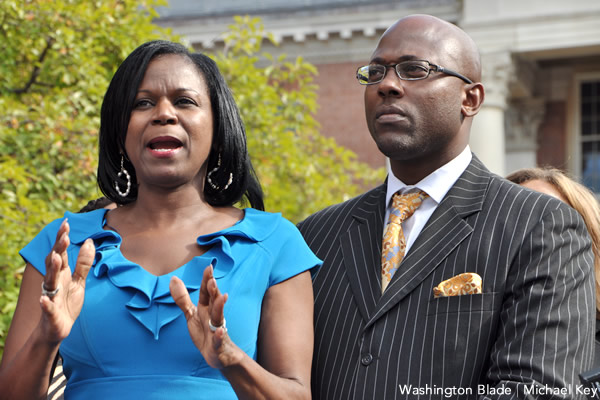
Angela McCaskill was placed on leave by Gallaudet University from her job as a diversity officer after it was revealed she signed an anti-gay marriage petition. (Washington Blade file photo by Michael Key)
Two prominent black Baptist ministers who have been strong supporters of Maryland’s same-sex marriage law were scheduled to begin a series of weekly protest rallies outside Gallaudet University beginning Thursday, Oct. 25.
Rev Delman Coates, senior pastor of Mt. Ennon Baptist Church in Prince George’s County, and Rev. Donte Hickman, senior pastor of the Southern Baptist Church, which has congregations in Baltimore City and Anne Arundel and Hartford counties, said the protests would call on the university to immediately reinstate Angela McCaskill as the school’s diversity director.
The action by the two ministers was the latest in a series of developments triggered by Gallaudet’s decision earlier this month to place McCaskill on administrative leave with pay after news surfaced that she signed a petition to place Maryland’s same-sex marriage law on the Nov. 6 ballot in a referendum.
“It is unacceptable for Dr. McCaskill to be professionally sanctioned for merely exercising her right as a citizen in our democracy,” Coates and Hickman said in a joint statement. “Our advocacy for marriage equality is about protecting the rights of all people, gays and lesbians, as well as those who may have a traditional view of marriage.”
The two added, “It is the height of hypocrisy for an institution that claims to support individual choice and freedom of expression to deprive that freedom to someone they assume has a different opinion with respect to this policy issue.”
Gallaudet’s administration issued a statement last week inviting McCaskill to meet with university officials to discuss ways she could be reinstated. But McCaskill’s attorney, J. Wyndal Gordon, said at a news conference in Annapolis on the same day that his client suffered damage to her reputation as well as emotional distress over what he called her improper suspension.
Gordon said McCaskill was seeking compensation for the damages and has not ruled out a lawsuit if the university doesn’t make a “good faith” offer for her reinstatement along with compensation.
Meanwhile, with polls showing that the Maryland same-sex marriage law has a lead among voters expected to turn out for the Nov. 6 election, anti-gay groups working to defeat the marriage equality measure have used the McCaskill suspension as the theme for a TV commercial urging Maryland residents to vote ‘no’ on the marriage bill.
The ad uses video footage of McCaskill taken from the Gallaudet University website and YouTube link showing her speaking in sign language in what appears to be a classroom.
Catherine Murphy, a Gallaudet spokesperson, told the Blade on Wednesday that the university’s attorneys have called on the Maryland Marriage Alliance, the group that produced the TV ad, to take it down.
“It is copyrighted,” Murphy said. “Our attorneys asked them to take it down.”
Gordon told the Blade that McCaskill has also called on the Maryland Marriage Alliance to pull the ads with the video footage of her.
The alliance has so far refused to stop airing the ads on Maryland TV stations, saying it has no plans to do so.
“This places us in an untenable position, it’s difficult to be a proponent of the First Amendment and then have to renounce it at the same time,” Gordon told the Blade. “But what has actually occurred is that by taking her image and likeness and using it in their ad, they sort of prejudged her the same way Gallaudet prejudged her,” he said.
“If we had our druthers we would have it pulled,” Gordon said. “However, it’s Gallaudet’s place to demand that they pull the footage because it’s Gallaudet’s footage.”
Murphy said she could not comment on the status of any negotiations between McCaskill and the university over her possible reinstatement.
“That’s something the lawyers are working on,” she said.



Baltimore
Popular Mount Vernon gay bar Leon’s to temporarily close after owner’s death
Ron Singer passed away on July 7
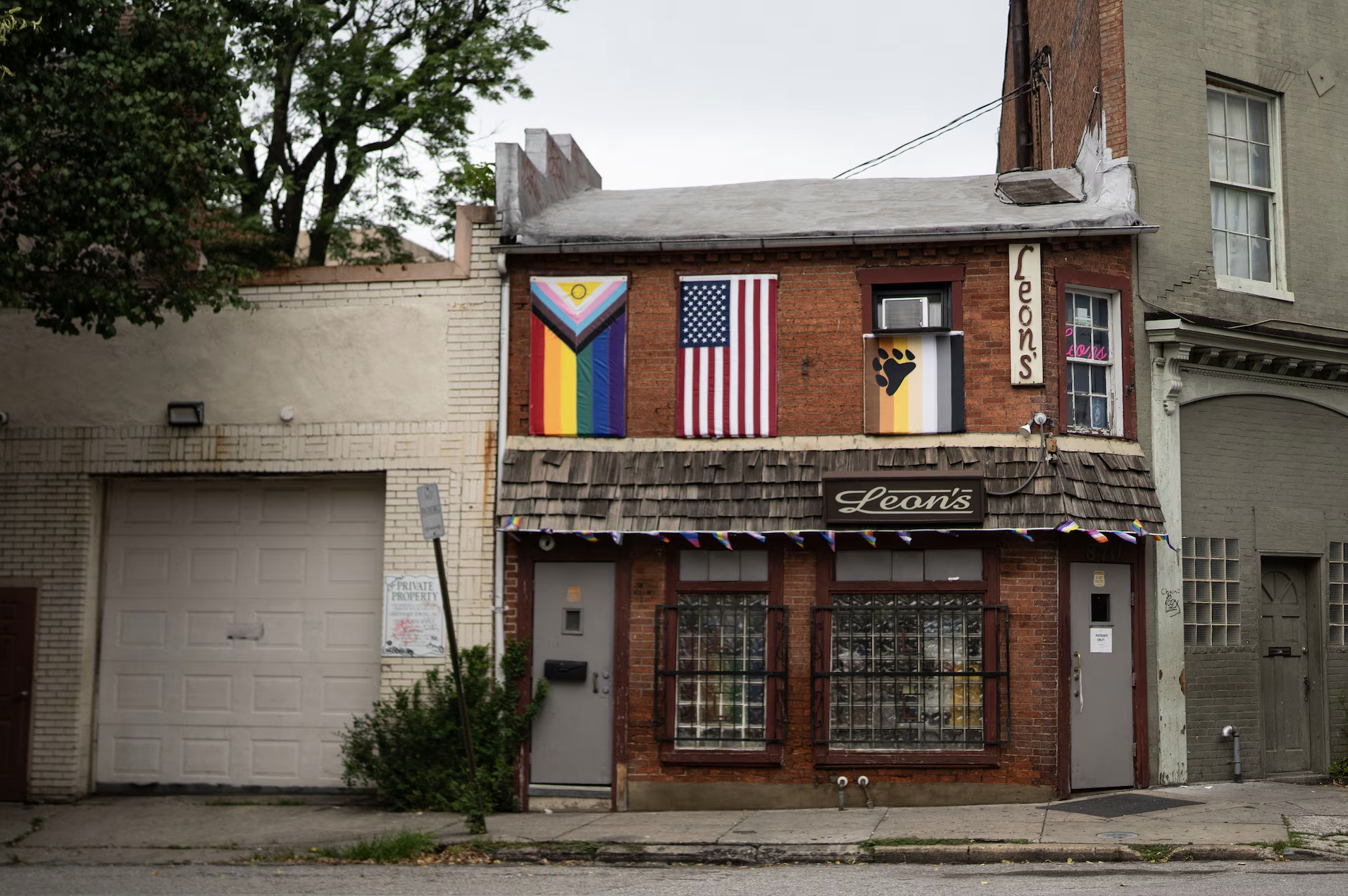
By WESLEY CASE | Leon’s Backroom, Baltimore’s oldest gay bar, temporarily shut down after service on Wednesday night, according to a post on the business’s Instagram page.
The announcement comes a little more than a week after the death of the Mount Vernon bar’s owner, Ron Singer, who died at 66 on July 7.
The rest of this article can be found on the Baltimore Banner’s website.

The Comings & Goings column is about sharing the professional successes of our community. We want to recognize those landing new jobs, new clients for their business, joining boards of organizations and other achievements. Please share your successes with us at [email protected].
Congratulations to Stuart Ortel and Scott Marker, and Dave Lyons and Rick Hardy, on the recent opening of their garden center on Route 1 in Rehoboth Beach, in the former Farmer Girl site. It is called Bay Laurel Home and Garden and debuted earlier this year. The four owners are all well known to the denizens of Rehoboth Beach.
Stuart and Scott have been active members of the Rehoboth Beach community since 1999. Stuart is a landscape architect, and has established relationships with many local folks in the building and landscape industry. When this opportunity for Bay Laurel Home & Garden presented itself, and they had the perfect team of people in place, he and Scott were committed to making it a reality. So, when Scott and Stuart introduced this opportunity to create a new garden center to Dave and Rick, they embraced the chance to cultivate a business where beautiful plants, inspiring home and garden products, and outstanding customer service come together. Dave and Rick knew about owning a business in Rehoboth as they previously owned Coho’s Market, where they discovered firsthand the value of serving their community, and the rewards of running a locally owned business.
The garden center launched with a refreshed brand identity, updated merchandising, and expanded product lines, all designed to create an inspiring and welcoming environment for your home. Bay Laurel Home & Garden offers a beautifully appointed garden center and curated home and gift shop.
The new center features a full nursery with annuals, perennials, shrubs, trees, and seasonal selections; a garden center offering pottery, fountains, and garden ornamentation, and essential tools and garden supplies. It has a garden shop featuring unique indoor/outdoor furnishings and accessories, and a gift shop featuring botanical and coastal style items for home and entertaining.
Rehoboth Beach
Celebrate Pride in Rehoboth Beach this weekend
‘A vital space for community, healing, and connection’
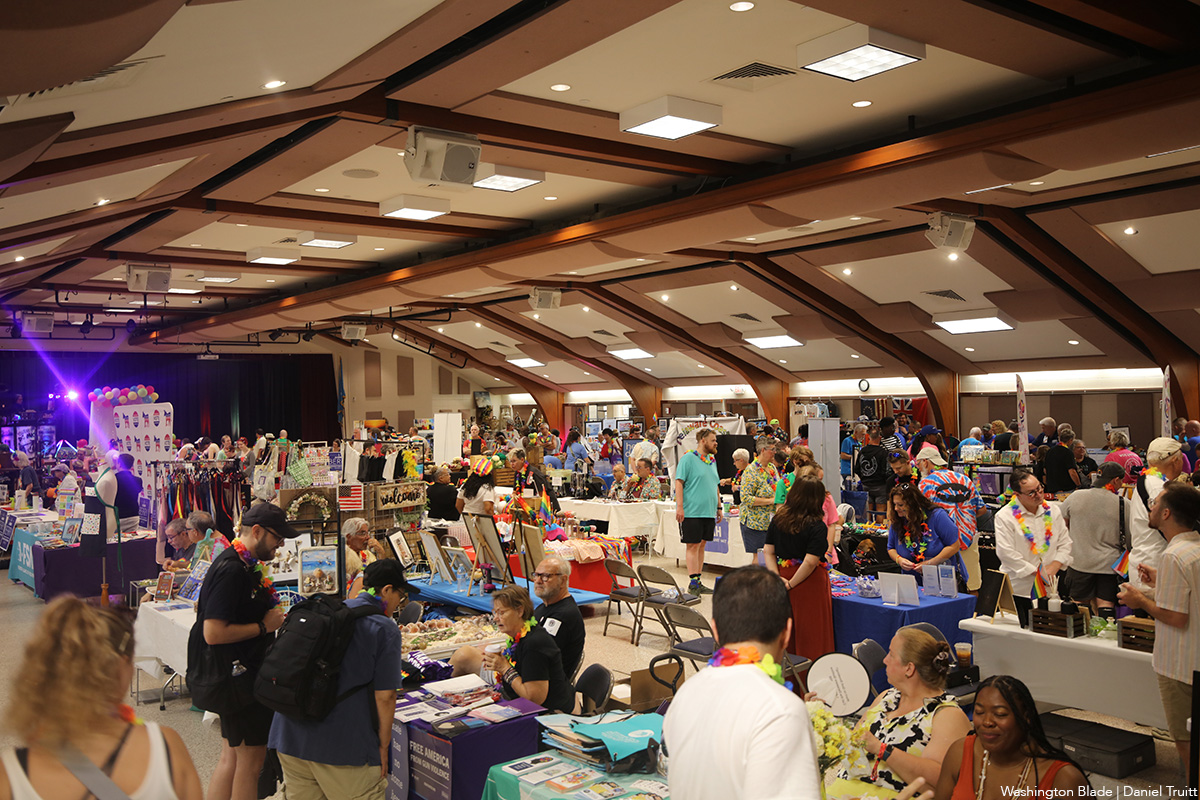
Pride in Rehoboth Beach is kicking off this week on Friday, July 17, with events happening throughout the weekend.
“Rehoboth Beach Pride is more than a festival — it is a vital space for community, healing, and connection,” said David Mariner, director of Sussex Pride, which organizes many of the events.
The weekend will begin with the Grand Opening & Community Preview from 1-4 p.m. on Friday, July 17, celebrating the opening of Novus Medical Services and the new Sussex Pride Community Center.
This will be followed by an Interfaith Pride Service at 6 p.m. at the Metropolitan Community Church Rehoboth to gather for healing and the affirmation of queer spirituality with Rev. Carla Christopher, chair of Sussex Pride Faith.
Members of the community are then invited to head over to join the Rehoboth Beach Bears at the Pines to have dinner, mingle, and give back to local initiatives.
End the first night of Pride in Rehoboth at Diego’s Bar & Nightclub with music by DJ Joey P from 9 p.m.-1 a.m.
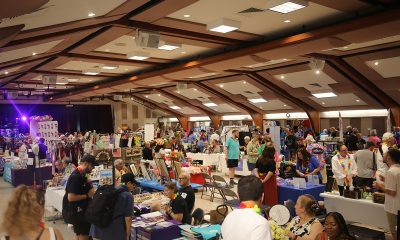
Rehoboth Beach Pride Festival will take place on Saturday, July 18, 2026, from 9 a.m.- 3 p.m. inside the Rehoboth Beach Convention Center. A full list of events is available at rehobothbeachpride.org.
Roxy Overbrooke will host on the main stage as live performances take place throughout the day, featuring music from DJ MK and Tribe 9 Entertainment.
The festival will include educational workshops, community meetups, and a raffle dedicated to raising funds for unhoused LGBTQ+ youth across Delaware.
Feature workshops include panels discussing topics such as unhoused LGBTQ+ youth in Delaware, the needs of trans and non-binary youth, as well as the increase in HIV and syphilis diagnoses amid federal budget cuts, in a panel moderated by Blade Editor Kevin Naff.
Saturday night will also feature an evening comedy and entertainment show at the Convention Center presented by the Gay Women of Rehoboth. Performers will include comedians Suzanne Westenhoefer and Karen Mills as well as musician Kristen Merlin. Tickets are available at gaywomenofrehoboth.org.
The Rehoboth Beach Pride Ride will take place at 10 a.m. on Sunday, July 19, hosted by the Dykes on Bikes Rehoboth Beach Women’s Motorcycle Club, starting at Lefty’s.
Goolee’s Drag Brunch will also take place on Sunday from 12-2 p.m at Goolee’s Grille. This is a family-friendly event hosted by Regina Cox and Ruby, featuring Aurora Sterling, Michelle Leigh Sterling, Scarlet St. Cartier, and Joanna Blue. Tickets can be purchased online.
Pride in Rehoboth will conclude at 2 p.m. with the official Rehoboth Beach Pride Closing Party at Aqua Bar & Grill, celebrating the venue’s landmark 20th anniversary with DJ Biff until 7 p.m.
Due to an influx of visitors for the summer season, those coming from out-of-town are encouraged to use the Park & Ride.

PHOTOS: Vitamin C at JR.’s

PHOTOS: Rehoboth Beach Pride Festival

Liza’s book a tale that’s better than most celebrity memoirs

Hot hatchbacks: Honda Civic, Subaru Impreza

When buying a home, it’s decisions, decisions, decisions

Expected India Supreme Court ruling could shape future LGBTQ rights cases

Celebrate Pride in Rehoboth Beach this weekend

Christa Tichy hopes to preserve LGBTQ representation in Md. House of Delegates

Advocacy groups join Venezuela earthquake relief efforts

Rehoboth’s Aqua to celebrate 20th anniversary Sunday
-

 India4 days ago
Expected India Supreme Court ruling could shape future LGBTQ rights cases
-
Rehoboth Beach4 days ago
Celebrate Pride in Rehoboth Beach this weekend
-
Maryland4 days ago
Christa Tichy hopes to preserve LGBTQ representation in Md. House of Delegates
-
Venezuela4 days ago
Advocacy groups join Venezuela earthquake relief efforts