Arts & Entertainment
Calendar for May 7

Friday, May 7
The international hit, “Naked Boys Singing!” will heat up the beginning of summer. The D.C. production will premiere a song by the original writers created especially for local audiences. The show will run from May 7-June 13 at 1409 Playbill Cafe, 1409 14th St., N.W. Visit ganymedearts.org/NBS.htm for tickets.
RAW will return to the Green Lantern, located at 1335 Green Court, N.W., from 10 p.m.-3 a.m. Raw is an electro-disco party on the first Friday of each month inspired by gay parties of the early 80s. Join your host, Karl Marks and resident DJs Shea and Bil for some dirty retro fun. Fill your night with fog, lasers, strobe lights and throbbing music. Free entry before 11 p.m., cover is just $3 after that.
Shawn Colvin performs at the Birchmere, 3701 Mt. Vernon Ave., Alexandria, Va., at 7:30 p.m. Tickets are $45; call 703-549-7500 for information.
Saturday, May 8
It’s a family-friendly celebration of marriage equality at “My Big Fat Gay Wedding Reception,” 7-10 p.m., All Souls Church, Unitarian, 1500 Harvard St., N.W. Tickets are $50/individual or $100/family available at all-souls.org. Magician and child care for the kids; dancing and door prizes for the adults.
The Capitol Hill Restoration Society’s 53rd annual Mother’s Day House & Garden Tour. Hours for the tour are Saturday, 4–8 p.m. and Sunday, 11 a.m.–5 p.m. The Sunday refreshments break at the Capitol Hill Presbyterian Church is from 2–4:30 p.m. Tour tickets are $25 in advance ($20 for CHRS members) and $30 the weekend of the tour. They may be purchased at www.chrs.org and at select venues around the Hill (locations available at the CHRS web site).
History will be made tonight when Betty White hosts Saturday Night Live for the first time. In honor of this momentous occasion, Shaaron Van Riggins is throwing a special party at Duplex Diner, 2004 18th St., N.W. Watch the live SNL telecast (which starts at 11:30 p.m.) plus “hijacked” commercial breaks, drink specials, including Betty White-themed cocktails, music by DJs Shea Van Horn + Aaron Riggins, and prizes for best WHITE and BETTY WHITE inspired costumes.
Fuego’s Got Talent contest, 1818 New York Ave, N.E., from 10:30 p.m.-3 a.m. Hosted by the Queen of the House “Miss Gigi Paris Couture” and featuring music from DJ Flaco. To enter the contest contact Philip at www.facebook.com/marquesadoyle
Mousetrap, billed as D.C.’s “biggest Britpop dance night” is held at the Black Cat, 1811 14th St., N.W., on the main stage at 9:30 p.m. Tickets $10. Visit blackcatdc.com for information.
Madonnarama at Town, 2009 8th St., N.W. (corner of 8th & U) features performances by the Ladies of Town and the Town dancers. Doors open at 10 p.m., drag show at 10:30 p.m.; music and videos downstairs by Wess. $8 before 11 p.m. and $12 thereafter.
The Whitman-Walker Clinic HIV Mobile Testing will be at Apex, 1415 22nd St., N.W., 10 p.m.–1:30 a.m.
Sunday, May 9
Meditation and Prayers for World Peace at the Vajroyogini Buddhist Center, 1803 Connecticut Ave., N.W., 2nd floor. Without first developing inner peace, world peace will remain impossible to achieve. These classes include a short teaching, guided meditations and prayers for world peace. For more information visit www.meditation-dc.org or contact 202-986-2257 or [email protected]
Monday, May 10
The Imperial Court of Washington, D.C. will hold a “Town Hall Meet and Greet” at 7 p.m. at the DC Center, 1810 14th St., N.W. The Imperial Court’s sole mission is to raise funds for the community, give back more than it receives, and to help raise awareness for important causes.
Country Western Dance Lessons at Remingtons, 639 Pennsylvania Ave., S.E., 8:30-9:30 p.m., $5 per person, per lesson. (Dance class participants should wear boots or shoes with leather soles.)
Tuesday, May 11
MAsT (Masters and Slaves Together) monthly meeting from 7:30–9 p.m. at the DC Center, 1810 14th St., N.W. For more information about this group visit: http://mastwashington.org.
Volunteers will be assembling safer sex kits and enjoying drink specials at Motley, 7-10:30 p.m. Motley is the upstairs bar at EFN Lounge, located at 1318 9th St N.W.
Drag Bingo at Nellie’s Sports Bar, 900 U St., N.W., hosted by Shi-Queeta Lee, every Tuesday starting at 8 p.m. Free to play.
Wednesday, May 12
Rainbow Response monthly meeting at the DC Center, 1810 14th Street N.W., from 7-8 p.m. Regular meeting of individuals and agencies collaborating to address intimate partner violence among LGBTQ people in the greater DC area. This meeting normally occurs on the second Wednesday of each month. Check www.rainbowresponse.org for additional information.
Each Wednesday at the Green Lantern is POZ Wednesday. Starting at 8 p.m., POZ mixers provide a supportive atmosphere for those who are HIV positive and those who want to help eradicate the stigma surrounding HIV. The Green Lantern is located at 1335 Green Ct., N.W.
Thursday, May 13
Active Duty Thursday at Motley Bar above EFN Lounge, 1318 9th St., N.W., $3. First drink is free with a military ID.
Photos
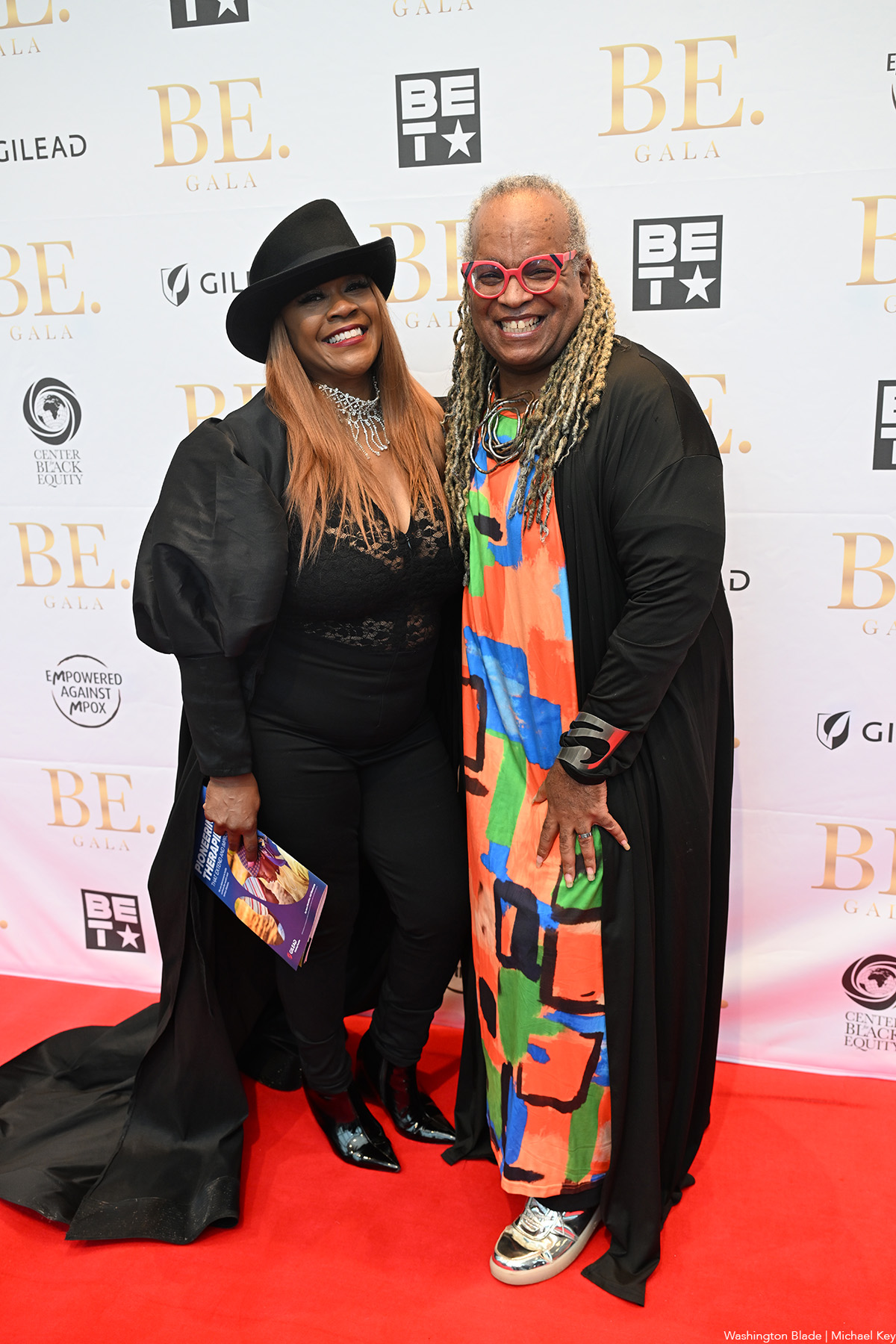
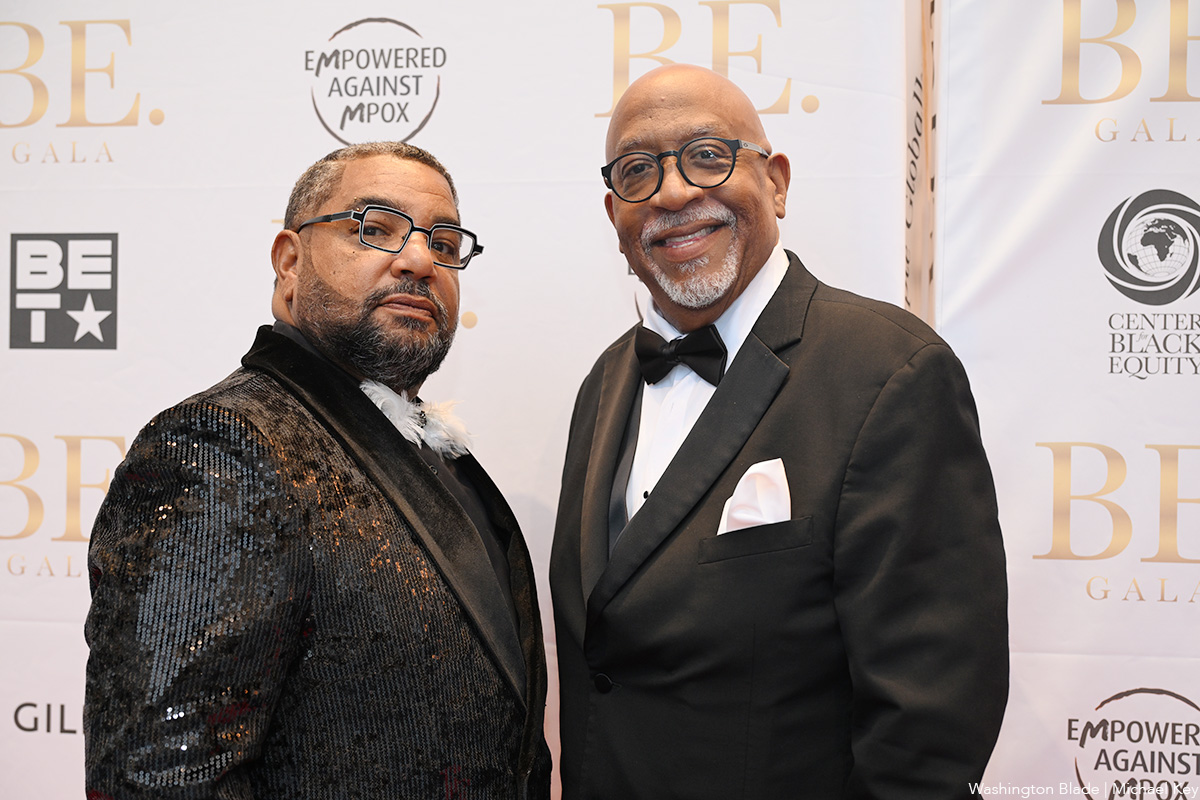
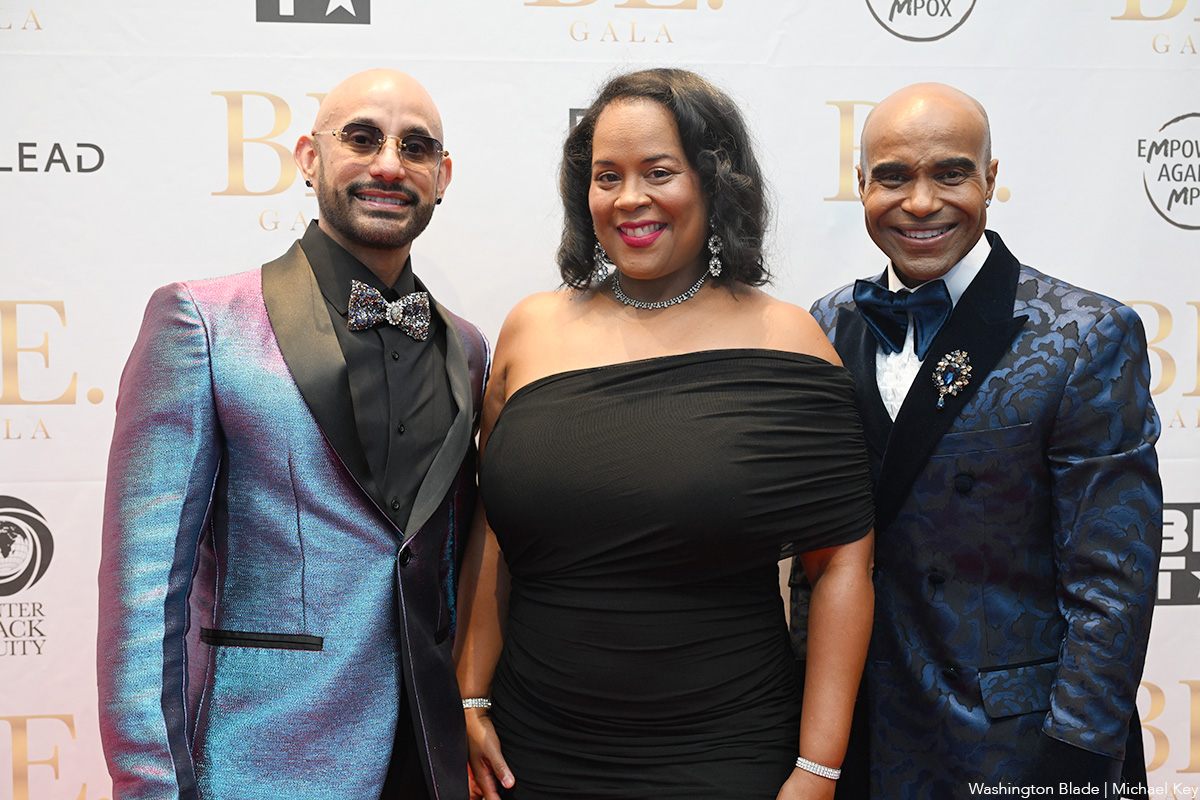
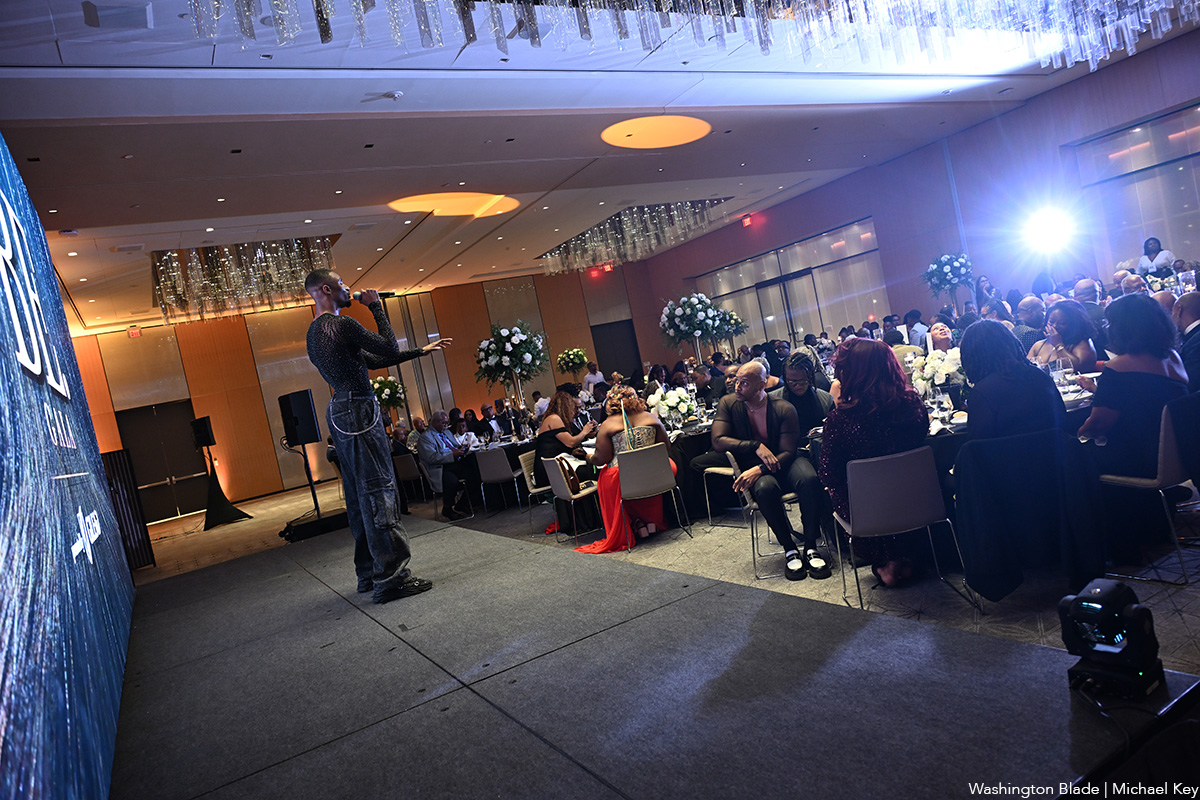
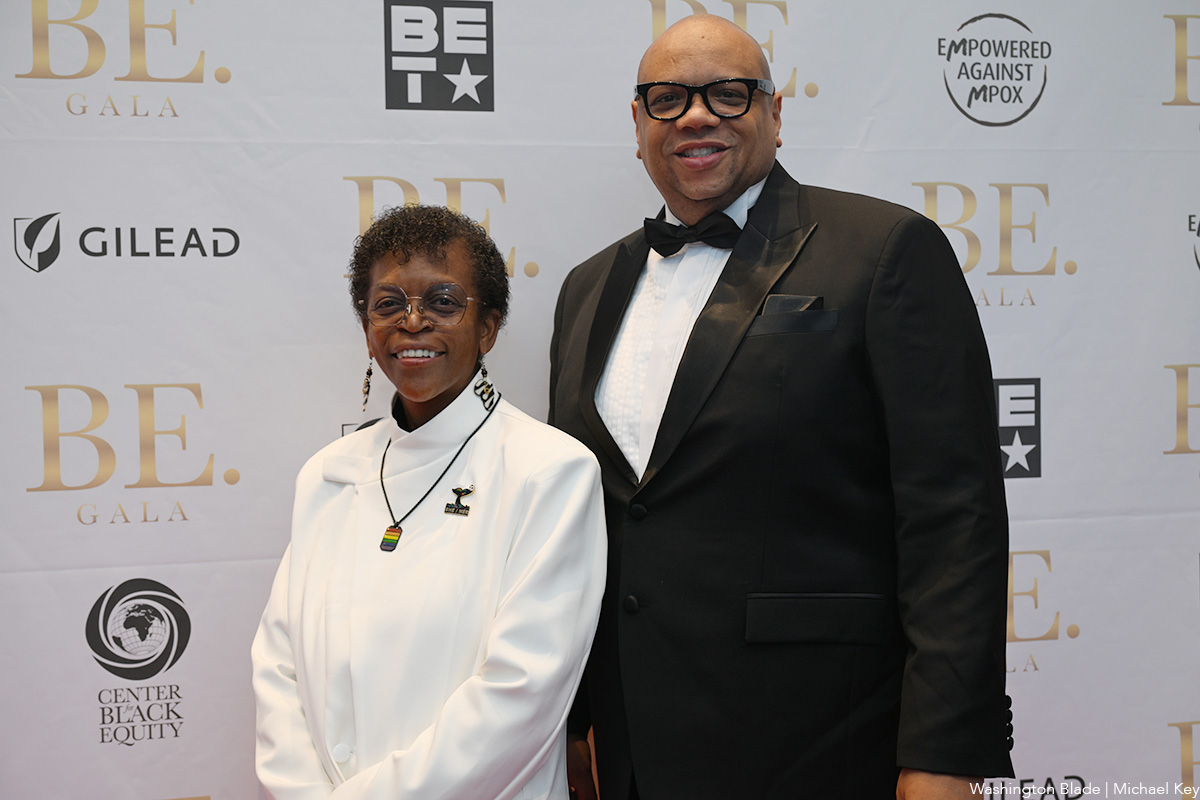
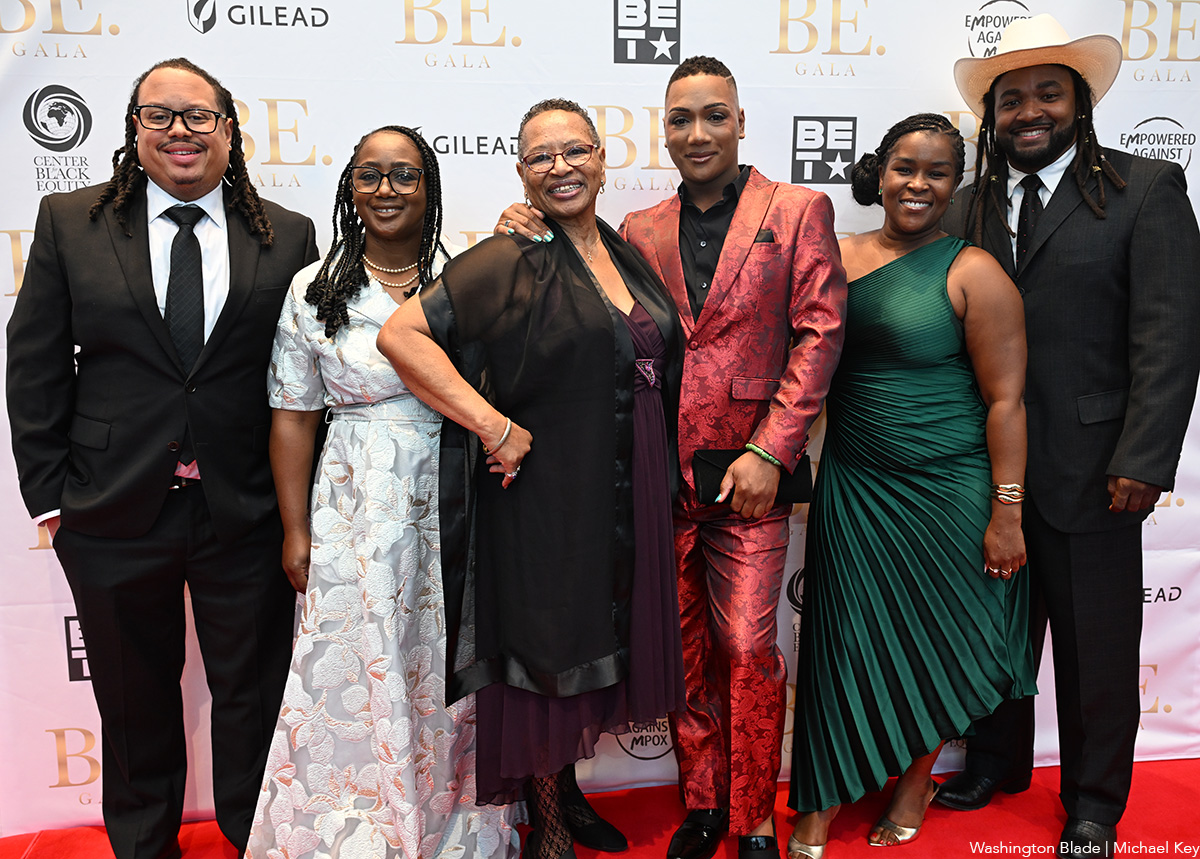
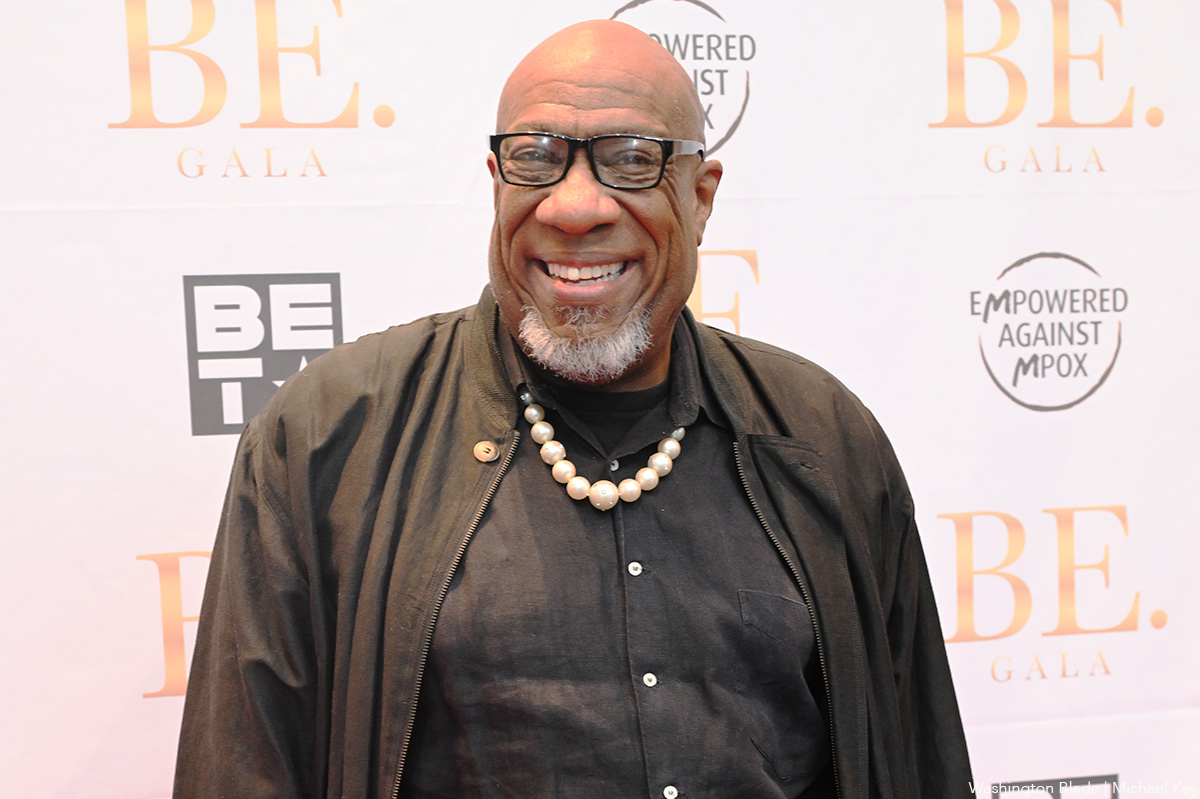
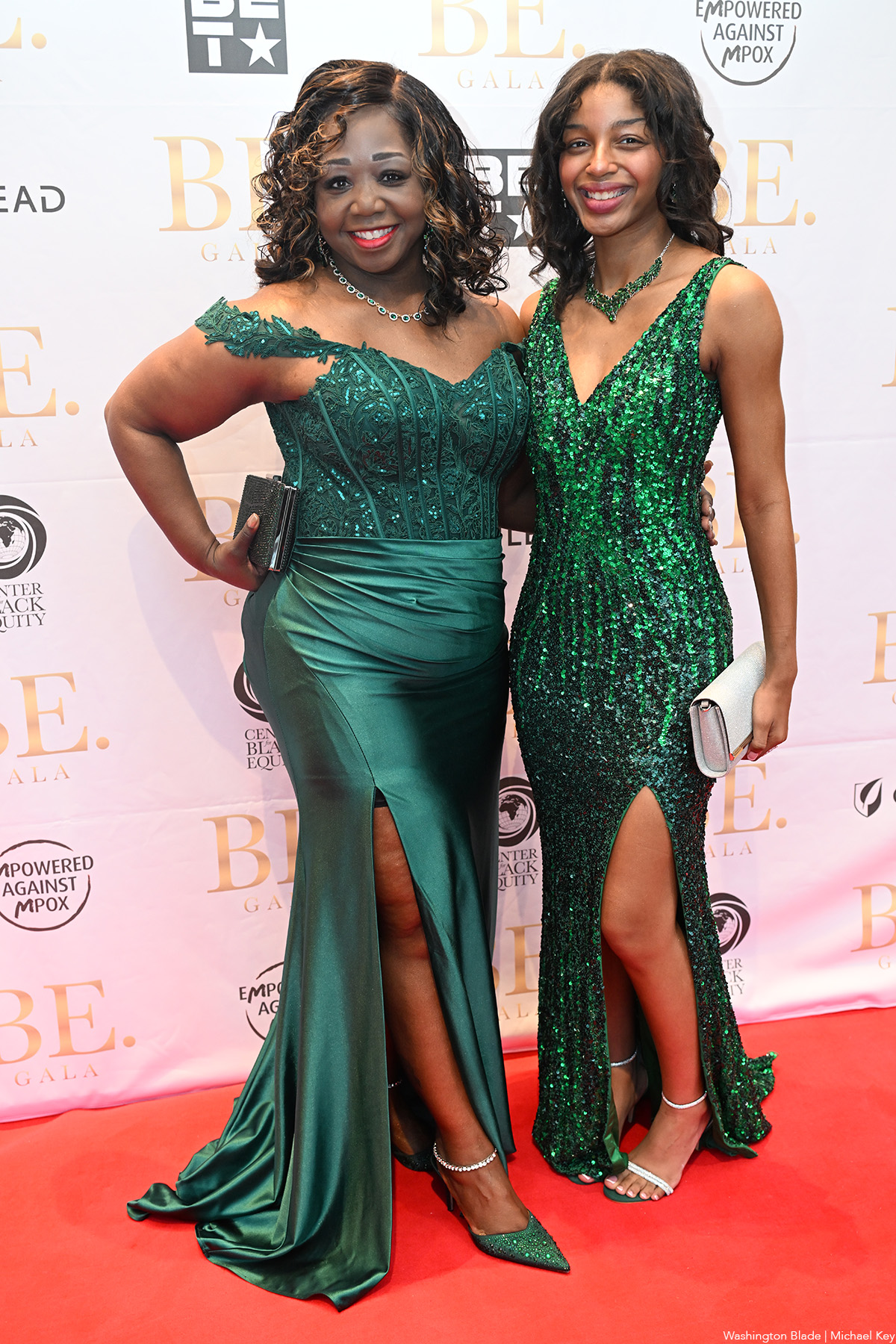
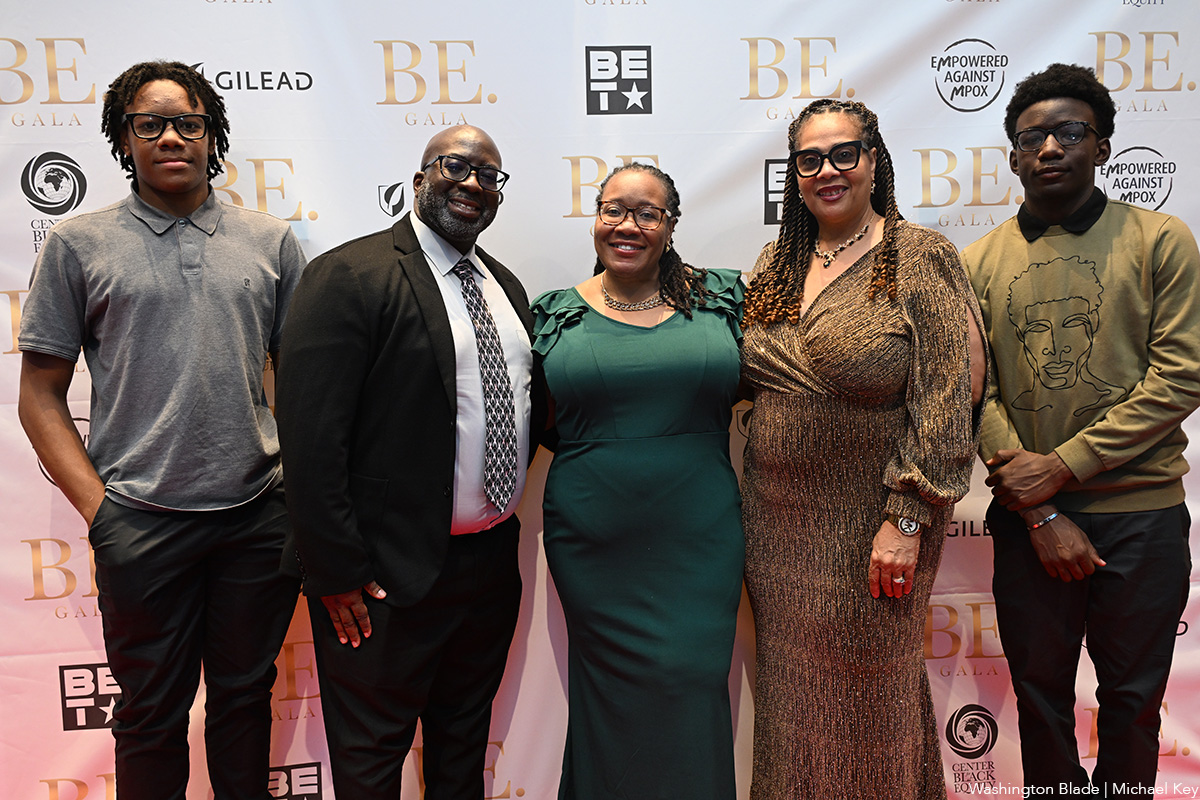
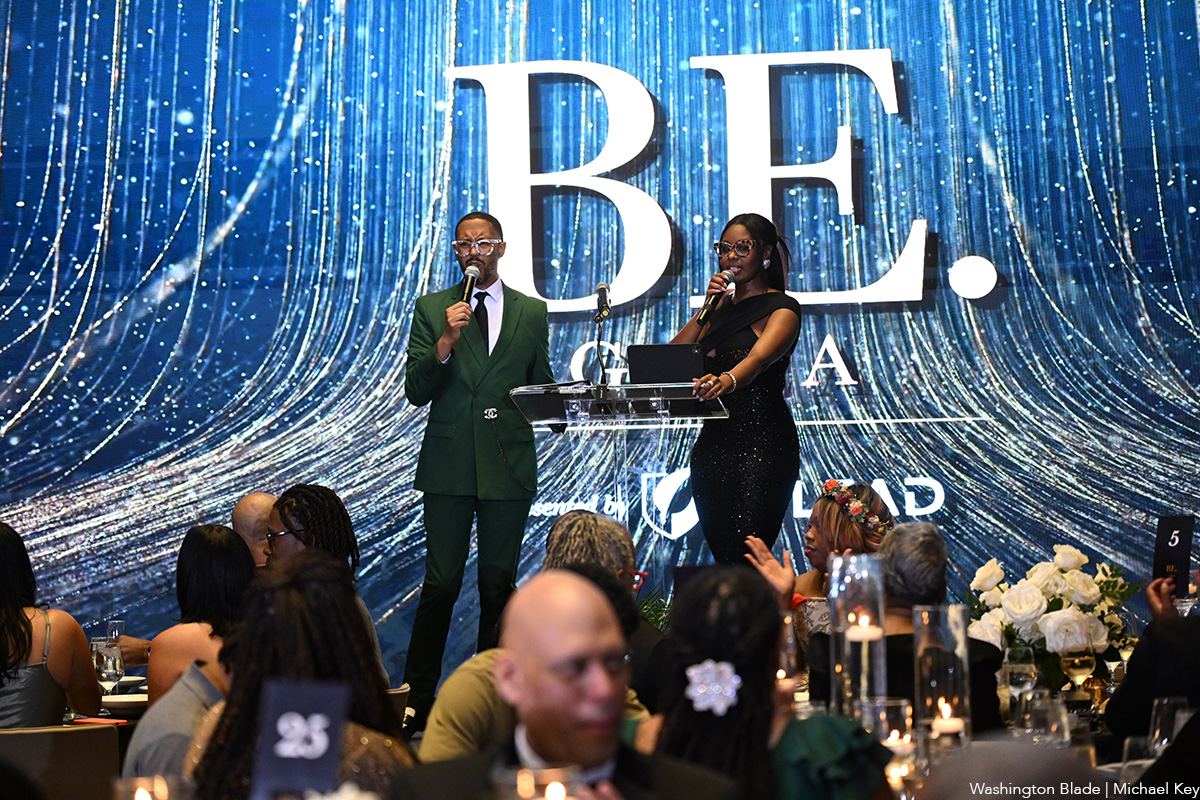
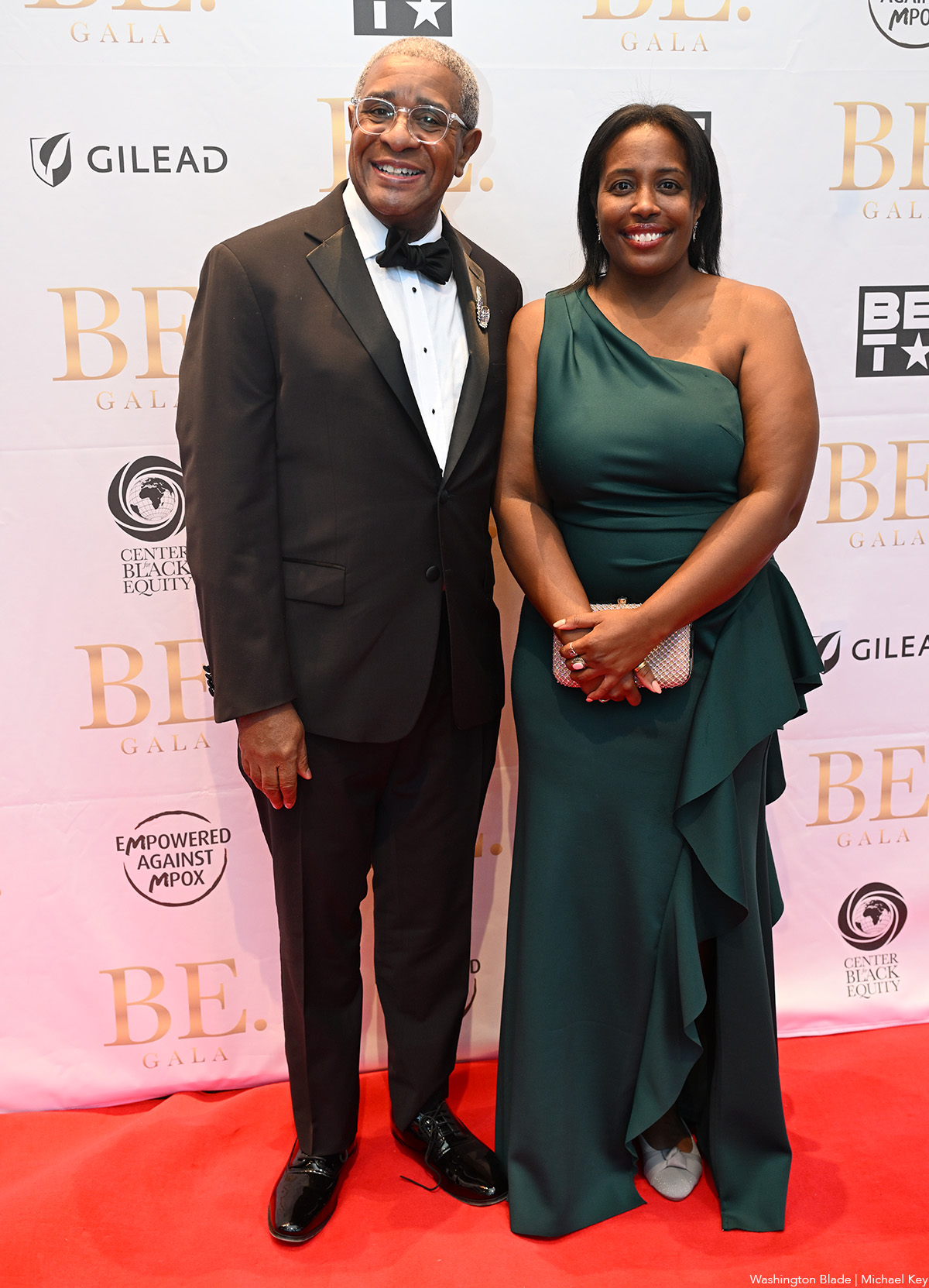
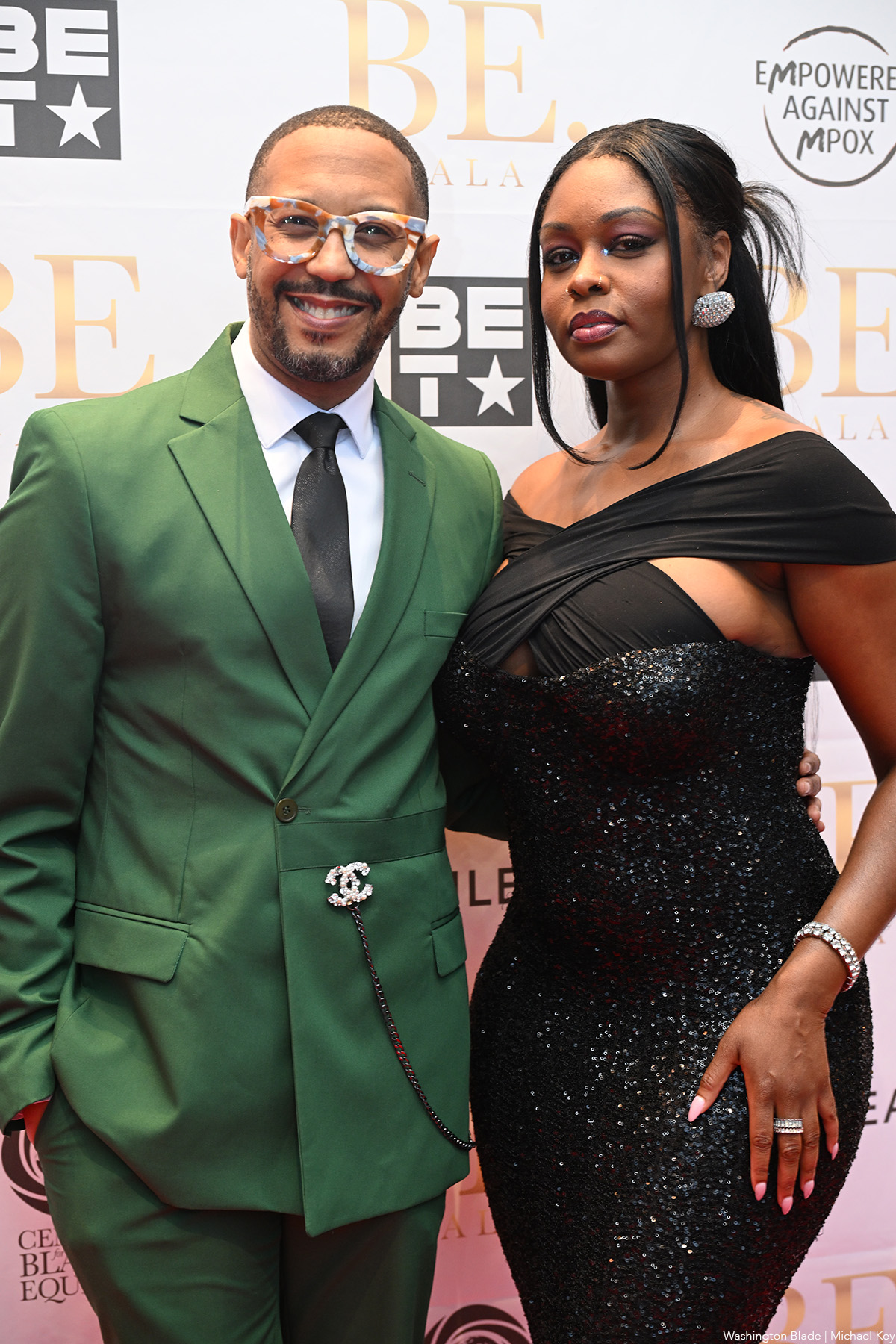
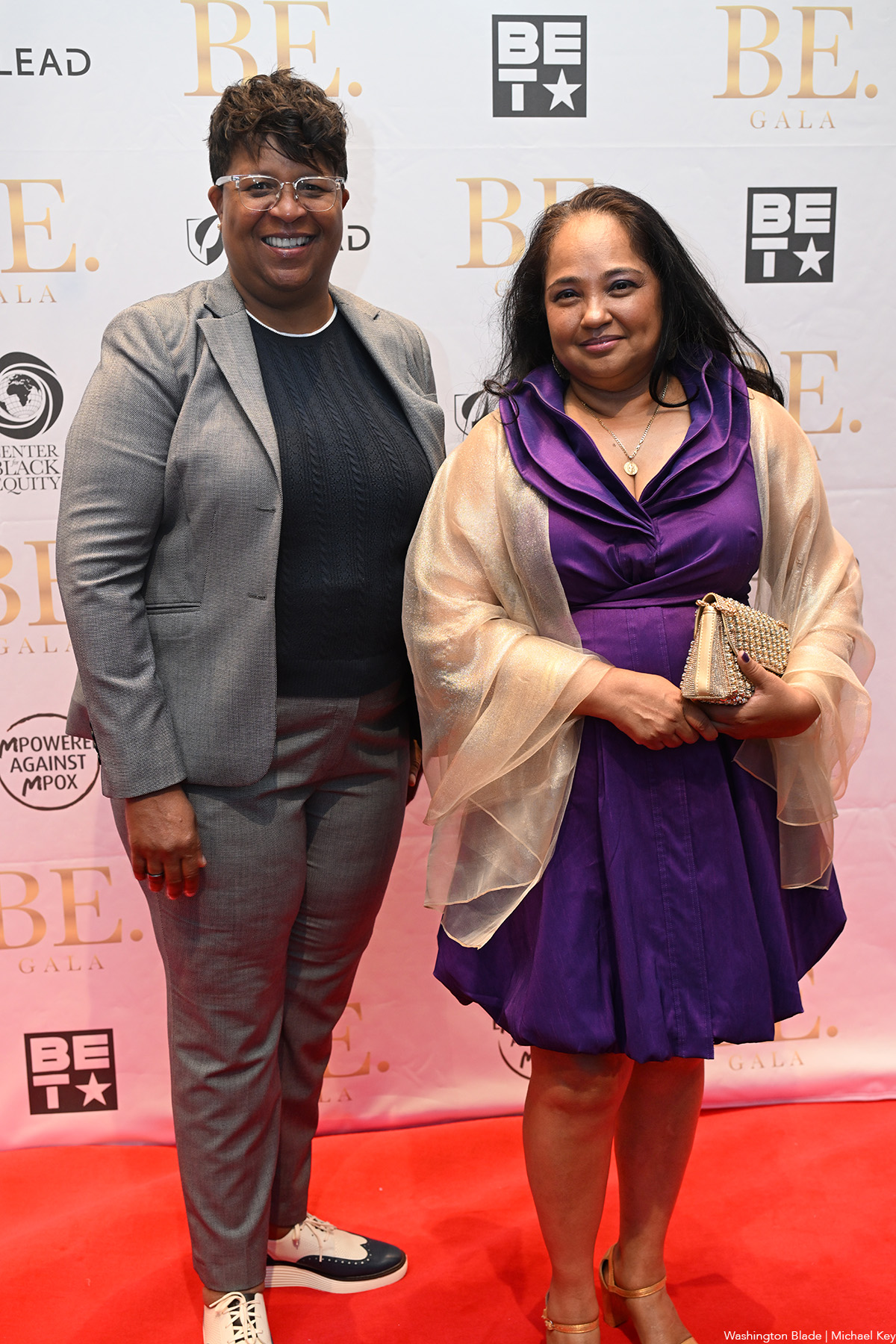
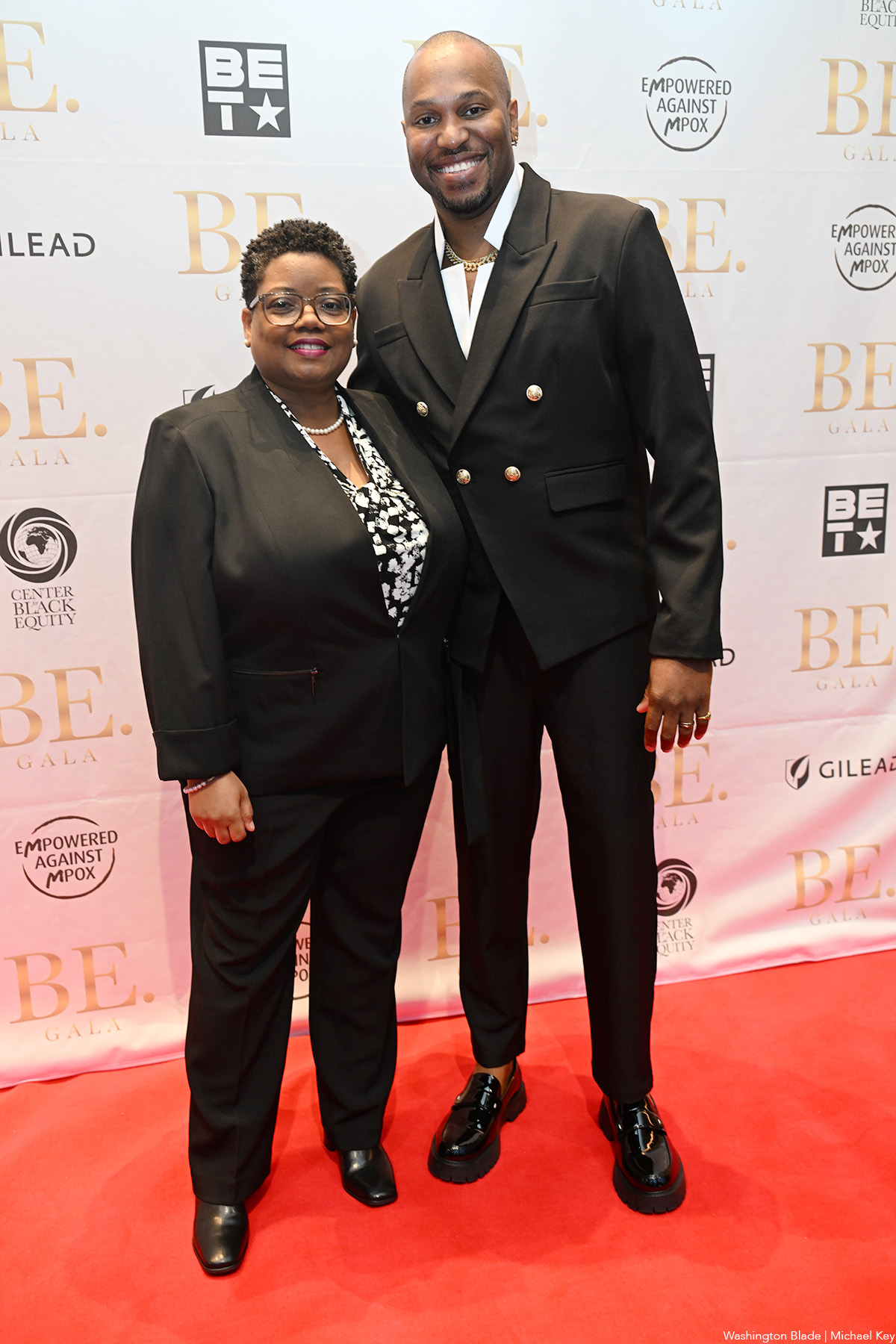
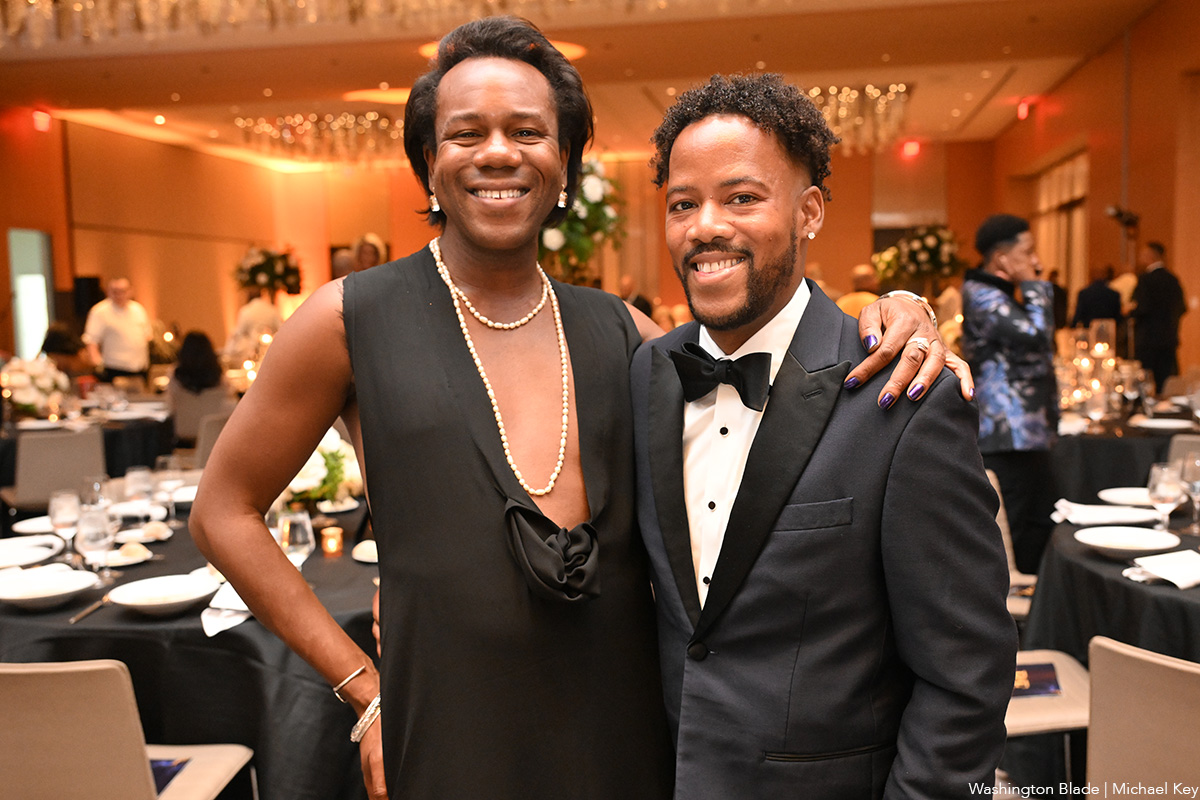
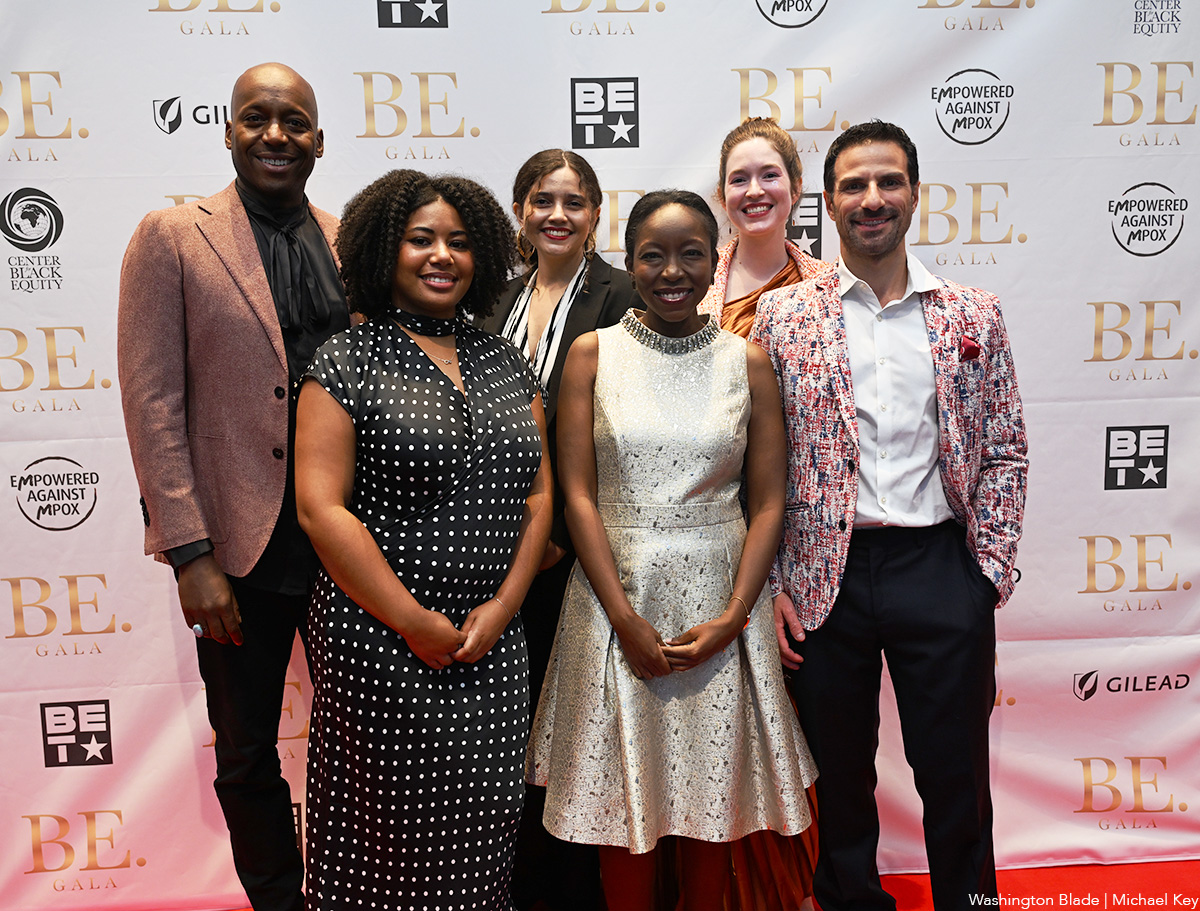
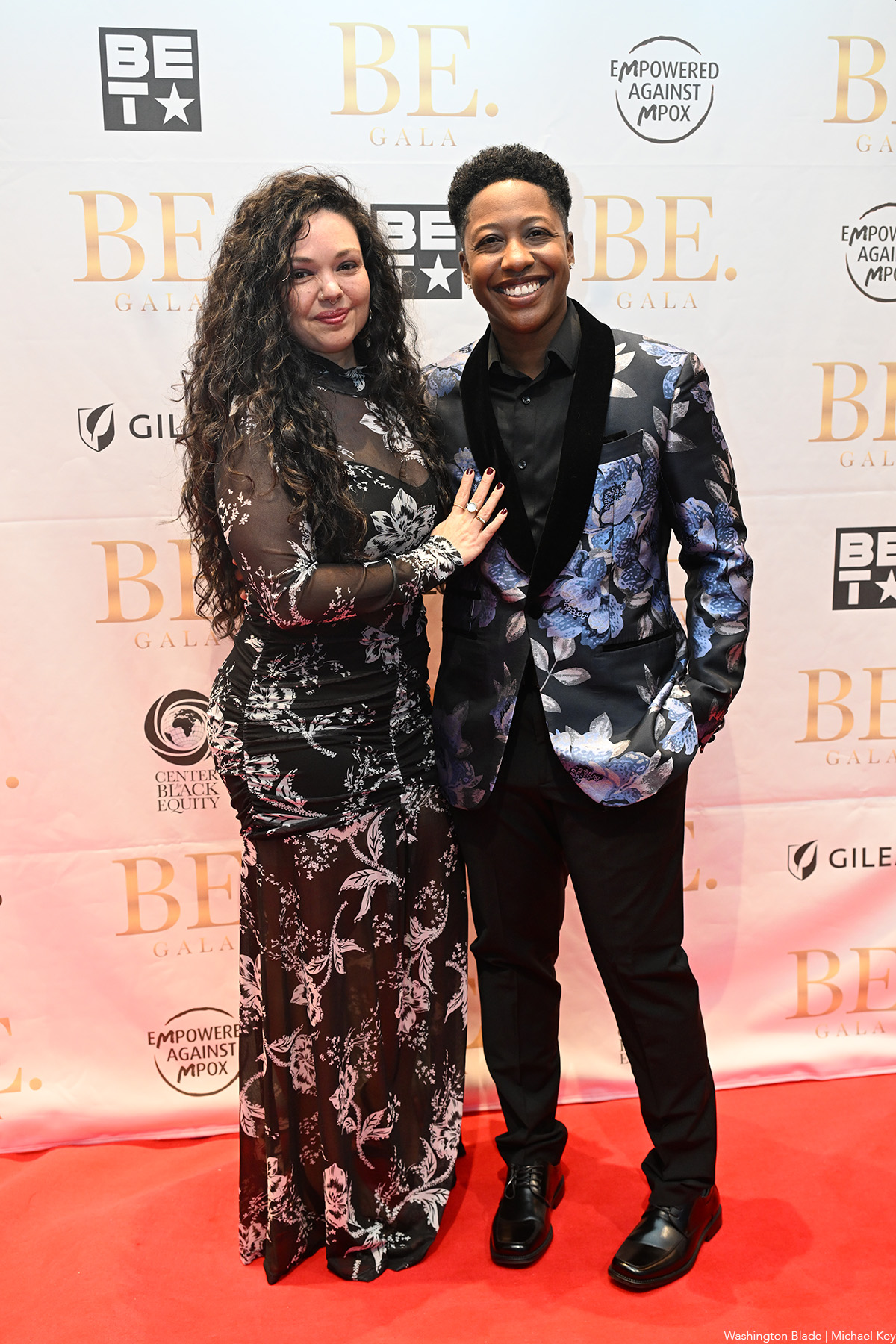
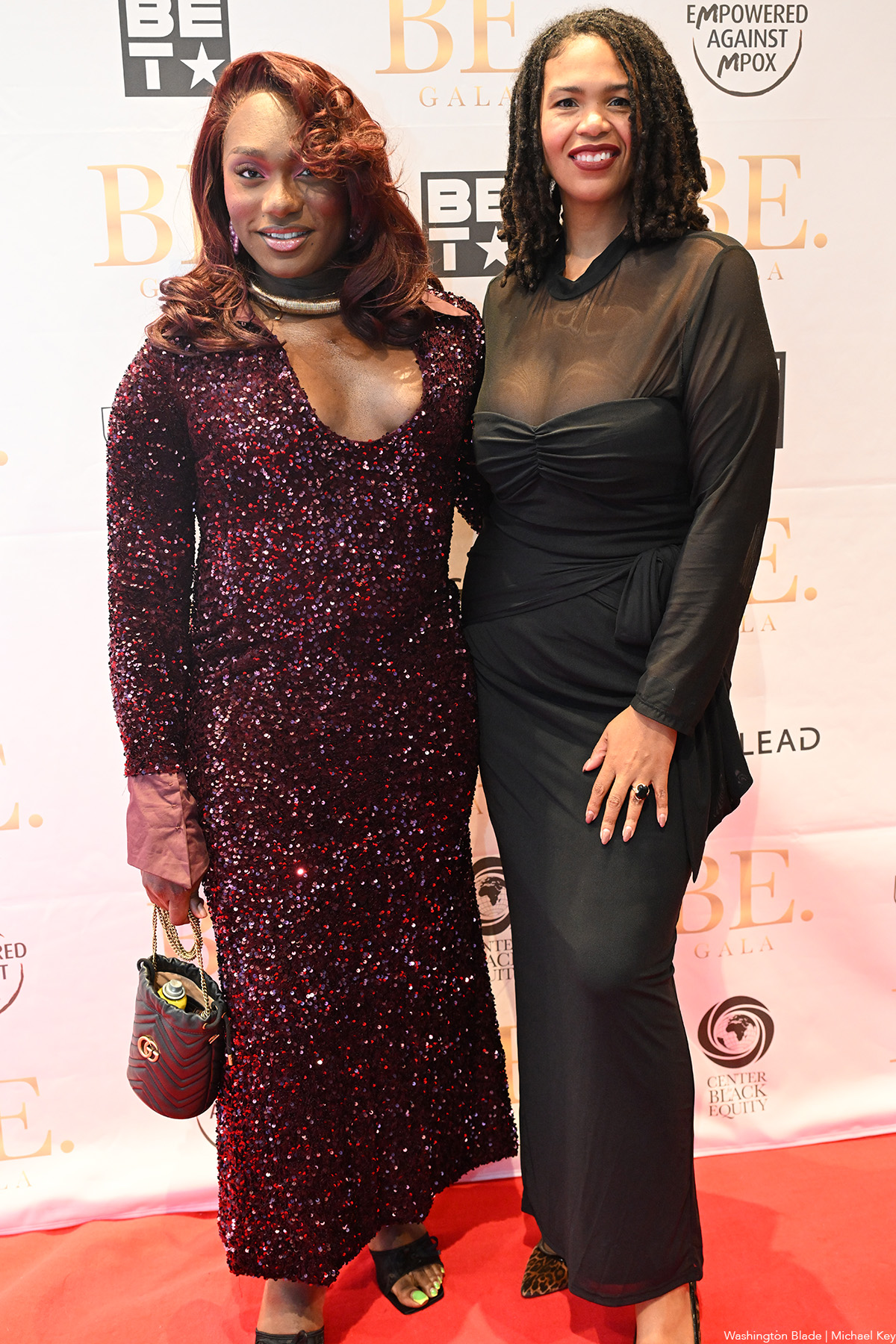
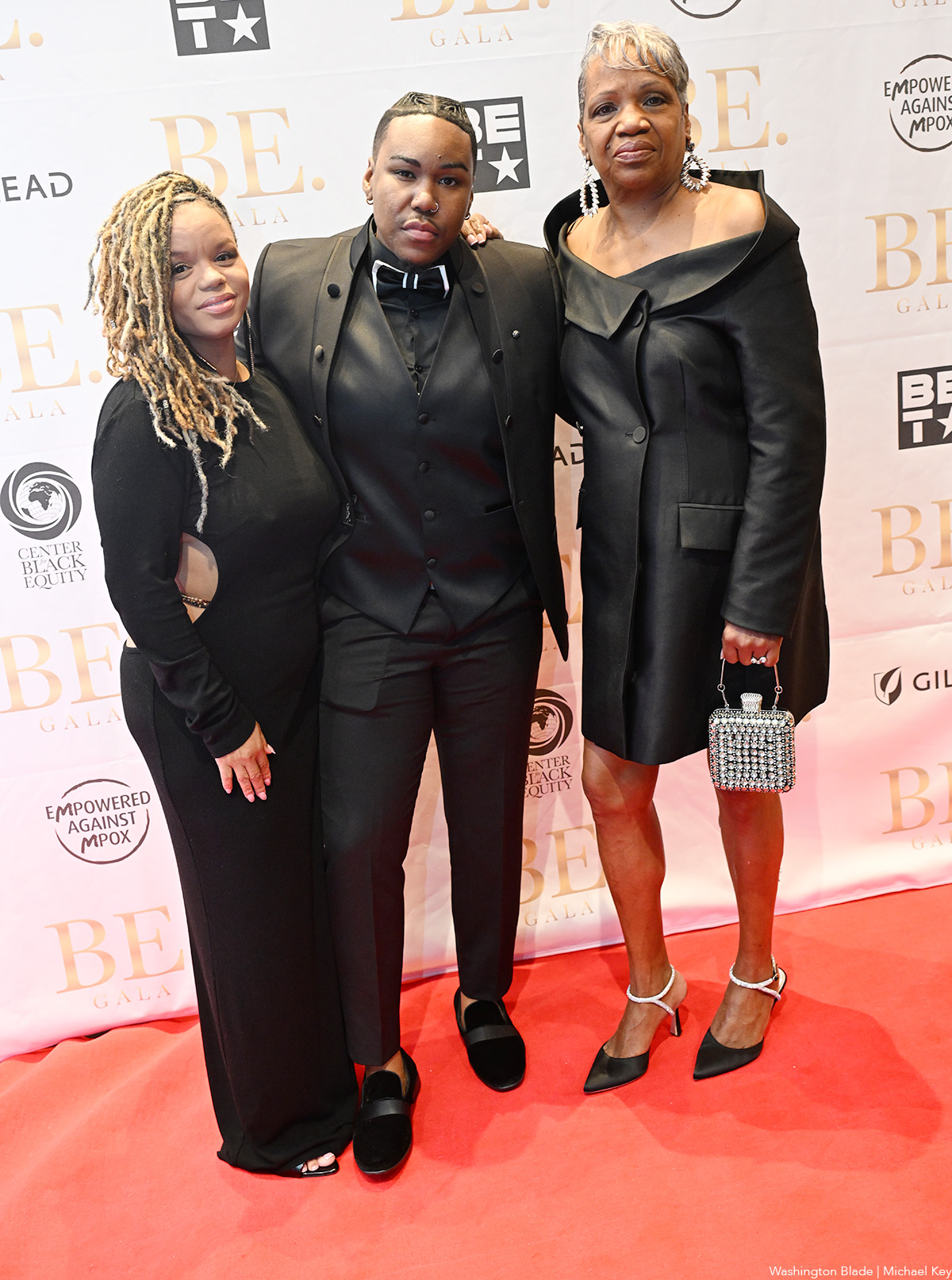
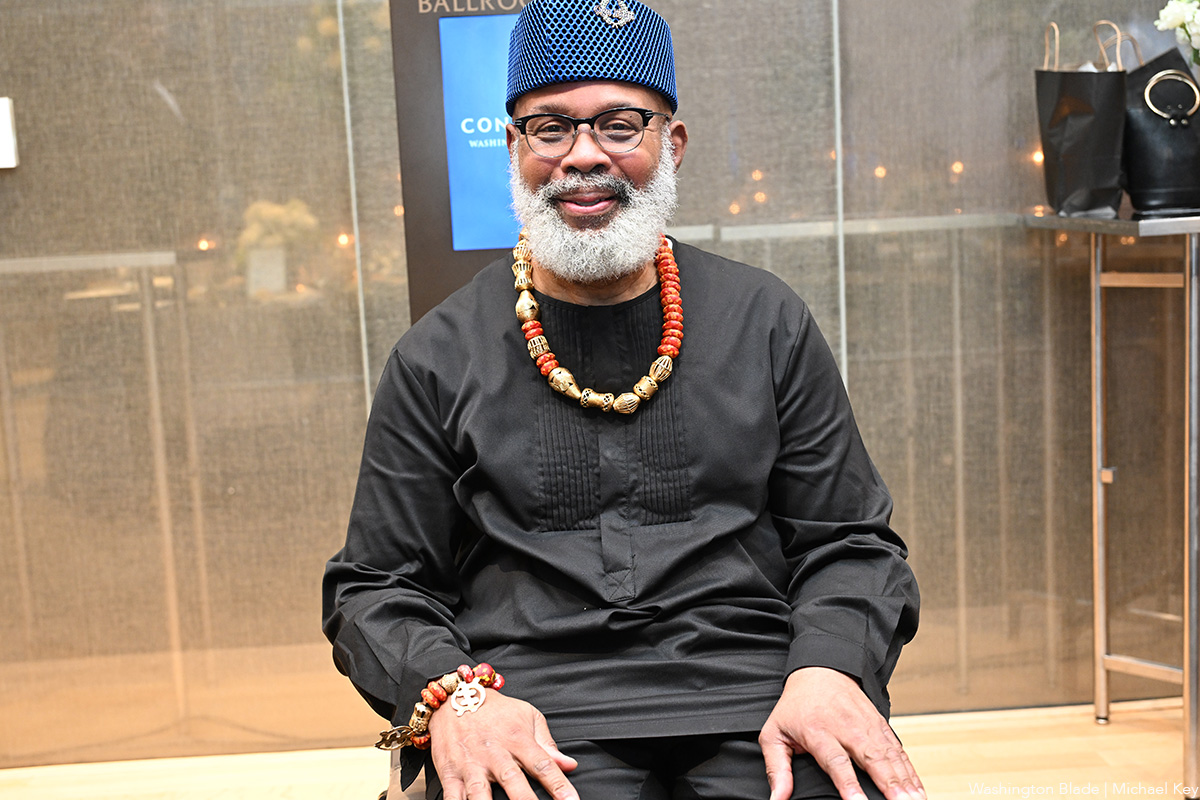
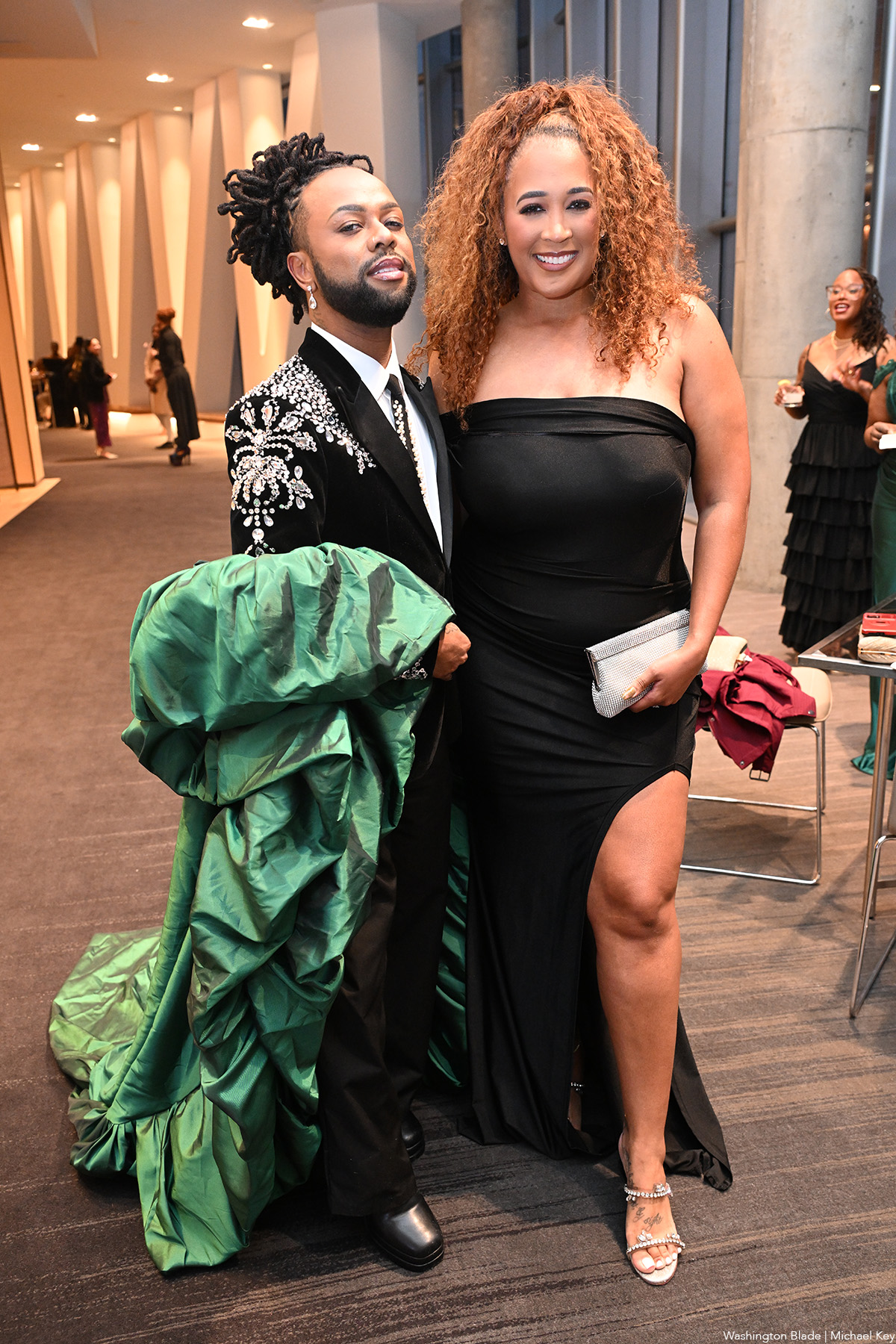
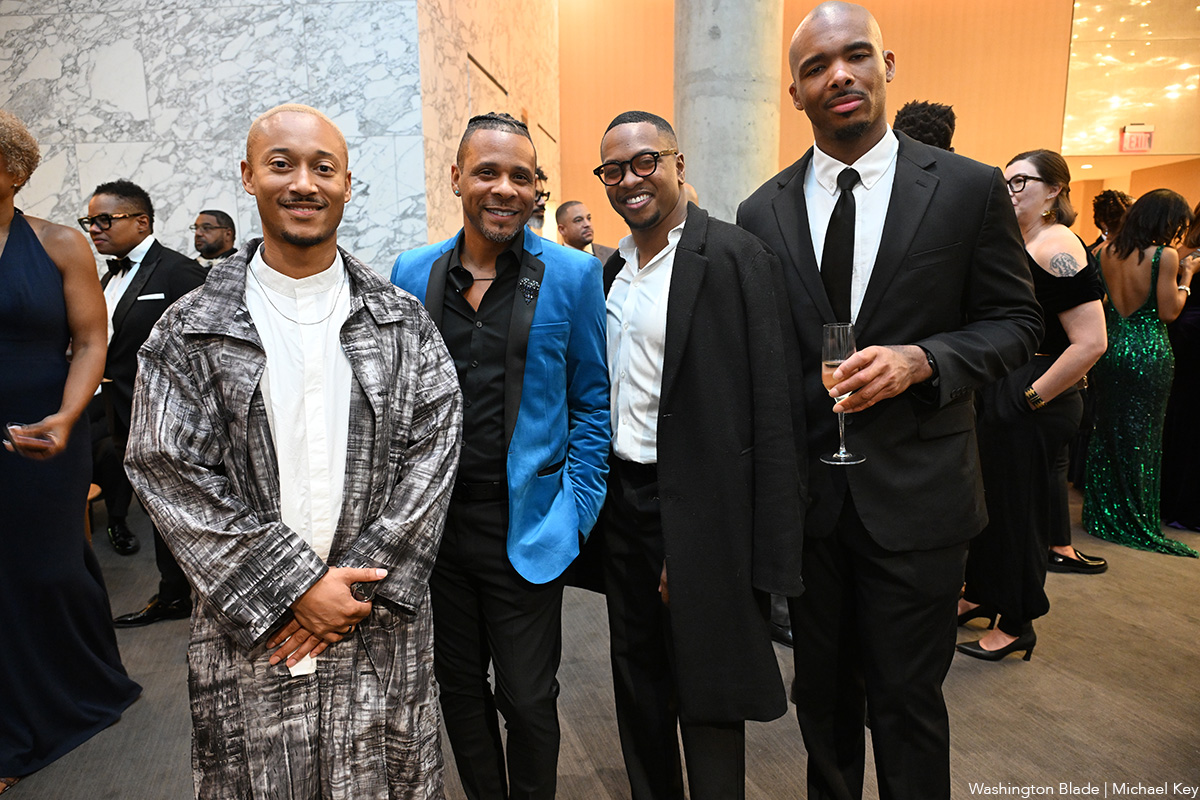
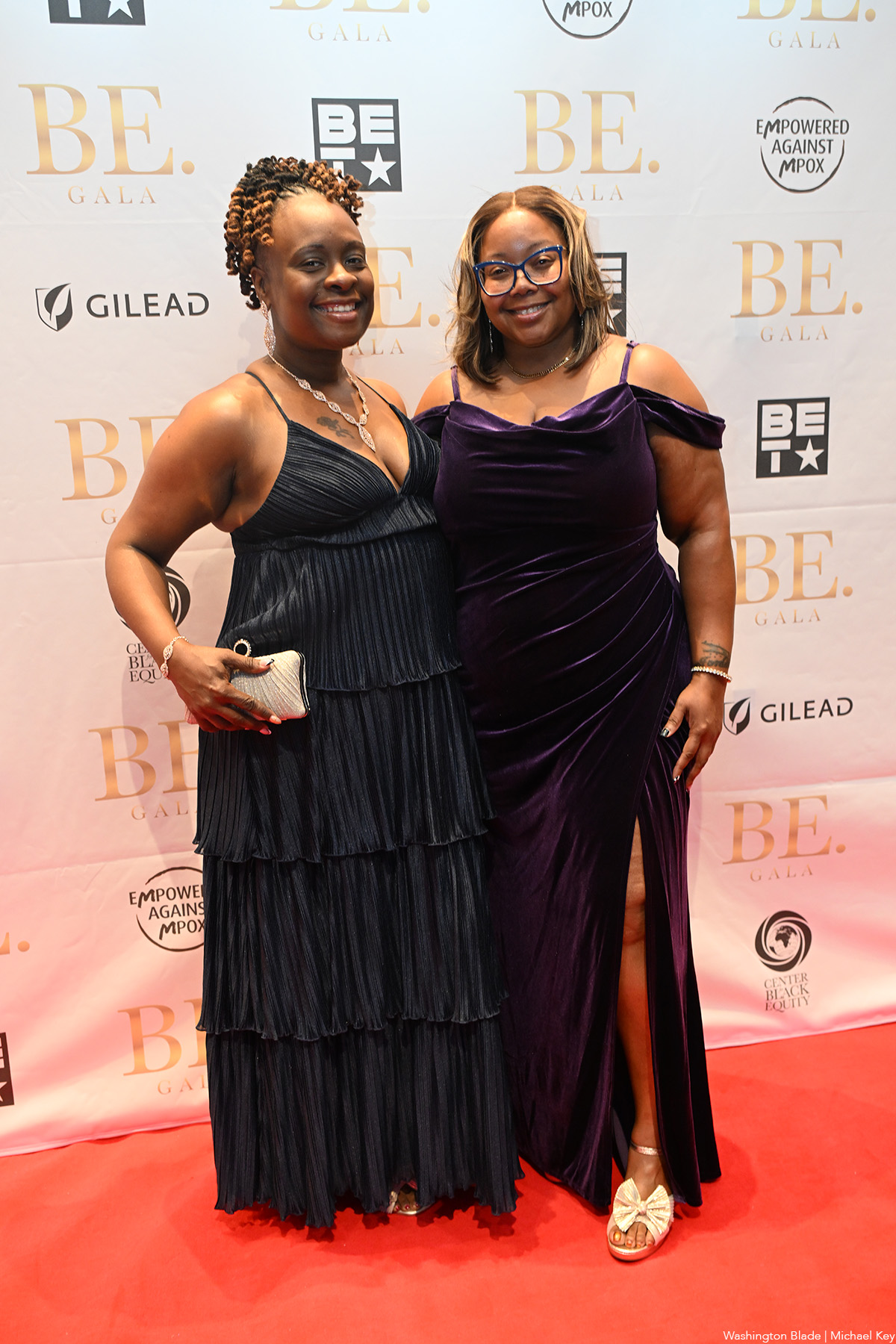
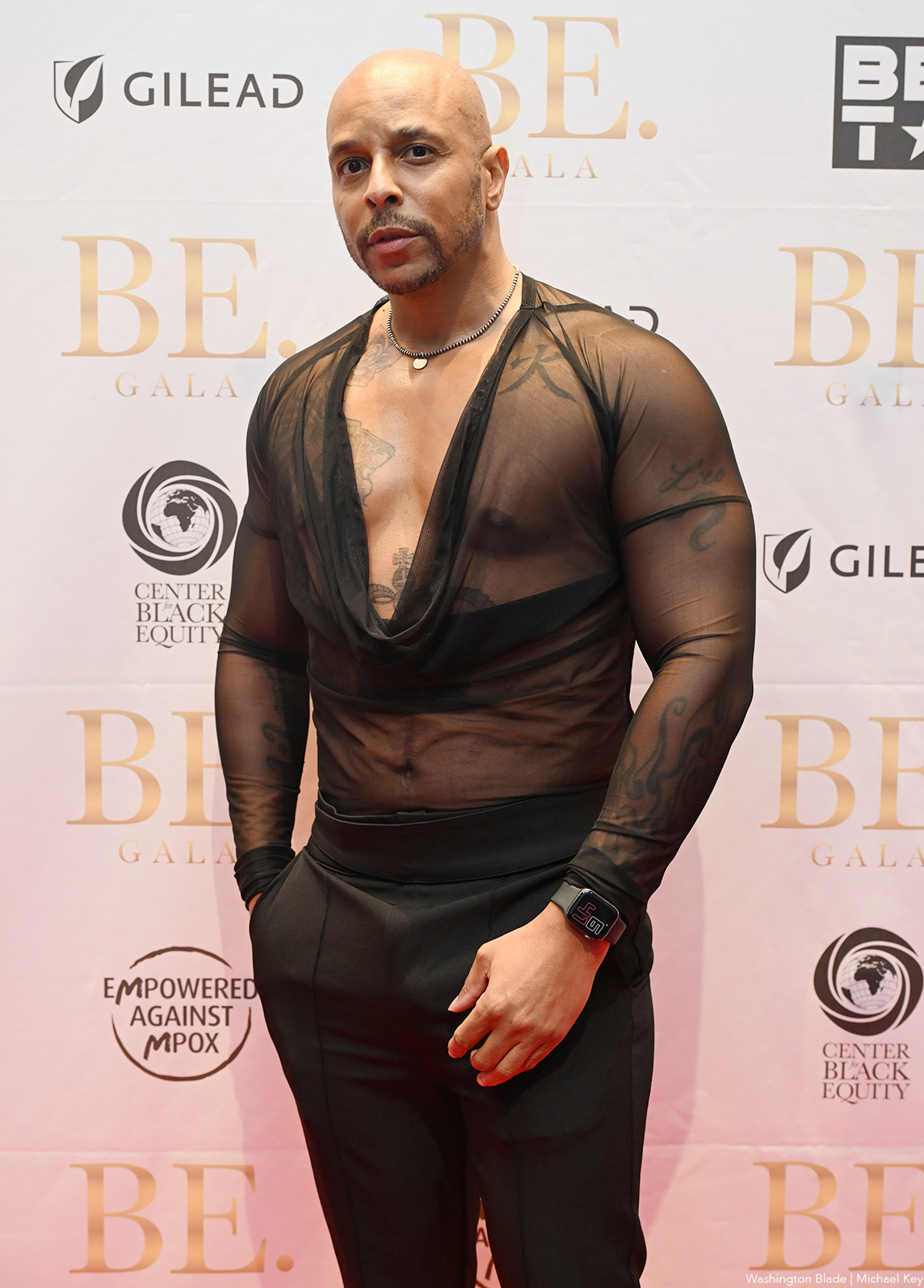
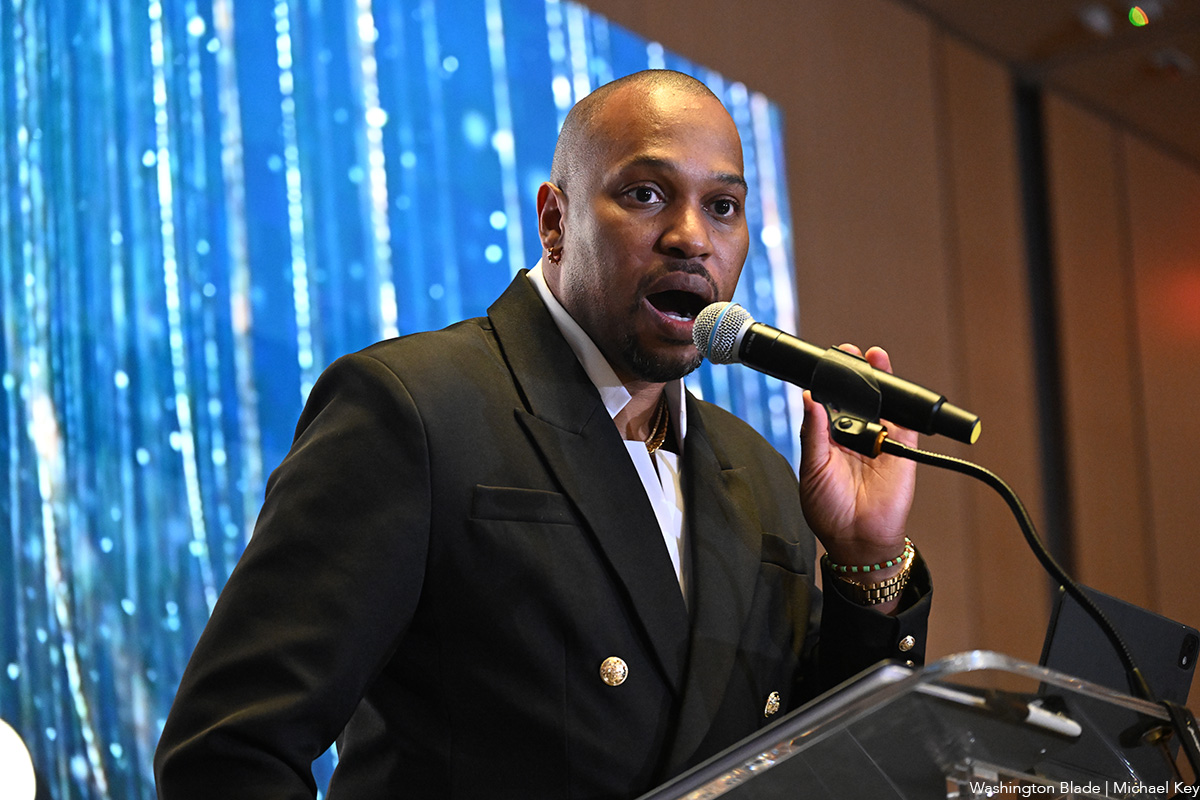
Center for Black Equity honors leaders, activists at BE. Gala
Miyake-Mugler, Oakes co-host annual awards ceremony
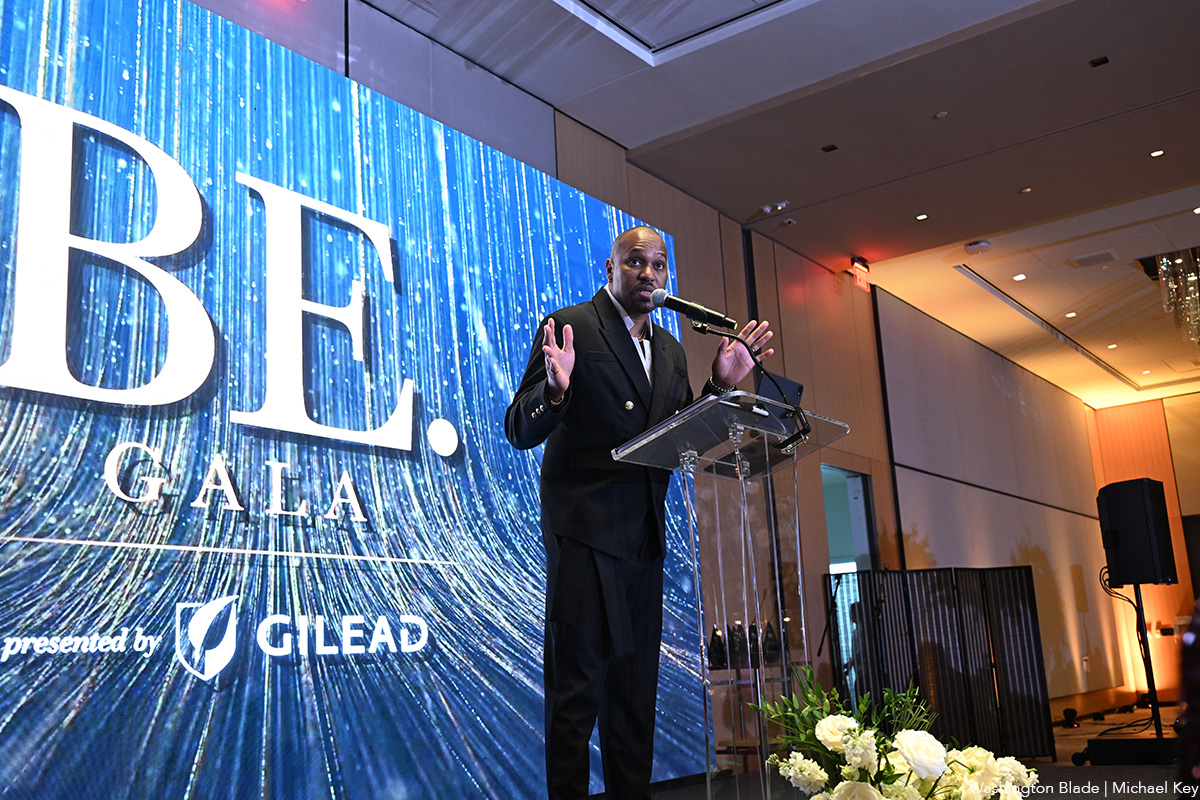
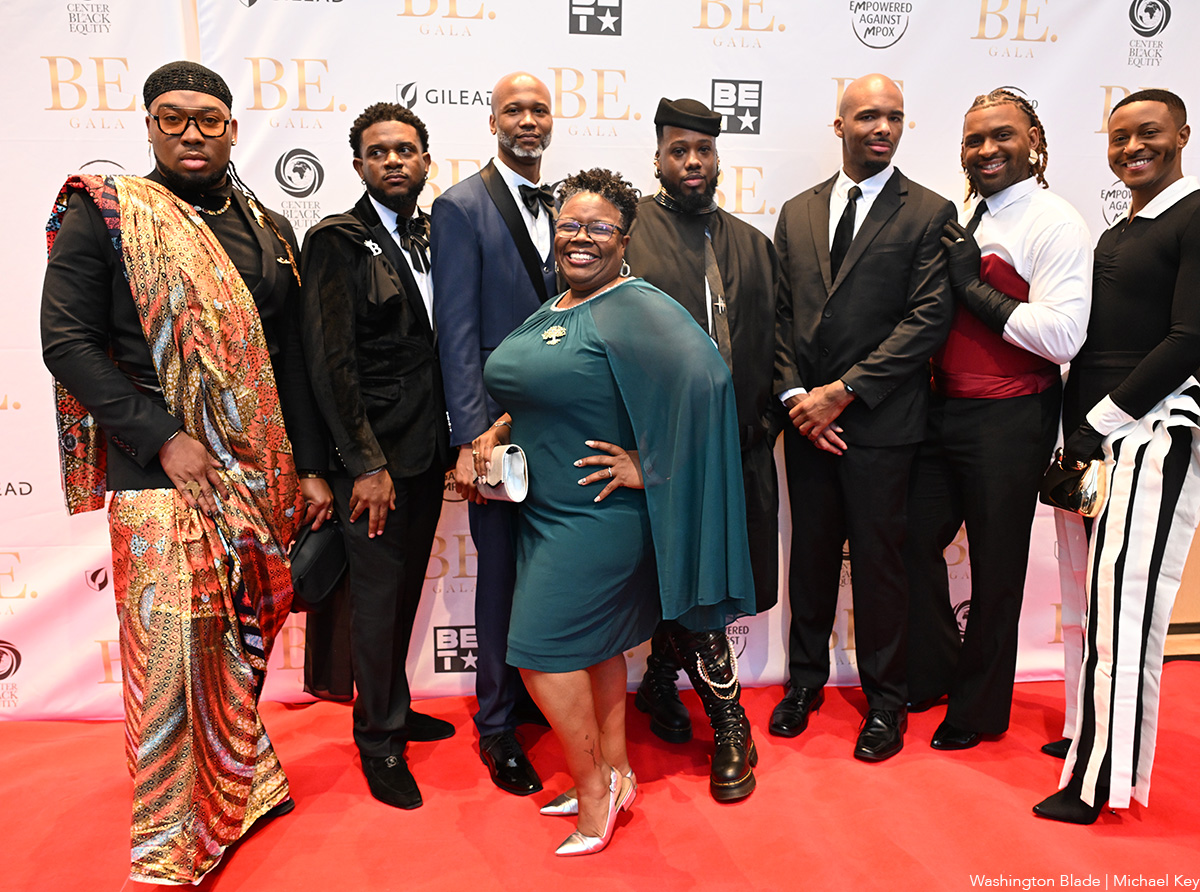
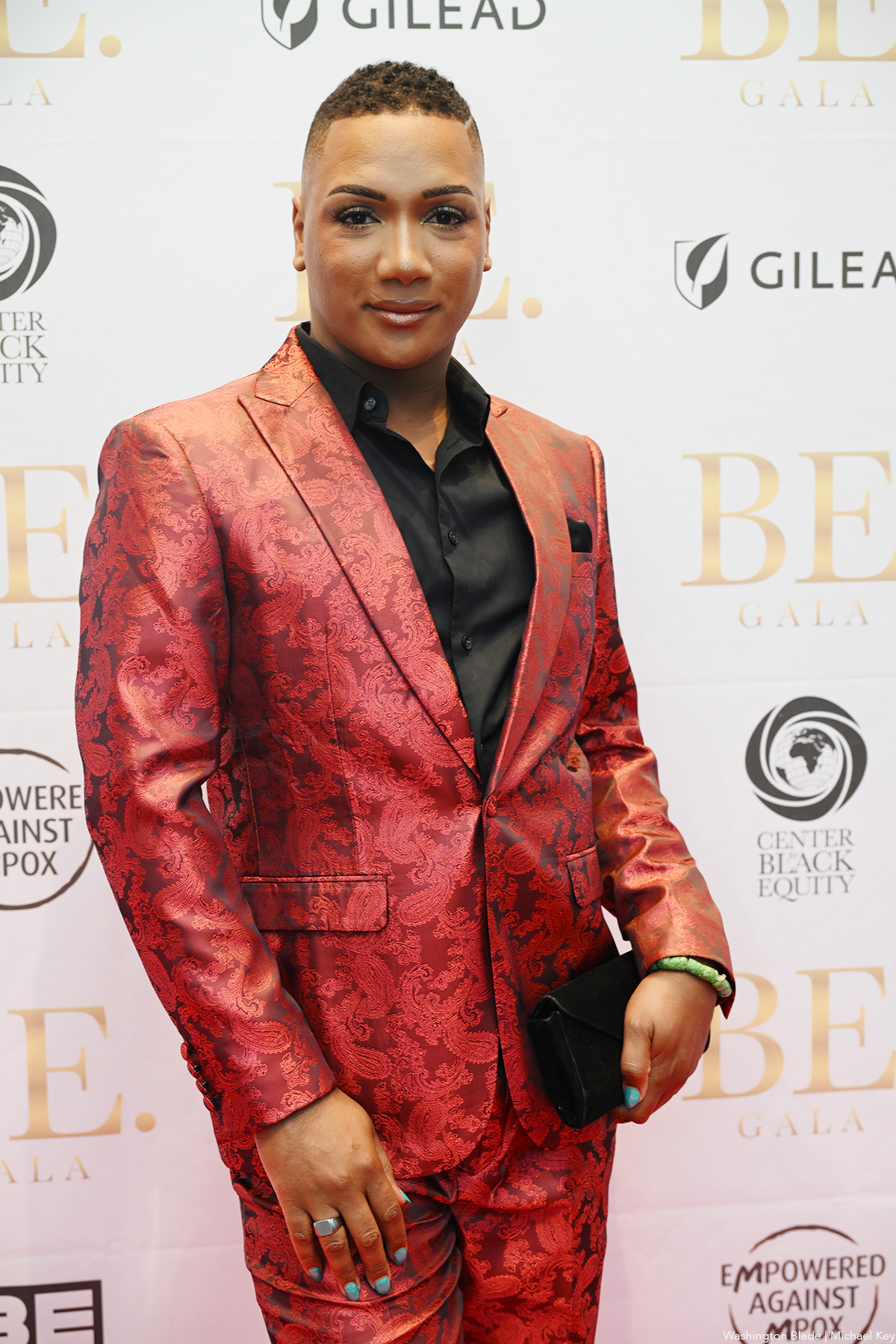
The Center for Black Equity held its annual BE. Gala at Conrad Washington, D.C. on Saturday, Oct. 5. Lolita Leopard Miyake-Mugler and Anthony Oakes co-hosted the awards ceremony.
Honorees included journalist and producer Justin Stewart; nonprofit leader Nikki Alexander; HIV advocate Marlene McNeese; the nonprofit organization FreeLux Project; actress Monroe Alise; public health advocate Tori Cooper; Manassas Park Vice Mayor Darryl G. Moore; Rev. Dr. Carmarion D. Anderson; Bishop Steven Sawyer; government relations professional Courtney Snowden; Senior Deputy Director of HAHSTA at D.C. Health, Clover Barnes; and Texas state Rep. Venton C. Jones.
The event was sponsored by Gilead.
(Washington Blade photos by Michael Key)



Books
In ‘The Lost Brontë,’ a complicated lie can lead to danger
New book features sweetly romantic girl-meets-girl twist

‘The Lost Brontë’
By Catherine Friend
c.2026, Bywater Books
$22.95/335 pages
Mom always said to tell the truth.
One lie leads to another and another and you have to remember them all until pretty soon, you’re caught. Fibs are hard, mistruths are messy, even little white social lies can destroy trust. Worst of all, as in the new novel, “The Lost Brontë” by Catherine Friend, a complicated lie can lead to danger.

Though Lilianne Loxley was very young when she lost her parents, she understood that her uncle didn’t really want her. As time passed, though, Lily made herself useful to Uncle, writing and signing letters for him and she became a good companion, helping him with his collection of Brontë memorabilia. Uncle was a keen enthusiast.
She had no idea that his obsession was out of control and he was deeply in arrears. The day Lily learned of his debt was the day she learned that he’d agreed to send her to his debtor’s home to work off the money owed.
It was so sudden. One minute, Lily was at Loxley House, happy and loved by Uncle’s staff … and five hours later, she was at Crag Thorn Manor, home of Lord Bexton, who informed her that she’d be working on his ledgers – work that seemed routine, but Lily tackled it.
Uncle always did say she was headstrong.
But would headstrong be enough to survive, when she was restricted from most of the Manor, when she was forced to dine with Brexton and his slimy friend, or – the worst! – when Brexton told Lily that her next task was to forge a letter from Emily Brontë? And then an entire manuscript?
Lily struggled to do what was right. She had to get Uncle out of debt but this last order horrified her. Did she dare refuse Brexton’s orders and commit a crime? It was unthinkable!
The only brightness in the whole situation was Wren, the ladies’ maid assigned to Lily’s room. Wren was adorable with freckles and the sweetest smile. But with everything else happening at Crag Thorn Manner, could Lily act upon her feelings?
This time of year, you may come to crave dark, spooky stories, and “The Last Brontë” fits those needs perfectly with its Gothic deliciousness. Think: Daphne du Maurier-type, stormy-night squirms with a dangerously chaste, sweetly romantic girl-meets-girl twist for fun.
If it’s been awhile since you’ve read a Gothic novel, you’re in for a nice reminder of why you love them here. You can almost tick off the must-haves: a novel like this is nothing without a foreboding stone manor with damp walls; stone steps to a dank basement; a mysterious portrait; and a nearby bog, and author Catherine Friend gives readers every one of them. You’d be disappointed if there was no ghost, wouldn’t you? Ha. You can practically feel the cold blow through the attic, right? Yeah, it’s that kind of book.
If you’re a fan of the Brontës, you’ll like this novel. If you love Gothic mysteries or Victorian romances, ditto. “The Lost Brontë” is good, no lie.
The Blade may receive commissions from qualifying purchases made via this post.
Out & About
CAMP Rehoboth Block Party returns Oct. 18
Expect performances, vendors and more at annual celebration

CAMP Rehoboth will host its annual Block Party celebration on Sunday, Oct.18 at 11 a.m. on the second block of Baltimore Avenue in downtown Rehoboth Beach.
CAMP Rehoboth invites all community members to join in the festivities and to expect magnificent performances and dozens of vendors, including artists, craftspeople, non-profits, businesses, and more.
The event started in 2015 in celebration of CAMP Rehoboth’s 25th anniversary. This year, attendees can expect to shop sea glass art, pottery, jewelry, Pride merch, body care, clothing, and learn more about local non-profit causes and businesses.
Attendance is free. For more details, visit CAMP Rehoboth’s website.

Center for Black Equity honors leaders, activists at BE. Gala

In ‘The Lost Brontë,’ a complicated lie can lead to danger

CAMP Rehoboth Block Party returns Oct. 18

Essential queer horror classics for Halloween

Solidarity beyond the parade: the actual cost of Pride

10 years later, we still can’t shake Barry Jenkins’s ‘Moonlight’

‘Some Like It Hot’ a wild ride at renovated Bernard Family Theatre

D.C.’s LGBTQ homeless facilities face possible hit from Trump funding cuts

Trump uses anti-trans slur against Democratic Senate candidate

Calif. GOP gubernatorial candidate ad ‘disgusting attempt to exploit lesbian intimacy’
-

 Movies5 days ago
10 years later, we still can’t shake Barry Jenkins’s ‘Moonlight’
-
Theater5 days ago
‘Some Like It Hot’ a wild ride at renovated Bernard Family Theatre
-
District of Columbia5 days ago
D.C.’s LGBTQ homeless facilities face possible hit from Trump funding cuts
-
2026 Midterm Elections4 days ago
Trump uses anti-trans slur against Democratic Senate candidate