Arts & Entertainment
Sizzling summer suspense
Gay teen flees home in new Tomas Mournian thriller
‘Hidden’
by Tomas Mournian
c.2011, Kensington
$15
387 pages
Gay teens face all kinds of existential dread and disproportionate numbers are homeless, but few are truly on the lam-“Fugitive” style.
In the new novel “Hidden” by Tomas Mournian, staying concealed may be a life-or-death matter.
Ahmed was drugged. At least, he was sure he was. He felt really high and everything was slow. His father and Stepmother Number — was it four? — had come to pick him up at Serenity Ridge, and they expected complacency on the way home. No problems here.
But even woozy, Ahmed knew that escape was essential. There was no way he was going to be sent back to SR, a “residential treatment facility” for queer teens.
So when whispers turned out to be correct — that there was a certain truck stop near a certain sign in the middle of the desert where he could find help — Ahmed told his father that he had to “go.”
And when two women motioned for him to follow them, he went.
Passed from vehicle to vehicle, Ahmed ended up in a bus station with a phone number in his hand and a ticket to San Francisco. But getting there and finding the safe house he was told to seek wouldn’t be easy. There were men, bounty hunters, whose job it was to find runaway teens who could potentially embarrass their parents. And they were looking for him.
In the safe house, Ahmed became Ben. Someone dyed his hair and told him that he couldn’t look out the window. He was told that he couldn’t leave, either, but the other kids living there found a way: there was a rooftop area, perfect for smoking and listening to music. It was comfortable and semi-private. It was the perfect place to escape the drama of too many kids hiding.
It’s only a book. Those are the words you’ll want to remember while reading this pulse-racing novel.
“Hidden” is an easy book to get caught up in. The first half is pure classic chase-scene, complete with evil henchmen, vicious dogs and an Underground Railroad-like passage to safety. You almost want to look over Ahmed’s shoulder for him, lest he get caught.
Then author Tomas Mournian switches gears by adding a tiniest amount of malevolence to the discomfort of a dozen varied personalities packed in a small area for an unspecified time. This only ratchets up the tension, making “Hidden” a heart pounder.
Though geared for older teens, it’s an excellent read for adults too. If you’re looking for a book from which your attention may never escape, “Hidden” is one to seek.
Online Culture
Clavicular charged in alleged rape of teenage influencer
Online personality’s real name is Braden Peters
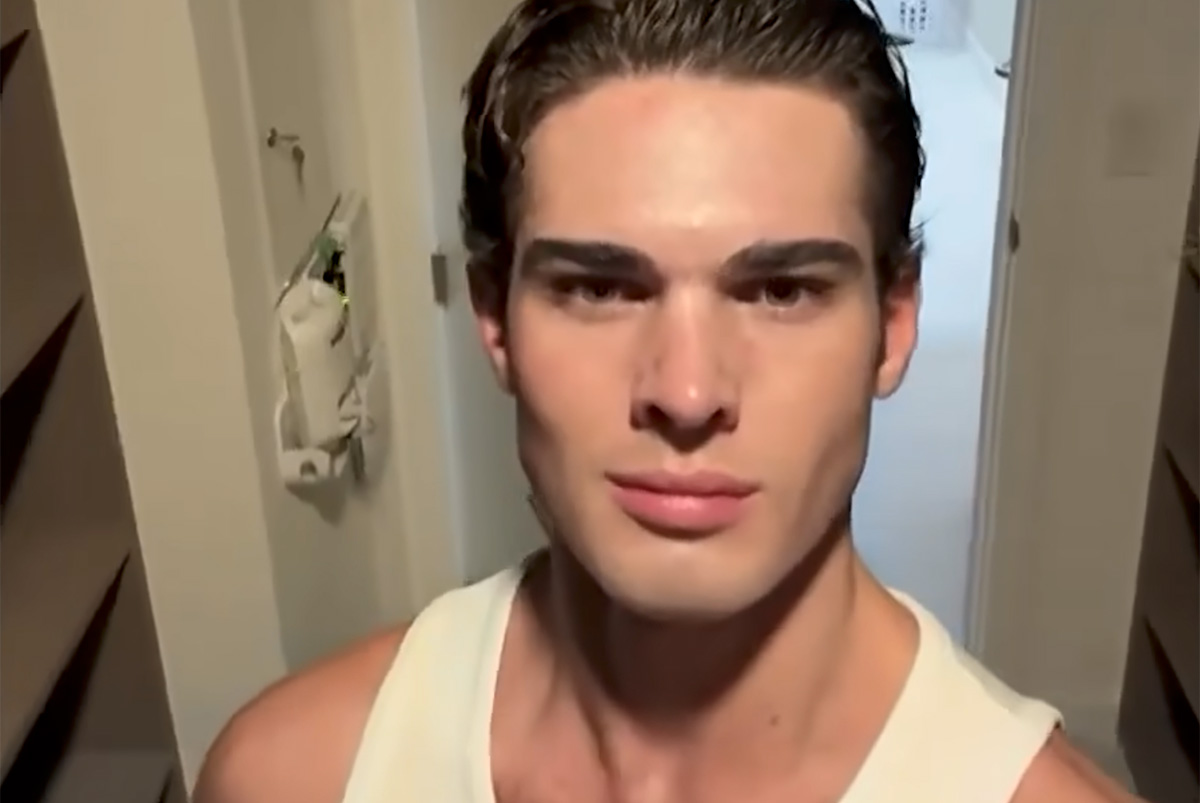
Online personality Clavicular, whose real name is Braden Peters, has been accused of rape.
According to NBC, Aleksandra Vasilevna Mendoza, an 18-year-old influencer known online as Alorah or Alorah Ziva, accused Peters of sexual assault, and the case is making its way through the court system.
The alleged incident occurred on May 23, 2025, when Mendoza was 17.
According to a criminal complaint from the Chatham (Mass.) Police Department, Peters called her an Uber to his family’s home. Once there, he allegedly got her drunk on vodka while they livestreamed on Twitch and then raped her. His mother and grandmother were allegedly in the house.
The documents allege Clavicular committed rape, drugging a person for sexual intercourse, and procuring and providing liquor to a person under 21.
According to court documents acquired by NPR, Mendoza began communicating with Peters on Instagram, where he paid her to appear on his livestreams to help her “make her name known on social media.”
According to those documents, Peters arranged for the minor to come to Cape Cod home to participate in a videostream for his 437,000 followers on Kick, 1.2 million followers on TikTok, and more than 1 million followers on Instagram.
At his home, Peters allegedly instructed Mendoza to say she was 18 on his videostream and to claim the alcohol on camera was water instead of vodka. Mendoza said she felt peer-pressured to drink the spirit and that she became noticeably intoxicated after a couple of drinks.
The allegations go on to state that after stopping the stream, Peters and Mendoza kissed on a couch and then had sex in his bed without her consent. Mendoza said she did not receive a sexual assault forensic exam after the incident. NPR does not name alleged victims of sexual assault.
The charges come months after Mendoza sued Peters in Miami, accusing him of sexual battery in connection with the events of May 2025. The civil lawsuit also separately alleges that he injected her face with a non-FDA-approved fat-dissolving substance during a November livestream in Florida.
Peters is known for his “looksmaxxing” concept of vanity, which is at the core of his online presence. The “looksmaxxing” culture he has helped cultivate combines elements of incel culture and heterosexuality, with the stated goal of attracting the opposite sex. He has gone as far as to say he has undergone “bonesmashing,” or hitting his own face with a hammer; taken anabolic steroids to more rapidly grow muscle; and used crystal meth as an appetite suppressant.
At the same time, looksmaxxing has been described as having elements of homoeroticism, with “looksmaxxers” appearing more concerned with impressing other men than women. Peters has multiple times pointed to openly gay actor Matt Bomer as the gold standard for male facial aesthetics.
Peters’s arraignment is scheduled for Oct. 14.
Photos
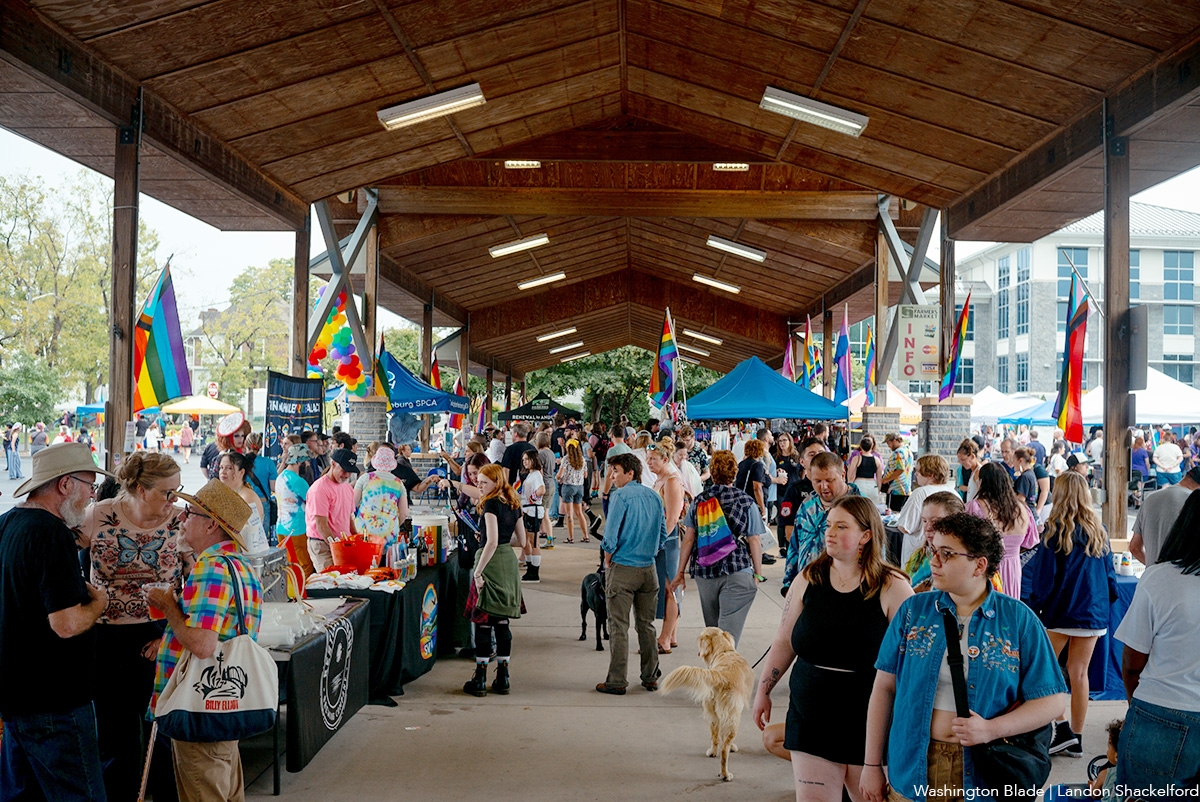
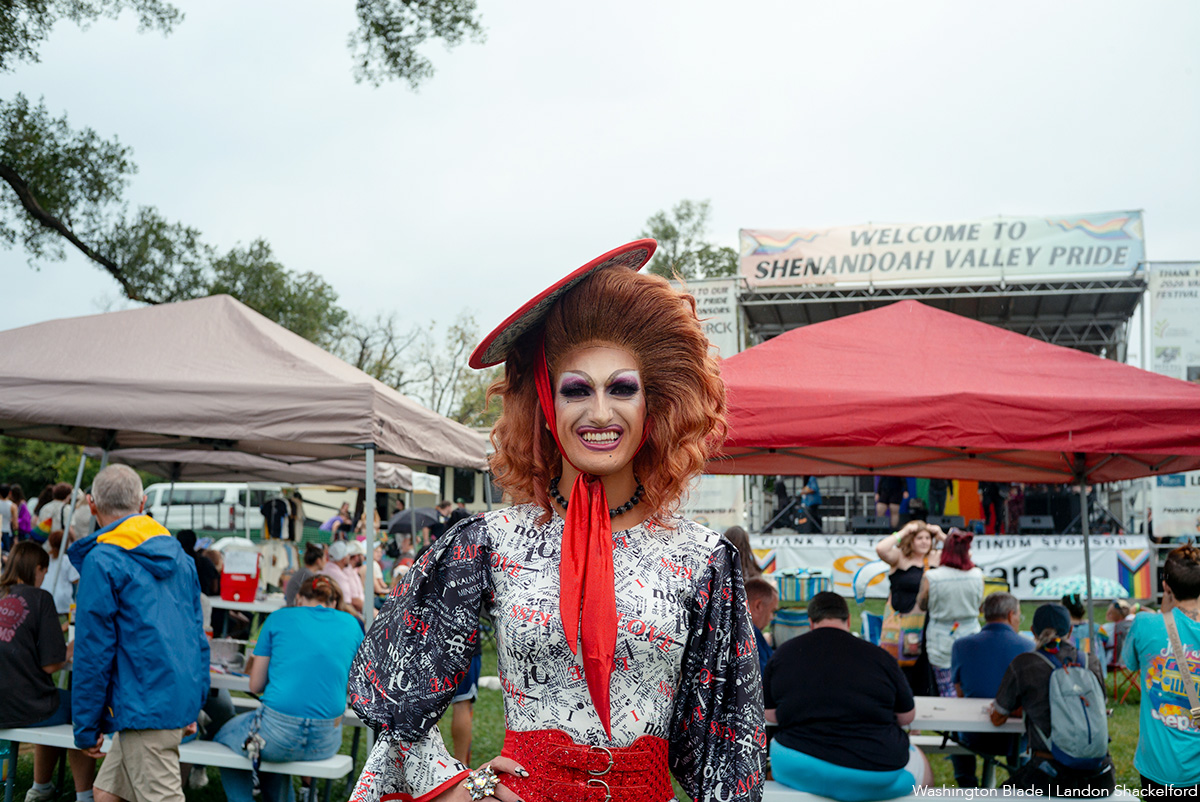
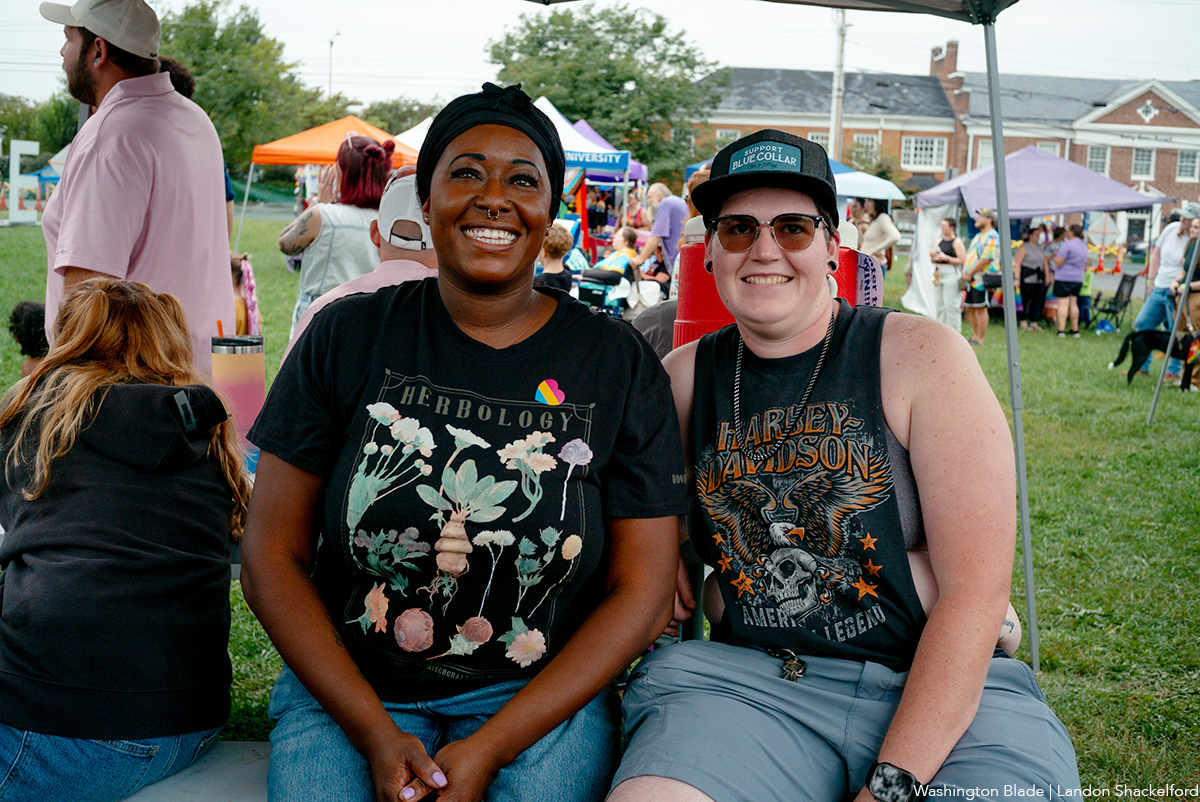
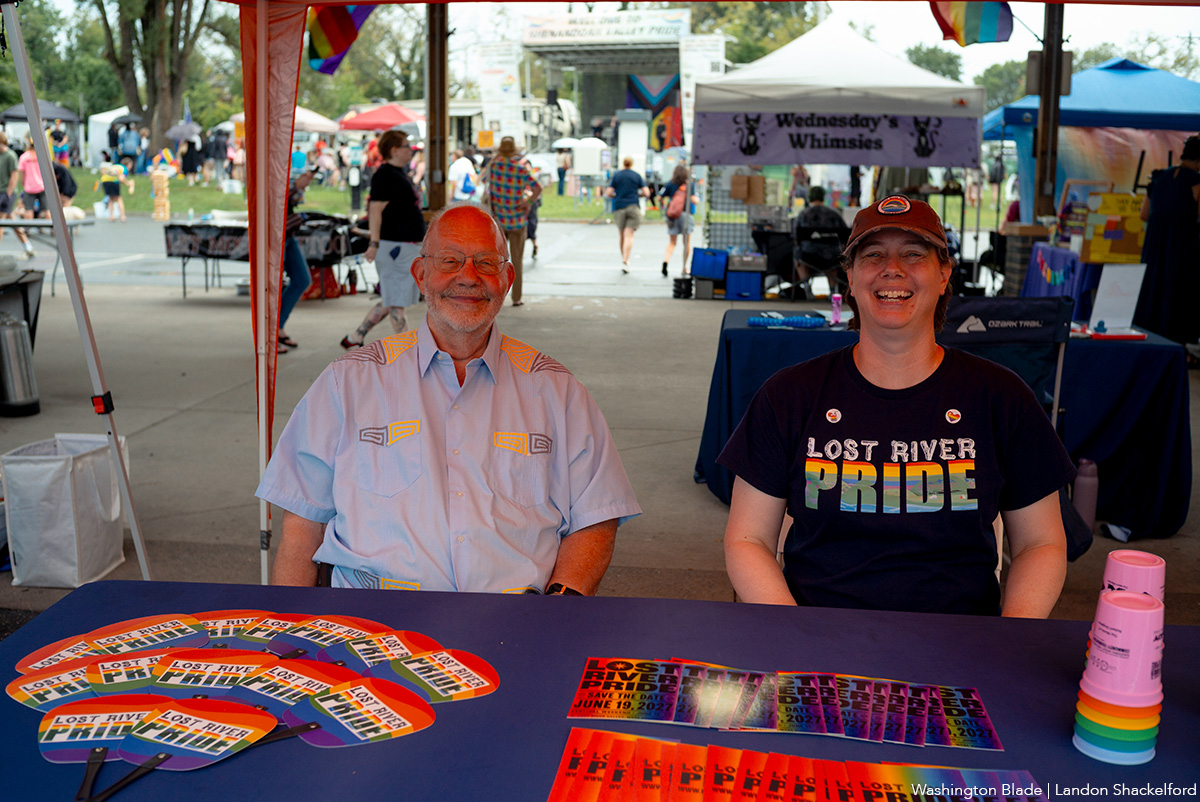
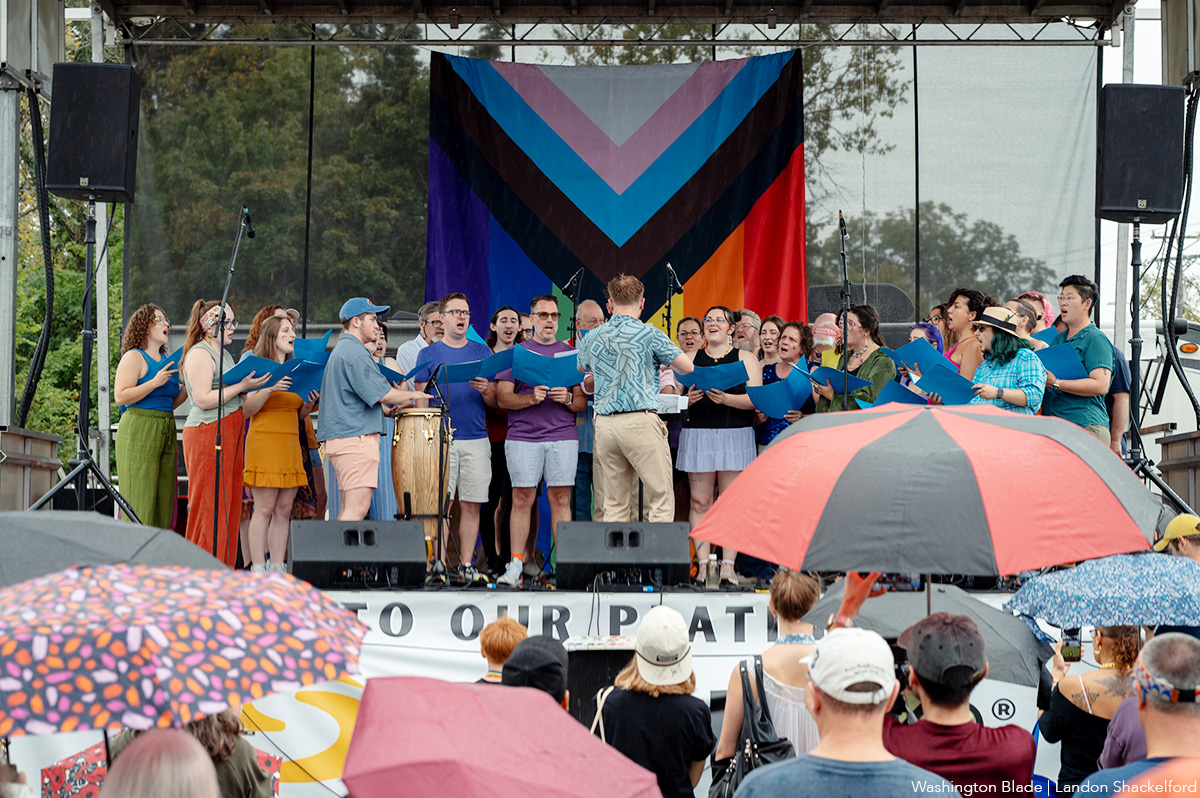
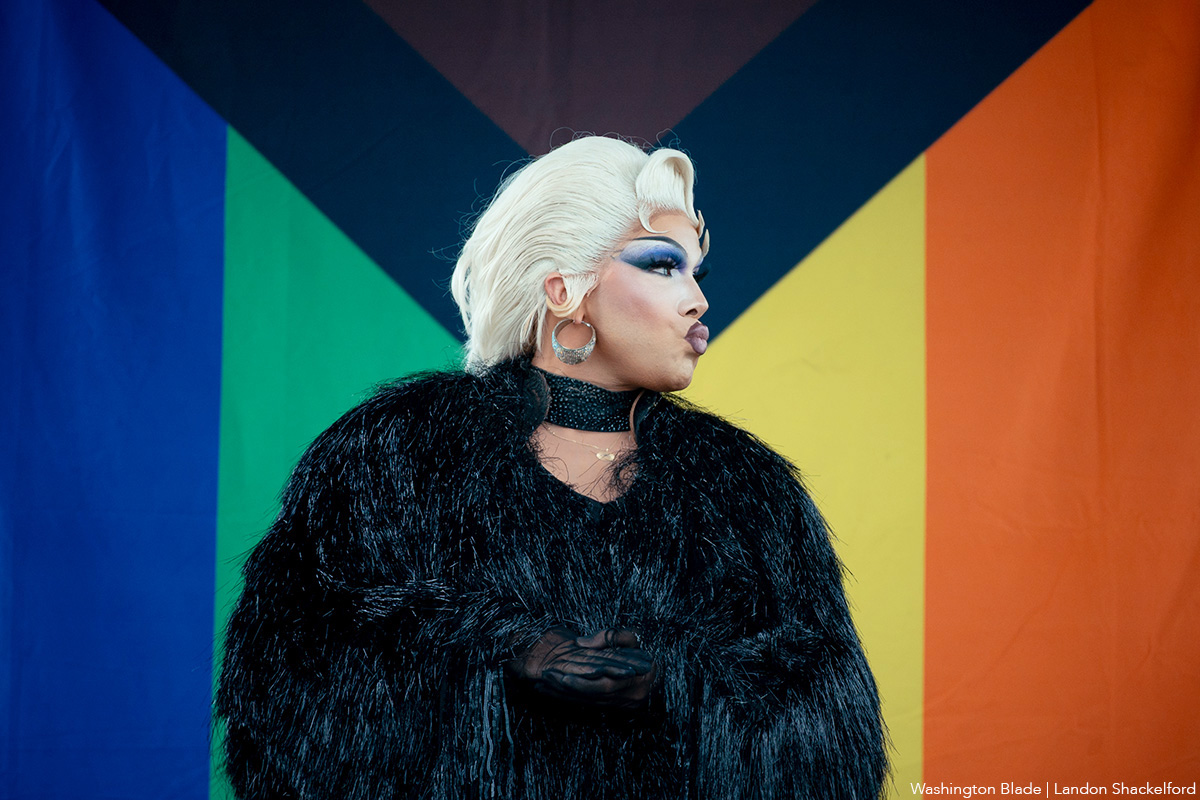
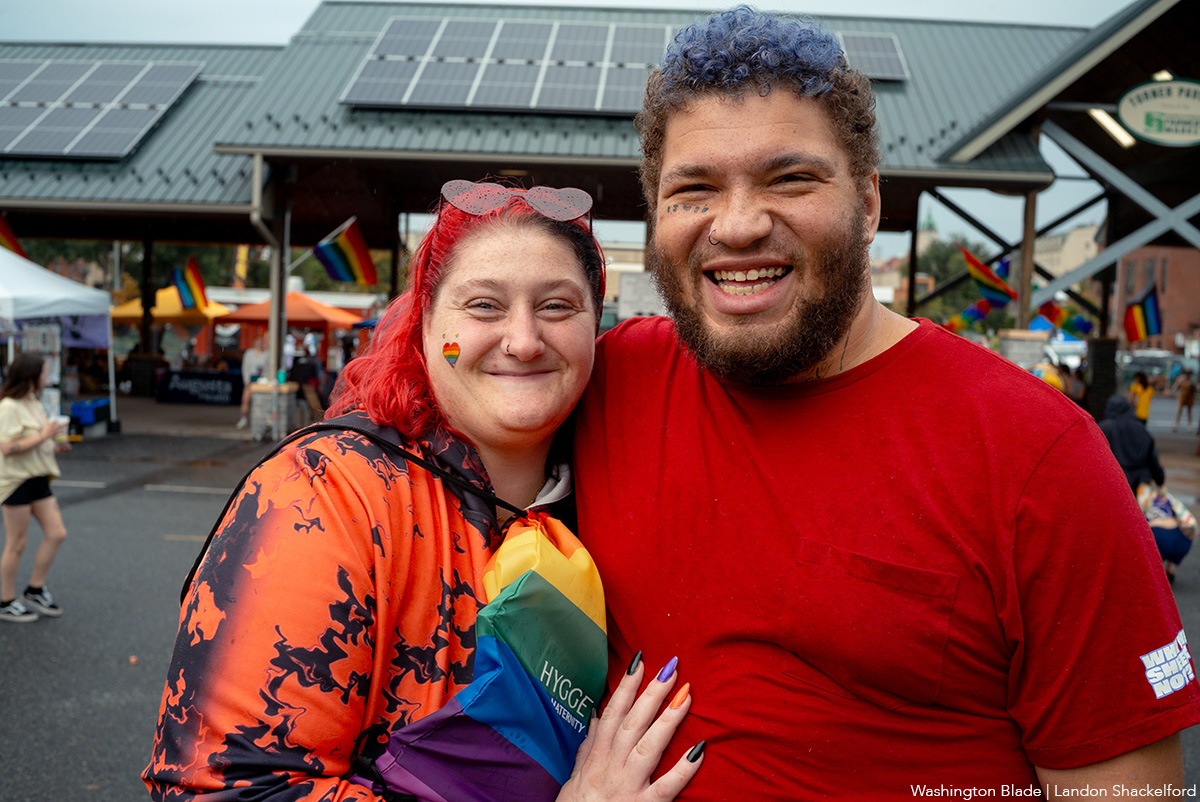
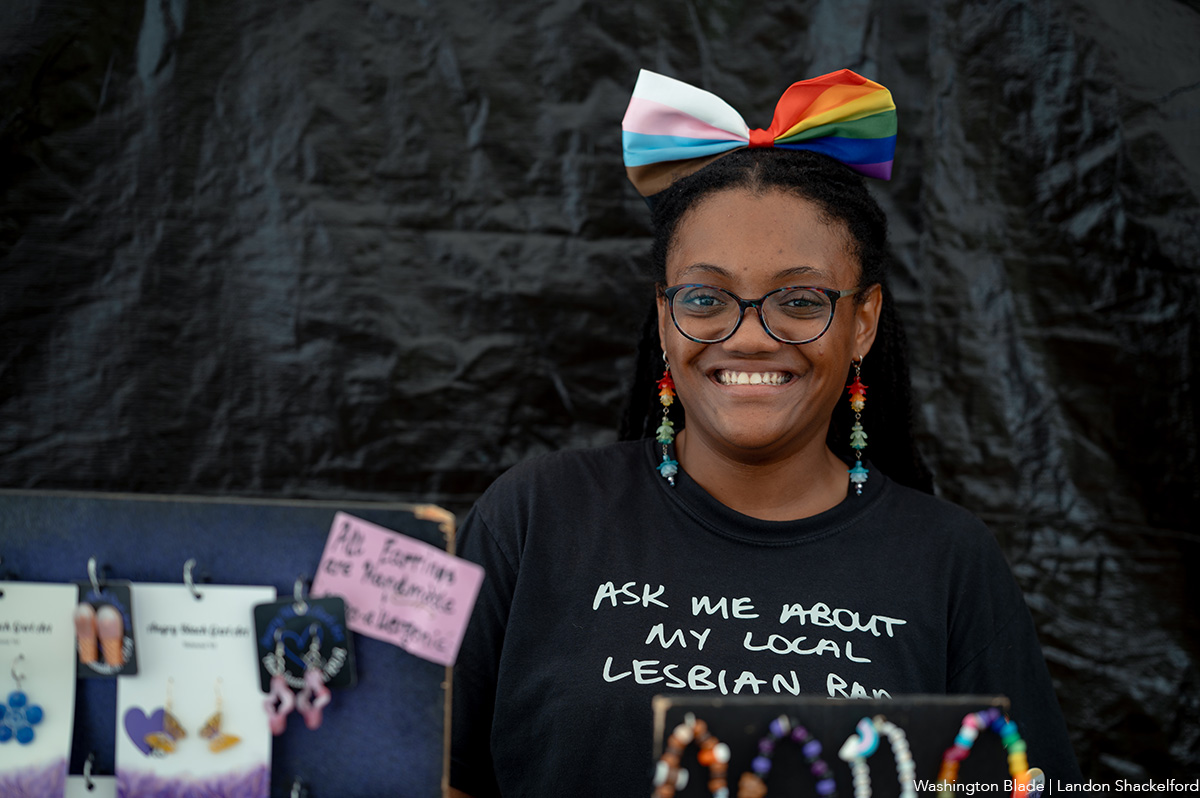
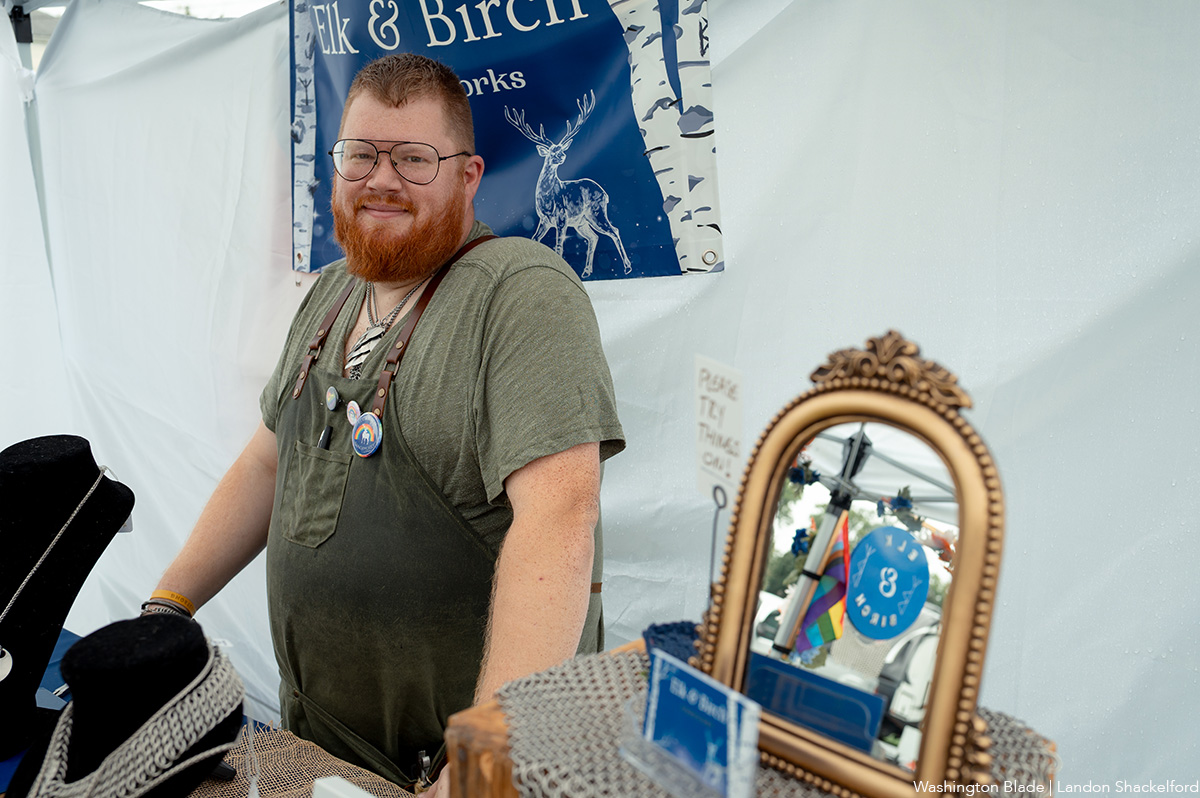
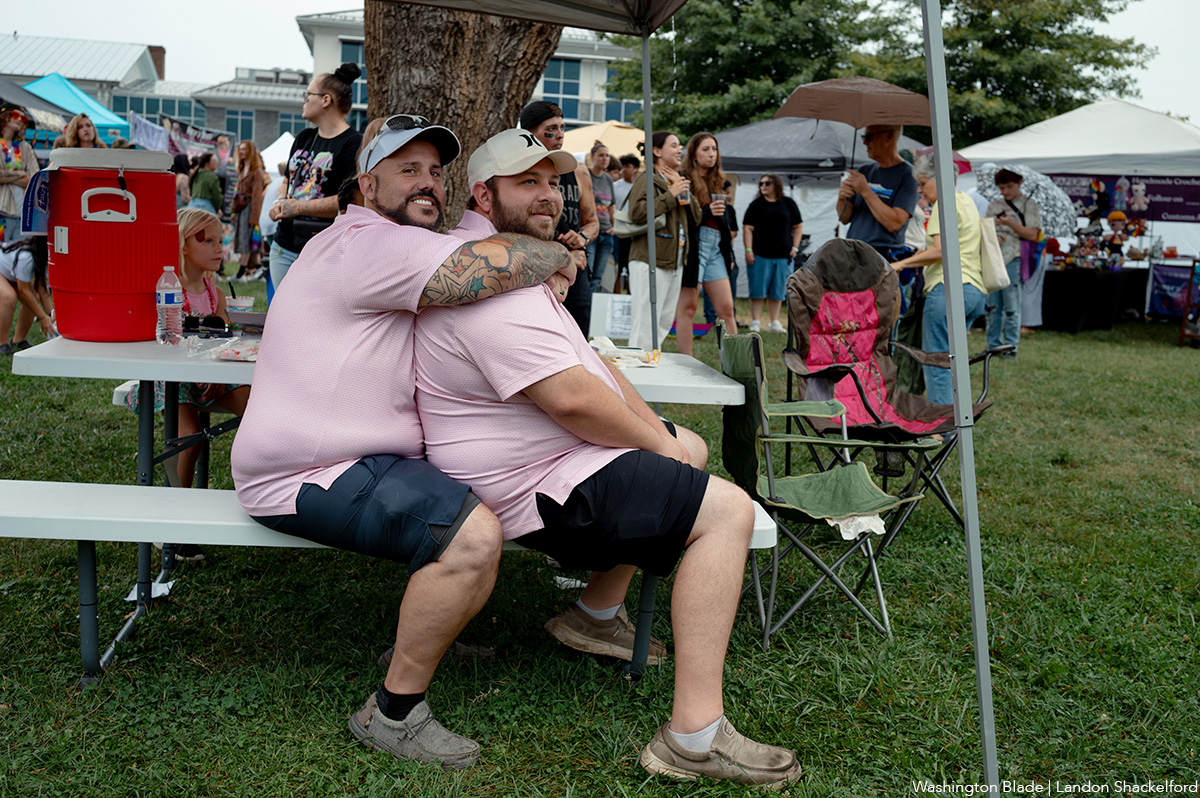
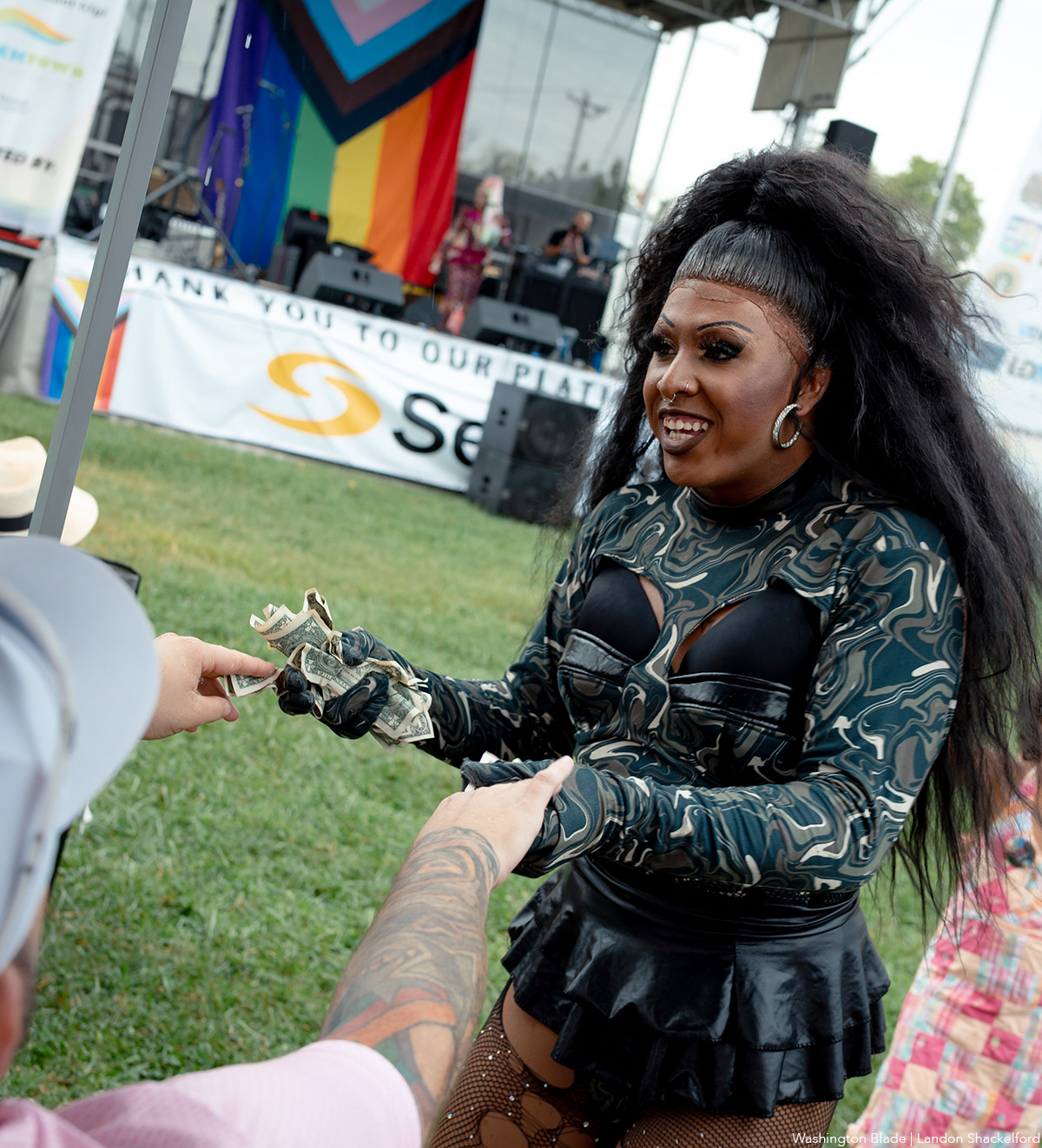
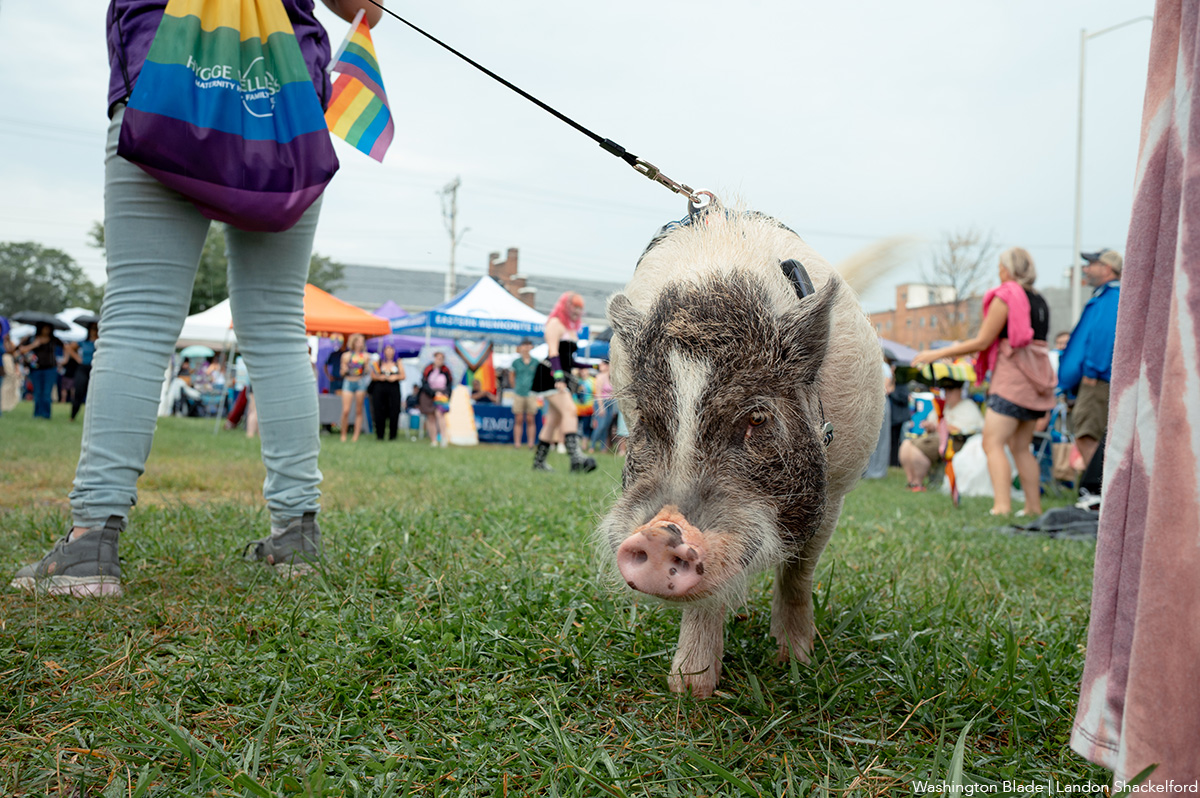
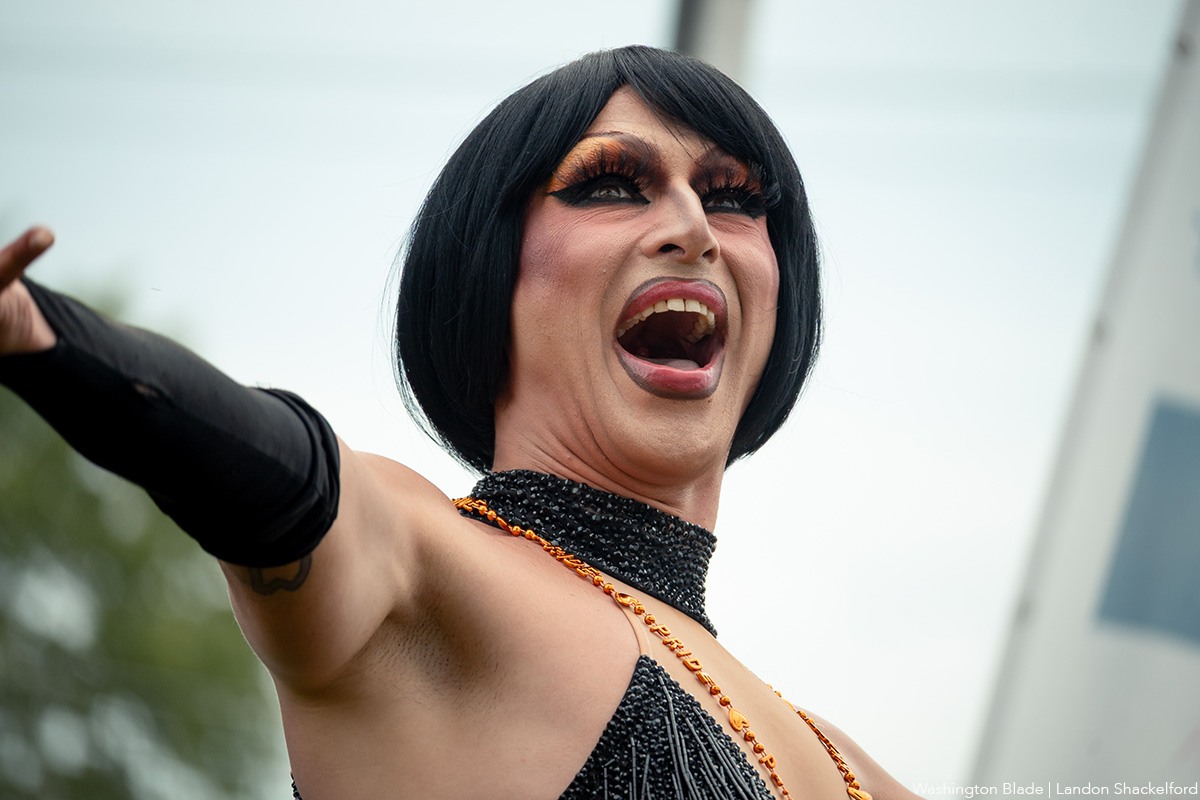
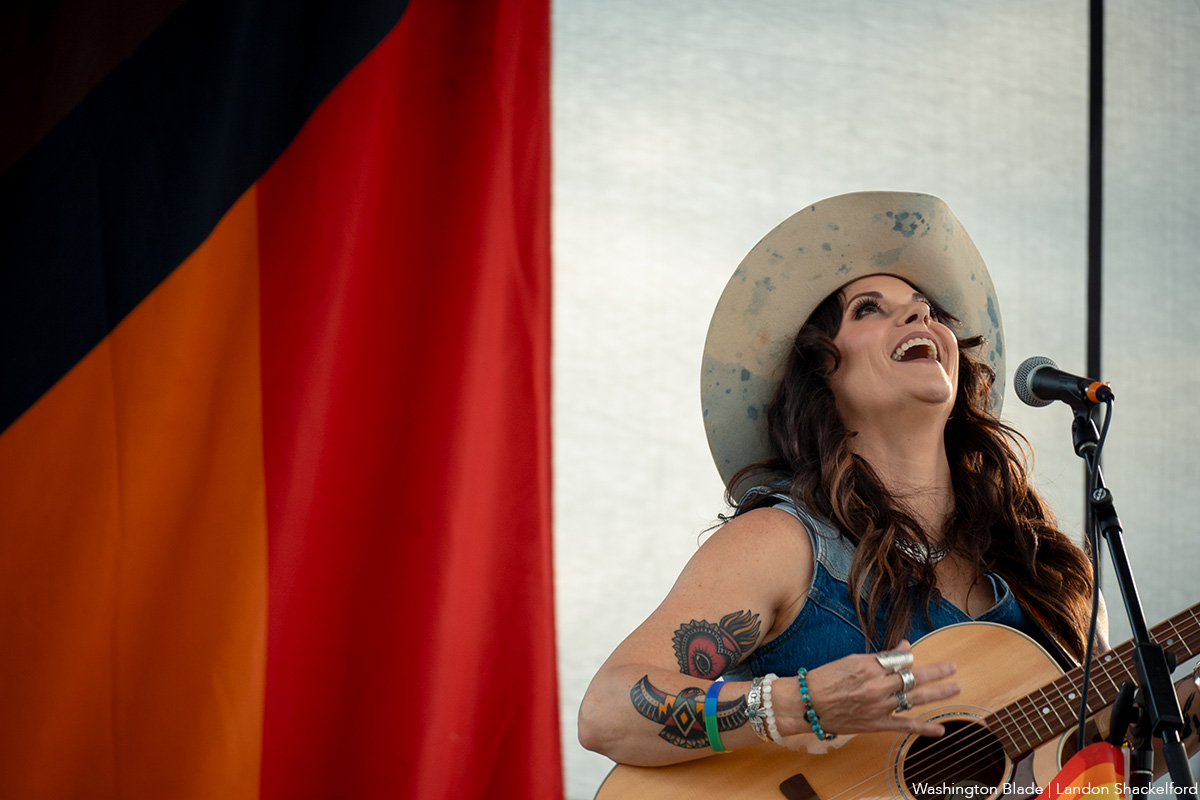
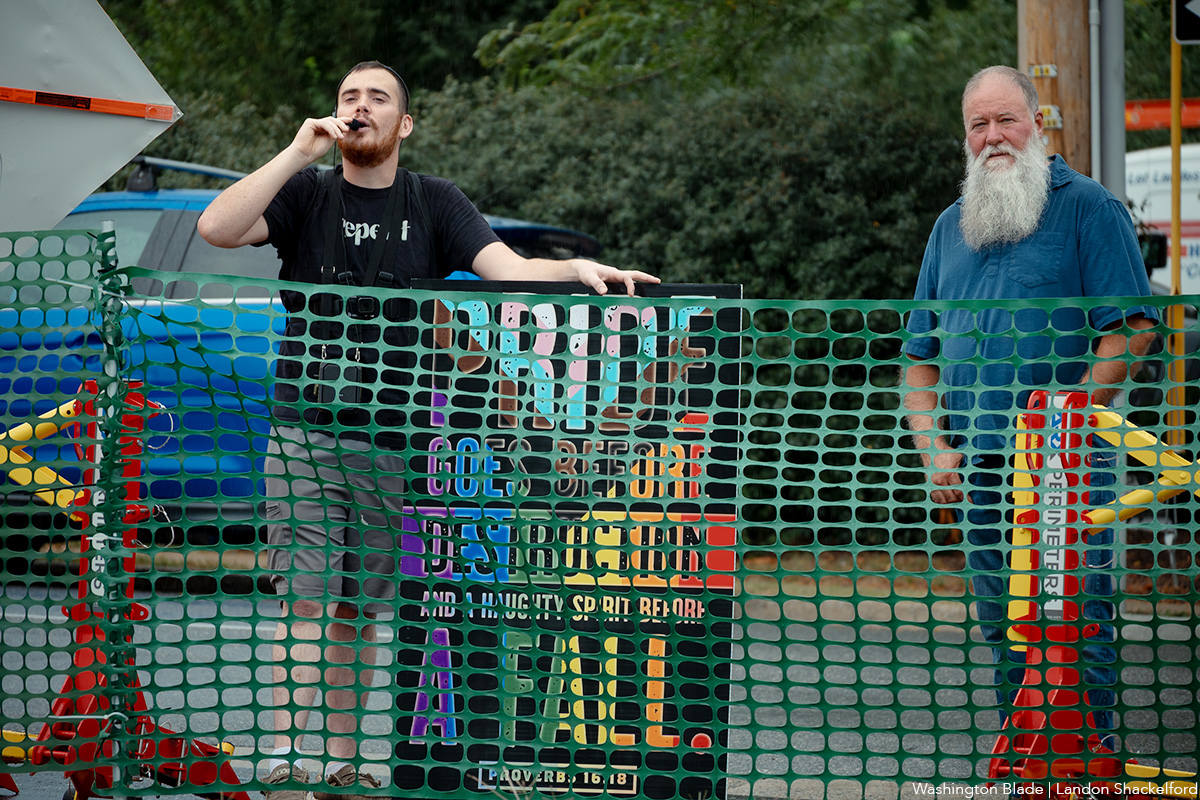
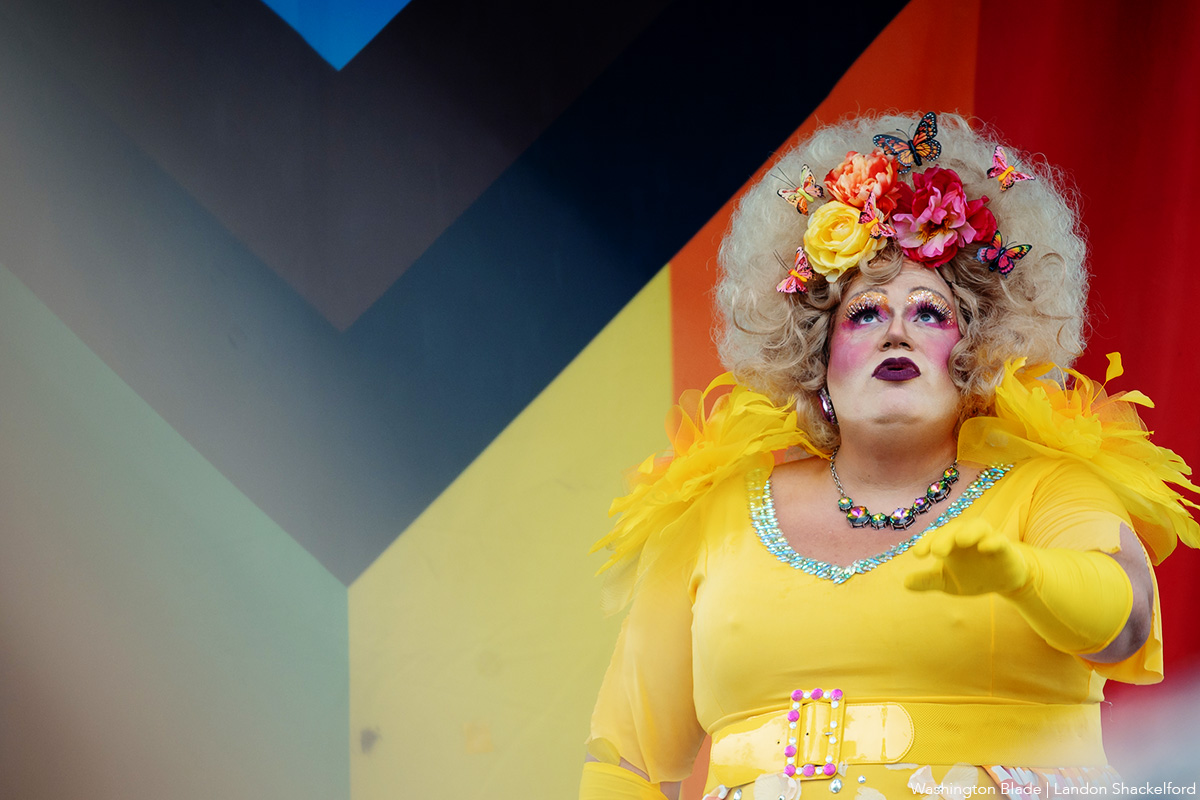
PHOTOS: Shenandoah Valley Pride
LGBTQ celebration held at Turner Pavilion in Harrisonburg, Va.
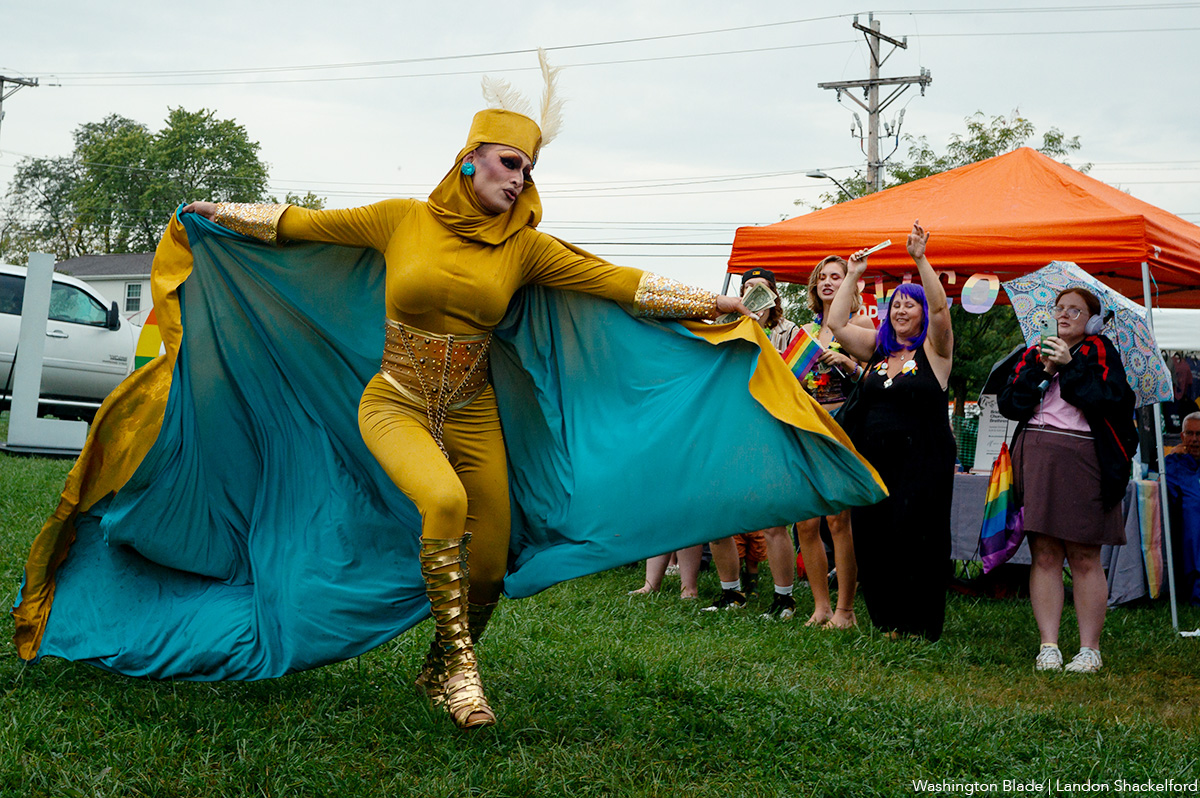
The 2026 Shenandoah Valley Pride Festival was held at Turner Pavilion in Harrisonburg, Va. on Sunday, Sept. 20.
(Washington Blade photos by Landon Shackelford)
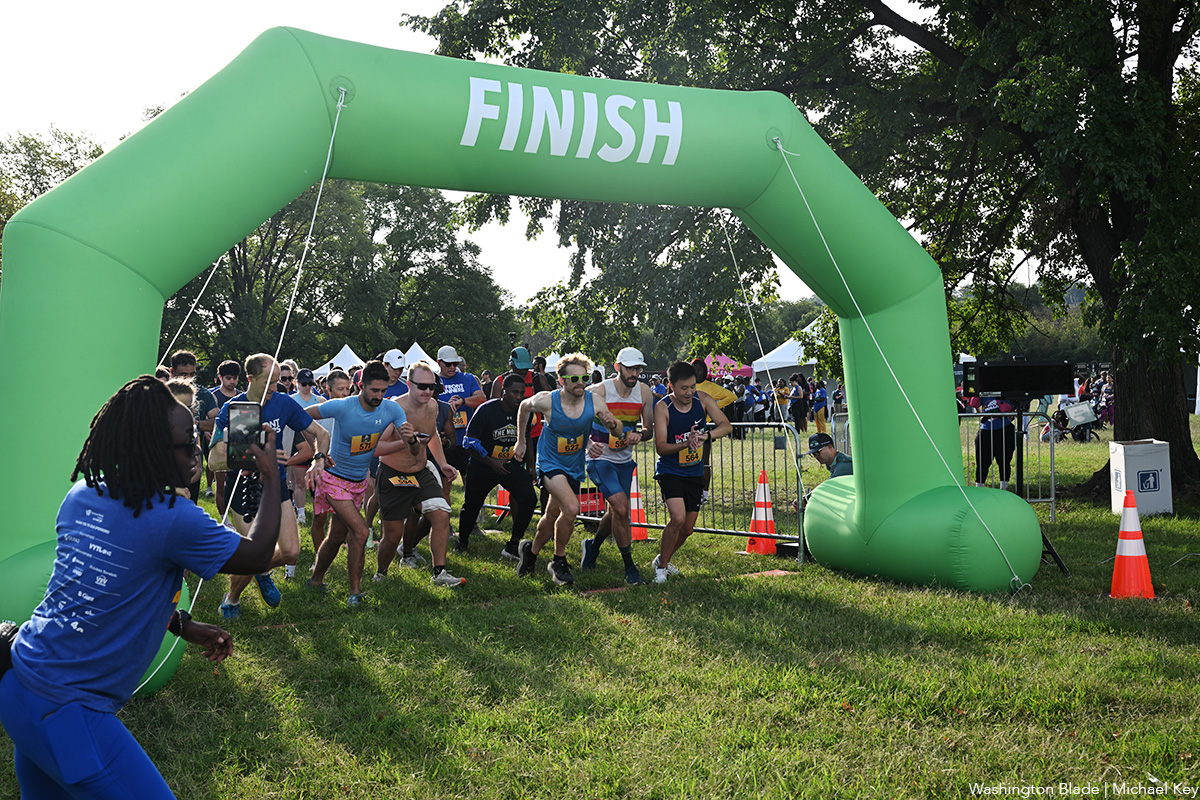
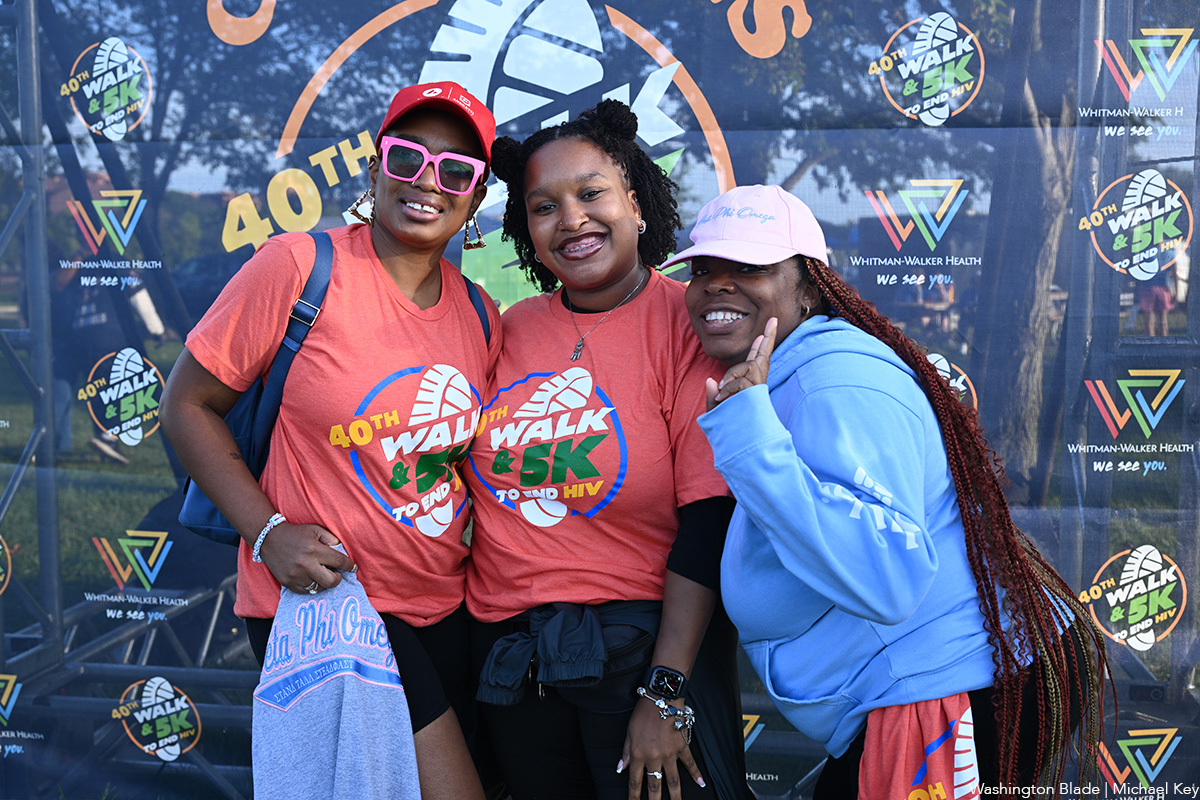
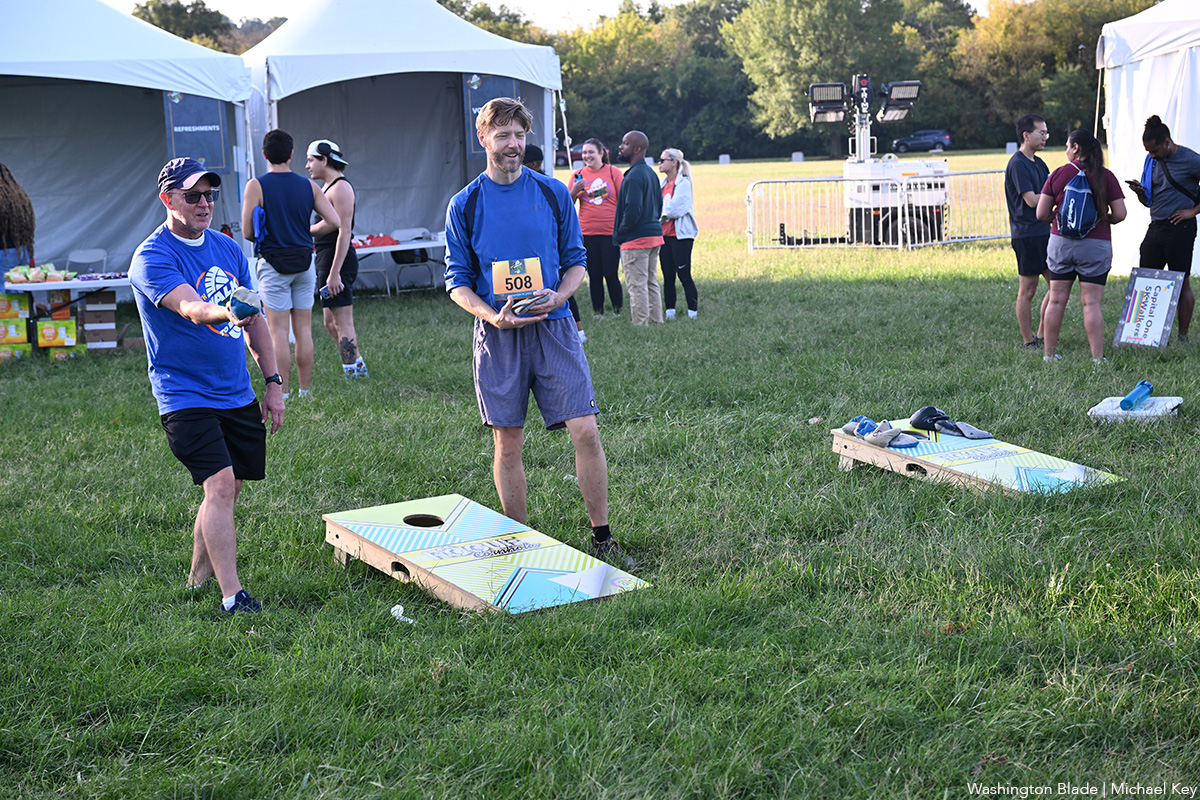
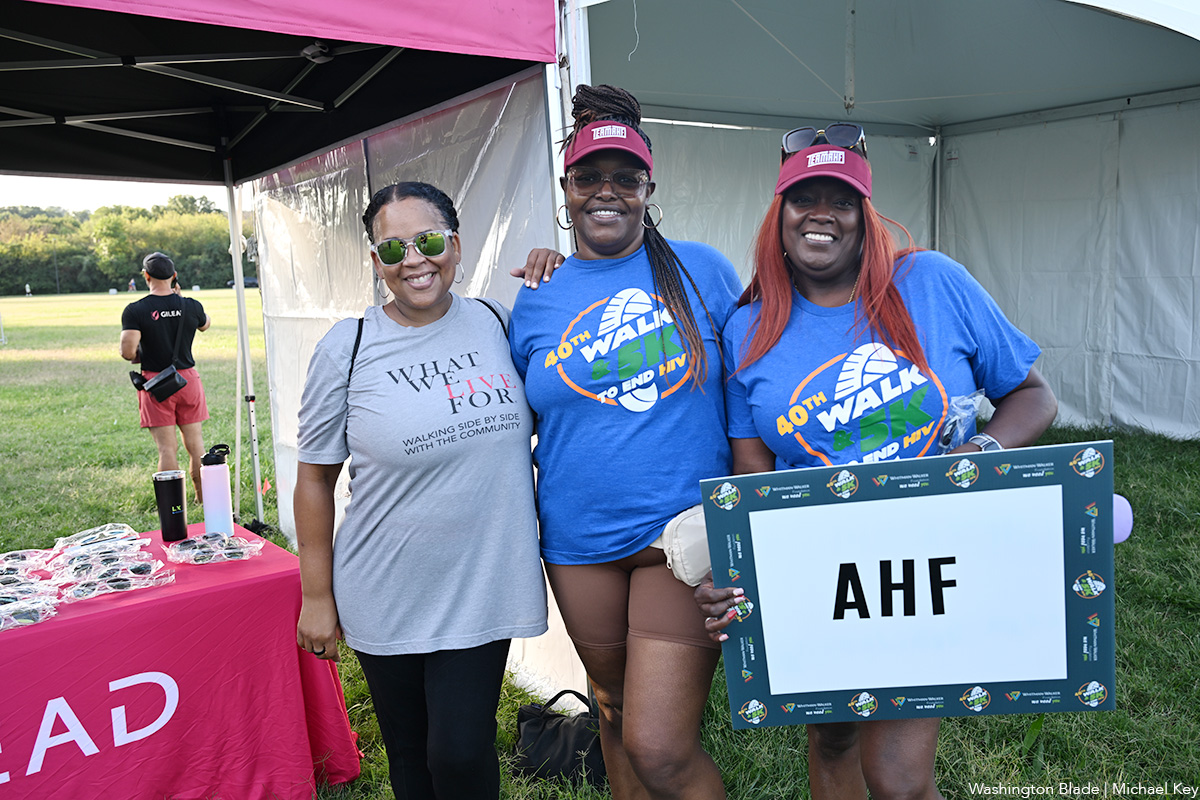
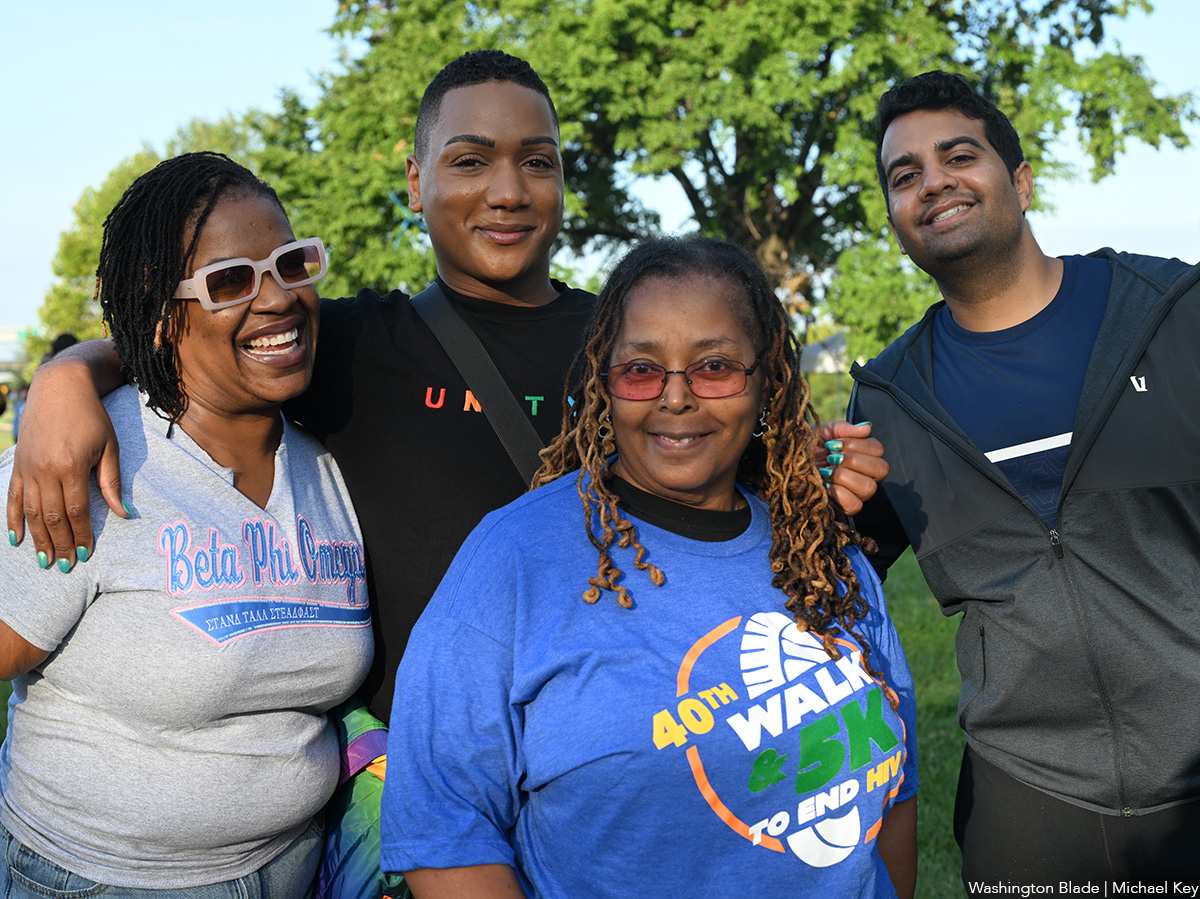
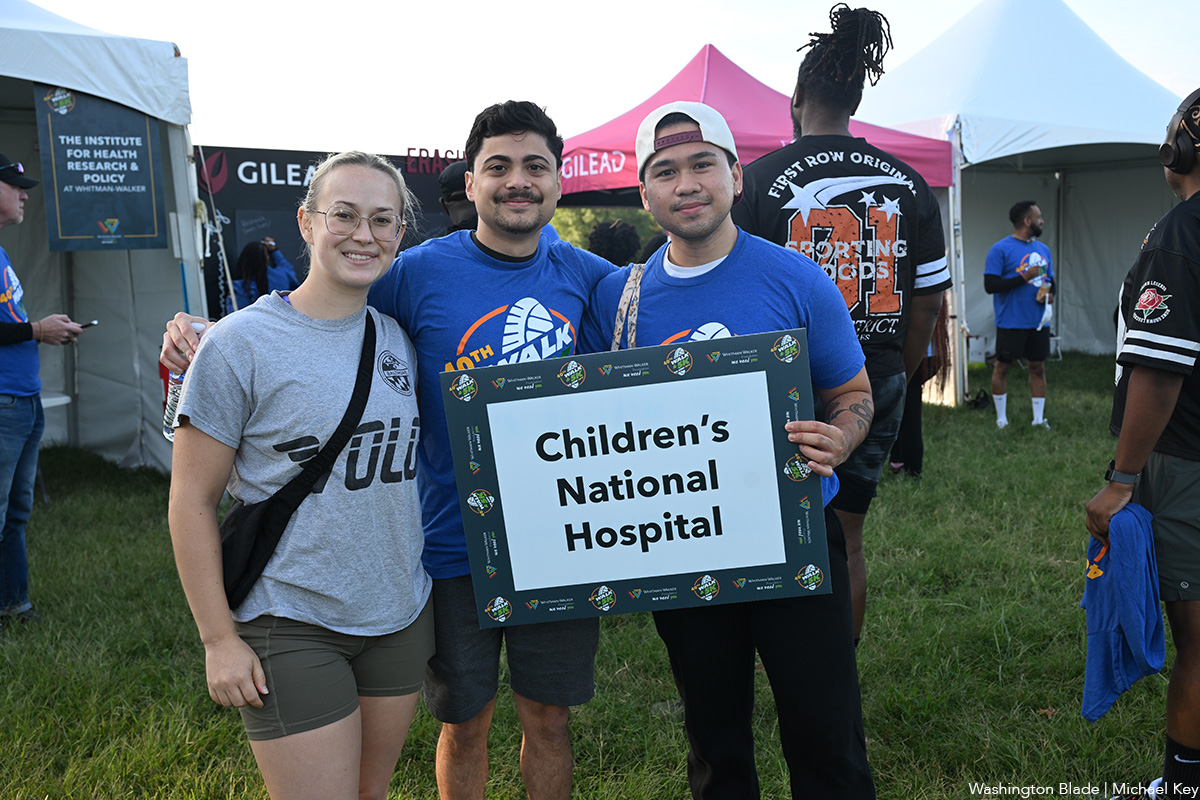
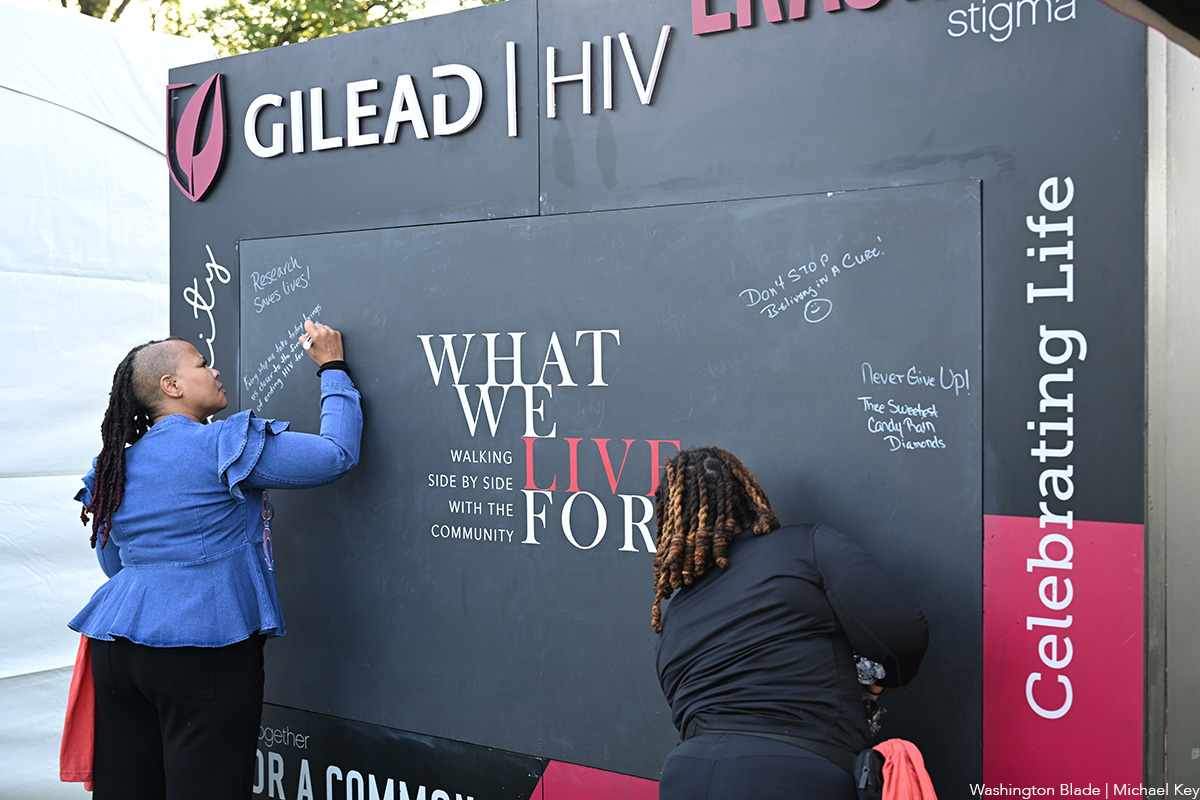
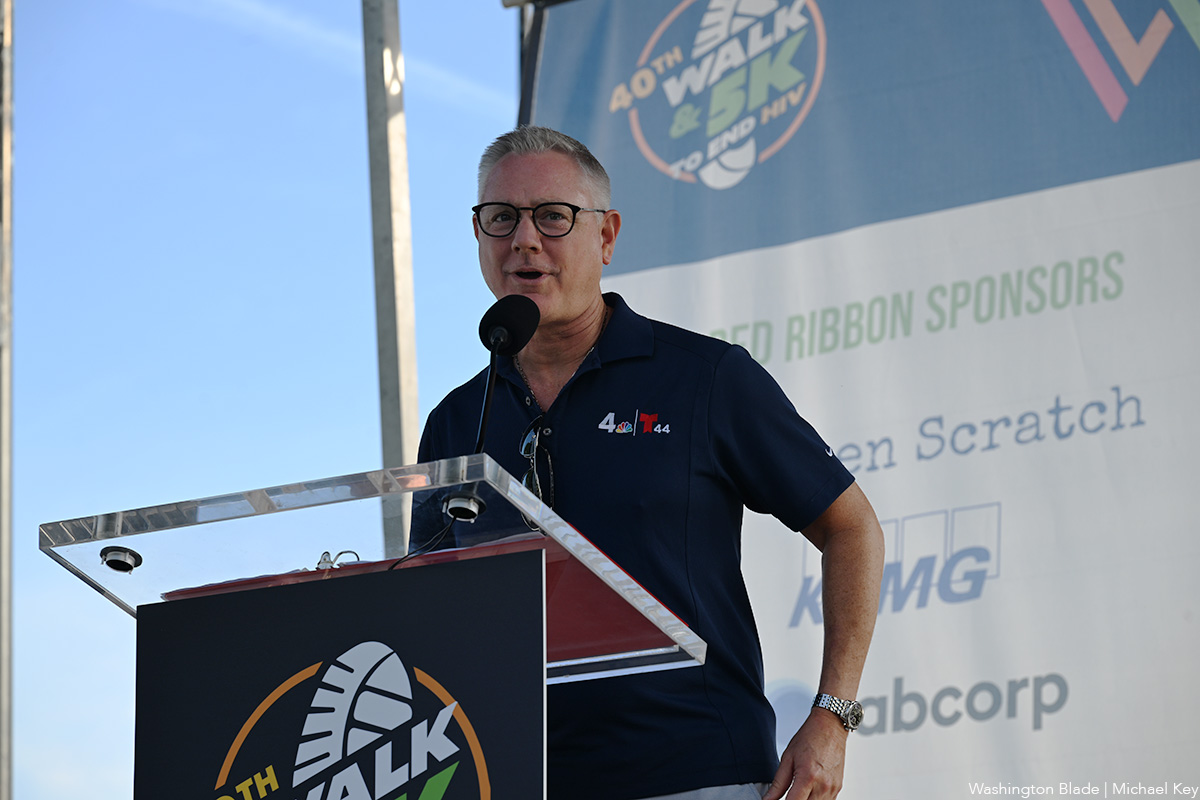
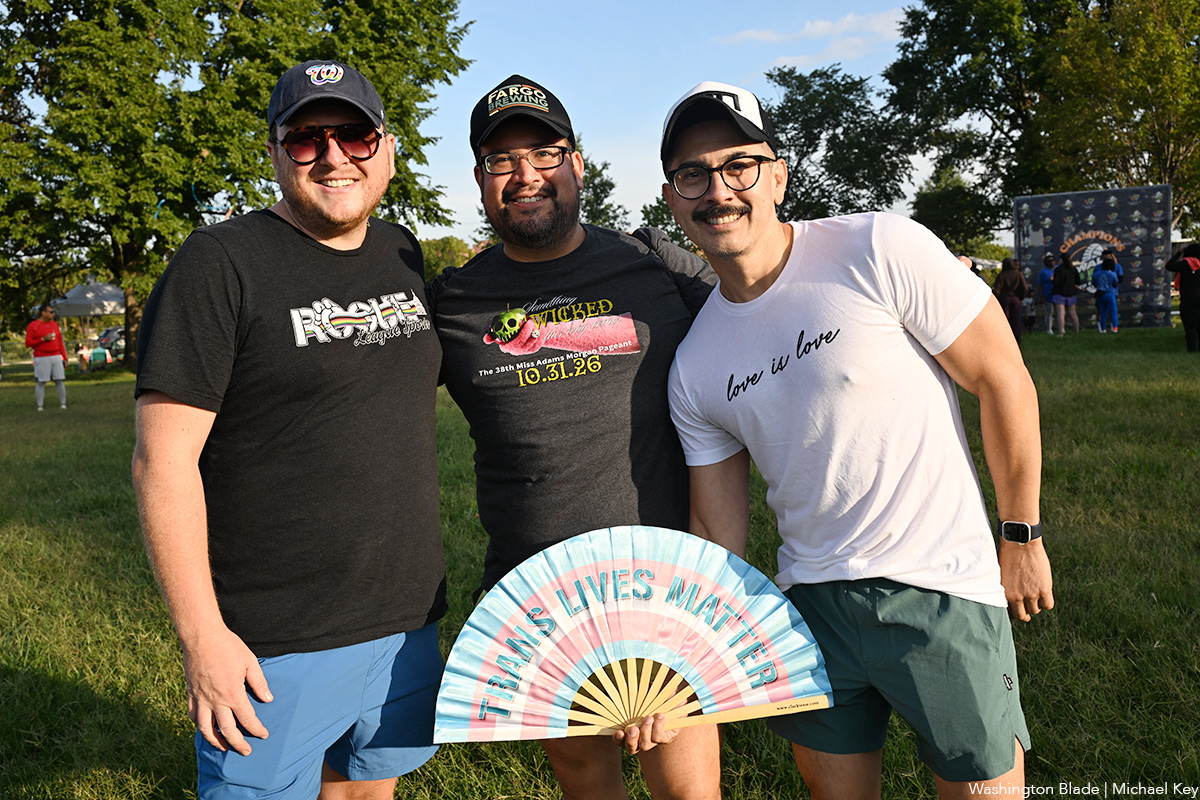
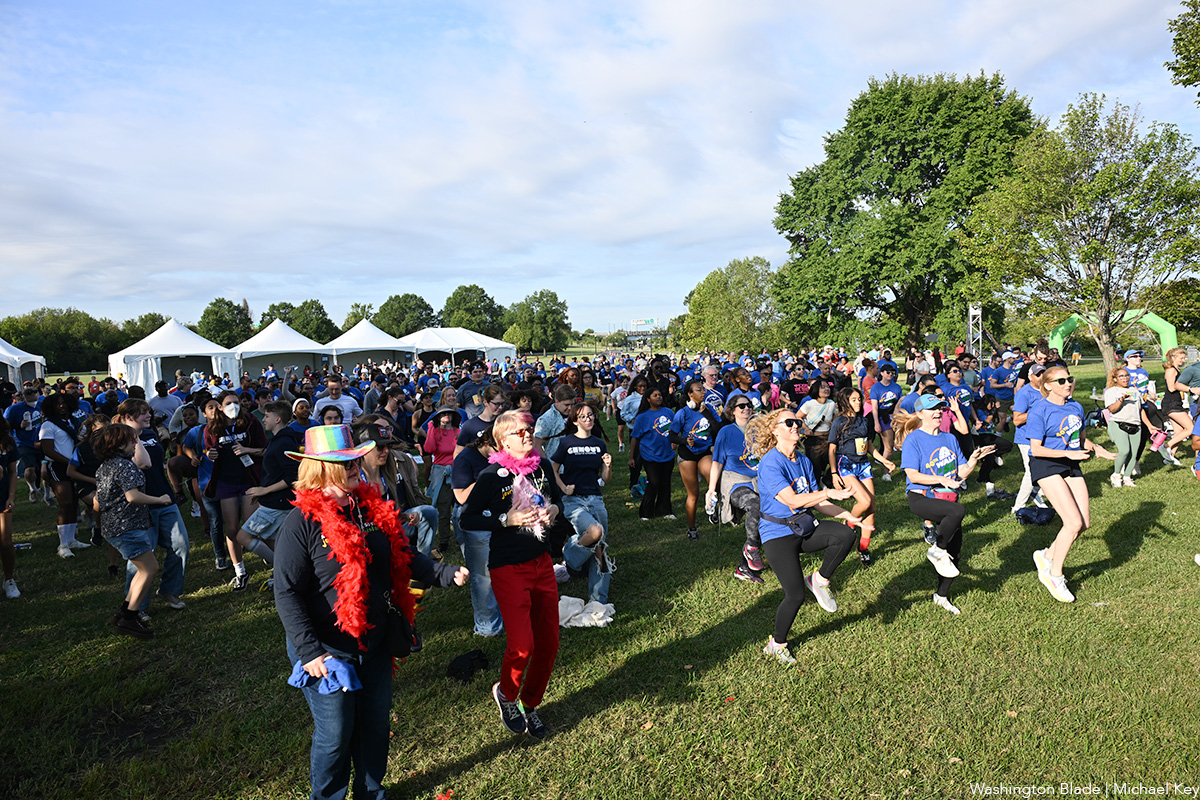
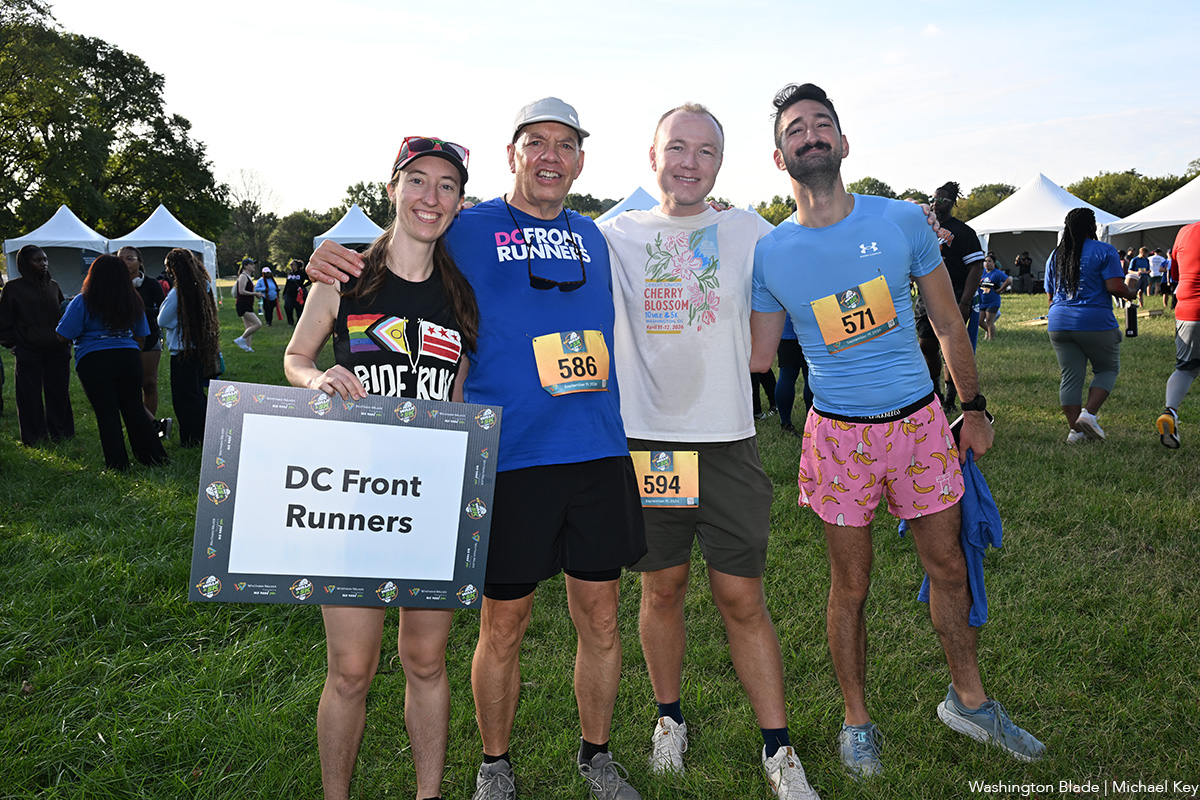
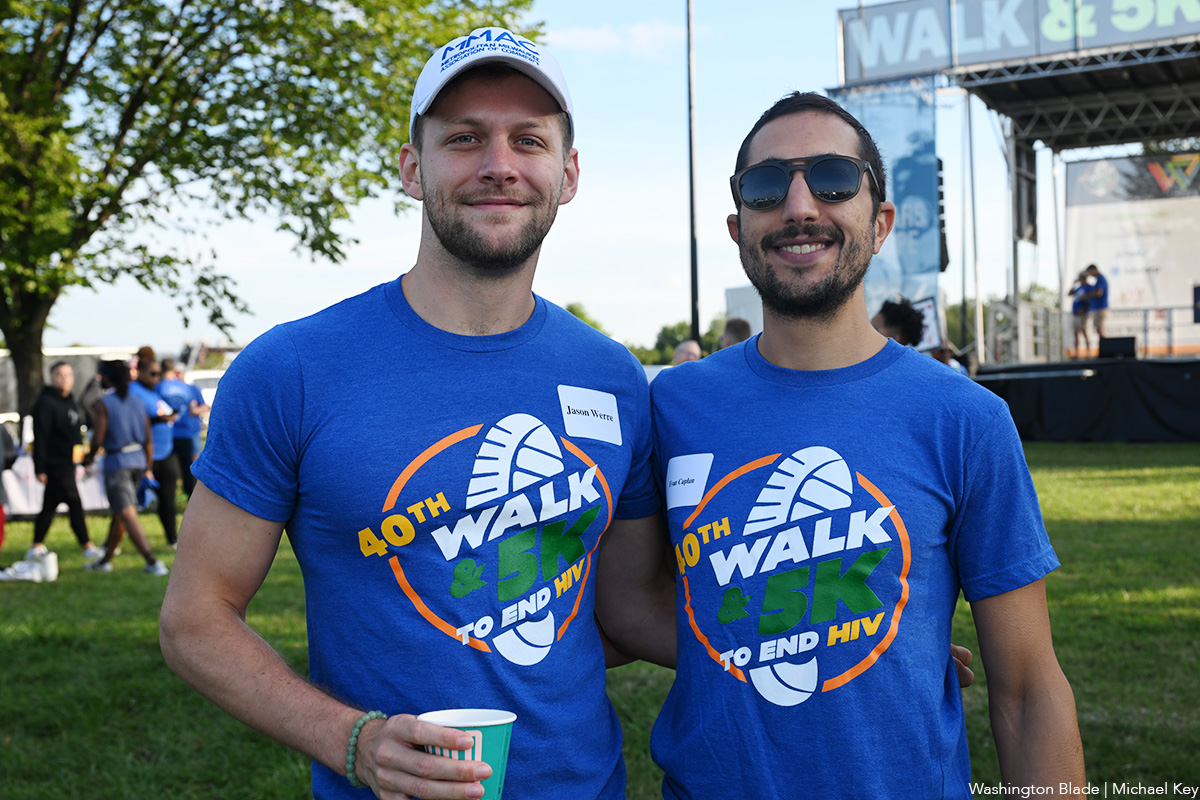
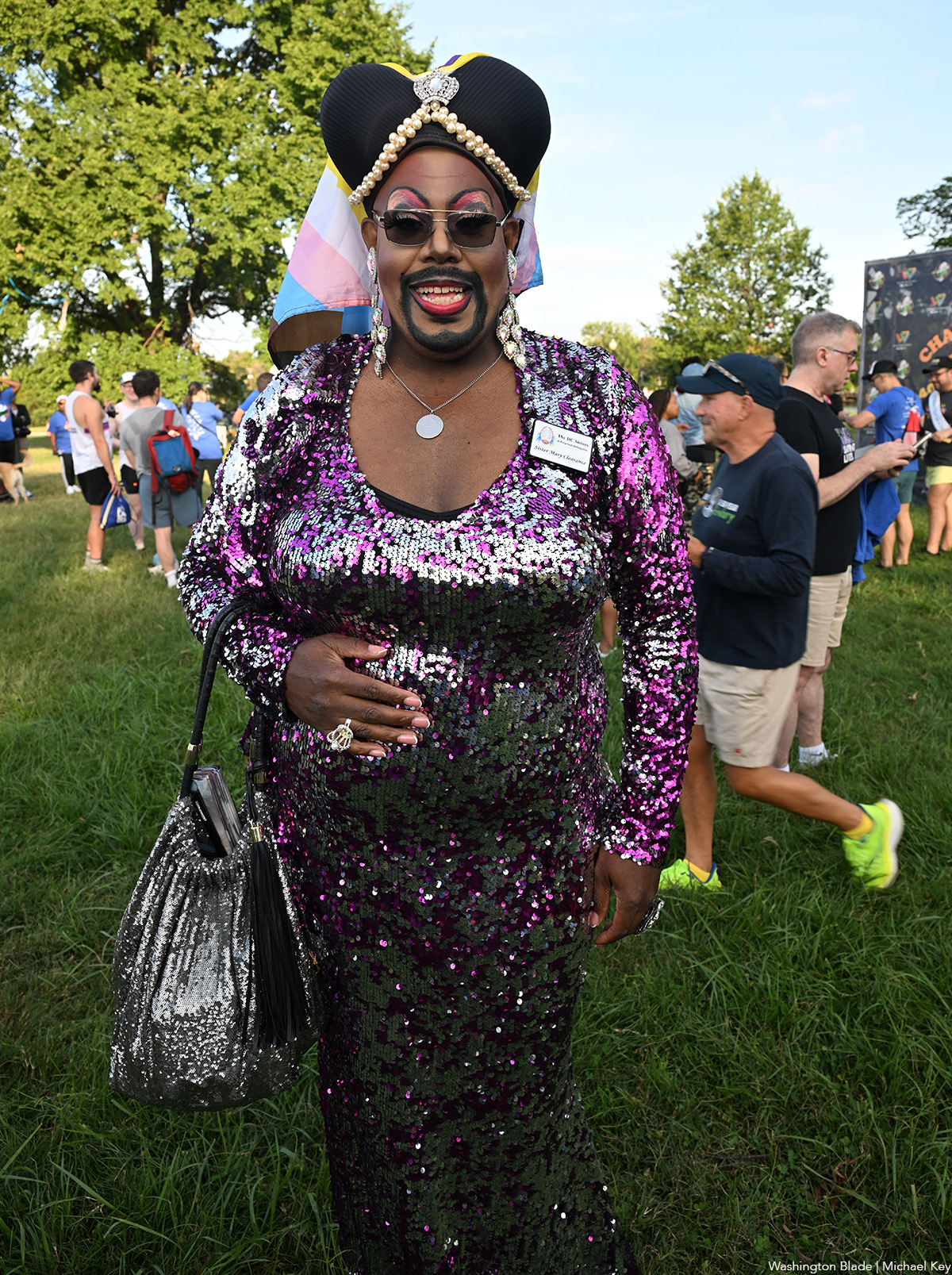
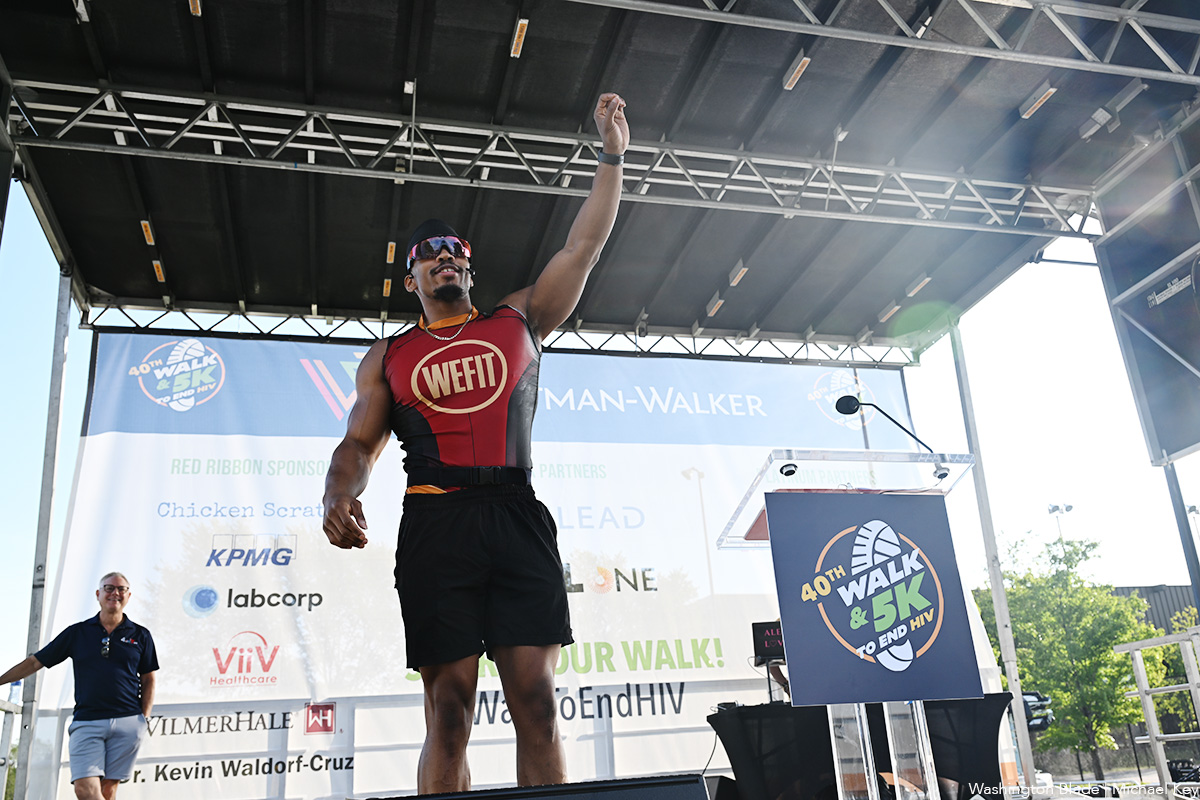
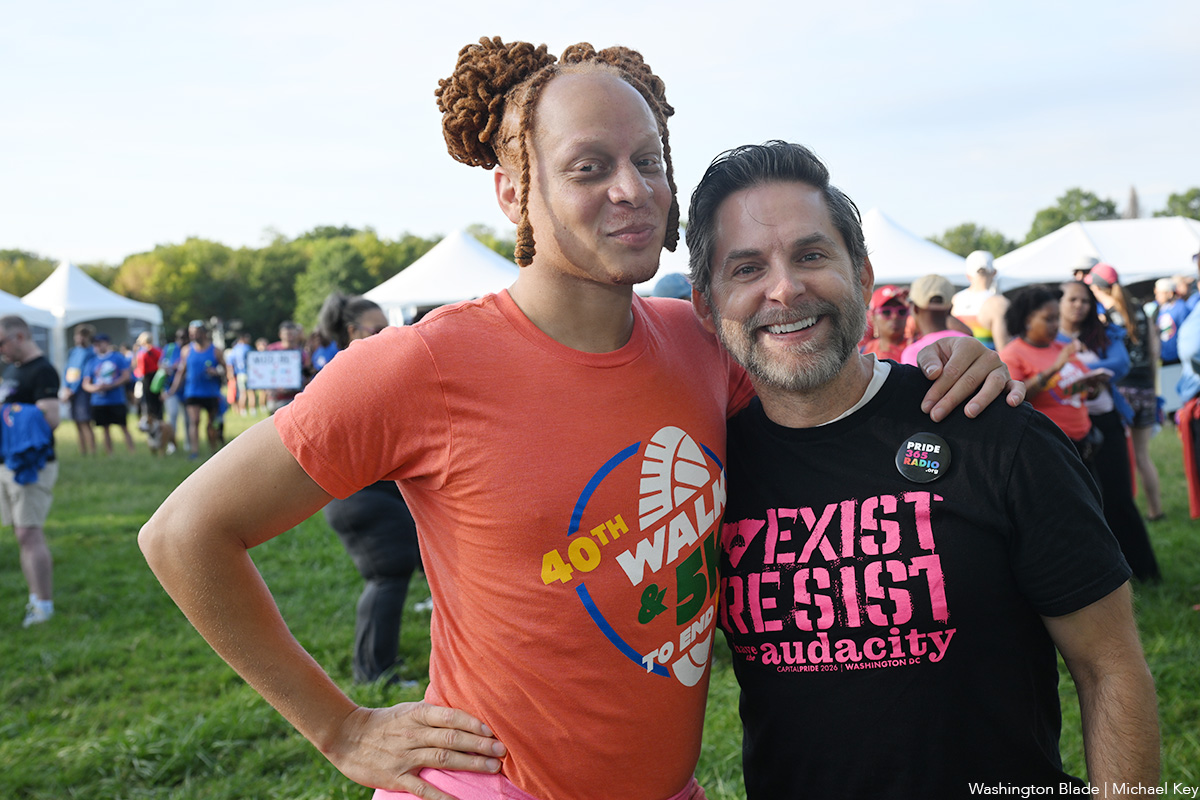
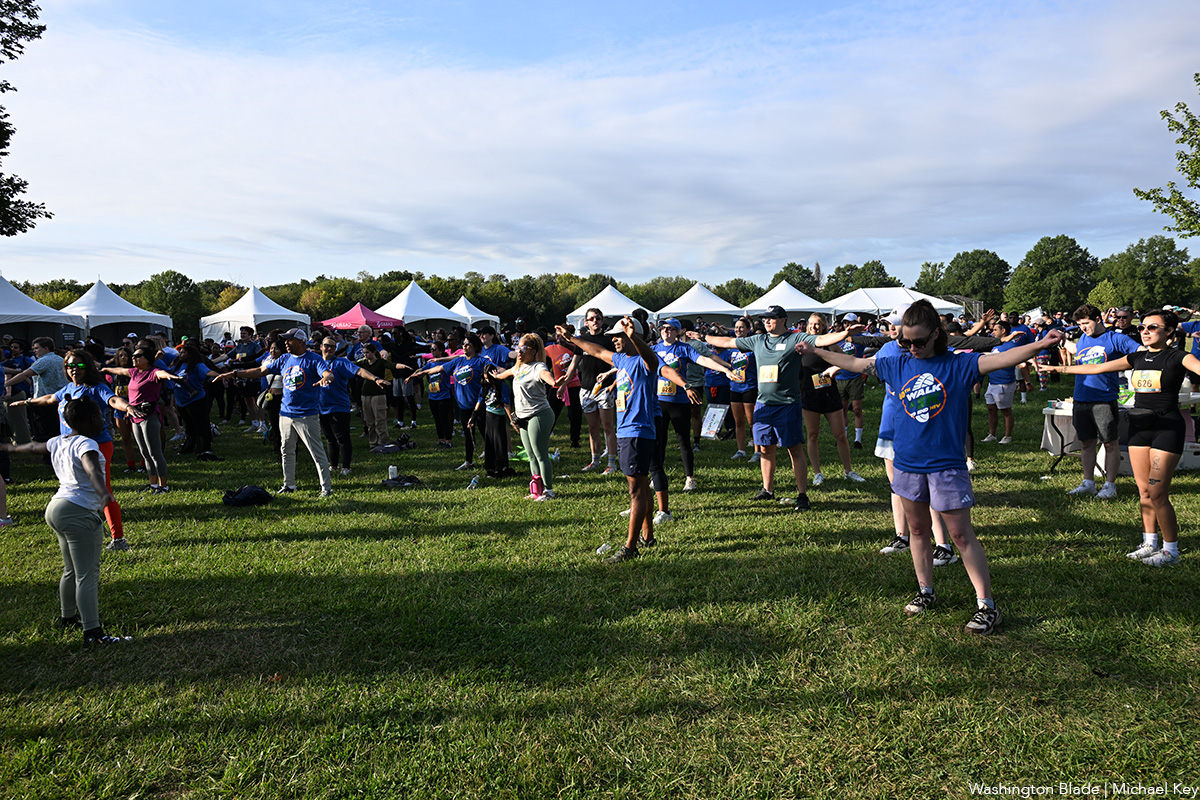
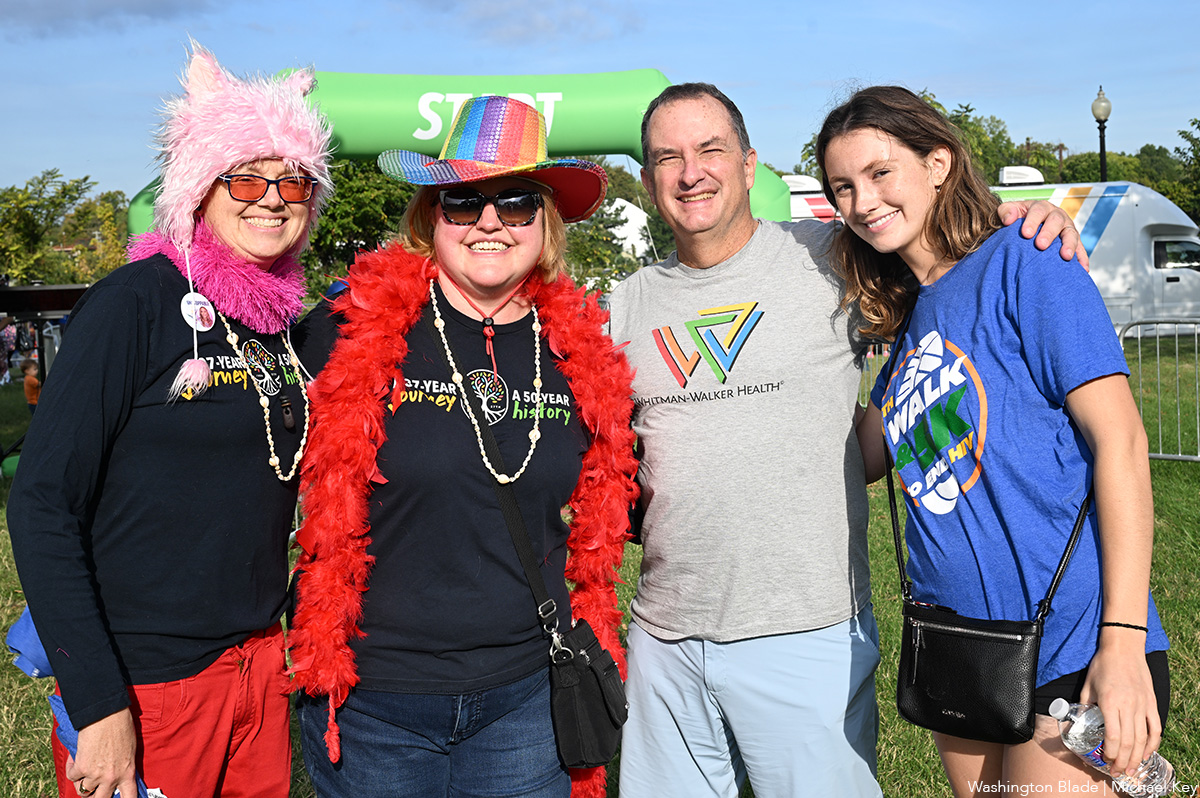
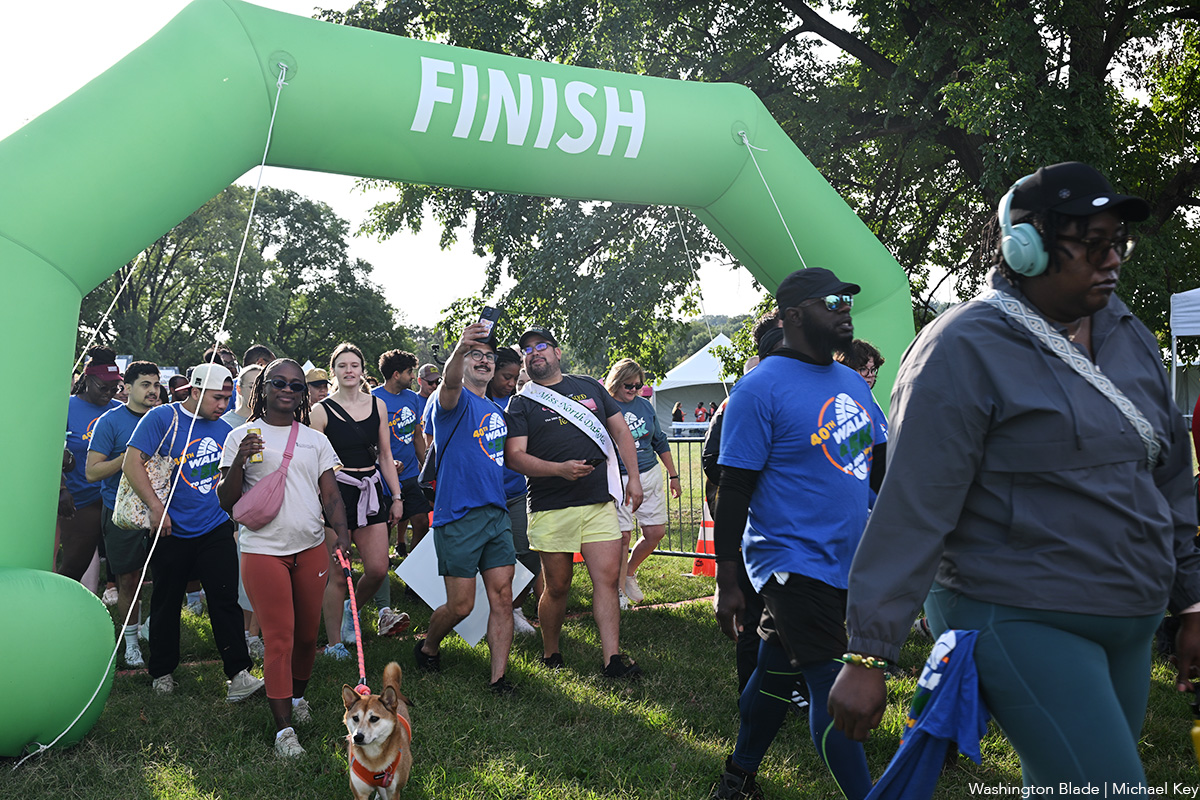
Whitman-Walker Health held the 40th annual Walk and 5K to End HIV at Anacostia Park on Saturday, Sept. 19.
(Washington Blade photos by Michael Key)



Caso Karlina: Una sentencia histórica contra las terapias de «conversión»

Washington Blade responds to concerns over White House pool duties

Young people should know history of the fight for human rights

Dutch prime minister visits Stonewall Inn

Clavicular charged in alleged rape of teenage influencer

Over 2,000 turn out for Hands Around the Kennedy Center protest

PHOTOS: Wanda Alston Foundation Fall Reception

PHOTOS: Walk and 5K to End HIV

What LGBTQ veterans are building after ‘Don’t Ask, Don’t Tell’