Arts & Entertainment
‘AbFab’ returns!
BBC fave comes to Logo, Chaz puts on his dancing shoes
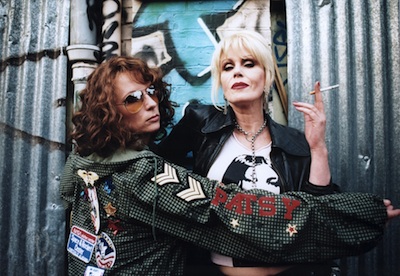
A new Logo acquisition heralds the return of Patsy and Edina in gay cult favorite ‘AbFab.’ (Photo courtesy Logo/BBC)
ABC’s “Dancing with the Stars” starts Sept. 19 at 8 p.m. and this season’s cast is already generating buzz thanks to the inclusion of Chaz Bono, the show’s first trans contestant.
Cher, Bono’s mother, has taken to Twitter, blasting the critics and encouraging her followers to support him. His partner, Lacey Schwimmer, who danced with Lance Bass her first season as a pro on the show, has shown support.
“I just think it’s absolutely ridiculous when people have anything negative to say about anybody other than themselves,” Schwimmer told E! Online. “It’s not fair. It’s not nice. And it’s degrading. I really get sad about it.”
‘Dancing’ executive producer Conrad Green has also spoken out.
“We thought Chaz’s story was pretty compelling,” Green told E! Online. “He comes from Hollywood royalty and obviously the personal changes in his life have been quite profound.”
Former “Queer Eye for the Straight Guy,” Carson Kressley, is also a part of the cast and will be dancing with Anna Trebunskaya.
“Modern Family,” with gay couple Cameron and Mitchell, returns Sept. 21 at 9 p.m.
“Grey’s Anatomy” returns with a two-hour premiere on Sept. 22 at 9 p.m. When season seven ended, Arizona Robbins and Callie Torres, played by Jessica Capshaw and Sara Ramirez, had just gotten married after a pregnant Callie nearly died in a car accident.
ABC Family’s “Pretty Little Liars” may have had its summer finale and the second half of the season won’t start until the new year, but a special Halloween-themed episode will air Oct. 16 at 8 p.m. The episode, which takes place before the series premiere, will offer a glimpse of the relationship lesbian Emily, played by Shay Mitchell, had with her friend Allison.
Fox’s “Glee” begins its third season Sept. 20 at 8 p.m. Previews have shown Blaine, Kurt’s love interest, out of his Dalton uniform and dancing with Santana and the rest of the Cheerios while Quinn sports a new look. Sue Sylvester, played by out actress Jane Lynch, even gets glitter-bombed by Will. And don’t forget Lynch is hosting the Emmys on Fox Sept. 18 at 8 p.m.
The Oprah Winfrey Network has two new shows coming with familiar gay faces.
Rosie O’Donnell is returning to television with her own show, “The Rosie Show,” starting Oct. 10 at 7 p.m. Suze Orman will be joining Dr. Phil and Dr. Oz for “Ask Oprah’s All Stars,” which premieres Oct. 16 at 8 p.m.
“The Ellen DeGeneres Show” starts its ninth season Monday. Her premiere week guests have already been revealed and Ashton Kutcher will be giving his first daytime interview before the premiere of “Two and a Half Men.” “Ellen” airs in D.C. on channel four at 3 p.m. For other areas’ times, visit ellentv.com.
Bravo has a couple new series starting this fall.
“Mad Fashion,” which premieres Oct. 4 at 10 p.m., will feature former “Project Runway” alum Chris March, as he and his crew create designs for high-profile clients, including a Mardi Gras float ensemble for Jennifer Coolidge.
Also starting is the second season of Bravo’s “Work of Art,” a reality show seeking to discover new artistic talent. The season begins Oct. 12 at 9 p.m.
“The A-List” is slowly becoming a franchise with a new show based in Dallas starting Oct. 3 at 10 p.m. on Logo. The cast includes a former rodeo star, a gay Republican, a serial dater and more.
It’s also been announced that Logo is partnering with BBC America to bring back a couple of favorites in a new way. Jennifer Saunders and Joanna Lumley will be reprising their roles as Edina Monsoon and Patsy Stone for three new “Absolutely Fabulous” specials.
Logo has been airing repeats of the first five seasons of “AbFab” since April.
MTV starts the 26th season of “The Real World” on Sept. 28 with the show’s return to San Diego. The cast includes Virginia native Samantha, who goes by Sam, and is said to be a lesbian. A trailer for the upcoming season also shows a male roommate who is said to be bisexual.




Arts & Entertainment
Horror genre has evolved into space to explore queer identity
Forbidden love among topics explored

Spooky season is here, making it a fantastic time to talk about queerness and horror. More precisely, it’s a chance to explore how the horror genre emerged and transformed our perspective on queer identity.
Horror is far more political than most people realize.
Personally, if sci-fi was the genre that helped me understand what it feels like to be different, it was horror that truly allowed me to explore queer relationships and queer rage.
Let’s dive into how horror as a book genre has evolved — moving from portraying queer and transgender identities as monstrous threats to becoming a space where queer people can process our own fears, rage, sexuality, and trauma: from the deeply queer undercurrents of vampire fiction to the liberating “monstrosity” of trans rage.
The ‘monstrosity’ of transness
It’s 2026, so let’s begin with the elephant in the room — or rather, the biggest conservative scapegoat in our community (thanks for actual political monsters). But trigger warning: trauma crawls to the surface like a monster breaking through.
Imagine two scenes:
Fifteen-year-old me, a trans teenager who didn’t yet know they were trans, was reading Thomas Harris’s “The Silence of the Lambs” (1988) for the first time (yes, for me it was first the book, then the movie.) I “encountered” Buffalo Bill, a serial killer who used human skin to make a female costume because he wanted to be a woman. How did I feel? Cringed out, humiliated, and even more determined to hide. And I wasn’t yet permitted myself to think that I’m trans, but I felt terrible without knowing why. It was one more message from mass culture: if you think you belong to a gender different from the one assigned to you at birth, you are a “psycho.” The intersection of ableism and transphobia is striking in stories like this. People with mental illnesses, who in real life are much more often victims than aggressors, are portrayed as dangerous to society, while transness is presented as a mental illness.
Now imagine an adult me, a couple of years after coming out as trans, reading Andrew Joseph White’s young adult horror novel “Hell Follows with Us” (2022). It portrayed actual monsters and a trans boy, Benji, turned into a monster by his cultist family. I felt joy and sympathy for Benji, who stood up against the apocalyptic cult that destroyed humanity, despite his parents raising him to destroy what was left of the human race. His trans rage and rebellion felt justified, and the main character never felt like a pathetic freak.
This is the main difference between classical portrayals of trans people in horror and the changes made by trans authors and creators reclaiming the genre.
When Harris wrote “The Silence of the Lambs” and Jonathan Demme directed the movie (1991), the story made it clear that Buffalo Bill was not a “real” trans person and that real trans people were harmless. But this raises an important question: how can we decide who is a “real” trans person and who isn’t if someone’s gender identity differs from the one assigned to them at birth? The trope of an aggressive, perverse person who “wants to be a woman” has existed throughout modern fiction, with the “Psycho” (1960) movie being another famous example, that stigmatizes cross-dressing and gender non-conformity and, by association, trans women.
Aggressive trans characters and trans characters in serial-killer fiction have every right to exist. White’s young adult horror novel “You’re No Better” (2026), which is coming out this October, features a trans autistic boy trying to prove that he is nothing like his famous serial-killer father. There is also the transgender novel “Manhunt” (2022), featuring two trans women, Beth and Fran, who survive by hunting men transformed into monsters.
Honestly, I’m currently querying a vampire novel with a trans teenager who runs from his transphobic MAGA family and has literally become a monster, so it would be hypocritical of me to object to controversial or monstrous trans characters. They can be violent — but not because they are trans. They can be driven to become monsters by society, but not because of their supposed “perversion.”
Trans horror written by trans and trans-friendly authors can help process rage and alienation. Many trans horror authors reclaim the label of “monstrosity” without turning their characters into caricatures, perverted villains, or pathetic creatures, as often happened in more classical, cis-hetero normative horror.
Queer romance and forbidden love
For me, “The Vampire Chronicles” by Anne Rice was my first introduction to non-judgmental, queer-centered fiction as a teenager. As Rice famously observed, all her vampires are bisexual, and it was remarkably brave to publish books in the 1970s and 1980s where queer families, desire, and drama were simply part of the plot without any silly sensationalism. The 1994 film adaptation of “Interview with the Vampire” was the movie through which many people I knew who weren’t into queer stories first saw these dynamics onscreen. And the new AMC’s “Interview with the Vampire” (2022-current) TV series is, in my opinion, one of the best representations of messy queer relationships between traumatized people, addressing family trauma and the intersection of race and queerness. I recommend it even more than “reality-based” shows such as “Heated Rivalry” or “Queer as Folk.”
Gothic literature has always had a queer undercurrent. From Lord Byron’s homoerotic image of the undead to the lesbian desire of “Carmilla” and the obsessive relationships surrounding “Dracula” (book published in 1897), vampires have long been associated with forbidden desire, sexuality, and relationships outside social norms. “Carmilla,” published in 1872 by Joseph Sheridan Le Fanu, still resonates with the lesbian community today. “Carmilla” is unapologetically queer, declaring romantic passion for the human woman Laura without hiding her desires. Of course, “Carmilla” is literally a monster — but how else could an author write a forbidden queer love story in 1872?
New retellings of “Dracula” and “Carmilla” have become even more increasingly queer. Kat Dunn’s “The Hungerstone” (2025) is a sapphic story about feminine agency and the relationship between Carmilla and Lenore, a bisexual British woman in Industrial-era Sheffield, framed around sapphic emancipation and forbidden love. “Dracula” has also inspired plenty of retellings, most notably S. T. Gibson’s “A Dowry of Blood” (2021) — an explicitly polyamorous, bisexual retelling told from the perspective of one of his brides. It explores abuse and the importance of breaking codependency in queer relationships — a topic underrepresented in more “serious” fiction.
Vampires have also become a cross-cultural way to speak about queerness. For example, Dawn Chen’s “A Vampire in Beijing” that will be published in 2027, offers a sapphic story about the modern Chinese queer community and its unique struggles.
Together against the monsters
Another major trope in queer horror is queer people, especially queer youth, fighting monsters together. Those monsters may be supernatural, as in “The Dark We Know” (2024) by Wen-Yi Lee or “This Raging Sea” (2025) by De Elizabeth, where groups of bisexual, queer kids fight side-by-side with an old evil. Ultimately, these external threats represent a conservative society, oppressive stereotypes, and real-world mental health struggles.
Although horror historically mostly exploited queerness for sensationalism — harming real-world queer people in the process — today it has transformed into one of the most effective spaces to explore queer identity and trauma in our own language.
Photos
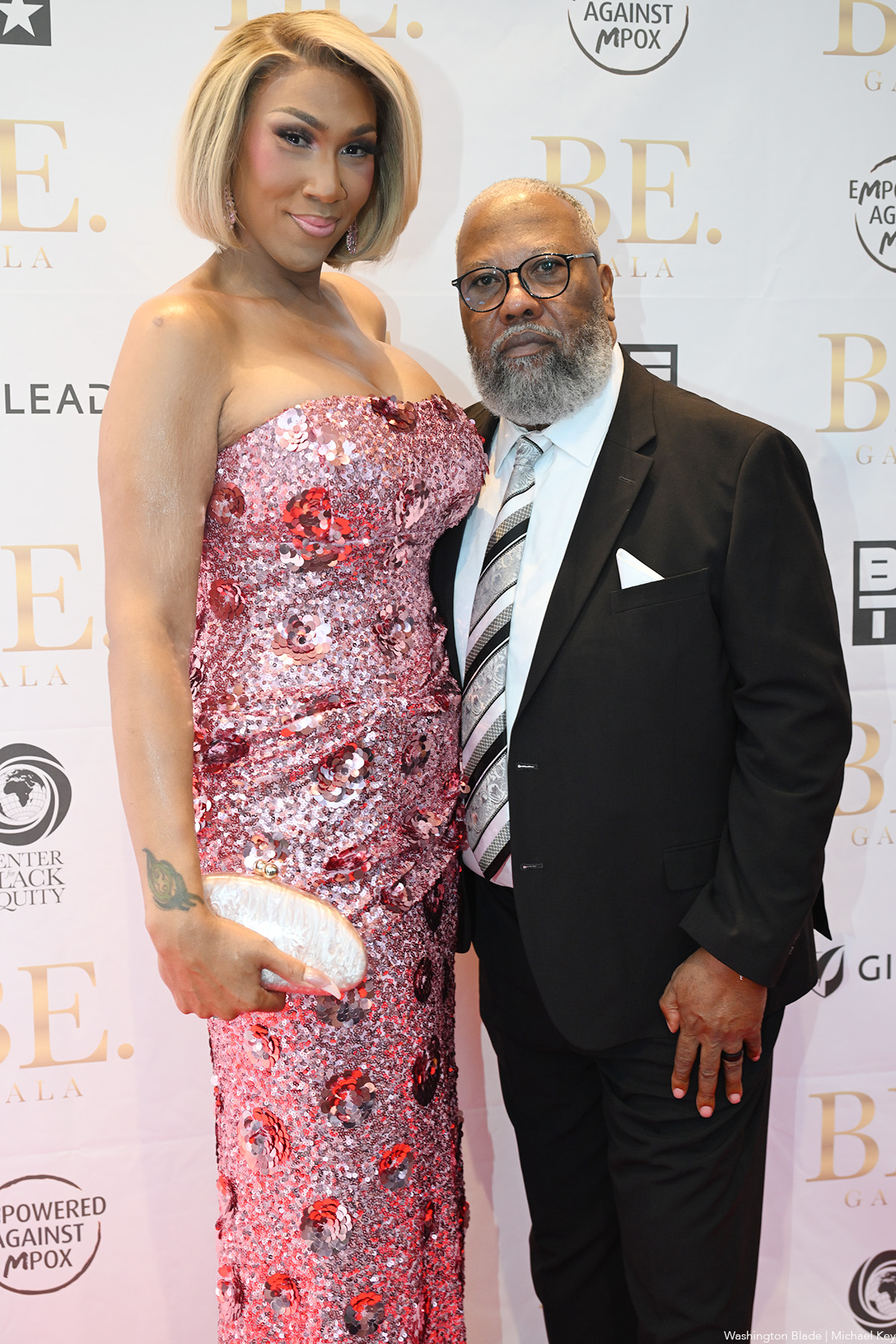
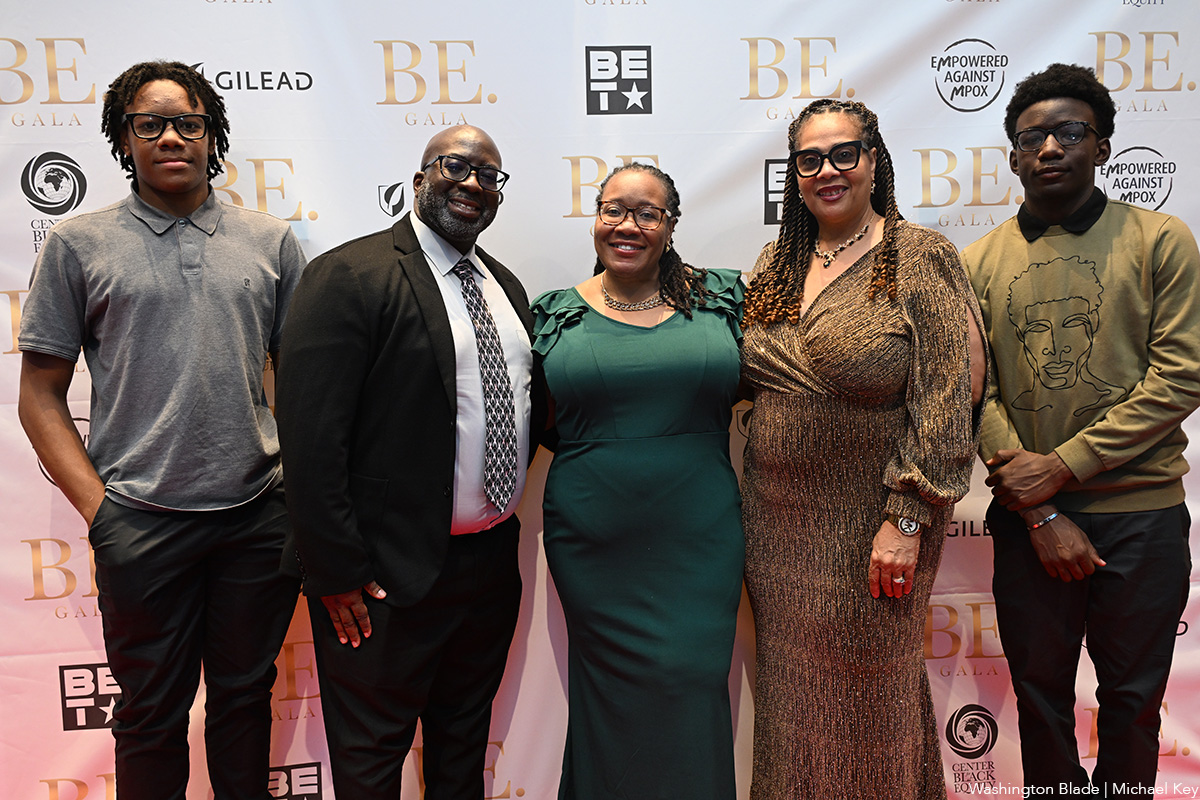
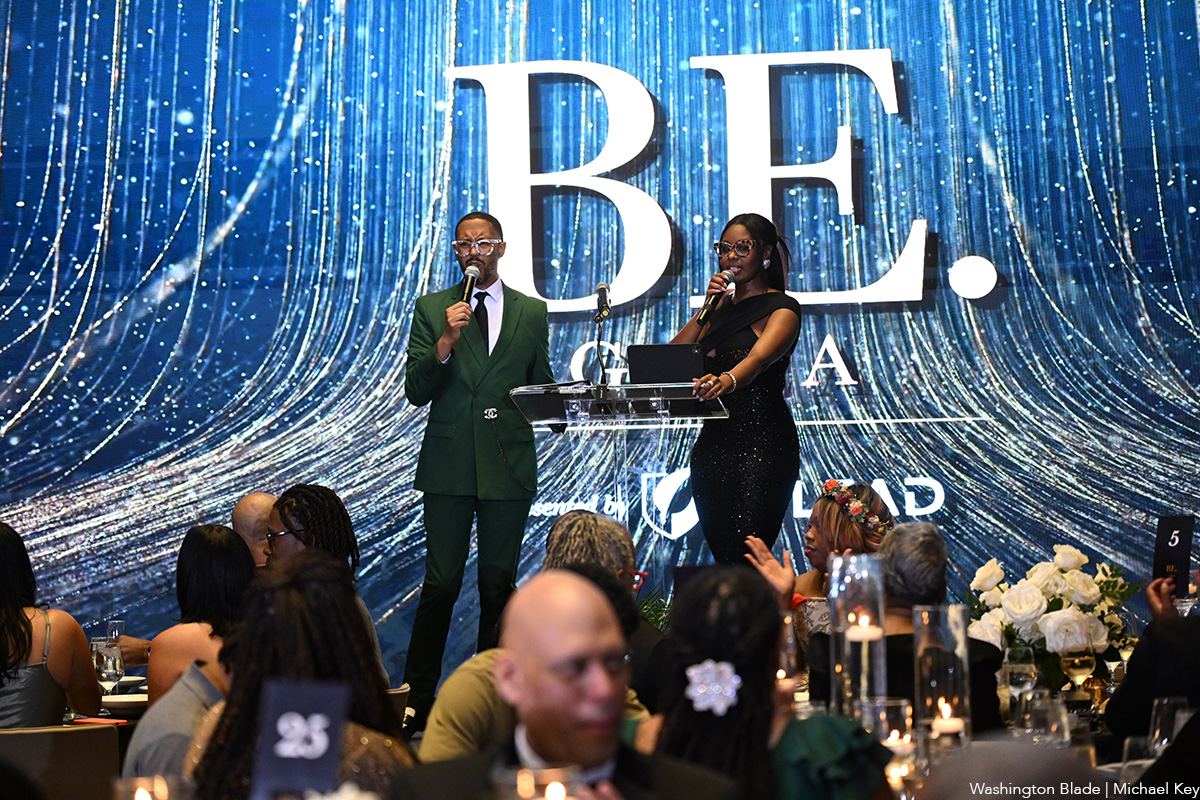
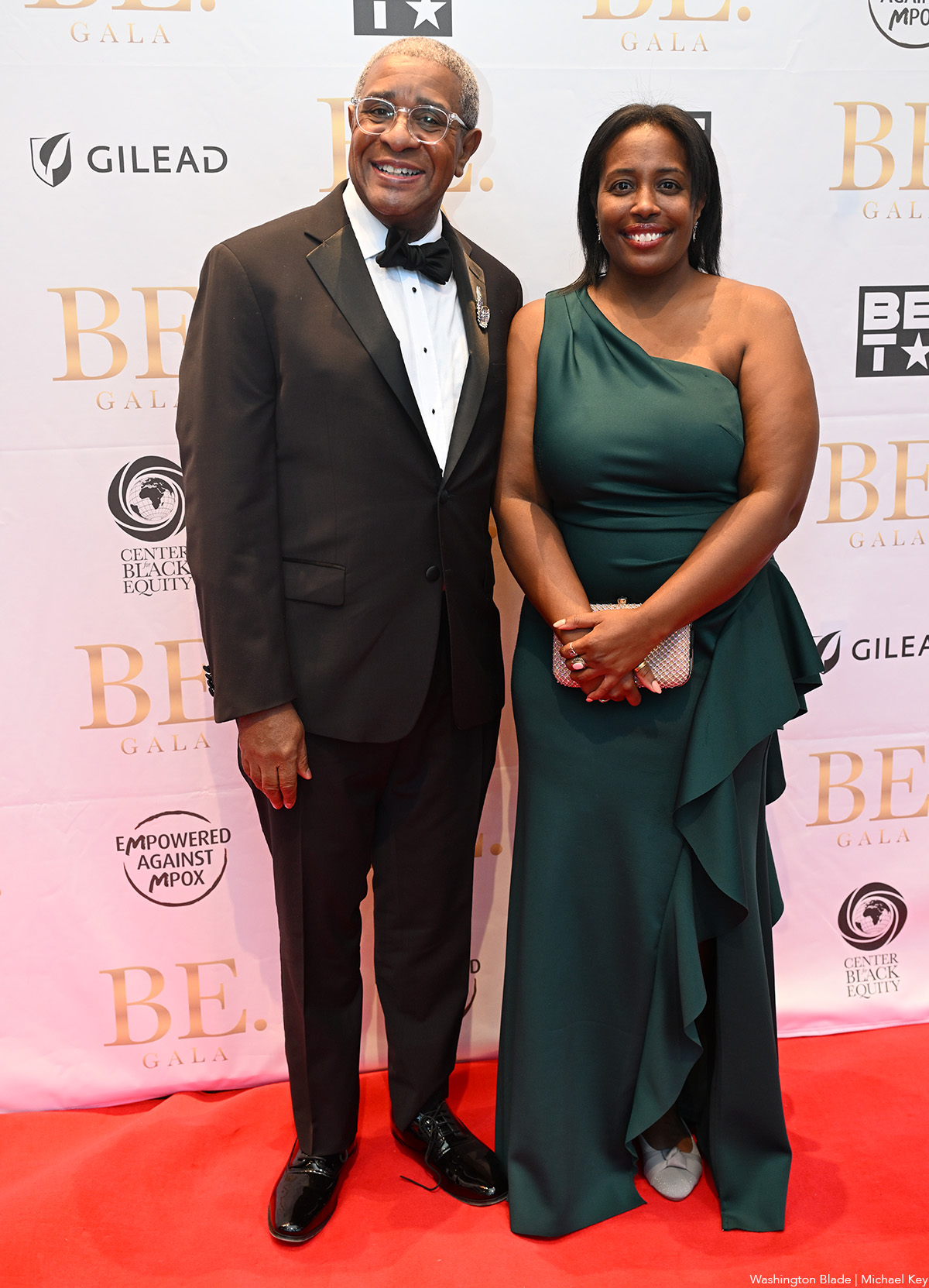
Center for Black Equity honors leaders, activists at BE. Gala
Miyake-Mugler, Oakes co-host annual awards ceremony
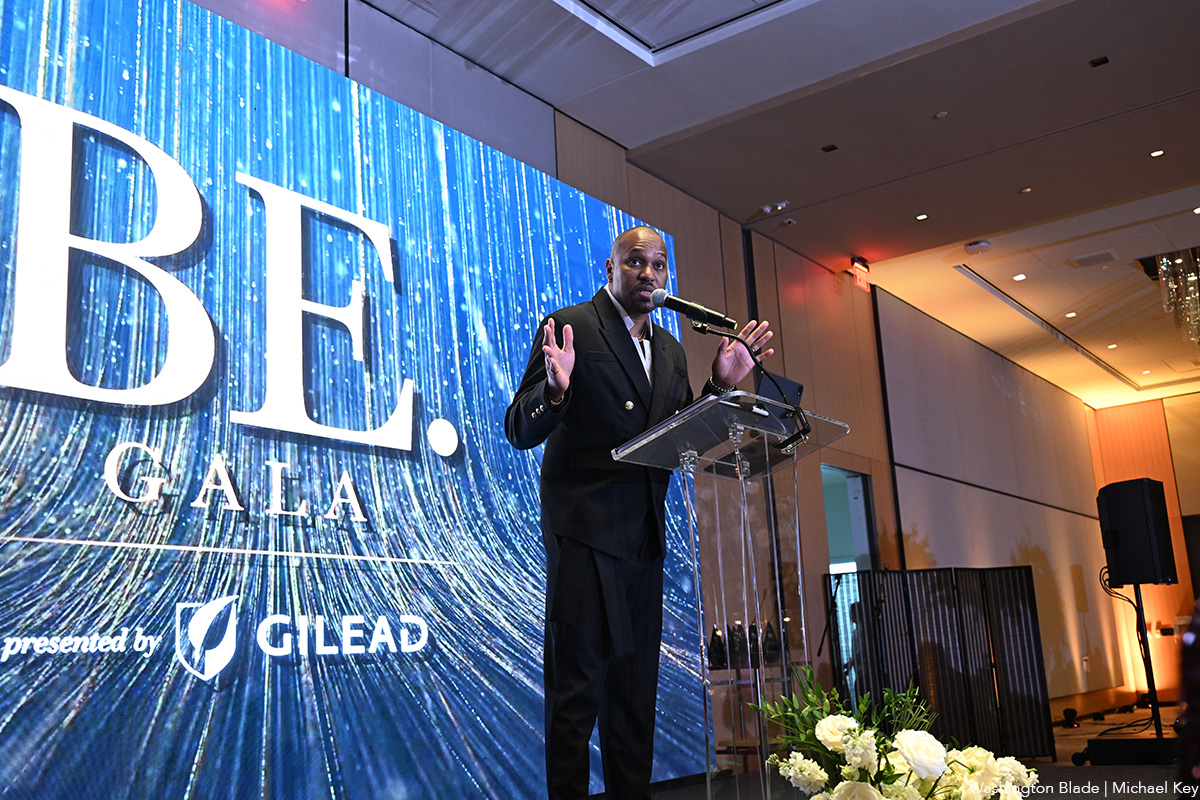
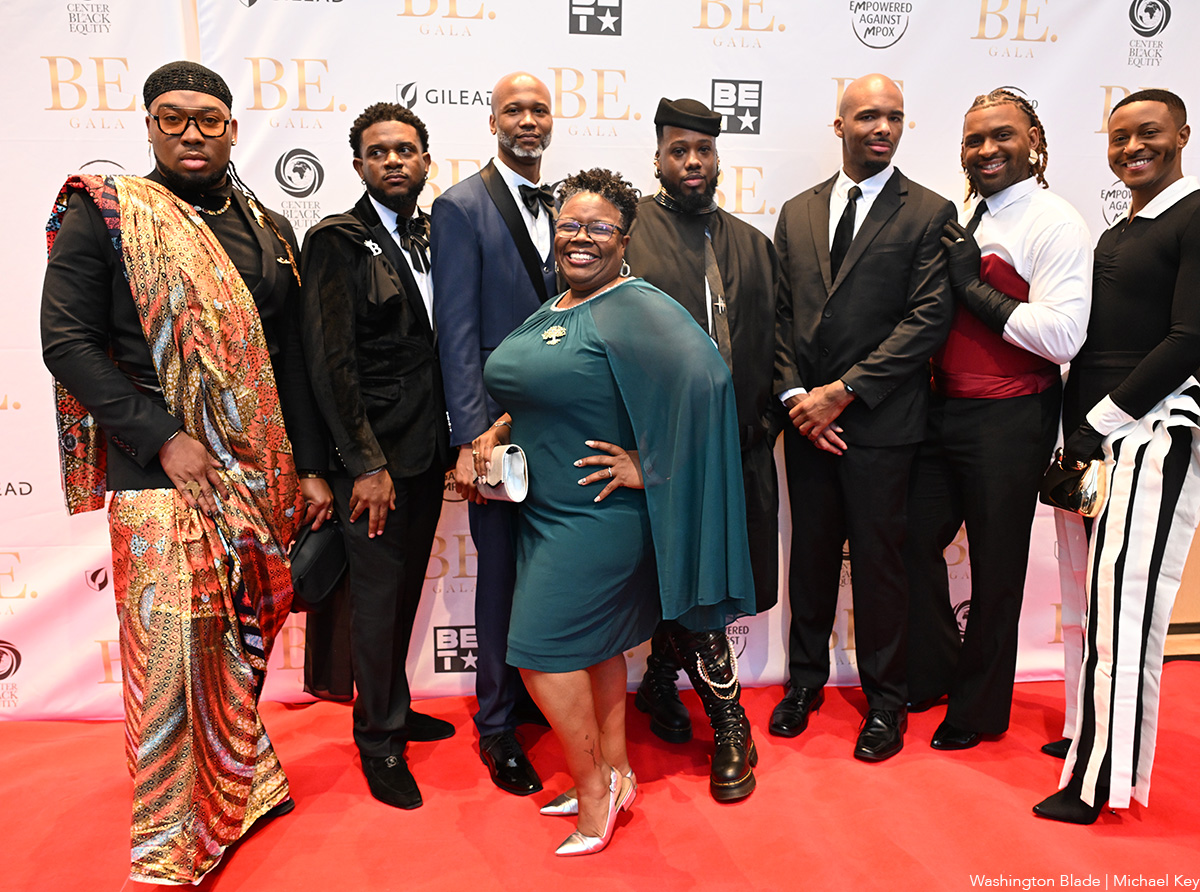
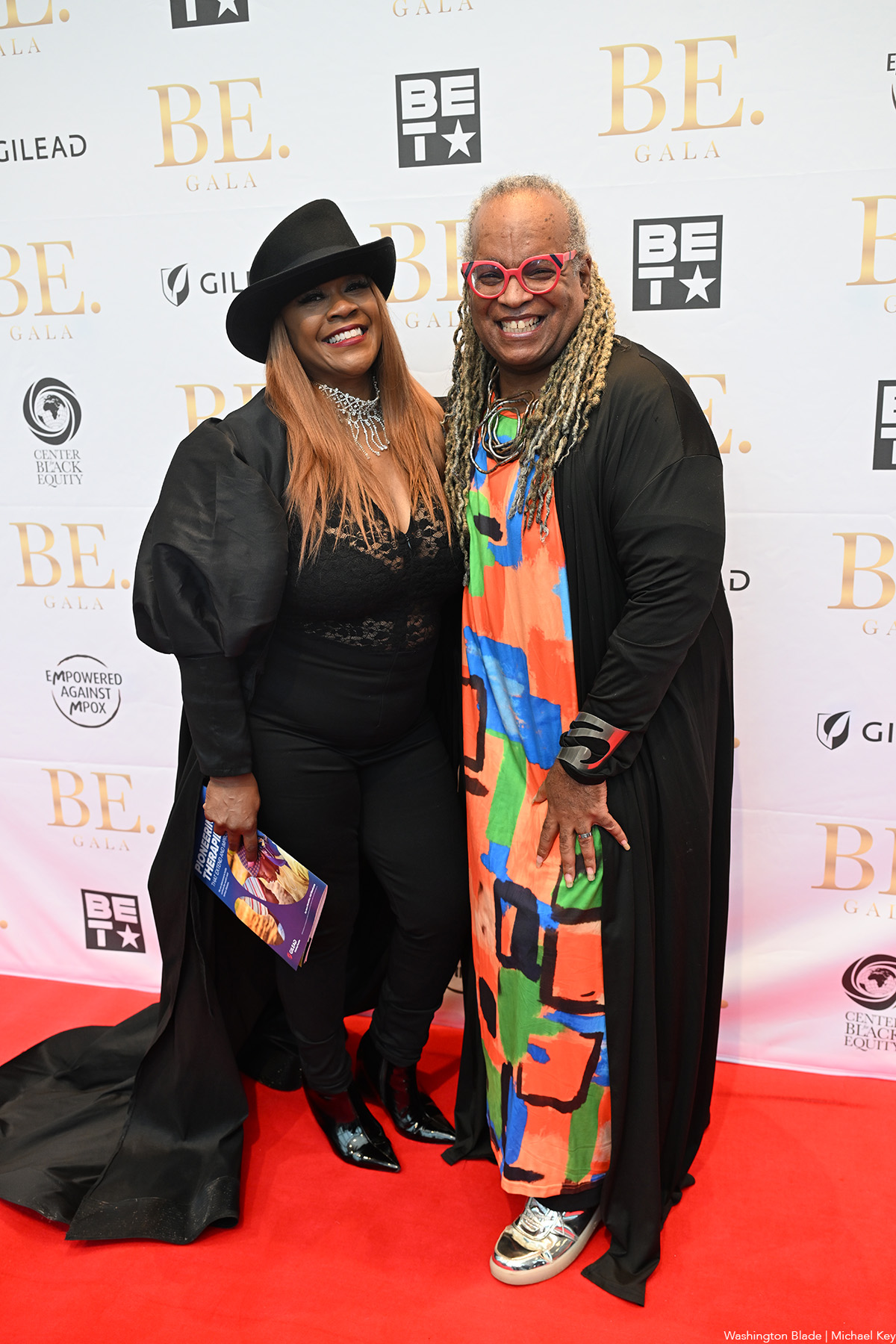
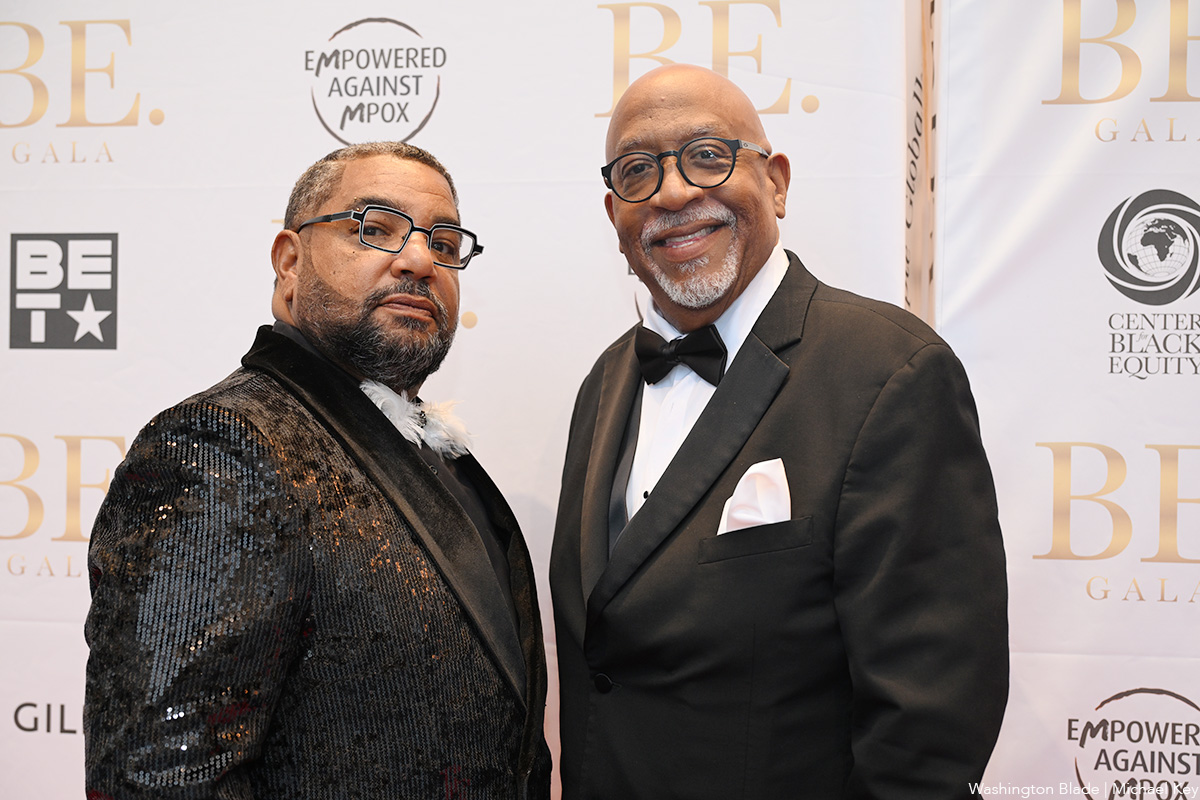
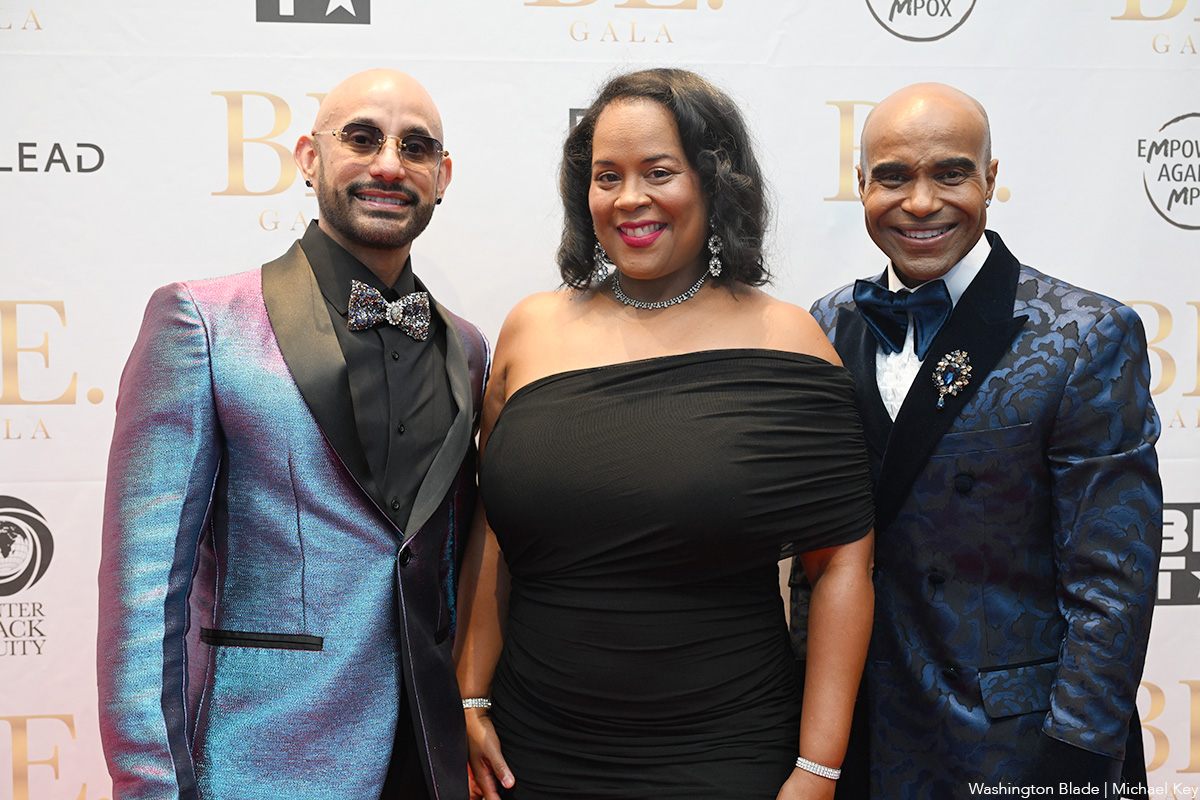
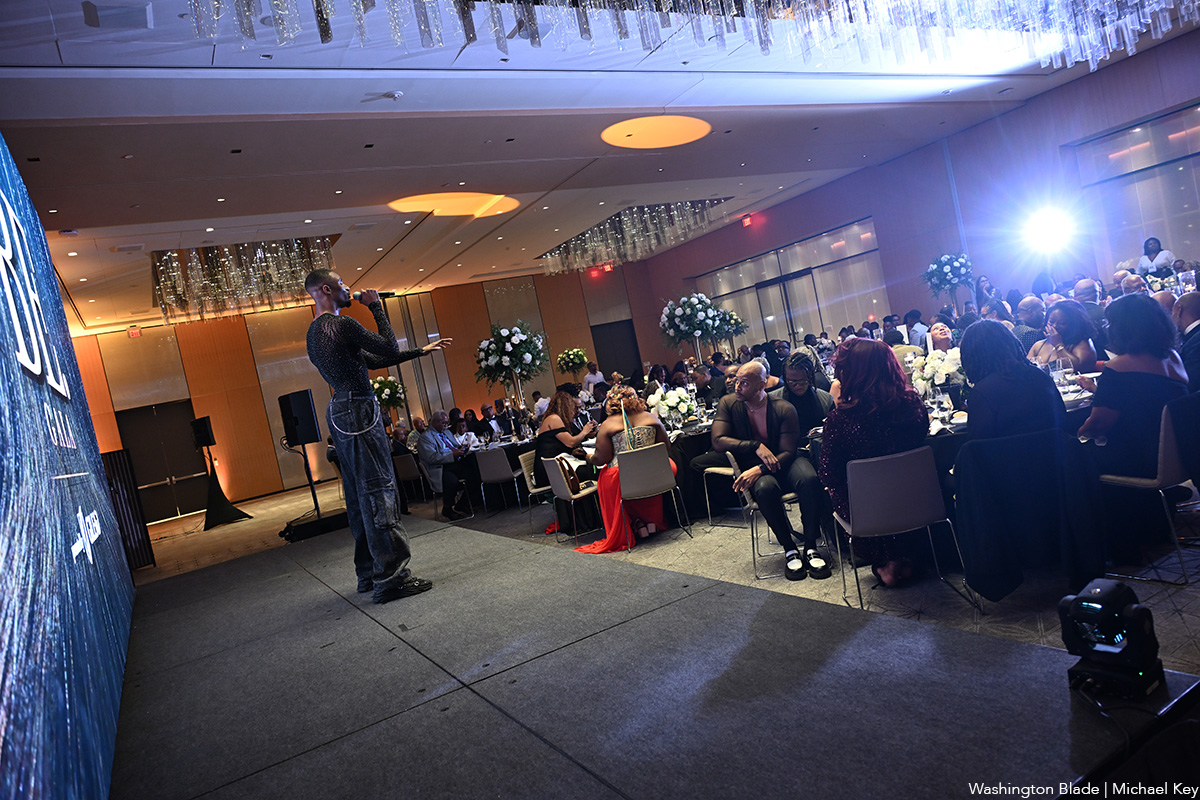
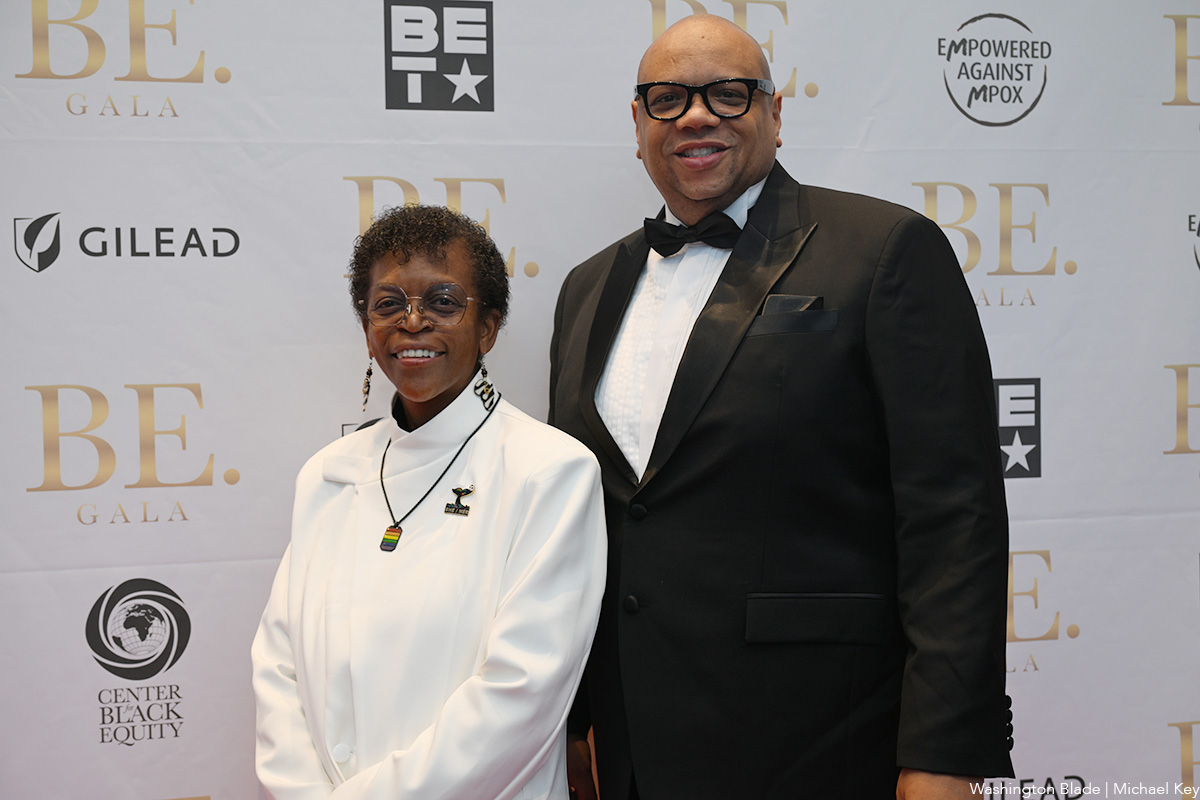
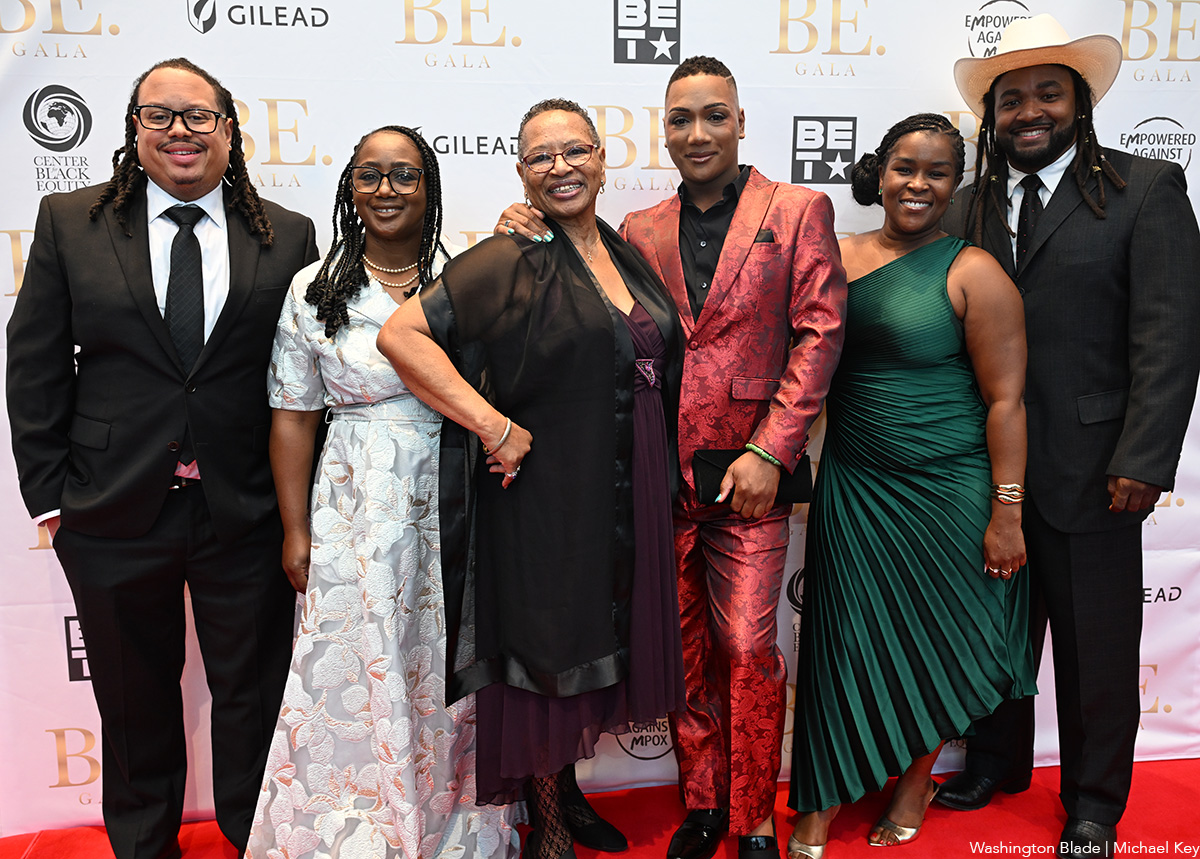
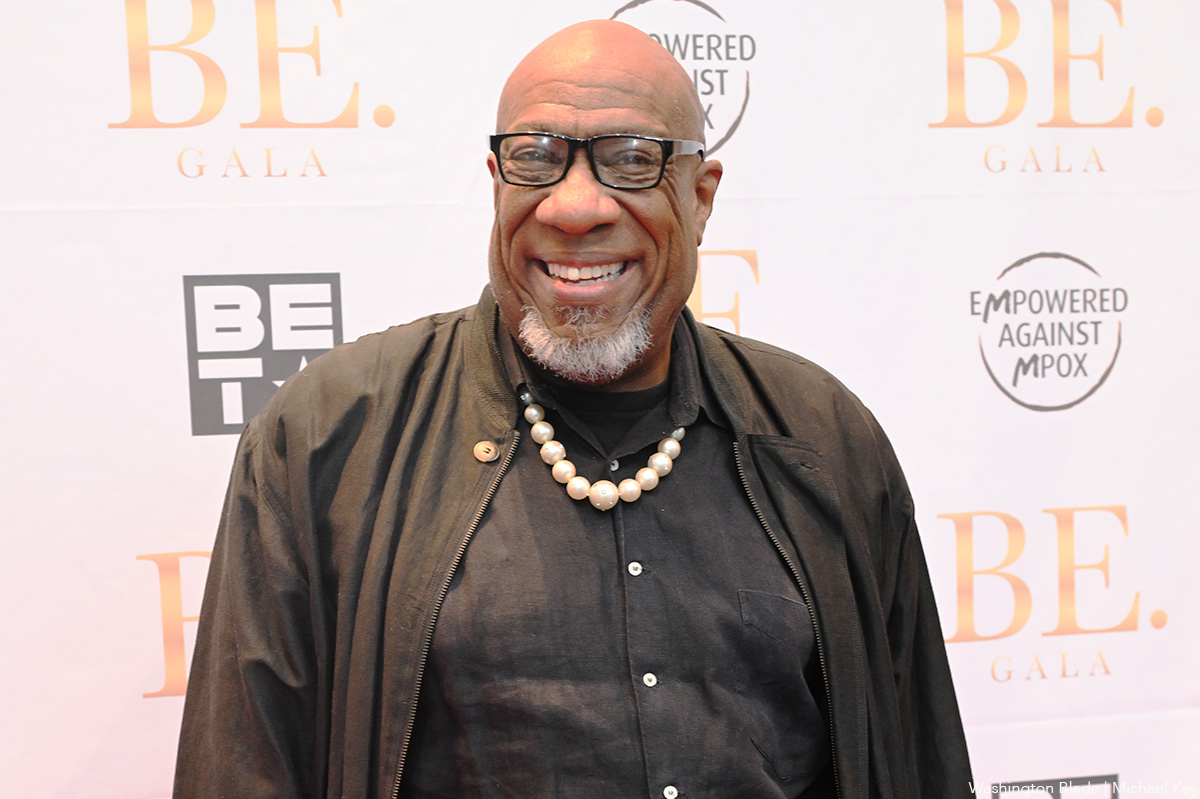
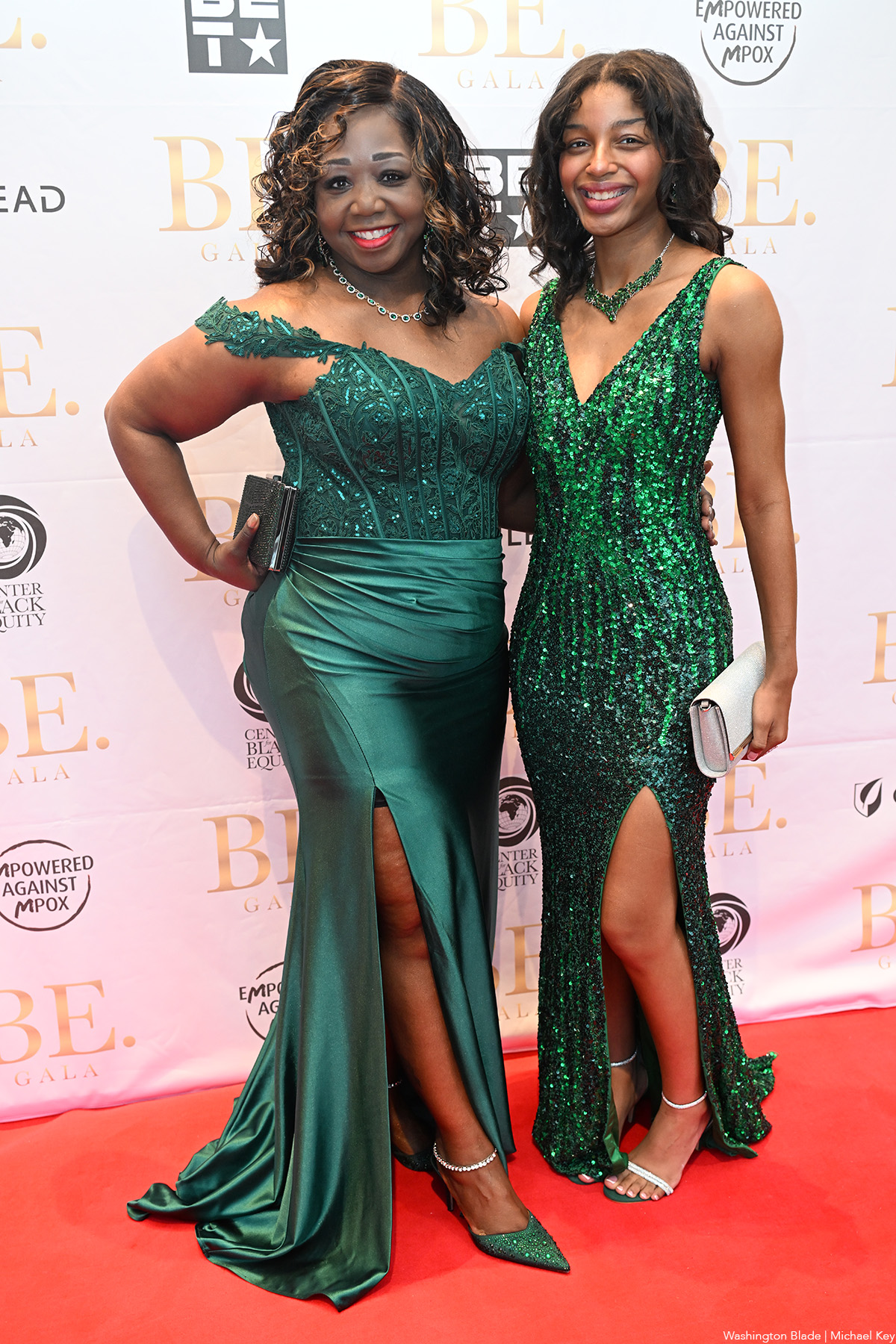
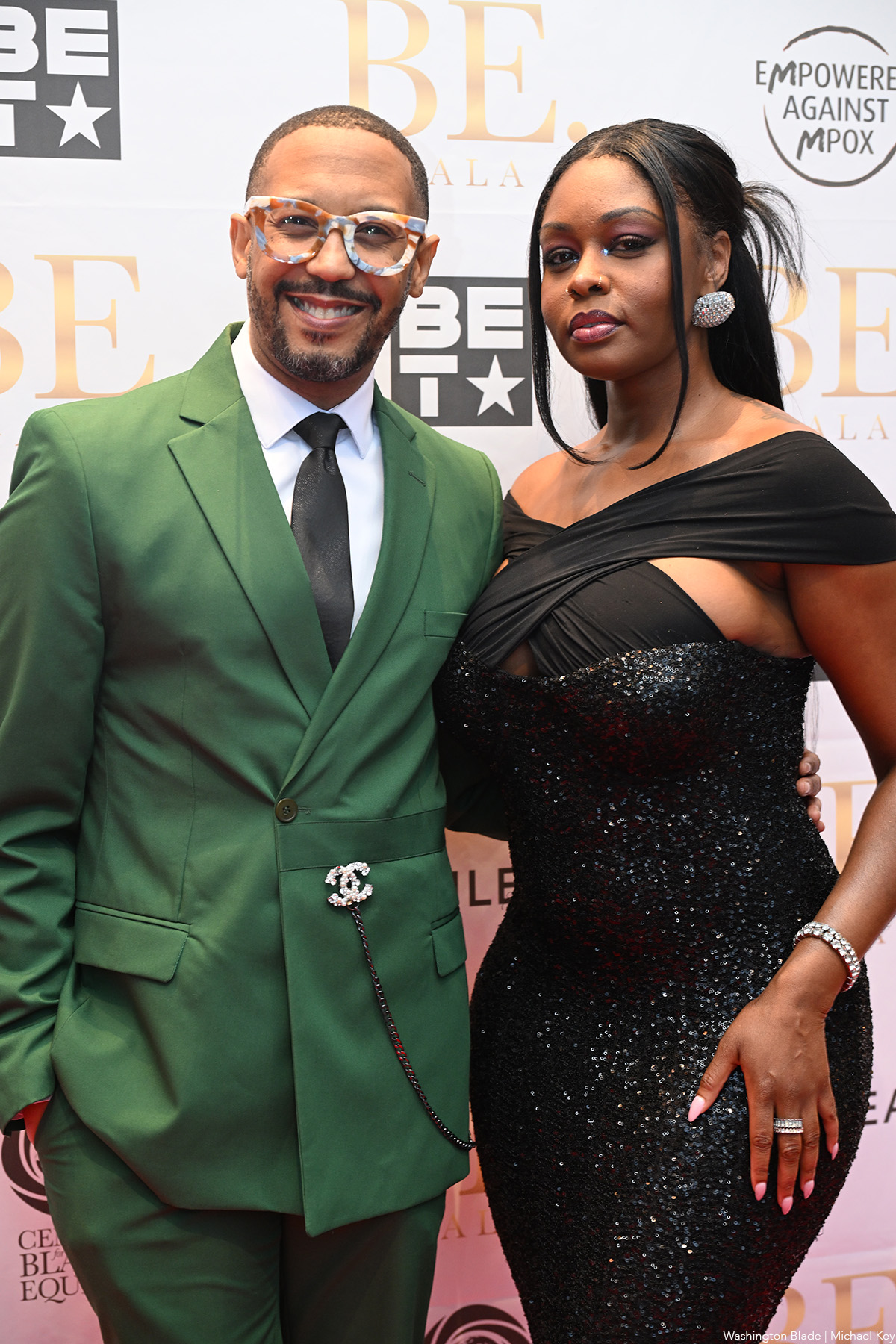
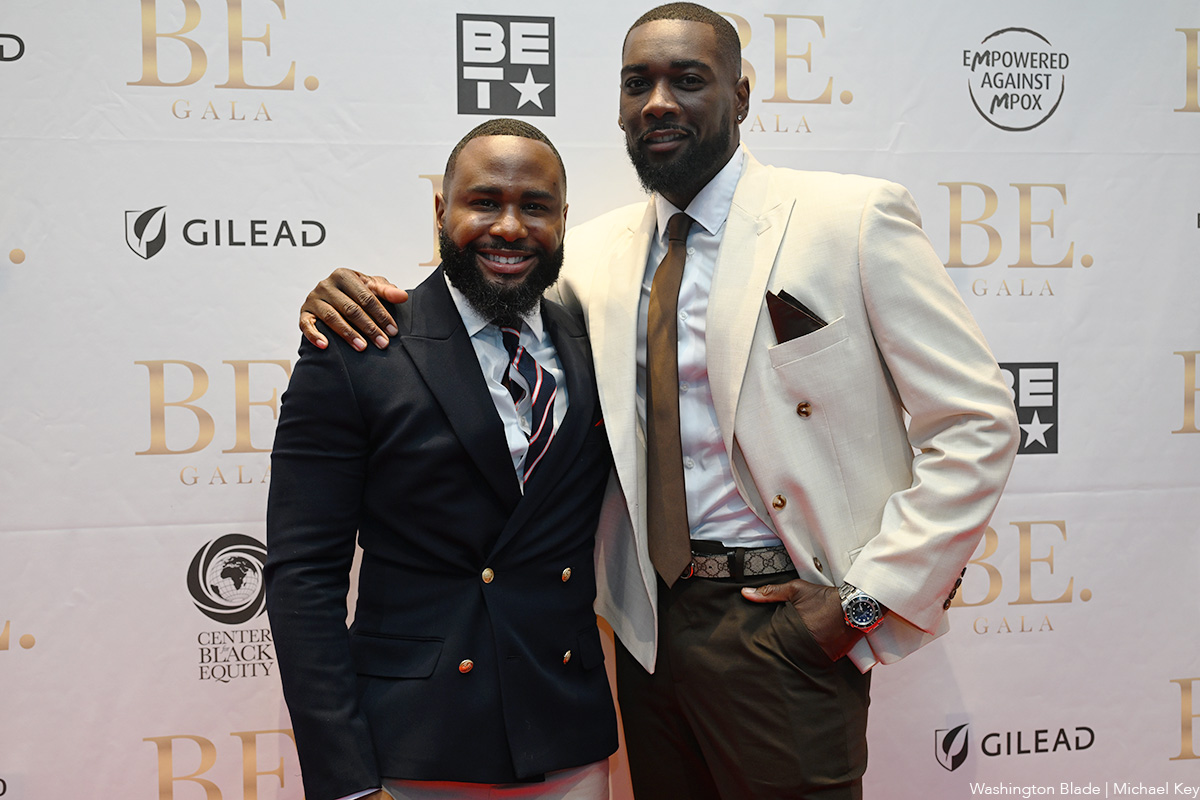
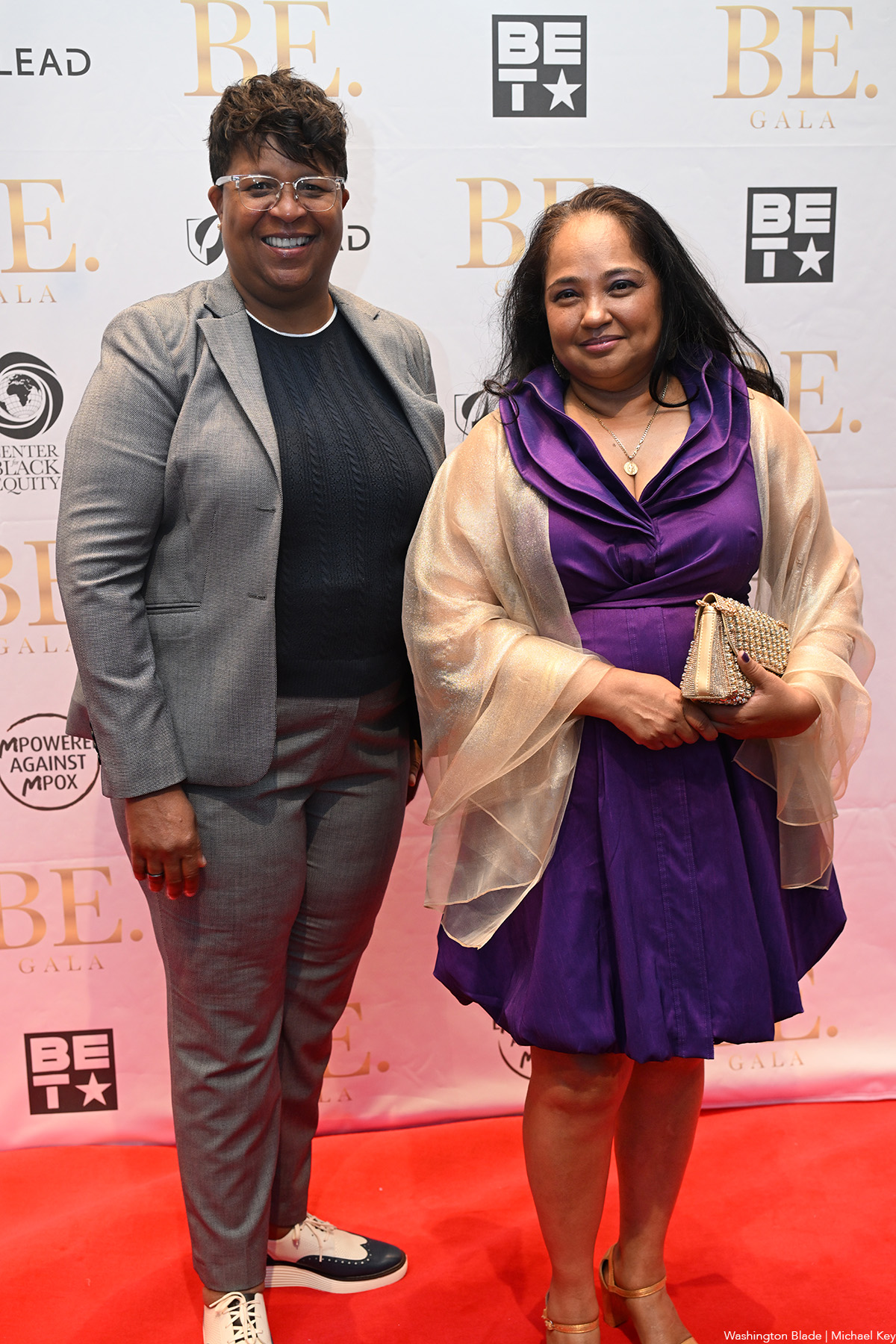
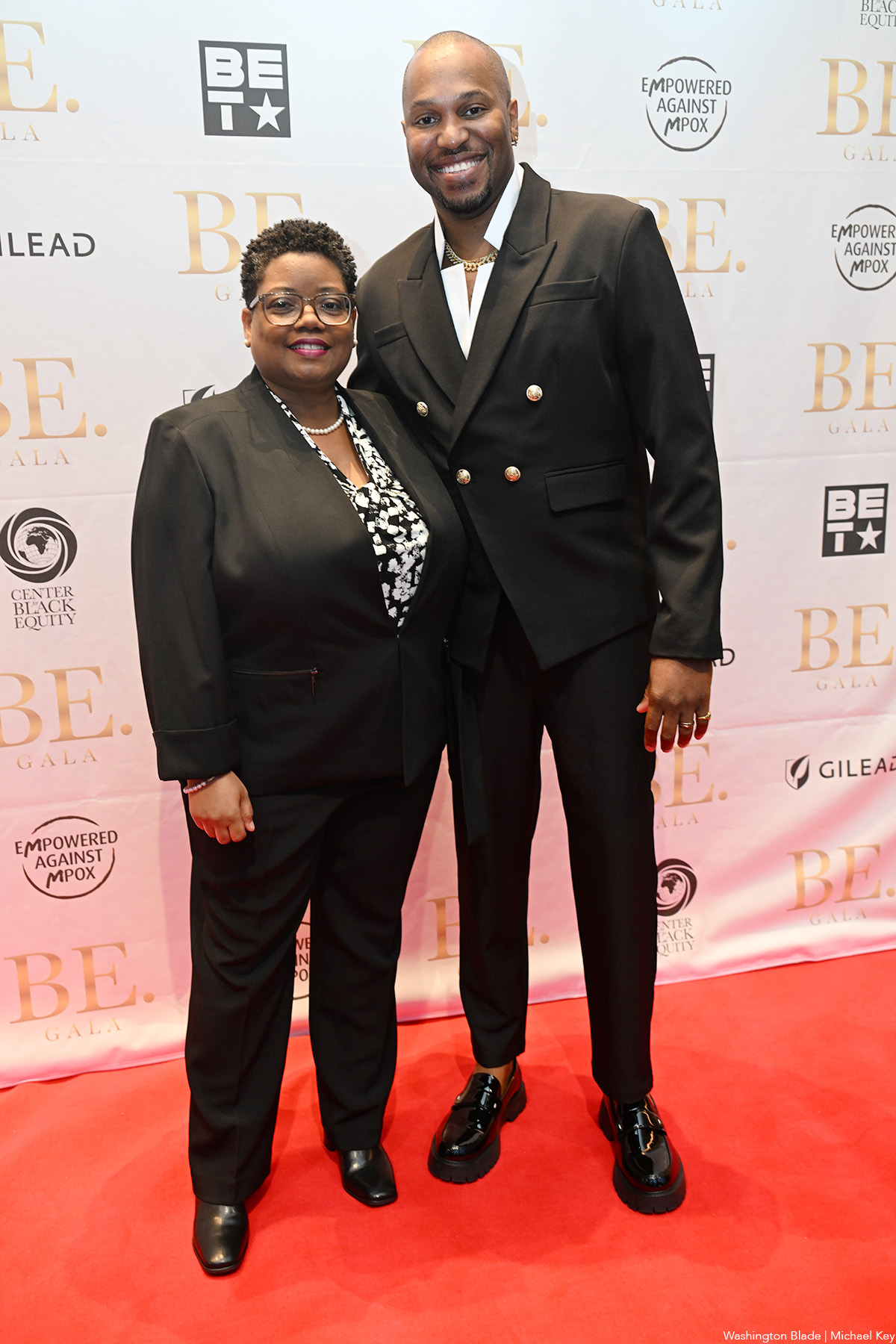
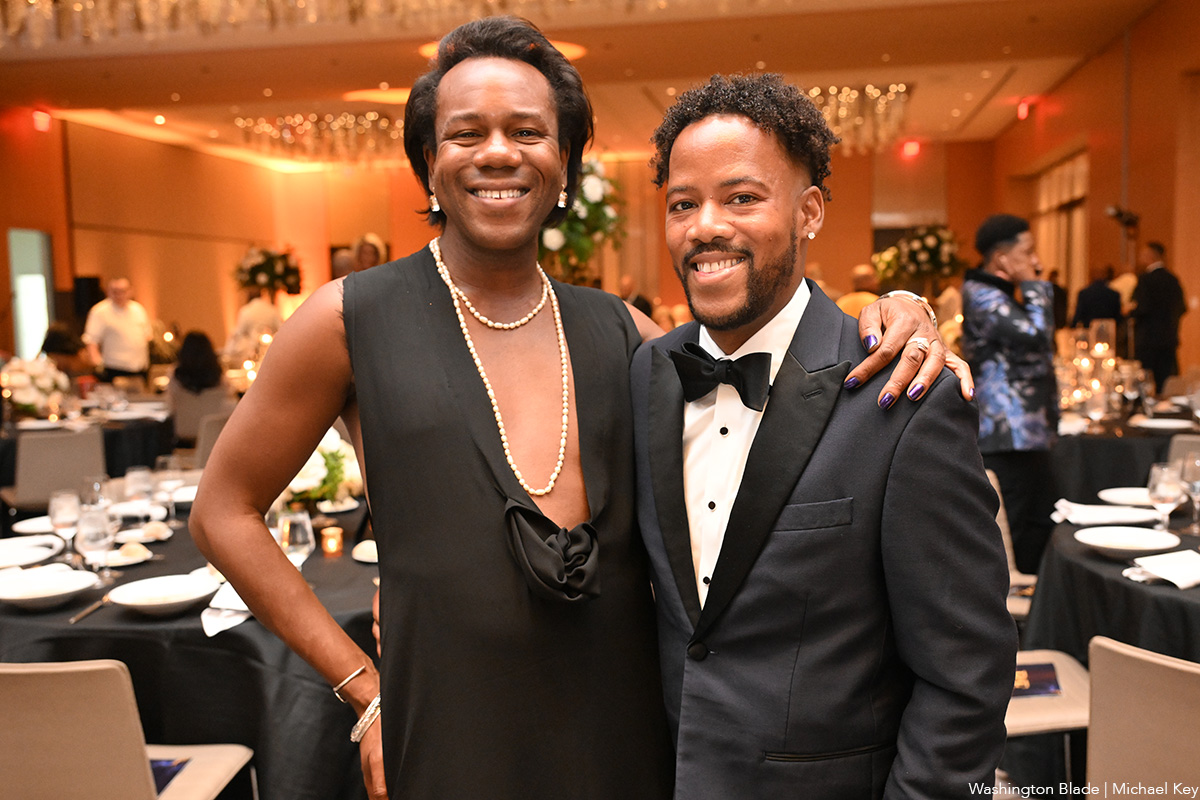
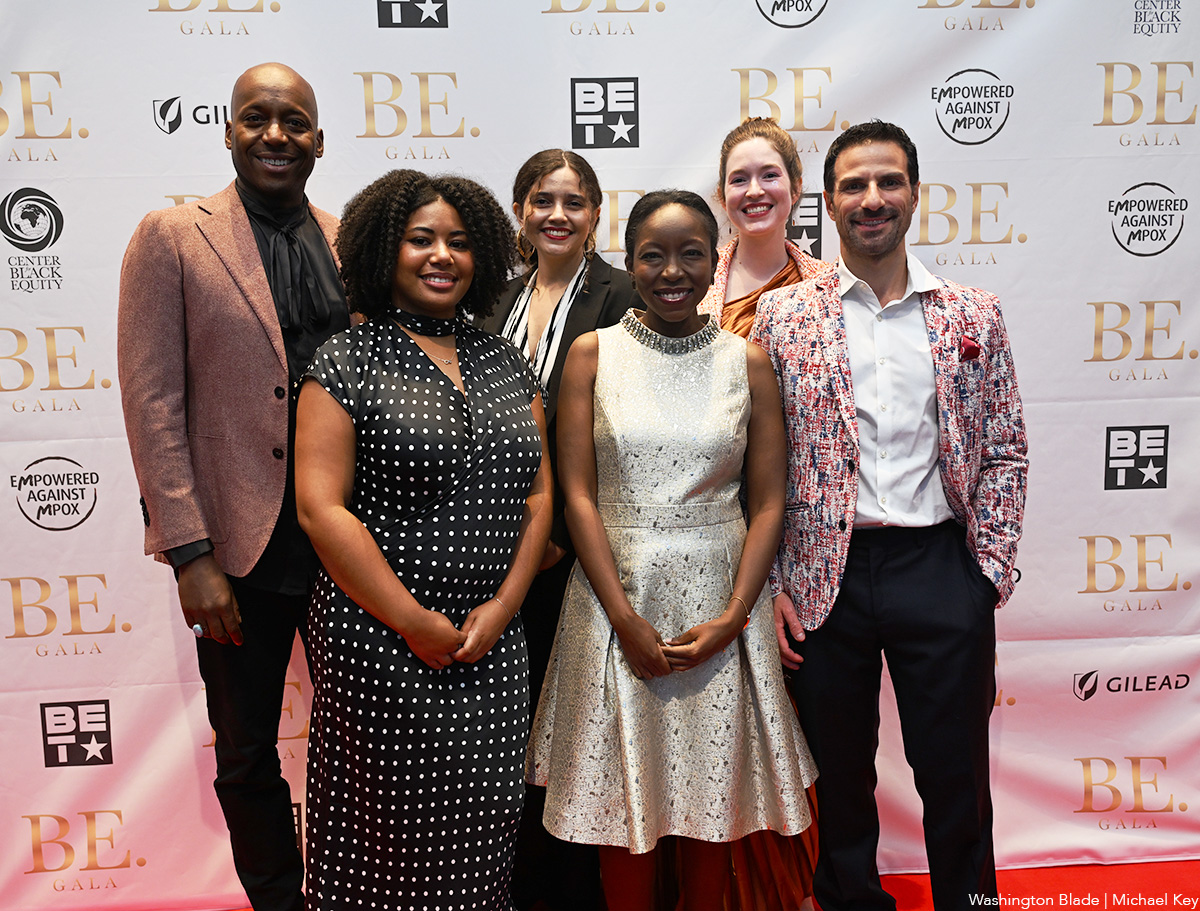
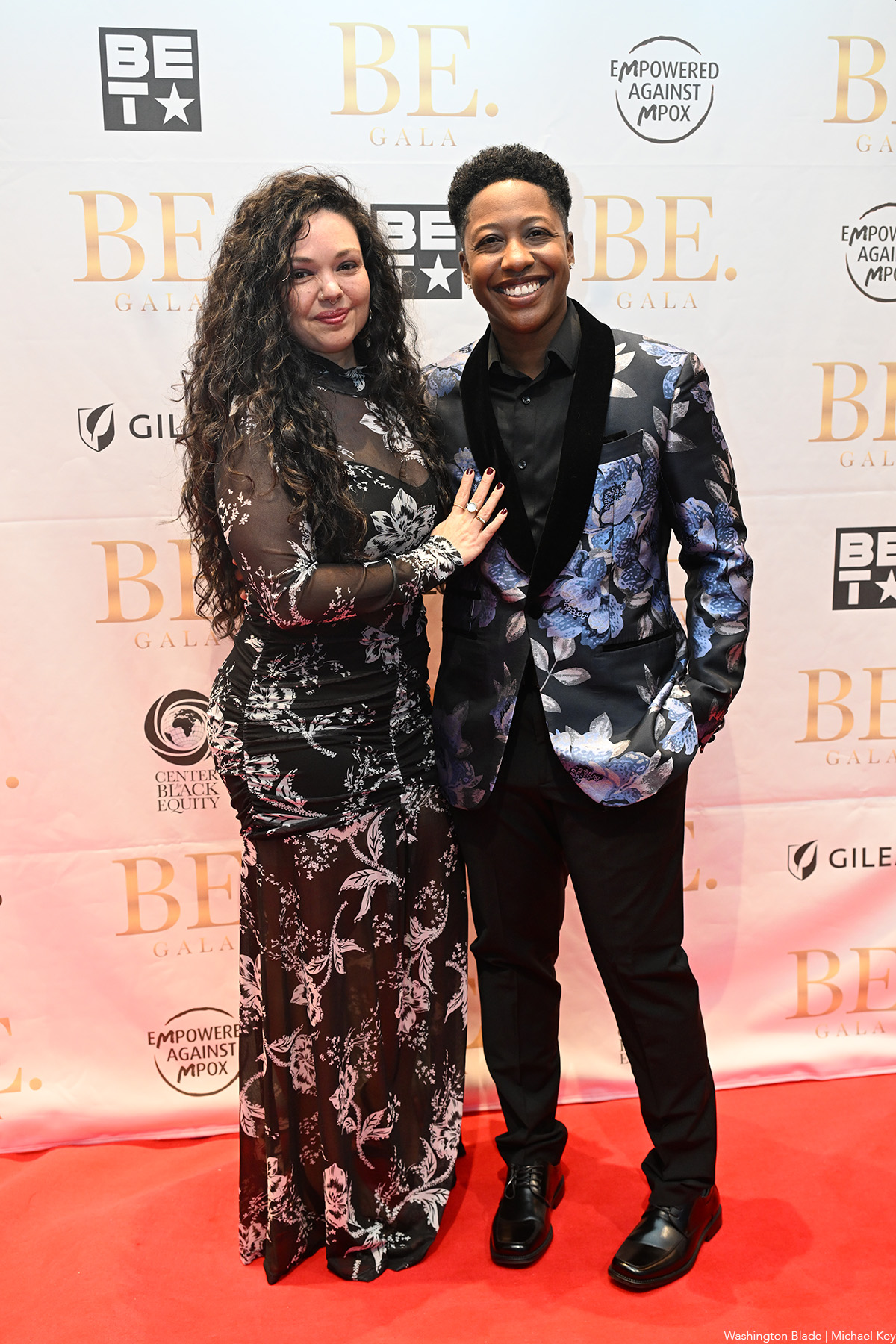
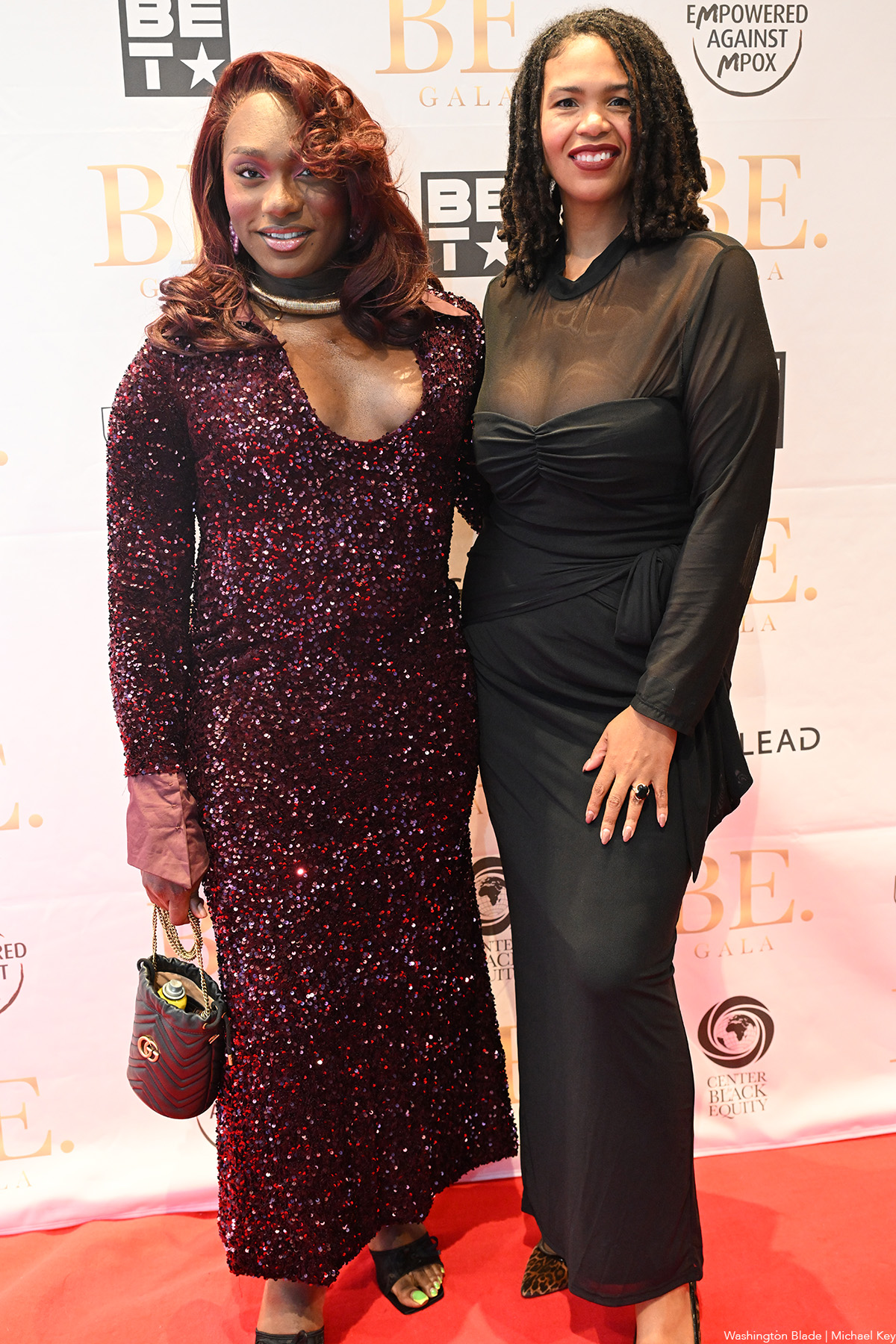
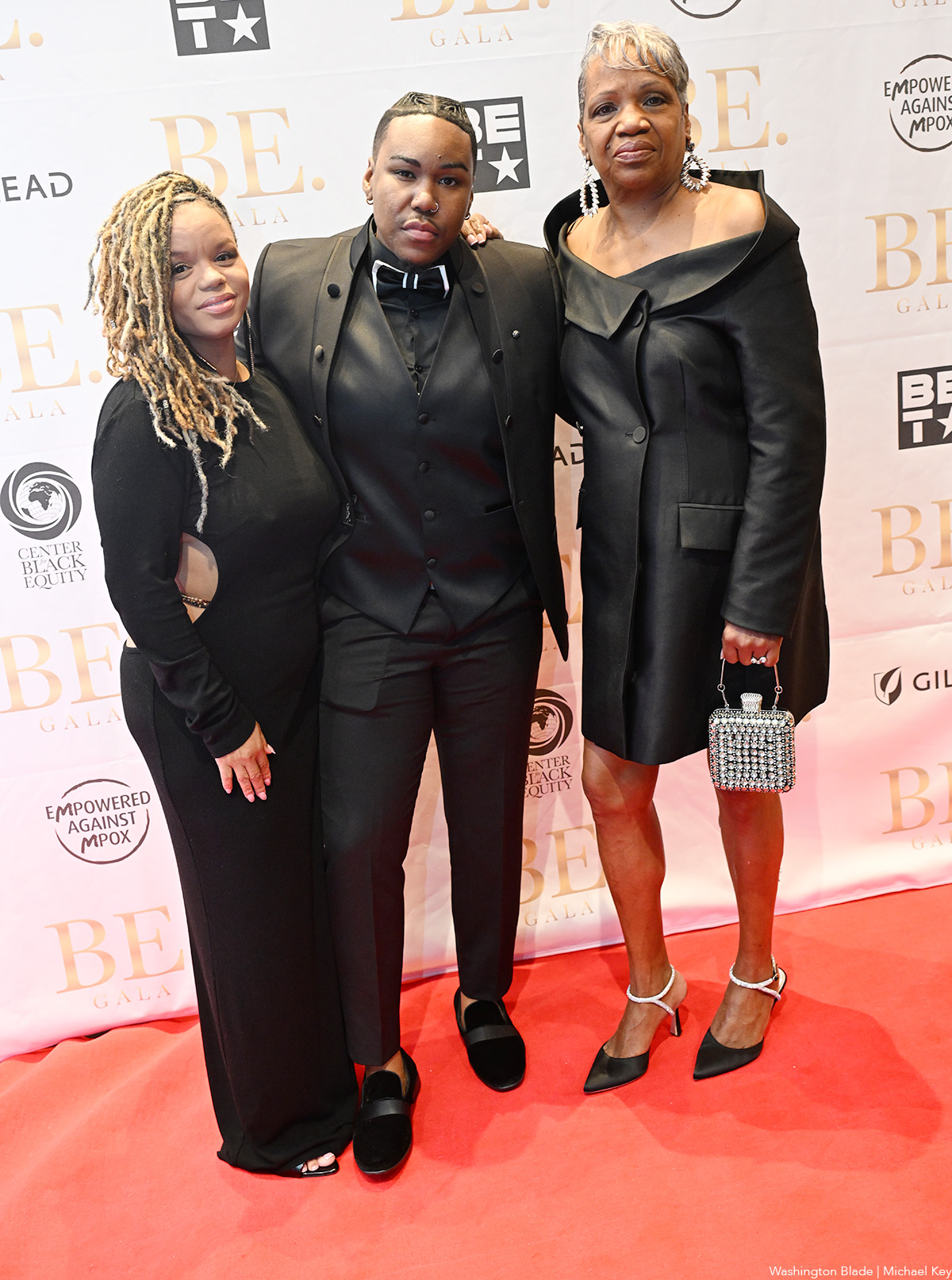
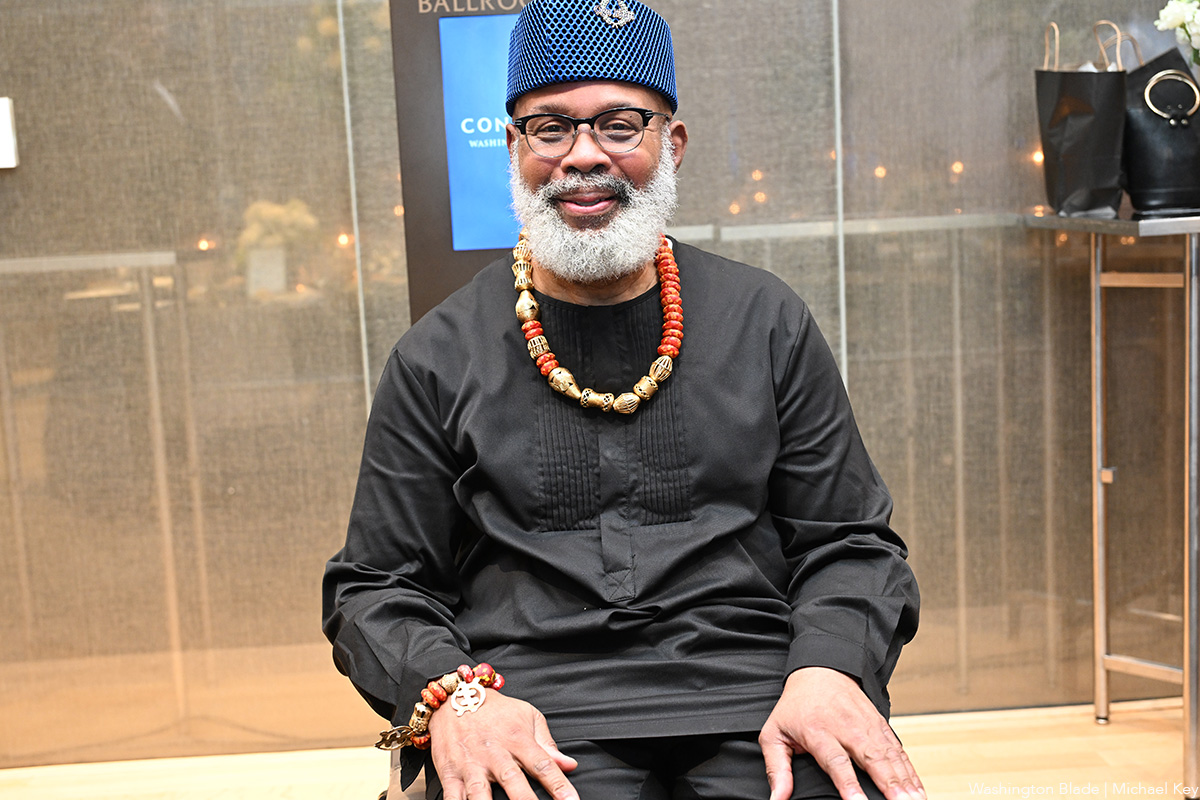
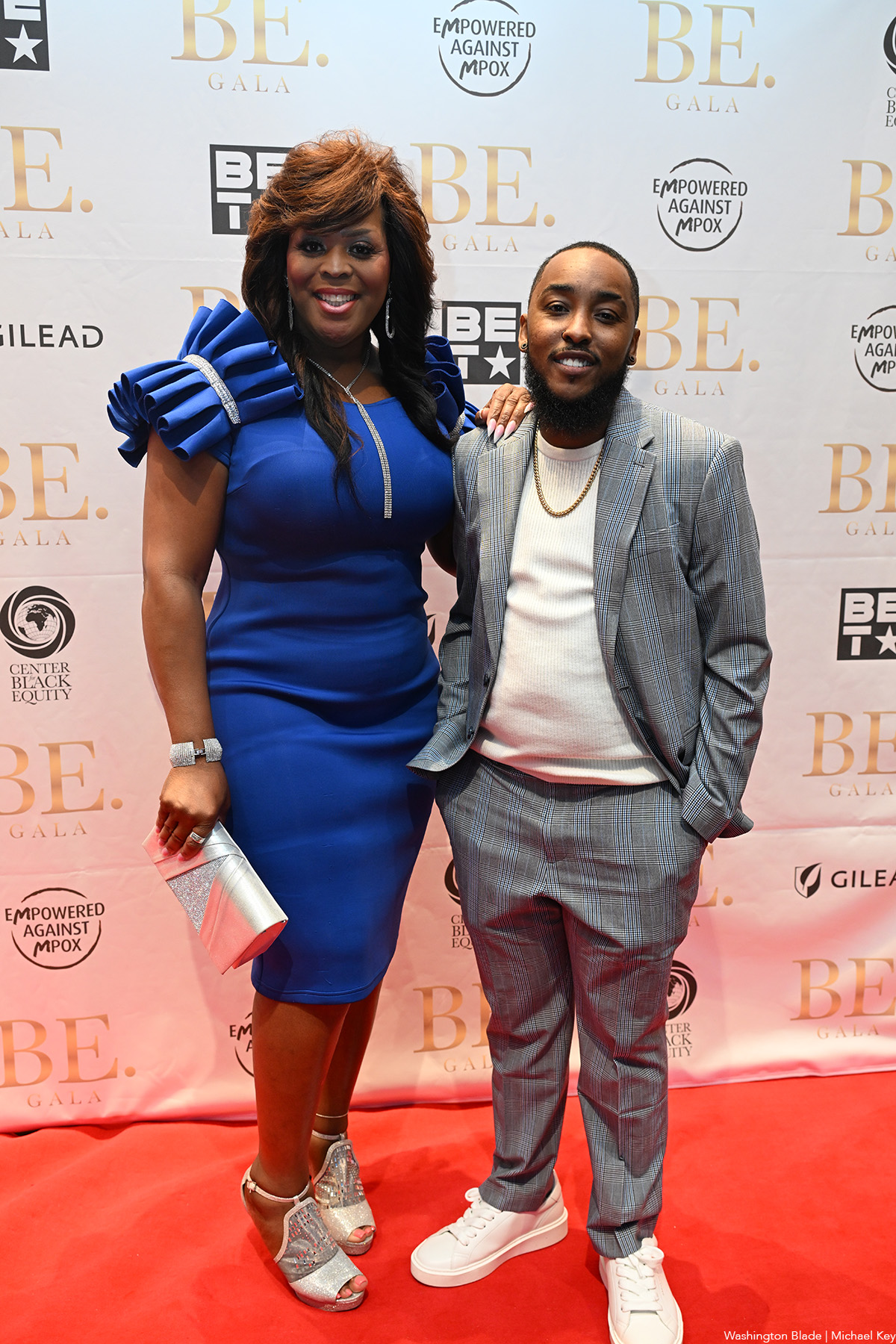
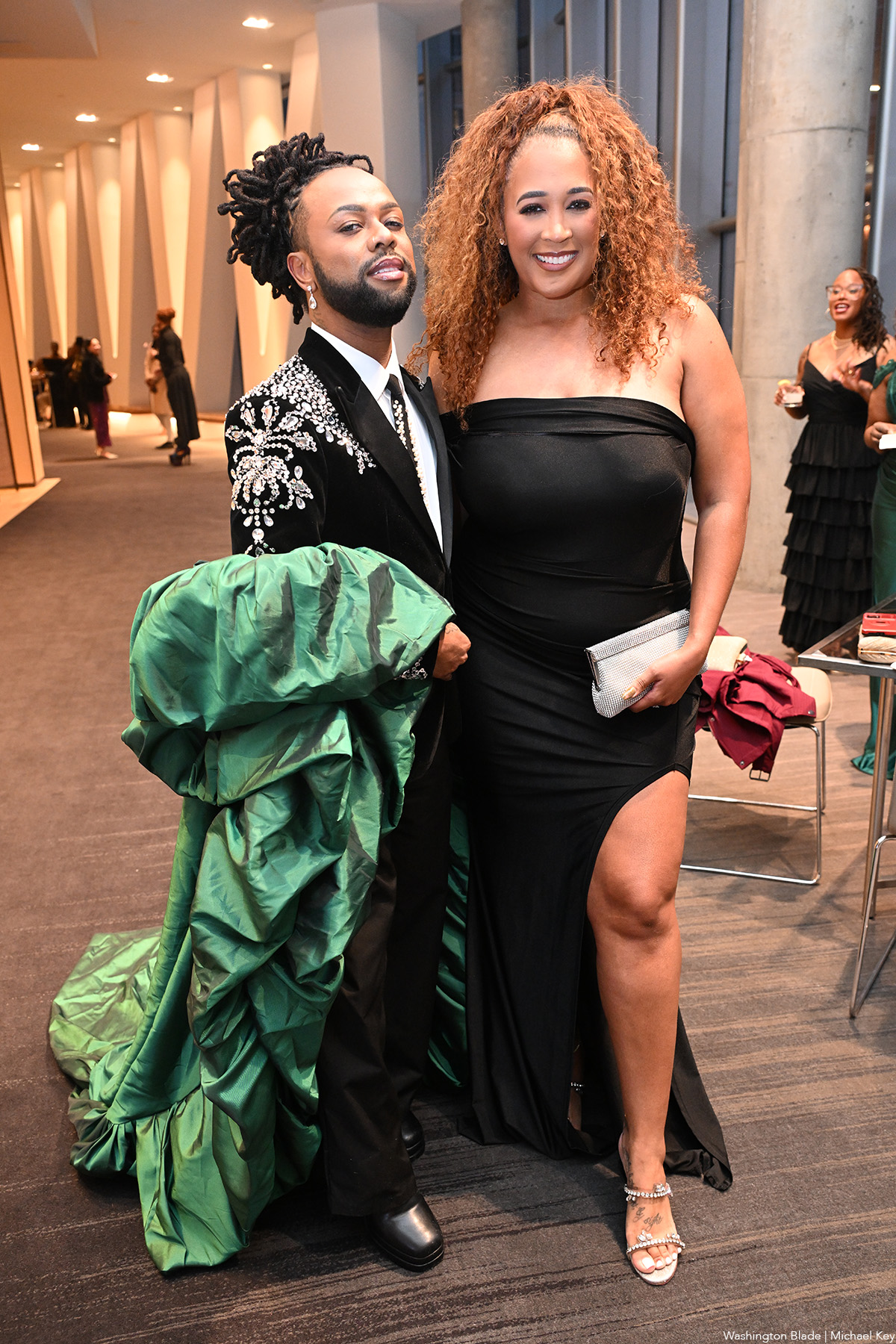
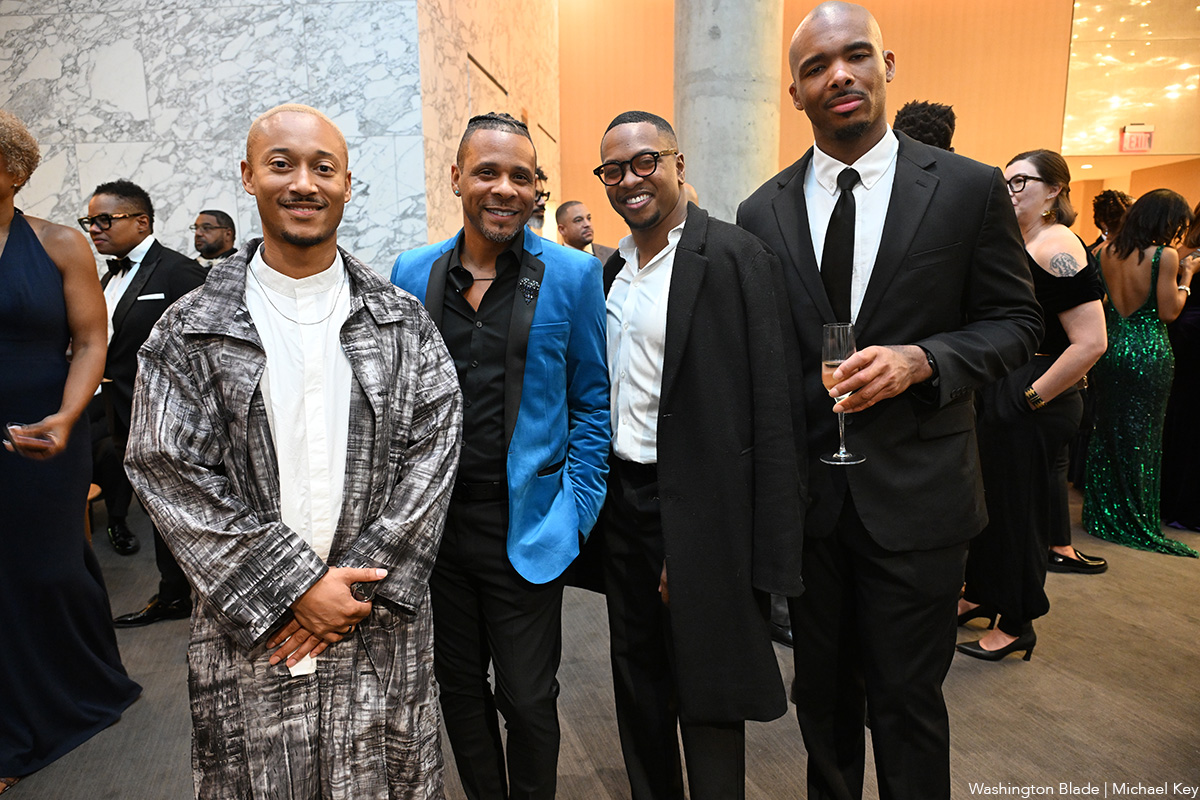
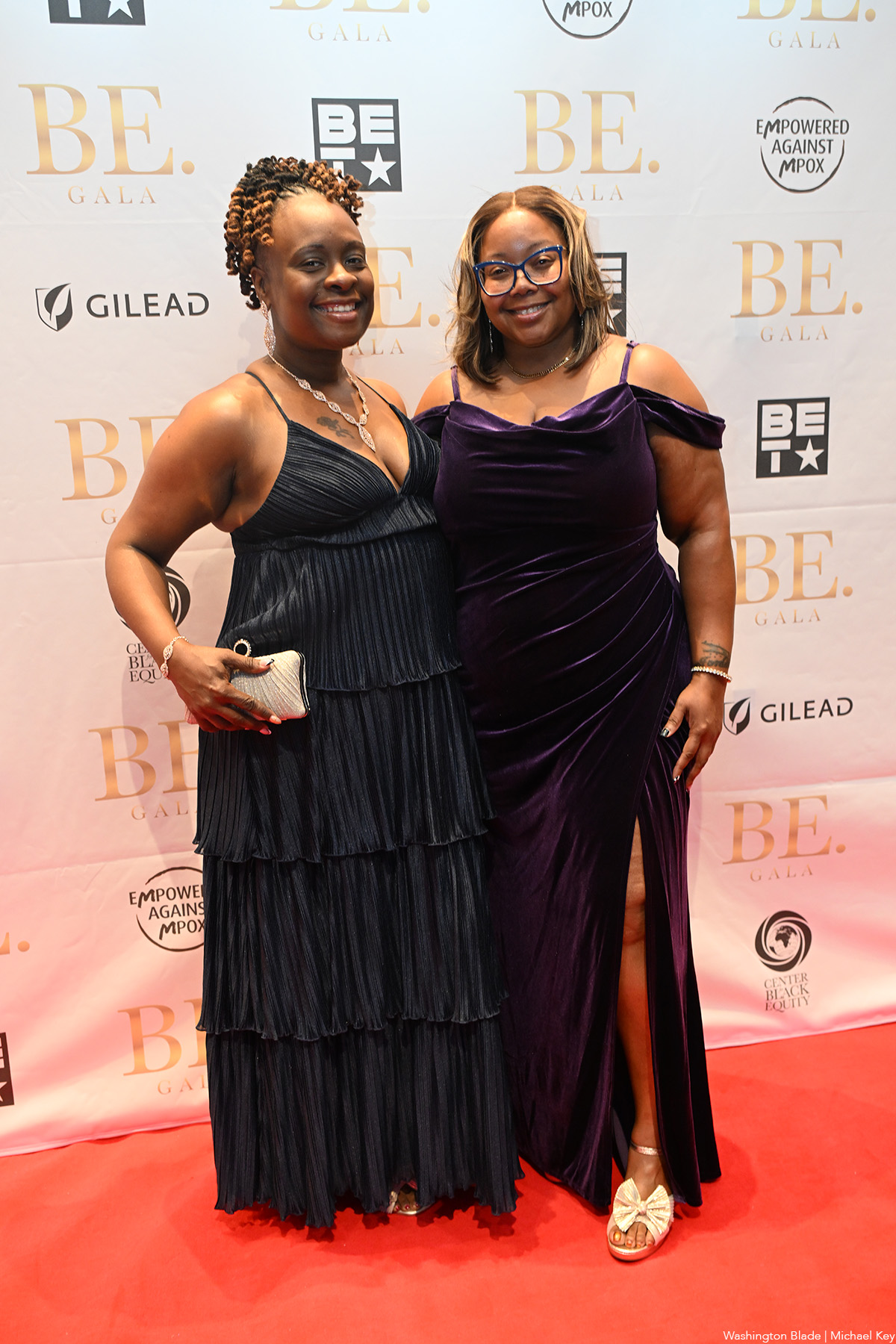
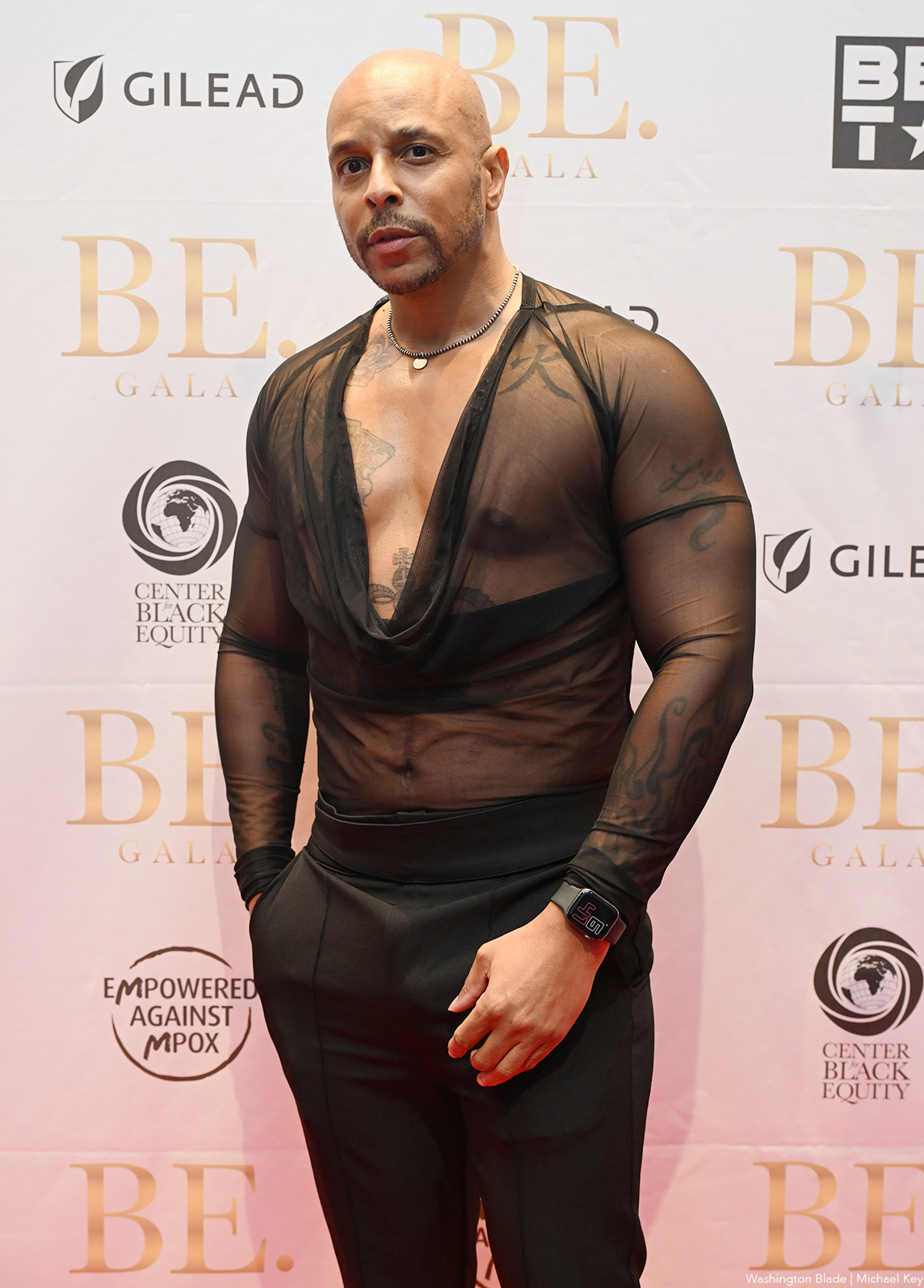
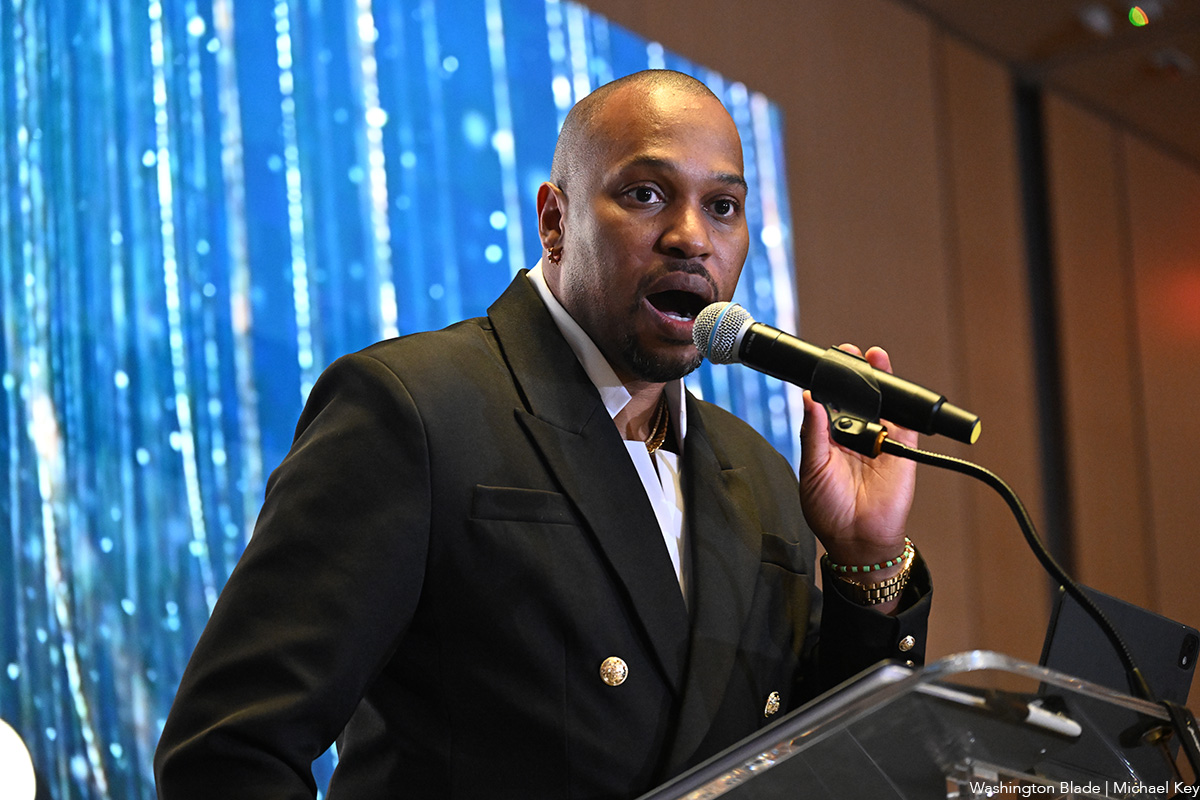
The Center for Black Equity held its annual BE. Gala at Conrad Washington, D.C. on Saturday, Oct. 5. Lolita Leopard Miyake-Mugler and Anthony Oakes co-hosted the awards ceremony.
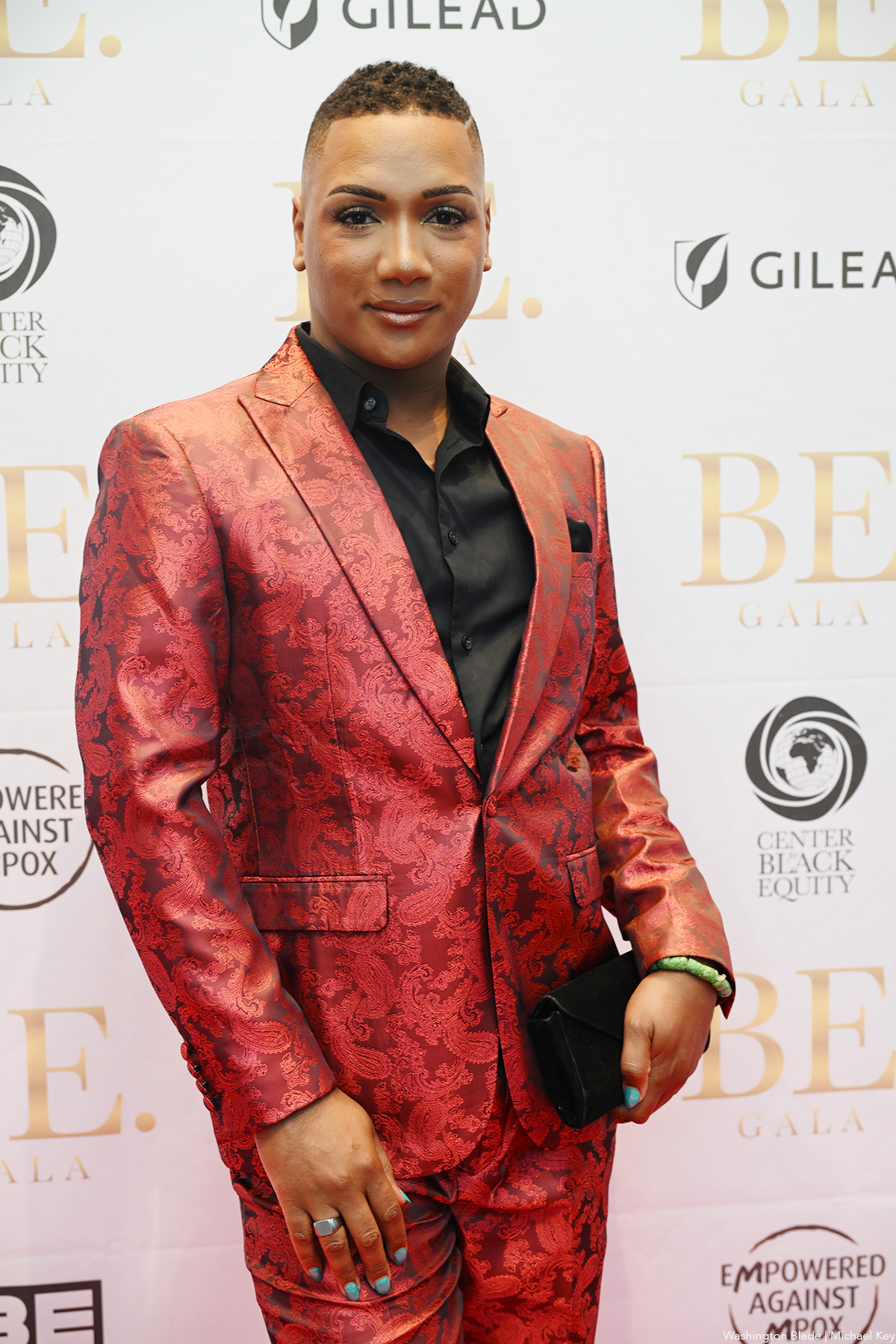
Honorees included journalist and producer Justin Stewart; nonprofit leader Nikki Alexander; HIV advocate Marlene McNeese; the nonprofit organization FreeLux Project; actress Monroe Alise; public health advocate Tori Cooper; Manassas Park Vice Mayor Darryl G. Moore; Rev. Dr. Carmarion D. Anderson; Bishop Steven Sawyer; government relations professional Courtney Snowden; Senior Deputy Director of HAHSTA at D.C. Health, Clover Barnes; and Texas state Rep. Venton C. Jones.
The event was presented by Gilead.
(Washington Blade photos by Michael Key)
Books
In ‘The Lost Brontë,’ a complicated lie can lead to danger
New book features sweetly romantic girl-meets-girl twist
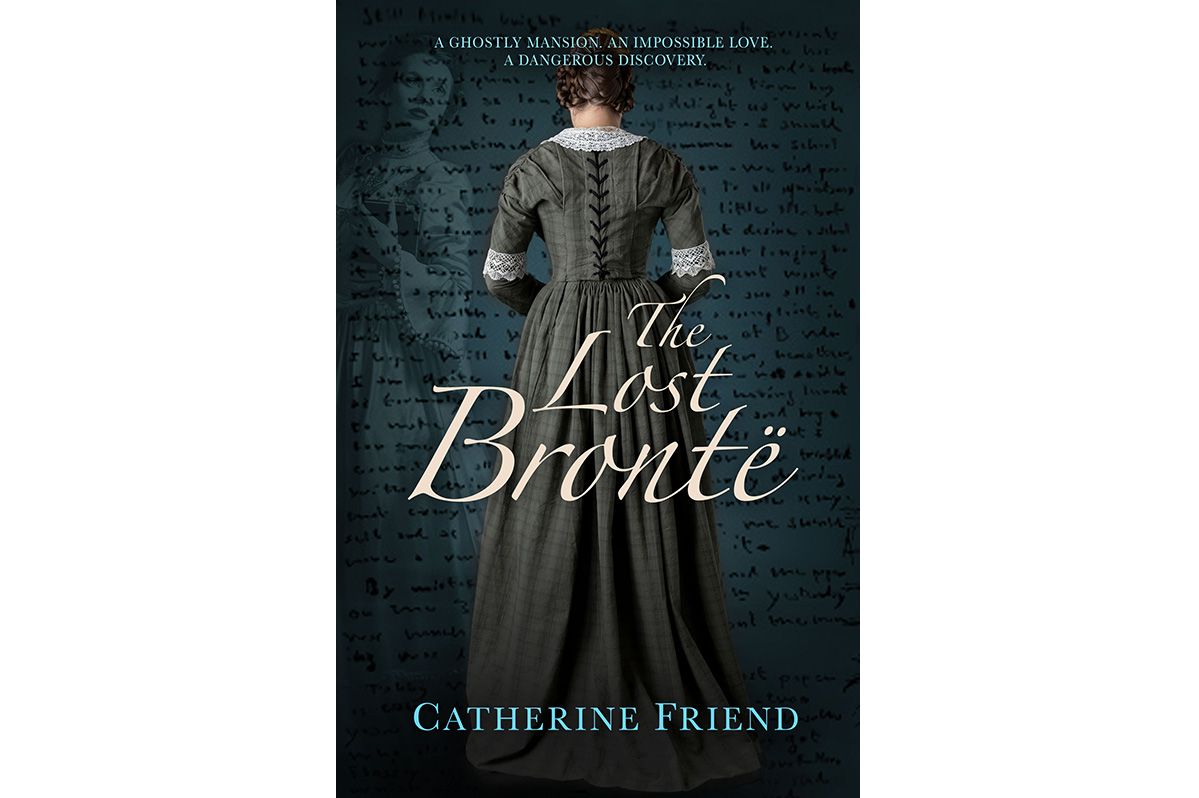
‘The Lost Brontë’
By Catherine Friend
c.2026, Bywater Books
$22.95/335 pages
Mom always said to tell the truth.
One lie leads to another and another and you have to remember them all until pretty soon, you’re caught. Fibs are hard, mistruths are messy, even little white social lies can destroy trust. Worst of all, as in the new novel, “The Lost Brontë” by Catherine Friend, a complicated lie can lead to danger.

Though Lilianne Loxley was very young when she lost her parents, she understood that her uncle didn’t really want her. As time passed, though, Lily made herself useful to Uncle, writing and signing letters for him and she became a good companion, helping him with his collection of Brontë memorabilia. Uncle was a keen enthusiast.
She had no idea that his obsession was out of control and he was deeply in arrears. The day Lily learned of his debt was the day she learned that he’d agreed to send her to his debtor’s home to work off the money owed.
It was so sudden. One minute, Lily was at Loxley House, happy and loved by Uncle’s staff … and five hours later, she was at Crag Thorn Manor, home of Lord Bexton, who informed her that she’d be working on his ledgers – work that seemed routine, but Lily tackled it.
Uncle always did say she was headstrong.
But would headstrong be enough to survive, when she was restricted from most of the Manor, when she was forced to dine with Brexton and his slimy friend, or – the worst! – when Brexton told Lily that her next task was to forge a letter from Emily Brontë? And then an entire manuscript?
Lily struggled to do what was right. She had to get Uncle out of debt but this last order horrified her. Did she dare refuse Brexton’s orders and commit a crime? It was unthinkable!
The only brightness in the whole situation was Wren, the ladies’ maid assigned to Lily’s room. Wren was adorable with freckles and the sweetest smile. But with everything else happening at Crag Thorn Manner, could Lily act upon her feelings?
This time of year, you may come to crave dark, spooky stories, and “The Last Brontë” fits those needs perfectly with its Gothic deliciousness. Think: Daphne du Maurier-type, stormy-night squirms with a dangerously chaste, sweetly romantic girl-meets-girl twist for fun.
If it’s been awhile since you’ve read a Gothic novel, you’re in for a nice reminder of why you love them here. You can almost tick off the must-haves: a novel like this is nothing without a foreboding stone manor with damp walls; stone steps to a dank basement; a mysterious portrait; and a nearby bog, and author Catherine Friend gives readers every one of them. You’d be disappointed if there was no ghost, wouldn’t you? Ha. You can practically feel the cold blow through the attic, right? Yeah, it’s that kind of book.
If you’re a fan of the Brontës, you’ll like this novel. If you love Gothic mysteries or Victorian romances, ditto. “The Lost Brontë” is good, no lie.
The Blade may receive commissions from qualifying purchases made via this post.

Center Arts Gallery celebration, auction to take place on Oct. 17

Comings & Goings

‘Hidden in Plain Sight:’ The story of Odessa Madre

‘Governments that attack LGBTQ+ rights learn from each other’

Horror genre has evolved into space to explore queer identity

ICC unseals arrest warrants for Taliban officials accused of persecuting LGBTQ people, women

Physician: addiction doesn’t always look the way you think it does

Calendar: October 9-15

Solidarity beyond the parade: the actual cost of Pride

Essential queer horror classics for Halloween
-

 Afghanistan5 days ago
ICC unseals arrest warrants for Taliban officials accused of persecuting LGBTQ people, women
-
District of Columbia4 days ago
Physician: addiction doesn’t always look the way you think it does
-
Calendar5 days ago
Calendar: October 9-15
-
Opinions4 days ago
Solidarity beyond the parade: the actual cost of Pride