Arts & Entertainment
Queery: Walker Chaffin
The tennis coach and Team D.C. honoree answers 20 gay questions
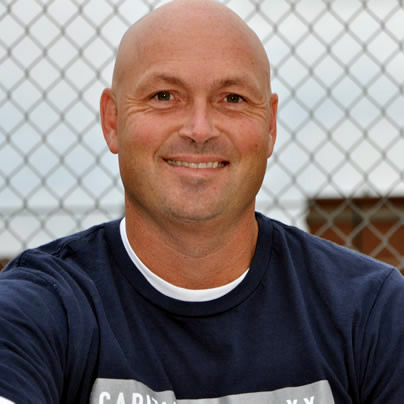
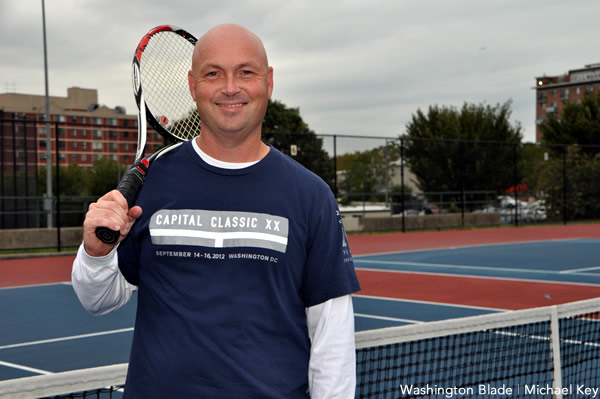
Walker Chaffin (Washington Blade photo by Michael Key)
Walker Chaffin isn’t quite sure how he got into tennis as a kid. Nobody in his family played but somewhere along the way, he picked it up and it’s become a big part of his life.
As a member of the Capital Tennis Association — a gay D.C.-area league of about 300 players — for about 22 years, he just finished organizing his fifth charity tournament, the “Capital Classic,” for the group last month. This year’s recipients are the Washington AIDS Partnership and the Team D.C. scholarships. In past years, proceeds have gone to Food & Friends, Whitman-Walker, the Mautner Project and others. Over the years, Chaffin says the tournaments have raised about $100,000 for these groups.
For his efforts, he’s being honored Saturday night at the Team D.C. Champion Awards at the HRC building (teamdc.org).
“Well, you know, it’s a surprise and quite an honor,” Chaffin says. “My first thought was, ‘Who nominated me?’ but they’re very secretive about that. I’m happy we’ve been able to raise so much money. That’s why I wanted to do it, so it’s just a very nice surprise.”
The 46-year-old Alexandria, Va., native works as a law librarian by day but is active in the Association and also teaches tennis on the side. He’s been in the area his entire life except for two years of college in Minneapolis.
He and partner Brian Peteritas met last year at the Capital Classic.
Chaffin lives in Columbia Heights and enjoys, besides tennis of course, movies, TV and hanging out with friends in his free time.
How long have you been out and who was the hardest person to tell?
I have been out since 1989. I am extremely lucky because my mother made it clear early on that I was loved no matter what so coming out was not difficult for me as it was for others. Thanks Mom!
Who’s your LGBT hero?
Martina Navratilova — she is a great role model and one of the greatest players of all time. She was brave enough to come out well before others were doing it.
What’s Washington’s best nightspot, past or present?
Present – Nellie’s. Past – Tracks. Where else could you dance and/or play volleyball at 2 in the morning?
Describe your dream wedding.
Saying “I do” when it’s legal for all to marry.
What non-LGBT issue are you most passionate about?
The environment
What historical outcome would you change?
Martin Luther King’s assassination and 9-11.
What’s been the most memorable pop culture moment of your lifetime?
I would say seeing Madonna in concert for the first time. I waited in line overnight in 20 below temperatures in Minnesota to get those tickets and it was so worth it.
On what do you insist?
Respect, a great sense of humor and two DVRs.
What was your last Facebook post or Tweet?
I don’t post very often. My last post was “Paris was amazing, on my way to Barcelona” back in May.
If your life were a book, what would the title be?
“Game Set Match”
If science discovered a way to change sexual orientation, what would you do?
Nothing for myself but it would be fun to give it to Rick Santorum and the owner of Chick-Fil-A.
What do you believe in beyond the physical world?
Those we have loved and lost are still with us.
What’s your advice for LGBT movement leaders?
I don’t think I’m qualified to give them advice. I would, however, like to thank them for all their hard work.
What would you walk across hot coals for?
The people I love, a winning lottery ticket or a chance to hit with Roger Federer.
What LGBT stereotype annoys you most?
That we’re not interested in or good at sports.
What’s your favorite LGBT movie?
“Big Eden,” “A Single Man” and “Brokeback Mountain.”
What’s the most overrated social custom?
Political correctness
What trophy or prize do you most covet?
I can’t say I’d mind winning an Oscar or the U.S. Open.
What do you wish you’d known at 18?
To buy up all of the Microsoft stock.
Why Washington?
I was born here and have always loved it. I’ve almost relocated a few times but the life I have here and the friends I’ve made make it impossible to leave.





Photos
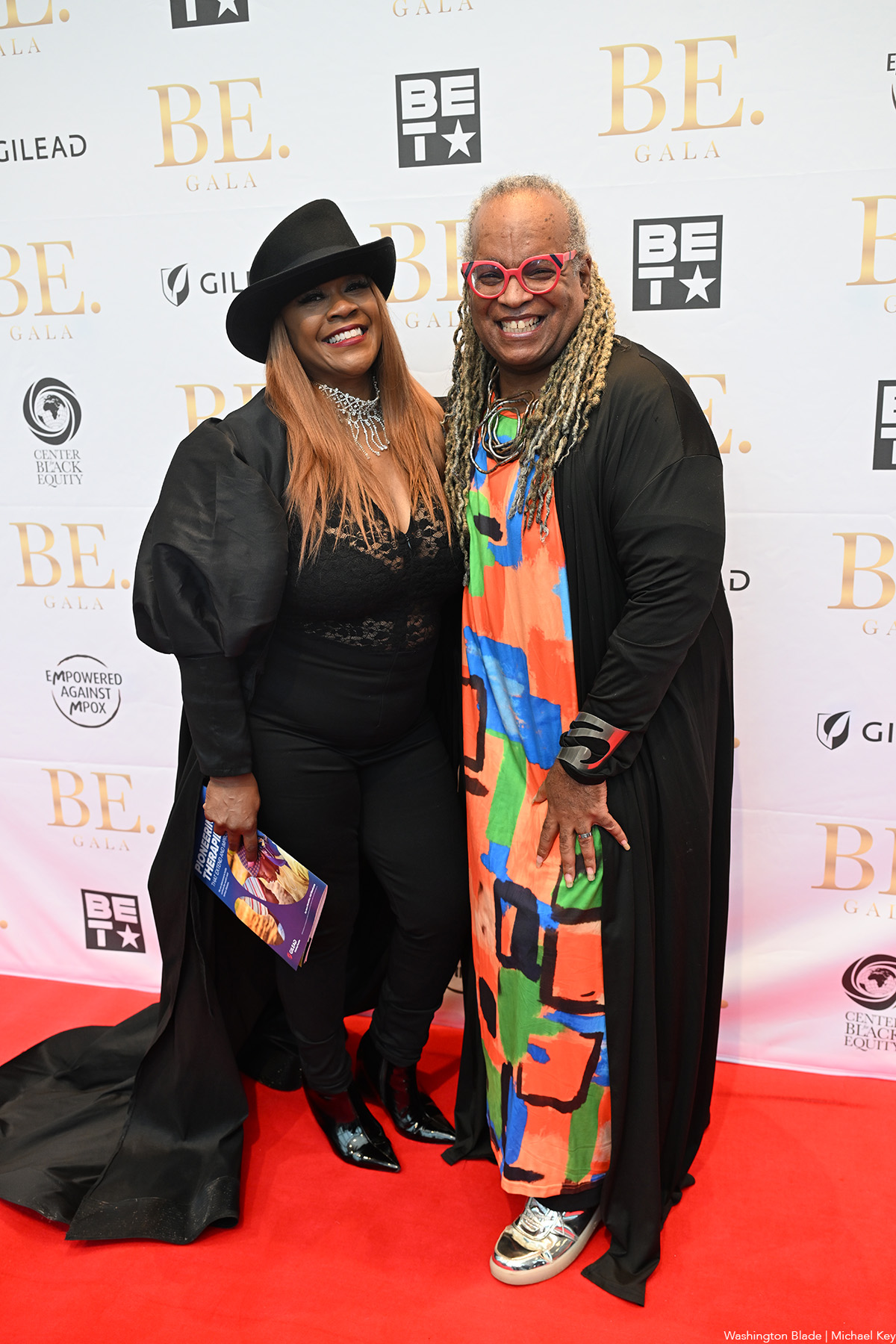
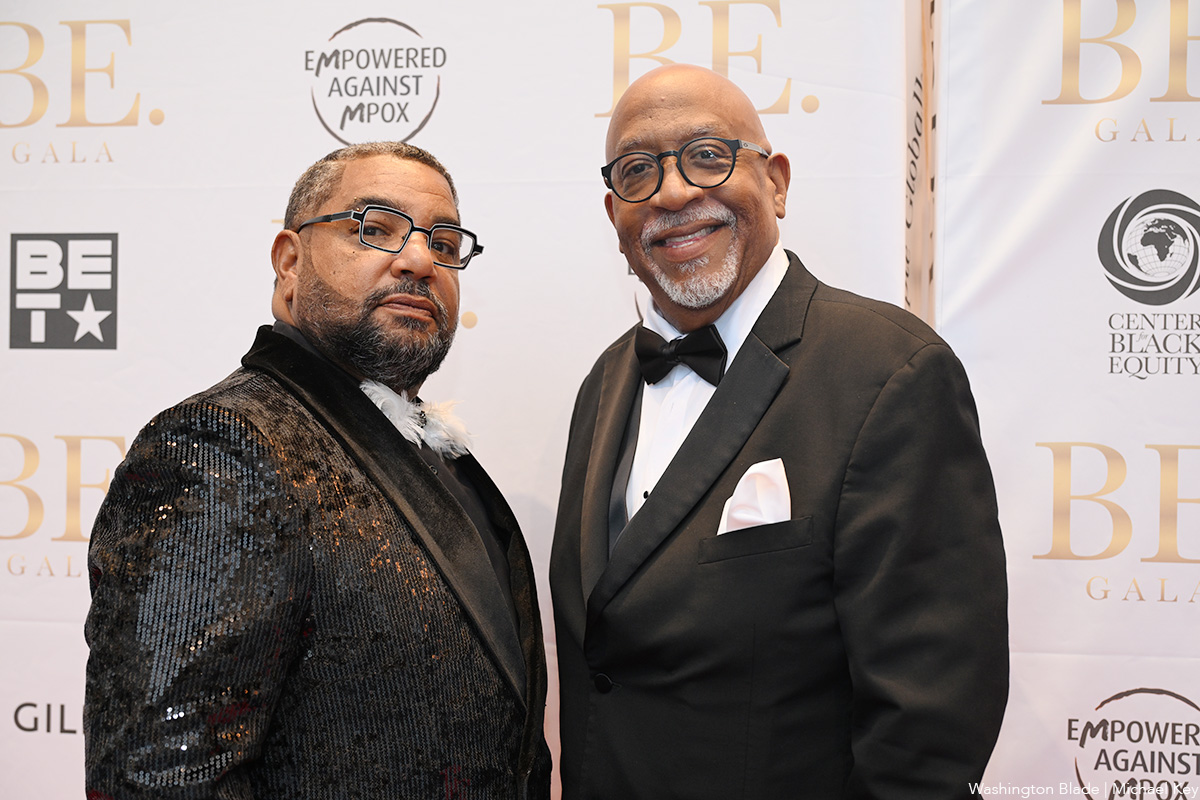
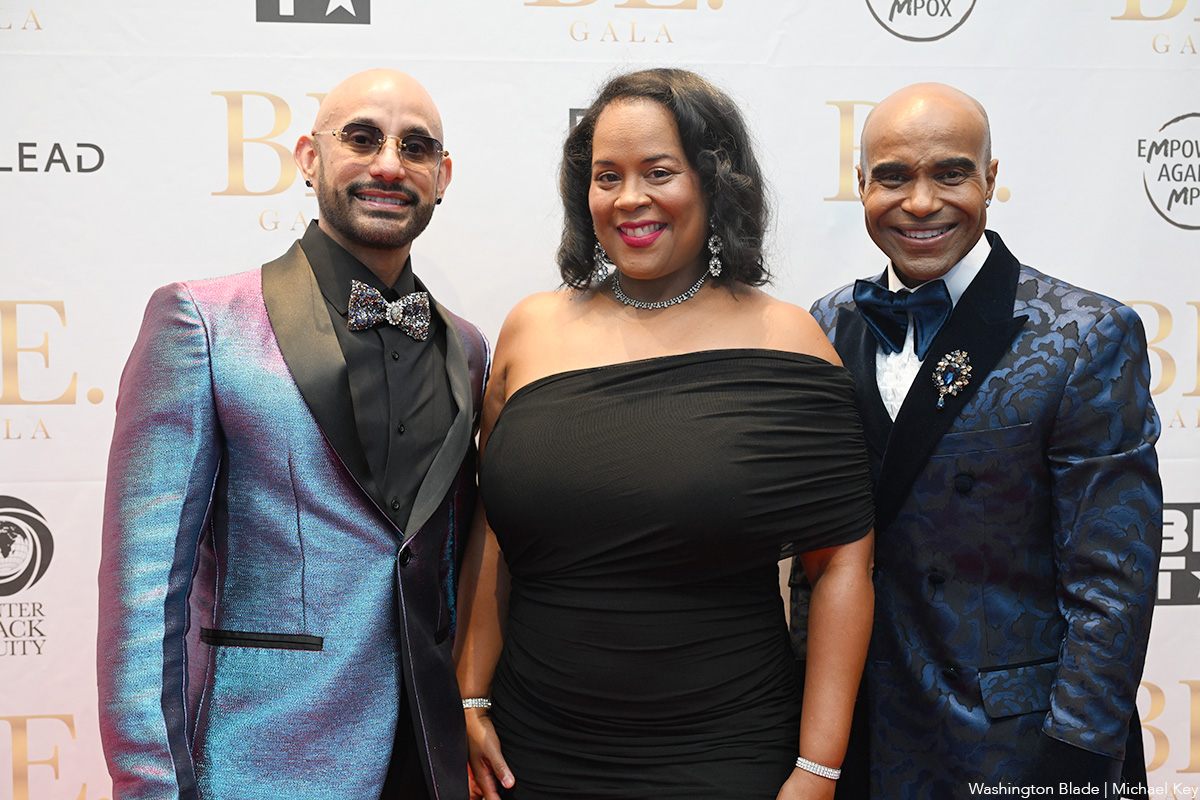
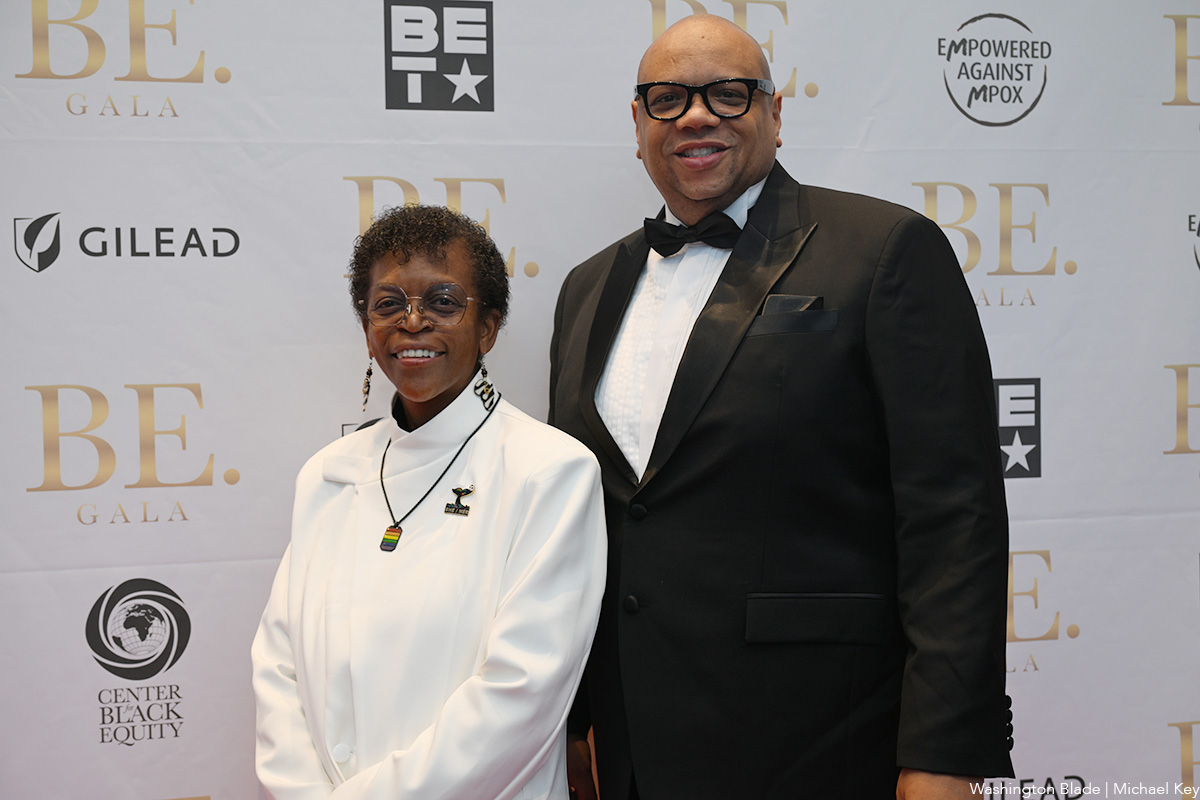
Center for Black Equity honors leaders, activists at BE. Gala
Miyake-Mugler, Oakes co-host annual awards ceremony

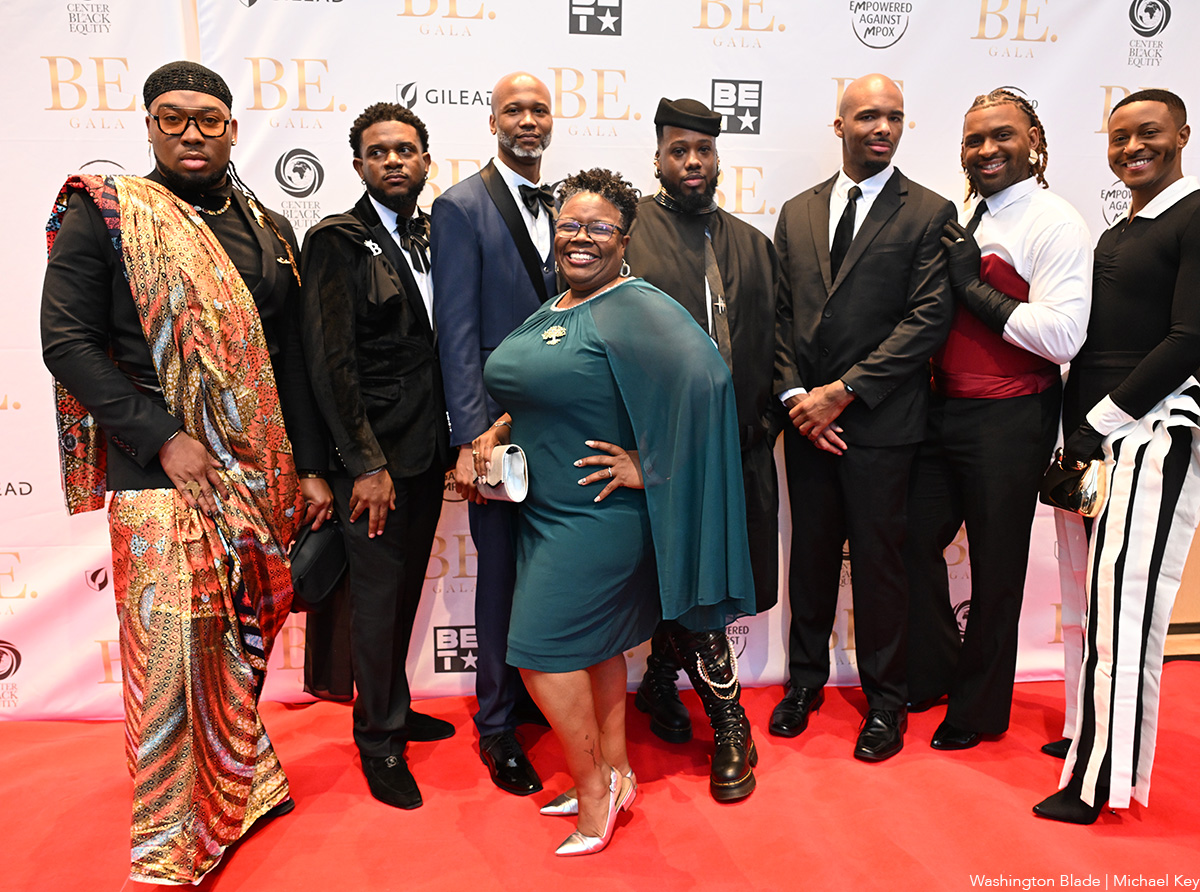
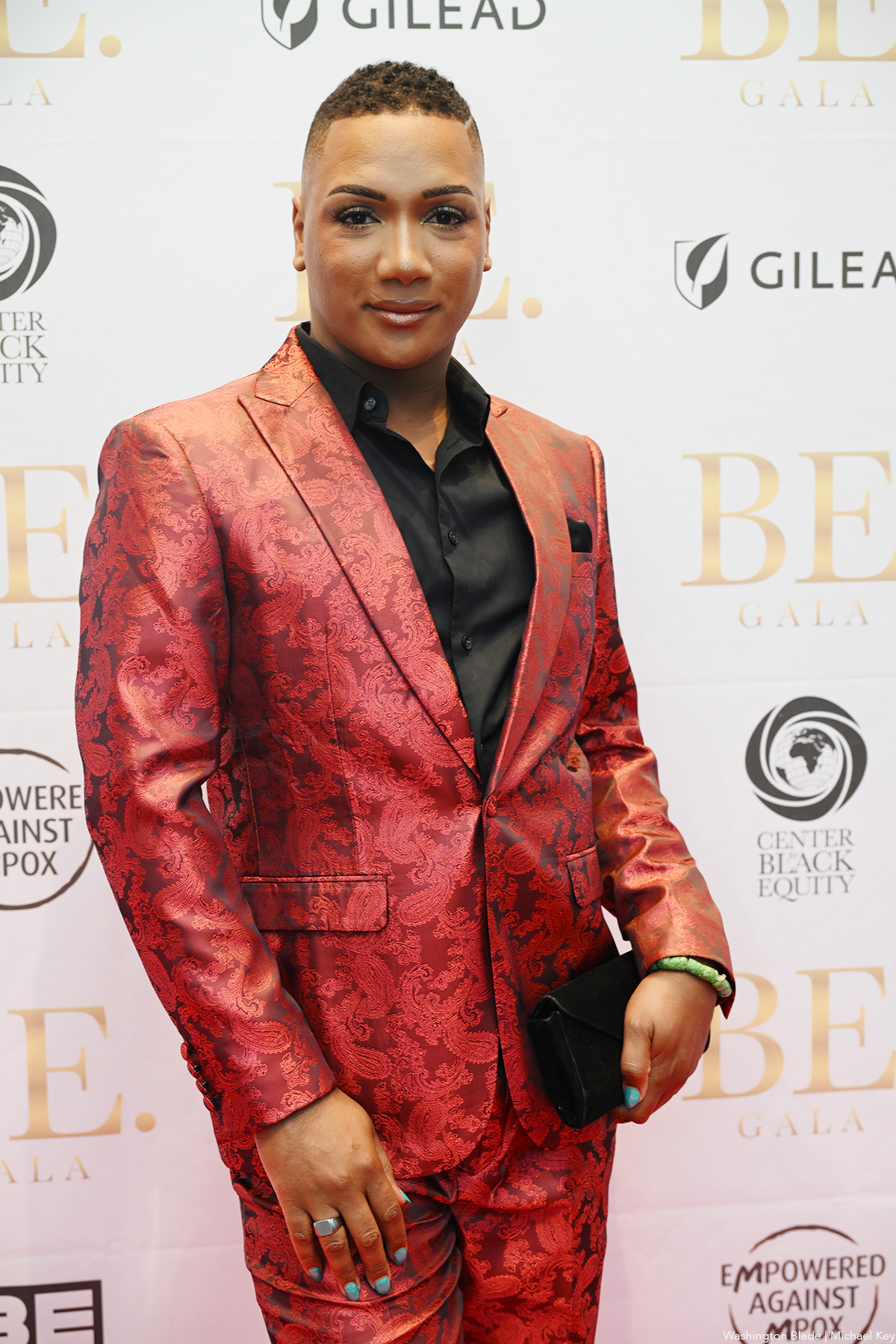
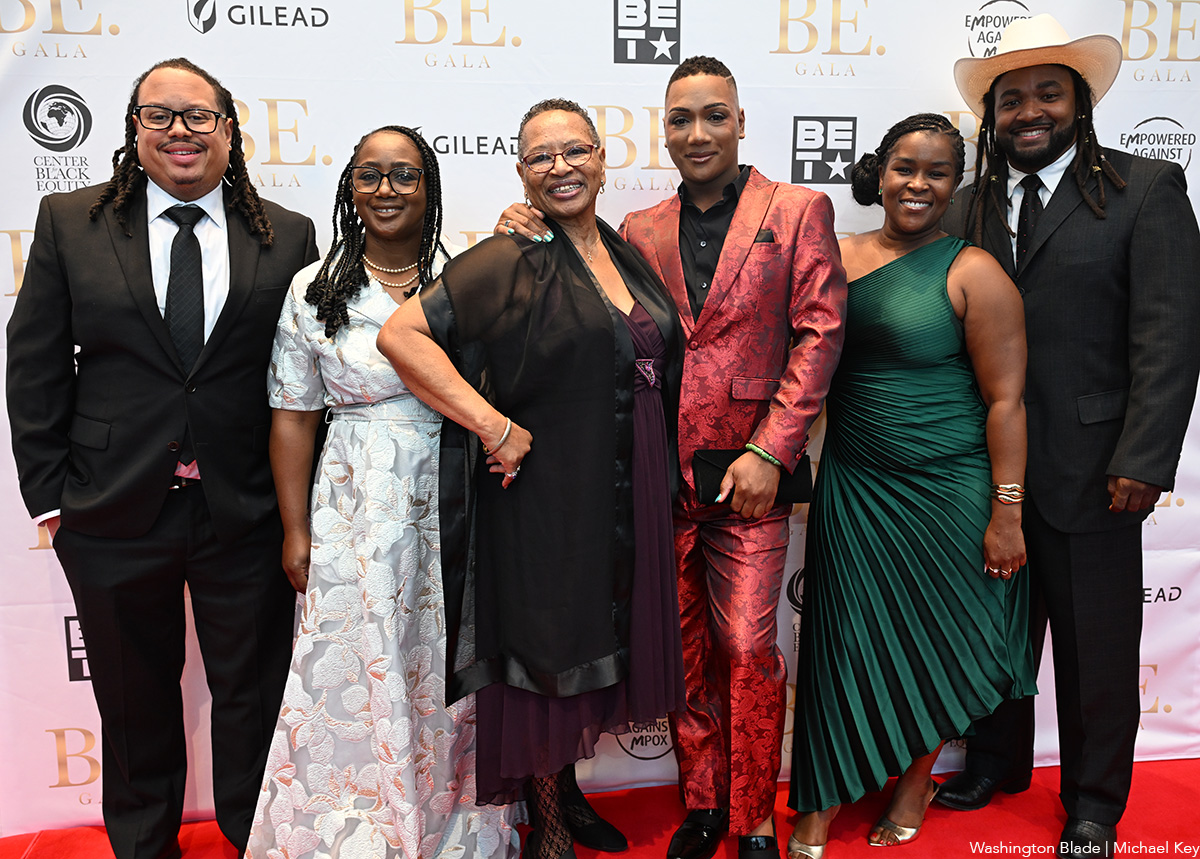
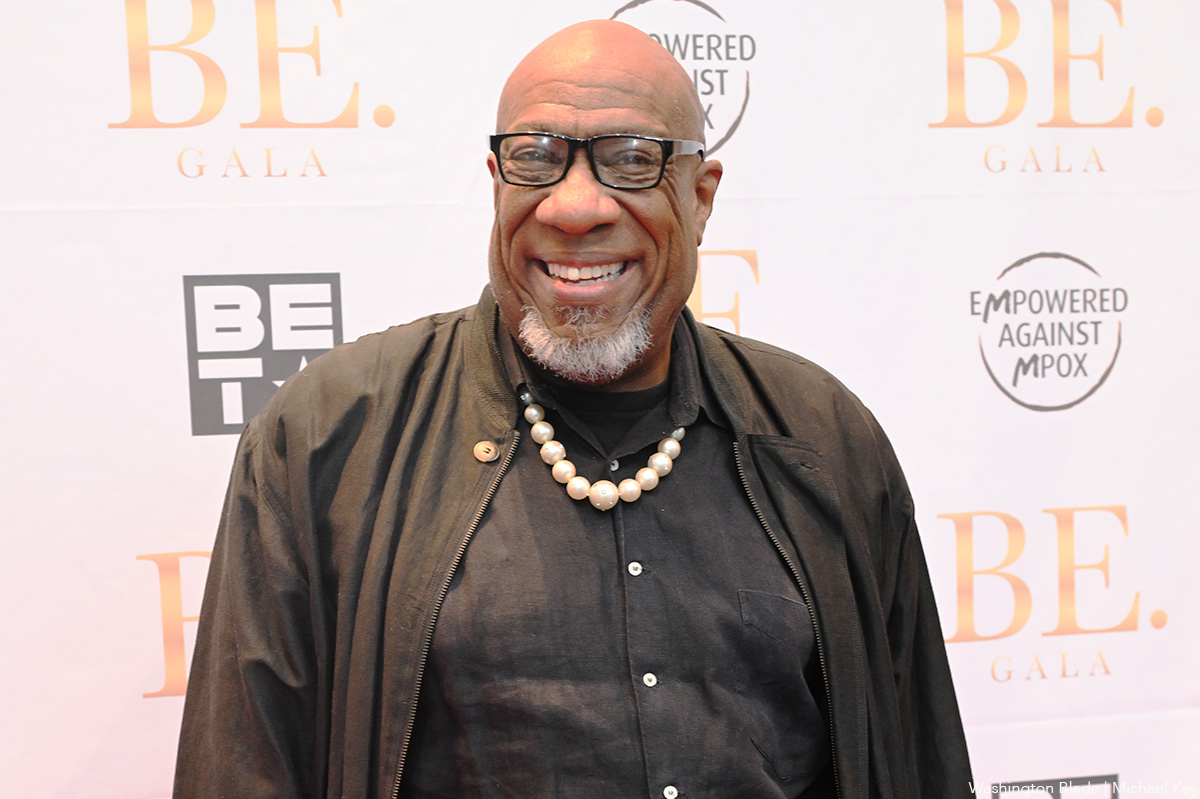
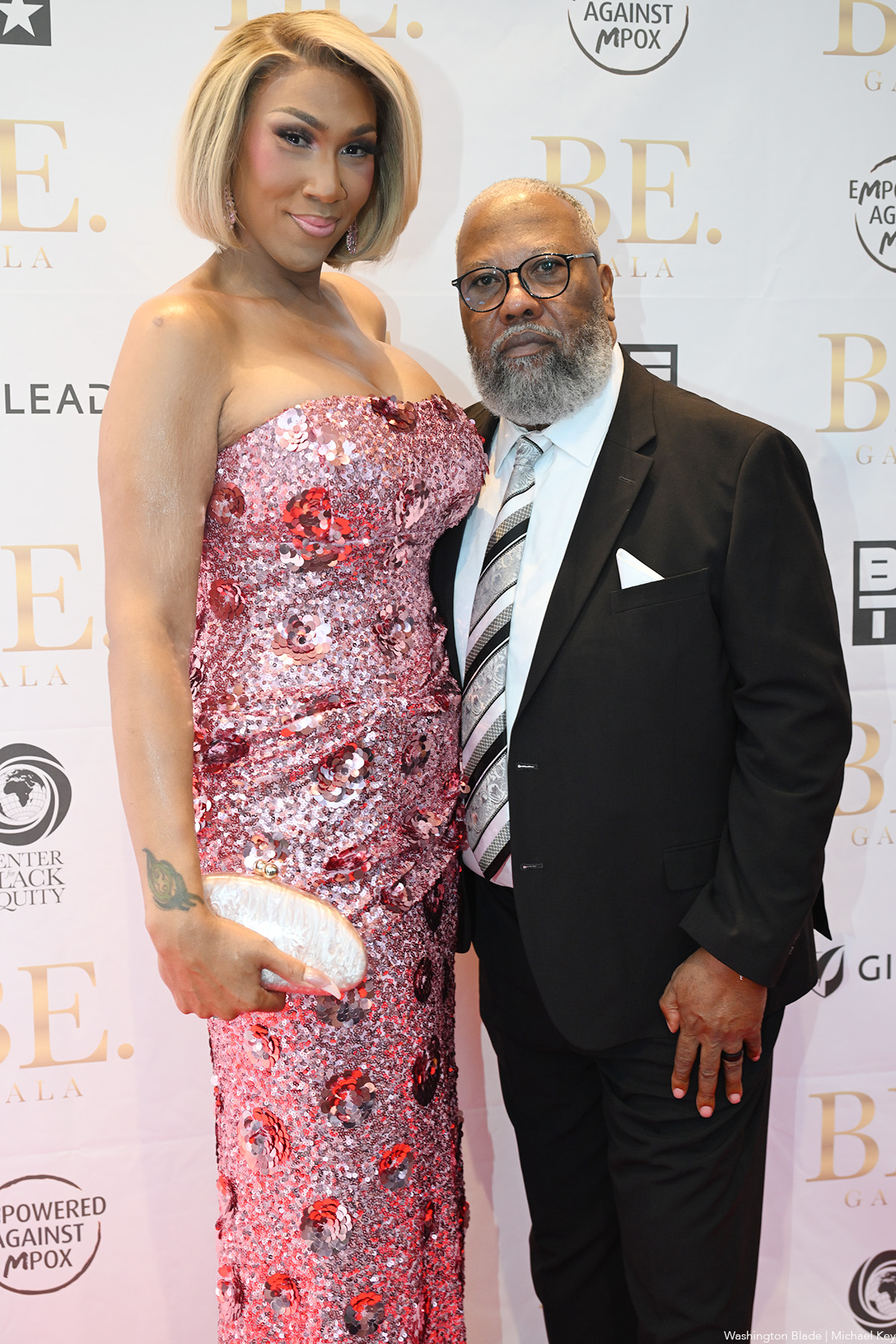
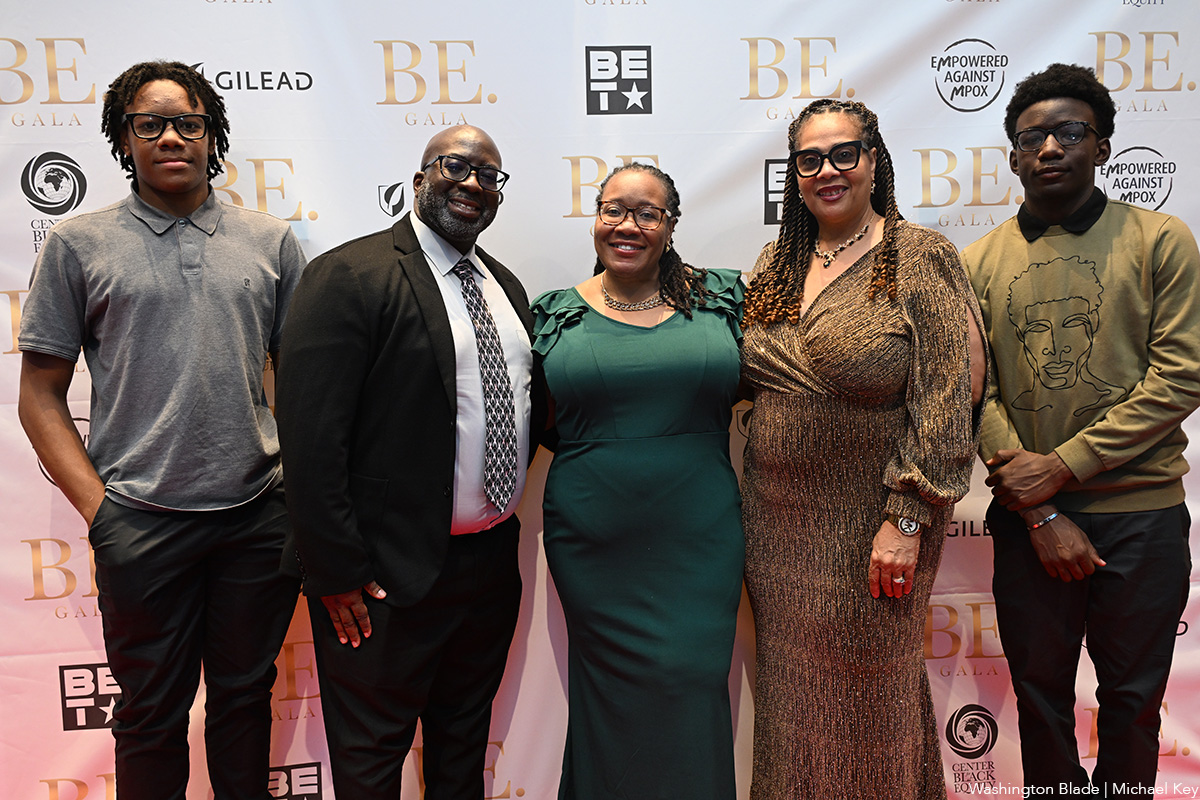
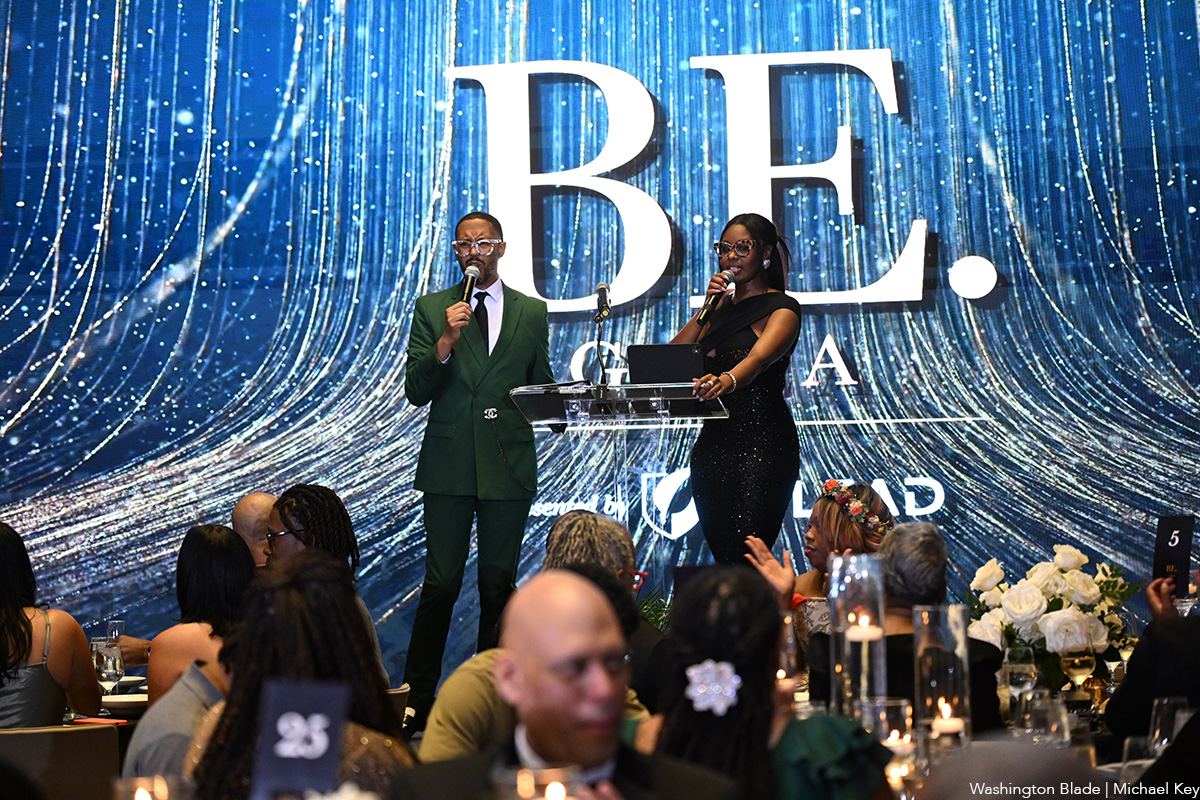
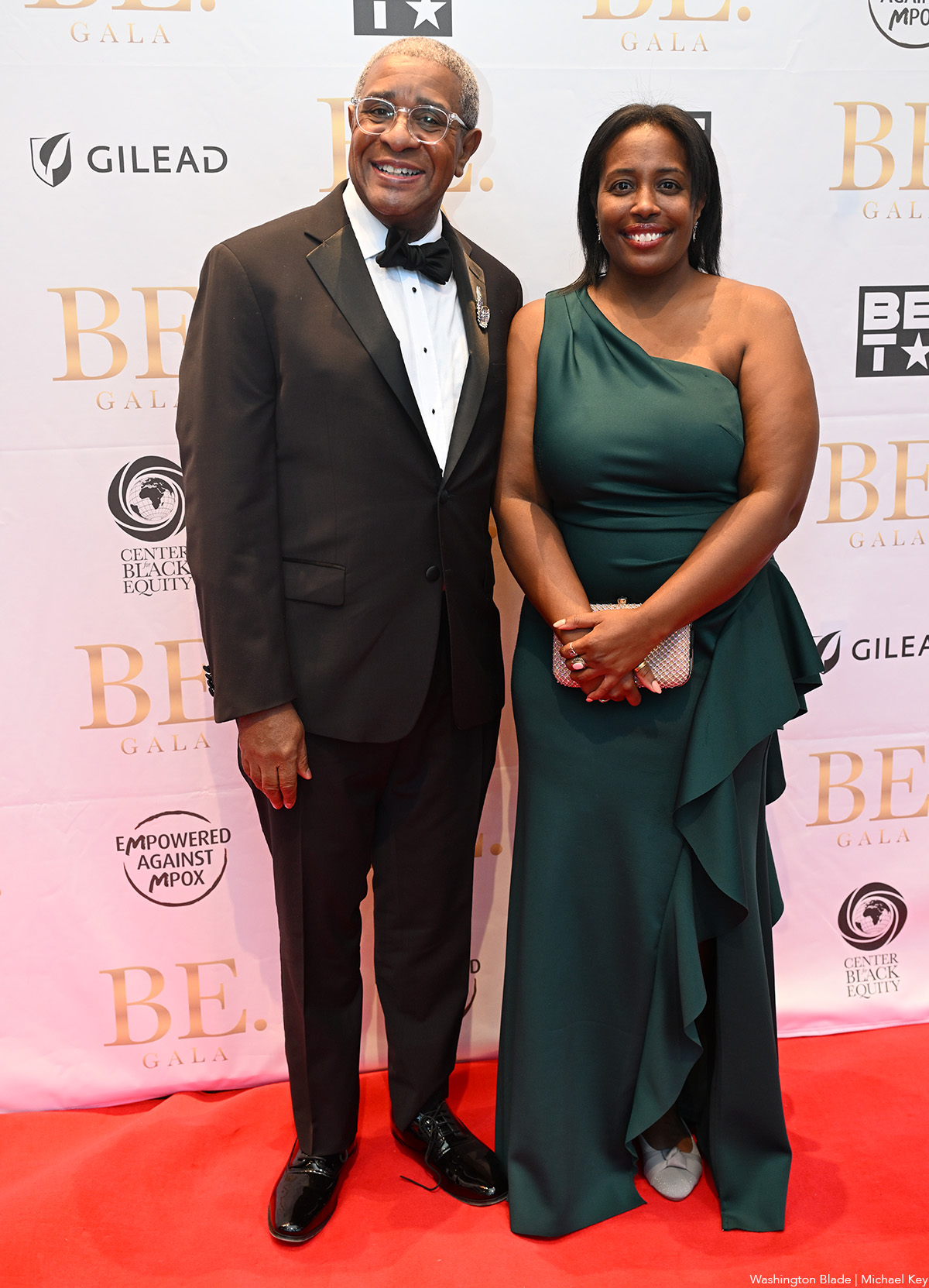
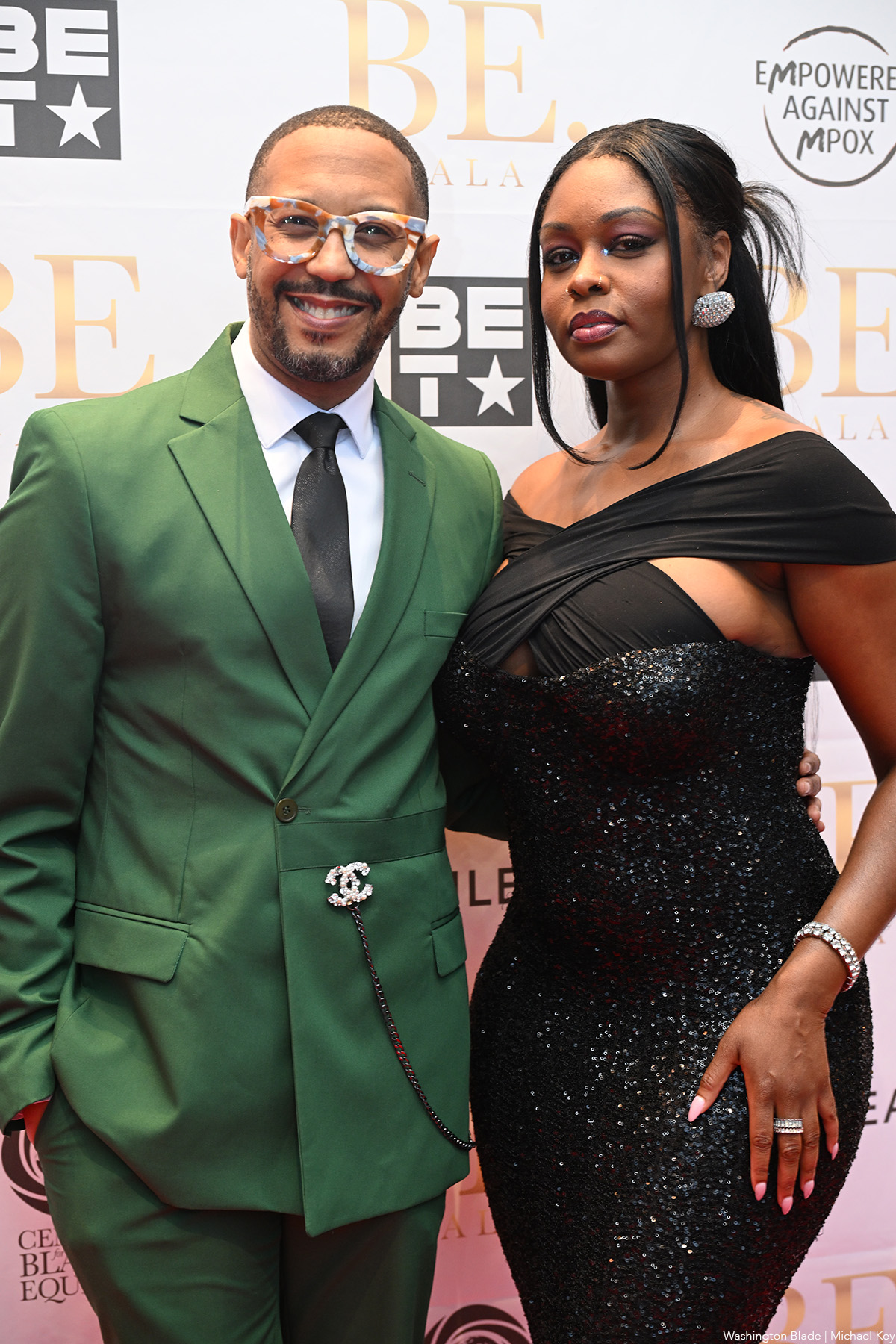
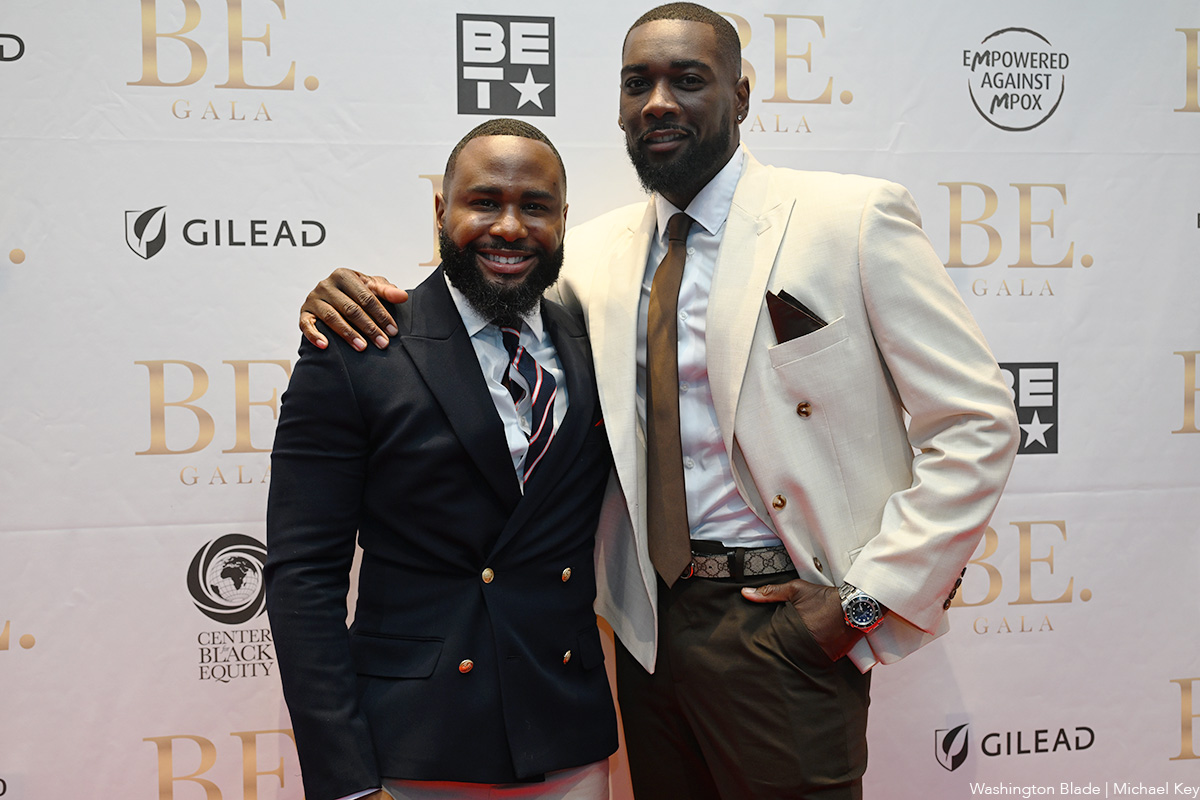
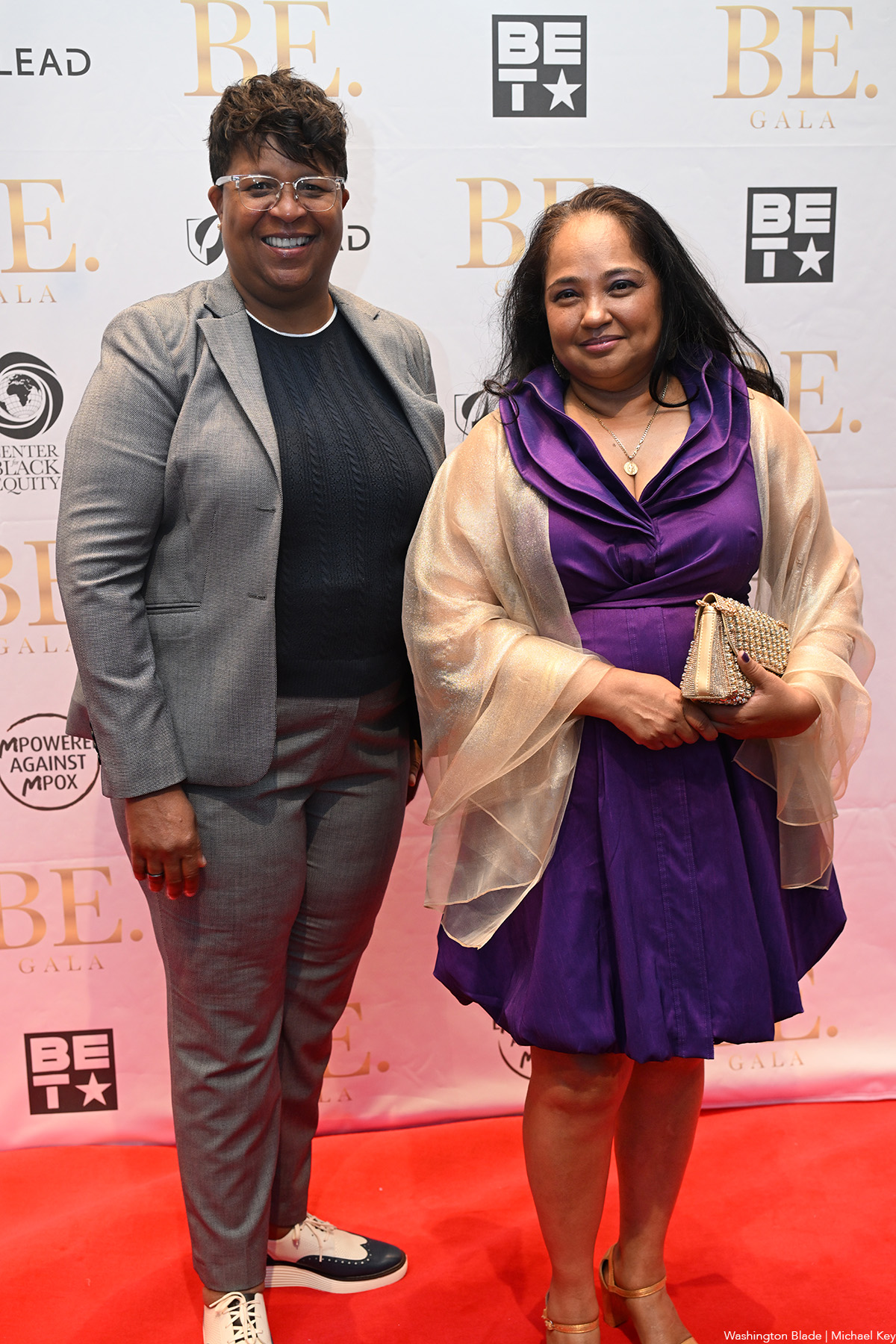
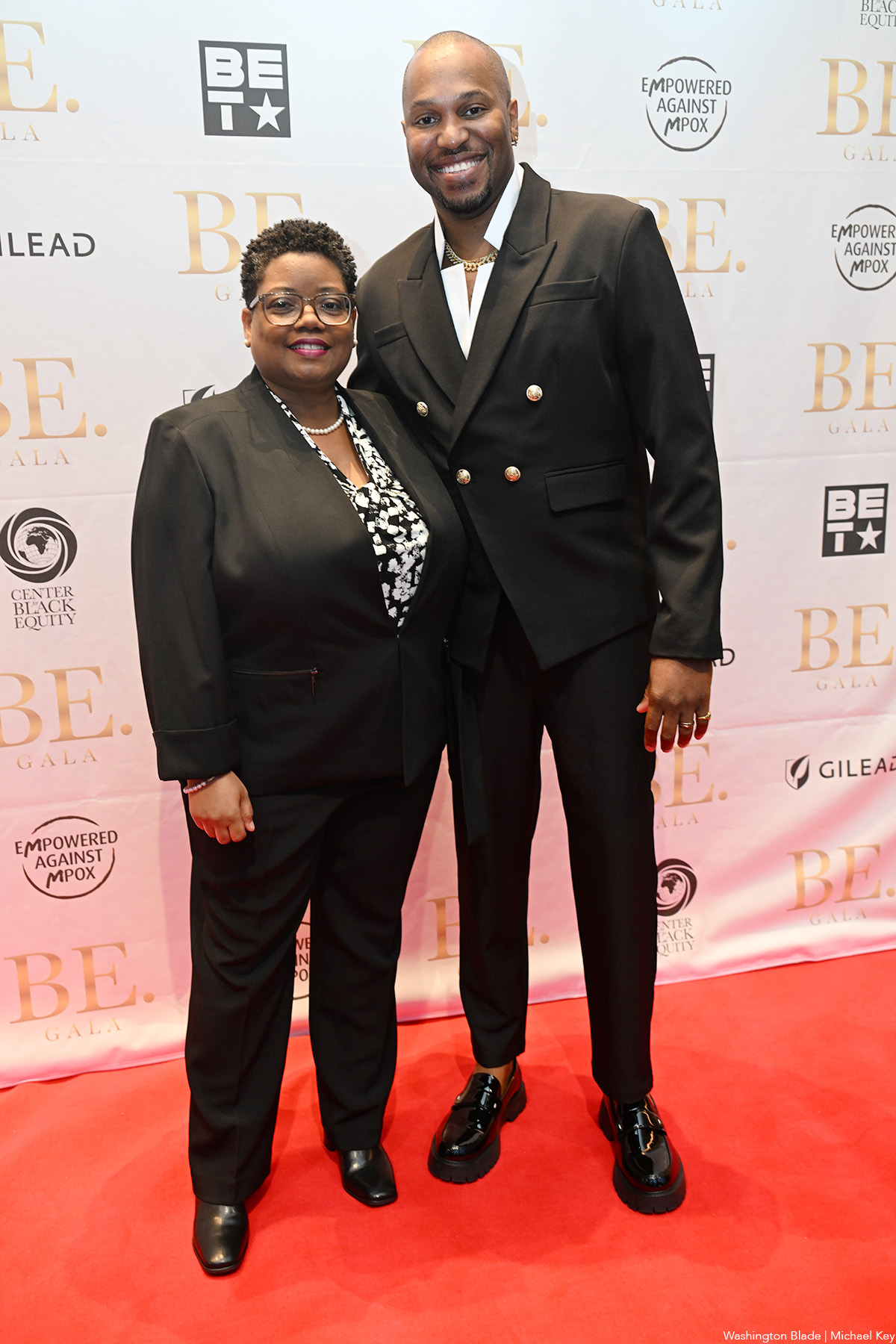
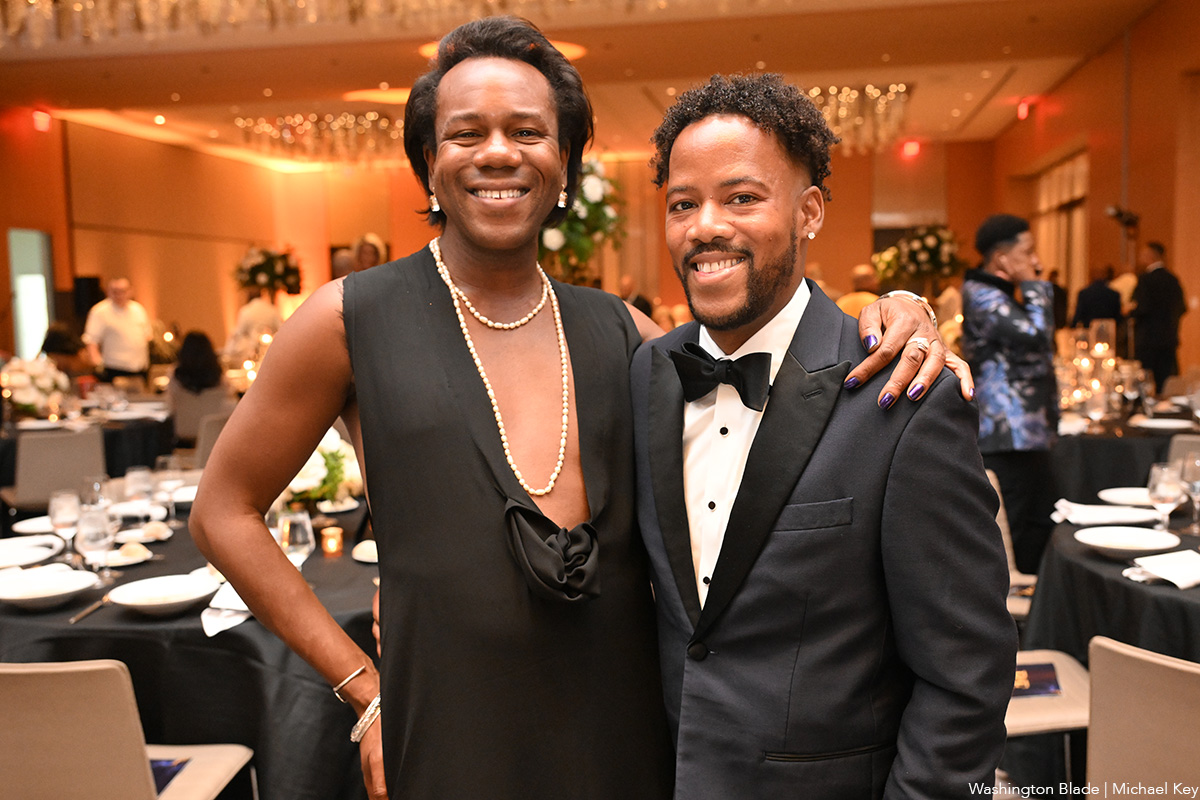
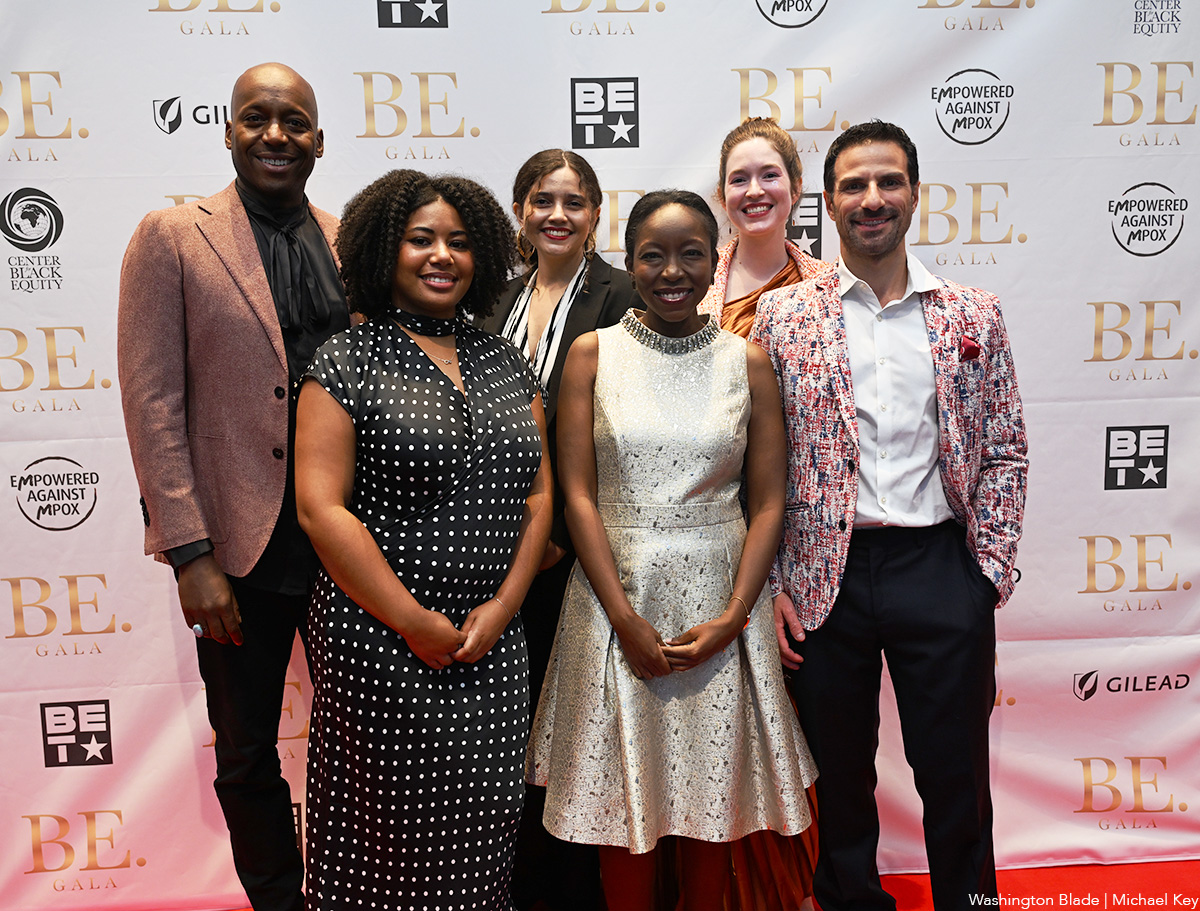
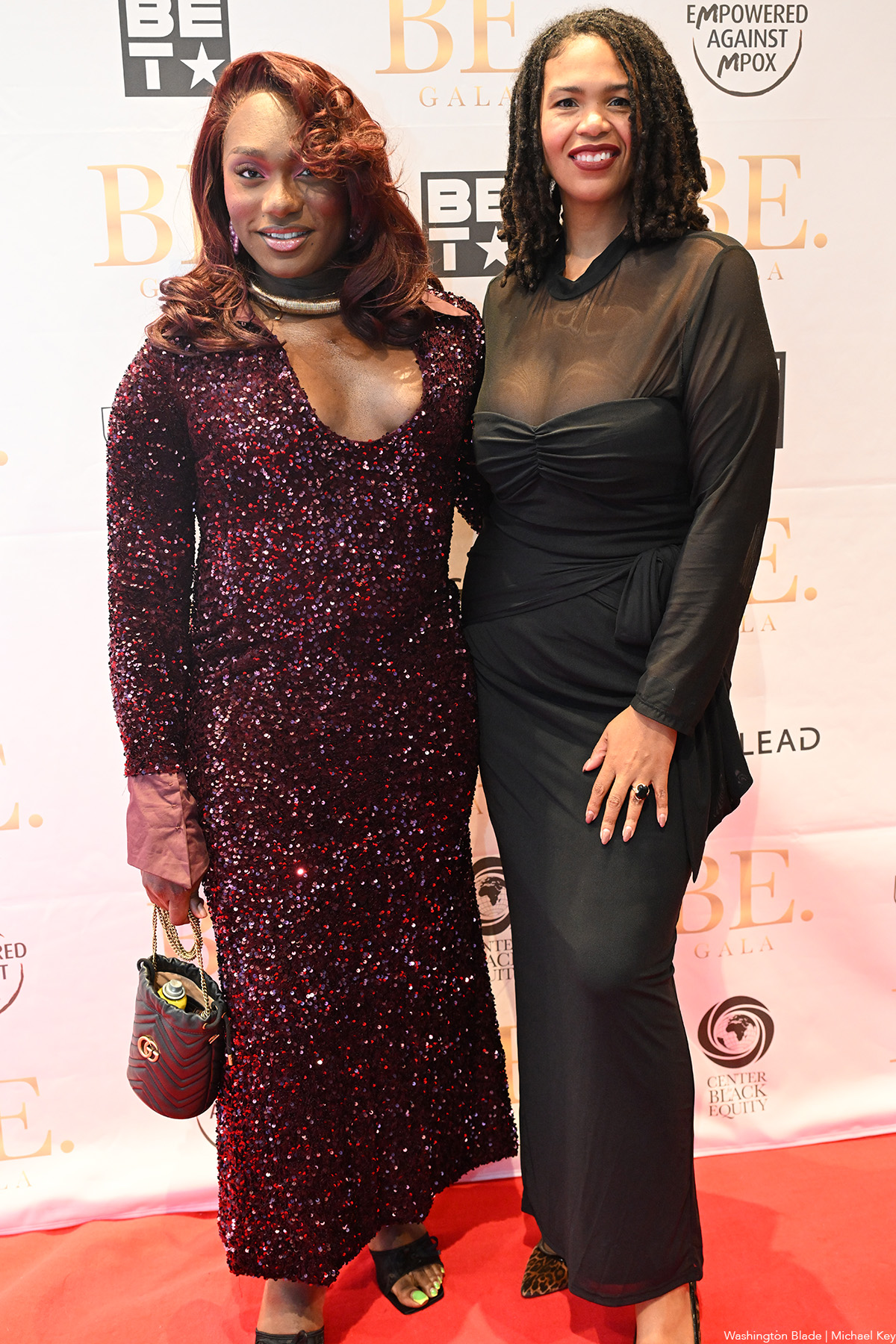
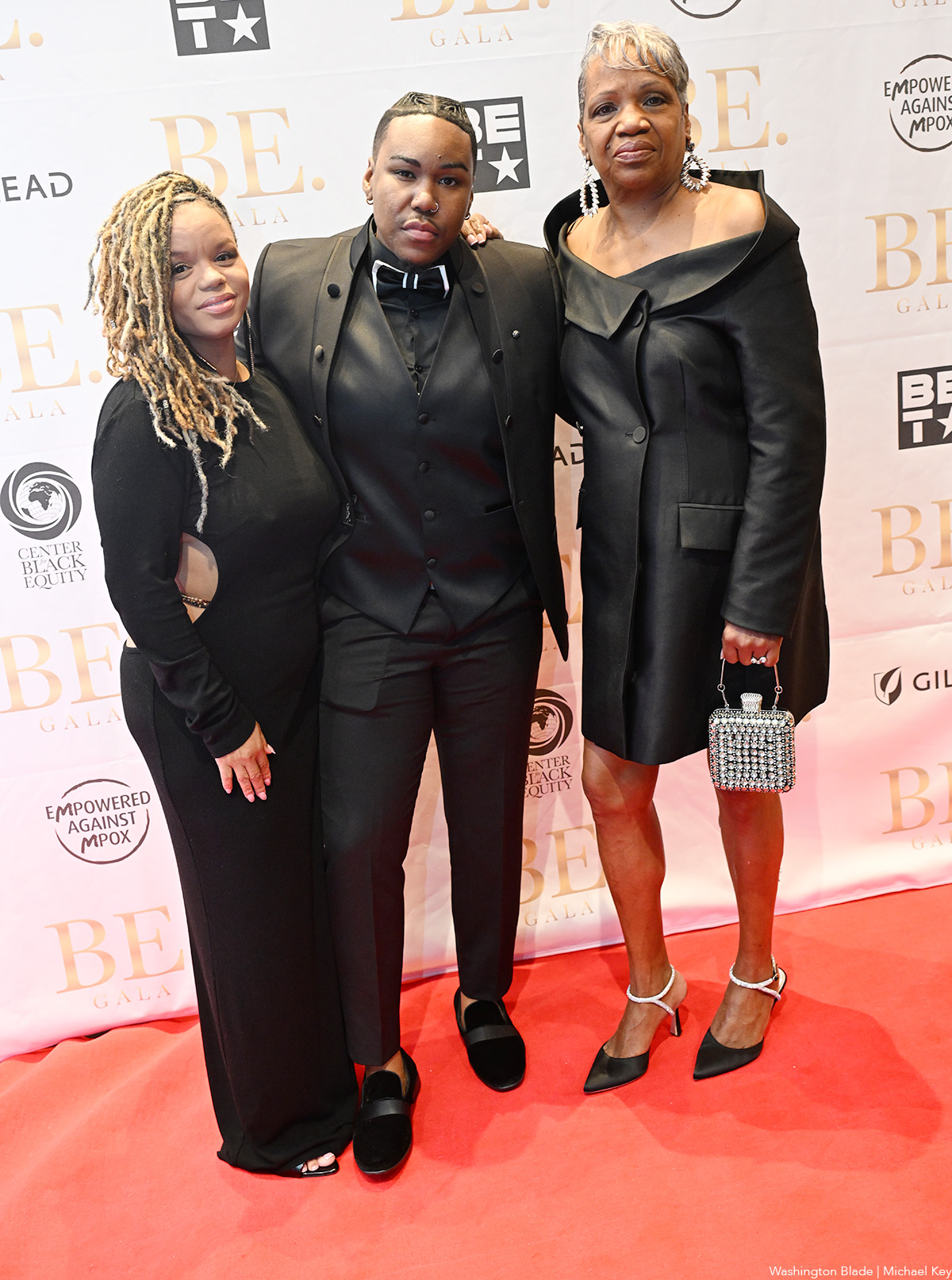
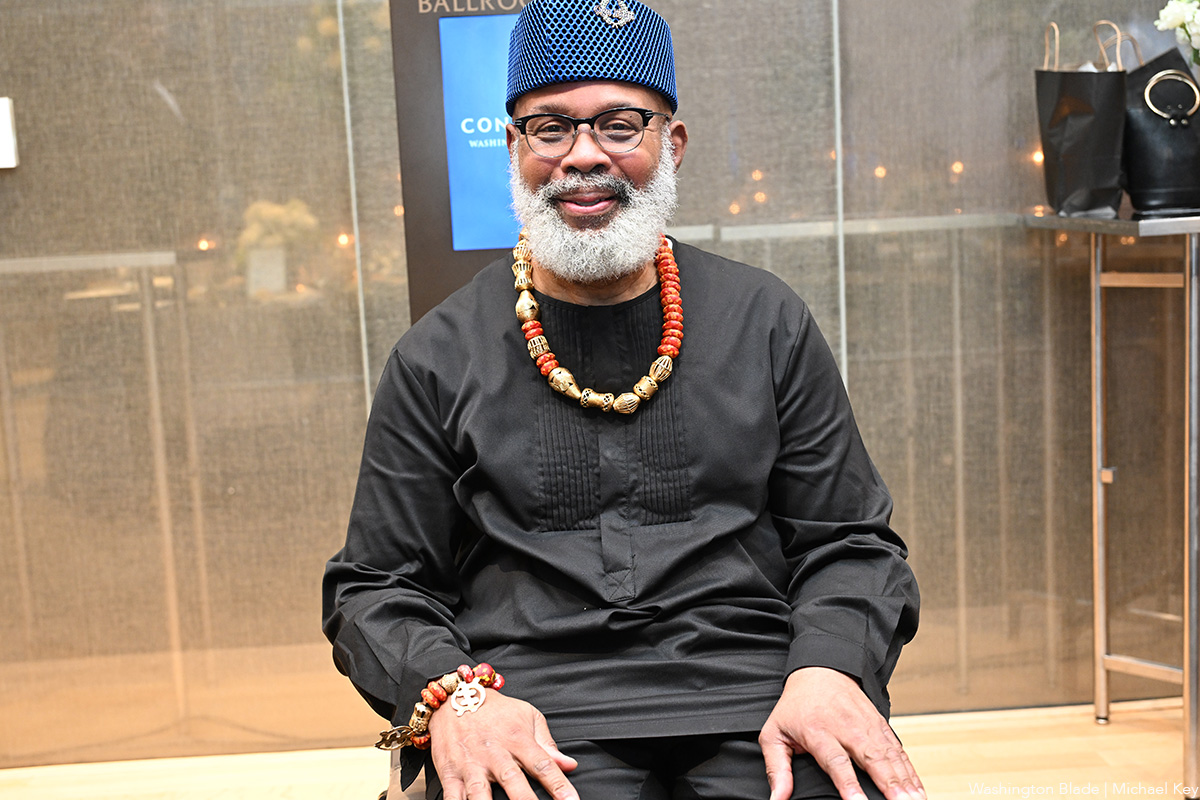
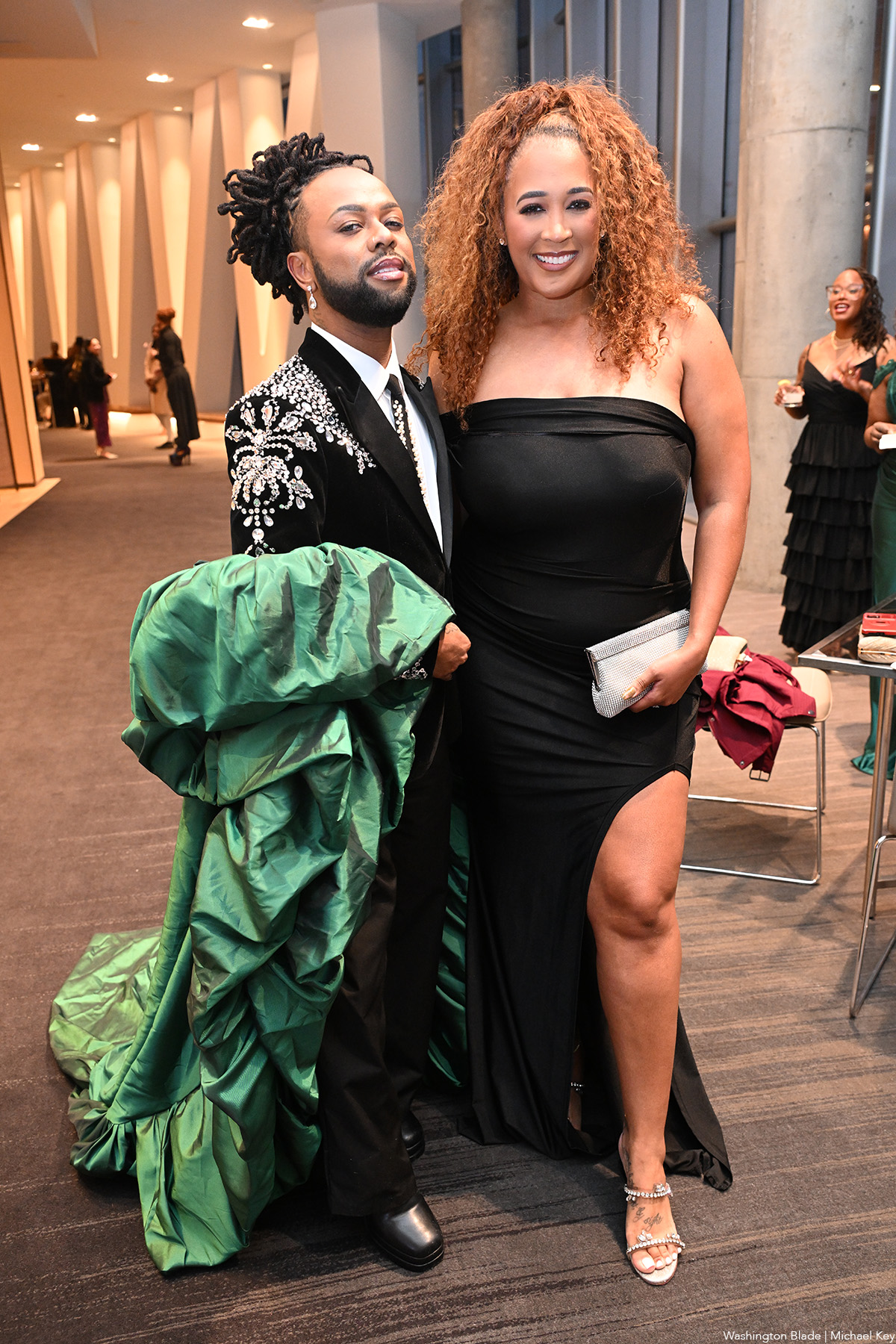
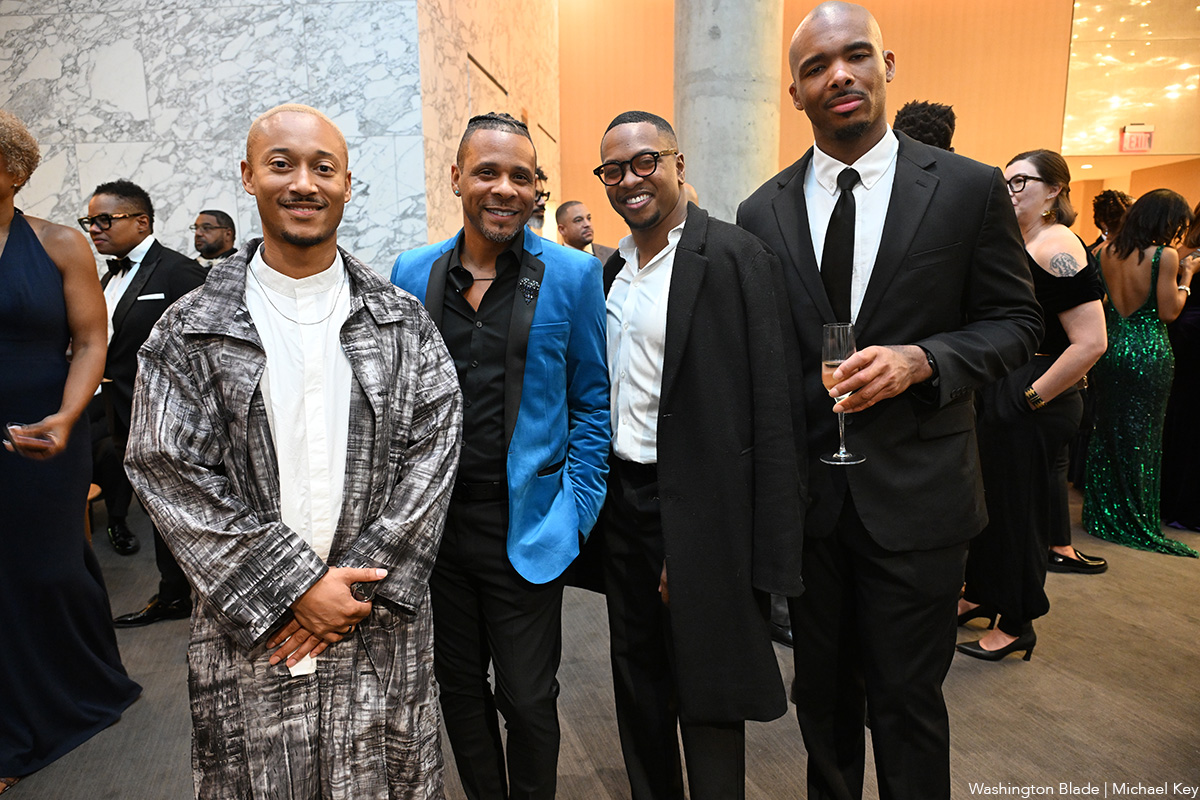
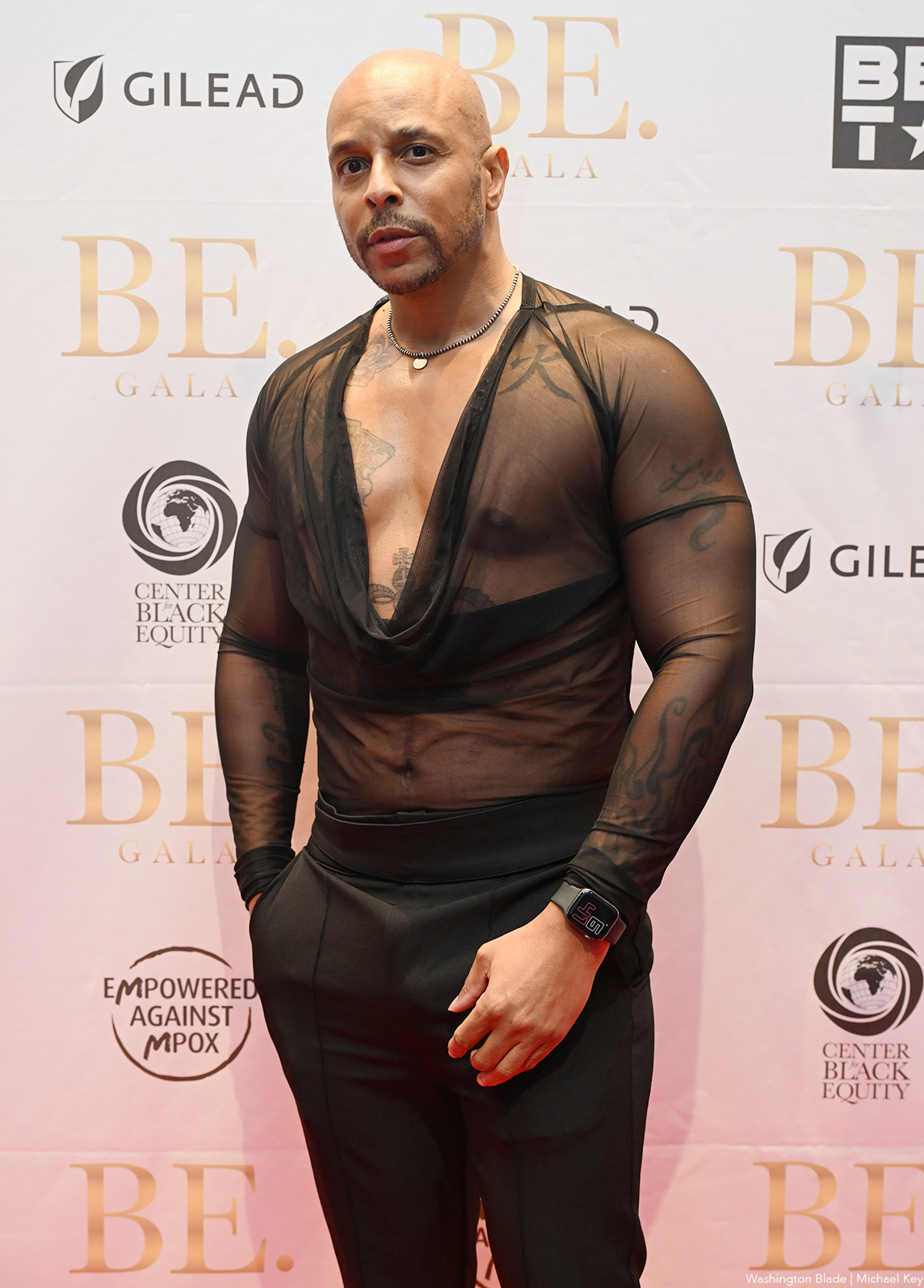
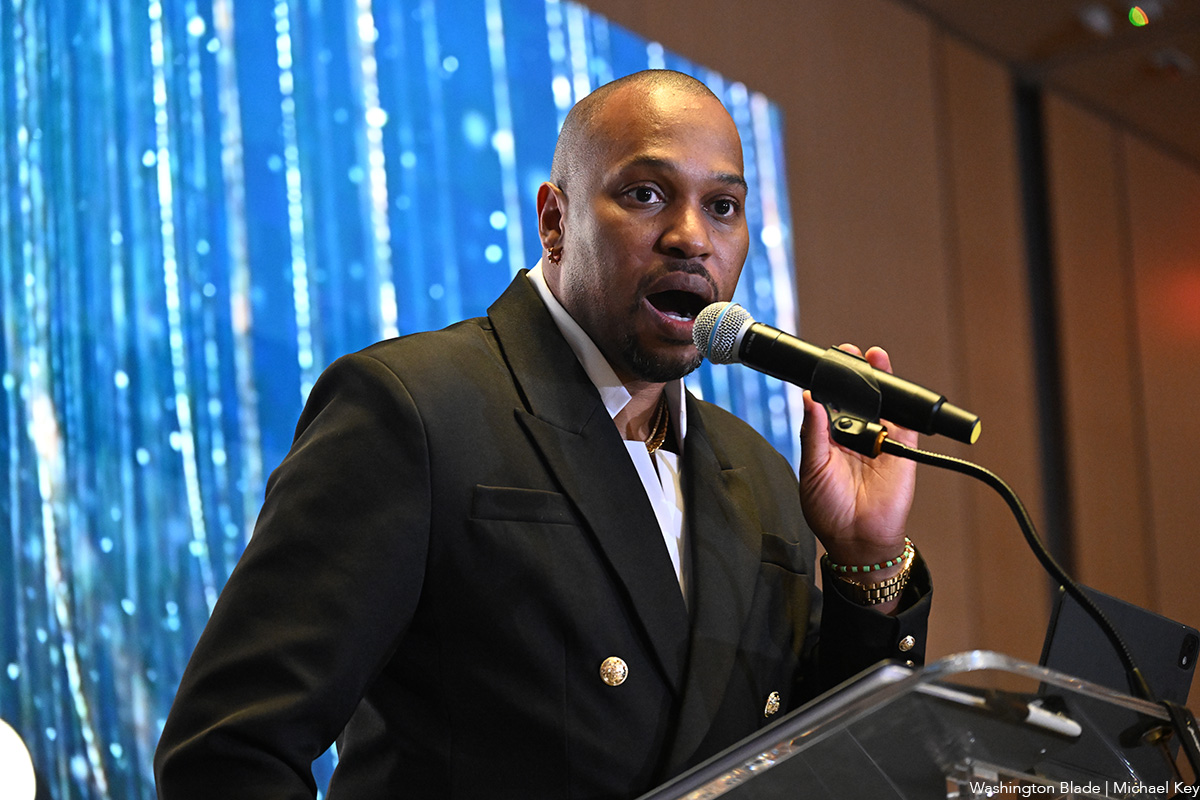
The Center for Black Equity held its annual BE. Gala at Conrad Washington, D.C. on Saturday, Oct. 5. Lolita Leopard Miyake-Mugler and Anthony Oakes co-hosted the awards ceremony.
Honorees included journalist and producer Justin Stewart; nonprofit leader Nikki Alexander; HIV advocate Marlene McNeese; the nonprofit organization FreeLux Project; actress Monroe Alise; public health advocate Tori Cooper; Manassas Park Vice Mayor Darryl G. Moore; Rev. Dr. Carmarion D. Anderson; Bishop Steven Sawyer; government relations professional Courtney Snowden; Senior Deputy Director of HAHSTA at D.C. Health, Clover Barnes; and Texas state Rep. Venton C. Jones.
The event was sponsored by Gilead.
(Washington Blade photos by Michael Key)





Books
In ‘The Lost Brontë,’ a complicated lie can lead to danger
New book features sweetly romantic girl-meets-girl twist
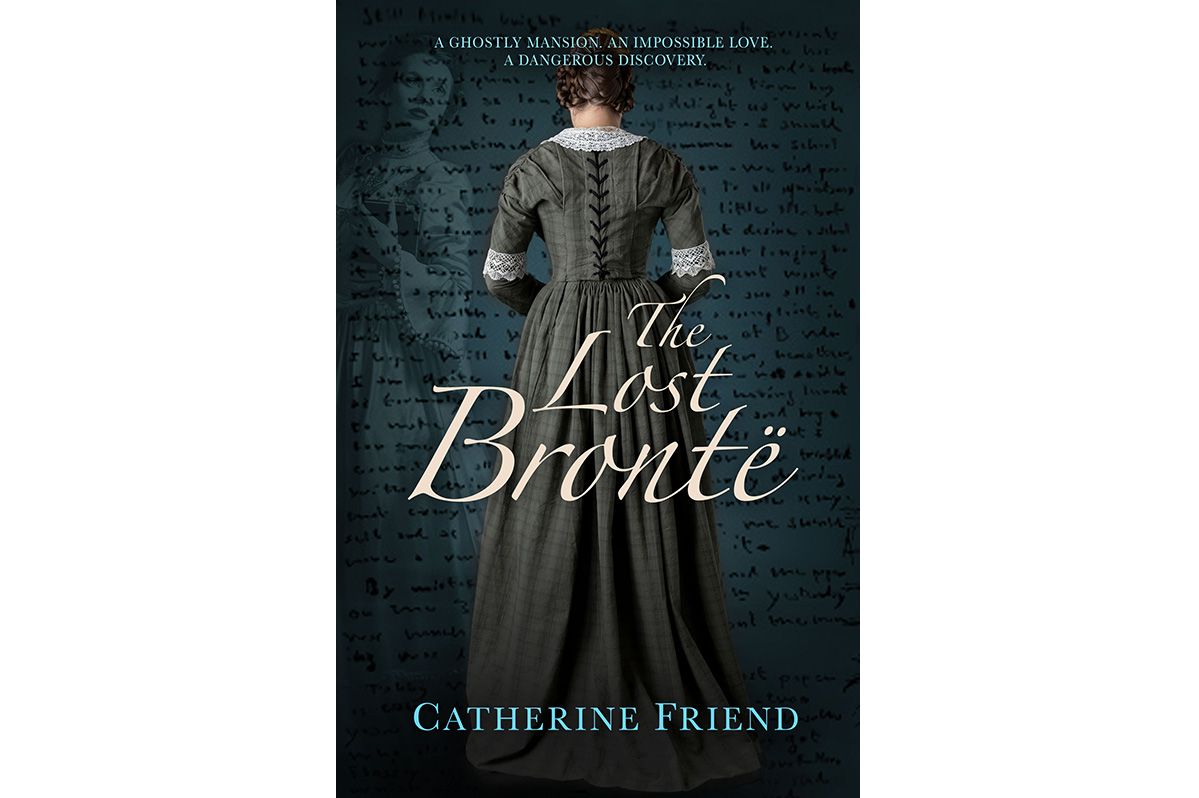
‘The Lost Brontë’
By Catherine Friend
c.2026, Bywater Books
$22.95/335 pages
Mom always said to tell the truth.
One lie leads to another and another and you have to remember them all until pretty soon, you’re caught. Fibs are hard, mistruths are messy, even little white social lies can destroy trust. Worst of all, as in the new novel, “The Lost Brontë” by Catherine Friend, a complicated lie can lead to danger.

Though Lilianne Loxley was very young when she lost her parents, she understood that her uncle didn’t really want her. As time passed, though, Lily made herself useful to Uncle, writing and signing letters for him and she became a good companion, helping him with his collection of Brontë memorabilia. Uncle was a keen enthusiast.
She had no idea that his obsession was out of control and he was deeply in arrears. The day Lily learned of his debt was the day she learned that he’d agreed to send her to his debtor’s home to work off the money owed.
It was so sudden. One minute, Lily was at Loxley House, happy and loved by Uncle’s staff … and five hours later, she was at Crag Thorn Manor, home of Lord Bexton, who informed her that she’d be working on his ledgers – work that seemed routine, but Lily tackled it.
Uncle always did say she was headstrong.
But would headstrong be enough to survive, when she was restricted from most of the Manor, when she was forced to dine with Brexton and his slimy friend, or – the worst! – when Brexton told Lily that her next task was to forge a letter from Emily Brontë? And then an entire manuscript?
Lily struggled to do what was right. She had to get Uncle out of debt but this last order horrified her. Did she dare refuse Brexton’s orders and commit a crime? It was unthinkable!
The only brightness in the whole situation was Wren, the ladies’ maid assigned to Lily’s room. Wren was adorable with freckles and the sweetest smile. But with everything else happening at Crag Thorn Manner, could Lily act upon her feelings?
This time of year, you may come to crave dark, spooky stories, and “The Last Brontë” fits those needs perfectly with its Gothic deliciousness. Think: Daphne du Maurier-type, stormy-night squirms with a dangerously chaste, sweetly romantic girl-meets-girl twist for fun.
If it’s been awhile since you’ve read a Gothic novel, you’re in for a nice reminder of why you love them here. You can almost tick off the must-haves: a novel like this is nothing without a foreboding stone manor with damp walls; stone steps to a dank basement; a mysterious portrait; and a nearby bog, and author Catherine Friend gives readers every one of them. You’d be disappointed if there was no ghost, wouldn’t you? Ha. You can practically feel the cold blow through the attic, right? Yeah, it’s that kind of book.
If you’re a fan of the Brontës, you’ll like this novel. If you love Gothic mysteries or Victorian romances, ditto. “The Lost Brontë” is good, no lie.
The Blade may receive commissions from qualifying purchases made via this post.
Out & About
CAMP Rehoboth Block Party returns Oct. 18
Expect performances, vendors and more at annual celebration

CAMP Rehoboth will host its annual Block Party celebration on Sunday, Oct.18 at 11 a.m. on the second block of Baltimore Avenue in downtown Rehoboth Beach.
CAMP Rehoboth invites all community members to join in the festivities and to expect magnificent performances and dozens of vendors, including artists, craftspeople, non-profits, businesses, and more.
The event started in 2015 in celebration of CAMP Rehoboth’s 25th anniversary. This year, attendees can expect to shop sea glass art, pottery, jewelry, Pride merch, body care, clothing, and learn more about local non-profit causes and businesses.
Attendance is free. For more details, visit CAMP Rehoboth’s website.

Annie Andrews denounces trans athletes after Trump targets her

On Republican Long Island, gay Democrat Chris Gallant bets on public service over politics

Report: LGBTQ exclusion costs Japanese economy billions a year

Center for Black Equity honors leaders, activists at BE. Gala

In ‘The Lost Brontë,’ a complicated lie can lead to danger

U.S. int’l trade negotiator, consultant James Bedore dies at 82

Campaign urges Virginia High School League to reverse stance on trans athletes

Calif. GOP gubernatorial candidate ad ‘disgusting attempt to exploit lesbian intimacy’

Center Arts Gallery celebrates 10 years with reception, auction

Trump, Netanyahu, and Putin are all war criminals
-

 Obituary4 days ago
U.S. int’l trade negotiator, consultant James Bedore dies at 82
-
Virginia4 days ago
Campaign urges Virginia High School League to reverse stance on trans athletes
-
California5 days ago
Calif. GOP gubernatorial candidate ad ‘disgusting attempt to exploit lesbian intimacy’
-
Commentary4 days ago
Center Arts Gallery celebrates 10 years with reception, auction