Arts & Entertainment
Nine lives of an actor
Title role in Seuss adaptation latest for versatile local thesp
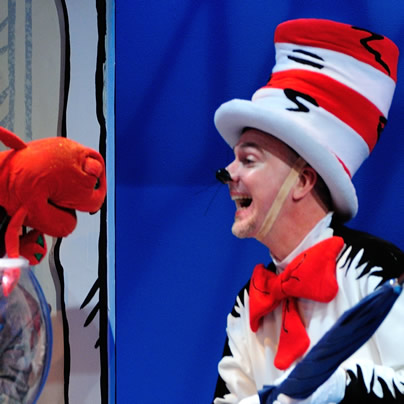
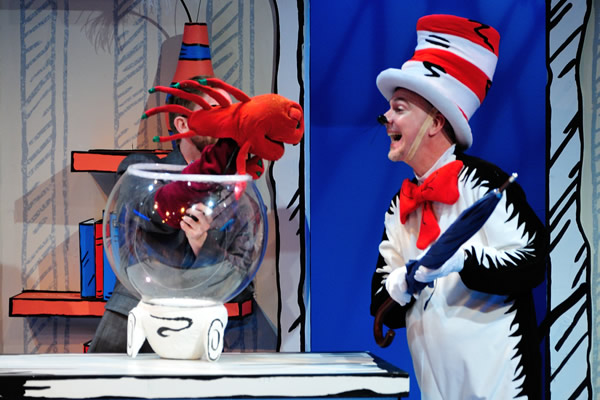
Alex Vernon, left, as the fish, and Rich Hammerly as the Cat in ‘Dr. Seuss’s Cat in the Hat.’ (Photo by Bruce Douglas; courtesy Adventure Theatre MTC)
Rick Hammerly
Through September 2
‘Dr. Seuss’s Cat in the Hat’
Adventure Theatre MTC
7300 MacArthur Blvd (Glen Echo Park)
Glen Echo, MD 20812
$19
301.634.2270
Adventuretheatre-mtc.org
Rick Hammerly never considered himself a children’s theater type of guy.
“Small animals and kids have never been two of my favorite things,” he readily shares. So why is the longtime Washington actor donning a tall, striped hat and fur pants to play the title role in “Dr. Seuss’s Cat in the Hat” for crowds of fidgety youngsters at Adventure Theatre MTC seven shows a week?
“Well, Michael Bobbitt (Adventure Theatre’s producing artistic director) is wonderfully sneaky,” says Hammerly, who is gay. “A year ago last spring we were doing ‘1776’ at Ford’s Theater and Michael planted the seed, suggesting that I’d be right for ‘Cat in the Hat.’ During the following months, every now and then he subtly encouraged me that this was something I’d love to do. But I wasn’t entirely convinced.”
Finally last winter, at Bobbitt’s request, Hammerly went to Glen Echo Park to see Adventure Theatre’s “Winnie the Pooh.” “I was seated next to a family,” he says. “Watching how their youngest kid reacted so positively to what was happening on stage completely charmed me. To be a part of children’s formative theater experiences strikes me as a something really important.”
“And c’mon,” Hammerly says. “You don’t pass on playing this part. The cat’s an icon.”
Adapted from the classic book by British director Katie Mitchell, “Dr. Seuss’ Cat in the Hat” is entirely faithful to the original, beloved text. Word for word, it’s the same story of the mischievous cat that drops in on Sally and her brother (played by Jessica Shearer and Tyler Herman), convincing them that a rainy day at home need not be boring. In no time he’s balancing a gold fish on the end of an umbrella and they’re flying kites indoors.
“Looking back, I’d remembered ‘Cat in the Hat’ as more Pollyannaish. I was mistaken; in fact, the cat is kind of bitchy and lives for a good time. It’s very easy for me to go to that place,” Hammerly says. “If there’s any moral to the story, I’d say it’s to have a helluva good time as long as you clean up and don’t get caught.”
Prior to taking the part, Hammerly had been warned that young audiences are completely uncensored.
“Unlike some adult audiences that sit in icy, silent judgment, these kids let you know what they’re feeling. I was afraid that their calling out might be too distracting and break my concentration. But their talking and anticipation of dialog — many know the text by heart — have proven very energizing. It’s an exhilarating, interactive experience.”
After each performance (three on Saturday, three on Sunday and one Monday morning), Hammerly makes a beeline to the theater’s lobby where he mingles with the audience. “Look, I don’t want to take any of these kids home and raise them, but they’re truly adorable. Then again, it’s still early in the show’s run. Ask me in September and I might say something different.”
Hammerly received his bachelor’s degree in drama and anthropology from the University of Virginia. In 2006, he completed his master’s degree in film and video production at the American University and formed his own company, Idle Rich Productions. He is also founder/producing artistic director of Factory 449, a Helen Hayes Award-winning company dedicated to the collaborative process of creating “theater as event.”
He both acts and directs. In September, he is assistant-directing “The Laramie Project” at Ford’s Theatre. The seminal 1998 work by director/playwright Moisés Kaufman presents a community’s response to the brutal murder of gay martyr Matthew Shepard.
“At this point I’m so busy that ideally I need a business partner to help me with work and a boyfriend to take care of things at home and give me a kiss at the end of my long days that typically end at 1 a.m.”
“Very, very eclectic” is how Hammerly describes his performance history. The vast and varied list of parts he’s played includes the post-stroke Bette Davis in “Me and Jezebel” at MetroStage, “A Christmas Carol’s” cheery Mr. Fezziwig at Ford’s, and the hermaphroditic title character in Signature’s “Hedwig and the Angry Inch” for which he won a Helen Hayes Award.
“It’s sort of an oddball bunch,” he says happily.
And now he adds a kid-loving, impish cat to the list.



Online Culture
Clavicular charged in alleged rape of teenage influencer
Online personality’s real name is Braden Peters
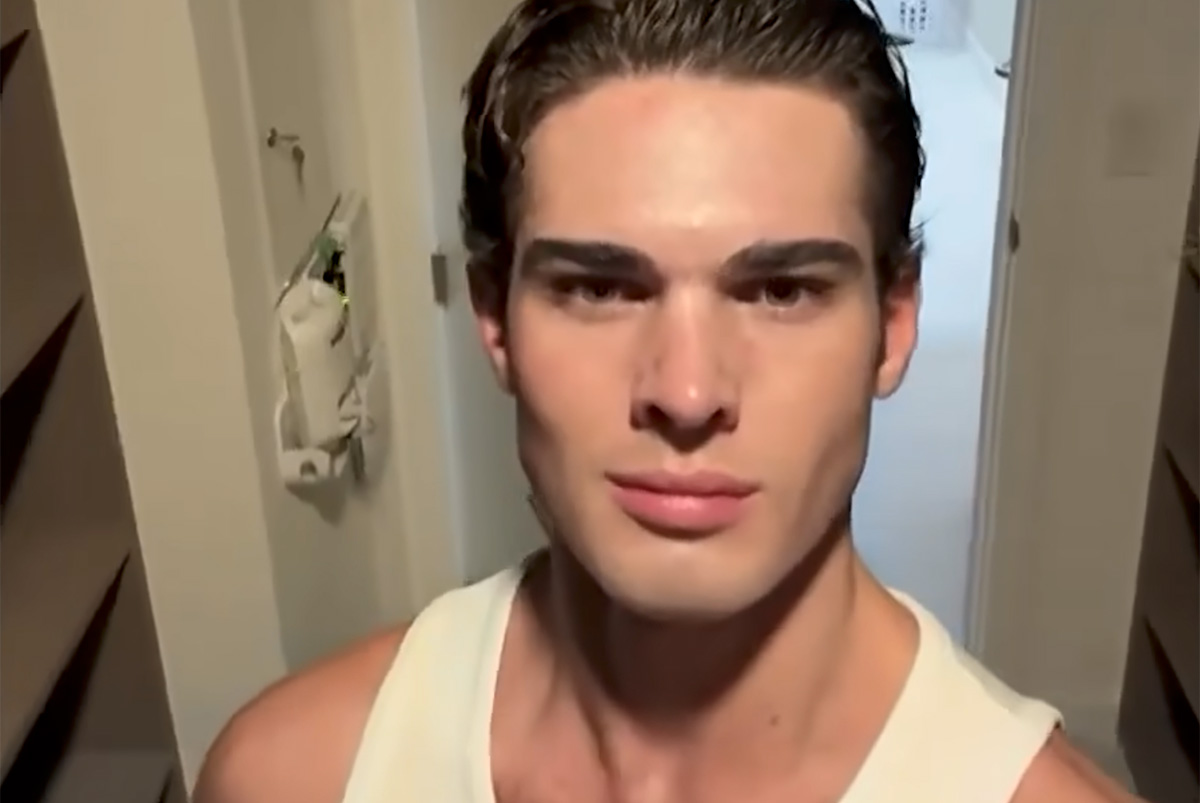
Online personality Clavicular, whose real name is Braden Peters, has been accused of rape.
According to NBC, Aleksandra Vasilevna Mendoza, an 18-year-old influencer known online as Alorah or Alorah Ziva, accused Peters of sexual assault, and the case is making its way through the court system.
The alleged incident occurred on May 23, 2025, when Mendoza was 17.
According to a criminal complaint from the Chatham (Mass.) Police Department, Peters called her an Uber to his family’s home. Once there, he allegedly got her drunk on vodka while they livestreamed on Twitch and then raped her. His mother and grandmother were allegedly in the house.
The documents allege Clavicular committed rape, drugging a person for sexual intercourse, and procuring and providing liquor to a person under 21.
According to court documents acquired by NPR, Mendoza began communicating with Peters on Instagram, where he paid her to appear on his livestreams to help her “make her name known on social media.”
According to those documents, Peters arranged for the minor to come to Cape Cod home to participate in a videostream for his 437,000 followers on Kick, 1.2 million followers on TikTok, and more than 1 million followers on Instagram.
At his home, Peters allegedly instructed Mendoza to say she was 18 on his videostream and to claim the alcohol on camera was water instead of vodka. Mendoza said she felt peer-pressured to drink the spirit and that she became noticeably intoxicated after a couple of drinks.
The allegations go on to state that after stopping the stream, Peters and Mendoza kissed on a couch and then had sex in his bed without her consent. Mendoza said she did not receive a sexual assault forensic exam after the incident. NPR does not name alleged victims of sexual assault.
The charges come months after Mendoza sued Peters in Miami, accusing him of sexual battery in connection with the events of May 2025. The civil lawsuit also separately alleges that he injected her face with a non-FDA-approved fat-dissolving substance during a November livestream in Florida.
Peters is known for his “looksmaxxing” concept of vanity, which is at the core of his online presence. The “looksmaxxing” culture he has helped cultivate combines elements of incel culture and heterosexuality, with the stated goal of attracting the opposite sex. He has gone as far as to say he has undergone “bonesmashing,” or hitting his own face with a hammer; taken anabolic steroids to more rapidly grow muscle; and used crystal meth as an appetite suppressant.
At the same time, looksmaxxing has been described as having elements of homoeroticism, with “looksmaxxers” appearing more concerned with impressing other men than women. Peters has multiple times pointed to openly gay actor Matt Bomer as the gold standard for male facial aesthetics.
Peters’s arraignment is scheduled for Oct. 14.
Photos
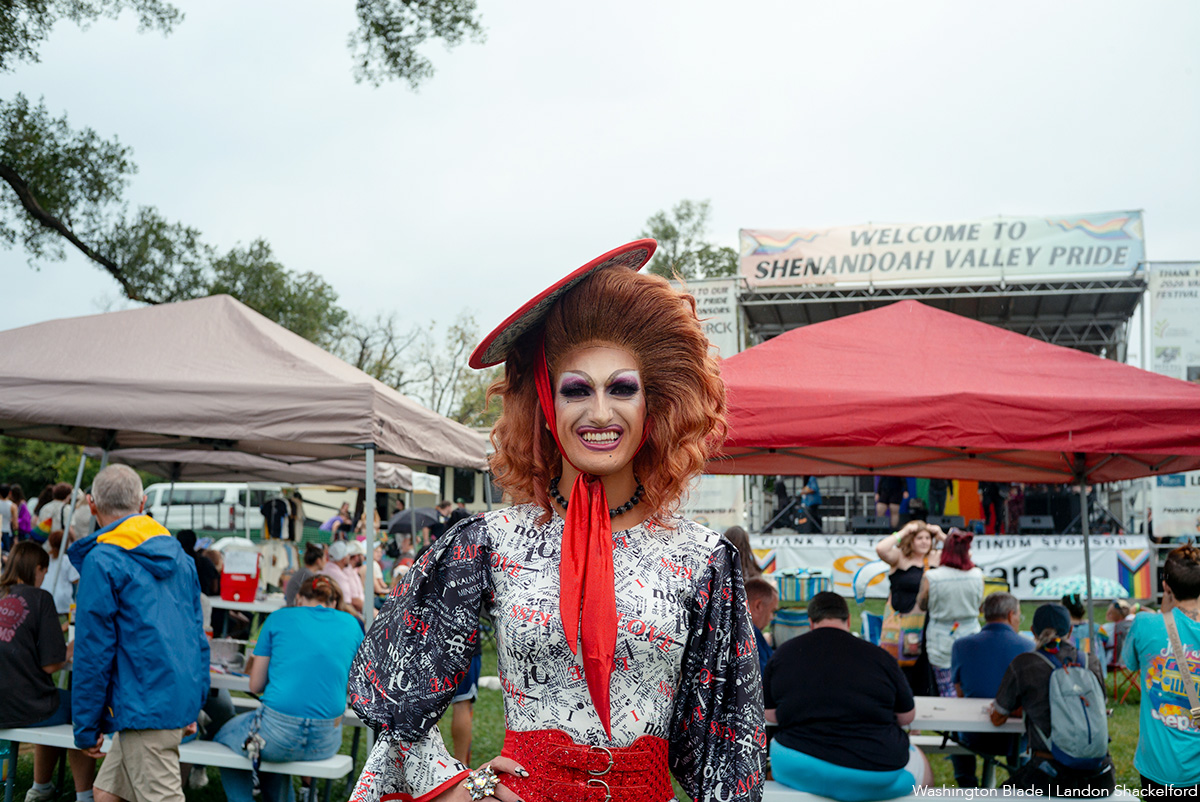
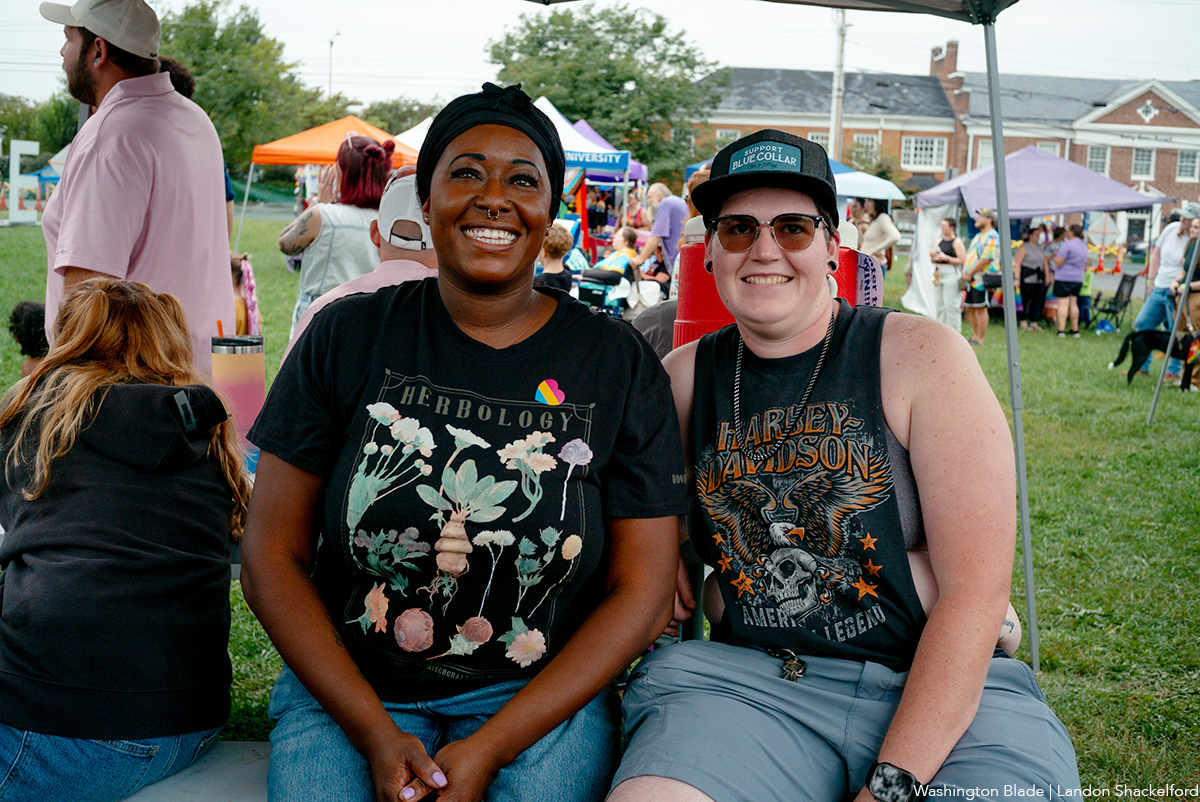
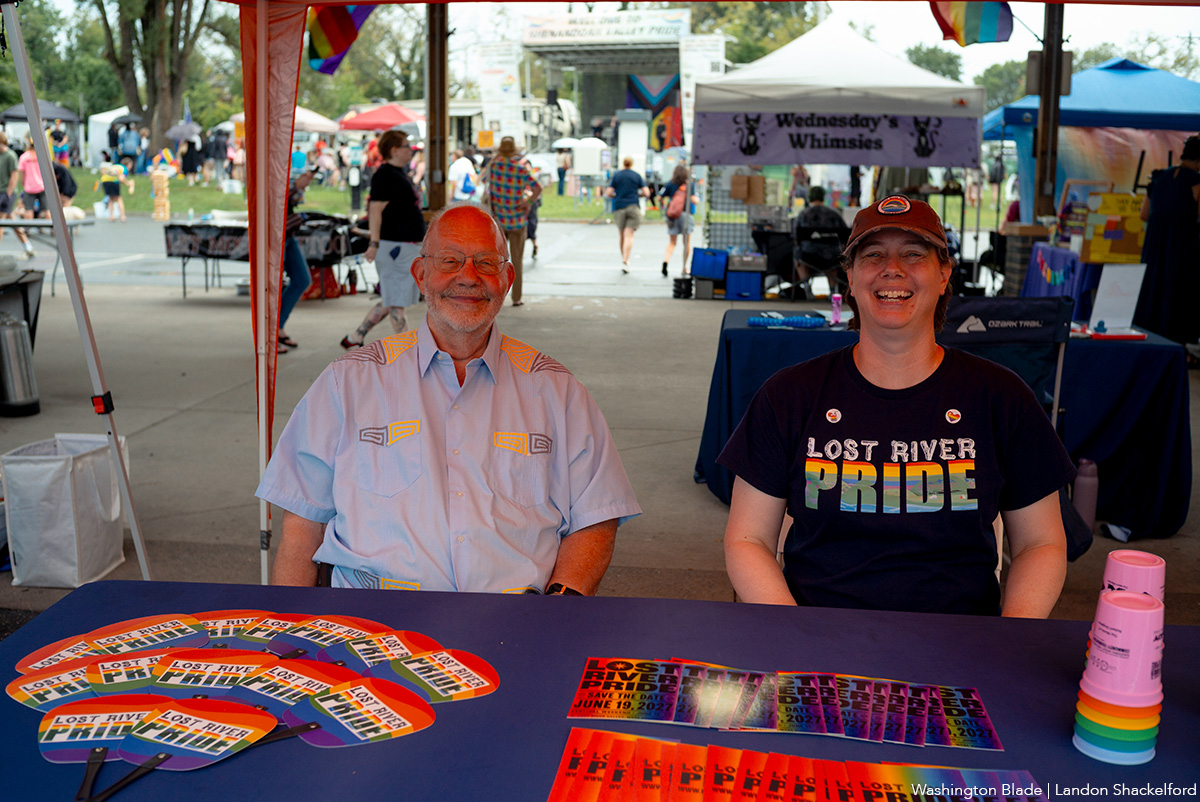
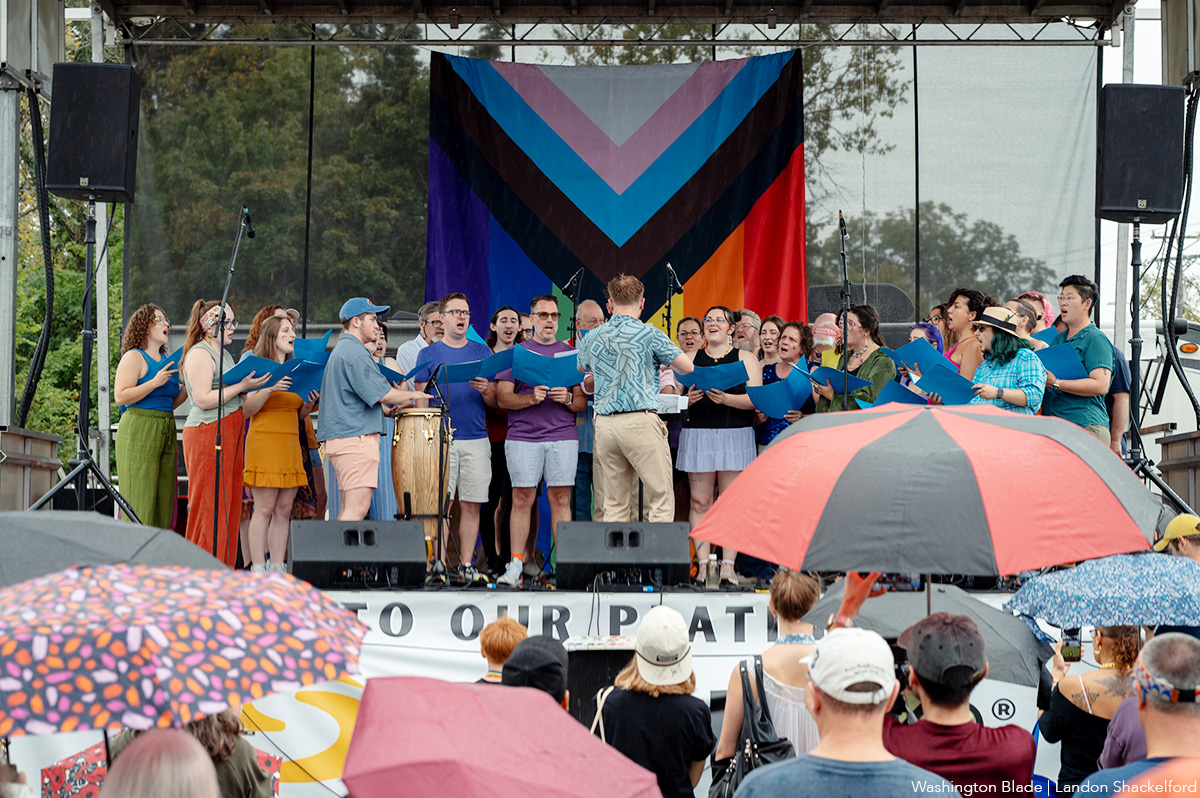
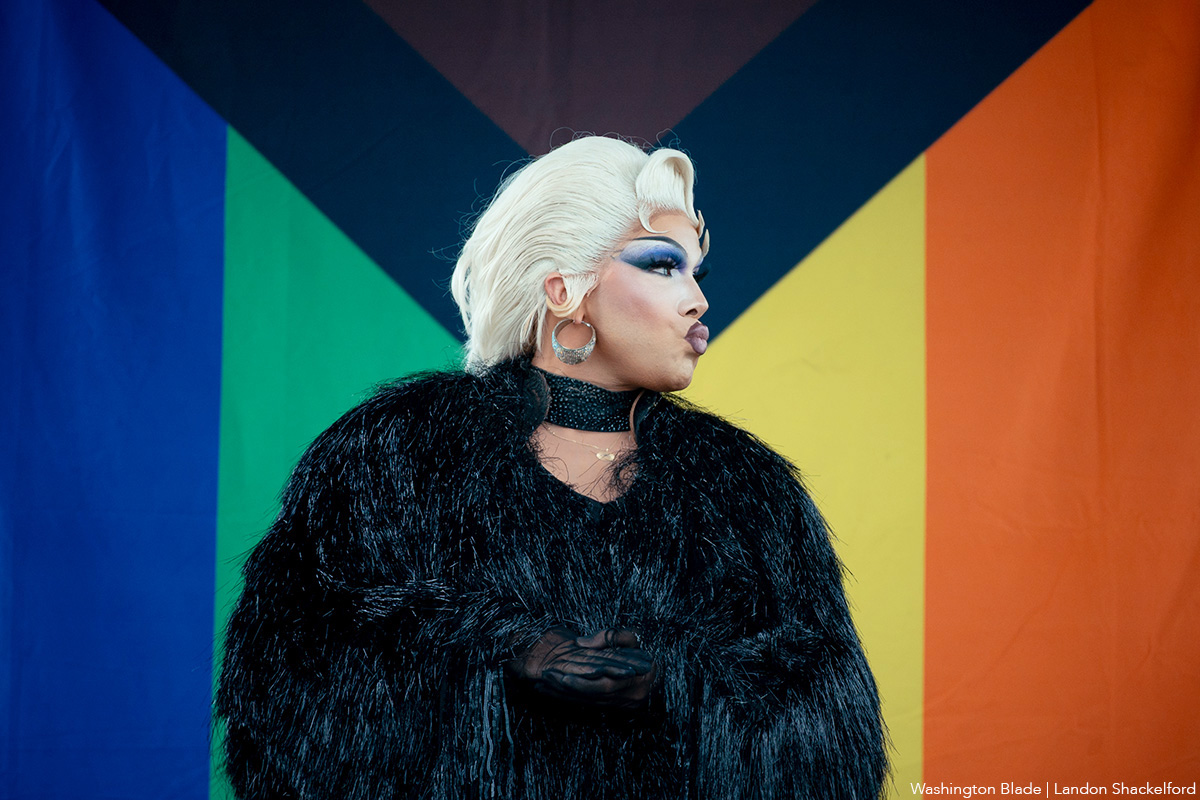
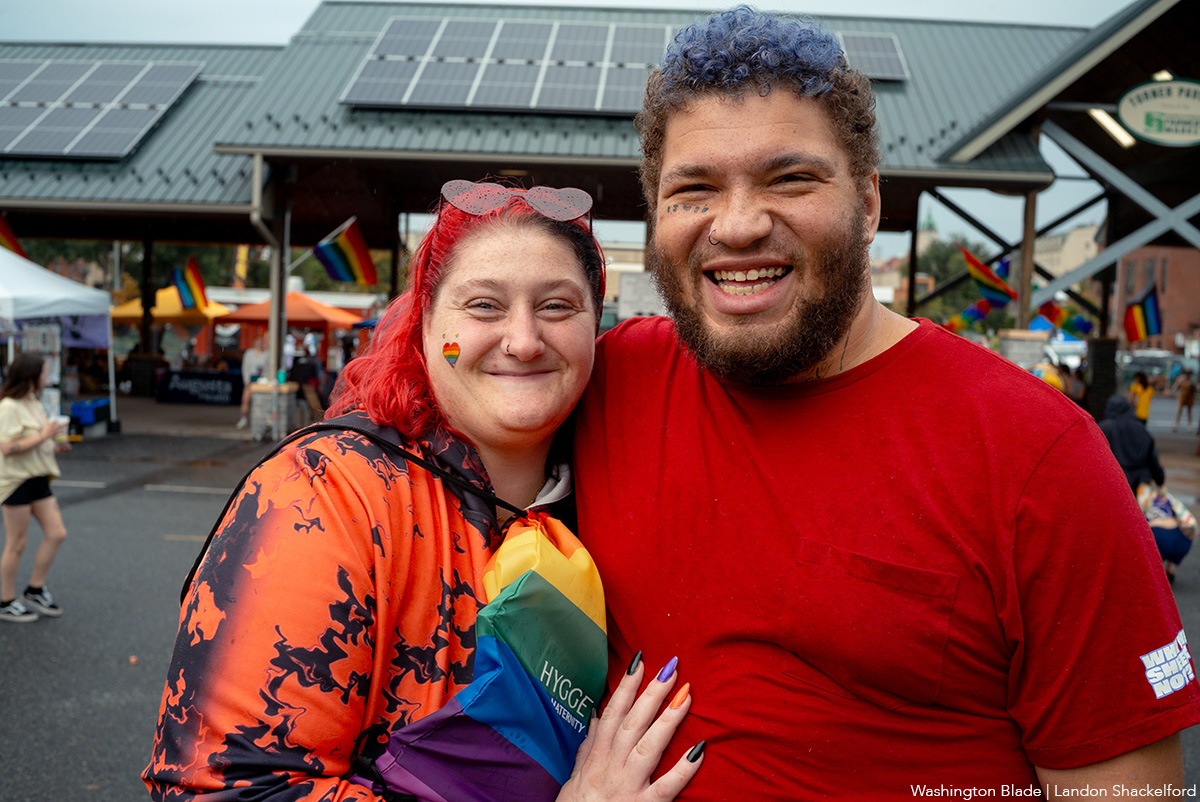
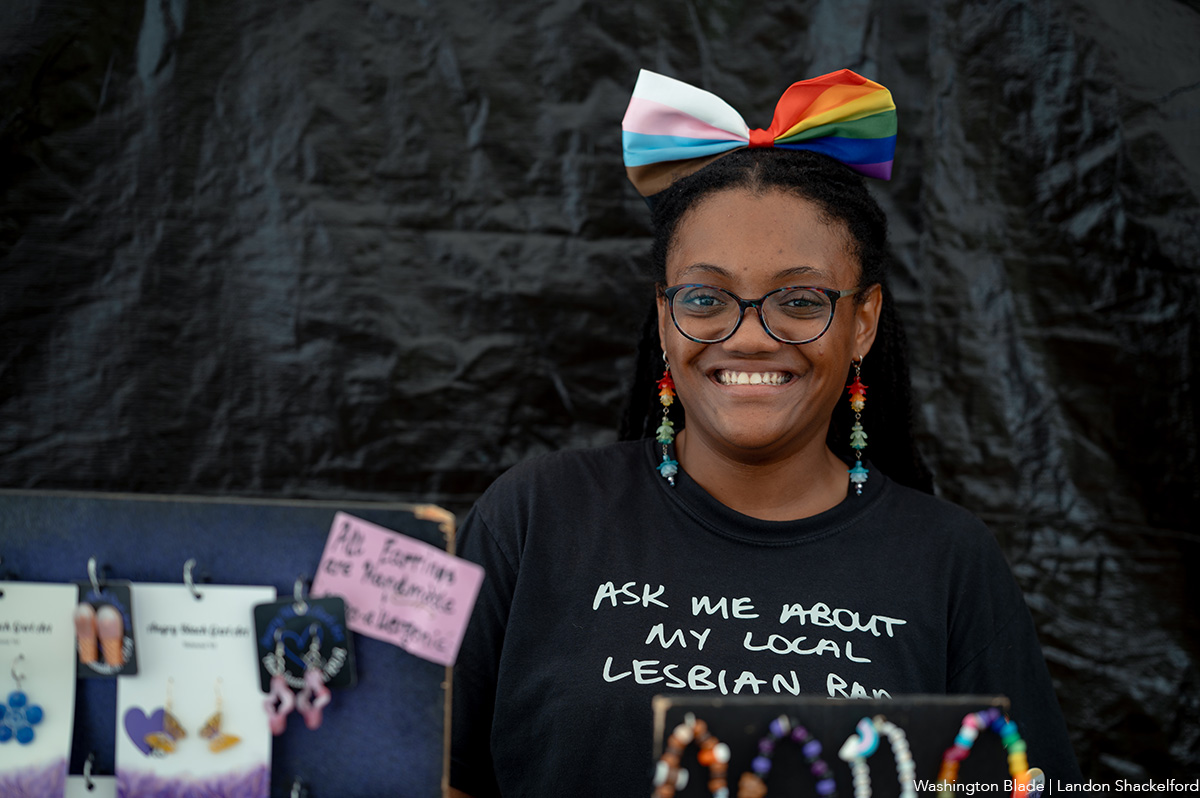
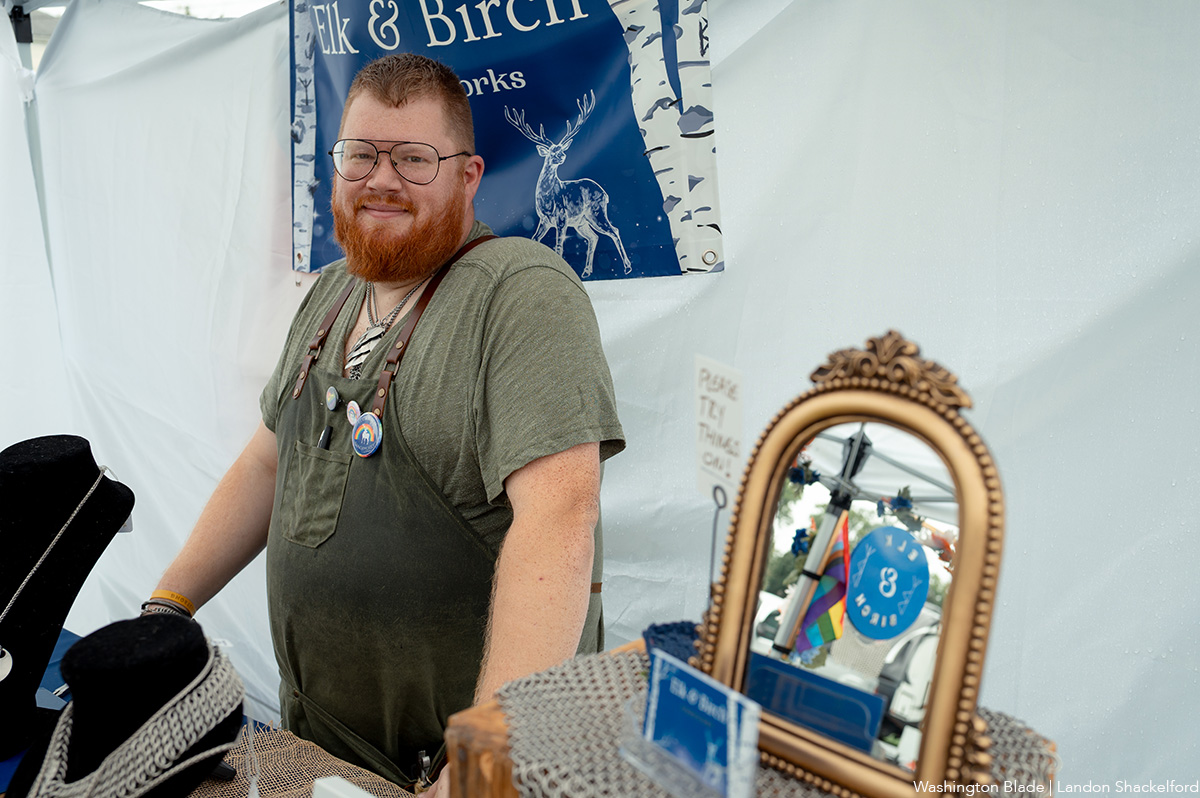
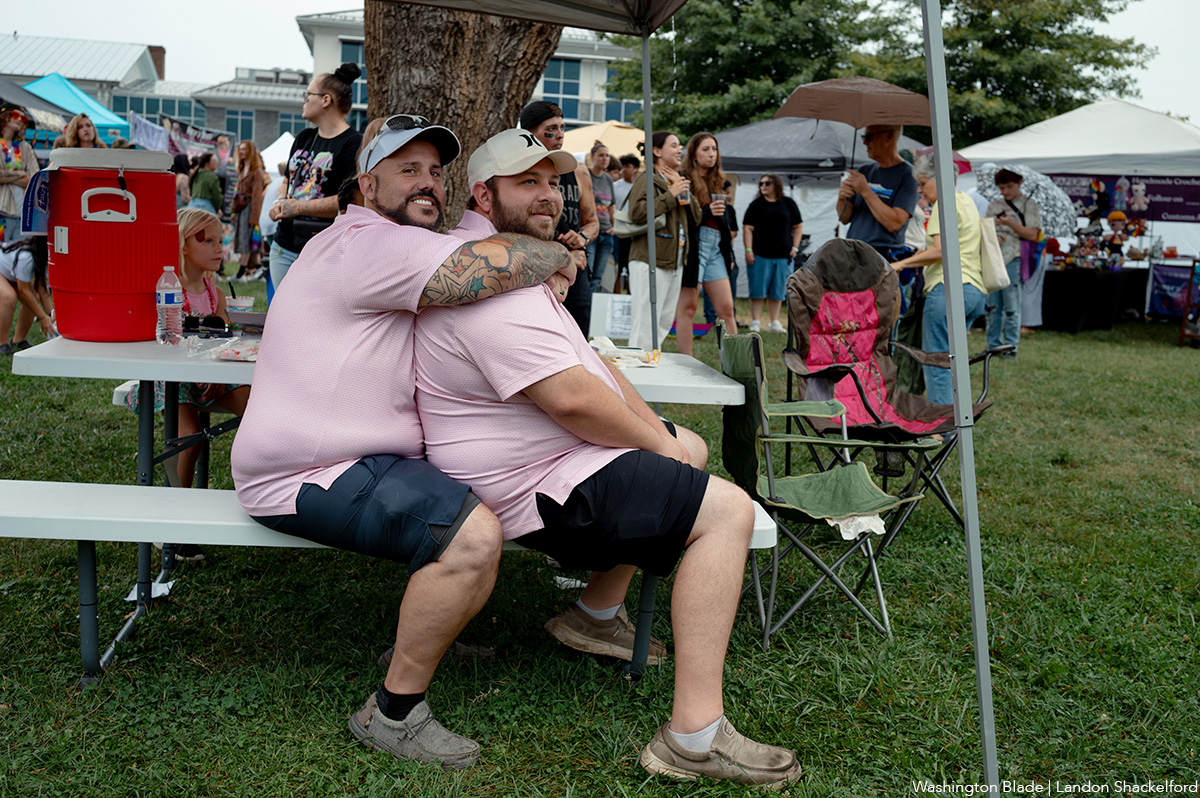
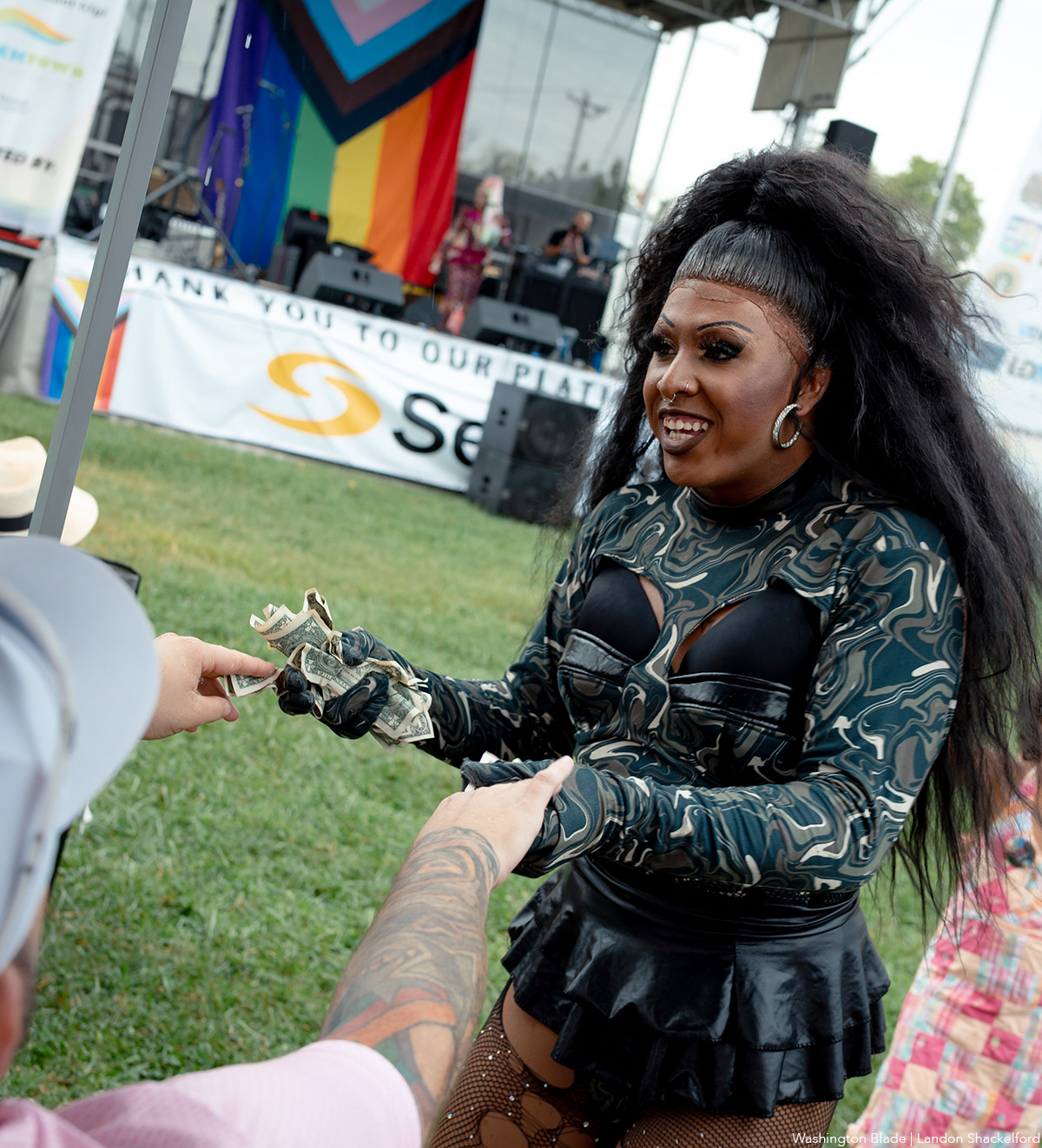
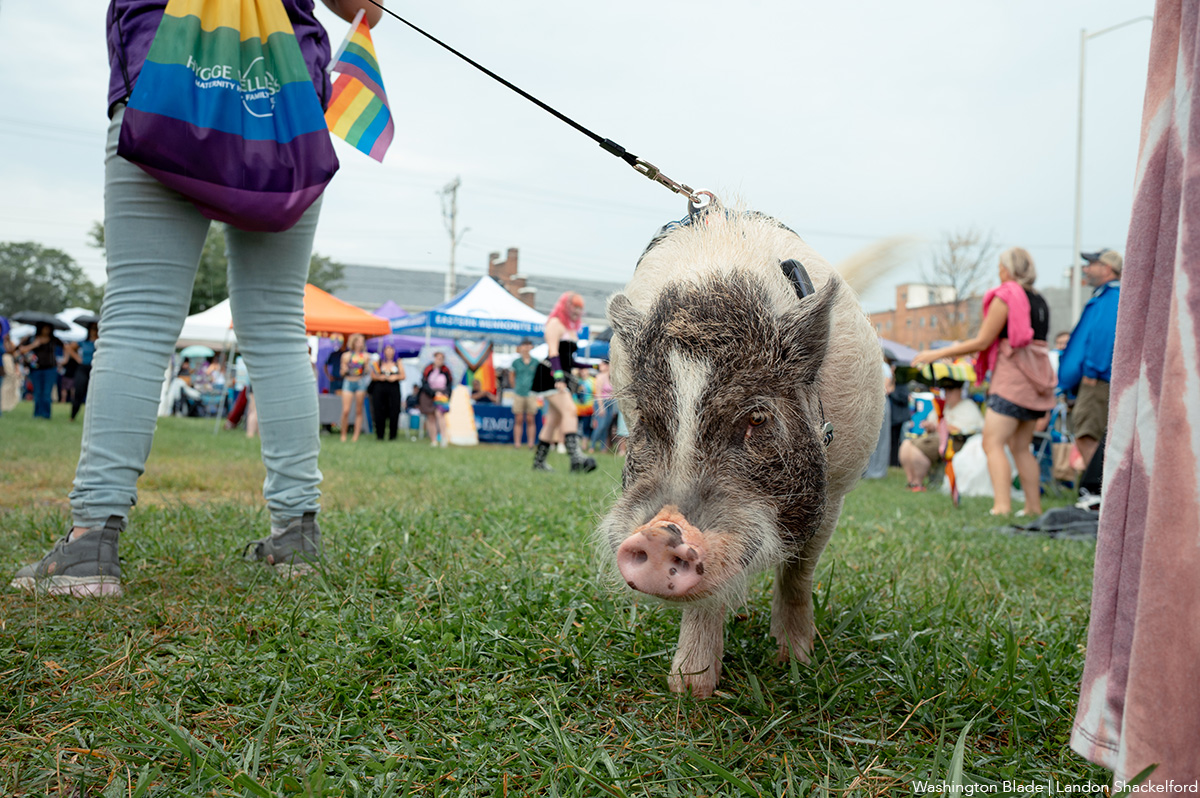
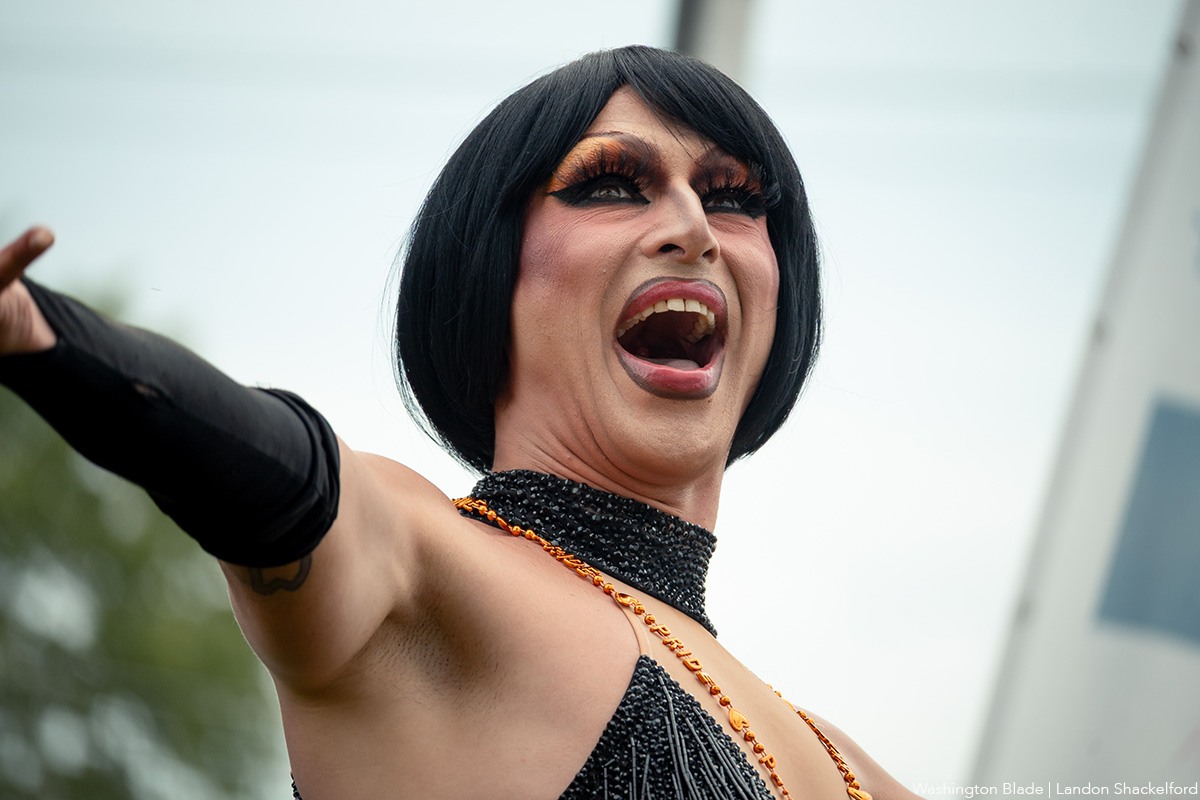
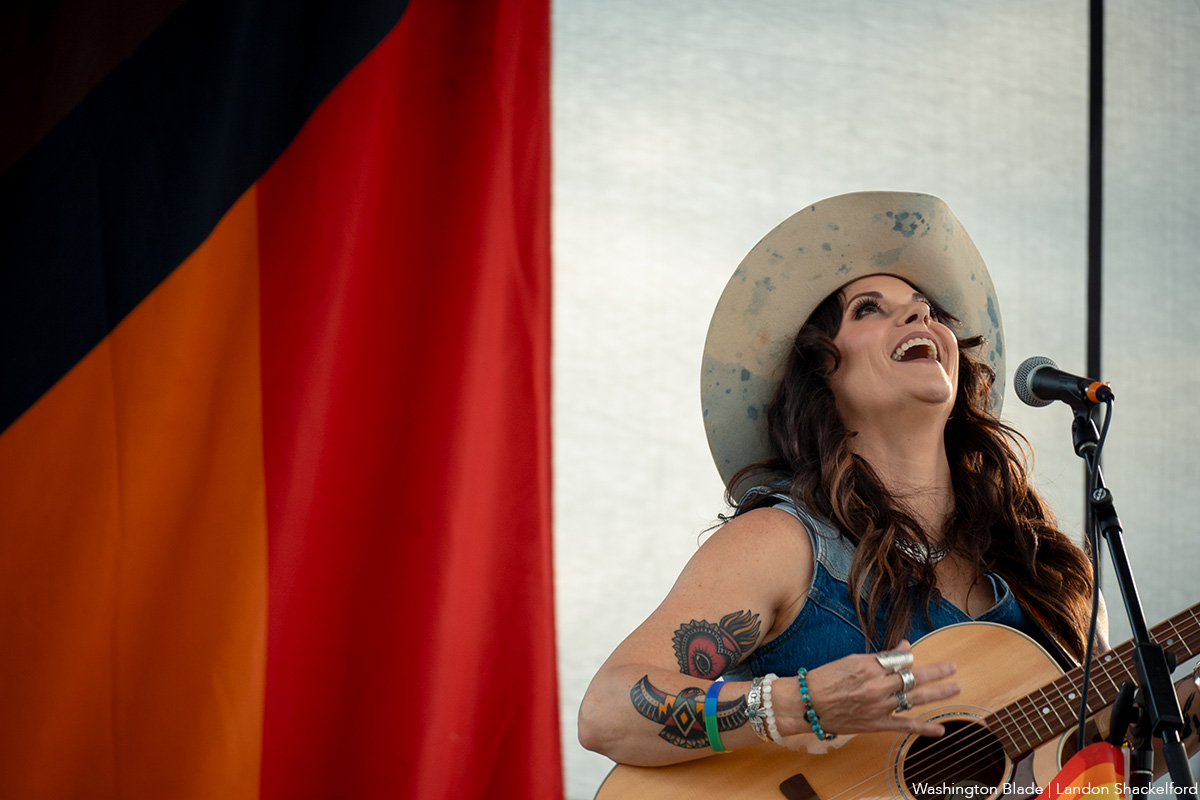
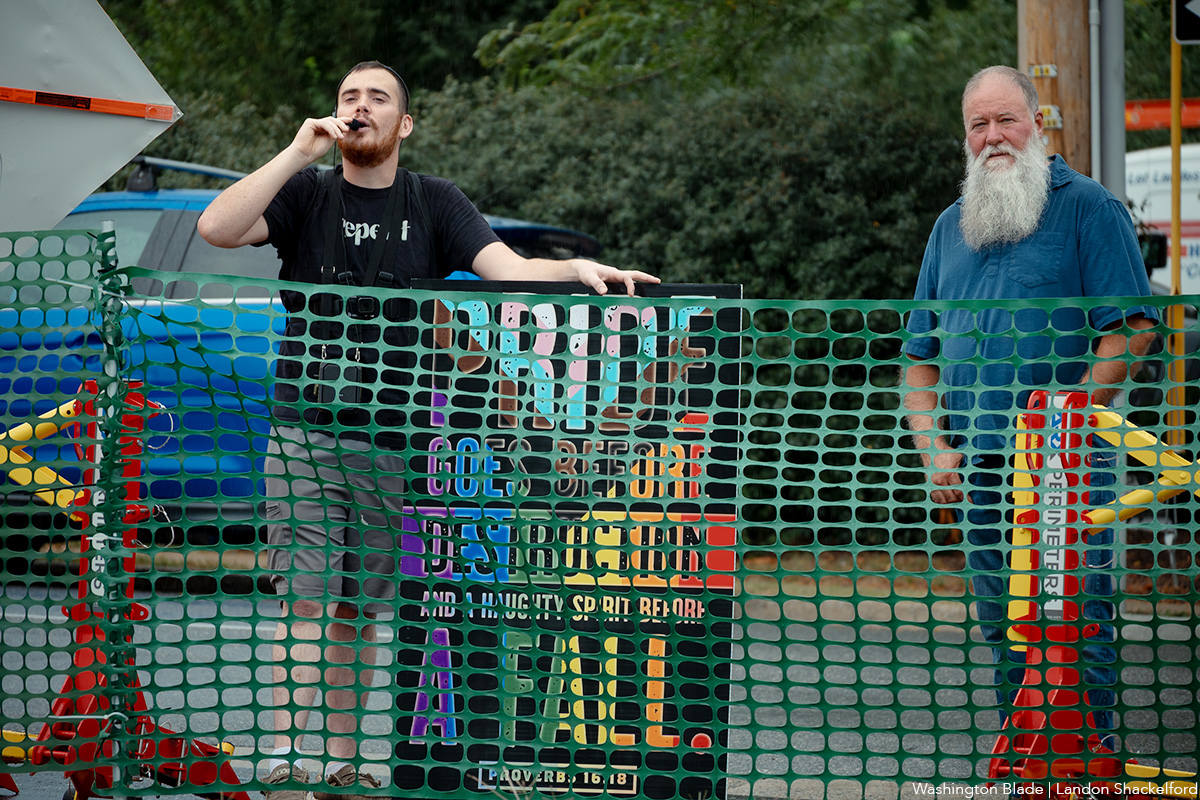
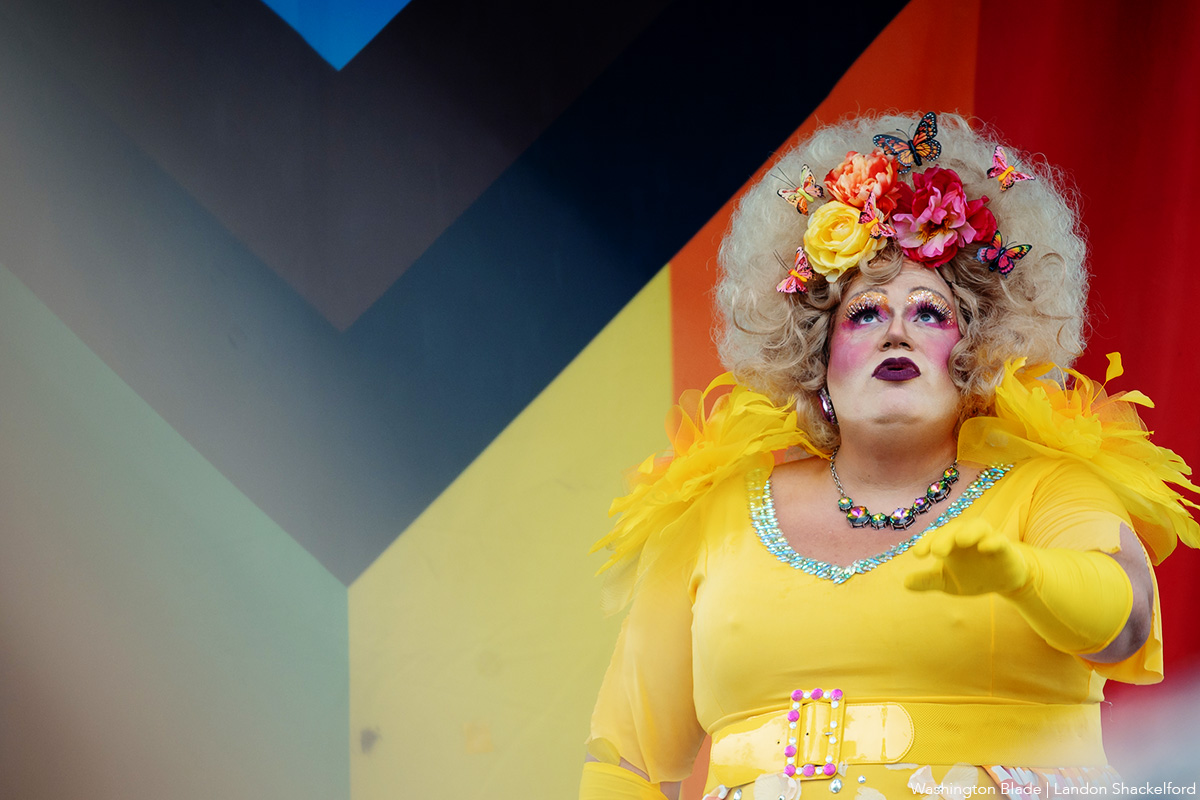
PHOTOS: Shenandoah Valley Pride
LGBTQ celebration held at Turner Pavilion in Harrisonburg, Va.
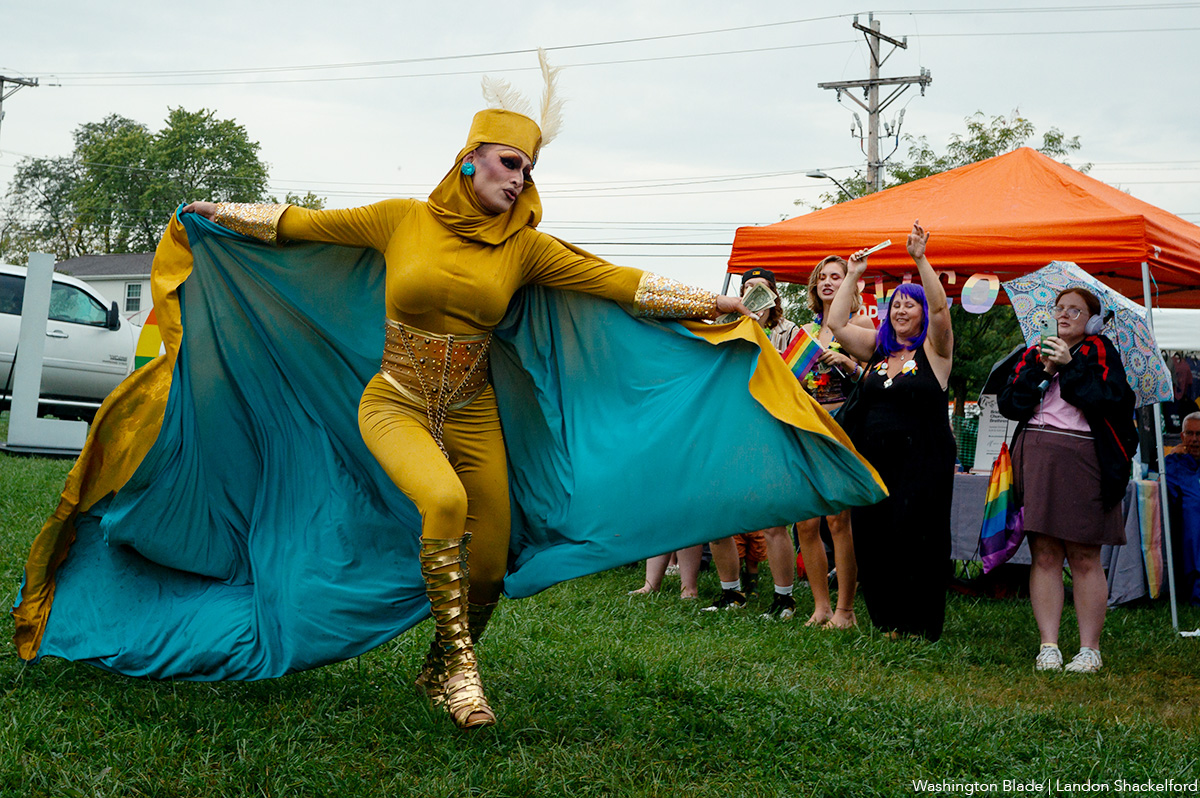
The 2026 Shenandoah Valley Pride Festival was held at Turner Pavilion in Harrisonburg, Va. on Sunday, Sept. 20.
(Washington Blade photos by Landon Shackelford)

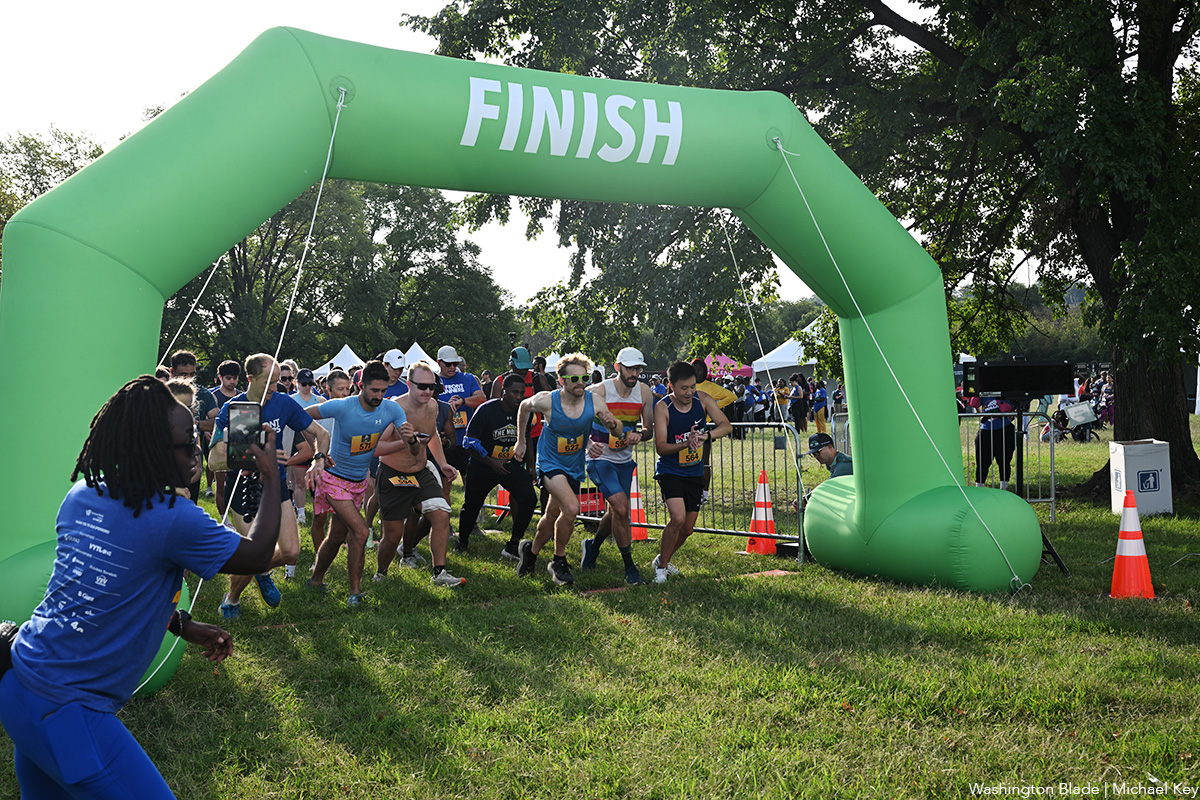
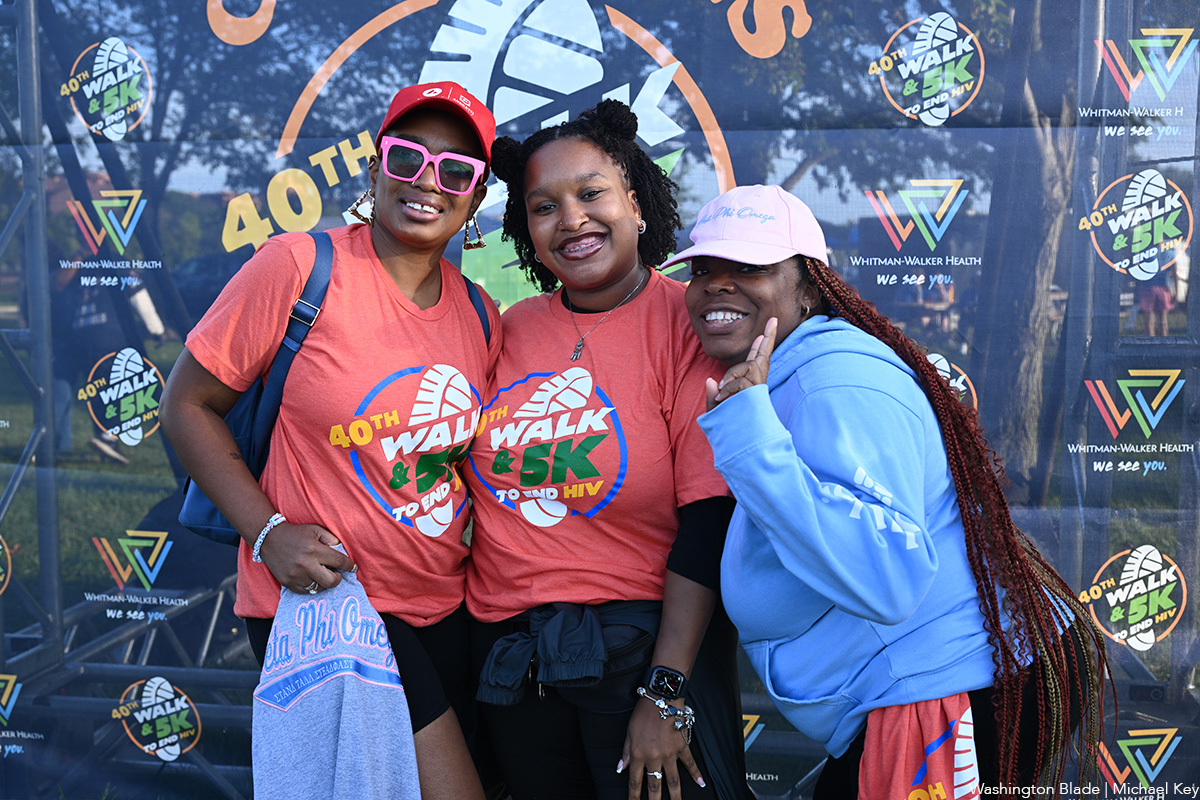
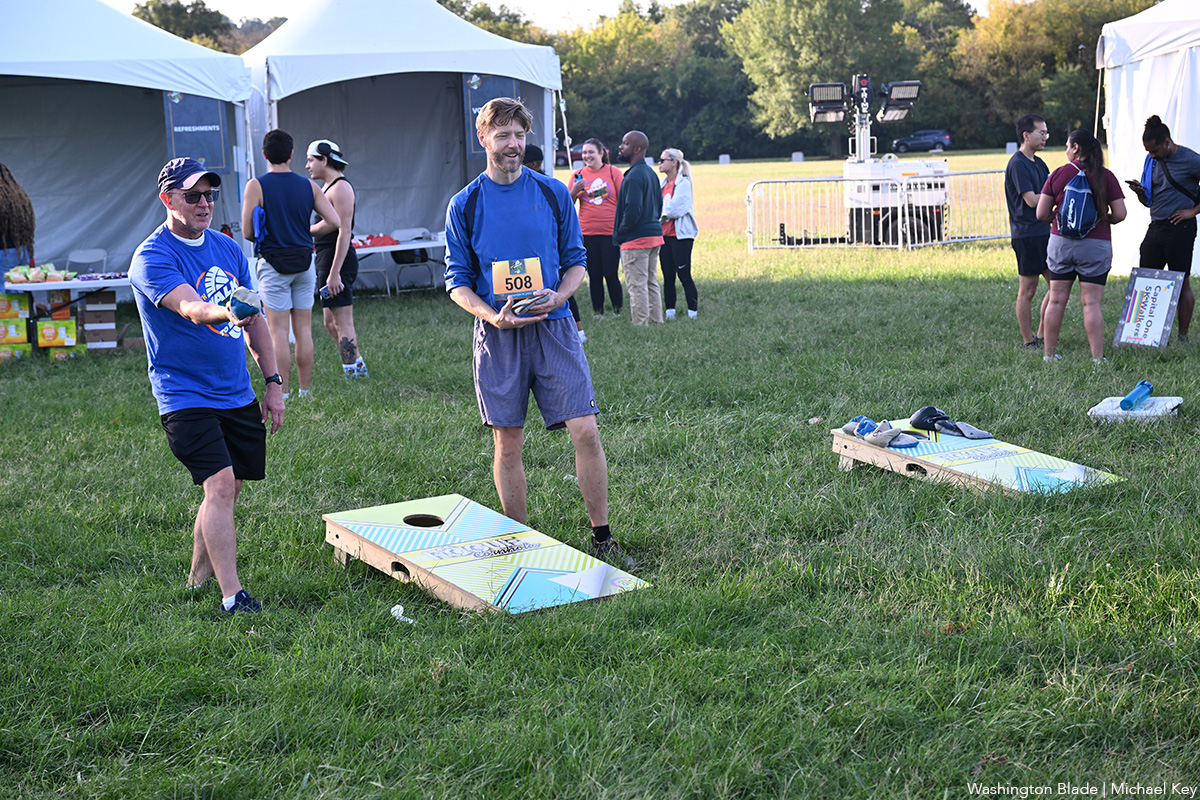
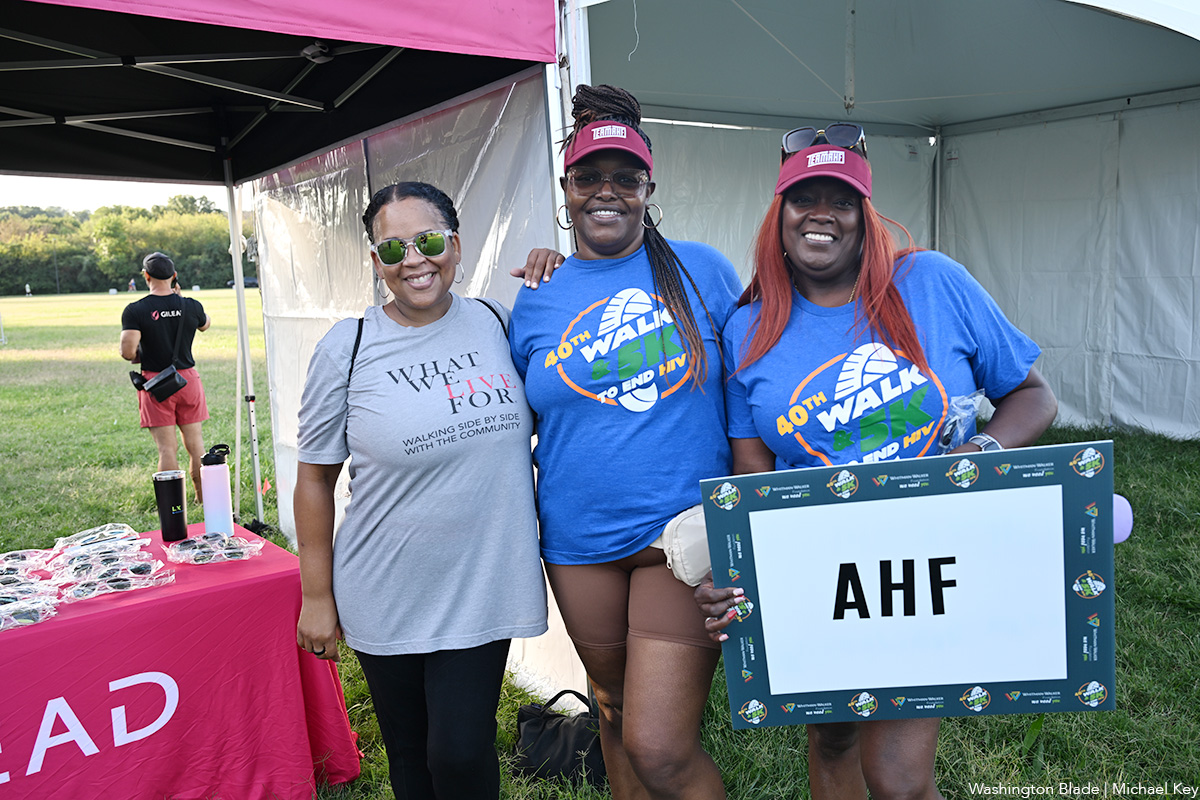
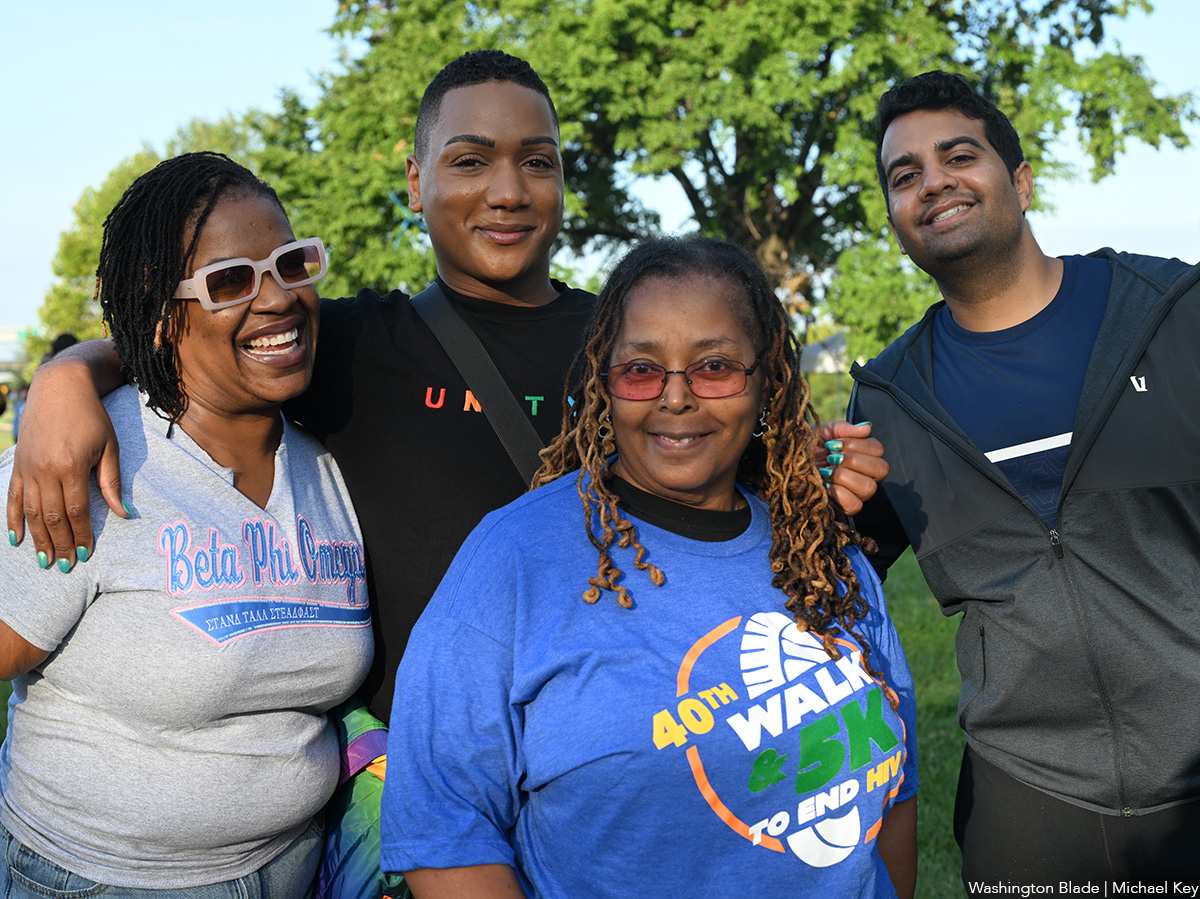
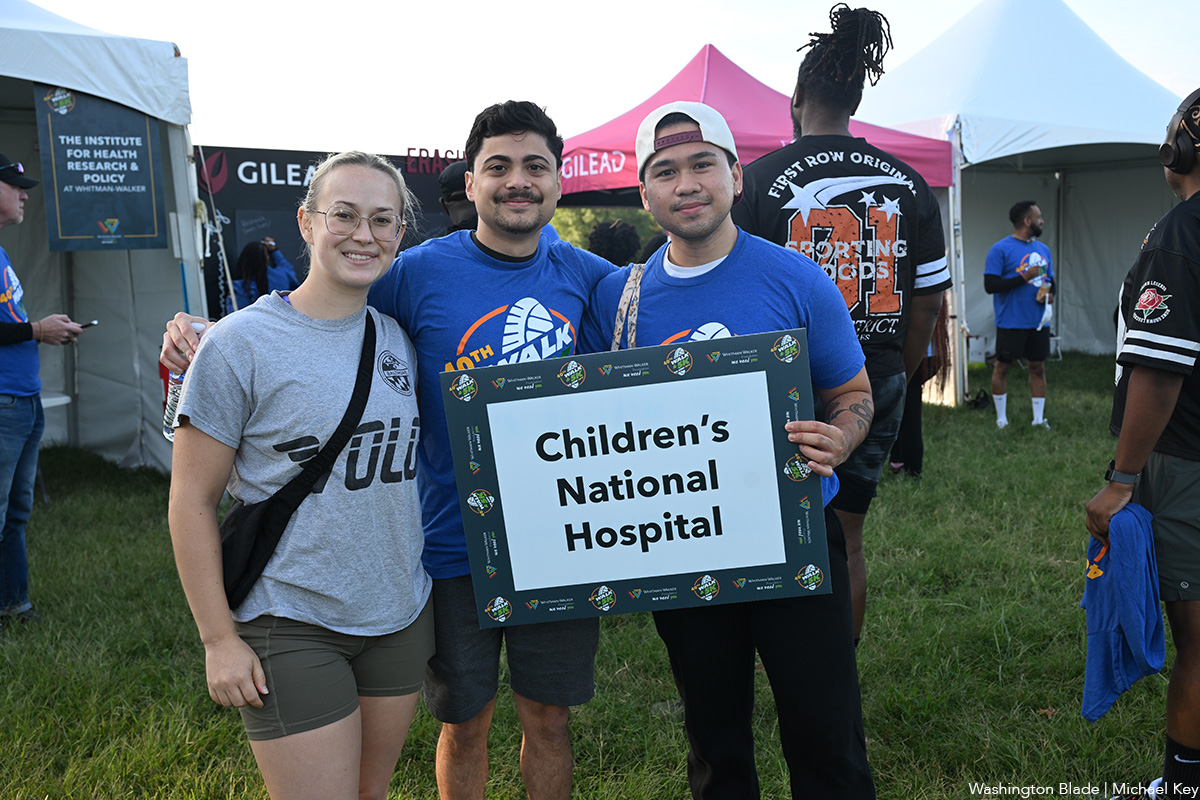
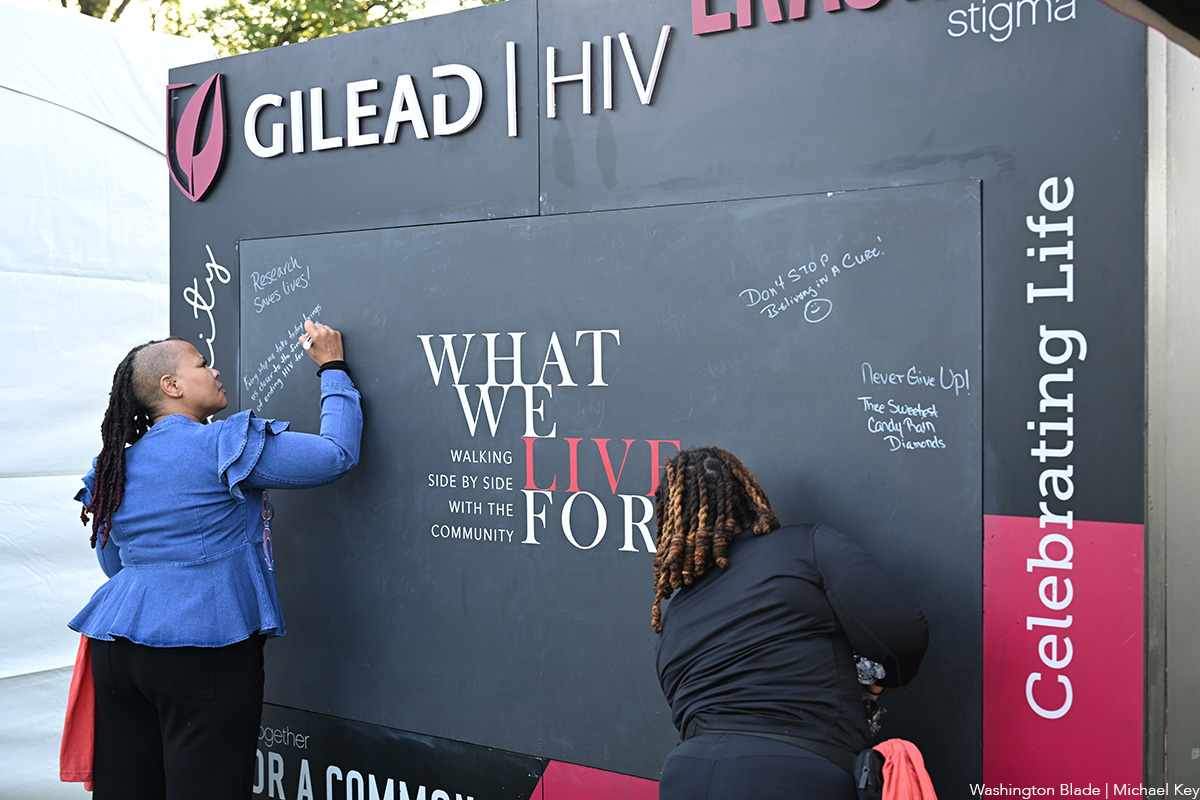
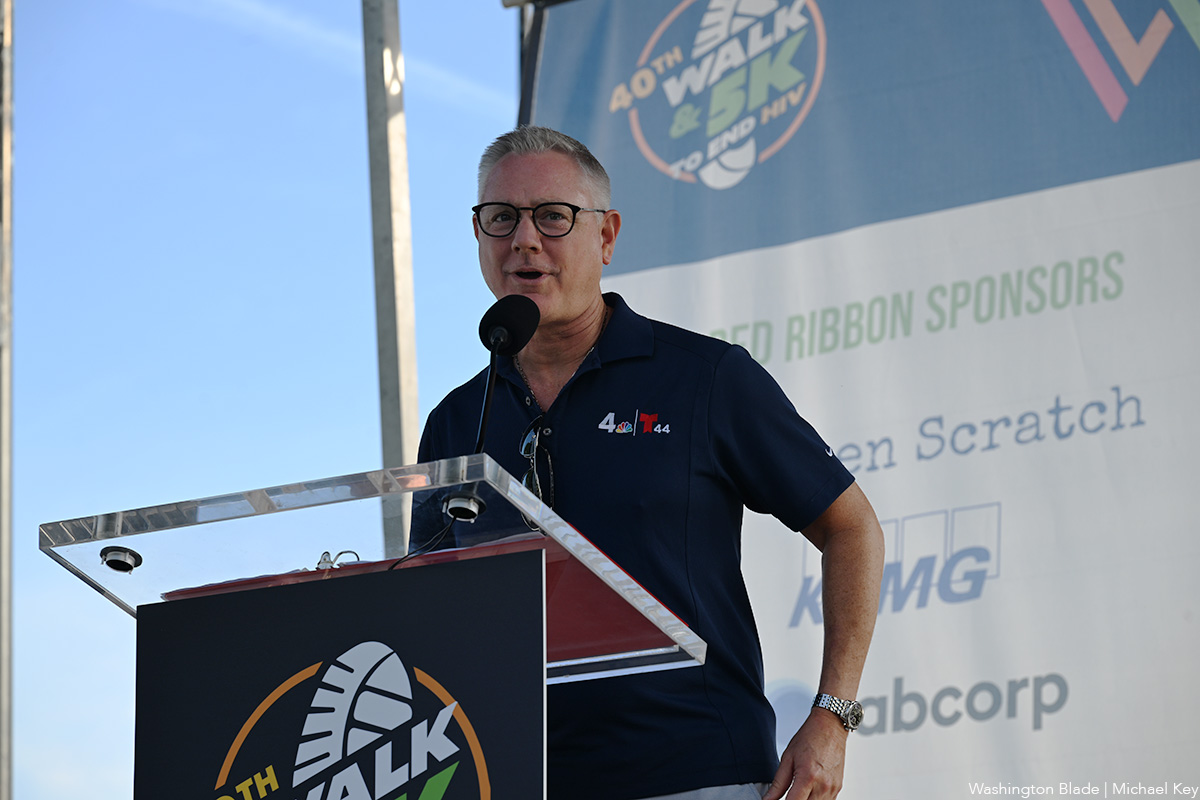
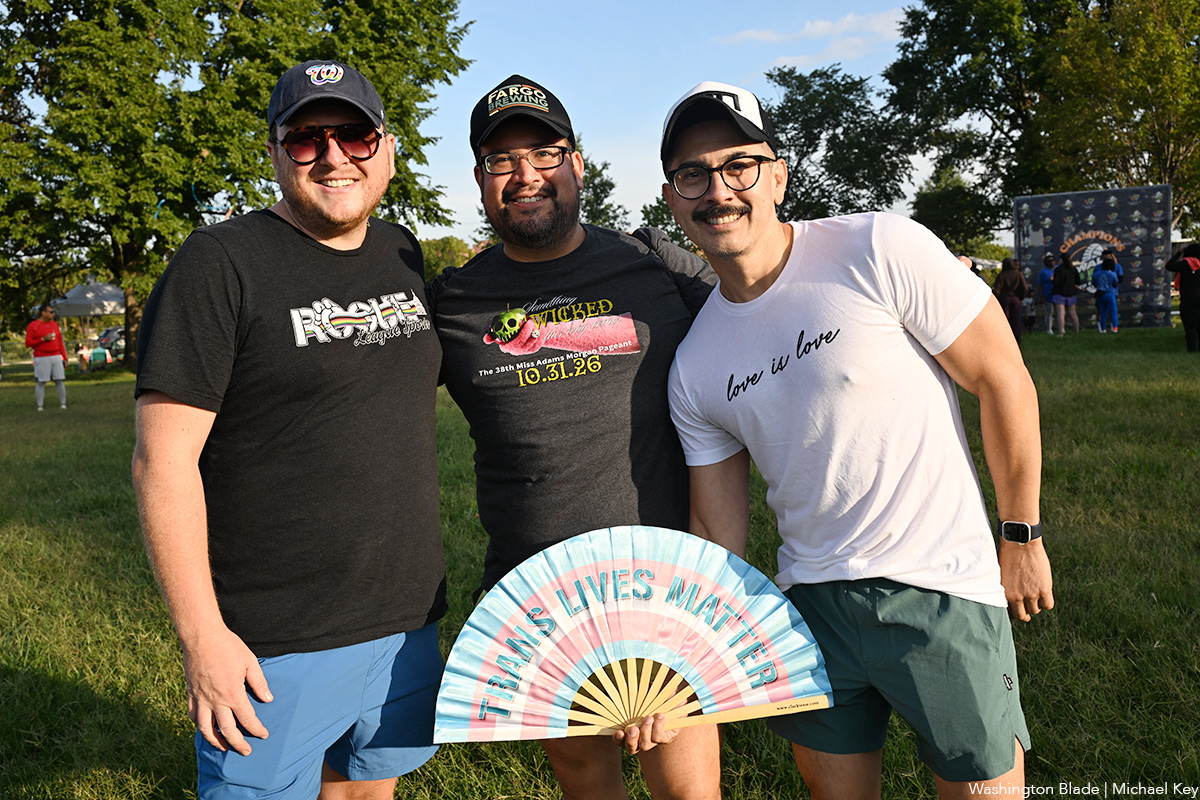
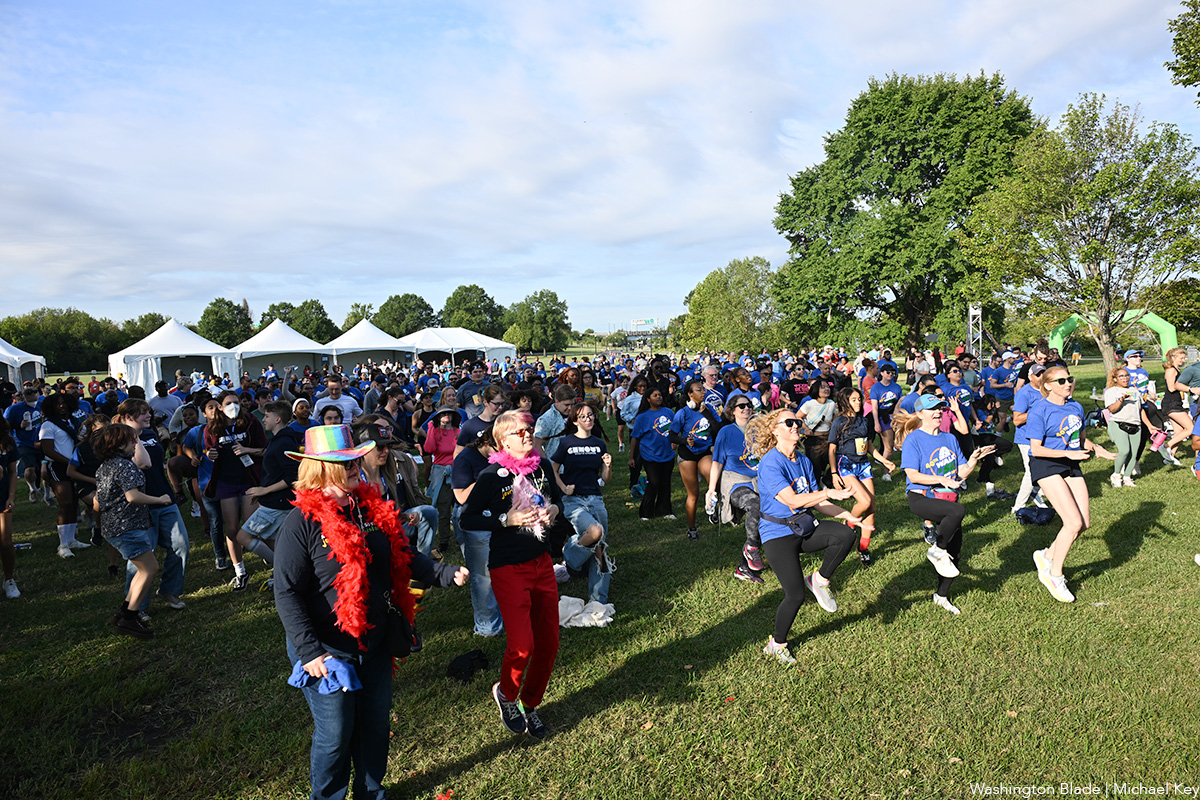
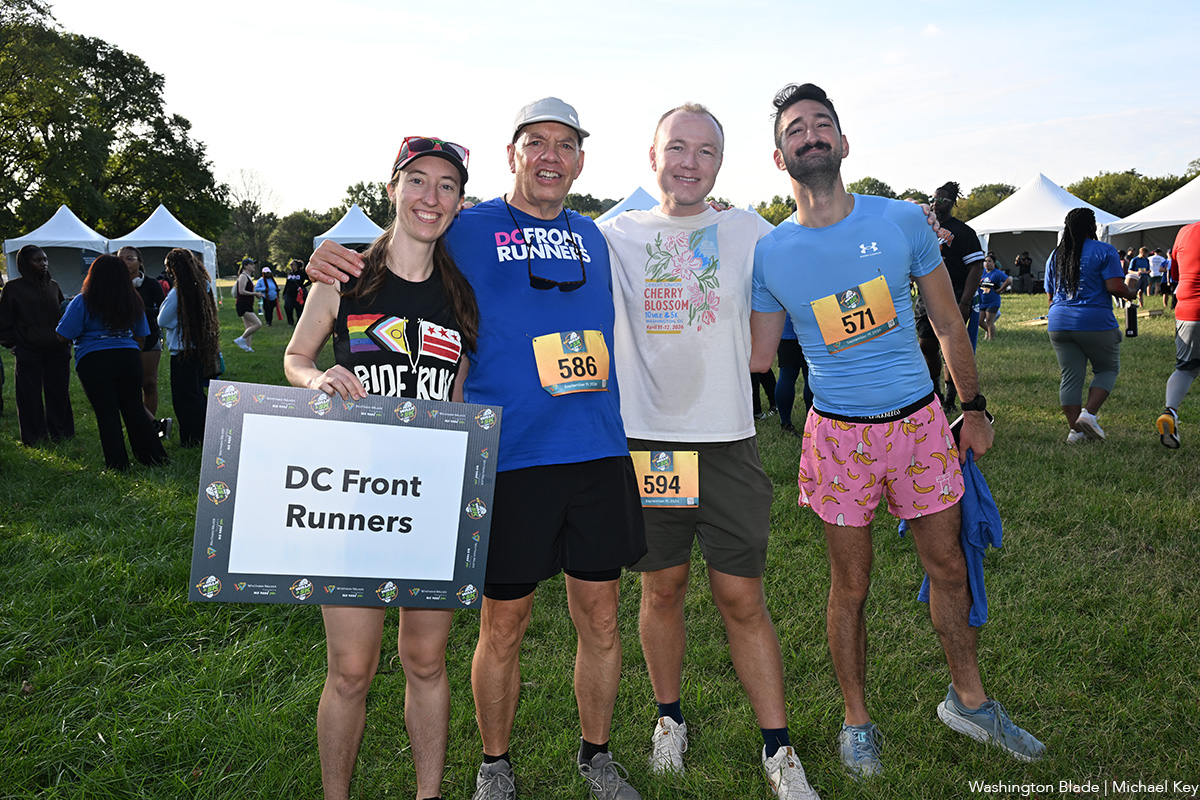
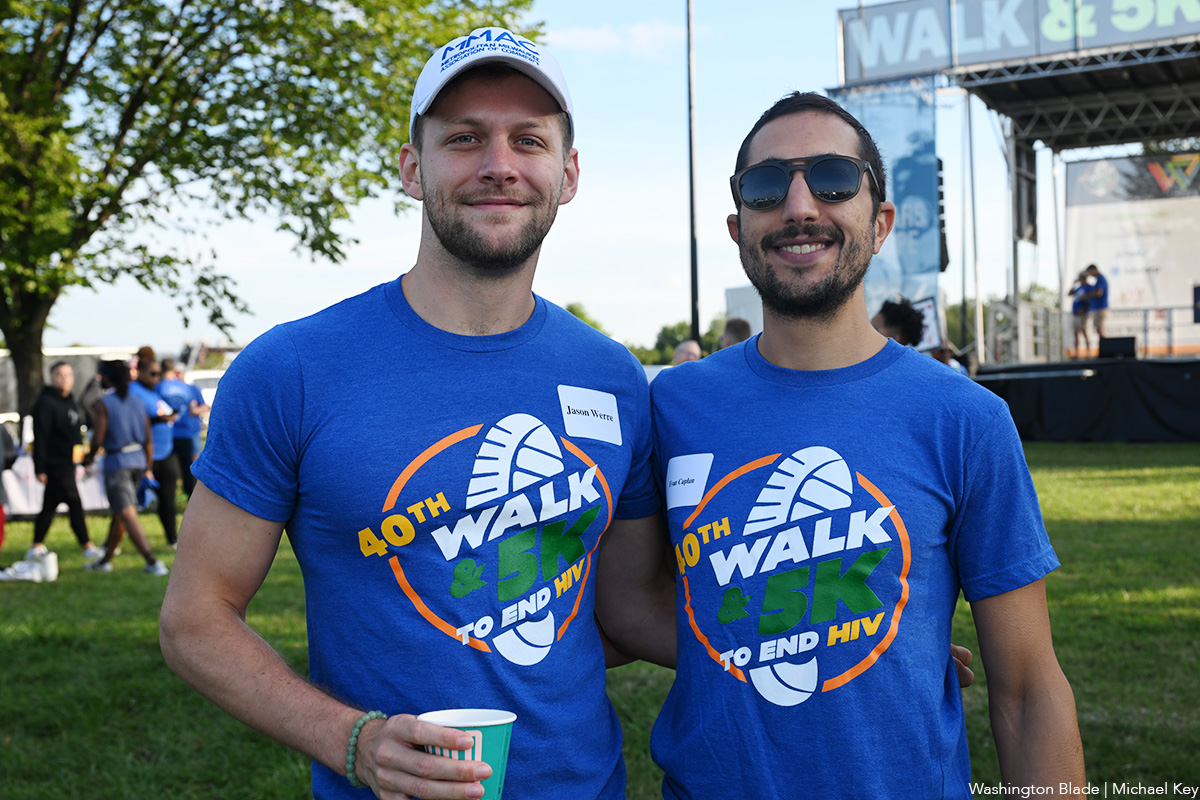
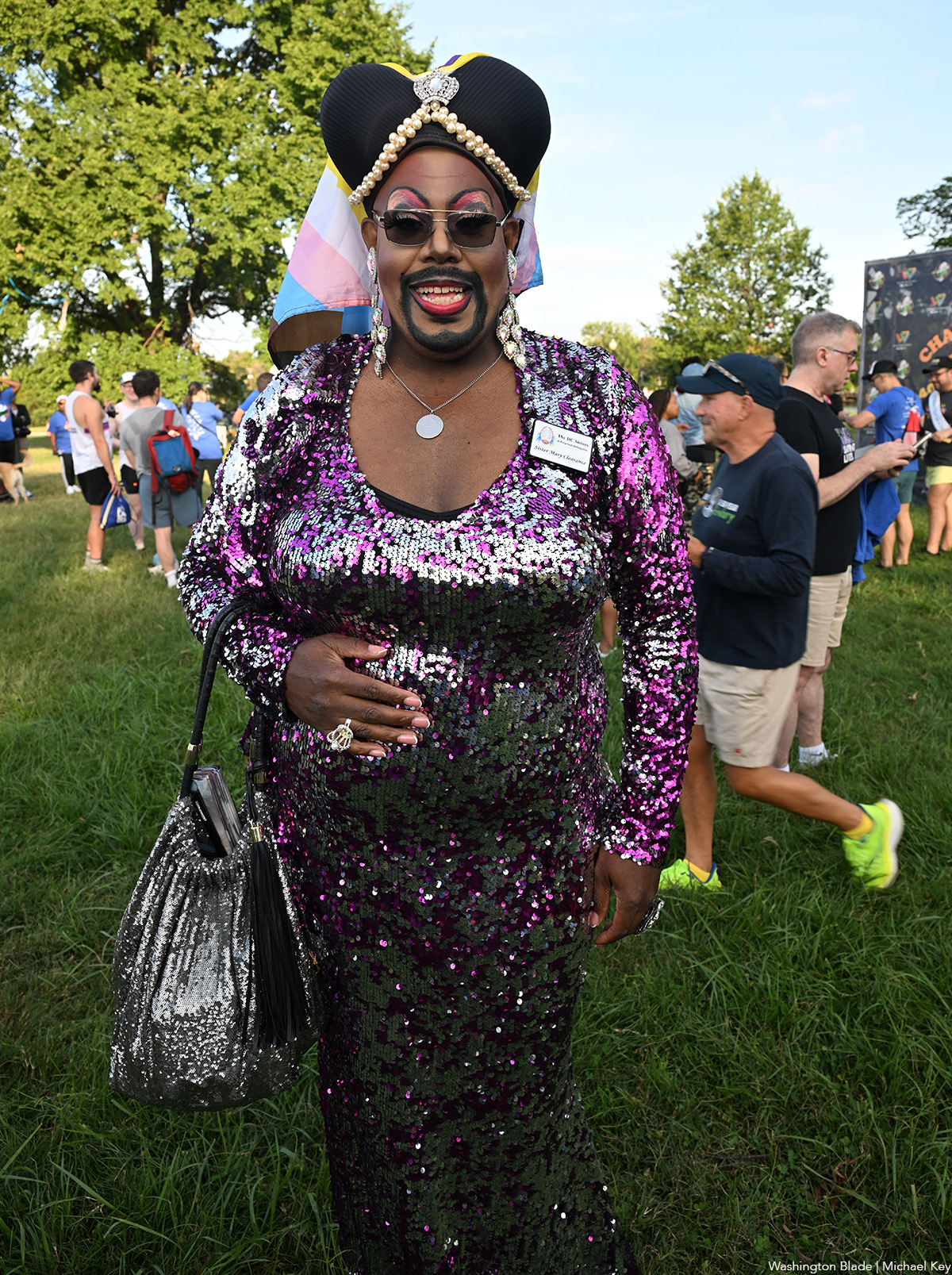
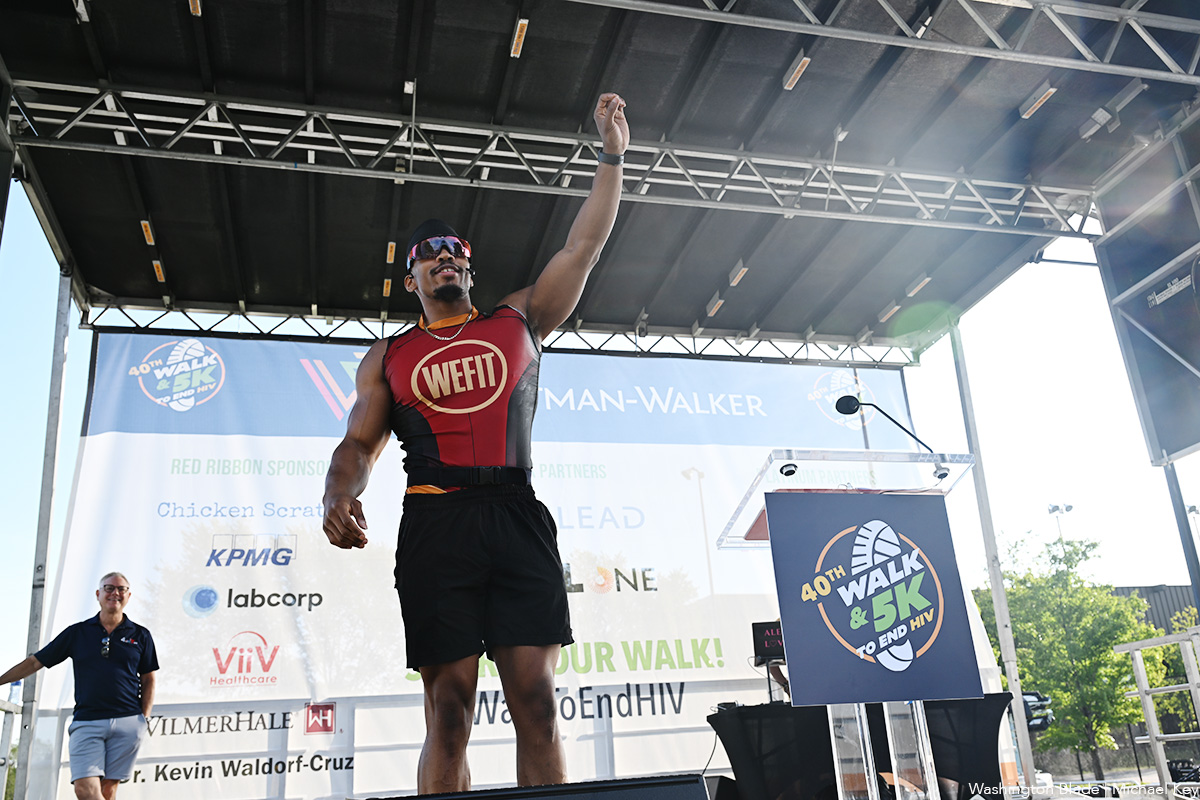
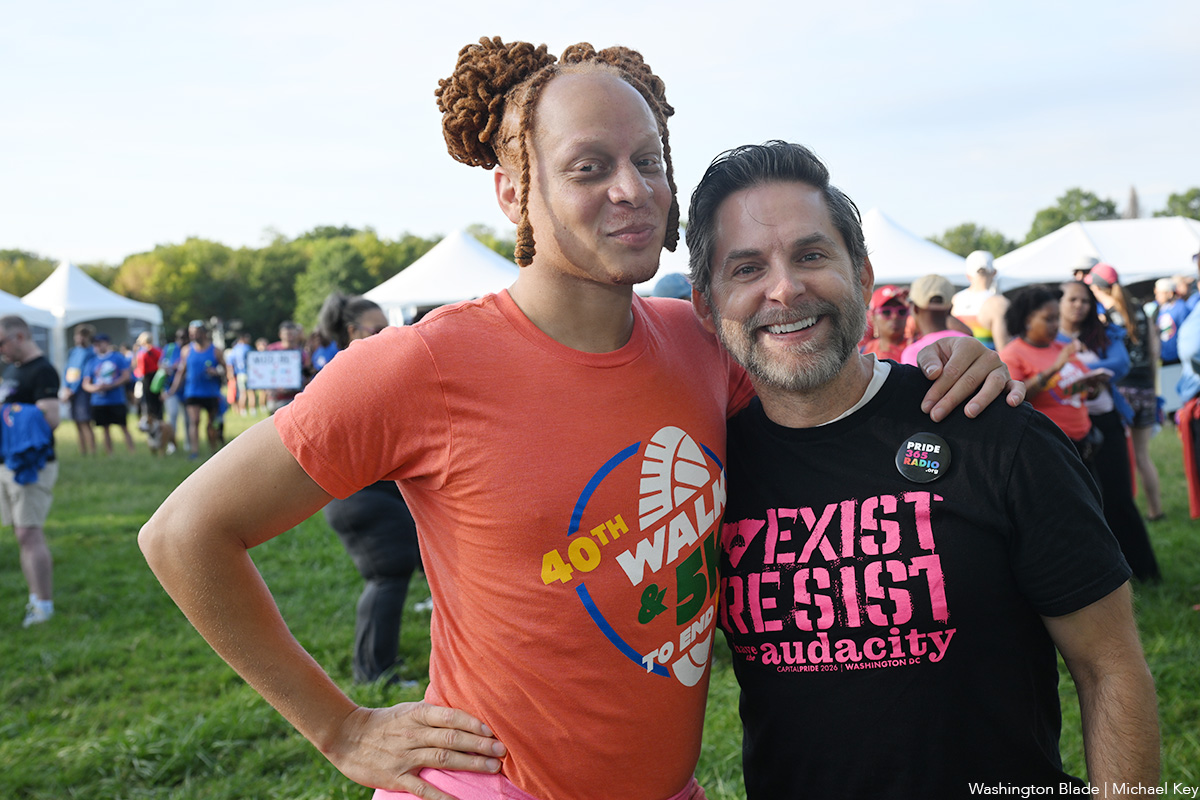
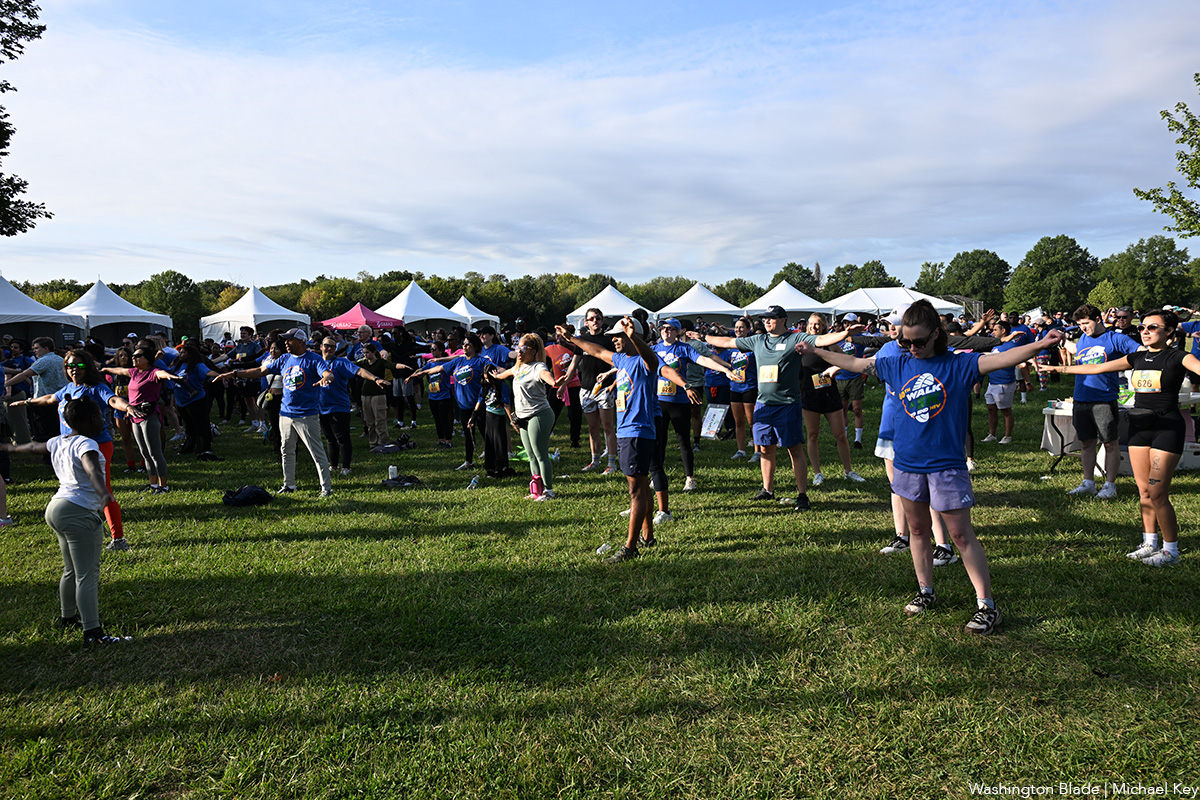
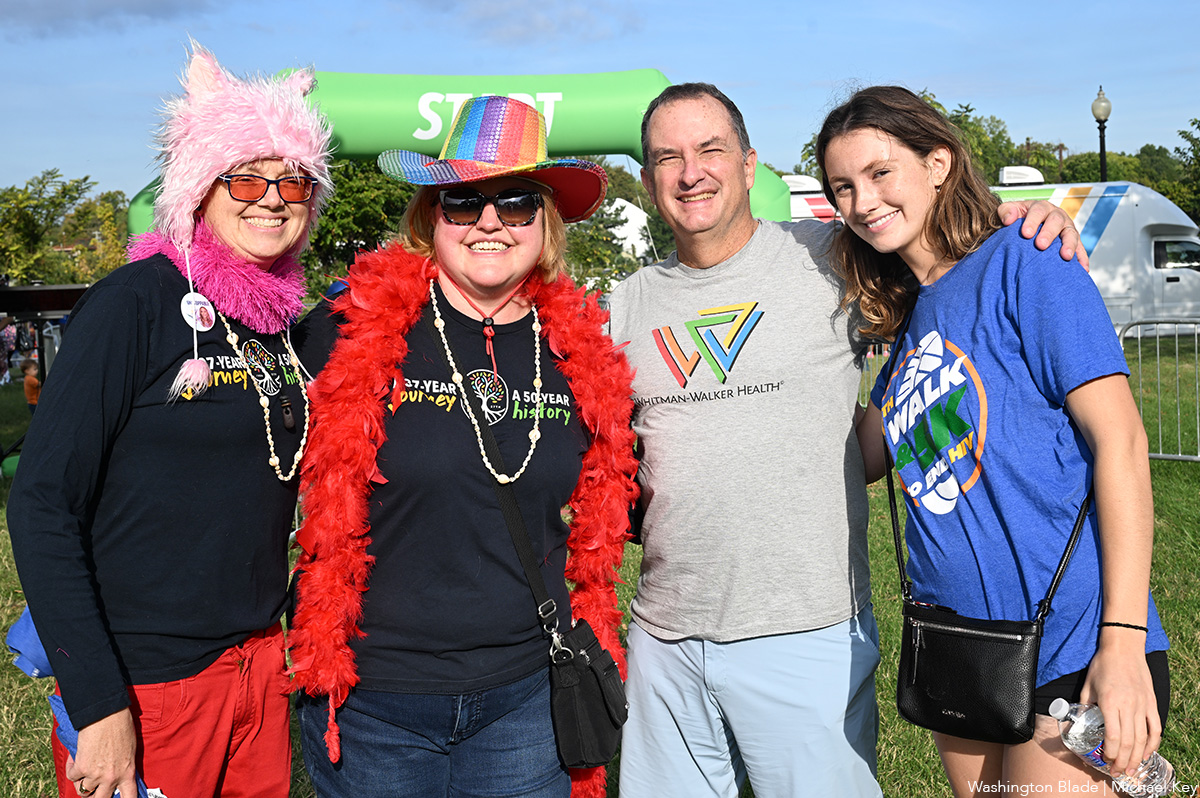
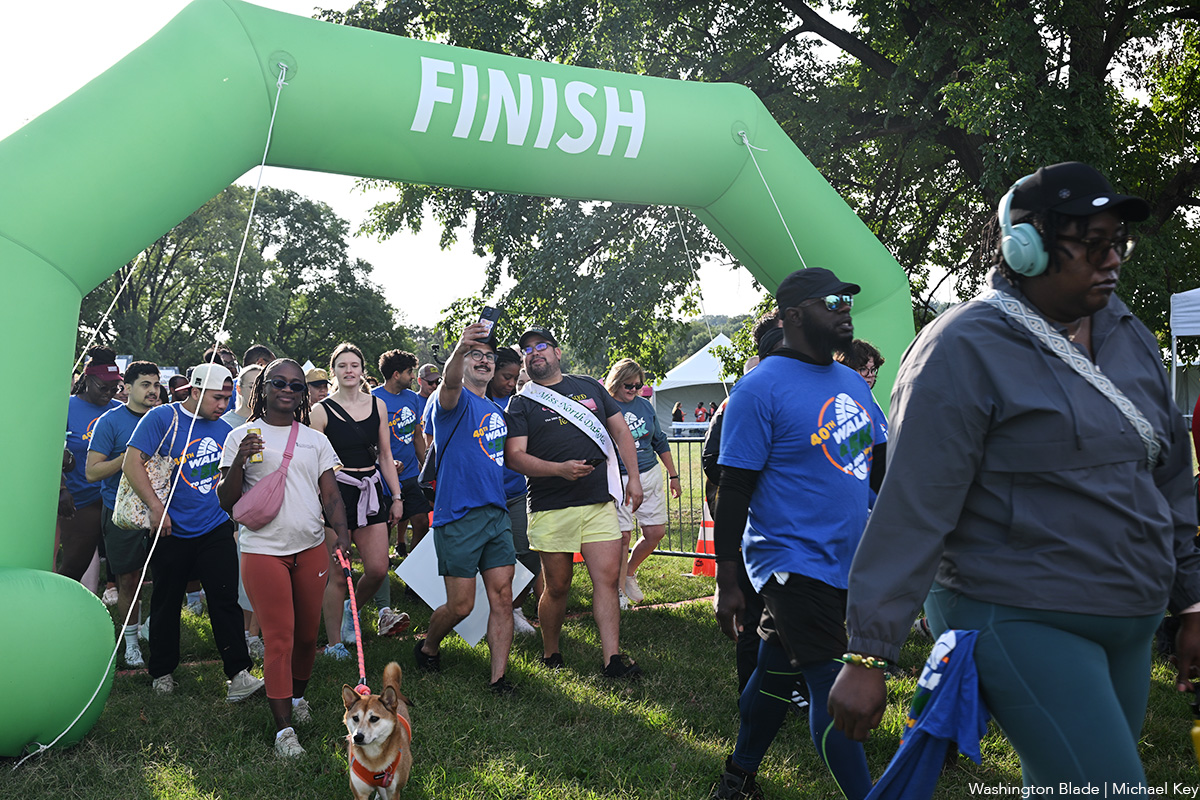
Whitman-Walker Health held the 40th annual Walk and 5K to End HIV at Anacostia Park on Saturday, Sept. 19.
(Washington Blade photos by Michael Key)



Caso Karlina: Una sentencia histórica contra las terapias de «conversión»

Washington Blade responds to concerns over White House pool duties

Young people should know history of the fight for human rights

Dutch prime minister visits Stonewall Inn

Clavicular charged in alleged rape of teenage influencer

Over 2,000 turn out for Hands Around the Kennedy Center protest

PHOTOS: Wanda Alston Foundation Fall Reception

PHOTOS: Walk and 5K to End HIV

What LGBTQ veterans are building after ‘Don’t Ask, Don’t Tell’