Arts & Entertainment
Calendar: March 21-27
Center groups, parties, exhibits and more for the week ahead
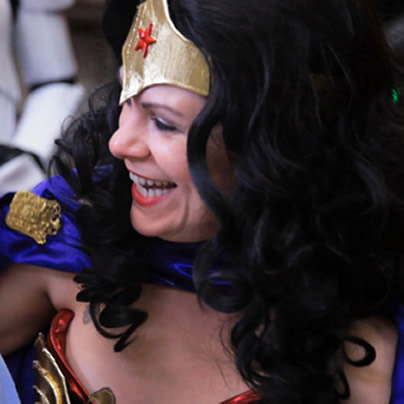
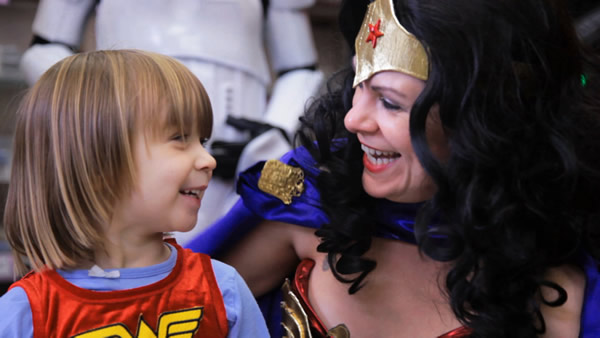
‘Wonder Women!: The Untold Story of American Superheroines’ screens tonight in Germantown. (Still courtesy BlackRock)
Calendar for the week ahead in LGBT D.C. events:
Friday, March 21
Iron Crow Theatre Company presents a “pay what you can” performance of “The Homo Poe Show,” a “queering” erotic performance of Poe, at Theatre Project (45 W. Preston St., Baltimore) tonight at 8 p.m. The show, created by Steven J. Satta-Fleming, features work from Daniel Talbott, Megan Gogerty, Rich Epsey and more. The show runs through April 5. For more details and to purchase tickets, visit theatreproject.org.
BlackRock Center for the Arts (12901 Town Commons Dr., Germantown, Md.) screens “Wonder Women! The Untold Story of American Superheroines,” tonight at 7:30 p.m. The movie chronicles comic book character Wonder Woman’s legacy and how powerful representations of women reflect on gender roles. Tickets are $8. For more information, visit blackrockcenter.org.
Gay District, a facilitated group discussion focused on building understanding of gay culture and personal identity for men ages 18-35, meets at the D.C. Center (2000 14th St., N.W.) tonight from 8:30-9:30 p.m. For details, visit thedccenter.org.
Number Nine (1435 P St., N.W.) hosts a happy hour today from 5-9 p.m. All drinks are half price. Admission is free. For more information, visit numberninedc.com.
Saturday, March 22
Bishop Allyson Abrams brings “It’s Her Season,” a welcome back concert, to City of District Heights Municipal Building (2000 Marbury Dr., District Heights, Md.) today at 2 p.m. The concert brings Rick Brown of New Hope Baptist UCC Church and psalmists from around the local area as they celebrate Bishop Abrams’s return to the D.C. area.
Cobalt (1639 R St., N.W.) hosts “Bearracuda D.C.,” the largest bear dance party in the U.S., tonight from 9 p.m.-3 a.m. Music will be played by DJ Matt Consola and Bil Todd. Cover is $7 before 10 p.m. and $10 after. For more information, visit cobaltdc.com.
MOVA Lounge (2204 14th St., N.W.) hosts a CD release party for Kylie Minogue’s latest release “Kiss Me Once” tonight. DJs will be playing Kylie Minogue songs all night. Drink specials are $6 for bottom shelf drinks and $9 for top shelf drinks. Martinis are $3 extra. For more details, visit movalounge.com.
The D.C. Center (2000 14th St., N.W.) hosts a free relationship workshop for lesbian couples today from 11 a.m.-3 p.m. This workshop is led by professional relationship coach Jayne Kelly and focuses on family. Bring lunch and learn how to address spoken and unspoken needs and how to strengthen your bond with your partner for a healthy family. For details, visit thedccenter.org.
The D.C. Center (2000 14th St., N.W.) hosts “Direct Action: What is It Good For?,” a community discussion about direct action protests, today at 3 p.m. Kelly Cogswell, community activist and author of “Eating Fire: My Life as a Lesbian Avenger” and Wayne Turner, co-founder of ACT UP D.C., are featured speakers. For more information, visit thedccenter.org.
Sunday, March 23
Australian indie-pop singer Betty Who performs at Rock and Roll Hotel (1353 H St., N.E.) tonight at 8 p.m. Her debut EP “The Movement” has received critical acclaim. Doors open at 7 p.m. Tickets are $16. For more information, visit rockandrollhoteldc.com.
Perry’s (1811 Columbia Rd., N.W.) hosts its weekly “Sunday Drag Brunch” today from 10 a.m.-3 p.m. The cost is $24.95 for an all-you-can-eat buffet. For more details, visit perrysadamsmorgan.com.
Nellie’s Sports Bar (900 U St., N.W.) hosts a drag brunch today with two shows at 10:30 a.m. and 12:30 p.m. For more information, visit nelliessportsbar.com.
Burgundy Crescent, a gay volunteer organization, volunteers today for the Lost Dog and Cat Rescue Foundation at the Alexandria PetSmart (3351 Jefferson Hwy., Alexandria, Va.) at 12:15 p.m. today. You will be paired with a dog on a leash to walk around and play with. Wear casual clothes. For more information, visit burgundycrescent.org.
Monday, March 24
The D.C. Center (2000 14th St., N.W.) hosts coffee drop-in hours this morning from 10 a.m.-noon for the senior LGBT community. Older LGBT adults can come and enjoy complimentary coffee and conversation with other community members. For more information, visit thedccenter.org.
Us Helping Us (3636 Georgia Ave., N.W.) holds a support group for gay black men to discuss topics that affect them, share perspectives and have meaningful conversations. For details, visit uhupil.org.
Nellie’s Sports Bar (900 U St., N.W.) hosts poker night tonight at 8 p.m. Win prizes. Free to play. For more information, visit nelliessportsbar.com.
Tuesday, March 25
Genderqueer D.C. holds a discussion group at the D.C. Center (2000 14th St., N.W.) at 7 p.m. tonight. The group is for anyone who identifies outside of the gender binary. For more information, visit thedccenter.org.
Bachelor’s Mill (1104 8th St., S.E.) offers all drinks half price tonight until 2 a.m. Enjoy pool, video games and cards. Admission is free. Must be 21 and over. For more details, visit bachelorsmill.com.
Wednesday, March 26
SMYAL (410 7th St., S.E.) hosts “Café SMYAL,” a fun event to get out of the cold, today from 4-5 p.m. Drink hot cocoa, play board games and make new friends. SMYAL also provides free and confidential HIV testing from 3-5 p.m. For more details, visit smyal.org.
Thursday, March 27
Gays and Lesbians Opposing Violence (GLOV) hold a meeting at the D.C. Center (2000 14th St., N.W.) tonight from 7-8:30 p.m. GLOV works to reduce violence against LGBT individuals through community outreach, education and assisting members of anti-LGBT violence. For more details, visit thedccenter.org.
The D.C. Center (2000 14th St., N.W.) hosts its monthly Poly Discussion Group at 7 p.m. People of all different stages are invited to discuss polyamory and other consensual non-monogamous relationships. This event is for new comers, established polyamorous relationships and open to all sexual orientations. For details, visit thedccenter.org.
Rude Boi Entertainment hosts “Tempted 2 Touch,” a ladies dance party, at the Fab Lounge (2022 Florida Ave., N.W.). Doors open at 10 p.m. Drink specials $5 and vodka shots $3 all night. No cover charge. Admission limited to guests 21 and over. For more details, visit rudeboientertainment.wordpress.com.


Friday, July 24
The DC LGBTQ+ Community Center hosts Trans Discussion Group from 7-9 p.m. via Zoom. The Trans Discussion Group is intended to provide an emotionally and physically safe space for trans people and those who may be questioning their gender identity/expression to join together in community and learn from one another. For more details, visit the DC Center’s website.
Saturday, July 25
Go Gay DC will host “LGBTQ+ Community Brunch” at 11 a.m. at Freddie’s Beach Bar & Restaurant. This fun weekly event brings the DMV area LGBTQ+ community, including allies, together for delicious food and conversation. Attendance is free and more details are available on Eventbrite.
The DC LGBTQ+ Community Center will host Black Lesbian Support Group at 11 a,.m. Join the DC Center and the Beta Kappa Chapter of the Beta Phi Omega Sorority for a peer-led support group devoted to the joys and challenges of being a Black Lesbian. For more details, visit the Center’s website.
Sunday, July 26
“Nellie’s DC Drag Brunch” will be at 12 p.m. at Nellie’s Sports Bar. Come get served like a queen by a queen. Join Sapphire Blue, Deja Diamond and their team of amazing drag performers for the most fun you’ll have all weekend. Tickets are $58.51 and are available on Eventbrite.
Monday, July 27
The DC LGBTQ+ Community Center will host Queer Book Club at 6:30 p.m. This month’s selection is “Uncomfortable Labels” by Laura Kate Dale. The meeting will be held via Zoom.Email [email protected] for details.
Tuesday, July 28
Center Bi+ Roundtable will be at 7 p.m. on Zoom. This is an opportunity for people to gather in order to discuss issues related to bisexuality or as bi individuals in a private setting. Visit Facebook or Meetup for more information.
Wednesday, July 29
Job Club will be at 6 p.m. on Zoom upon request. This is a weekly job support program to help job entrants and seekers, including the long-term unemployed, improve self-confidence, motivation, resilience and productivity for effective job searches and networking — allowing participants to move away from being merely “applicants” toward being “candidates.” For more information, email [email protected] or visit thedccenter.org/careers.
Thursday, July 30
The DC Center’s Fresh Produce Program will be held all day at the DC LGBTQ+ Community Center. People will be informed on Wednesday at 5 p.m. if they are picked to receive a produce box. No proof of residency or income is required. For more information, email [email protected] or call 202-682-2245.
Virtual Yoga Class will be at 7 p.m. on Zoom. This free weekly class is a combination of yoga, breath work and meditation that allows LGBTQ+ community members to continue their healing journey with somatic and mindfulness practices. For more details, visit the DC Center’s website.
a&e features
Summer in D.C. brings sports, Restaurant Week, festivals, and more
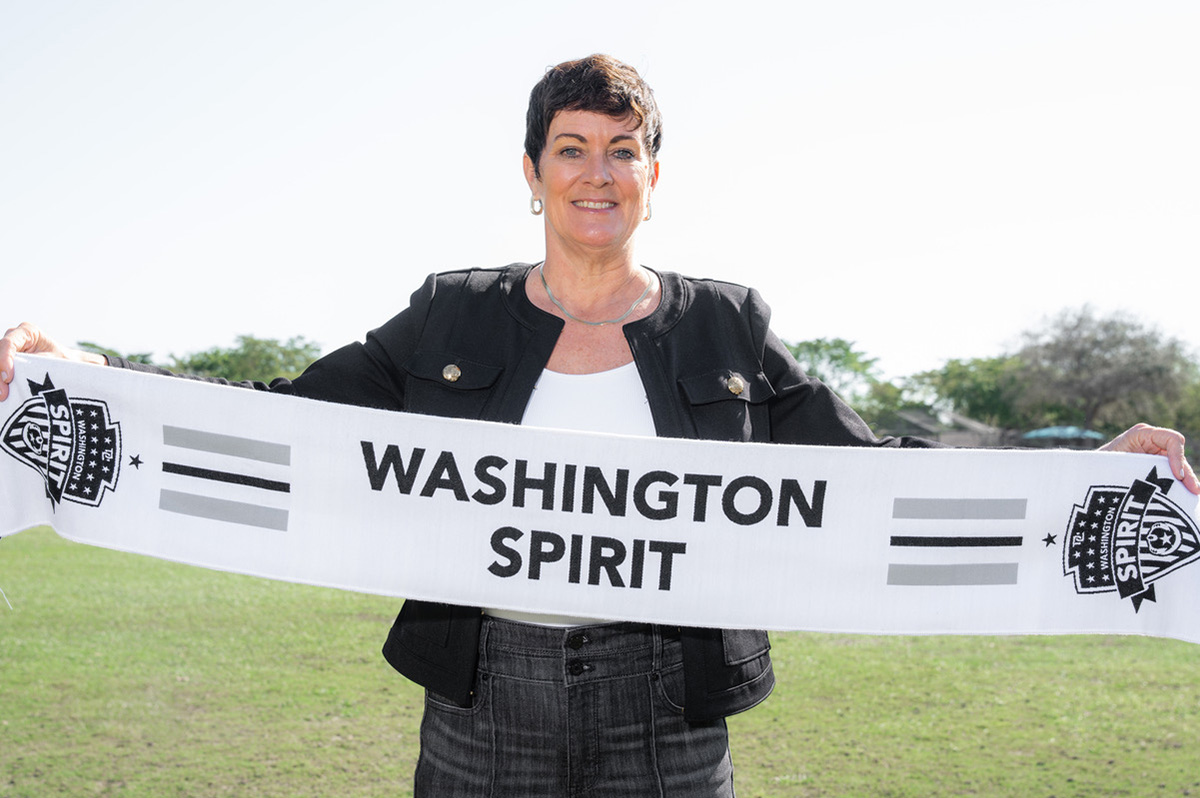
Summer in D.C. just hits different. Congress is out, school is out, the sun is out, thighs are out. With the skies clearing from Canadian smoke, here are a few ways to stay entertained.
Dining
Summer restaurant week: The Restaurant Association of Metropolitan Washington (RAMW) is once again hosting Summer Restaurant Week, Aug. 18-24. This weeklong dining experience showcases the dynamic dining scene of the DMV, including 2026 RAMMY Award-winning favorites (the annual D.C. food awards show that took place June 29). Participating restaurants will offer three-course brunch and lunch selections for $25 or $35 per person, and three-course dinners for $40, $55 and $65 per person.
New Restaurants: A handful of new spots have opened, so the summer is a great time to check them out:
- Oribu: A new Mediterranean-Japanese restaurant in the Grand Hyatt hotel, which just underwent a remodeling effort. The sleek restaurant brings upscale charm, with dishes like Wagyu beef tartare with potato pavé and caviar.
- The Oak Room: A snazzy old-school American grill has just opened in Georgetown, alongside its sister upstairs supper club (Bernadette’s) restaurant, in the old El Centro space.
- Uchi: This showy Japanese sushi-forward chain has landed in Dupont with a chef’s tasting menu of favorites like fatty tuna.
- Kathmandu: Recalling the capital of Nepal, this warm, buzzy subterranean restaurant right in the heart of U Street brings spice, flair, and rare ingredients to its dishes (see: buffalo burgers) and drinks.
Sports
- Washington Spirit Pride Night OUT: On Sunday, Aug. 23, head to Audi Field for a massive, high-energy game following the exciting month of World Cup. The designated Pride Night OUT game promises boisterous crowds plus pre- and post-game community engagements.
- Washington Tennis Open – Now called the Mubadala DC Open, this annual tournament is only combined mens’ and womens’ 500-level tennis tournament in the world. The open is one of D.C.’s longest-standing sports traditions, and will take place at the Rock Creek Park Tennis Center July 25-Aug. 2. Naomi Osaka, Venus Williams, Ben Shelton, Frances Tiafoe, and others are expected to play.
Festivals
- Afro Plus Fest: This huge, three-day Afro-Caribbean Hip-Hop Festival brings together headliners Davido, Alkaline, and Wizkid, plus Tems and Ayra Starr. The event moves from RFK to the Northwest Stadium Complex for three days, Sept. 4-6.
- Capital Fringe Festival: Running from July 11-21, this massive celebration features dozens of live theater, comedy, dance, and boundary-pushing nighttime performances across multiple DC neighborhoods.
- The National Book Festival returns, with headliners like Cynthia Erivo, and Martin Scorsese. The one-day festival, Saturday, Aug. 22, brings together bookworms and word nerds under the theme “America 250: It’s Your Story.” There are talks, workshops, musical sessions and more.
- All Things Go: A three-day festival Sept. 25-27 at Merriweather Post Pavilion featuring Mitski, Hayley Williams, Brandi Carlile, MUNA, Zara Larsson, Ethel Cain, and many, many more artists. There are single-day and three-day tickets. Featuring and highlighting female artists, the festival has turned into a must-see for many LGBTQ audience members.
- Fuchsia Fest: The inaugural Fuchsia Fest is a new multi-day celebration created to celebrate LGBTQ community and expression, bringing together a mix of community gatherings, entertainment, and nightlife. The event takes place Sept. 18-20 and is hosted by Capital Pride.
Art and Music
- United We Dance: A high-energy rave with house, techno, bass, and festival music, on Aug. 1 at the 9:30 Club.
- The Fray. On Aug. 14, this American rock band famous for How To Save A Life is at Merriweather Post Pavilion.
- Kesha: Kesha’s high-energy The Freedom Tour comes to the D.C. area on Aug. 14 at Jiffy Lube Live.
- ALOK: On Sept. 3 at Lincoln Theater, ALOK (they/them) performs. The poet, comedian, and actor is putting on a new comedy show.
- 2charm, the emerging Australian electronic club-pop duo popular with the queer community, which blends hyperpop and dance music, comes to the Atlantis.
- Sapphic Dance Party: a vibrant, inclusive nightlife and social event designed specifically for queer women, lesbians, bisexuals, trans individuals, and nonbinary folks, at Atlantis on Aug. 21.
- Jazz in the Garden: The most quintessential of D.C. activities returns Friday evenings through Aug. 14. This season’s theme, “American Sounds,” is a nod to the nation’s 250th anniversary. Tunes themes range from Appalachian and Americana to Creole jazz, Hill Country blues, contemporary jazz, and more. Tickets are available through a lottery system a week before each event.
a&e features
Tickets on sale for chef Patrick O’Connell’s book launch event
Sept. 18 kickoff to feature José Andrés, Tom Sietsema

Acclaimed chef Patrick O’Connell is preparing to publish his new memoir, “Main, Middle & Gay” in September and he’s launching the book with an event on Sept. 18 at 6 p.m. at Lisner Auditorium featuring Chef José Andrés and former Washington Post food critic Tom Sietsema.
Tickets for the event go on sale Tuesday, July 21 at Ticketmaster; prices start at $55.
O’Connell, who’s gay, is the pioneering Michelin-starred chef and longtime proprietor of the Inn at Little Washington. He spoke with the Blade about the September event and the launch of his first memoir.
“I’ve known [Andrés and Sietsema] for more than 25 years and I have great respect for them,” O’Connell said. “I felt that it would allow us to add a different dimension rather than just have an interviewer. The chemistry will be fun and lively and unpredictable and exciting. I think we’re all different personalities and we’ll compliment each other.”
O’Connell has published cookbooks but this is his first memoir. The event will feature a short film that will highlight his work and the Inn.
“What I hope to do with the event is bring the book to life visually,” he said. “So we’re producing a short film that will be part of it. Most of the audience will not have read the book so it’ll give them a visual flavor of the book. It parallels the evolution of American cuisine over 50 years. It’s a rare perspective to be in the trenches for that long.”
The book’s title refers to the location of the garage on the corner of Main, Middle, and Gay streets in Washington, Va., where he launched his restaurant that became an international culinary destination.
The Blade will publish the rest of its wide-ranging interview with O’Connell in September in conjunction with the book’s release.

Winsome Earle-Sears launches campaign against Va. marriage equality amendment

Calendar: July 24-30

Pentagon says hormones make trans troops unfit but gives them to men

At Alliance Defending Freedom’s summit, church and state are one

2026 International AIDS Conference to take place in Rio

DOJ seeks to dismiss some claims in gay FBI employee’s bias lawsuit

LGBTQ community center opens in Leesburg, Va.

Beloved local master gardener Frank Asher dies at 69

The government pressured USA Rugby to ban transgender women. A Baltimore team refused to comply.

Tickets on sale for chef Patrick O’Connell’s book launch event
-

 National5 days ago
DOJ seeks to dismiss some claims in gay FBI employee’s bias lawsuit
-
Virginia5 days ago
LGBTQ community center opens in Leesburg, Va.
-
Obituary5 days ago
Beloved local master gardener Frank Asher dies at 69
-
Baltimore5 days ago
The government pressured USA Rugby to ban transgender women. A Baltimore team refused to comply.