World
Efforts to evacuate LGBTQ Afghans to continue after US troop withdrawal
Taliban entered Kabul on Aug. 15
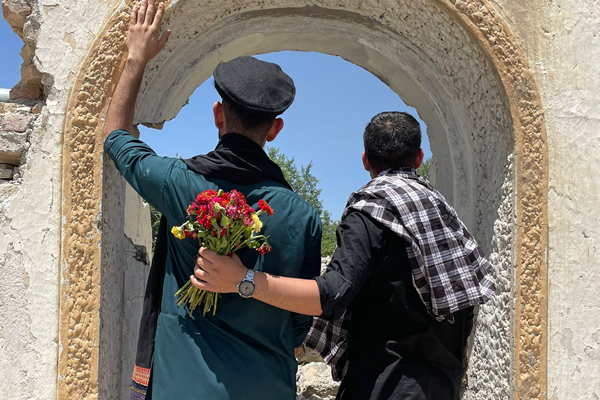
The last American troops have withdrawn from Afghanistan amid continued efforts to evacuate LGBTQ people from the country.
Marine Corps Gen. Kenneth McKenzie, the commander of U.S. Central Command told reporters on Monday the last American C-17 left Hamid Karzai International Airport in Kabul, the Afghan capital, at 3:29 p.m. ET (11:59 p.m. in Afghanistan.)
“Tonight’s withdrawal signifies both the end of the military component of the evacuation but also the end of the nearly 20-year mission that began in Afghanistan shortly after September 11, 2001,” said McKenzie.
The previous White House in 2020 brokered a peace deal with the Taliban that set the stage for the withdrawal. President Biden last month announced American military operations in Afghanistan would end on Tuesday.
The Taliban entered Kabul on Aug. 15 and toppled then-President Ashraf Ghani’s government.
McKenzie and Secretary of State Antony Blinken on Monday noted the U.S. evacuated more than 123,000 people — including 6,000 American citizens — from Afghanistan since the Taliban regained control of the country.
“This has been a massive military, diplomatic and humanitarian undertaking — one of the most difficult in our nation’s history — and an extraordinary feat of logistics and coordination under some of the most challenging circumstances imaginable,” said Blinken in remarks he delivered from the State Department.
Blinken acknowledged “a small number of Americans — under 200 and likely closer to 100 — who remain in Afghanistan and want to leave.” Blinken in his remarks did not specifically mention LGBTQ Afghans who remain in the country, but he did refer to “at-risk Afghans” when he referenced the Taliban’s commitment “to let anyone with proper documents leave the country in a safe and orderly manner.”
“We are all committed to ensuring that our citizens, nationals and residents, employees, Afghans who have worked with us and those who are at risk can continue to travel freely to destinations outside Afghanistan,” reads a statement the U.S. and more than 100 other countries signed on Sunday. “We have received assurances from the Taliban that all foreign nationals and any Afghan citizen with travel authorization from our countries will be allowed to proceed in a safe and orderly manner to points of departure and travel outside the country.”
“We will continue issuing travel documentation to designated Afghans, and we have the clear expectation of and commitment from the Taliban that they can travel to our respective countries,” adds the statement. “We note the public statements of the Taliban confirming this understanding.”
Blinken in his remarks noted the U.N. Security Council on Monday “passed a resolution that enshrines that responsibility — laying the groundwork to hold the Taliban accountable if they renege.”
“The international chorus on this is strong, and it will stay strong,” said Blinken. “We will hold the Taliban to their commitment on freedom of movement for foreign nationals, visa holders, at-risk Afghans.”
“We will work to secure their safe passage,” added Blinken.
Taliban ‘will kill us one by one’
The Taliban instituted a strict version of Sharia law in Kabul and the large swaths of Afghanistan it controlled from 1996 to 2001.
Dr. Ahmad Qais Munhazim, an assistant professor of global studies at Thomas Jefferson University in Philadelphia who is originally from Afghanistan, in an op-ed the Washington Blade published earlier this month wrote the Taliban hanged men in soccer fields who had been accused of having same-sex relationships.
A Taliban judge last month said the group would once again execute people if it were to return to power in Afghanistan. One LGBTQ Afghan who commented under a Facebook post said the Taliban “will kill us one by one, so I have no choice but to escape.”
More than 60 members of Congress last week urged the U.S. to evacuate LGBTQ Afghans from their country. Canada thus far is the only country that has specifically said it would offer refuge to LGBTQ Afghans.
“With the Taliban’s takeover of the country, LGBTQ+ Afghans face the prospect of violent death. Sharia law, cemented in Afghanistan’s constitution, prohibits all forms of same-sex activity, and makes same-sex activity punishable by death,” reads the letter the members of Congress sent to Blinken. “Just as it was for ISIS in Iraq, Sharia law is the Taliban’s guiding compass as it establishes its rule over Afghanistan’s government and society. During its campaign in Iraq and Syria, ISIS frequently executed LGBTQ+ individuals by stoning them to death, castrating and hanging them in public squares, and throwing them off buildings.”
“Under Taliban rule, LGBTQ+ Afghans will suffer a similar fate,” it adds.
Nick Herbert, a member of the British House of Lords who advises Prime Minister Boris Johnson on LGBTQ issues, urged the U.K. to offer sanctuary to LGBTQ Afghans.
“The safety of LGBT+ people in Afghanistan is now a huge concern and many have not been able to leave,” tweeted Herbert on Aug. 27. “Afghans most in need, including LGBT+ people, will rightly be prioritized and welcomed to the UK under the Resettlement Scheme. We must do everything we can to help them.”
The safety of LGBT+ people in Afghanistan is now a huge concern and many have not been able to leave. Afghans most in need, including LGBT+ people, will rightly be prioritised and welcomed to the UK under the Resettlement Scheme. We must do everything we can to help them.
— Nick Herbert (@nickherbertcbe) August 27, 2021
Rainbow Railroad, a Toronto-based organization that assists LGBTQ refugees around the world, on Monday said it remains in contact with LGBTQ Afghans who hope to leave their country. Stonewall, a British LGBTQ rights group, tweeted it “won’t stop working to get LGBTQ+ Afghans to safety.”
Rainbow Railroad continues to liaise with #LGBTQI people on the ground in #Afghanistan. @KimahliPowell updated @CBCToronto and @chrisgloverCBC on our efforts to find safety for people caught in this conflict. https://t.co/ewP818TZYD
— Rainbow Railroad (@RainbowRailroad) August 30, 2021




New Zealand
New Zealand blood donation rules shift
One-size-fits-all assumptions about gay, bi, and takatāpui men to end
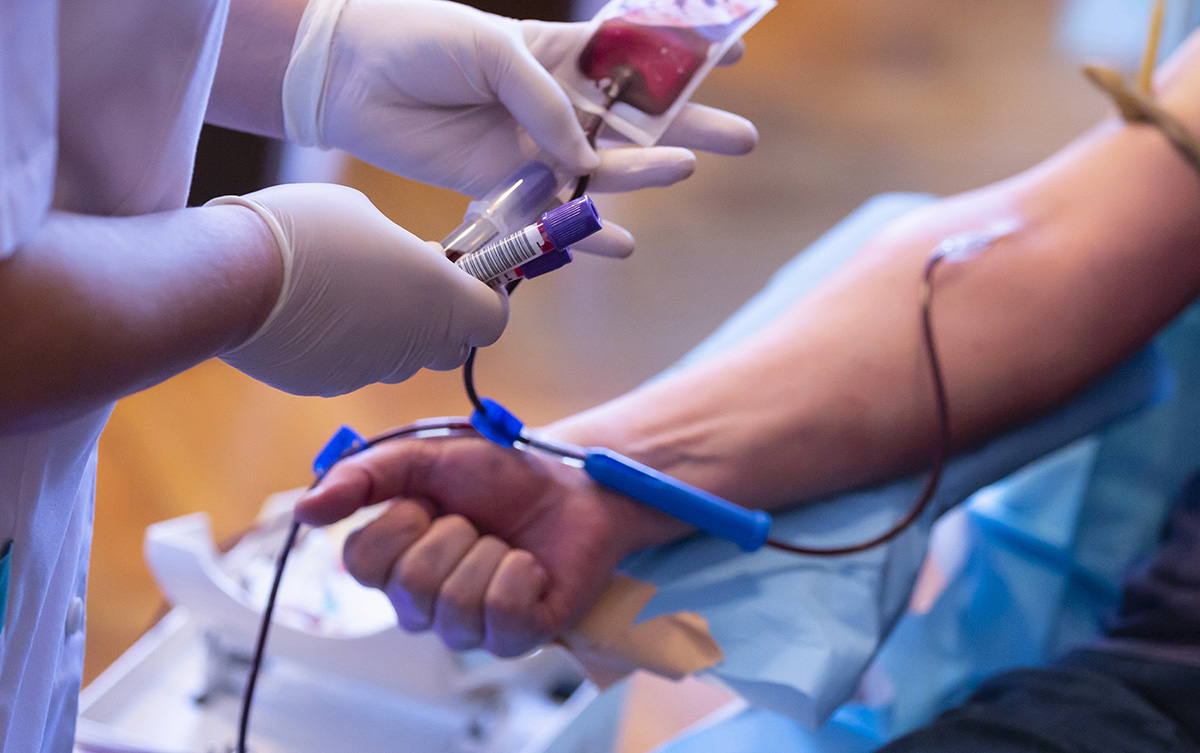
More gay, bi, and takatāpui men in Aotearoa may soon be able to donate blood, with New Zealand Blood Service changing its sexual activity screening rules in a move that shifts the focus away from sexuality and on to specific recent behavior.
For many queer people, the change represents a move away from treating all men who have sex with men as a single risk category. Instead, all donors will be asked the same questions about new or multiple sexual partners in the past three months, and whether they have had anal sex with those partners.
Under the new approach, donors who have had anal sex with a new or multiple partners in the past three months will still face a three-month deferral. But those who have not — and who meet all other eligibility criteria — will be able to donate. Donors will also be asked whether they have had gonorrhea or any other sexually transmitted infection in the past three months, with a three-month wait applying after treatment and recovery.
That change could open the door for some gay, bisexual, takatāpui and other men who have sex with men who were previously excluded from giving blood. In particular, men who have had anal sex with only one partner in the past three months, where that sexual contact has been ongoing for longer than three months, may now be eligible to donate, including those in long-term single-partner relationships.
For years, blood donation rules have been experienced not just as a public health measure, but as a blunt and often stigmatizing signal that queer men were viewed differently from everyone else. This change suggests a more nuanced approach, one that looks at what people do, rather than who they are, based on findings from the Sex and Prevention of Transmission Study (SPOTS) and international evidence supporting behavior-based screening.
New Zealand Blood Service says the new model will maintain the safety of the blood supply while making donation more inclusive.
Still, the new rules are not a complete removal of the restrictions, and some will see them as progress rather than full equity. The three-month deferral remains in place for donors who have had anal sex with a new or multiple partners, even if they are taking PrEP or using condoms. New Zealand Blood Service says that while PrEP is highly effective for HIV prevention, it can mask low levels of HIV during testing, and condoms are not considered completely fail-safe.
European Union
European Parliament backs EU-wide conversion therapy ban
More than 1.2 million people backed campaign

The European Parliament on Wednesday voted in favor of banning so-called conversion therapy across the European Union.
ACT (Against Conversion Therapy) LGBT in 2024 launched a campaign in support of the ban through the EU’s European Citizens Initiative framework. More than 1.2 million people ultimately signed it.
The proposed ban had the support of 405 MEPs. The European Commission is expected to formally respond to it by May 18.
Seven EU countries — Belgium, Cyprus, France, Malta, Norway, Portugal, and Spain — have banned conversion therapy outright.
Greece in 2022 banned the practice for minors. German lawmakers in 2020 passed a law that prohibits conversion therapy for minors and for adults who have not consented to undergoing the widely discredited practice.
Philippines
Filipino HIV/AIDS group questions US, Philippines health agreement
Country’s epidemic disproportionately impacts MSM, trans people
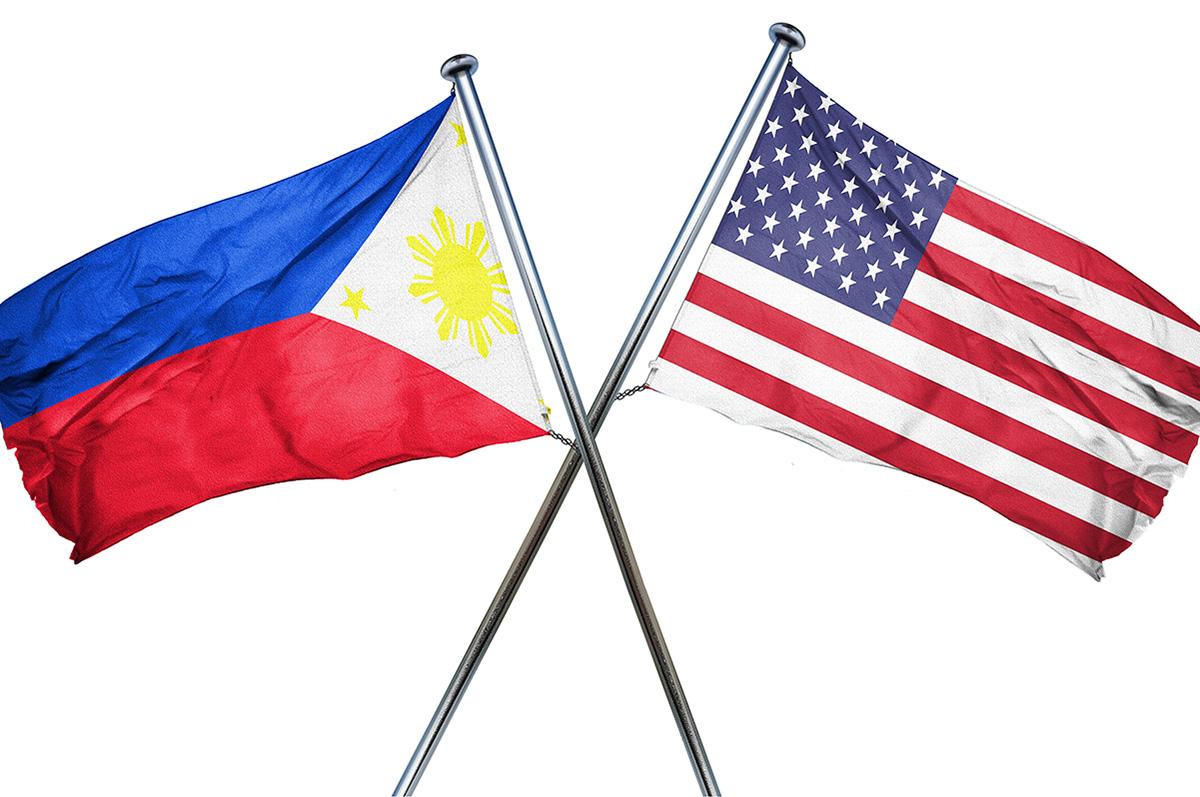
A new health agreement between the U.S. and the Philippines has raised questions among HIV/AIDS service providers.
A joint declaration signed by the U.S. and the Philippines on April 7 sets out a plan for closer health cooperation, aimed at transitioning the Philippines toward greater autonomy and “self-reliance” in its health systems, according to a State Department statement released.
In practice, “self-reliance” in health systems refers to a country’s ability to fund, manage, and deliver care without heavy dependence on external donors. In the Philippines, programs serving LGBTQ people — particularly those focused on HIV prevention, testing and treatment — have relied in part on international funding and technical support, including from the U.S., according to UNAIDS.
The Philippine Department of Health has led the national response to the pandemic.
The joint declaration of intent was signed under the Trump-Vance administration’s “America First Global Health Strategy.” The State Department said the agreement would involve co-funding of mutually agreed global health objectives under bilateral health cooperation between the U.S. and the Philippines in the near future.
The declaration also outlines areas of cooperation beyond financing: workforce development, health information systems, and emergency preparedness. The State Department said the framework is intended to strengthen coordination between U.S. and Philippine institutions while supporting the Philippines’ capacity to manage public health challenges independently over time. The statement does not specifically address LGBTQ health.
Similar agreements in other regions have drawn scrutiny from LGBTQ advocacy groups.
In Africa, community organizations have warned that a shift from donor-funded, community-led health programs to government-to-government frameworks could affect access for marginalized populations, including LGBTQ people. The Washington Blade found that such changes may reduce reliance on specialized clinics that have historically provided stigma-free care, raising concerns about discrimination, privacy, and continuity of services.
Desi Andrew Ching, president of HIV & AIDS Support House in the Philippines, said the partnership presents a significant opportunity, but added that, like any large-scale international agreement, its success for the LGBTQ community will depend on how it is implemented on the ground.
“On one hand, it’s a positive move. Increased cooperation on health systems can lead to better technical support and potentially more resources for HIV/AIDS prevention and mental health — areas that deeply impact our community,” Ching told the Blade. “If the government and civil society work closely together, we could see some real progress.”
Ching said community concerns often center on where those resources ultimately go. Ching added there is a risk funds could remain within “usual” government-aligned channels or traditional implementers that may not have the trust or reach of grassroots LGBTQ organizations.
The Philippines is facing one of the fastest-growing HIV epidemics in the Asia-Pacific region, with UNAIDS statistics indicating new infections increased by about 543 percent between 2010 and 2023.
The epidemic is concentrated among key populations, particularly men who have sex with men and transgender women who account for a vast majority of new infections. A 2023 analysis found that key populations represented about 92 percent of new HIV cases in the country, underscoring the disproportionate impact on LGBTQ communities. At the same time, stigma, limited access to testing and gaps in healthcare delivery continue to shape outcomes for these groups.
Ching said that for the partnership to be effective, support would need to be closely targeted to reach those most at risk, including individuals who often avoid government facilities because of stigma and fear of judgment.
“If the partnership prioritizes ‘community-led’ monitoring and direct support to local organizations, it will be a game-changer. If it stays at the top tier of administration, we might just see the same results as before,” Ching said.
Community-led organizations have been central to the Philippines’ HIV response, particularly in reaching LGBTQ populations often underserved by formal healthcare systems. UNAIDS notes groups such as LoveYourself have expanded testing and treatment access through community-based clinics and online outreach, including during the COVID-19 pandemic, when movement restrictions limited access to government facilities.
“To be honest, in these high-level agreements, ‘guarantees’ are hard to come by on paper. The real safeguards lie in the mechanics of implementation,” said Ching. “From the community’s perspective, we believe the best way to prevent services from being diluted is through direct involvement in the planning phase. We would like to see the funding groups and government stakeholders sitting at the same table as the community to game out the specific work plans. It should not be a top-down approach; it needs to be co-designed.”
Ching said oversight would be a critical layer of protection, adding that a dedicated point of contact, such as a U.S Agency for International Development technical lead or a similar monitor, would be needed to track how funds are used.
USAID officially shut down on July 1, 2025, after the Trump-Vance administration dismantled it.
Ching added community-led monitoring would also be necessary in addition to government oversight. He said safety and trust cannot be guaranteed by policy alone but must be built through experience, noting that community-led organizations have consistently reached the most marginalized populations.
“Safety and trust aren’t things you can just write into a policy; they have to be built through experience,” Ching said, adding that community-based sites are often seen as more accessible and safer because they are “for us, by us.”
He said the partnership should direct substantial support to grassroots organizations that have demonstrated an ability to overcome stigma, while strengthening coordination with government clinics. The most effective approach, he added, would combine government infrastructure with community-led delivery, allowing trusted local groups to serve as the primary point of access.
’We want a seat at the table’
According to a report by the World Health Organization on the Philippines, prevention efforts account for only about 6 percent of total HIV spending, despite a sharp rise in cases. The report said the gap has been compounded by a recent pause in U.S. funding, which has delayed the development and implementation of prevention programs and community-led responses.
Asked whether community-led LGBTQ organizations would be funded and included in implementation or sidelined under a government-led approach, Ching said that remained the central question for the community, adding that no detailed plan has yet been made public.
“But we have to be realistic about the politics — both within the government and even within civil society — that can sometimes slow things down,” said Ching. “A good baseline to look at is the UNAIDS 30-80-60 targets. These milestones are specifically designed to put community-led responses at the center of the HIV fight. If we’re being honest, as a country, we are still finding our footing in meeting those specific targets. There is a very real risk of being sidelined if the execution defaults to a standard ‘government-only’ approach.”
The UNAIDS set global targets to guide the HIV response, most notably the “95-95-95” goals for 2025.
The framework calls for 95 percent of people living with HIV to know their status, 95 percent of those diagnosed to receive sustained treatment and 95 percent of those on treatment to achieve viral suppression. The targets were designed to reduce transmission and improve health outcomes, while also highlighting gaps in access to testing, treatment, and prevention services.
“We view this new partnership with the U.S. as a chance to course-correct. If the intention is to end AIDS as a public health threat, the data shows it simply cannot be done without the community in the driver’s seat for service delivery,” said Ching. “Our hope is that the implementation isn’t just government-led, but government-enabled. We want a seat at the table not just for the sake of being there, but to ensure the resources are actually hitting the ground where they matter most. We’re looking for a partnership that honors those 2025 milestones by making community-led organizations formal, funded partners in this roadmap.”

Tennessee’s trans data bill a frightening omen

The queer appeal of ‘The Devil Wears Prada’

Lesbifriends Travel to host queer night out

Republicans attach five anti-LGBTQ riders to State Department funding bill

Calendar: May 1-7

House Republicans push nationwide ‘Don’t Say Gay’ bill

European Parliament backs EU-wide conversion therapy ban

Rep. Sarah McBride reflects on first year in Congress amid political backlash

LGBTQ people are leaving Orthodox Judaism behind

Democracy Forward files FOIA request for State Department bathroom policy records
-

 Federal Government5 days ago
House Republicans push nationwide ‘Don’t Say Gay’ bill
-
European Union3 days ago
European Parliament backs EU-wide conversion therapy ban
-
Delaware4 days ago
Rep. Sarah McBride reflects on first year in Congress amid political backlash
-
News5 days ago
LGBTQ people are leaving Orthodox Judaism behind