Middle East
Iraqi lawmakers plan to introduce bill to ban homosexuality
Violence against LGBTQ, intersex people commonplace in country
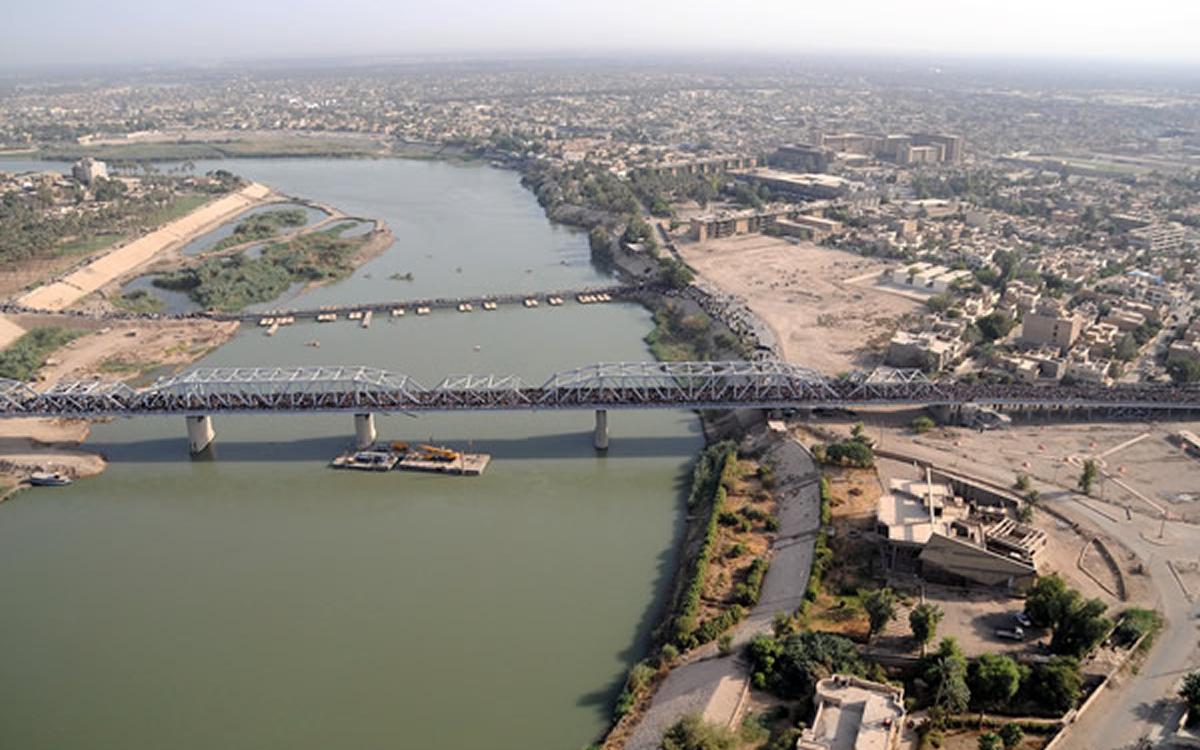
An Iraqi lawmaker has said parliamentarians plan to introduce a bill that would ban homosexuality in the country.
Middle East Eye, a website that covers the Middle East and North Africa, reported MP Aref al-Hamami on July 8 told an official Iraqi news agency that members of his Parliamentary Legal Committee have agreed “to collect signatures after returning to session to legislate a law prohibiting homosexuality in Iraq.”
“[The] legislation of such a law will be reinforced by legal provisions that prevent homosexuality and the perversions associated with it,” said al-Hamami.
Homosexuality has been legal in Iraq since 2003, but violence against LGBTQ and intersex Iraqis remains commonplace.
“Despite repeated threats and violence targeting lesbian, gay, bisexual, transgender, queer and intersex (LGBTQI+) individuals, specifically gay men, the government failed to identify, arrest, or prosecute attackers or to protect targeted individuals,” notes the State Department in its 2021 human rights report. “Some political parties sought to justify these attacks, and investigators often refused to employ proper investigation procedures. LGBTQI+ individuals also faced intimidation, threats, violence and discrimination, and LGBTQI+ individuals reported they could not live openly without fear of violence at the hands of family members, acquaintances, or strangers.”
The U.S. earlier this year condemned the so-called honor killing of Doski Azad, a transgender woman in Iraqi Kurdistan.
A source in the semi-autonomous region of northern Iraq has previously told the Washington Blade that militant groups regularly target gay men in the country. The Islamic State publicly executed men accused of engaging in sodomy in the parts of Iraq it once controlled.
“With an unstable economy and crimes taking place every day without any accountability or follow-up, the Iraqi Parliament’s Legal Committee has considered that putting an end to the LGBTQ community is a priority that must be achieved as soon as possible,” tweeted an activist in Iraq who calls themselves Anas Gilgamesh.
Amir Ashour, executive director of IraQueer, an organization that advocates on behalf of LGBTQ and intersex Iraqis, on Tuesday told the Blade that it won’t be “that long” until lawmakers approve the bill because “they claim to have what they need to pass it.” Ashour added his organization is “working behind the scenes to try and stop the law from passing.”



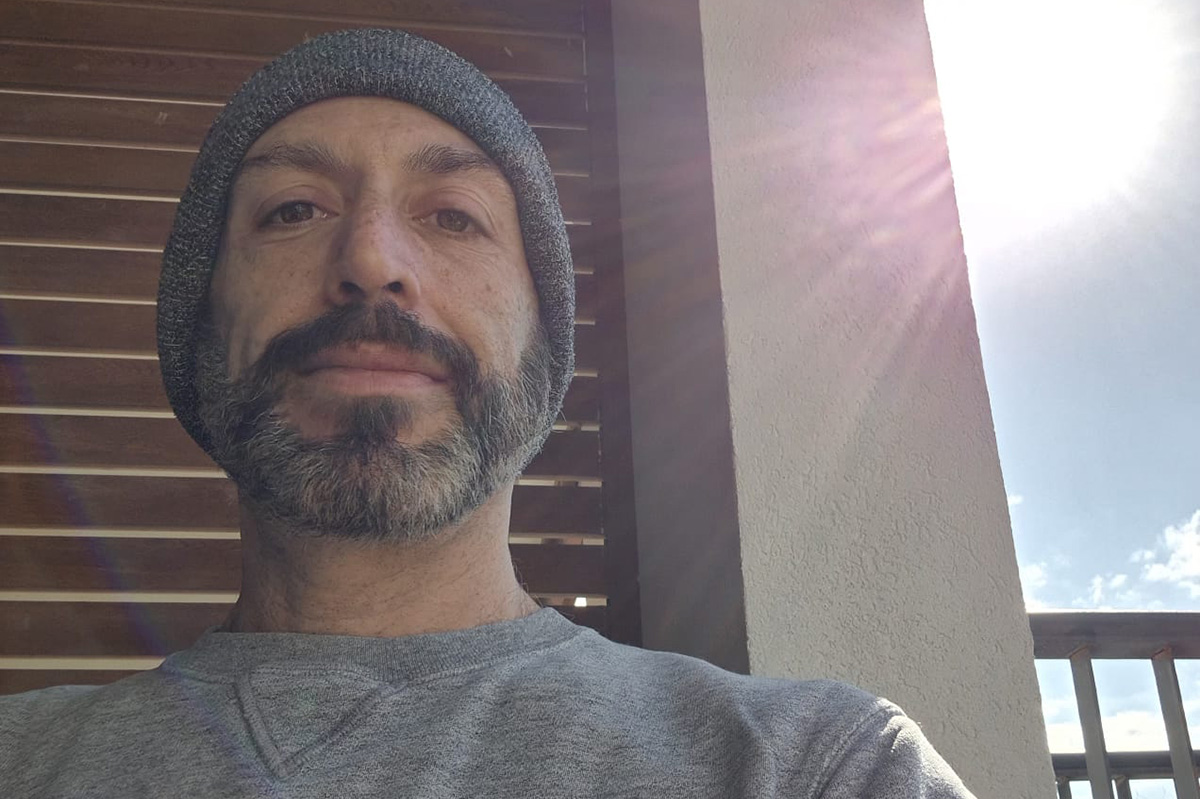
The Washington Blade on Wednesday spoke with Max Polonsky, a queer American who lives in Israel, about the Iran war and its impact on the country.
“It’s been tiring,” Polonsky told the Blade during a telephone interview from his home in Jaffa, an ancient port city with a large Arab population that is now part of Tel Aviv.
Polonsky grew up in Cherry Hill, N.J. He lived in D.C. for eight years before he moved to Israel in March 2022.
Israel and the U.S. on Feb. 28 launched airstrikes against Iran.
One of them killed Supreme Leader Ayatollah Ali Khamenei. Iran in response launched missiles and drones against Israel and other countries that include Kuwait, Bahrain, Qatar, the United Arab Emirates, Jordan, Saudi Arabia, Azerbaijan, and Cyprus.
An Iranian missile on March 1 killed nine people and injured 27 others in Beit Shemesh, an Israeli town that is roughly 20 miles west of Jerusalem. Shrapnel from an Iranian missile that struck a hair salon in Beit Awa, a Palestinian town in the West Bank, on Wednesday killed four women and injured more than a dozen others.
An Iranian drone that hit a command center in Kuwait on March 1 killed six U.S. soldiers: Sgt. Declan Coady, Sgt. 1st Class Nicole Amor, Capt. Cody Khork, Sgt. 1st Class Noah Tietjens, Chief Warrant Officer 3 Robert Marzan, and Maj. Jeffrey O’Brien. Another American servicemember, Sgt. Benjamin Pennington, died on March 8, a week after Iranian drones and missiles targeted the Prince Sultan Air Base in Saudi Arabia.
Iranian drones and missiles have damaged hotels, airports, oil refineries, and other civilian and energy infrastructure in the United Arab Emirates, Kuwait, Qatar, and elsewhere. Israel on Wednesday attacked Iran’s South Pars natural gas field in the Persian Gulf.
The Associated Press notes roughly 20 percent of the world’s crude oil passes through the Strait of Hormuz that connects the Persian Gulf and the Gulf of Oman. Gas prices in the U.S. and around the world continue to increase because the war has essentially closed the strategic waterway to ship traffic.
The war also left hundreds of thousands of people who were traveling in the Middle East stranded.
The Blade on March 6 spoke with Mario, who had stopped in his native Lebanon while traveling from the U.S. to India for work.
Mario was about to board a flight at Rafic Hariri International Airport in Beirut, the Lebanese capital, on Feb. 28 when the war began and authorities closed the country’s airspace. Mario is now back in the U.S.
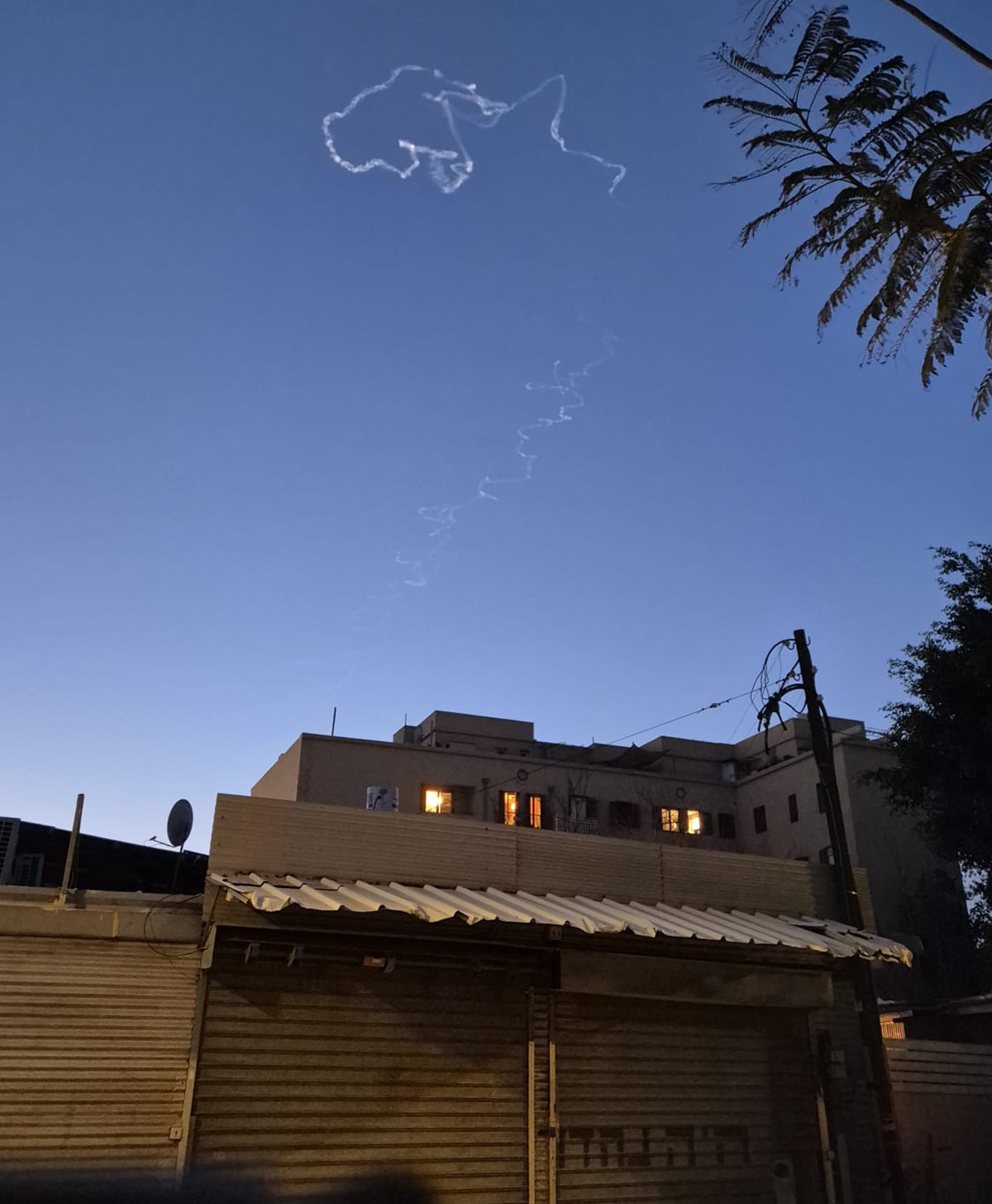
Polonsky told the Blade there were “alarms all day … sometimes multiple alarms an hour, sometimes every hour, every two hours” on Feb. 28.
Israel’s Home Front Command typically issues warnings about 10 minutes ahead of an anticipated Iranian missile attack. Sirens then sound 90 seconds before an expected strike.
People in Tel Aviv, Jerusalem, and in other cities in central Israel have 90 seconds to seek shelter if a rocket or missile is fired from Lebanon or the Gaza Strip. (Hezbollah, an Iran-backed Shia militant group in Lebanon that Israel and the U.S. have designated a terrorist organization, launched rockets at the Jewish State after Khamenei’s death. Israel, in turn, continues to carry out airstrikes against Hezbollah targets in Lebanon. Hamas militants on Oct. 7, 2023, killed upwards of 1,200 people when they launched a surprise attack against Israel from the Gaza Strip.) People who live close to Lebanon and Gaza have 15 seconds to seek shelter.
Polonsky has a safe room — known as a “mamad” — in his apartment. Polonsky also uses it as his home office and a second bedroom.
He told the Blade the alerts in recent days have become less frequent.
“We’ll get maybe a handful of alarms during the day, maybe some at night,” said Polonsky.
Israel on June 12, 2025, launched airstrikes against Iran that targeted the country’s nuclear and military facilities. The subsequent war, which lasted 12 days, prompted the cancellation of Tel Aviv’s annual Pride parade. An Iranian missile destroyed Mash Central, the city’s last gay bar.
Iran on Oct. 1, 2024, launched upwards of 200 ballistic missiles at Israel. This reporter arrived in Israel three days later to cover the first anniversary of Oct. 7 and the impact the subsequent war in the Gaza Strip had on LGBTQ Israelis and Palestinians.
‘Iranian regime was bad’
Polonsky admitted he doesn’t “know what to think” about the latest war against Iran.
“I don’t know what I think about the war,” he said. “Ultimately what happens is just not in my personal control: whatever Donald Trump, [Israeli Prime Minister Benjamin] Netanyahu, the ayatollah, whoever is running Iran are going to organize and launch attacks and reach any deals is not anything I personally have any control over, so I try to just kind of let that aspect of it go as I’m living my life.”
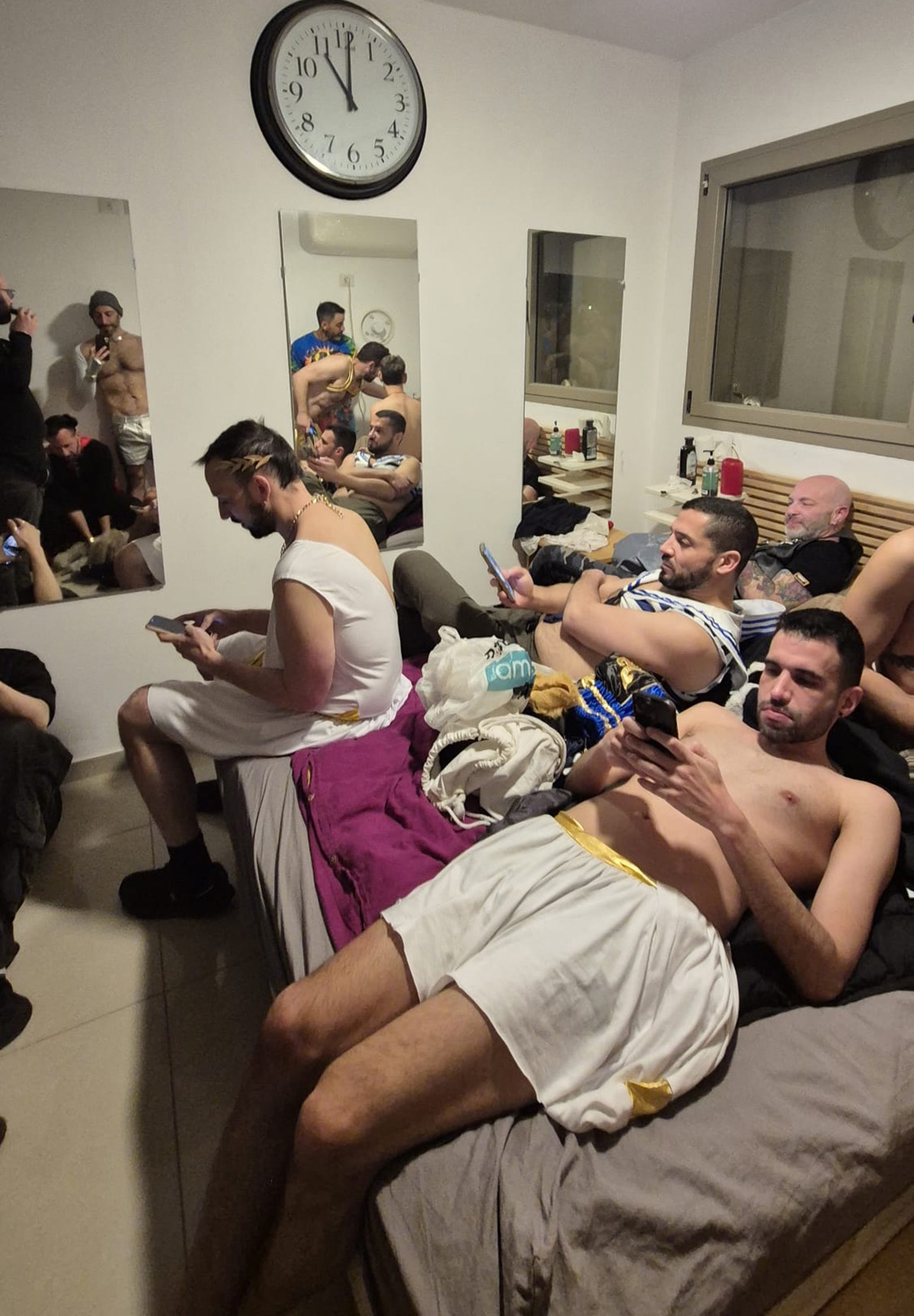
Polonsky told the Blade he understands “there are very serious questions about how” the war started, and Congress’s role in it.
“Those are serious and valid, important questions,” he said. “And at the same time, the Iranian regime was bad.”
Polonsky noted Iran has supported and funded Hezbollah, Hamas, Houthi rebels in Yemen, and other groups “who were attacking Israel.” Polonsky added the Iranian government has “terribly oppressed their people.”
Iran is among the handful of countries in which consensual same-sex sexual relations remain punishable by death.
Reports indicate Iranian authorities killed upwards of 30,000 people during anti-government protests that began late last year. Sources with whom the Blade spoke said LGBTQ Iranians are among those who participated in the demonstrations.
“I’m not sad to see them pressured,” said Polonsky, referring to the Iranian regime.
He also described Khamenei as “a bad guy.”
“Him not being there is better,” said Polonsky.
Iran
Man stuck in Lebanon as Iran war escalates
Mario was traveling to India when conflict began on Feb. 28
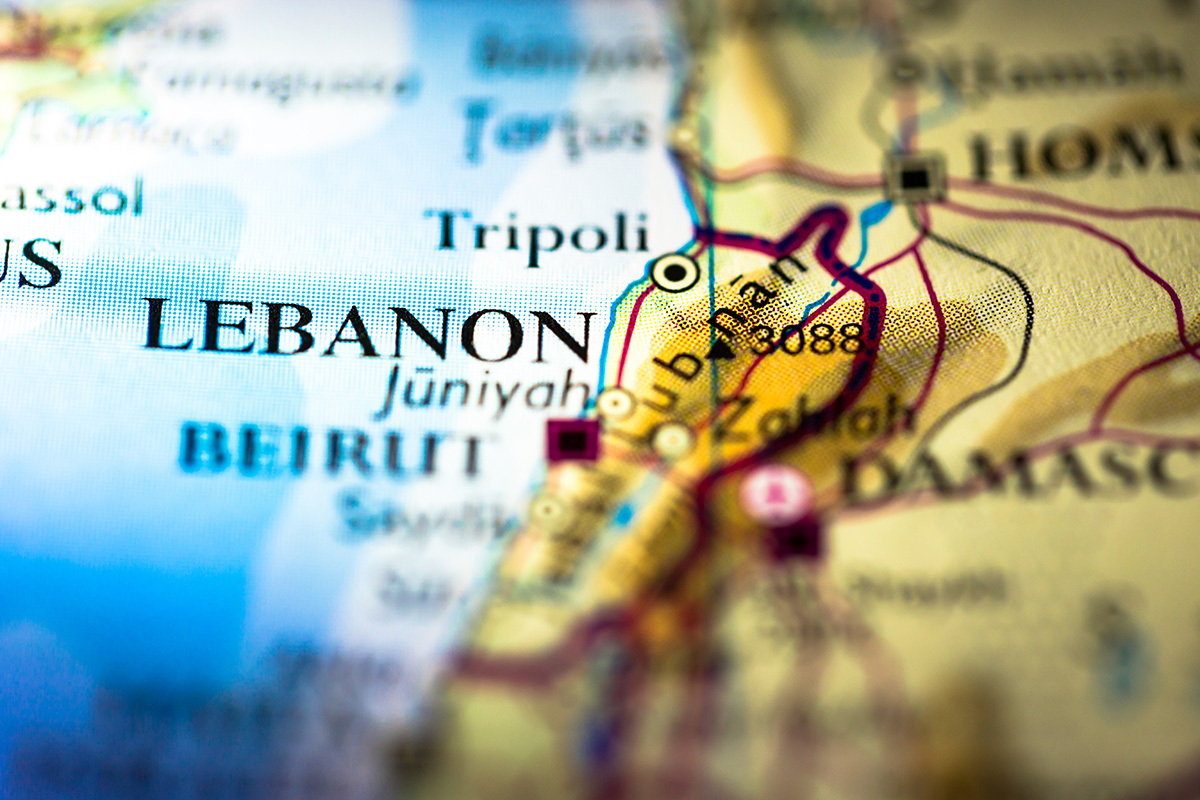
The Washington Blade on March 6 spoke with a man who remains stuck in Lebanon because of the escalating Iran war.
Mario, who asked the Blade not to publish his last name, lives in the U.S., but was born in Lebanon. He decided to stop in the country to see his doctor before traveling to India for work.
Mario was about to board a flight at Rafic Hariri International Airport in Beirut, the Lebanese capital, on Feb. 28 when airline personnel announced “we cannot fly anymore” because authorities had closed the country’s airspace.
The U.S. and Israel earlier that day launched airstrikes against Iran.
One of them killed Supreme Leader Ayatollah Ali Khamenei. Iran in response launched missiles and drones against Israel and Kuwait, Bahrain, Qatar, the United Arab Emirates, Jordan, Azerbaijan, Cyprus, and other countries.
An Iranian drone that hit a command center in Kuwait on March 1 killed six U.S. soldiers: Sgt. Declan Coady, Sgt. 1st Class Nicole Amor, Capt. Cody Khork, Sgt. 1st Class Noah Tietjens, Chief Warrant Officer 3 Robert Marzan, and Maj. Jeffrey O’Brien. Another American servicemember, Sgt. Benjamin Pennington, died on Sunday, a week after Iranian drones and missiles targeted the Prince Sultan Air Base in Saudi Arabia.
Iranian drones and missiles have also damaged civilian infrastructure, including hotels and airports in Dubai in the United Arab Emirates and Kuwait. An Iranian missile on March 1 killed nine people and injured 27 others in Beit Shemesh, Israel.
The war has left Mario and hundreds of thousands of others stranded in the Middle East.
“I had to come back home,” Mario told the Blade.
“Luckily, I’m with family,” he added.
‘War is between Israel and Hezbollah’
Hezbollah, an Iran-backed Shia militant group the U.S. and Israel have designated a terrorist organization, after Khamenei’s death launched rockets at Israel. The Jewish State in response has carried out airstrikes against Hezbollah targets across Lebanon.
Hamas militants on Oct. 7, 2023, killed upwards of 1,200 people when they launched a surprise attack against Israel from the Gaza Strip. Hezbollah the following day began to launch rockets into Israel.
An Israeli airstrike in Beirut on Sept. 27, 2024, killed Hassan Nasrallah, Hezbollah’s long-time leader. Iran four days later launched upwards of 200 ballistic missiles at Israel.
The U.S. helped broker a ceasefire between Israel and Lebanon that took effect on Nov. 27, 2024. Israel nevertheless continued to carry out airstrikes in Lebanon.
Israel on June 13, 2025, launched airstrikes against Iran that targeted the country’s nuclear and military facilities. The subsequent war, which lasted 12 days, prompted the cancellation of the annual Tel Aviv Pride parade.
Mario noted the Israeli airstrikes have targeted Hezbollah infrastructure in Dahiyah, a Beirut suburb that is predominantly Shia, and in southern Lebanon.
His family’s home is about five miles from downtown Beirut. Mario said there is a mountain “that separates me from the area that is being bombed, so I don’t even hear the sounds.”
“Lebanon is such an interesting juxtaposition, because depending on which area you are in, your quality of life can be different during these times,” he said. “Right now, the war is not between Israel and Lebanon as a government. The war is between Israel and Hezbollah.”
“If you are in the areas where Hezbollah is concentrated, then you are severely impacted,” added Mario. “If you are in other areas, even if they are Shia or … Muslims that usually align themselves with Hezbollah, you’re still relatively in a safe place, in a safe location.”
Israeli evacuation orders have prompted hundreds of thousands of people to flee their homes in Dahiyah and in southern Lebanon.
Mario said many of the evacuees are sleeping in their cars, or on the street. He also noted a video that showed a shepherd with his sheep and goats on a highway in downtown Beirut.
“He took his animals with him because he had to vacate where he was living,” said Mario. “That’s the first time you see in downtown Beirut maybe 100 goats walking the streets with two people sitting on jackasses and herding them.”
“It is very absurd,” he added.
The Lebanese government has opened schools and public shelters for people who have been displaced, but Mario said many of them do not have enough food. He also said gas prices have increased, and people are afraid to drive.
“It really saddens me seeing the kids affected by it,” said Mario. “Hezbollah made this decision, and it was a unilateral decision.”
“I doubt that the Shia people support them,” he added, referring to Hezbollah. “They cannot say it out loud that they do not support them, but I doubt people are happy within less than two years, for the second time in a row, to have to leave their homes and try to find a place to stay.”
Lebanese government urged to develop LGBTQ-inclusive plan for displaced people
Article 534 of Lebanon’s Penal Code states “any sexual intercourse contrary to the order of nature is punishable” by up to a year in prison. Several judges in recent years have opted not to use the statute to prosecute LGBTQ people who have been charged under it.
Helem, a Lebanese LGBTQ and intersex rights group, on March 4 called upon the Lebanese government and international NGOs to develop a response to the Israeli airstrikes that is “comprehensive, fair, and inclusive of all groups, without exception or discrimination.
“The experience of the previous war demonstrated that state response plans were not sufficiently inclusive of displaced LGBTQ+ individuals,” said Helem. “Many faced compounded challenges, including the inability to access state collective shelters, exposure to harassment or violence, difficulty accessing health and psychosocial services, and fear of disclosing their gender identity or sexual orientation due to stigma and discrimination.”
“Any emergency plan that fails to take the most vulnerable groups into account exposes their lives and dignity to additional risks,” added the group.
Helem also made the following requests:
• Integrating a rights-based and nondiscrimination approach in all stages of planning and implementation, ensuring safe and equal access to assistance and services.
• Training staff working in shelters and emergency response on principles of protection from gender-based violence and discrimination, including issues related to gender identity and sexual orientation.
• Reassessment of the currently adopted shelter model, which relies exclusively on the concept of the “traditional family” aligned with a specific social structure. In practice, this leads to the systematic exclusion of non-traditional families and individuals who do not belong to conventional family units, including LGBTQ+ individuals, survivors of domestic violence, migrant workers, and people without supportive family networks.
• Involving civil society organizations specialized in gender issues and LGBTQ+ rights in the design, implementation, and monitoring of the emergency response plan.
• Establishing clear monitoring and accountability standards to ensure that violations or discriminatory practices do not occur during the implementation of the emergency plan.
“Disasters and conflicts do not justify the suspension of rights or the neglect of marginalized groups. On the contrary, the need for a humanitarian approach grounded in dignity and equality becomes even more urgent in times of crisis.”
“Helem places its expertise and experience at the disposal of relevant authorities and affirms its readiness to cooperate to ensure that the emergency plan is more just, effective, and inclusive,” said Helem. “Dignity is indivisible, and protection must include everyone without exception.”
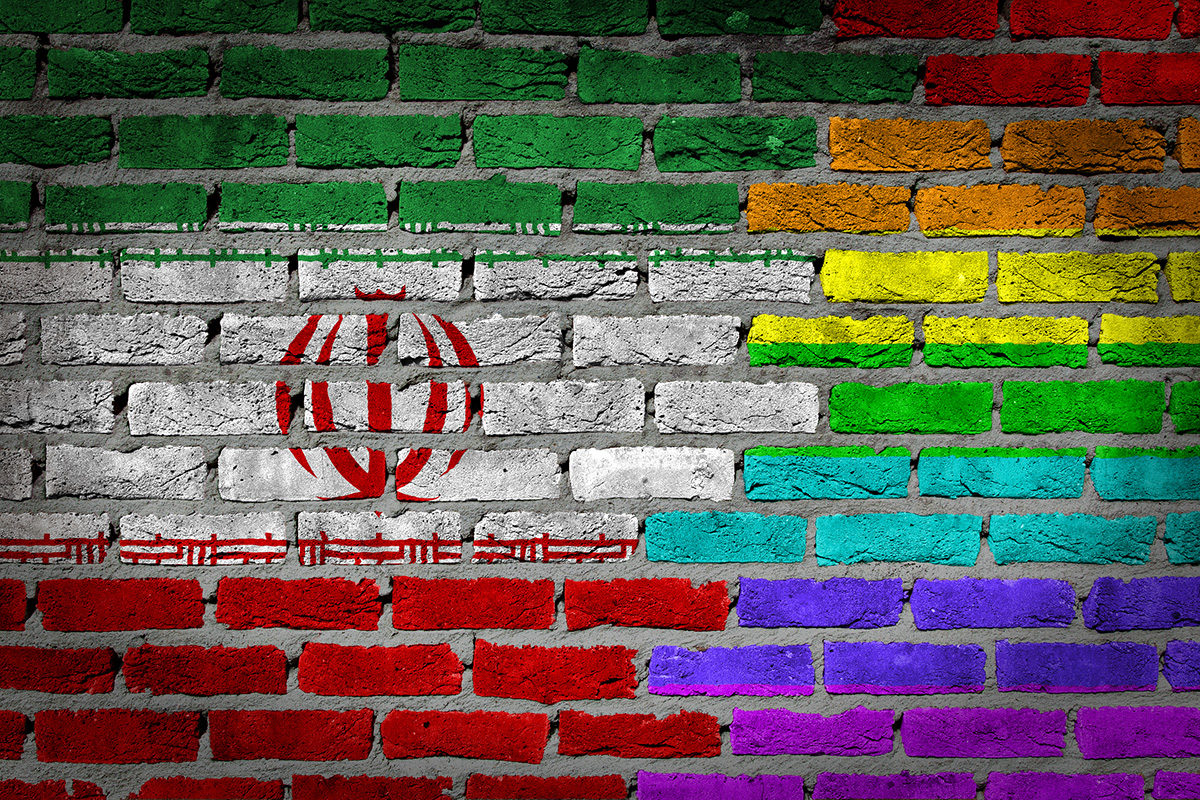
Advocacy groups are demanding the Trump-Vance administration not to deport two gay men to Iran.
MS Now on Jan. 23 reported the two men are among the 40 Iranian nationals who the White House plans to deport.
Iran is among the countries in which consensual same-sex sexual relations remain punishable by death.
The Washington Blade earlier this month reported LGBTQ Iranians have joined anti-government protests that broke out across the country on Dec. 28. Human rights groups say the Iranian government has killed thousands of people since the demonstrations began.
Rebekah Wolf of the American Immigration Council, which represents the two men, told MS Now her clients were scheduled to be on a deportation flight on Jan. 25. A Human Rights Campaign spokesperson on Tuesday told the Blade that one of the men “was able to obtain a temporary stay of removal from the” 10th U.S. Circuit Court of Appeals, and the other “is facing delayed deportation as the result of a measles outbreak at the facility where they’re being held.”
“My (organization, the American Immigration Council) represents those two gay men,” said American Immigration Council Senior Fellow Aaron Reichlin-Melnick in a Jan. 23 post on his Bluesky account. “They had been arrested on charges of sodomy by Iranian moral police, and fled the country seeking asylum. They face the death penalty if returned, yet the Trump (administration) denied their asylum claims in a kangaroo court process.”
“They are terrified,” added Reichlin-Melnick.
My org @immcouncil.org represents those two gay men. They had been arrested on charges of sodomy by Iranian moral police, and fled the country seeking asylum. They face the death penalty if returned, yet the Trump admin denied their asylum claims in a kangaroo court process.
They are terrified.
— Aaron Reichlin-Melnick (@reichlinmelnick.bsky.social) January 23, 2026 at 8:26 AM
Reichlin-Melnick in a second Bluesky post said “deporting people to Iran right now, as body bags line the street, is an immoral, inhumane, and unjust act.”
“That ICE is still considering carrying out the flight this weekend is a sign of an agency and an administration totally divorced from basic human rights,” he added.
Deporting people to Iran right now, as body bags line the street, is an immoral, inhumane, and unjust act. That ICE is still considering carrying out the flight this weekend is a sign of an agency and an administration totally divorced from basic human rights. www.ms.now/news/trump-d…
— Aaron Reichlin-Melnick (@reichlinmelnick.bsky.social) January 23, 2026 at 8:27 AM
HRC Vice President of Government Affairs David Stacy in a statement to the Blade noted Iran “is one of 12 nations that still execute queer people, and we continue to fear for their safety.” Stacy also referenced Renee Good, a 37-year-old lesbian woman who a U.S. Immigration and Customs Enforcement agent shot and killed in Minneapolis on Jan. 7, and Andry Hernández Romero, a gay Venezuelan asylum seeker who the Trump-Vance administration “forcibly disappeared” to El Salvador last year.
“This out-of-control administration continues to target immigrants and terrorize our communities,” said Stacy. “That same cruelty murdered Renee Nicole Good and imprisoned Andry Hernández Romero. We stand with the American Immigration Council and demand that these men receive the due process they deserve. Congress must refuse to fund this outrage and stand against the administration’s shameless dismissal of our constitutional rights.”

D.C.’s affirming congregations to mark Holy Week, Easter

Trans activists gather on National Mall for Transgender Day of Visibility

The cost of speaking one’s mind

Senegalese president signs bill that further criminalizes homosexuality

Md. lawmakers reaffirm legislative priorities

Celebrate cherry blossoms the drag way

Lorato ke Lorato: marriage equality, democracy, and the unfinished work of justice in Botswana

Japanese Supreme Court to consider marriage equality

The outrage economy is not the LGBTQ community

Trump tells Fox News he won the ‘gay vote’ — but polls tell a different story
-

 Out & About5 days ago
Celebrate cherry blossoms the drag way
-
Botswana5 days ago
Lorato ke Lorato: marriage equality, democracy, and the unfinished work of justice in Botswana
-
Japan5 days ago
Japanese Supreme Court to consider marriage equality
-
Opinions5 days ago
The outrage economy is not the LGBTQ community