Autos
Charged up about electric vehicles
Bolt EUV, BMW iX xDrive 50 offer climate-friendly style
For me, electric vehicles are like superheroes. They nix tailpipe emissions. They combat climate change. And they come with scads of slick gadgets.
Today’s cutting-edge EV designs also look, well, electrifying. And you can’t beat the adrenaline rush, the ability to dash lickety-split down the road—even when tapping the accelerator ever so slightly.
I recently drove two EVs that gave me a real charge. And who knows, they just may help save the planet.
CHEVROLET BOLT EUV
$29,000
MPGe: 125 city/104 highway
Driving range: 247 miles
0 to 60 mph: 6.8 seconds
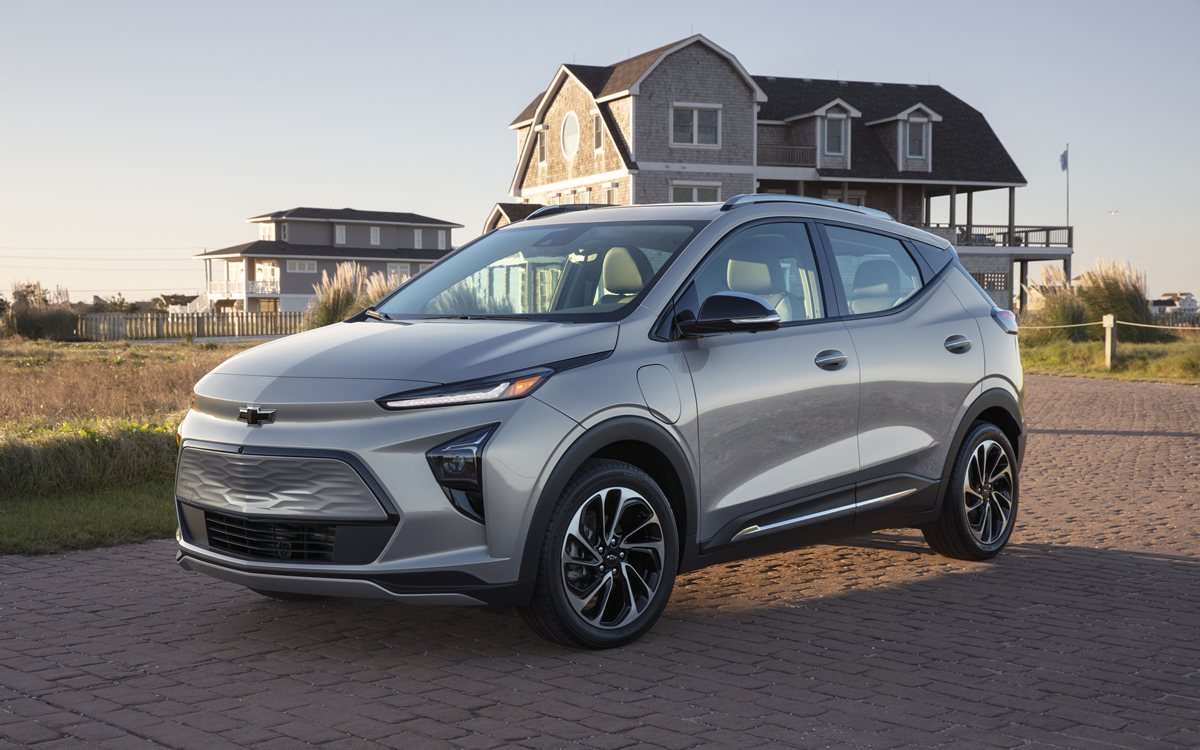
Shazam! As with that comic-book superhero, lightning has struck the compact Chevy Bolt EV hatchback. The result: the all-new Bolt EUV—aka Electric Utility Vehicle—a compact SUV that’s six inches longer than the hatchback. Sure, the six-year-old Bolt EV was nicely updated last year, but the surprise addition of the larger EUV brings much-needed legroom for rear-seat passengers. Both Bolts sport the same offbeat design, full of comely creases and large windows for an airy interior. And there are notable amenities, including LED headlights, heated exterior mirrors, remote start and remote keyless entry.
But the EUV comes with so many extras, especially in the Premier trim level: Bose stereo, onboard navigation system, panoramic sunroof, illuminated charging port and more. This is also the first Chevy with Super Cruise, an advanced hands-free-driving system for automatic braking, steering and acceleration. The cabin features a 10.2-inch infotainment screen, 8-inch digital display, smartphone integration and flat-bottom steering wheel with integrated audio controls and such.
While I prefer traditional gearshift levers versus the gear-selector buttons in the Bolt, more automakers are opting for such gearshift buttons, toggles or knobs because they take up less space. Battery range is listed at 247 miles, but I fared closer to 270 miles. You get only four miles of charge per hour using a standard 120-volt outlet, but a full-charge from a 240-volt outlet takes just seven hours, which is decent. Along with the eight-year/100,000-mile battery warranty, roadside assistance is five years/60,000 miles. Overall, both Bolts—whether hatchback or EUV—are stylish and affordable. But expect the new Bolt EUV to ferry around those superheroes in your life a bit more comfortably.
BMW iX xDRIVE 50
$85,000
MPGe: 86 city/87 highway
Driving range: 315 miles
0 to 60 mph: 4.2 seconds
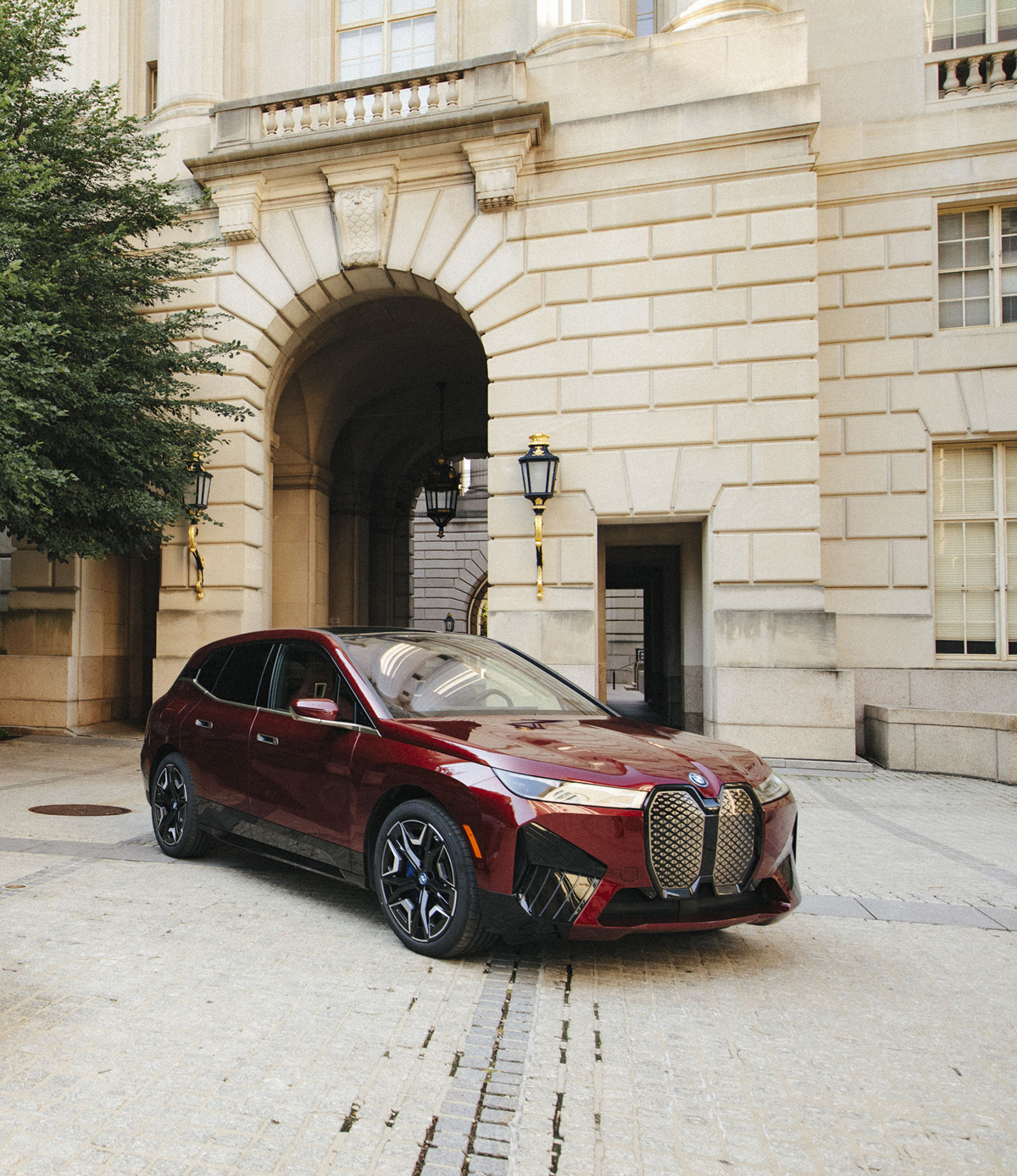
Beware the magical powers of a BMW iX xDrive 50, the automaker’s first all-electric SUV. This rousing ride boasts the speed of The Flash, the tenacity of Thor and the savvy of Storm. In other words, what’s not to like? Sure, this all-new BMW costs three times as much as a Chevy Bolt EUV. But the iX scoots down the road a lot faster, tackles twisties with confidence and brakes like a true race car.
Size-wise, the iX is akin to a midsize BMW X5 SUV, with comfortable seating for five passengers and beaucoup storage space. Here the comparisons end. With sci-fi styling, the iX is more futuristic than anything BMW has tried before. Take the signature kidney-shaped grille, which has been bent and stretched as if from another dimension. Cameras, radar gizmos and other sensors are hidden in the grille, which is covered by a polyurethane coating that gives it the power to heal itself—or basically erase—any minor scratches or dings. I mean, like, wow.
Frameless windows and the flush exterior door handles add to the aerodynamic ambience. As for the interior, this is what I imagine cockpits in luxury space shuttles will look like someday. There’s a funky hexagonal steering wheel, a center console that seems to float between the front seats, and buttons instead of handles to open the doors from the inside. Hovering atop the dashboard is an elongated digital monitor, stretched to fit the 14.9-inch infotainment display and 12.3-inch digital gauge cluster.
The seat-adjustment controls, infotainment control knob and other switchgear can be ordered in crystal glass. And many materials in the iX are recycled, including carpets and floor mats made from used fishing nets and other items. Also of note: When flying down the highway, the cabin is one of the quietest available, beating even Bentley and Rolls-Royce. For 2023, a high-performance iX M60 model arrives with even more power and pizzazz. Another super vehicle we can look forward to on the road.



Large SUVs are fine for long-distance travel. But in the city? Not so much.
That’s where subcompacts come in. They fit anywhere. Yet they often remind me of sensible shoes: practical, dependable and kinda dull.
Now, though, more and more small crossovers are starting to channel their inner Christian Louboutin. Stylish. Sassy. And with some swagger to make things interesting.
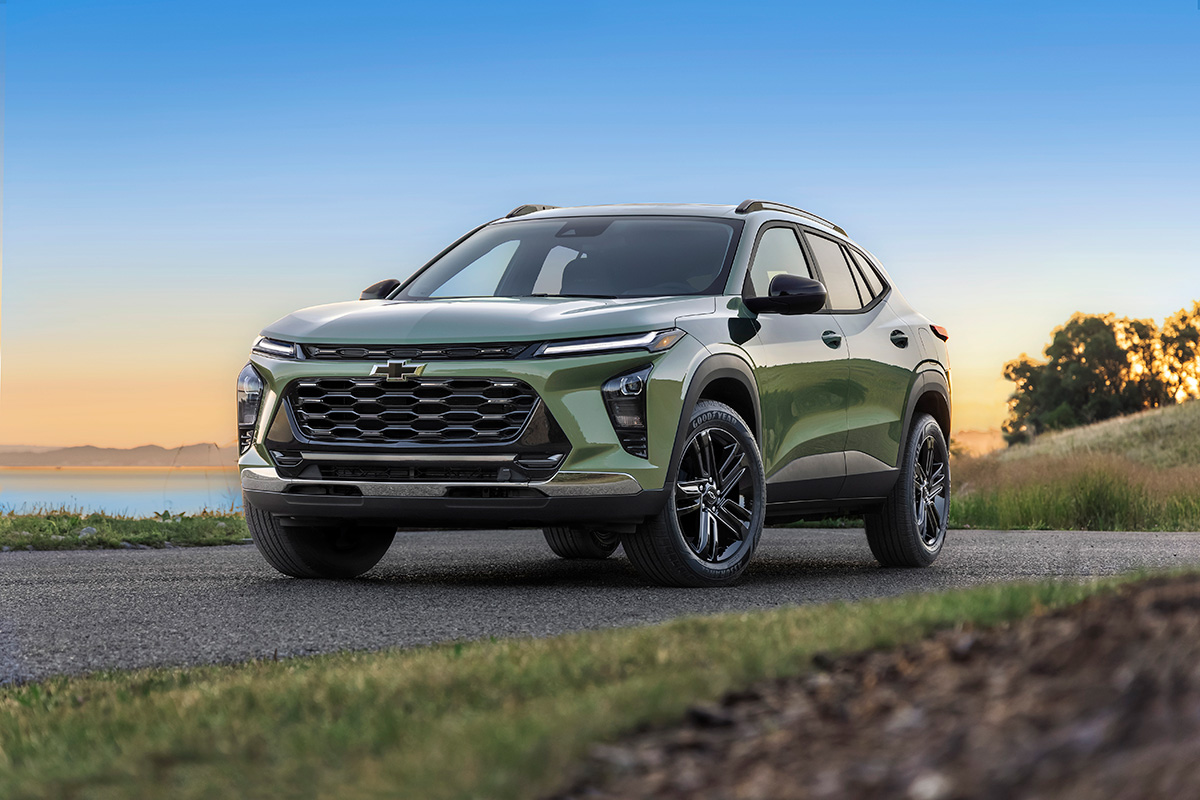
CHEVROLET TRAX
$22,000
MPG: 28 city/32 highway
0 to 60 mph: 9.1 seconds
Cargo space: 54.1 cu. ft.
PROS: Affordable. Updated. Roomier than expected.
CONS: So-so acceleration. No all-wheel drive. Some road noise.
The Chevrolet Trax has undergone a stunning redo. Longer. Lower. Sharper. And more muscular — especially in sporty trims like the RS, which adds darker accents and a bit of attitude.
It’s like watching an understudy get a breakout moment.
Under the hood sits a three-cylinder turbo. No, that’s not NASCAR material, but it’s perfectly adequate for daily life. Around town, the Trax felt light, easy to maneuver and surprisingly smooth. While I wasn’t going to be chasing lap times like Brad Pitt in “F1,” this pint-sized SUV kept up with traffic comfortably.
Another plus: Chevy re-tuned the suspension. Rough pavement softens. Long drives are relaxed.
Inside, the dashboard is more upscale than the price tag suggests. A large infotainment display dominates the center stack, and wireless smartphone connectivity is standard. Rear passenger room is generous thanks to the longer wheelbase, and cargo space is decent.
Inexpensive, yes. And now stylish enough to earn an ovation.
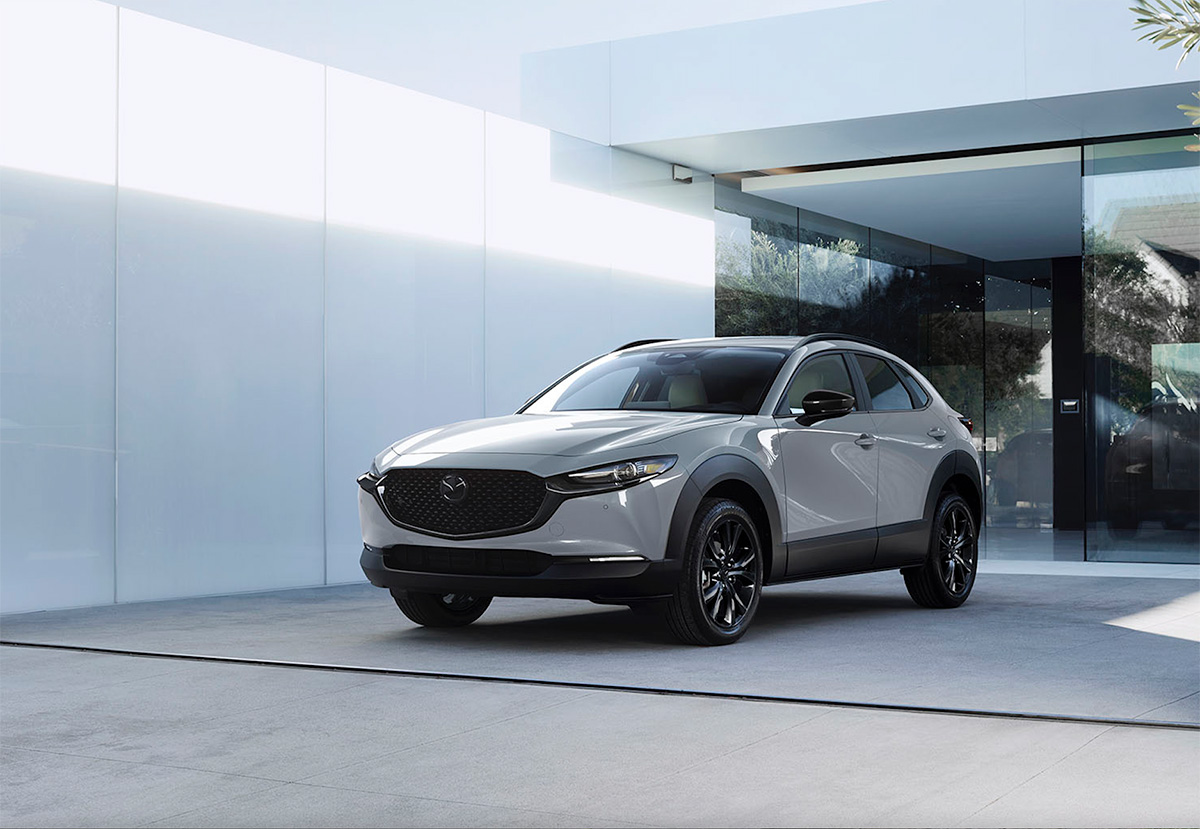
MAZDA CX-30
$26,000
MPG: 24 city/31 highway
0 to 60 mph: 8.0 seconds
Cargo space: 45.2 cu. ft.
PROS: Sexy exterior. Chic cabin. Sporty handling.
CONS: Limited rear visibility. Smallish cargo area.
Mazda has mastered the art of making affordable cars feel expensive, and the CX-30 might be its best performance yet. Sculpted curves. Dramatic fenders. Rich paint colors that shimmer under sunlight. Park this crossover next to competitors and it looks like it wandered in from a more upscale showroom.
The base four-cylinder engine is lively enough. But the real fun starts with the optional turbo. Press the throttle and the CX-30 surges forward with gusto, whipping you from 0 to 60 mph in as little as 5.9 seconds. Suddenly, merging onto the highway feels less like commuting and more like making an entrance worthy of Lady Gaga.
Handling also shines, with sharp steering, minimal body roll and controlled cornering. To me, the CX-30 is one of the few small rides that genuinely rewards enthusiastic driving.
Inside, the cabin feels premium. Soft-touch materials, elegant stitching and a minimalist dashboard create a refined atmosphere.
There are tradeoffs. Backseat legroom is tighter than some rivals, and outward visibility can feel limited due to the thick roof pillars.
But if you enjoy driving — really enjoy it — the CX-30 stands apart.
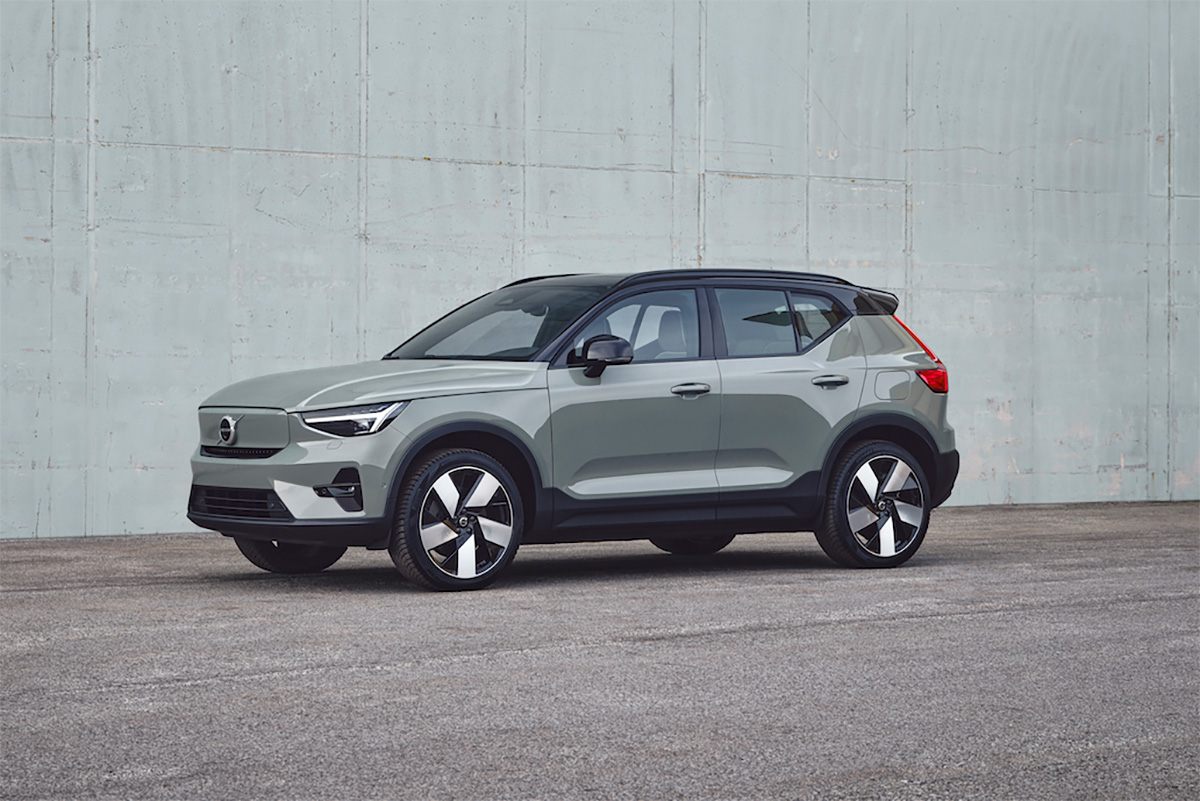
VOLVO XC40
$40,000
MPG: 23 city/30 highway
0 to 60 mph: 8.1 seconds
Cargo space: 57.5 cu. ft.
PROS: Euro styling. High-quality materials. Top safety gear.
CONS: Bit jarring over potholes. Average fuel economy.
For a more sophisticated look, there’s the Volvo XC40. Crisp lines. Upright stance. Signature “Thor’s hammer” LED headlights that give the front-end an unmistakable presence.
Under the hood, the XC40 pairs a four-cylinder turbo with standard all-wheel drive. While the XC 40 won’t outrun a true sports car, it moves with purpose. Think quiet confidence — like Jodie Foster in practically all her movies.
The ride balances comfort and composure nicely. Firm enough for zigzagging through congested traffic, but smooth enough to endure long highway drives.
Inside, the cabin is modern, airy and beautifully assembled. Volvo uses soft textiles, brushed metal and minimalist trim pieces to create an upscale aura. The vertically oriented touchscreen integrates Google apps, like Maps and Assistant. Once you get used to it, the system feels intuitive and tech-forward.
Volvo also excels at clever practicality. Door pockets are enormous. There’s even a removable trash bin in the center console.
While the XC40 may cost more than its mainstream rivals, it offers something they can’t quite replicate. Effortless cool.
Autos
Going for gold: Ford Bronco Sport vs. Toyota RAV4
SUV world has share of bright lights, bold entrances, cut-throat competitors
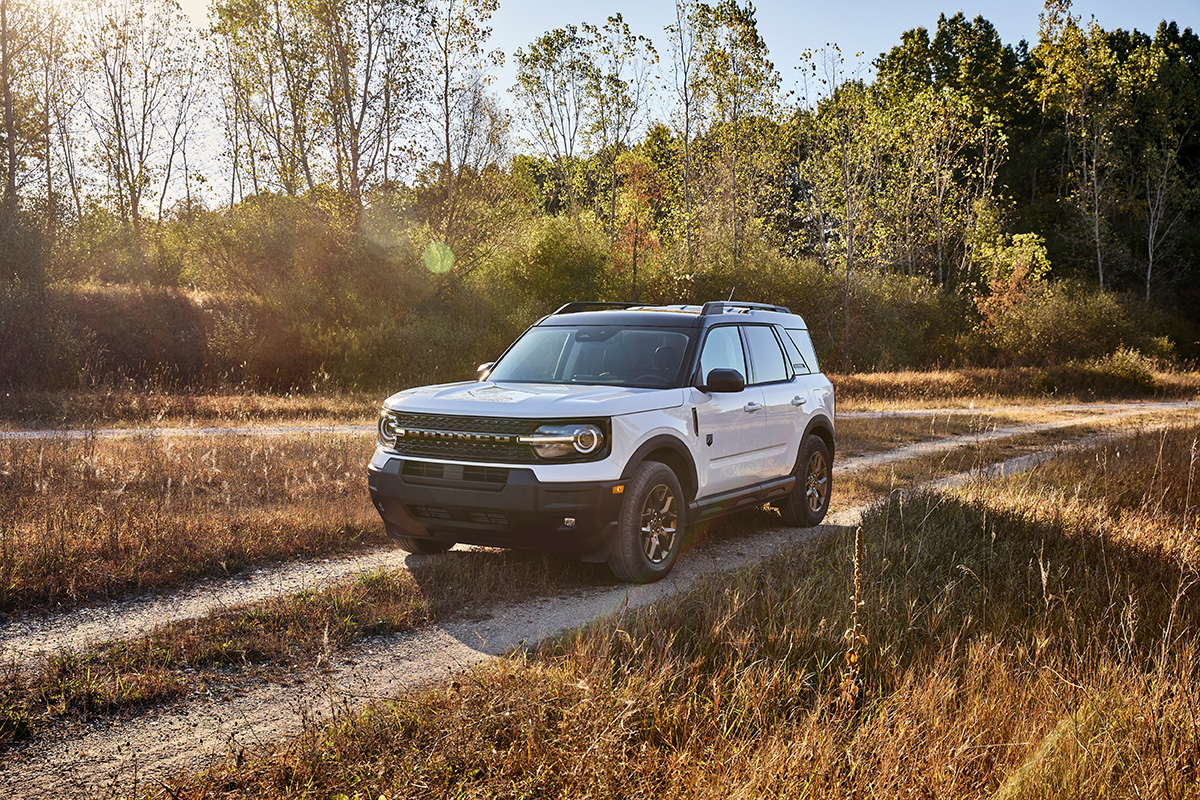
Let the games begin! Just like the Winter Olympics this month, the SUV world has its share of bright lights, bold entrances, and cut-throat competitors.
Enter the Ford Bronco Sport and Toyota RAV4, both ready to claim the podium but each with a different routine. Think hiking boots versus minimalist trainers. Dirt trails versus perfectly paved roadways.
FORD BRONCO SPORT
$34,000
MPG: 25 city/30 highway
0 to 60 mph: 8.2 seconds
Cargo space: 32.5 cu. ft.
PROS: Boxy chic. Off-road ready. Easy-clean interior.
CONS: Meh gas mileage. Firm ride. Outside noise.
The Bronco Sport doesn’t try to blend in — and that’s the point. With an upright stance, squared lines and retro-rugged styling, this compact SUV looks ready for a backcountry photoshoot before you’ve even left the driveway.
Power comes from a three-cylinder turbo engine that handles daily driving with ease. Opt for the four-cylinder turbo, and the personality shifts from relaxed to assertive. Passing power improves. Highway merges are confident rather than cautious.
The standard 4×4 system sets the tone immediately. Traction is constant. Confidence is built in. Add the G.O.A.T. drive trains (in Ford cute-speak, this means “Goes Over Any Terrain”), and the Bronco Sport adapts to mud, sand, snow and rocks like a decathlete moving between events. Higher trims add skid plates, upgraded suspension and special hardware that makes rough territory feel less intimidating.
On pavement, the Bronco Sport is stable and composed, though the firm suspension can be ass-busting over deep potholes and such. And wind noise at highway speeds is kinda annoying, a tradeoff for the boxy profile.
Inside, durability meets thoughtful design. Rubberized surfaces and easy-clean materials welcome muddy boots, sandy paws or ambitious weekend projects. The cargo area features a flip-up rear window and adjustable floor, making it a breeze to load gear. Storage cubbies and nylon straps keep equipment organized without fuss.
Safety and other tech amenities are modern and practical. Wireless smartphone integration, cameras and driver-assistance gizmos such as adaptive cruise control make daily driving and long trips easier to manage.
What truly sets this SUV apart? In a sea of aerodynamic lemmings, the Bronco Sport feels like a free spirit. Rugged. Confident. A little rebellious.
And, like alpine skier Breezy Johnson, it looks particularly good with a bit of trail dust.
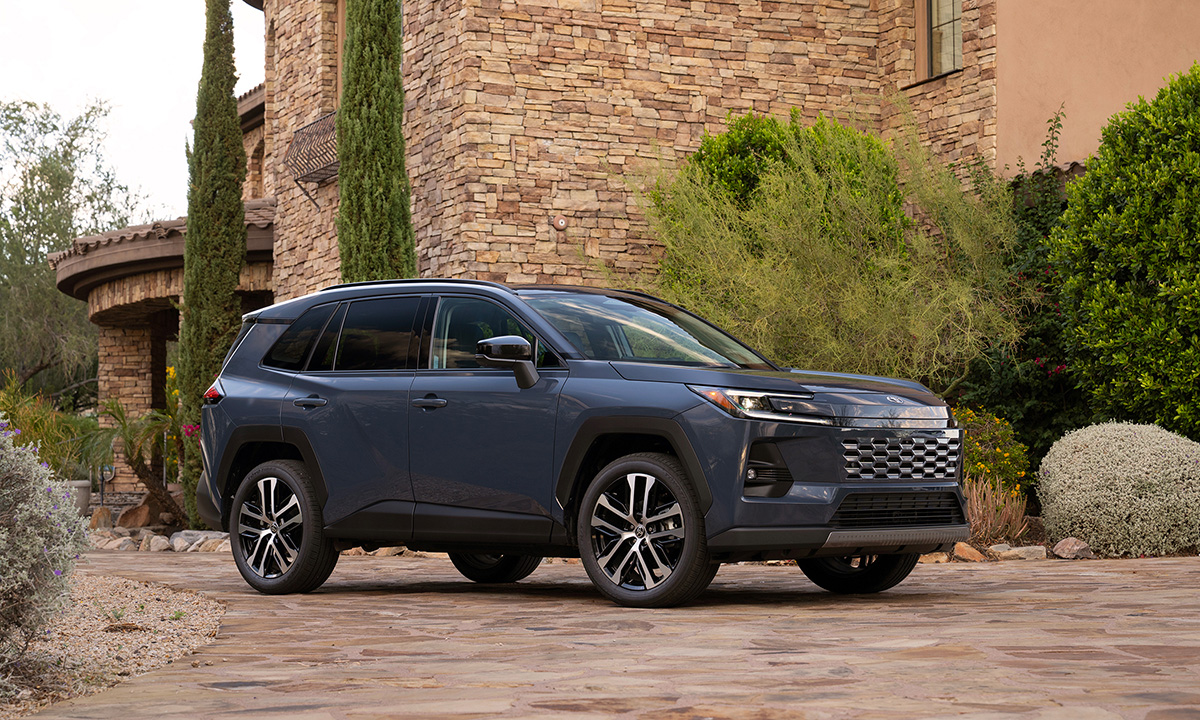
TOYOTA RAV4
$34,000
MPG: 47 city/40 highway
0 to 60 mph: 7.1 seconds
Cargo space: 37.8 cu. ft.
PROS: Fuel savvy. Spacious. Tech-laden features.
CONS: Less-sporty ride. Blasé base trim. Pricey options.
If the Bronco Sport is the adventurous wanderer, the Toyota RAV4 is the precision athlete who arrives early, stretches properly and performs effortlessly. Cue figure skaters Amber Glenn or Paul Poirier and you get the picture.
Fully redesigned for 2026, this compact SUV retains a formula that has made it one of the best-selling vehicles in America, blending efficiency, versatility and lots of tech features.
Toyota nixed the traditional gas engine for the RAV4, but that’s just fine. All models are now either standard hybrids, with fuel economy in the mid-40 mpg range, or plug-in hybrids, which can go up to 50 miles on battery power alone. The result: Vehicles that can handle daily commutes in near silence while retaining long-distance flexibility that would make an Olympic coach proud.
Acceleration is smooth and responsive, particularly in the plug-in hybrid, which is surprisingly quick. The transition between electric and gas power is seamless, though heavy throttle inputs mean the engine sometimes sounds strained. Handling is more predictable than sporty, so this was a minor deduction on the RAV4’s scorecard … at least from me.
But overall comfort is outstanding. The suspension absorbs potholes and uneven pavement with ease, and cabin noise remains impressively low at highway speeds. Long road trips feel relaxed rather than fatiguing — less triathlon grind, more victory lap.
Toyota’s Safety Sense offers adaptive cruise control, lane-keeping assist, enhanced collision avoidance and other systems that operate smoothly without seeming intrusive.
Inside, the revamped cabin is user-friendly. Materials are more refined than before, especially in mid- and upper-level trims. A large, high-resolution touchscreen supports the latest apps, voice commands and over-the-air updates. Such a layout is intuitive instead of flashy — stylish athleisure rather than couture.
Passenger space is generous, and cargo capacity remains among the most practical in this segment. The wide opening is especially helpful when tossing in luggage, sports equipment or an overly optimistic warehouse haul.
For drivers like me who are quick to judge efficiency, reliability and daily usability, the RAV4 delivered a gold-medal performance.
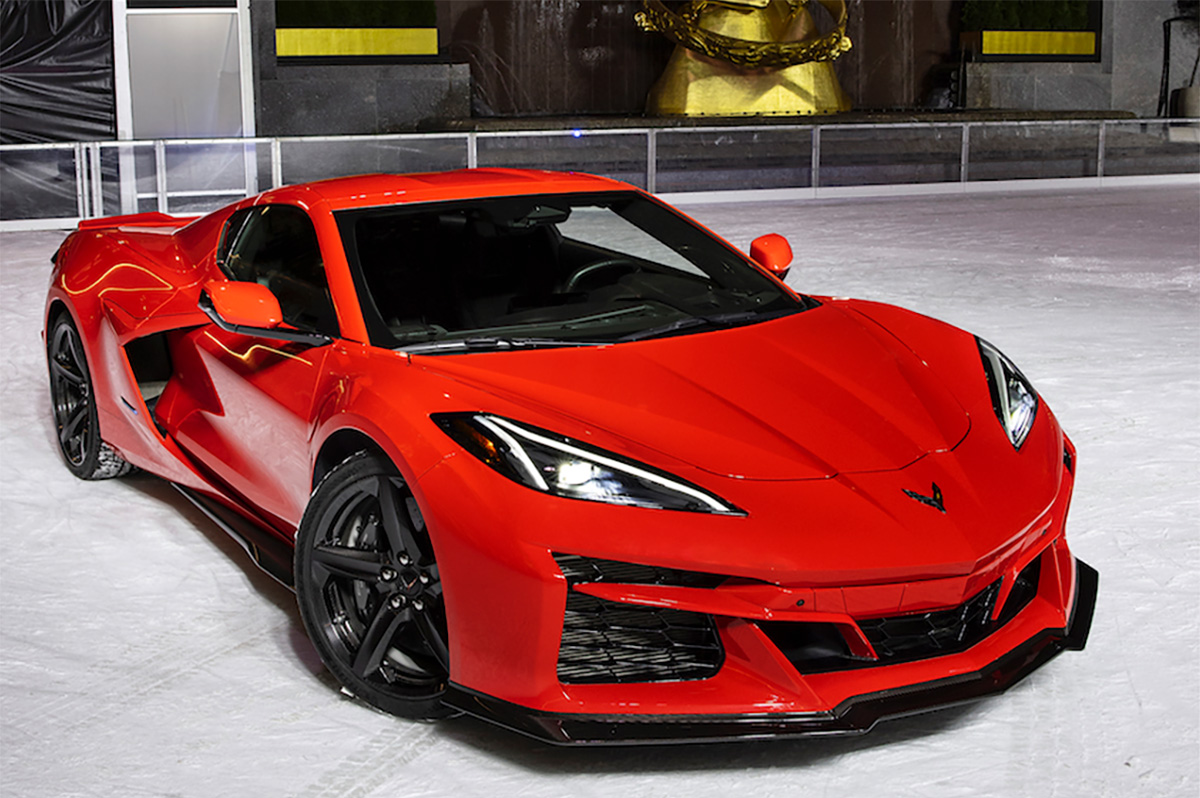
Some vehicles age quietly — but not muscle cars.
For 2026, the Chevrolet Corvette tightens its focus, fixes one glaring flaw (the previously dowdy interior) and flaunts a futuristic design. The Dodge Charger, on the other hand, is loud and proud, daring you to ignore its presence at your peril.
CHEVROLET CORVETTE
$73,000-$92,000
MPG: 16 city/25 highway
0 to 60 mph: 2.8 seconds
Cargo space: 13 cu. ft.
PROS: Awesome acceleration. Race-car feel. Snazzy cabin.
CONS: No manual transmission. No rear seat. Tight storage.
Finally, the Chevrolet Corvette feels as good inside as it looks flying past you on the freeway. That’s thanks to the classy, completely redesigned cabin. Gone is the old, polarizing wall of buttons in favor of a sleeker, three-screen cockpit. There’s a large digital gauge cluster, a wide infotainment screen angled toward the driver, and a marvy new auxiliary display. Everything is modern and a bit glitzy — but in a good way.
Fit and finish are higher quality than before, and the controls are more intuitive. Chevy’s Performance App is now standard across trims, offering real-time data for drivers who enjoy metrics as much as momentum. And the new interior color schemes, including slick asymmetrical options, let you express yourself without screaming for attention—confidence, not obnoxious bluster.
As for handling, the steering is quick and sure, body control is exceptional, and acceleration is blazingly fast. A mid-engine layout also delivers sublime balance.
Three trim options, including the V8-powered Stingray, the E-Ray (also with a V8 but paired with electric all-wheel drive), and the Z06 and ZR1 variants for racing devotees.
(Note to self: For a truly mind-blowing experience, there’s the new 1,250-horsepower ZR1X all-electric supercar that goes from 0 to 60 mph in less that 2 seconds and is priced starting at $208,000.)
Yes, the ride in any of these Corvettes can be firm. And visibility is, well, rather compromised. But this supercar is a total Dom, not a timid sub. Think Alexander Skarsgard in “Pillion,” and you get the picture.
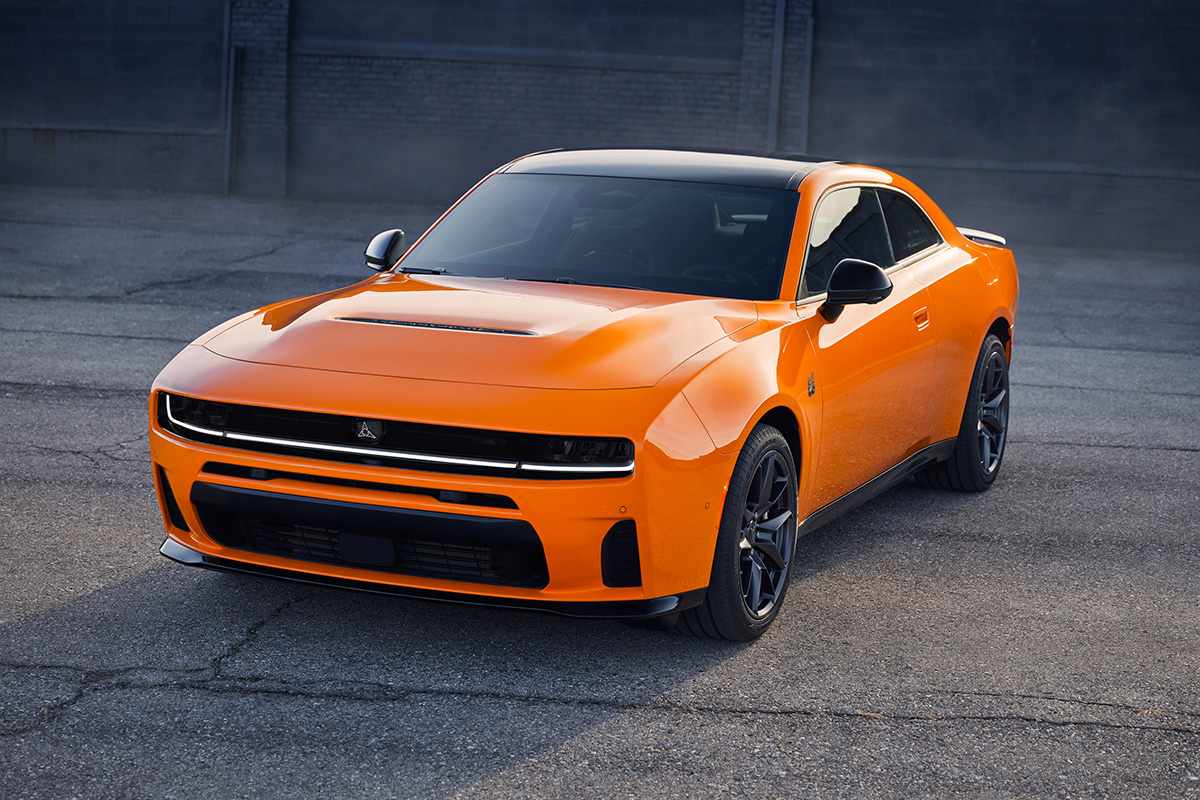
DODGE CHARGER
$52,000-$65,000
MPG: 16 city/26 highway
0 to 60 mph: 3.9 seconds
Cargo capacity: 22.75 cu. ft.
PROS: Choice of gas or EV power. Modern tech. Spacious cabin.
CONS: No V8 engine (yet). Soft steering. Less-than-lithe cornering.
Everything old is new again for the Dodge Charger. The automaker initially was phasing out gas-powered models in a shift to electric vehicles but then quickly pivoted back to include gas engines after yo-yo regulatory changes this year from, well, the yo-yos in the White House.
Powerful twin-turbo engines in the R/T and Scat Pack trims produce up to 550 horsepower. These models come standard with all-wheel drive but can be switched to rear-wheel drive for classic muscle-car antics when the mood strikes you.
At the same time, Dodge still offers the electric Charger Daytona, delivering up to 670 horsepower and ferocious straight-line acceleration.
The Charger’s aggressive design, massive digital displays and practical hatchback layout carry over, reinforcing its ability to be both a performance diva and everyday companion. With the larger-than-expected storage space, I appreciated being able to fit a boatload of groceries in the trunk during a Costco run.
New wheel designs, paint choices and trim variations help you visually distinguish between gas and electric Chargers. But no matter the model, each one feels decisive and deliberate on the road. Commuting in stop-and-go traffic during rush hour is fine, but this street machine excels at high-speed cruising on the freeway.
The turbo six-cylinder engine delivers muscular torque with less drama than the old V8s, but still with plenty of urgency. The electric Daytona version is a different kind of thrill, with its instant, silent thrust that feels like it could almost launch you to the moon.
Steering is stable but not exactly crisp, and the Charger’s weight makes it less lithe—and lively—than other muscle cars, especially when navigating tight corners.
But that’s just fine with me. Like Bea Arthur as Dorothy in “The Golden Girls,” this no-nonsense muscle car is proud to be big, bold and brassy.

Surviving spring cleaning

Iconic Eddie Izzard takes on 23 characters in ‘Hamlet’

How Pepper the courthouse dog helps victims of abuse

Women’s FEST returns to Rehoboth Beach next week

Belarusian lawmakers approve bill to crackdown on LGBTQ rights

Supreme Court rules against Colo. law banning conversion therapy for minors

Senegalese president signs bill that further criminalizes homosexuality

Trans activists gather on National Mall for Transgender Day of Visibility

Md. lawmakers reaffirm legislative priorities

The cost of speaking one’s mind
-

 U.S. Supreme Court5 days ago
Supreme Court rules against Colo. law banning conversion therapy for minors
-
Senegal4 days ago
Senegalese president signs bill that further criminalizes homosexuality
-
District of Columbia4 days ago
Trans activists gather on National Mall for Transgender Day of Visibility
-
Maryland4 days ago
Md. lawmakers reaffirm legislative priorities