District of Columbia
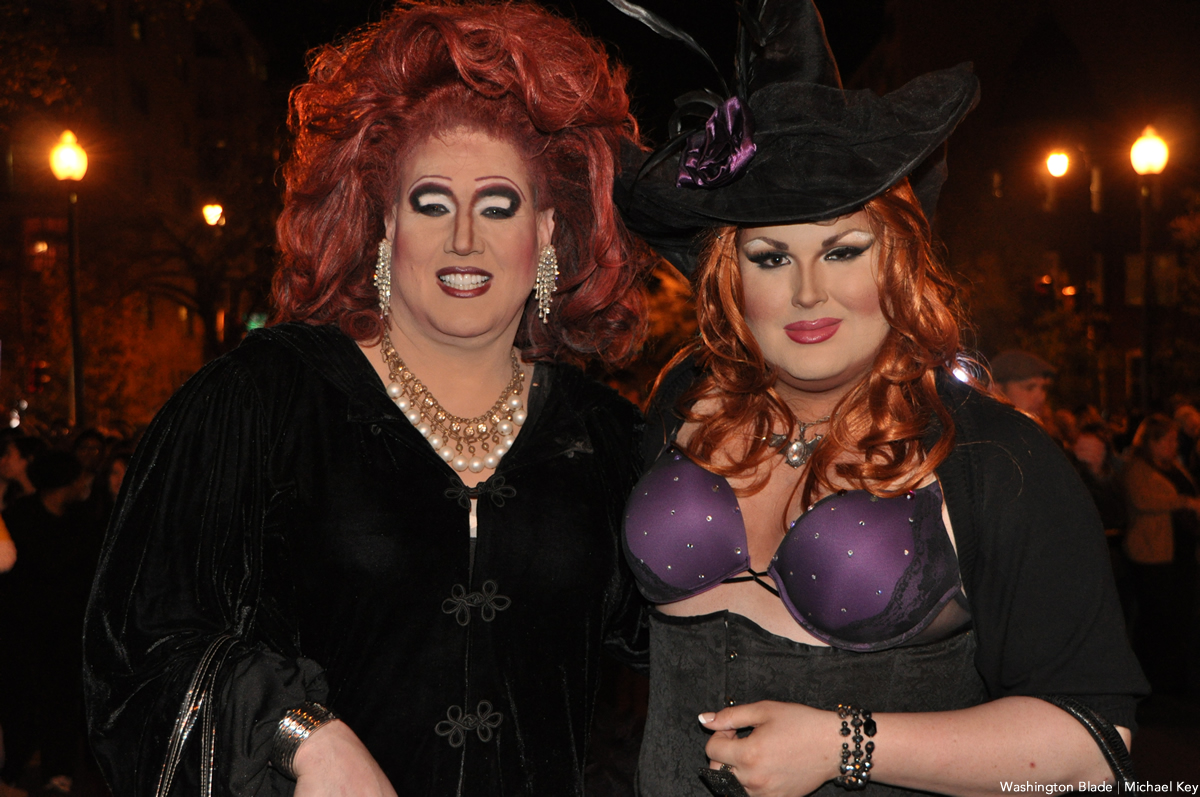
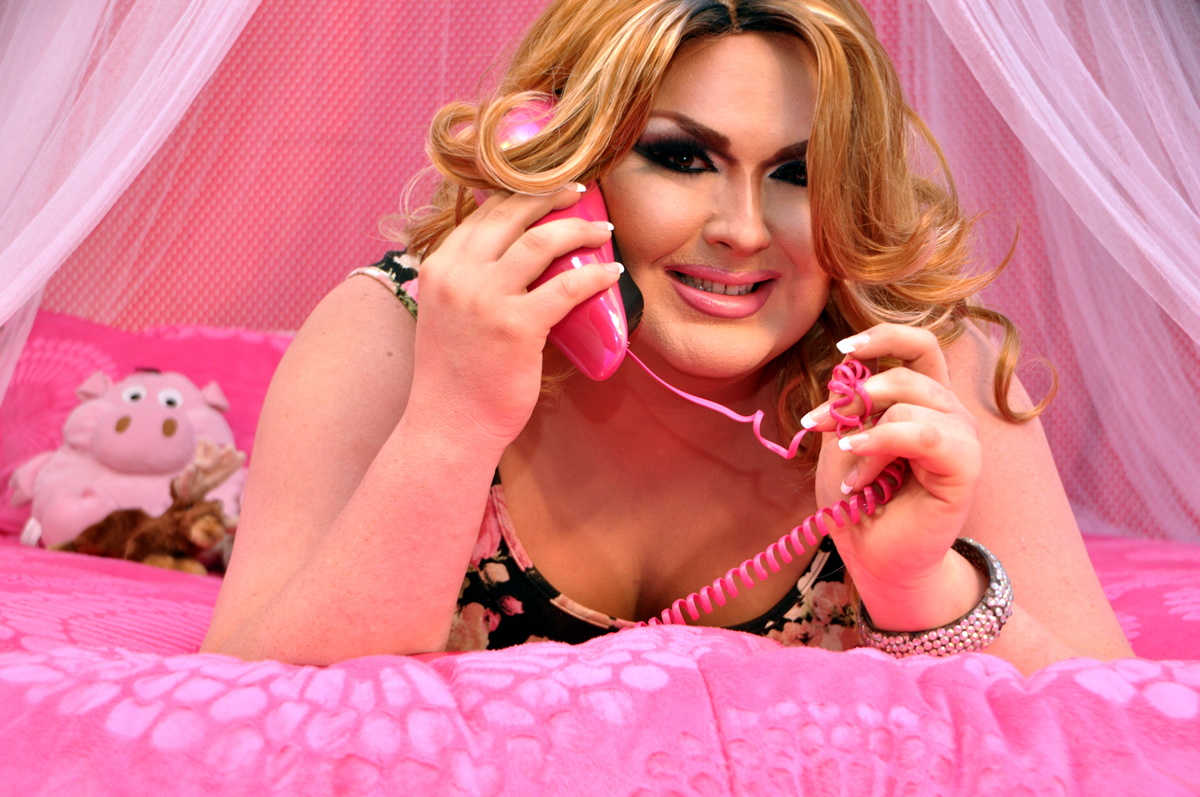
D.C. drag performer Ba’Naka dies at 36
Friends say beloved entertainer lifted spirit of LGBTQ community
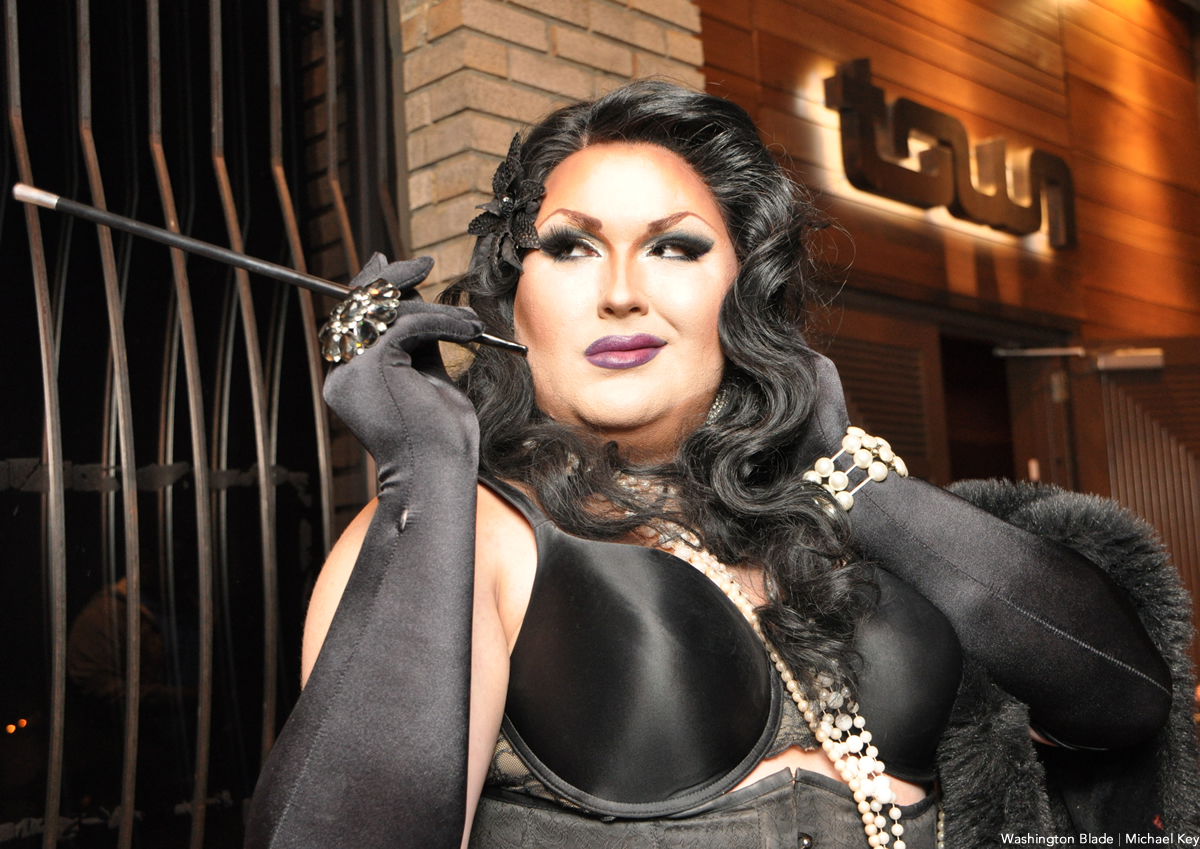
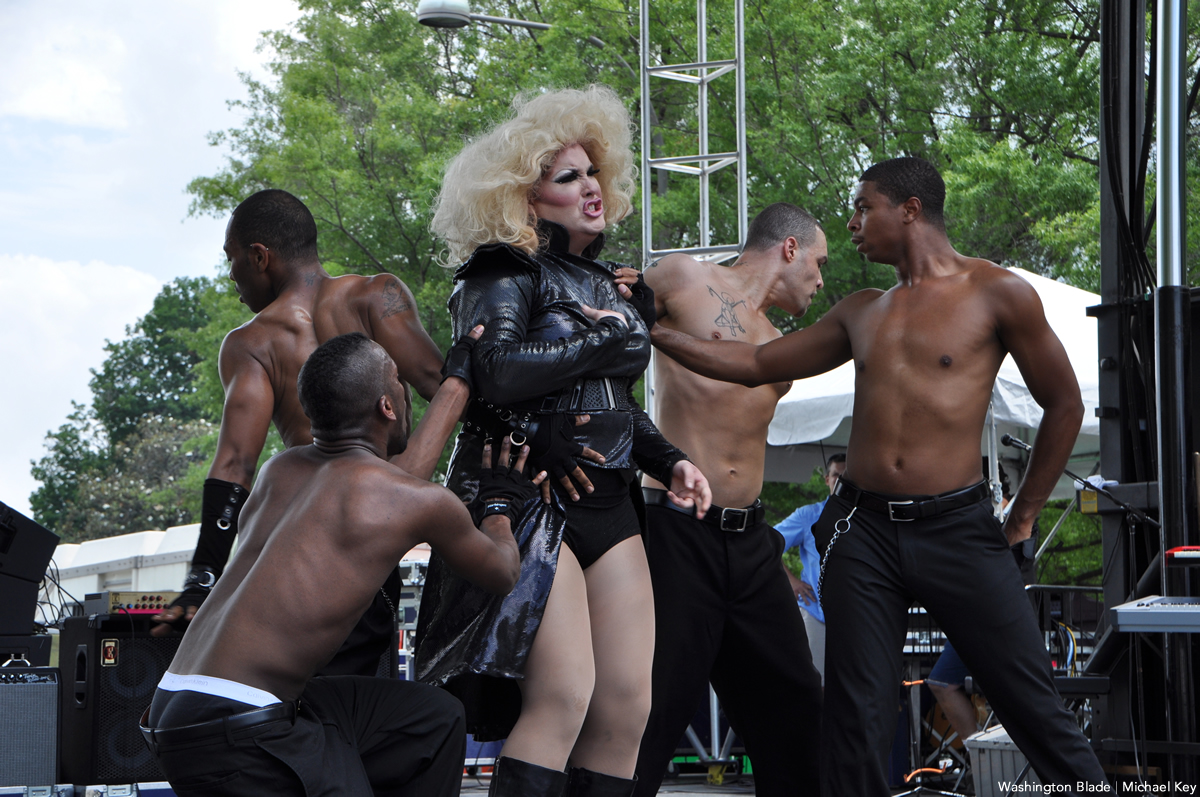
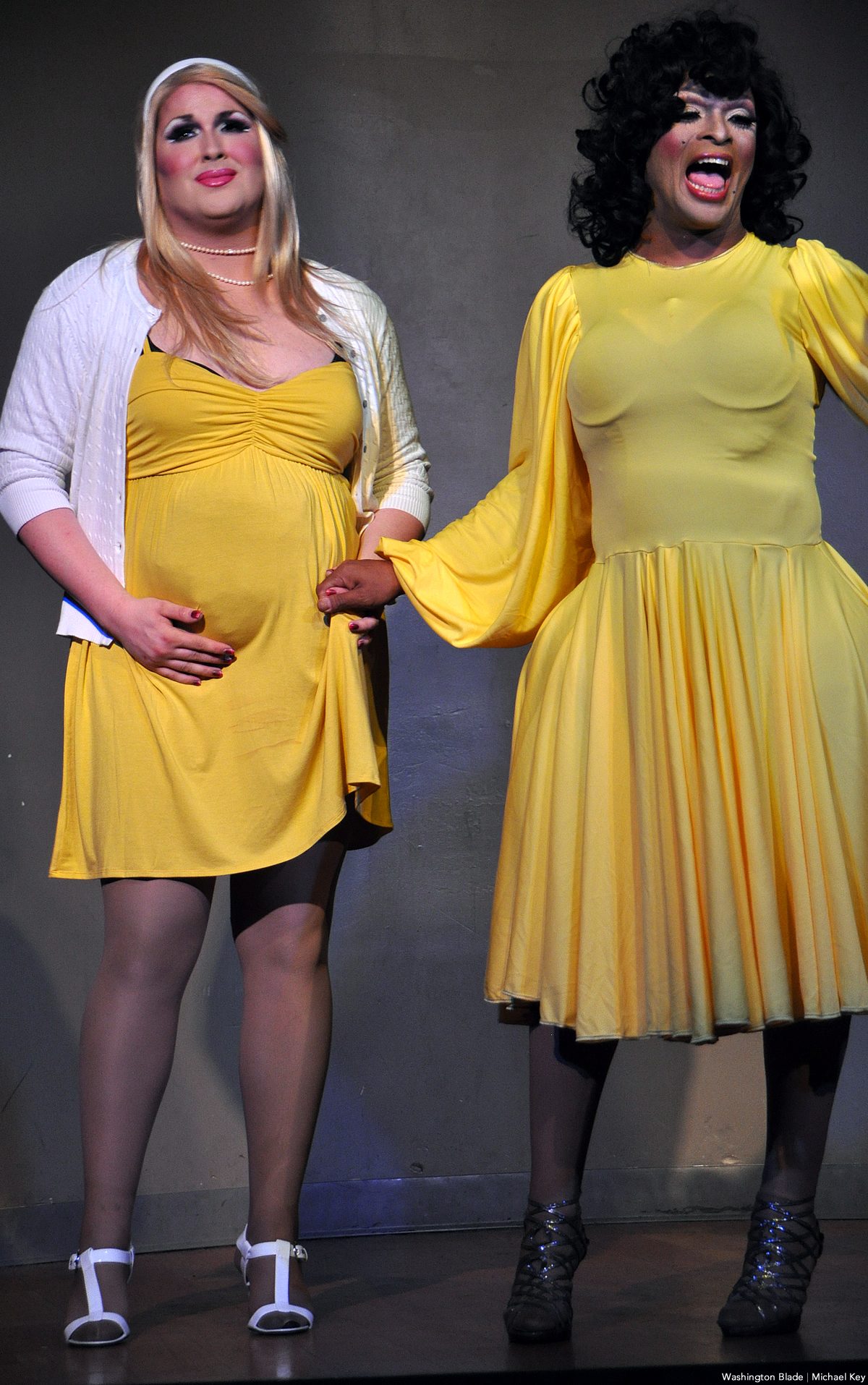
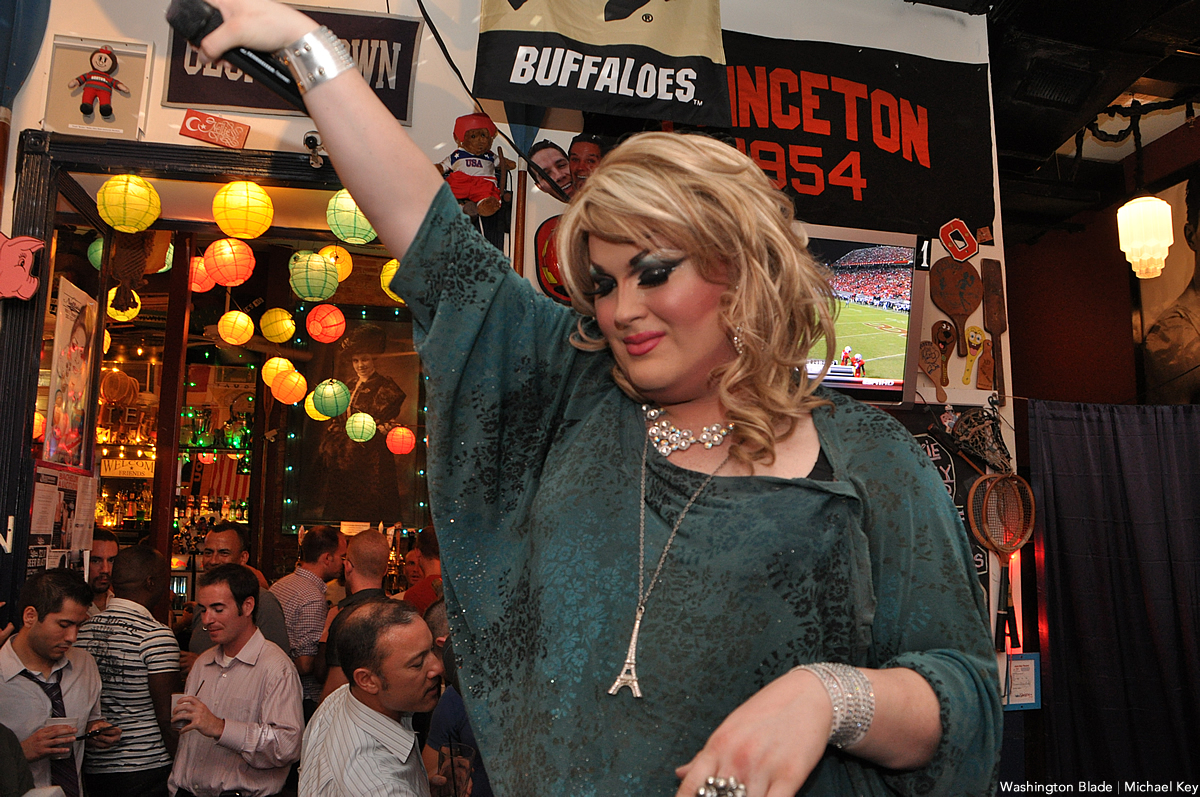
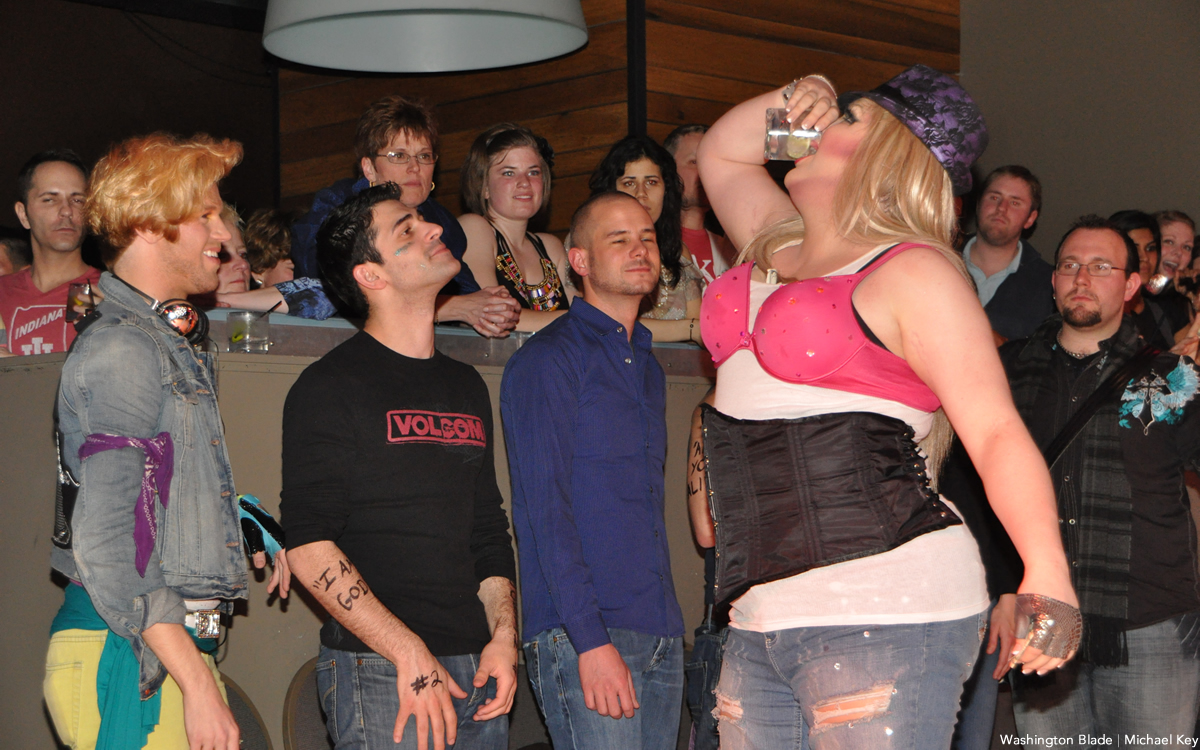
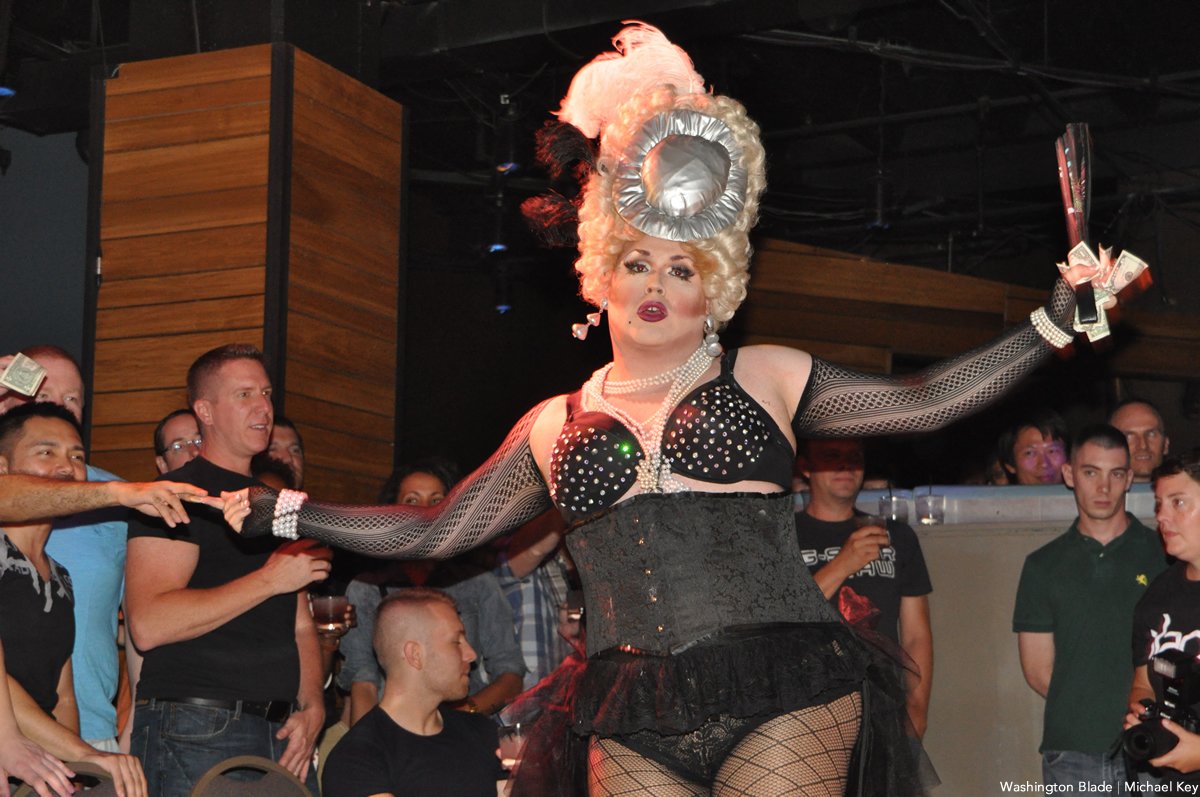
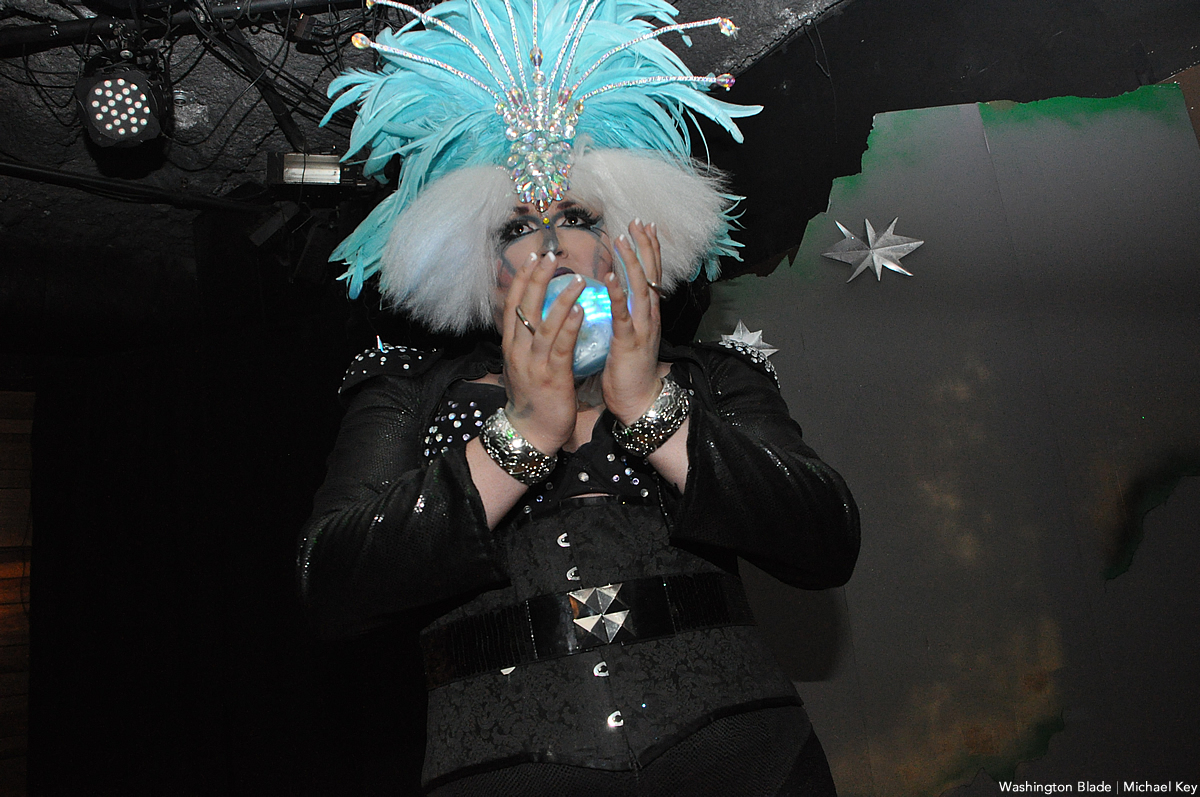
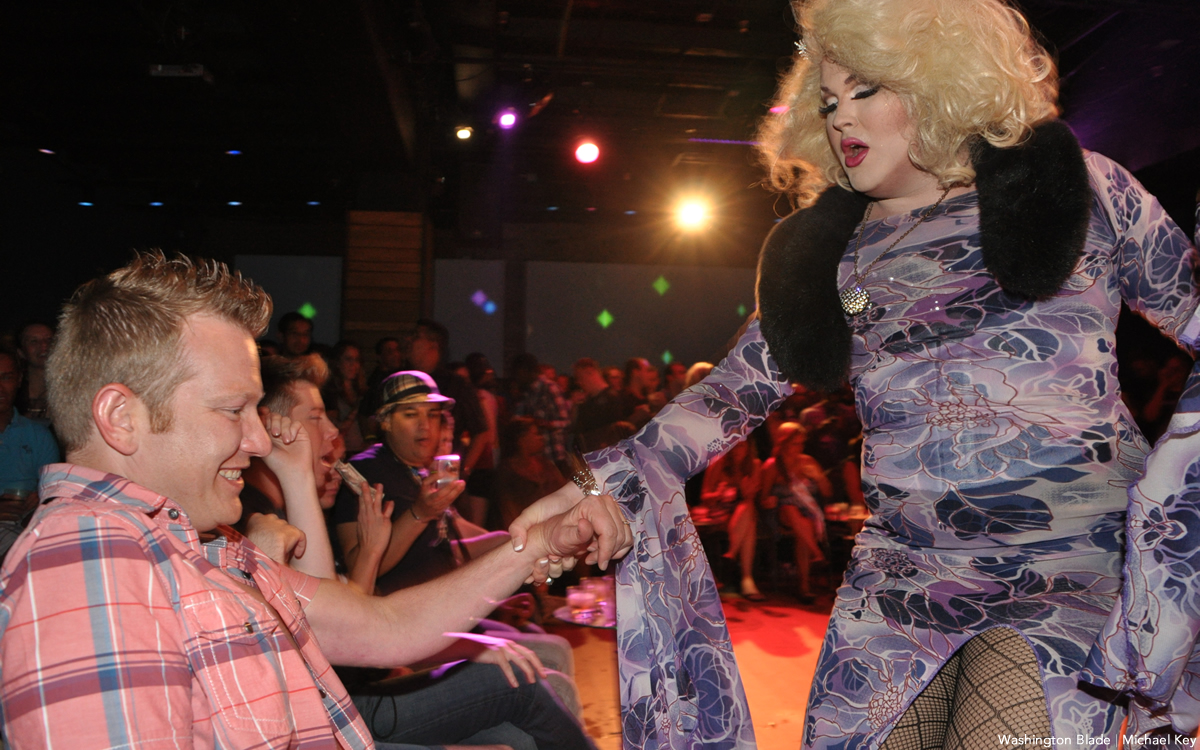
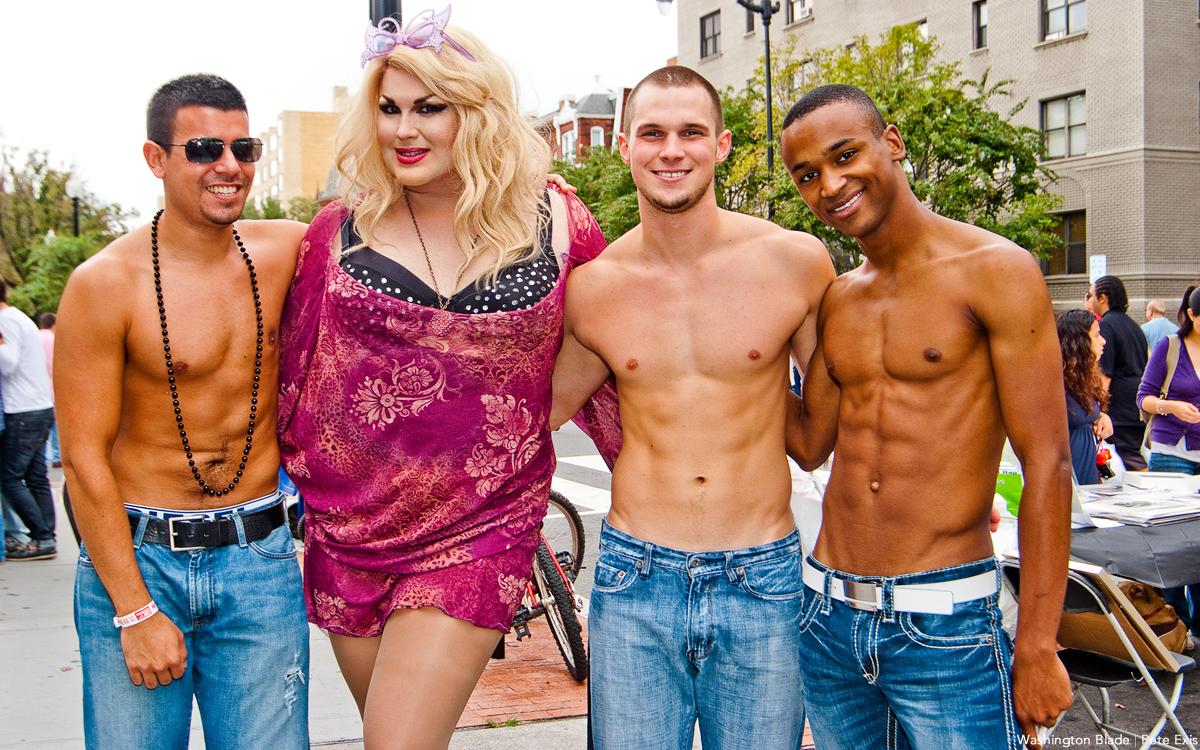
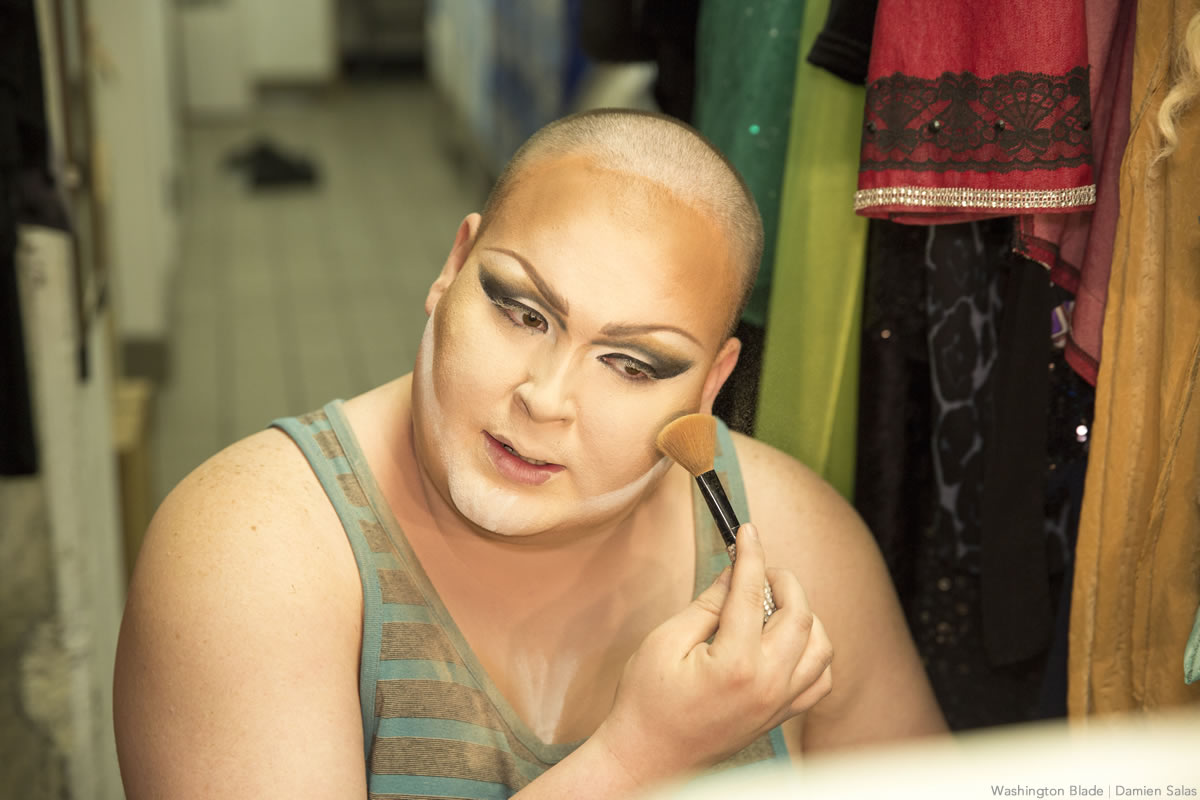
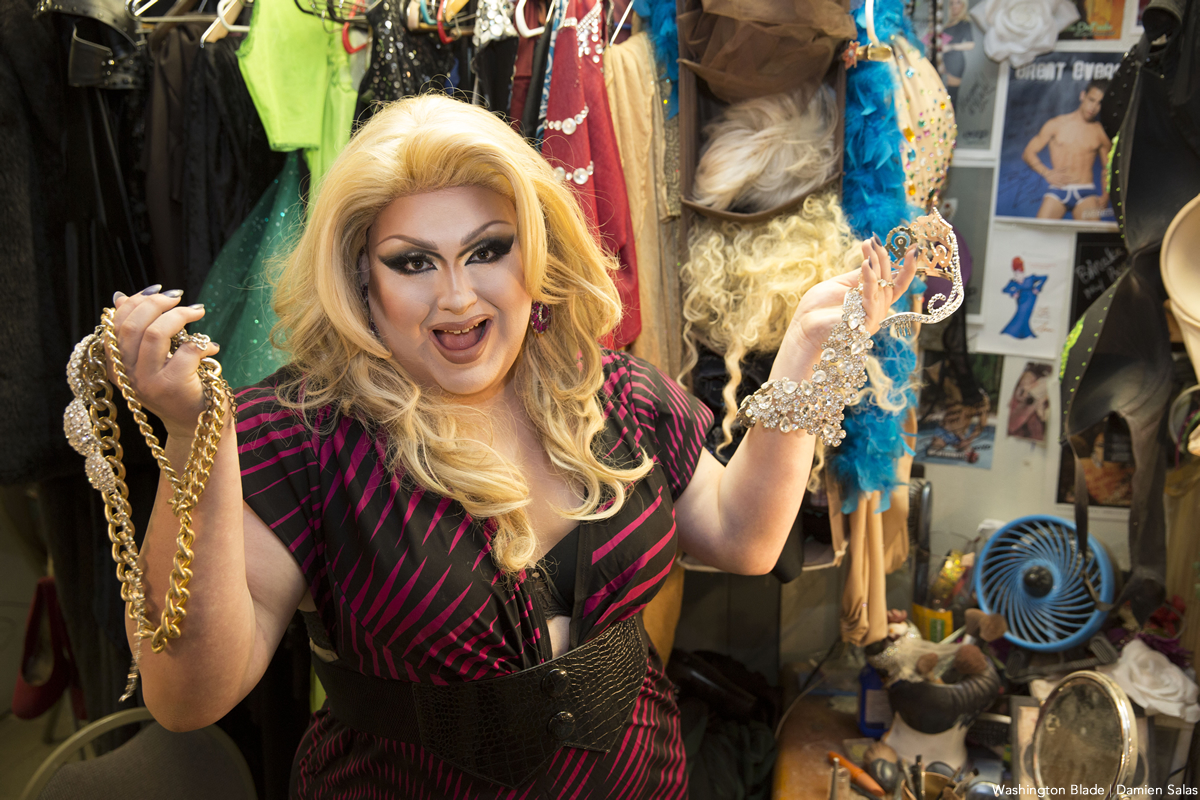
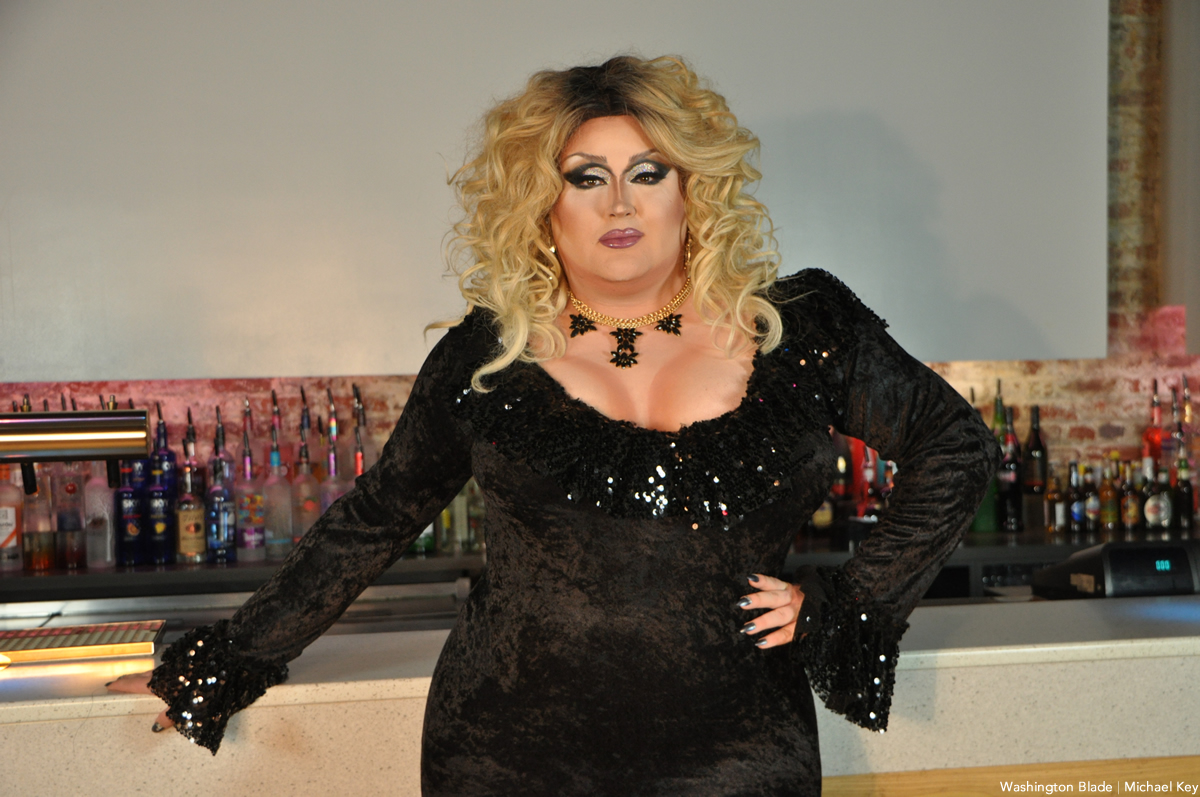
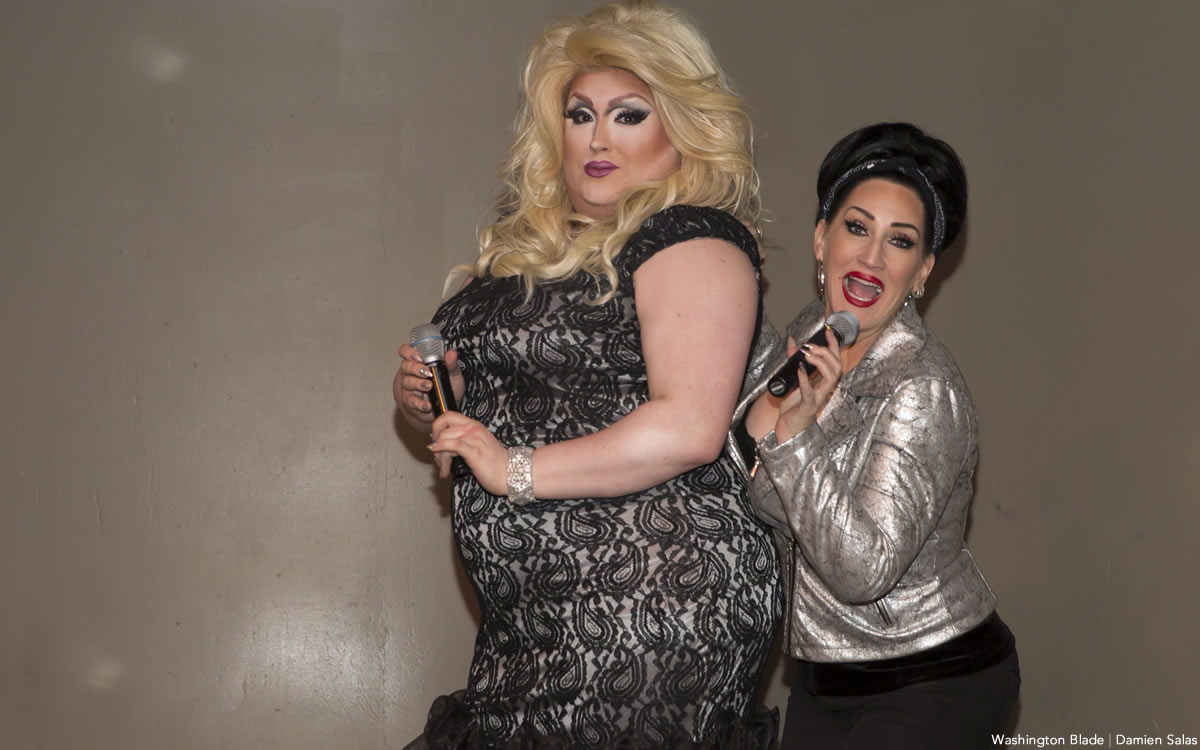
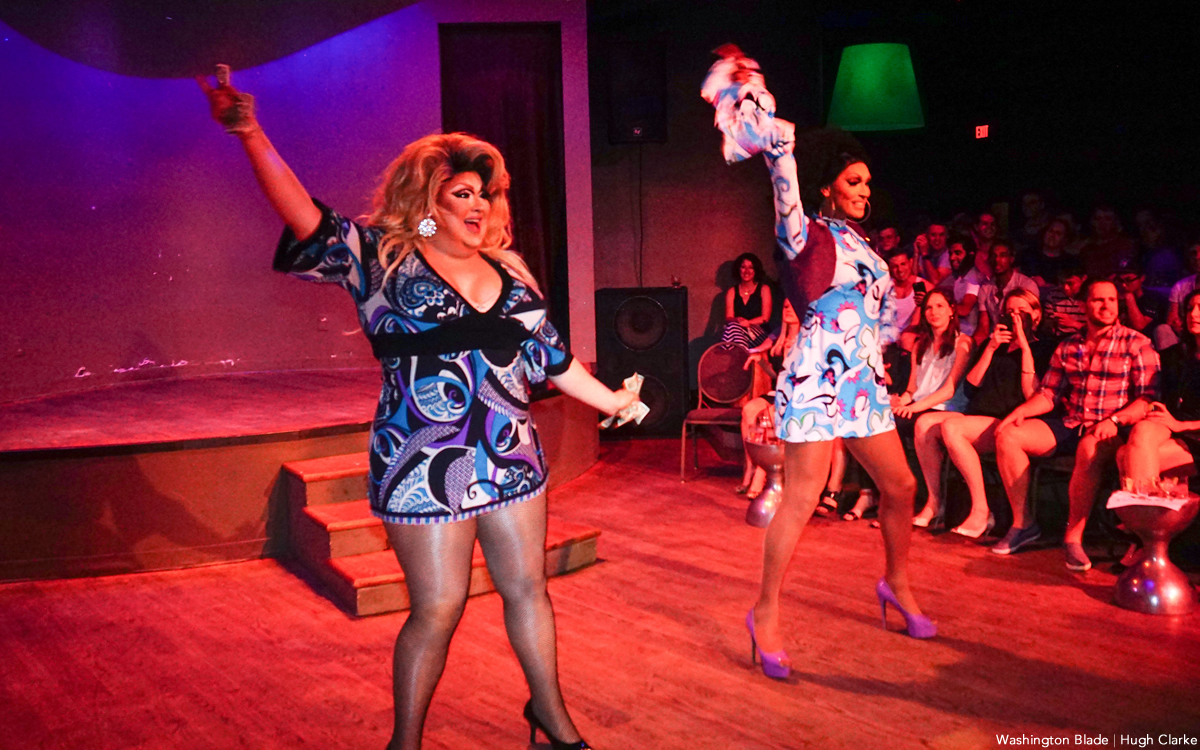
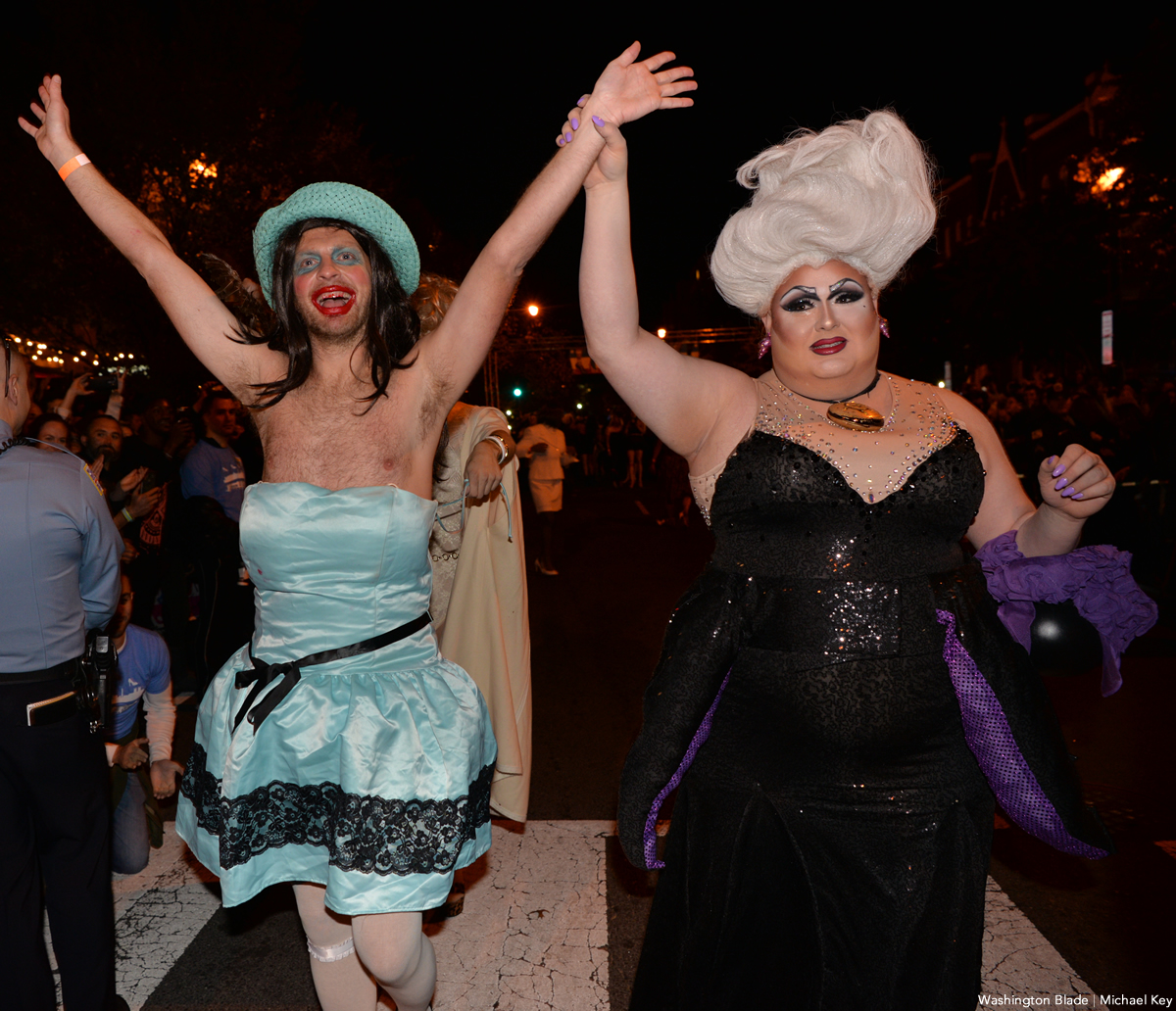
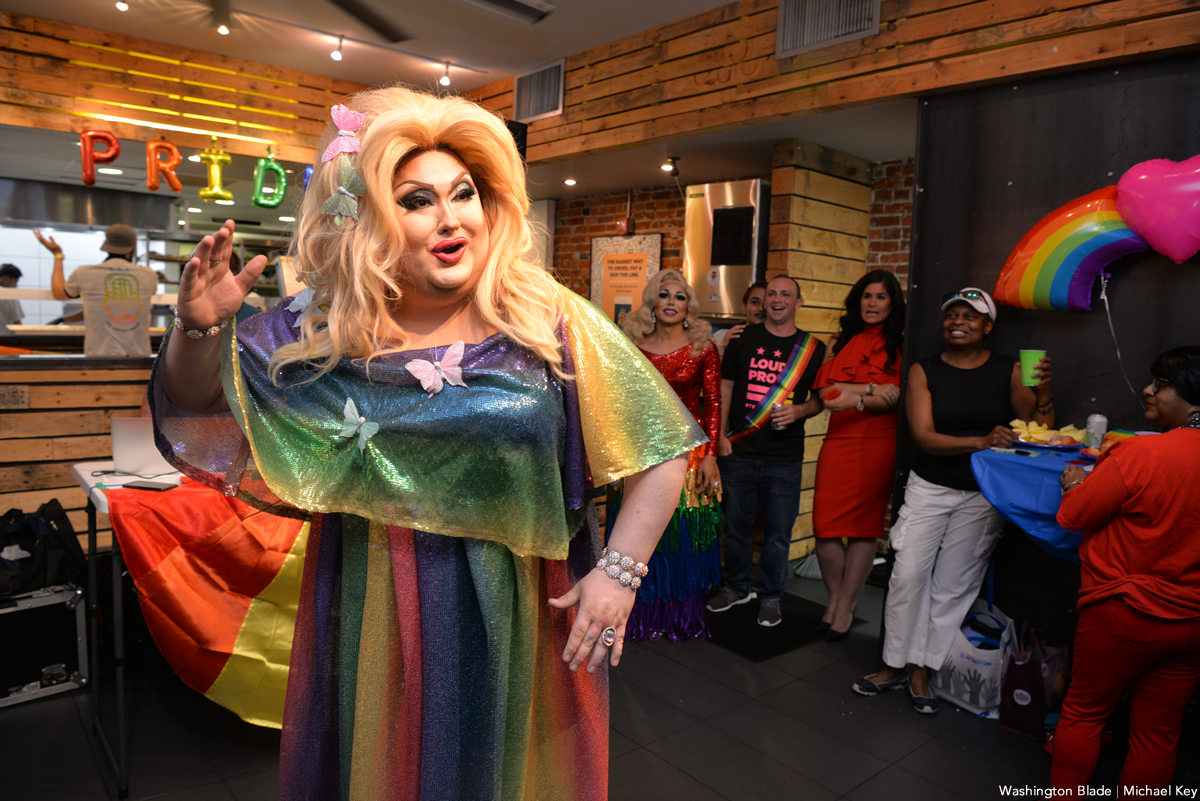
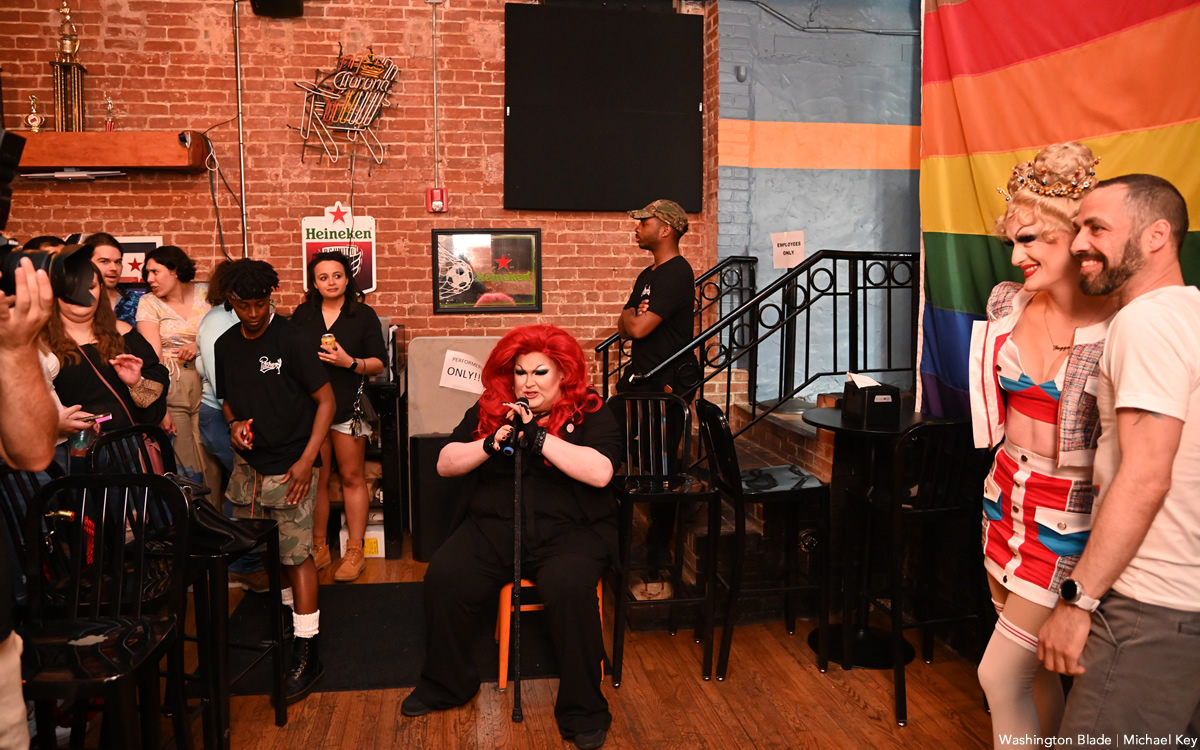
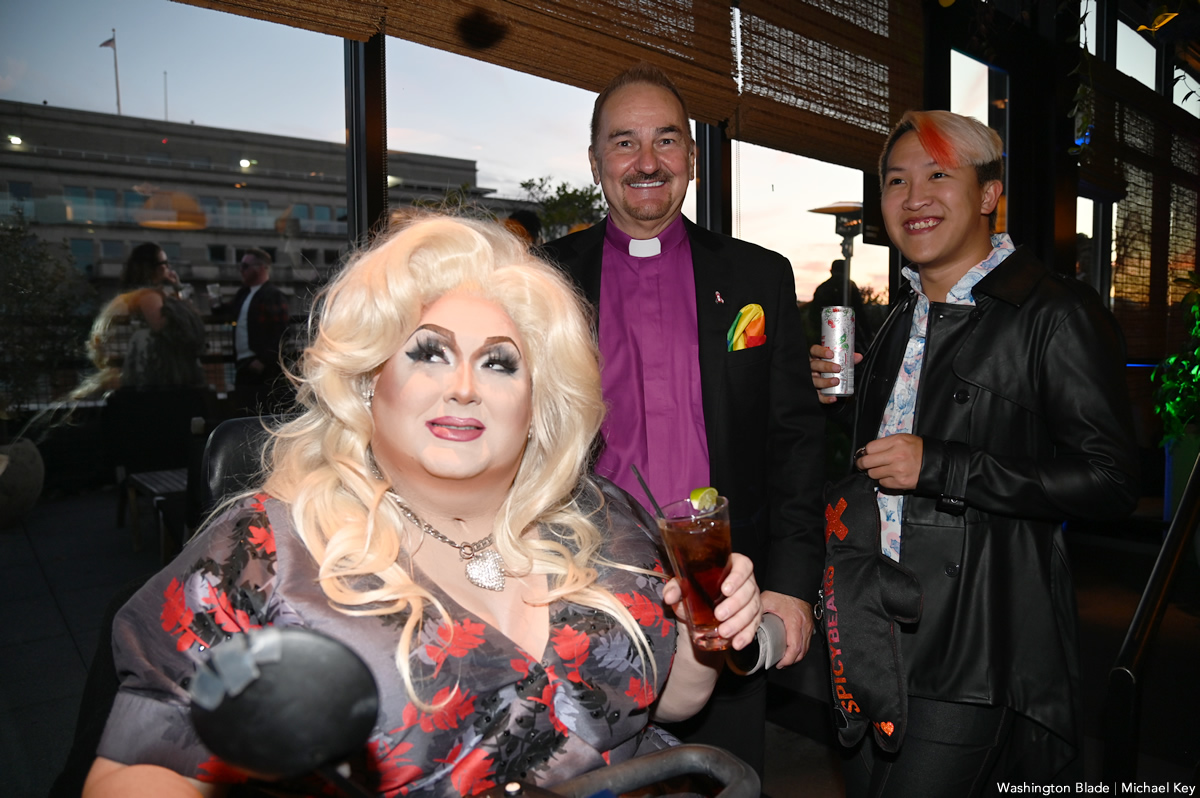
Dustin Michael Schaad, who has performed as a drag entertainer by the name of Ba’Naka at D.C.’s LGBTQ bars and Capital Pride events for at least a decade, died on Wednesday, Jan. 11, at George Washington University Hospital from complications associated with a longstanding illness at the age of 36, according to friends.
David Perruzza, owner of the D.C. gay bars Pitchers and League of Her Own, said Schaad had been performing most recently at Pitchers while overseeing a popular drag bingo event held at the Adams Morgan bar.
Perruzza said Schaad talked about having performed in drag since the age of 18 and continued to perform as Ba’Naka in later years while working as a graphic designer.
People who knew him said he had performed in drag shows at other D.C. gay bars, including the former LGBTQ nightclub Town.
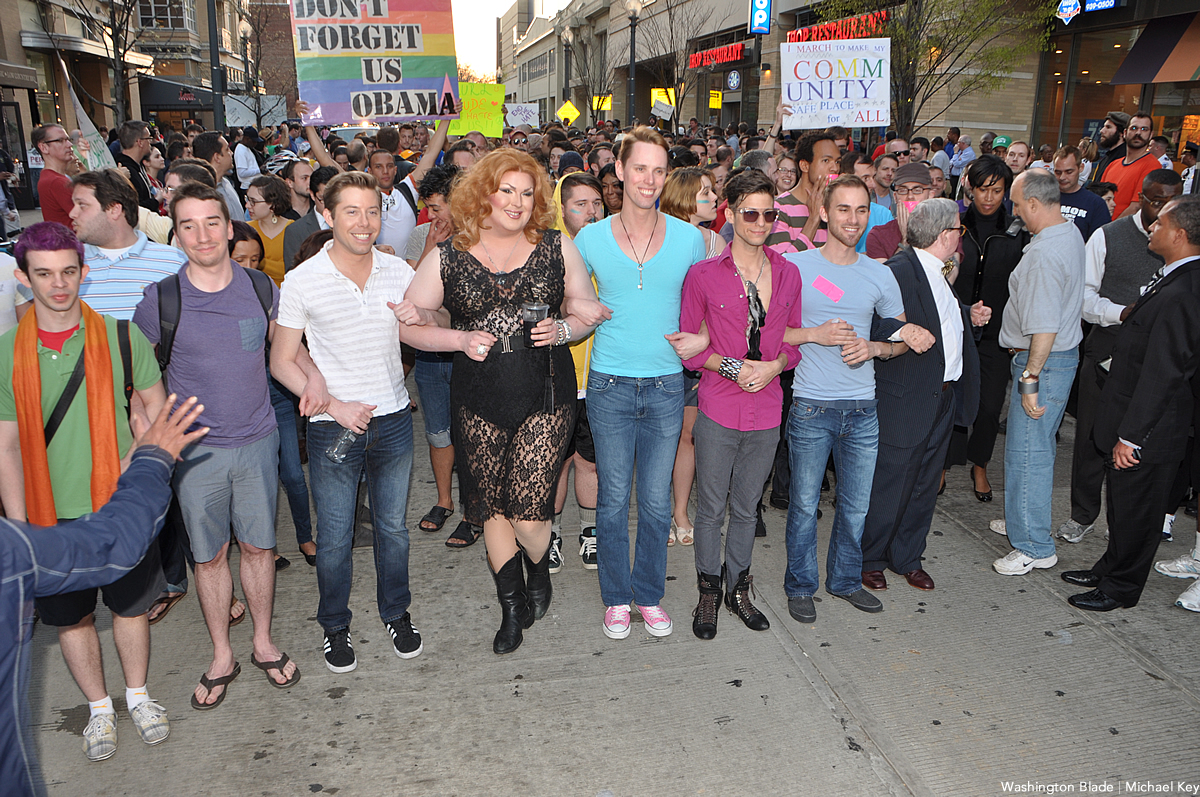
Ryan Bos, executive director of the Capital Pride Alliance, the group that organizes D.C.’s LGBTQ Pride events, said Schaad has performed as Ba’Naka at Capital Pride events over the years and called him “a supportive and valued member of our LGBTQ+ community.”
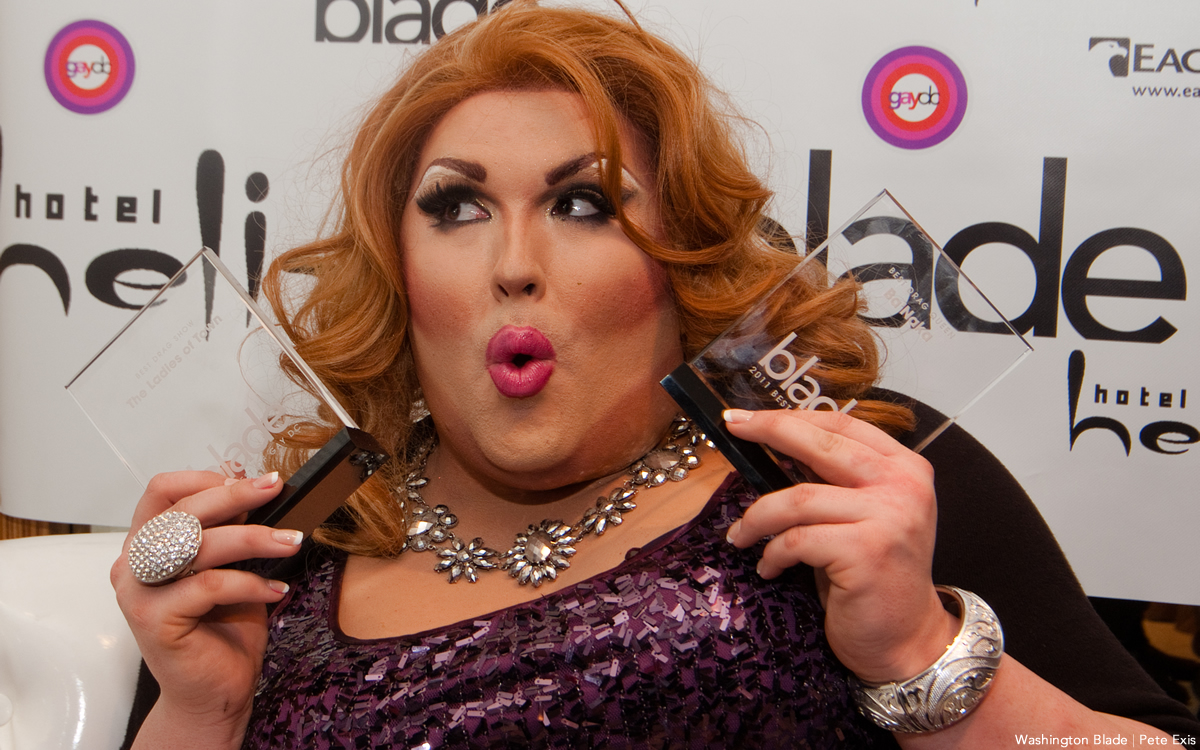
In keeping with his positive outlook despite a longstanding illness, people who knew him pointed out that Schaad posted a humorous message on Facebook on Dec. 28 announcing he was in the hospital emergency room.
“Sorry Kittens,” he wrote. “I won’t be out tonight at Pitchers DC/A League of Her Own #Drag Bingo. Mama is in the ER. But please go out and support my bartender, Martin! While I’m out! XOOX!”
Perruzza said Schaad remined in G.W. Hospital from that day until he passed away on Jan. 11. The Washington Blade couldn’t immediately determine the specific illness that led to his passing.
Tributes to Schaad in his role as Ba’Naka began appearing on Facebook on Wednesday as news surfaced that he had passed away.
“You were so kind, so caring, and so funny,” said Bobby Mainville in a Facebook post. “You were always ready to learn and fight for your DC community. I love you so much and will always remember our chats…Rest in power you sweet soul. DC lost an amazing Angel!”
In another Facebook post, Nina Bae wrote, “Ba’Naka was one of a kind! She was a beautiful soul with a tremendously wicked sense of humor. DC has lost an icon.”
Perruzza said members of Schaad’s family, including his parents, who were in Schaad’s hospital room on Wednesday shortly before he passed away, told Perruzza they were planning a memorial service for Schaad within the next few weeks.




District of Columbia
Doc on Blade reporter Chibbaro scores Emmy nomination
‘Lou’s Legacy’ chronicles 50-year career

“Lou’s Legacy: A Reporter’s Life at the Washington Blade” has been nominated for a Capital Emmy in the “Documentary – Historical” category by the National Capital Chesapeake Bay Chapter of the National Academy of Television Arts & Sciences.
“Our members include all of the video content producers who serve our local audiences in Washington, DC, Maryland and Virginia—from the Atlantic to the Appalachians, from Bristol to Baltimore,” said Capitol Emmys President Adam Longo in a press release.
Broadcast last June by WETA PBS in Washington, D.C. and MPT in Maryland, the documentary was directed and produced by Emmy-nominated filmmaker Patrick Sammon in association with the Mattachine Society of Washington, D.C. Additional nominees who worked on the film include producer Julianne Donofrio and editor Amir Jaffer.
“Lou’s Legacy” tells the story of two D.C. icons — legendary Washington Blade reporter Lou Chibbaro Jr. and beloved drag performer Donnell Robinson, known to generations of Washington audiences as “Ella Fitzgerald.” Through Chibbaro’s nearly five-decade career at the Blade and Ella’s return to the stage after a three-year hiatus following COVID, the 29-minute documentary explores the history of Washington’s LGBTQ community and today’s rising backlash against LGBTQ rights, including laws targeting drag performers.
“We’re honored that Lou’s Legacy has been recognized alongside such an impressive group of historical documentaries,” said Sammon. “This nomination is especially meaningful because the film preserves and celebrates the stories of people who helped shape queer history in Washington, DC — often without recognition from mainstream institutions. We’re deeply grateful to the Mattachine Society, Lou Chibbaro Jr., Donnell Robinson, WETA PBS, and everyone who helped bring this project to life.”
“Lou’s Legacy” premiered on WETA PBS in June 2025 during Pride month. The documentary also broadcast on Maryland Public Television and is streaming nationally on PBS.org. WETA will rebroadcast “Lou’s Legacy” several times during Pride month, including June 15 th at 9 p.m. Winners of the Capital Emmy Awards will be announced at the Capital Emmy Gala on June 20 at the Bethesda Marriott Hotel.
District of Columbia
D.C. Black Pride set for Memorial Day Weekend
Dozens of events to reflect theme of ‘New Black Renaissance’
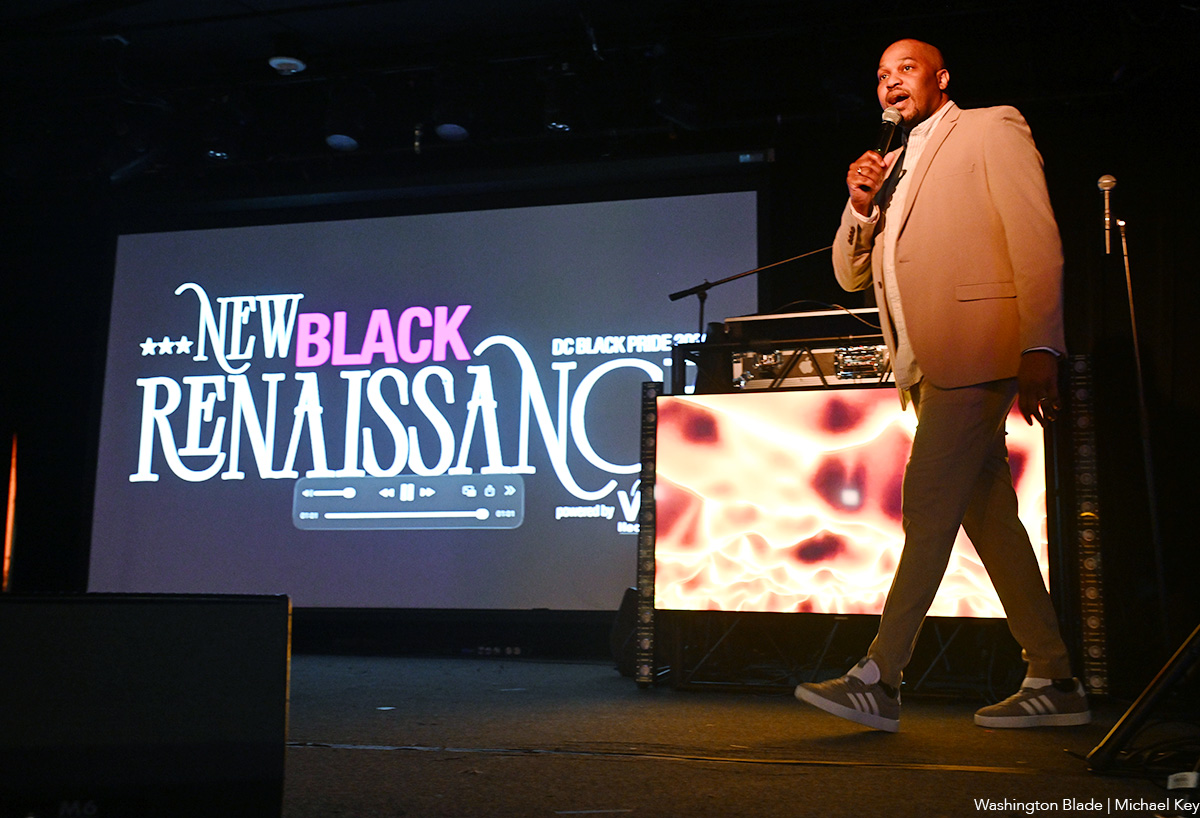
D.C.’s annual LGBTQ Black Pride celebration is scheduled to take place May 22-25 as it has since its founding 35 years ago on Memorial Day Weekend with several dozen events in locations across the city.
Like recent years, most of the official events are scheduled to take place at the Westin D.C. Downtown Hotel, including the Opening Reception on Friday, May 22, when Grammy Award-winning singer-songwriter Durand Bernarr was scheduled to be among the performers.
“This high-energy reception brings together community leaders, creatives, tastemakers, and visitors from across the globe for a night rooted in connection, joy, and celebration,” according to a statement on the Black Pride website.
Also, like past years, the second day of official Black Pride events set for Saturday, May 23, will include a dozen workshop sessions on a wide range of issues and topics. The workshop sessions will take place at the Westin Hotel.
On that same day, Black Trans Pride is scheduled to take place at the hotel from 1- 6 p.m., according to the official schedule of events.
“The goal is and always has been to make sure we have events for everybody, regardless of their financial situation, regardless of their agenda,” said Kenya Hutton, president and CEO of the Center For Black Equity, the D.C. LGBTQ group that organizes D.C. Black Pride.
Hutton said this year for the first time there will be a D.C. Black Pride Fun Run. The Black Pride website says the 5k run will take place Saturday, May 23, from 8 a.m.-12 p.m. starting at the Frederick Douglass Bride near the D.C. Navy Yard.
He said another first will be a film screening of the documentary film “Not Your Average Girl,” about the life of trans woman, author, and advocate Hope Giselle, scheduled for May 22 at the nearby Eaton Hotel.
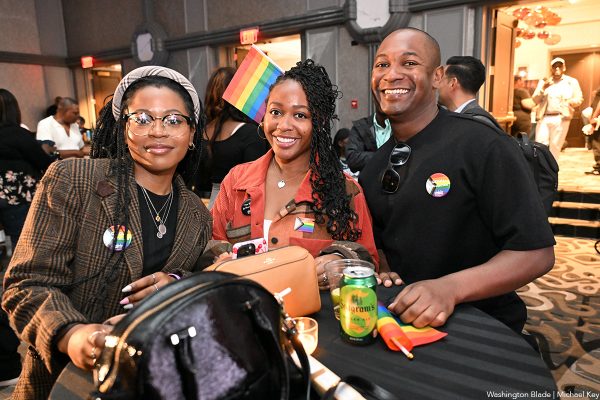
Also, like in past years, this year’s Black Pride will feature a Rainbow Row organization and vendor expo at the Westin from 5-9 p.m. Friday and 10 a.m. to 8 p.m. on Saturday that includes information tables set up by organizations and vendors.
The annual Pride In The Park event will take place Monday, May 25, from 12-7 p.m. at Fort Dupont Park located at 3600 F St., S.E. And the seventh annual “Brunch & Babes” drag event was scheduled for Sunday, May 24, at Hook Hall nightclub at 3400 Georgia Ave., N.W.
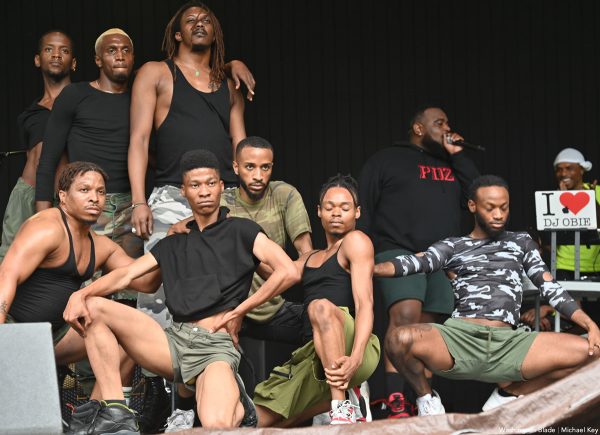
Among the other events taking place at other locations is a Sunday, May 24 “G-Spot Day Party” organized by local gay activist Geno Dunnington to be held at Bravo Bravo nightclub at 1001 Connecticut Ave., N.W. from 3-9 p.m. Dunnington told the Washington Blade the event will include the playing of house music, which he says played a role in local D.C. Black LGBTQ culture and in the first Black Pride celebration in 1991. The Black Pride website includes a write up of how that came about.
“From 1976 until1990, the ClubHouse in Washington, D.C. was a remarkable nightclub founded by Black members of D.C.’s LGBTQ community, widely known for its signature event – the Children’s Hour,” the write-up says. “This event was a true celebration and took place annually during Memorial Day weekend,” it says.
“When the ClubHouse closed in 1990, many feared the Memorial Day tradition would be lost,” the write-up continues. “However, three men – Welmore Cook, Theodore Kirkland, and Ernest Hopkins – envisioned creating an event that would continue the tradition of the Children’s Hour while also bringing awareness to the growing HIV/AIDS epidemic in their community.”
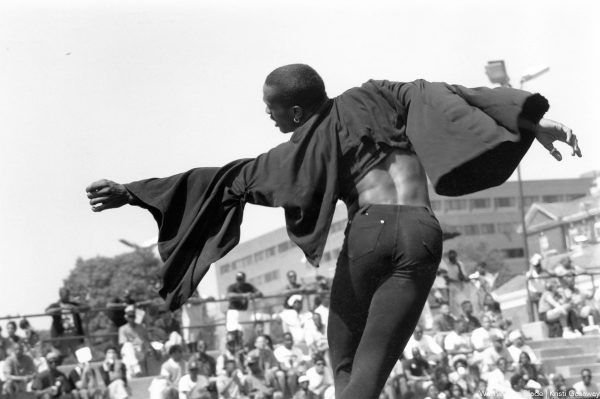
The write-up adds, “Their vision and hard work gave life to the first Black Gay and Lesbian Pride event on May 25, 1991, on the grounds of Banneker Field,” which is located near Howard University. “This first event drew 800 people, who were centered around the theme of ‘Let’s All Come Together.’”
It says organizers expanded the scope of the Black Pride events over the next several years as it evolved and prompted Black Pride events in other cities and the formation of the International Federation of Black Prides, which later became the Center for Black Equity.
“D.C. Black Pride was the catalyst for what is now regarded as the Black Pride Movement,” the writeup says. “Since its birth, more than 50 other Black Pride celebrations now take place throughout the world, many using D.C. Black Pride as its model.”
It adds, “Today, more than 500,000 members of the lesbian, gay, bisexual and transgender community of African descent and their allies come to Washington, D.C. on Memorial Day weekend to celebrate the beauty of a shared community and raise awareness and funding for HIV/AIDS in the name and spirit of Black Pride.”
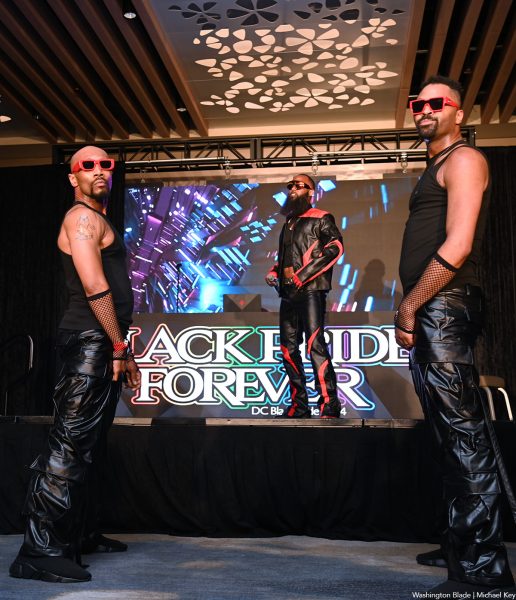
Hutton said D.C. Black Pride has grown to a point where organizers cannot keep track of all the unofficial events taking place.
“There are a number of events that are not even on our website,” he said. “They’re parties. People are having cookouts. There are all kinds of things that are happening over the weekend, that are official listed events, partner events, and non-partner events.”
Hutton said that while D.C. Black Pride’s support from corporate and business sponsors has remained stable, Black Pride organizations in other cities have been hit hard by the growing reluctance by businesses to sponsor LGBTQ related events and LGBTQ organizations brought about by the Trump administration’s opposition to so-called diversity, equity and inclusion or “DEI” programs.
He said several Black Pride groups have had to curtail their annual celebrations’ scope, with some facing the prospect of cancelling their celebrations due to a sharp decrease in funds from business donors. D.C. Black Pride has also faced the impact of anti-DEI pressure from the Trump administration, according to Hutton, from businesses that have asked not to be publicly identified as sponsors.
“The administration has put pressure on some of our traditional sponsors, and we have some sponsors this year who have told us don’t put our ad, don’t put our logo, don’t put anything out” to publicly identify them as sponsors, Hutton said. “They still want to support us but can’t announce they are financially supporting us in any kind of way,” he said.
As she has in recent past years, D.C. Mayor Muriel Bowser this year issued an official mayoral proclamation declaring May 22-25, 2026 as “DC BLACK PRIDE WEEKEND.”
A list of the official 2026 D.C. Black Pride and partner events and their locations can be accessed at dcblackpride.org.

District of Columbia
HIV Vaccine Awareness Day set for May 18
Whitman-Walker joins nationwide recognition of efforts to develop vaccine
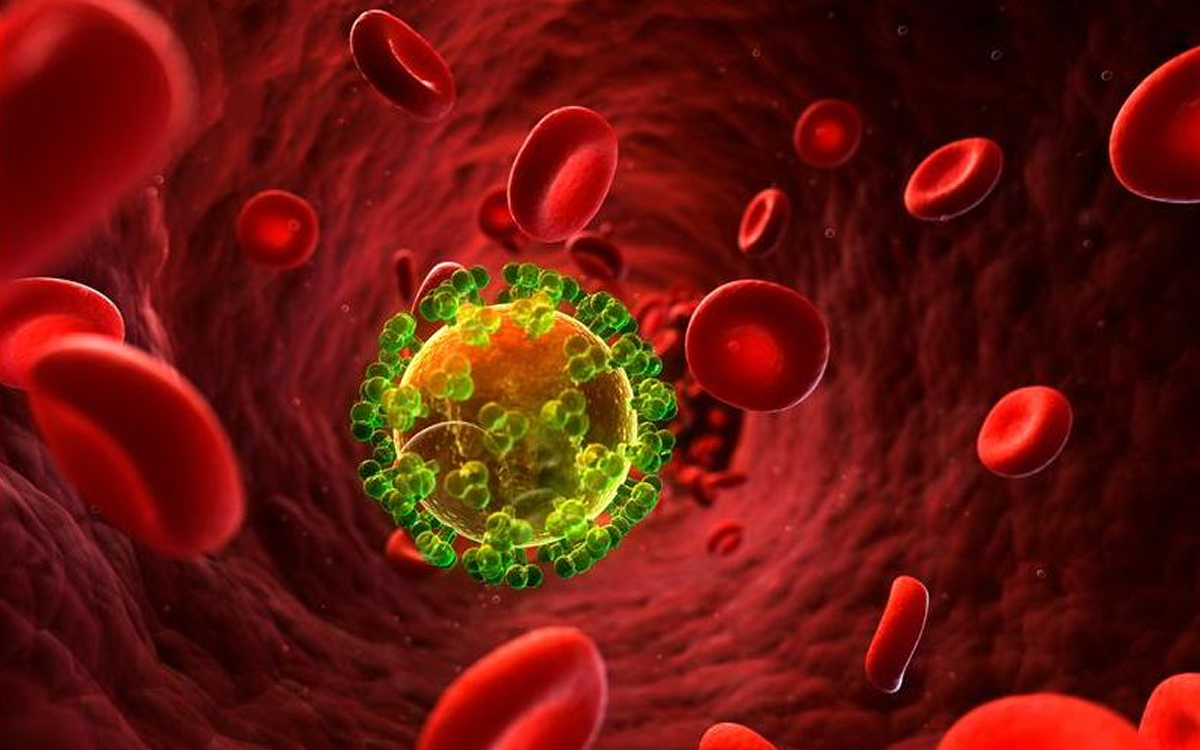
Whitman-Walker Health, the D.C.-based community healthcare center that specializes in HIV/AIDS and LGBTQ-related health services, will join health care advocates from across the country to support efforts to develop an HIV vaccine on HIV Vaccine Awareness Day on May 18.
“HIV Awareness Day, observed annually on May 18, was established to recognize and thank the volunteers, scientists, health professionals, and community members working toward a safe and effective prevention HIV vaccine,” Whitman-Walker said in a statement.
“Led by the National Institutes of Health’s National Institute of Allergy and Infectious Diseases (NIAID), the day is also an opportunity to educate communities about the critical importance of preventive HIV vaccine research,” the statement says.
It adds, “The reality is that any new vaccine discovery must be built community by community, institution by institution, and then it must reach everyone – especially the communities who have carried the heaviest burden of this epidemic.”
On its own website, the National Institutes of Health says HIV Vaccine Awareness Day also highlights its longstanding efforts, coordinated by its Office of AIDS Research, to support researchers’ efforts to develop an HIV vaccine.
“Researchers are making promising headway in efforts to develop a safe, effective HIV vaccine,” it says in a statement on its website.
A Whitman-Walker spokesperson said Whitman-Walker was not holding a specific event to observe HIV Vaccine Awareness Day, but it will recognize the day as a way of encouragement for its ongoing work to address the AIDS epidemic and support for vaccine research.
“Today, no one has to die from HIV,” said Whitman-Walker’s Health System division’s CEO, Dr. Heather Aaron in the Whitman-Walker statement. “We have the treatments, the technology, and the research to change outcomes, and yet people in our community are still dying from HIV//AIDS,” she said in the statement.
“That is unacceptable, and it is exactly why our work continues,” she added. “Here in D.C. with more focus on Southeast D.C., the Whitman-Walker Health System remains committed to making a difference through cutting-edge research, policy advocacy, and philanthropy, because fair access to life-saving treatment is not a privilege. It is a right.”

PHOTOS: Black Pride Opening Reception

PHOTOS: Black Pride Pageant and Unity Ball

PHOTOS: Helen Hayes Awards

A magical Mercedes

When impunity meets history

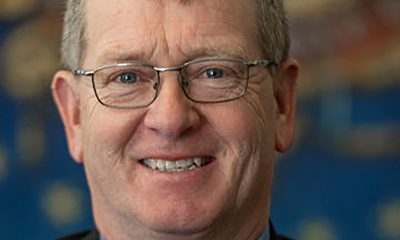
Vt. lawmaker equates transgender identity with bestiality

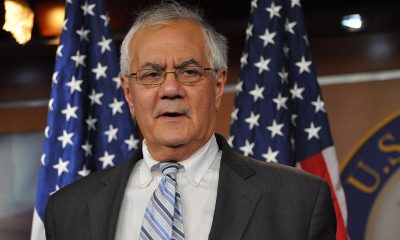
BREAKING NEWS: Barney Frank dies at 86

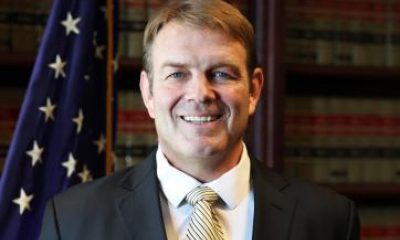
U.S. attorney nominee confirmed despite anti-LGBTQ history, no trial experience

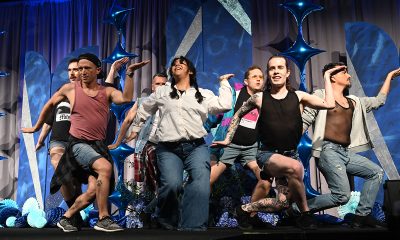
Gay Men’s Chorus celebrates 45 years at annual gala

Intersex lives, constitutional freedom, and the dangerous future of Ghana’s Human Sexual Rights and Family Values Bill
-

 Vermont4 days ago
Vt. lawmaker equates transgender identity with bestiality
-
National5 days ago
BREAKING NEWS: Barney Frank dies at 86
-
Wyoming4 days ago
U.S. attorney nominee confirmed despite anti-LGBTQ history, no trial experience
-
a&e features5 days ago
Gay Men’s Chorus celebrates 45 years at annual gala