Real Estate
Beach or mountains? Find your ideal getaway home
Something for every taste, from waterfront to vineyard
Have you been thinking about buying a love nest where you can find a little peace and take part in a respite revolution? Do you like the beach or the mountains? Do you thrive on culture and the arts or prefer getting your hands dirty? Are you a people person or more of a hermit?
If you’re lucky enough to be a homeowner who has seen some appreciation in the last 10 years, then you may be closer to obtaining that getaway or retirement home than you think. Here are some suggestions for whatever lifestyle you may prefer as you pursue your (dare I say gay?) agenda.
For the Beach Bum
Annapolis, Md., is a great point from which to take weekend trips to a variety of beaches along Maryland, Delaware, and New Jersey coastlines and still be close to downtown D.C. for those days you’re required to work onsite at your office. About $900,000 buys you a 2-bedroom, 2-bath penthouse condominium built in 2019 with a terrace and 2 parking spaces, located in the downtown arts district.
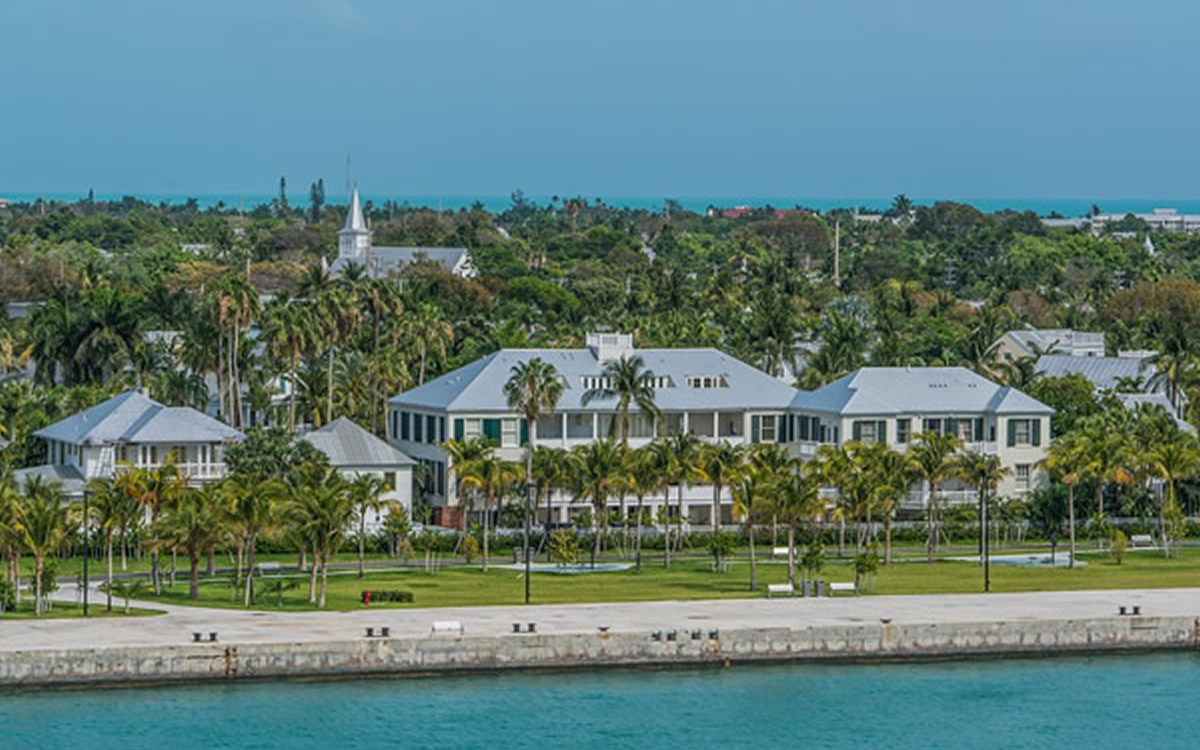
If you’re willing to travel and you’re not boycotting Florida, Key West is always a favorite spot. Consider investing in a home in the waterfront community of Sunset Harbor on Cow Key Channel in Stock Island. For $435,000, you can buy a 960-square-foot, 2-bedroom, 2-bath cottage with boat slip on a canal. Bonus: it’s fully furnished, can be rented for $3,800 a month in six-month increments, and comes with a sign that invites you to “Talk Nautical to Me, Baby.”
For the Mountaineer
If seclusion is your goal, a 1,700-square-foot log cabin surrounded by three acres of forest land in Strasburg, Va., in the Appalachian Mountains was listed for $475,000. Knotty pine adorns the walls and vaulted ceilings of this 3-bedroom, 2-bath beauty with covered front porch and hard-scaped terrace, but it received a contract in nine days, so keep your eye out for another one before winter sets in.
For the Small-Town Aficionado
Charleston, W.Va. is home of the West Virginia Cultural Center and Clay Center, which feature music, dance, theater, and art exhibitions. New to the market is an early 20th century brick Victorian in the East End Historic District. For less than $350,000, you get 4 bedrooms, 2.5 baths, a covered front porch, original woodwork, and 3,150 square feet of charm. Just bring your kitchen and bath designer.
For the Gentleman (or Lady) Farmer/Vintner
Perhaps this 6.6-acre winery and a 1900 Federal 3-bedroom, 2 bath, 2,219-square-foot home with Chincoteague Bay views in Girdletree, Md., sets your heart ablaze. For only $925,000, you get vinifera “Semilion” vines, trellises, outbuildings, and the opportunity to run it as a vineyard, wedding venue, horse farm, or pretty much anything your heart desires.
For the Hostess (or Host) with the Mostest
Historic Lancaster, Pa., might be a place to run your bed and breakfast. The #1 Trip Advisor-rated B&B there is for sale for only $775,000. Welcome guests to one of 6 rooms with private baths, as well as a unique 2-bedroom cottage. The location is perfect for enjoying local and off-Broadway theater, dining, museums, galleries, and the Amish countryside.
For the Cultural Connoisseur
If you frequently take the train to New York to the theater, symphony, or ballet, you can avoid the high cost of hotels by purchasing a charming, oversized (by NYC standards) studio co-op on the east side of Midtown Manhattan in Murray Hill for only $385,000. With a live-in superintendent and video intercom, you can come and go as you please knowing that you have someone to call upon when needed.
For the Local Water Buoy (or Gull)
If you have considered a floating home, you don’t have to be sleepless in Seattle or partying in Portland; you can find one closer to home. Gangplank Marina at The Wharf on D.C.’s southwest waterfront offers a pet-friendly community of live-aboard homes on the water owned by a group of down to earth neighbors. These properties have a very low turnover rate, so if the thought of living on the water but still in the city appeals to you, check out the current 1-bedroom available for only $197,000, plus monthly slip fees of $2,230. Sorry, no Airbnb or other rentals allowed.
And if you’re looking for a 3-bedroom, 3.5-bath home with expansion potential on 10 acres for only $559,000, don’t miss beautiful Gay, Ga., population 114. Previously showcased in Season 2 of Queer Eye, it’s not Atlanta, but it may be ready for some gay Pride.
Valerie M. Blake is a licensed Associate Broker in D.C., Maryland, and Virginia with RLAH Real Estate / @properties. Call or text her at 202-246-8602, email her via DCHomeQuest.com, or follow her on Facebook at TheRealst8ofAffairs.

In September 2024, I wrote about the District’s Lead-Free D.C. initiative, an ambitious effort to remove lead pipes and make drinking water safer for every resident in our city. Since that original article, a number of important developments have taken shape that affect everyone living in the District. Key drivers in the legal landscape surrounding this issue such as disclosure, testing, and infrastructure planning have been sharpened. The city’s sweeping pipe replacement efforts are continuing to evolve against the backdrop of broader federal drinking-water rules and funding changes.
What was once largely public health conversation for the future is now a practical reality for many property owners and renters. The water service line replacement project has moved from planning and is presently underway throughout the city.
Elevated levels of lead in drinking water is a perplexing challenge in many U.S cities. Researchers documented elevated lead levels in D.C.’s water system more than two decades ago, spotlighting how old infrastructure can pose a hidden health risk even in one of America’s wealthiest cities. Local leaders responded with pipe replacement plans that have continued in the years since.
The Lead-Free D.C. initiative remains the central effort to reduce that risk by replacing water supply lines. These are the pipes that carry water to your home or rental property from the street. D.C. Water estimates that tens of thousands of lead or galvanized service lines still exist in the city and must be systematically replaced to eliminate this exposure.
What Has Changed Since September 2024
Over the past 18 months, several shifts have rippled through policy, practice, and the daily experience of both landlords and tenants:
- Local Disclosure and Tenant Rights: The city has strengthened disclosure requirements. Today, property owners are expected to provide clear written disclosures about known lead service lines, any testing that has been done, and records of past replacements. Tenants also have the right to request lead testing of their tap water, and landlords are responsible for ordering and passing along the test kit, and are required by law to share results with tenants when requested.This reflects an ongoing push toward transparency and an informed occupancy.
- Pipeline Replacement Planning: D.C. Water and the District Government are continuing to roll out their block-by-block lead service line replacement work, with construction schedules publicly available through a Lead-Free D.C. construction dashboard. The goal is to remove by 2030 all lead service lines on both the public and private side, though timelines and funding mechanisms are still being refined as the work continues. D.C.’s Lead-Free DC initiative stipulates that DC Water is responsible to replace the public portion of a lead service line at no cost to the property owners. This is the section running from the water main under the street to the property owner’s lot line. When DC Water is already replacing the public side as part of a scheduled infrastructure project, it will also offer to replace the private-side service line (into the building) at no cost to the owner, as long as the owner grants access and signs a right-of-entry agreement. In these cases, DC Water pays the contractor directly, and the entire lead service line is removed in one coordinated effort.
When no public-side project is scheduled, owners may still qualify for full private-side replacement coverage through the District’s Lead Pipe Replacement Assistance Program (LPRAP). If approved, the program covers the cost of replacing the private-side lead pipe, with funds paid directly to the contractor. Property owners are typically responsible for selecting the contractor, coordinating the work, and covering any costs outside the approved scope of work. Funding is subject to availability, and eligible applicants may be placed on a waiting list depending on annual program budgets.
- Implementation Best Practices: To avoid challenges and misunderstandings regarding the responsibilities during such a significant undertaking, fully investigating the program and how it works is a good first start as is regular and clear communications.
It’s helpful for both property owners and residents to have a clear understanding of what D.C. Water and construction crews will be doing during a lead service line replacement and what follow-up work may remain once the project is complete. Like any major infrastructure upgrade, the process can involve temporary water shutoffs, excavation around the building, and some restoration afterward, such as repairing landscaping or sections of sidewalk. While these short-term disruptions can be inconvenient, they’re a normal and necessary part of modernizing the city’s water system and ensuring safer drinking water for the long term.
- Federal Drinking Water Rules: On the national stage, the U.S. Environmental Protection Agency (EPA) finalized in October 2024 the Lead and Copper Rule Improvements (LCRI). The LCRI requires public water systems across the country to inventory and plan to replace lead service lines, and to remove all lead pipes within about a decade. It also strengthens testing, monitoring, and public notification requirements and lowers the action level for lead exposure, building on earlier revisions to the Lead and Copper Rule.
While these federal changes do not rewrite Washington, D.C.’s specific legal requirements for landlords and tenants, they do help shape funding opportunities, compliance expectations, and the broader national push to eliminate lead plumbing, which can affect utilities, state programs, and local infrastructure planning.
Federal drinking water regulations are subject to administrative review, litigation, and potential revisions as presidential administrations change. While the EPA’s 2024 Lead and Copper Rule Improvements remain in effect as of this writing, aspects of implementation, enforcement timelines, or funding mechanisms may evolve through future rulemaking, court decisions, or congressional action. These federal rules do not override Washington, D.C.’s independent authority to adopt and enforce its own public health, housing, and water safety requirements, which continue to govern landlord and tenant obligations within the District regardless of federal regulatory shifts.
What Landlords Should Know
For landlords in D.C., these evolving expectations matter in 3 key ways:
- Disclosure Is Now a Must: You are expected to provide prospective tenants with upfront information about lead service lines, known test results, and replacement history before lease signing. Existing tenants must also be informed if you learn anything new about the plumbing system.
- Testing Should Be Welcomed, Not Avoided: When tenants request a lead water test, you’re now required to provide D.C. Water’s approved kit and cooperate with the process. The test results give both sides clear information about water quality and whether additional remediation is advisable.
- Capital Investment May Be Unavoidable: Even if much of the public-side work is funded by D.C. Water, private-side service line replacement costs and restoration work may still fall to the property owner if the home still has lead service lines. Planning for both the expense and the logistics is key to be able to take advantage of this program being offered to D.C. homeowners.
What This Means for Tenants
For renters, the changes bring clearer rights and fewer unknowns. Tenants no longer have to guess whether lead pipes serve their home; they can request testing, receive timely results, and rely on official disclosures when deciding where to live and how to protect their health.
Transparent communication with the landlord, responsiveness to testing requests, and participation in replacement programs turn regulatory requirements into real-world safeguards. In that way, landlord action directly shapes tenant trust, housing stability, and long-term public health outcomes.
At a moment when the District is investing heavily in its infrastructure, landlords who plan ahead and participate help to ensure that these public resources translate into safer housing, stronger neighborhoods, and a city better equipped for the future.
Why This Still Matters
Lead-free water shouldn’t be a luxury. Continued investment by federal and local governments in Washington, D.C.’s water infrastructure reflects a shared commitment to the city’s long-term health and livability. Modernizing service lines helps ensure that people can raise families here, age in place, and remain part of their communities without the added health concerns associated with lead exposure.
Landlords who take the time now to understand, disclose, and plan for lead service line replacement not only comply with evolving expectations, but they also strengthen the long-term value and marketability of their properties.
Scott Bloom is owner and senior property manager of Columbia Property Management.

As the days grow longer and buyers re-emerge from winter hibernation, the spring market consistently proves to be one of the strongest times of year to sell a home. Increased inventory, motivated buyers, and picture-perfect curb appeal make it a prime window for homeowners ready to list.
The good news? Preparing your home for spring doesn’t require a full renovation or a contractor on speed dial. A few thoughtful, cost-effective updates can dramatically elevate your home’s appeal and market value.
Here are smart, inexpensive ways to get your property market-ready:
Fresh Paint: The Highest Return on a Small Investment
Few improvements transform a home as quickly and affordably as paint. Neutral tones remain the gold standard, but today’s buyers are gravitating toward warmer tan hues that create an inviting, elevated feel without overwhelming a space. Soft sandy beiges and warm greige-leaning tans provide a clean backdrop that photographs beautifully and allows buyers to envision their own furnishings in the home.
Freshly painted walls signal care and maintenance — two qualities buyers subconsciously look for when touring properties.
Removable Wallpaper: Style Without Commitment
For homeowners wanting to introduce personality without permanence, removable wallpaper offers a stylish solution. A subtle textured pattern in a powder room, a soft botanical print in a bedroom, or a modern geometric accent wall can add depth and character. Because it’s easily removed, it appeals to both sellers and buyers — creating visual interest without long-term risk.
Upgrade Light Fixtures for Instant Modernization
Outdated lighting can age a home instantly. Swapping builder-grade fixtures for modern, streamlined options is one of the simplest ways to refresh a space. Consider warm metallic finishes or matte black accents to create a cohesive, updated look. Proper lighting not only enhances aesthetics but also ensures your home feels bright and welcoming during showings.
Elevate Curb Appeal: First Impressions Matter Most
Spring buyers often decide how they feel about a home before they ever step inside. Refreshing curb appeal doesn’t require major landscaping. Simple updates such as fresh mulch, trimmed shrubs, seasonal flowers, a newly painted front door, and updated house numbers can dramatically improve first impressions. Power washing the driveway and walkways also delivers a clean, well-maintained appearance for minimal cost. Even if you don’t have a curb to appeal- think potted plants on your patio, balcony and change out your door mat.
Deep Clean & Declutter (Seriously, It Matters)
A deep, top-to-bottom cleaning is basically free and one of the most impactful things you can do. Scrub floors, windows, grout, baseboards, appliances, bathrooms, and everything in between. Don’t forget to clean windows inside and out — natural light is a huge selling point. Declutter by packing up excess stuff, clearing off countertops, and minimizing personal items so buyers can see the space, not your life.
Let the Light Shine
Make your home feel bright and inviting by cleaning windows, opening blinds, and replacing dark or dated light fixtures with contemporary, budget-friendly options. Swapping in LED bulbs offers brighter light and lower utility costs — a small change that buyers appreciate. Pro tip: I always recommend removing widow screens to allow as much light in as possible
Neutralize Scents
Make sure the home smells fresh. Neutralizing odors — whether from pets, cooking, or moisture — creates a clean, welcoming atmosphere. Light natural scents like citrus or subtle florals can be inviting during showings. Think of how your favorite hotel smells and go for that.
Spring market rewards preparation. By focusing on high-impact, low-cost improvements, sellers can position their homes to stand out in a competitive environment. With thoughtful updates and strategic presentation, homeowners can maximize both buyer interest and potential sale price — all without overextending their renovation budget.
As activity increases and inventory begins to rise, now is the time to prepare. A little polish today can translate into significant results tomorrow.
Justin Noble is a Real Estate professional with Sotheby’s International Realty Servicing Washington D.C., Maryland, and the beaches of Delaware.
Real Estate
2026: prices, pace, and winter weather
Lingering snow cover, sub-freezing temperatures have impacted area housing market

The D.C. metropolitan area’s housing market remains both pricey and complex. Buyers and sellers are navigating not only high costs and shifting buyer preferences, but also seasonal weather conditions that influence construction, inventory, showings, and marketing time.
Seasonality has long affected the housing market across the U.S. Activity typically peaks in spring and summer and dips in winter; however, January and February 2026 brought unusually cold spells to our area, with extended freezing conditions.
Persistent snow and ice-covered roads and sidewalks have gone for days, and in some cases weeks, before melting. While snow accumulation normally averages only a few inches this time of year, this winter saw below-normal temperatures and lingering snow cover that has significantly disrupted normal activity.
Rather than relying on neighborhood teenagers to shovel snow to make some extra money, the “snowcrete” has required ice picks, Bobcats, and snow removal professionals to clear streets and alleys, free our cars from their parking spaces, and restore availability of mass transit.
These winter conditions have had an adverse impact on the regional housing market in several ways.
- Construction slowdown: New builds and exterior improvements often pause during extended cold, resulting in delayed housing starts when we need affordable housing in the worst way.
- Listing preparation: Cleaning crews, sign installers, photographers, and stagers with trucks full of furniture may be unable to navigate roads and need to postpone service.
- Showings and open houses: Simply put, buyers are less inclined to schedule visits in hazardous conditions. Sellers must ensure walkways and parking areas are clear and de-iced and be able to vacate the property while viewings are taking place.
- Inspection and appraisal delays: Like buyers and sellers, ancillary professionals may be delayed by unfavorable weather, slowing timelines from contract to close.
- Maintenance and repairs: Properties with winter damage (e.g., ice dams or frozen pipes) may experience repair delays due to contractor availability and supply chain schedules. Snow and cold can also affect properties with older and more delicate systems adversely, leading some sellers to delay listing until better conditions arrive.
- Availability of labor: Increasingly, construction, landscaping, and domestic workers are reluctant to come into the District, not because of ice, but because of ICE.
Overall, the District has shown a notable increase in days on the market compared with past years. Homes that once sold in a week or less are now often listed for 30+ days before obtaining an offer, especially in the condominium and mid-range house segments. While part of this shift can be attributed to weather and climate, interest rates, uncertain employment, temporary furloughs, and general economic conditions play key roles.
Nonetheless, we continue to host some of the region’s most expensive residences. Historic estates, including a Georgetown mansion that sold for around $28 million, anchor the luxury segment and reflect ongoing demand for premium urban property.
But even in this high-end housing sector, marketing strategies are evolving based on seasonal realities. Price reductions on unique or niche properties, such as undersized or unconventional homes, reflect a broader market adjustment where competitive pricing can shorten selling time.
For example, a beautifully renovated, 4-story brick home with garage parking and multiple decks that overlook the Georgetown waterfront sold in early February for 90 percent of the list price after 50 days on the market.
At the other end of the spectrum, a 2-bedroom investor-special rowhouse in Anacostia only took eight days to sell for under $200,000, down 14 percent from its original list price. In addition, four D.C. homes took more than 250 days to sell, including an 8-bedroom rooming house that was on the market for 688 days and closed after a 23 percent downward price adjustment.
Some frustrated sellers are simply taking their homes off the market rather than dropping prices below their mortgage balances, although we are beginning to see the resurgence of short sales for those who must sell.
Condominiums and cooperatives offer many opportunities for buyers and investors, with 1,100 of them currently on the market in D.C. alone. List prices run the gamut from $55,000 for a studio along the Southwest Waterfront to nearly $5 million for five bedrooms, four full baths, and 4,400 square feet at the Watergate.
So, while Washington metro area prices remain high, the pace of sales now reflects both seasonal and economic realities. Homes taking longer to sell, in part caused by elements of winter, signal a shifting market where buyers can take more time to decide which home to choose and have a better negotiating posture than in recent years.
Accordingly, sellers must continue to price strategically, primp and polish their homes, and prepare for additional adverse circumstances by reviewing fluctuating market conditions with their REALTOR® of choice.
Valerie M. Blake is a licensed Associate Broker in DC, MD & VA with RLAH @properties. Call or text her at (202) 246-8602, email her at [email protected] or follow her on Facebook at TheRealst8ofAffairs.

Mayor Bowser signs bill requiring insurers to cover PrEP

JD Vance to travel to Hungary next week

Pam Bondi ousted as attorney general

VIDEO: Gay journalist detained for booing Trumps at ‘Chicago’ opening night

Idaho Gov. signs harshest anti-trans bathroom bill in the country

‘Out for McDuffie’ event held at D.C. gay bar

‘Jonah’ an undeniably compelling but unusual memory play

The Oscar-losing performance that’s too good to miss

Thousands attend ‘No Kings’ protests in D.C.