Baltimore
Baltimore’s director of LGBTQ affairs denied surgery, claims discrimination by Johns Hopkins doctor
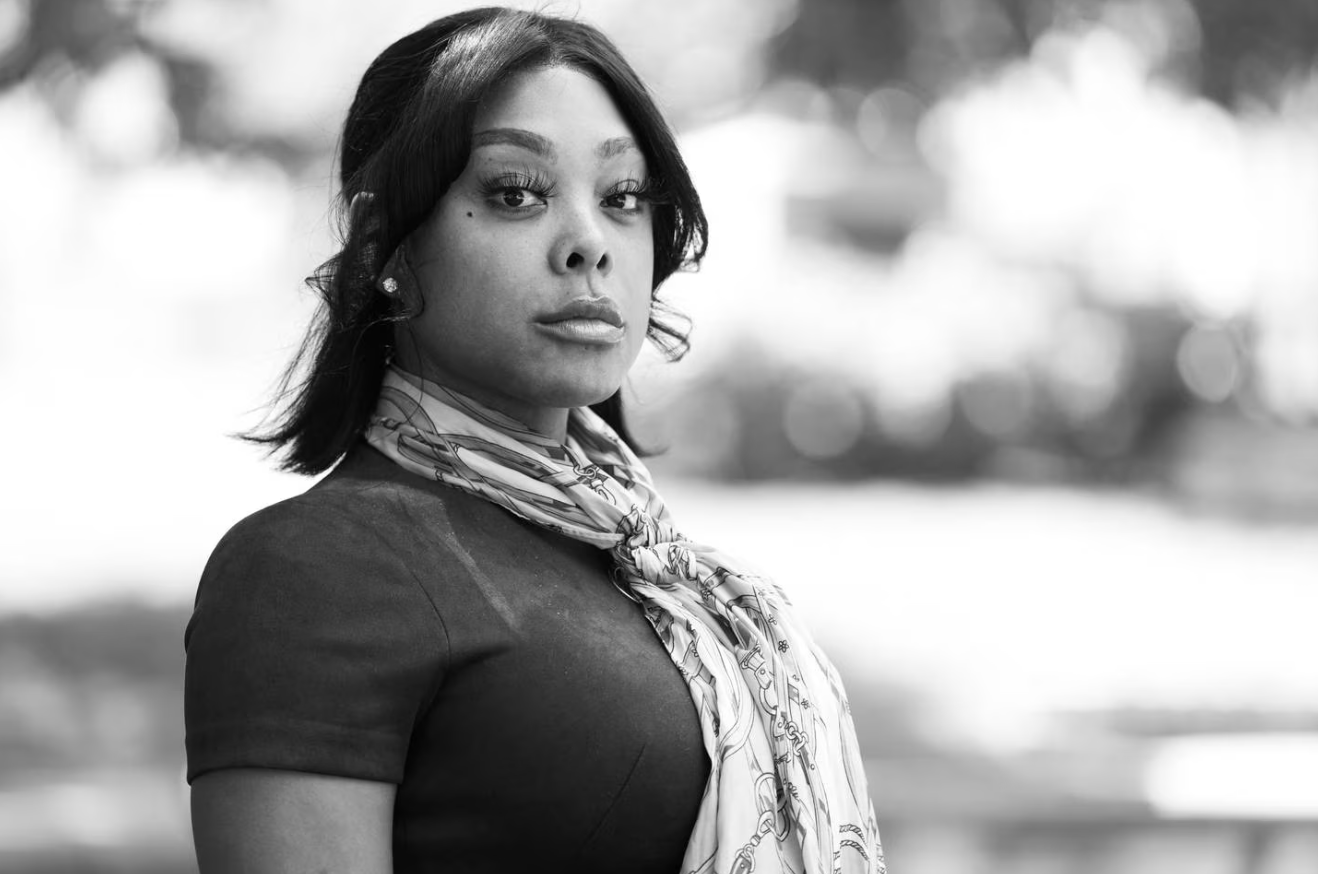
By John-John Williams IV | Londyn Smith de Richelieu, the director of the Mayor’s Office of LGBTQ Affairs in Baltimore, has filed a complaint alleging that she was discriminated against this past May by the Center for Transgender and Gender Expansive Health at Johns Hopkins Medicine.
Smith de Richelieu, who is the first person to occupy that role in the Mayor’s office, said in a complaint to the city’s Office of Equity and Civil Rights and in an interview with The Banner that the center, led by Dr. Fan Liang, denied her facial feminization surgery, claiming that Smith de Richelieu was being aggressive and used profanity with Liang’s staff. Smith de Richelieu, who is a Black transgender woman, saidshe was triggered by what she called false, stereotypic characterizations.
The rest of this article can be found at the Baltimore Banner website.






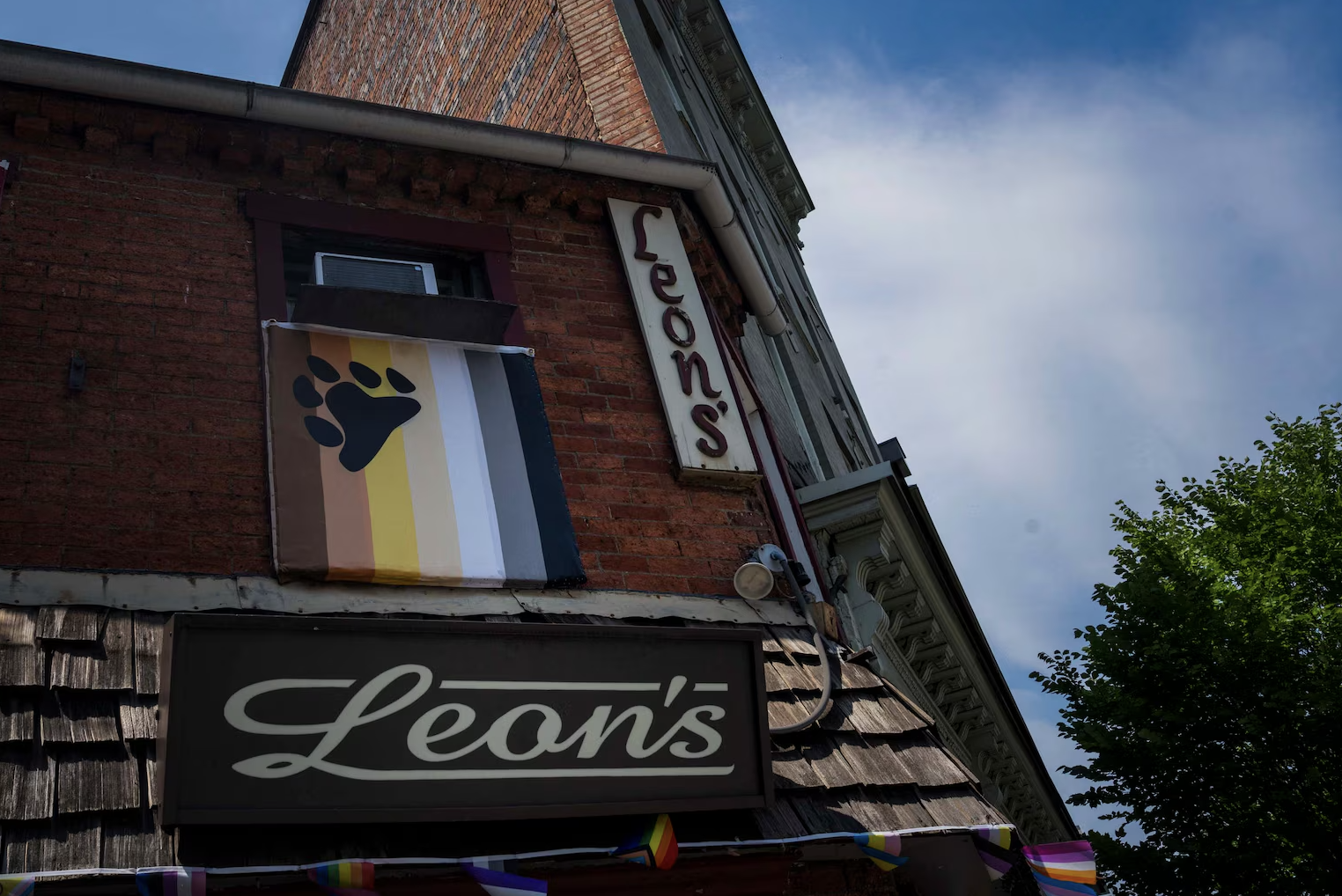
By JOHN-JOHN WILLIAMS IV | Those legendary heavy-handed pours, spirited karaoke and trivia nights, and groan-worthy wall-to-wall patrons on packed nights are back!
Leon’s will live to see another day.
Baltimore’s oldest gay bar, which opened in the 1950s, closed in July following the death of its owner, Ron Singer.
The rest of this article can be read on the Baltimore Banner’s website.
Baltimore
Charles Bowers, former owner of Baltimore gay bar the Hippo, dies
Prominent activist died at his Mount Vernon home
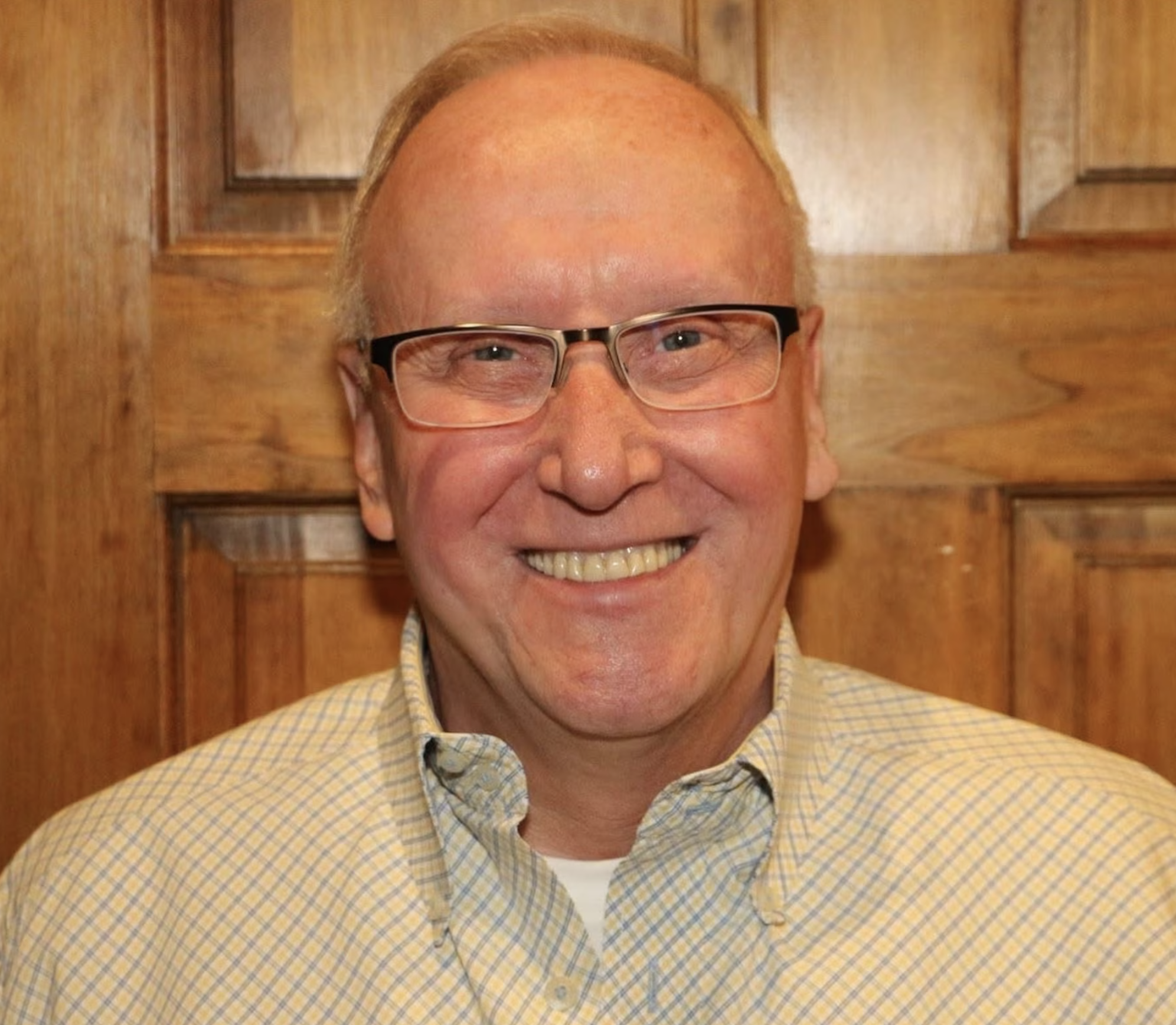
By WESLEY CASE | Charles “Chuck” Bowers, former owner of the storied Baltimore gay club the Hippo and a prominent advocate for Maryland’s LGBTQ community, died Tuesday. He was 81.
Bowers turned the Mount Vernon club — located at the corner of North Charles and West Eager streets — into a judgment-free refuge for queer and straight locals looking to find and express their authentic selves on a packed dance floor.
“He truly tried to make the Hippo a place for everybody — a safe space,” said an emotional Rik Newton-Treadway, who befriended his “mentor” Bowers at the club in 1979.
Bowers, of Mount Vernon, died Tuesday evening in Baltimore of natural causes, said his niece, Cathy Bowers.
The rest of this article can be read on the Baltimore Banner’s website.
Baltimore
Transgender woman killed in Barclay community mourned by friends, advocates
Sophie Lee shot to death on Friday morning

By DARREONNA DAVIS | Denise Johnson imagined spending Sunday with her daughter, Sophie Lee, eating crabs at the park. Instead, she stood on a Barclay street corner Sunday evening surrounded by nearly 100 people who came to remember her daughter, a transgender woman who was fatally shot there Friday.
The 27-year-old woman was found in the 2400 block of North Calvert Street around 1:15 a.m. Friday, Baltimore Police said in a news release.
Lindsey Eldridge, a police department spokesperson, said it’s unclear if her identity had anything to do with her death and the investigation is ongoing.
The rest of this article can be read on the Baltimore Banner’s website.

Center Arts Gallery celebration, auction to take place on Oct. 17

Comings & Goings

‘Hidden in Plain Sight:’ The story of Odessa Madre

‘Governments that attack LGBTQ+ rights learn from each other’

Horror genre has evolved into space to explore queer identity

ICC unseals arrest warrants for Taliban officials accused of persecuting LGBTQ people, women

Physician: addiction doesn’t always look the way you think it does

Calendar: October 9-15

Solidarity beyond the parade: the actual cost of Pride

Essential queer horror classics for Halloween
-

 Afghanistan4 days ago
ICC unseals arrest warrants for Taliban officials accused of persecuting LGBTQ people, women
-
District of Columbia4 days ago
Physician: addiction doesn’t always look the way you think it does
-
Calendar4 days ago
Calendar: October 9-15
-
Opinions3 days ago
Solidarity beyond the parade: the actual cost of Pride