Baltimore
Baltimore Safe Haven announces expanded services in new building
LGBTQ group provides housing, health, legal, other programs

The LGBTQ community services organization Baltimore Safe Haven announced it intends to expand its services in a recently acquired building that it’s currently renovating at 806 North Collington Avenue near the Johns Hopkins Hospital.
“The new facility, named the Mary Lynn Washington Building and the Harry and Jeanette Weinberg Foundation Community Hub and Resource Center, is set to open soon, marking a significant milestone in our ongoing mission to create safe and inclusive spaces for all,” a statement released by the group on Dec. 30 says.
“The expansion would not have been possible without the generous support and commitment of our community donors,” the statement says.
A report by Baltimore’s WMAR 2 TV news says the building’s rooms will accommodate two dozen people “who need transitional or permanent housing and will include clinical resources under the same roof.”
The TV news report says Baltimore Safe Haven’s founder and CEO, Iya Dammons, completed the purchase of the building over the Christmas weekend but neither the news report nor the Safe Haven statement disclosed the building’s purchase price.
“We extend our deepest gratitude to [Maryland State] Senator Mary Washington, Congressman Kweisi Mfume, Mayor Brandon Scott, Borealis Philanthropy, the Astraea Foundation, The Harry and Jeanette Weinberg Foundation, MOHS, COC, and MDH,” the statement says. “Their unwavering support has been instrumental in bringing this vision to life,” it says.
“The new community hub will serve as a one-stop resource center, providing expanded clinic services in collaboration with the University of Maryland, including mental health and wellness programming,” according to the statement.
A separate statement on its website says Dammons, a transgender rights activist, founded Baltimore Safe Haven in 2018. The statement says the group has previously expanded its services since its founding to provide housing services for members of the LGBTQ community facing homelessness and housing insecurity.
“The organization has also developed a wide range of programs and services focused on mental health support, physical health coordination, workforce development, legal support, advocacy, and community building.”
In July 2023, Safe Haven opened a D.C. office and drop-in center at 331 H St., N.E. that Dammons said would seek to provide services for the LGBTQ community, especially people in need, like the services provided in Baltimore.



Baltimore
Charles Bowers, former owner of Baltimore gay bar the Hippo, dies
Prominent activist died at his Mount Vernon home
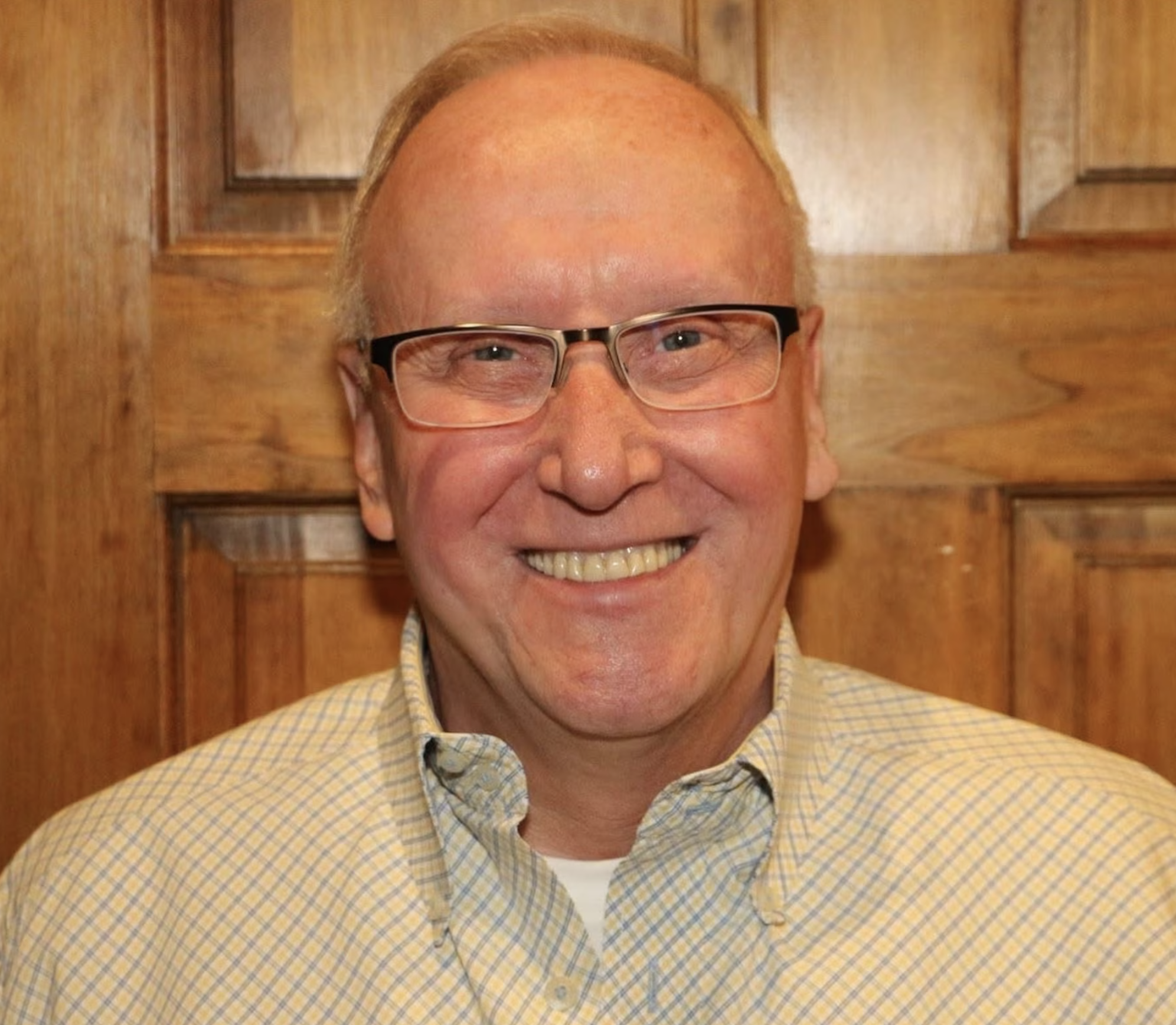
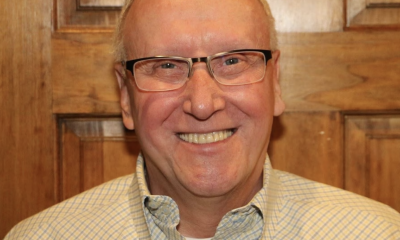
By WESLEY CASE | Charles “Chuck” Bowers, former owner of the storied Baltimore gay club the Hippo and a prominent advocate for Maryland’s LGBTQ community, died Tuesday. He was 81.
Bowers turned the Mount Vernon club — located at the corner of North Charles and West Eager streets — into a judgment-free refuge for queer and straight locals looking to find and express their authentic selves on a packed dance floor.
“He truly tried to make the Hippo a place for everybody — a safe space,” said an emotional Rik Newton-Treadway, who befriended his “mentor” Bowers at the club in 1979.
Bowers, of Mount Vernon, died Tuesday evening in Baltimore of natural causes, said his niece, Cathy Bowers.
The rest of this article can be read on the Baltimore Banner’s website.
Baltimore
Transgender woman killed in Barclay community mourned by friends, advocates
Sophie Lee shot to death on Friday morning
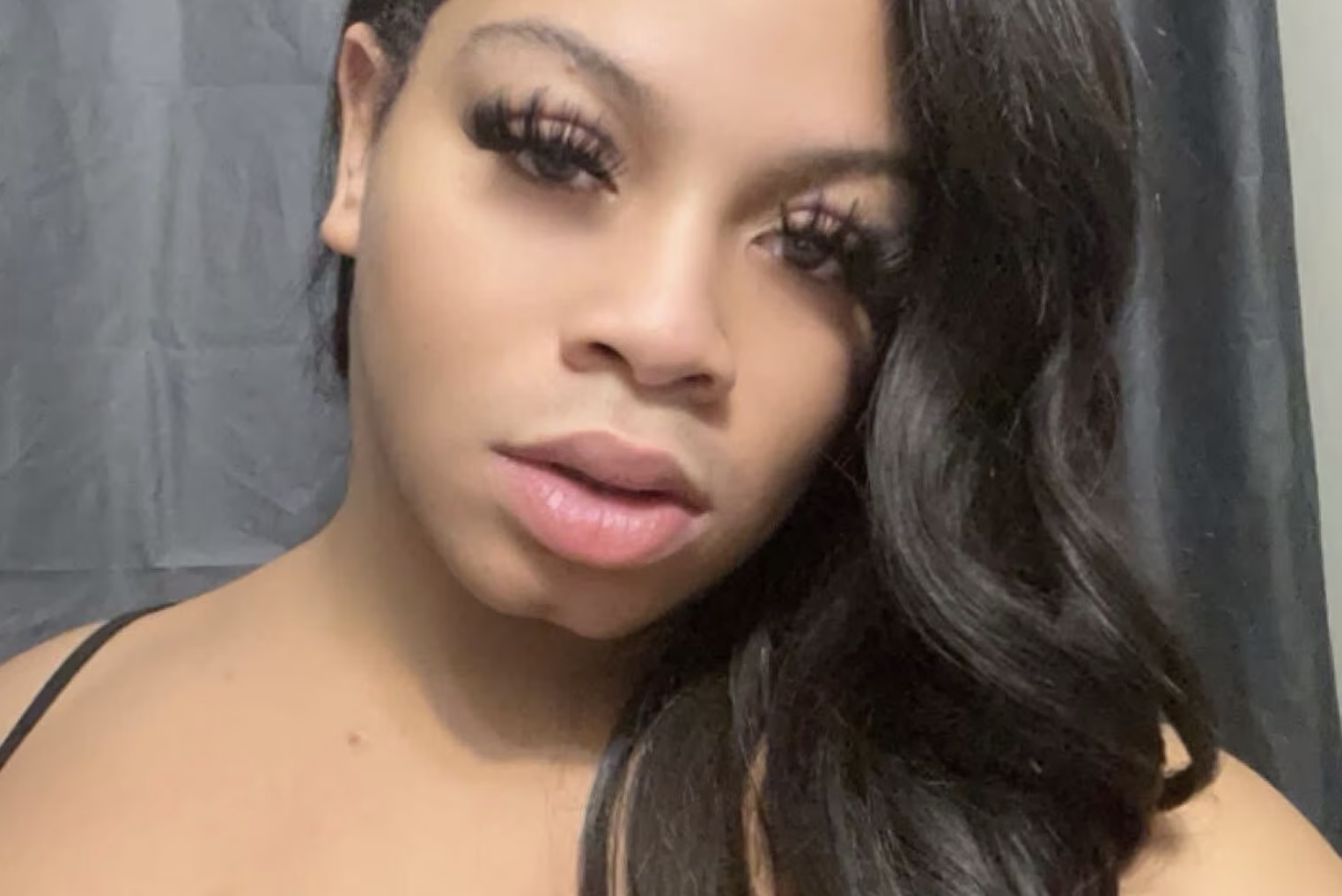
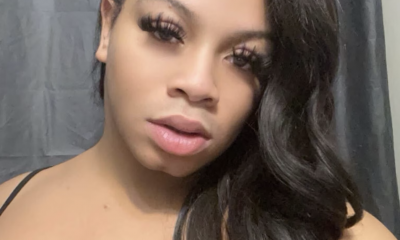
By DARREONNA DAVIS | Denise Johnson imagined spending Sunday with her daughter, Sophie Lee, eating crabs at the park. Instead, she stood on a Barclay street corner Sunday evening surrounded by nearly 100 people who came to remember her daughter, a transgender woman who was fatally shot there Friday.
The 27-year-old woman was found in the 2400 block of North Calvert Street around 1:15 a.m. Friday, Baltimore Police said in a news release.
Lindsey Eldridge, a police department spokesperson, said it’s unclear if her identity had anything to do with her death and the investigation is ongoing.
The rest of this article can be read on the Baltimore Banner’s website.
Baltimore
The fight to save one of Baltimore’s last gay bars
Leon’s closed in July after its owner’s death
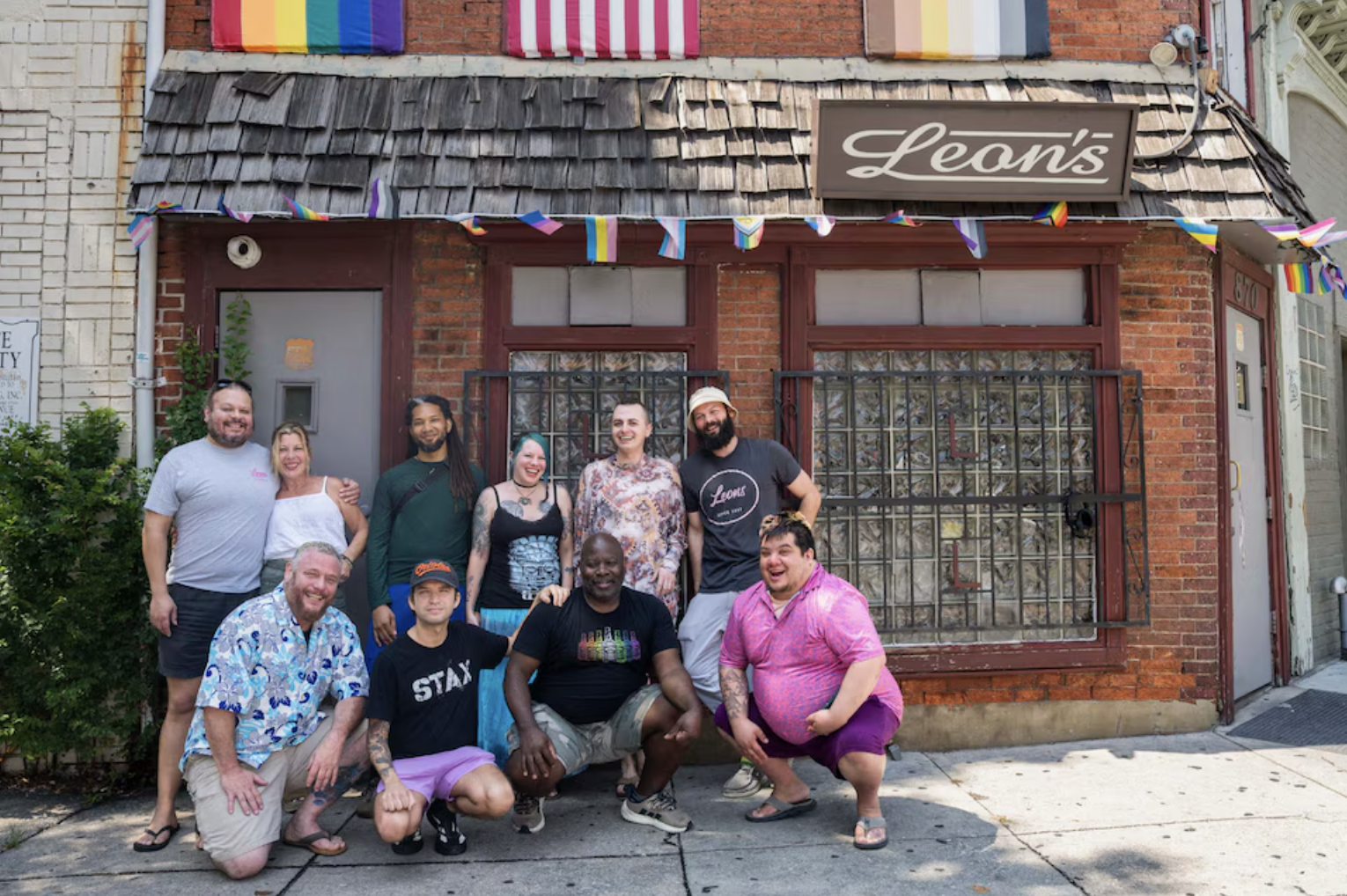
By JULIE SCHARPER and WESLEY CASE | Soon after Jim Becker came out as gay in 1967, he ducked into a Mount Vernon bar called Leon’s.
In the dark, smoky bar, men used pseudonyms for fear of being outed, as homosexual acts were illegal in Maryland. Bartenders, wary of vice squad raids, would blow a whistle if couples leaned in for a kiss.
But to Becker, arriving at Leon’s was a kind of homecoming. He could explore his identity, connect with other gay men and build community in the anxious years before the 1969 Stonewall uprising, a pivotal moment in the LGBTQ rights movement.
The rest of this article can be read on the Baltimore Banner’s website.

‘Lizzie Borden’ might be the best ‘Monster’ yet

Comings & Goings

Tyler Clementi Foundation to host fundraiser in Rehoboth

Calendar: September 25-October 1

Former Capital Pride board member reiterates sexual harassment allegation

For lesbian victims of domestic violence, competent care is scare

United States Conference on HIV/AIDS grapples with federal budget cuts

Washington Blade responds to concerns over White House pool duties

UN human rights chief sounds alarm over ‘comprehensive onslaught’ against LGBTQ rights

Gov. Whitmer to serve as keynote speaker for Saturday’s HRC National Dinner
-

 National5 days ago
For lesbian victims of domestic violence, competent care is scare
-
Health5 days ago
United States Conference on HIV/AIDS grapples with federal budget cuts
-
Commentary4 days ago
Washington Blade responds to concerns over White House pool duties
-
United Nations5 days ago
UN human rights chief sounds alarm over ‘comprehensive onslaught’ against LGBTQ rights