Virginia
Miyares: Va. school boards must adhere to new trans, nonbinary student guidelines
Districts in Northern Virginia have defined rules

Virginia Attorney General Jason Miyares on Thursday said school boards must adhere to the state’s new guidelines for transgender and nonbinary students.
Miyares in a letter to Republican Gov. Glenn Youngkin said the guidelines “comply with the Equal Protection Clause, Title IX and the VHRA” (the Virginia Human Rights Act) and “local school boards are required to adopt policies that are consistent with them.”
The Virginia Department of Education last month released the new guidelines.
One section states “schools shall defer to parents to make the best decisions with respect to their children.”
“Parents are in the best position to work with their children and, where appropriate, their children’s health care providers to determine (a) what names, nicknames and/or pronouns, if any, shall be used for their child by teachers and school staff while their child is at school, (b) whether their child engages in any counseling or social transition at school that encourages a gender that differs from their child’s sex, or (c) whether their child expresses a gender that differs with their child’s sex while at school,” it reads.
Another section notes “schools shall keep parents informed about their children’s well-being.”
“To ensure parents are able to make the best decisions with respect to their child, school personnel shall keep parents fully informed about all matters that may be reasonably expected to be important to a parent, including, and without limitation, matters related to their child’s health, and social and psychological development,” it reads. “Parents’ rights are affirmed by the U.S. Supreme Court that characterized a parent’s right to raise his or her child as ‘perhaps the oldest of the fundamental liberty interests recognized by this court.’ Troxel v. Granville, 530 U.S. 57, 65 (2000). This requirement is, of course, subject to laws that prohibit disclosure of information to parents in certain circumstances including, for example, Code of Virginia § 22.1-272.1(B) (prohibiting parental contact where student is at imminent risk of suicide related to parental abuse or neglect.)”
The guidelines further state “schools shall serve the needs of all students” and the Virginia Department of Education “is committed to working with school divisions to ensure a positive, safe and nurturing learning environment for all students.”
“Each student’s individual needs should be taken into consideration by his or her school, and divisions should develop policies that encourage schools to account for these individual needs, with due sensitivity to the needs of other students and the practical requirements of the teaching and learning environment,” reads the guidelines. “Schools should attempt to accommodate students with distinctive needs, including transgender students. A team of appropriate school staff and other caregivers should collaborate with the student’s parents or with an eligible student to identify and implement such reasonable accommodations or modifications (if any), considering the resources and staff available in the school and school divisions, as well as the rights and needs of other students and of school staff.”
The guidelines further state “single-user bathrooms and facilities should be made available in accessible areas and provided with appropriate signage, indicating accessibility for all students.”
“To ensure that all students have access to a learning environment in which they feel comfortable and safe, where state or federal law requires schools to permit transgender students to share otherwise sex-segregated facilities (such as bathrooms or locker rooms) with students of the opposite sex, parents should be given the right to opt their child out of using such facilities, and the child should be given access to alternative facilities that promote the child’s privacy and safety,” reads the guidelines. “Eligible students should be given the same right to opt out.”
Arlington County Public Schools, Fairfax County Public Schools and Prince William County Schools have announced they will not implement the new guidelines. NBC Washington on Thursday reported Miyares’ opinion is “nonbinding.”




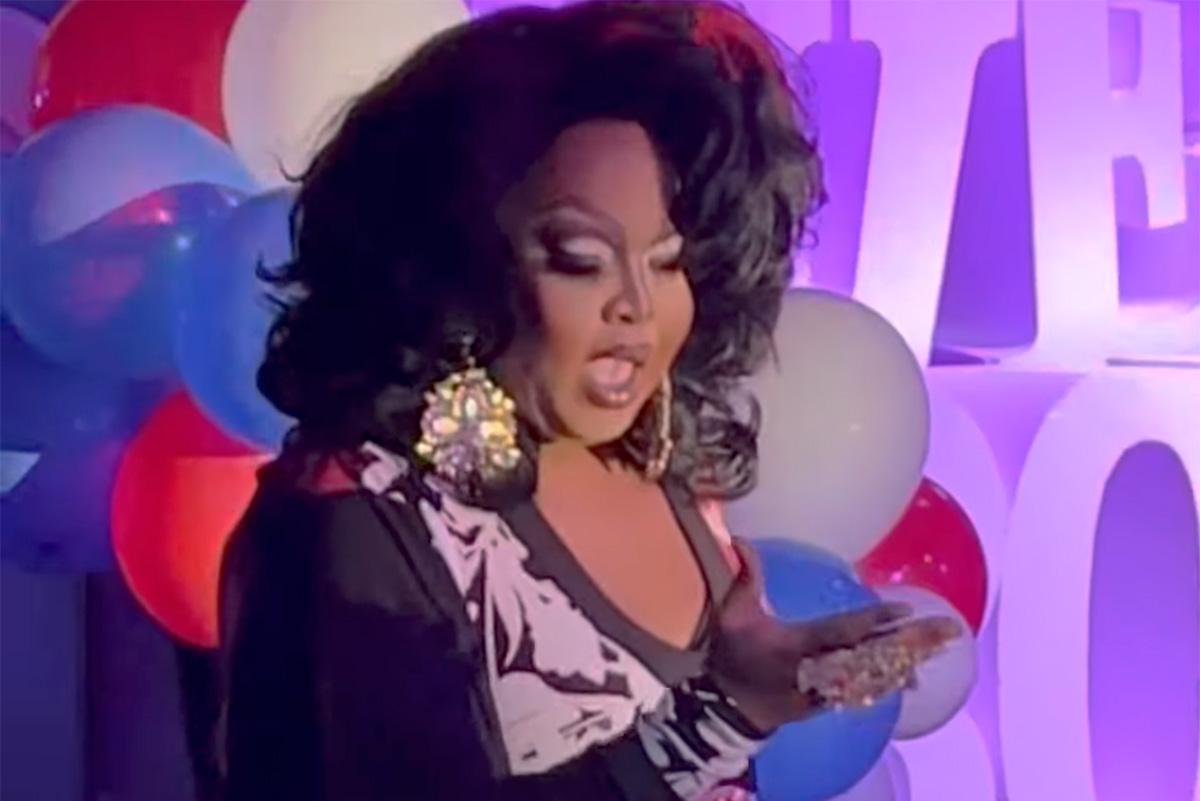
A gay man was murdered in Petersburg, Va., on March 13.
Shyyell Diamond Sanchez-McCray, who was also known as Saamel and Mable, was a drag queen who won the Miss Mayflower EOY pageant in 2015. Reports also indicate Sanchez-McCray, 42, was a well-known community activist in Virginia and in North Carolina.
Local media reports indicate police officers found Sanchez-McCray shot to death inside a home in Petersburg.
Sanchez-McCray’s brother, Jamal Mitchell Diamond, in a public statement the Washington Blade received from Equality Virginia and GLAAD, said Sanchez-McCray was not transgender as initial reports indicated.
“Our family has always embraced the fullness of who he was. He used the names Saamel, Shyyell, and Mable interchangeably, and we honor all of them. There is no division within our family regarding how he is being represented — only a shared commitment to preserving his truth with love and respect,” said Diamond.
“He was also deeply committed to community work through Nationz Foundation, where he worked and completed multiple state-certified programs to support marginalized communities,” added Diamond. “That work meant a great deal to him.”
Authorities have not made any arrests.
The Petersburg Bureau of Police has asked anyone with information about Sanchez-McCray’s murder to call Petersburg-Dinwiddie Crime Solvers at 804-861-1212.
Virginia
Virginia General Assembly’s 2026 legislative session ends
Voters in November will consider repealing marriage amendment
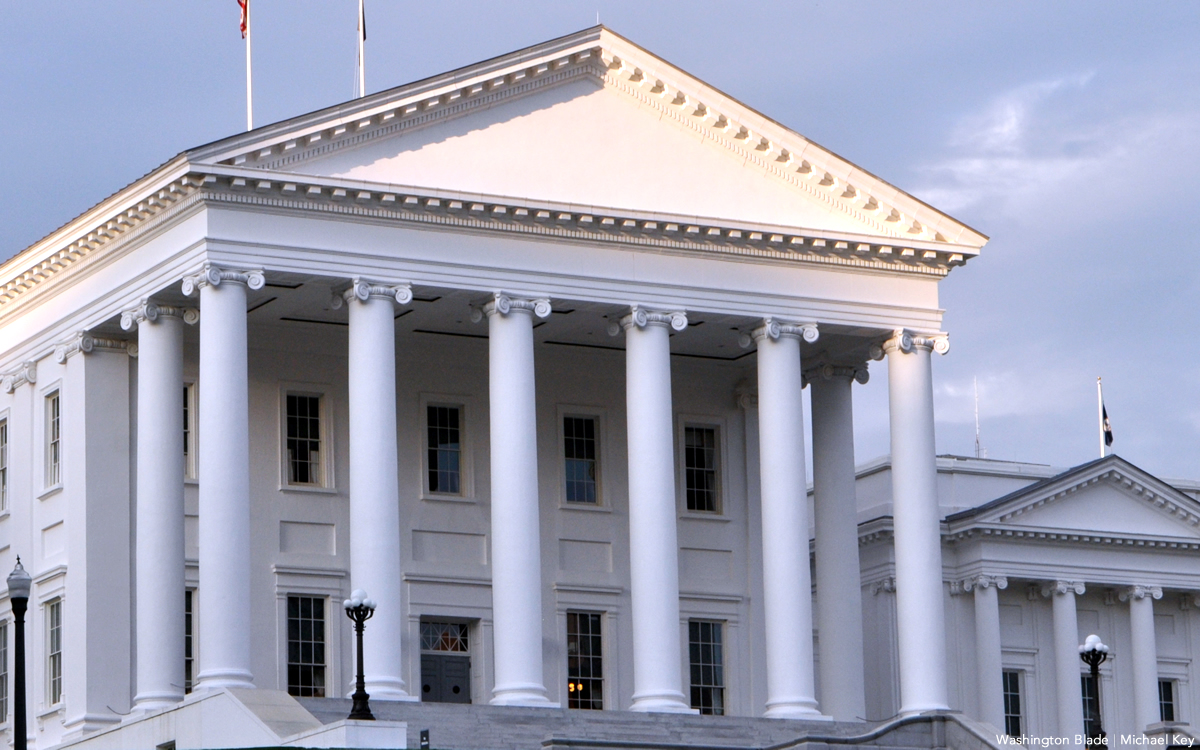
The Virginia General Assembly’s 2026 legislative session ended on March 14.
Lawmakers have yet to approve a budget, but they did pass a resolution that paves the way for a referendum on whether to repeal the state’s constitutional amendment that defines marriage as between a man and a woman. Lawmakers also advanced House Bill 60, which would protect PrEP users from insurance discrimination.
Democratic Gov. Abigail Spanberger has until April 13 to decide to pass, amend, or veto legislation before it goes back to the House of Delegates on April 22.
Spanberger on Feb. 6 signed the bill that sets the stage for the marriage amendment referendum. Voters will consider whether to “remove the ban on same-sex marriage; (ii) affirm that two adults may marry regardless of sex, gender, or race; and (iii) require all legally valid marriages to be treated equally under the law?”
Equality Virginia has been working during this legislative cycle to urge lawmakers to allocate funding towards LGBTQ rights. The budget would expand funding for schools, competency training for the 988 suicide hotline, and funding to provide gender affirming care to LGBTQ youth.
“As the budget moves through conference and the Reconvene Session approaches on April 22, Equality Virginia remains focused on ensuring our victories this session translate into durable protections,” Equality Virginia Executive Director Narissa Rahaman told the Washington Blade in a statement. “Progress on marriage equality, nondiscrimination protections, and HIV care funding was essential, but Virginia must do more.”
Virginia
Va. lawmakers consider partial restoration of Ryan White funds
State Department of Health in 2025 cut $20 million from Part B program
The Virginia General Assembly is considering the partial restoration of HIV funding that the state’s Department of Health cut last year.
The Department of Health in 2025 cut $20 million — or 67 percent of total funding — from the Ryan White Part B program.
The funding cuts started with the Trump-Vance administration passing budget cuts to federal HIV screening and protection programs. Rebate issues between the Virginia Department of Health and the company that provides HIV medications began.
Advocates say the funding cuts have disproportionately impacted lower-income people.
The Ryan White HIV/AIDS Program, a federal program started in 1990, provides medical services, public education, and essential services. Part B offers 21 services, seven of which remained funded after the budget cuts.
Equality Virginia notes “in 2025, a 67 percent reduction severely destabilized HIV services across the commonwealth.”
Virginia lawmakers have approved two bills — House Bill 30 and Senate Bill 30 — that would partially restore the funding. The Ryan White cuts remain a concern among community members.
Both chambers of the General Assembly must review their proposed changes before lawmakers can adopt the bills.
“While these amendments aren’t a full restoration of what community-based organizations lost, this marks a critical step toward stabilizing care for thousands of Virginians living with HIV,” said Equality Virginia Executive Director Narissa Rahaman. “Equality Virginia plans to continue their contact with lawmakers and delegates through the conference and up until the passing of the budget.”
“We appreciate lawmakers from both sides of the aisle who recognized the urgency of this moment and will work to ensure funding remains in the final version signed by the governor,” added Rahaman.

Report: Grenell wants Russian ambassadorship
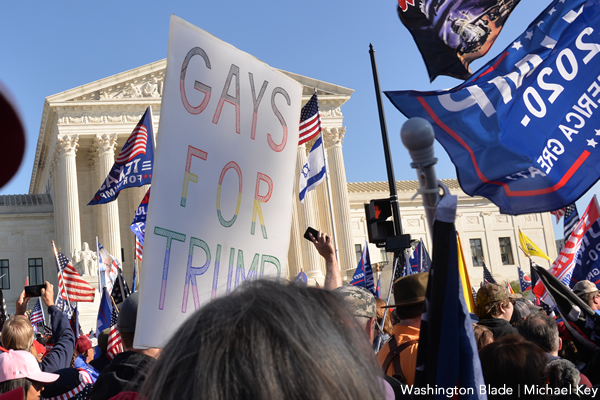
Log Cabin Republicans to honor Scott Presler

Cuba bajo presión y sin respuestas
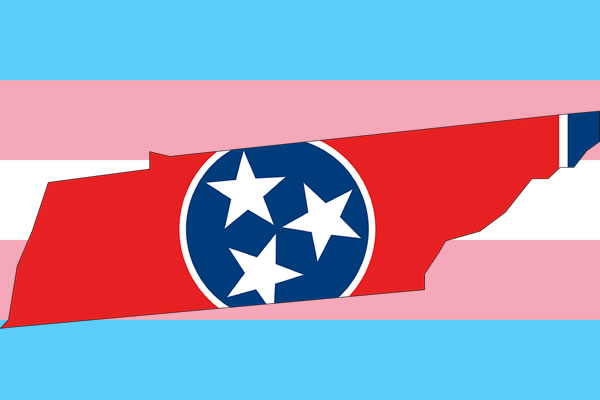
Tenn. lawmakers pass transgender “watch list” bill