Mexico
Latin America’s first nonbinary judge found dead in Mexico home
Authorities say Jesús Ociel Baena showed signs they were stabbed
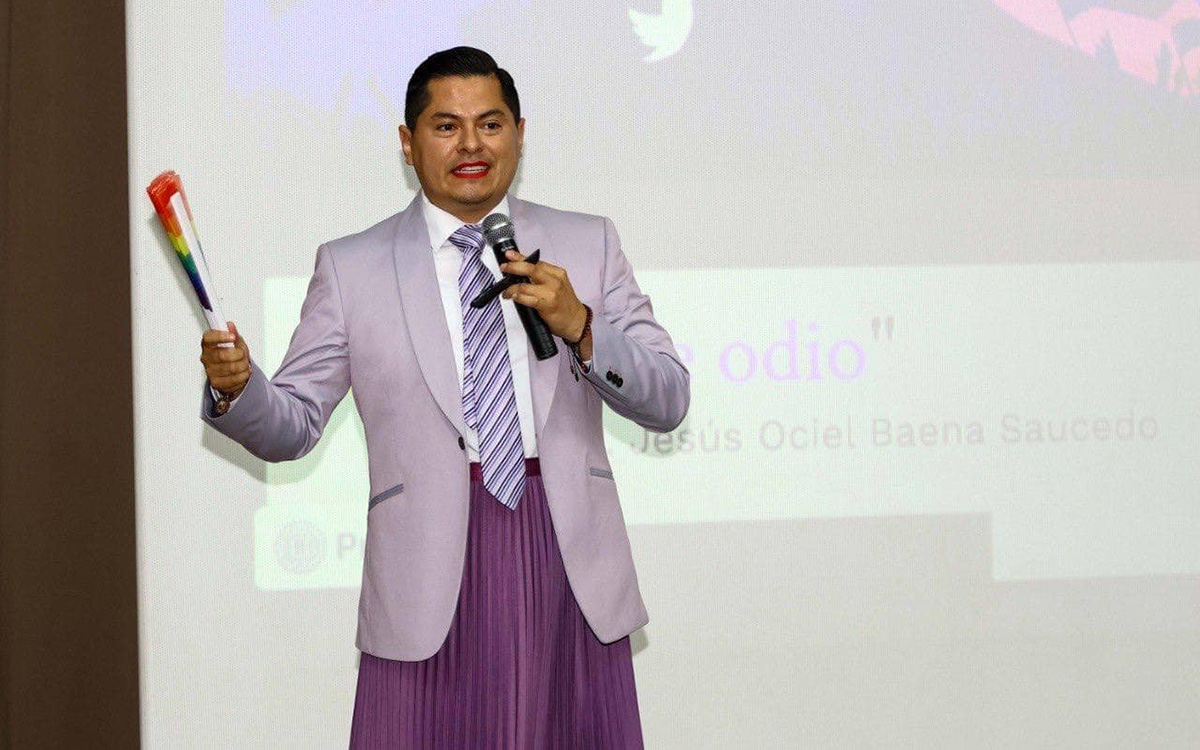
Authorities in Mexico’s Aguascalientes state on Monday found Latin America’s first nonbinary judge dead in their home.
The Associated Press reported Jesús Ociel Baena’s body was discovered next to another person who media reports and an LGBTQ rights group identified as their partner. State prosecutor Jesús Figueroa Ortega told reporters during a press conference the two victims showed signs they had been stabbed.
Aguascalientes state is located in central Mexico.
The AP reported Baena in October 2022 became a magistrate on Aguascalientes’ electoral court. Baena in June was one of the first people in Mexico to receive a passport with a nonbinary gender marker.
Violence based on gender identity and sexual orientation remain commonplace in Mexico.
The AP reported Baena in the weeks before their death had received death threats. Federal Security Secretary Rosa Icela Rodríguez on Monday said it remains unclear if the murders were “a homicide or an accident.”
The New Gay Times, the Washington Blade’s media partner in Mexico, reported LGBTQ rights groups across the country have demanded “a definitive and specialized investigation” into Baena’s murder. Thousands of people on Monday who took part in a march in Mexico City demanded justice for Baena.
“We are and will be there for you, dear Ociel,” said Casa Refugio Paola Buenrostro, a shelter in Mexico City that Casa de las Muñecas Tiresas, a local transgender rights group, runs, on Monday in a post to its Facebook page. “Your fight will not be in vein.”




Mexico
Mexico’s first openly gay mayor killed
Benjamín Medrano shot to death inside Guadalajara ice cream store on July 7
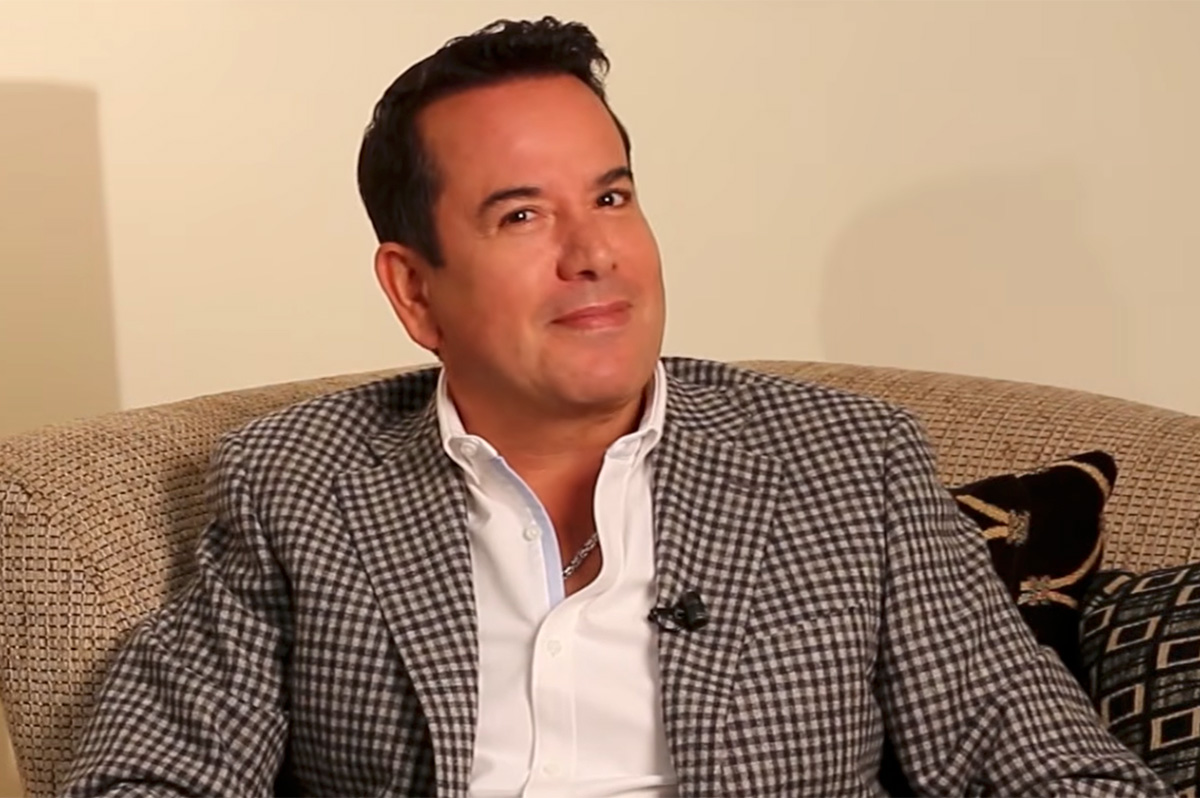
Mexico’s first openly gay mayor was killed last week.
Media reports indicate former Fresnillo Mayor Benjamín Medrano was shot to death on July 7 inside an ice cream store in Guadalajara, the country’s second-largest city that is located in Jalisco state.
Fresnillo is a city in Zacatecas state.
Medrano, 59, in 2013 became Mexico’s first openly gay mayor. He represented Zacatecas’s First Federal Electoral District in the Chamber of Deputies, the lower house of the Mexican Congress, from 2015-2018.
Medrano in 2017 was among the elected officials from across Latin America and the Caribbean who attended a conference in the Dominican Republic that focused on bolstering LGBTQ and intersex political engagement in the region. The LGBTQ+ Victory Institute is among the groups that organized the gathering.
Medrano after he left office faced accusations that he embezzled more than 60 million pesos ($3,443,101.20) in public funds when he was president of the Zacatecas National Fair’s Board of Trustees.
La Voz de Fresnillo, a Fresnillo newspaper, reported Medrano did not have any identification with him when he was shot. A relative identified him two days later.
State and federal authorities have not announced a potential motive. They have also not made any arrests in connection with Medrano’s murder.
Anti-LGBTQ violence and kidnappings are commonplace in Mexico.
A gay couple from the U.S. were among four people found dead in a mass grave outside Mexico City last month.
Members of the Jalisco New Generation Cartel in February set fire to cars and buses in Puerto Vallarta, a resort city in Jalisco state that is a popular destination for LGBTQ tourists from the U.S., after Mexican forces killed its powerful leader.
Puerto Vallarta is roughly 180 miles west of Guadalajara.
Mexico
Gay US couple among four people found dead in Mexico mass grave
Zafar Mawani and Guillermo Hidalgo Ortiz disappeared May 20

A gay couple from the U.S. is among the four people found dead in a mass grave in Mexico last month.
The Associated Press reported Zafar Mawani and Guillermo Hidalgo Ortiz disappeared on May 20. The couple was last seen in Mexico City’s Isidro Fabela neighborhood.
Media reports indicate Mawani and Hidalgo lived in Mexico and Chicago. They note the couple had traveled to Mexico City to care for Mawani’s sick mother. NBC Chicago reported investigators found “unusual withdrawals from the couple’s bank accounts” after they disappeared.
The AP notes Mexican authorities on June 25 confirmed Mawani and Hidalgo were among the four people found in the mass grave in La Marquesa National Park, which is roughly 20 miles southwest of Mexico City, on June 17.
Mexican media reports indicate a female former police officer who allegedly led a kidnapping and robbery gang is among the five people who have been arrested in connection with the couple’s murder.
“We are grateful beyond words to everyone who tried to help bring Zafar home to us — investigators on the ground, our core strategy and support team, authorities in both countries, generous volunteer organizations, as well as friends and loved ones who stepped forward to help without being asked,” said Mawani’s family in a statement.
Kidnappings are common in Mexico.
The AP notes more than 135,000 people are currently missing in the country “as a product of criminal violence,” with 977 people reported to have disappeared in May. Members of the Jalisco New Generation Cartel in February set fire to cars and buses in Puerto Vallarta, a resort city in Jalisco state that is a popular destination for LGBTQ tourists from the U.S., after Mexican forces killed its powerful leader.
It is not clear whether Mawani and Hidalgo were specifically targeted because of their sexual orientation.
Mexico
US Embassy in Mexico issues shelter in place order for Puerto Vallarta
Mexican soldiers killed powerful cartel leader on Sunday.
Editor’s note: This article has been updated.
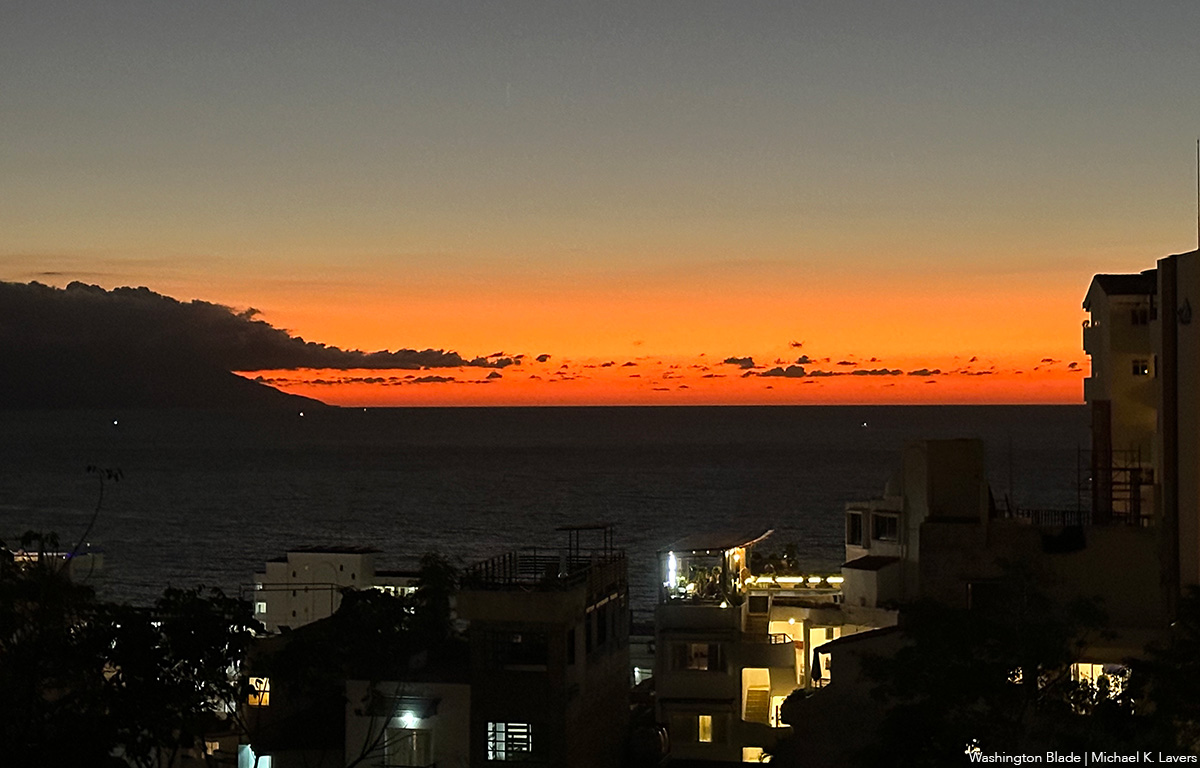
The U.S. Embassy in Mexico on Sunday urged Americans in the resort city of Puerto Vallarta to shelter in place after Mexican authorities killed a powerful cartel leader.
The Washington Post reported Mexican soldiers on Sunday killed Nemesio Rubén Oseguera Cervantes, the head of the Jalisco New Generation Cartel known as “El Mencho,” in Tapalpa, a town south of Guadalajara, the capital of Mexico’s Jalisco state.
Puerto Vallarta is in Jalisco, but is roughly five hours away from Tapalpa.
Local media reports indicate cartel members in response to Oseguera’s killing have set fire to cars and buses in Puerto Vallarta and elsewhere in Jalisco and in other cities across Mexico. The U.S. Embassy’s shelter in place directive also includes Baja California and Quintana Roo states and parts of Guanajuato, Guerrero, Michoacán, Oaxaca, Nuevo León, and Tamaulipas states.
The Mexican border cities of Tijuana and Tecate are in Baja California. The resort cities of Cancún, Playa del Carmen, Tulum, and Cozumel are located in Quintana Roo in the Yucatán Peninsula.
Security Alert – Update: Ongoing Security Operations – U.S. Mission Mexico (February 22, 2026)
Locations: Widespread, including Jalisco State (including Puerto Vallarta, Chapala, and Guadalajara), Baja California State (including Tijuana, Tecate, and Ensenada), Quintana Roo… pic.twitter.com/vwxfOSF6iJ
— Embajada de EE.UU. en México (@USEmbassyMEX) February 22, 2026
“While no airports have been closed, roadblocks have impacted airline operations, with some domestic and international flights cancelled in both Guadalajara and Puerto Vallarta,” reads the advisory. “All taxis and ride shares are suspended in Puerto Vallarta. Some businesses have suspended operations.”
Mantamar Beach Club in Puerto Vallarta’s Zona Romántica, an area in which several gay bars, hotels, and nightclubs are located, is among the businesses that closed on Sunday.
“Due to circumstances beyond our control and road blockages currently affecting the city of Puerto Vallarta, Mantamar Beach Club will remain closed today,” said Mantamar Beach Club on its Facebook page. “This decision has been made in order to prioritize the safety and mobility of our guests, staff, and visitors.”
Giovanni Rocco, a member of the Capital Pride Alliance board of directors, and his partner were in their Airbnb near Zona Romántica at around 10:30 a.m. local time (11:30 a.m. ET) when a friend texted them and asked if they were “okay.” They went up to the roof of their building and saw “fires all across the city.”
“The day’s been pretty wild,” Rocco told the Washington Blade during a FaceTime interview that took place shortly after 7 p.m. local time (8 p.m. ET.) “[We] did not expect to wake up to fires and explosions and gunfire across the city.”
Rocco said he and his partner saw fires from cars that had been set ablaze from their building. Rocco said at one point he saw one of the “big pharmacies here that was set on fire,” but he was uncertain whether someone deliberately set it on fire or whether a car in flames did.
Here’s a look at Puerto Vallarta today. We woke up to find smoke rising from different parts of Zona Romántica. As the afternoon went on, we started to hear more explosions and gunfire. About an hour and a half ago, a Navy helicopter circled the area for a few minutes. pic.twitter.com/T9vwlzdnq3
— Giovanni Rocco (@GRoccooo) February 23, 2026
“We’ve been in our building the entire day — entire in our unit or up on the rooftop to check things out, but we’ve been following that local and State Department guidance and sheltering in place,” Rocco told the Blade.
He said it was “a beautiful week, wonderful weather, sunny. It’s been in the 70s all week. It’s just perfect weather.” Rocco told the Blade that he and his partner on Saturday had dinner on the beach before they went to a couple of bars.
“Everything was fine and normal and great,” he said. “To wake up to this reality, it (definitely) shook (us) up a bit.”
Rocco and his partner had been scheduled to fly back to D.C. on Monday, but their fight was cancelled. The embassy on Tuesday lifted its shelter in place order.
“Public transportation and businesses continue to return to normal operations following a law enforcement operation that took place on Feb. 22,” said the embassy on X. “U.S. citizens are no longer urged to shelter in place.”

Essential queer horror classics for Halloween

Solidarity beyond the parade: the actual cost of Pride

Physician: addiction doesn’t always look the way you think it does

Calendar: October 9-15

ICC unseals arrest warrants for Taliban officials accused of persecuting LGBTQ people, women

Alianza para la Inclusión fortalece la defensa de derechos LGBTQ en Centroamérica

The facts about Victory Fund’s investigation and the path forward

In Ga., 2 trans candidates believe voters are ready for them

Bessent says Trump chose him for his qualifications, not his sexuality

‘Some Like It Hot’ a wild ride at renovated Bernard Family Theatre
-

 Central America4 days ago
Alianza para la Inclusión fortalece la defensa de derechos LGBTQ en Centroamérica
-
Opinions4 days ago
The facts about Victory Fund’s investigation and the path forward
-
Georgia4 days ago
In Ga., 2 trans candidates believe voters are ready for them
-
Federal Government4 days ago
Bessent says Trump chose him for his qualifications, not his sexuality