Maryland
Bethesda church hosts transgender, nonbinary photo exhibit
Photographer Gwen Andersen showcases community members of all ages, backgrounds
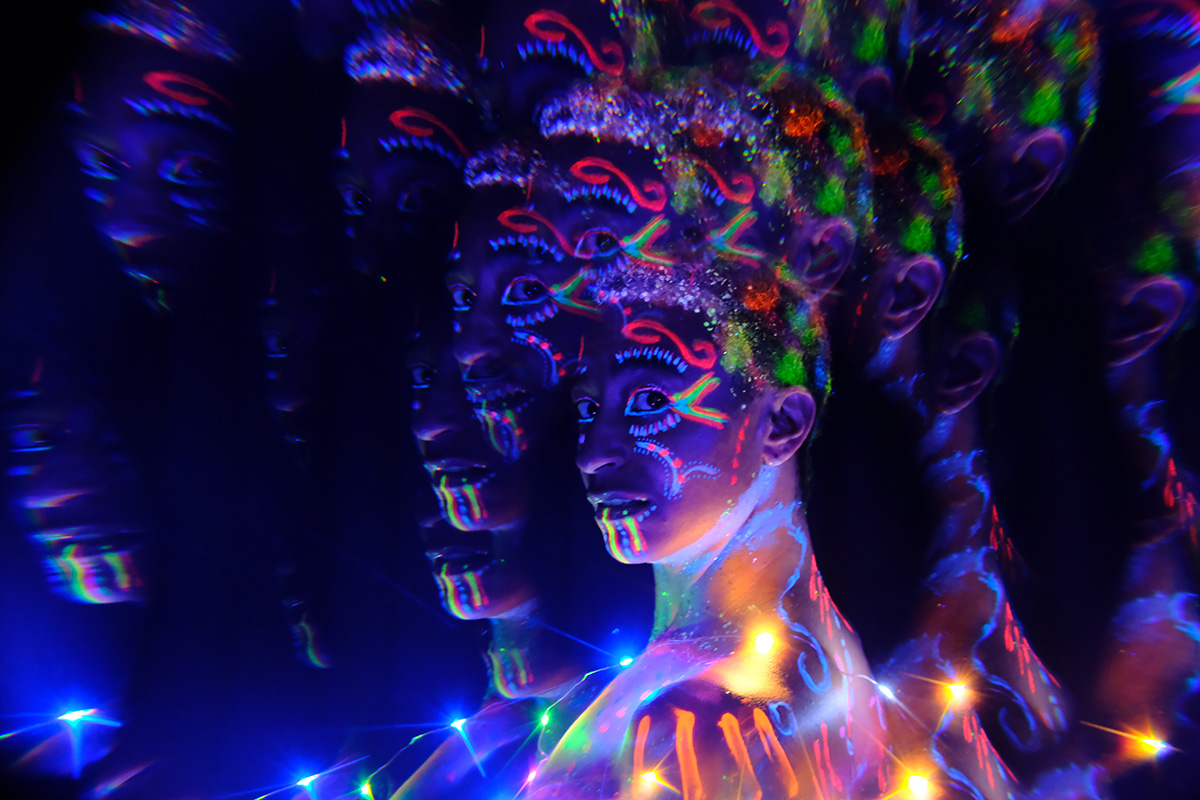
Amid the spate of anti-transgender legislation, the bullying of trans students and lack of gender-affirming care for young people across the country, photographer Gwen Andersen’s photo exhibit seeks to portray the trans and nonbinary community in a positive light.
Andersen’s “Becoming Ourselves” exhibit that documents trans and nonbinary people will be on display at the Bethesda United Church of Christ (10010 Fernwood Road) this summer.
Andersen spearheaded the exhibit along with the Rev. Dr. Jill McCrory from Bethesda UCC. The church paid for the project with a donation it received from Stevie Neal, a trans woman who passed away and left part of her estate to McCrory.
McCrory herself has been a pillar in the LGBTQ community for decades, including while pastor at Twinbrook Baptist Church.
The congregation that McCrory closed dispersed more than $1 million to various ministries and LGBTQ organizations, founded the MoCo Pride Center, and married a same-sex couple on the rainbow stage of Capital Pride in 2010. Bethesda UCC has also marked the Transgender Day of Remembrance, and hosted a renaming ceremony for a trans baptized member.
“I happen to have access to a wonderful transgender woman’s (Stevie) donation that she left me to do something for the transgender community,” said McCrory over a Zoom interview. “Andersen came to Rev. McCrory in November of 2023 with the idea. “Gwen knew Stevie. I thought this would be perfect because this is something that would benefit the transgender community.”
“WIthout Stevie, this surely would not have happened. And I say that with great confidence,” Andersen said in a Zoom interview.
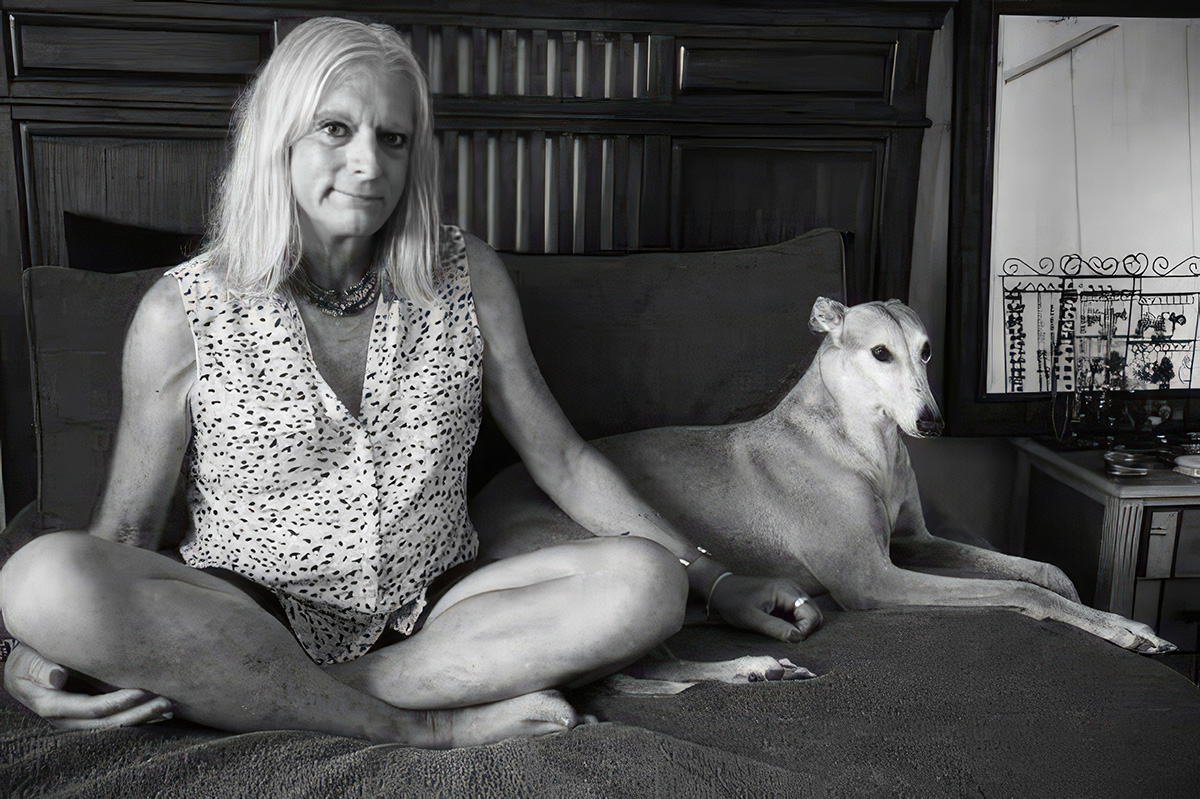
“Becoming Ourselves” debuted at the Unitarian Universalist Congregation of Rockville in March.
The exhibit features photos of trans and nonbinary people from across the country that Andersen and a number of other photographers took.
The photos feature people from all ages — from preteens to elders from all walks of life that include teachers, community leaders, and athletes. Andersen’s exhibit also showcases people who are proudly showing their top surgery scars. It also shows trans and nonbinary people in a variety of ways, from enjoying music, playing sports, and working.
The exhibit most importantly shows them being happy.
Anderson’s exhibit has two main goals: Give a space for trans and nonbinary people to see others in their community in a positive way, and to shift the narrative on how people see trans and nonbinary people.
“It was an emotional issue that won hearts and minds.” said Andersen in reference to the LGBTQ movement to legalize same-sex marriage. “I believe we will reduce the hostility against transgender people by winning hearts and minds.”
“One of the most effective messages is to protect trans kids,” she added. “Right now the hostility has not just gone against adults, it has gone against children, and children are being harassed, beaten up, and killing themselves. In much the same way as gays and lesbians were killing ourselves 30 years ago. I think what will be effective is tugging on hearts and minds and reclaiming the narrative from hate and fear, to love.”
Andersen wants to eventually get a more permanent location for the exhibit rather than bringing it to different venues. But until then, she plans to bring it to other churches that are interested in hosting it.
Anyone interested in supporting Andersen’s exhibit can log onto the “Becoming Ourselves” website, or directly help any of the photographers whose work is showcased. Andersen has directed folks to support photographer Liam Woods, whose online name is Analogue Papi.





Cameroon
Gay Cameroonian immigrant will be freed from ICE detention — for now
Ludovic Mbock’s homeland criminalizes homosexuality
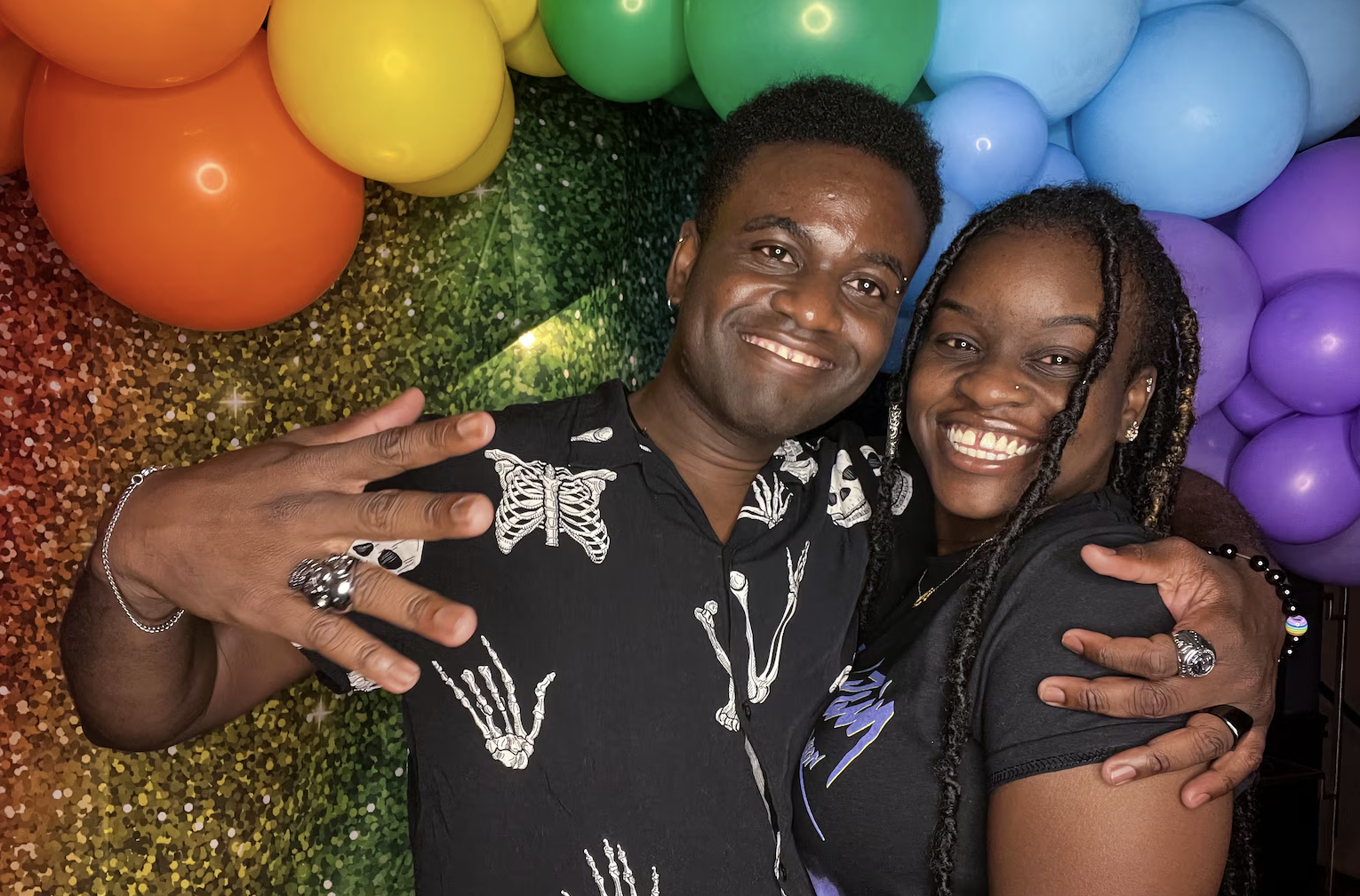
By ANTONIO PLANAS | An immigration judge on Friday issued a $4,000 bond for a Cameroonian immigrant and regional gaming champion held in federal immigration detention for the past three weeks.
The ruling will allow Ludovic Mbock, of Oxon Hill, to return to Maryland from a Georgia facility this weekend, his family and attorney said.
“Realistically, by tomorrow. Hopefully, by today,” said Mbock’s attorney, Edward Neufville. “We are one step closer to getting Ludovic justice.”
The rest of this article can be found on the Baltimore Banner’s website.
Maryland
Md. Legislative LGBTQ+ Caucus outlines 2026 priorities
Expanded PrEP access among objectives
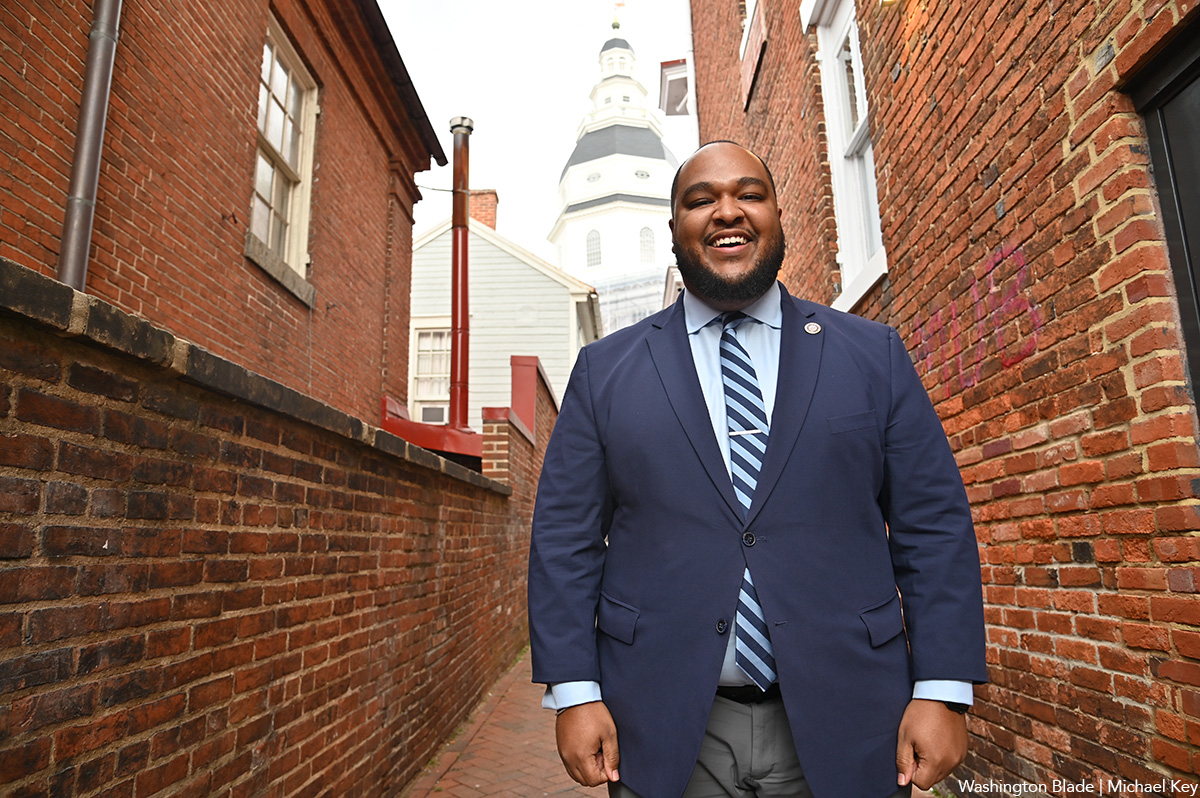
Maryland’s Legislative LGBTQ+ Caucus outlined legislative priorities for the remainder of the General Assembly’s 2026 term during a press conference on March 5.
State Del. Kris Fair (D-Fredrick County) led the press conference. State Del. Ashanti Martinez (D-Prince George’s County) and other caucus members also spoke.
Caucus members are sponsoring 12 bills and supporting four others.
Martinez is sponsoring House Bill 1114, which would expand PrEP access in Maryland.
“PrEP is 99 percent effective in preventing HIV transmission,” he explained, noting PrEP’s cost often turns away potential users.
The bill aims to extend insurance coverage and expand pharmacists’ ability to prescribe PrEP along with other HIV treatments and testing. Martinez is working with state Sen. Clarence Lam (D-Anne Arundel and Howard Counties) and FreeState Justice on the bill.
The House Health Committee had a hearing last week that included HB1114.
“Ending the HIV epidemic is about expanding access and providing these life-saving tools to all persons in Maryland,” Martinez said.
Several other pieces of legislation were highlighted during the press conferences. They included measures focused on youth and education, birth certificate markers, so-called conversion therapy, and hormone medications.
State Sen. Cheryl Kagan (D-Montgomery County) is cosponsoring Senate Bill 950, which would update and strengthen conversion therapy laws. State Del. Bonnie Cullison (D-Montgomery County) has introduced an identical bill that would extend the statute of limitations on individuals who facilitate conversion therapy.
Kagan explained the bill would allow conversion therapy victims to come to terms with their experience undergoing the widely discredited practice that “creates shame and it silences survivors.”
When questioned, Fair explained the press conference happened late into the legislative session because “we [the caucus] are constantly having to respond in real time to what’s happening in Washington” while drafting and considering pieces of legislation.
The Frederick County Democrat described this session’s bills as the “most ambitious list of priorities to date.” Fair also described the caucus’s goals.
“It’s decency, it’s dignity, and its humanity,” he said.
Maryland
Md. Commission on LGBTQIA+ Affairs released updated student recommendations
LGBTQ students report higher rates of bullying, suicide
The Maryland Commission on LGBTQIA+ Affairs has released updated recommendations on how the state’s schools can support LGBTQ students.
The updated 16-page document outlines eight “actionable recommendations” for Maryland schools, supplemented with data and links to additional resources. The recommendations are:
- Developing and passing a uniform statewide and comprehensive policy aimed at protecting “transgender, nonbinary, and gender expansive students” against discrimination. The recommendation lists minimum requirements for the policy to address: name, pronoun usage, and restroom access.
- Requiring all educators to receive training about the specific needs of LGBTQ students, by trained facilitators. The training’s “core competencies” include instruction on terminology, data, and support for students.
- Implementing LGBTQ-inclusive curricula and preventing book bans. The report highlights a “comprehensive sexual education curriculum” as specifically important in the overall education curriculum. It also states the curriculum will “provide all students with life-saving information about how to protect themselves and others in sexual and romantic situations.”
- Establishing Gender Sexuality Alliances “at all schools and in all grade levels.” This recommendation includes measures on how to adequately establish effective GSAs, such as campaign advertising, and official state resources that outline how to establish and maintain a GSA.
- Providing resources to students’ family members and supporters. This recommendation proposes partnering with local education agencies to provide “culturally responsive, LGBTQIA+ affirming family engagement initiatives.”
- Collecting statewide data on LGBTQ youth. The data on Maryland’s LGBTQ youth population is sparse and non-exhaustive, and this recommendation seeks to collect information to inform policy and programming across the state for LGBTQ youth.
- Hiring a full-time team at the Maryland Department of Education that focuses on LGBTQ student achievement. These employees would have specific duties that include “advising on local and state, and federal policy” as well as developing the LGBTQ curriculum, and organizing the data and family resources.
- Promoting and ensuring awareness of the 2024 guidelines to support LGBTQ students.
The commission has 21 members, with elections every year, and open volunteer positions. It was created in 2021 and amended in 2023 to add more members.
The Governor’s Office of Communication says the commission’s goal is “to serve LGBTQIA+ Marylanders by galvanizing community voices, researching and addressing challenges, and advocating for policies to advance equity and inclusion.”
The commission is tasked with coming up with yearly recommendations. This year’s aim “to ensure that every child can learn in a safe, inclusive, and supportive environment.”
The Human Rights Campaign’s most recent report on LGBTQ youth revealed that 46.1 percent of LGBTQ youth felt unsafe in some school settings. Those numbers are higher for transgender students, with 54.9 percent of them saying they feel unsafe in school.
Maryland’s High School Youth Risk Behavior Survey reveals a disparity in mental health issues and concerns among students who identify as LGBTQ, compared to those who are heterosexual. LGBTQ students report higher rates of bullying, feelings of hopelessness, and suicidal thoughts. Nearly 36 percent of LGBTQ students report they have a suicide plan, and 26.7 percent of respondents say they have attempted to die by suicide.
The commission’s recommendations seek to combat the mental health crisis among the state’s LGBTQ students. They are also a call for local and state governments to work towards implementing them.

Thousands attend ‘No Kings’ protests in D.C.

Blade contributor, husband exchange vows in D.C.

Ghanaian president welcomed to Philadelphia amid backlash over anti-LGBTQ bill

PHOTOS: ‘No Kings’ rally and march

‘Out for McDuffie’ event held at D.C. gay bar

Pa. House passes bill to codify marriage equality in state law

Introducing the Torchbearers Awards honoring queer, trans women and nonbinary people

New IOC policy bans trans women from Olympics

‘No Kings’ protests set for D.C.

Border to border: modern slavery and human trafficking in refugee movements across East Africa
-

 Pennsylvania5 days ago
Pa. House passes bill to codify marriage equality in state law
-
a&e features5 days ago
Introducing the Torchbearers Awards honoring queer, trans women and nonbinary people
-
Sports5 days ago
New IOC policy bans trans women from Olympics
-
District of Columbia5 days ago
‘No Kings’ protests set for D.C.